
Bug Encyclopedia
Search and identify bugs & insects — beetles, butterflies, moths, ants, bees, spiders and more — with size, habitat, danger, behavior, and how to tell them apart.
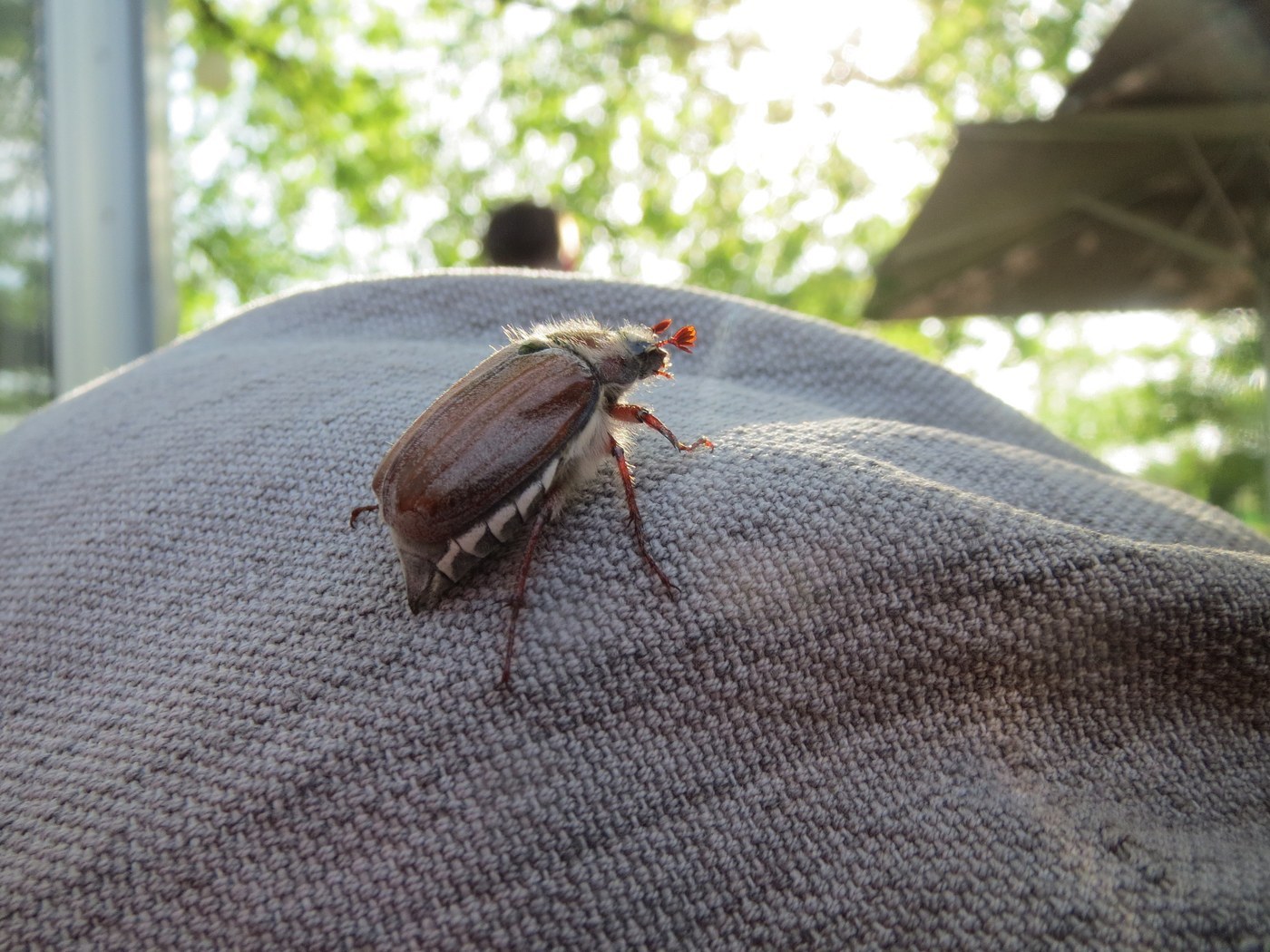
Cockchafer
A large, reddish-brown scarab beetle with distinctive fan-shaped antennae, famous for its noisy, clumsy evening flights around trees in late spring, giving rise to its alternate name, the May bug.
beetle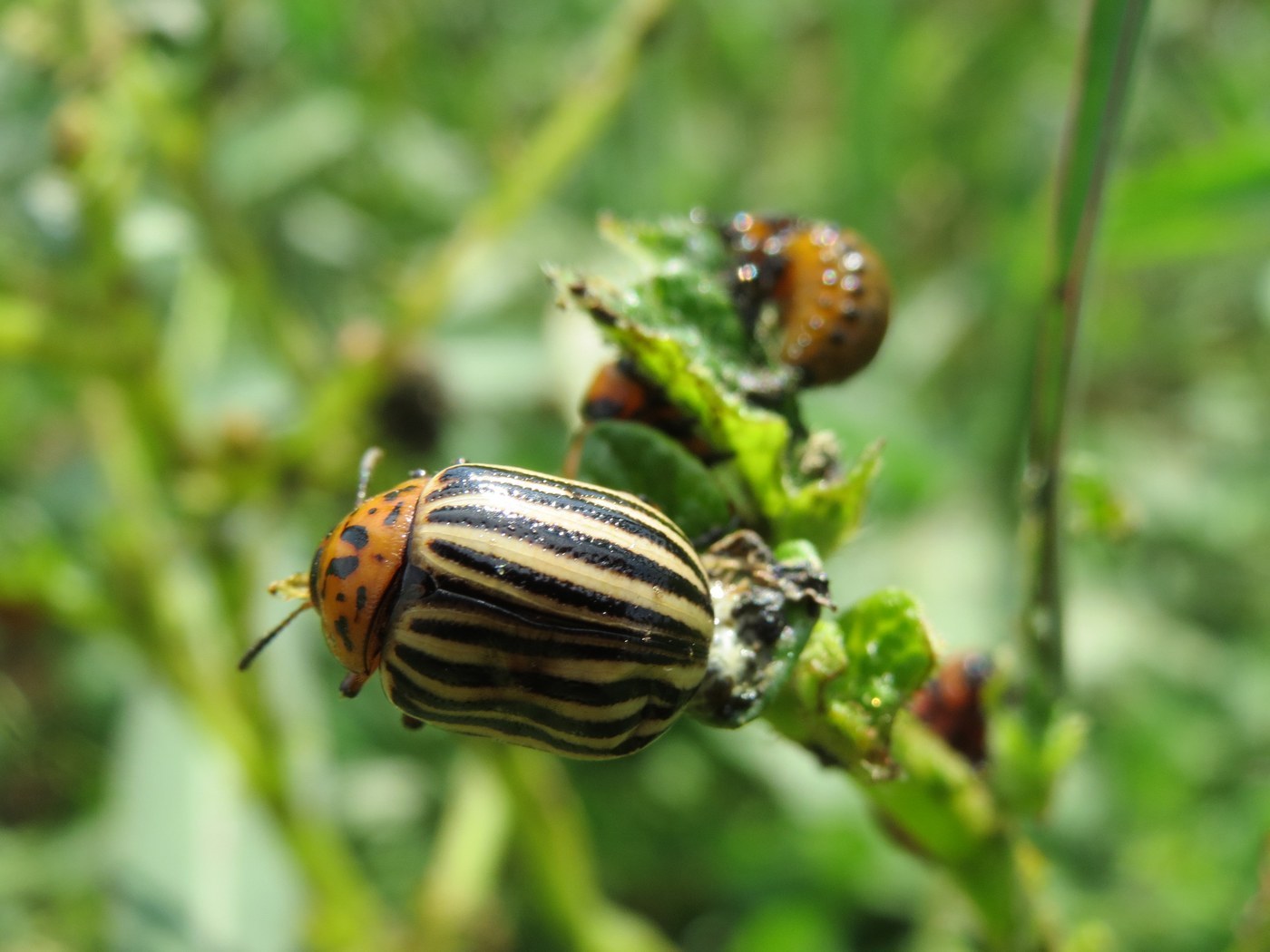
Colorado Potato Beetle
A rounded, boldly striped yellow-and-black beetle that is one of the most notorious defoliators of potato plants, easily spotted marching across leaves in gardens and fields.
beetleArmy Ant
A nomadic predator that never builds a permanent nest, instead forming temporary living bivouacs from its own linked bodies and sweeping through the forest floor in massive predatory raids.
ant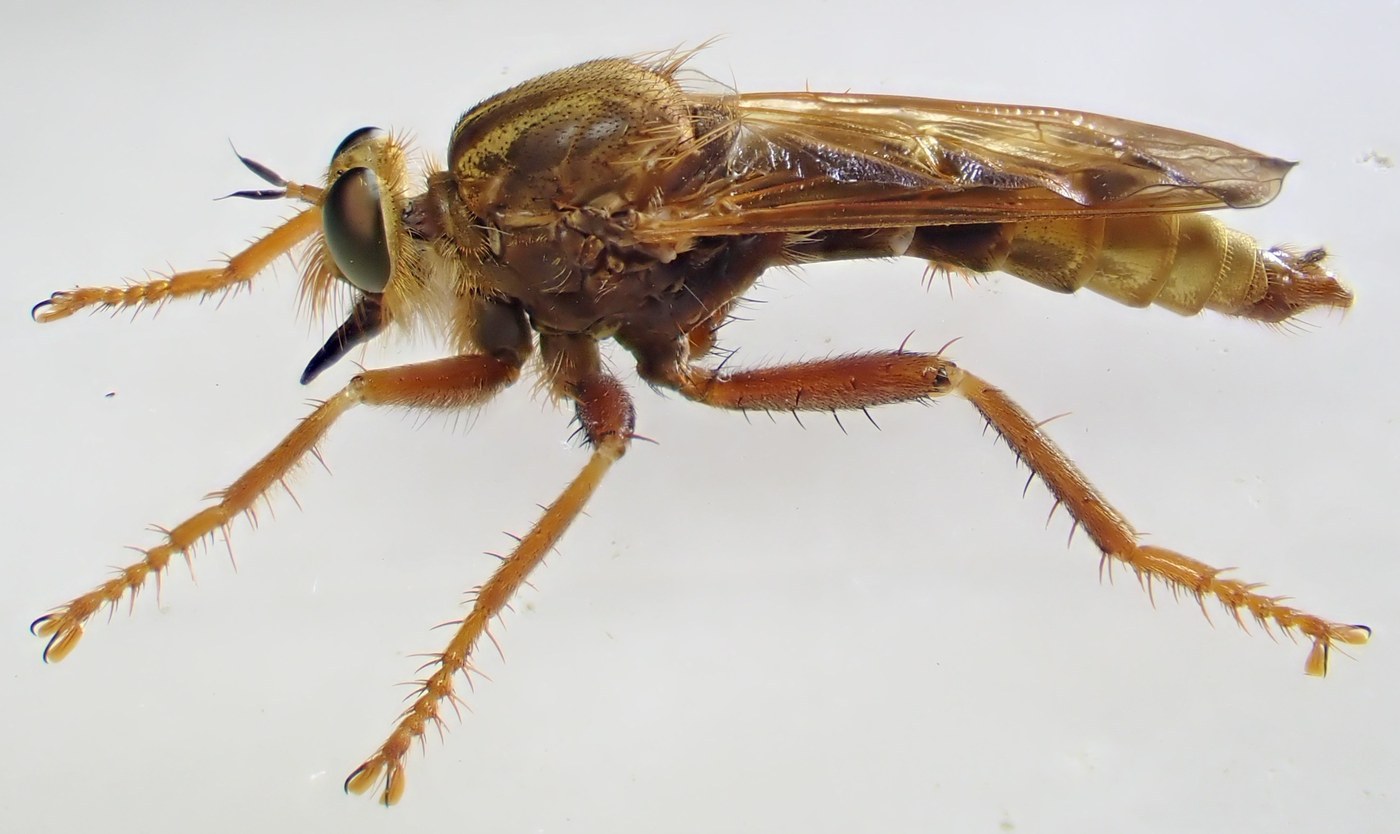
Robber Fly
A powerfully built, bristly-faced predatory fly that ambushes other flying insects in midair, piercing them with a stout beak-like proboscis.
fly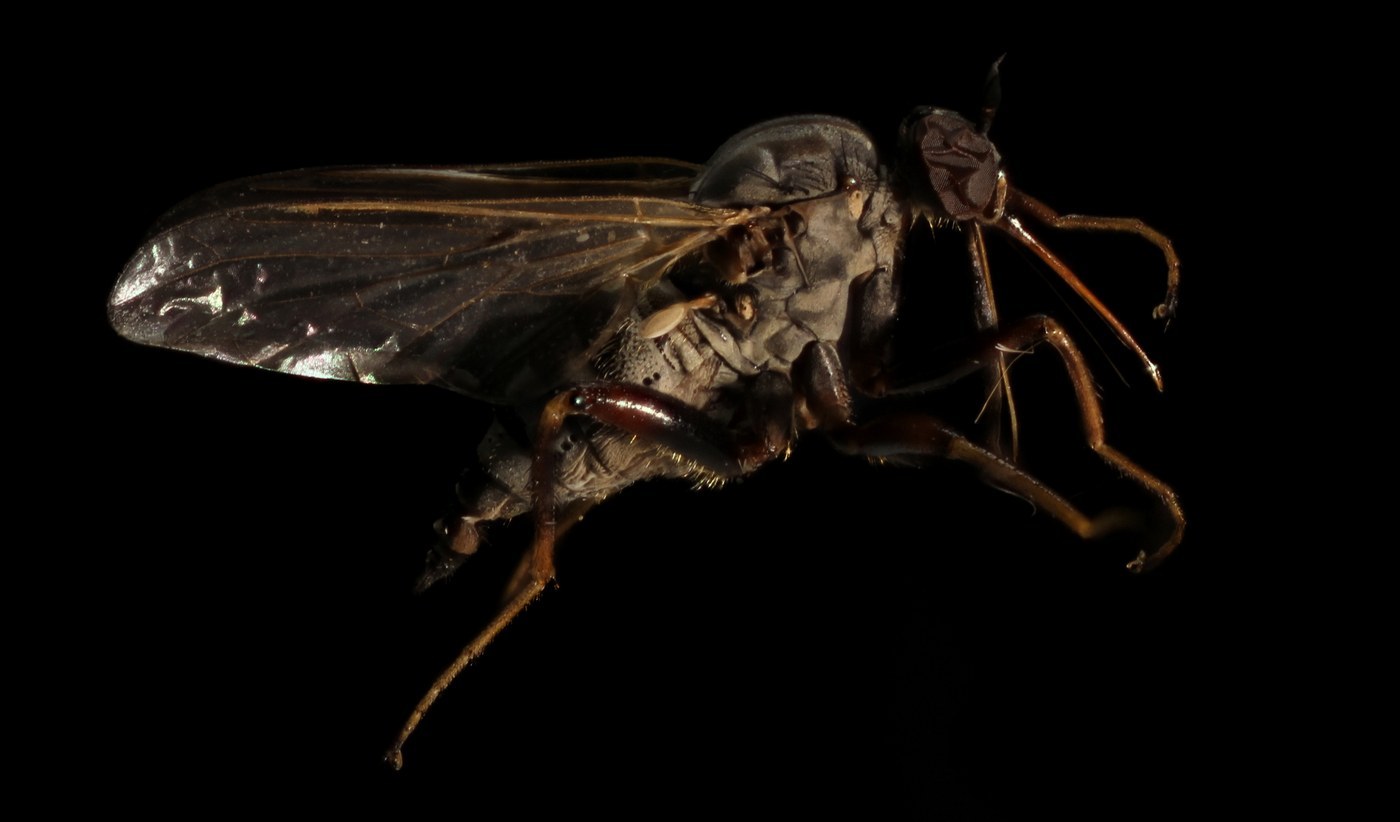
Dance Fly
A slender, long-legged predatory fly named for the swarming courtship dances males perform at dusk, often while carrying a captured insect as an offering.
flyBackswimmer
A boat-shaped aquatic true bug that swims upside down using oar-like hind legs, patrolling pond water in search of small prey.
aquatic-insectPill Millipede
A short, heavily armored millipede that rolls into a tight, perfect ball when disturbed, closely resembling a pill bug but built from far fewer, broader body segments.
myriapod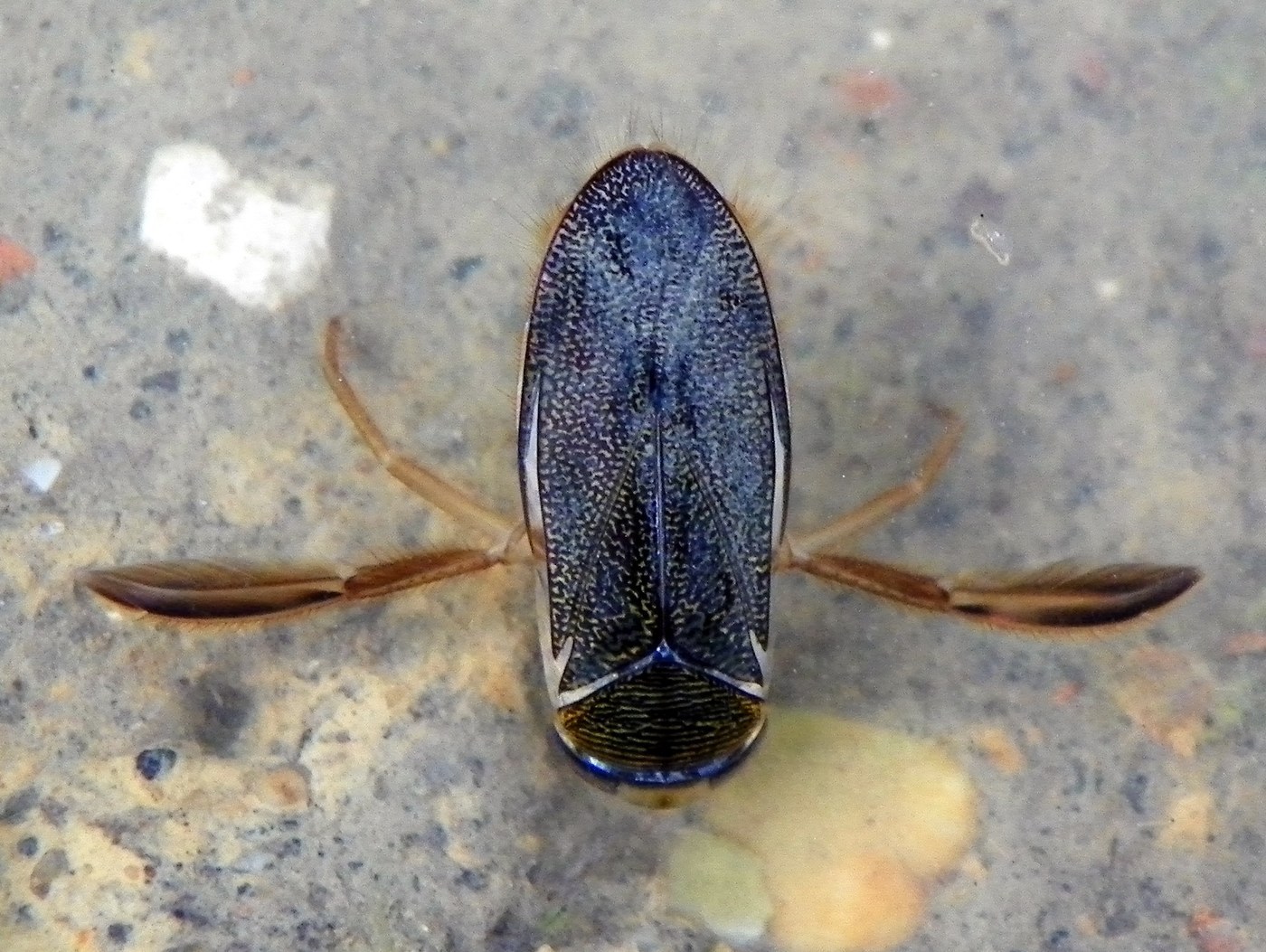
Lesser Water Boatman
A flat-backed, oar-legged true bug that rows through pond water with fringed hind legs, surfacing periodically to trap a silvery bubble of air against its body.
true-bug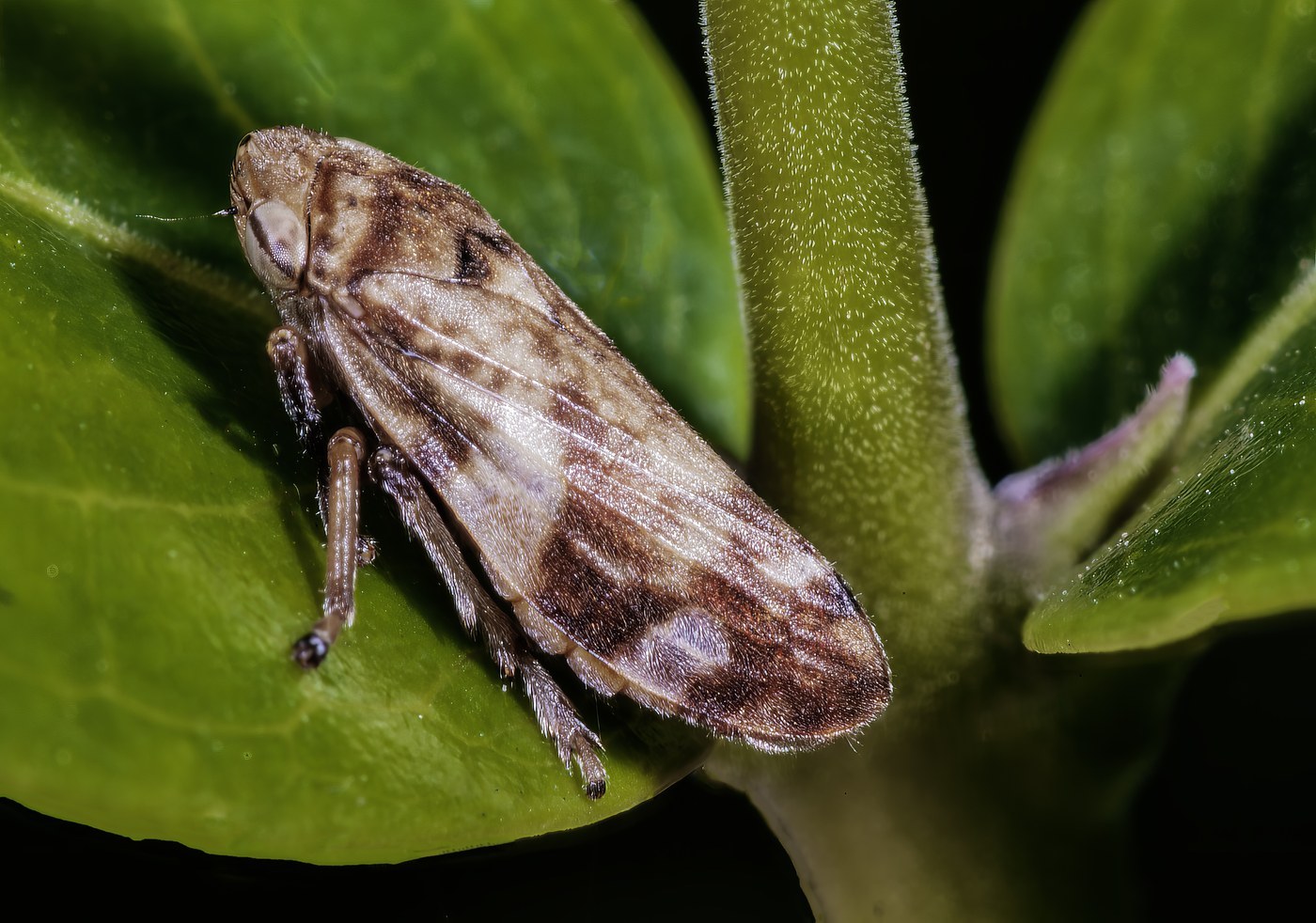
Meadow Spittlebug
A small, mottled hopping true bug whose immature nymphs are far more often noticed than the adults, hidden inside frothy blobs of white foam known as cuckoo spit on plant stems.
true-bug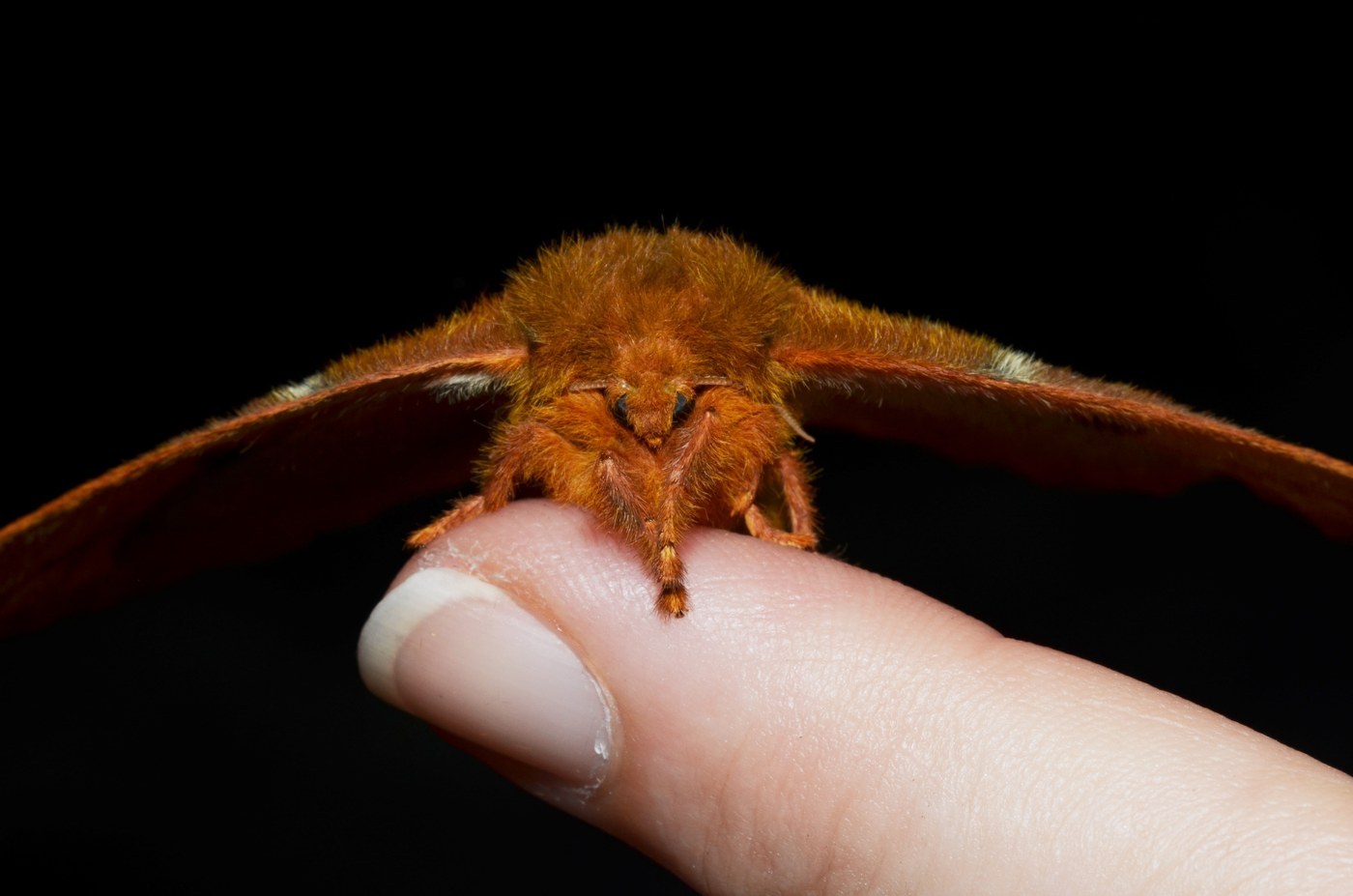
Io Moth Caterpillar
A bright lime-green caterpillar bristling with clusters of branching, stinging spines and thin red and white racing stripes along its sides.
caterpillar-larva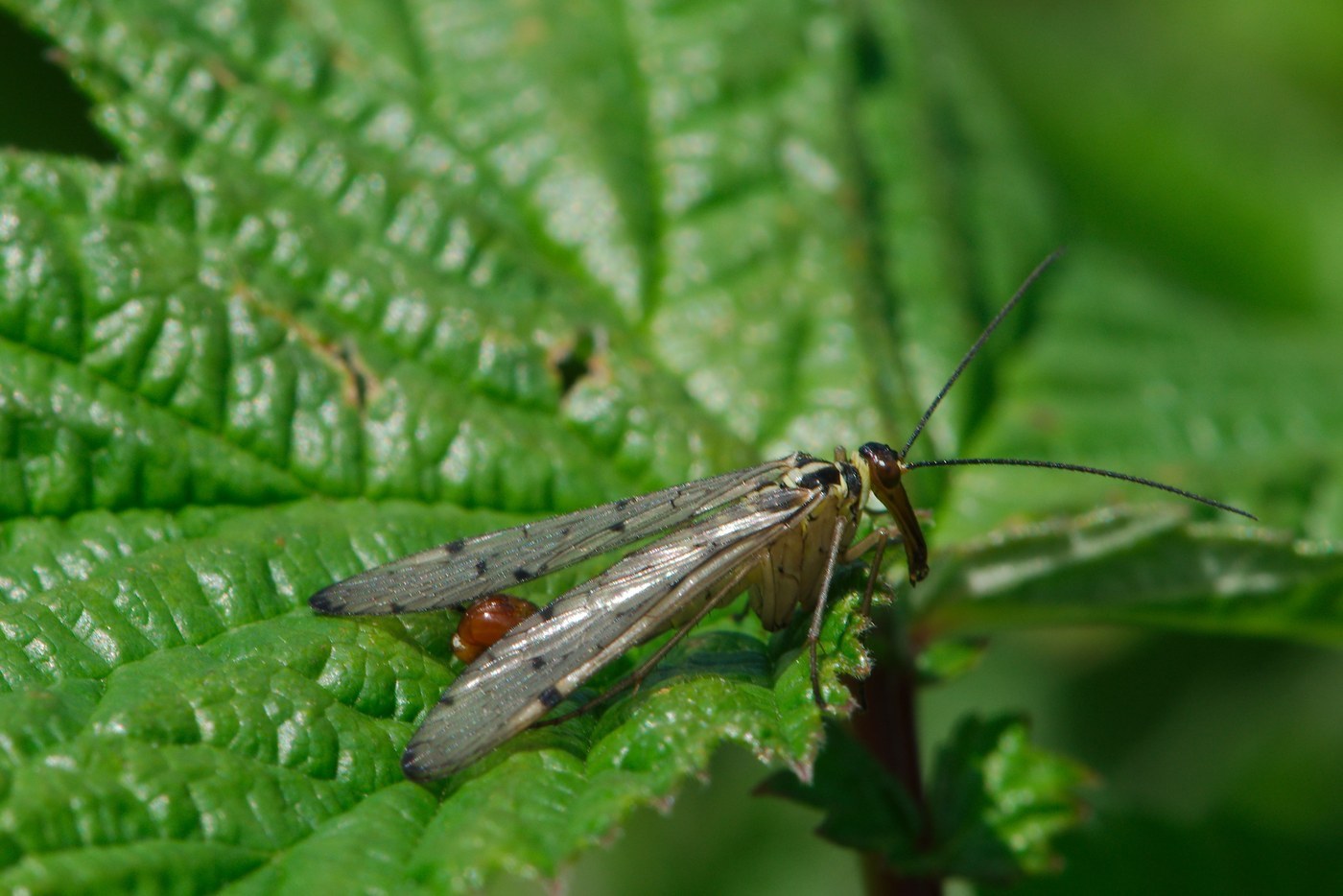
Scorpionfly
A harmless scavenger whose alarming name comes from the male's swollen, upturned abdominal tip, which curls like a scorpion's tail but carries no sting.
otherSpiny Oak-slug Caterpillar
A tiny, flattened slug-shaped caterpillar in shades of green, orange, or purple, bristling with clusters of branched spines that can deliver a sting if handled.
caterpillar-larva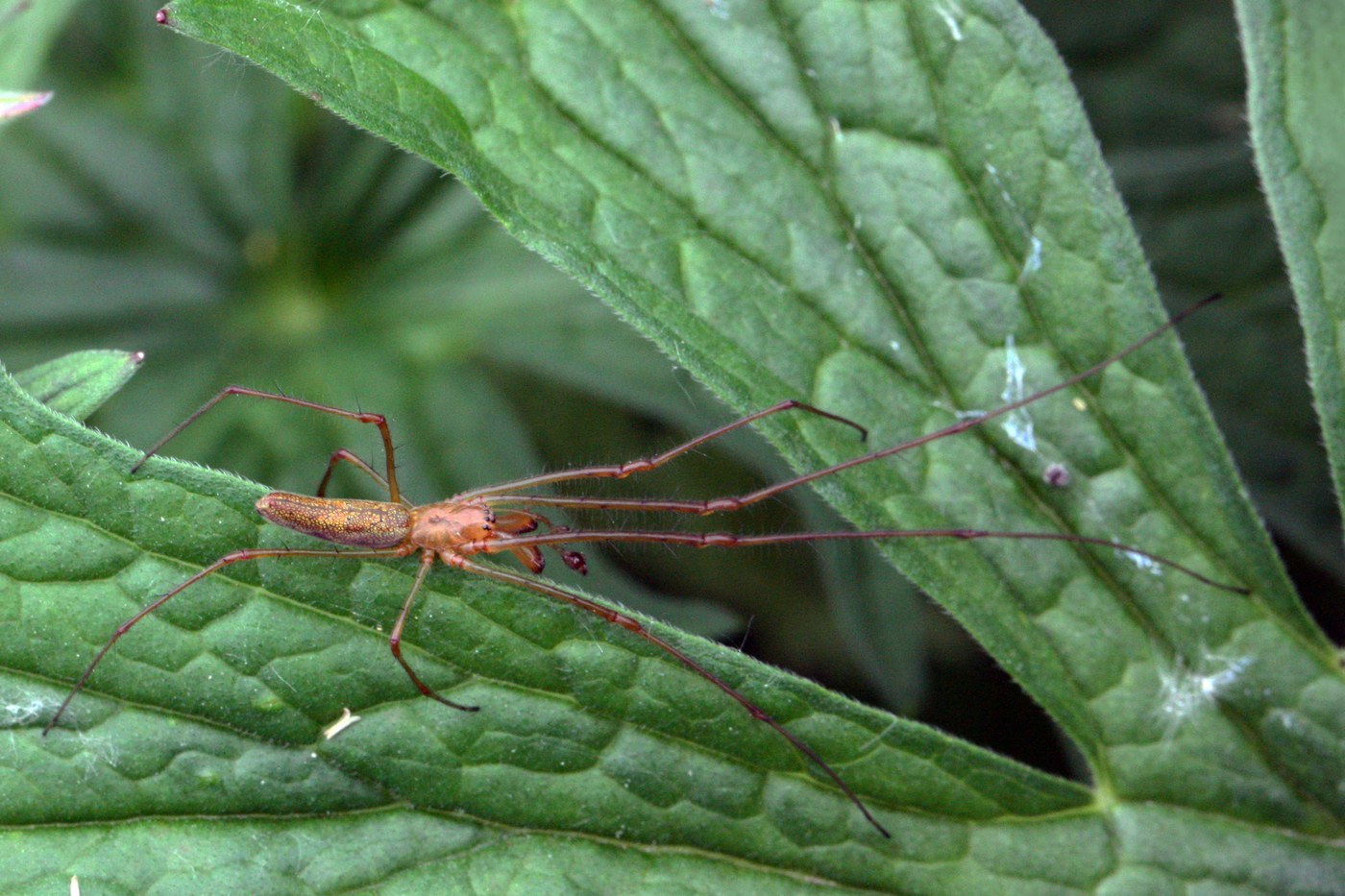
Long-jawed Orb Weaver
A slender, stick-like spider with oversized jaws that stretches its legs flat along a stem or spins a loose orb web low over water.
spiderSawfly
A wasp relative that never stings, best known for its caterpillar-like larvae that strip leaves from roses, pines, and other garden plants in tidy rows.
waspIchneumon Wasp
A slender, long-antennaed parasitoid wasp, often mistaken for a giant mosquito or a stinging insect, that is best known for the extraordinarily long ovipositor some species use to drill into wood and lay eggs on hidden larvae.
waspOwlfly
An acrobatic, dragonfly-mimicking predator instantly given away by its long, clubbed antennae, a feature no true dragonfly ever has.
otherField Ant
A large, common outdoor ant that builds conspicuous mound nests of soil and plant debris in sunny open ground and defends itself by spraying formic acid rather than stinging.
ant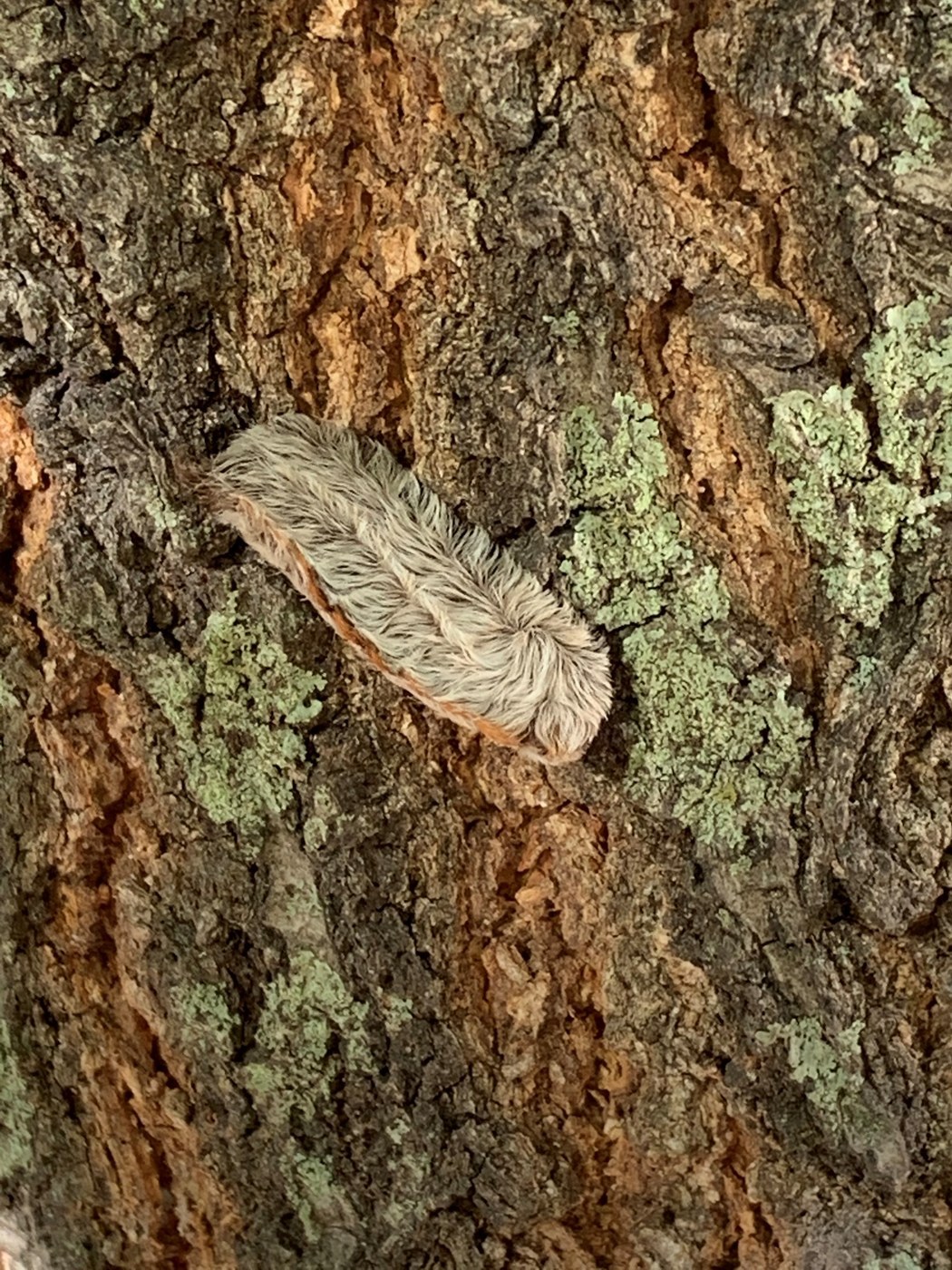
Puss Caterpillar
A caterpillar disguised as a tuft of soft fur, its dense coat of silky hairs conceals rows of spines beneath, making it one of the most deceptively harmless-looking stinging caterpillars in North America.
caterpillar-larva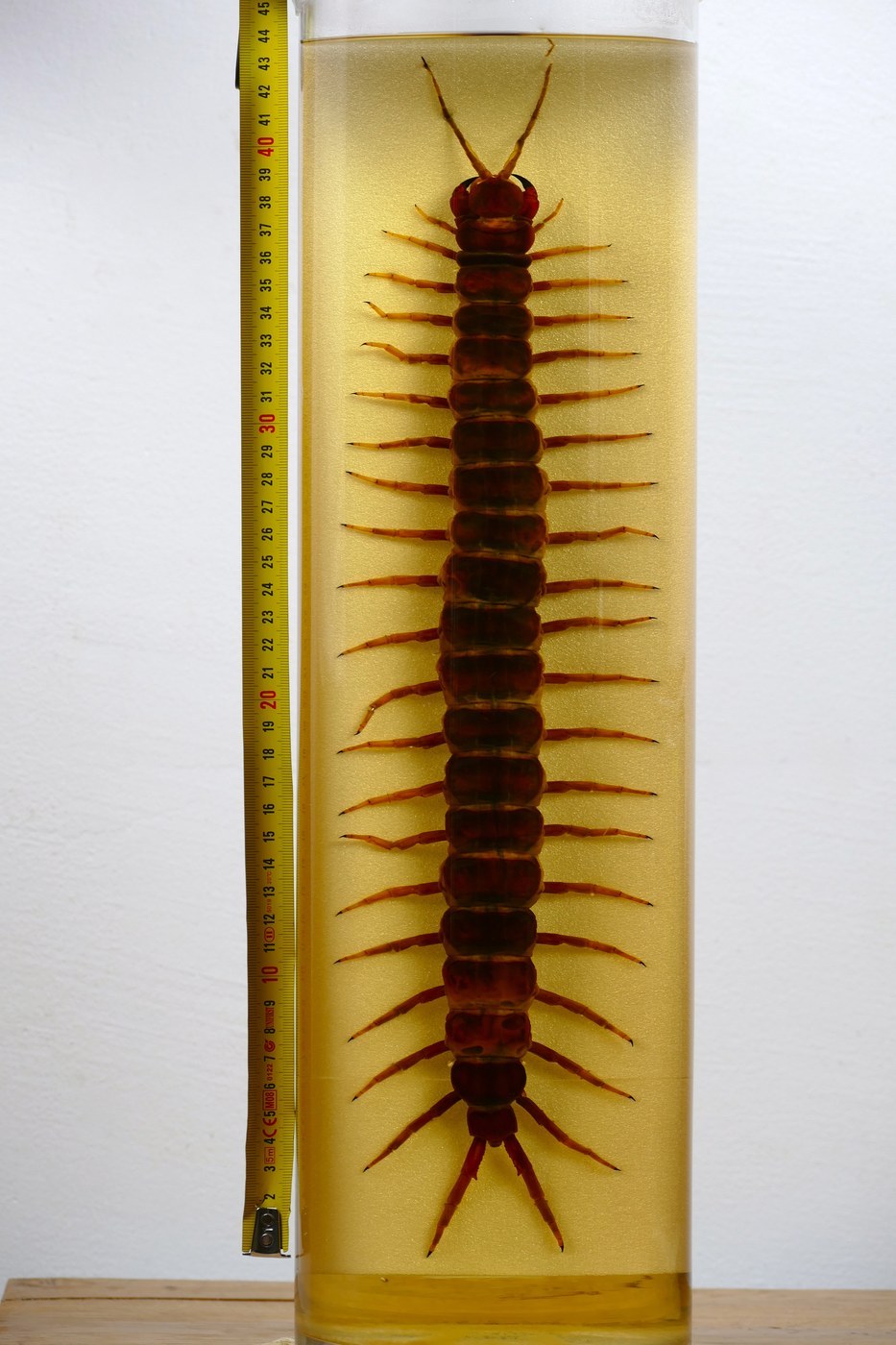
Amazonian Giant Centipede
The largest centipede on the planet, a formidable dark reddish-brown predator from South American rainforests capable of capturing prey as large as bats and small reptiles.
myriapod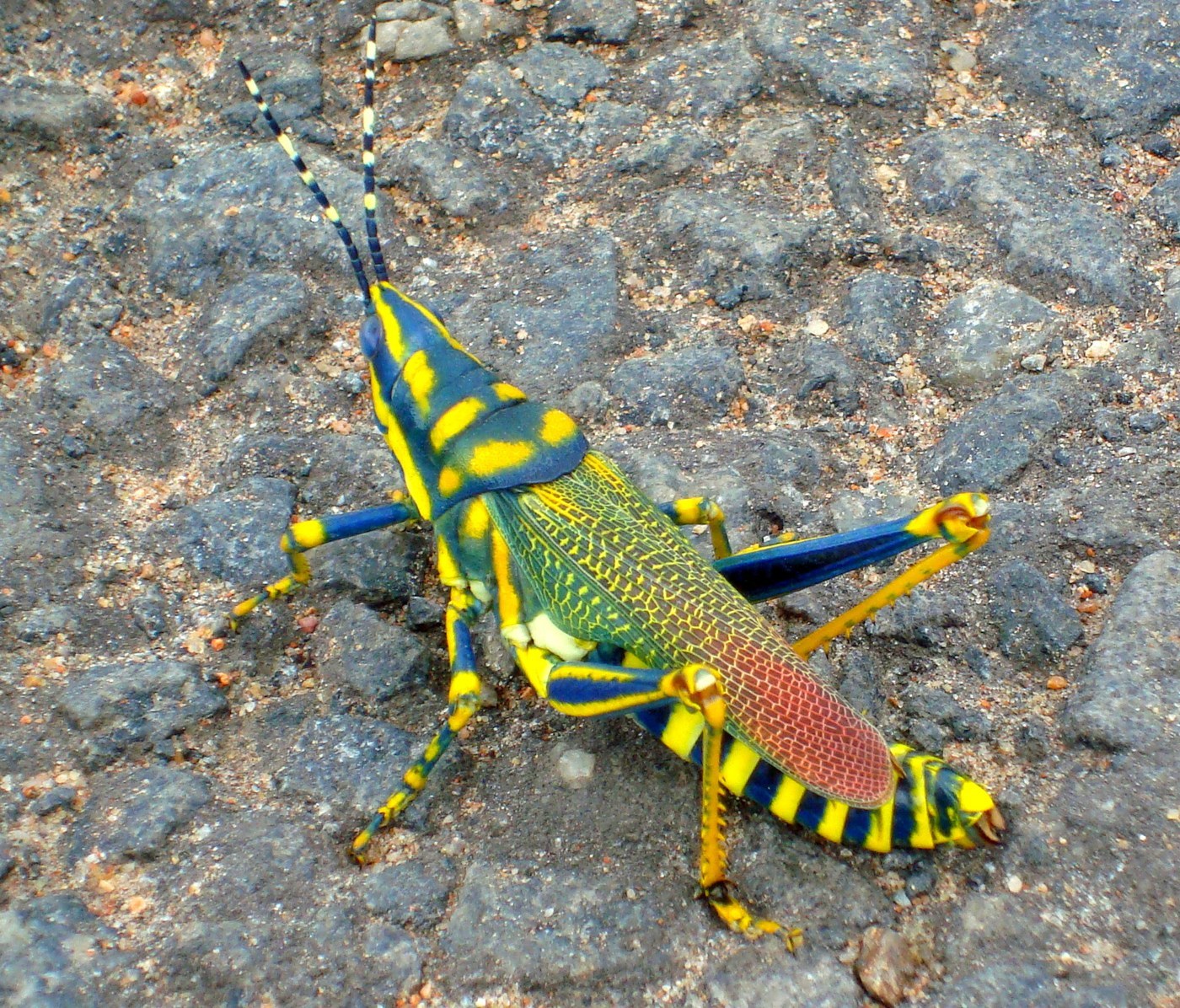
Painted Grasshopper
A large, boldly striped grasshopper of South Asia whose vivid green, yellow, and black pattern warns predators that it has fed on toxic milkweed plants.
grasshopper-cricketBrown Lacewing
Smaller and less conspicuous than its green relatives, the Brown Lacewing is a subtle but effective predator of aphids and other tiny insects in gardens, forests, and orchards.
other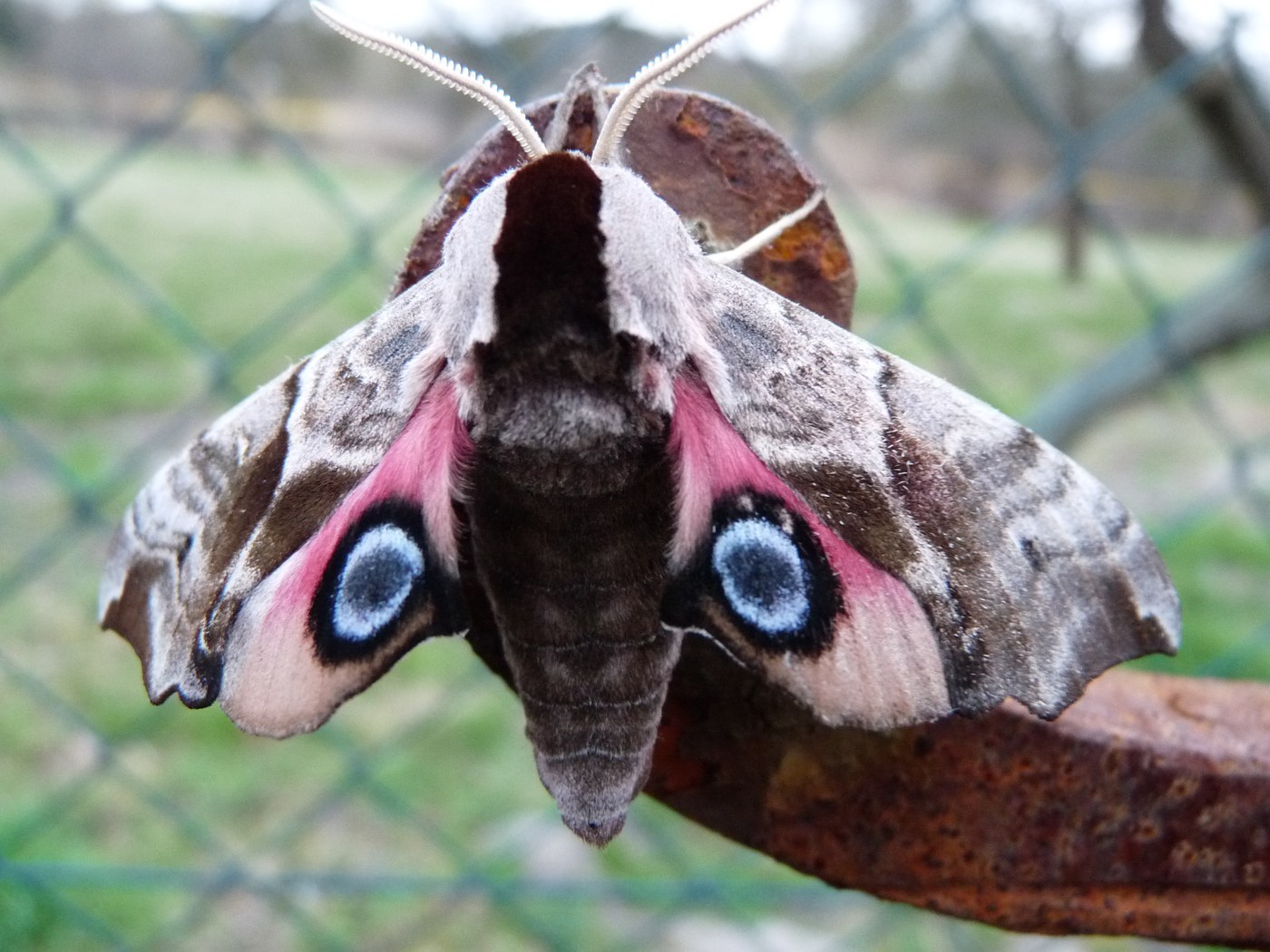
Eyed Hawk-Moth
A pinkish-brown hawk-moth that reveals a pair of large, blue-and-black eyespots on its hindwings when threatened, using the sudden flash of "eyes" to startle would-be predators.
moth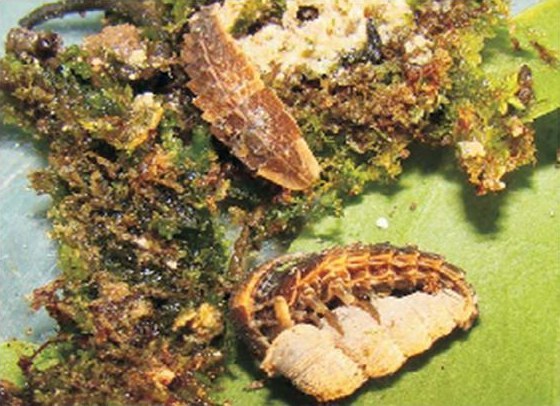
Fireflies Larvae Glowworm
The larval form of fireflies, often called glowworms, are flattened, segmented crawlers that glow with a steady greenish light. These little predators hunt slugs, snails, and worms in damp ground.
beetleDragonhunter
North America's largest clubtail, the Dragonhunter is a powerful predator that lives up to its name by capturing and eating other dragonflies, including species nearly its own size.
dragonfly