
Bug Encyclopedia
Search and identify bugs & insects — beetles, butterflies, moths, ants, bees, spiders and more — with size, habitat, danger, behavior, and how to tell them apart.
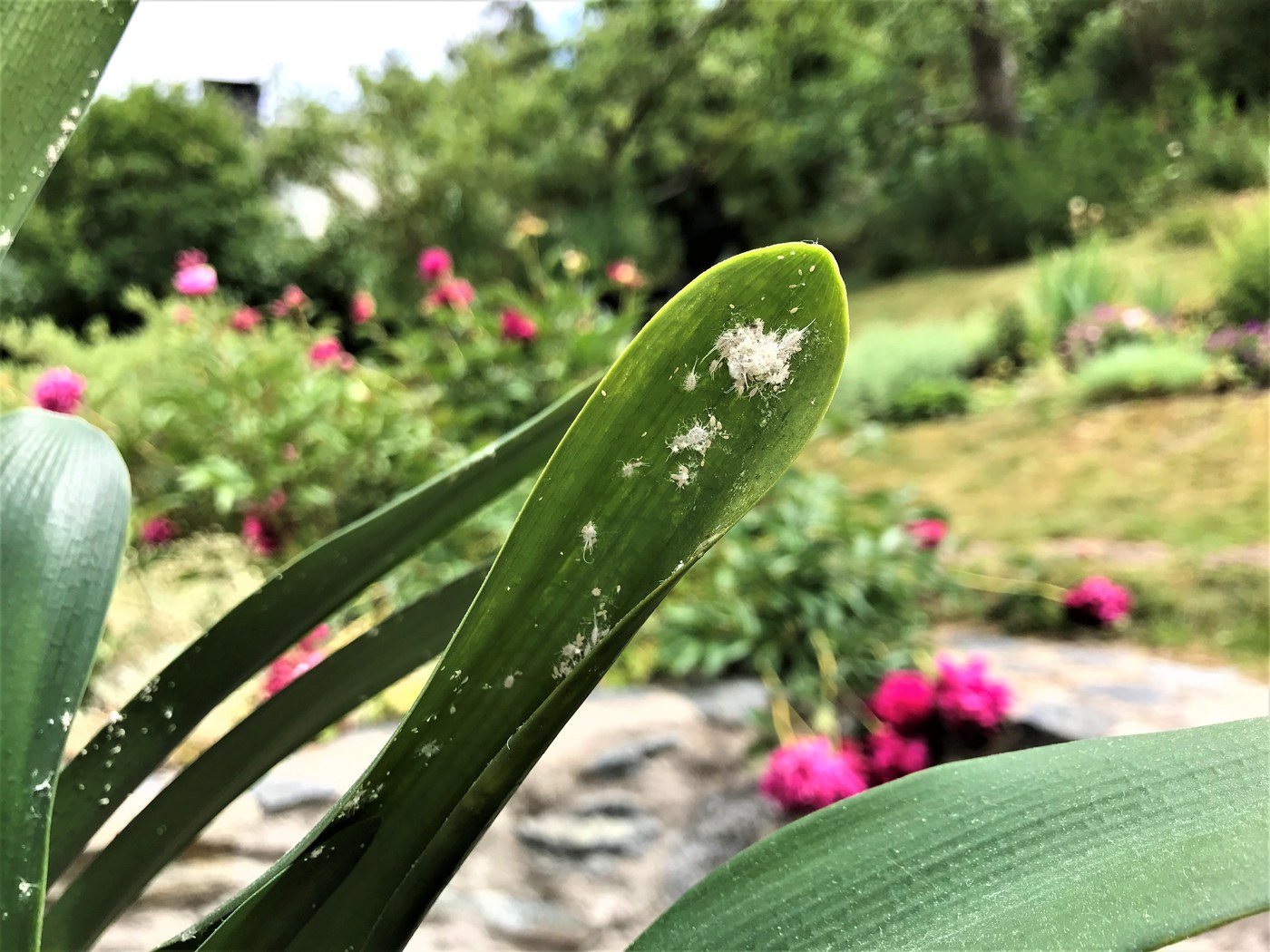
Mealybug
A soft, oval insect coated in a powdery white waxy secretion that gives it a fuzzy, cotton-like appearance, typically found clustered in leaf joints and along stems of houseplants.
true-bug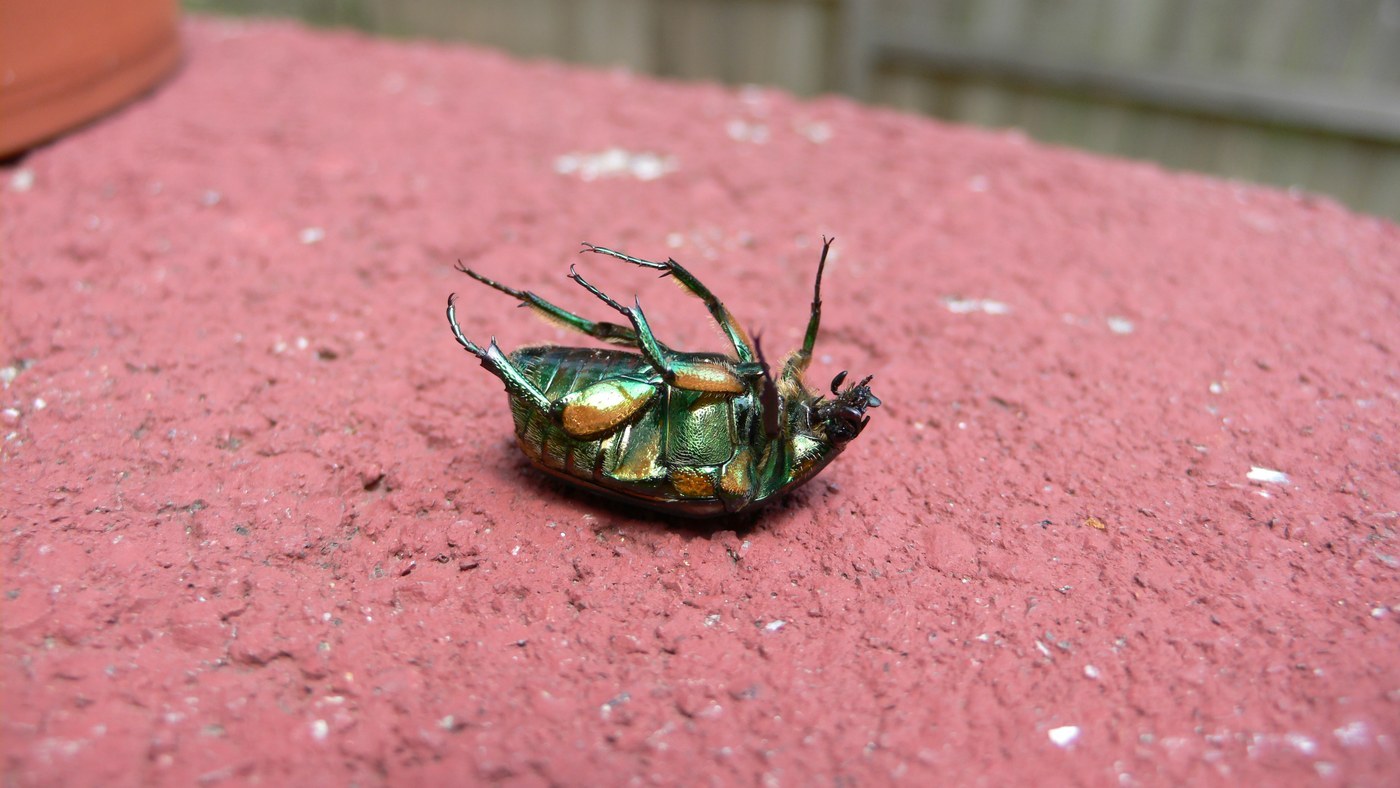
Green June Beetle
A large, velvety green scarab beetle with bronze edges that flies with a loud buzzing drone on warm summer days, often seen around ripening fruit.
beetle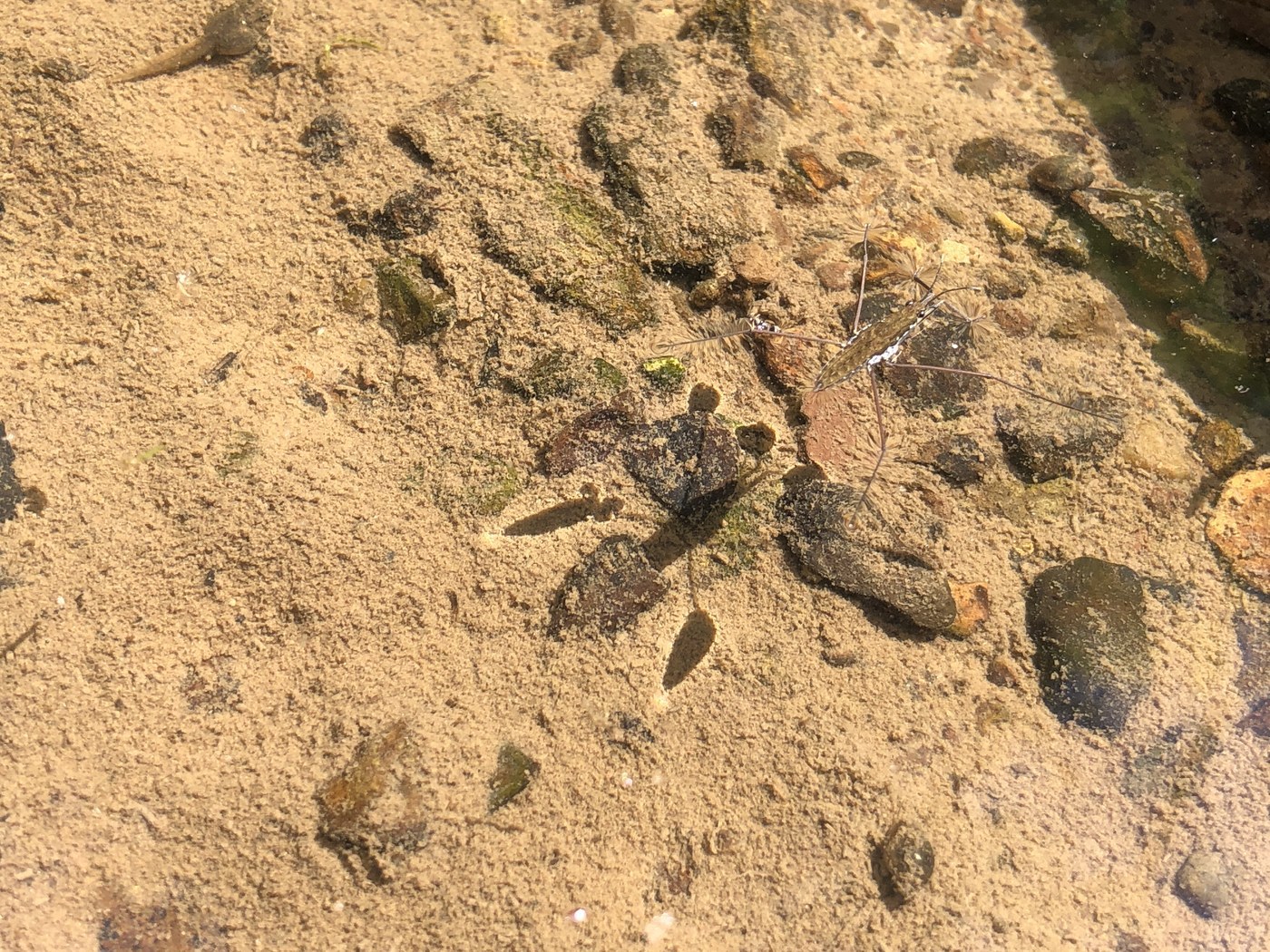
Common Water Strider
Skating effortlessly across the surface film of ponds and slow streams, the common water strider rows itself along on hair-fringed legs to ambush insects trapped in the surface tension.
true-bug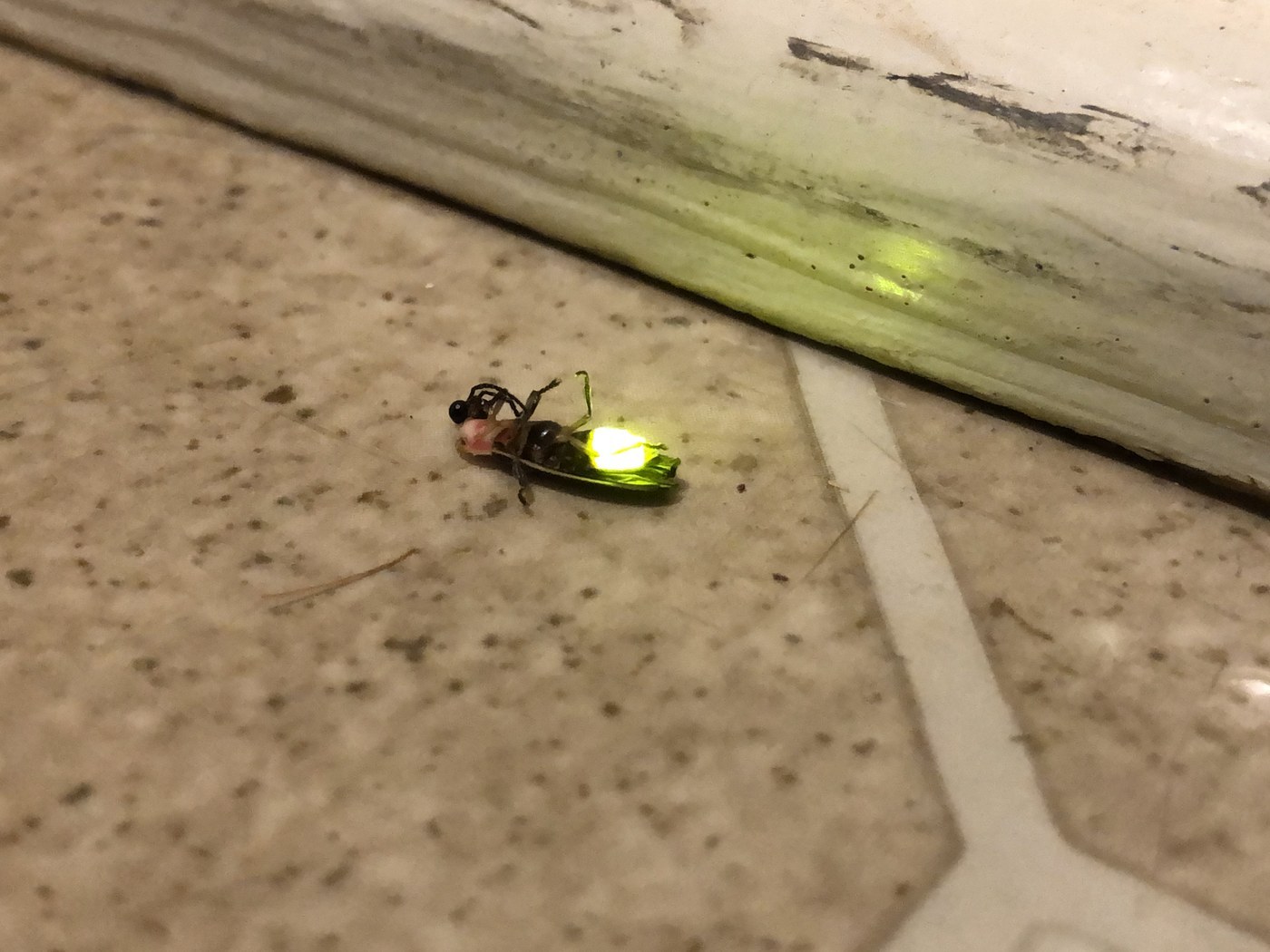
Fireflies
A soft-bodied beetle famous for producing rhythmic, glowing flashes of light from its abdomen at dusk, used to signal and attract mates across meadows and gardens on warm summer evenings.
beetleWhite Grub
A pale, C-shaped larva with a brown head capsule and six stubby legs, spending its entire early life hidden underground feeding on roots before emerging as a stout May or June beetle.
beetle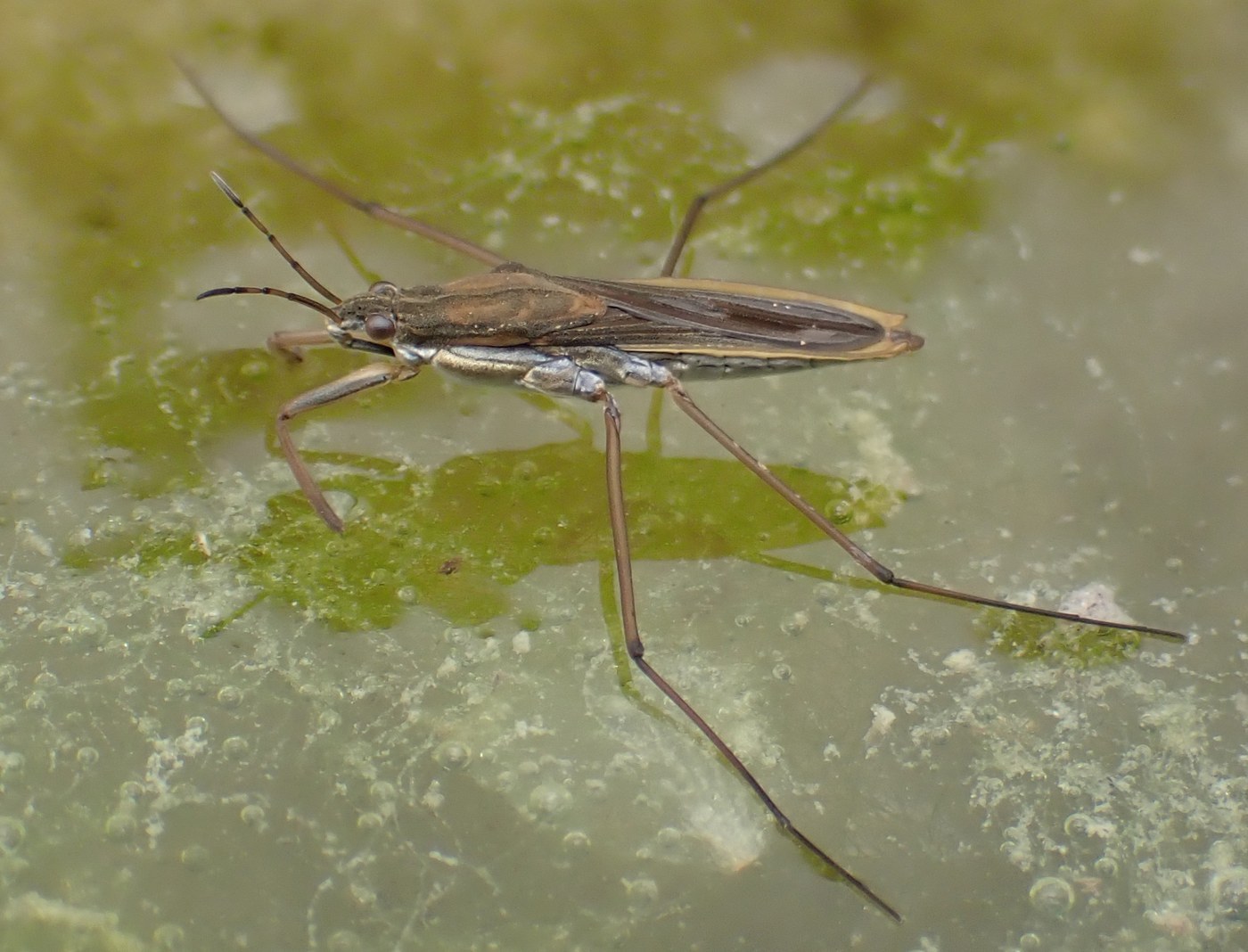
Water Strider
A slender, long-legged true bug famous for skating effortlessly across the surface of ponds and streams using water's surface tension.
aquatic-insect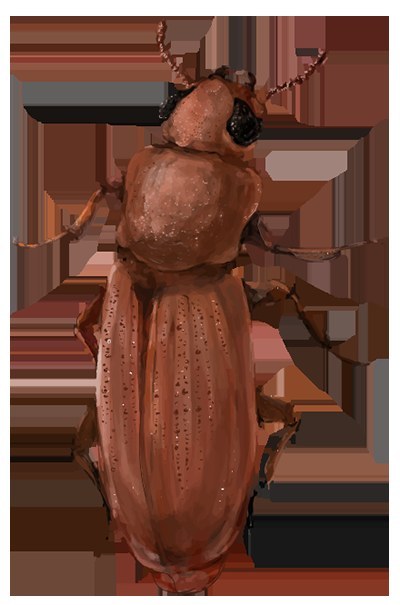
Flour Beetle
A tiny, shiny reddish-brown beetle that infests flour, cereal, and other dry stored foods, often found in dense clustered populations.
beetleJerusalem Cricket
A large, wingless, ground-dwelling insect with a shiny amber body, a strikingly human-like face, and a robust, banded abdomen, most often uncovered while digging in soil.
grasshopper-cricket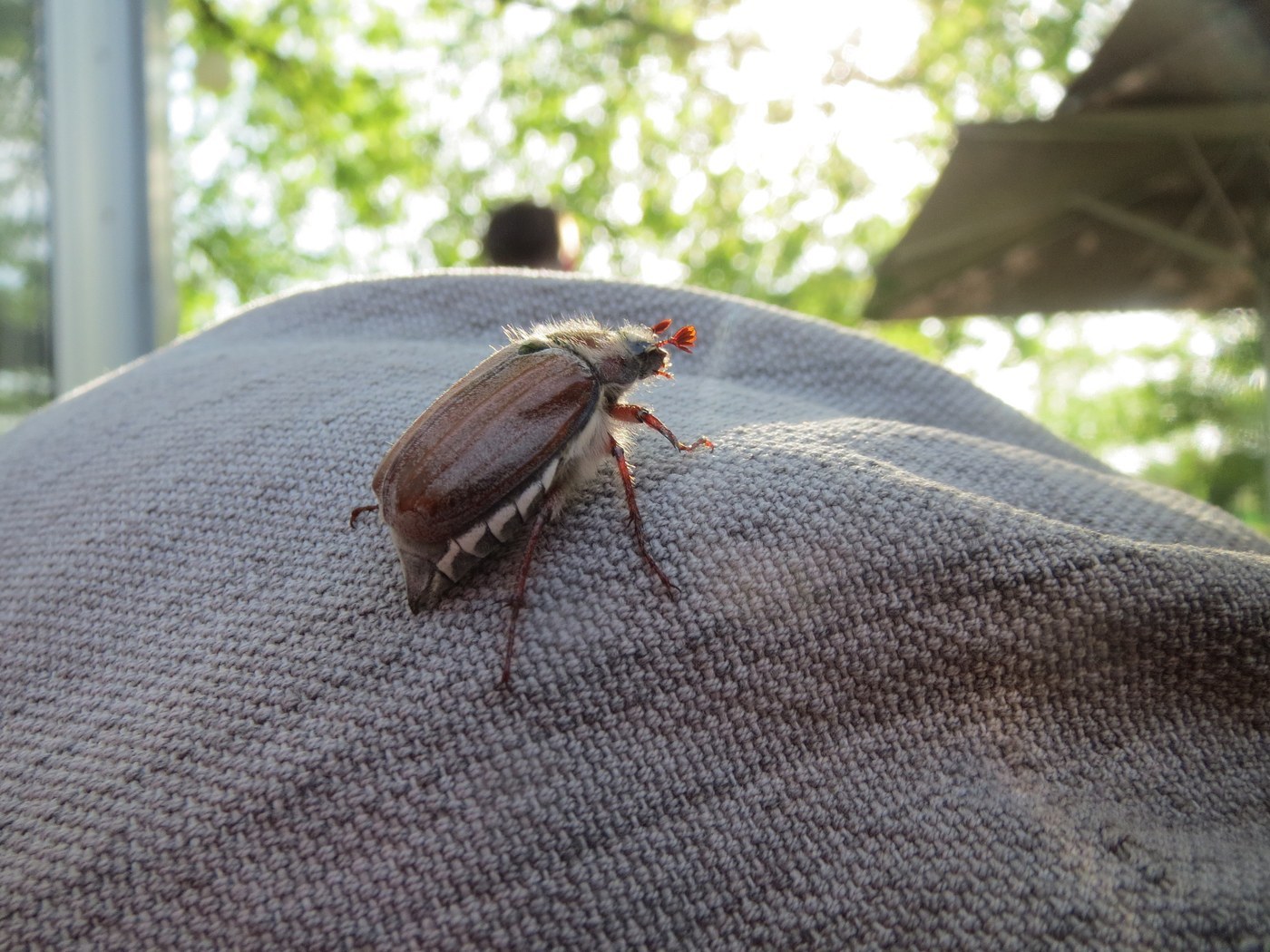
Cockchafer
A large, reddish-brown scarab beetle with distinctive fan-shaped antennae, famous for its noisy, clumsy evening flights around trees in late spring, giving rise to its alternate name, the May bug.
beetle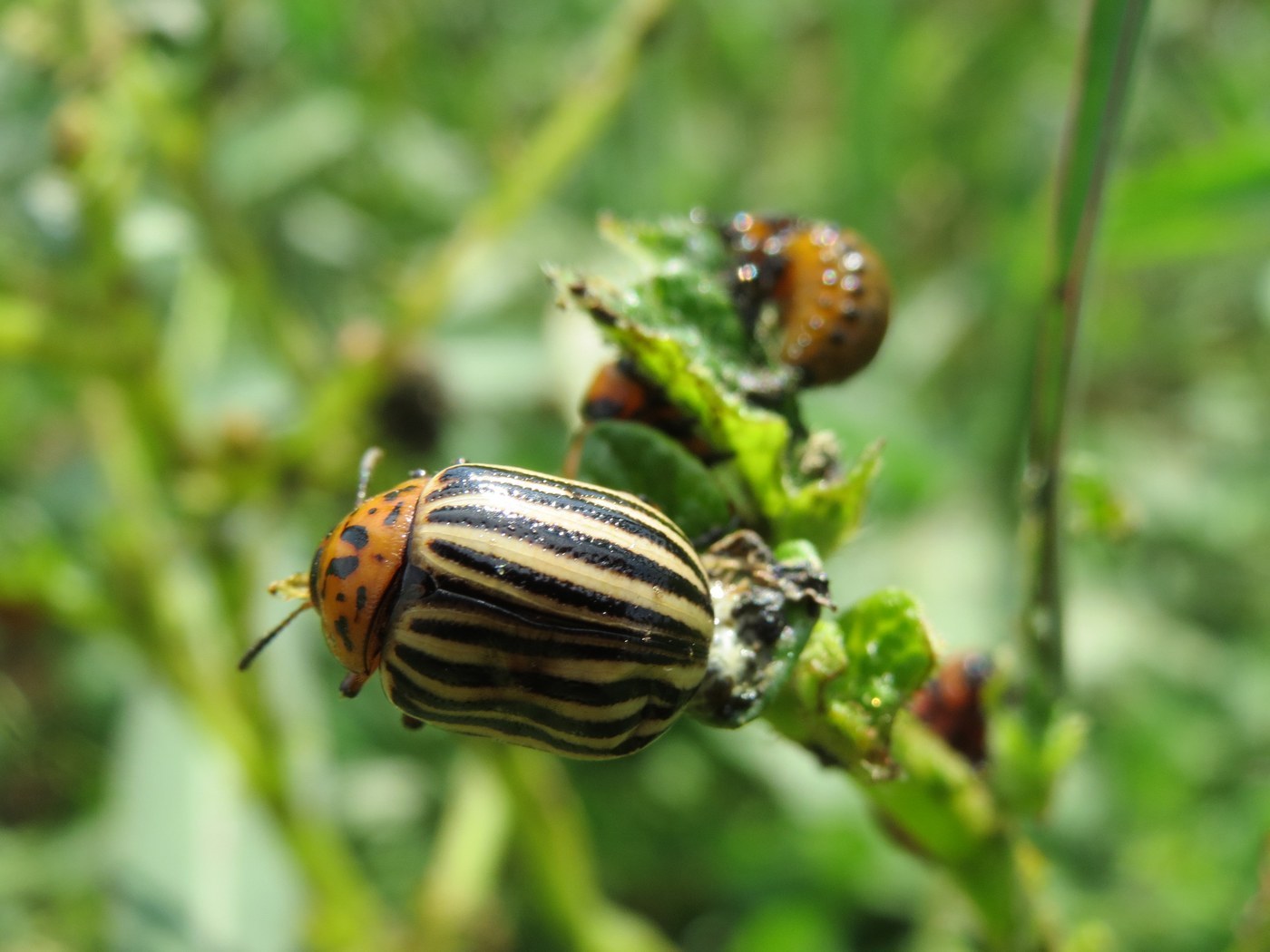
Colorado Potato Beetle
A rounded, boldly striped yellow-and-black beetle that is one of the most notorious defoliators of potato plants, easily spotted marching across leaves in gardens and fields.
beetle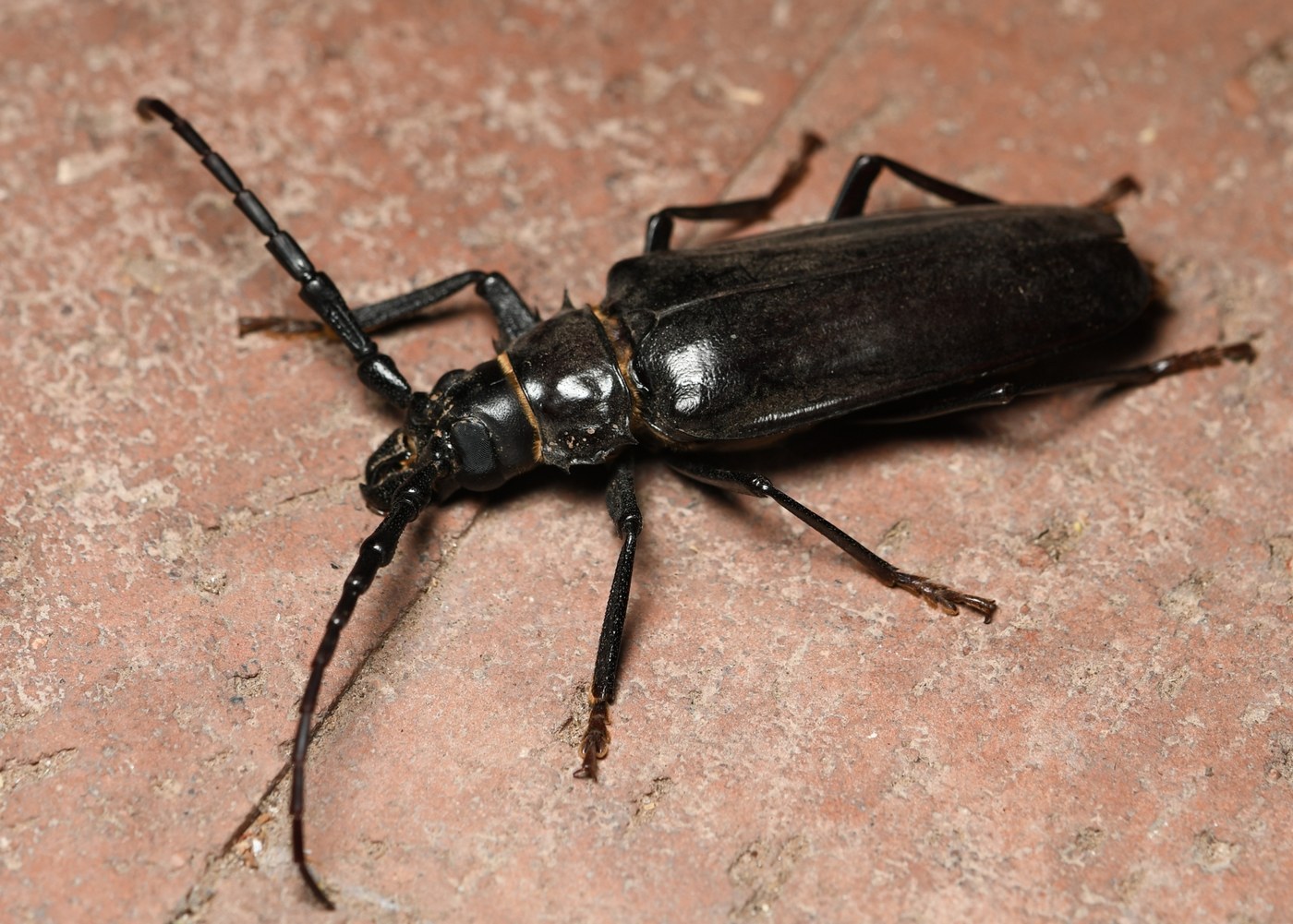
Palo Verde Beetle
One of the largest beetles in North America, a heavy, dark reddish-brown longhorn beetle with long spiny antennae and a loud, buzzing flight that emerges from the desert soil around palo verde and mesquite trees in summer.
beetleSun Spider
A fast-running, fiercely built desert arachnid with oversized jaws, often mistaken for a giant spider despite belonging to an entirely different arachnid order.
arachnidPolyphemus Moth Caterpillar
A plump, apple-green giant silk moth larva with rows of silvery spots that swells to the size of a large finger before spinning a papery brown cocoon.
caterpillar-larva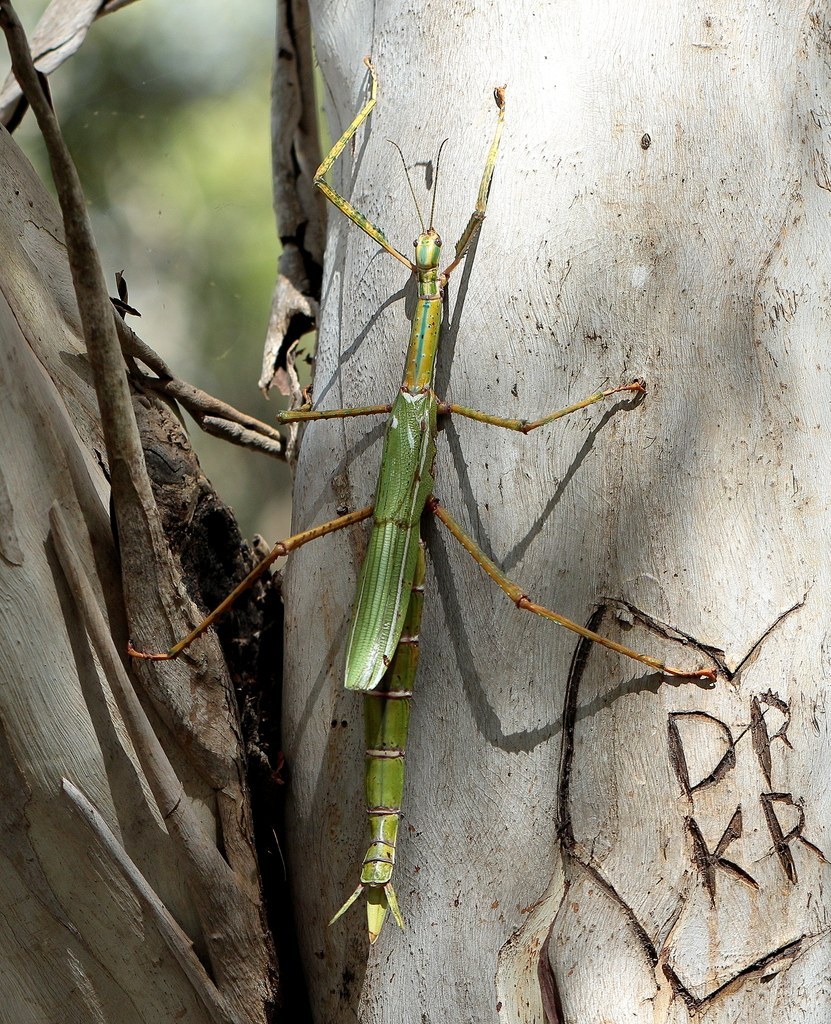
Goliath Stick Insect
One of the largest stick insects in the world, this vivid green giant unfurls startling crimson underwings when startled, briefly abandoning its disguise as foliage.
mantis-stick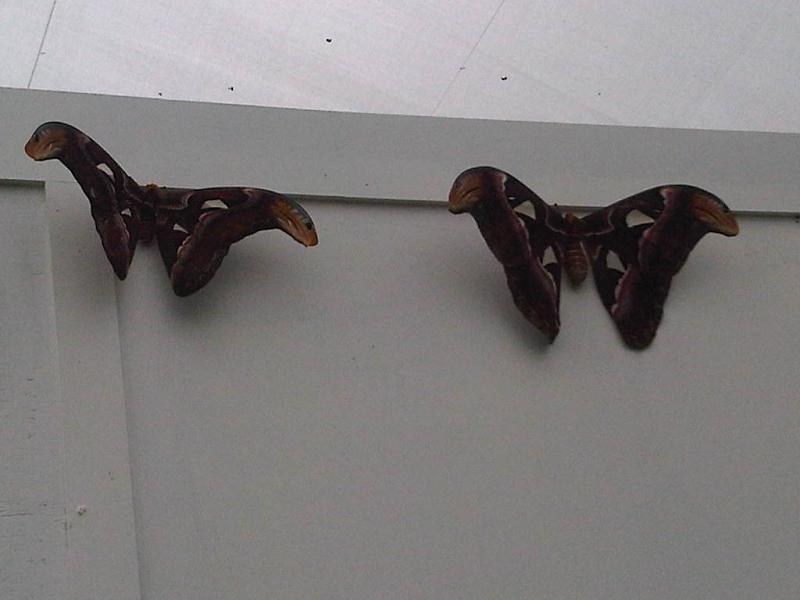
Atlas Moth
One of the largest moths in the world by wing surface area, the Atlas Moth is a giant reddish-brown silkmoth with striking triangular wingtip patches that resemble the heads of snakes.
mothTarantula Hawk Wasp
A giant metallic-blue wasp with rust-orange wings, the tarantula hawk is one of the largest wasps in the world. Females hunt tarantulas as living food for their single offspring.
waspCecropia Moth Caterpillar
North America's largest native caterpillar, a bulky blue-green giant studded with rows of bright red, yellow, and blue knobby tubercles resembling tiny coral formations.
caterpillar-larva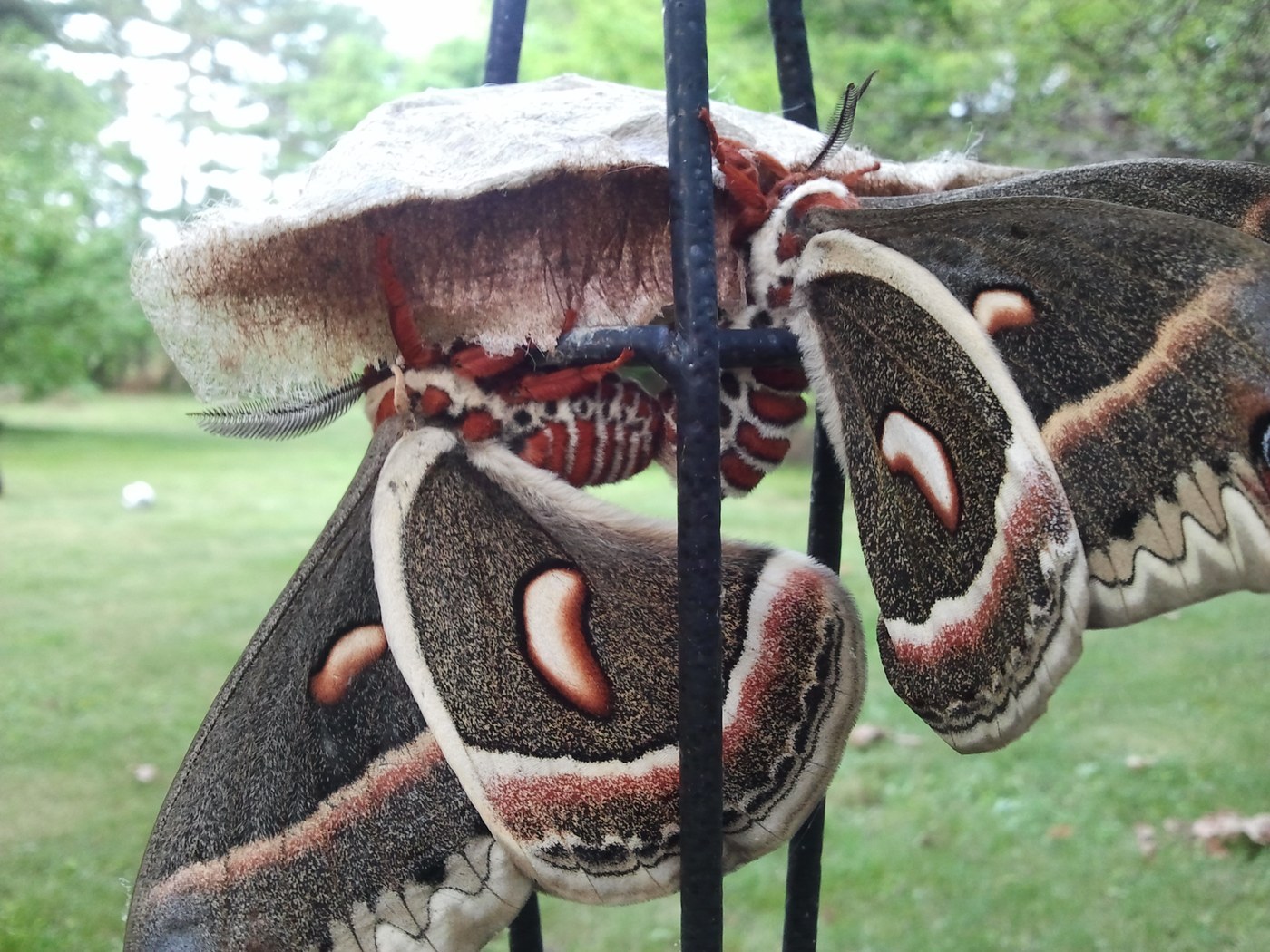
Cecropia Moth
North America's largest native moth, the Cecropia is a spectacular giant silkmoth with reddish-brown wings marked by crescent-shaped white spots and bold bands of red, white, and tan.
moth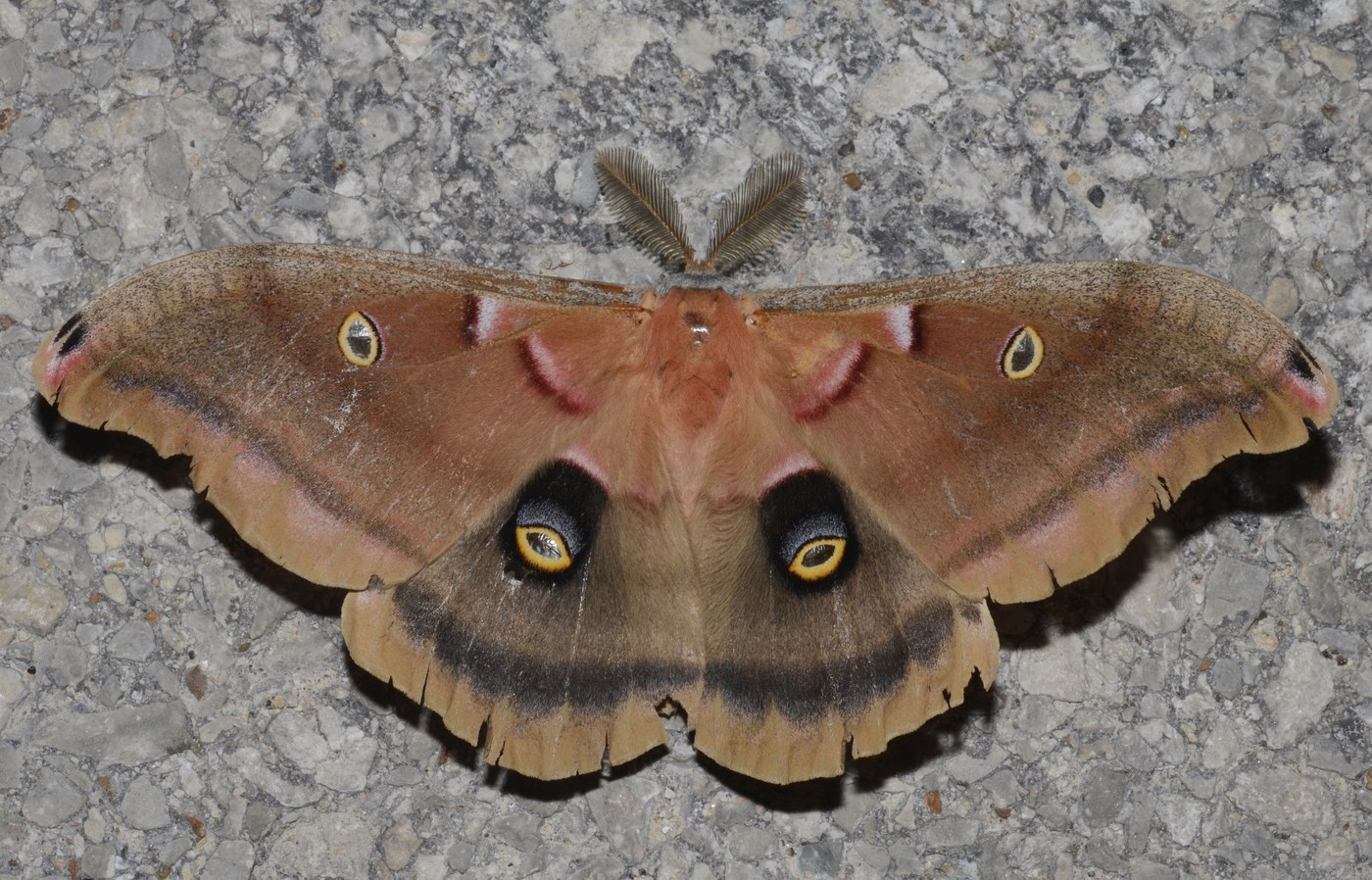
Polyphemus Moth
A large tan-to-golden-brown silkmoth named for the mythological one-eyed giant, thanks to the single large, transparent eyespot on each hindwing that flashes into view when the moth is startled.
moth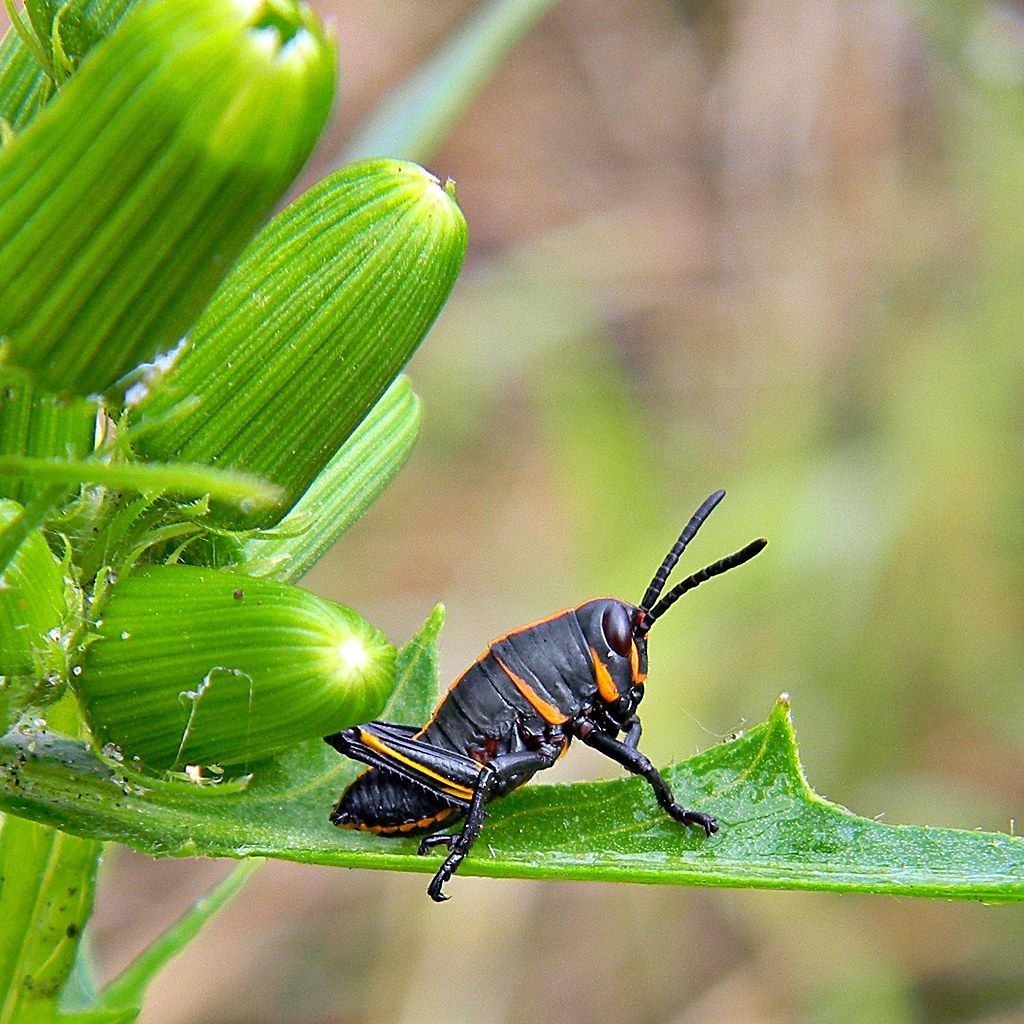
Eastern Lubber Grasshopper
One of the largest grasshoppers in North America, the eastern lubber is a slow, flightless giant clad in bold black, yellow, and red that announces its presence rather than hiding from it.
grasshopper-cricket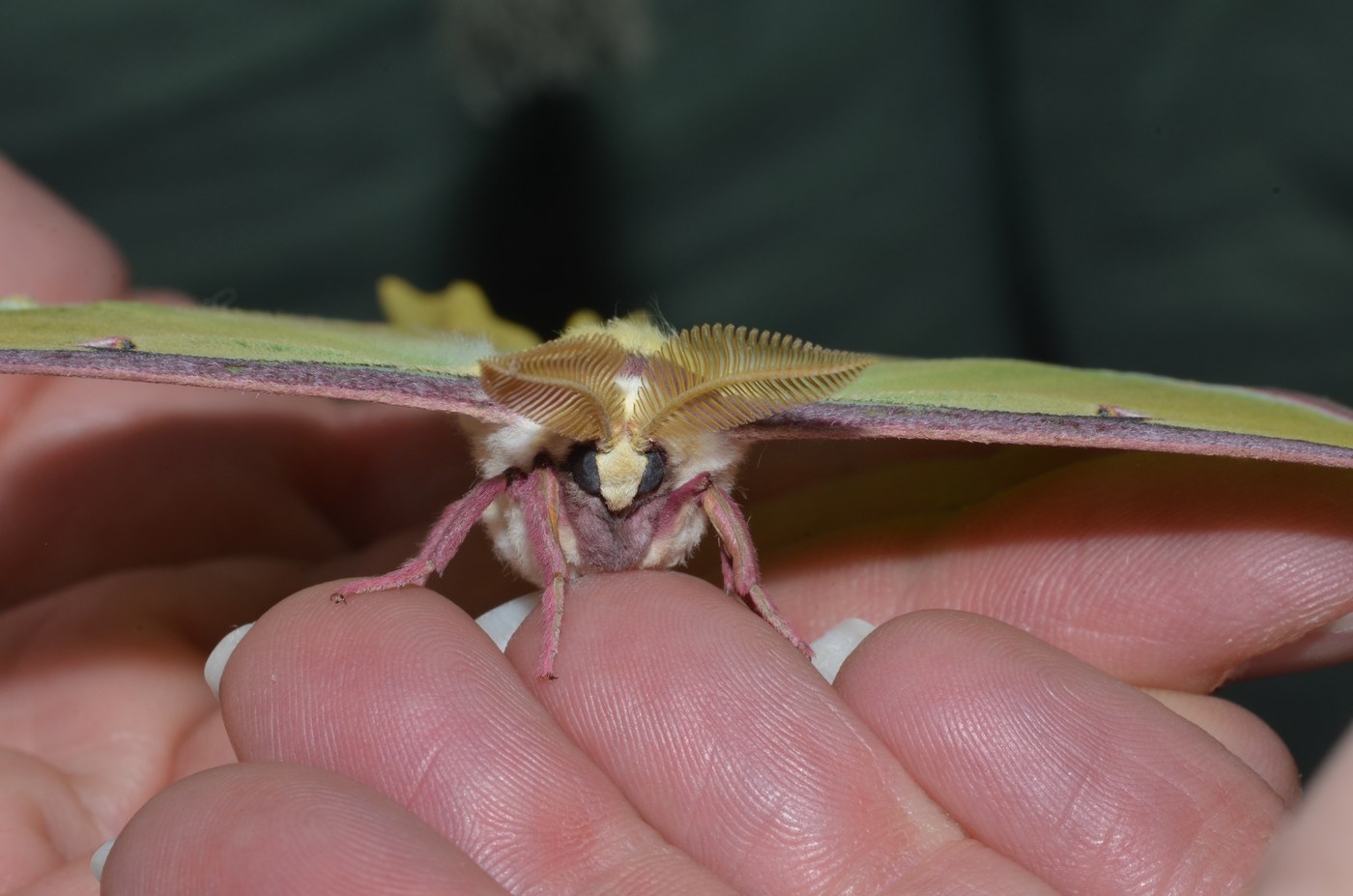
Luna Moth Caterpillar
A large, plump, apple-green caterpillar with faint yellow side stripes and rows of small red-orange tubercles, the larval form of one of North America's most beautiful giant silk moths.
caterpillar-larva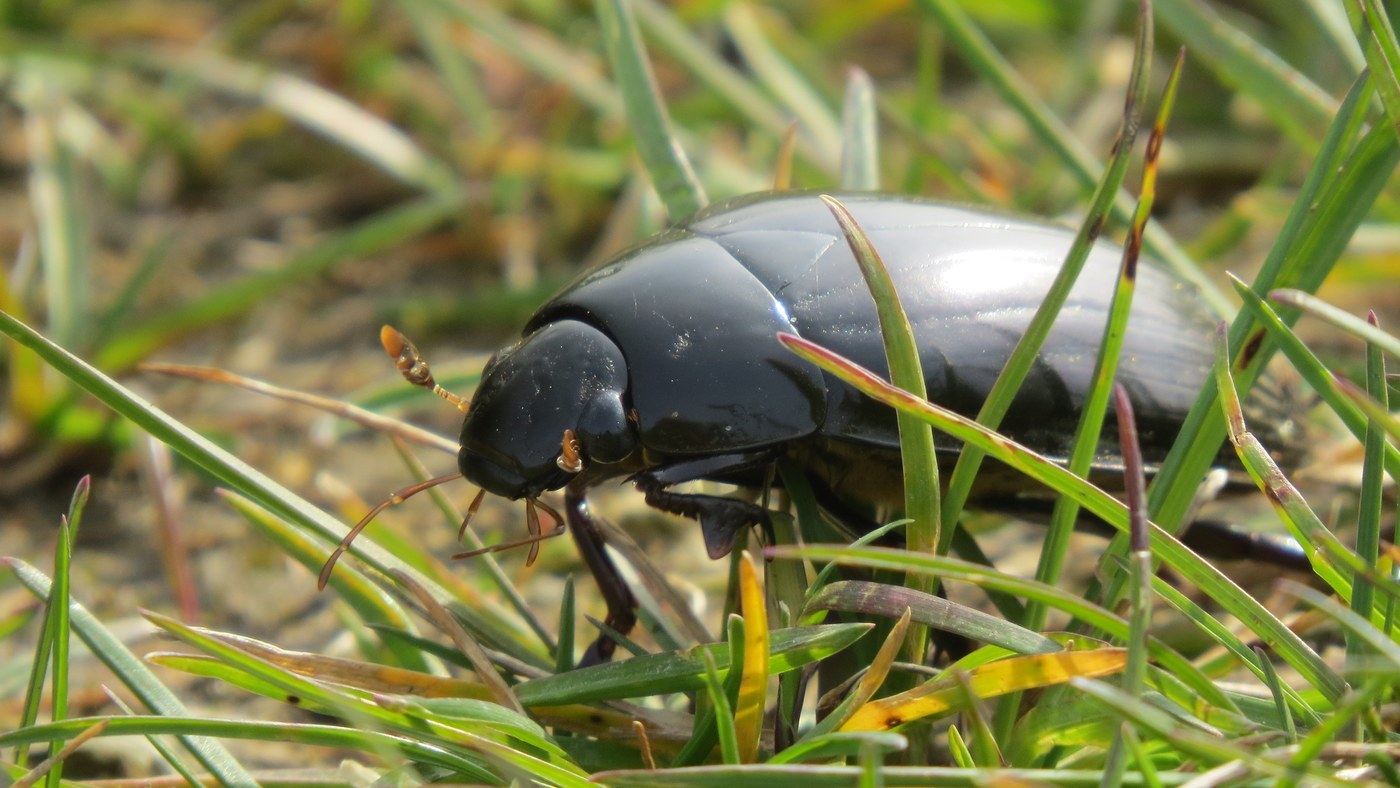
Great Silver Water Beetle
One of the largest beetles in Europe, the great silver water beetle is a glossy jet-black giant that rows through weedy ponds carrying a silvery film of air trapped beneath its body.
beetleIchneumon Wasp
A slender, long-antennaed parasitoid wasp, often mistaken for a giant mosquito or a stinging insect, that is best known for the extraordinarily long ovipositor some species use to drill into wood and lay eggs on hidden larvae.
wasp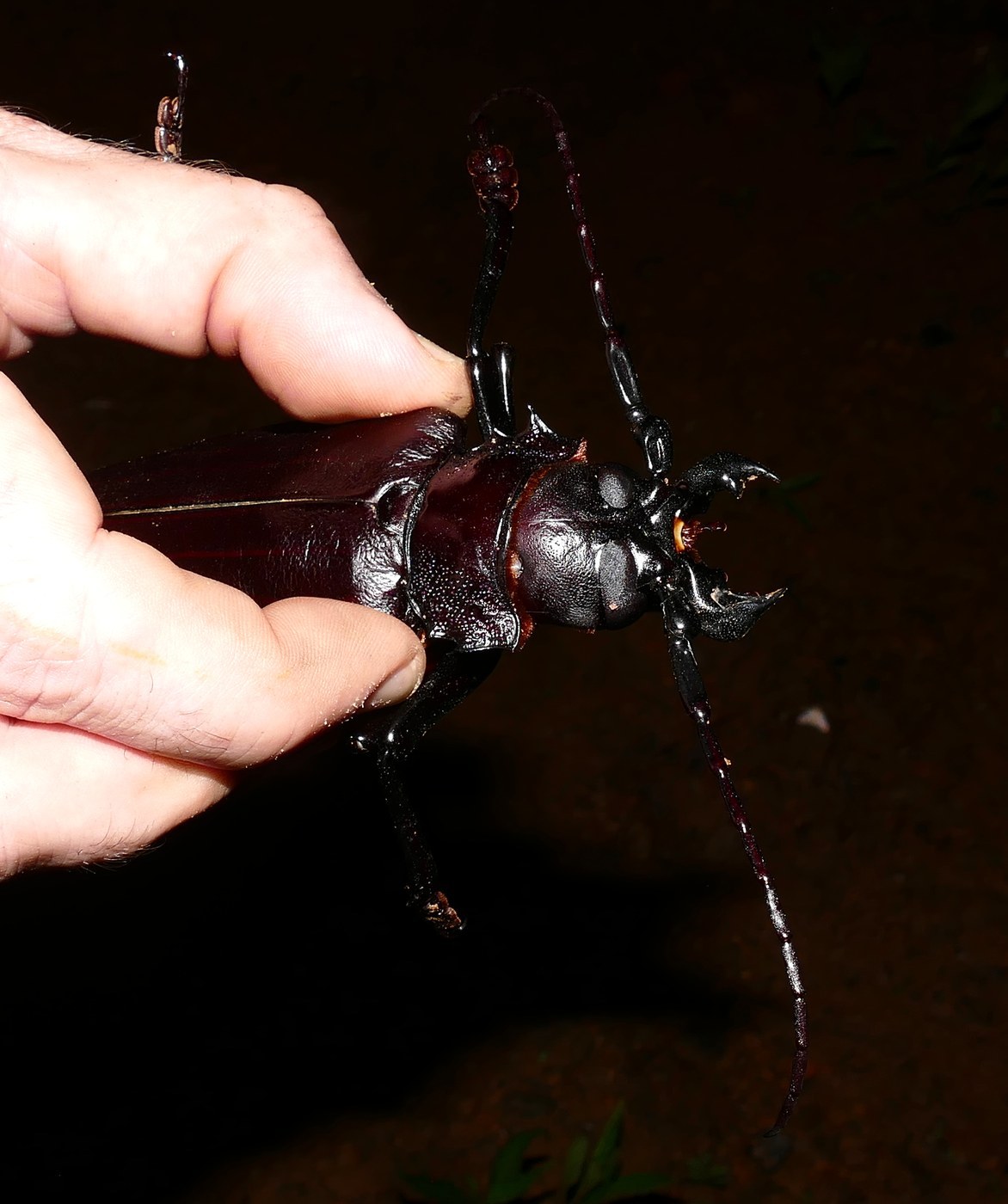
Titan Beetle
One of the largest insects on Earth, the titan beetle is a colossal longhorn from the Amazon whose body can exceed 16 cm. Its powerful jaws and loud hiss make it an imposing rainforest giant.
beetle