Bug Encyclopedia
Search and identify bugs & insects — beetles, butterflies, moths, ants, bees, spiders and more — with size, habitat, danger, behavior, and how to tell them apart.
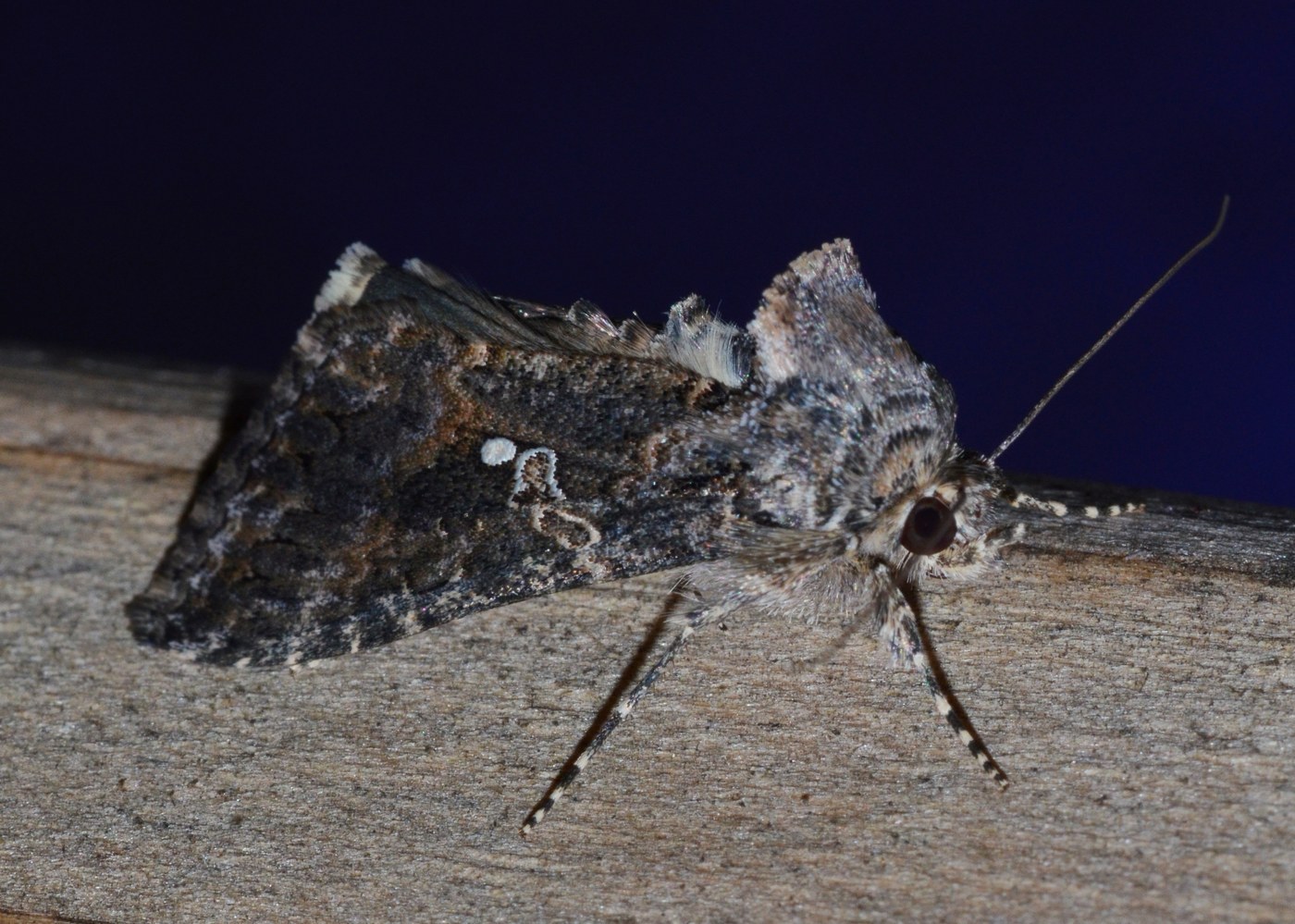
Cabbage Looper Moth
A drab mottled-brown moth best known for its pale green, looping caterpillar that arches its back like an inchworm while feeding on garden vegetables.
moth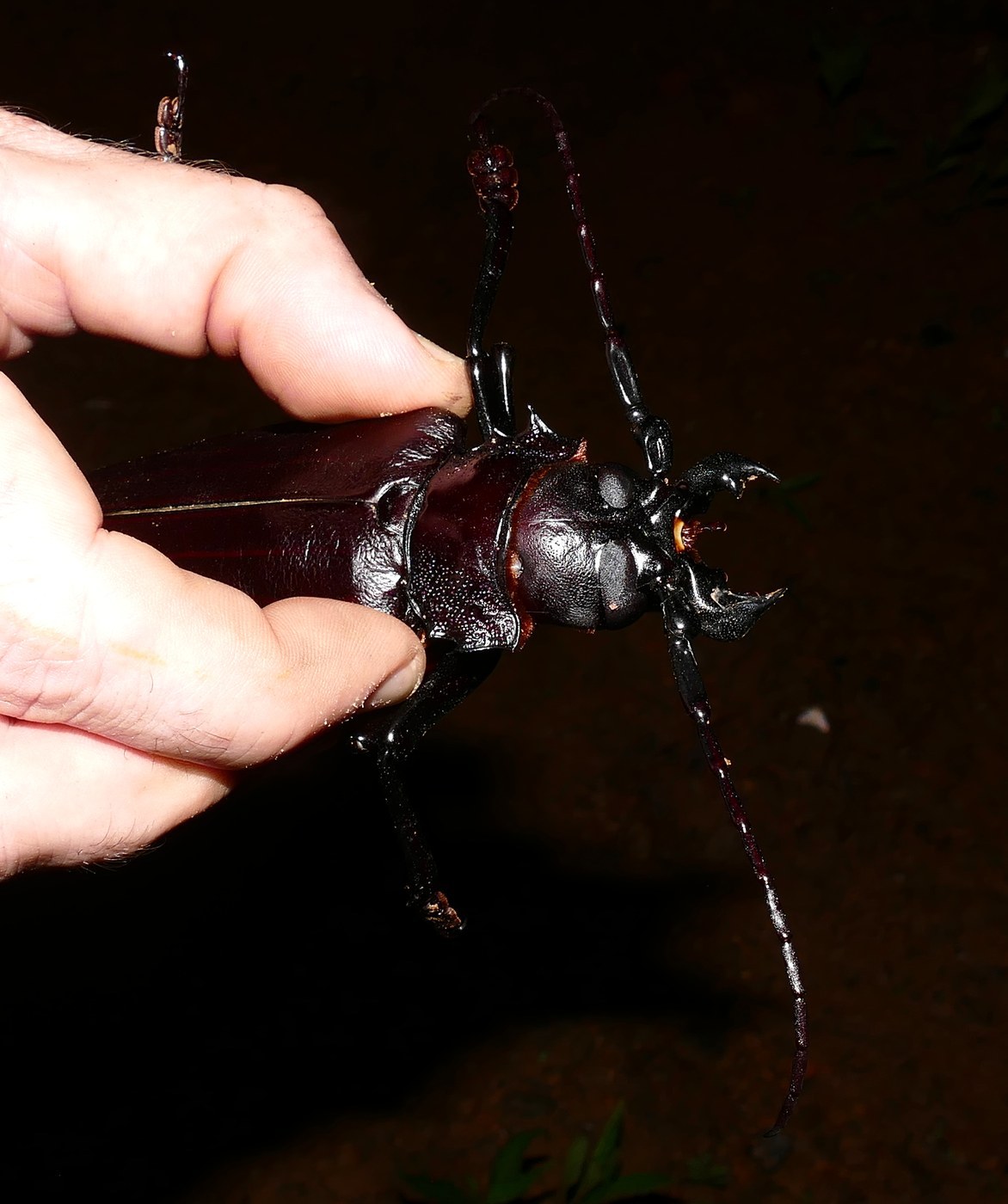
Titan Beetle
One of the largest insects on Earth, the titan beetle is a colossal longhorn from the Amazon whose body can exceed 16 cm. Its powerful jaws and loud hiss make it an imposing rainforest giant.
beetlePredatory Stink Bug
Unlike its plant-feeding relatives, the predatory stink bug is a hunter that spears caterpillars and beetle larvae with a stout beak. The spined soldier bug is a familiar shield-shaped garden ally.
true-bug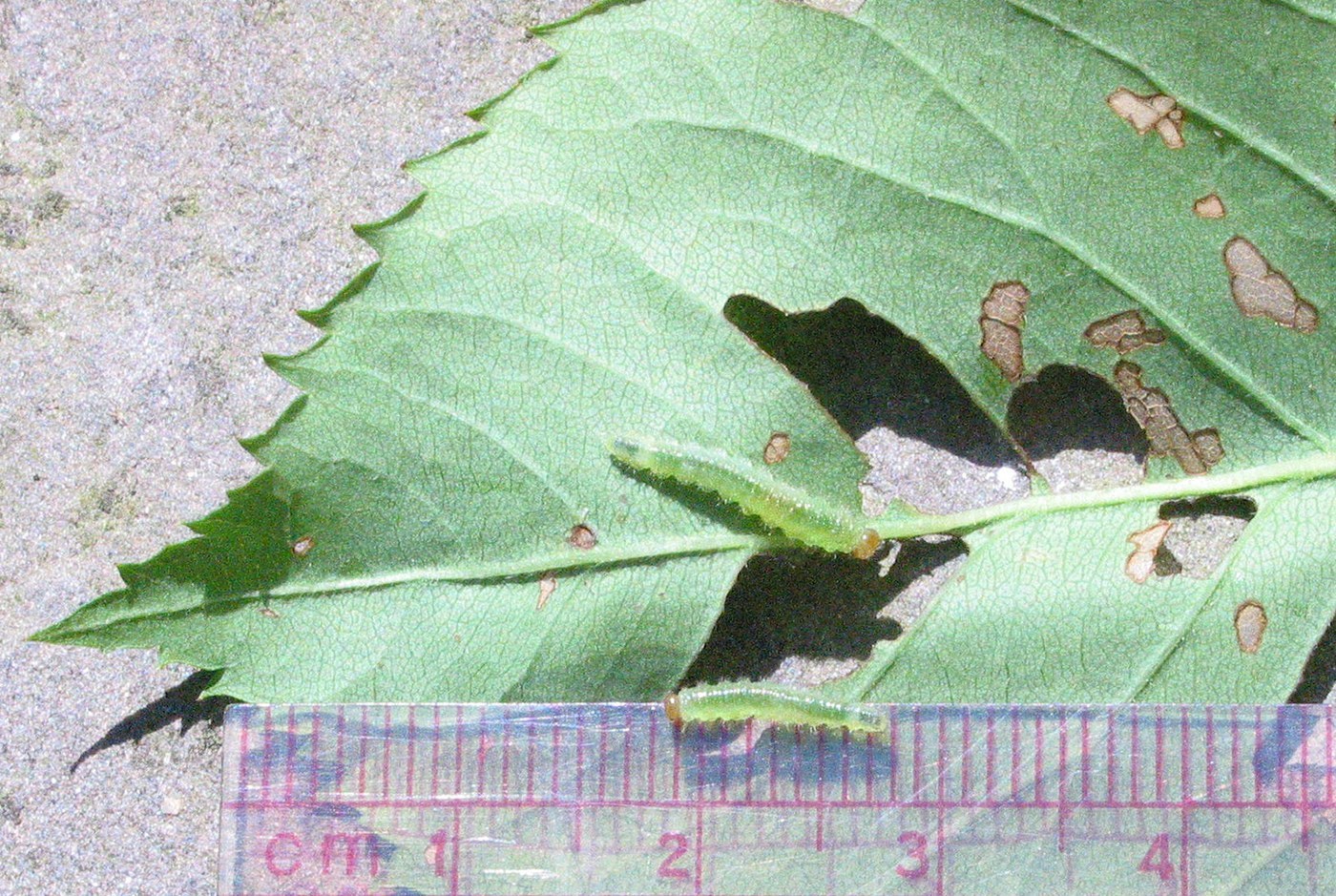
Bristly Rose Slug
Despite its caterpillar-like, slug-shaped body covered in fine bristles, this pale green larva is actually the offspring of a small sawfly and feeds on rose leaves by skeletonizing them from the underside.
caterpillar-larva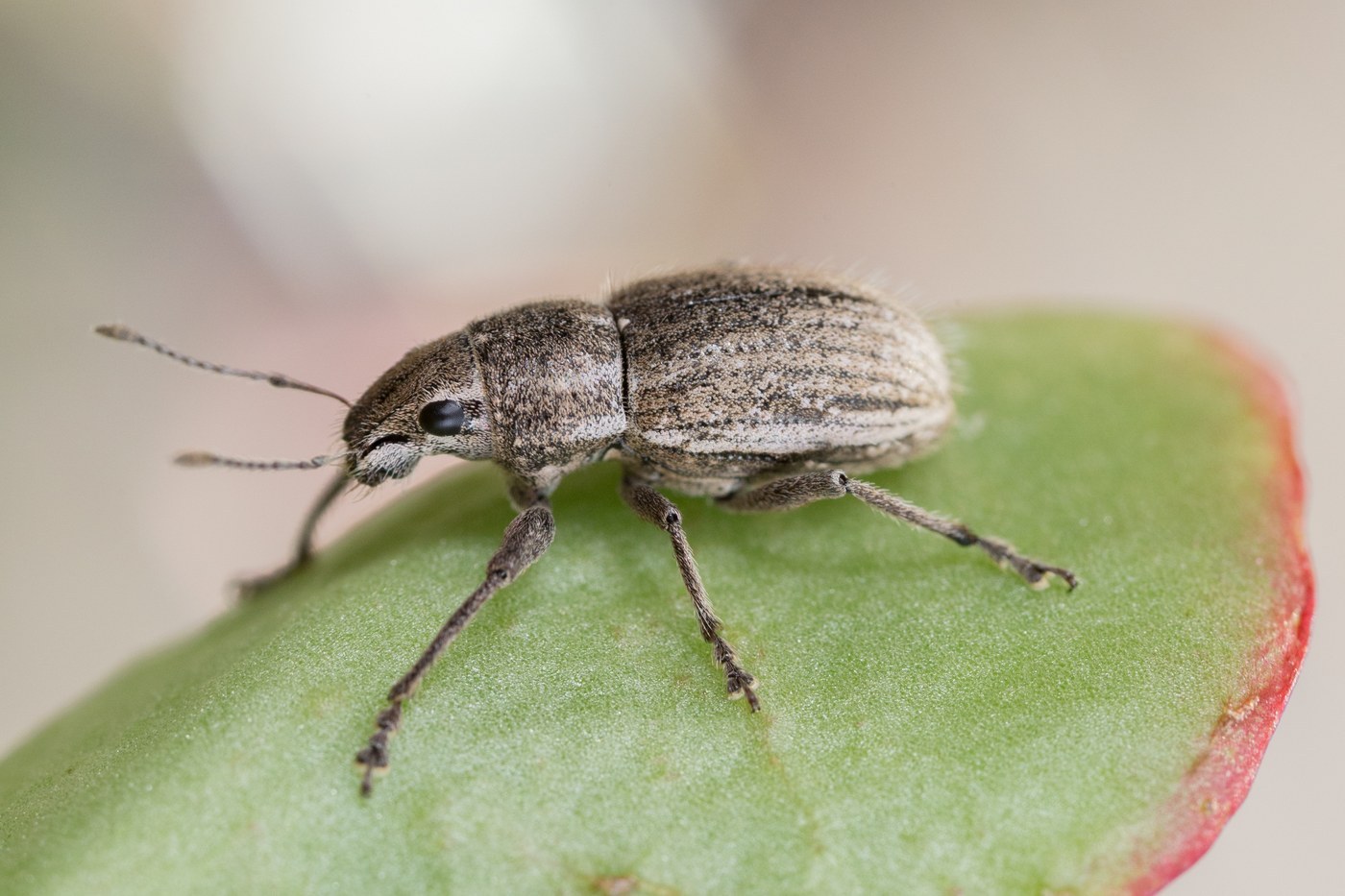
Whitefringed Beetle
A stout gray-brown weevil named for the pale, fringe-like stripe along the outer edge of its wing covers, whose root-feeding larvae are a recognized issue in pastures and row crops.
beetle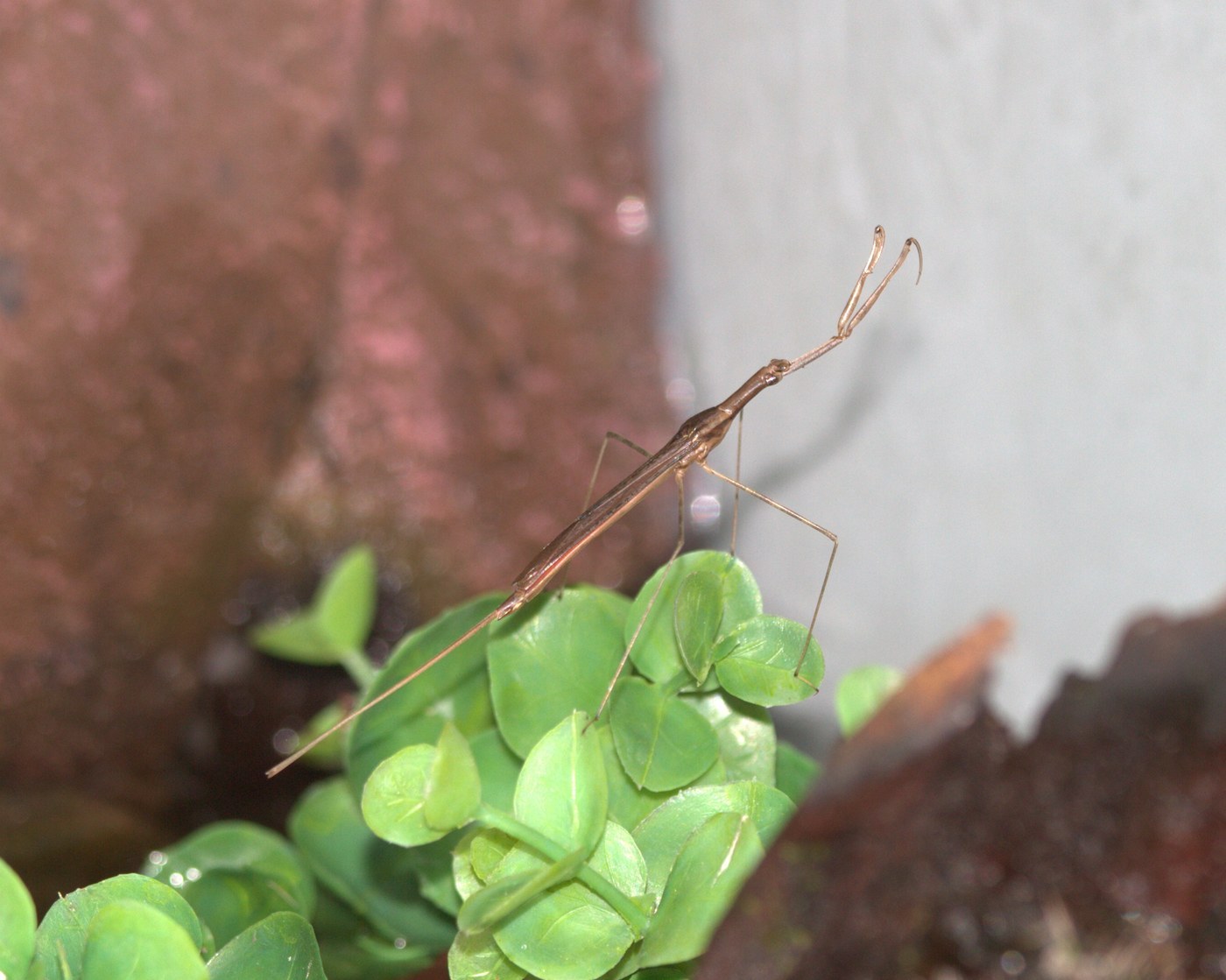
Water Scorpion
An elongated, twig-like aquatic true bug with grasping raptorial forelegs and a long, thin breathing tube at the tail end, resembling a slender scorpion as it lies in ambush among submerged plants.
aquatic-insect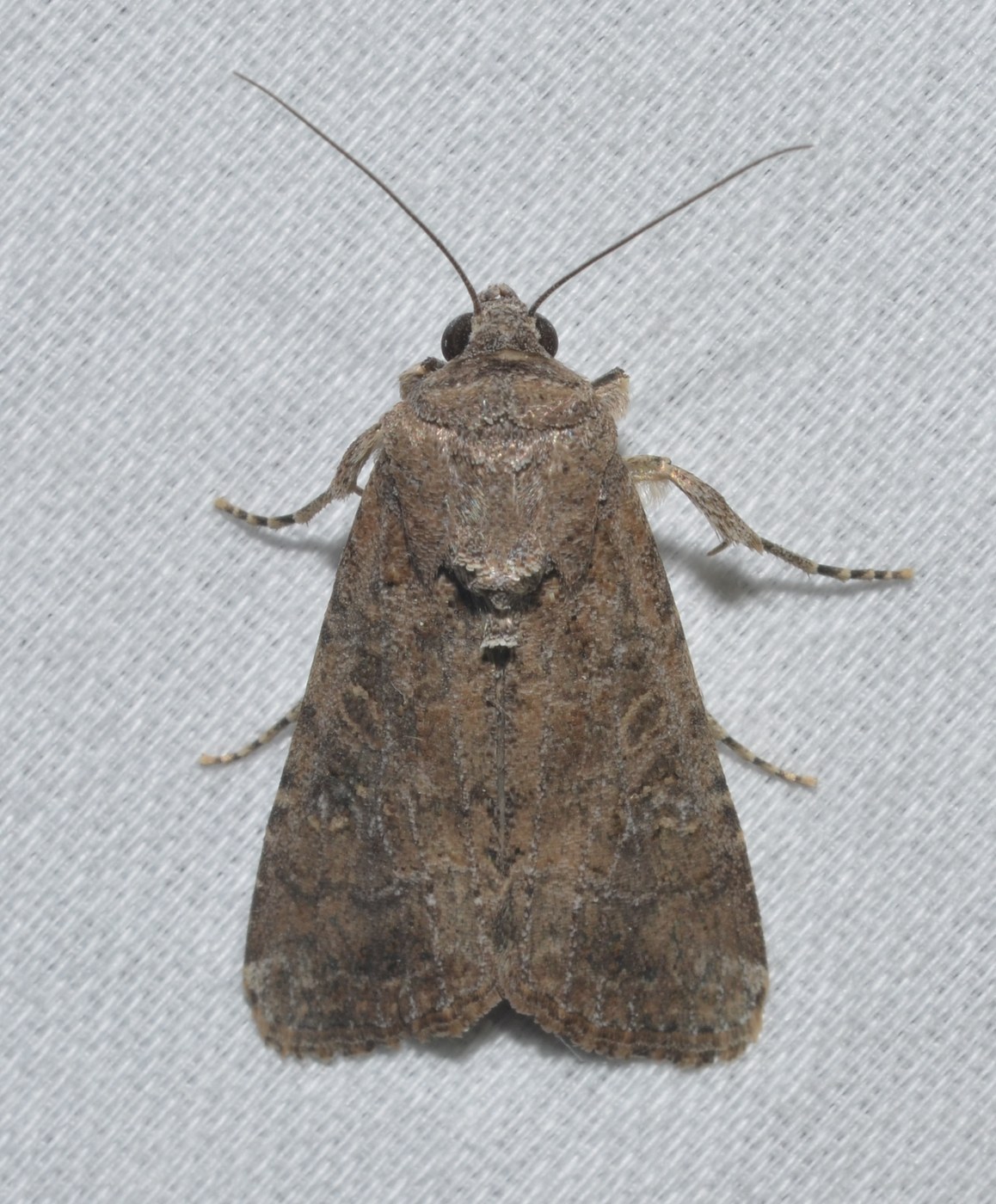
Armyworm
A striped, greenish-brown caterpillar that gets its name from its habit of migrating in dense, destructive groups across grass and grain fields.
caterpillar-larva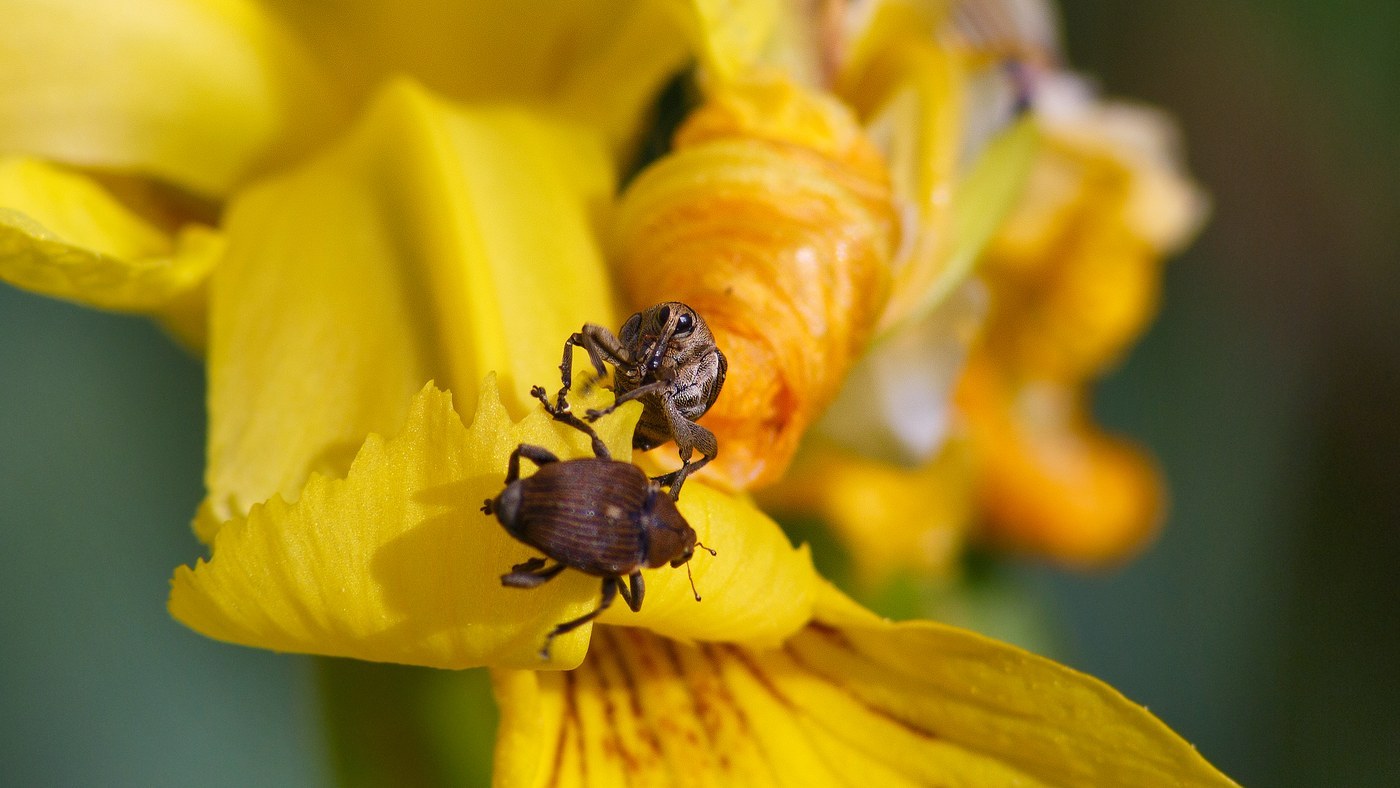
Acorn Weevil
A small brown weevil with an extraordinarily long, thread-thin snout, often longer than its own body, which it uses to drill into developing acorns before laying its eggs inside.
beetlePunkie
An almost invisibly small biting fly that swarms near wetlands at dusk, where only the females take blood meals from animal hosts.
fly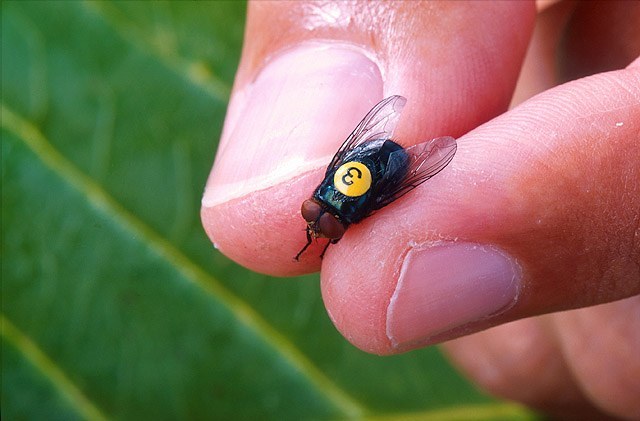
Screwworm Fly
A metallic blue-green blowfly whose larvae are unusual among maggots for feeding on living tissue rather than carrion, drawn to even small open wounds on warm-blooded animals. The species has been the target of one of the most successful large-scale insect eradication campaigns in history across much of North America.
fly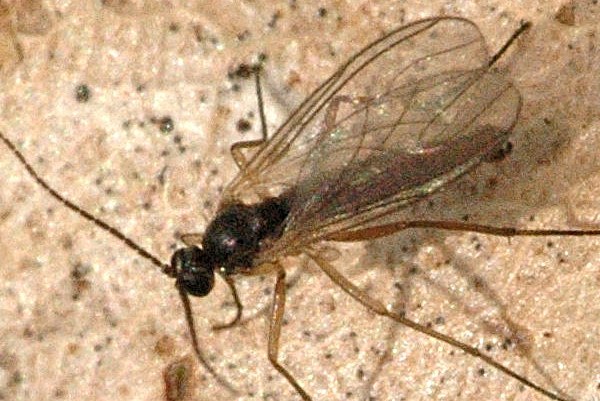
Aphid Midge
A delicate, long-legged midge whose orange larvae are voracious aphid hunters. The aphid midge is a prized natural enemy of aphids in gardens and greenhouses.
flyWandering Spider
A large, fast-moving hunter that forages actively at night across leaf litter and low vegetation instead of relying on a web to catch its meals.
spider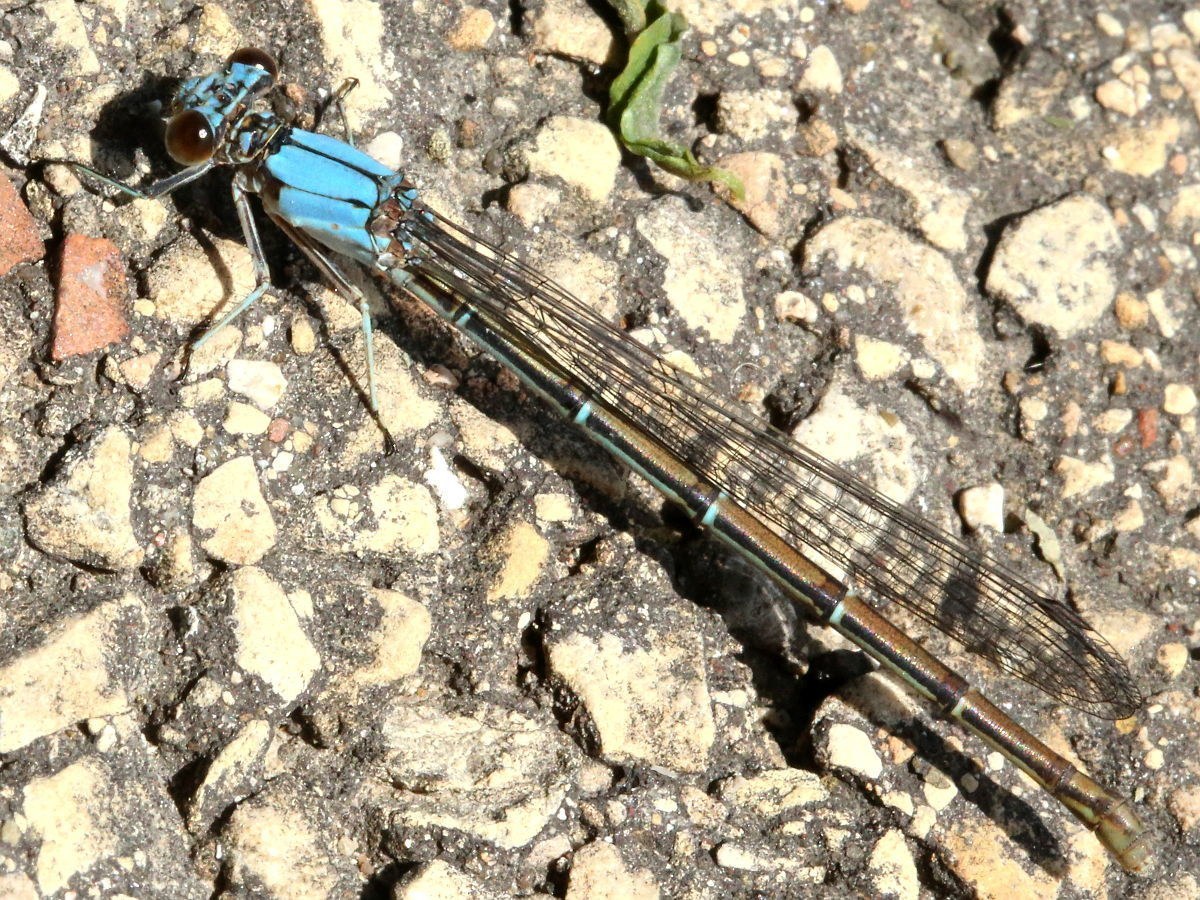
Powdered Dancer
Named for the pale, frosty bloom that coats mature males, the Powdered Dancer is a robust river damselfly often seen basking on sunlit rocks and gravel bars.
dragonflySawfly
A wasp relative that never stings, best known for its caterpillar-like larvae that strip leaves from roses, pines, and other garden plants in tidy rows.
wasp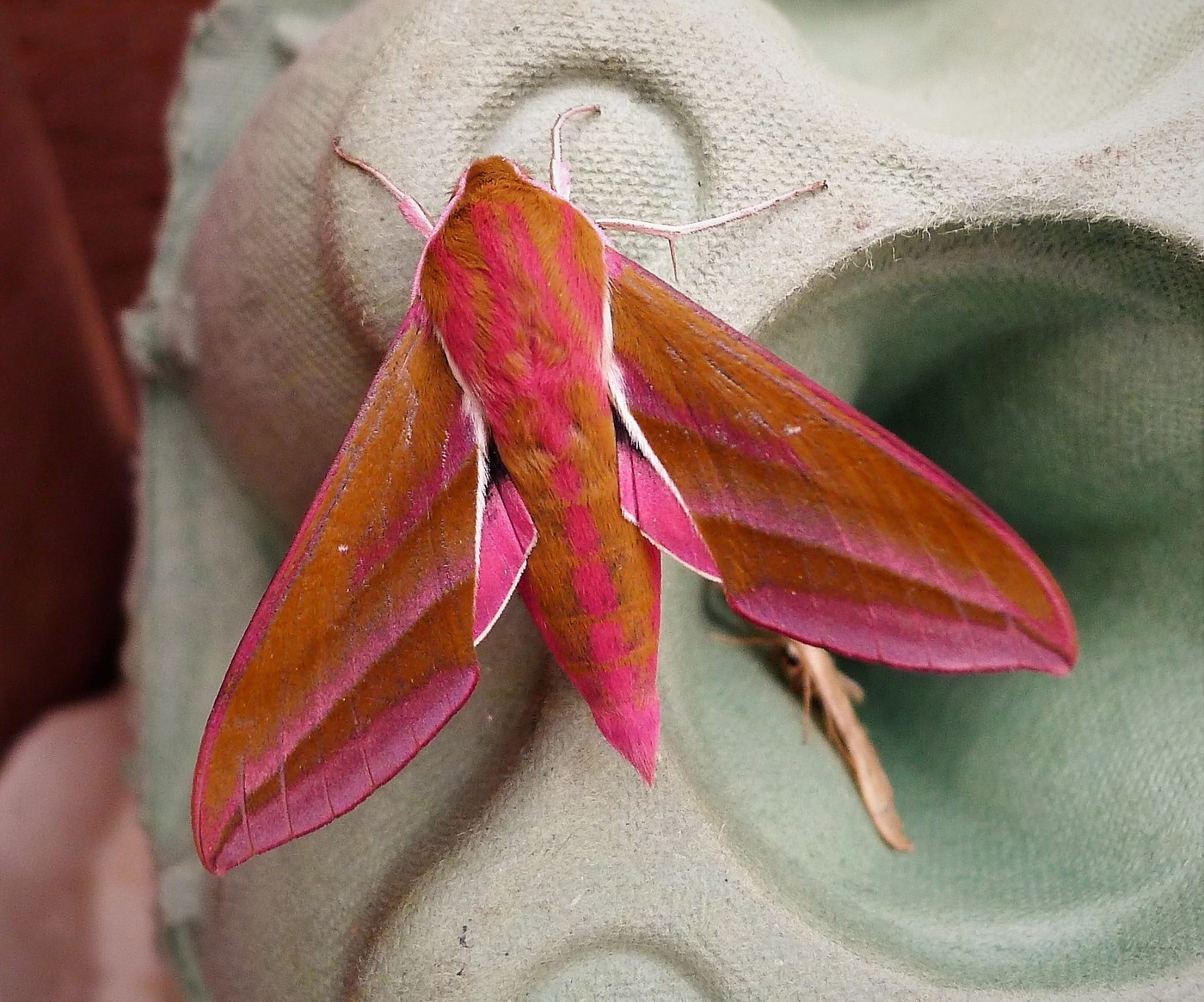
Elephant Hawk-Moth
A strikingly colored olive-green and bright pink hawk moth named for its caterpillar's trunk-like tapered front end and large false eyespots.
moth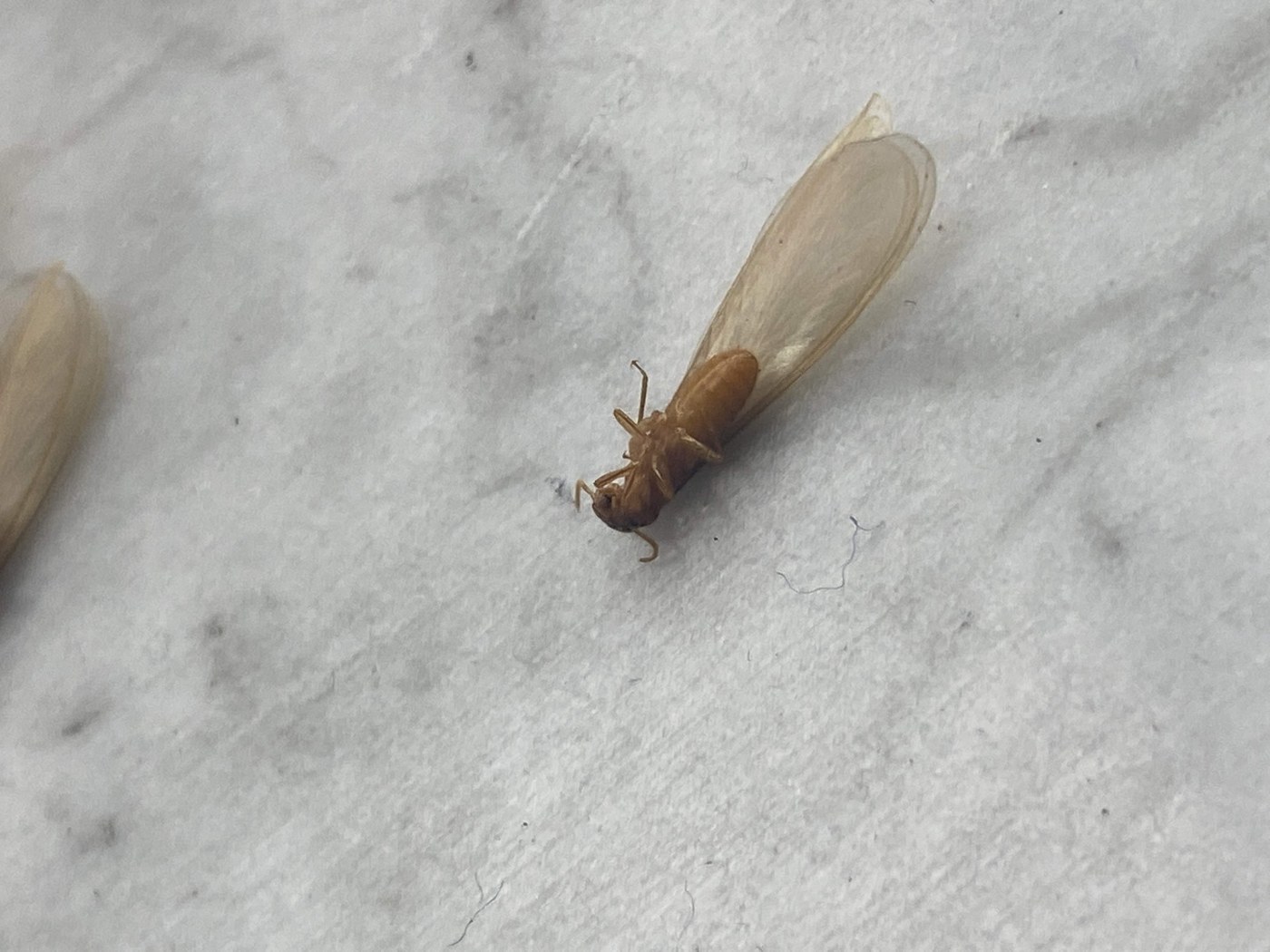
Formosan Subterranean Termite
A pale, aggressive subterranean termite native to East Asia that builds enormous colonies and can construct large above-ground carton nests in trees, walls, and structures.
other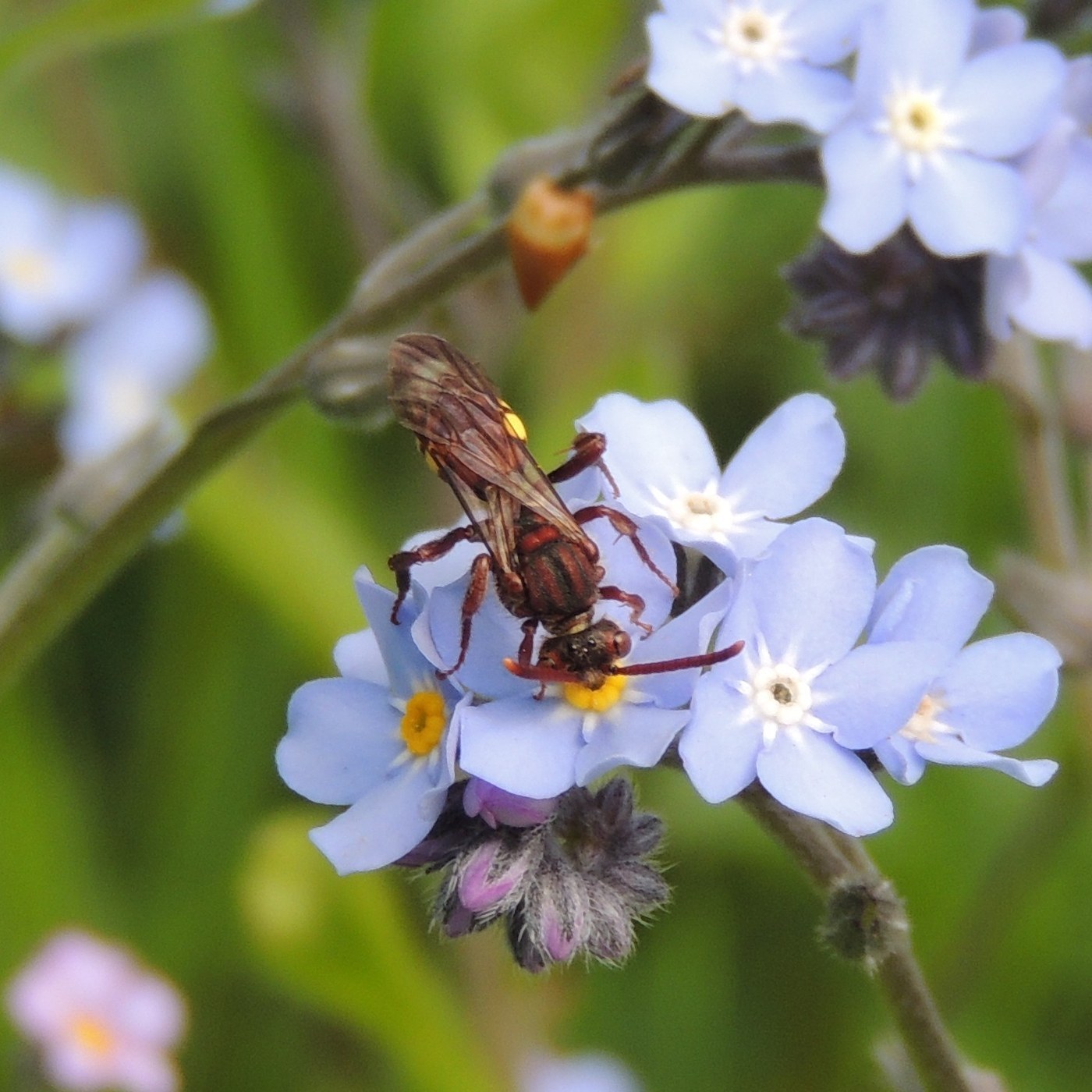
Cuckoo Bee
A slender, wasp-like bee that lacks pollen-carrying hairs because it never gathers its own pollen, instead sneaking into the nests of other solitary bees to lay eggs that hatch and consume the host's food stores.
bee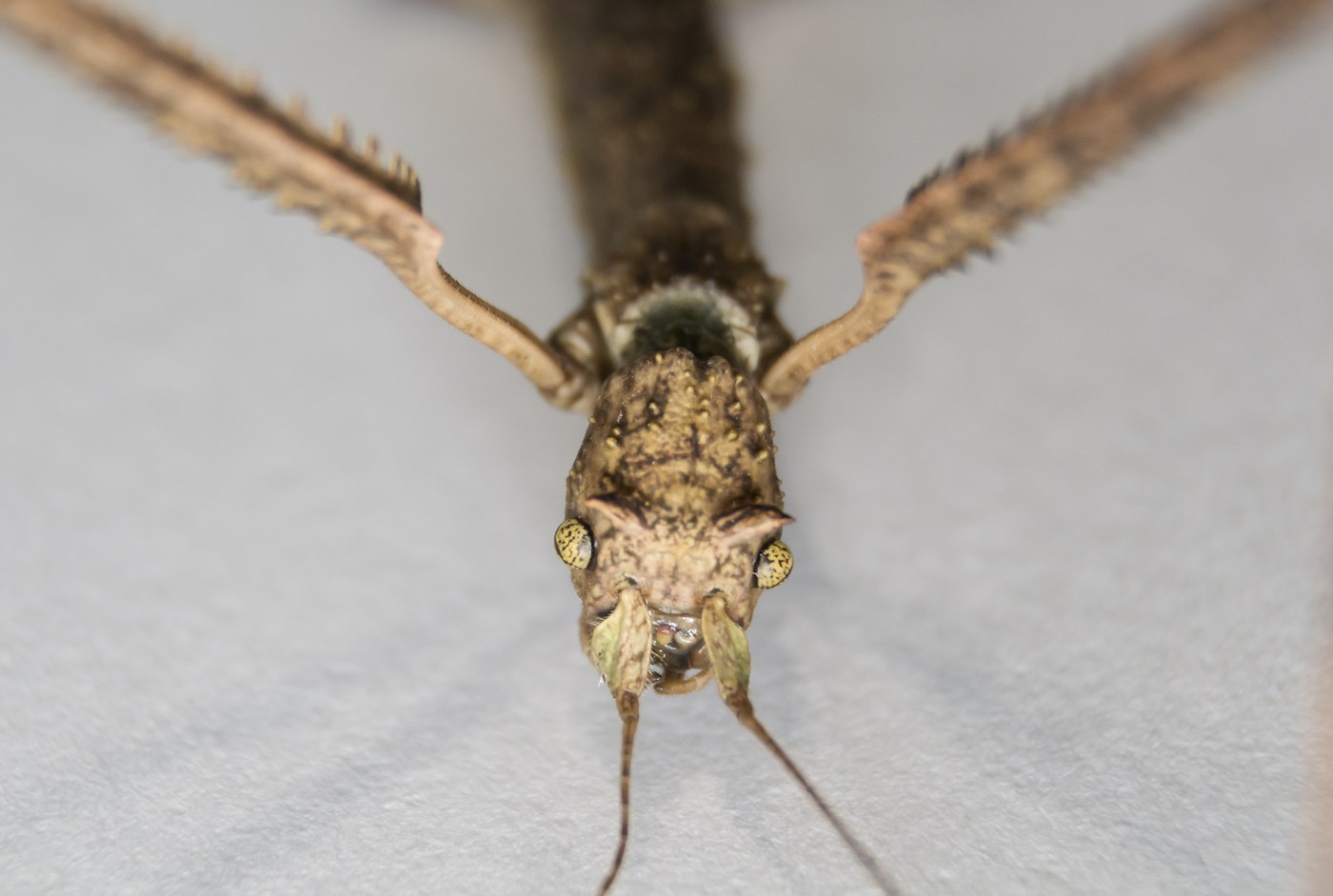
Vietnamese Walking Stick
A slender tropical stick insect popular in classrooms and terrariums, notable for females that can produce healthy offspring entirely on their own, without ever mating.
mantis-stick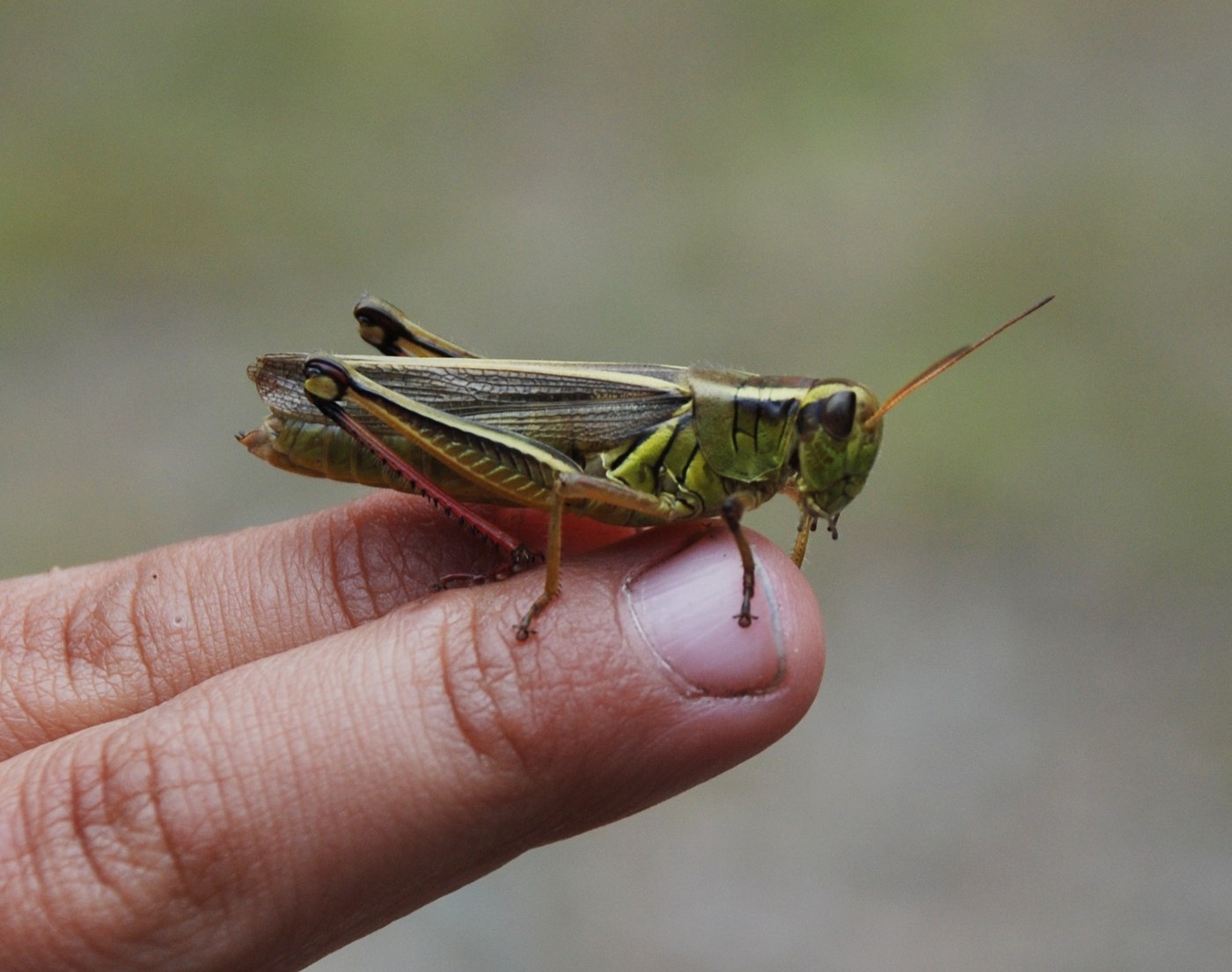
Two-striped Grasshopper
Easily spotted by the pair of pale cream stripes running the length of its body, the two-striped grasshopper is one of the largest and most economically important grasshoppers in North America.
grasshopper-cricketDiving Beetle Larva (Water Tiger)
Nicknamed the water tiger, the larva of a predaceous diving beetle is an elongated, sickle-jawed hunter that stalks the shallows and seizes prey many times its own size.
beetle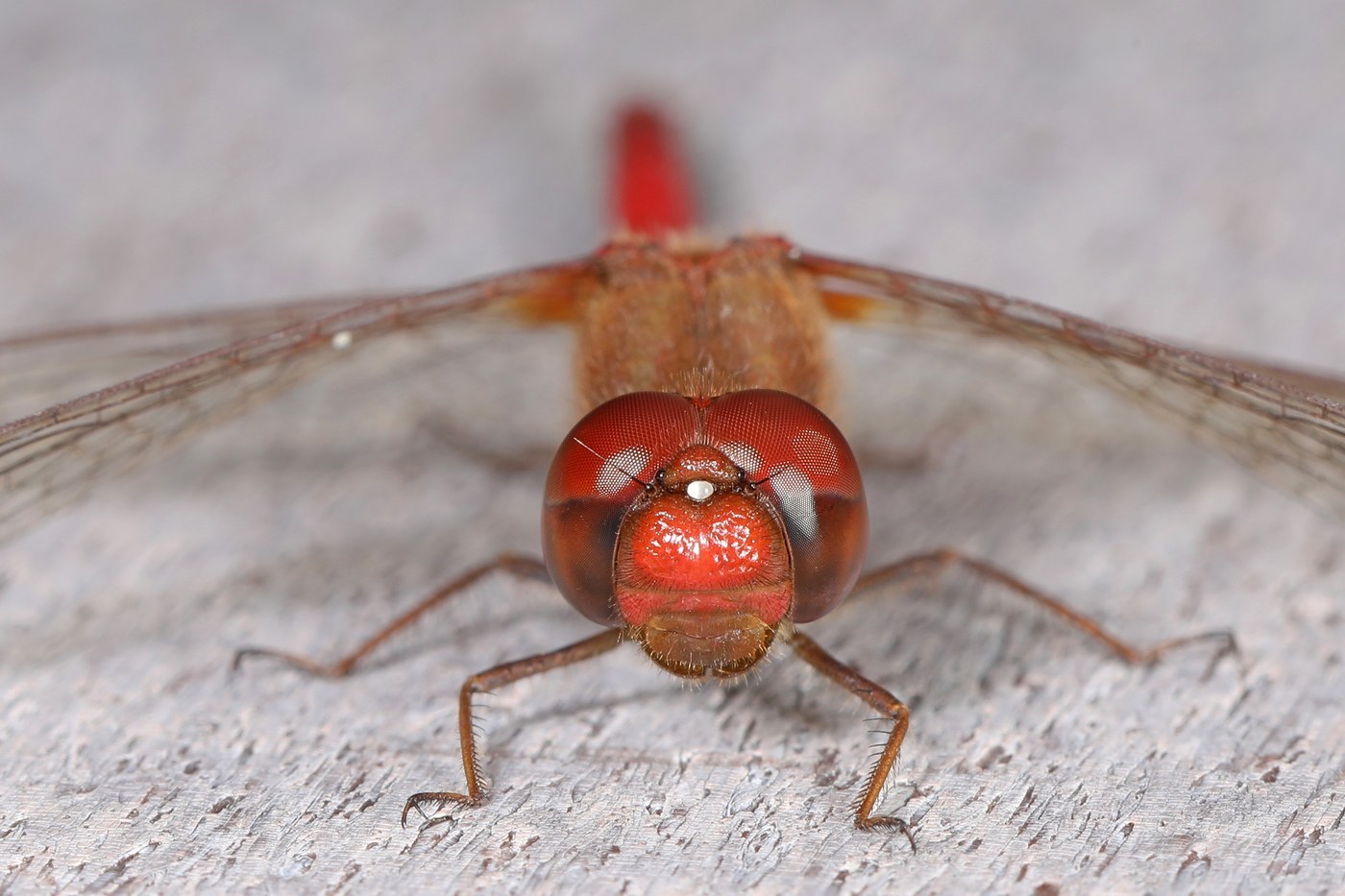
Autumn Meadowhawk
One of the last dragonflies still flying as autumn cools, this small pale-legged meadowhawk can be found sunning on trails and pond banks well into November in many areas.
dragonflyCutworm
A plump, dull gray-brown caterpillar that hides in soil by day and emerges at night to sever young seedlings at the base, curling tightly into a C-shape when disturbed.
caterpillar-larva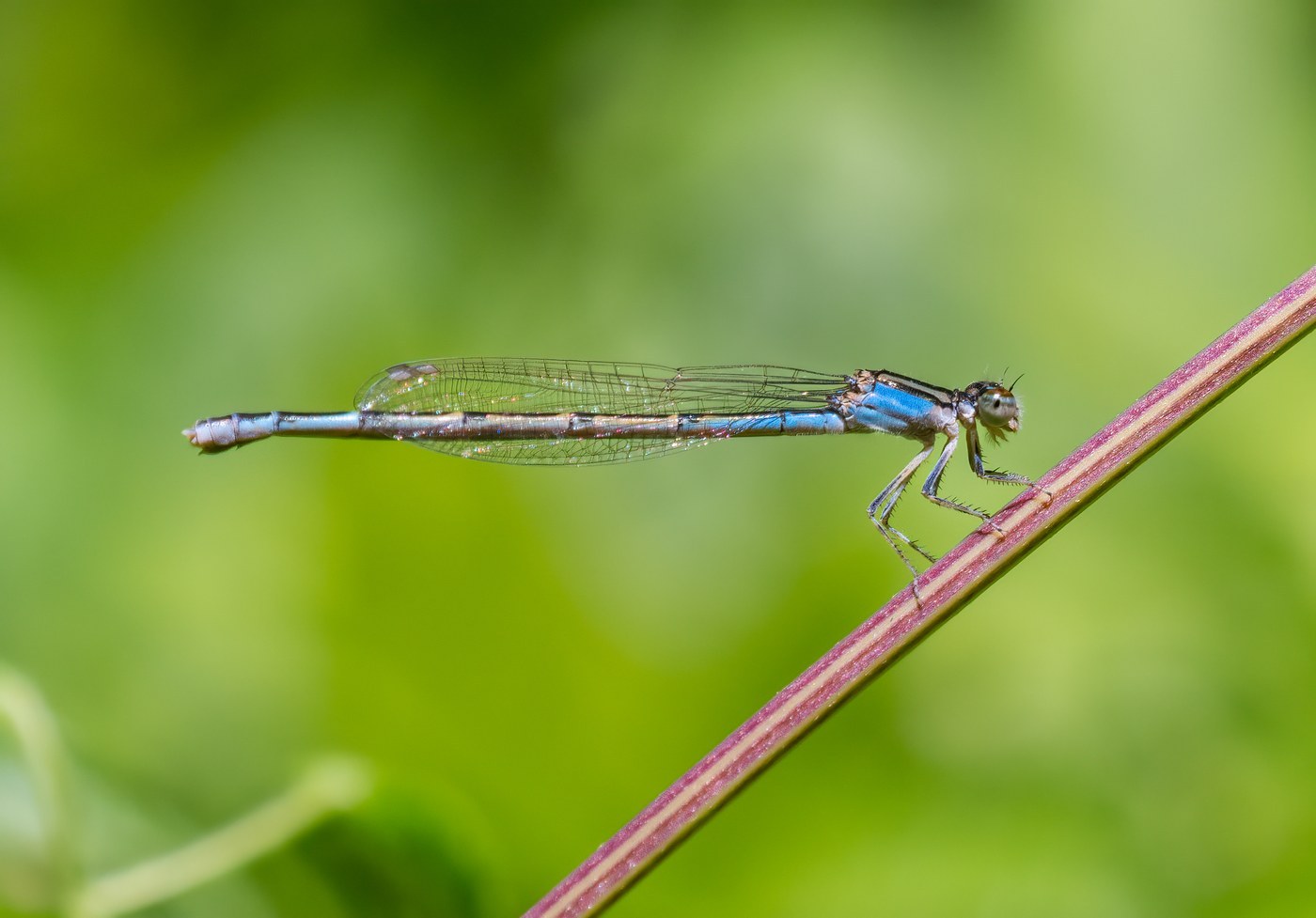
Azure Bluet
A sky-blue damselfly of quiet ponds, the Azure Bluet is named for its vivid blue coloration and is often seen resting in loose swarms over floating vegetation.
dragonfly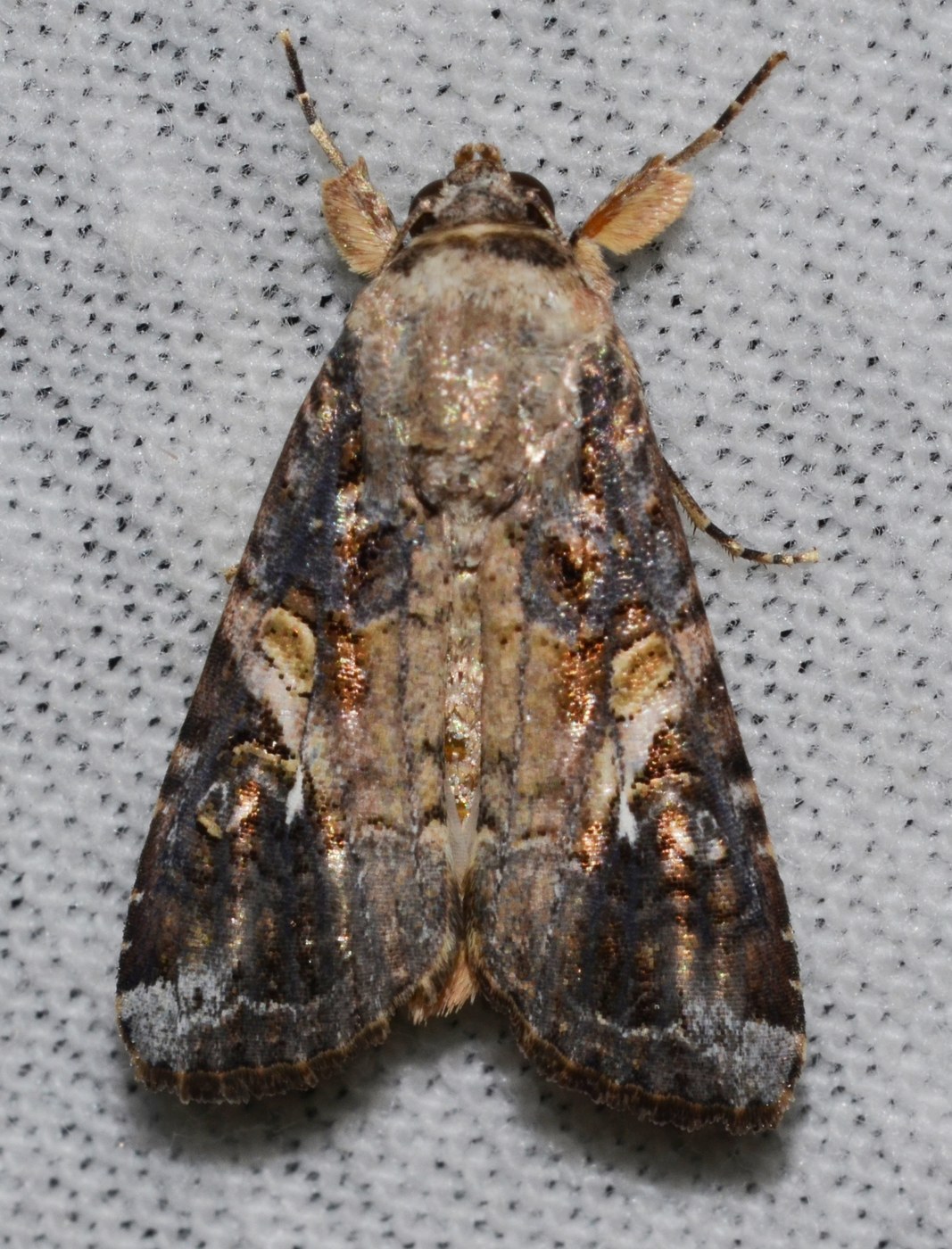
Fall Armyworm
A brownish-green caterpillar marked with a pale inverted "Y" on its head, notorious for rapid, large-scale outbreaks that devastate corn and other grass crops across the globe.
caterpillar-larva