
Bug Encyclopedia
Search and identify bugs & insects — beetles, butterflies, moths, ants, bees, spiders and more — with size, habitat, danger, behavior, and how to tell them apart.
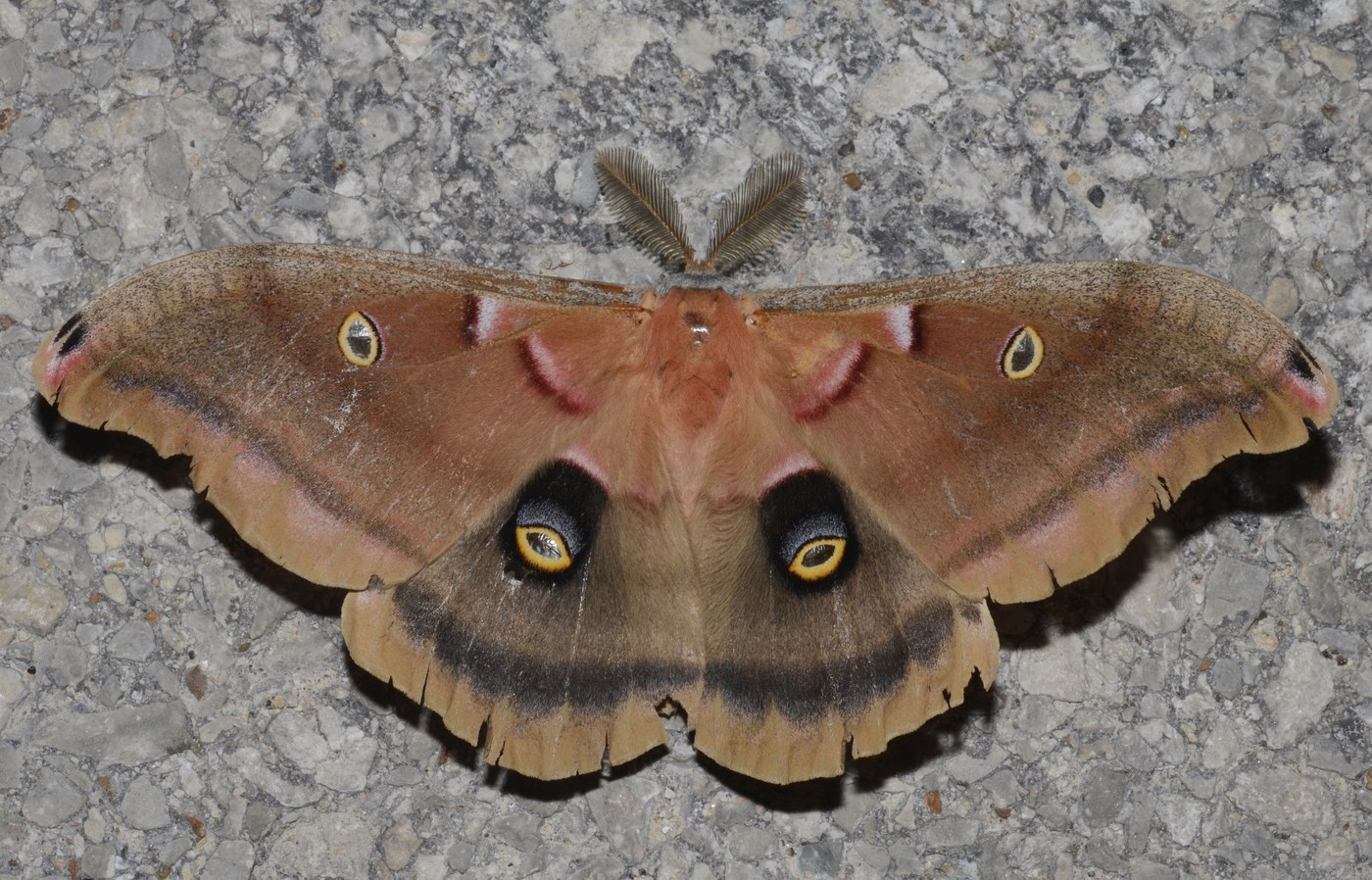
Polyphemus Moth
A large tan-to-golden-brown silkmoth named for the mythological one-eyed giant, thanks to the single large, transparent eyespot on each hindwing that flashes into view when the moth is startled.
moth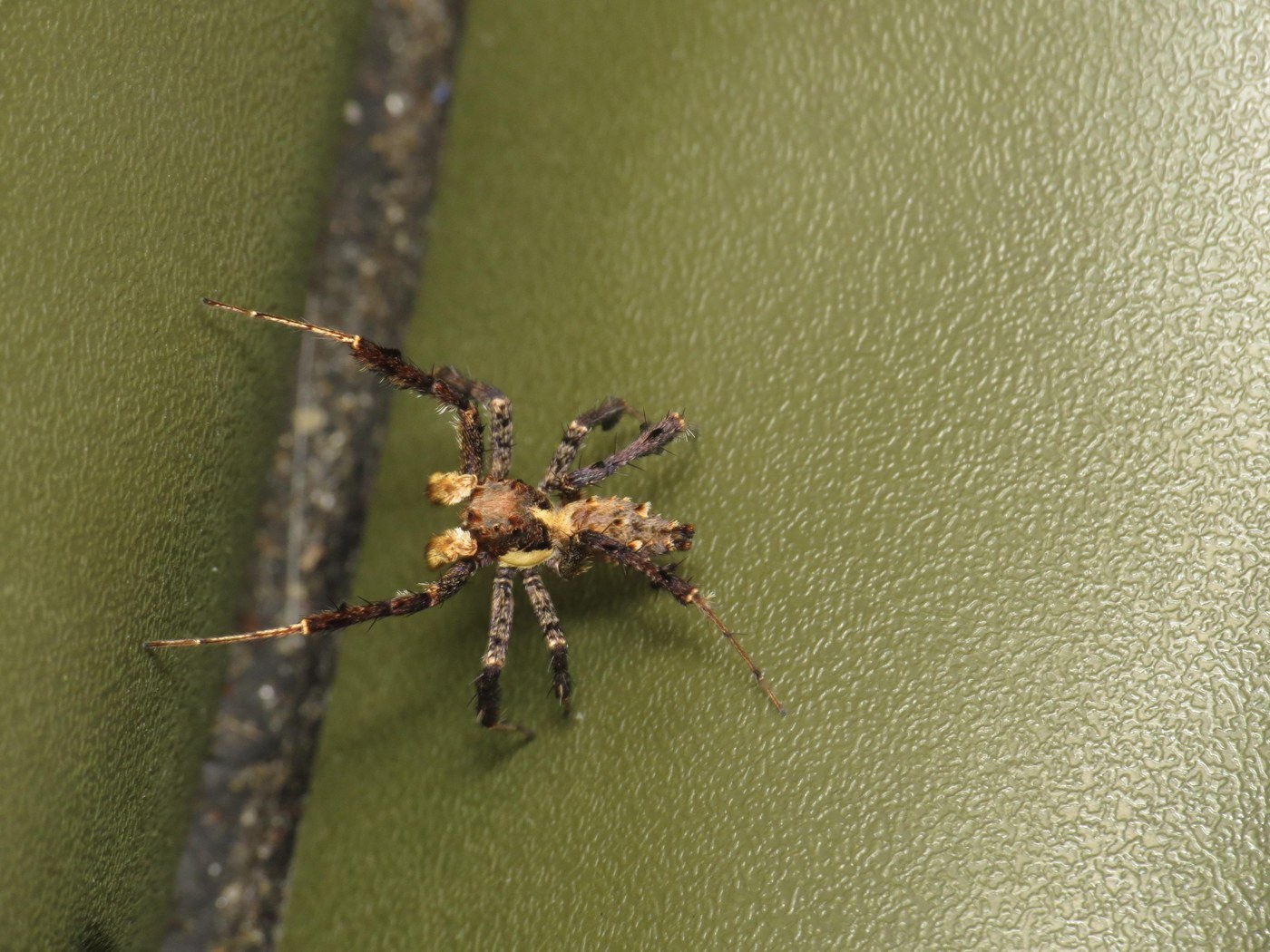
Portia Spider
A small jumping spider with an outsized reputation for intelligence, famous for stalking and outwitting other spiders using deceptive tactics and apparent problem-solving.
spiderCaterpillar
The soft-bodied, segmented larval stage of butterflies and moths, recognized by its worm-like shape, multiple pairs of stubby legs, and voracious appetite for leaves.
caterpillar-larvaDiving Beetle Larva (Water Tiger)
Nicknamed the water tiger, the larva of a predaceous diving beetle is an elongated, sickle-jawed hunter that stalks the shallows and seizes prey many times its own size.
beetleCabbage White Caterpillar
A velvety, bright green caterpillar with a faint yellow stripe down its back, the larval stage of the common white butterfly seen fluttering around vegetable gardens.
caterpillar-larva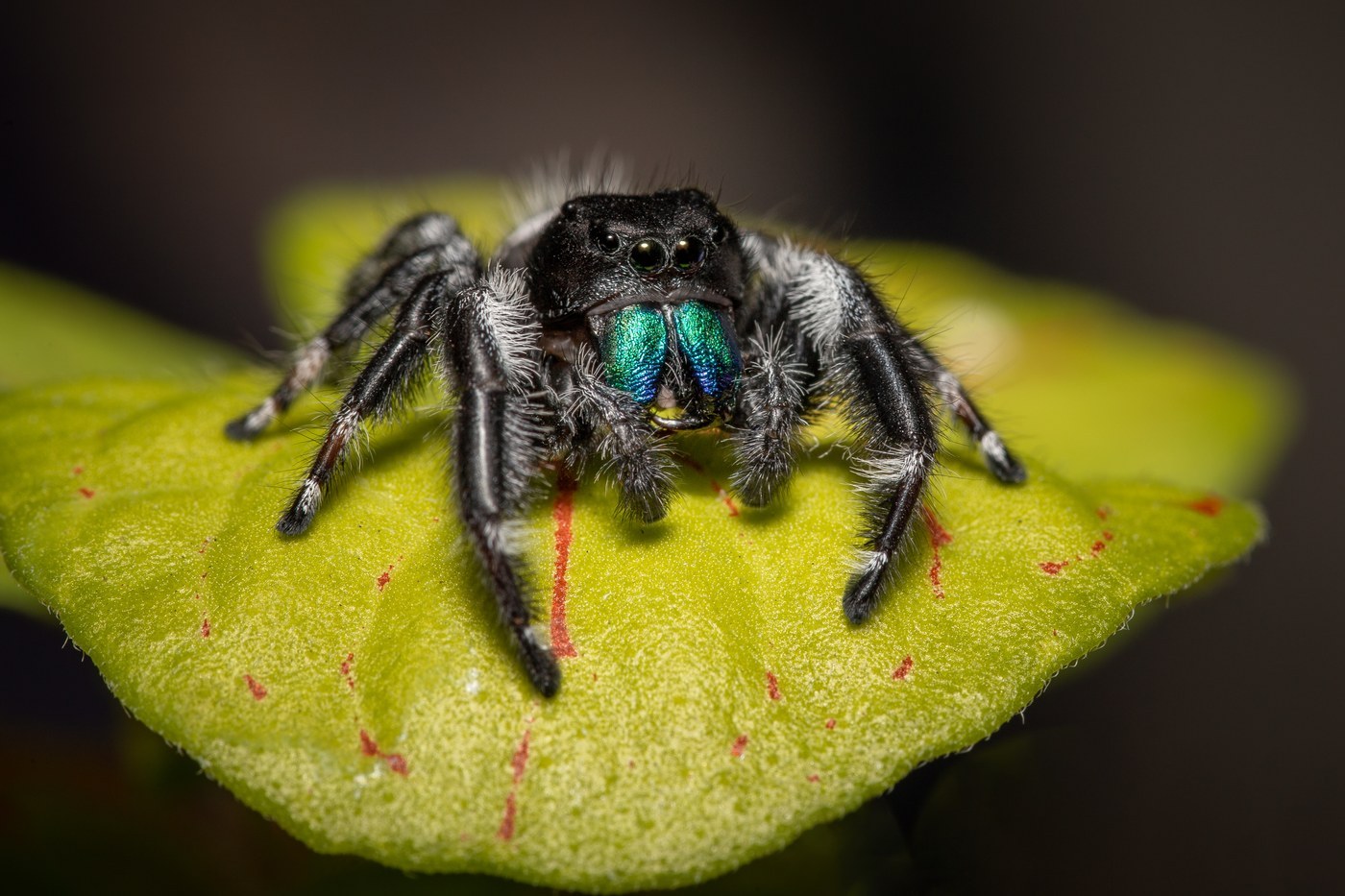
Jumping Spider
A compact, often furry, day-active spider with unusually large forward-facing eyes that give it an alert, curious look, known for stalking prey and pouncing in a sudden leap.
spiderMosquito Larva
A wriggling, comma-shaped aquatic larva that hangs from the water's surface to breathe before transforming into a flying adult mosquito.
aquatic-insect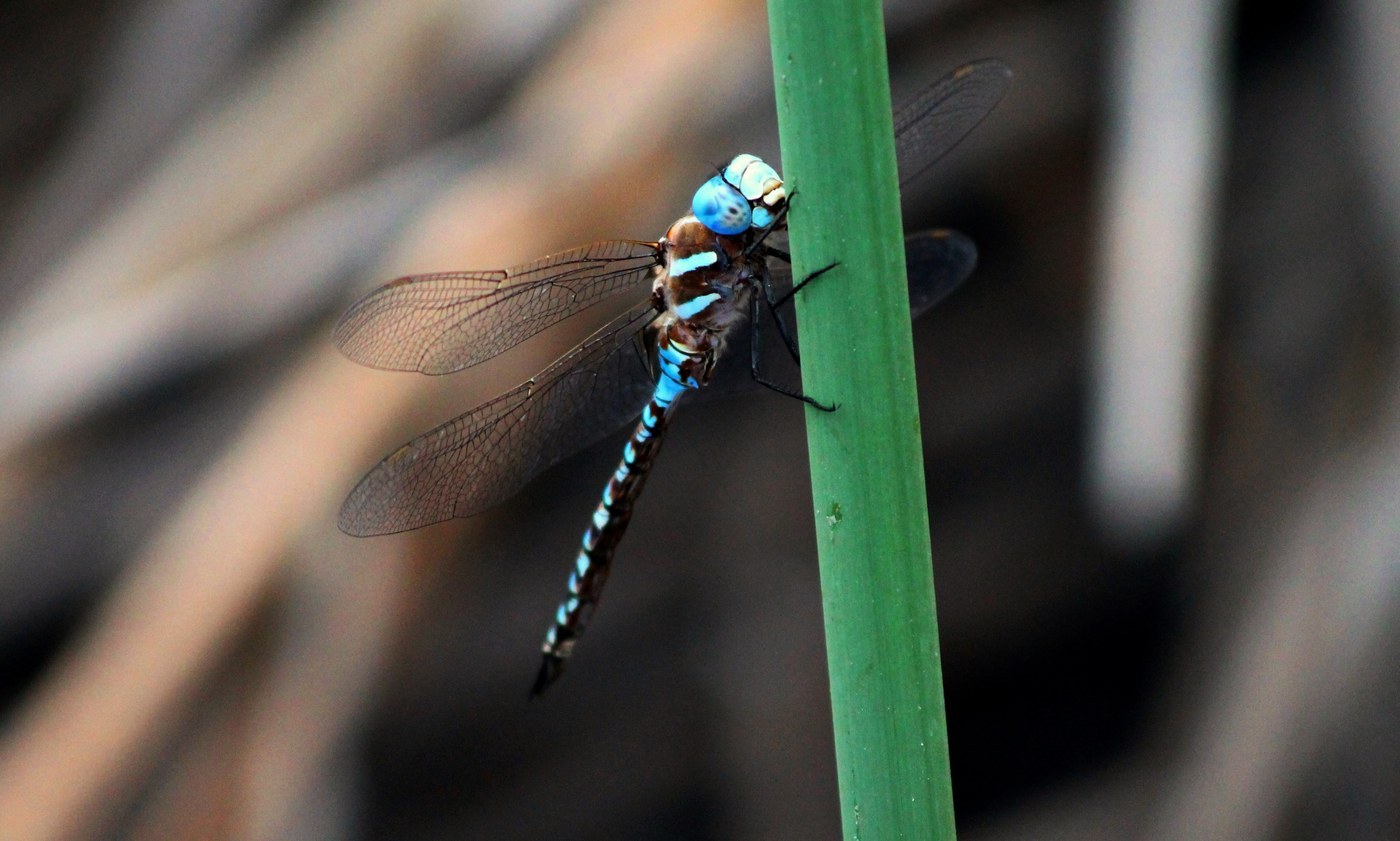
Blue-eyed Darner
A large, fast-flying darner with brilliant sky-blue eyes that meet in a seam across the top of the head, patrolling ponds and open fields well into the evening.
dragonfly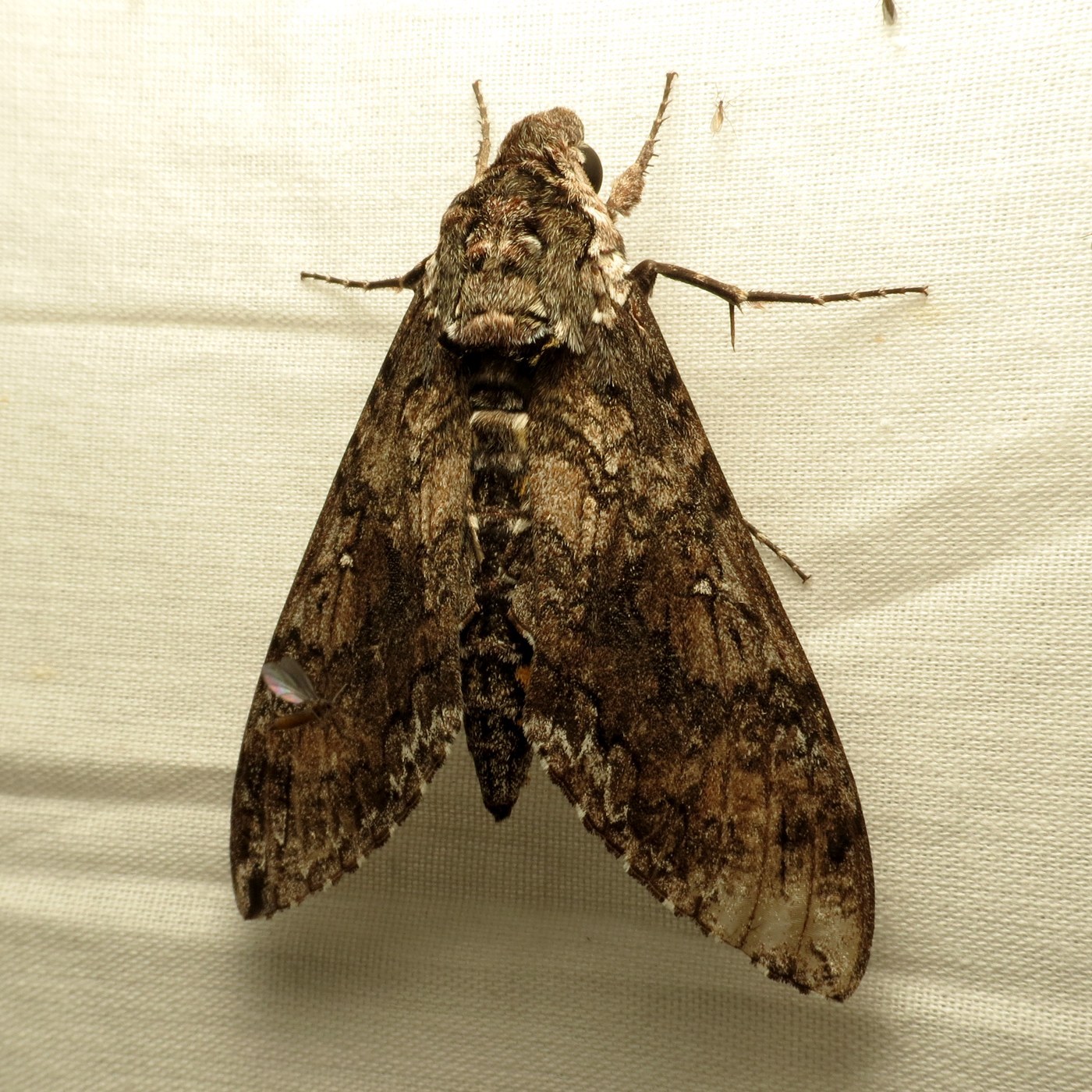
Tobacco Hornworm Moth (Carolina Sphinx)
A large, streamlined gray-brown sphinx moth with six pairs of orange spots along its abdomen, best known as the adult stage of the tobacco hornworm caterpillar that feeds on tomato and tobacco plants.
moth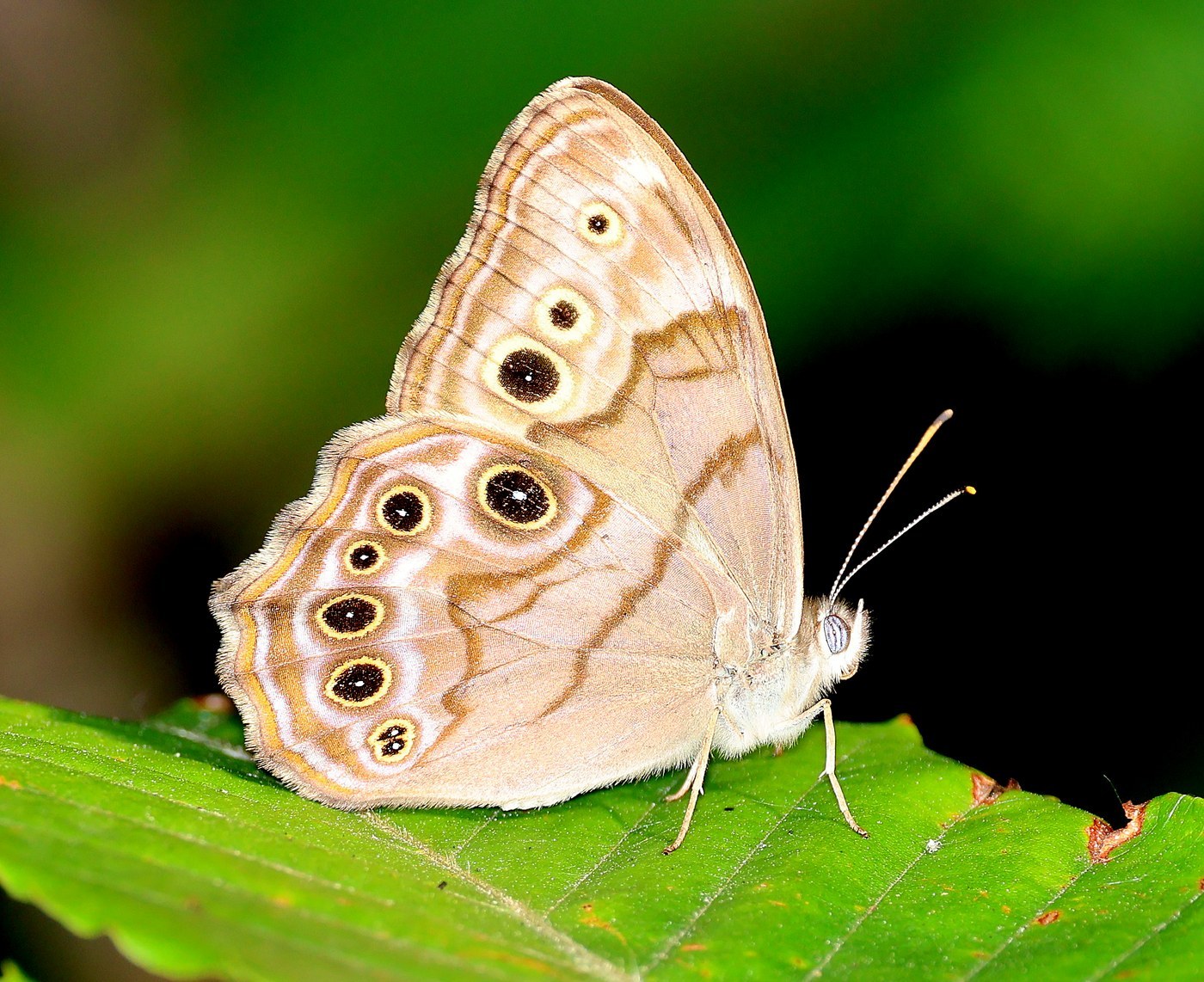
Northern Pearly-eye
A shade-loving brown woodland butterfly with rows of dark, pale-ringed eyespots, more often seen resting on tree trunks in forest gaps than flying in open sun.
butterflyLubber Grasshopper
Heavy-bodied and slow-moving, lubber grasshoppers make up for their poor flying ability with large size, bold coloring, and a lumbering, ground-bound lifestyle.
grasshopper-cricketGypsy Cutworm Moth
A plain, mottled grey-brown night-flying moth whose stout, soil-dwelling larvae are known as cutworms for their habit of severing young plant stems near ground level.
moth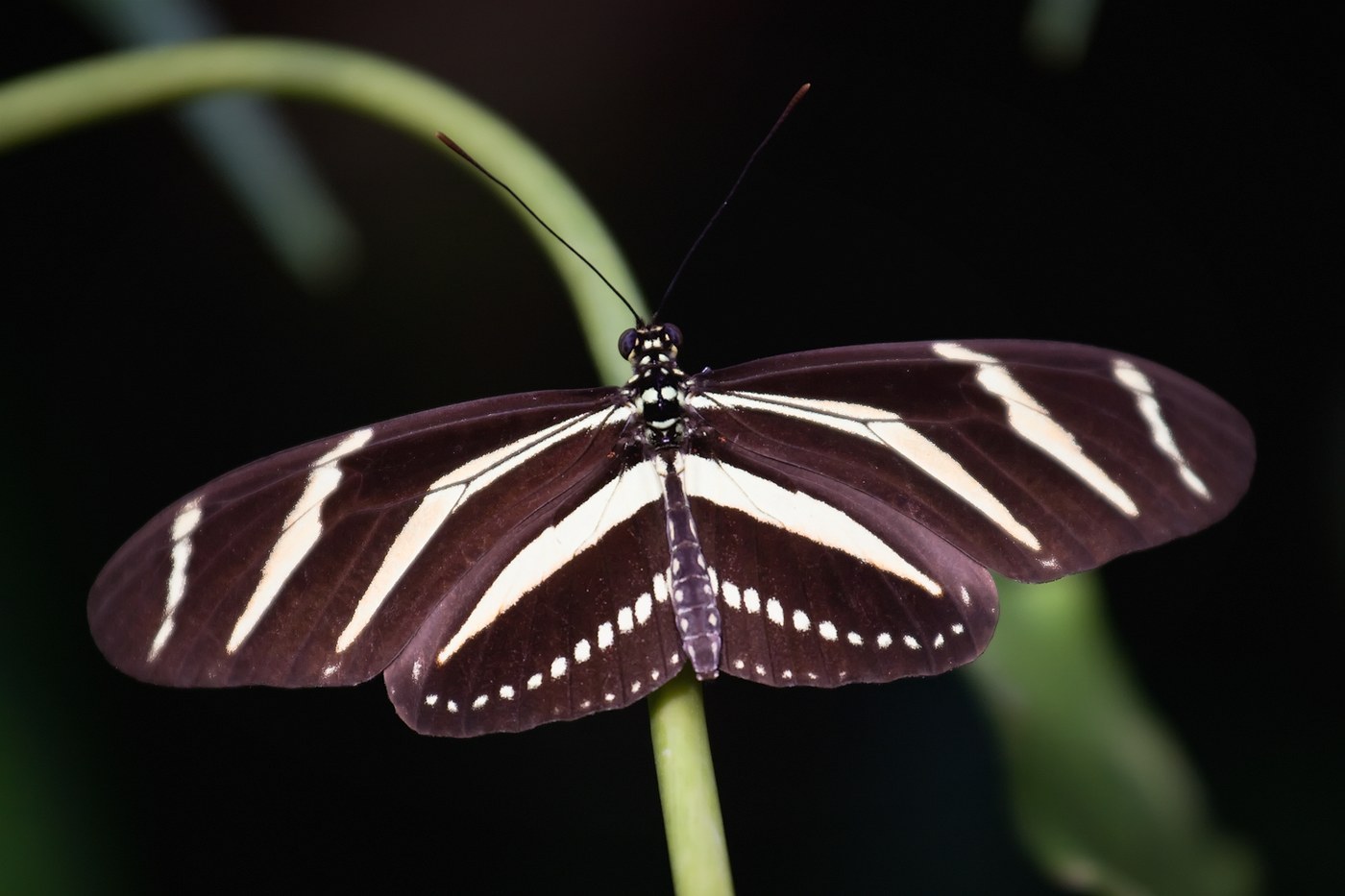
Zebra Longwing
A slow-flying, long-winged black butterfly striped boldly with yellow, unusual among butterflies for feeding on pollen as an adult, which extends its lifespan to several months.
butterfly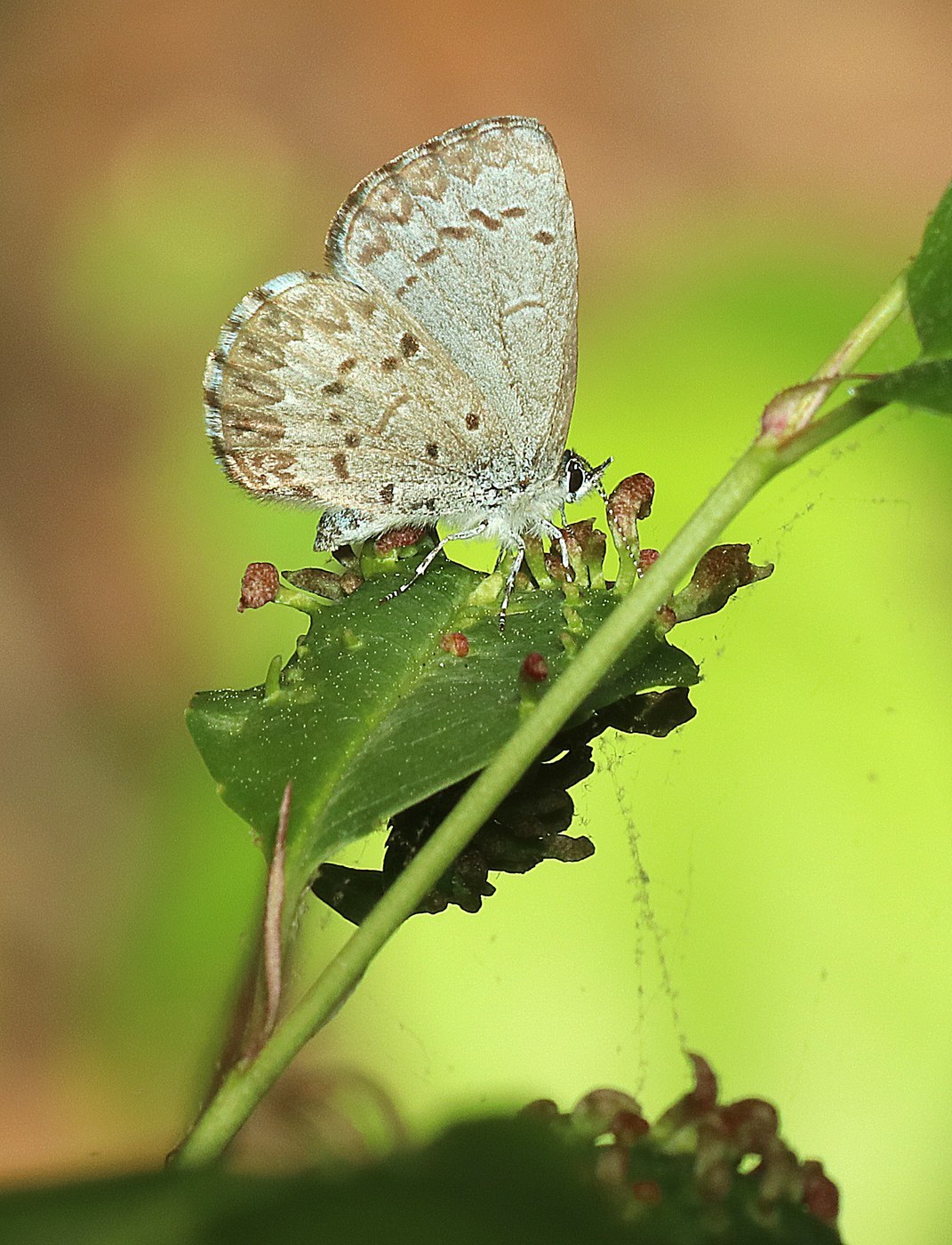
Spring Azure
One of the earliest-flying small blue butterflies of spring, with soft pale-blue upperwings, a whitish gray underside dotted with faint dark markings, and no tails on the hindwing.
butterfly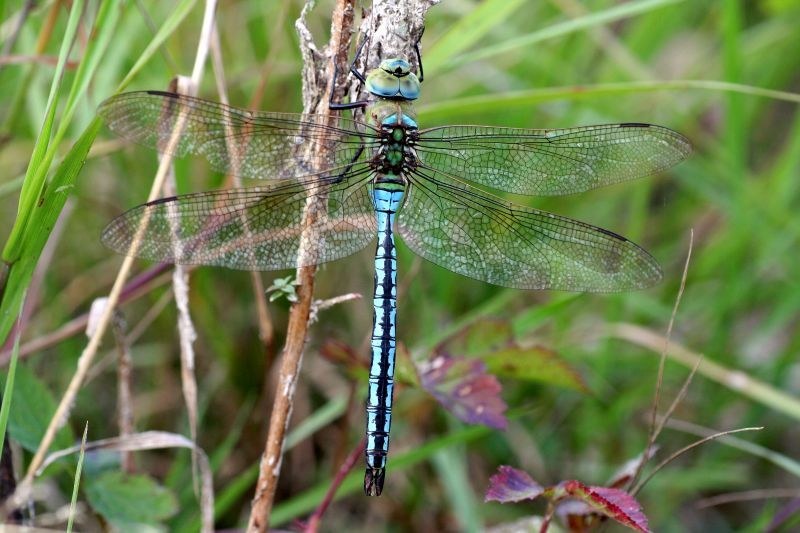
Emperor Dragonfly
One of Europe's largest and most powerful dragonflies, a fast, high-flying hunter with a bright sky-blue abdomen in males and a commanding, tireless patrol over open water.
dragonfly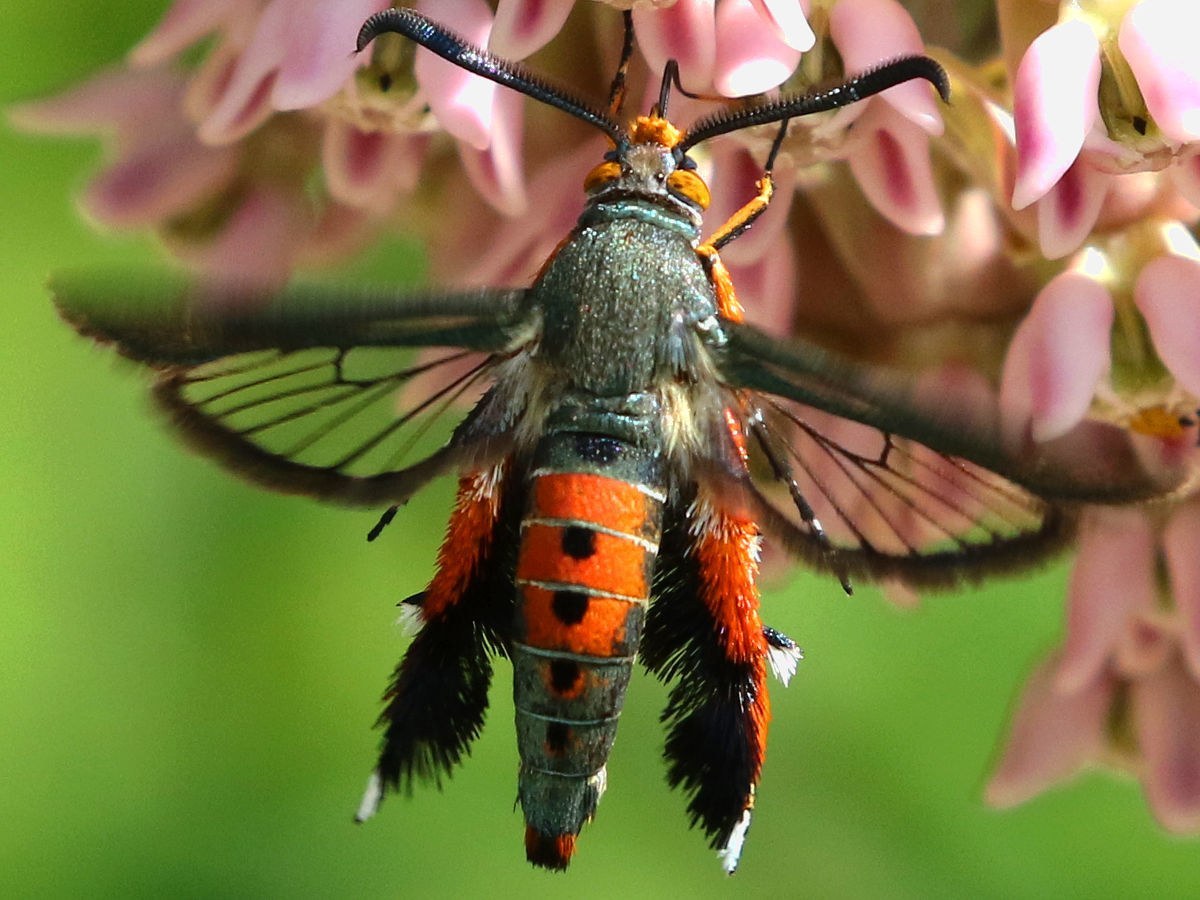
Squash Vine Borer
A day-flying, wasp-mimicking moth whose orange fuzzy hind legs and metallic wings make it easy to mistake for a wasp as it darts around squash vines.
mothFirefly
A soft-bodied, dusk-flying beetle famous for the bioluminescent flashes it produces from its abdomen to attract mates on warm summer evenings.
beetle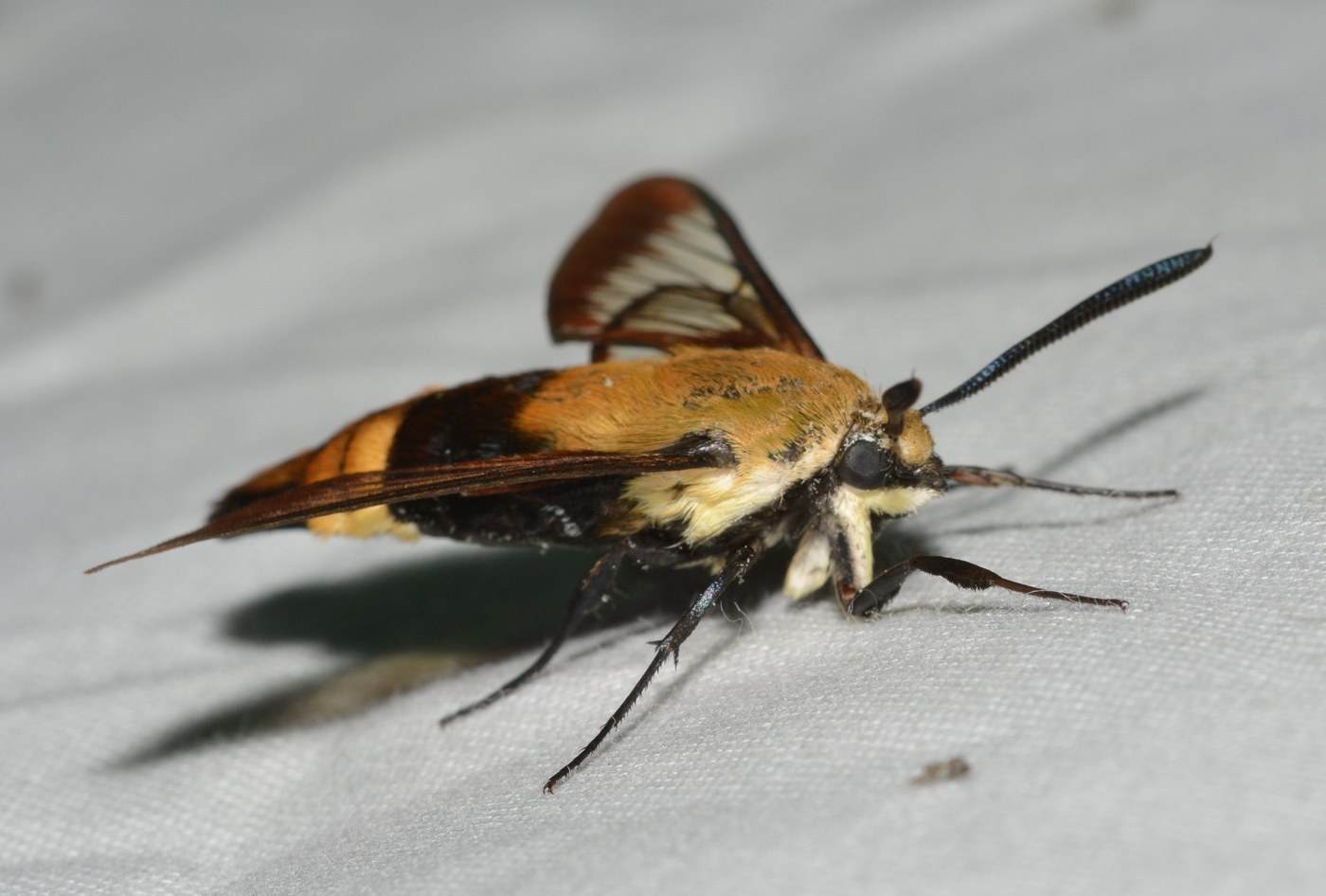
Bumblebee Moth
A fuzzy, day-flying sphinx moth that hovers at flowers like a bee, with mostly clear wings and a black-and-yellow banded body that mimics a bumblebee.
moth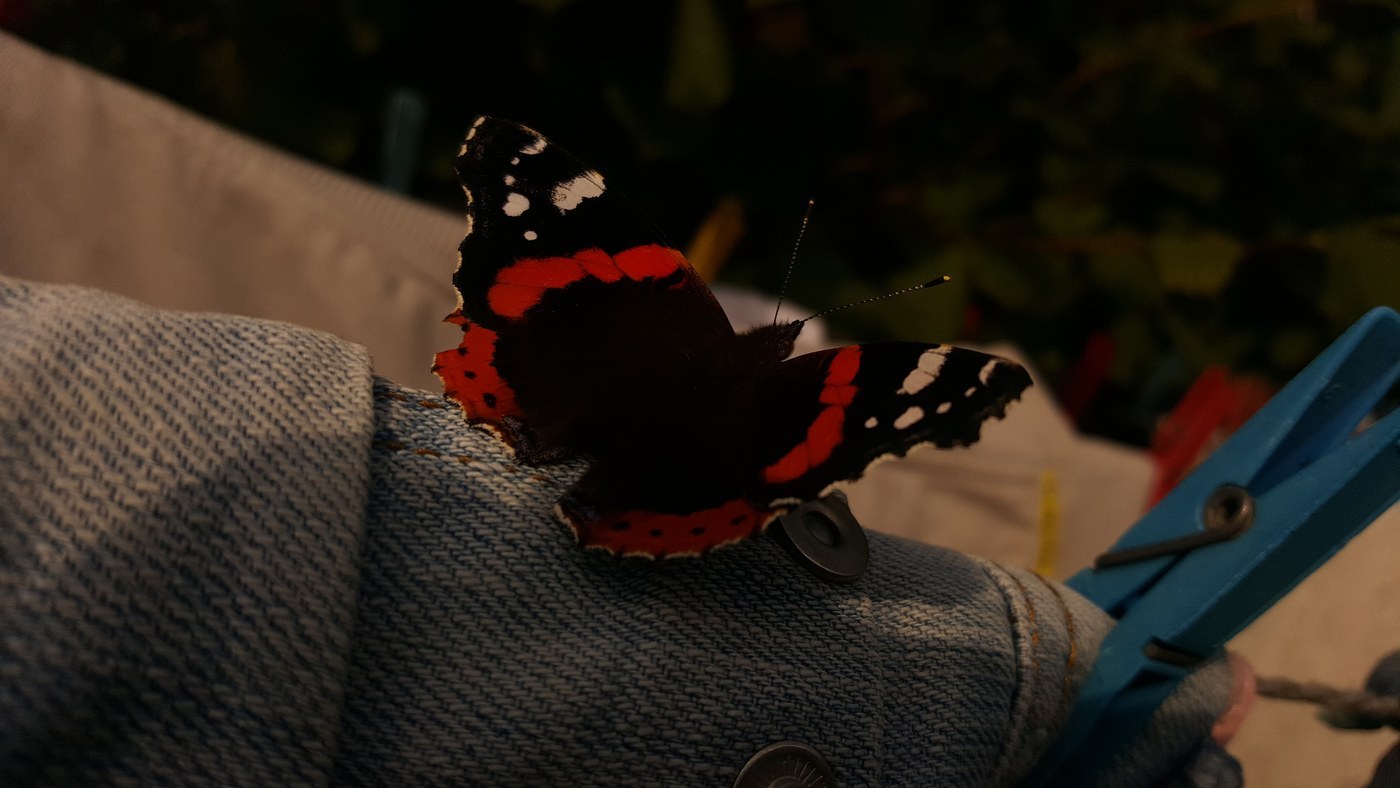
Red Admiral
A fast-flying, strikingly patterned butterfly with velvety black wings crossed by a bold orange-red band and white-spotted tips, often seen basking on tree trunks or sipping from fallen fruit.
butterfly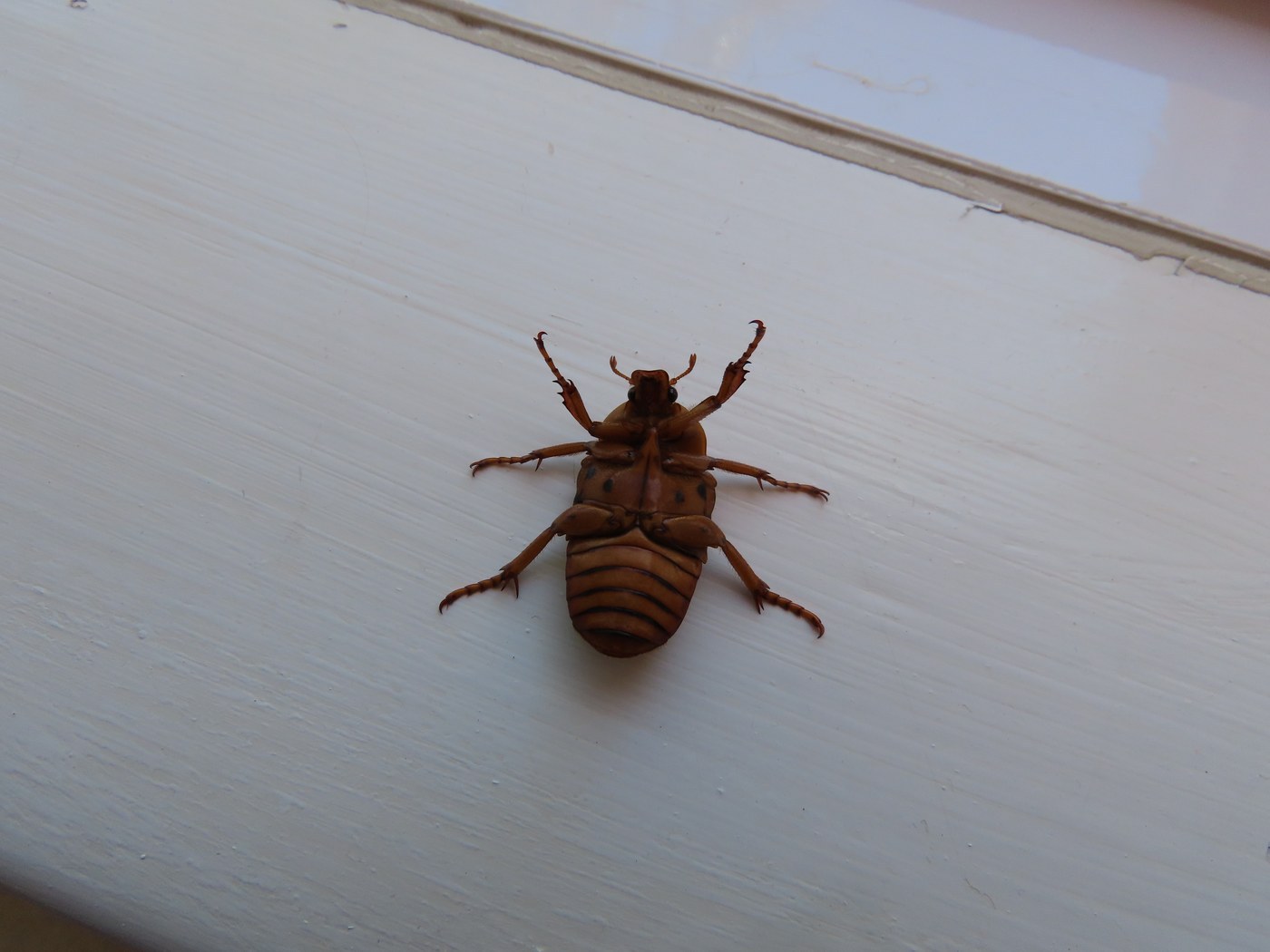
Flower Chafer Beetle
Often clad in brilliant metallic greens, golds, and bronzes, flower chafers are day-flying scarab beetles that feed on flowers. Many buzz loudly in flight and keep their wing covers closed as they take off.
beetleHummingbird Moth
Hovering at flowers with a blur of wings and a long uncoiling tongue, the hummingbird moth is easily mistaken for a tiny hummingbird. These plump, fast-flying hawk moths feed on nectar in broad daylight.
moth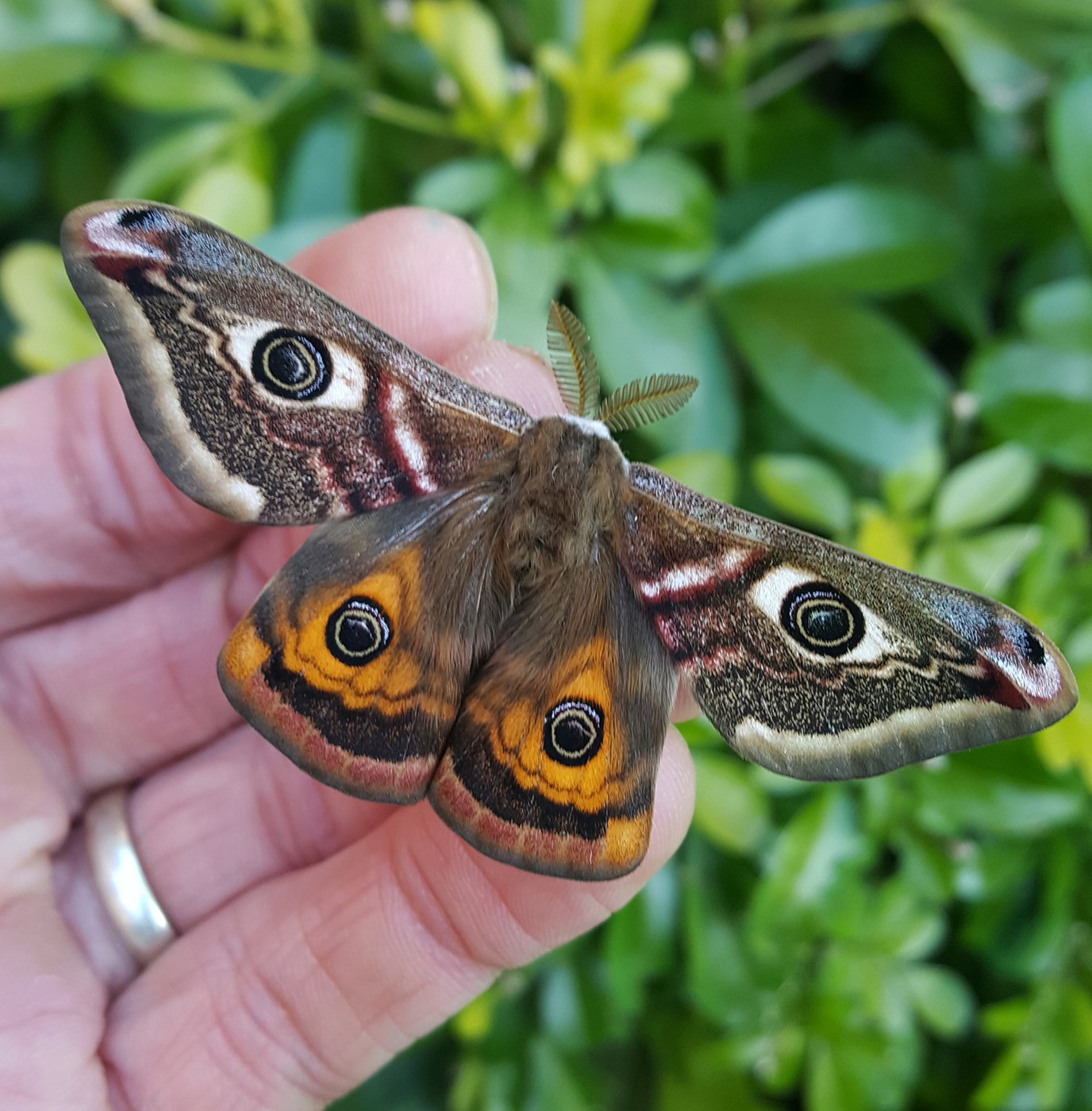
Emperor Moth
A striking silk moth with a large eyespot on each of its four wings, showing pronounced differences between the smaller, orange-brown, day-flying males and the larger, greyer, night-flying females.
moth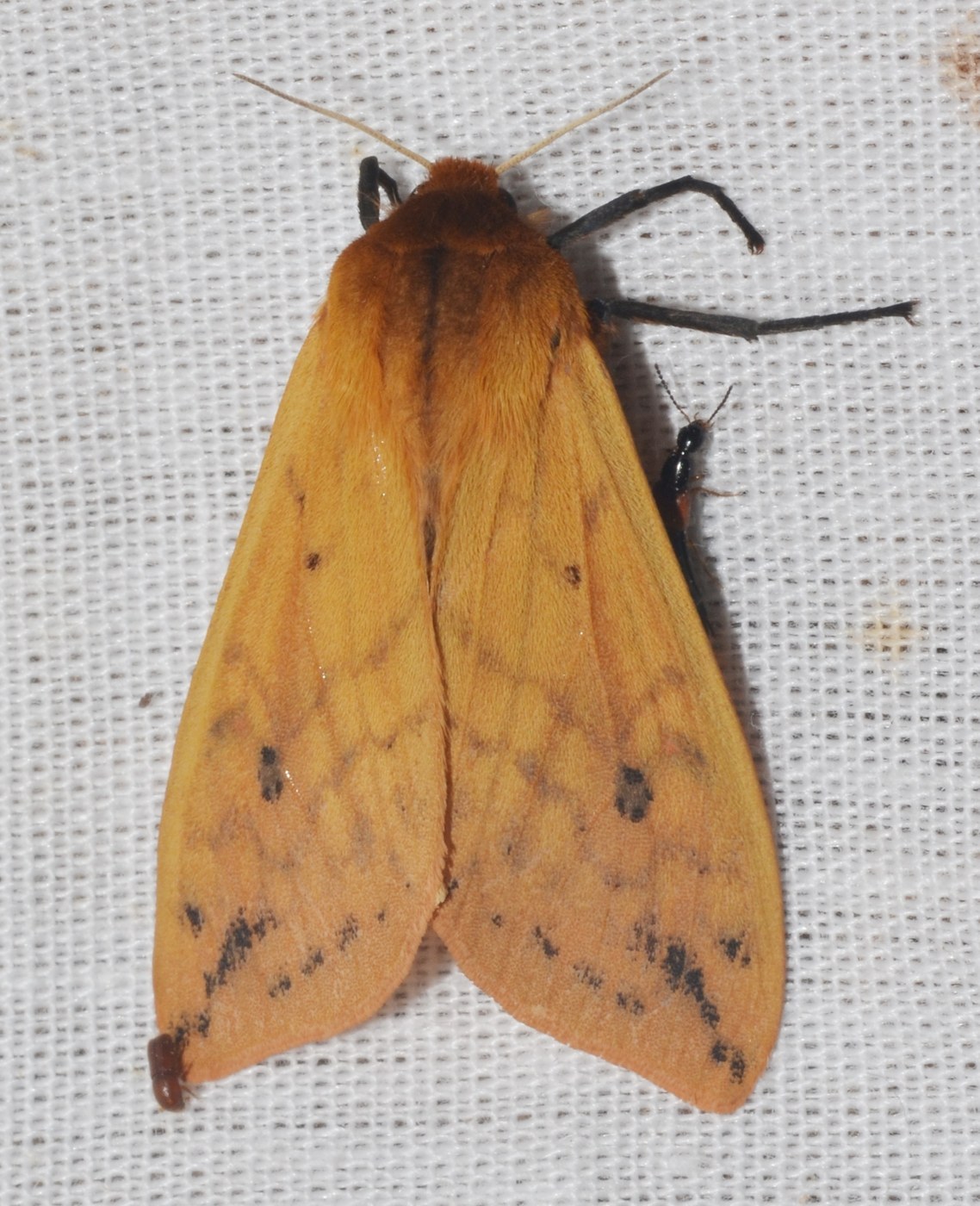
Isabella Tiger Moth (Woolly Bear)
Famous chiefly in its larval stage as the banded woolly bear caterpillar, this tiger moth's fuzzy black-and-rust-colored caterpillar is a familiar autumn sight, while the adult is a soft, tawny-orange moth with a stout, furry body.
moth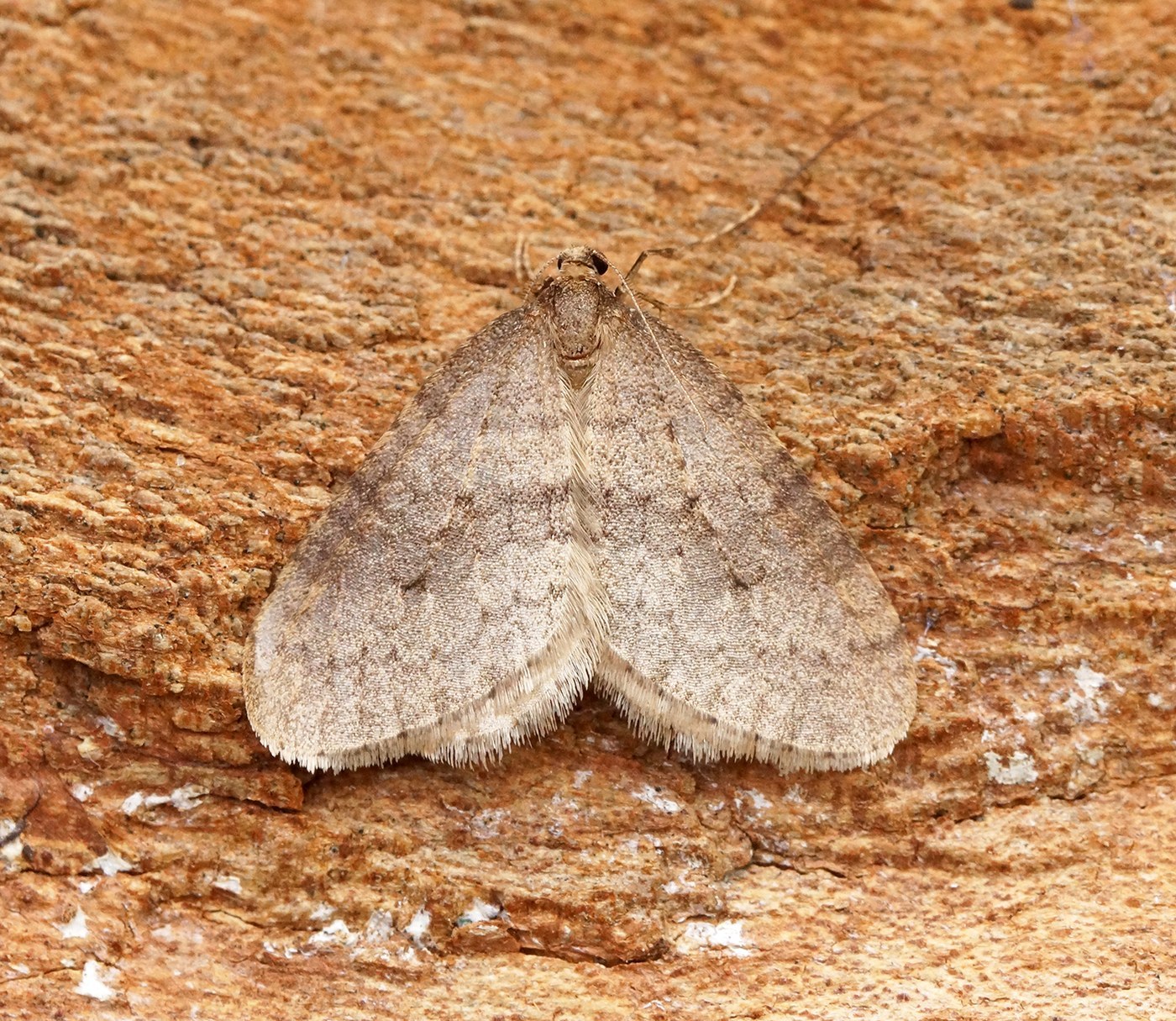
Winter Moth
A small tan-brown moth unusual for flying in the cold of late autumn and early winter, with strongly dimorphic sexes: fully winged males and flightless, near-wingless females that climb tree trunks to lay eggs.
moth