
Bug Encyclopedia
Search and identify bugs & insects — beetles, butterflies, moths, ants, bees, spiders and more — with size, habitat, danger, behavior, and how to tell them apart.
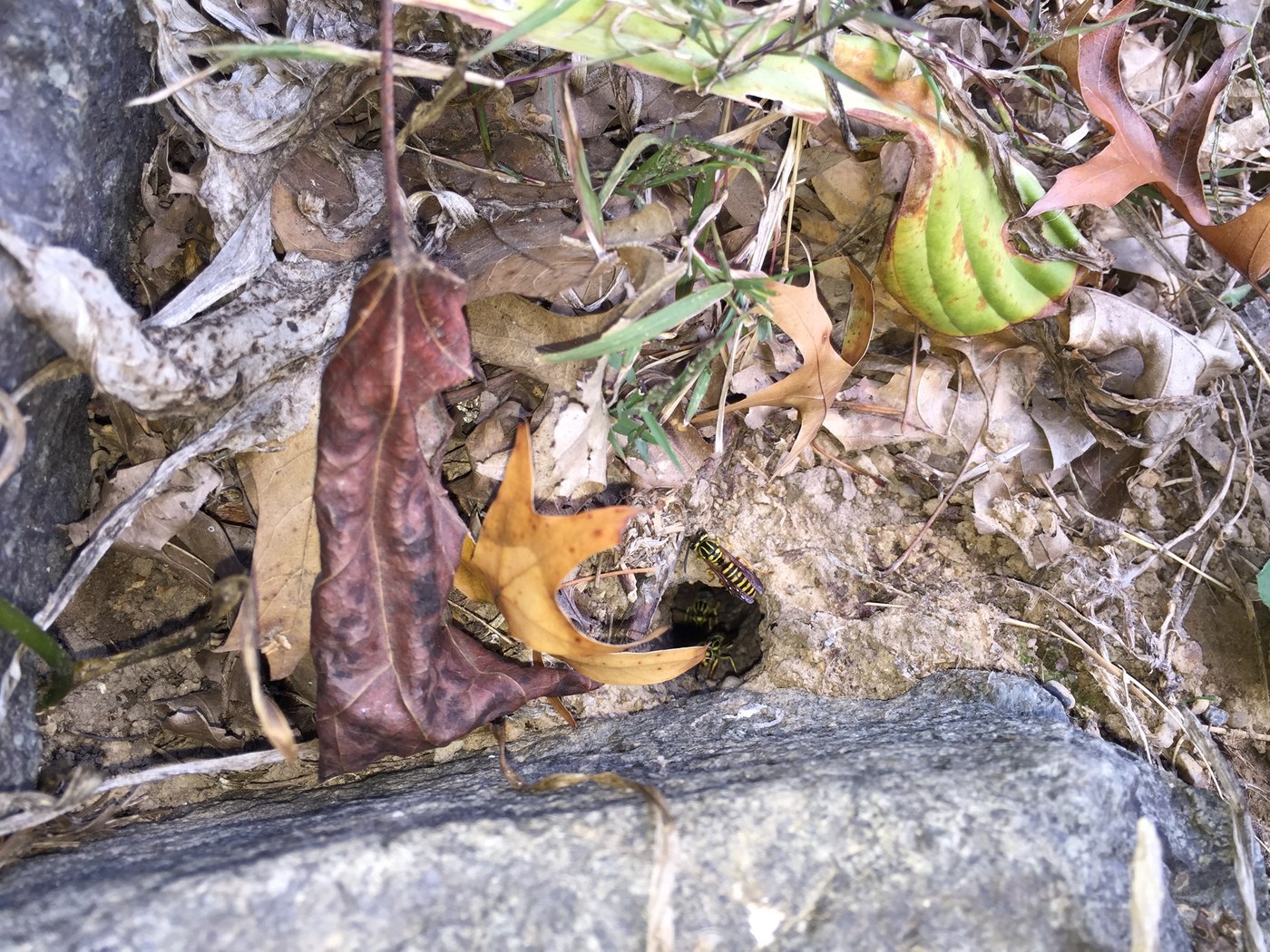
Yellow Jacket
A smooth-bodied, boldly banded black-and-yellow wasp with a narrow waist, often seen hovering aggressively around outdoor food and sugary drinks in late summer.
wasp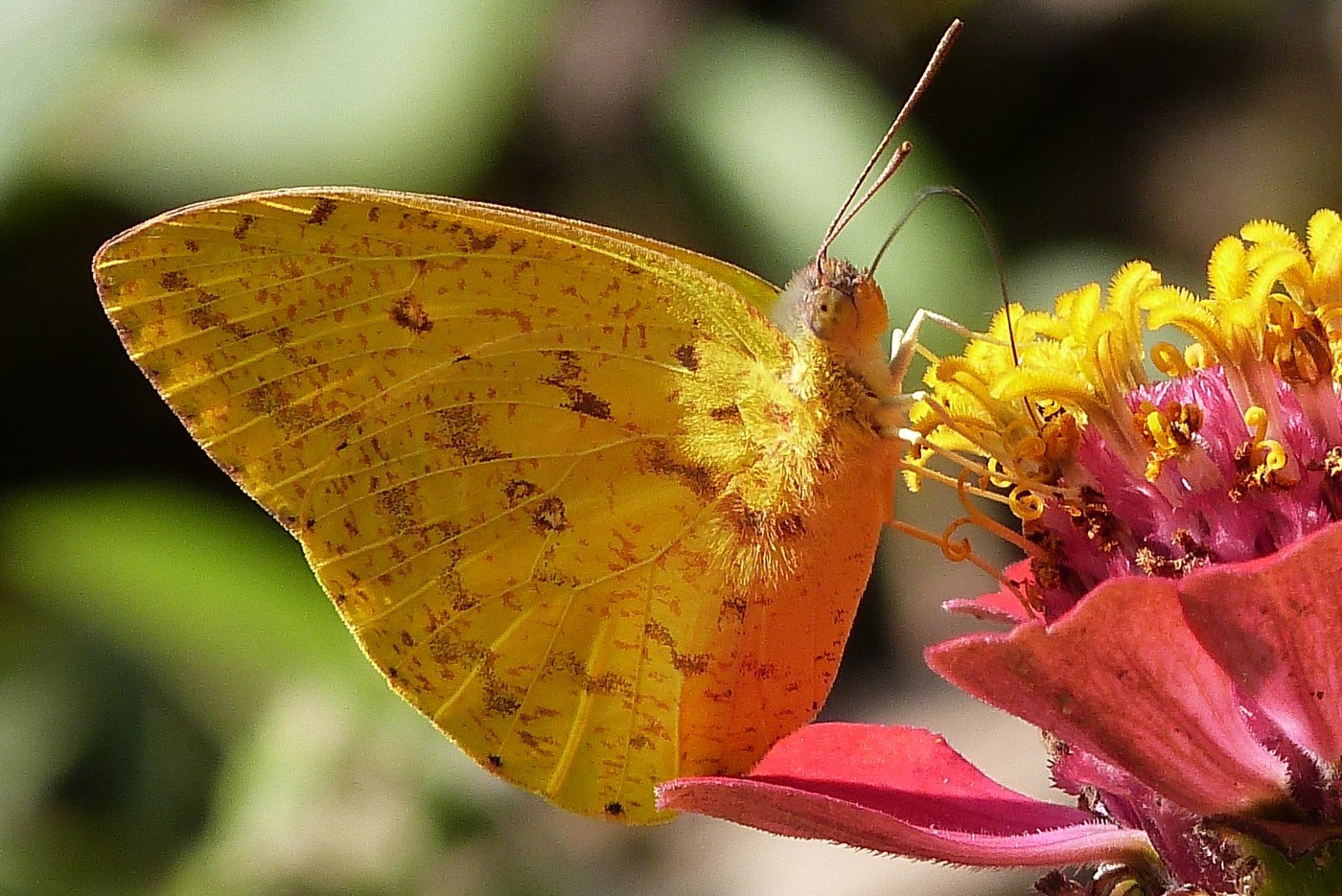
Orange-barred Sulphur
One of the largest sulphur butterflies, bright yellow with a bold band of deep orange across the forewing and a solid orange wash on the hindwing in males.
butterflyGiant Leopard Moth Caterpillar
A jet-black, bristly caterpillar that curls into a tight ball to reveal bright red-orange bands between its segments when disturbed.
caterpillar-larva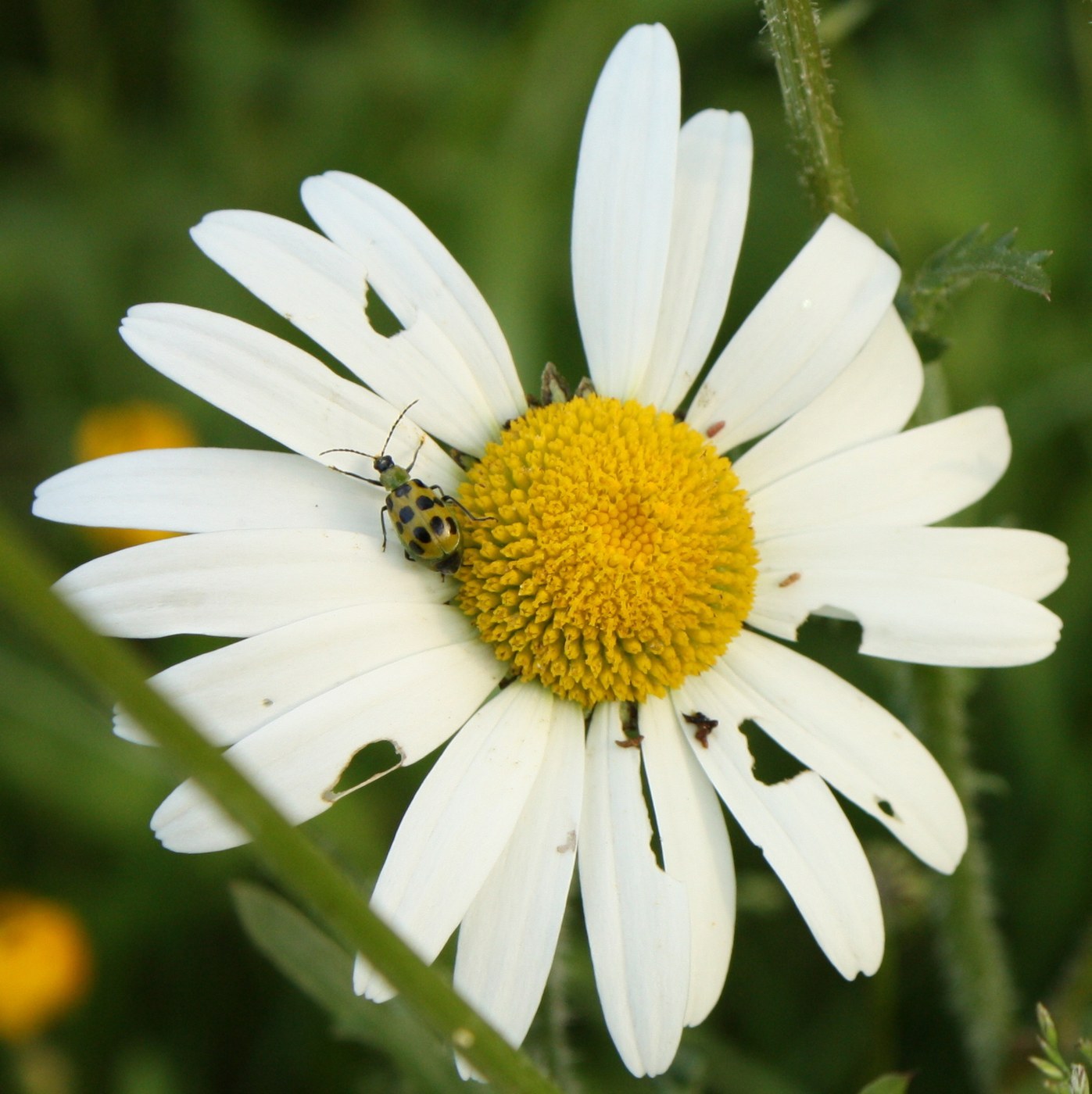
Cucumber Beetle
A small, brightly colored beetle patterned with black spots or stripes on a yellow-green background, commonly seen crawling on the flowers and leaves of cucumber and squash plants.
beetle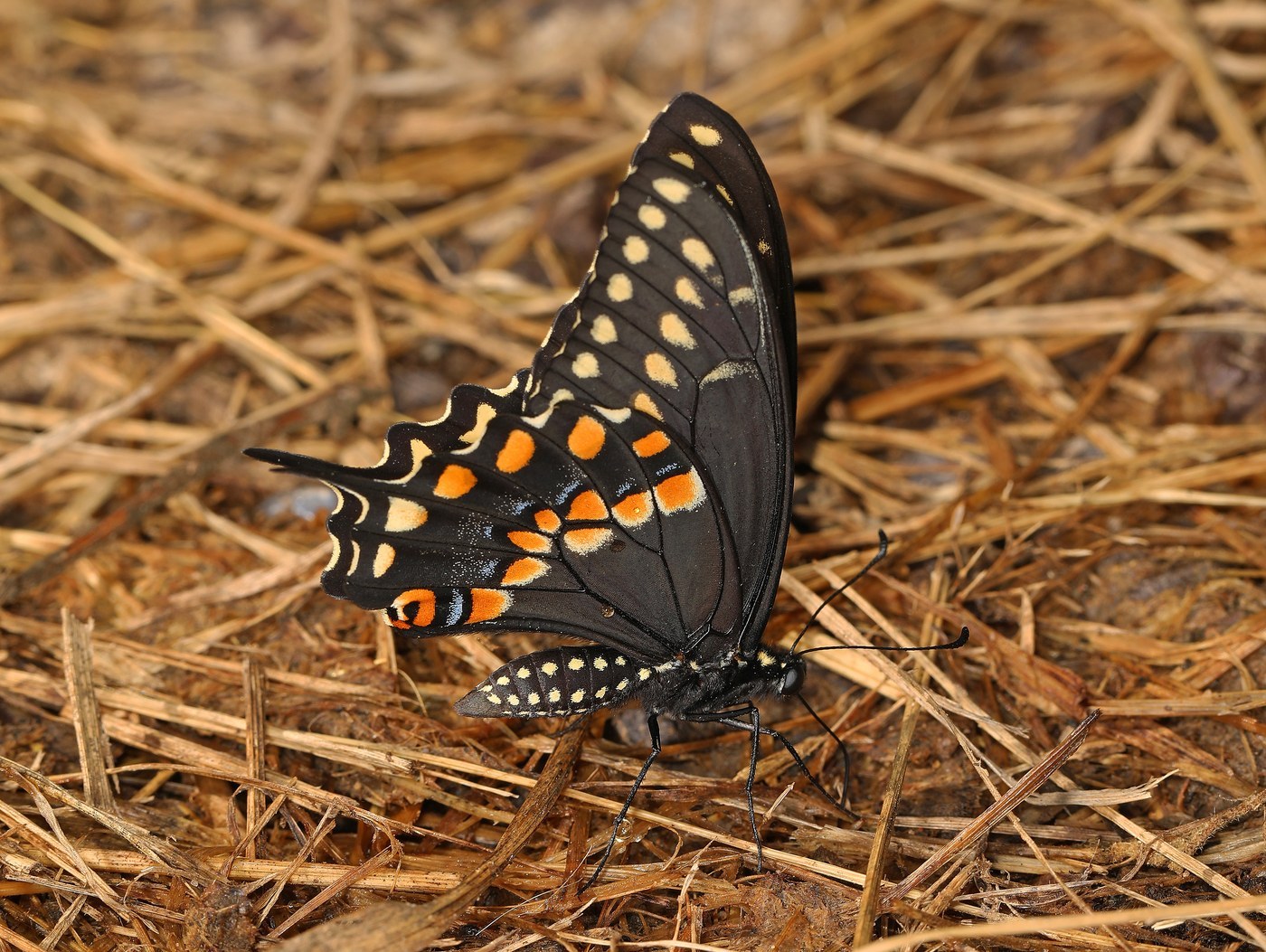
Parsley Worm
Banded in green, black, and yellow, the parsley worm rears up and flashes a bright orange, forked scent gland when disturbed, a signature defense of black swallowtail caterpillars.
caterpillar-larva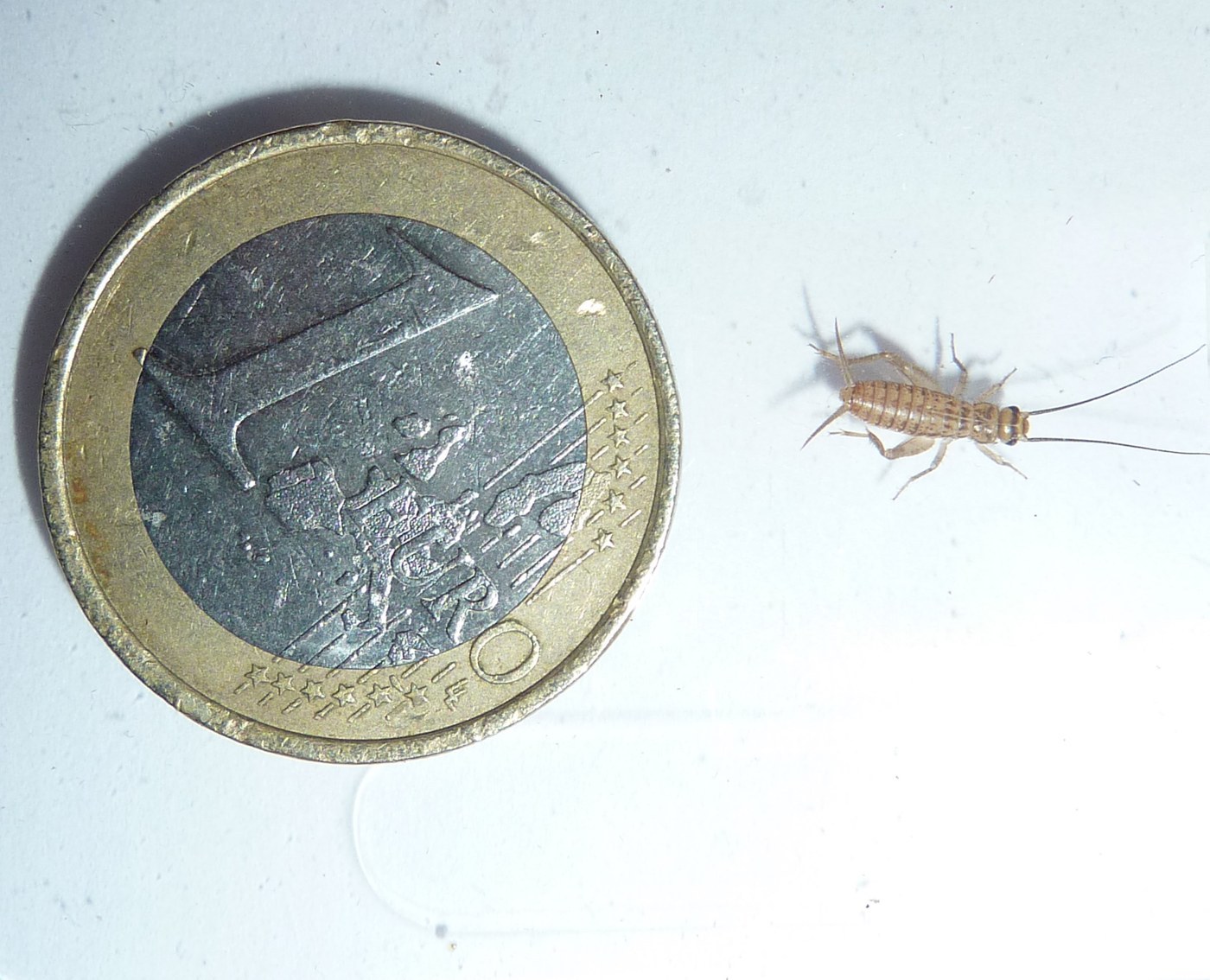
House Cricket
A pale tan, dark-banded cricket originally from warm regions of Asia that has spread worldwide both as an occasional indoor nuisance and as a widely farmed feeder insect.
grasshopper-cricketBiting Midge
A minuscule, gray-winged fly that gathers in dense swarms near wetlands and can slip through window screens unnoticed.
fly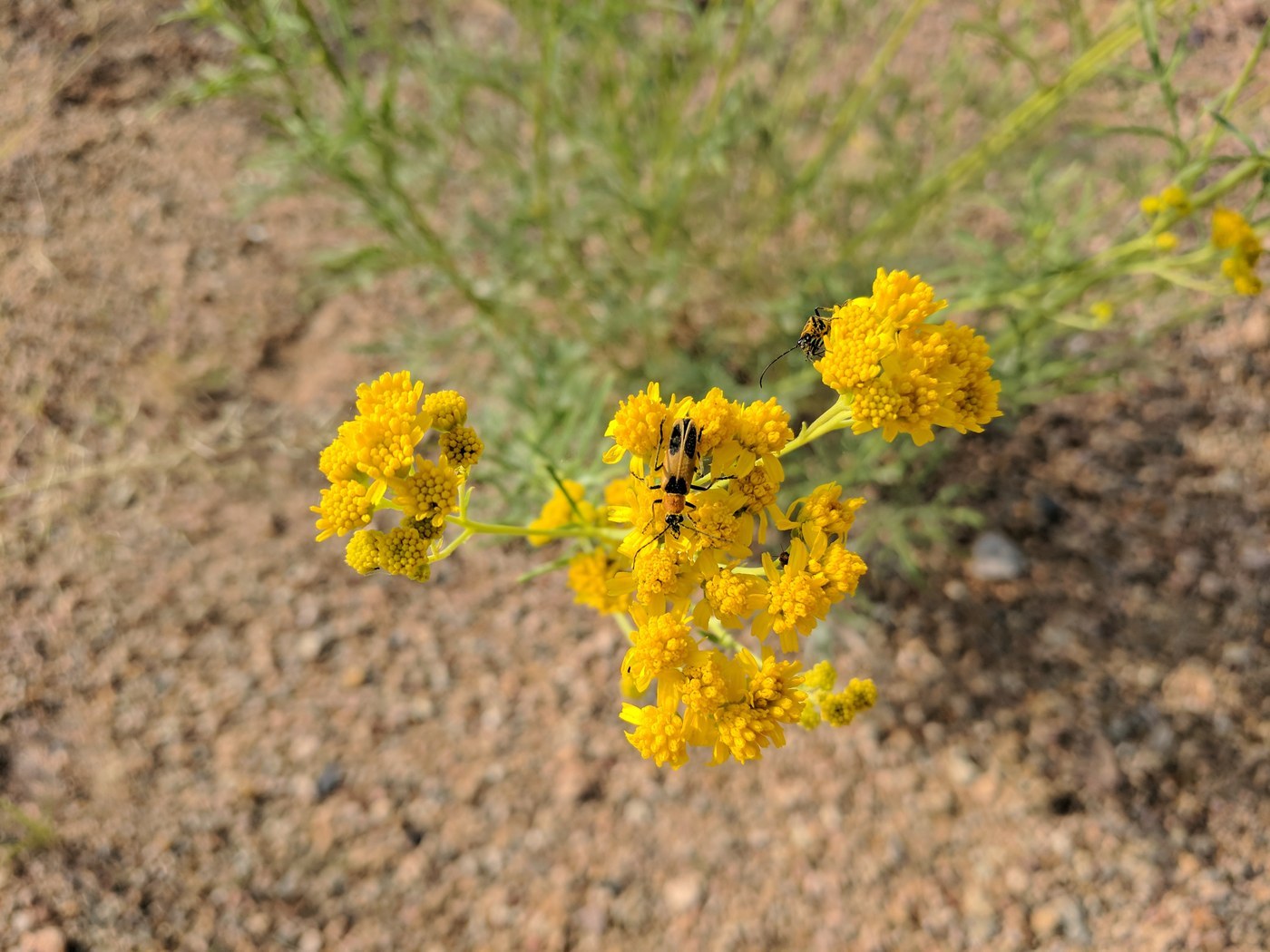
Soldier Beetle
A slender, soft-bodied beetle in orange and black or yellow and brown, often seen clustered on late-summer flowers where it feeds on pollen, nectar, and small insects.
beetle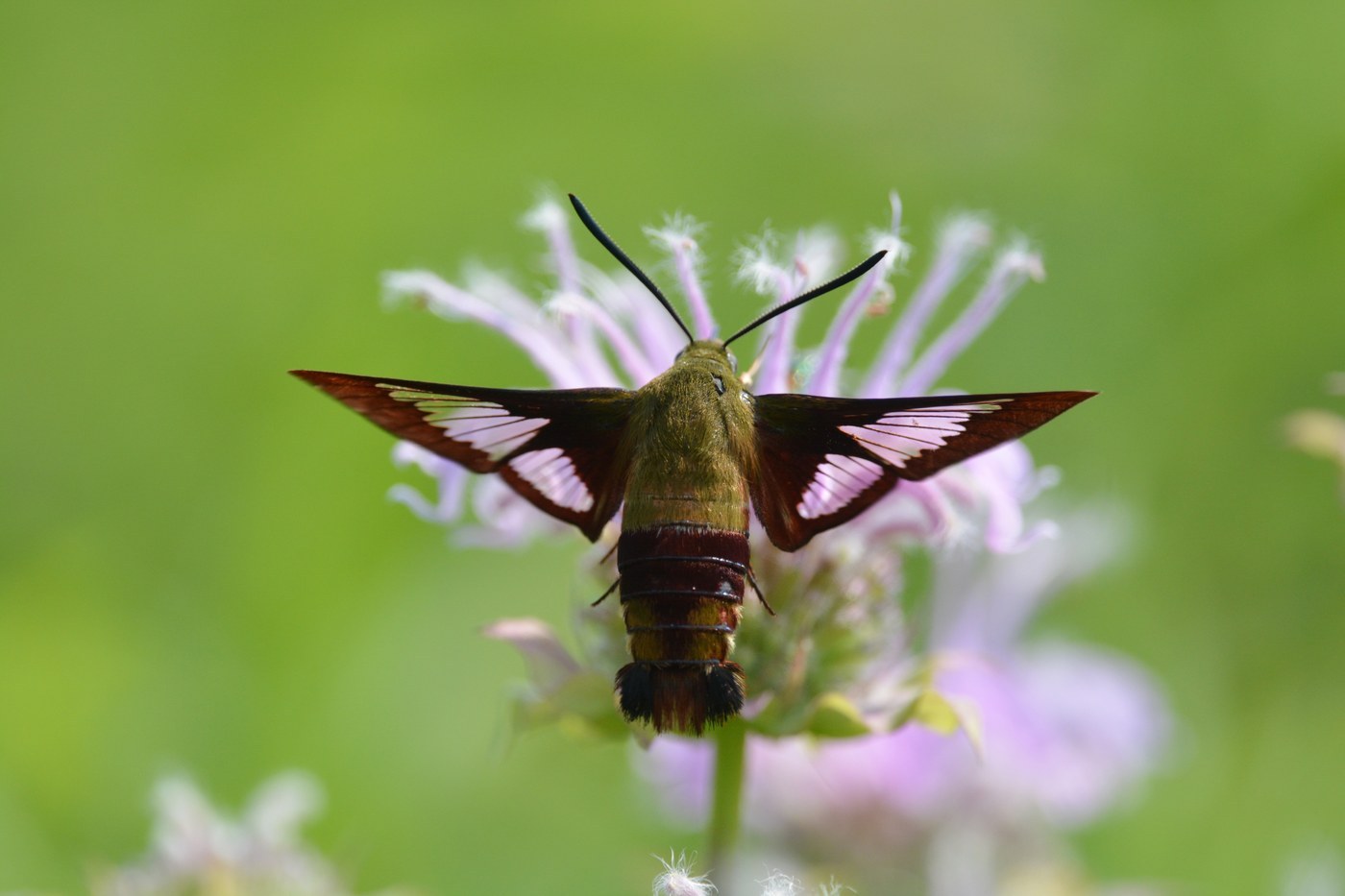
Hummingbird Clearwing Moth
A robust, olive-and-burgundy day-flying moth with mostly transparent wings that hovers at flowers exactly like a tiny hummingbird, unspooling a long proboscis to sip nectar.
moth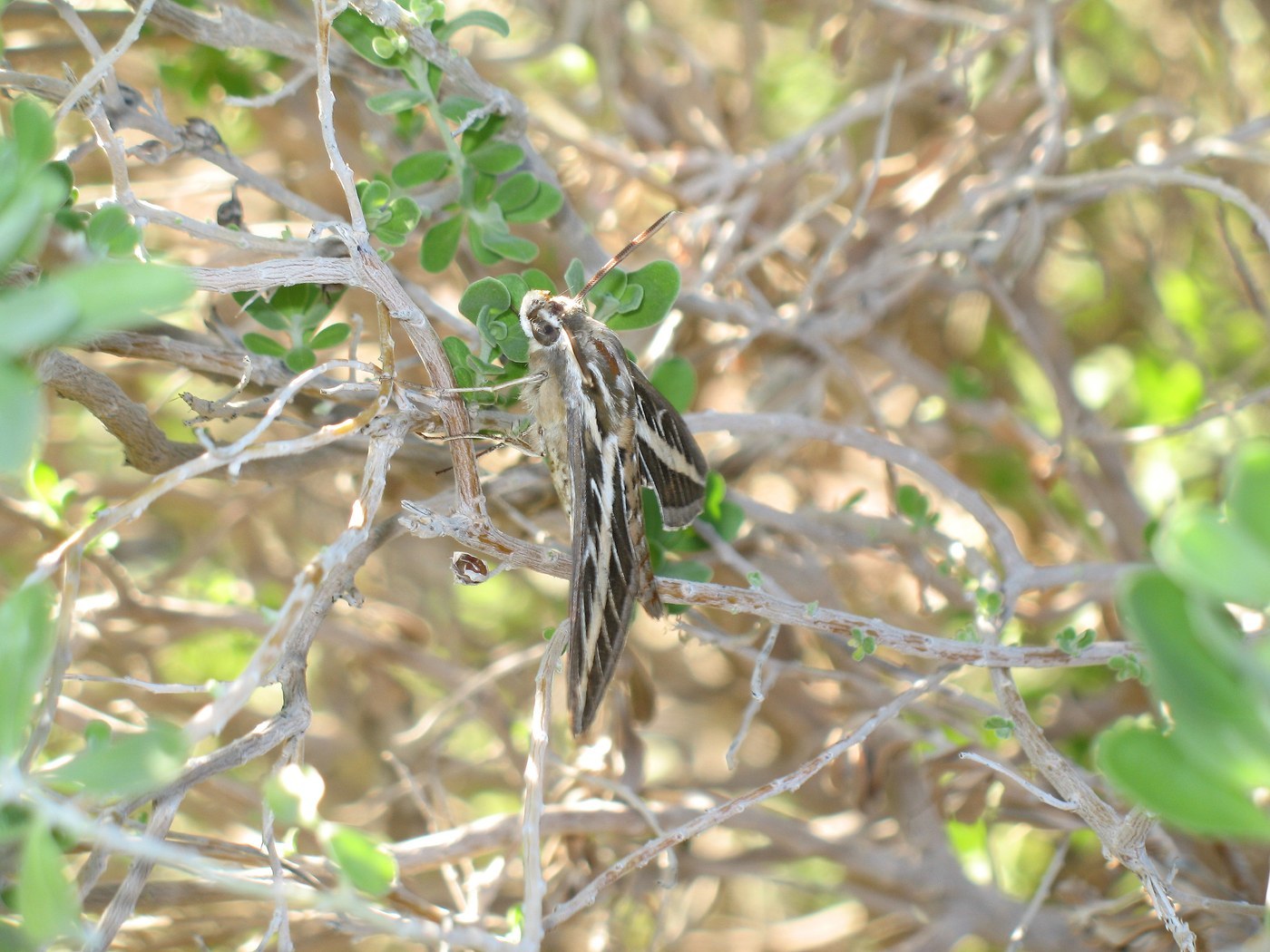
White-lined Sphinx Moth
A fast, hovering moth often mistaken for a hummingbird as it darts between flowers at dusk, identifiable by the bold cream-colored stripe running across each streamlined brown forewing.
moth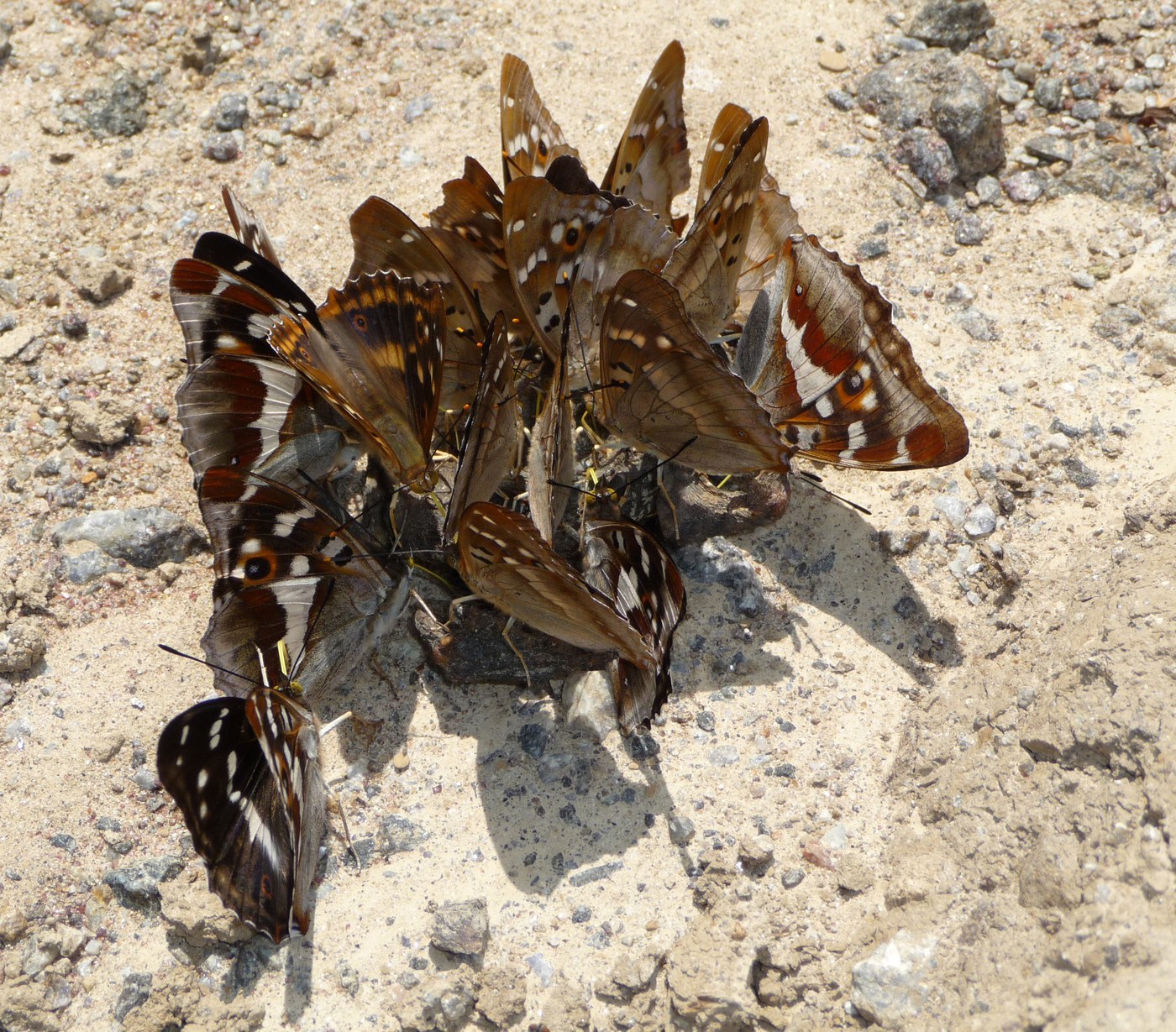
Purple Emperor
A large, elusive woodland butterfly whose males flash an iridescent purple sheen in sunlight, spending most of their time high in the treetop canopy rather than visiting flowers.
butterflyLonghorn Bee
A fuzzy, medium-sized solitary bee named for the males' notably long, curved antennae, commonly seen foraging on sunflowers, asters, and other late-summer composite flowers.
bee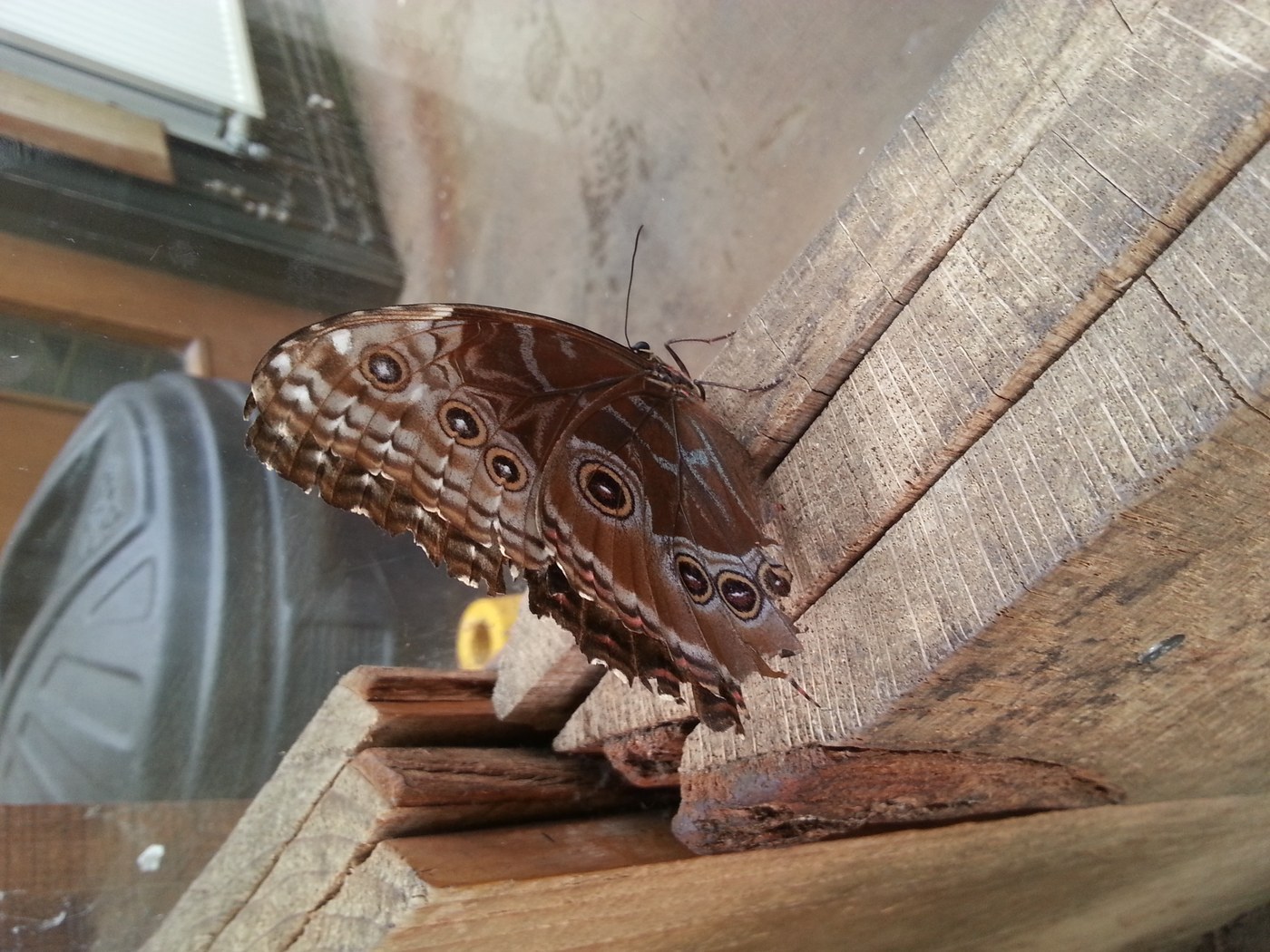
Hackberry Emperor
A brown-and-cream butterfly closely tied to hackberry trees, notable for its bold eyespots and habit of landing on people, cars, and other unusual surfaces rather than flowers.
butterfly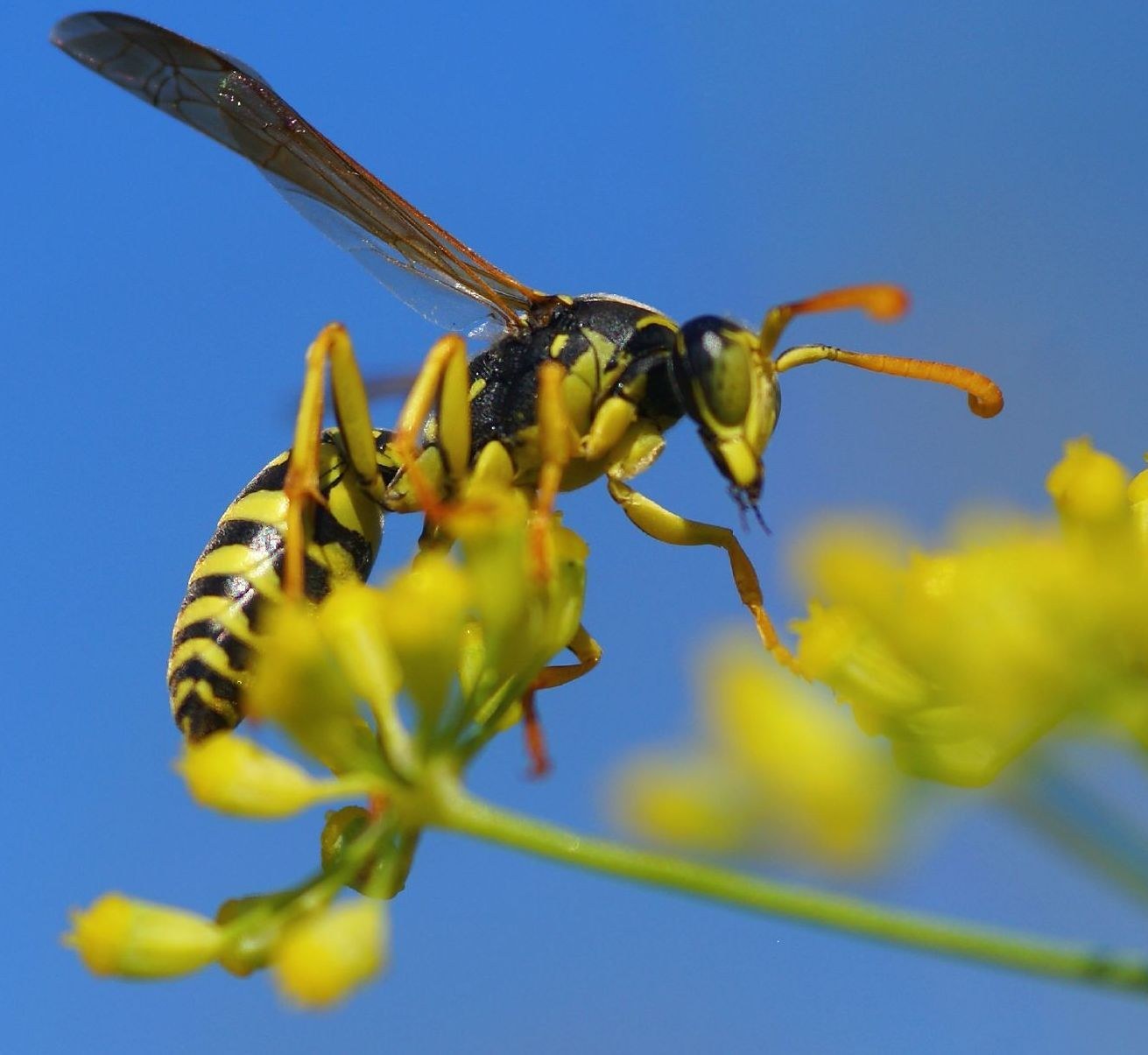
Wasp
A slender-waisted, smooth-bodied flying insect typically banded in black and yellow, recognizable by its narrow 'wasp waist' and folded wings, and often social, building paper nests in colonies.
wasp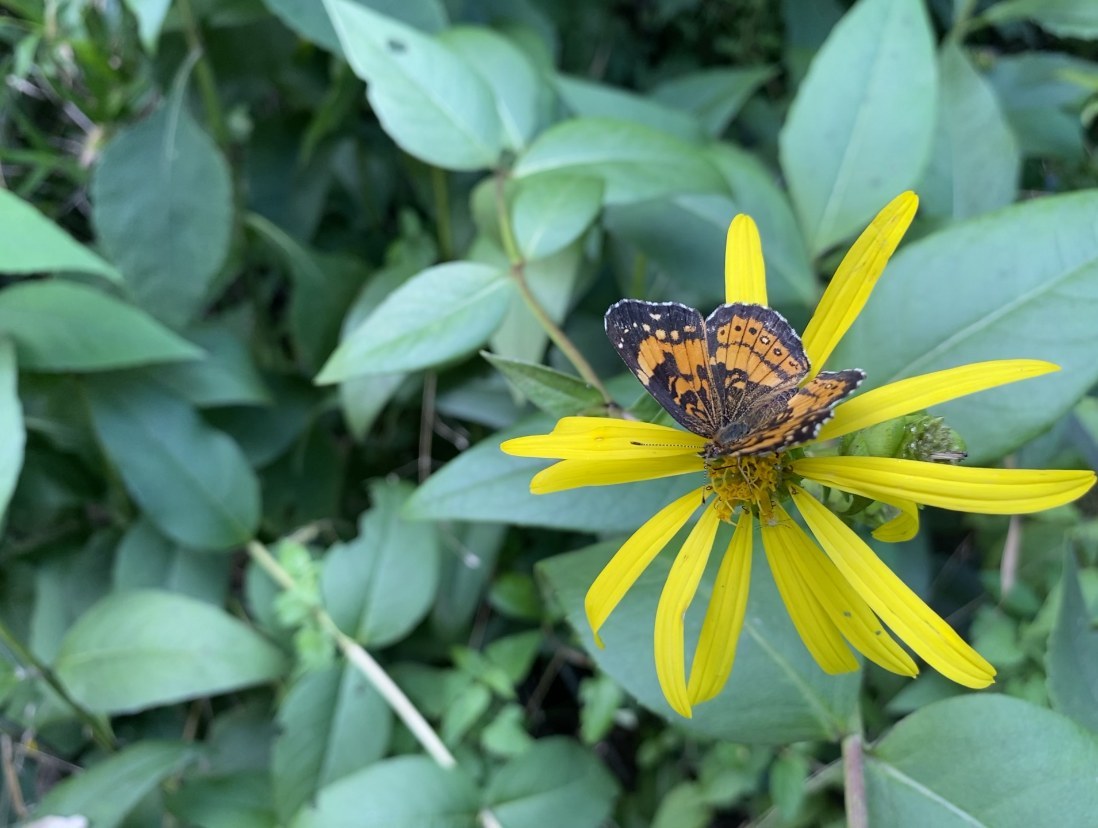
Silvery Checkerspot
An orange-brown checkered butterfly named for the row of small silvery-white crescent spots along the underside hindwing margin, commonly seen nectaring at composite flowers in open habitats.
butterfly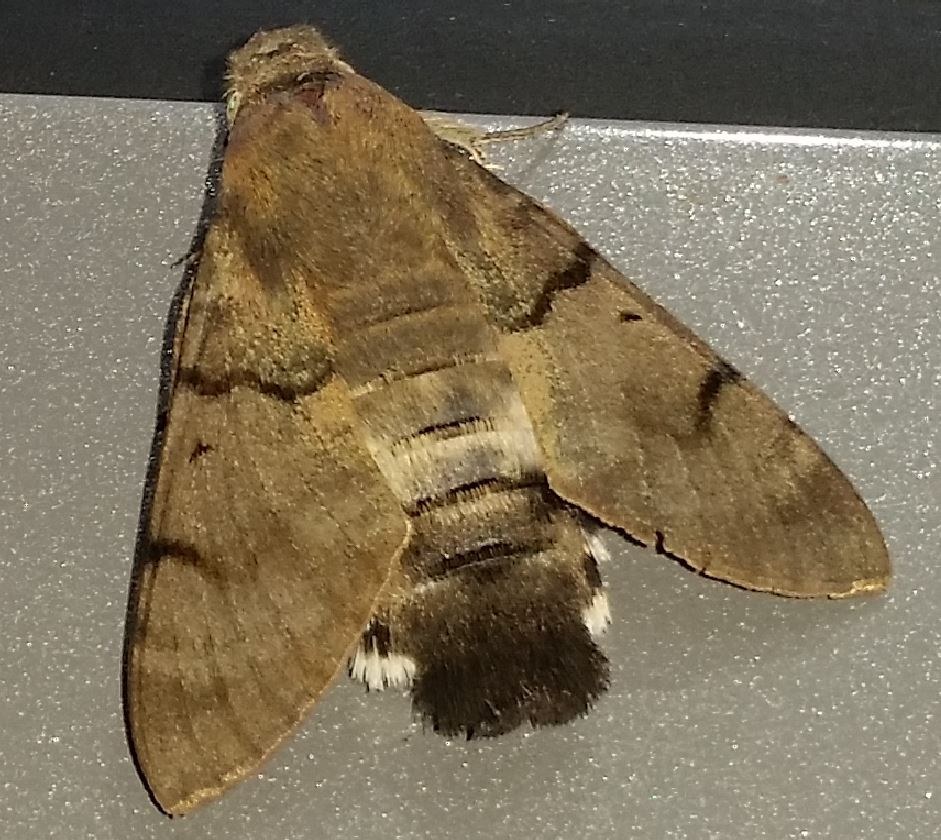
Hummingbird Hawk-Moth
A day-flying moth that hovers in front of flowers on blurring wings while unspooling a long proboscis to sip nectar, so closely mimicking a hummingbird in flight that it is frequently mistaken for one.
moth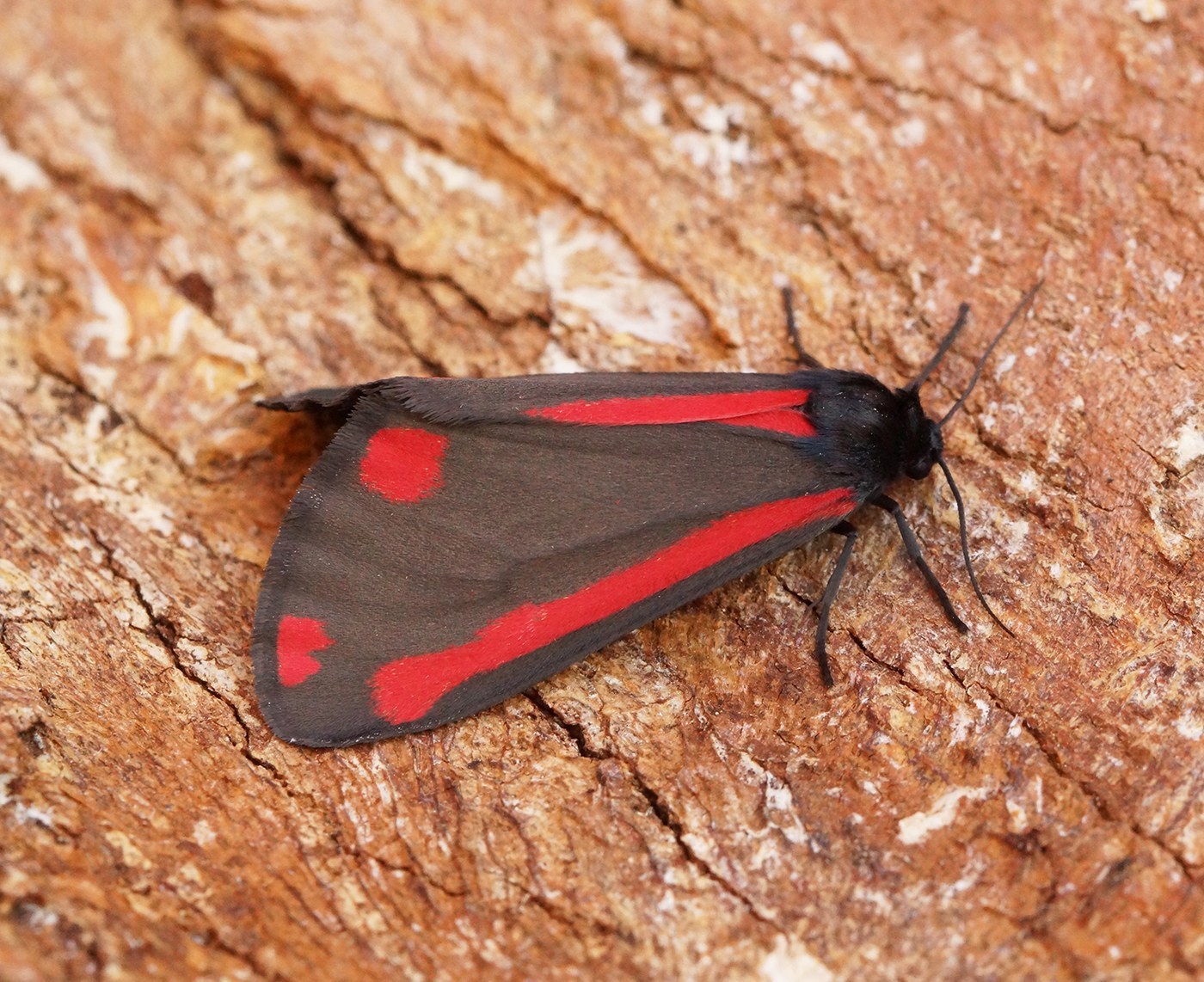
Cinnabar Moth
A striking black-and-red day-flying moth whose boldly banded orange-and-black caterpillars feed conspicuously on ragwort, sequestering plant compounds as a chemical defense advertised by their vivid warning colors.
moth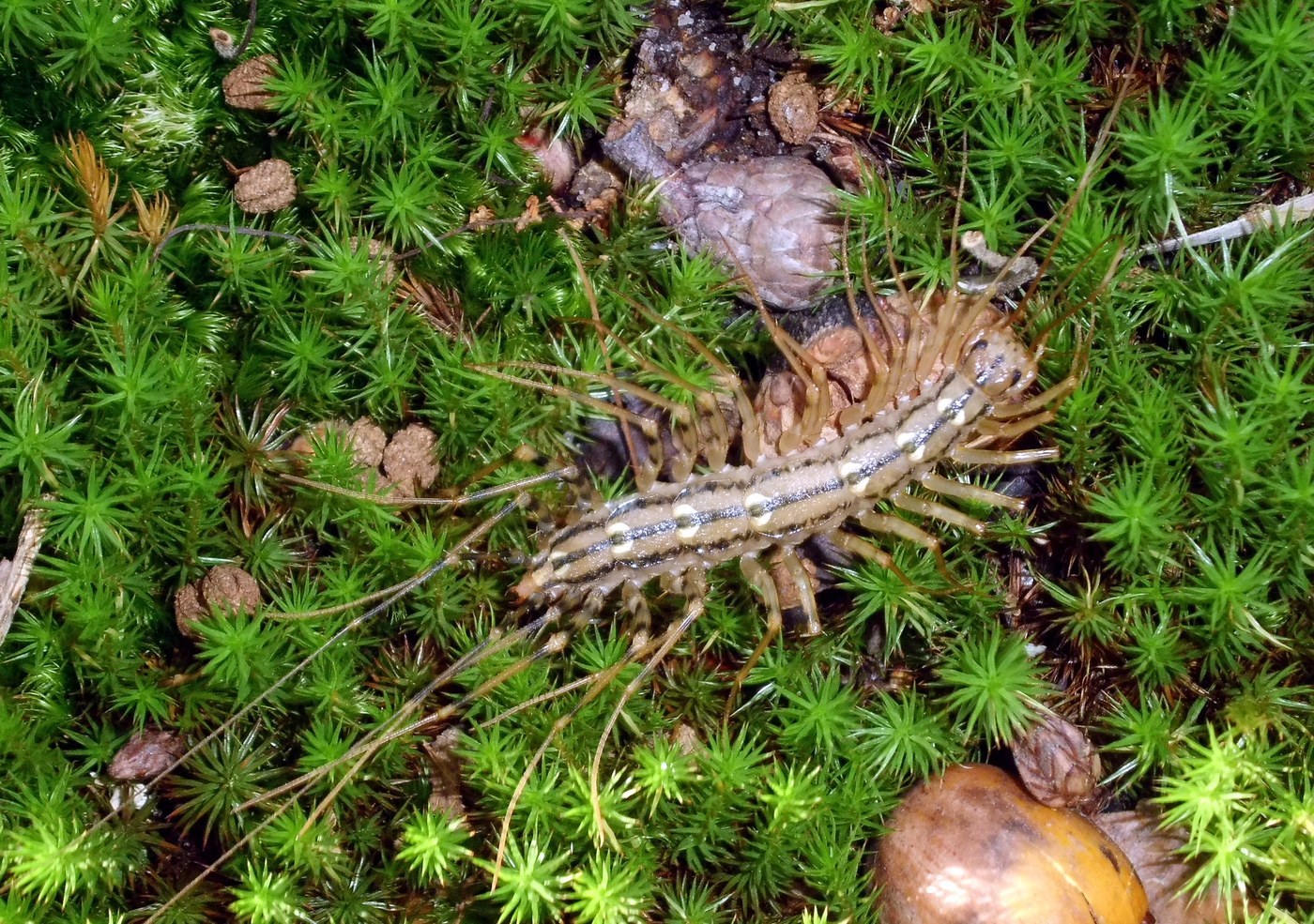
Centipede
A fast-moving, flattened, many-legged predator with one pair of long legs per body segment, instantly recognizable by its speed and, in the house centipede, its remarkably long, banded legs.
myriapod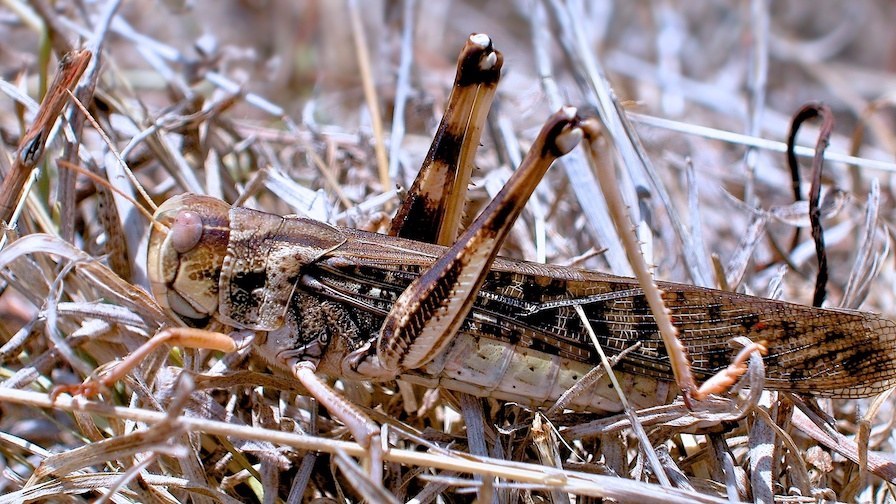
Migratory Locust
A grasshopper with a split personality, the migratory locust can switch from a quiet, solitary green insect into a boldly marked swarming form that travels in enormous, crop-devouring bands.
grasshopper-cricket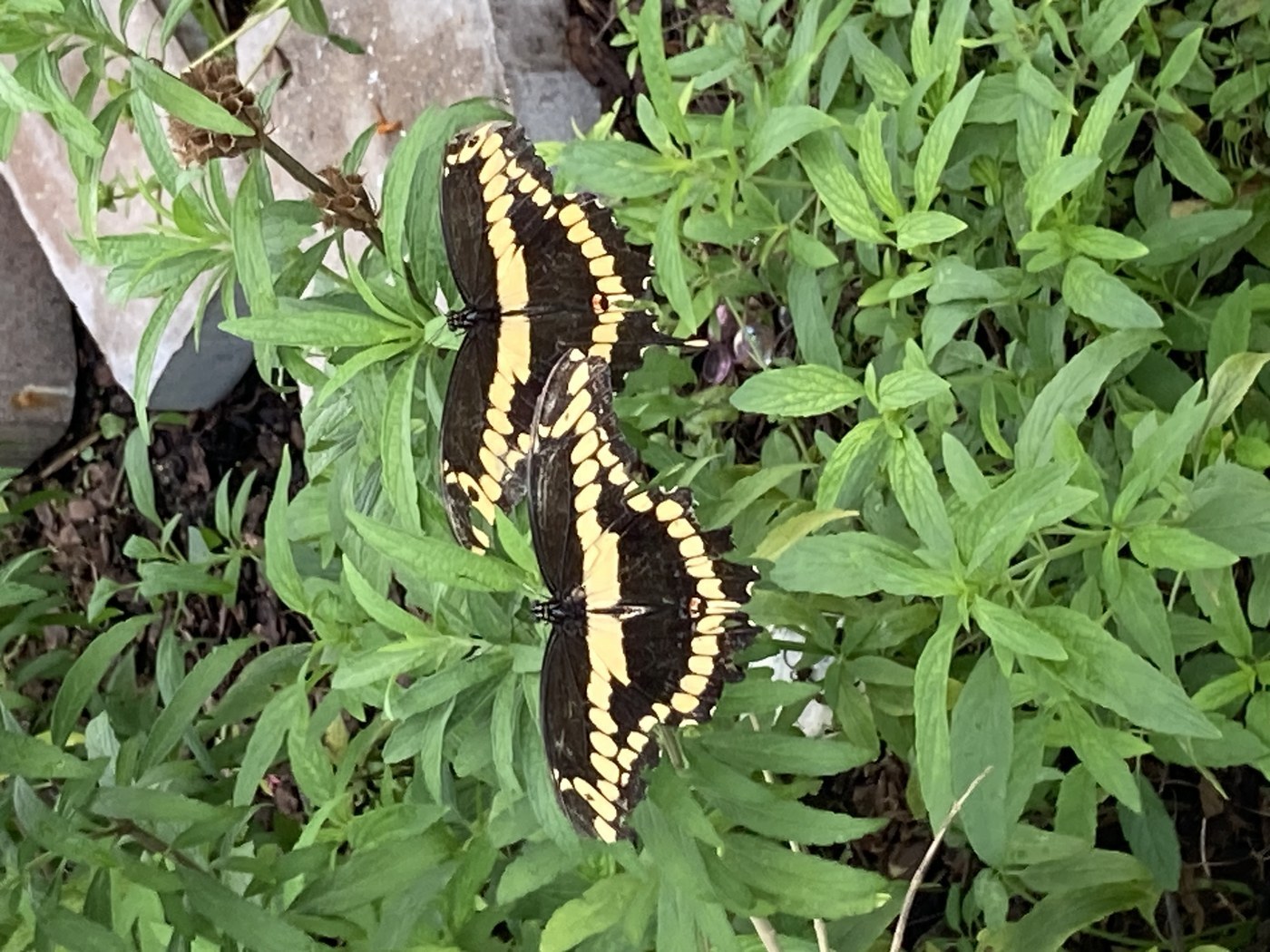
Giant Swallowtail
The largest butterfly in North America, a dark brown giant marked with a bold diagonal yellow band and yellow spotting that forms an X-like pattern when the wings are spread.
butterfly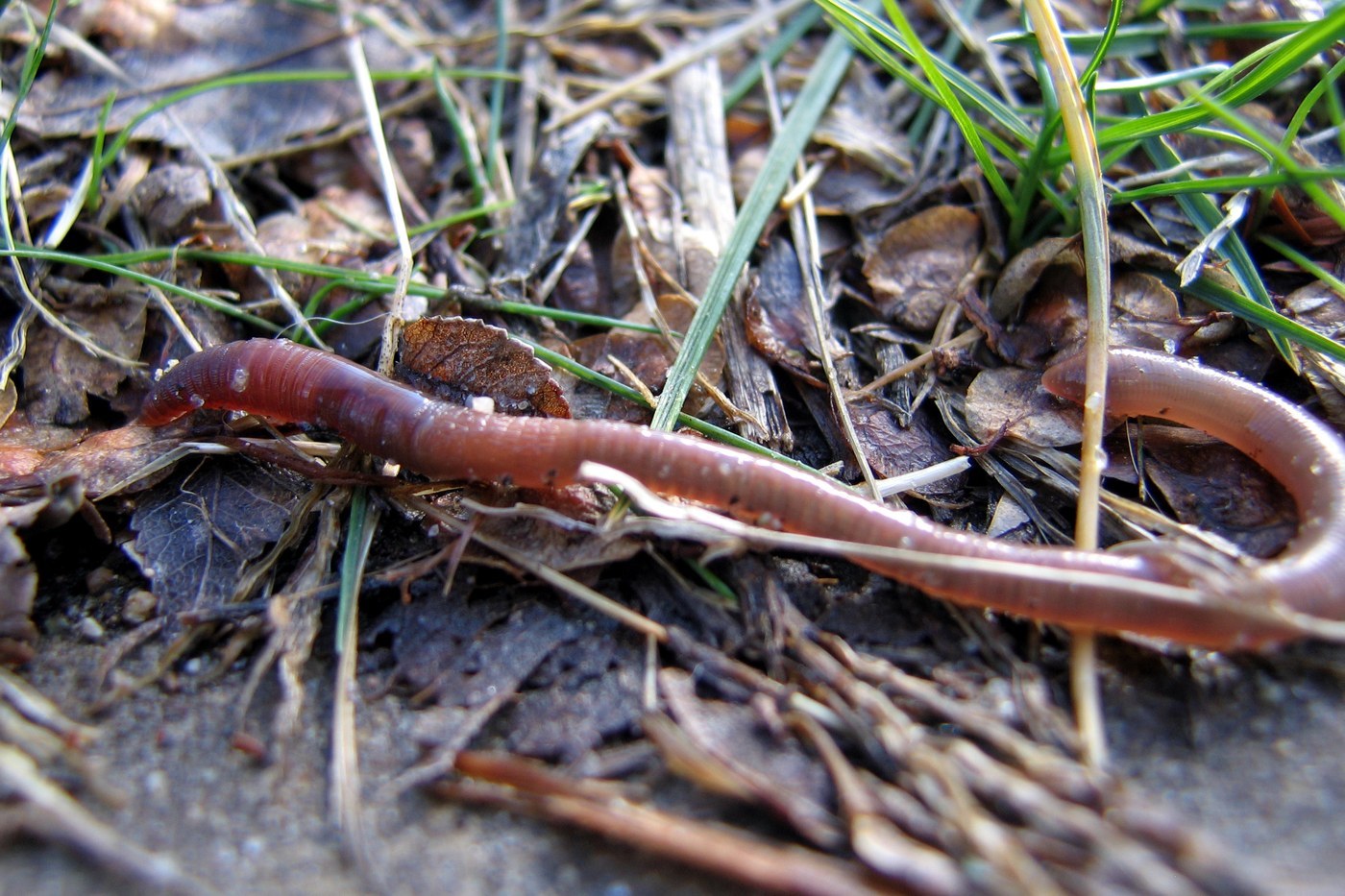
Earthworm
A long, smooth, segmented soil-dweller with no legs, eyes, or shell, best recognized by its ringed body and the pale saddle-like band (clitellum) found on mature individuals.
other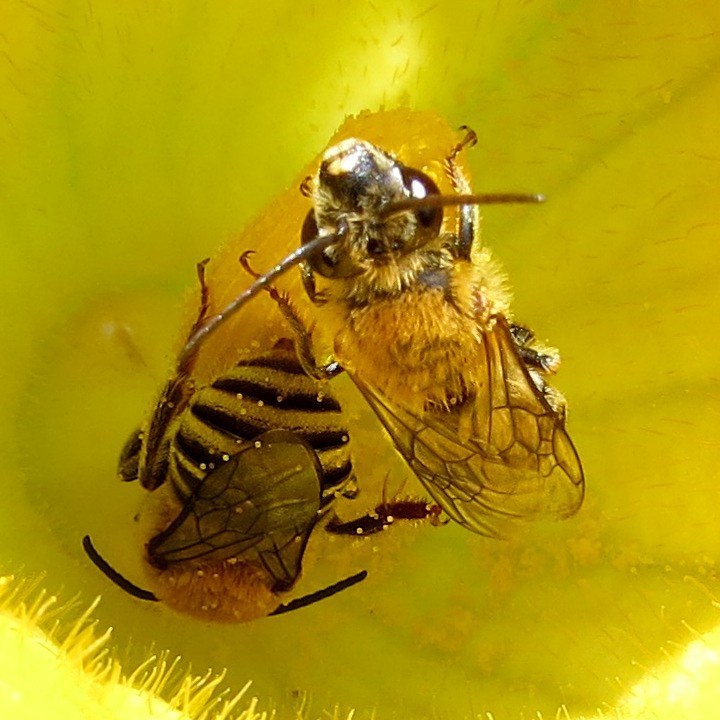
Squash Bee
A robust, early-rising solitary bee specialized in visiting squash, pumpkin, and gourd flowers, often seen foraging in the cool early morning hours before many other pollinators are active.
bee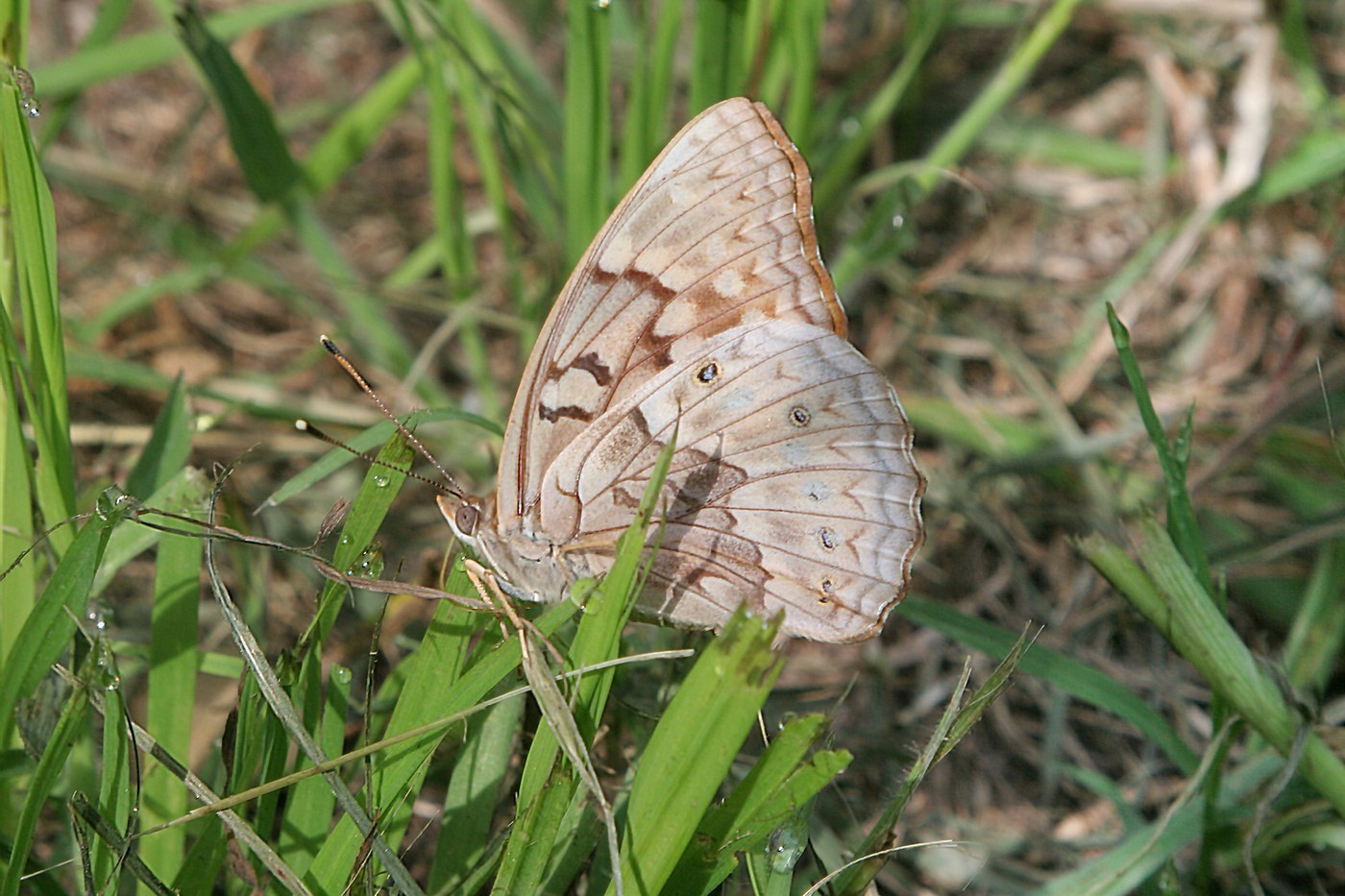
Tawny Emperor
A warm orange-brown woodland butterfly, close relative of the Hackberry Emperor, best distinguished by its lack of a forewing eyespot and its habit of feeding on sap and dung rather than flowers.
butterflyBlister Beetle
An elongated, soft-bodied beetle with a distinctly narrow neck, often seen feeding in small groups on flowers, and known for releasing a defensive chemical from its leg joints when disturbed.
beetle