
Bug Encyclopedia
Search and identify bugs & insects — beetles, butterflies, moths, ants, bees, spiders and more — with size, habitat, danger, behavior, and how to tell them apart.
Cone-headed Katydid
A large, grass-colored katydid named for its sharply pointed, cone-shaped head, best known for producing some of the loudest, most sustained buzzing calls of any North American insect.
grasshopper-cricket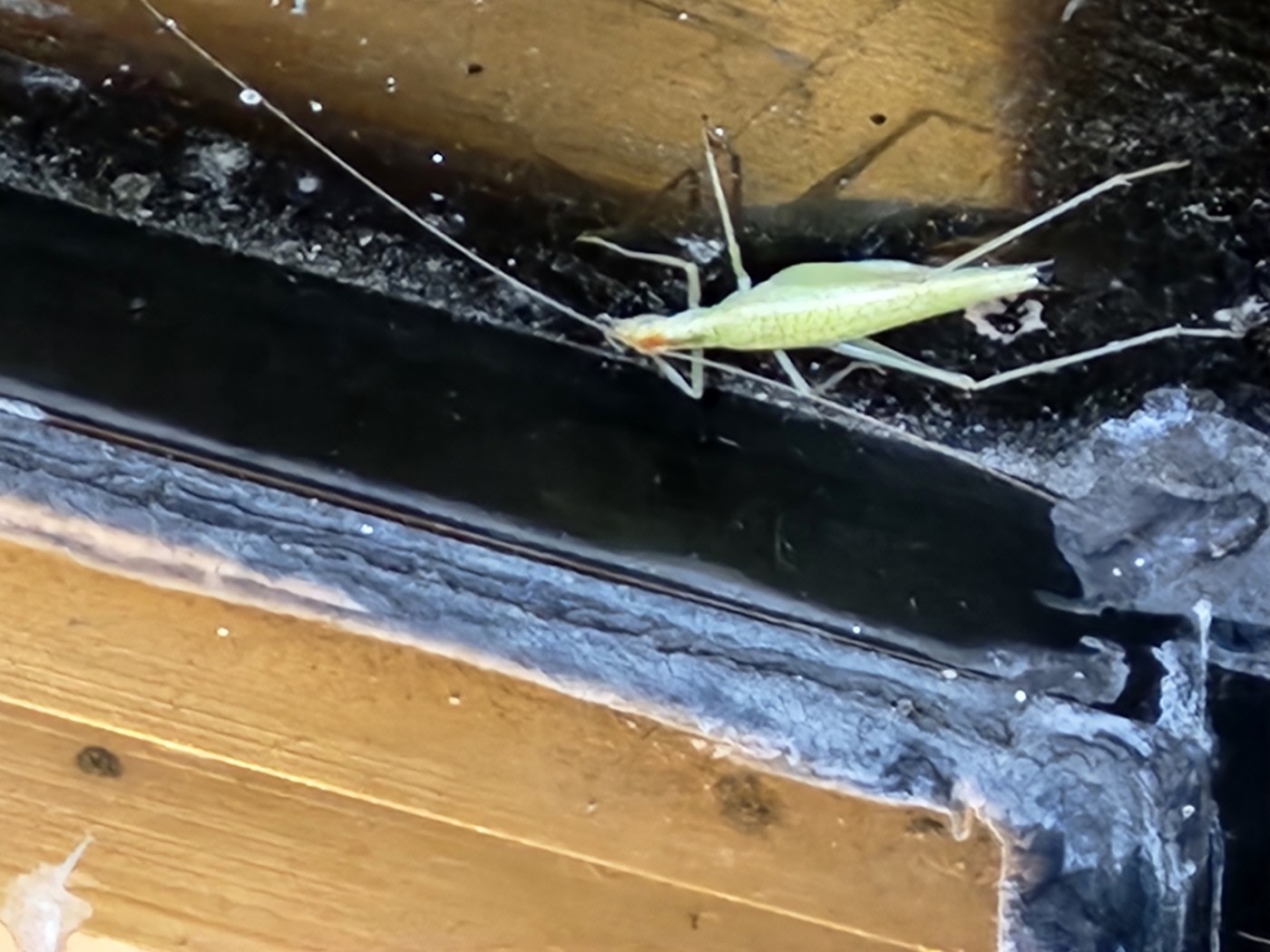
Snowy Tree Cricket
Nicknamed the thermometer cricket, this pale, delicate insect sings a steady, rhythmic chirp whose pace rises and falls so predictably with temperature that its chirp rate can be used to estimate the air temperature.
grasshopper-cricketKatydid
A leaf-mimicking insect with broad, veined green wings shaped remarkably like foliage, best known for the loud, rhythmic 'katy-did, katy-didn't' chorus males produce on warm summer nights.
grasshopper-cricket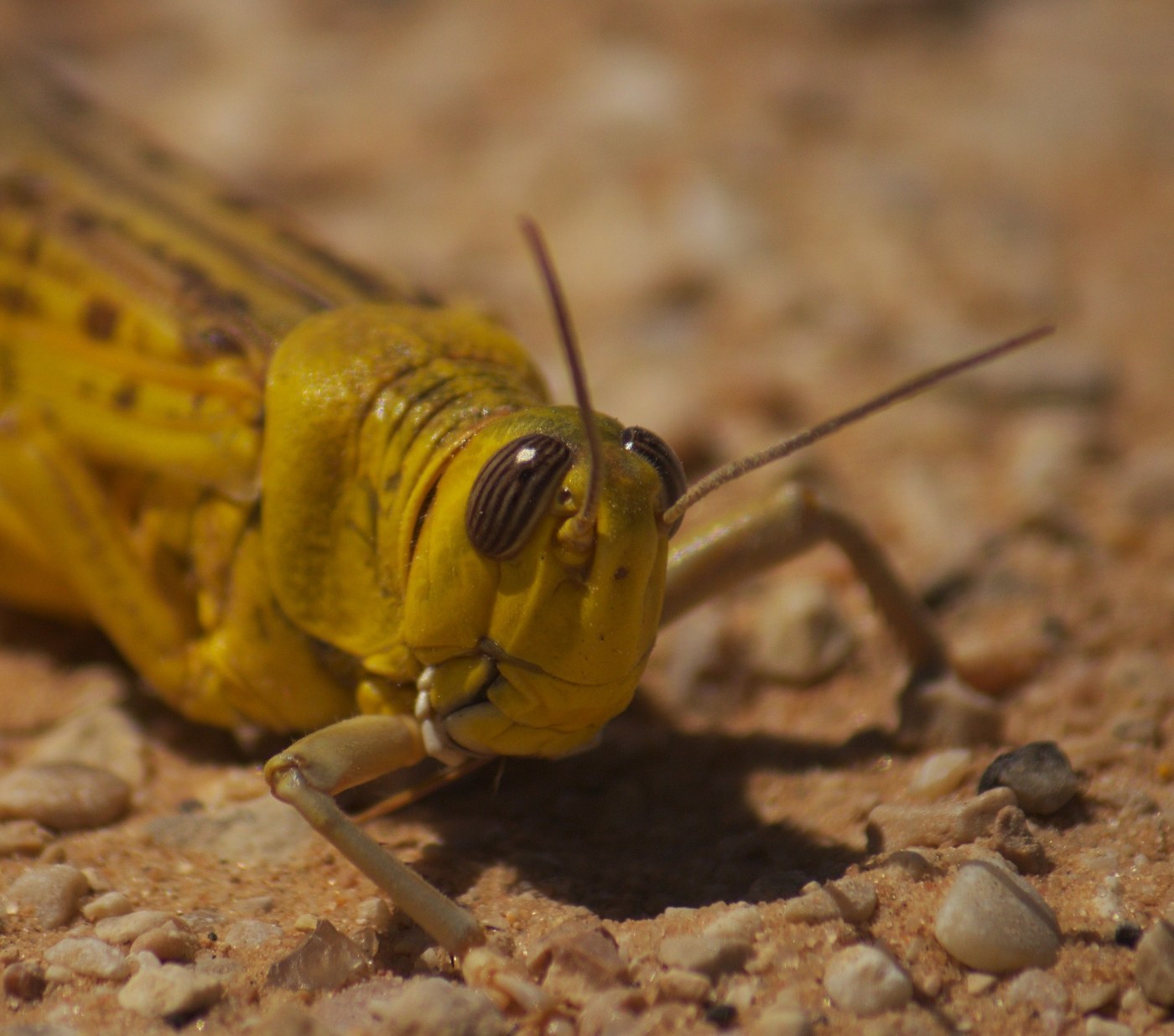
Desert Locust
A large, powerful grasshopper capable of forming some of the most extensive and historically devastating insect swarms on Earth, transforming from a solitary desert dweller into a densely packed migrating horde under the right conditions.
grasshopper-cricketPill Millipede
A short, heavily armored millipede that rolls into a tight, perfect ball when disturbed, closely resembling a pill bug but built from far fewer, broader body segments.
myriapodBooklice (Psocid)
A tiny, soft-bodied, pale insect barely visible to the naked eye that grazes on mold and mildew in damp books, wallpaper, and stored goods.
other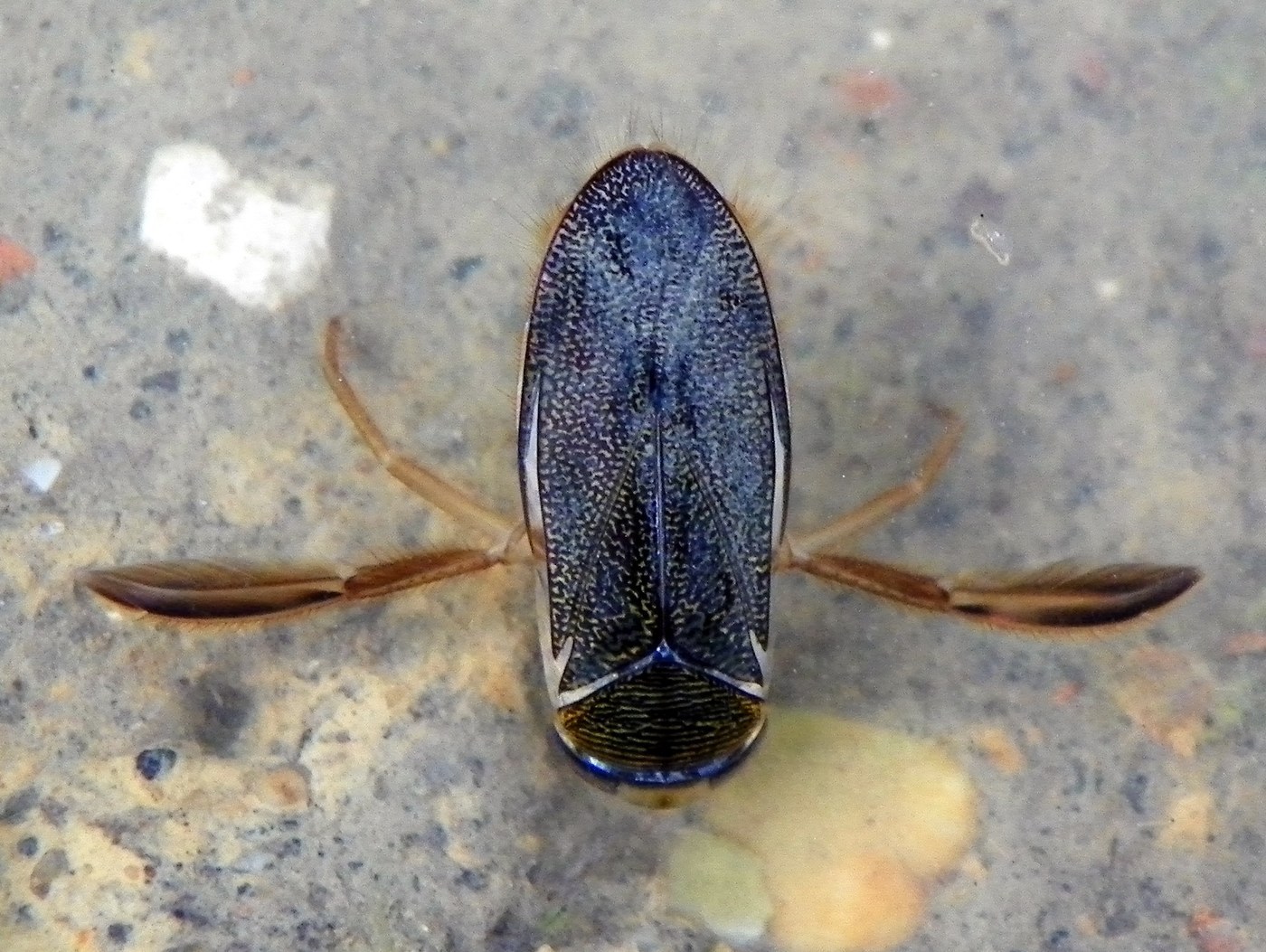
Lesser Water Boatman
A flat-backed, oar-legged true bug that rows through pond water with fringed hind legs, surfacing periodically to trap a silvery bubble of air against its body.
true-bug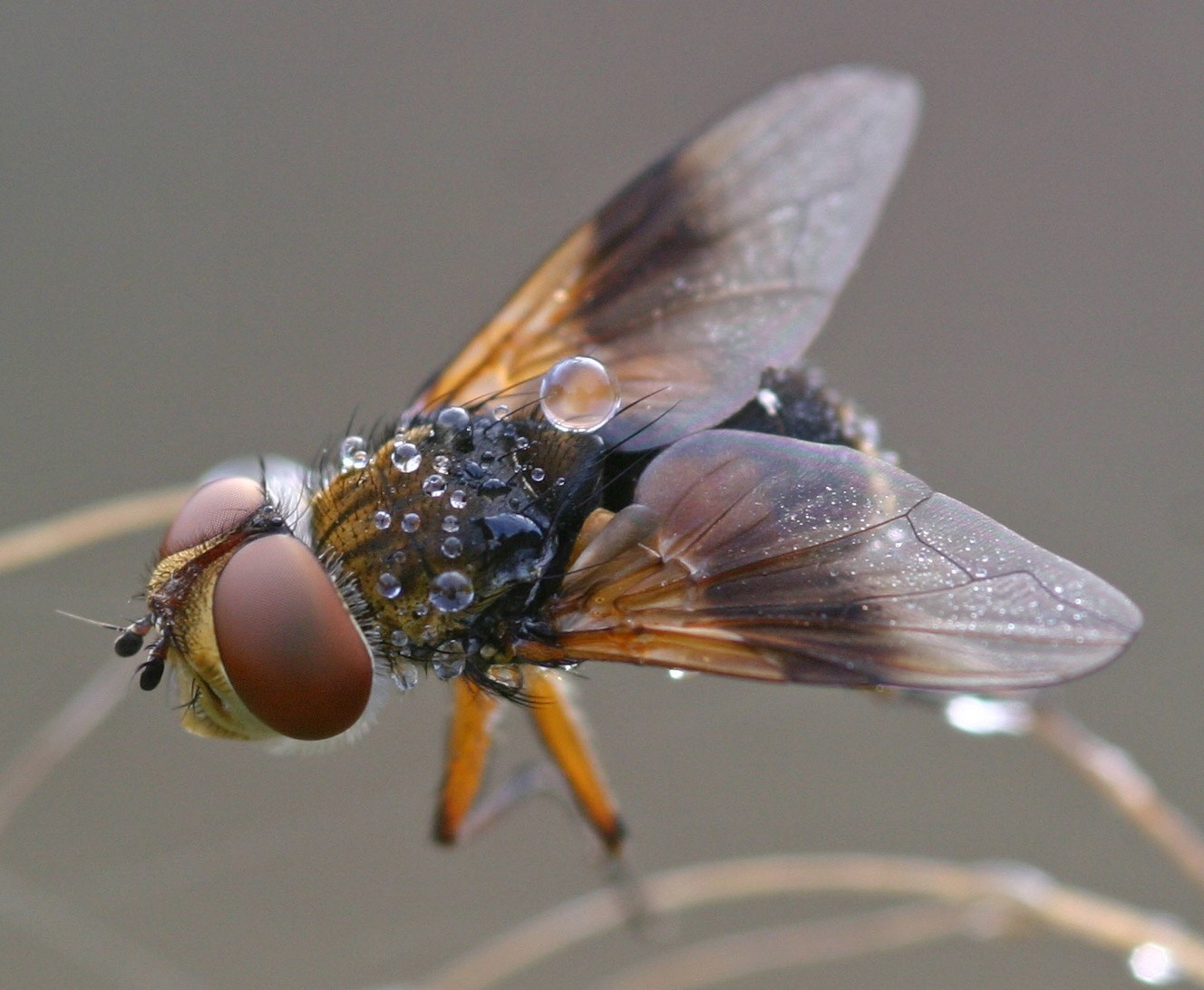
Tachinid Fly
A bristly, house-fly-like insect that looks unremarkable at a glance but hides one of the most important ecological roles among flies: its larvae develop as internal parasites of caterpillars, beetles, and other insects, quietly regulating populations across the landscape. Gardeners often welcome tachinid flies as natural allies against crop-damaging pests.
fly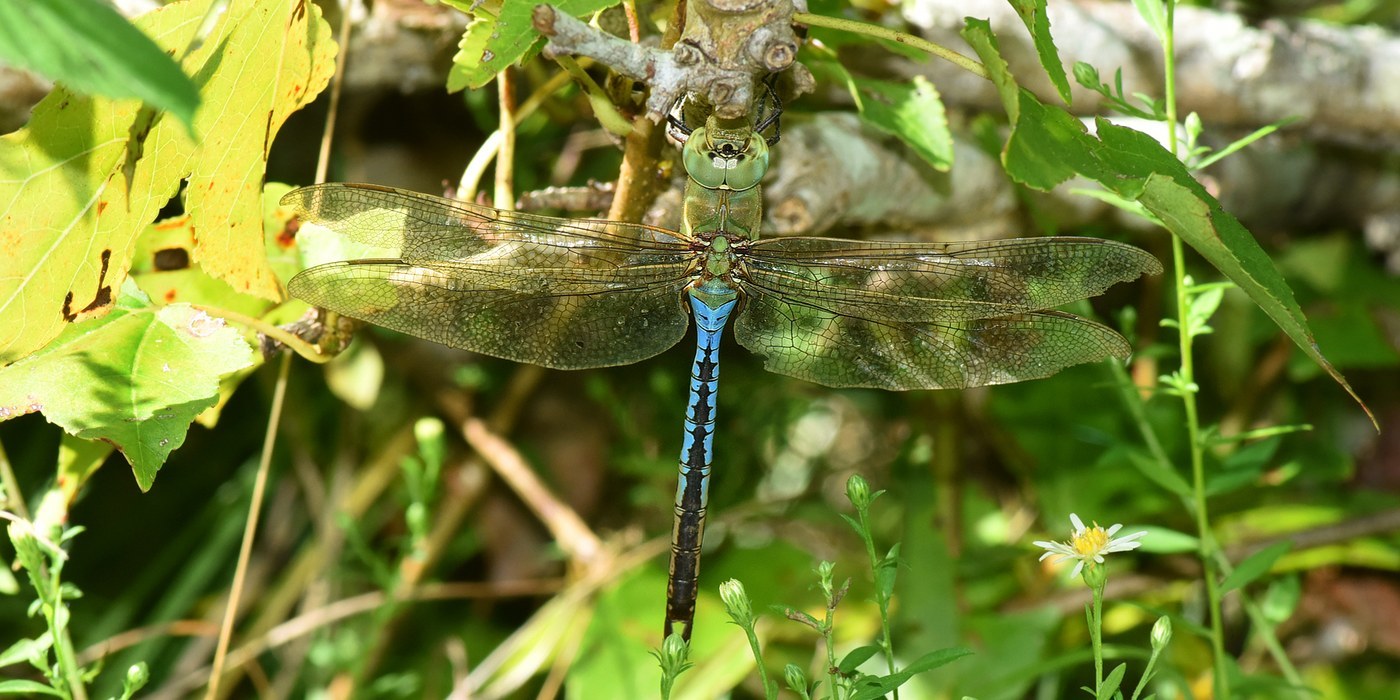
Common Green Darner
A large green-and-blue dragonfly and the official state insect of Washington, best known among dragonfly watchers for an annual migration that spans multiple generations.
dragonfly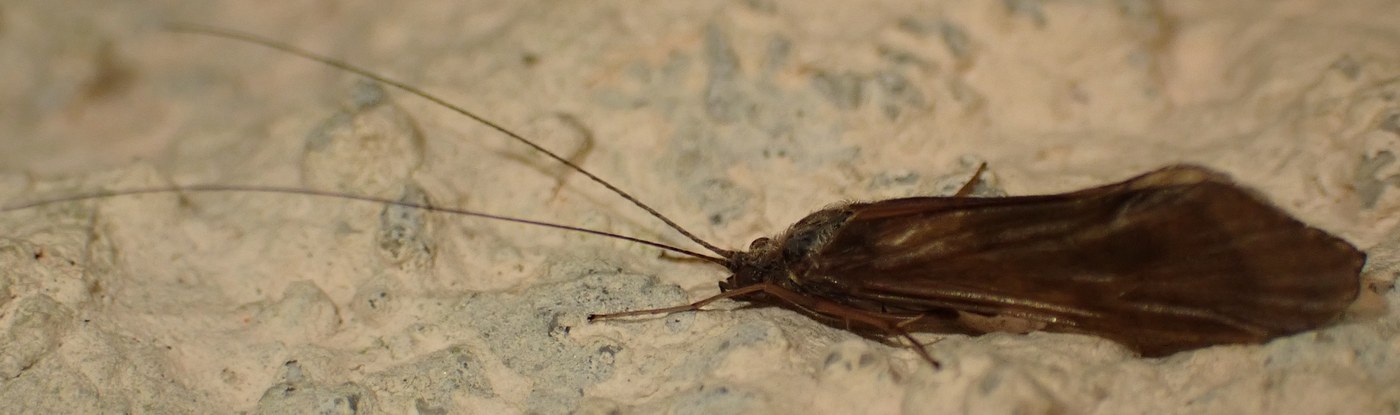
Caddisfly
A moth-like insect whose larvae are famous for constructing portable protective cases out of silk and whatever sand, twigs, or debris they can find.
aquatic-insect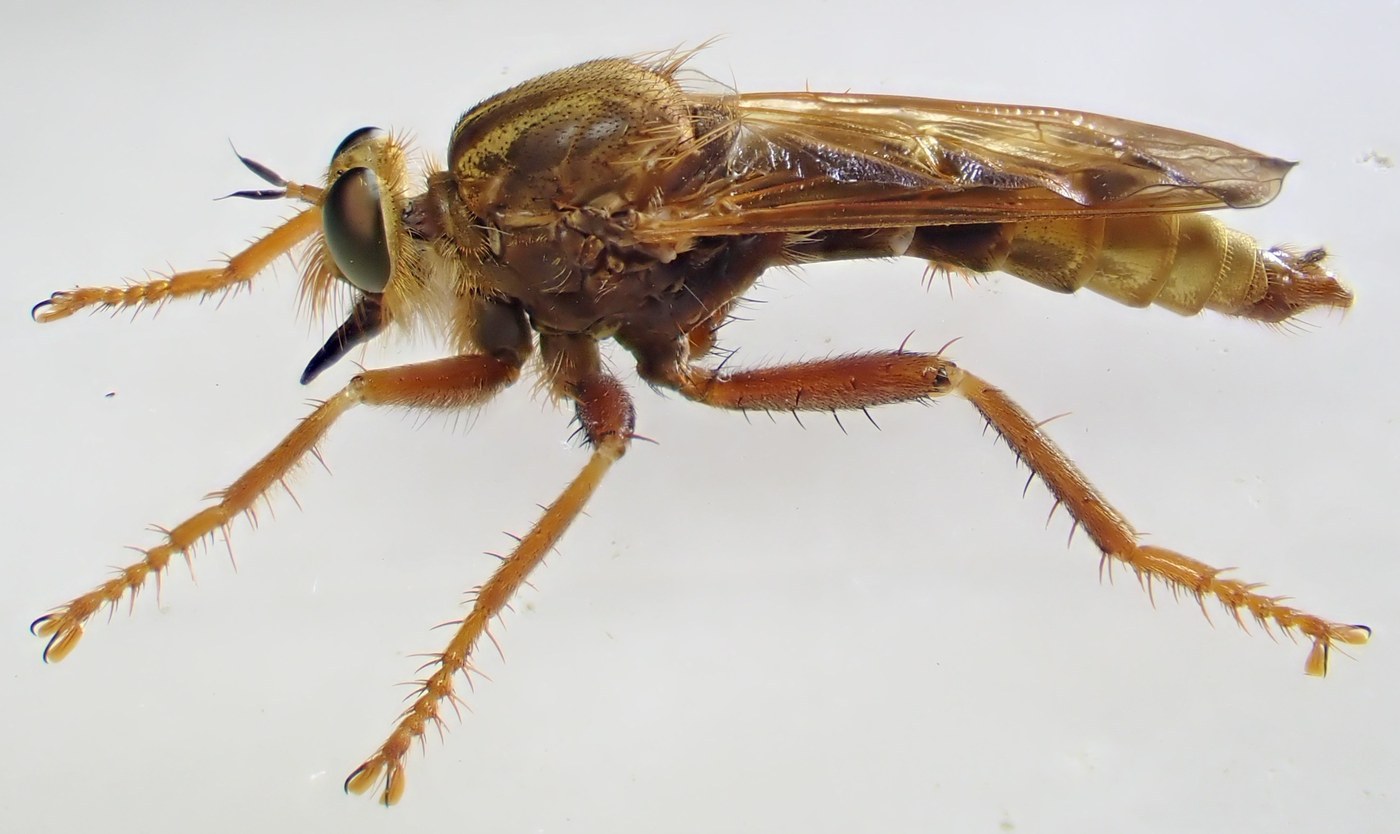
Robber Fly
A powerfully built, bristly-faced predatory fly that ambushes other flying insects in midair, piercing them with a stout beak-like proboscis.
fly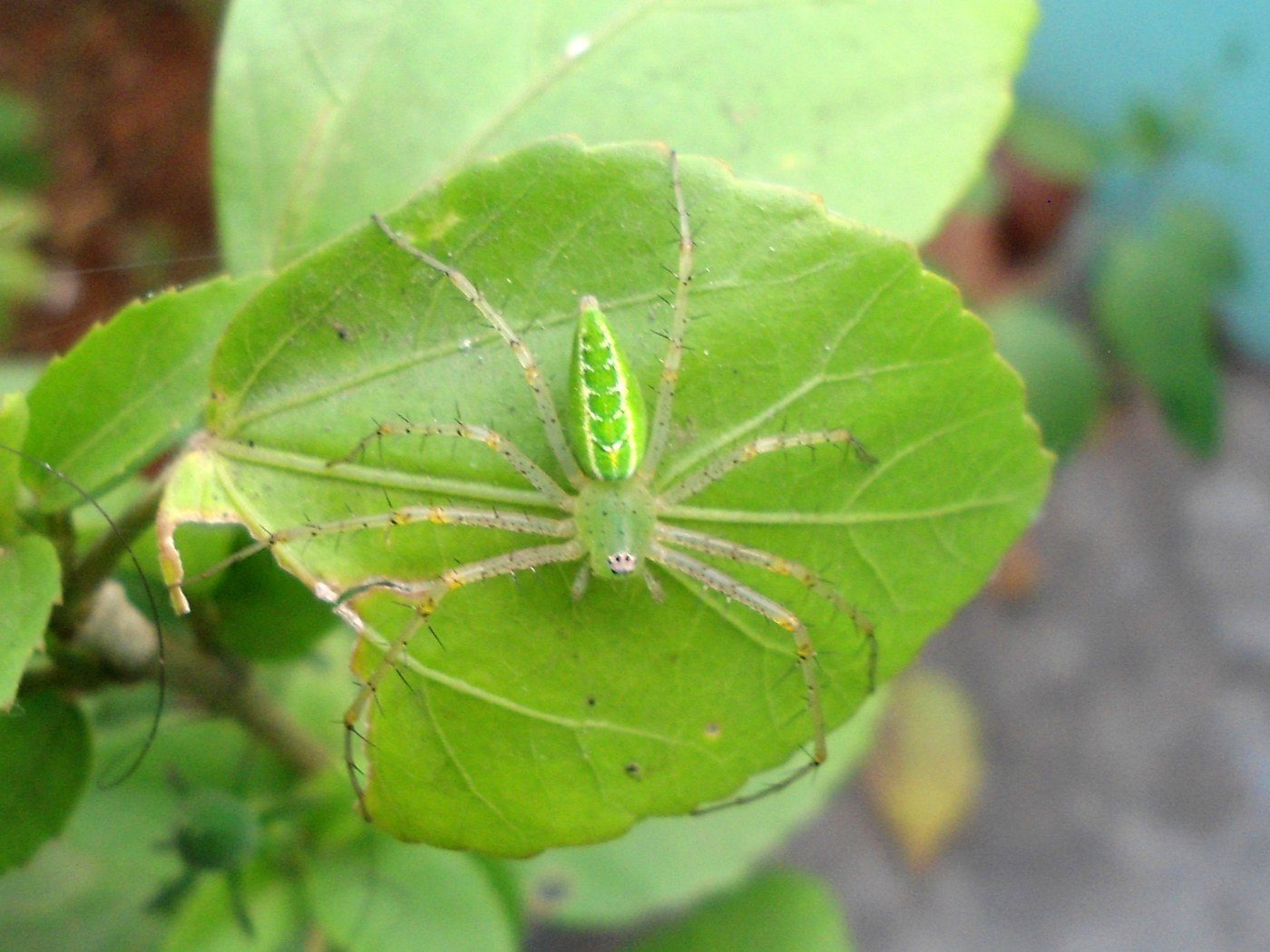
Green Lynx Spider
A slender, bright green spider armed with long spiny legs that ambushes insects from flowers and shrubs without spinning a capture web.
spider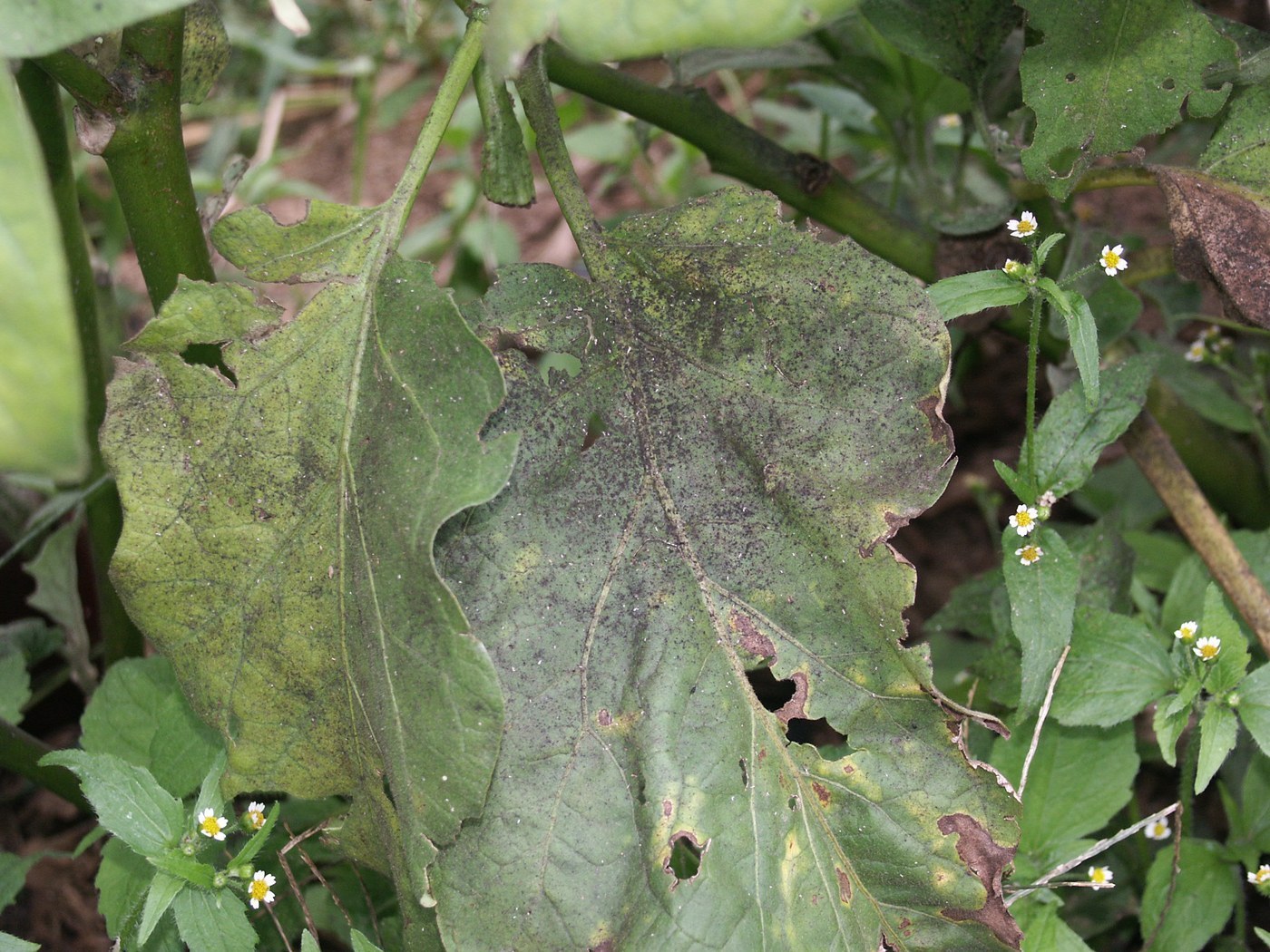
Whitefly
A tiny, moth-like white insect that clusters on the undersides of leaves and bursts into a snowy cloud when the plant is disturbed. Despite the name, it is not a true fly but a sap-feeding relative of aphids and scale insects.
true-bug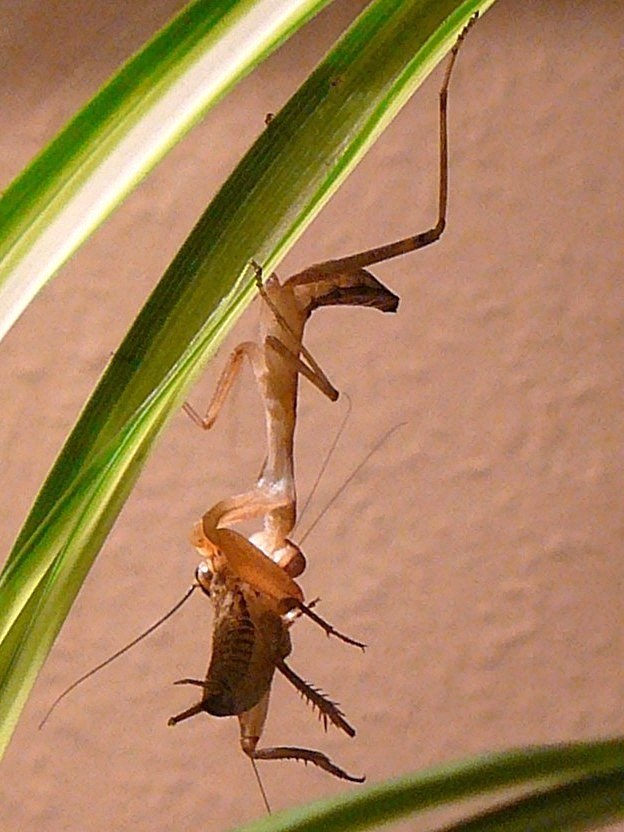
African Mantis
A large, sturdy green or brown mantis frequently found perched on garden shrubs, patiently scanning for insect prey with its sharply angled triangular head.
mantis-stick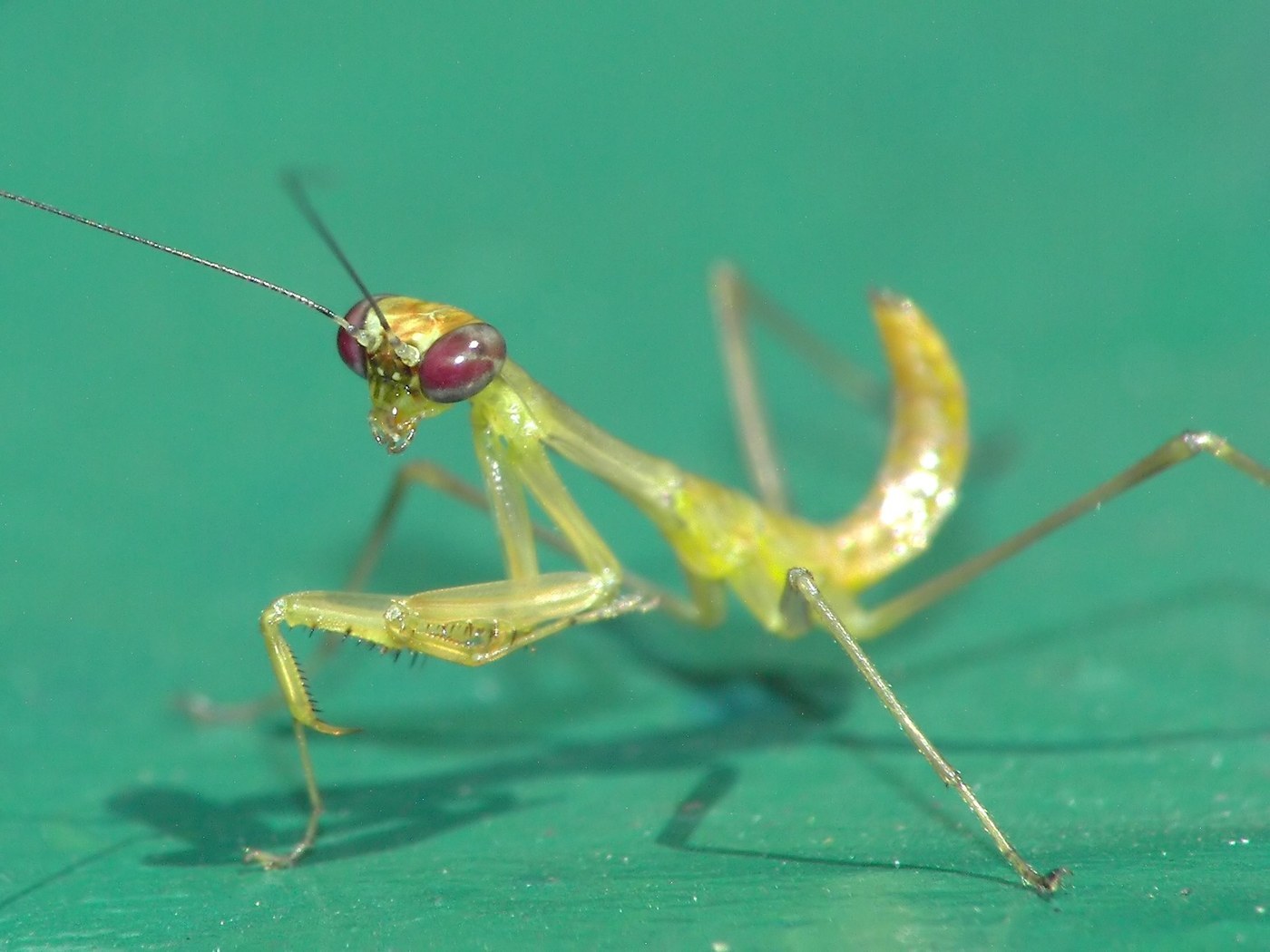
Giant Asian Mantis
A bulky, leaf-green predator that sits patiently among foliage, its powerful spined forelegs poised to snatch any insect that strays too close.
mantis-stick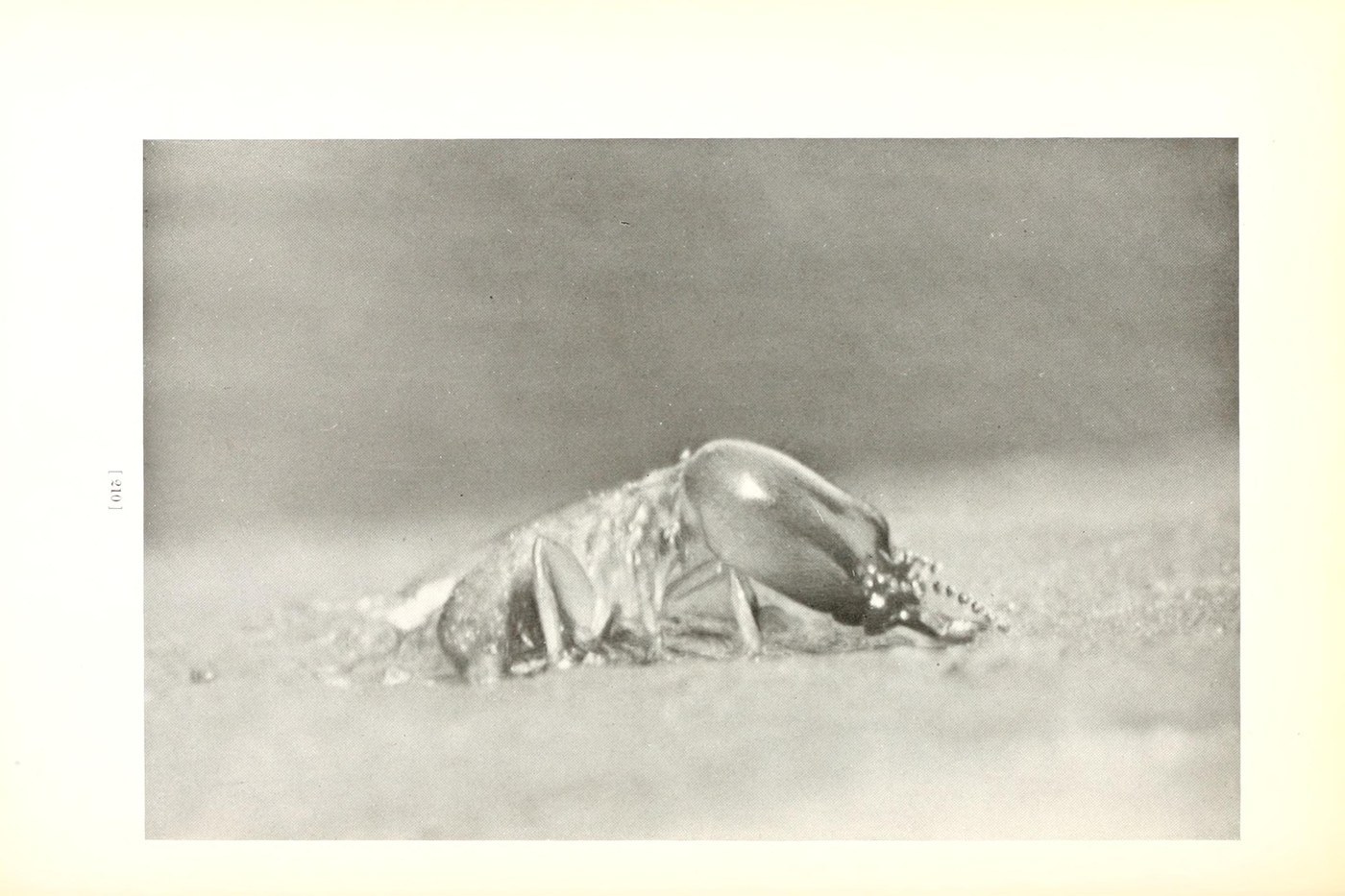
Eastern Subterranean Termite
A pale, soft-bodied social insect that lives in vast underground colonies and builds mud tubes to reach and feed on wood cellulose, including structural timber.
otherTube Web Spider
A sleek, cylindrical spider that lives inside a silk-lined tube and dashes out to seize insects that stumble across its radiating trip-lines.
spiderMesh Web Weaver
A tiny, easily overlooked spider that spins a loose, bluish tangle of fuzzy silk over twig tips and seed heads to snare small insects.
spider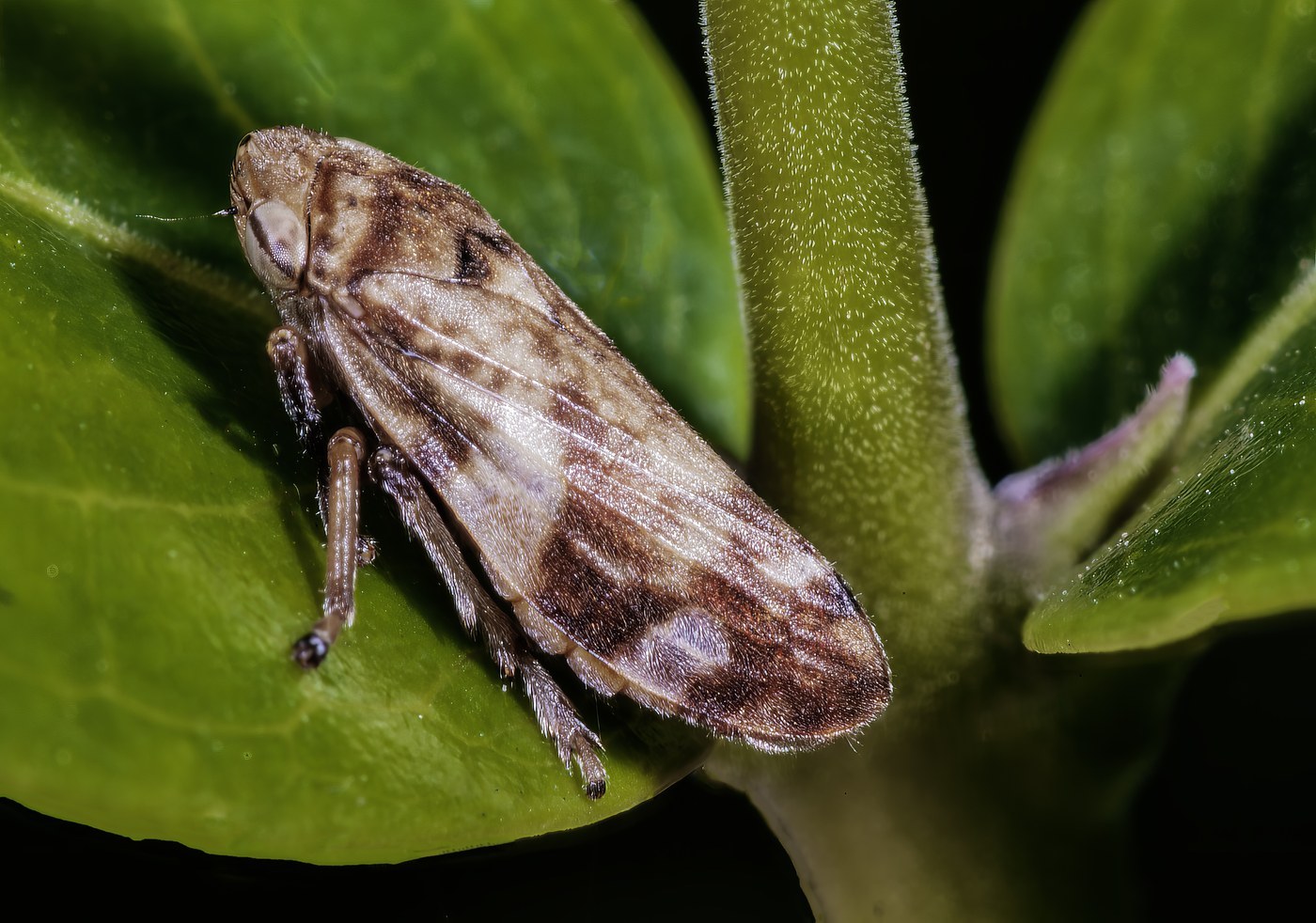
Meadow Spittlebug
A small, mottled hopping true bug whose immature nymphs are far more often noticed than the adults, hidden inside frothy blobs of white foam known as cuckoo spit on plant stems.
true-bug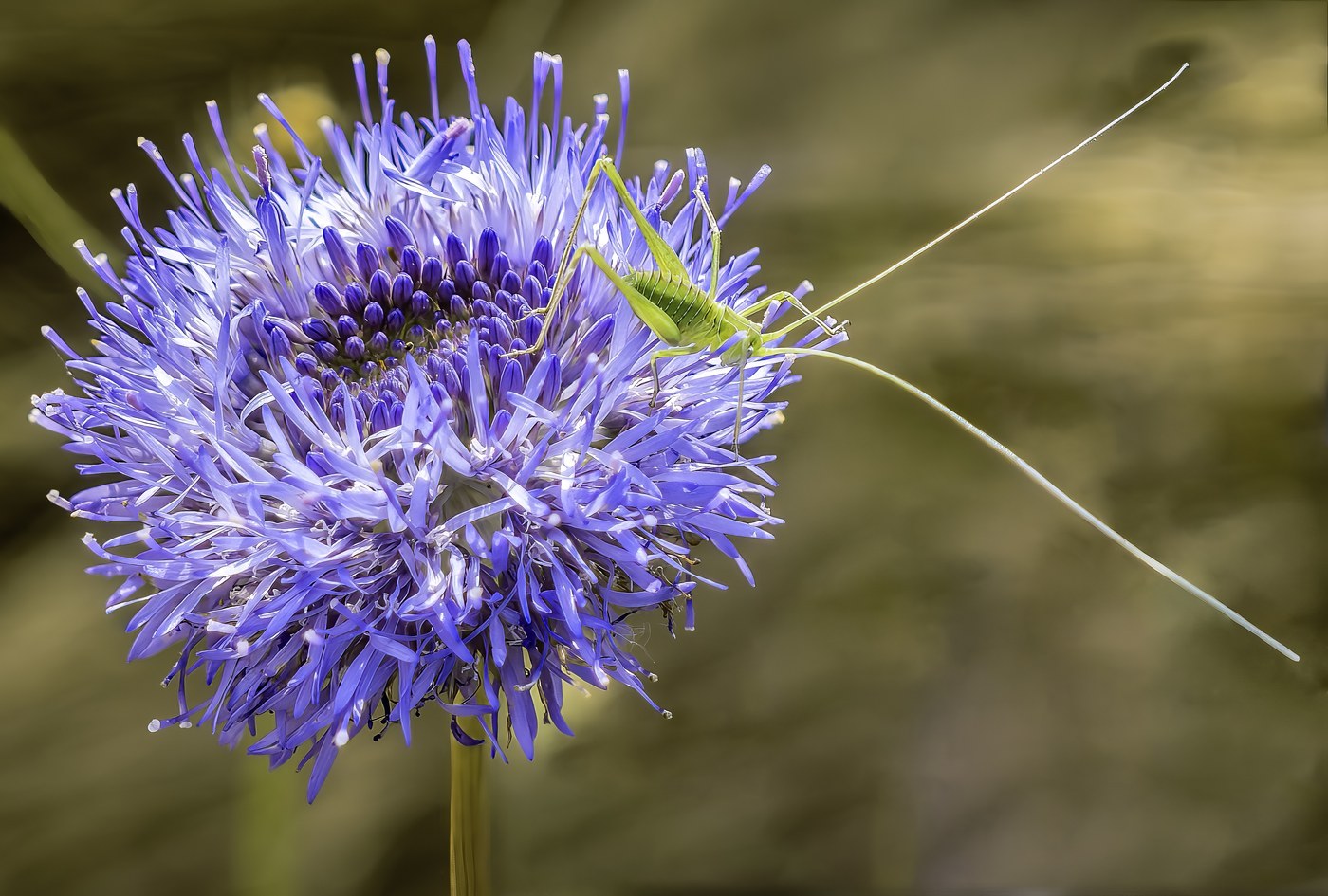
Great Green Bush Cricket
Europe's largest bush cricket, this brilliant grass-green insect fills warm summer evenings with a loud, sustained buzzing call audible from a considerable distance.
grasshopper-cricket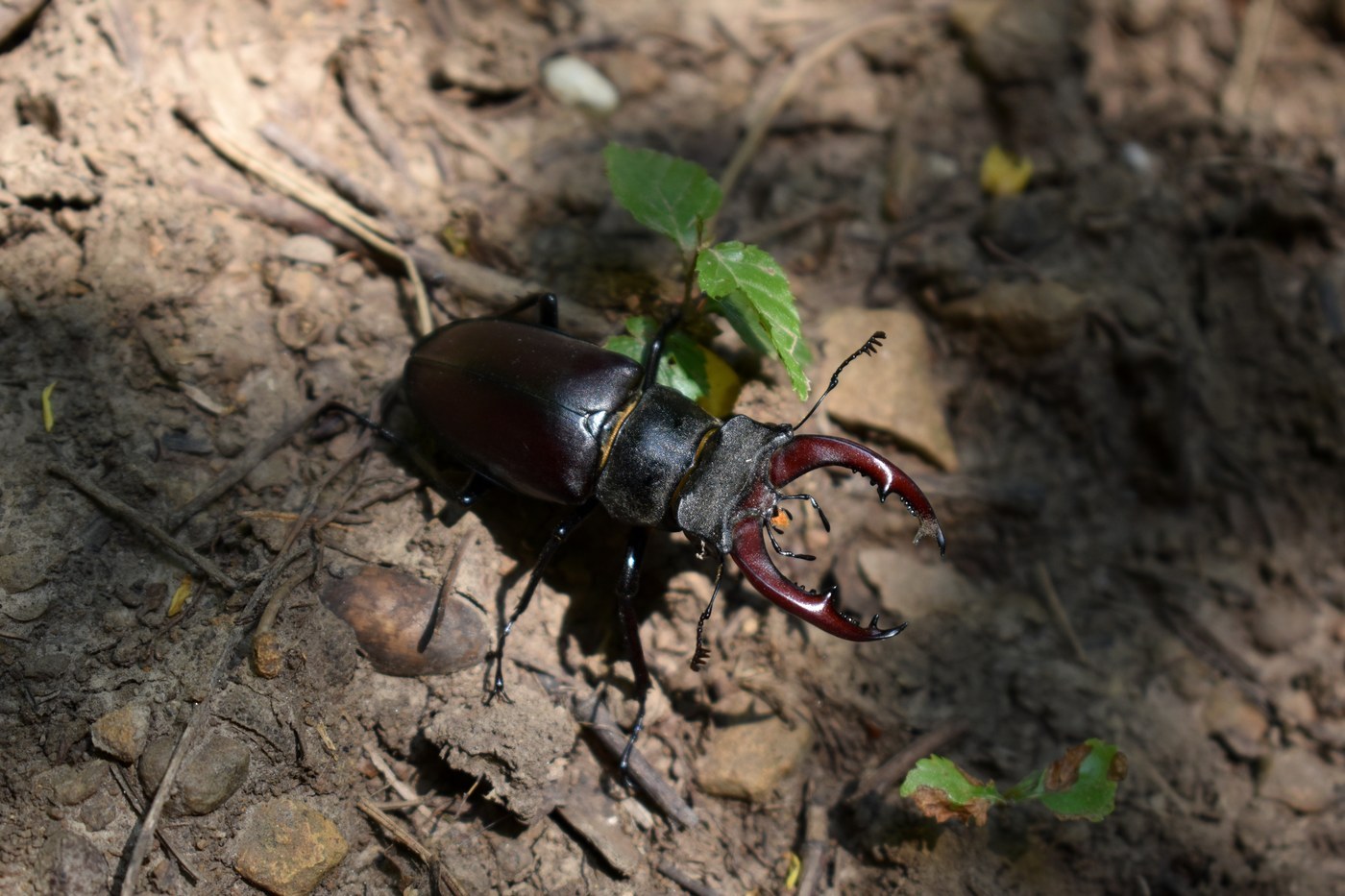
European Stag Beetle
Europe's largest beetle, a glossy dark brown insect in which males carry oversized antler-like mandibles used to wrestle rivals, resembling the antlers of a stag.
beetleBrown Lacewing
Smaller and less conspicuous than its green relatives, the Brown Lacewing is a subtle but effective predator of aphids and other tiny insects in gardens, forests, and orchards.
other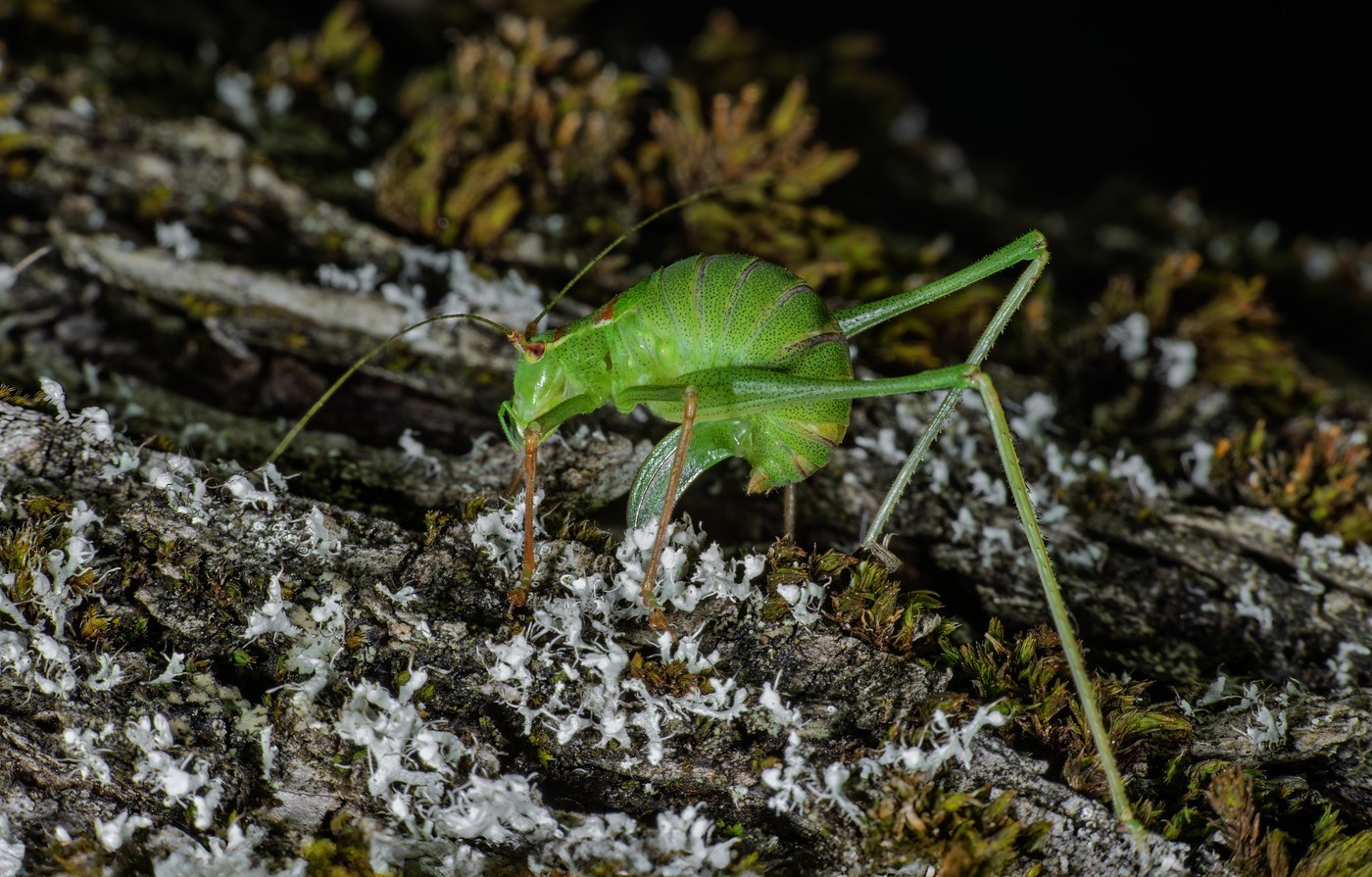
Speckled Bush Cricket
A tiny, plump, green insect finely dotted with dark speckles, this bush cricket forgoes song almost entirely, communicating instead through nearly silent, ultrasonic clicks.
grasshopper-cricket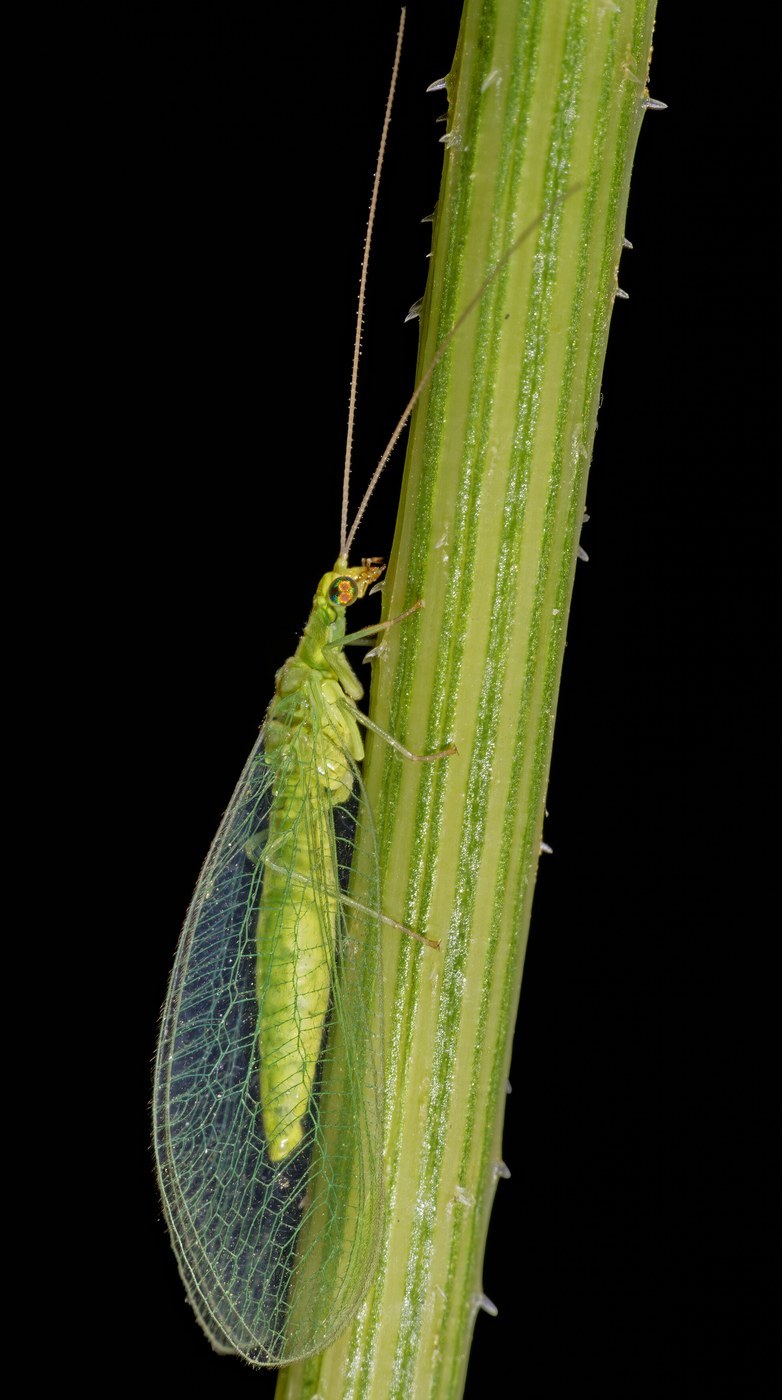
Lacewing
A delicate, pale green insect with large, transparent, intricately veined wings and shining golden or copper-colored eyes, valued as a natural predator of aphids in its larval form.
other