
Bug Encyclopedia
Search and identify bugs & insects — beetles, butterflies, moths, ants, bees, spiders and more — with size, habitat, danger, behavior, and how to tell them apart.
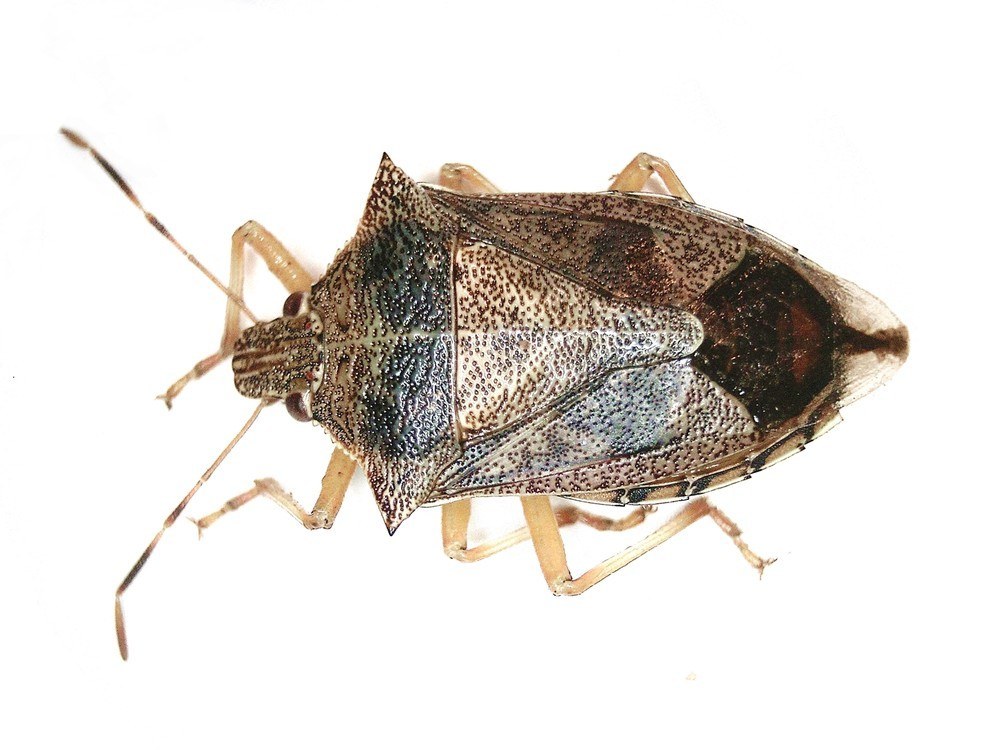
Spined Soldier Bug
A predatory stink bug identified by the sharp, pointed spines projecting from its shoulders, valued in gardens and farm fields for hunting caterpillars, beetle larvae, and other pest insects.
true-bugPredatory Stink Bug
Unlike its plant-feeding relatives, the predatory stink bug is a hunter that spears caterpillars and beetle larvae with a stout beak. The spined soldier bug is a familiar shield-shaped garden ally.
true-bug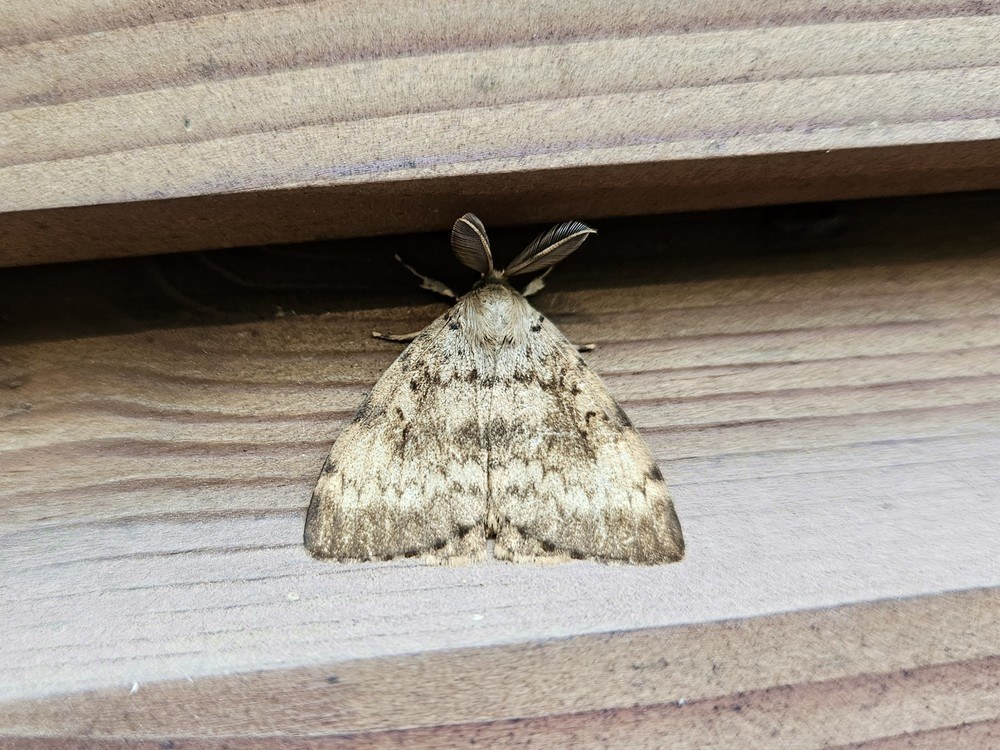
Gypsy Moth (Spongy Moth)
A strongly sexually dimorphic moth, recently renamed the Spongy Moth for its distinctive spongy, tan egg masses, whose caterpillars are known for periodically defoliating oak and other hardwood trees in large outbreak years.
moth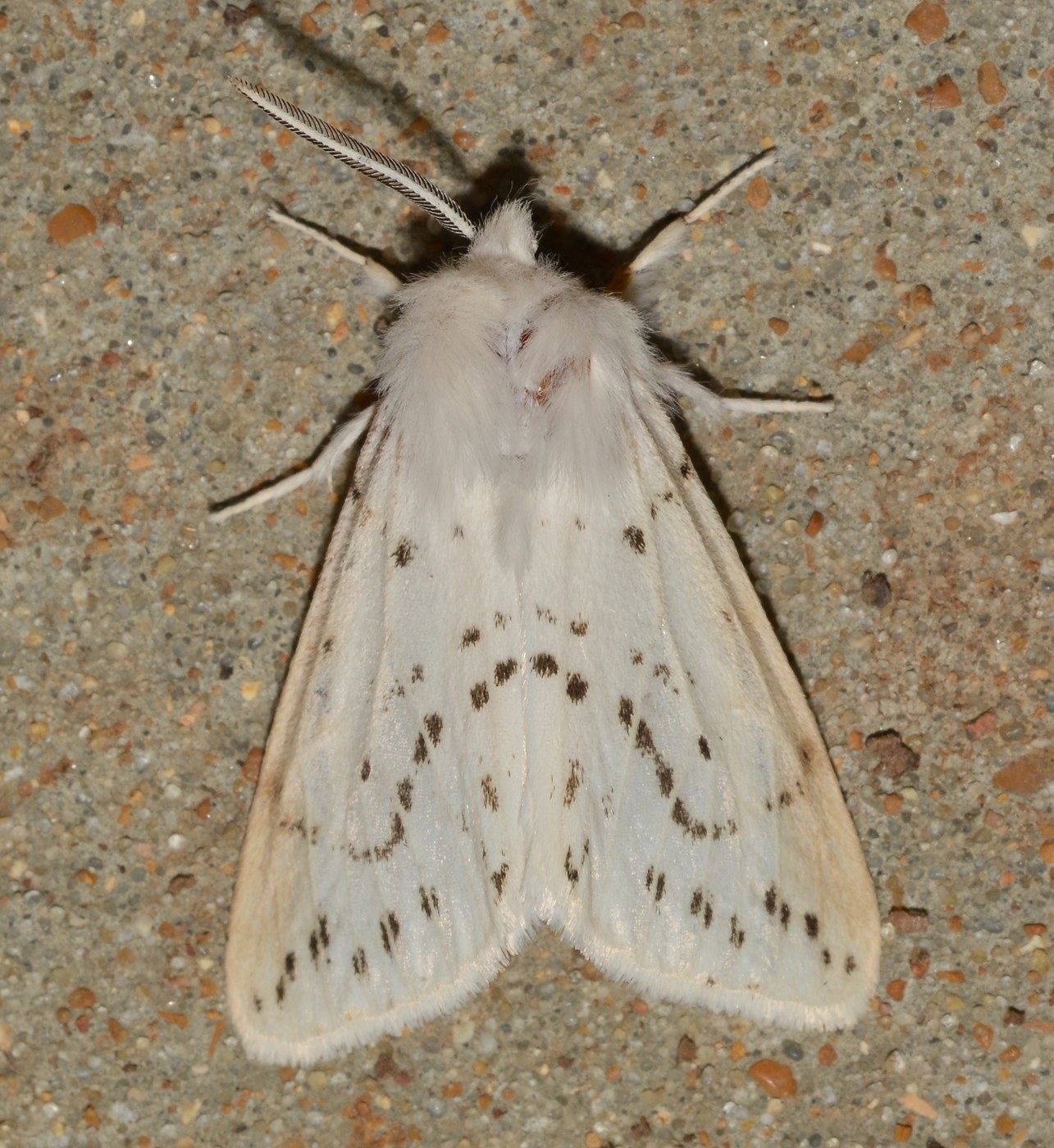
Fall Webworm Moth
A plain white (sometimes lightly speckled) moth whose caterpillars are far more familiar than the adult, spinning large communal silk webs over the ends of tree branches in late summer and early autumn.
moth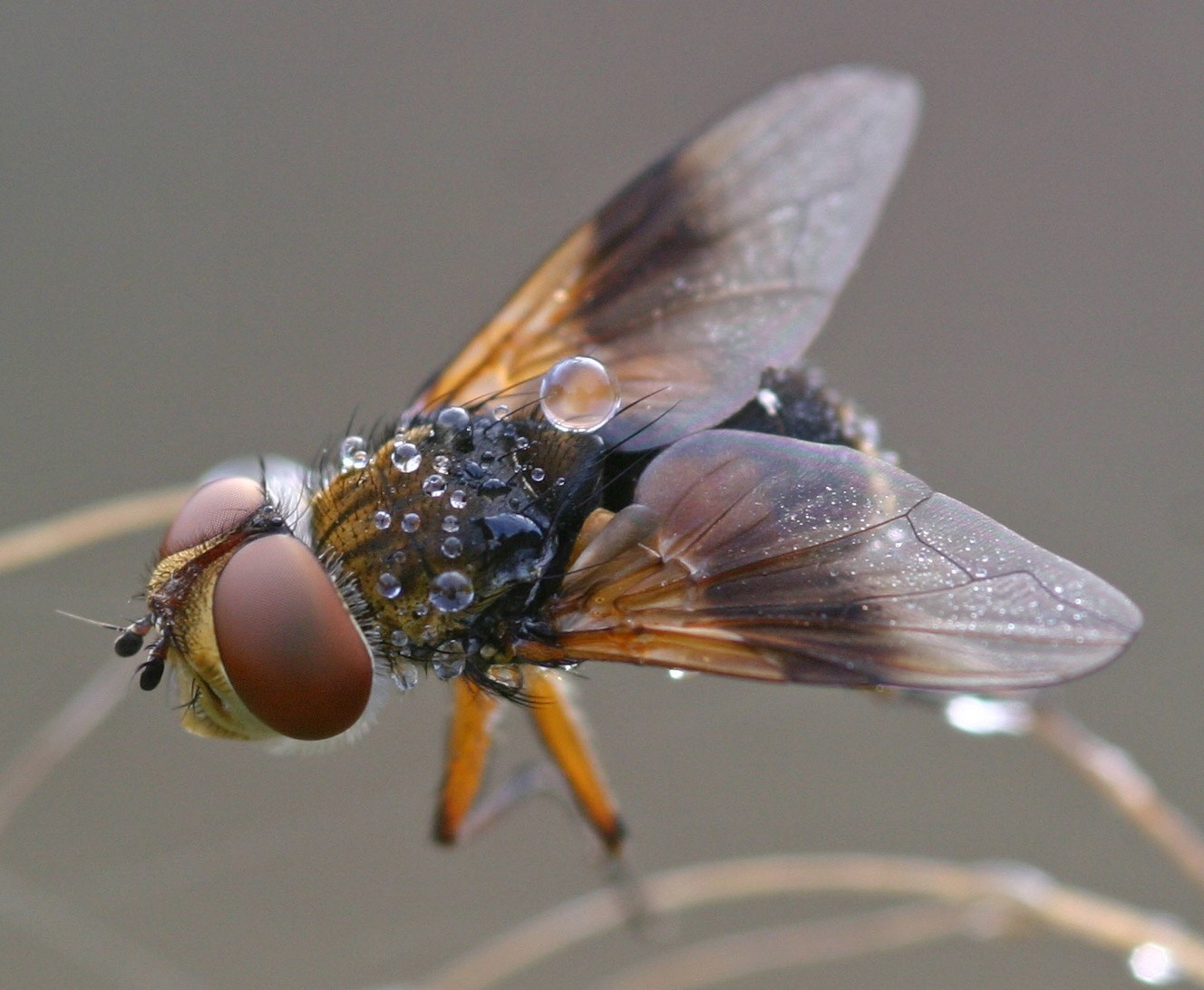
Tachinid Fly
A bristly, house-fly-like insect that looks unremarkable at a glance but hides one of the most important ecological roles among flies: its larvae develop as internal parasites of caterpillars, beetles, and other insects, quietly regulating populations across the landscape. Gardeners often welcome tachinid flies as natural allies against crop-damaging pests.
fly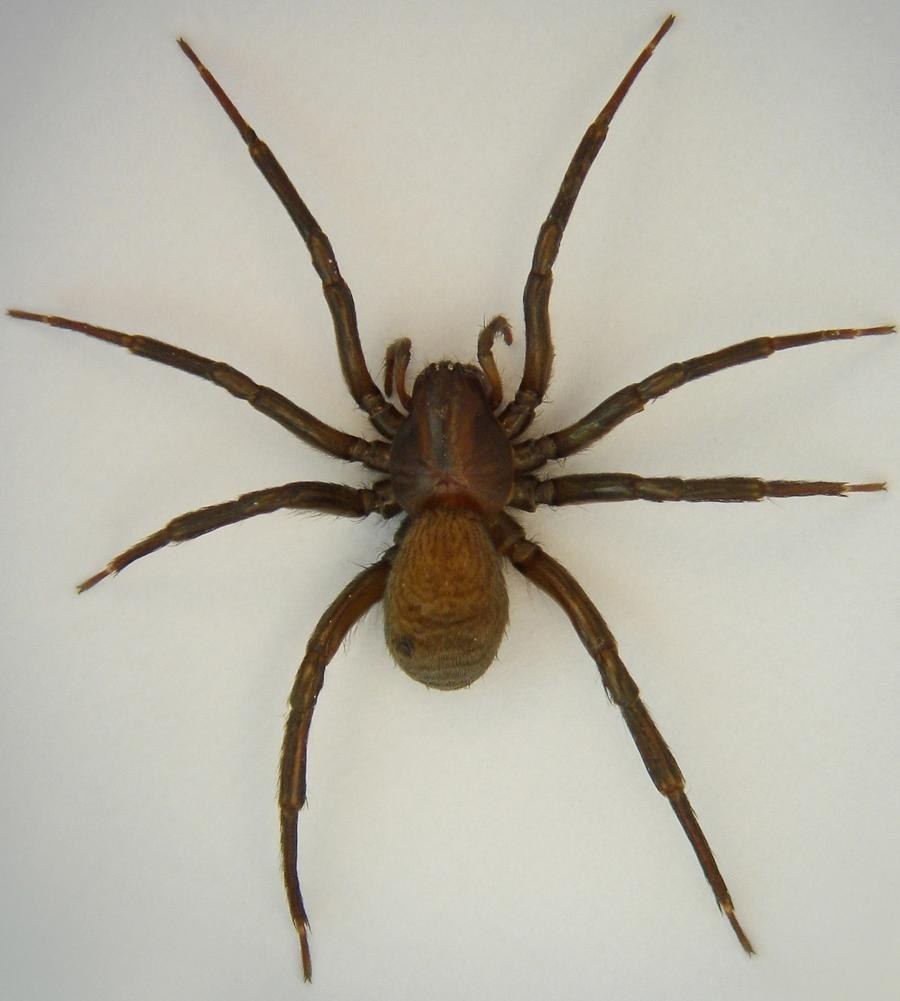
Diving Bell Spider
The world's only truly aquatic spider, famous for spinning an underwater silk bell that it fills with air, allowing it to live, hunt, and breed almost entirely submerged.
spider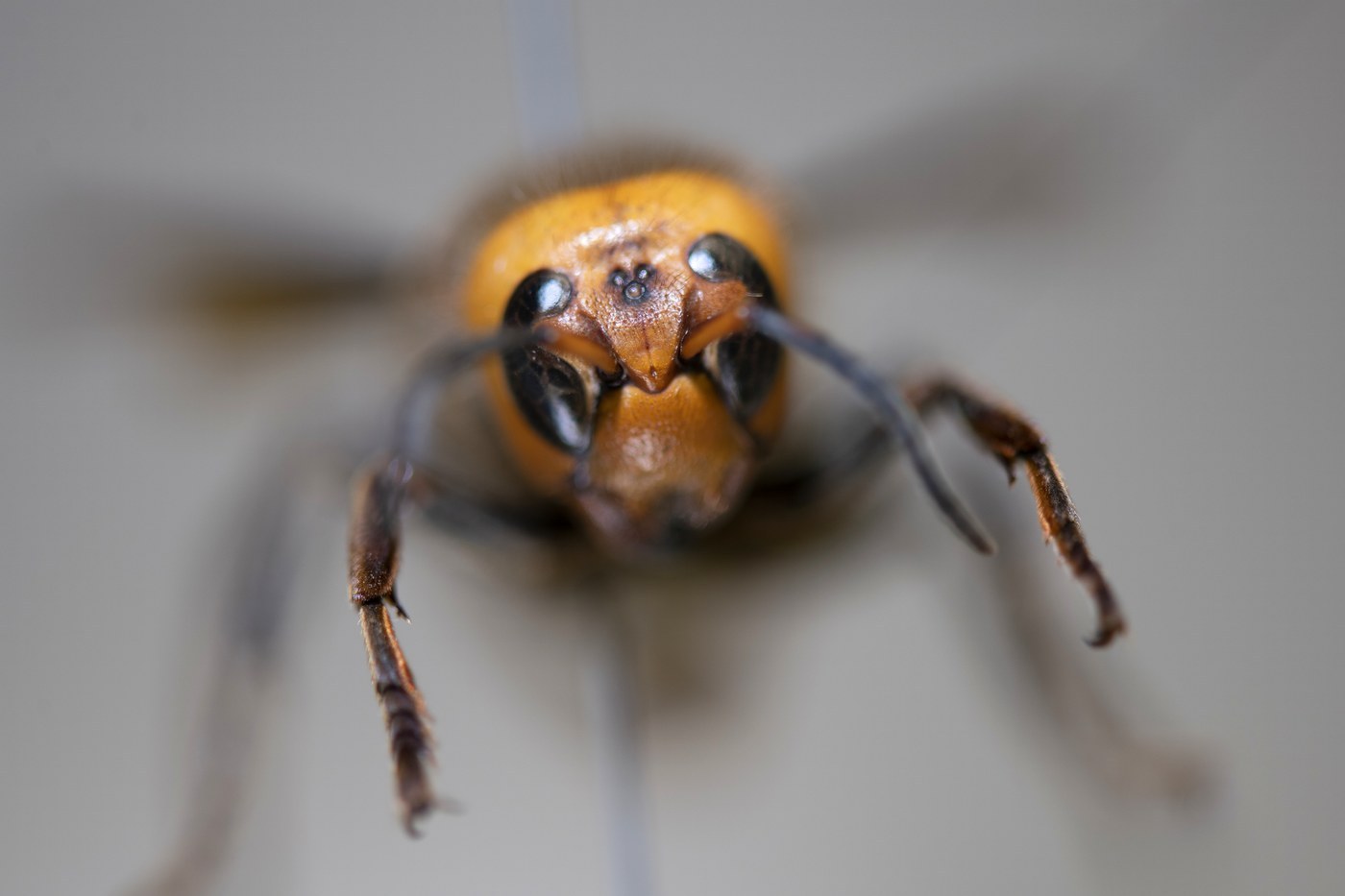
Asian Giant Hornet
The world's largest hornet, an imposing orange-and-black wasp with a wide head and long stinger, best known for raiding honey bee colonies to feed its brood.
waspGiant Weta
One of the world's heaviest insects, a giant flightless cricket relative endemic to New Zealand that has survived for millions of years by filling the ecological role usually taken by small mammals.
grasshopper-cricket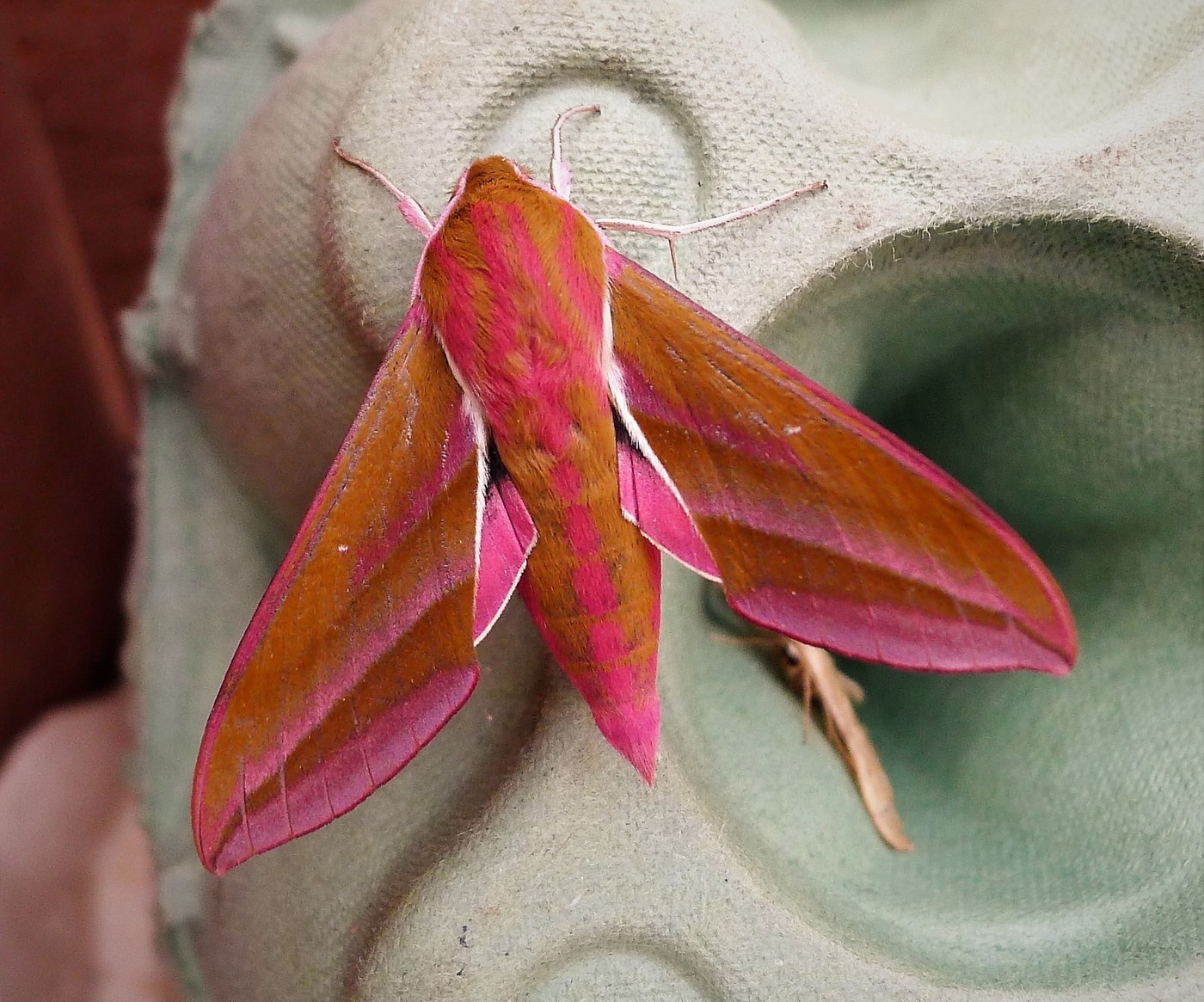
Elephant Hawk-Moth
A strikingly colored olive-green and bright pink hawk moth named for its caterpillar's trunk-like tapered front end and large false eyespots.
moth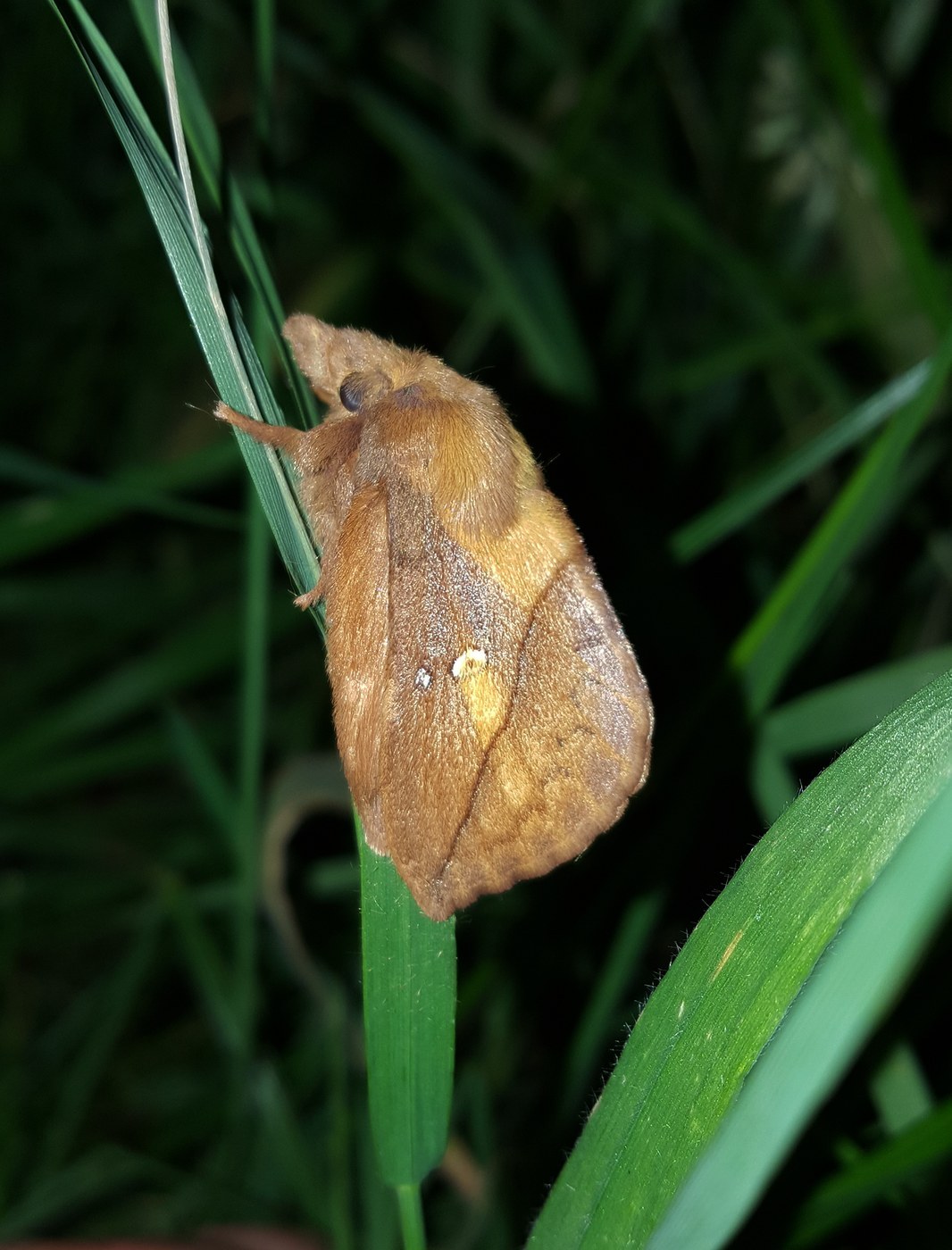
Drinker Moth
A stout, furry moth with warm tawny-orange to buff-brown wings marked by two small white spots on each forewing, named for its caterpillar's habit of drinking water droplets from grass blades.
moth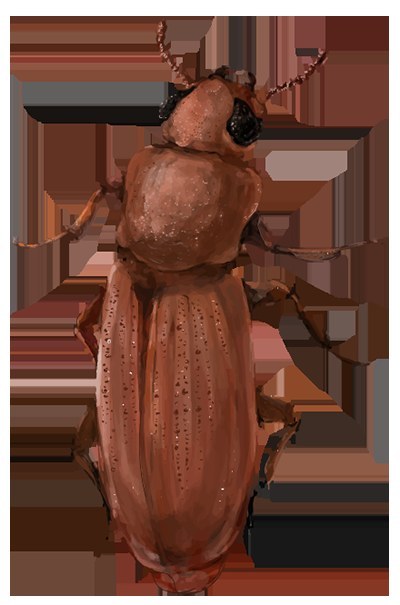
Red Flour Beetle
A tiny, flattened, rust-red beetle found in stored flour and grain worldwide, capable of flight and closely resembling the confused flour beetle apart from the shape of its antennal club.
beetle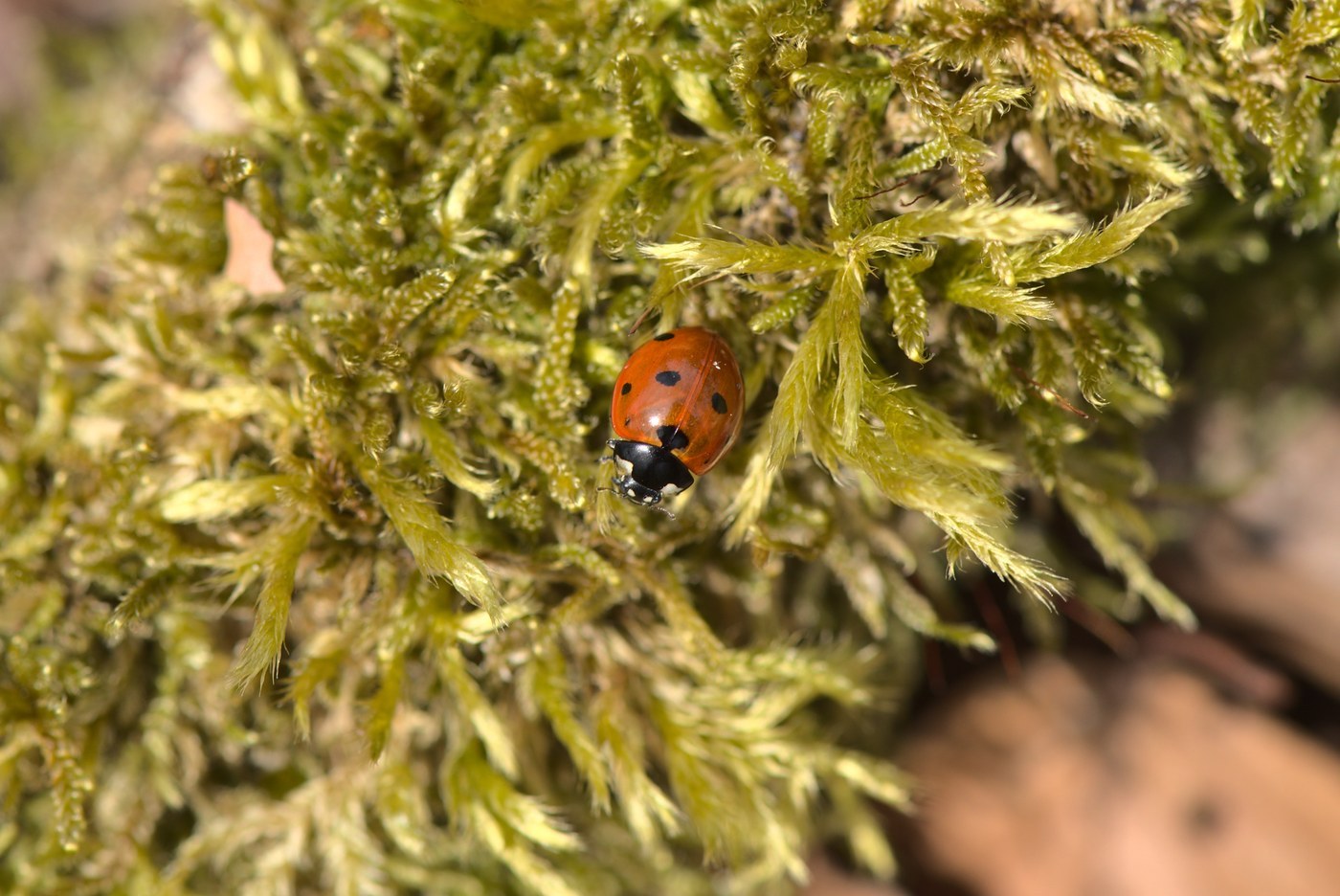
Ladybug
A small, round, brightly colored beetle with a domed, shiny shell typically red or orange with black spots, one of the most recognizable and beloved beetles found in gardens worldwide.
beetleCulex Mosquito
A large, worldwide genus of plain brown mosquitoes recognizable by their blunt abdomens and habit of resting flat against surfaces.
fly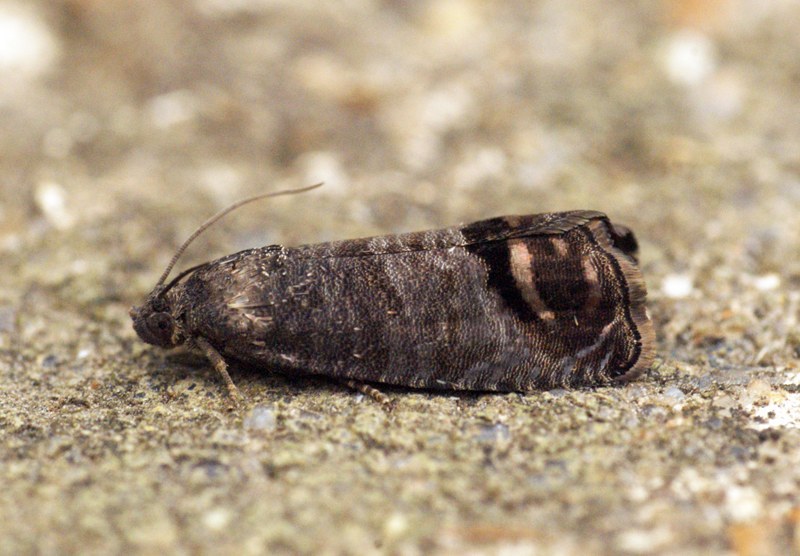
Codling Moth
A small, inconspicuous grey-brown moth best known through the work of its larva, the classic apple 'worm' that tunnels into fruit, making this tiny moth one of the most economically significant insects in orchards worldwide.
moth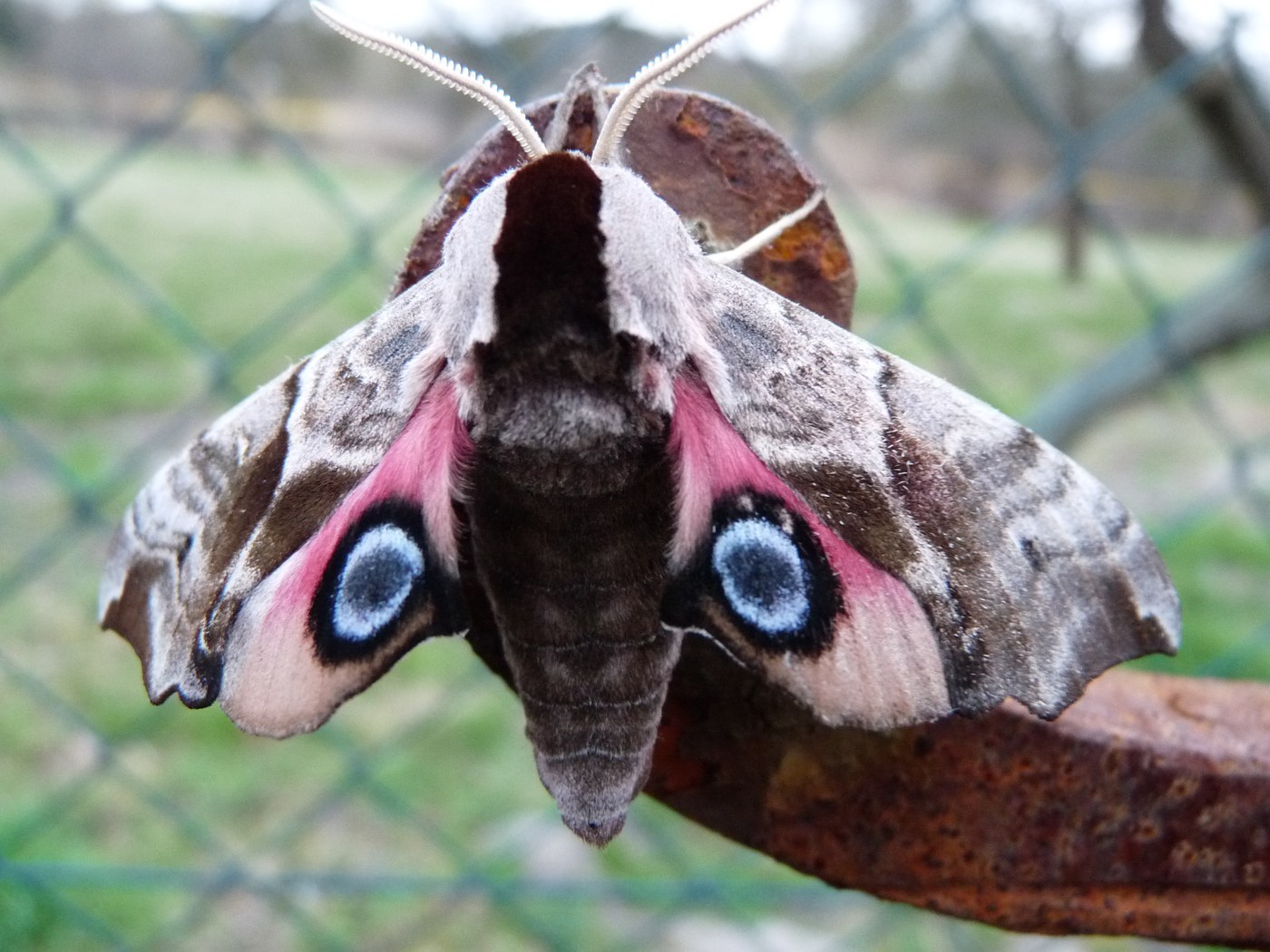
Eyed Hawk-Moth
A pinkish-brown hawk-moth that reveals a pair of large, blue-and-black eyespots on its hindwings when threatened, using the sudden flash of "eyes" to startle would-be predators.
moth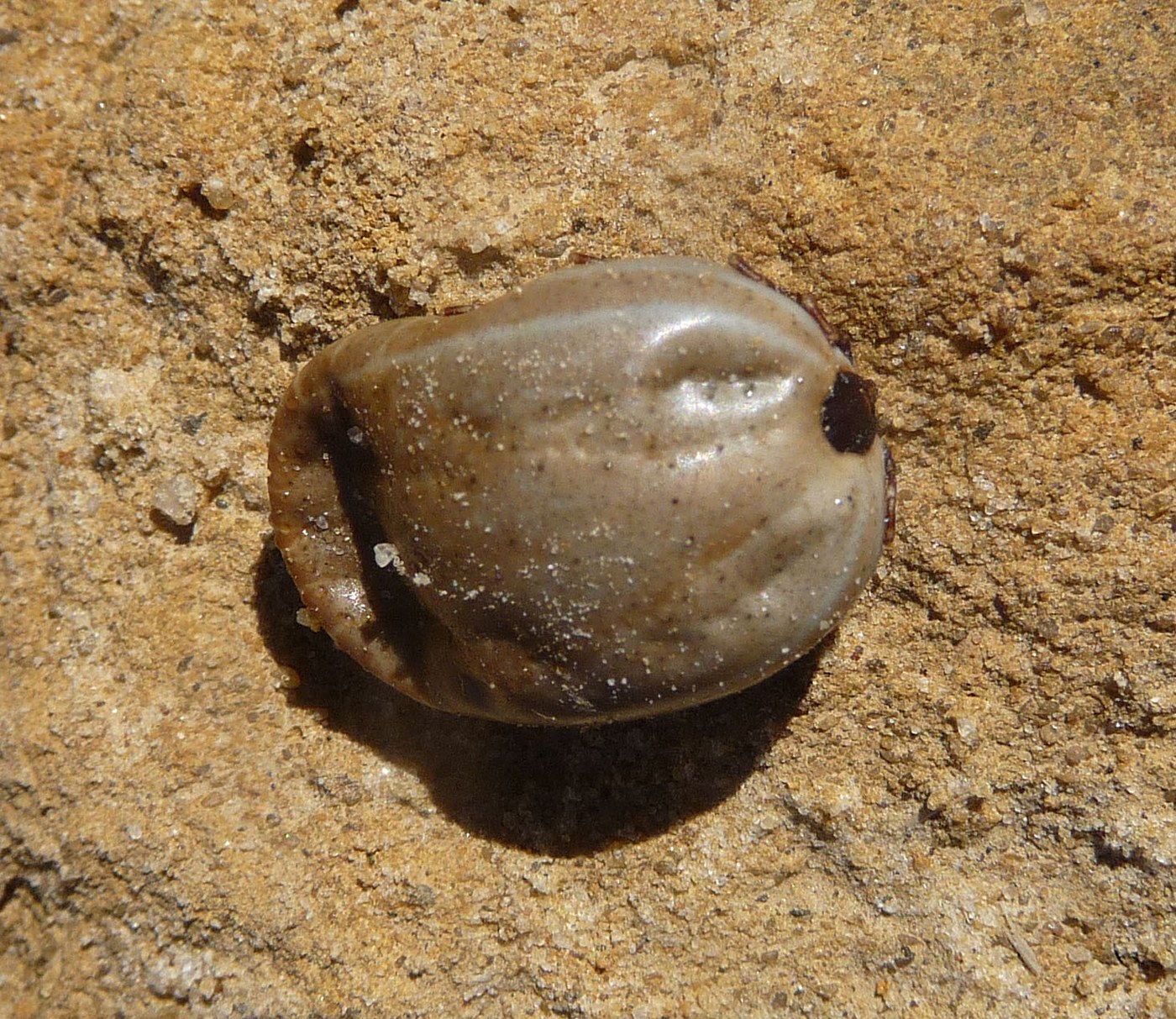
Brown Dog Tick
A uniformly reddish-brown tick with an elongated body, the brown dog tick is unusual among ticks for being able to complete its entire life cycle indoors around wherever dogs rest. It has spread to warm regions worldwide largely by traveling with its preferred host.
arachnid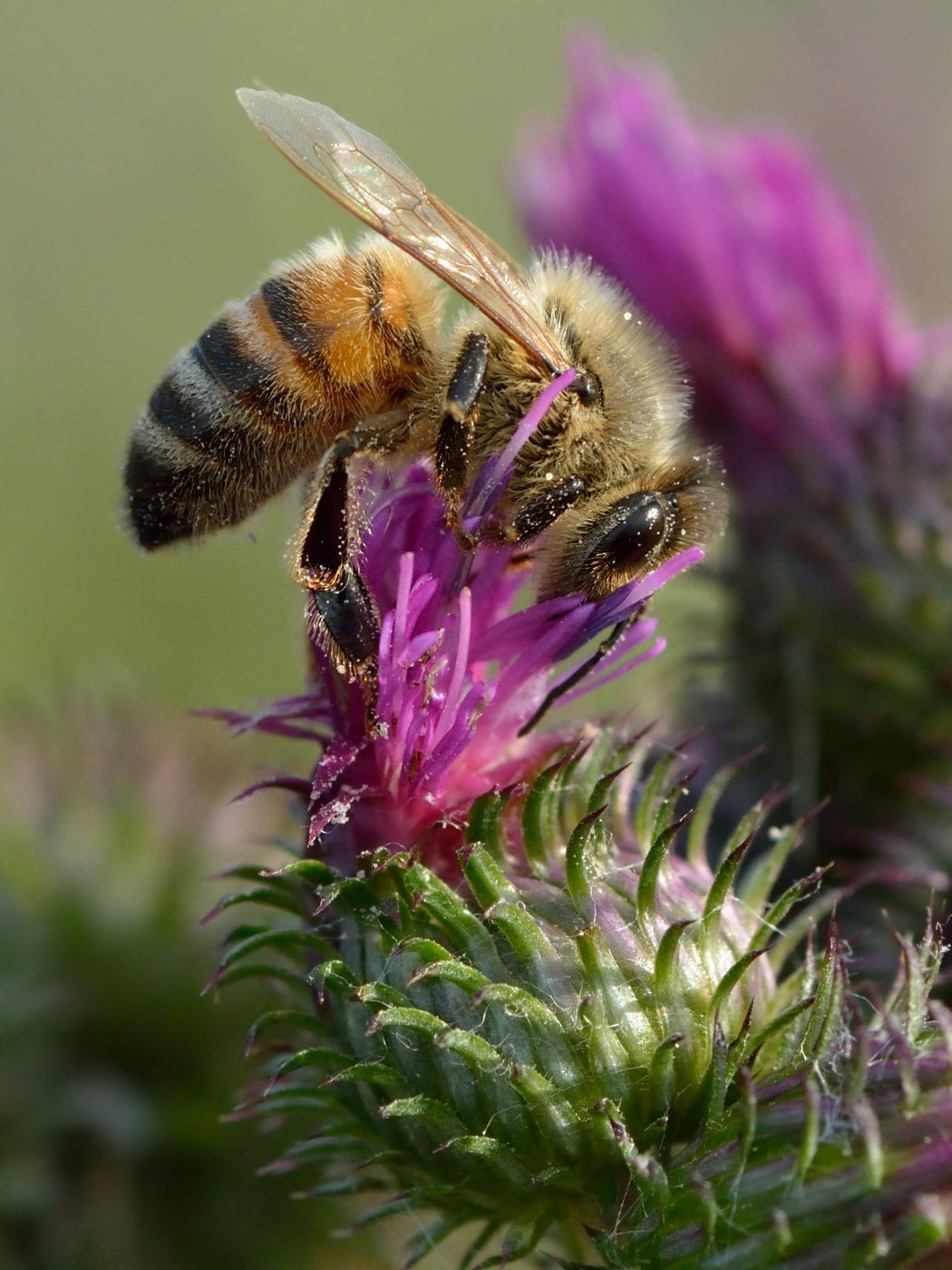
Honeybee
A fuzzy, golden-brown and black social bee that lives in large colonies, builds wax honeycomb, and is the primary managed pollinator of crops and wildflowers worldwide.
bee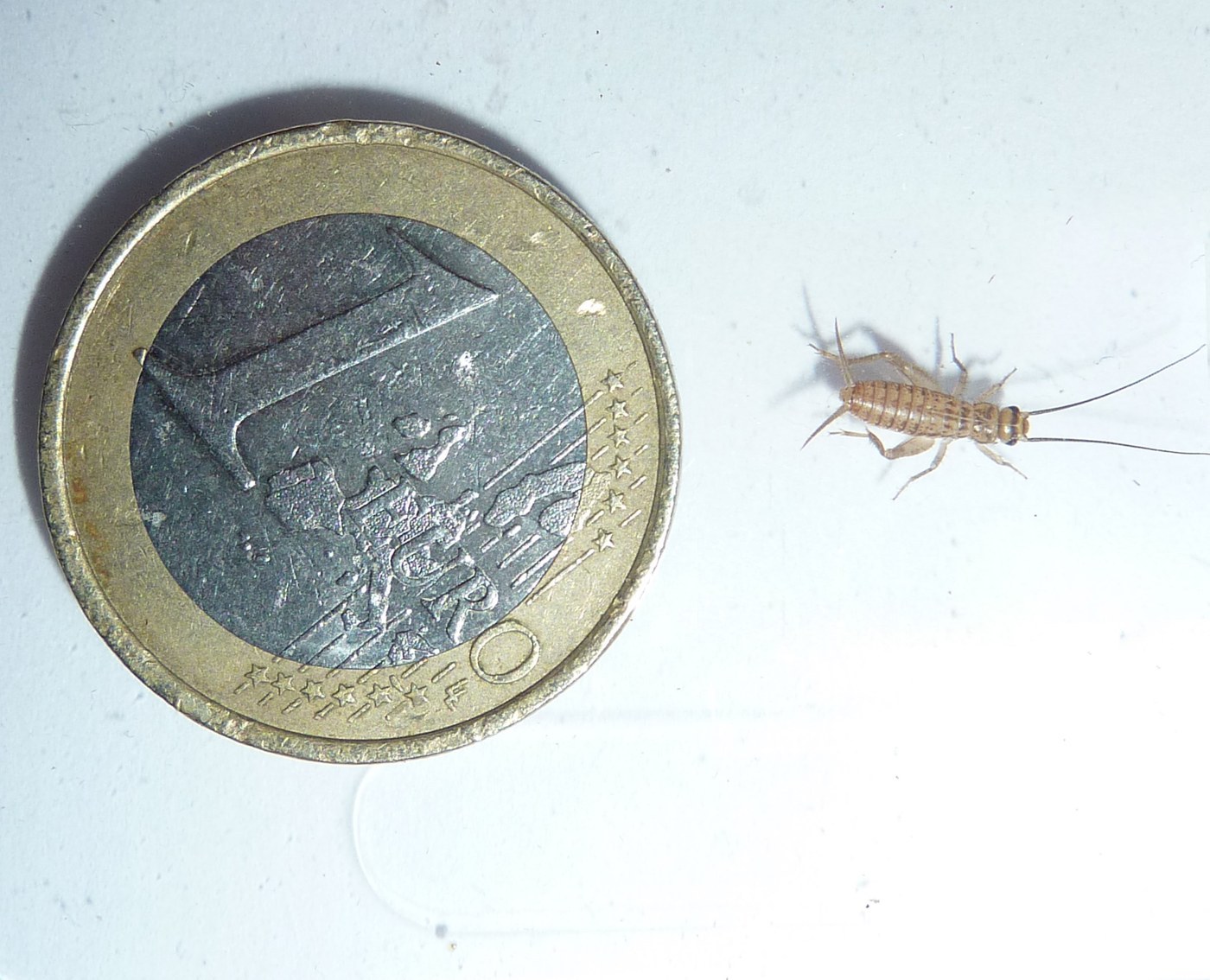
House Cricket
A pale tan, dark-banded cricket originally from warm regions of Asia that has spread worldwide both as an occasional indoor nuisance and as a widely farmed feeder insect.
grasshopper-cricket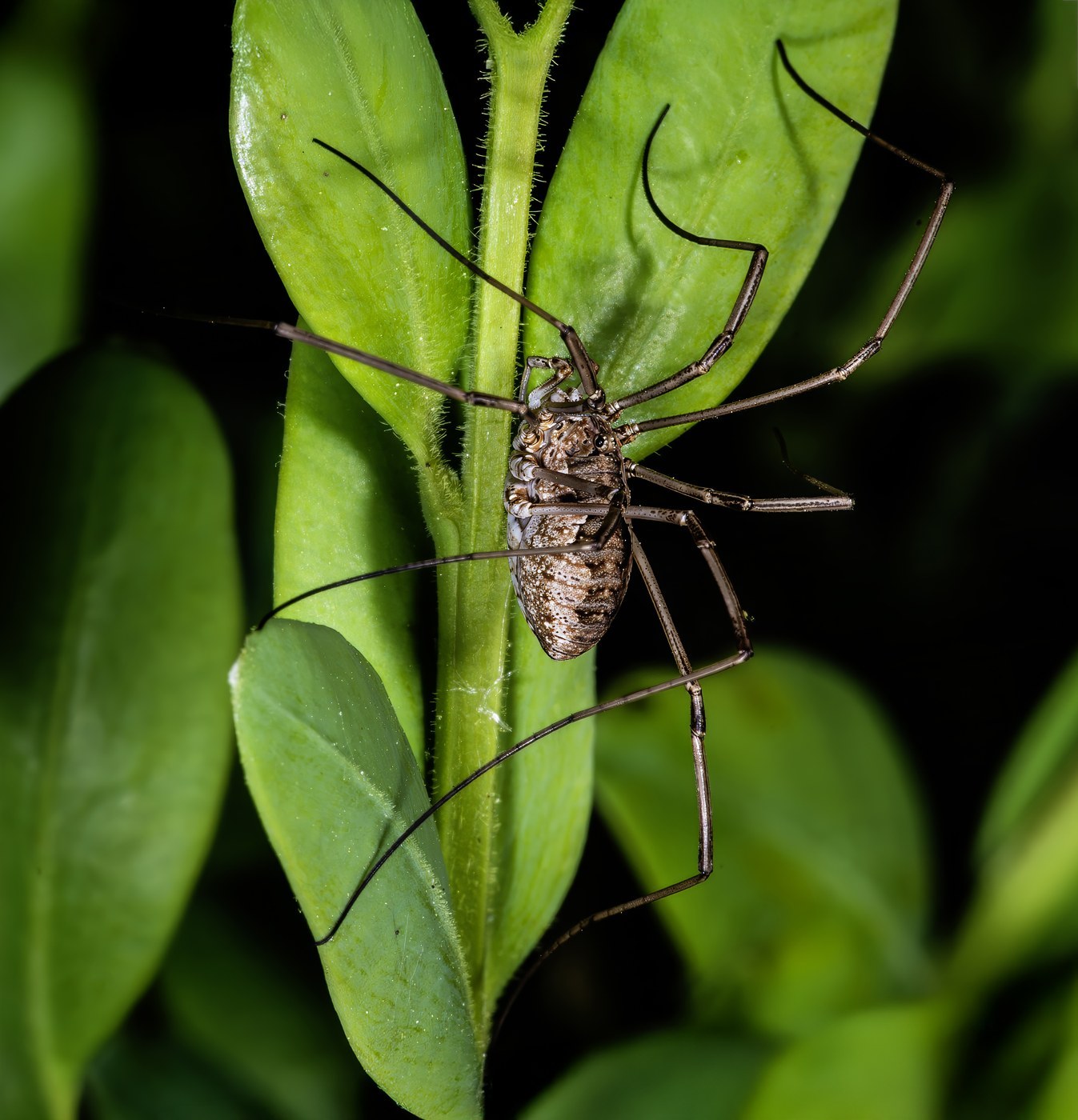
Harvestman
An arachnid built almost entirely of legs, with a single compact, oval body segment and no waist separating it into two parts like a true spider. Common in gardens and forests worldwide, it scuttles along on impossibly long, thin legs scavenging for food after dark.
arachnid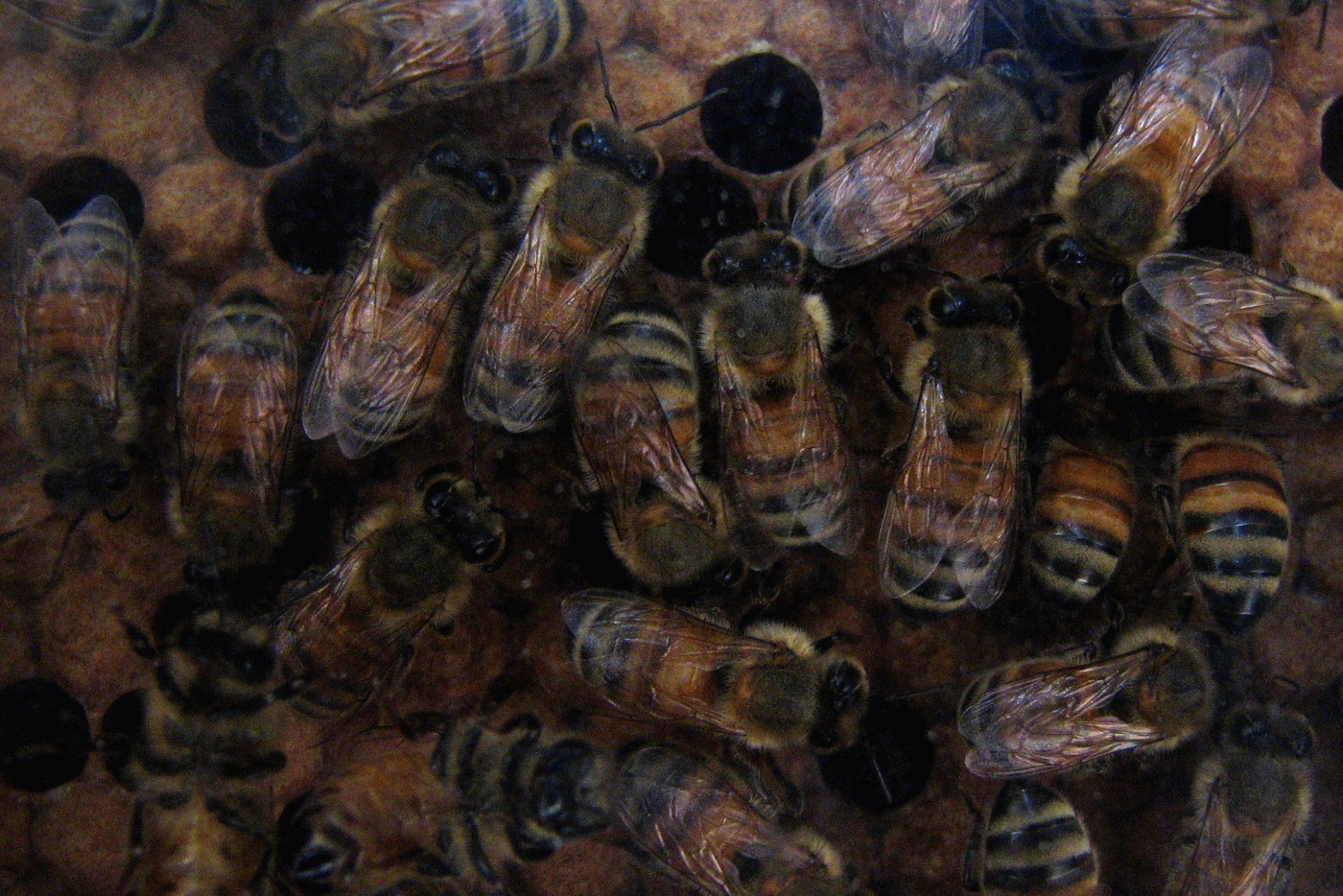
Western Honey Bee
The familiar golden-brown, fuzzy-banded honey bee kept worldwide for honey production and crop pollination, living in large perennial colonies built around wax comb and a single egg-laying queen.
bee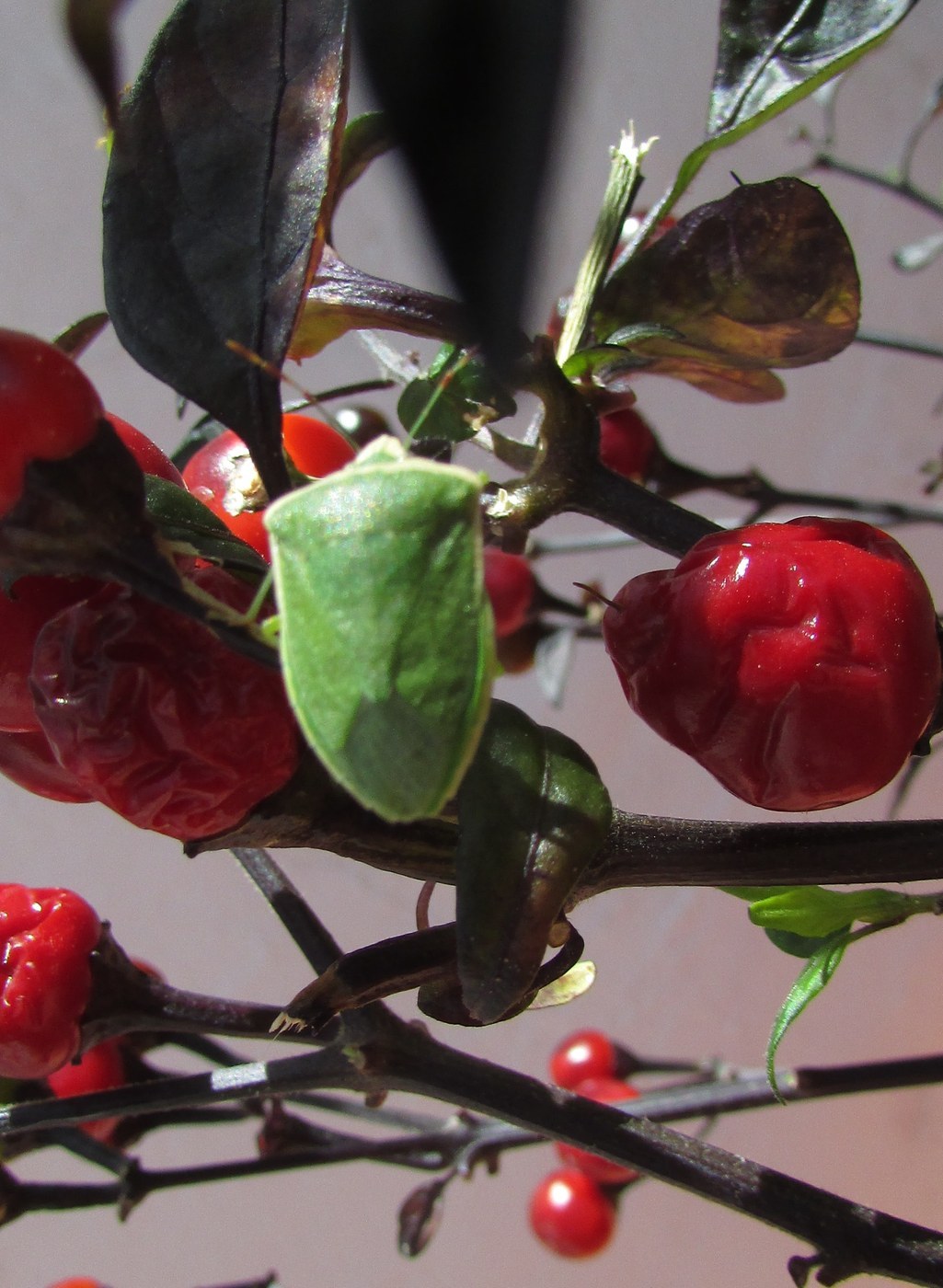
Southern Green Stink Bug
A large, shield-shaped, solid bright green true bug found on a wide variety of garden and crop plants across warm regions worldwide, recognizable by its broad body and, in some individuals, a row of small pale dots along the shoulders.
true-bugTermite Swarmer
A dense, short-lived cloud of dark, equal-winged insects pouring from a crack in soil or wood, each one a would-be founder of a brand-new termite colony.
other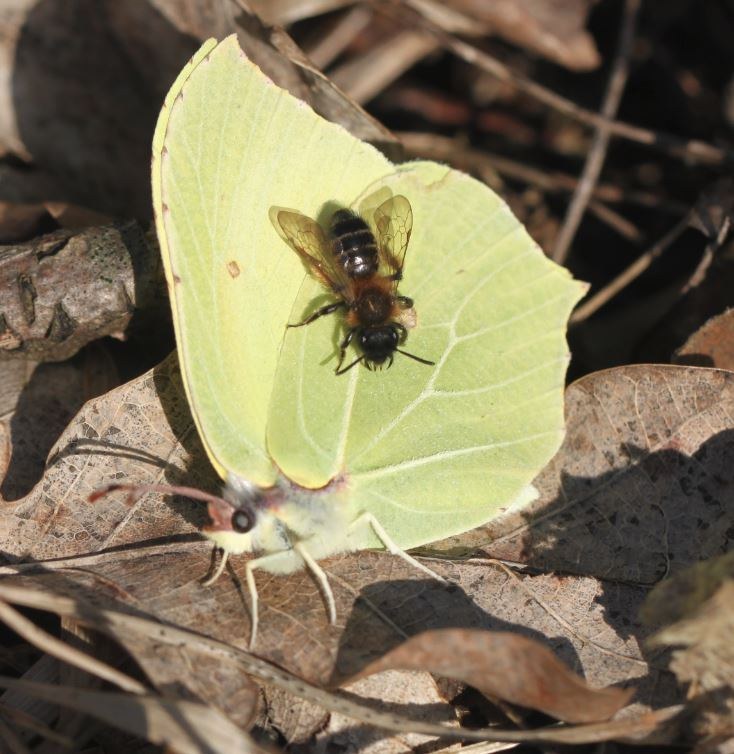
Brimstone Butterfly
A sulphur-yellow, leaf-shaped butterfly whose folded wings mimic a fresh green leaf so convincingly it is often credited as the origin of the word 'butterfly'.
butterfly