
Bug Encyclopedia
Search and identify bugs & insects — beetles, butterflies, moths, ants, bees, spiders and more — with size, habitat, danger, behavior, and how to tell them apart.
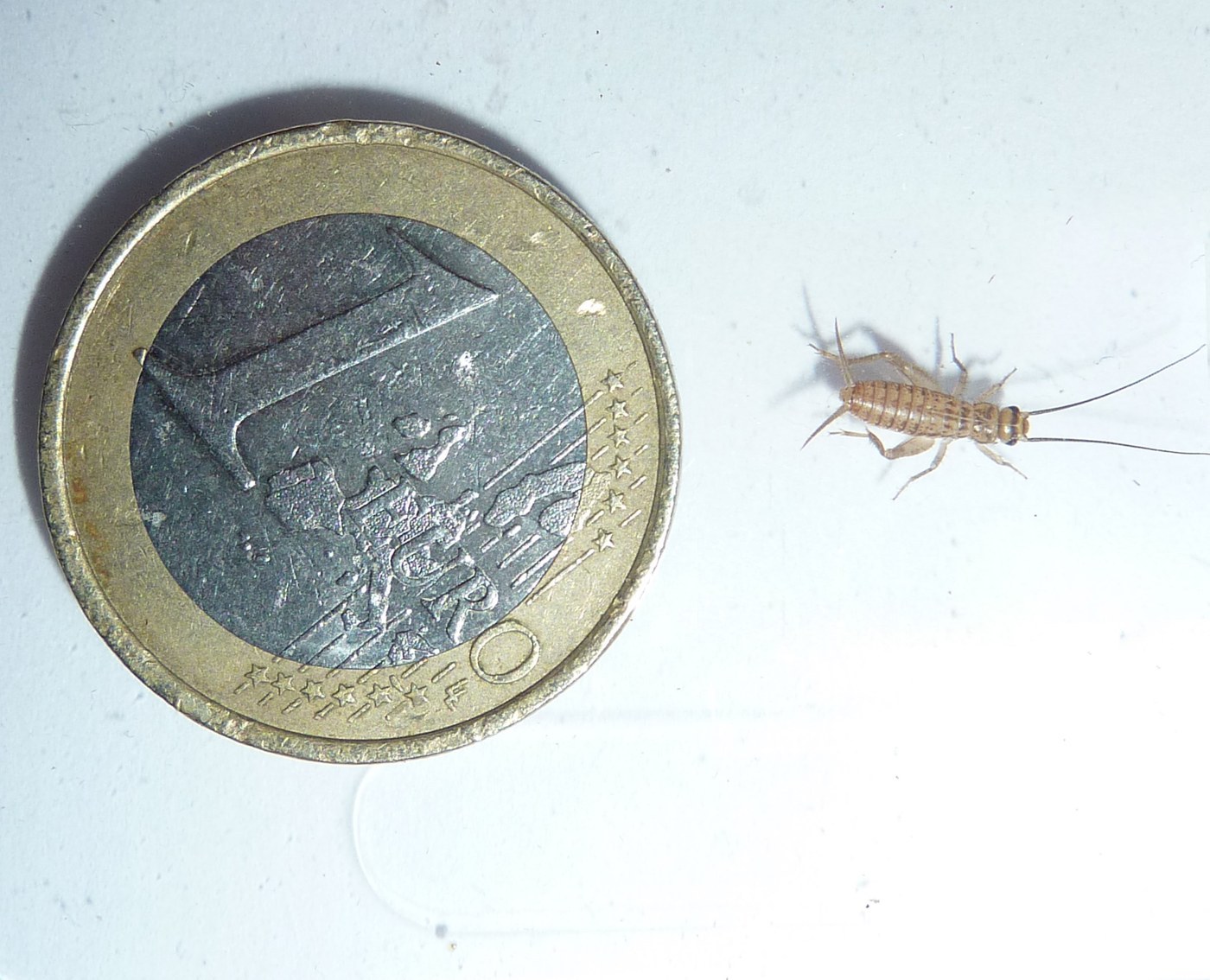
House Cricket
A pale tan, dark-banded cricket originally from warm regions of Asia that has spread worldwide both as an occasional indoor nuisance and as a widely farmed feeder insect.
grasshopper-cricketGall Wasp
A minuscule, rarely seen wasp whose larvae trigger plants, especially oaks, to grow distinctive round or spiky growths called galls that serve as both shelter and food supply.
waspIronclad Beetle
A slow-moving, mottled gray beetle famed for having one of the hardest, most crush-resistant exoskeletons of any insect, often found clinging motionless to dead wood or tree bark.
beetle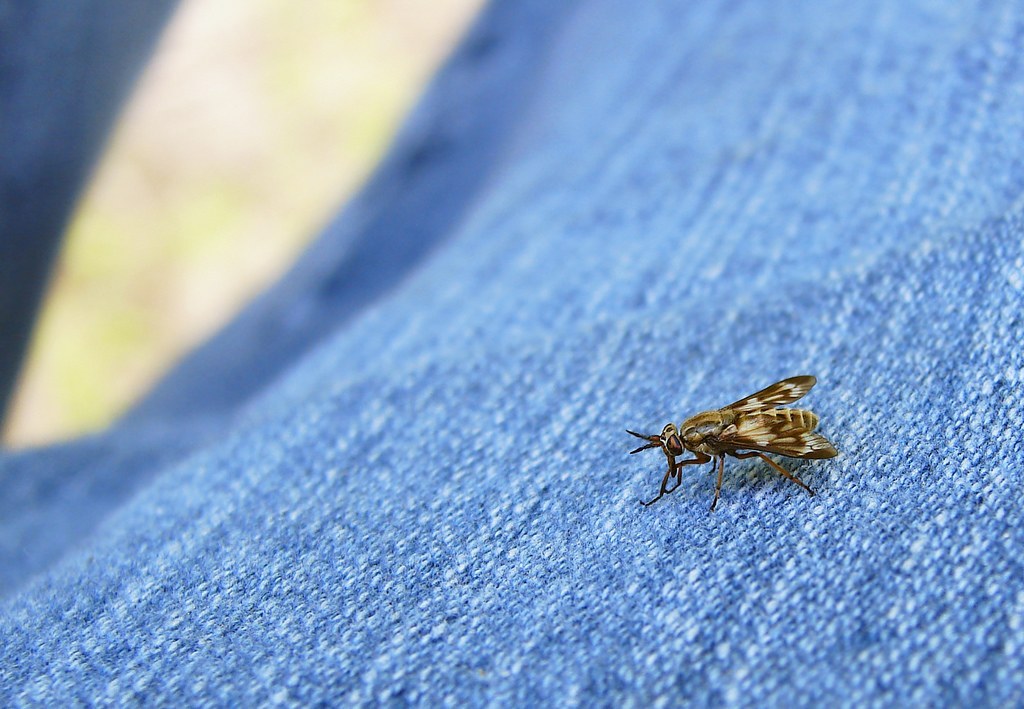
Deer Fly
A small but aggressive fly with strikingly patterned, dark-banded wings and bright green or gold eyes, often circling the head and shoulders while hunting for a blood meal.
fly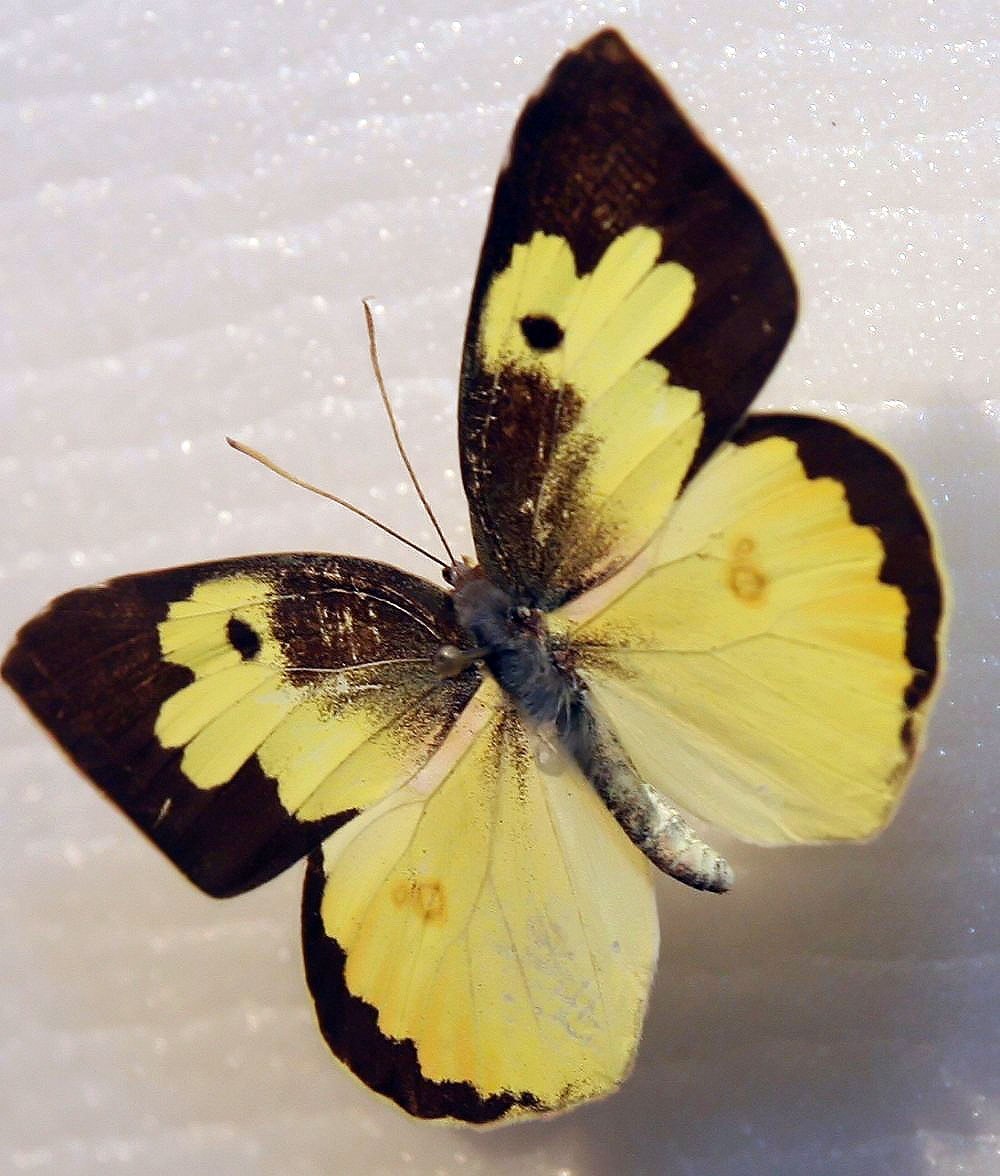
Dogface Butterfly
A striking yellow sulphur butterfly whose forewing pattern forms the silhouette of a dog's or poodle's head complete with a dark 'eye' spot, visible in good light.
butterflyDigger Bee
A robust, fast-flying, densely furry solitary bee that excavates tunnels in bare or sloped soil, often confused with bumble bees due to its bulky, hairy build and loud buzzing flight.
bee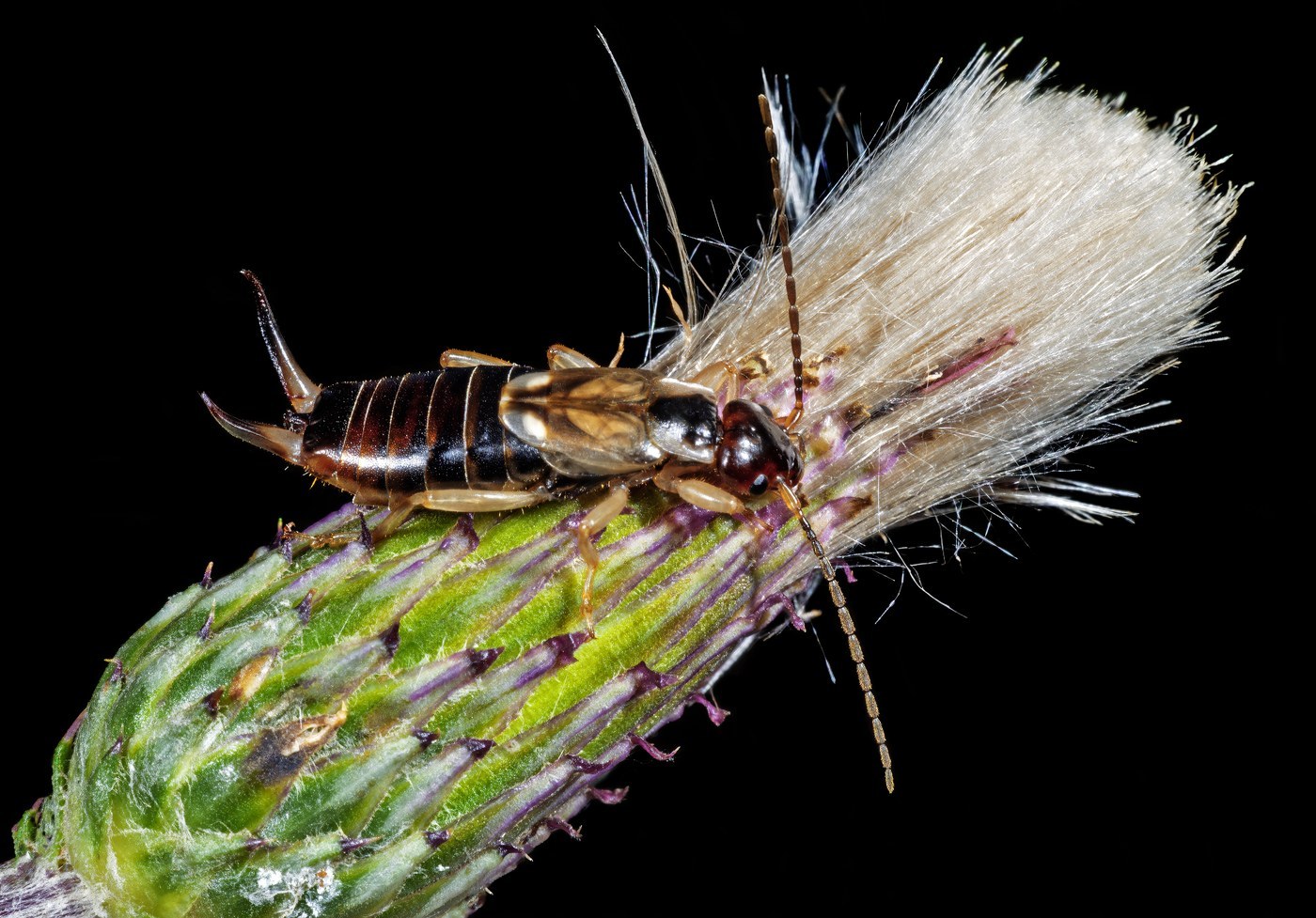
Earwig
A slender, reddish-brown insect easily identified by the pair of curved, forceps-like pincers at the tip of its abdomen, often found hiding under mulch, bark, or garden debris by day.
otherCamel Cricket
A wingless, humpbacked cricket with unusually long legs that gives it a spider-like appearance, often startling people when it turns up in damp basements or crawl spaces.
grasshopper-cricket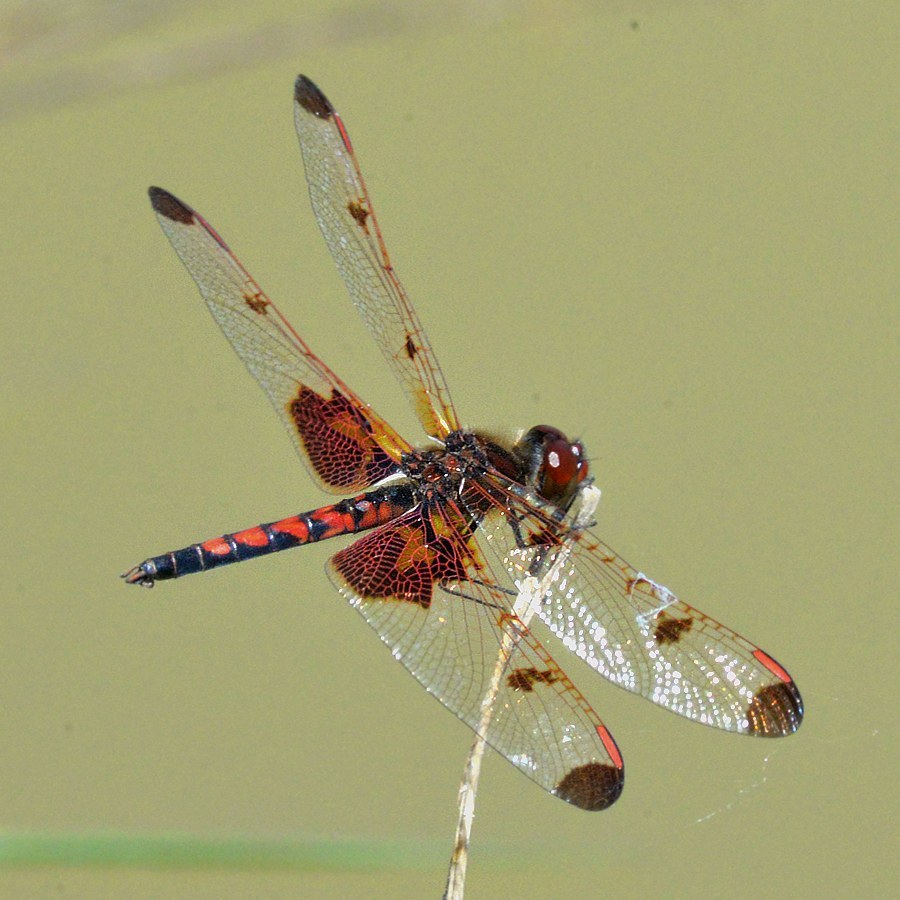
Calico Pennant
This small, boldly patterned skimmer flashes red or yellow wing patches and heart-shaped abdominal spots as it flutters low over pond vegetation like a tiny pennant flag.
dragonfly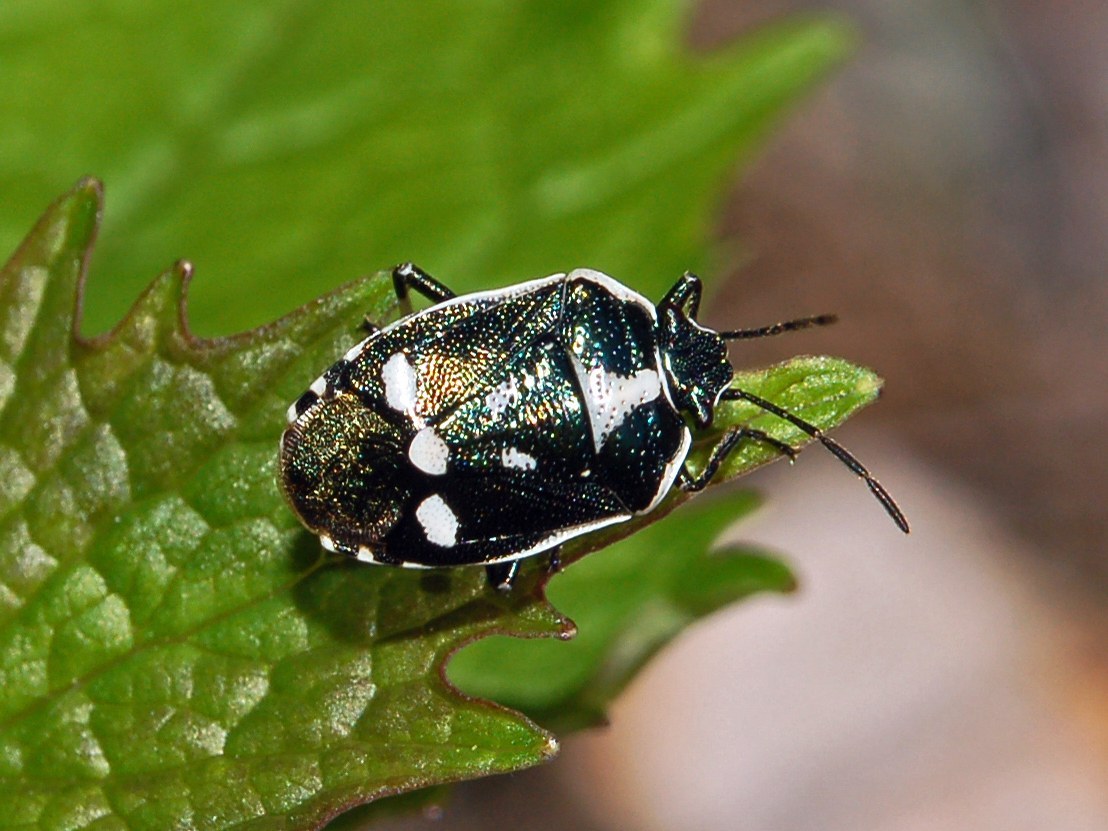
Cabbage Bug
A small, metallic shield bug patterned in contrasting patches of black with red, white, or yellow, closely tied to cabbage and other brassica crops across Europe and Asia.
true-bug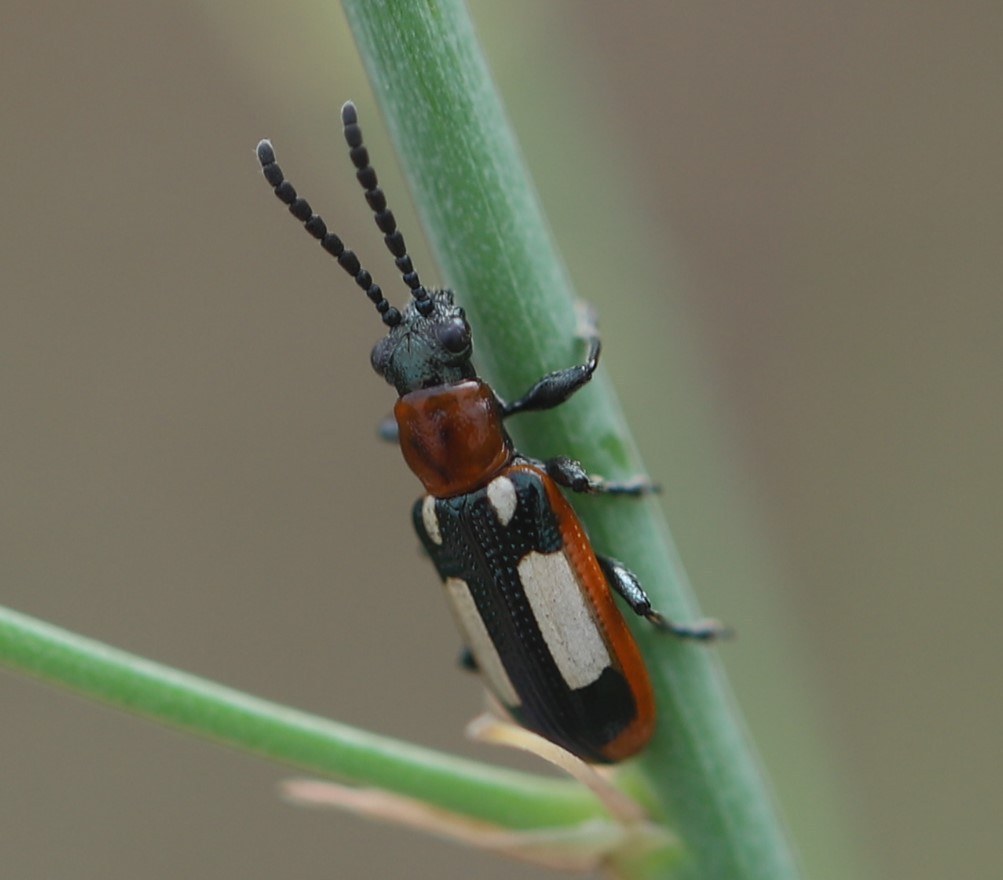
Asparagus Beetle
A small, boldly patterned blue-black beetle with cream and orange-red markings that clusters on emerging asparagus spears in spring.
beetleYellow Scorpion
A robust, sandy-yellow scorpion of arid regions that spends daylight hours buried or hidden beneath stones, emerging at dusk to hunt.
arachnid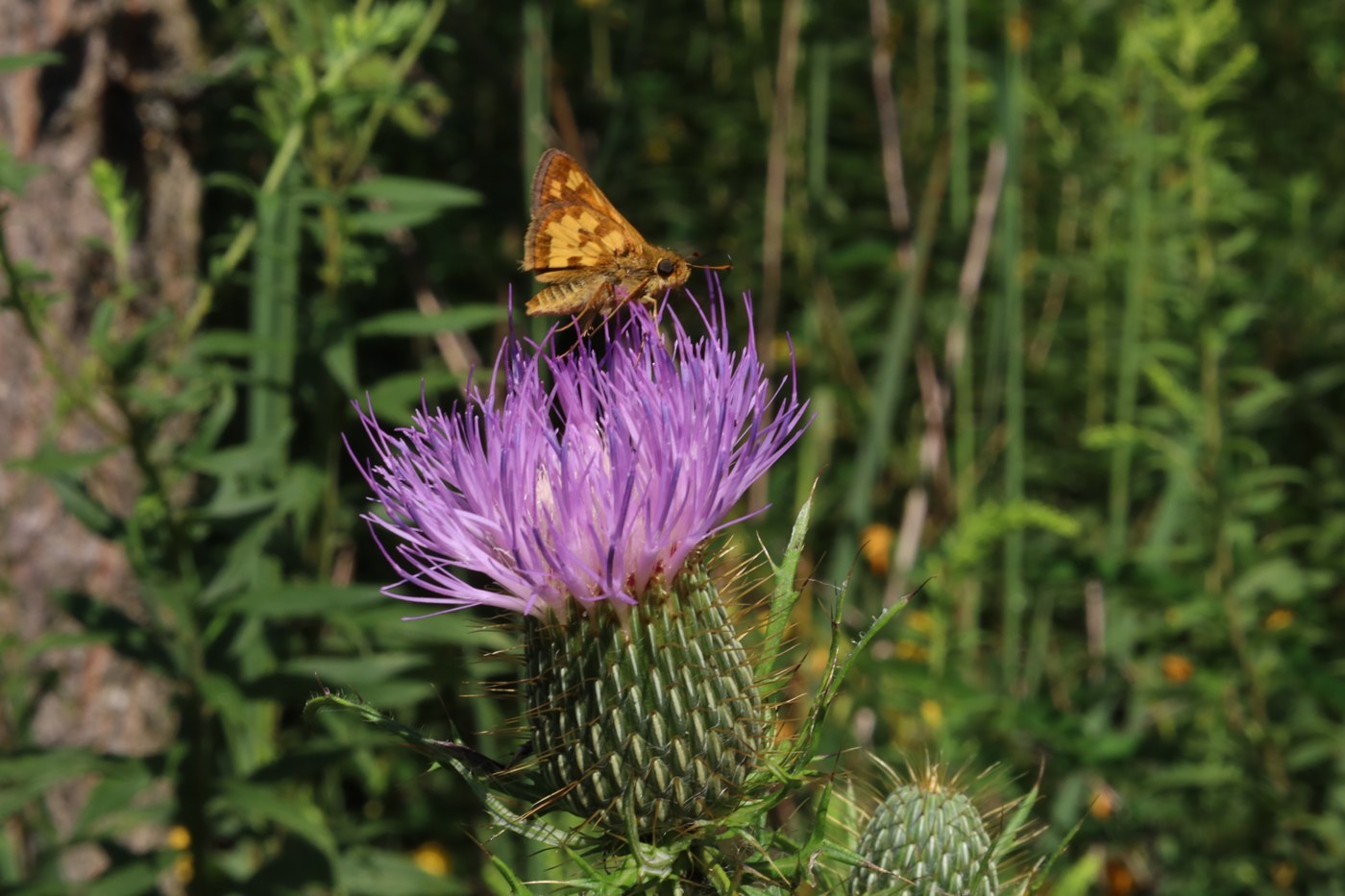
Peck's Skipper
A tiny, tawny-orange and brown skipper with a bold, irregular yellow patch on the underside of the hindwing that looks almost like a splash of paint.
butterfly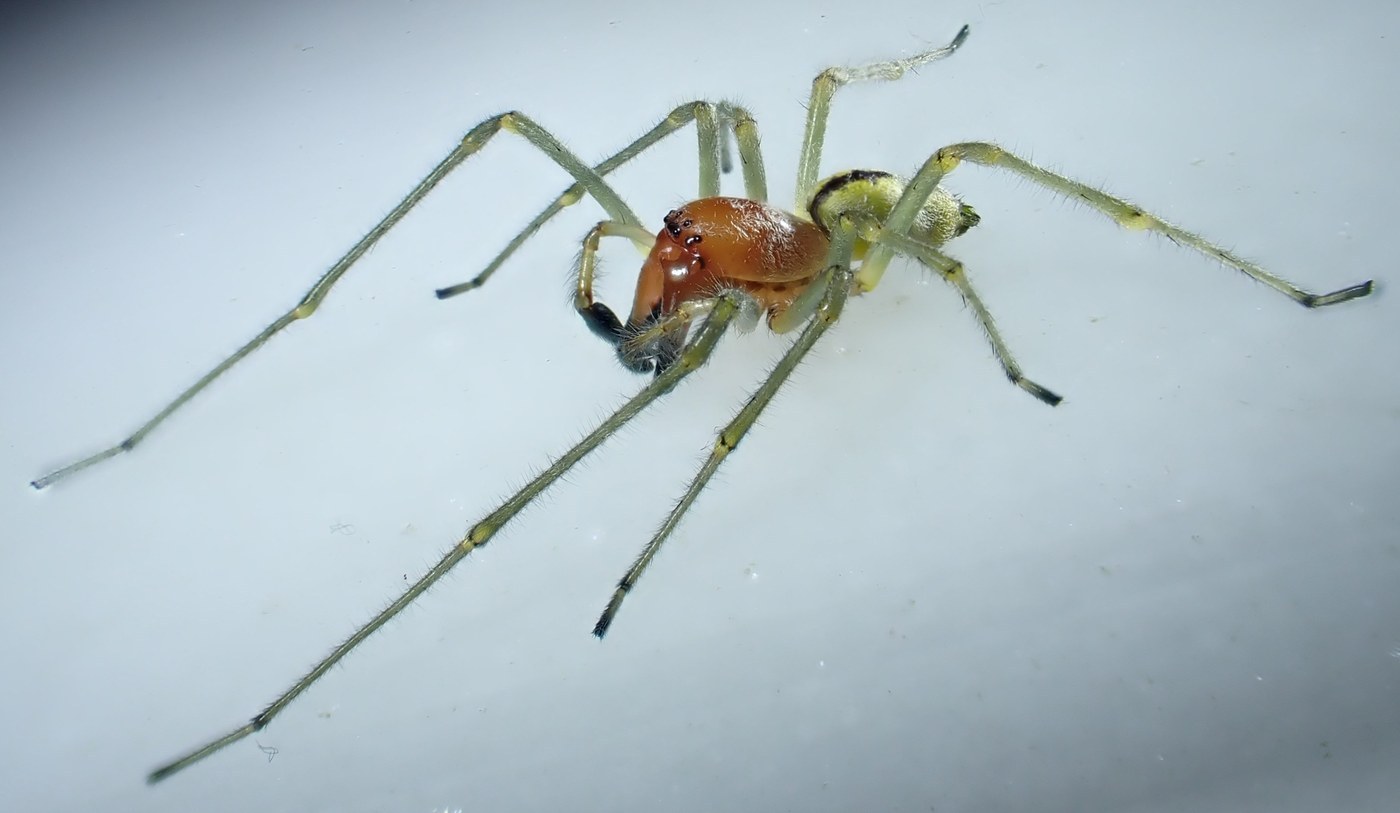
Sac Spider
A pale, uniformly colored spider that spins a small silk sac retreat rather than a capture web, often found tucked into rolled leaves or corners of rooms.
spiderHoverfly
A slender, bee- or wasp-patterned fly known for its remarkable ability to hover motionless in midair before darting suddenly to a new flower.
flyEastern Black Swallowtail Caterpillar
A striking green-and-black banded caterpillar dotted with yellow spots that flashes a bright orange forked horn when disturbed.
caterpillar-larva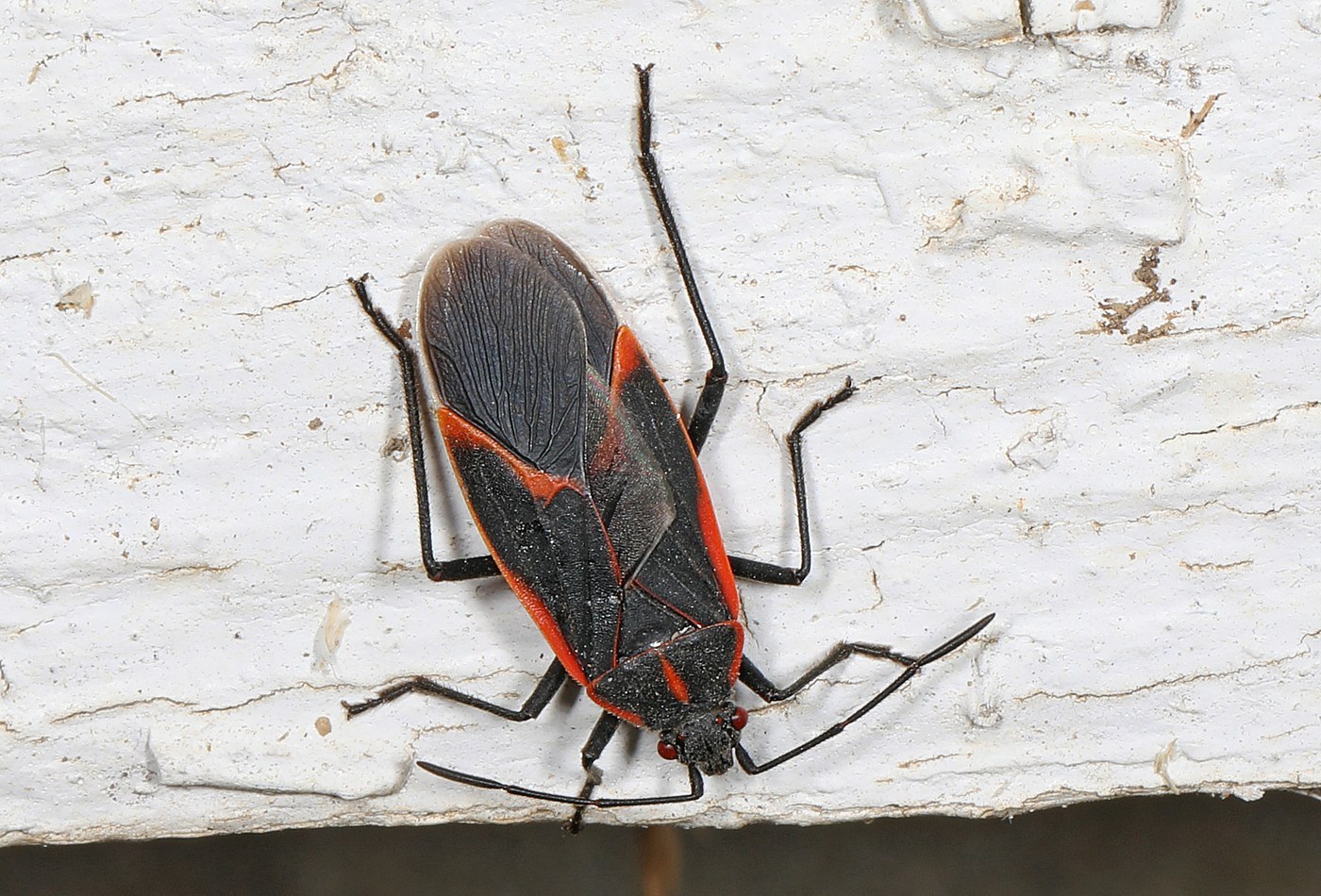
Boxelder Bug (Eastern)
A flat, black true bug boldly trimmed in red-orange lines, famous for massing by the hundreds on sun-warmed walls and tree trunks each autumn.
true-bug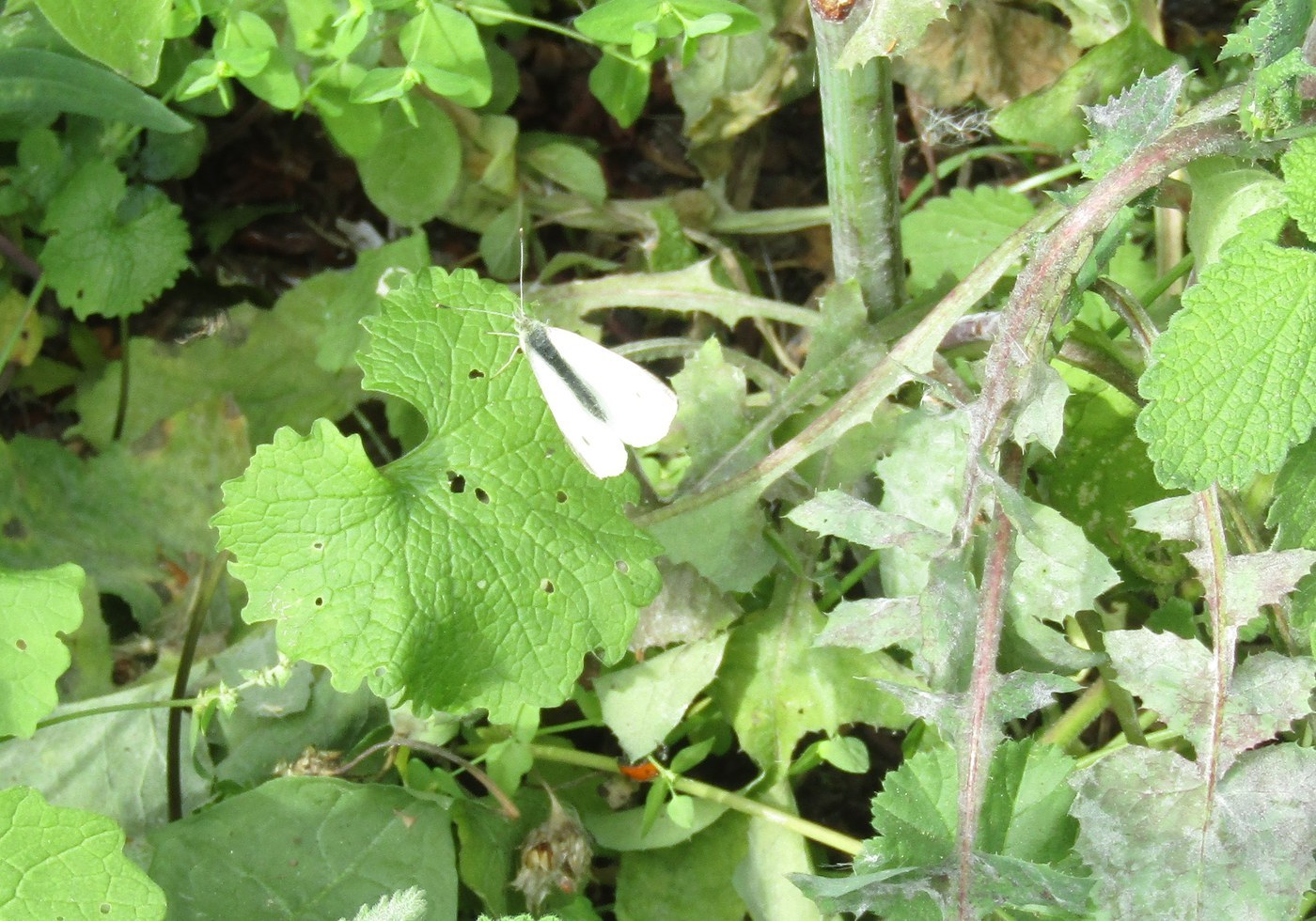
Cabbage White
A common, small white butterfly with one or two black wing spots, whose green caterpillars are a familiar sight feeding on cabbage-family garden plants.
butterflyBird-dropping Spider
A lumpy, white-and-brown orb-weaver that spends its days motionless on a leaf, looking uncannily like a fresh splash of bird droppings.
spider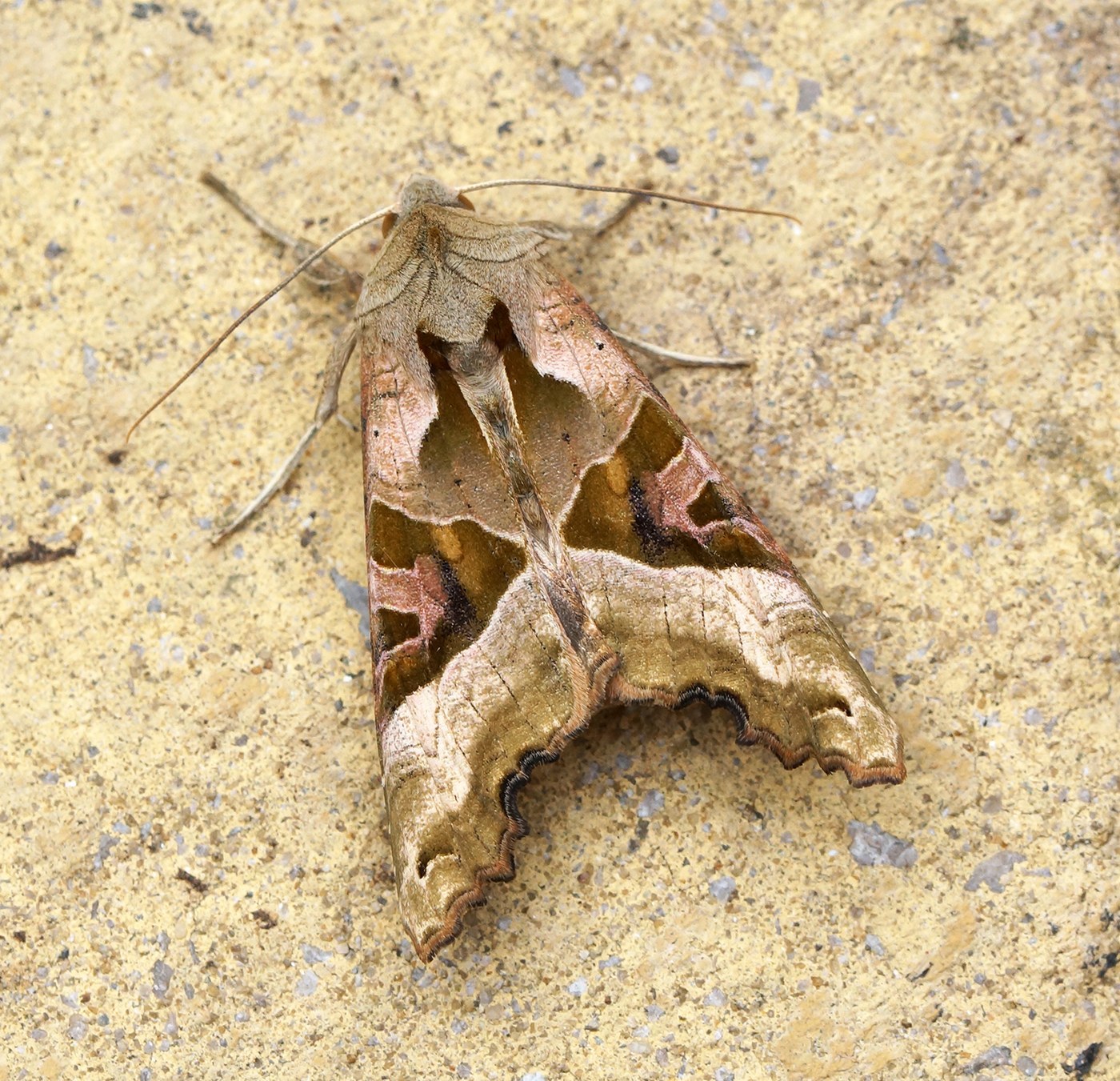
Angle Shades Moth
A common night-flying moth whose forewings fold into a crumpled, tent-like shape that mimics a withered or damaged leaf, marked with bold olive-green and pinkish-brown zigzag bands.
moth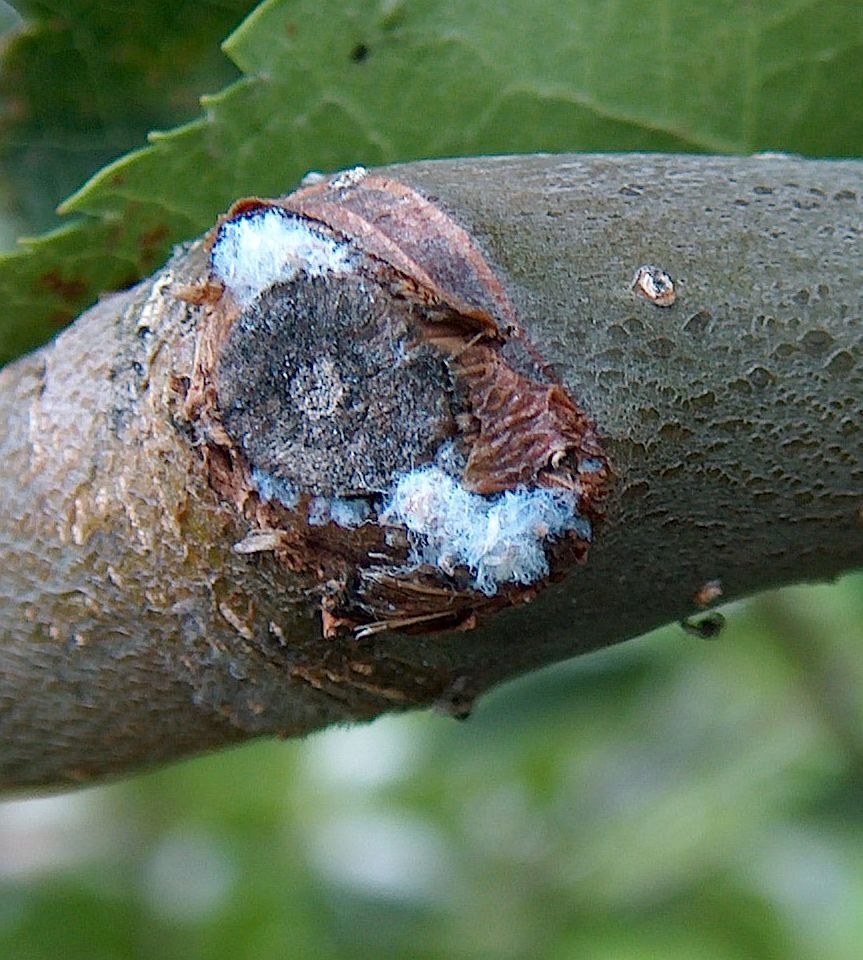
Woolly Aphid
A tiny, soft-bodied aphid that hides beneath a dense coat of white, cottony wax filaments, often appearing as fuzzy white patches clustered on bark or twigs rather than as recognizable insects.
true-bugWhite Grub
A pale, C-shaped larva with a brown head capsule and six stubby legs, spending its entire early life hidden underground feeding on roots before emerging as a stout May or June beetle.
beetle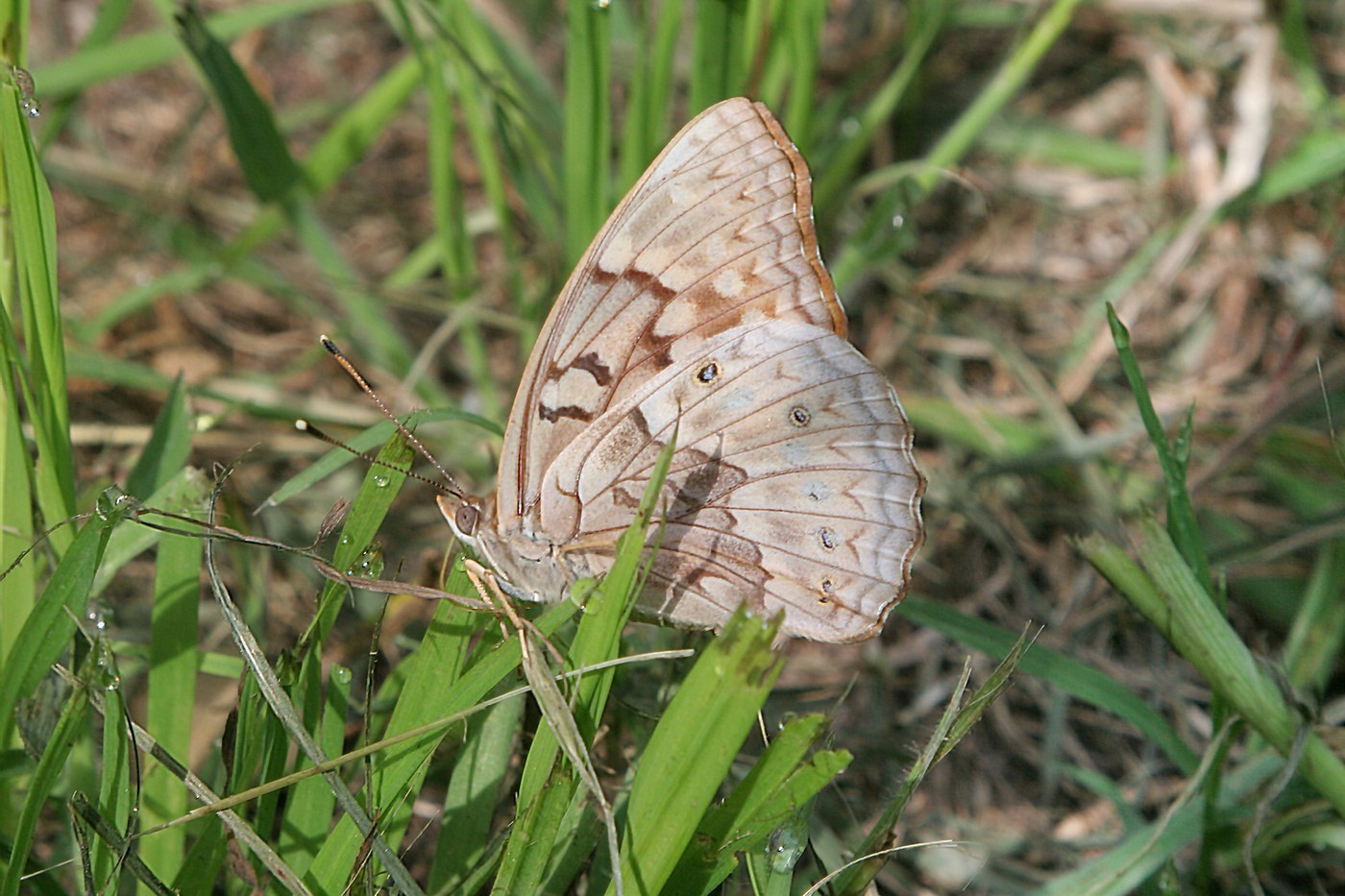
Tawny Emperor
A warm orange-brown woodland butterfly, close relative of the Hackberry Emperor, best distinguished by its lack of a forewing eyespot and its habit of feeding on sap and dung rather than flowers.
butterfly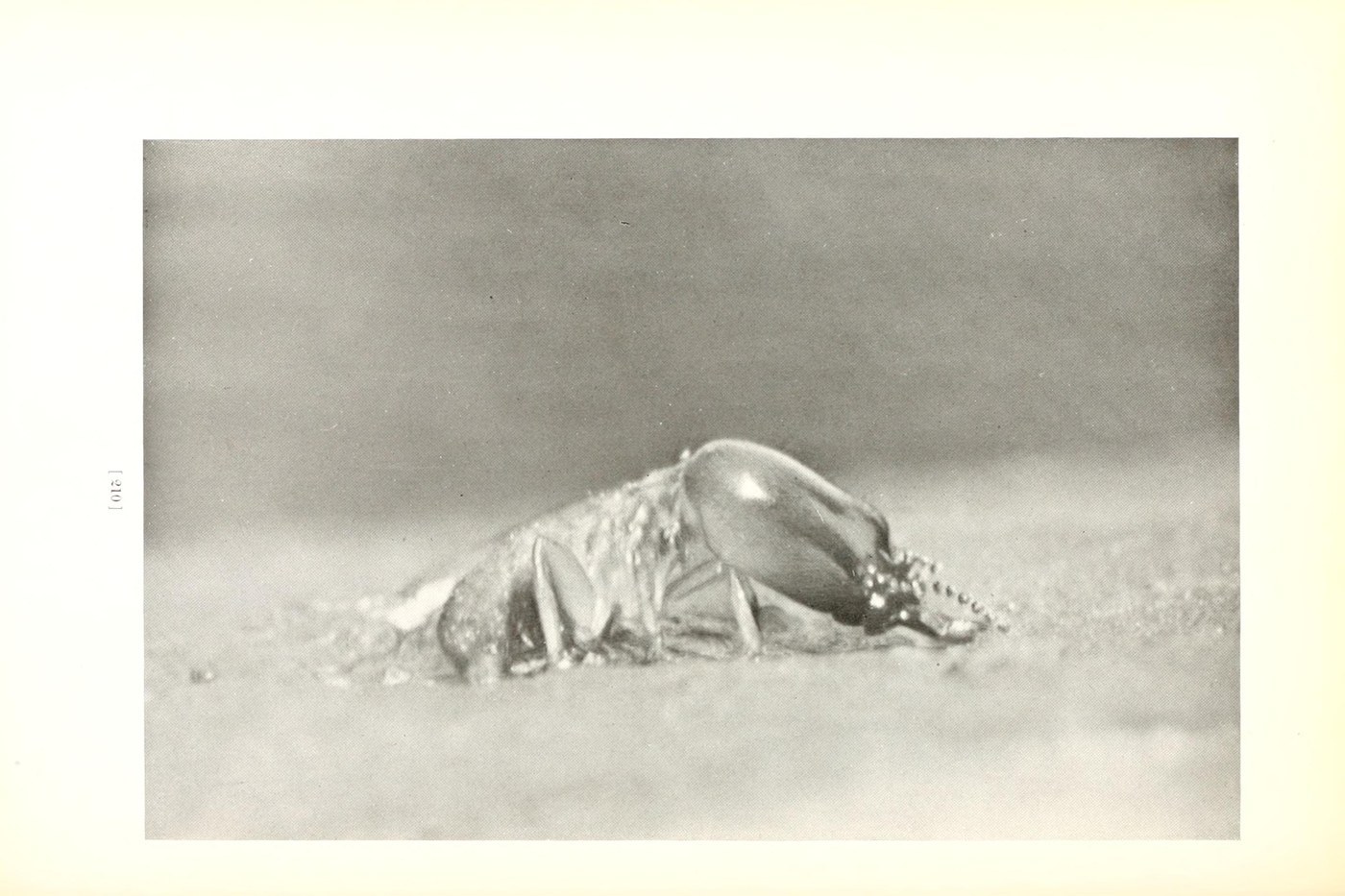
Termite
A pale, soft-bodied social insect that lives in hidden colonies and feeds on cellulose in wood and plant debris, often mistaken for an ant despite belonging to an entirely different insect order.
other