
Bug Encyclopedia
Search and identify bugs & insects — beetles, butterflies, moths, ants, bees, spiders and more — with size, habitat, danger, behavior, and how to tell them apart.
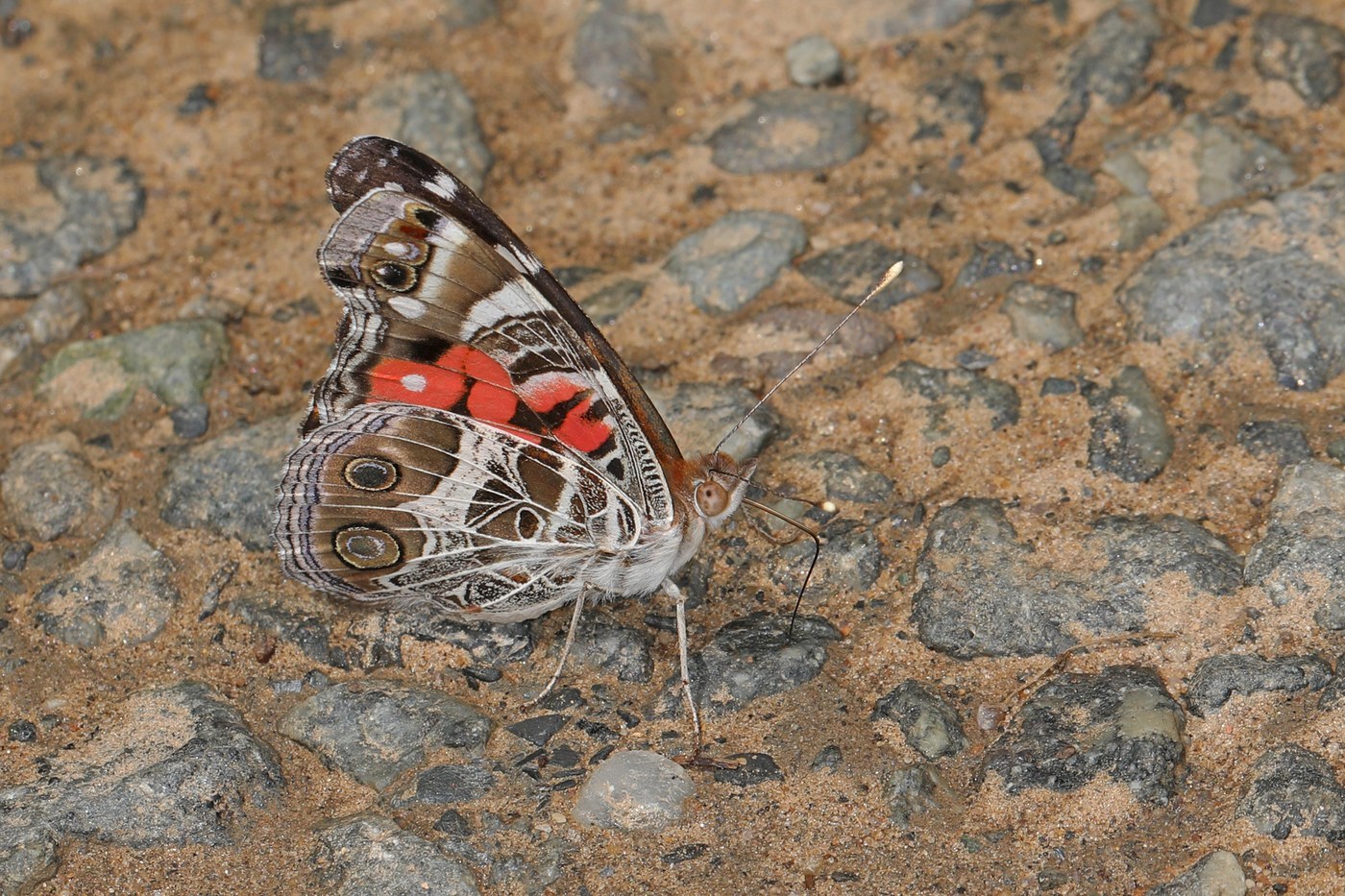
American Lady
A boldly patterned orange-and-black brushfoot butterfly best identified by two large eyespots on its underside hindwing and a distinctive small white spot within the orange field of its forewing.
butterfly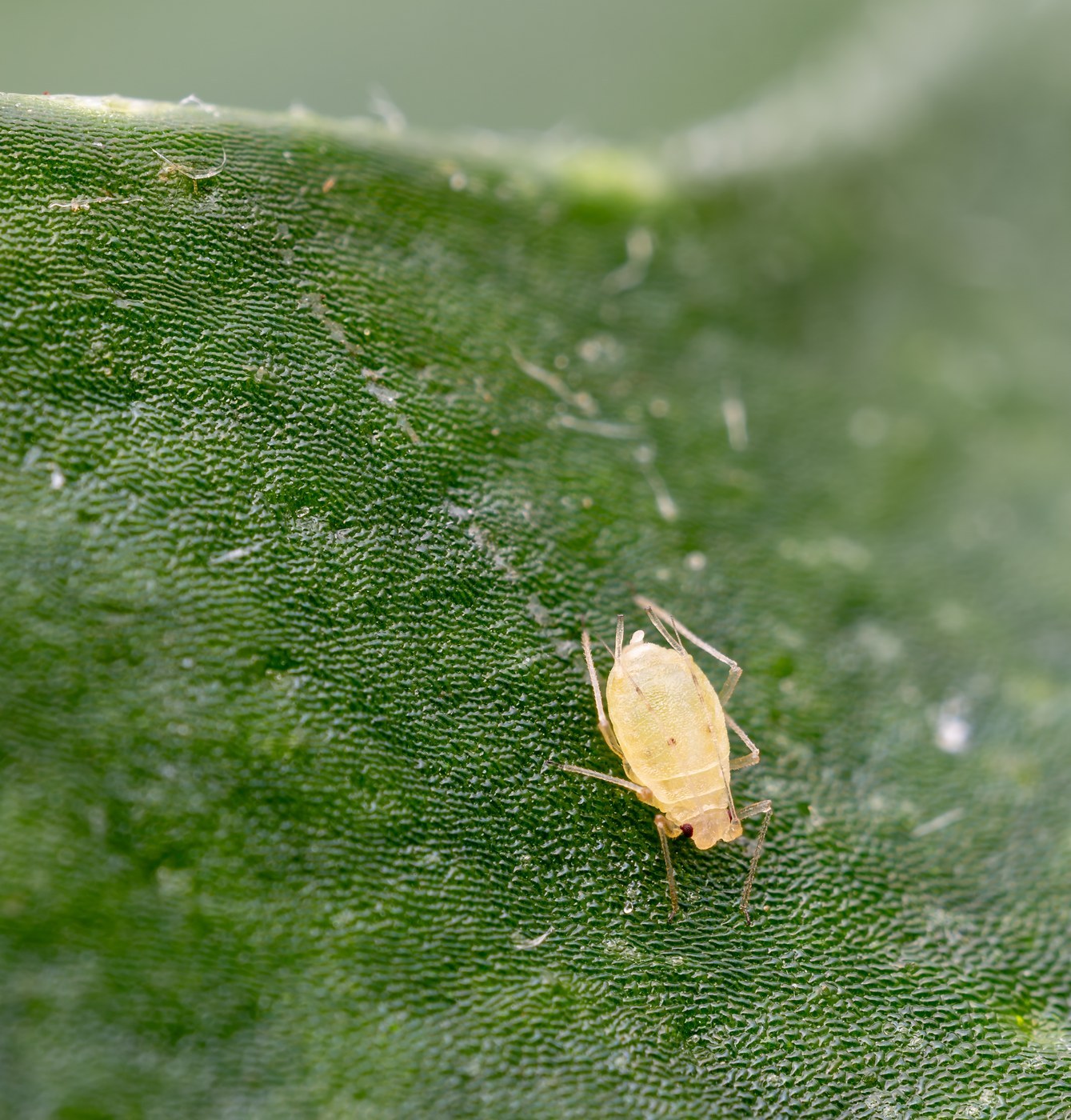
Green Peach Aphid
A small, pale yellow-green aphid with an exceptionally broad host range, recognized as one of the most widespread and adaptable aphid species found on garden vegetables, ornamentals, and stone fruit trees.
true-bug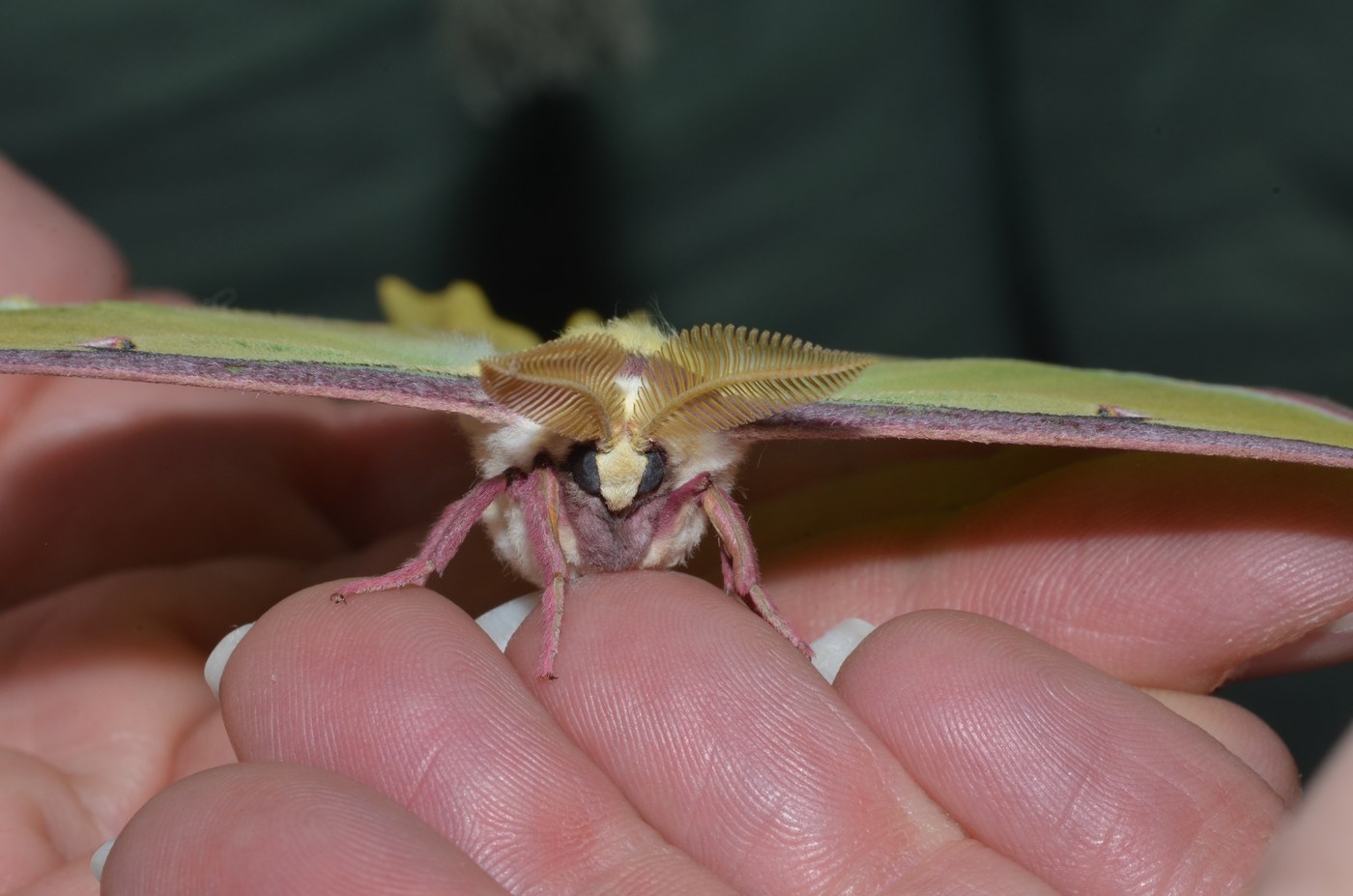
Luna Moth Caterpillar
A large, plump, apple-green caterpillar with faint yellow side stripes and rows of small red-orange tubercles, the larval form of one of North America's most beautiful giant silk moths.
caterpillar-larva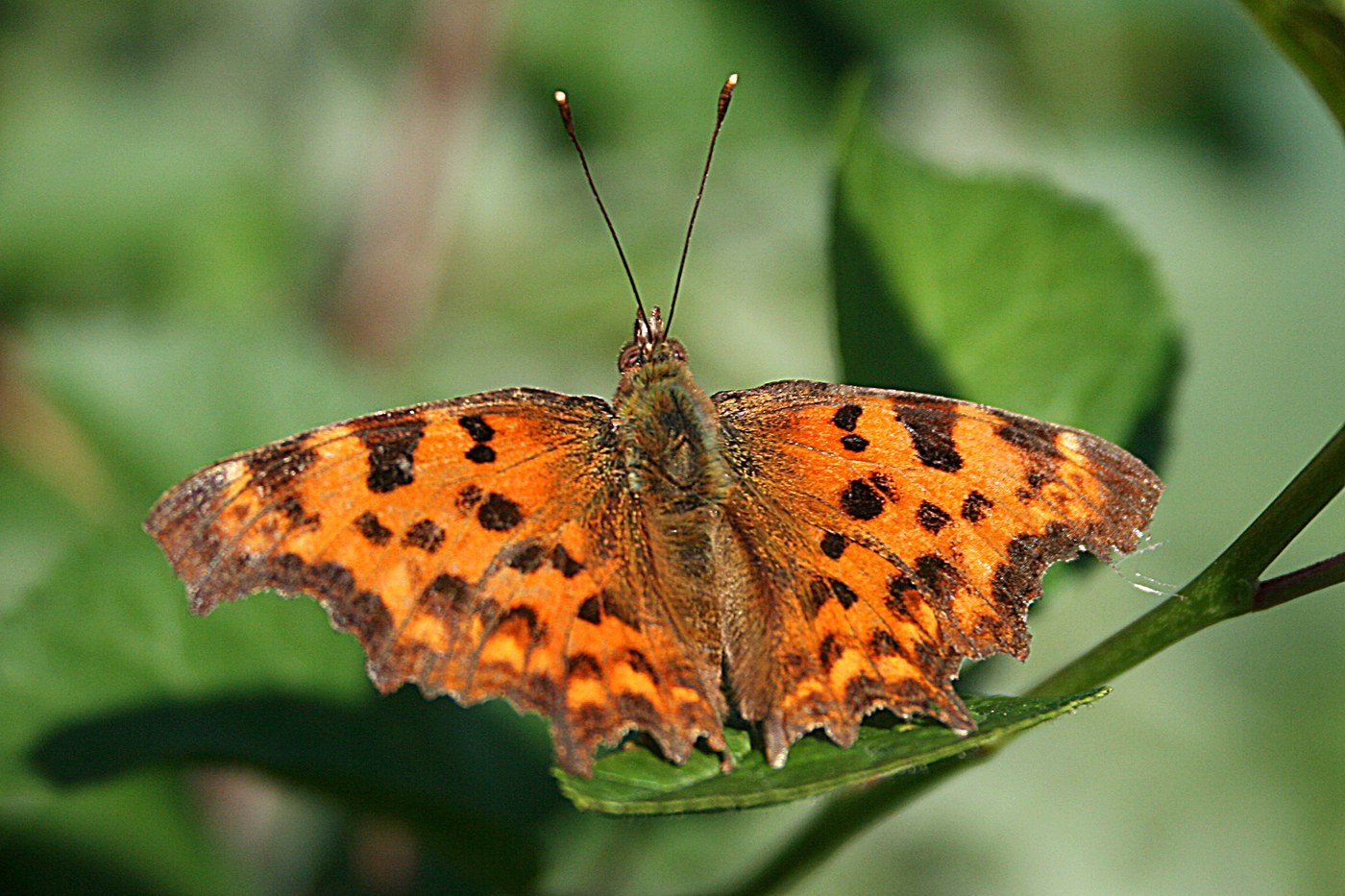
Comma Butterfly
An orange-brown butterfly with distinctively ragged, scalloped wing edges and a small white comma-shaped mark on the underside of the hindwing, resembling a dead leaf when at rest.
butterflyTortoise Beetle
A small, flat, disc-shaped beetle whose expanded wing covers and pronotum hide its head and legs almost entirely, giving it the look of a miniature turtle shell crawling across a leaf.
beetle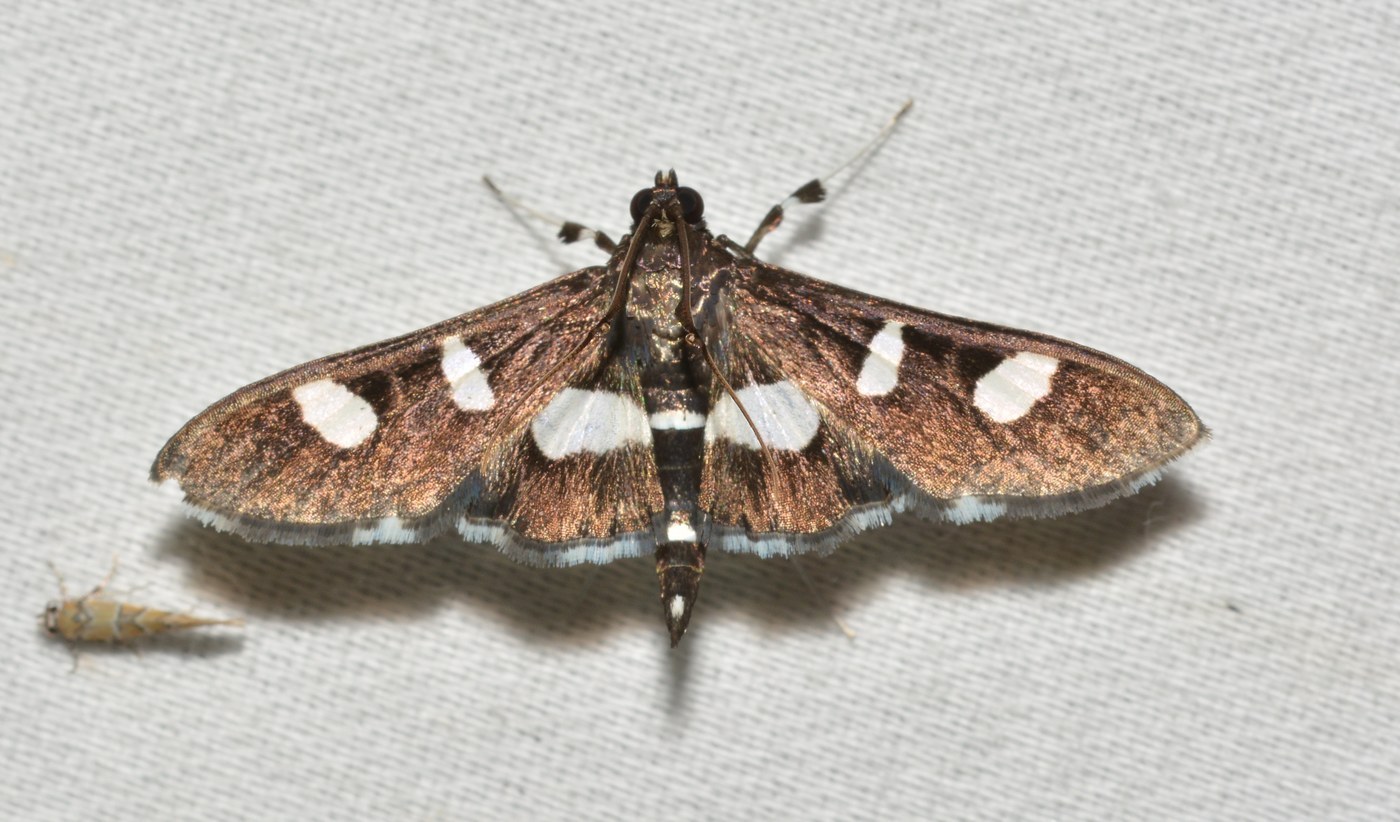
Grape Leaffolder Caterpillar
This small green caterpillar stitches grape leaves together with silk into a rolled shelter, feeding hidden inside its own leafy tube and leaving skeletonized patches behind.
caterpillar-larva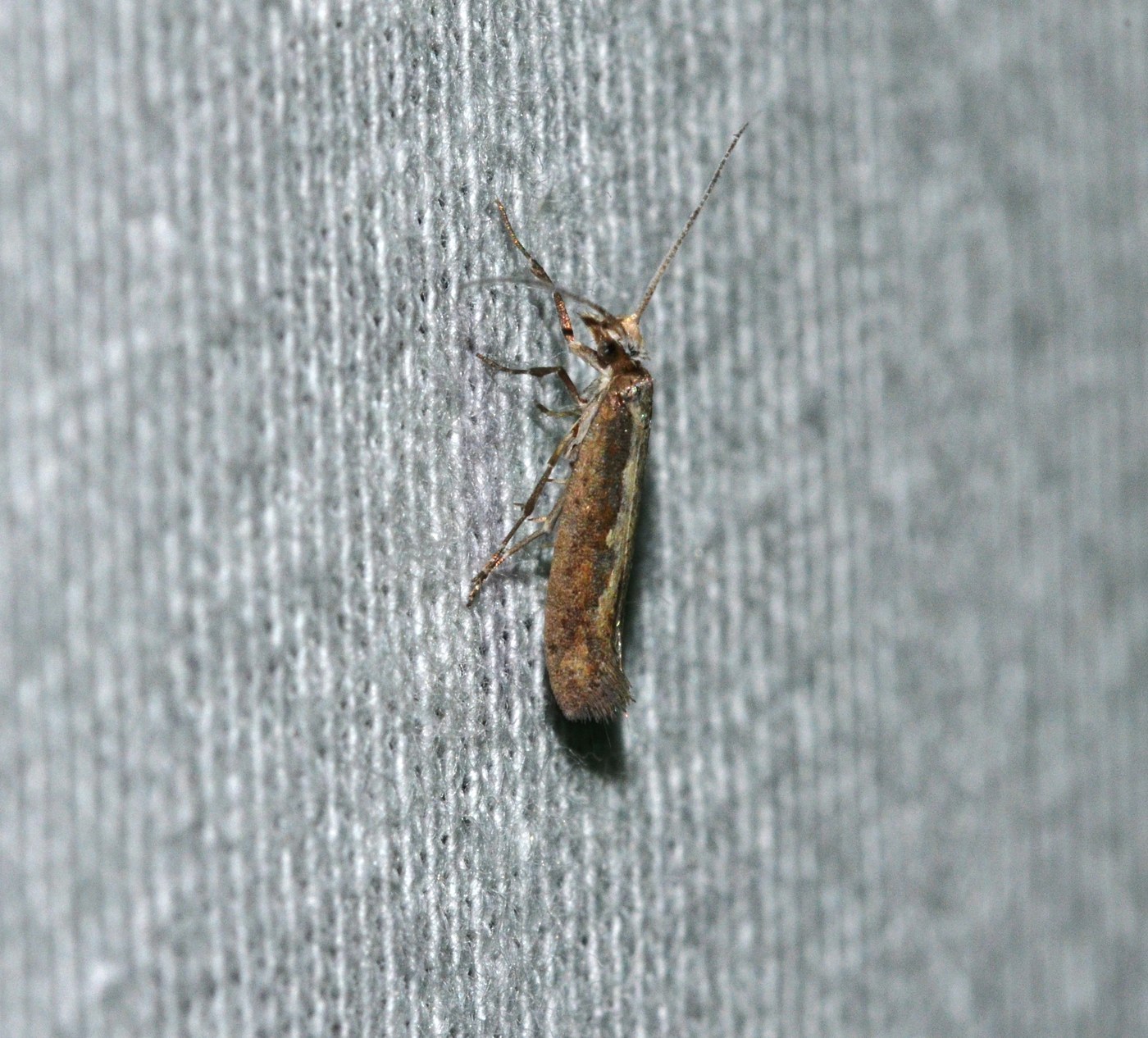
Diamondback Moth
A small, slender grey-brown moth named for the pale, diamond-shaped pattern that appears down its back when the wings are folded, best known as a widespread pest of cabbage and other brassica crops.
moth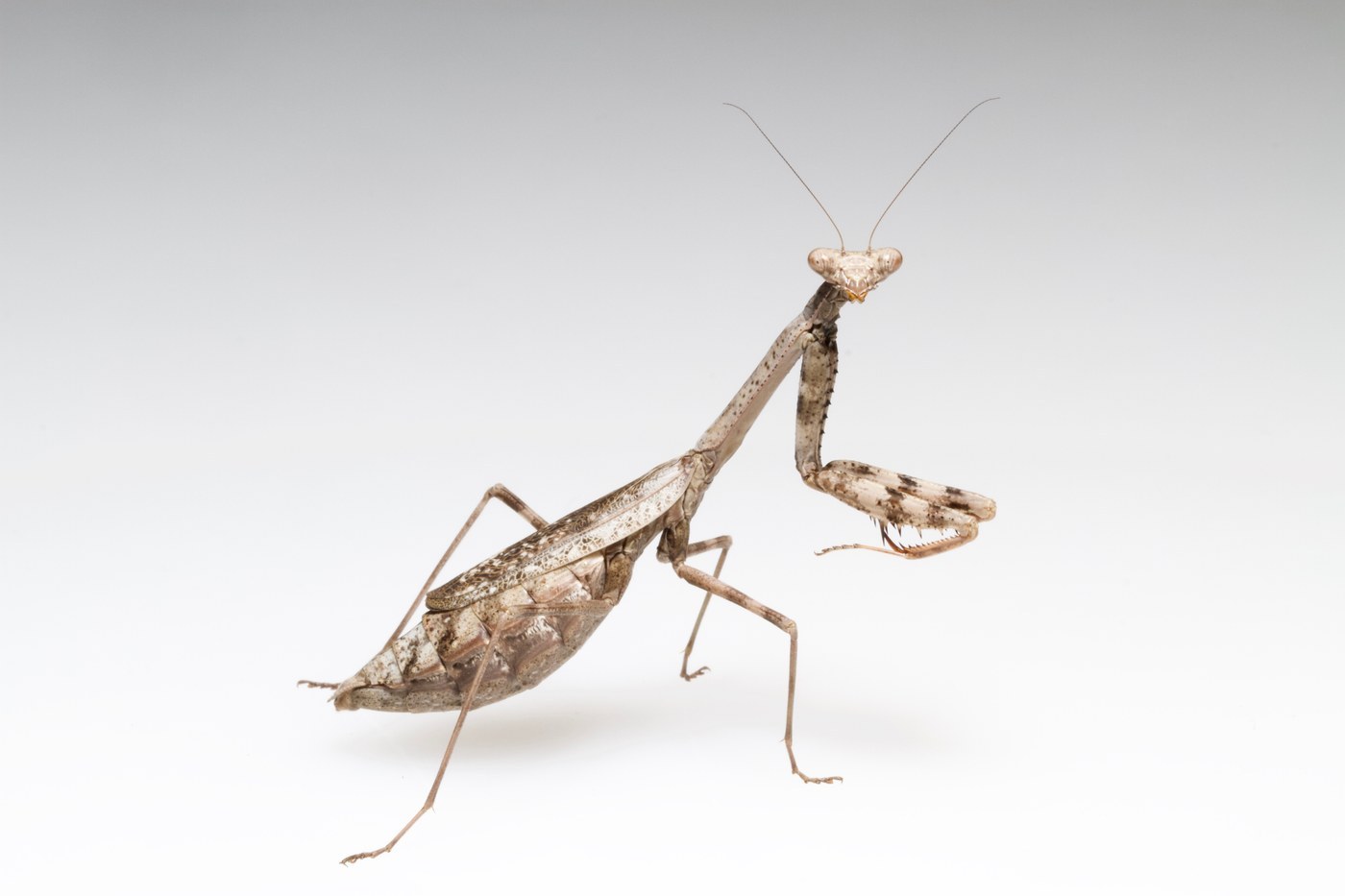
Carolina Mantis
A mottled gray-brown mantis native to the southeastern and south-central United States, smaller and more camouflaged than its introduced Chinese relative, and recognized as the state insect of South Carolina.
mantis-stickBig-Eyed Bug
A small, broad-headed true bug named for its noticeably large, bulging compound eyes, the big-eyed bug is a beneficial predator that patrols low vegetation and soil surfaces for small pest insects.
true-bug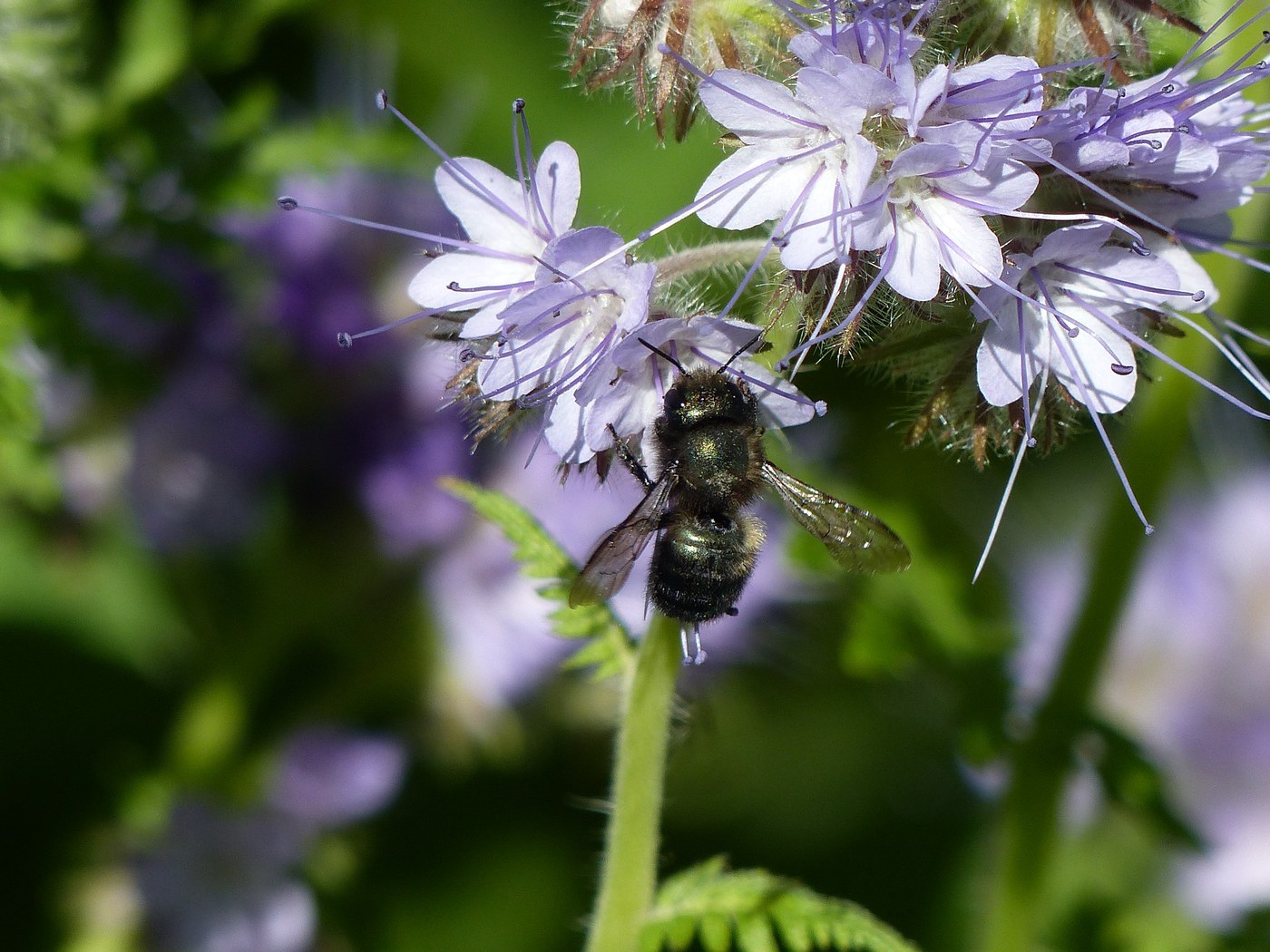
Blue Orchard Bee
A small, metallic blue-black solitary bee widely valued as an efficient early-spring pollinator of fruit trees, nesting in narrow tunnels and hollow stems rather than building hives.
bee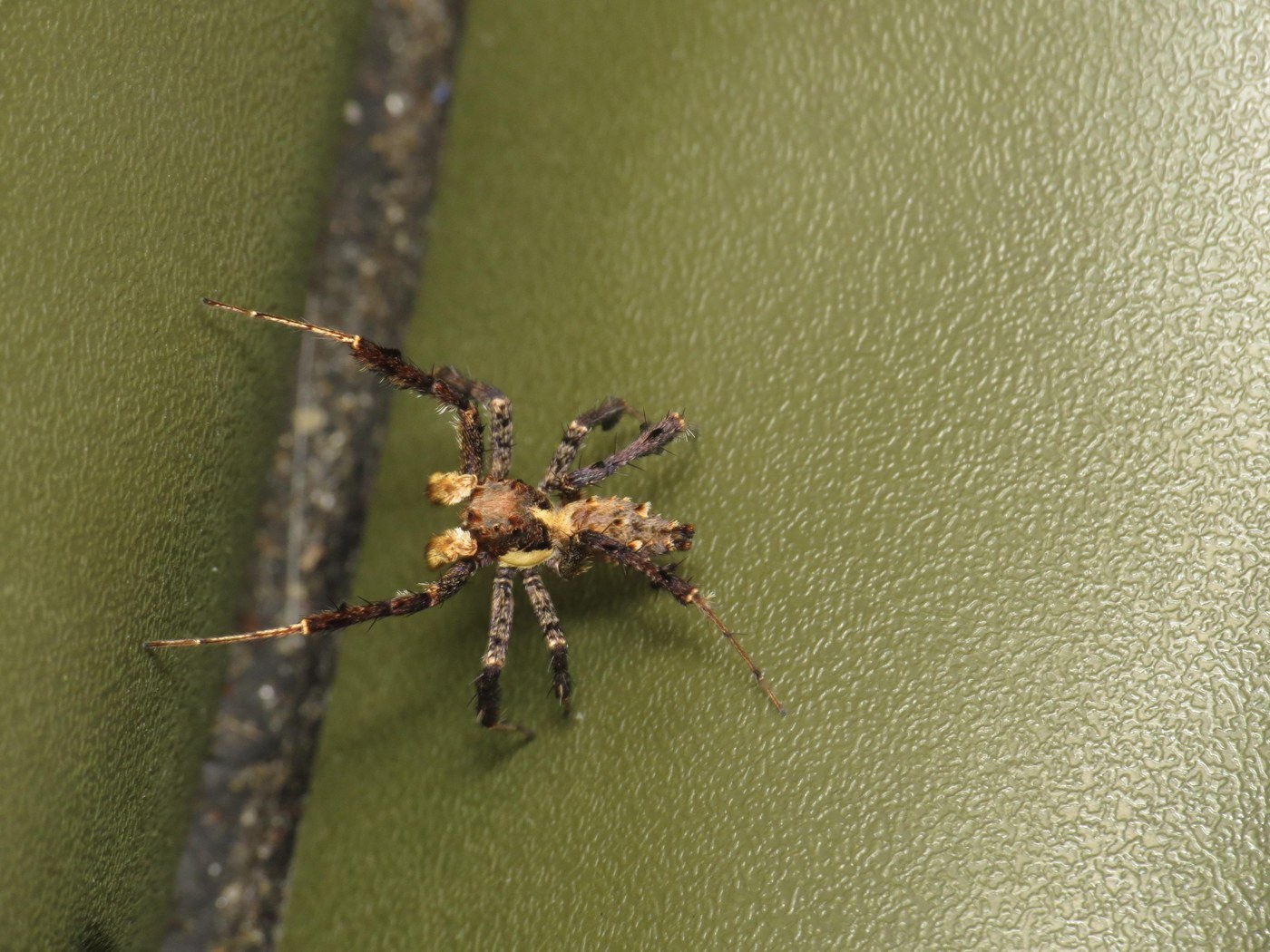
Portia Spider
A small jumping spider with an outsized reputation for intelligence, famous for stalking and outwitting other spiders using deceptive tactics and apparent problem-solving.
spider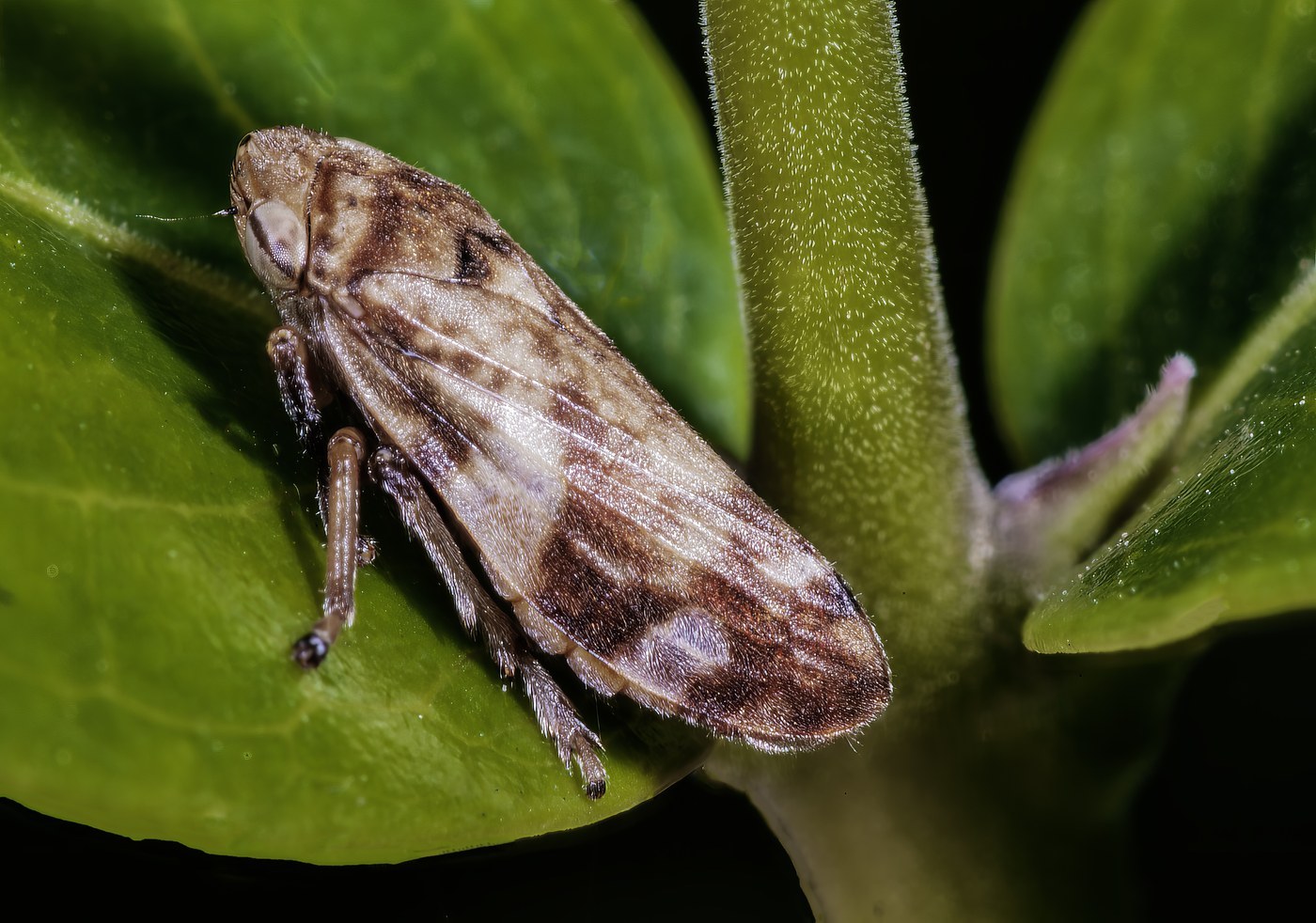
Meadow Spittlebug
A small, mottled hopping true bug whose immature nymphs are far more often noticed than the adults, hidden inside frothy blobs of white foam known as cuckoo spit on plant stems.
true-bug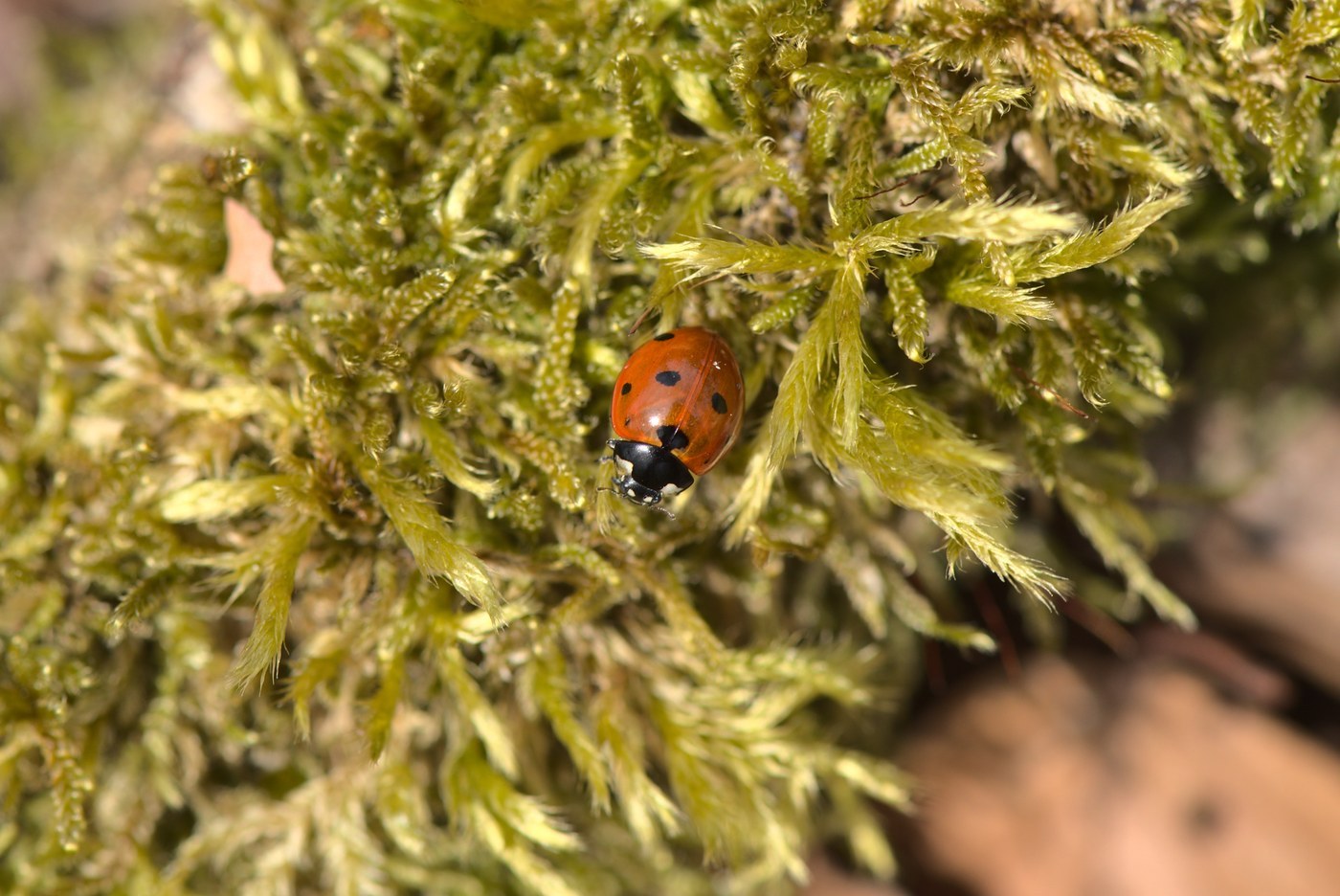
Ladybug
A small, round, brightly colored beetle with a domed, shiny shell typically red or orange with black spots, one of the most recognizable and beloved beetles found in gardens worldwide.
beetle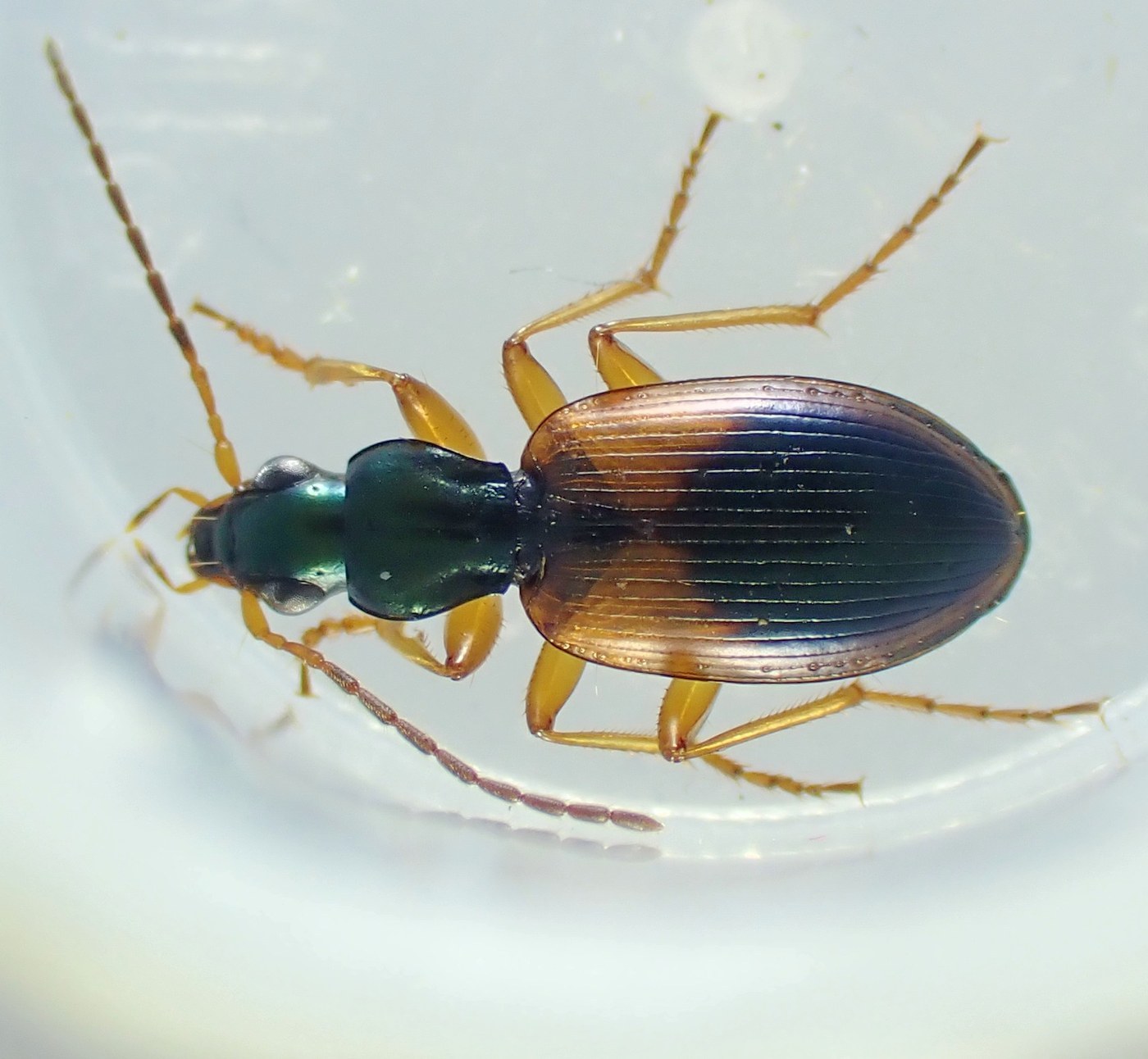
Ground Beetle
A fast-moving, shiny black or metallic beetle with long legs and prominent jaws, usually found scurrying under rocks and debris where it hunts other small invertebrates.
beetle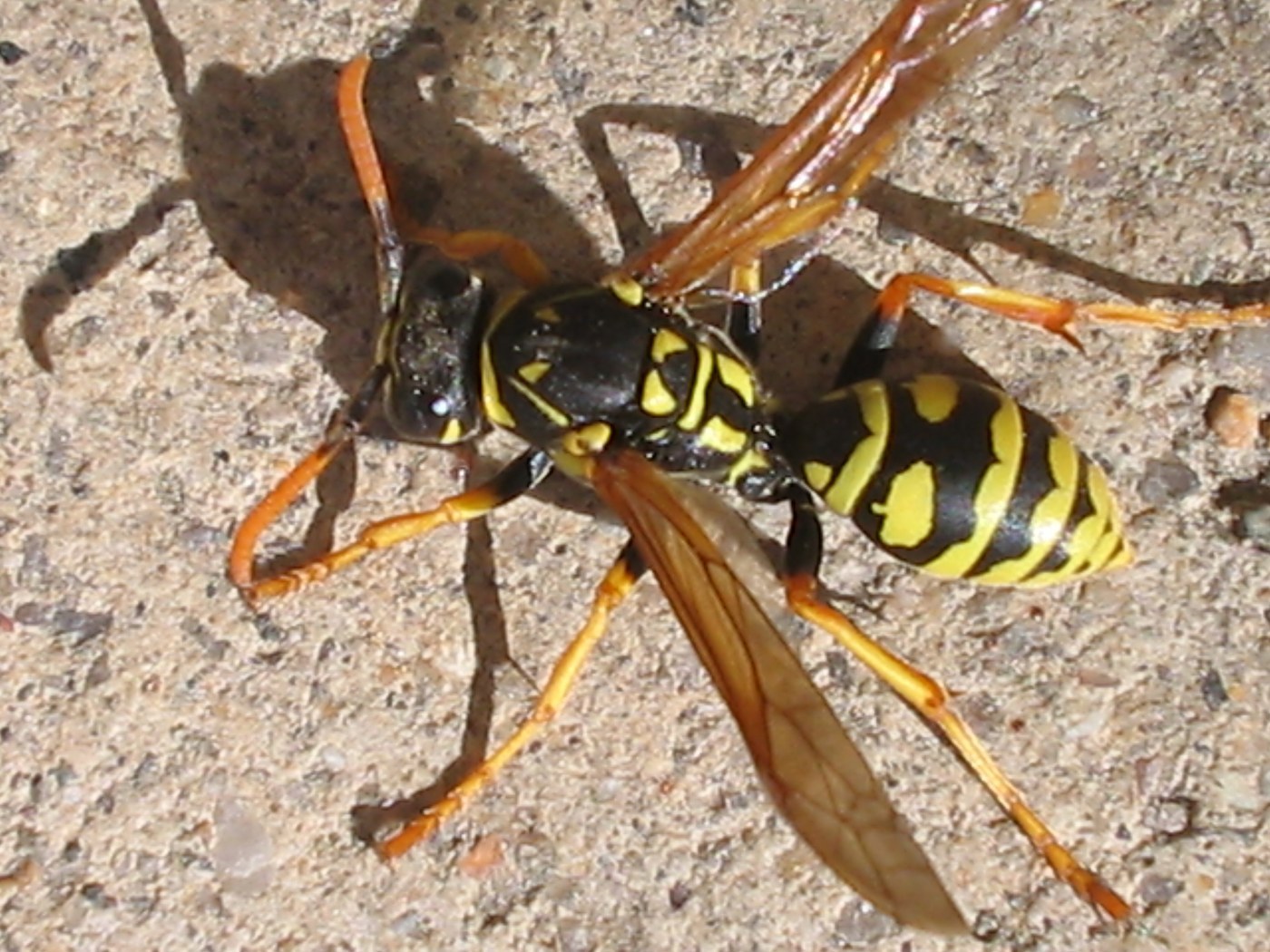
European Paper Wasp
A slender, orange-antennaed social wasp that builds small, open umbrella-shaped paper combs under eaves and ledges, now common well beyond its native European range.
wasp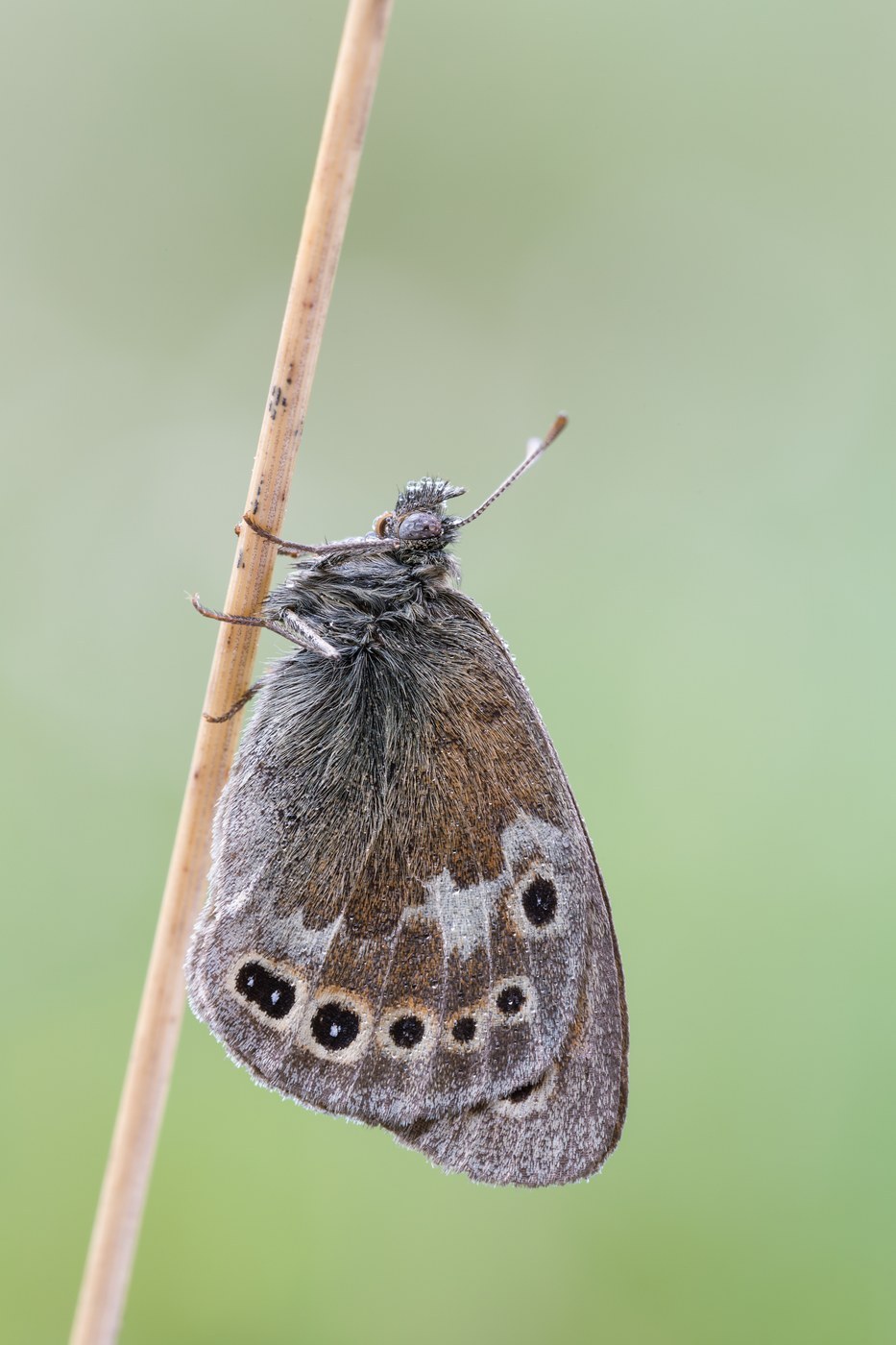
Common Ringlet
A small, plain buff-orange satyr butterfly of open grassy places, notable for its understated coloring and Holarctic distribution spanning North America, Europe, and Asia.
butterflyBrown Lacewing
Smaller and less conspicuous than its green relatives, the Brown Lacewing is a subtle but effective predator of aphids and other tiny insects in gardens, forests, and orchards.
other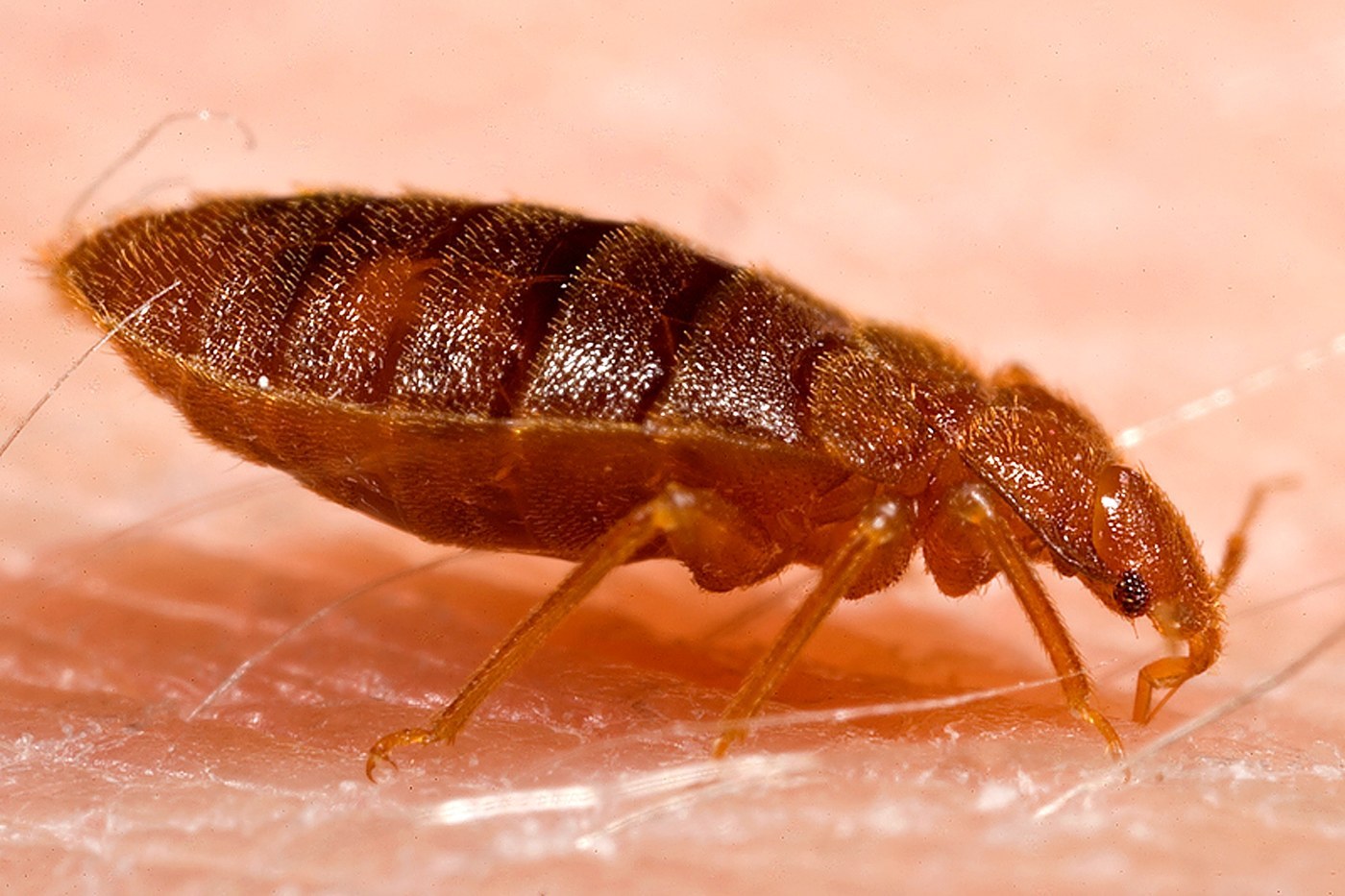
Bed Bug (Bat Bug)
A small, flat, reddish-brown, wingless true bug that hides in tight seams and crevices by day and feeds on blood at night, closely related to the bat bug, which occupies a similar niche in bat roosts.
true-bug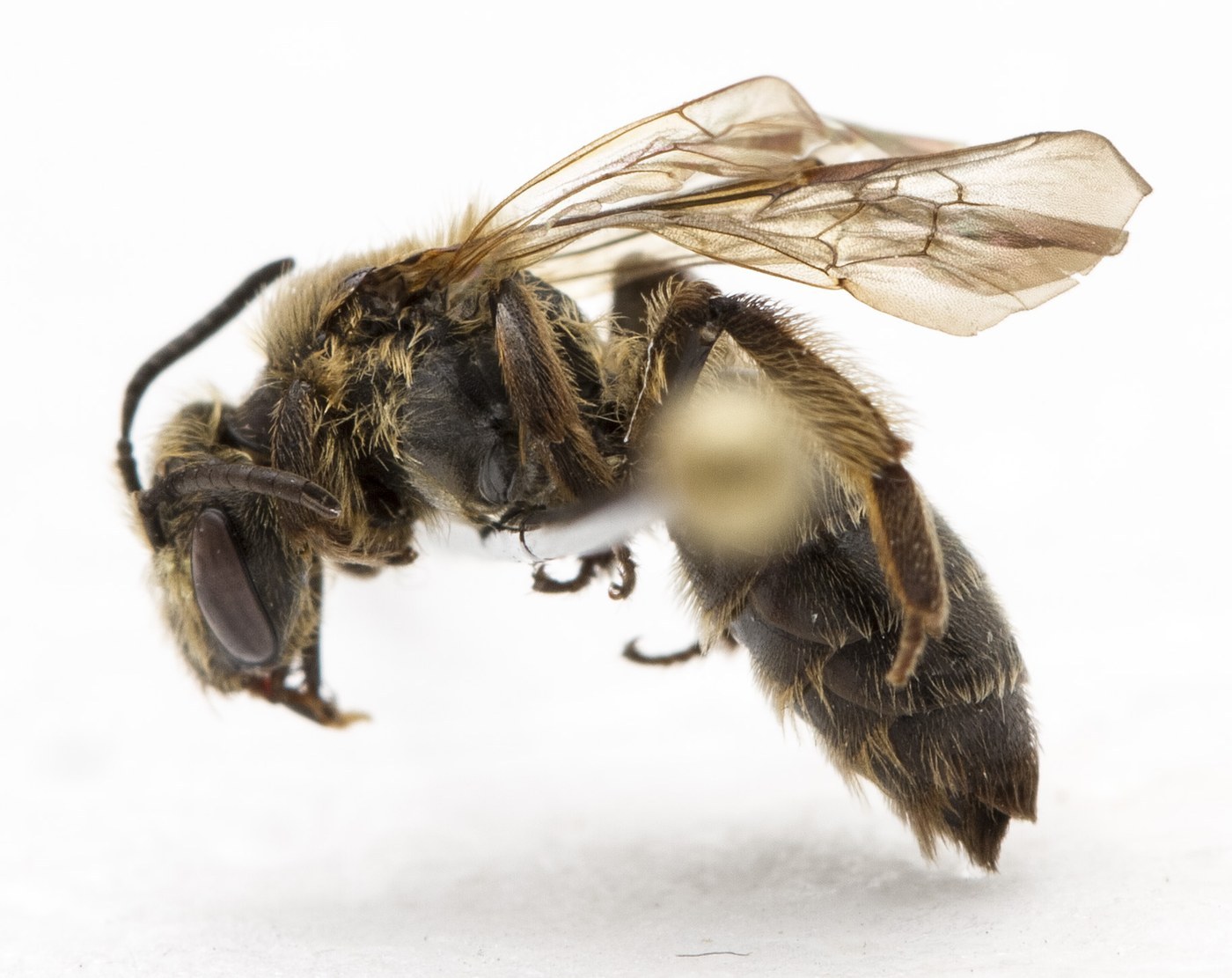
Mining Bee
A furry, solitary ground-nesting bee that emerges in early spring in loose aggregations, often mistaken for a small bumble bee, digging individual burrows marked by small volcano-shaped mounds of soil.
bee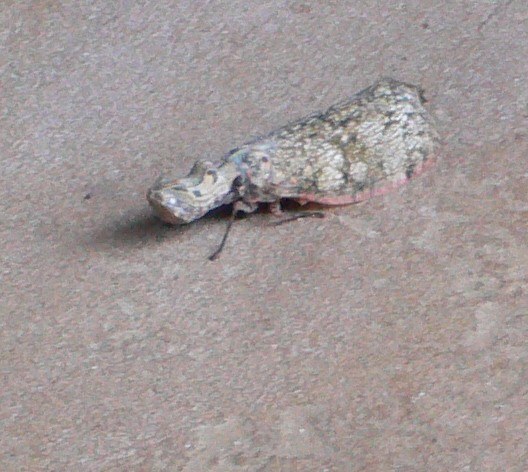
Lantern Bug (Peanut-head Bug)
A bizarre rainforest planthopper whose head is drawn out into a huge, hollow, peanut-shaped snout, and whose hindwings flash a pair of large eyespots resembling the face of a small reptile.
true-bugBraconid Wasp
A tiny, often overlooked parasitoid wasp best known for laying eggs inside caterpillars and other insect hosts, sometimes leaving telltale clusters of small white cocoons on a host's back.
wasp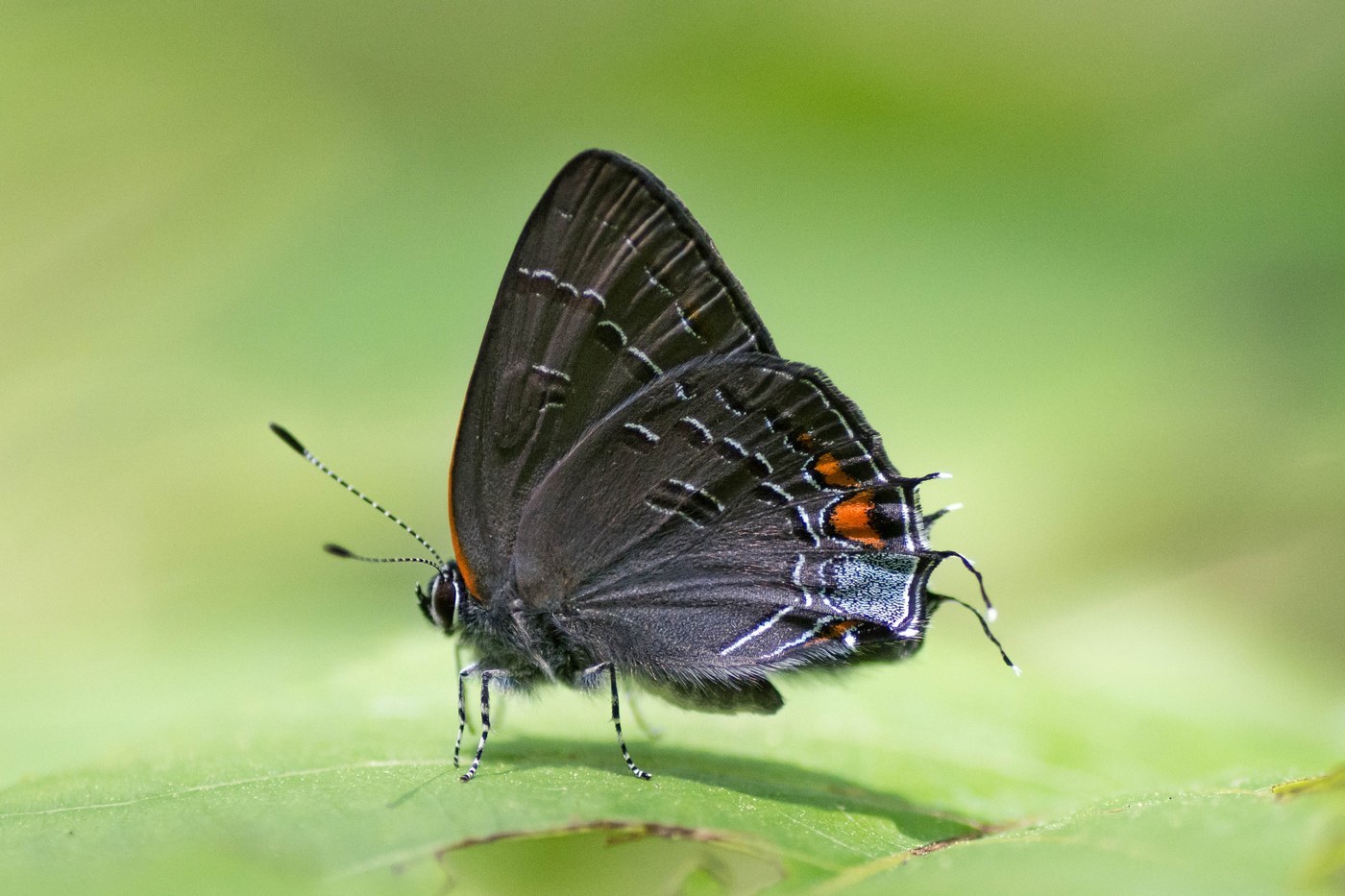
Banded Hairstreak
A gray-brown, tailed hairstreak marked by a postmedian band of white-edged dark spots on the hindwing underside and a small orange-capped blue spot near the tail, closely tied to oak and hickory woodlands.
butterfly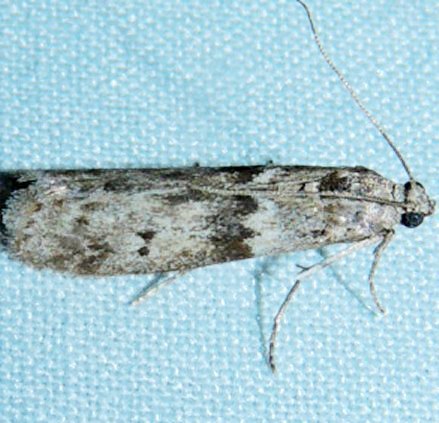
Mediterranean Flour Moth
A small, pale grey moth with fine dark wavy lines on its forewings, whose larvae spin webbing through flour, grain, and other stored dry food products, making it a well-known pest of mills and pantries.
moth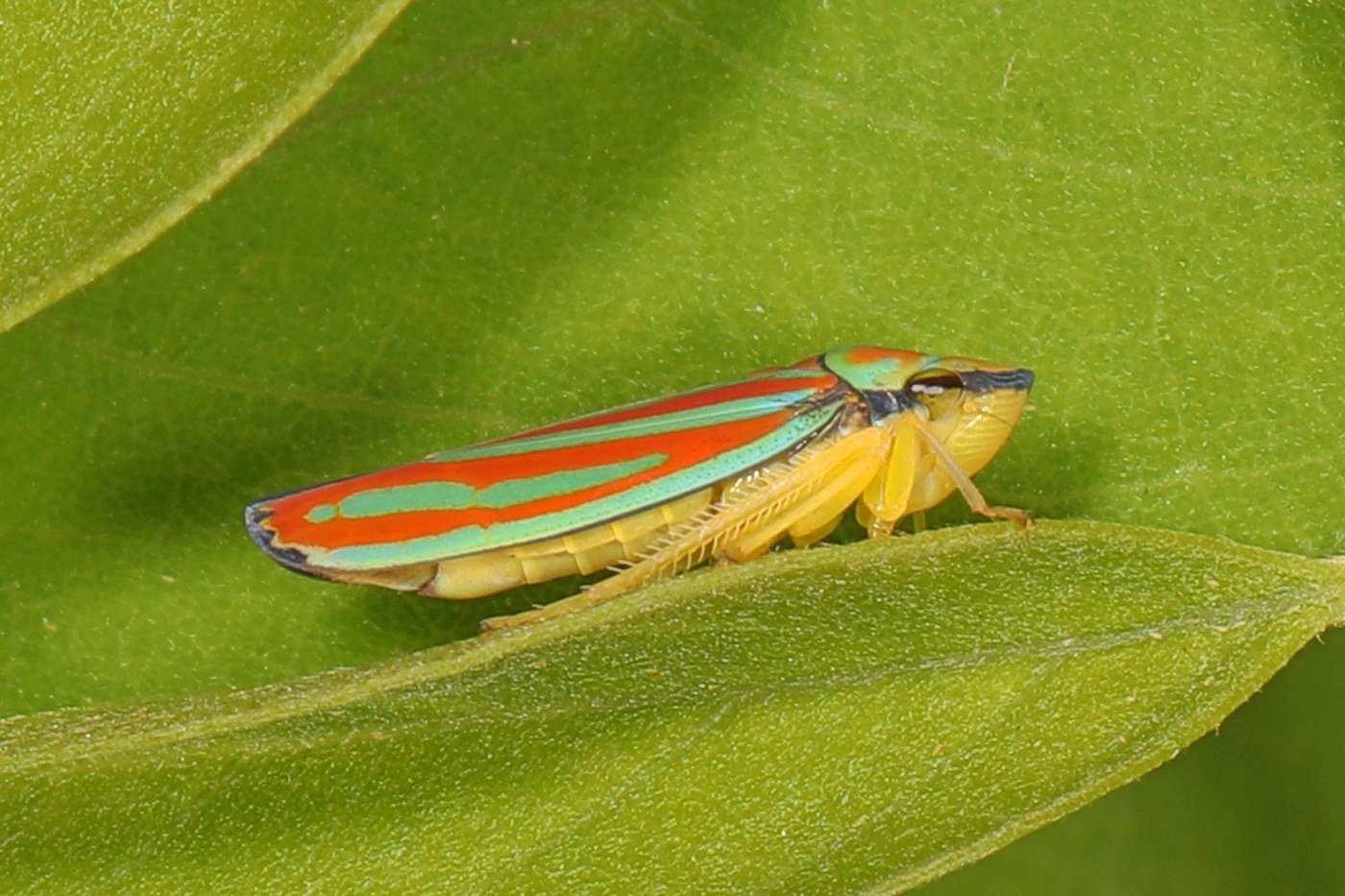
Leafhopper
A small, wedge-shaped insect that darts sideways and springs away in quick hops when disturbed, often brightly striped or patterned and found clinging to the underside of leaves.
true-bug