
Bug Encyclopedia
Search and identify bugs & insects — beetles, butterflies, moths, ants, bees, spiders and more — with size, habitat, danger, behavior, and how to tell them apart.
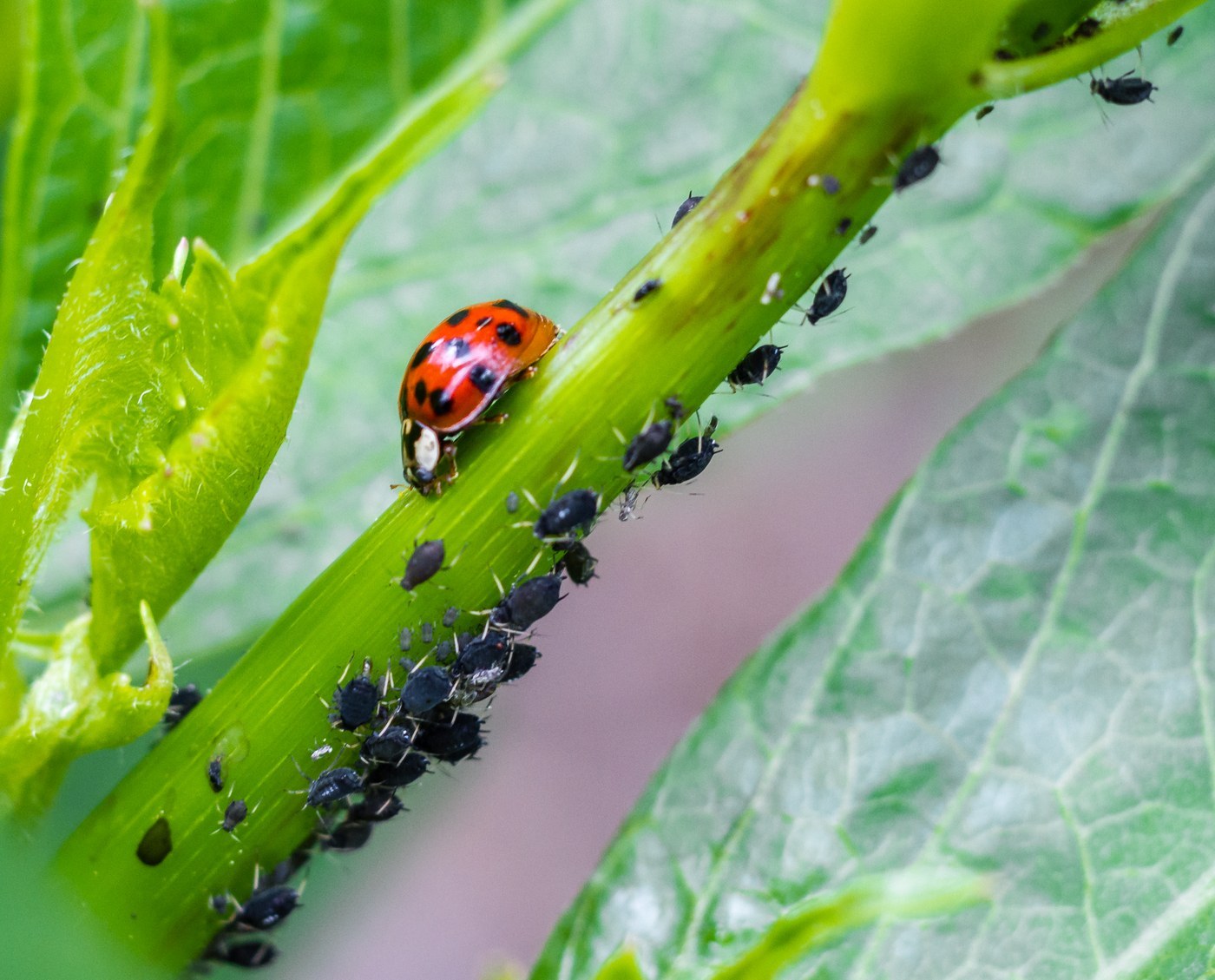
Asian Lady Beetle
A highly variable orange-to-red ladybird beetle, often bearing many black spots or none at all, famous for swarming into homes in large numbers during autumn.
beetleDiving Beetle Larva (Water Tiger)
Nicknamed the water tiger, the larva of a predaceous diving beetle is an elongated, sickle-jawed hunter that stalks the shallows and seizes prey many times its own size.
beetleGiant Centipede
A long, fast-moving, many-legged predator with a hardened segmented body and a pair of venom-injecting claws behind the head that it uses to overpower prey far larger than itself.
myriapodForest Tent Caterpillar
Named for the silk mats rather than tents it spins, this blue-gray caterpillar sports a row of pale keyhole- or footprint-shaped spots down its back and can appear in outbreak numbers that strip entire stands of trees bare.
caterpillar-larva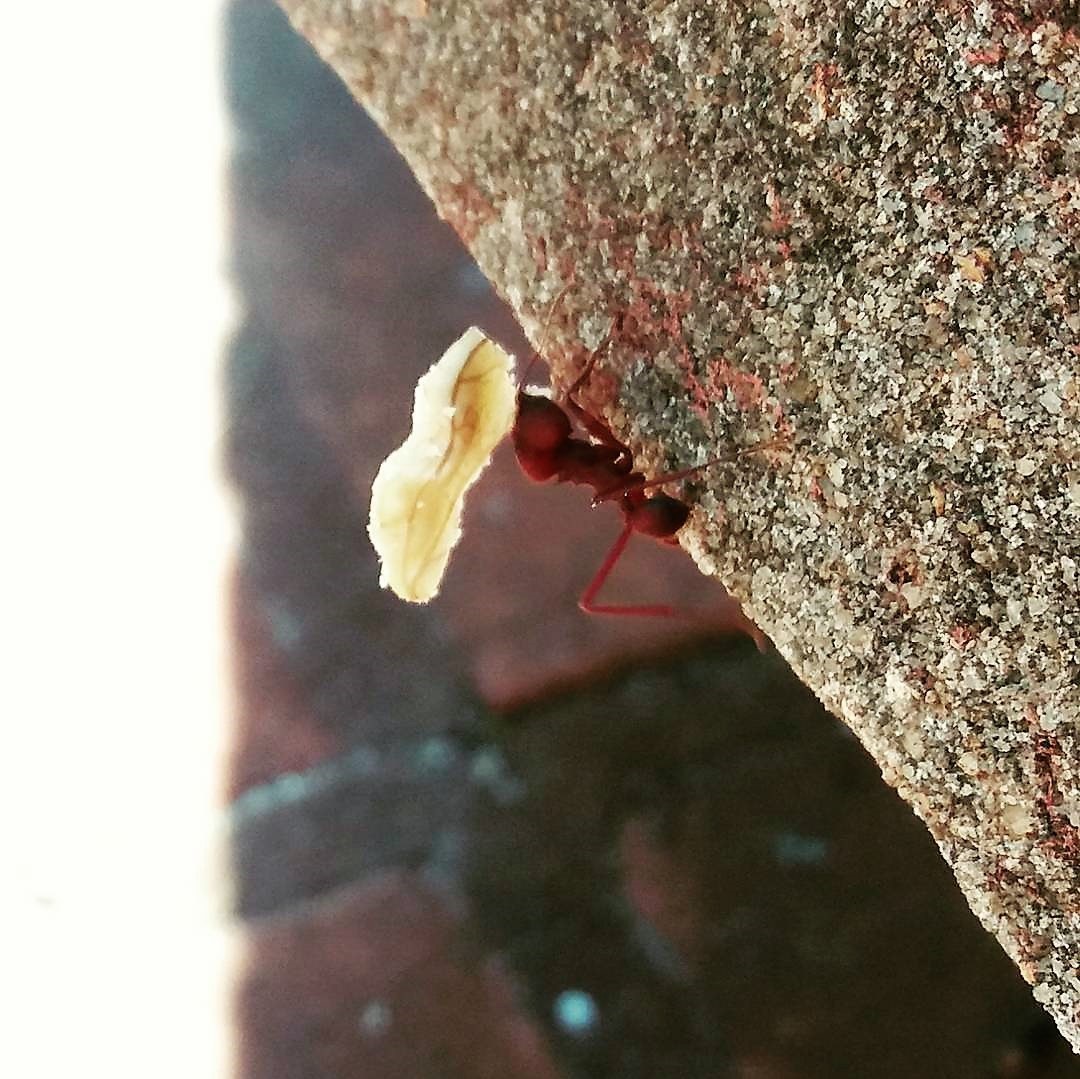
Leafcutter Ant
A highly organized ant famous for marching in long trails while carrying disc-shaped pieces of leaf many times their own size, which they use to cultivate fungus gardens deep underground.
ant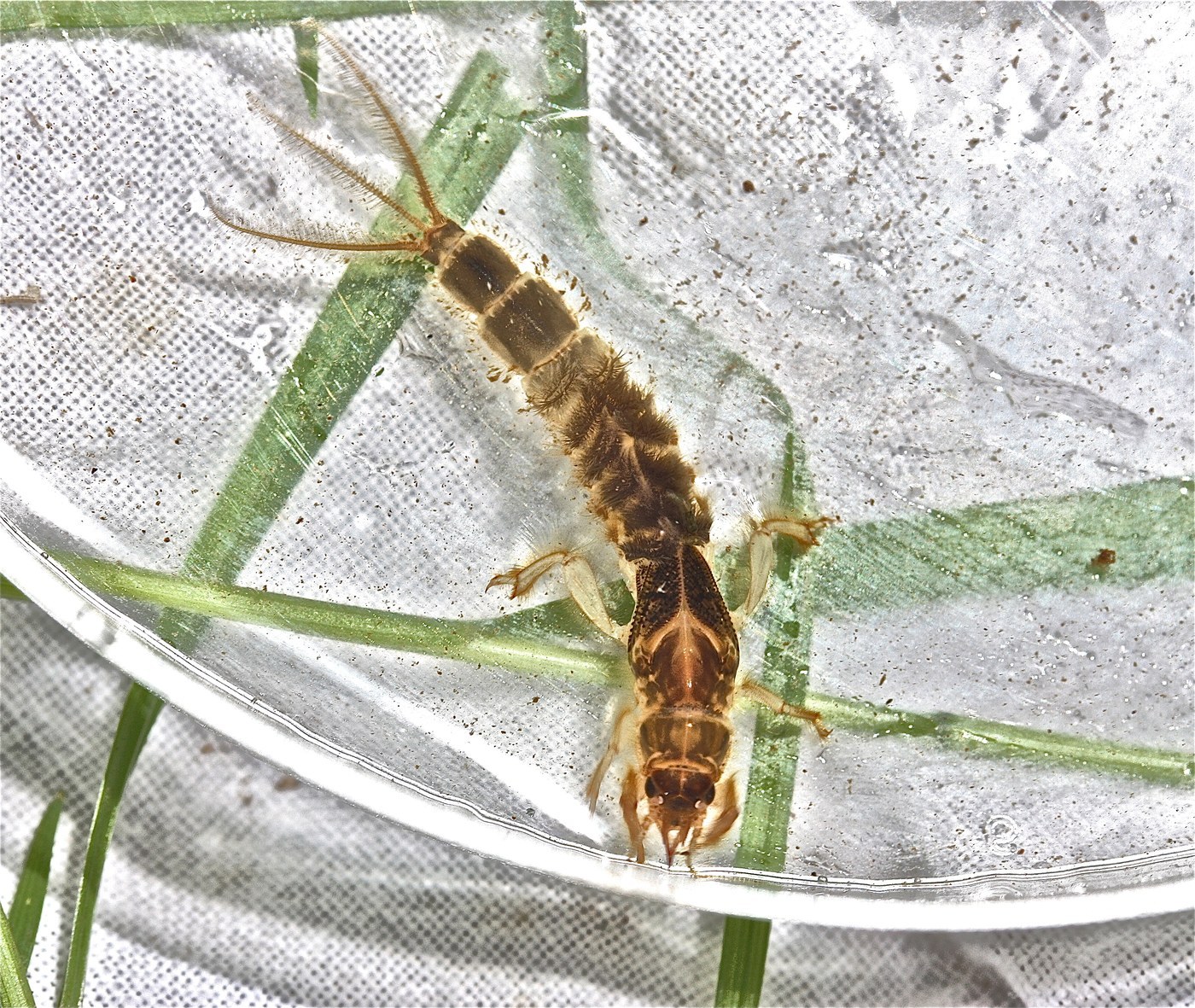
Green Drake Mayfly
Famous among anglers for triggering explosive trout feeding frenzies, the Green Drake Mayfly is a large, striking insect whose brief springtime emergence is one of the most anticipated events on many rivers.
aquatic-insect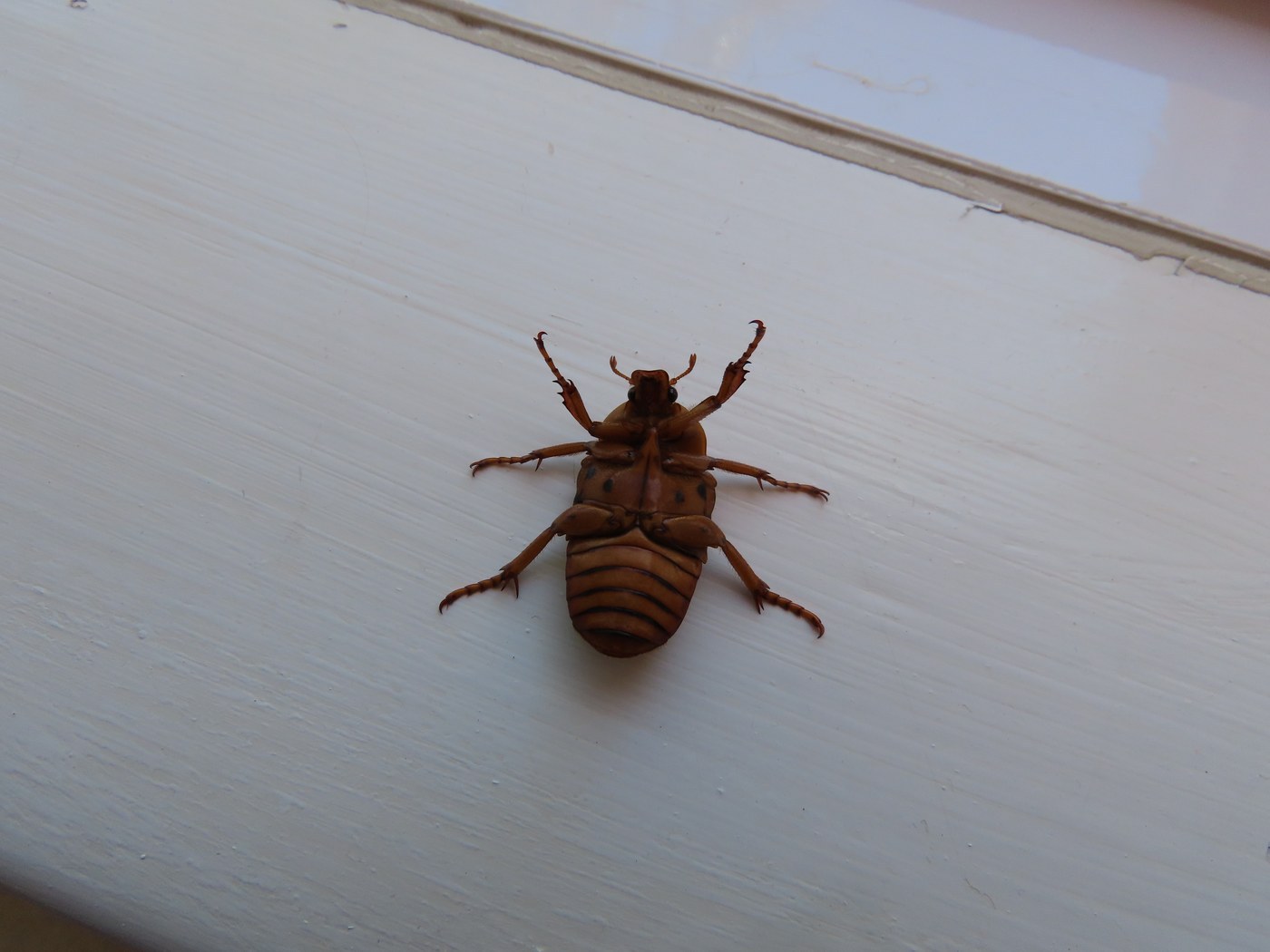
Flower Chafer Beetle
Often clad in brilliant metallic greens, golds, and bronzes, flower chafers are day-flying scarab beetles that feed on flowers. Many buzz loudly in flight and keep their wing covers closed as they take off.
beetleGarden Orb Weaver Spider
The classic maker of the round, wheel-shaped web, the garden orb weaver hangs head-down at the center of its silken snare. Many sport a cross-like pattern of pale spots on a rounded abdomen.
spiderPolyphemus Moth Caterpillar
A plump, apple-green giant silk moth larva with rows of silvery spots that swells to the size of a large finger before spinning a papery brown cocoon.
caterpillar-larvaLonghorn Bee
A fuzzy, medium-sized solitary bee named for the males' notably long, curved antennae, commonly seen foraging on sunflowers, asters, and other late-summer composite flowers.
bee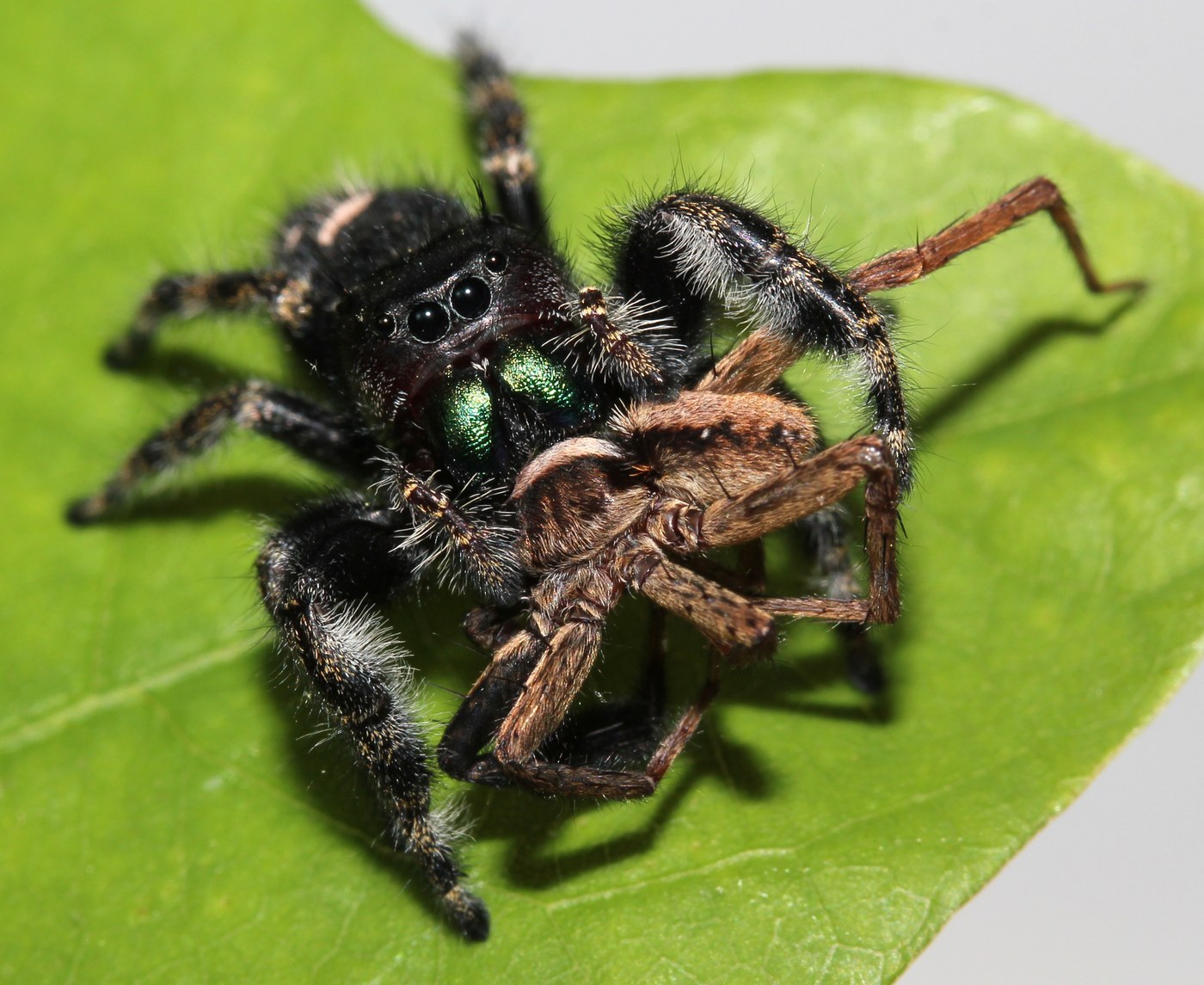
Bold Jumping Spider
A stocky, fuzzy black spider with iridescent green or blue mouthparts and a bold white or orange spot on its abdomen, the bold jumper is known for its excellent eyesight, curious behavior, and ability to leap many times its own body length.
spider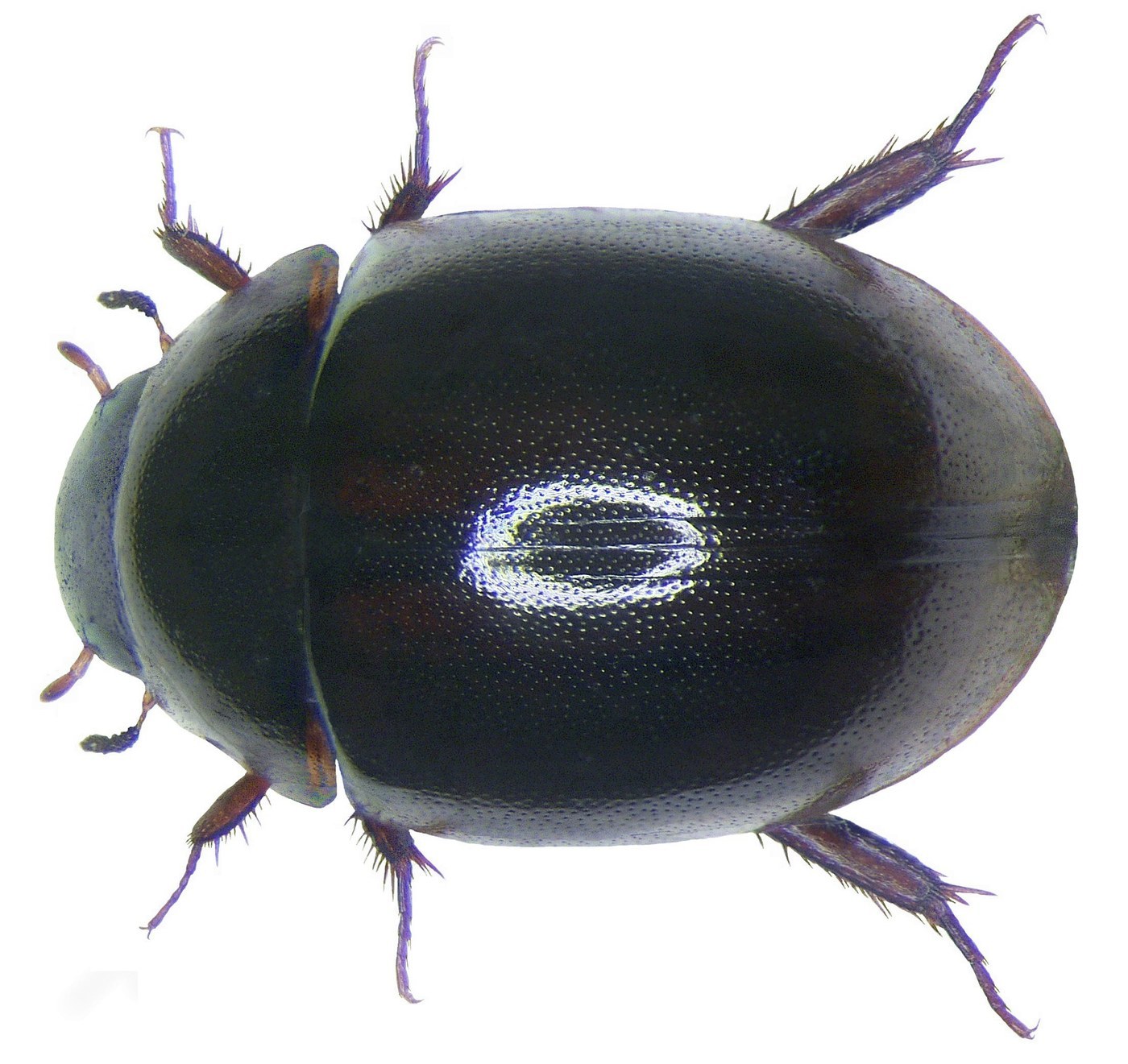
Water Beetle
A smooth, dark, oval-bodied beetle adapted for swimming, commonly found paddling through ponds and marshes and periodically surfacing to renew a carried air supply.
aquatic-insect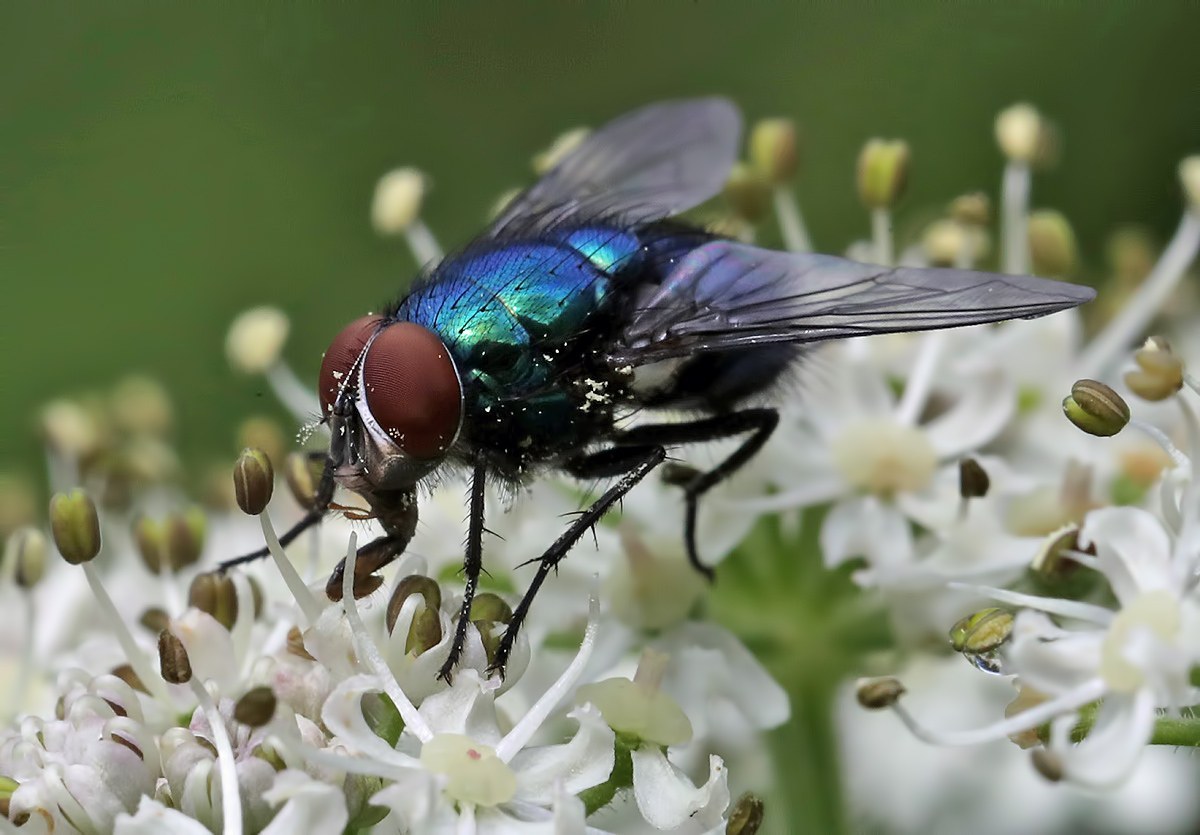
Bottle Fly
A stout fly with a shining, metallic blue body that produces a loud, deep buzz and is commonly seen darting around trash cans, compost, and outdoor gatherings.
flyBraconid Wasp
A tiny, often overlooked parasitoid wasp best known for laying eggs inside caterpillars and other insect hosts, sometimes leaving telltale clusters of small white cocoons on a host's back.
wasp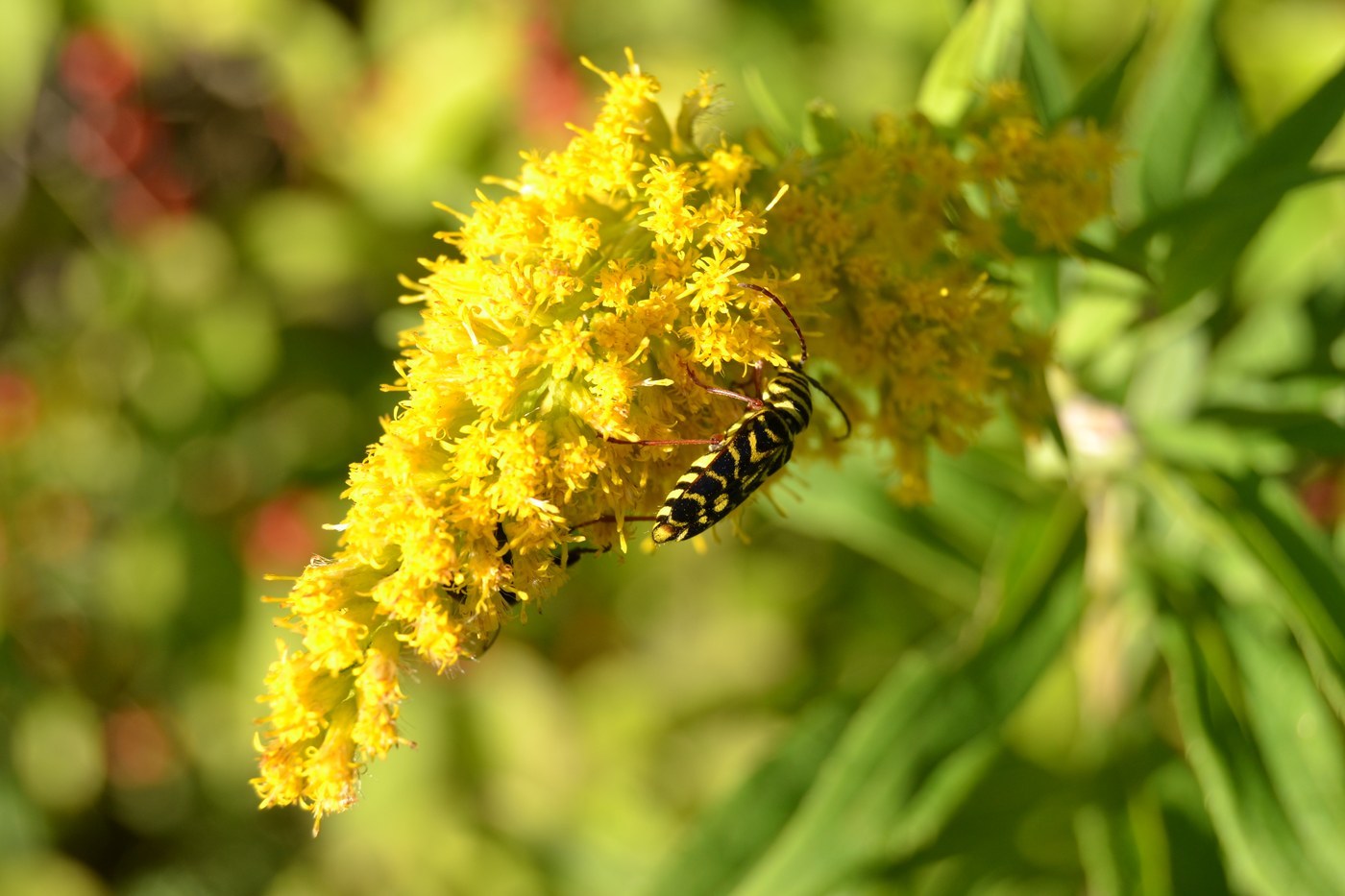
Locust Borer
A slender black longhorn beetle boldly striped with yellow, closely resembling a wasp, commonly seen visiting goldenrod flowers in autumn near black locust trees.
beetleGrasshopper
A robust, strong-jumping insect with short antennae and powerful hind legs, commonly seen springing away through grass and low vegetation on warm sunny days.
grasshopper-cricketMosquito Larva
A wriggling, comma-shaped aquatic larva that hangs from the water's surface to breathe before transforming into a flying adult mosquito.
aquatic-insect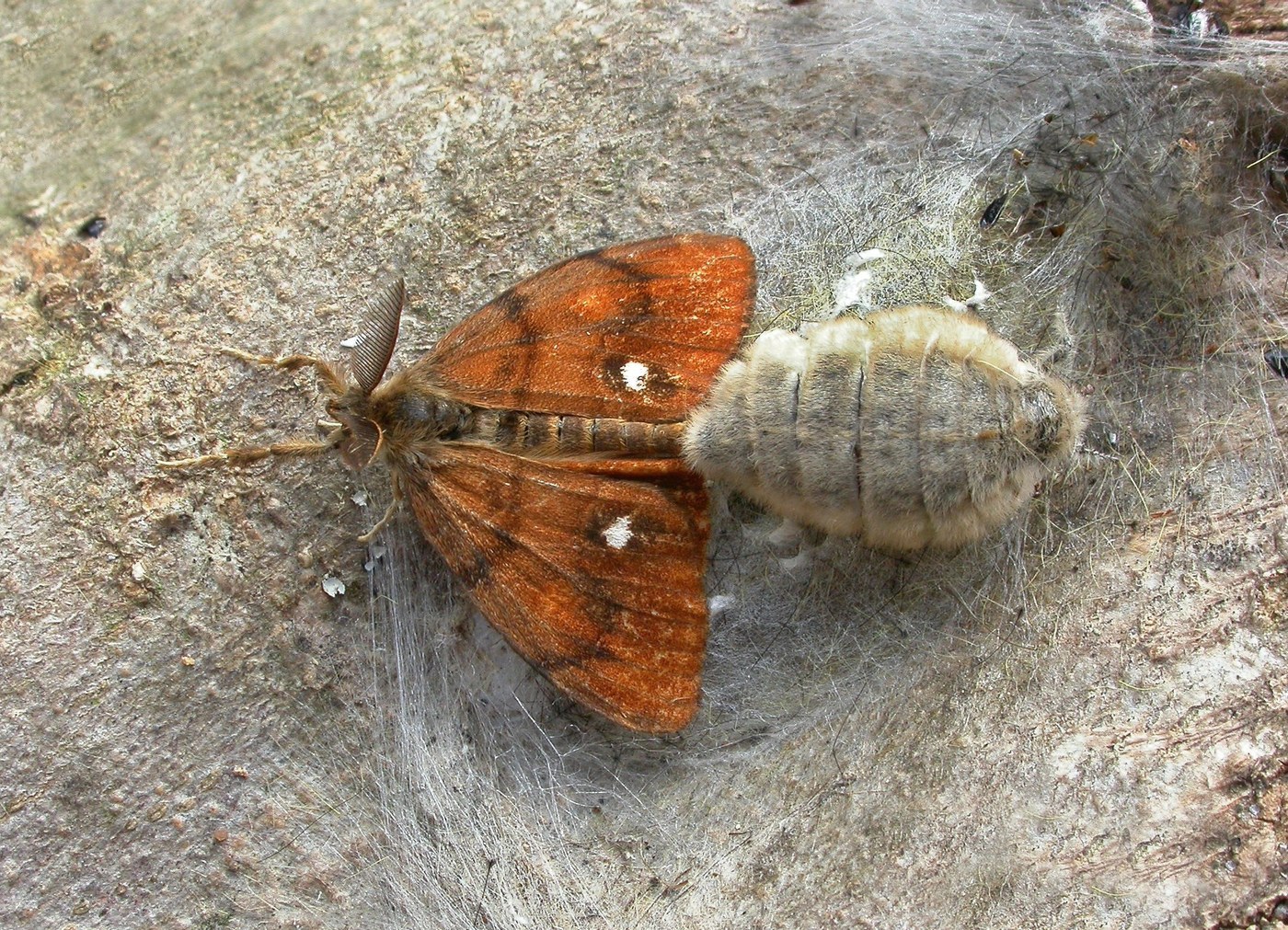
Vapourer Moth
A small tussock moth with striking sexual dimorphism: rusty-orange, day-flying males with feathery antennae contrast with flightless, grub-like grey females that never leave their cocoon to lay eggs.
moth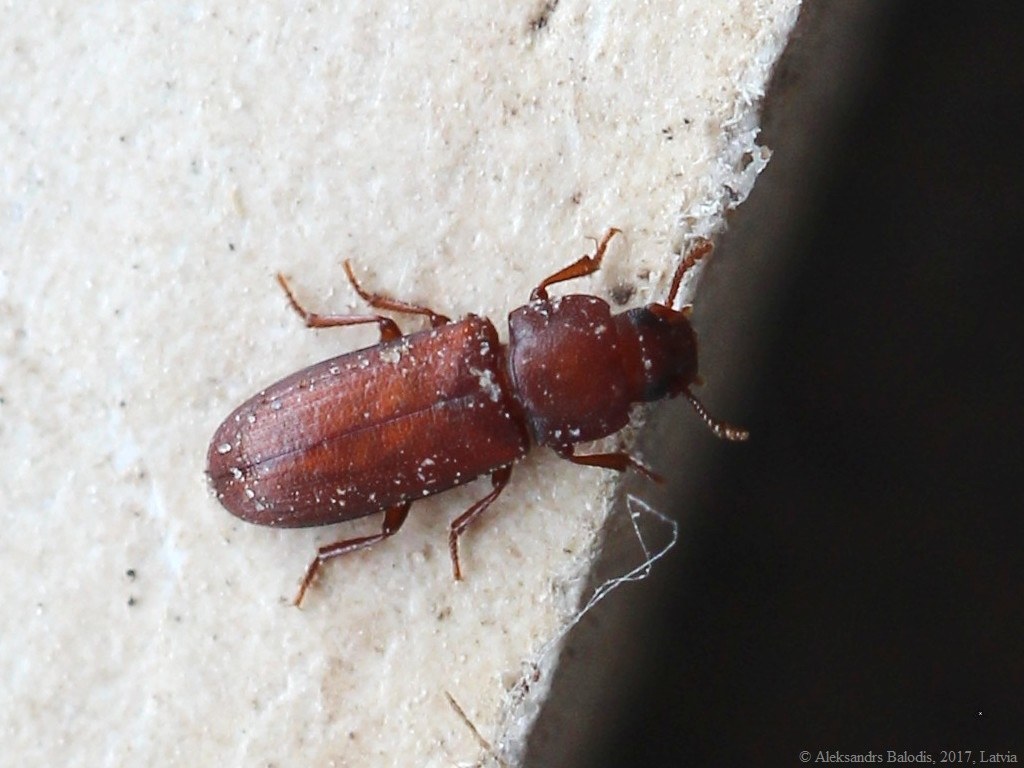
Confused Flour Beetle
A tiny, flattened, reddish-brown beetle commonly found in stored flour and grain products, distinguished from its near-identical relative the red flour beetle mainly by its antennae shape.
beetle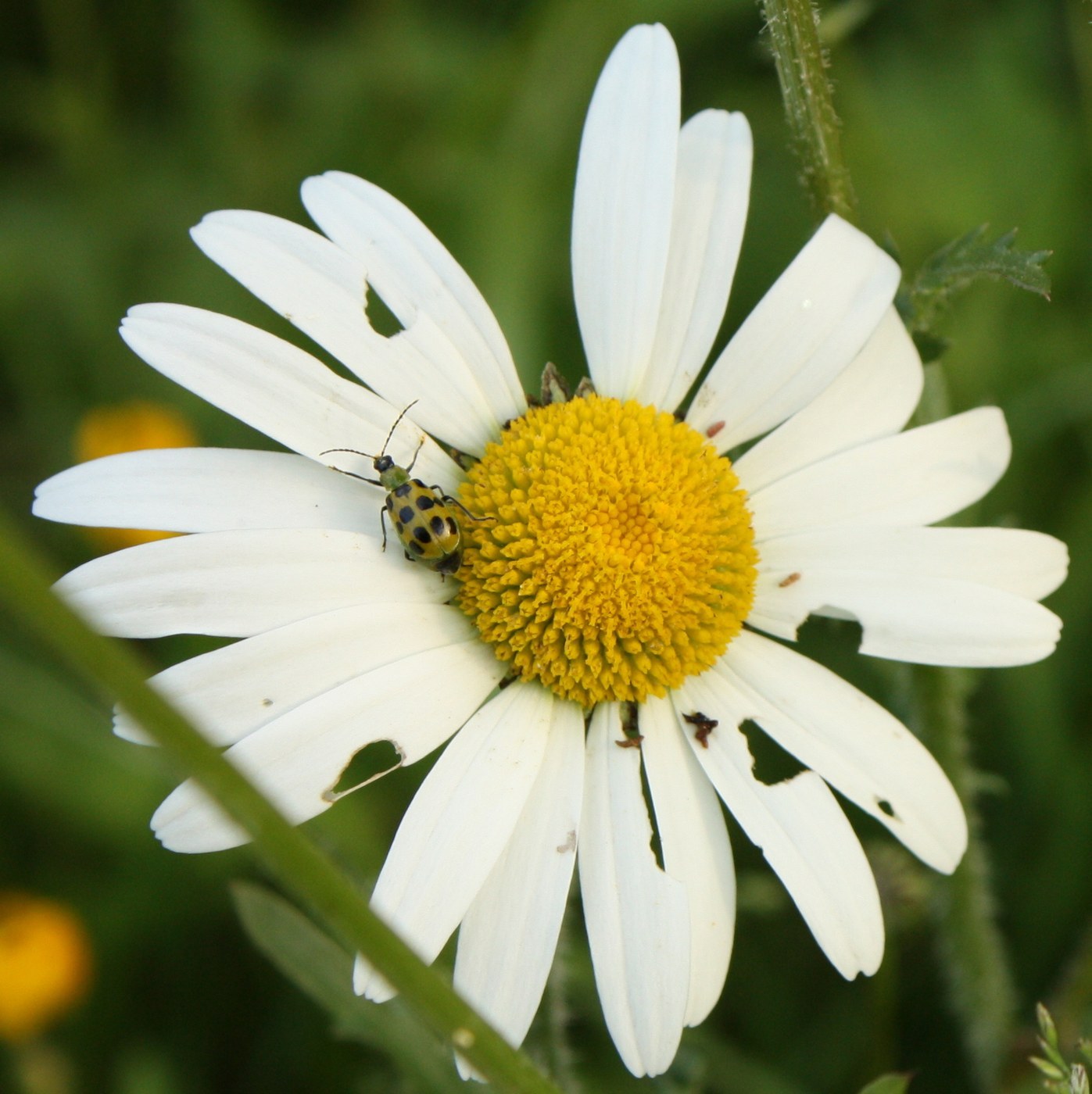
Spotted Cucumber Beetle
A small, elongated yellow-green beetle marked with twelve black spots across its wing covers, commonly seen on cucurbit and corn plants throughout the growing season.
beetle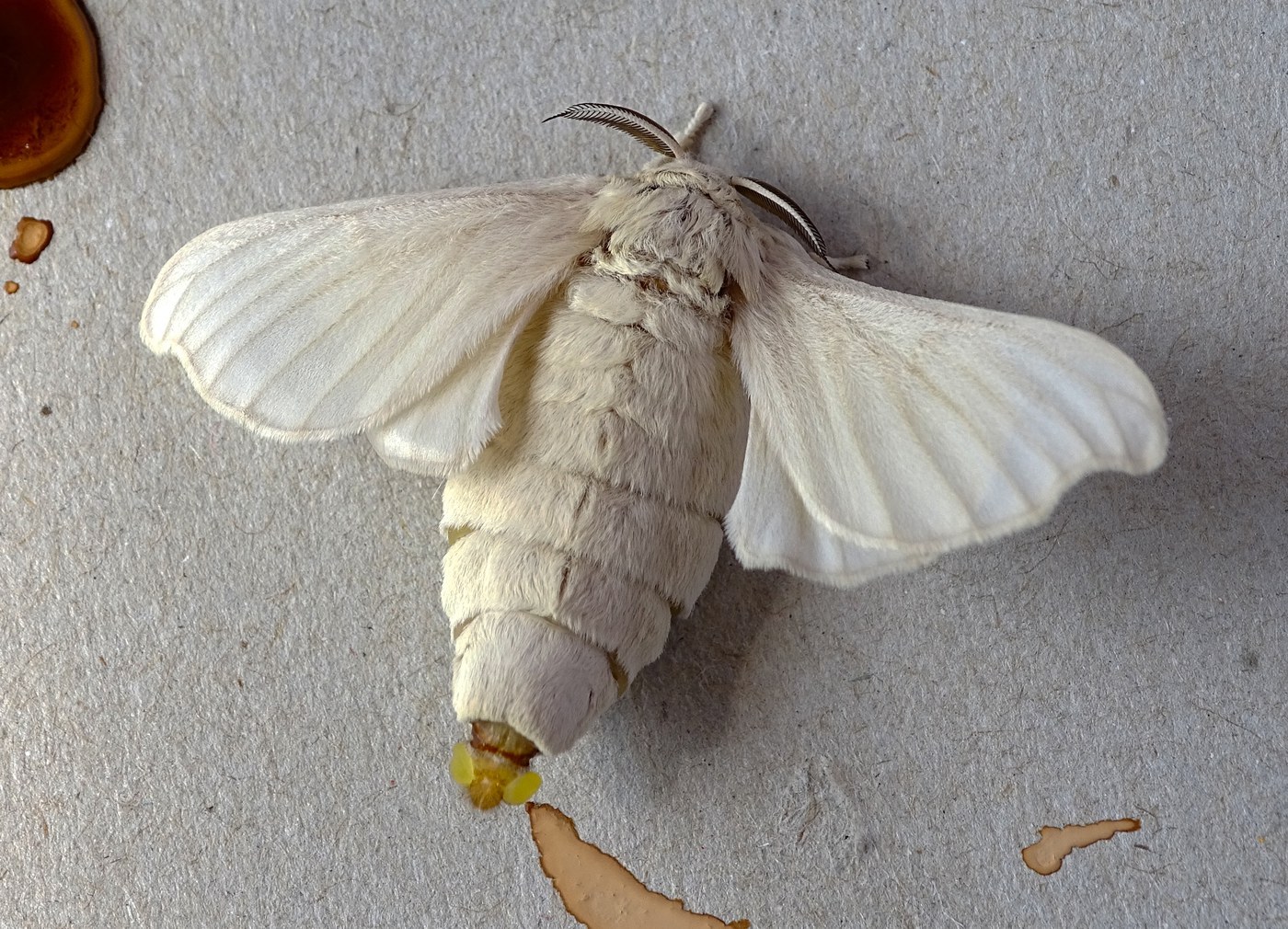
Silkworm
Plump, pale, and utterly dependent on humans, the silkworm is the domesticated caterpillar behind thousands of years of silk production, spinning a single continuous thread of silk to form its cocoon.
caterpillar-larva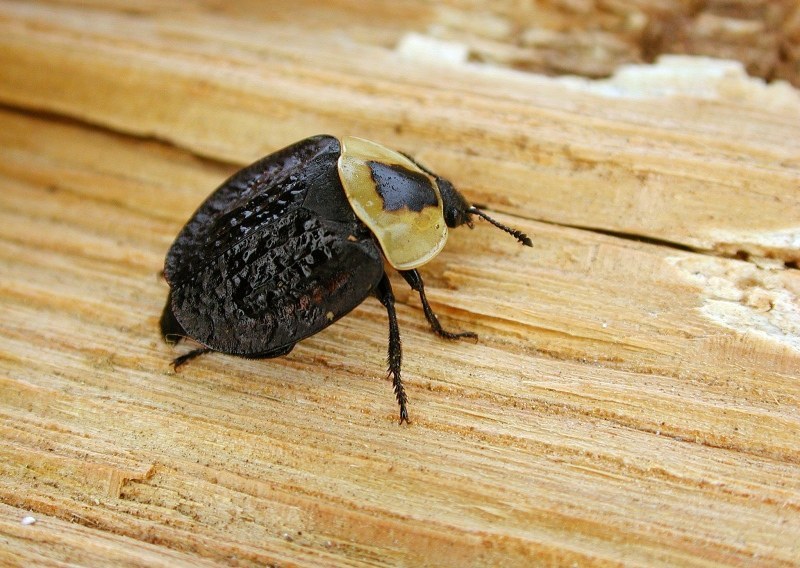
American Carrion Beetle
A broad, flattened black beetle with a striking pale yellow shield behind its head, commonly found on and around small animal carcasses where it feeds alongside fly larvae.
beetle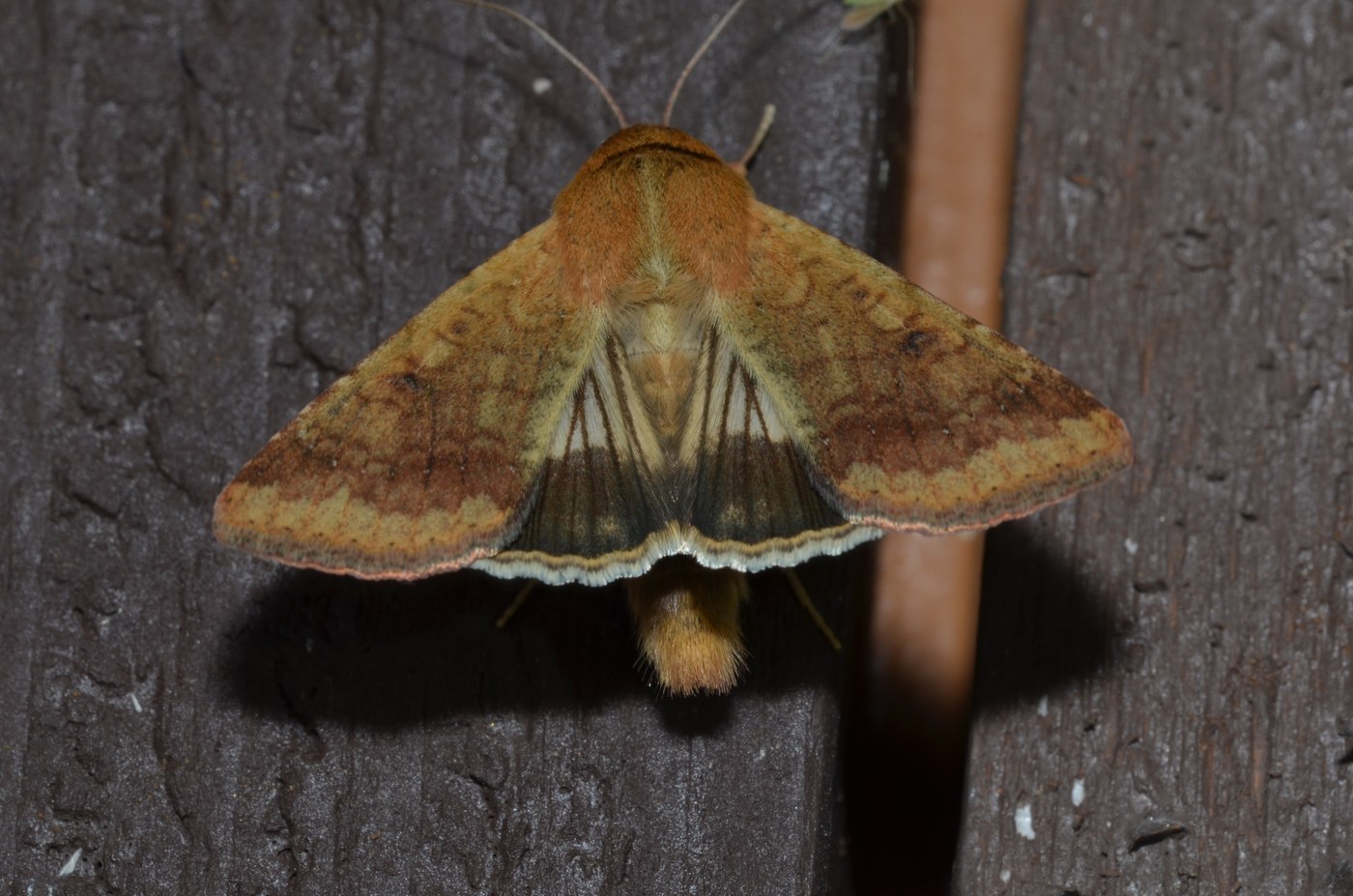
Bollworm
One of the most economically significant caterpillars in North American agriculture, the bollworm changes color from green to brown to pink across its life and bores into cotton bolls, corn ears, and tomato fruit alike.
caterpillar-larvaDung Fly
A hairy, often golden-hued fly commonly seen perched on fresh manure in pastures, where it hunts smaller insects as an adult while its larvae develop within the dung itself.
fly