
Bug Encyclopedia
Search and identify bugs & insects — beetles, butterflies, moths, ants, bees, spiders and more — with size, habitat, danger, behavior, and how to tell them apart.
Biting Midge
A minuscule, gray-winged fly that gathers in dense swarms near wetlands and can slip through window screens unnoticed.
flyBird Mite
A minute, pale to reddish mite that lives among feathers and nesting material of wild and domestic birds, sometimes dispersing into nearby buildings when nests are abandoned.
arachnidBird-dropping Spider
A lumpy, white-and-brown orb-weaver that spends its days motionless on a leaf, looking uncannily like a fresh splash of bird droppings.
spider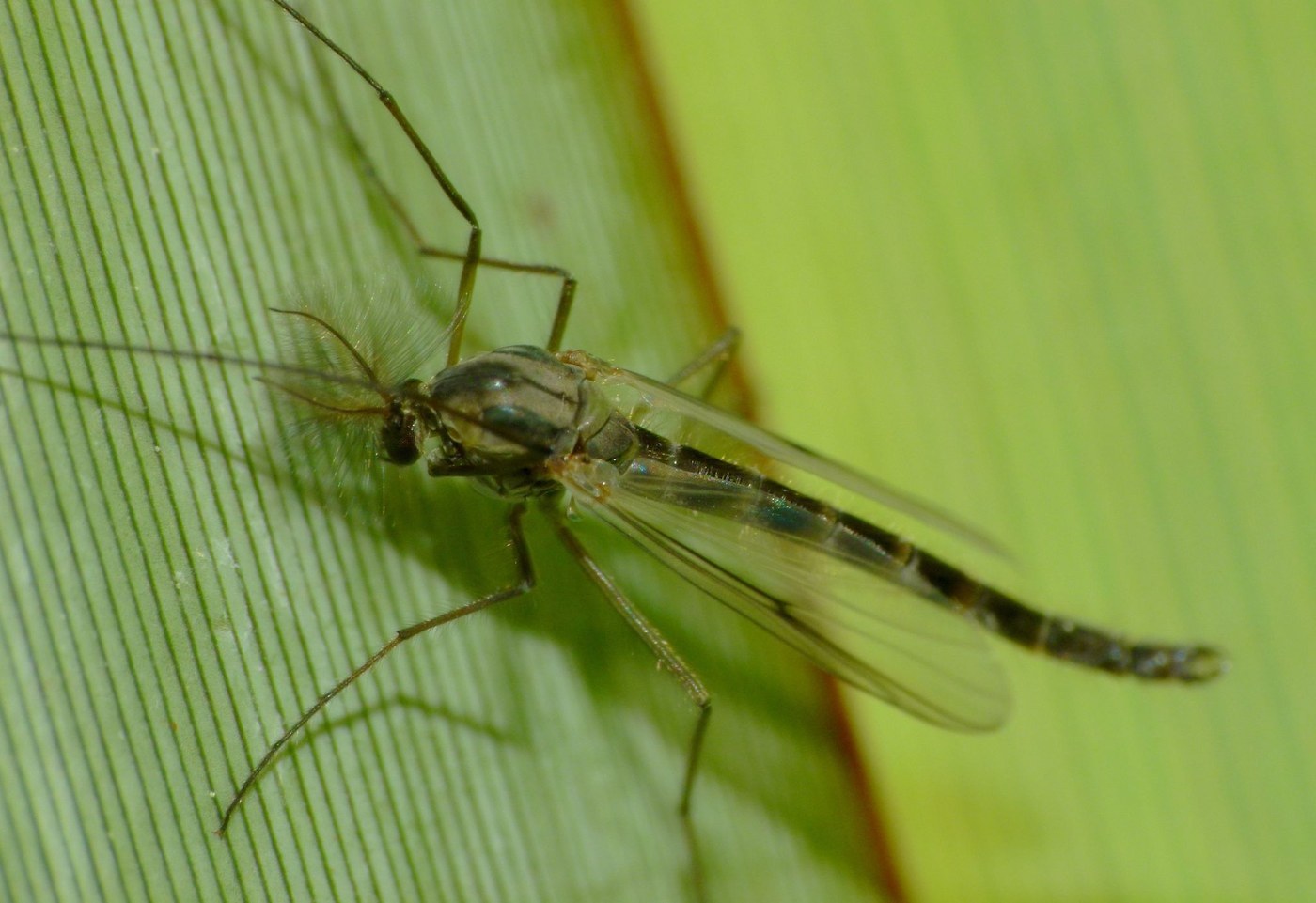
Non-Biting Midge
A mosquito look-alike that gathers by the thousands in swirling mating swarms near lakes and ponds, despite lacking any ability to bite.
flyNon-Biting Midge Larva (Bloodworm)
Wriggling through soft bottom mud in dense colonies, the bloodworm gets its striking red color from a specialized blood pigment that lets it survive in oxygen-poor water where few other insects can.
aquatic-insectBooklice (Psocid)
A tiny, soft-bodied, pale insect barely visible to the naked eye that grazes on mold and mildew in damp books, wallpaper, and stored goods.
otherBirdwing Butterfly
Among the largest butterflies on Earth, birdwings soar through rainforest canopies on angular, bird-like wings. Males dazzle with iridescent greens, golds, and blues, while the larger females wear more subdued browns.
butterfly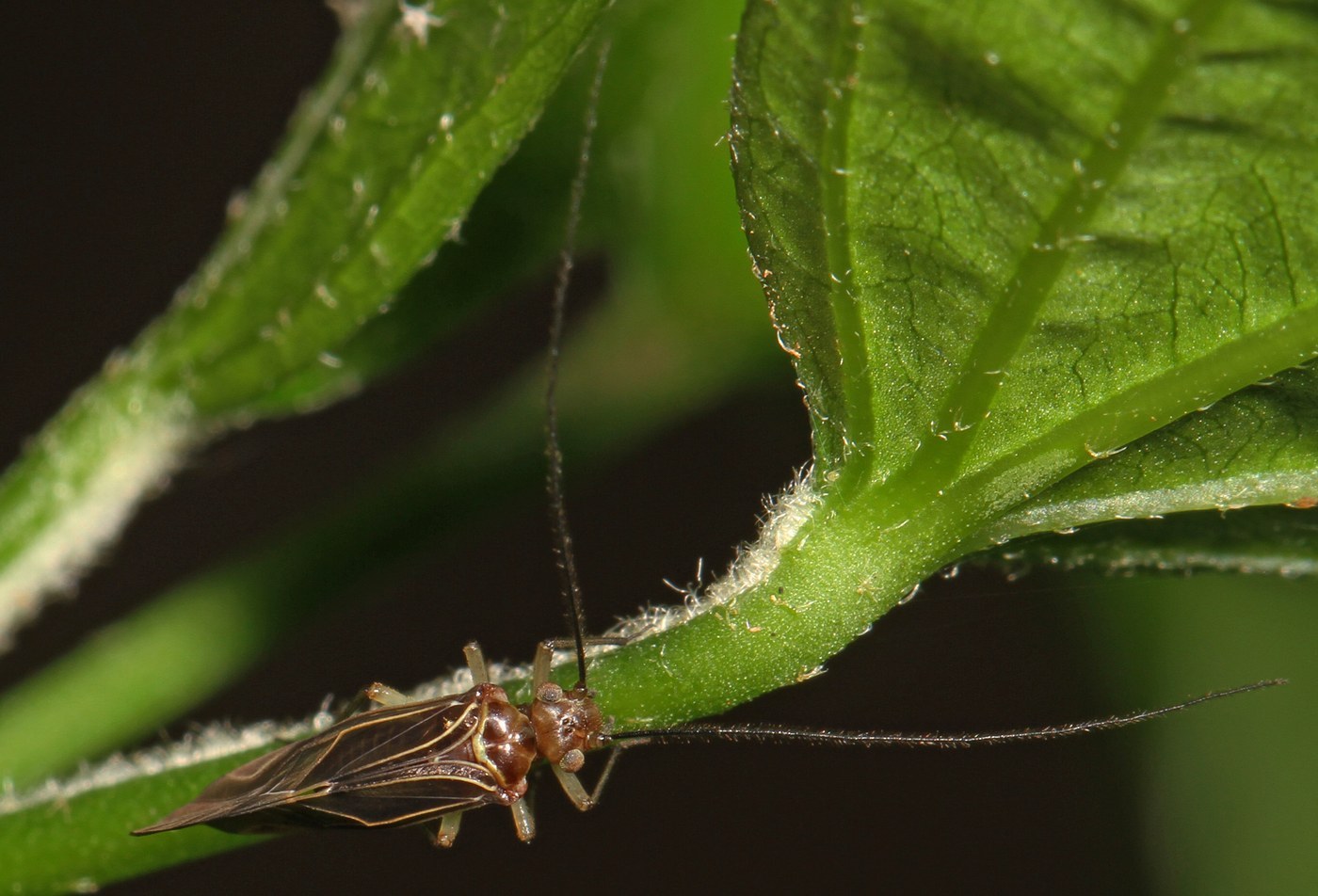
Bark Louse
A small, soft-bodied insect often seen in dense, moving herds on tree trunks, the bark louse grazes on algae, lichen, and fungal residue coating bark surfaces.
other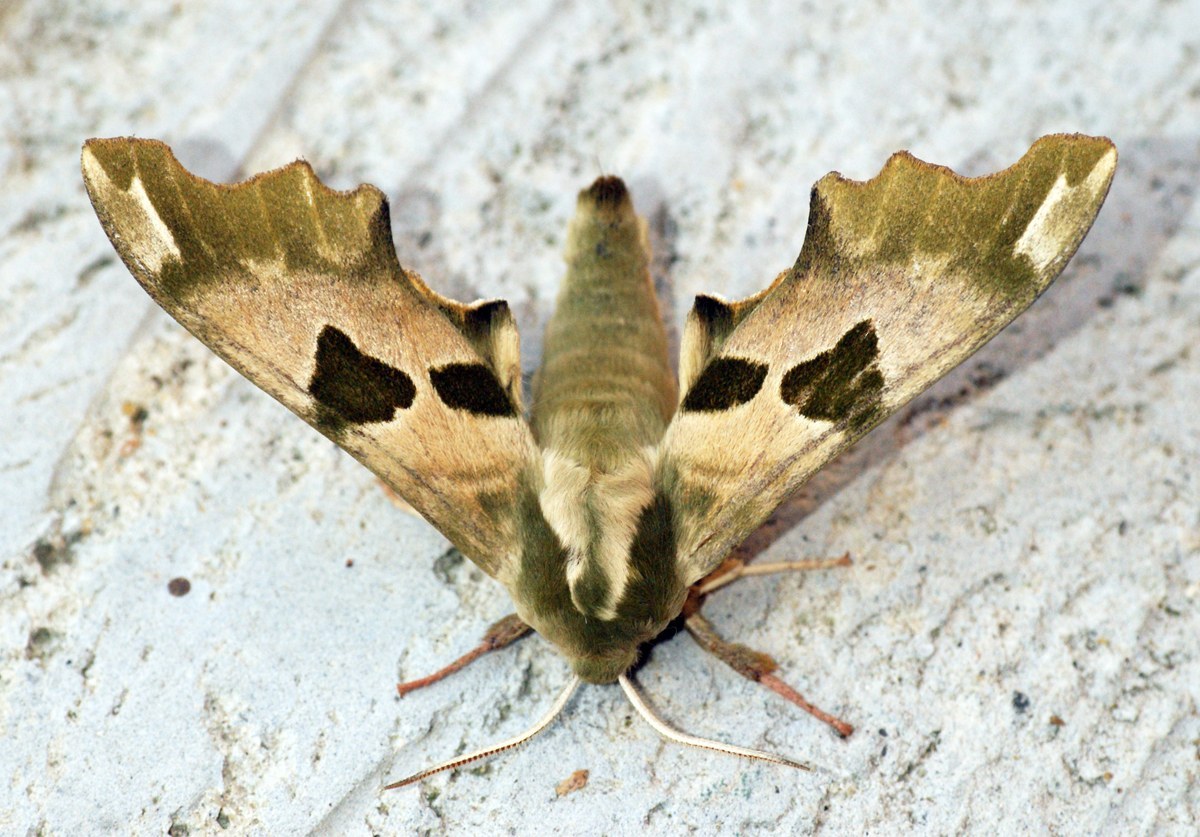
Lime Hawk-Moth
A stout, angular-winged hawk-moth in muted greens, browns, or pinks with deeply scalloped wing margins, closely tied to lime (linden) trees for its larval development.
moth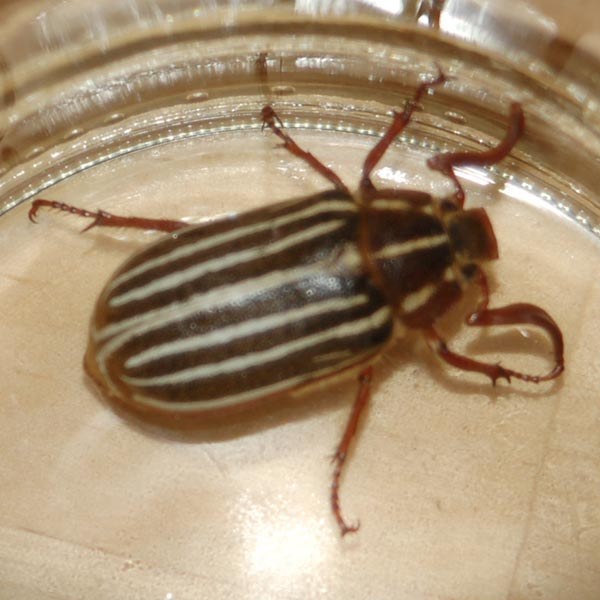
Ten-lined June Beetle
A large, brown scarab beetle marked with bold white racing stripes down its wing covers, known for its loud buzzing flight and hissing defensive squeak.
beetle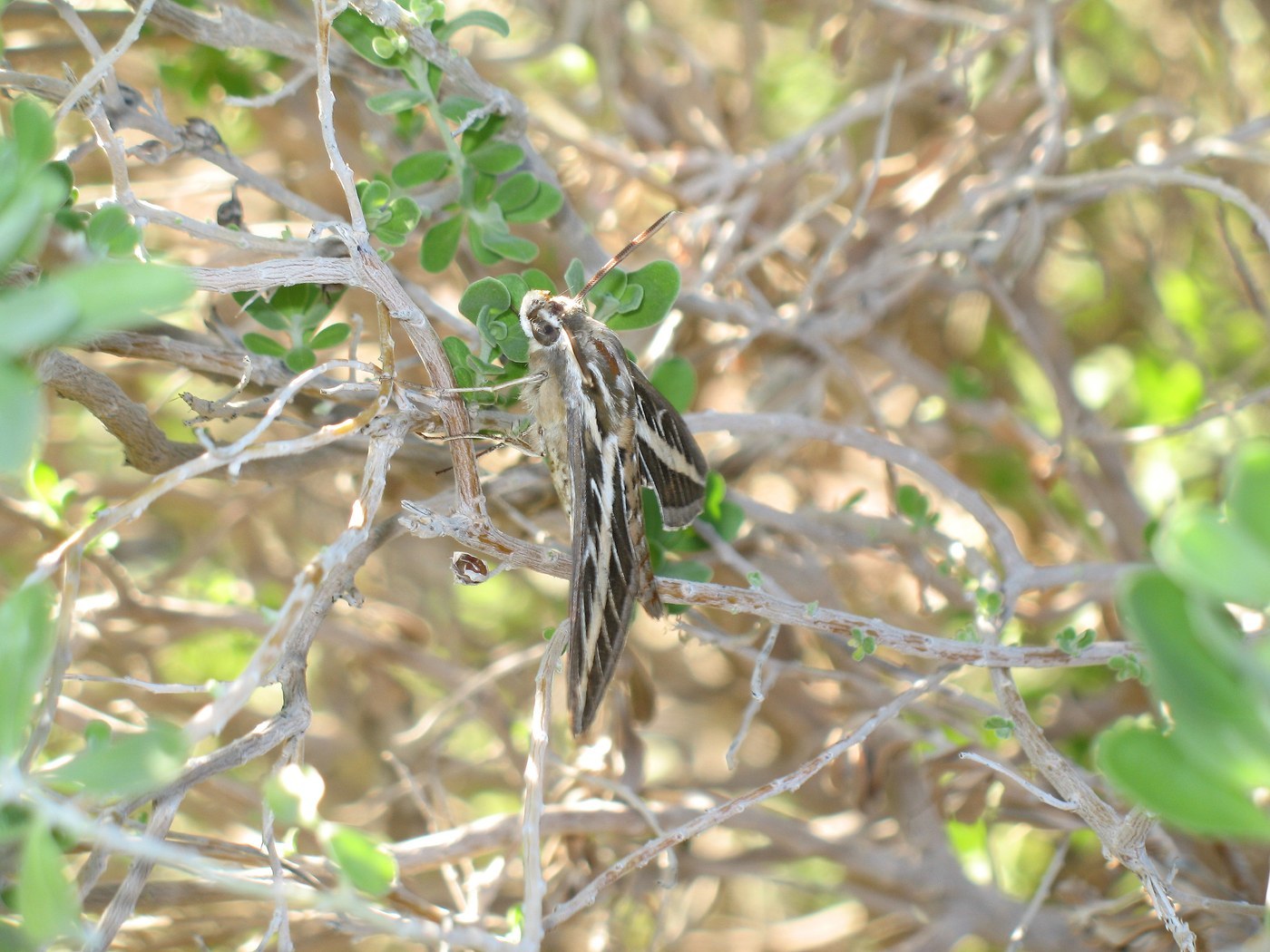
White-lined Sphinx Moth
A fast, hovering moth often mistaken for a hummingbird as it darts between flowers at dusk, identifiable by the bold cream-colored stripe running across each streamlined brown forewing.
moth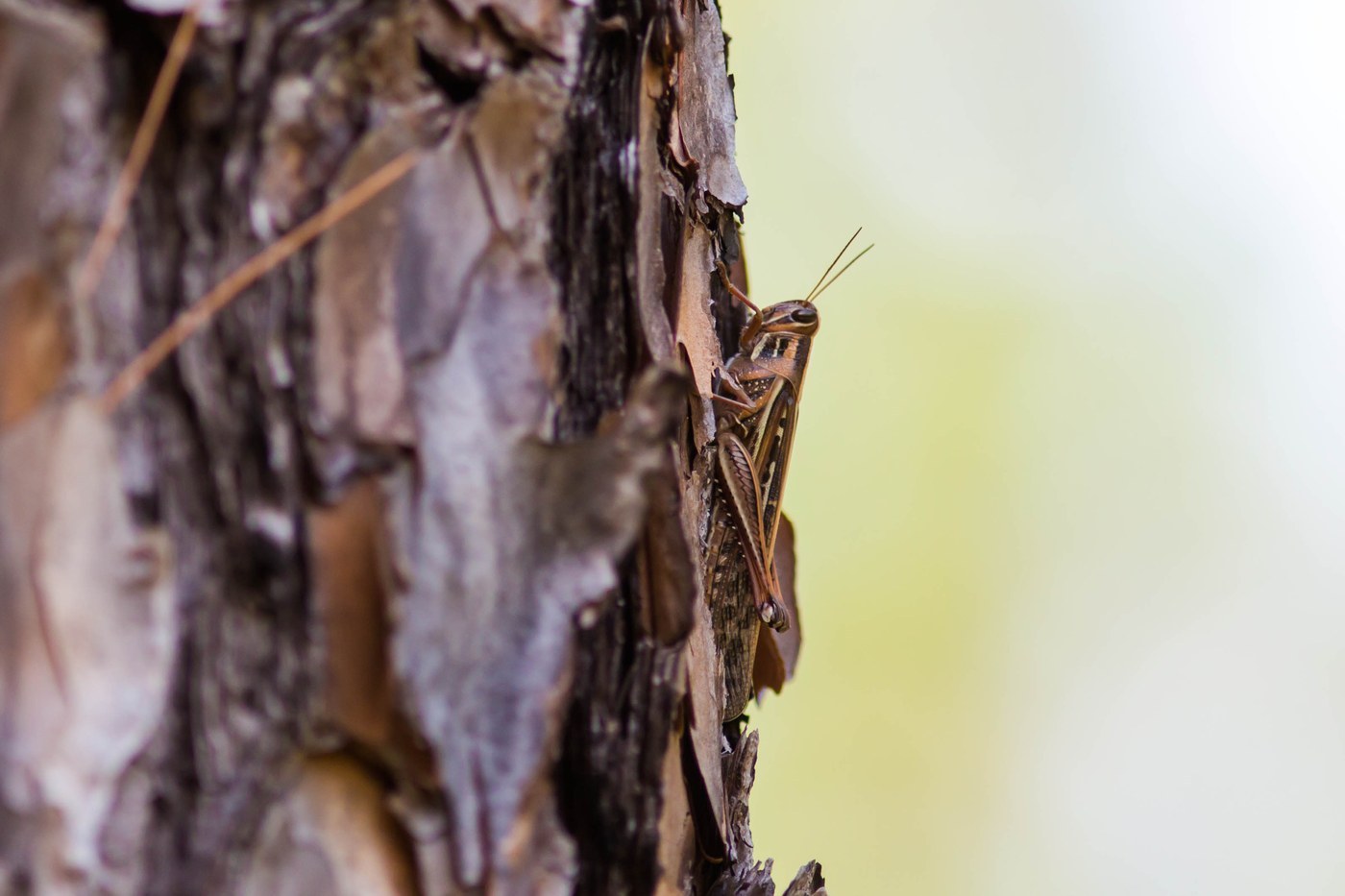
American Grasshopper
A large, strong-flying grasshopper related to the locusts of the Old World, the American grasshopper can occasionally form dense, damaging aggregations across the southern United States.
grasshopper-cricket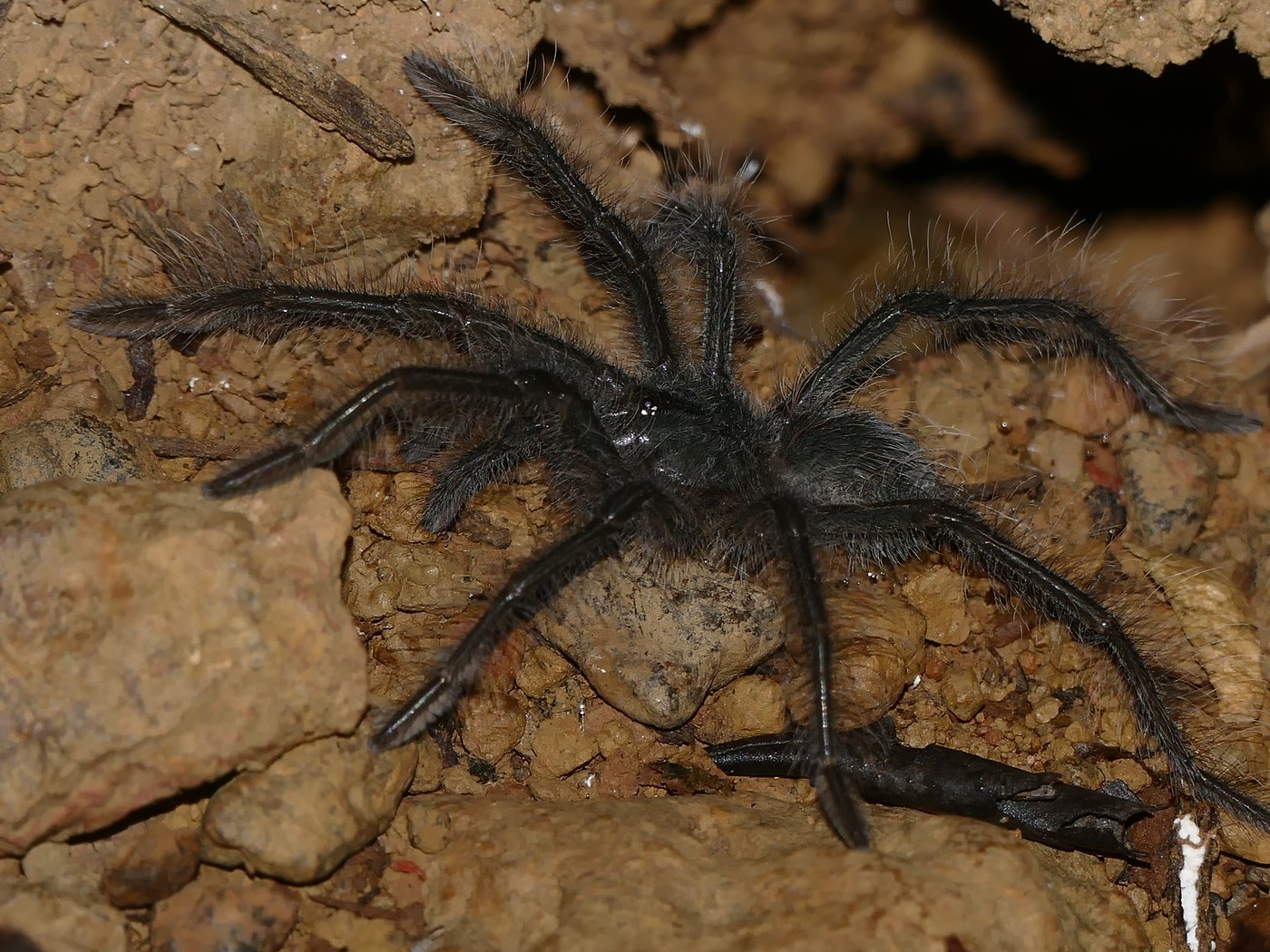
Goliath Birdeater
The heaviest spider in the world, the Goliath birdeater is a massive, hairy tarantula from the South American rainforest whose leg span can rival a dinner plate, though despite its name it primarily hunts insects and other invertebrates rather than birds.
spider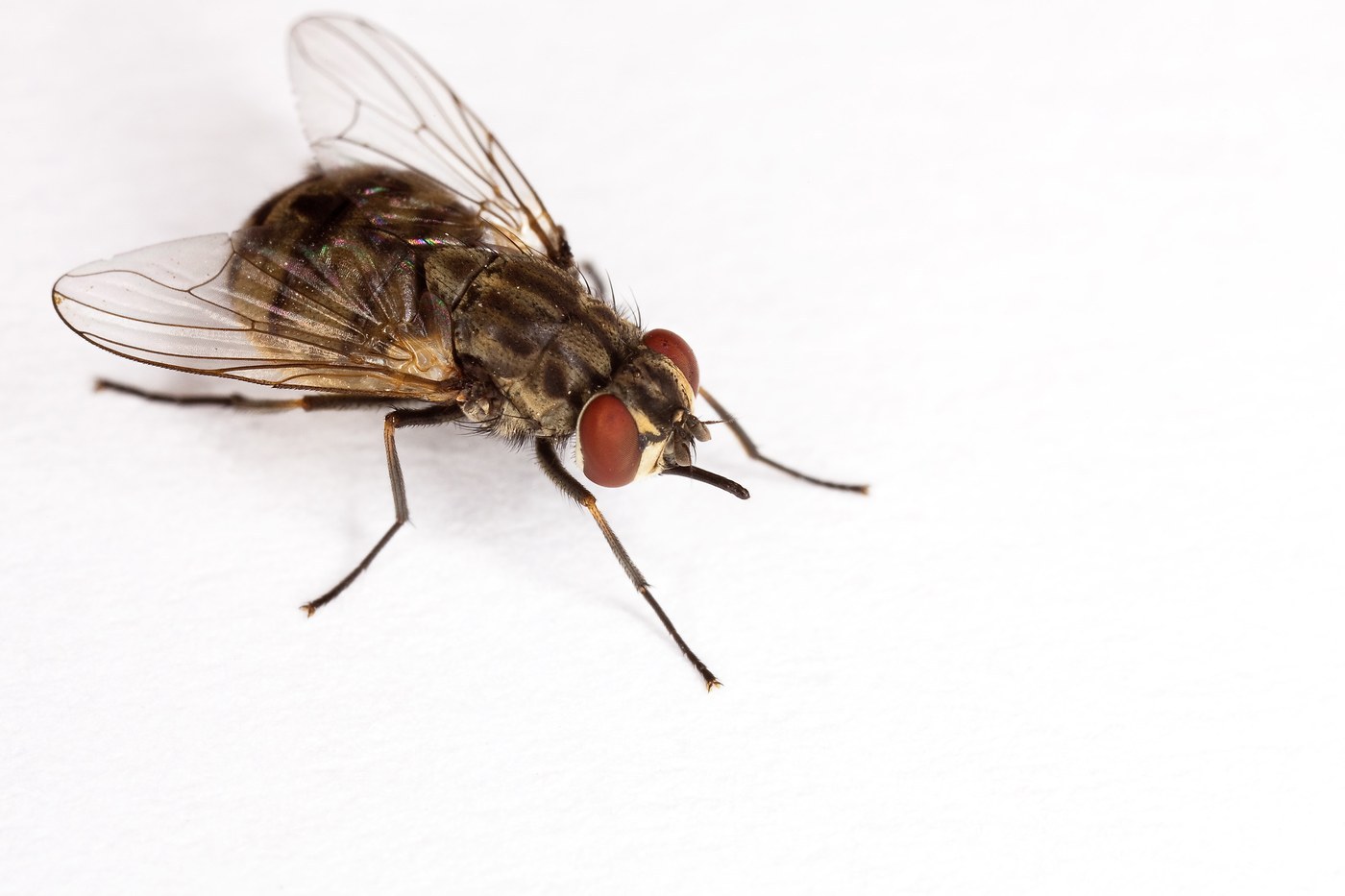
Stable Fly
A gray fly that looks almost identical to the common house fly, but carries a rigid, forward-pointing proboscis built for piercing skin rather than sponging up liquids.
flyNo-See-Um
A speck-sized fly so tiny it seems to vanish from sight, yet capable of swarming exposed skin near beaches and marshes at dawn and dusk.
flyPunkie
An almost invisibly small biting fly that swarms near wetlands at dusk, where only the females take blood meals from animal hosts.
fly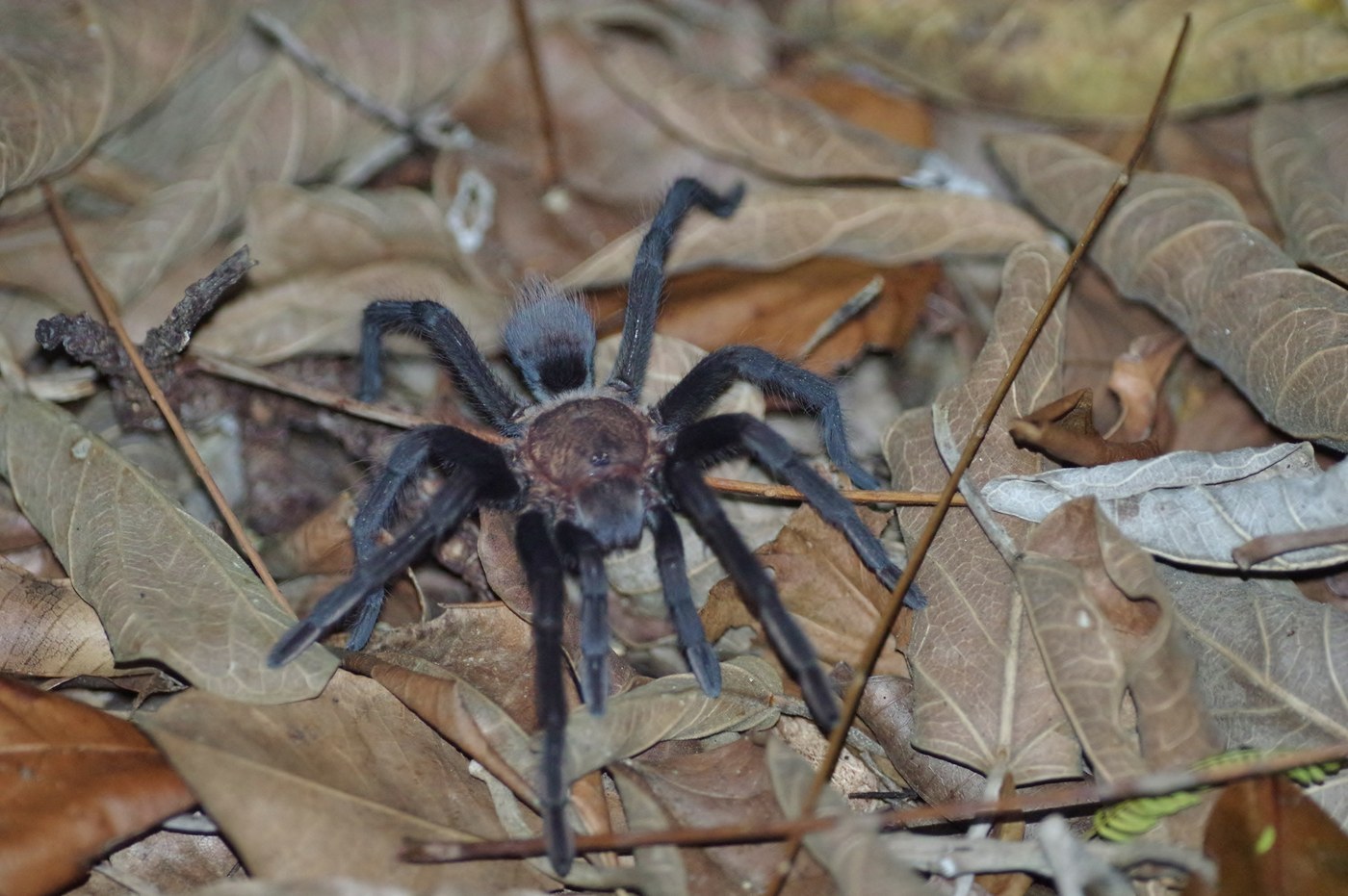
Tarantula
The tarantula is the heavyweight of the spider world, a densely furred, ground-hugging hunter that spends most of its long life waiting in a silk-lined burrow for prey to wander past.
spider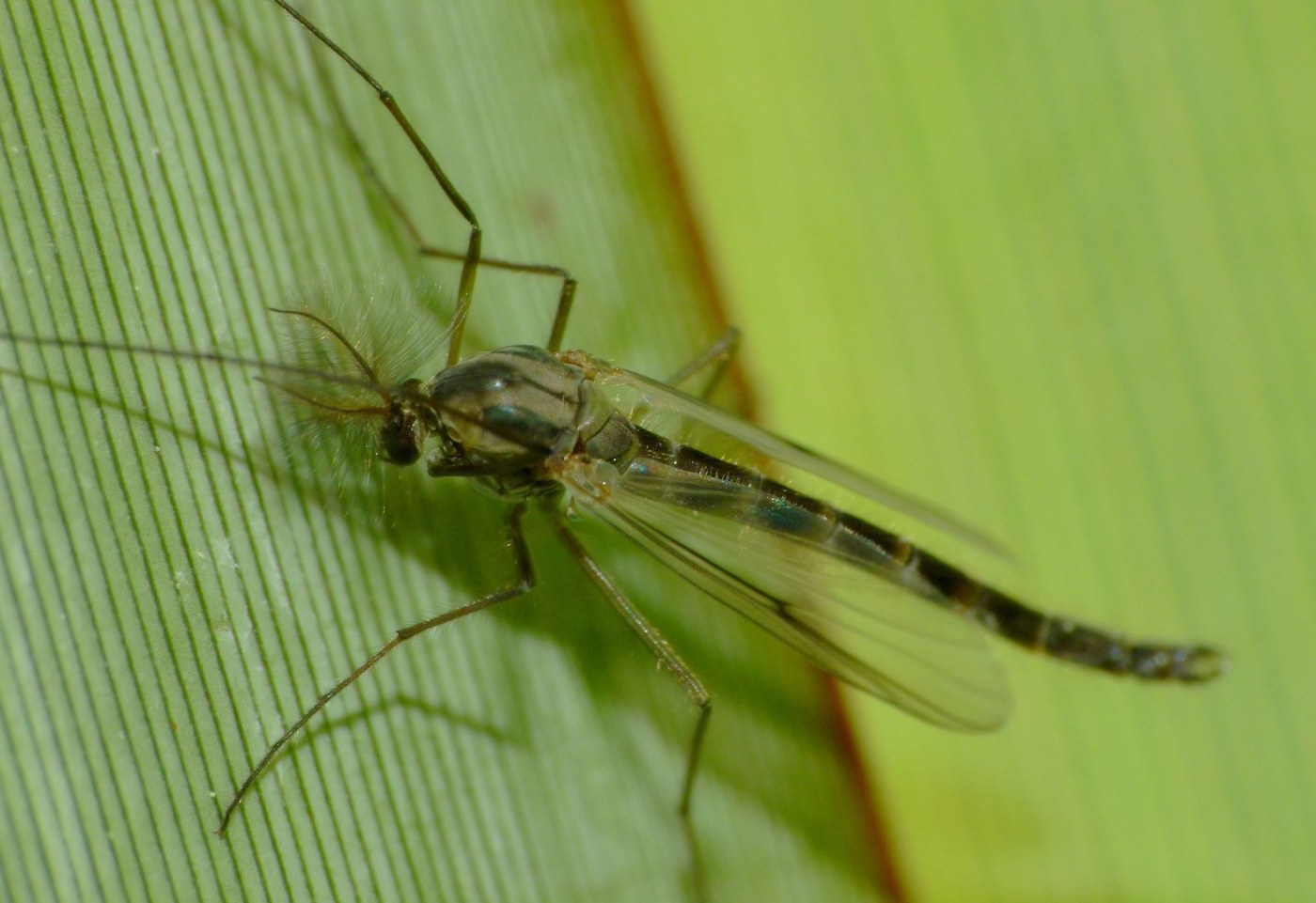
Midge
A slender, mosquito-like fly that forms dense swarms near water at dusk, easily mistaken for a mosquito but lacking any biting mouthparts.
fly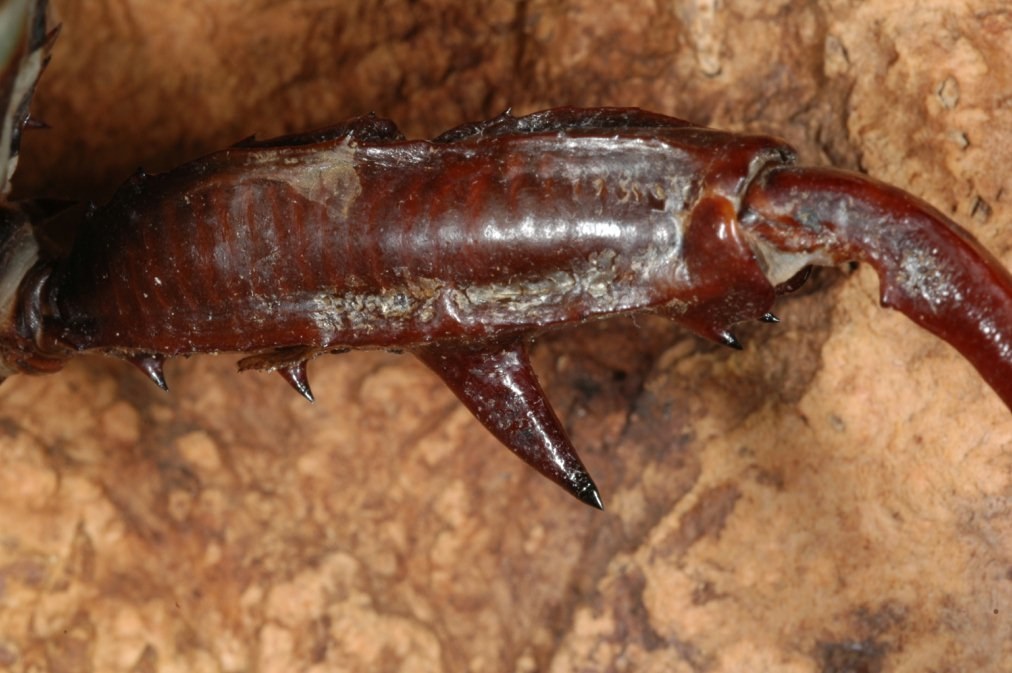
Walking Stick Insect
A master of disguise that has evolved to look almost exactly like a twig, bark or leaf, remaining motionless for hours to avoid the notice of hungry birds and lizards.
mantis-stickHorse Fly Larva
Hidden in the wet mud along pond and stream margins, the horse fly larva is a tapered, tough-skinned predator that hunts other small soil and mud-dwelling invertebrates before eventually transforming into the familiar biting fly.
aquatic-insect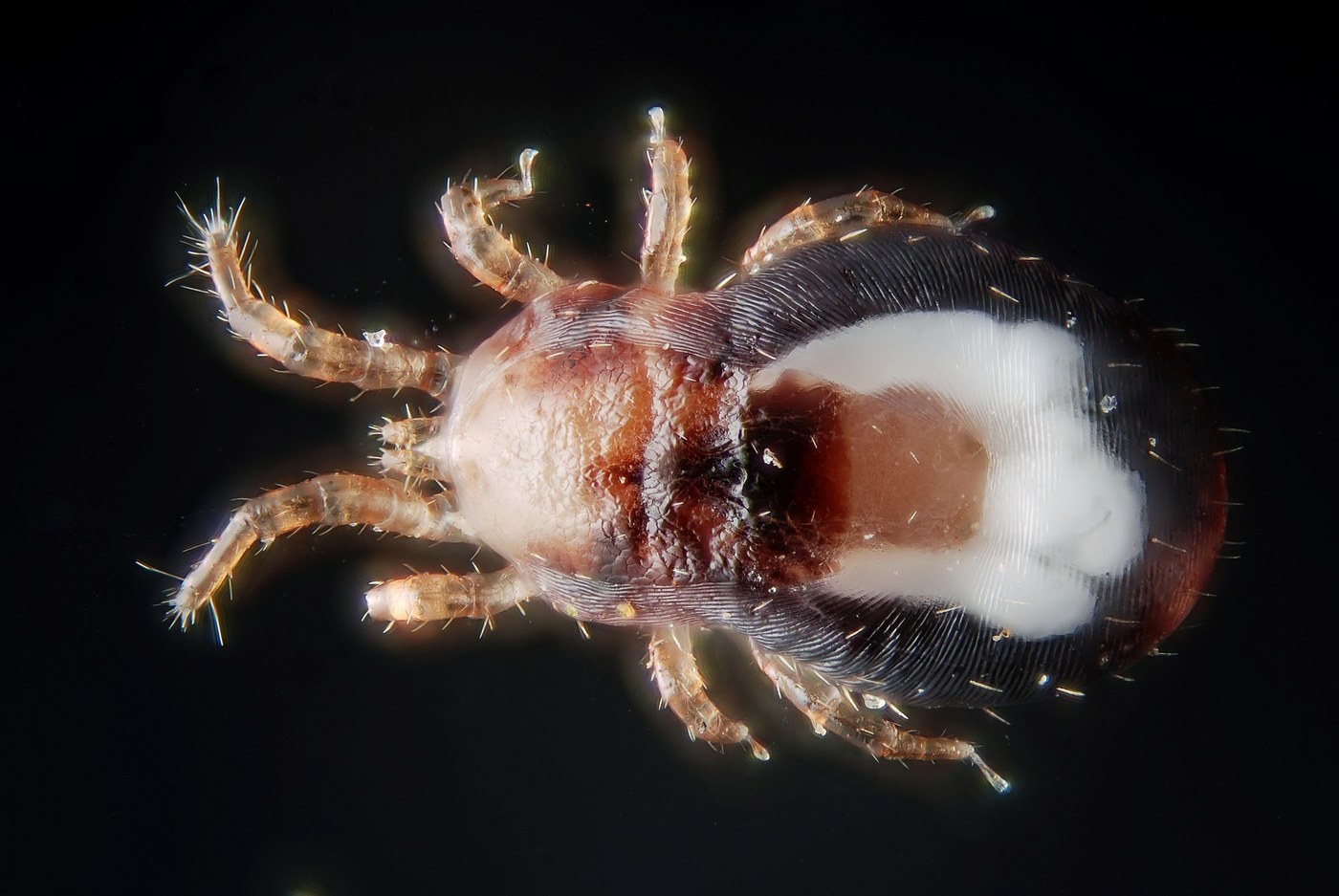
Chicken Mite
A tiny, blood-feeding mite that hides in cracks and crevices of poultry housing by day and emerges at night to feed on roosting birds, turning a dull gray to deep red after a blood meal.
arachnid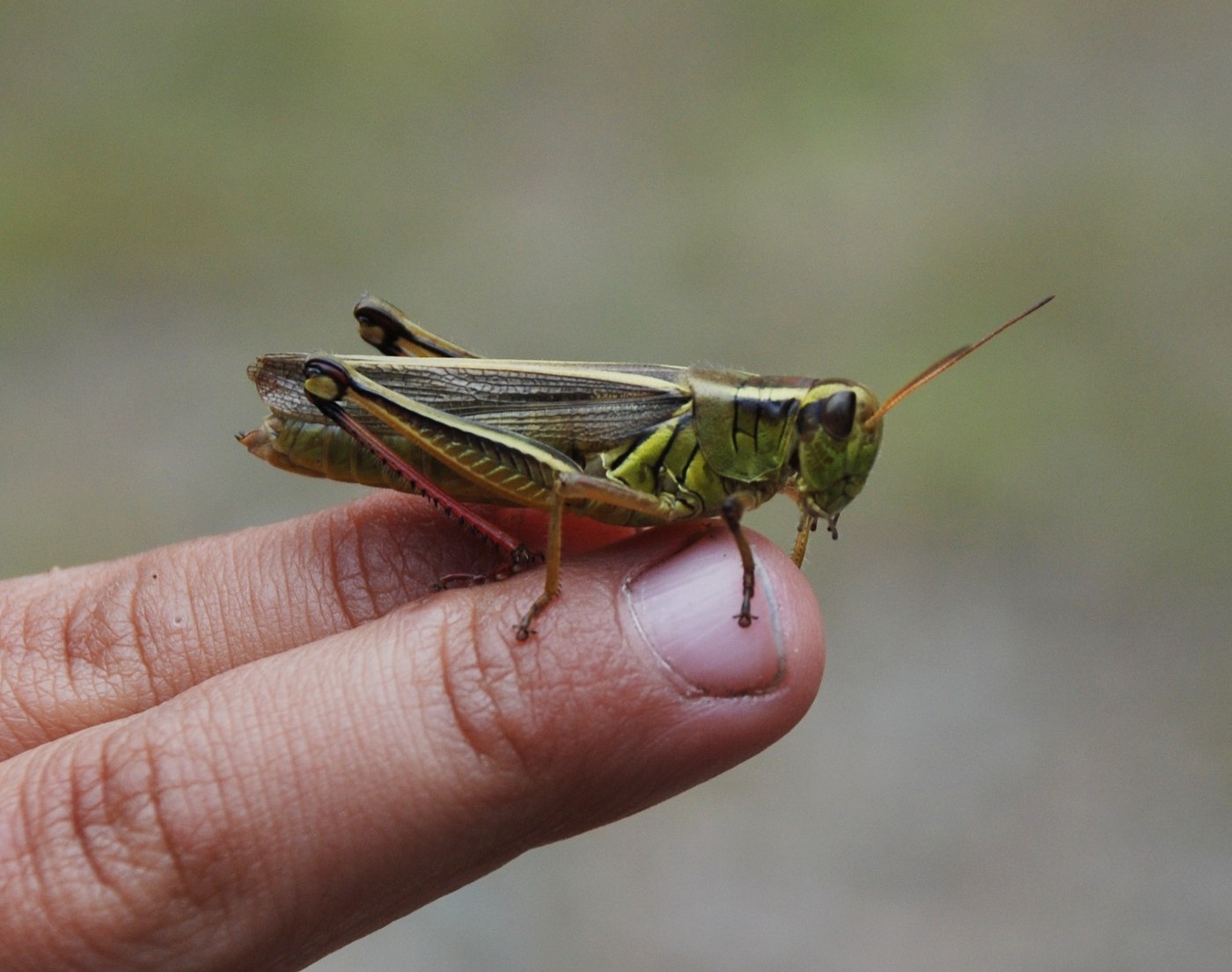
Two-striped Grasshopper
Easily spotted by the pair of pale cream stripes running the length of its body, the two-striped grasshopper is one of the largest and most economically important grasshoppers in North America.
grasshopper-cricketPurseweb Spider
A secretive, tube-dwelling spider that spends nearly its entire life hidden inside a silk-lined burrow extension camouflaged with soil and debris on the surface.
spider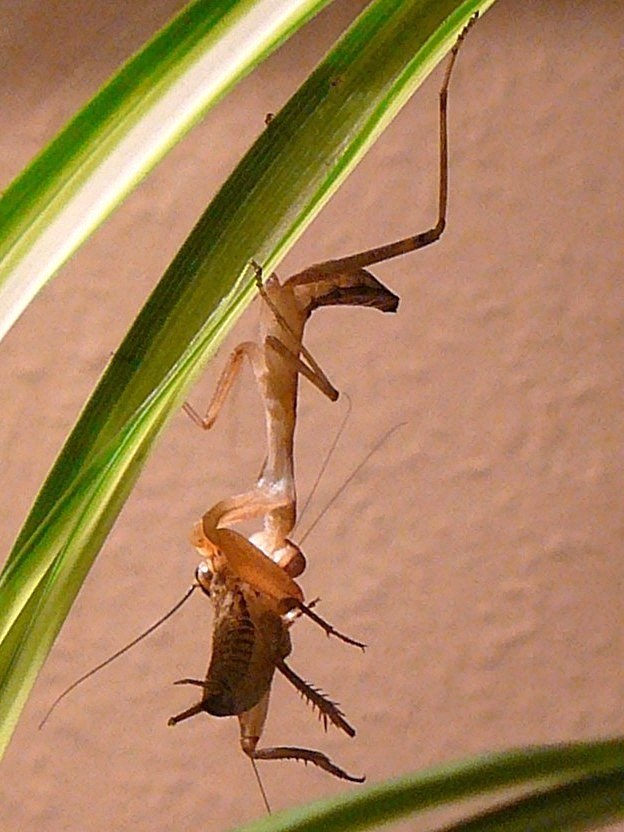
African Mantis
A large, sturdy green or brown mantis frequently found perched on garden shrubs, patiently scanning for insect prey with its sharply angled triangular head.
mantis-stick