
Bug Encyclopedia
Search and identify bugs & insects — beetles, butterflies, moths, ants, bees, spiders and more — with size, habitat, danger, behavior, and how to tell them apart.
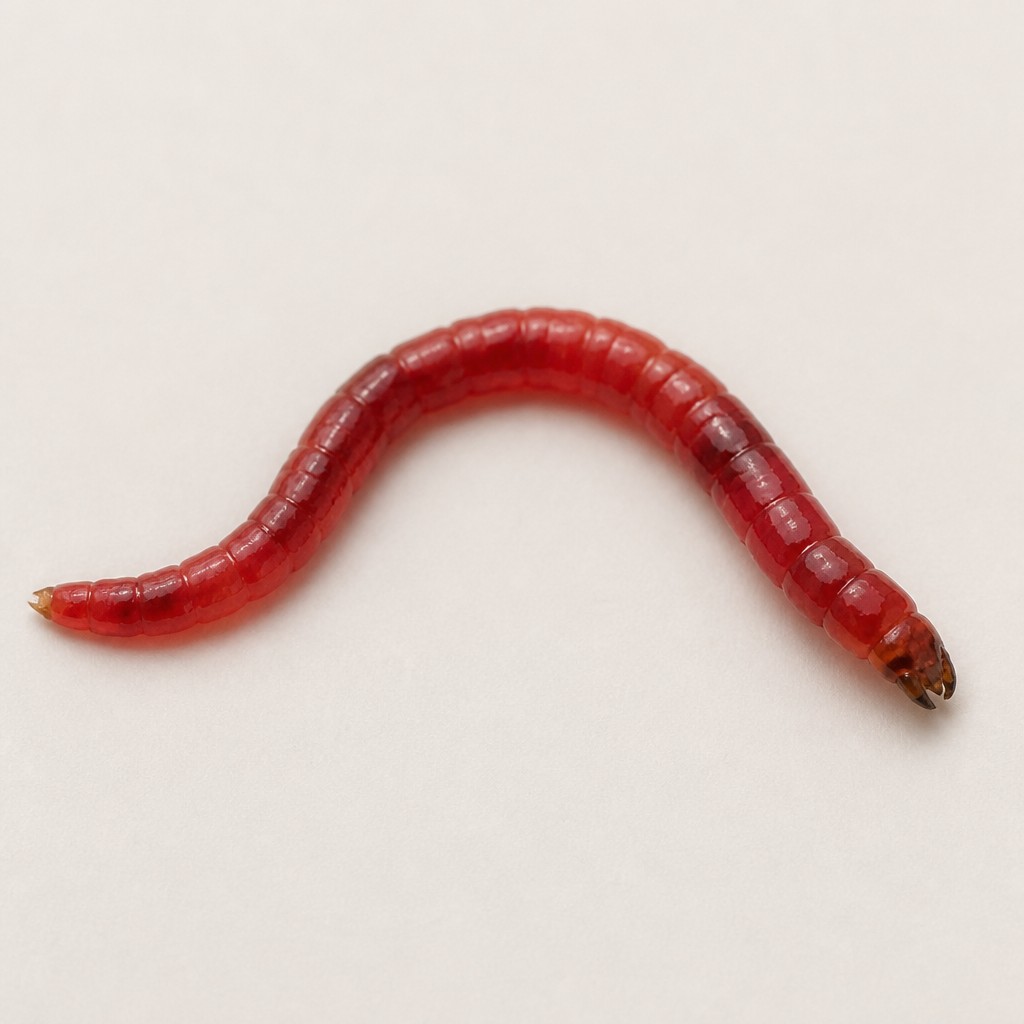
Non-Biting Midge Larva (Bloodworm)
Wriggling through soft bottom mud in dense colonies, the bloodworm gets its striking red color from a specialized blood pigment that lets it survive in oxygen-poor water where few other insects can.
aquatic-insect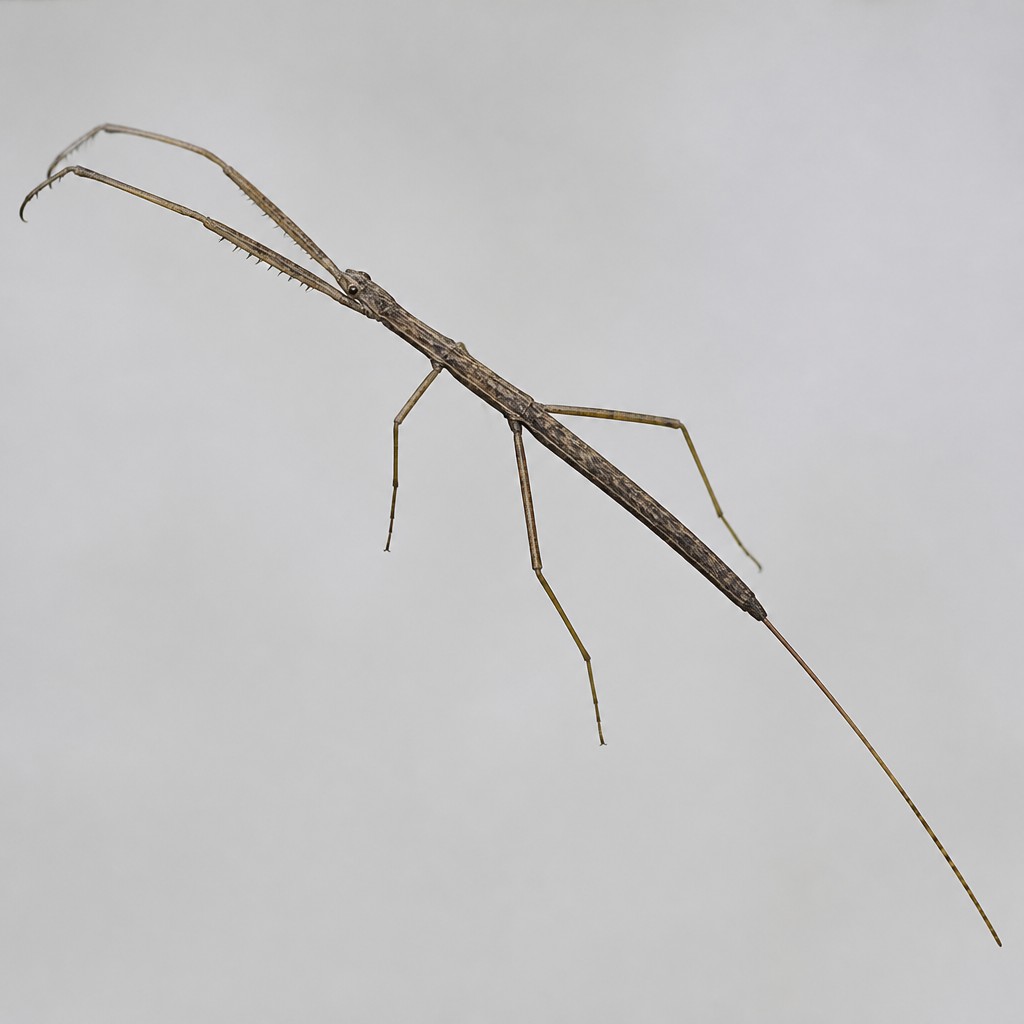
Water Stick Insect
An extraordinarily twig-like aquatic predator that lies motionless among pond weed, grasping passing prey with spiny raptorial forelegs while breathing through a long tail-like snorkel.
true-bug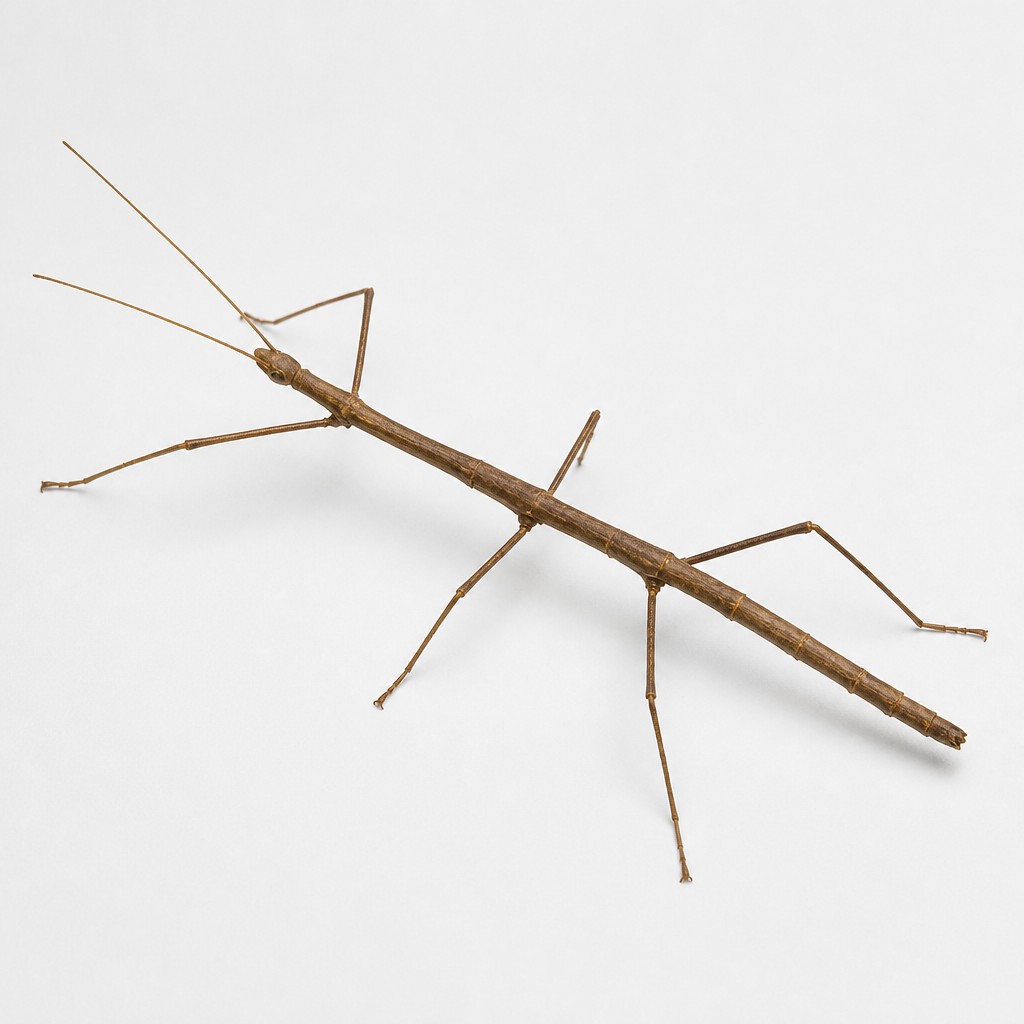
Walking Stick Insect
A master of disguise that has evolved to look almost exactly like a twig, bark or leaf, remaining motionless for hours to avoid the notice of hungry birds and lizards.
mantis-stick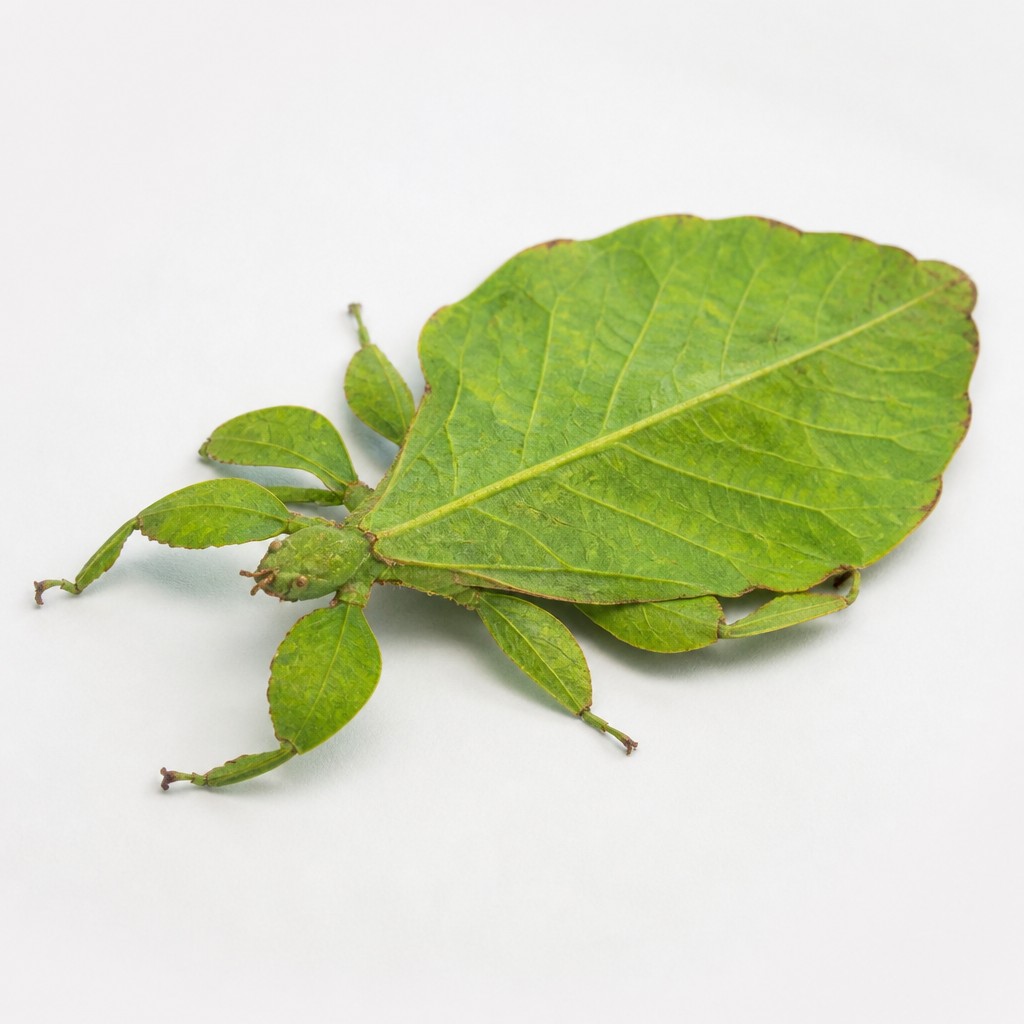
Leaf Insect
A living illusion, this flattened green insect reproduces the veins, edges, and even blemishes of a real leaf so precisely that it can vanish while resting in plain sight.
mantis-stick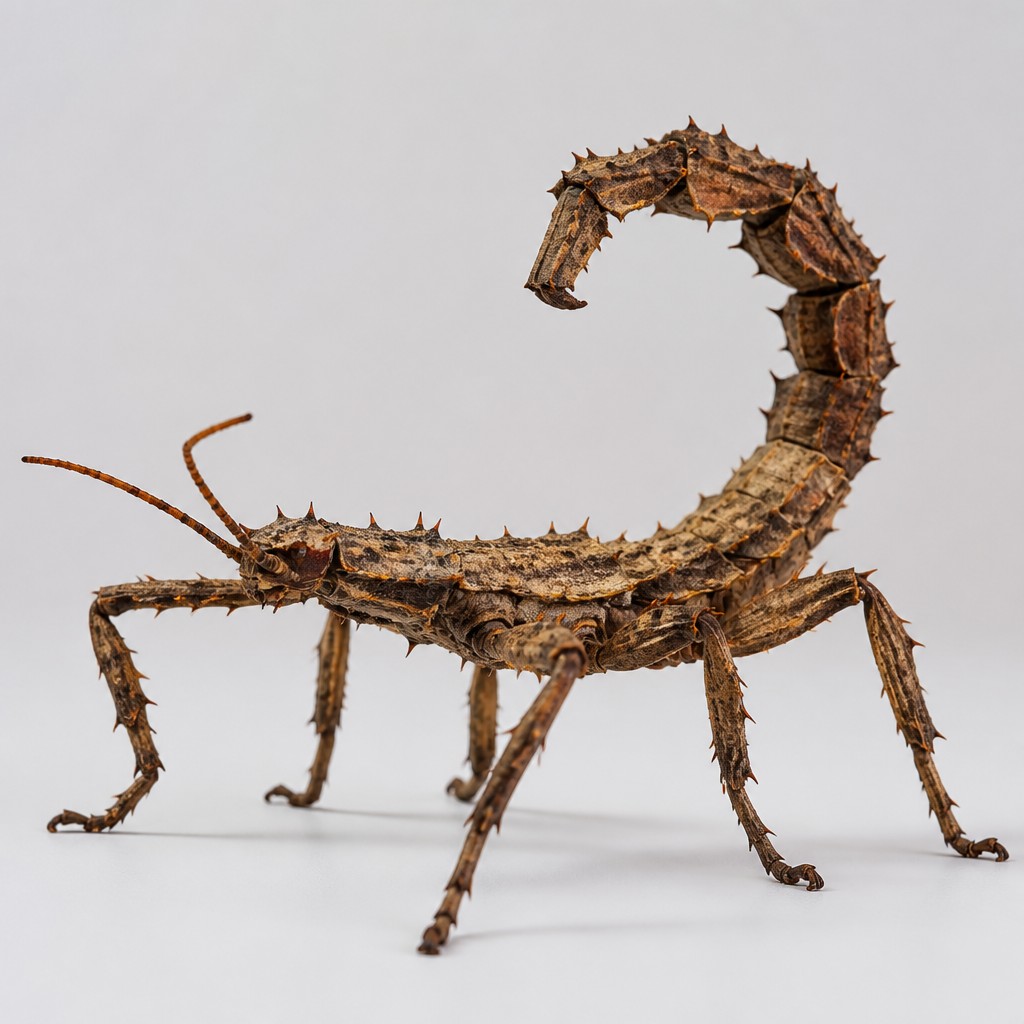
Giant Prickly Stick Insect
A hefty, spine-covered phasmid that mimics dead leaves and curled bark, and when threatened, arches its abdomen like a scorpion's tail in a dramatic bluff display.
mantis-stick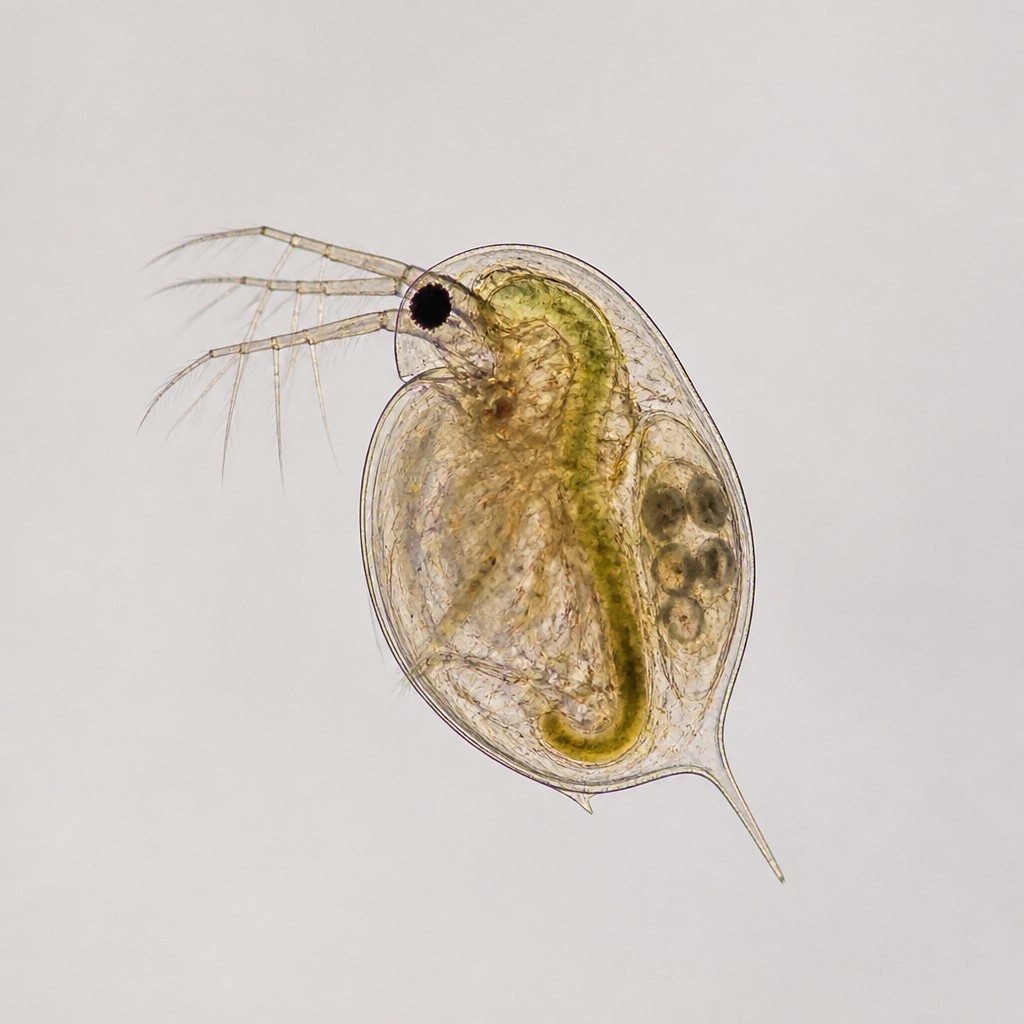
Water Flea
Despite the name, the water flea is not an insect at all but a tiny, jerky-swimming crustacean whose transparent body and single dark eye make it one of the most recognizable members of freshwater plankton.
other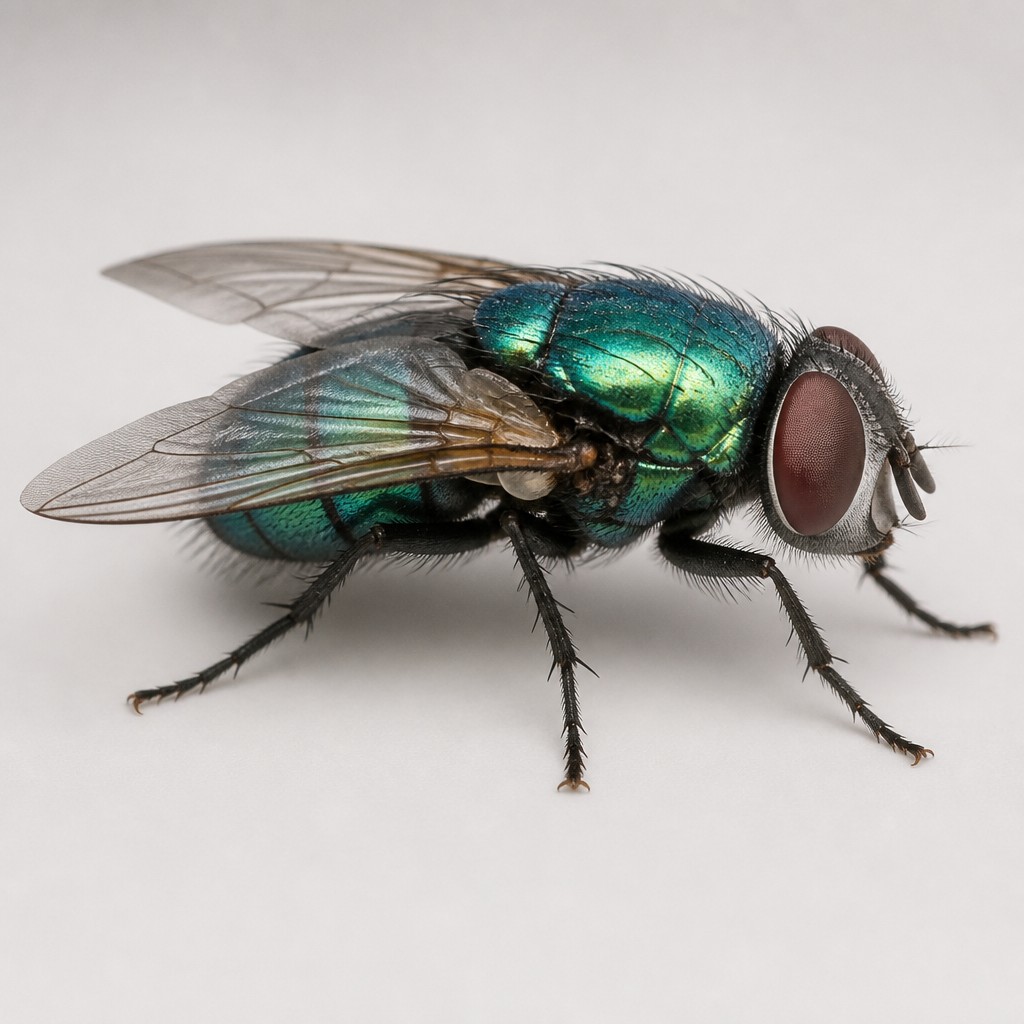
Screwworm Fly
A metallic blue-green blowfly whose larvae are unusual among maggots for feeding on living tissue rather than carrion, drawn to even small open wounds on warm-blooded animals. The species has been the target of one of the most successful large-scale insect eradication campaigns in history across much of North America.
fly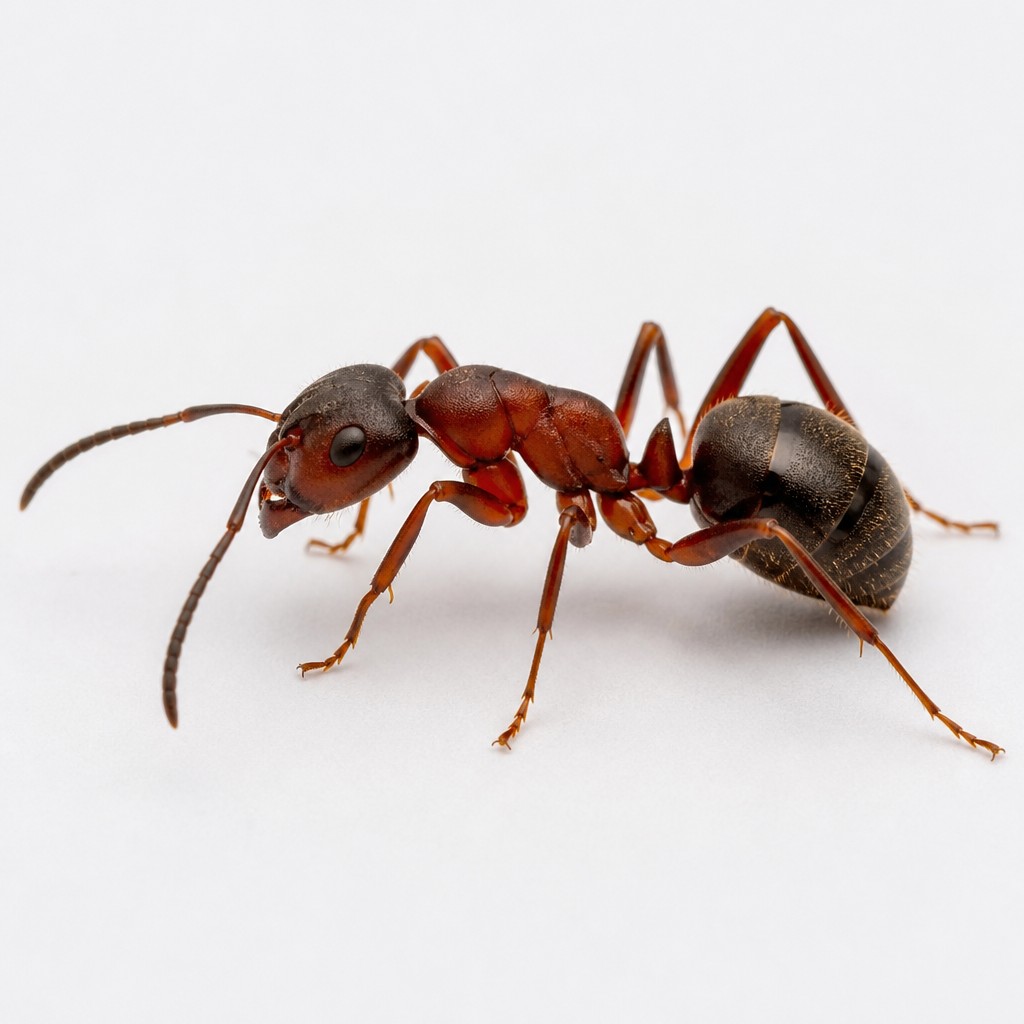
Ant
A small eusocial insect that lives in highly organized colonies, instantly recognizable by its narrow pinched waist, elbowed antennae, and single-file foraging trails.
ant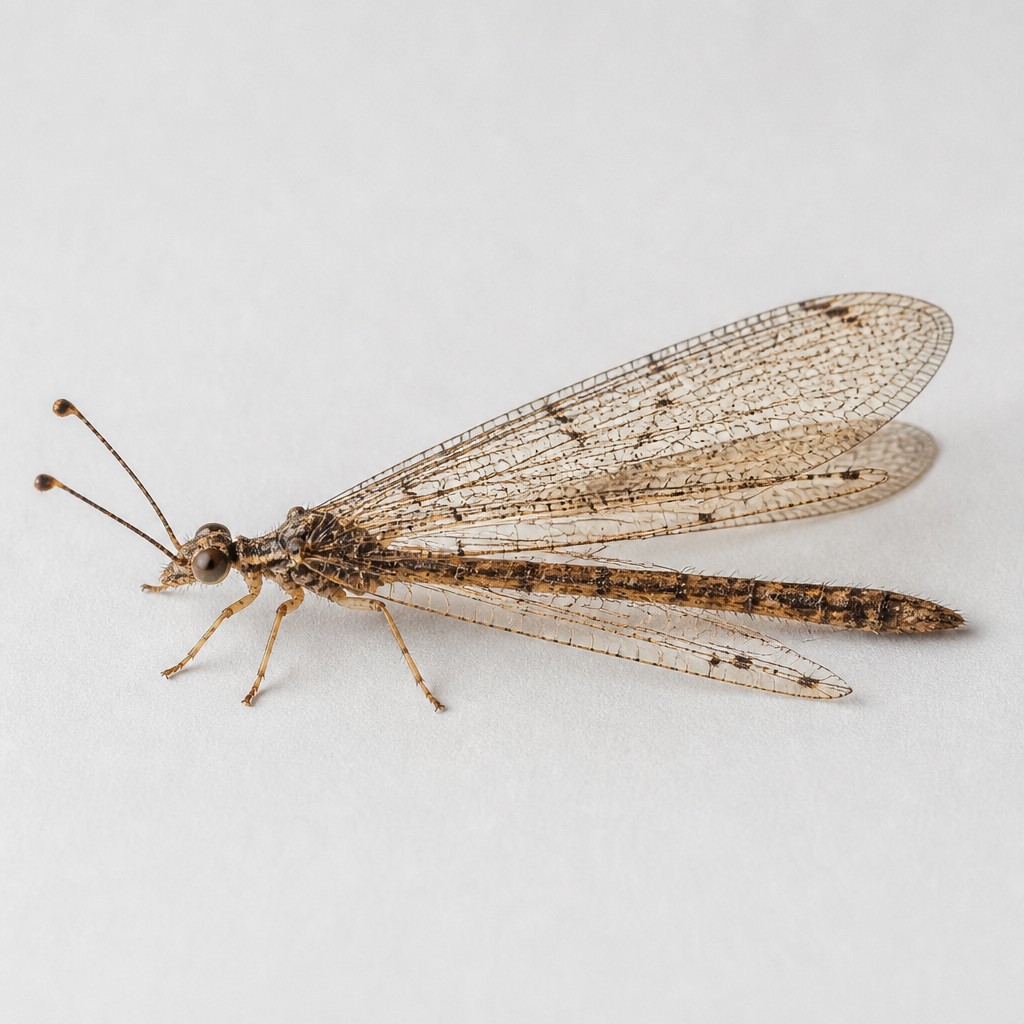
Antlion
An insect best known for its larval stage, the doodlebug, which digs a small conical pit trap in loose sand to ambush unwary ants, while the winged adult resembles a slender, delicate damselfly.
other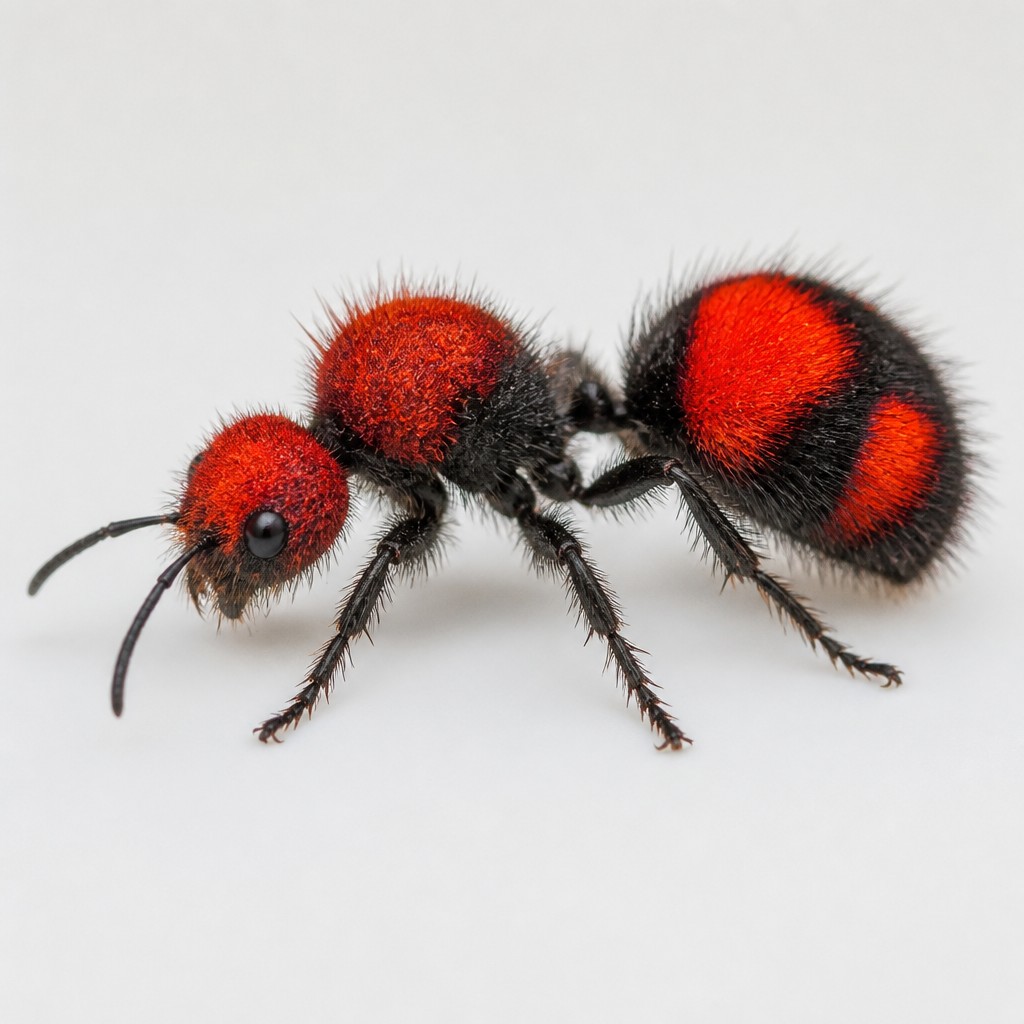
Velvet Ant
A densely fuzzy, brightly colored insect that looks like an oversized ant but is actually a wingless female wasp, instantly recognizable by its thick coat of red, orange, black, or white hair.
wasp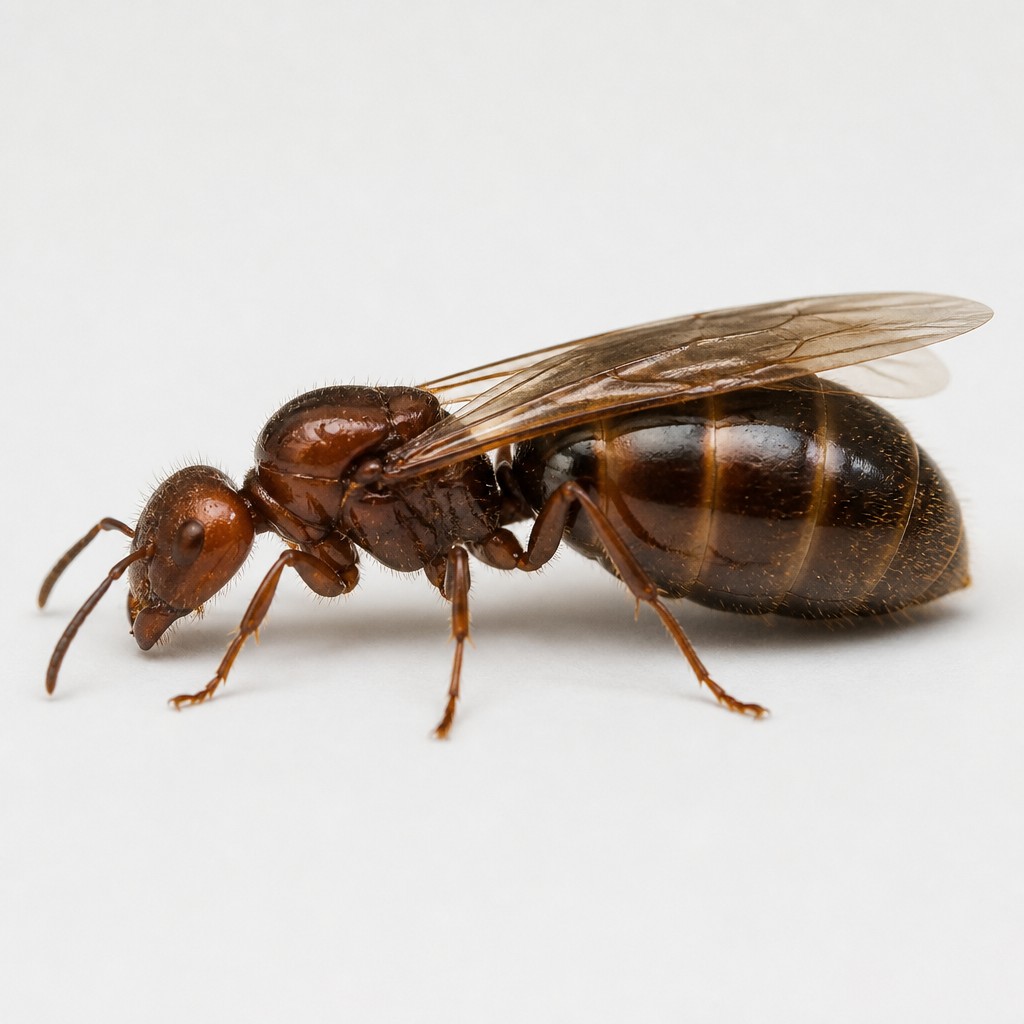
Fire Ant Queen
The reproductive powerhouse of a fire ant colony, noticeably larger than the reddish worker ants and equipped with wings before she sheds them to found a new nest.
ant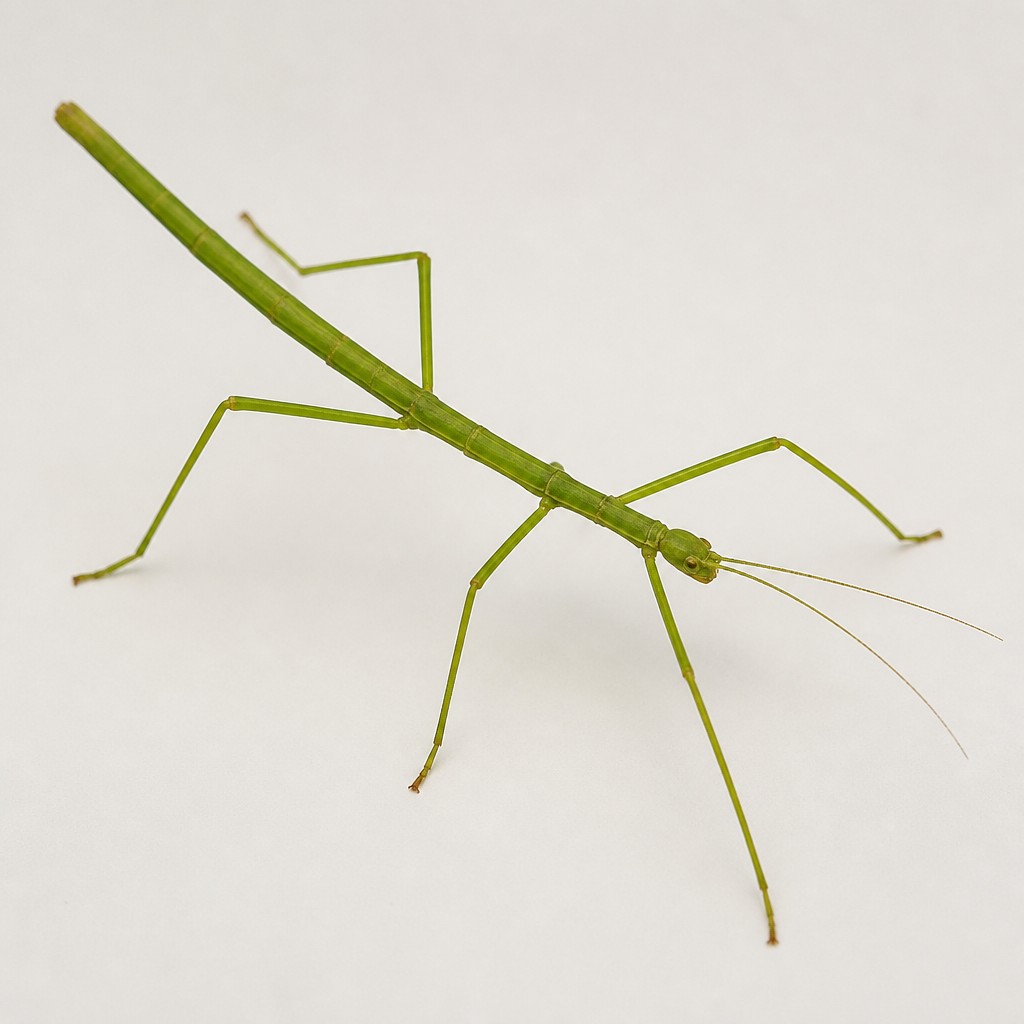
Vietnamese Walking Stick
A slender tropical stick insect popular in classrooms and terrariums, notable for females that can produce healthy offspring entirely on their own, without ever mating.
mantis-stick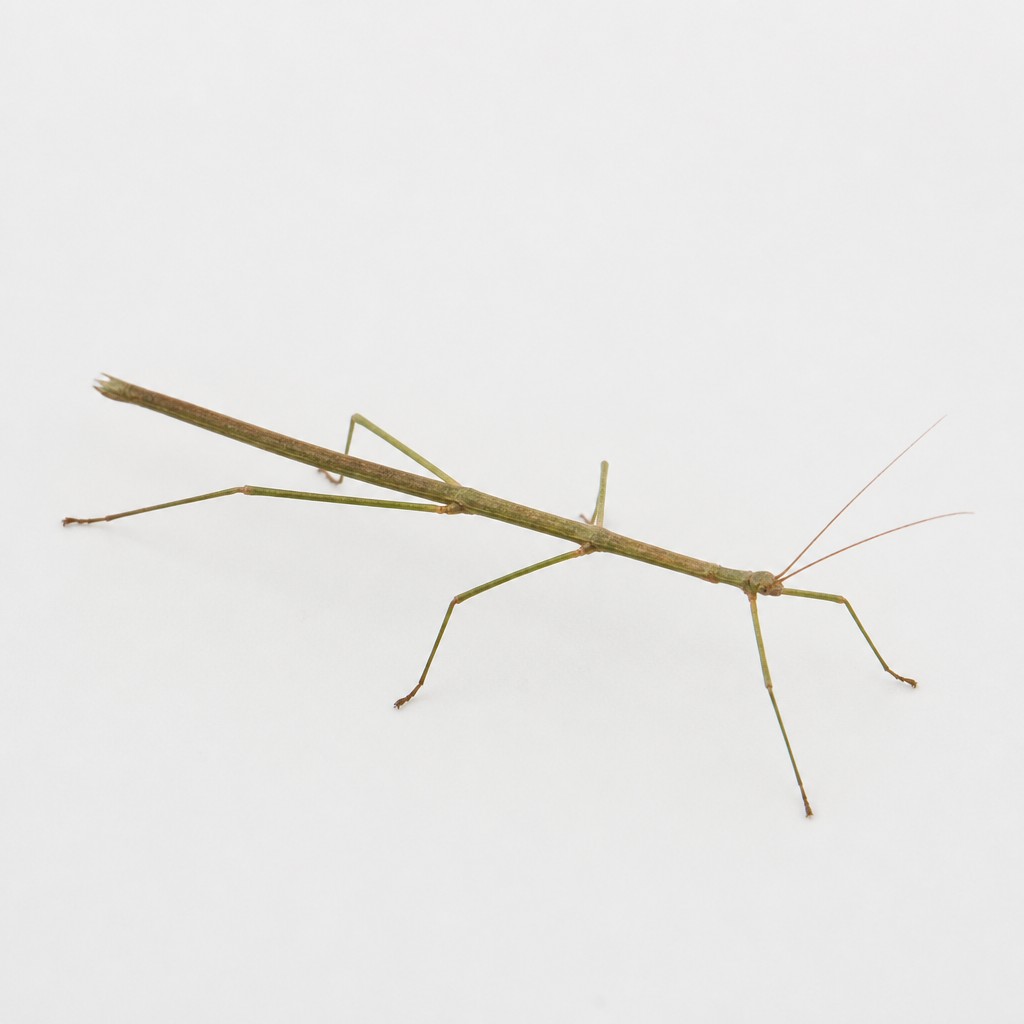
Walking Stick
A remarkably twig-like insect with a long, slender, brown to green body and thin legs, so effective at mimicking a plant stem that it can be nearly invisible while motionless on vegetation.
mantis-stick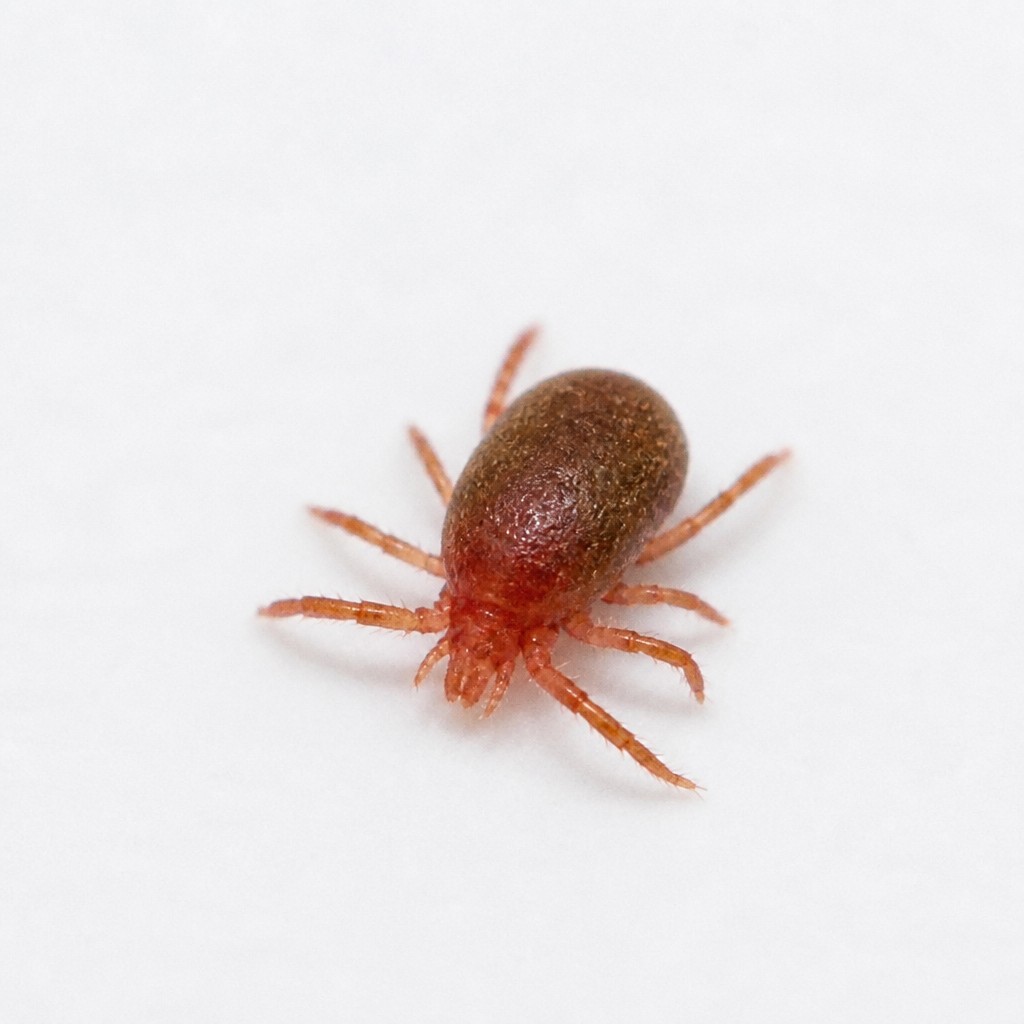
Clover Mite
A speck-sized reddish mite that streaks a rust-colored stain if crushed and invades homes by the hundreds when lawns dry out or turn cold.
arachnid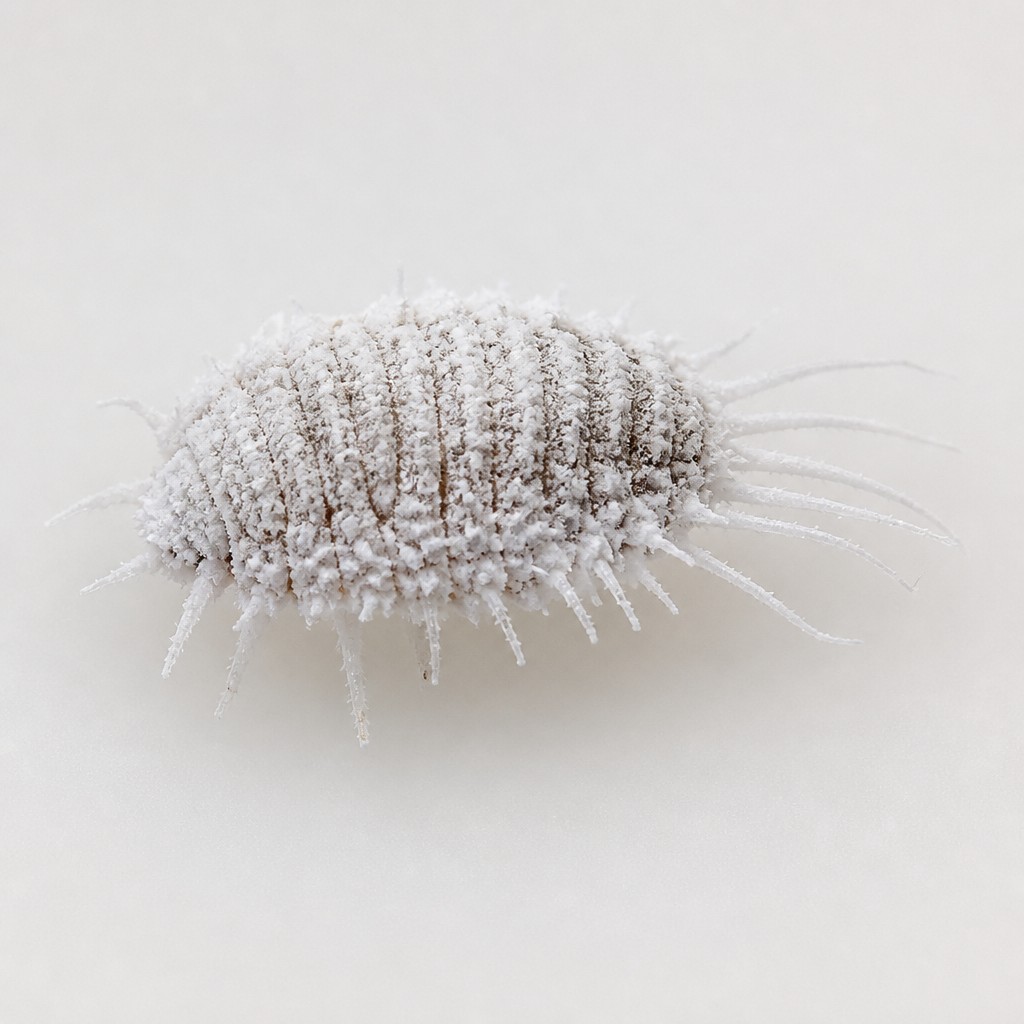
Mealybug
A soft, oval insect coated in a powdery white waxy secretion that gives it a fuzzy, cotton-like appearance, typically found clustered in leaf joints and along stems of houseplants.
true-bug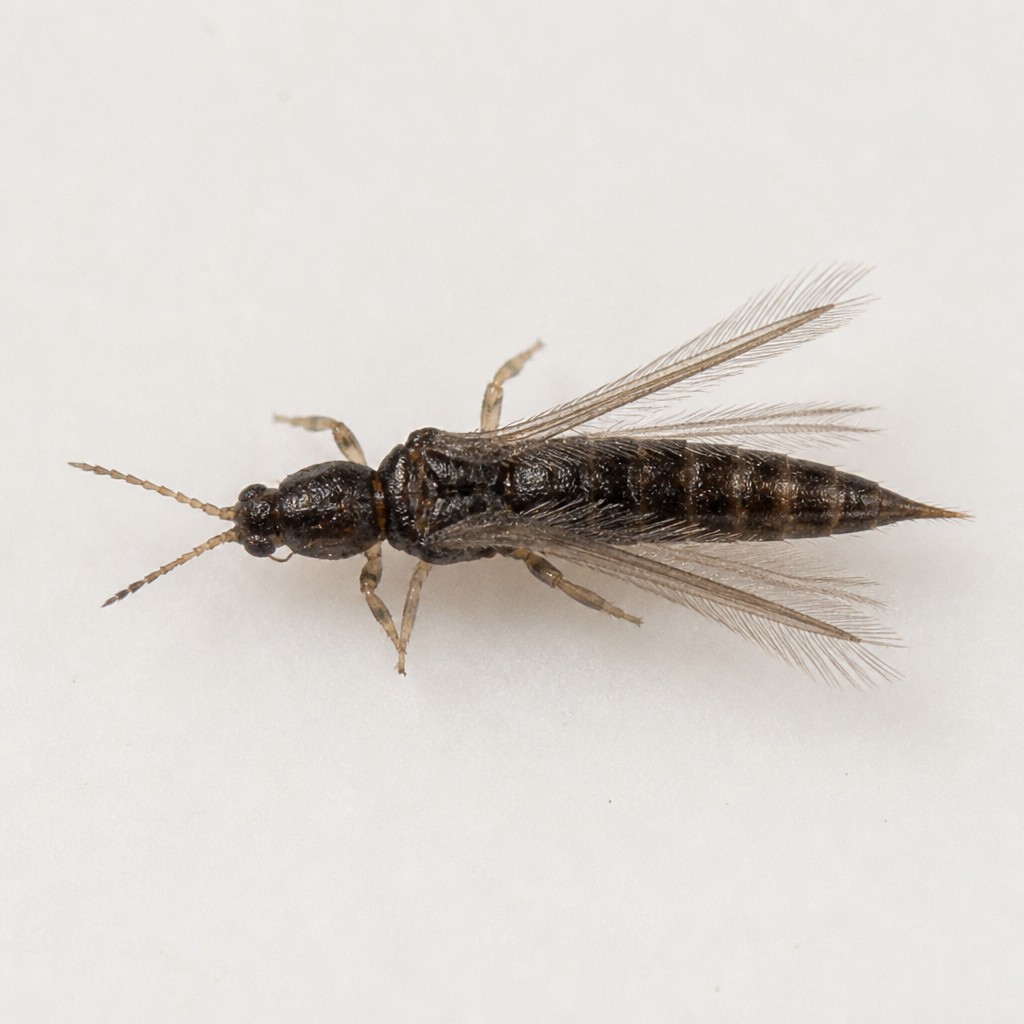
Thrips
A minuscule, slender insect with fringed, feather-like wings, often noticed only as a fast-moving dark speck darting across a flower petal or windowsill.
other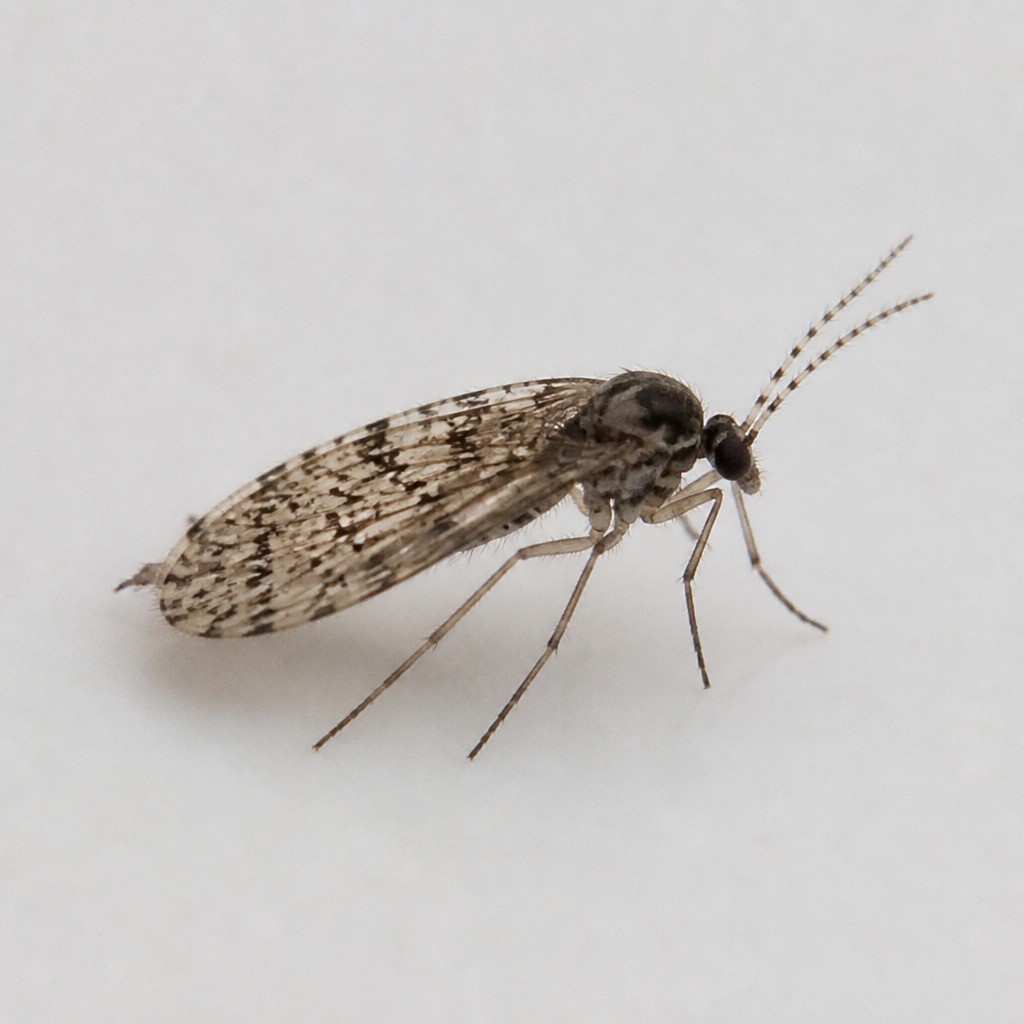
Punkie
An almost invisibly small biting fly that swarms near wetlands at dusk, where only the females take blood meals from animal hosts.
fly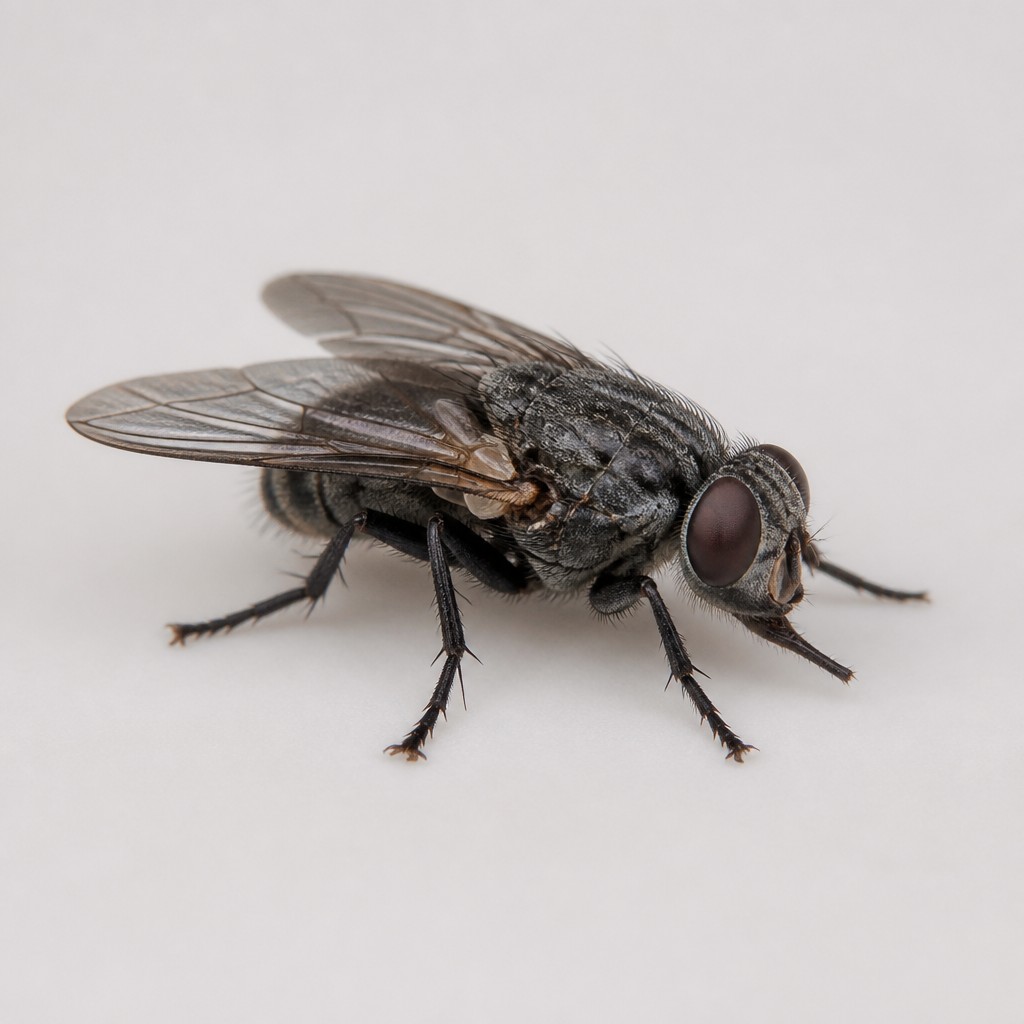
Horn Fly
A tiny, dark fly that clusters in dense patches on the backs and shoulders of grazing cattle, using piercing mouthparts to take frequent small blood meals.
fly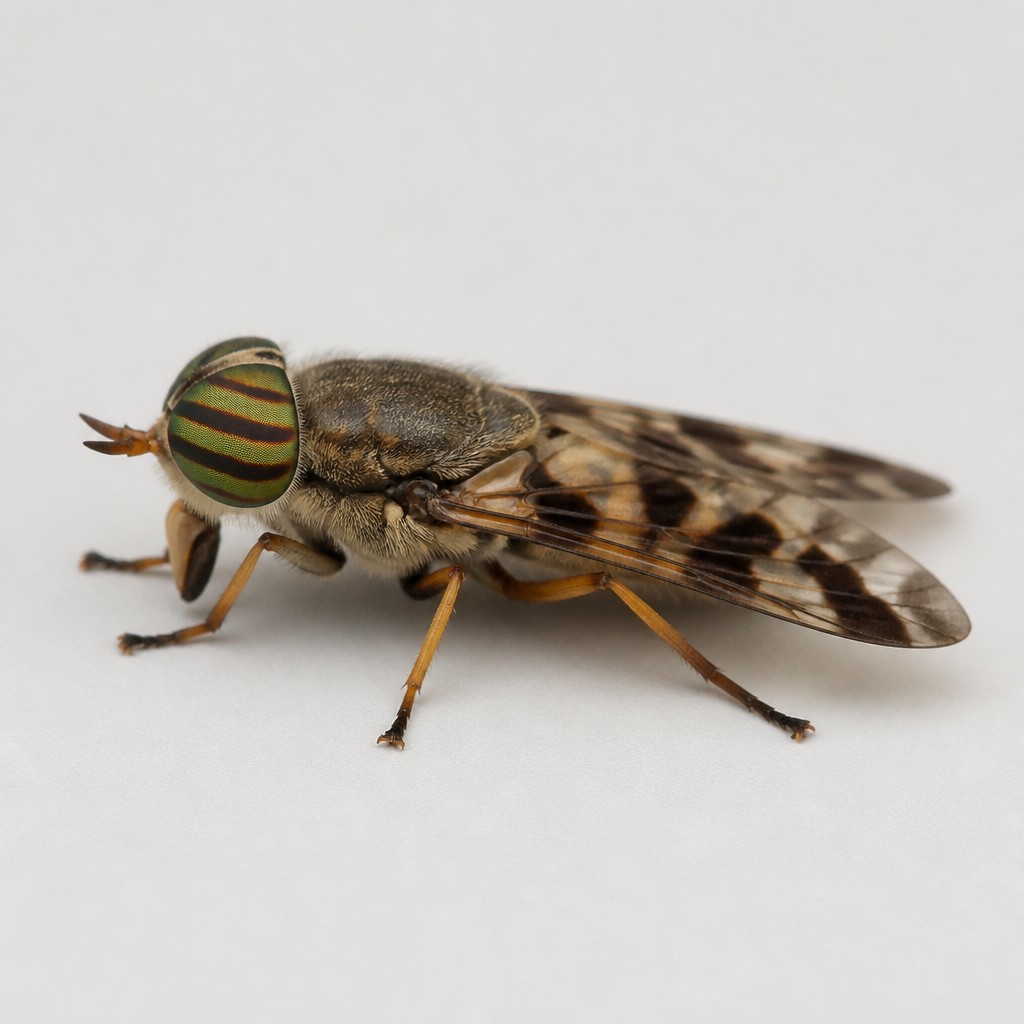
Deer Fly
A small but aggressive fly with strikingly patterned, dark-banded wings and bright green or gold eyes, often circling the head and shoulders while hunting for a blood meal.
fly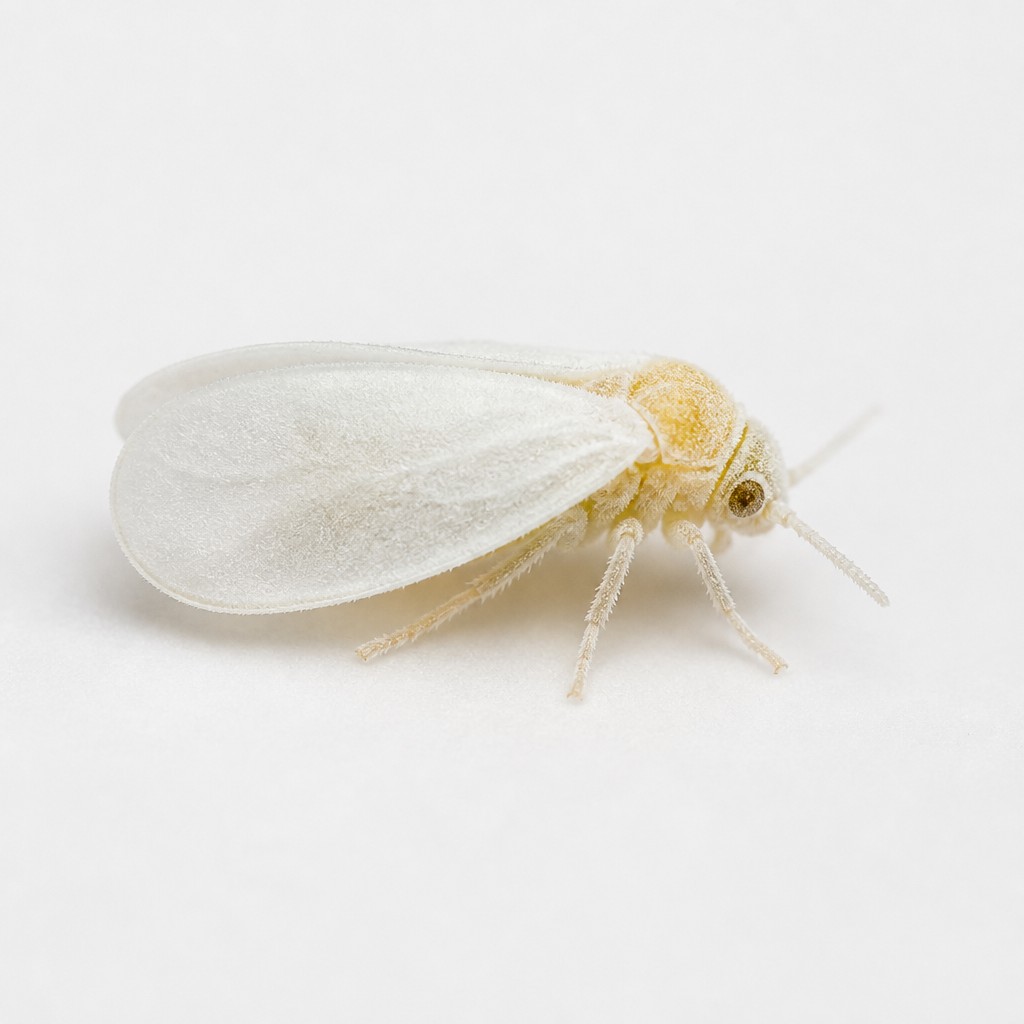
Whitefly
A tiny, moth-like white insect that clusters on the undersides of leaves and bursts into a snowy cloud when the plant is disturbed. Despite the name, it is not a true fly but a sap-feeding relative of aphids and scale insects.
true-bug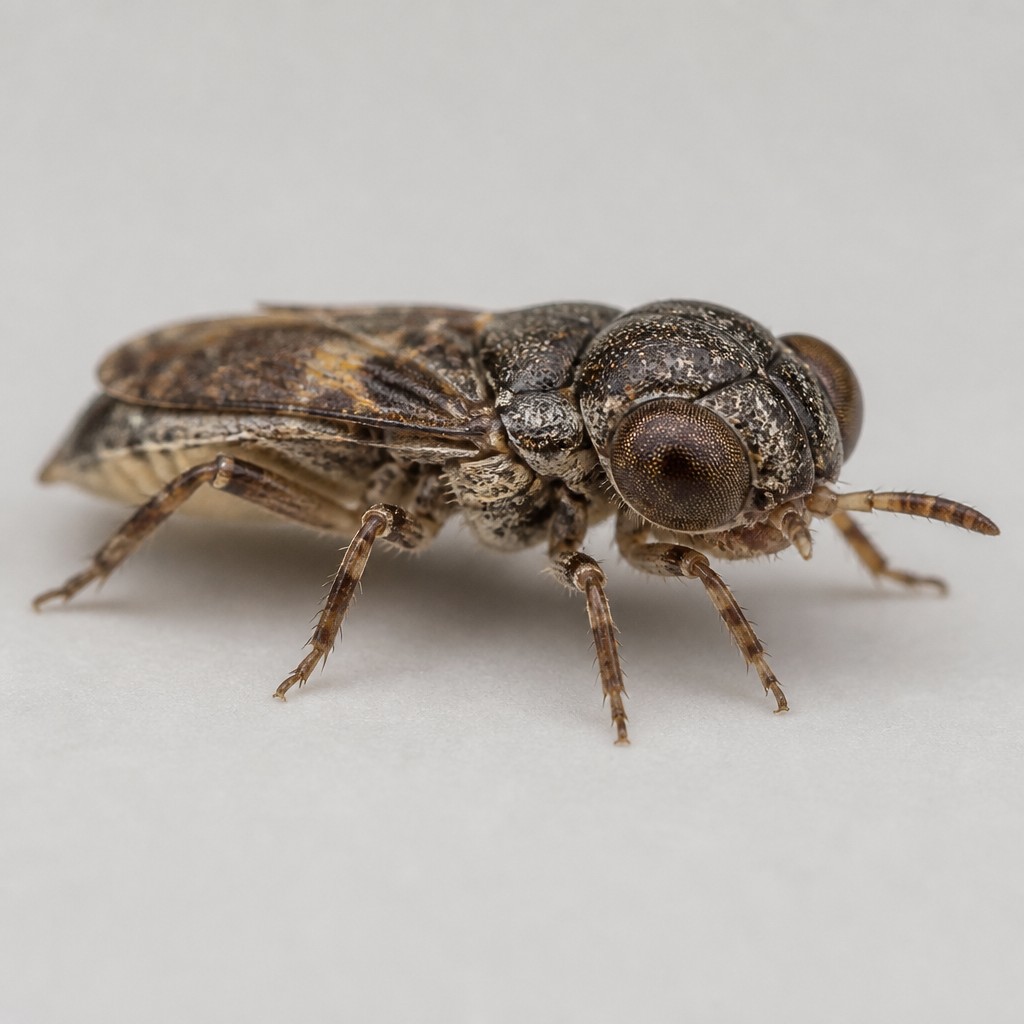
Big-Eyed Bug
A small, broad-headed true bug named for its noticeably large, bulging compound eyes, the big-eyed bug is a beneficial predator that patrols low vegetation and soil surfaces for small pest insects.
true-bug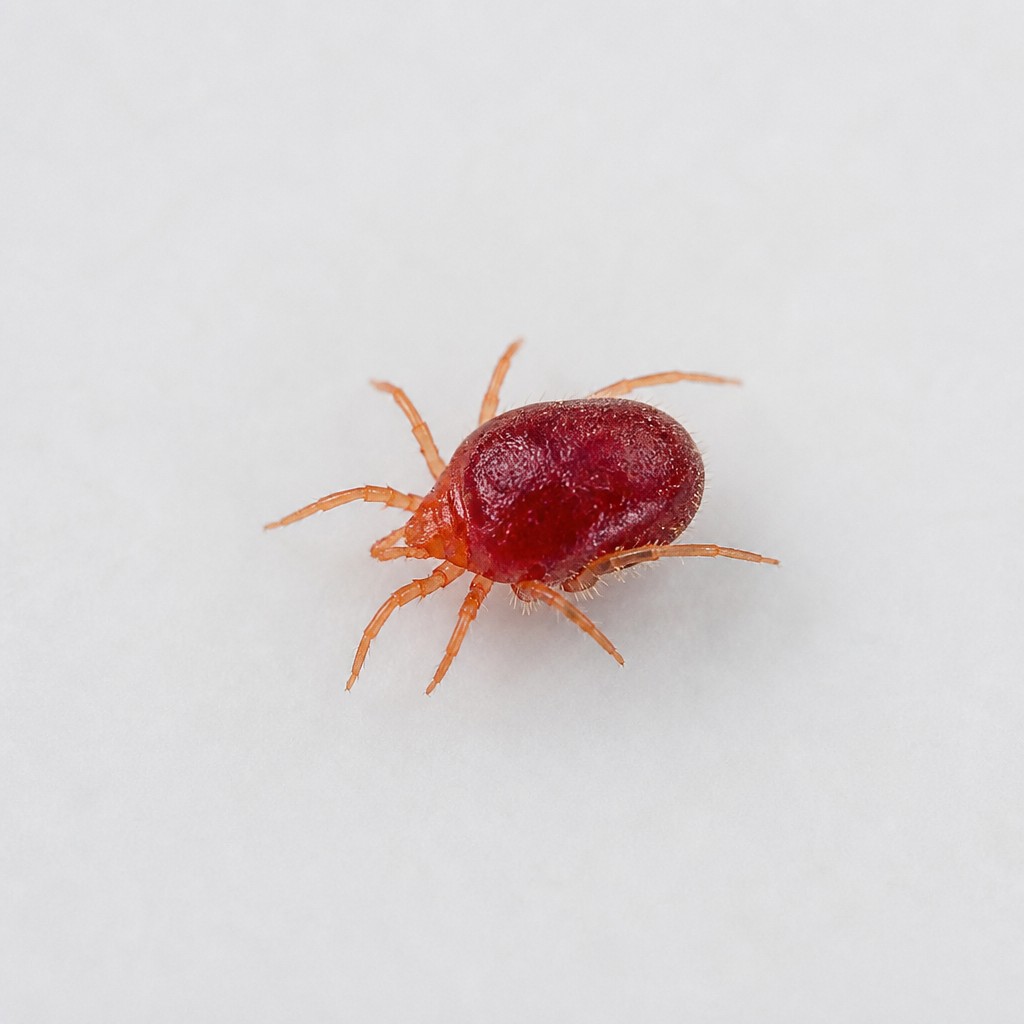
Chicken Mite
A tiny, blood-feeding mite that hides in cracks and crevices of poultry housing by day and emerges at night to feed on roosting birds, turning a dull gray to deep red after a blood meal.
arachnid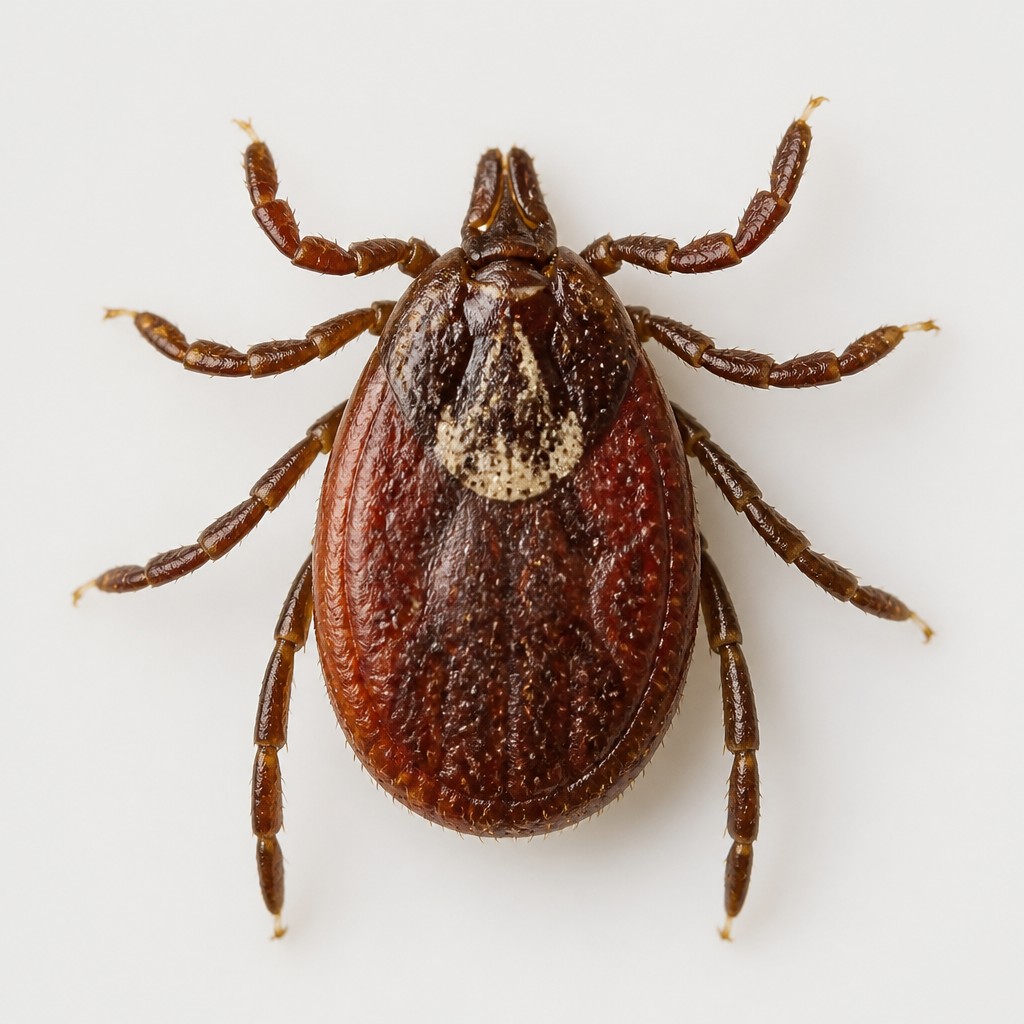
Tick
A small, flattened, oval arachnid with a hard shield-like plate on its back that waits on vegetation and attaches to passing hosts to feed on blood, swelling considerably once fed.
arachnid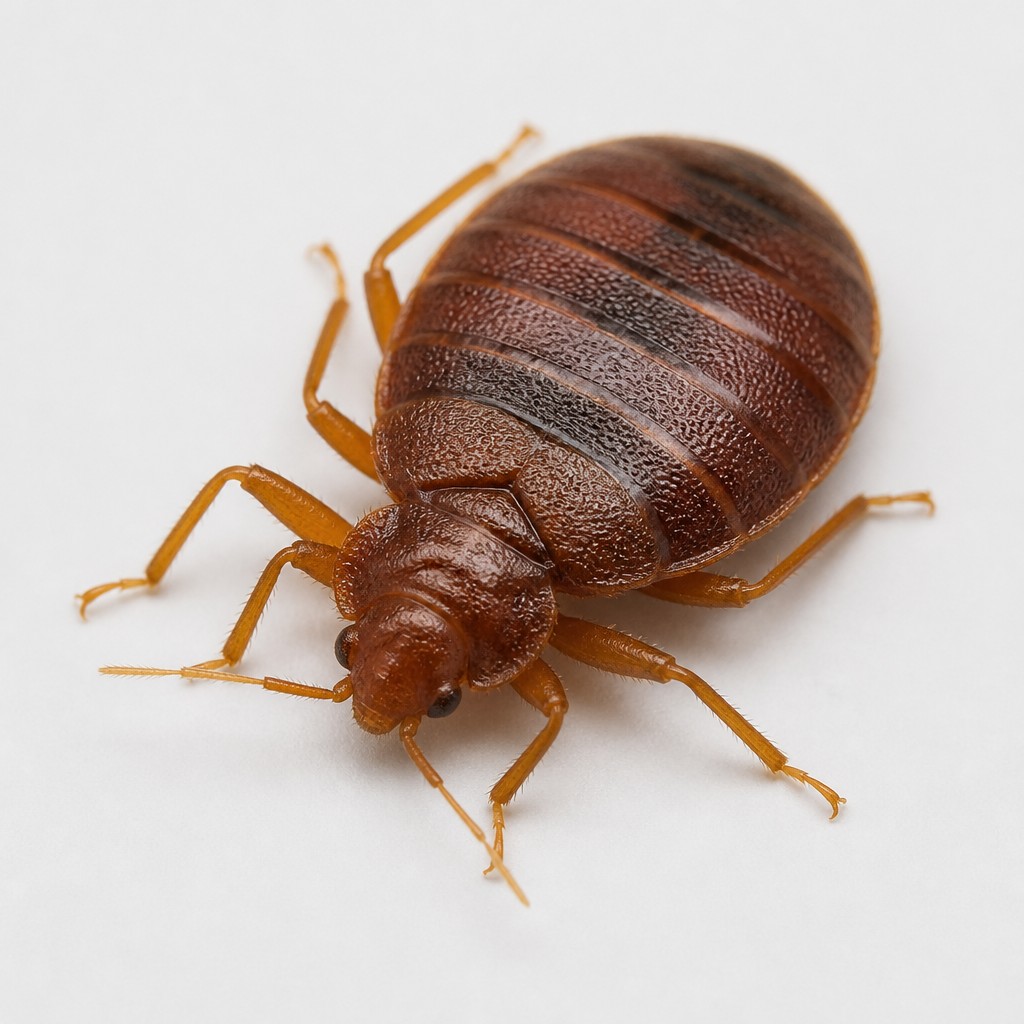
Bed Bug (Bat Bug)
A small, flat, reddish-brown, wingless true bug that hides in tight seams and crevices by day and feeds on blood at night, closely related to the bat bug, which occupies a similar niche in bat roosts.
true-bug