
Bug Encyclopedia
Search and identify bugs & insects — beetles, butterflies, moths, ants, bees, spiders and more — with size, habitat, danger, behavior, and how to tell them apart.
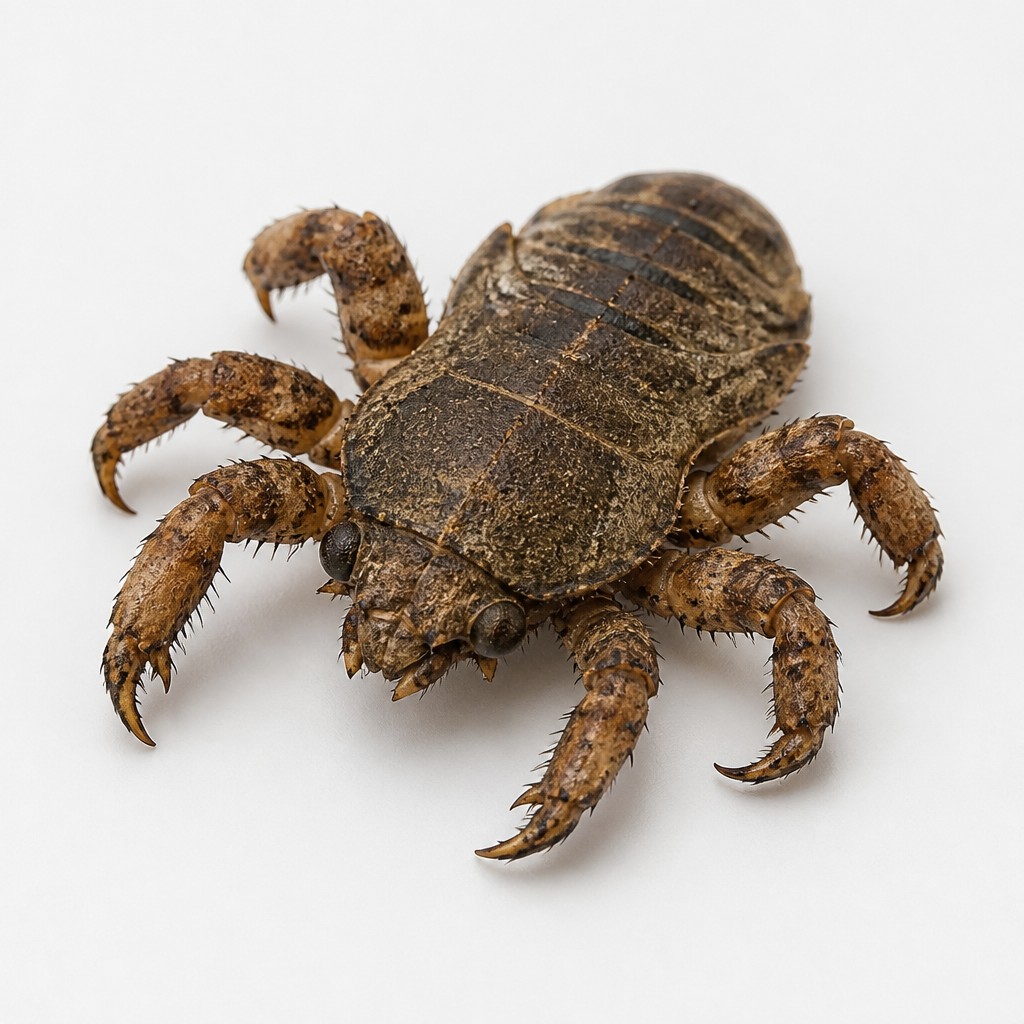
Louse Fly
A flattened, leathery-bodied fly that clamps onto fur or feathers with stout claws and scuttles sideways like a tiny crab rather than taking flight when disturbed. Several species shed their wings for good once they settle on a permanent host, spending the rest of their lives buried in fleece or plumage.
fly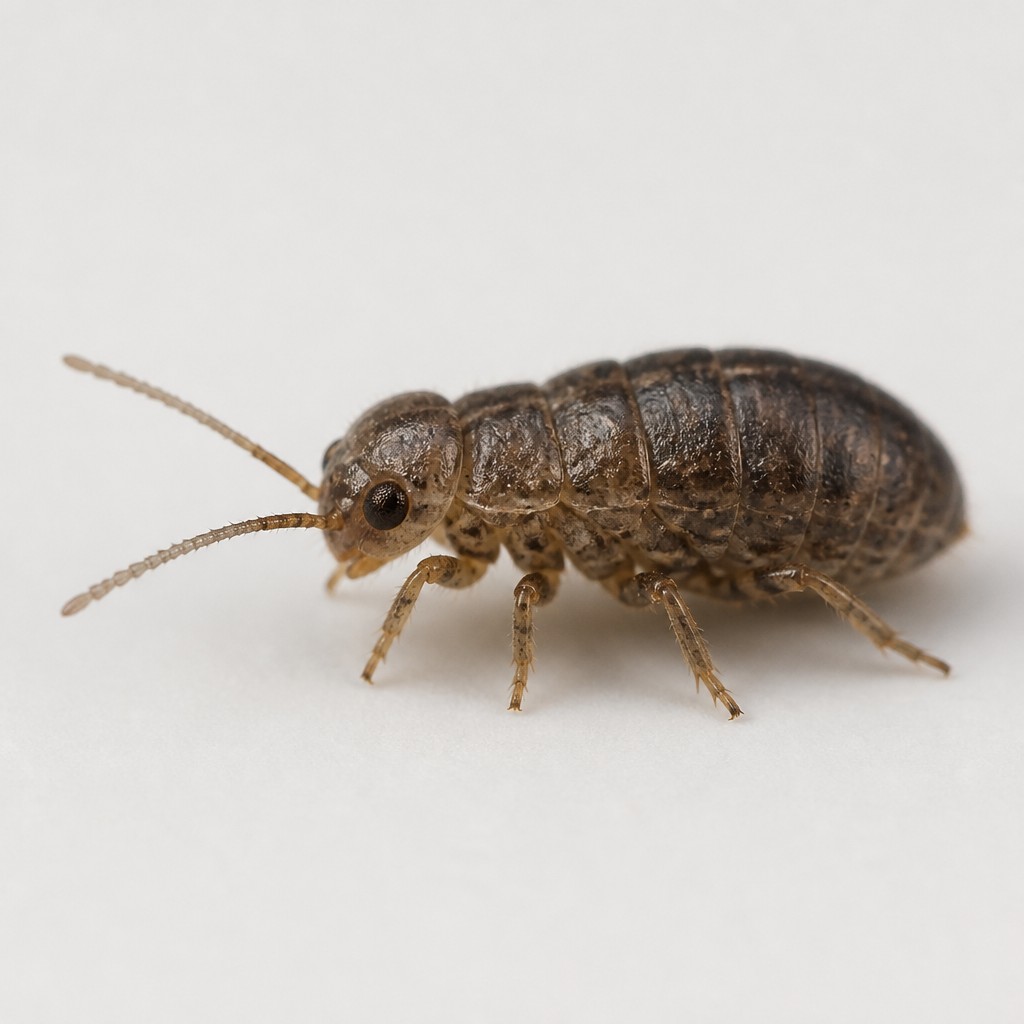
Bark Louse
A small, soft-bodied insect often seen in dense, moving herds on tree trunks, the bark louse grazes on algae, lichen, and fungal residue coating bark surfaces.
other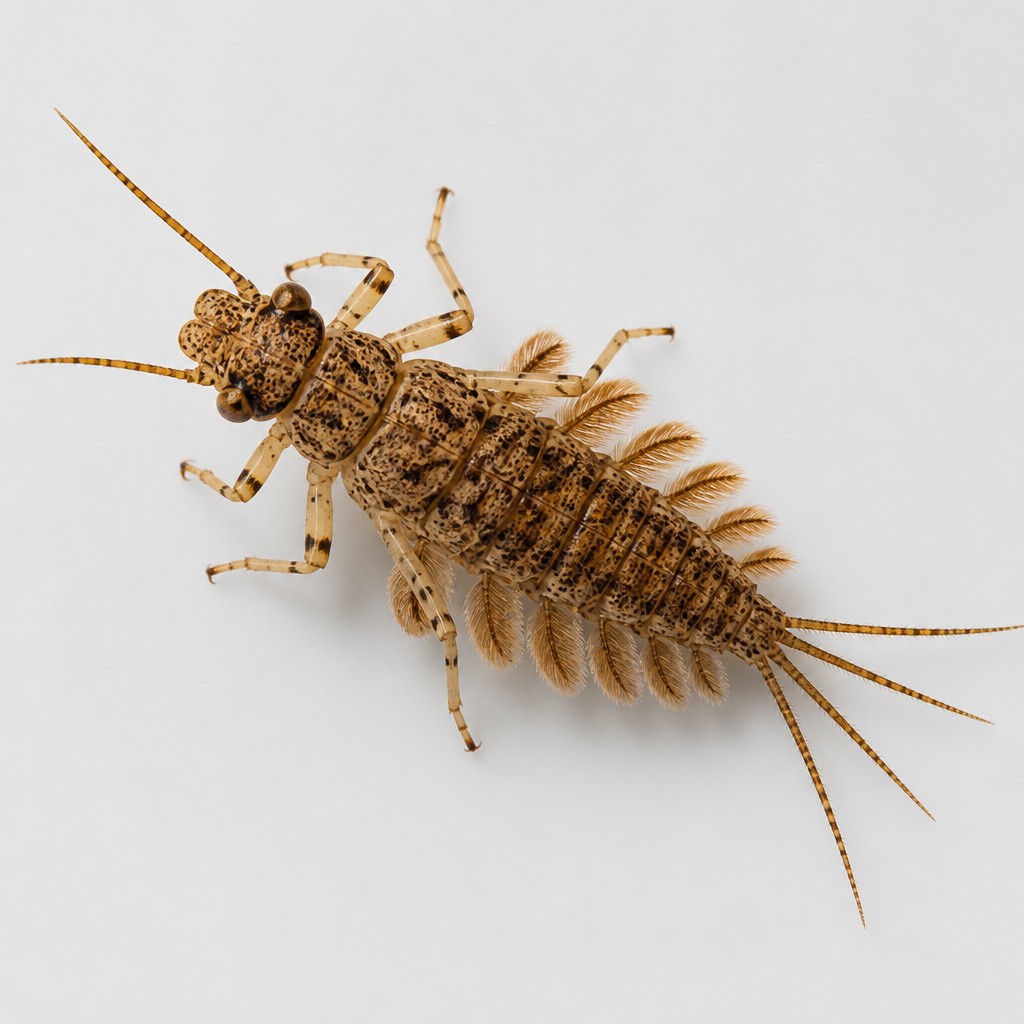
Mayfly Nymph
A short-lived aquatic grazer with feathery gills along its abdomen, living for months underwater before a brief, spectacular mass emergence as a winged adult.
aquatic-insect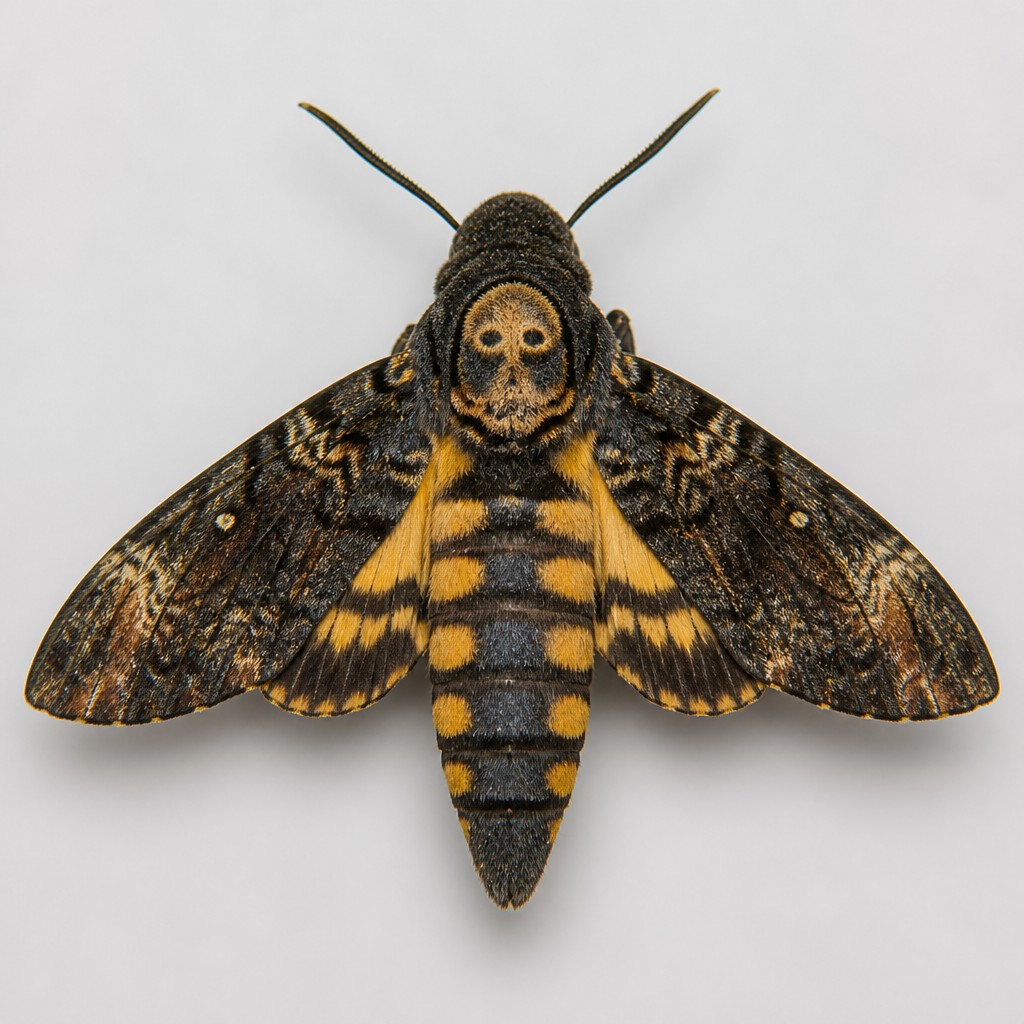
Death's-head Hawkmoth
A large, thick-bodied hawkmoth instantly recognized by the pale, skull-and-crossbones marking on its furry thorax, famous for entering beehives and letting out a shrill squeak when disturbed.
moth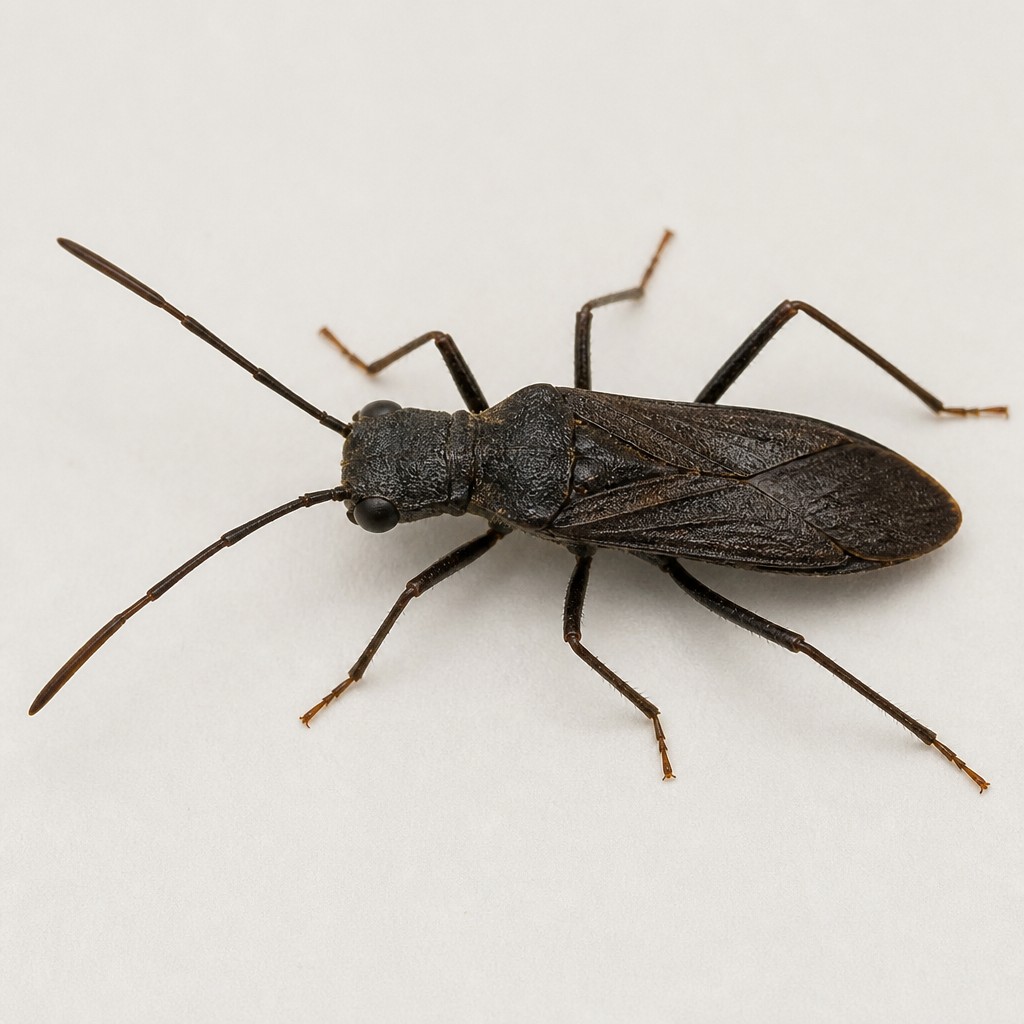
Broad-Headed Bug
A slender, dark true bug with a notably wide head, whose nymphs are remarkable ant mimics that scurry among leaf litter before maturing into fliers that resemble small leaf-footed bugs.
true-bug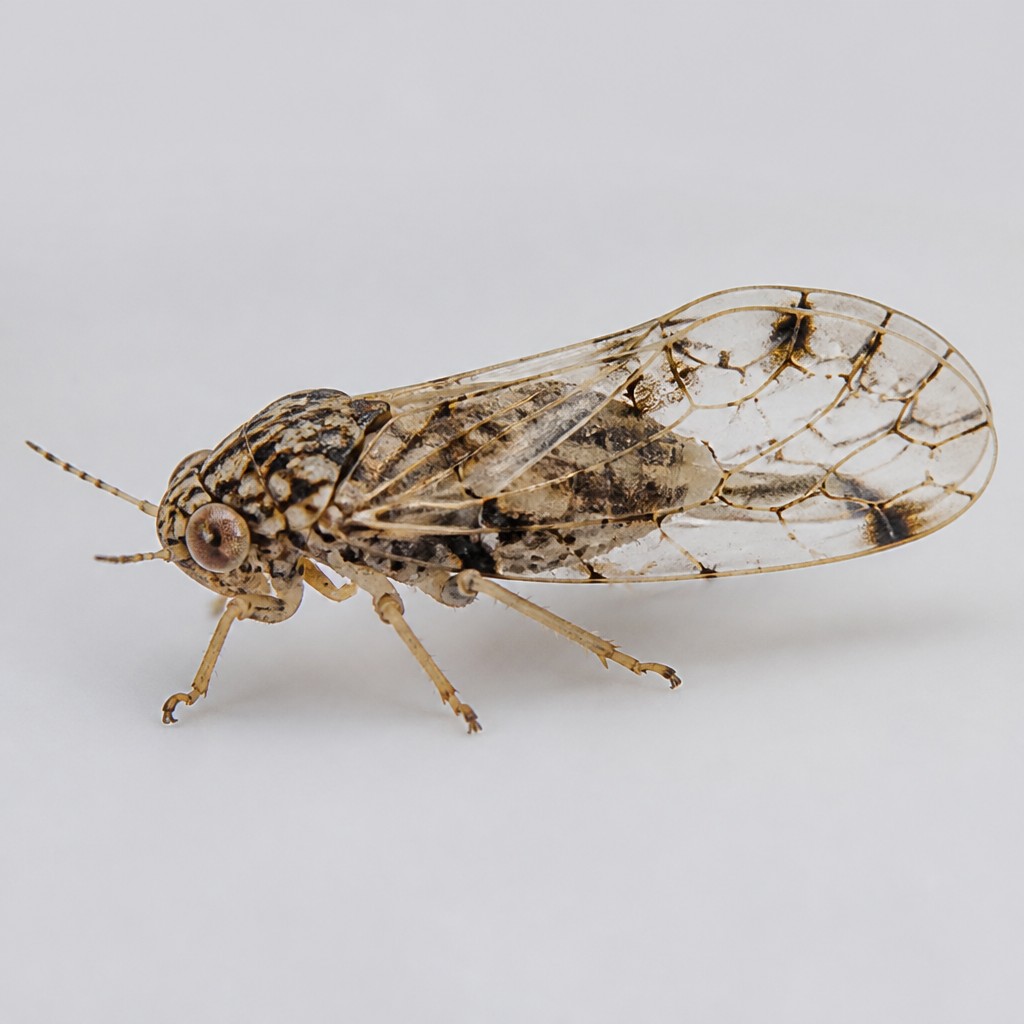
Psyllid
A tiny, sap-sucking hopper that resembles a miniature cicada and springs away in a blur when its host leaf is disturbed.
true-bug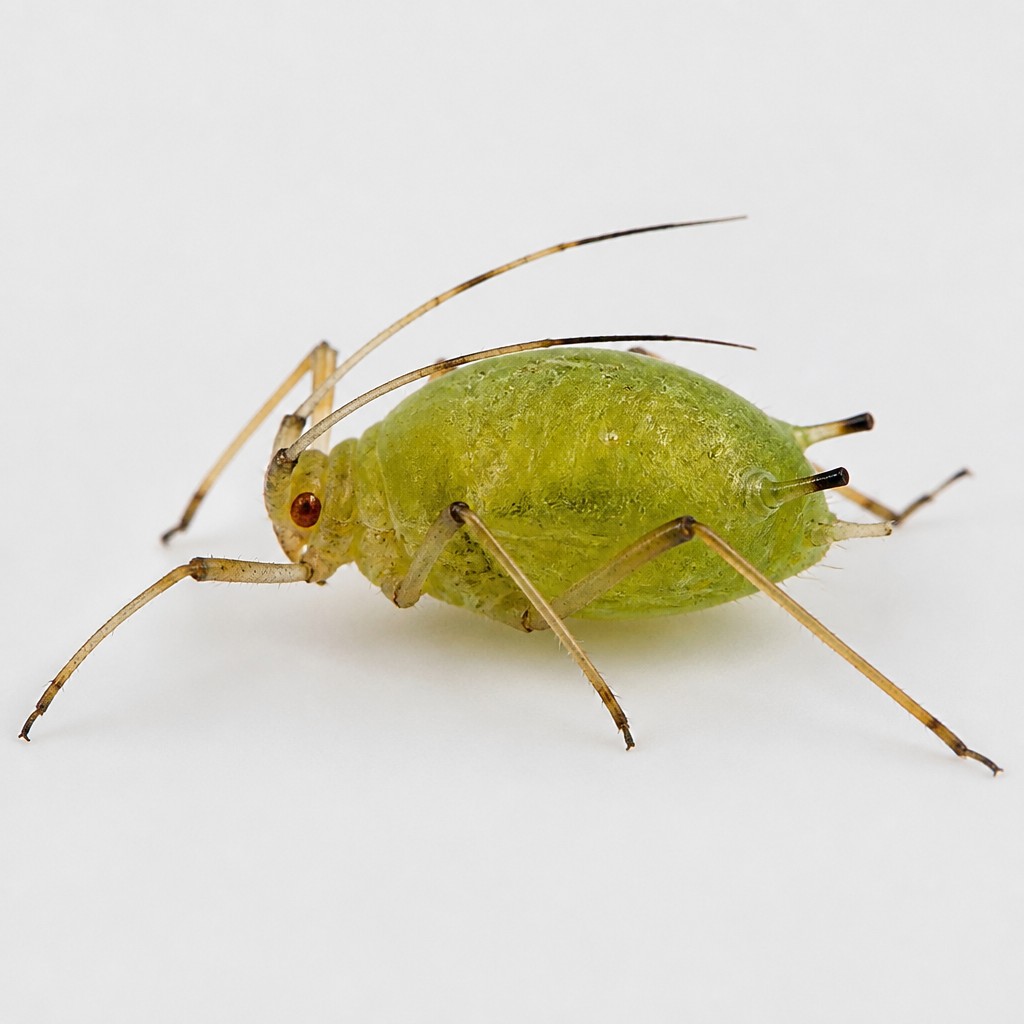
Aphid
A tiny, soft-bodied, pear-shaped insect that clusters in dense colonies on plant stems and leaf undersides, feeding on sap through needle-like mouthparts and often coated in sweet honeydew.
true-bug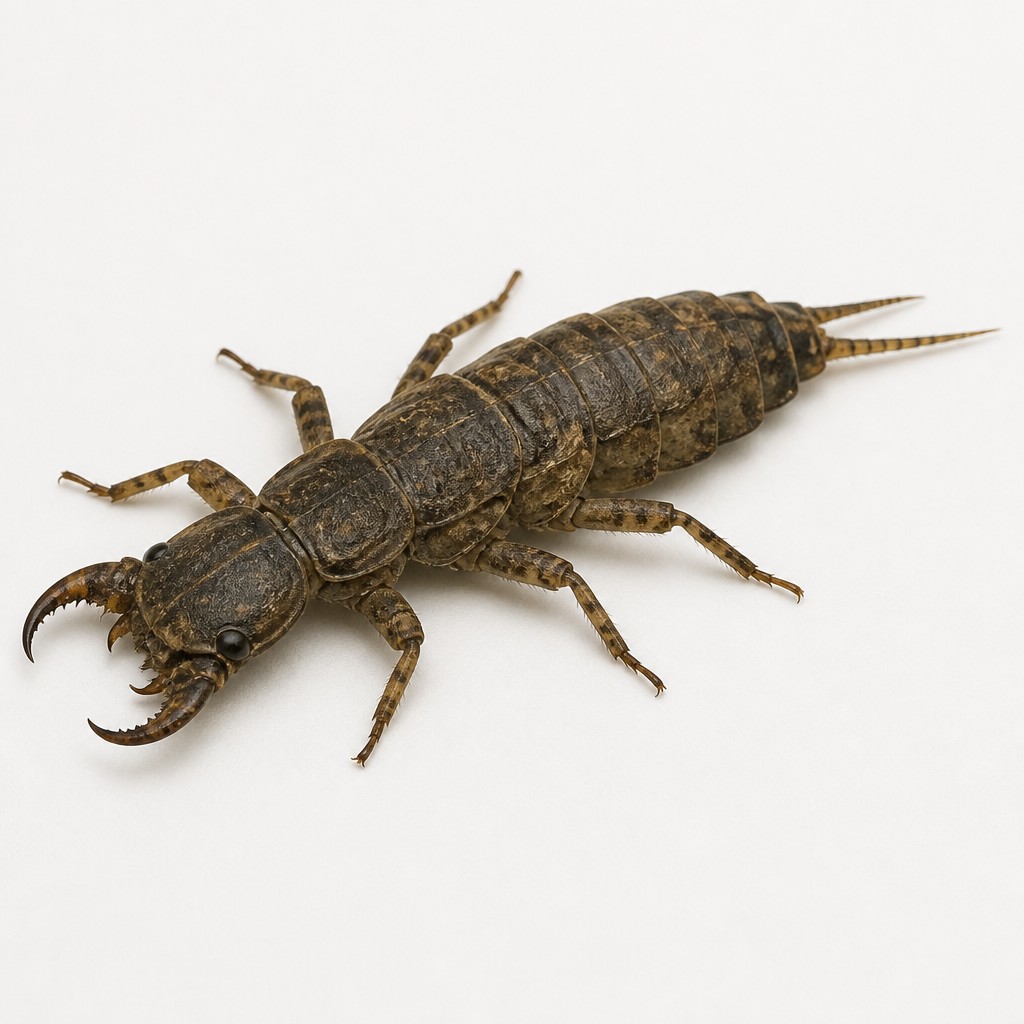
Fishfly Larva
A flattened, armor-plated predator of stream bottoms, the fishfly larva spends one to three years underwater seizing prey with sickle-shaped jaws before briefly taking wing as a short-lived winged adult.
aquatic-insect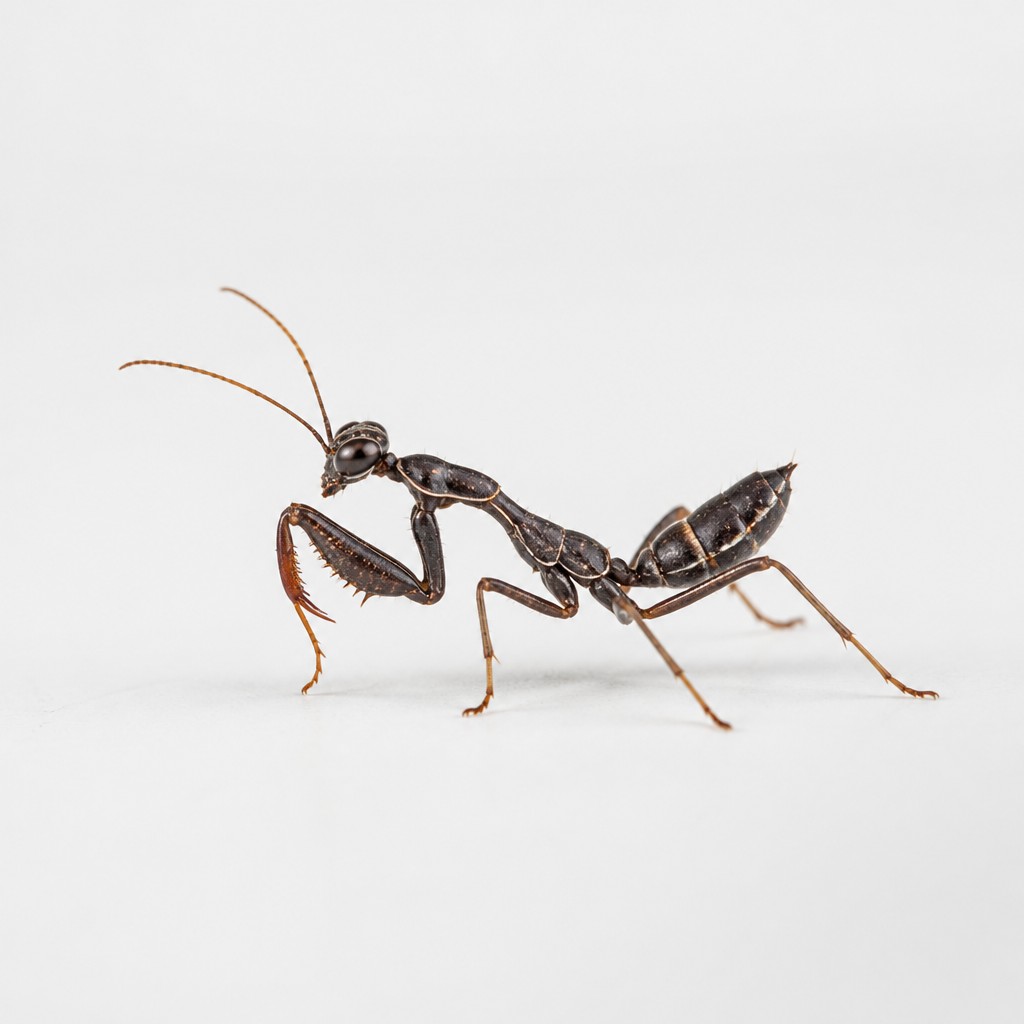
Ant-mimicking Mantis
As a tiny nymph, this mantis moves in quick, jerky bursts to imitate a scurrying ant, a clever disguise it gradually sheds as it grows into a typical-looking adult mantis.
mantis-stick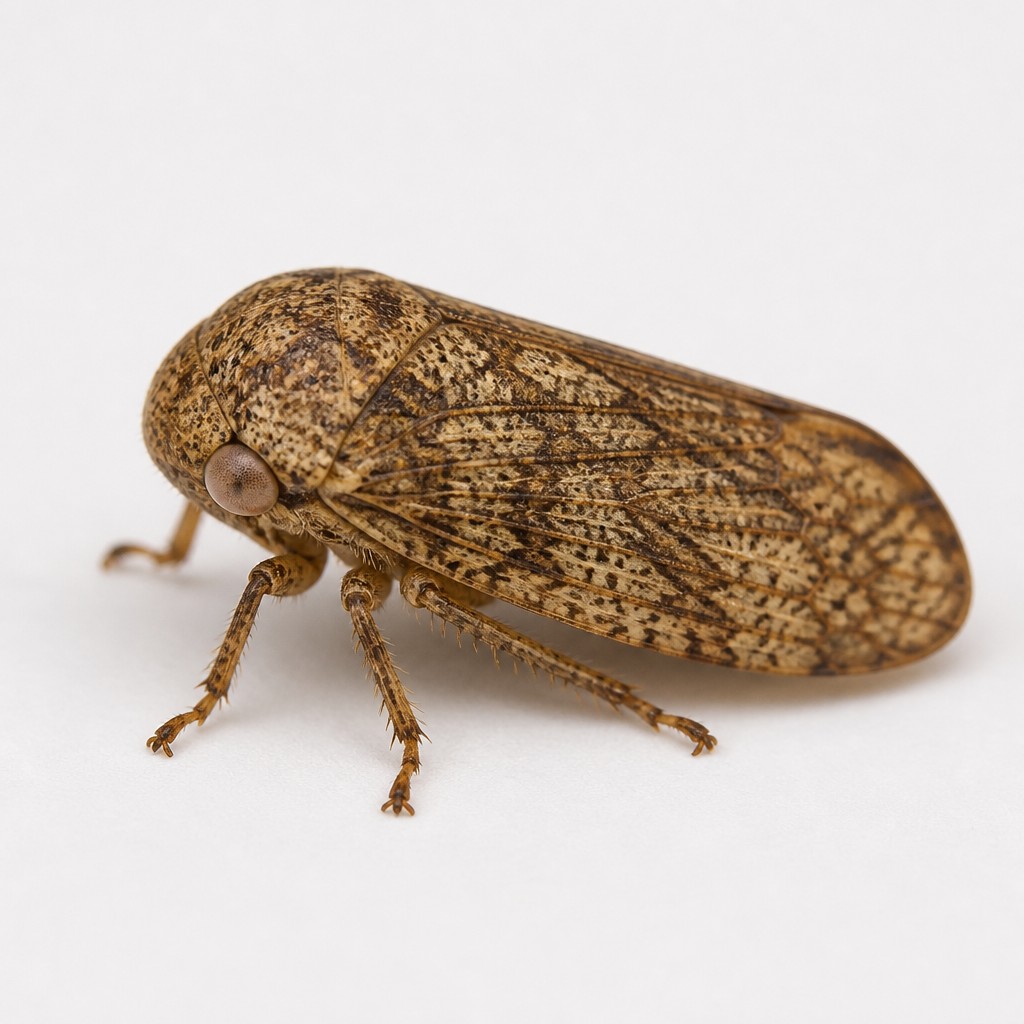
Meadow Spittlebug
A small, mottled hopping true bug whose immature nymphs are far more often noticed than the adults, hidden inside frothy blobs of white foam known as cuckoo spit on plant stems.
true-bug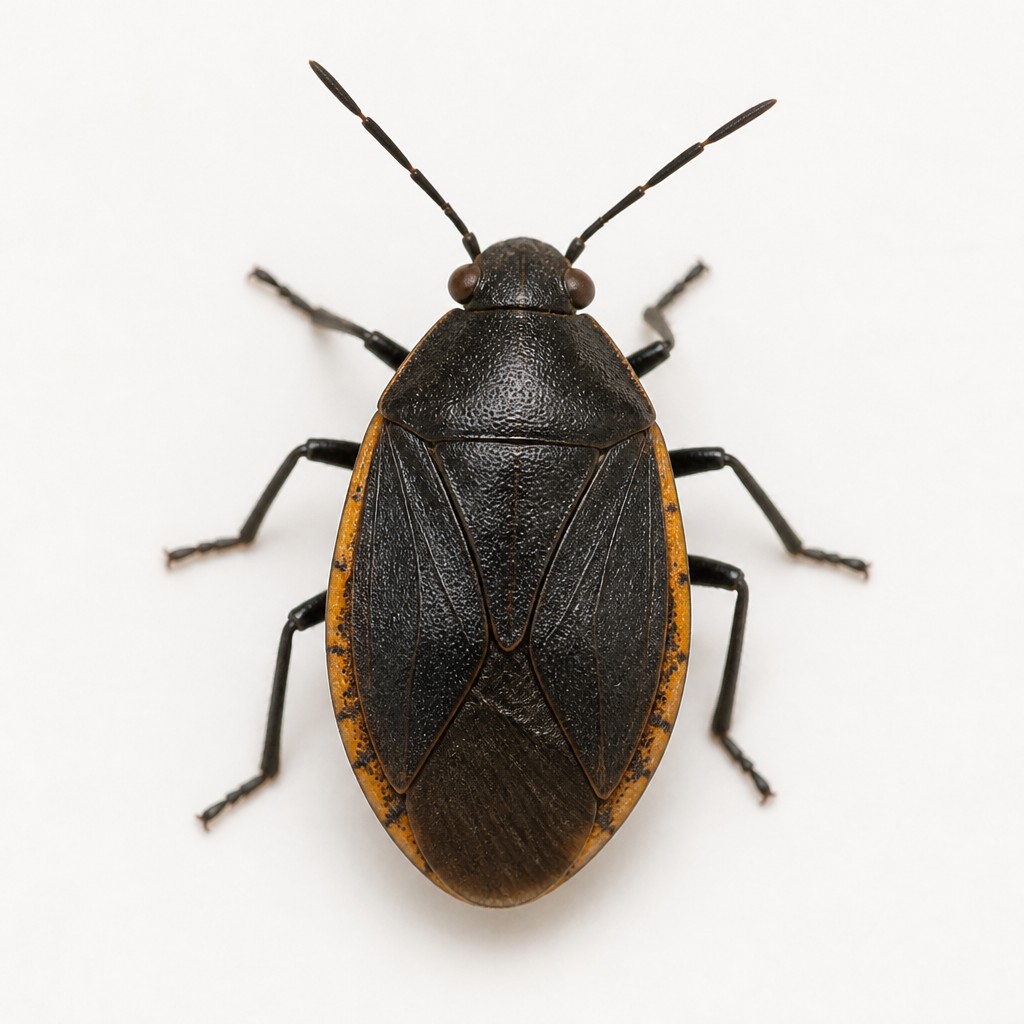
Bordered Plant Bug
A dark, oval-bodied true bug with a distinct pale margin around its wing edges, often mistaken for a large ant or beetle when its nymphs cluster together in tight groups.
true-bug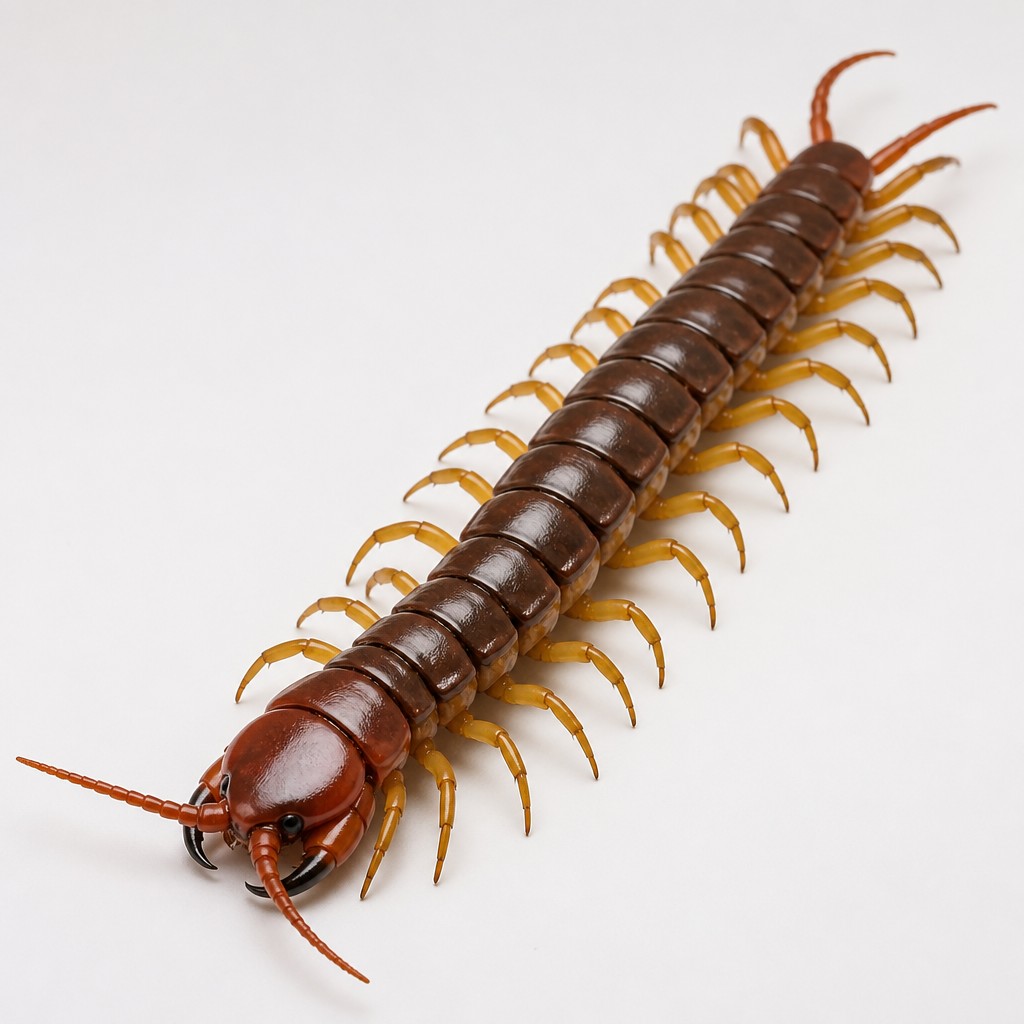
Giant Centipede
A long, fast-moving, many-legged predator with a hardened segmented body and a pair of venom-injecting claws behind the head that it uses to overpower prey far larger than itself.
myriapod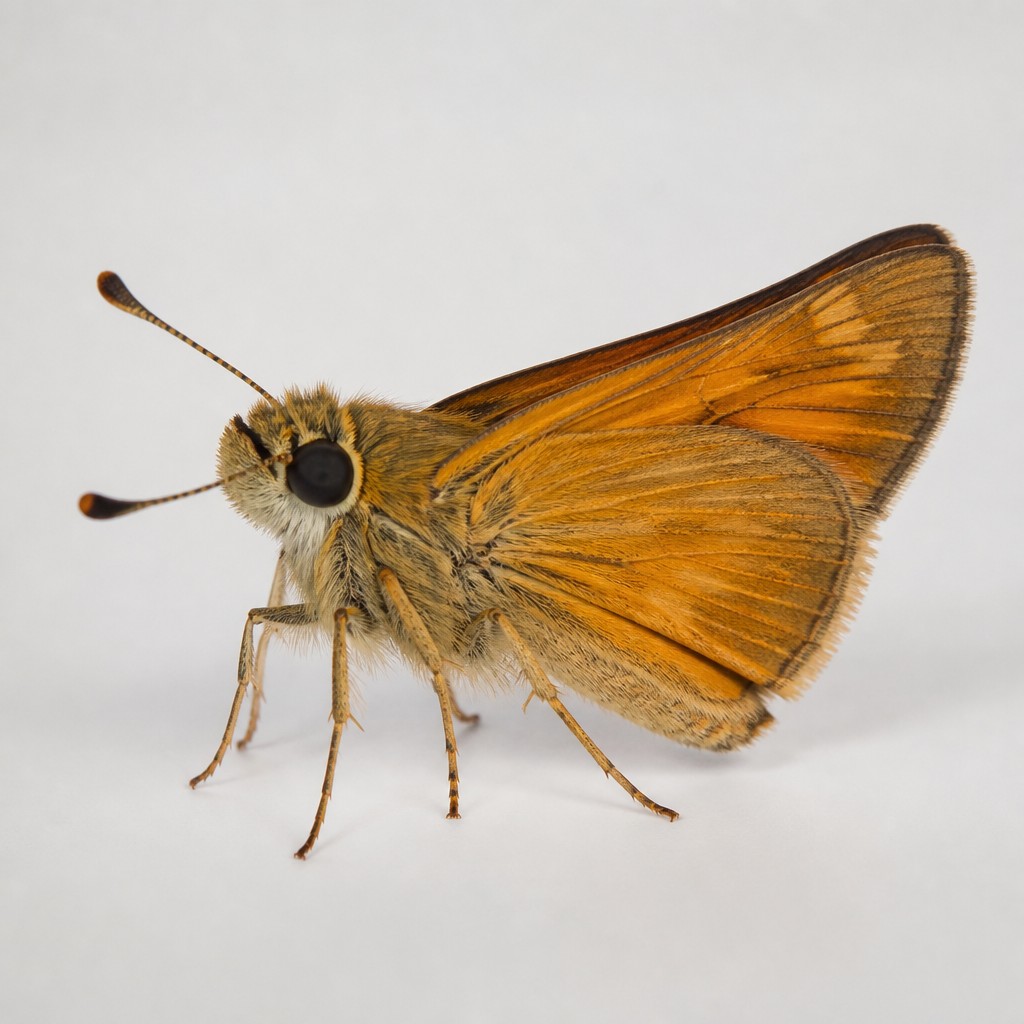
Skipper Butterfly
A stocky, fast-darting butterfly with a large head, hooked antennae tips, and thick furry body, intermediate in appearance between butterflies and moths, named for its quick, skipping flight.
butterfly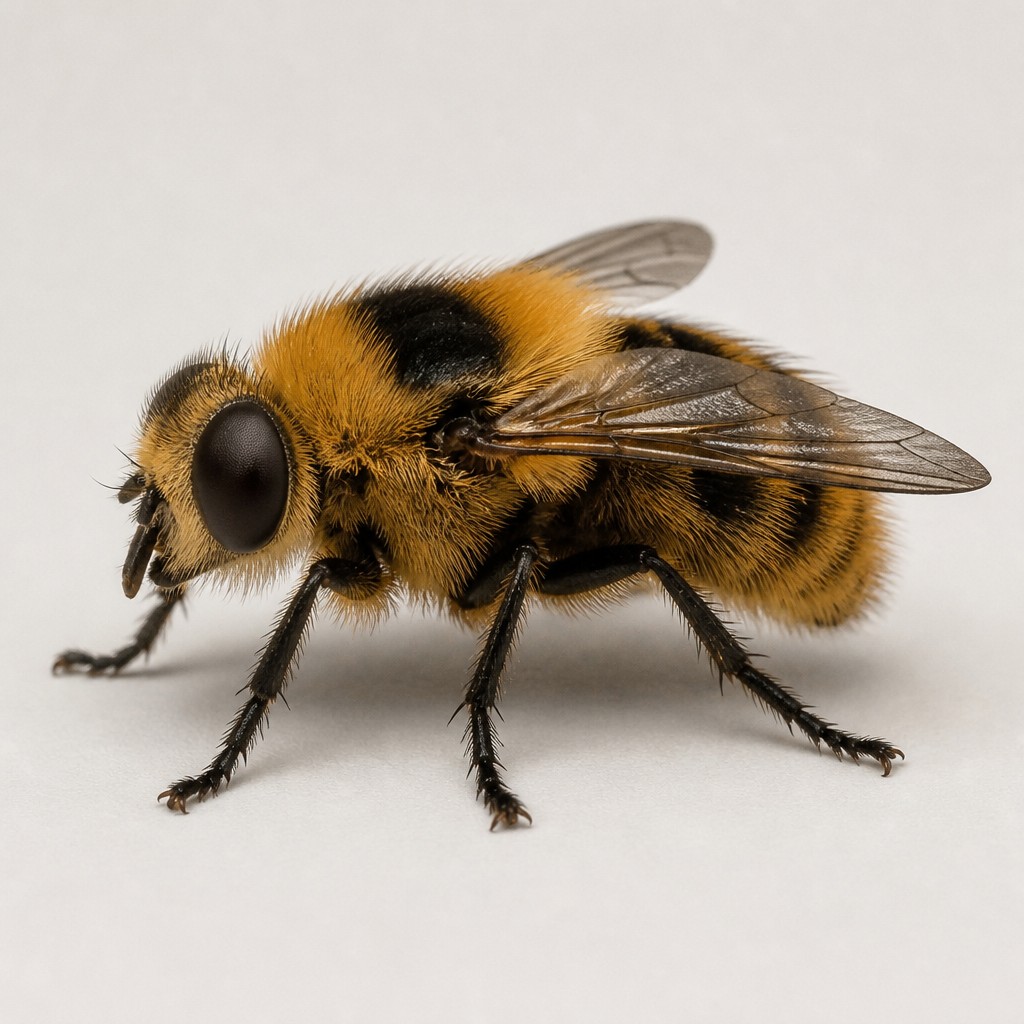
Warble Fly
A furry, bee-mimicking fly that never lands on flowers or feeds as an adult, spending its brief life darting around grazing cattle to lay eggs on their legs and lower body. Herds sometimes react with sudden panicked runs, known as gadding, whenever a warble fly approaches.
fly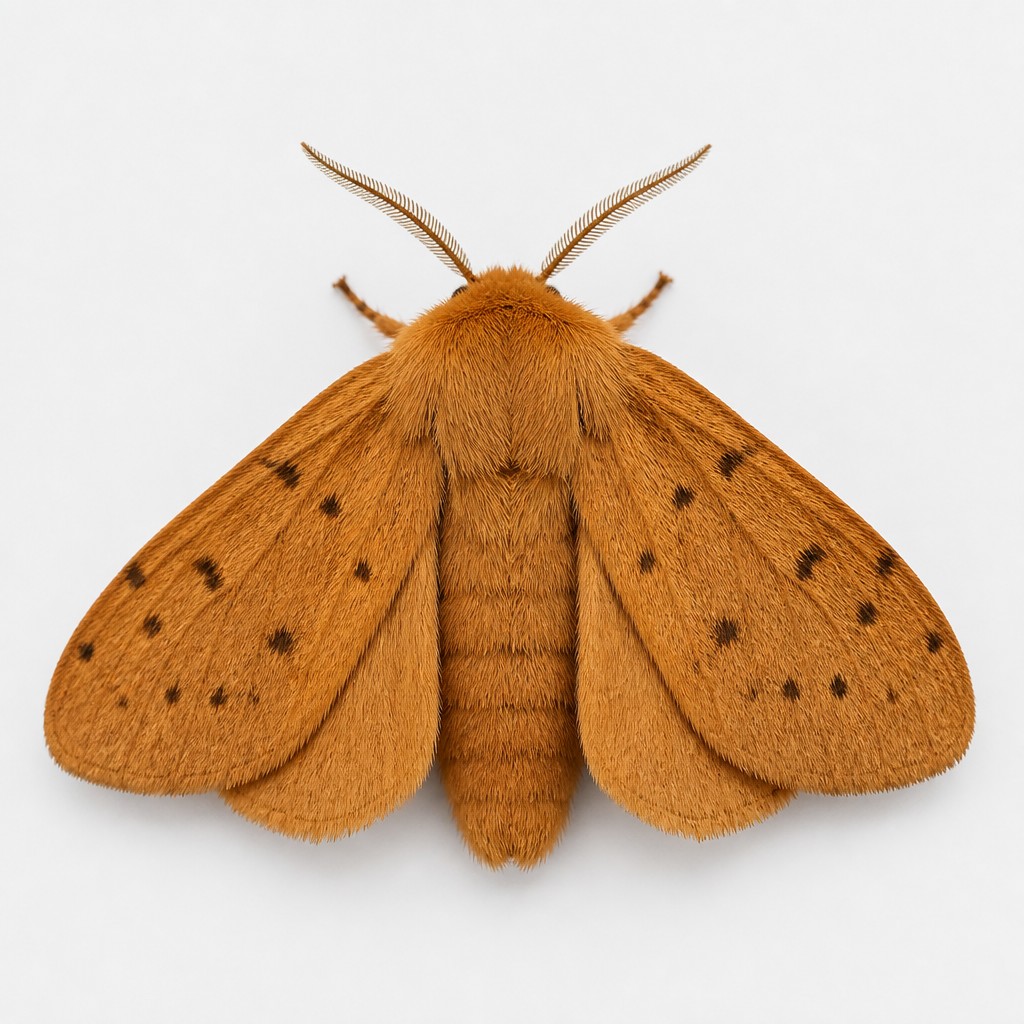
Isabella Tiger Moth (Woolly Bear)
Famous chiefly in its larval stage as the banded woolly bear caterpillar, this tiger moth's fuzzy black-and-rust-colored caterpillar is a familiar autumn sight, while the adult is a soft, tawny-orange moth with a stout, furry body.
moth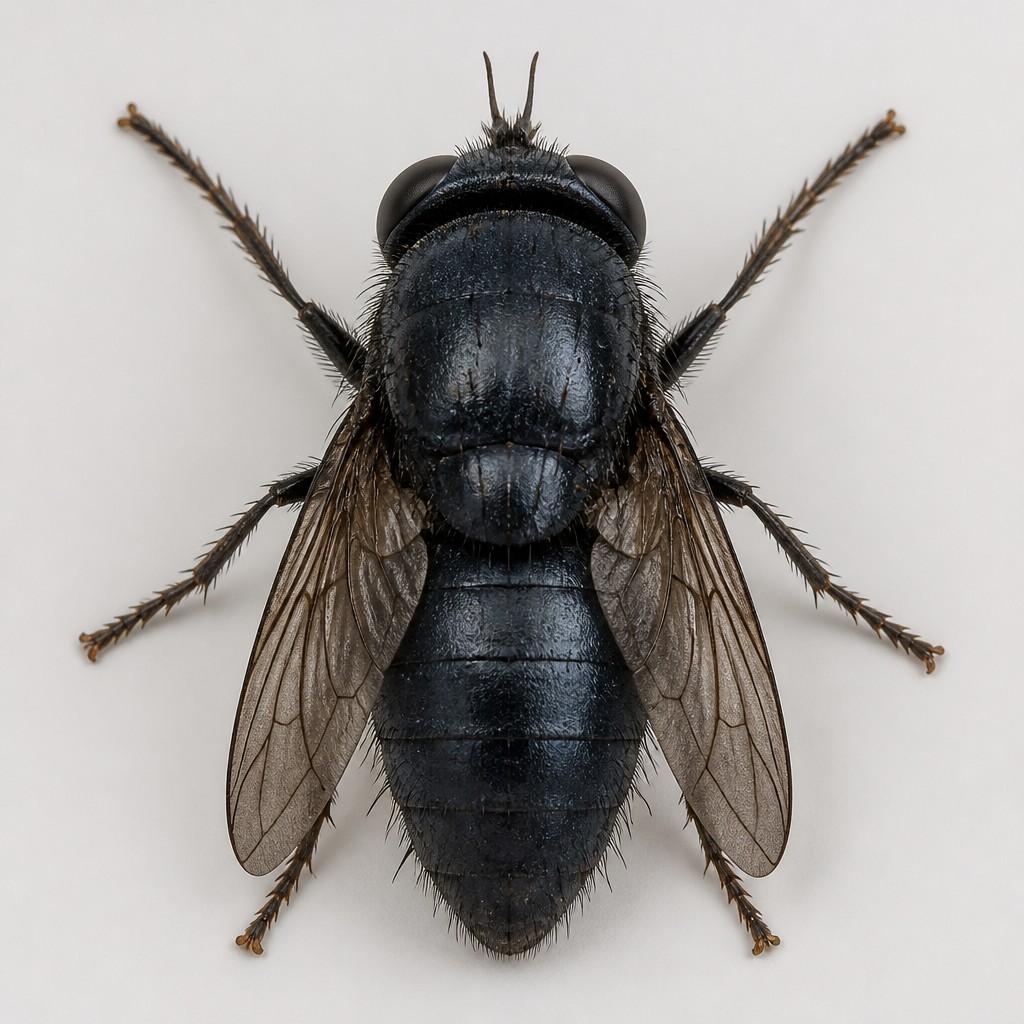
Human Bot Fly
A stout, dark-bodied fly from the American tropics famous for an unusual reproductive trick: it captures a blood-feeding mosquito mid-flight and glues its own eggs to the mosquito's body before releasing it to carry them to a future host. The adult itself is rarely seen, spending most of its short life in shaded forest understory.
fly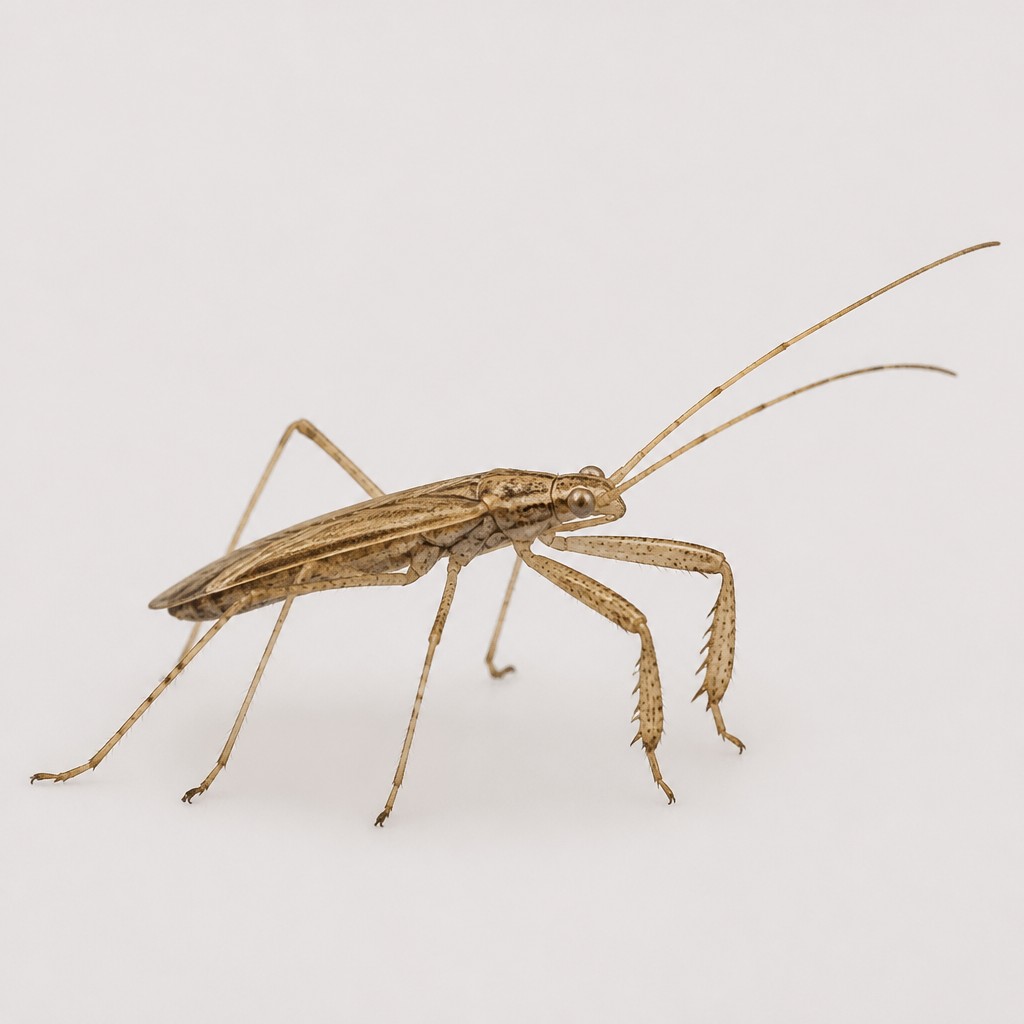
Damsel Bug
A slender, tan to brown true bug with a narrow head and elongated front legs adapted for grasping, the damsel bug is a common predator patrolling foliage for soft-bodied insects.
true-bug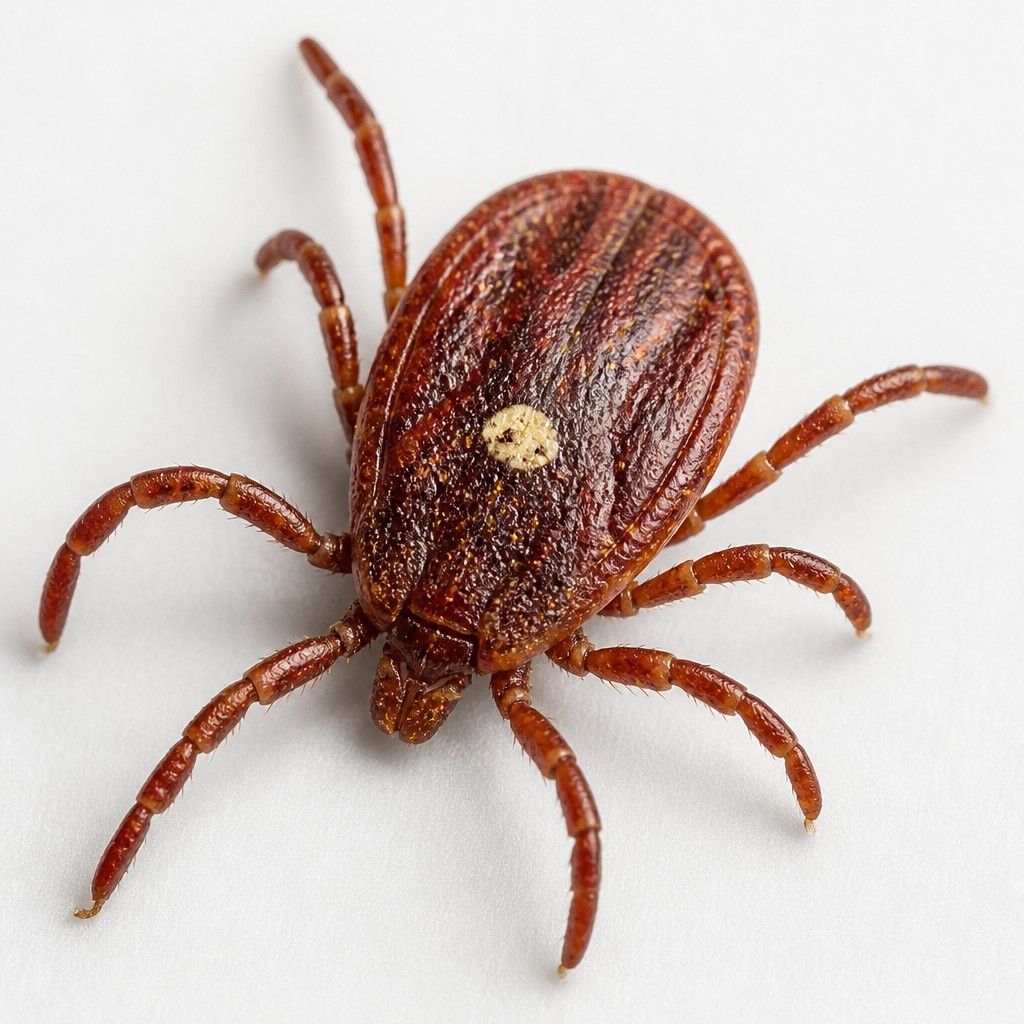
Lone Star Tick
Named for the single silvery-white spot on the back of the adult female, the lone star tick is unusually active for a tick, moving toward hosts rather than simply waiting for them to pass. Its reddish-brown, ornamented body makes it one of the easier North American ticks to identify at a glance.
arachnid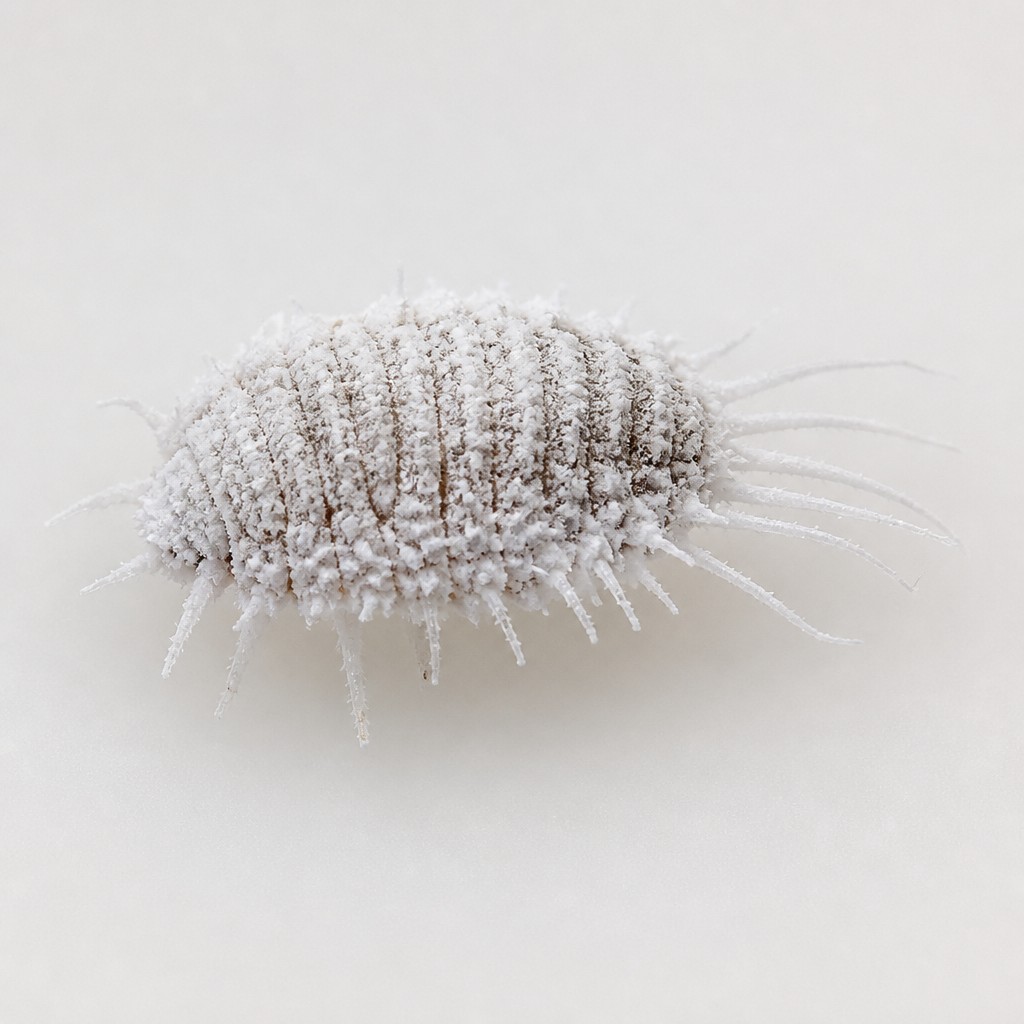
Mealybug
A soft, oval insect coated in a powdery white waxy secretion that gives it a fuzzy, cotton-like appearance, typically found clustered in leaf joints and along stems of houseplants.
true-bug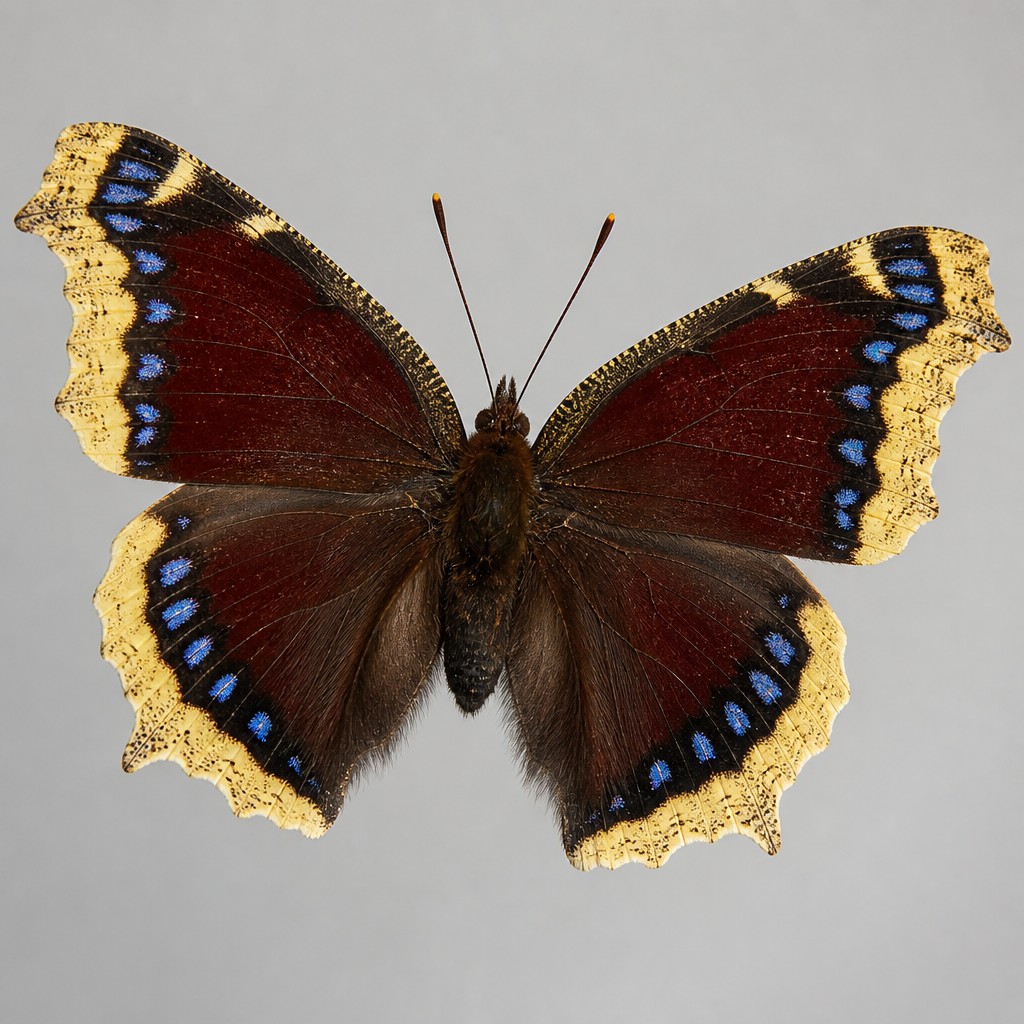
Mourning Cloak Butterfly
A deep maroon-brown butterfly bordered with a cream-yellow band and a row of iridescent blue spots, unusual among butterflies for overwintering as an adult and being one of the first to appear in early spring.
butterfly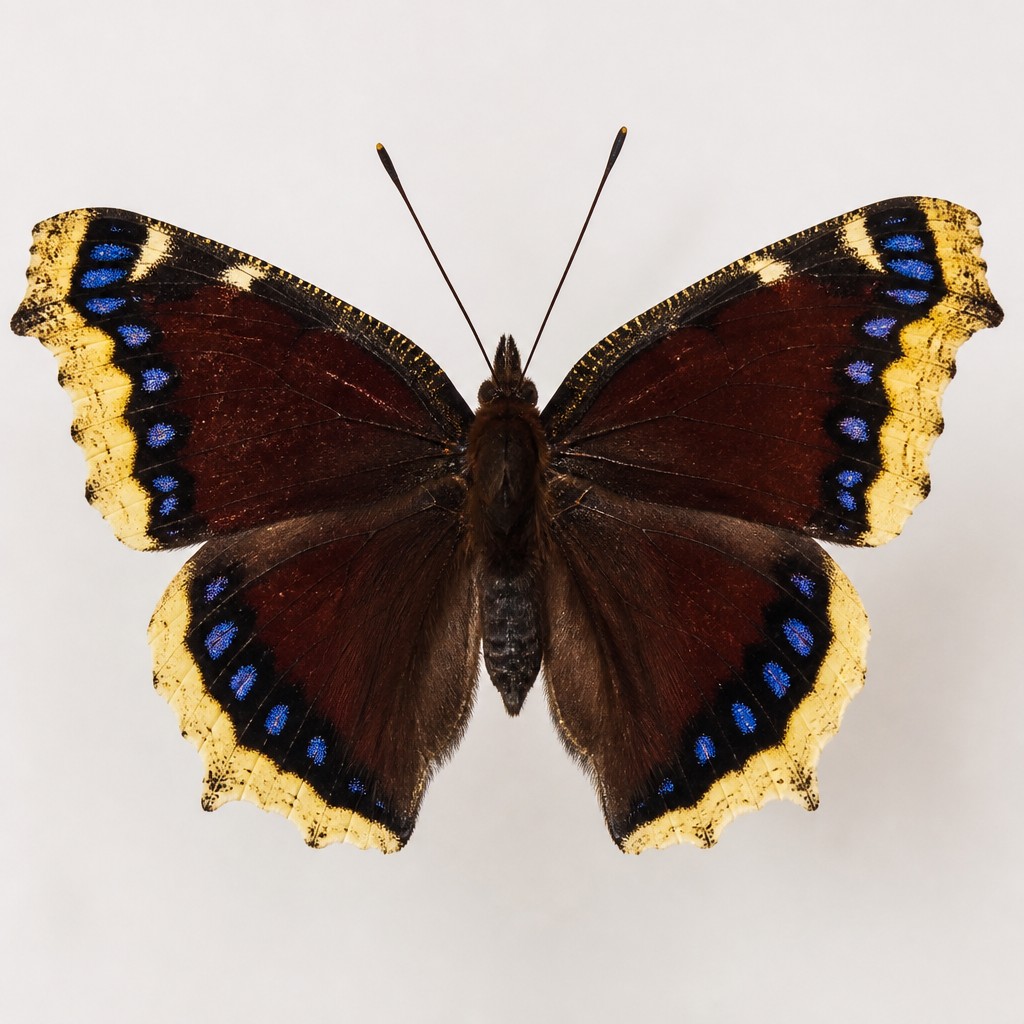
Mourning Cloak
A dark, velvety maroon-brown butterfly edged with a ragged cream-yellow border and a row of iridescent blue spots, notable for overwintering as an adult and often being one of the very first butterflies seen flying in early spring.
butterfly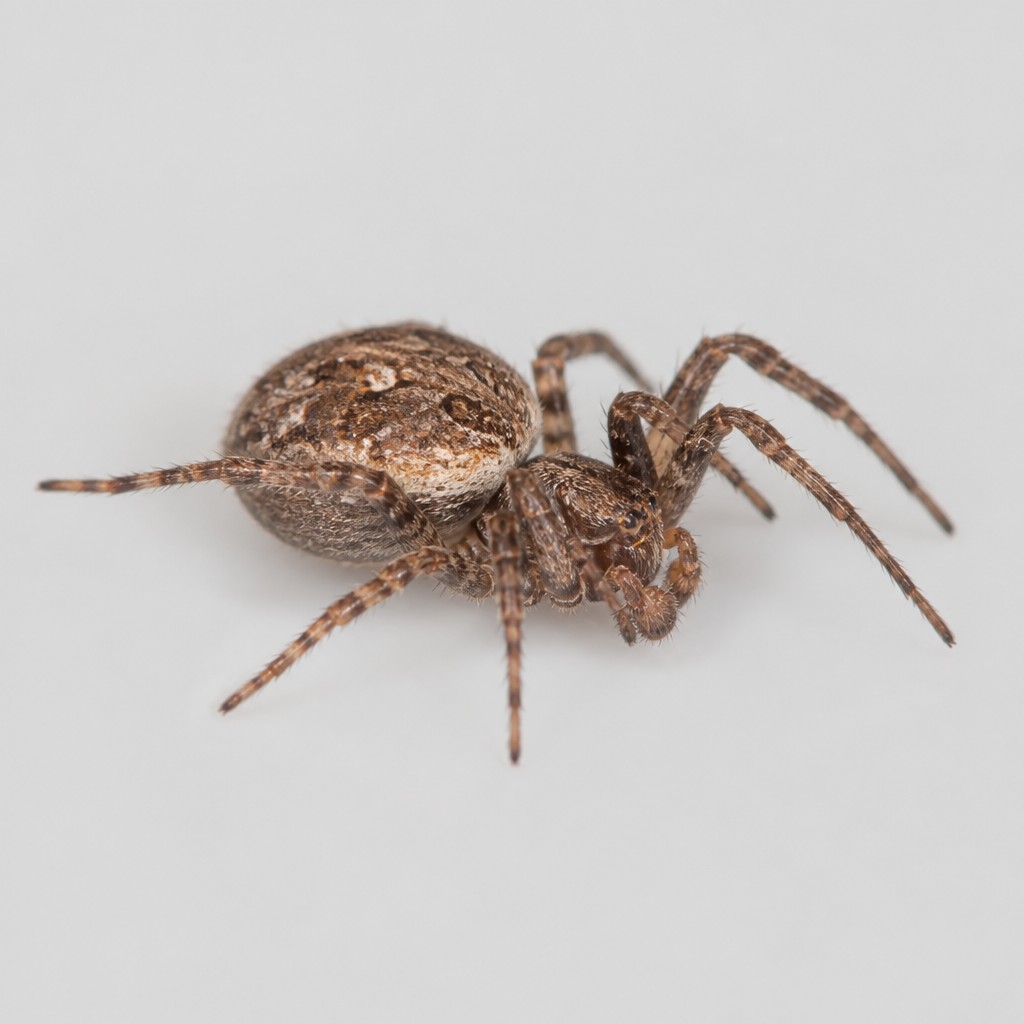
Mesh Web Weaver
A tiny, easily overlooked spider that spins a loose, bluish tangle of fuzzy silk over twig tips and seed heads to snare small insects.
spider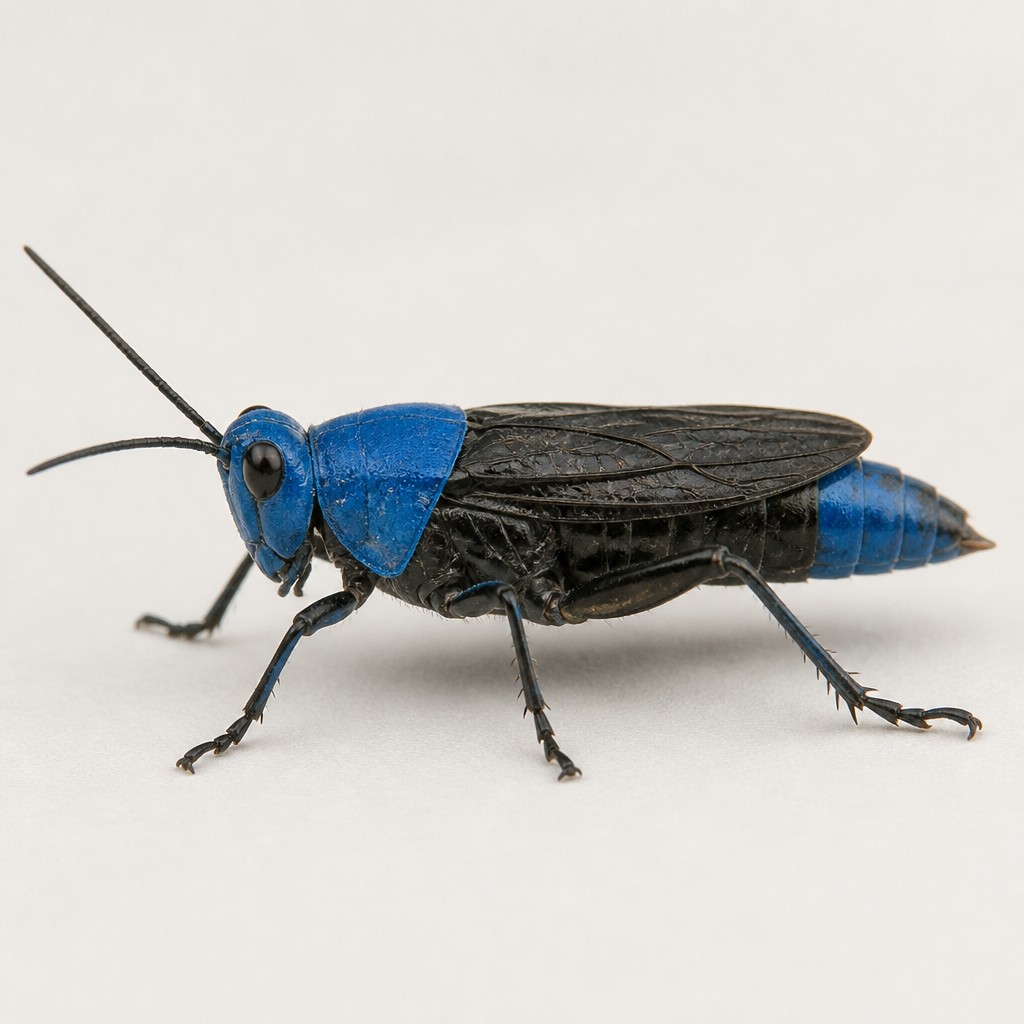
Blue-fronted Dancer
A bright blue head and thorax paired with a dark, blue-tipped abdomen give the Blue-fronted Dancer its name, as it hops and flutters along sunny riverbanks in loose groups.
other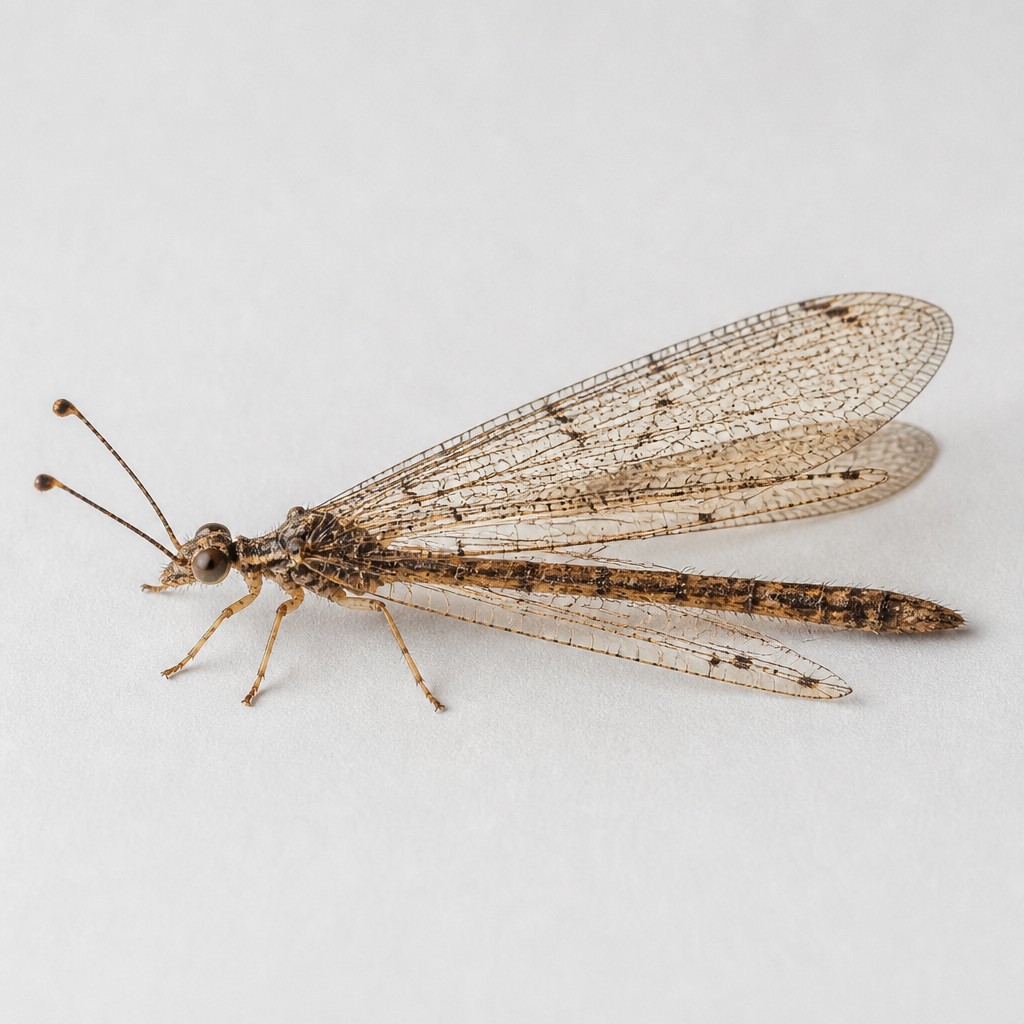
Antlion
An insect best known for its larval stage, the doodlebug, which digs a small conical pit trap in loose sand to ambush unwary ants, while the winged adult resembles a slender, delicate damselfly.
other