
Bug Encyclopedia
Search and identify bugs & insects — beetles, butterflies, moths, ants, bees, spiders and more — with size, habitat, danger, behavior, and how to tell them apart.
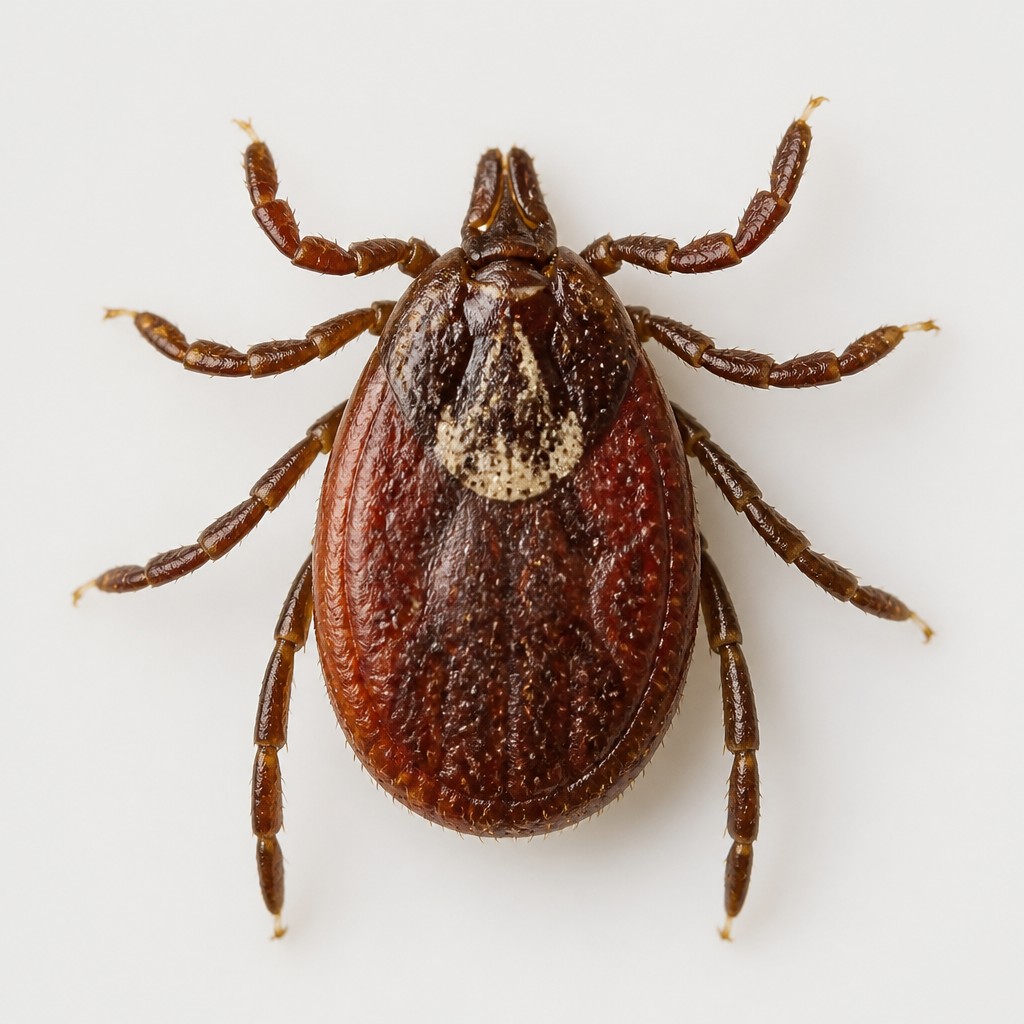
Tick
A small, flattened, oval arachnid with a hard shield-like plate on its back that waits on vegetation and attaches to passing hosts to feed on blood, swelling considerably once fed.
arachnid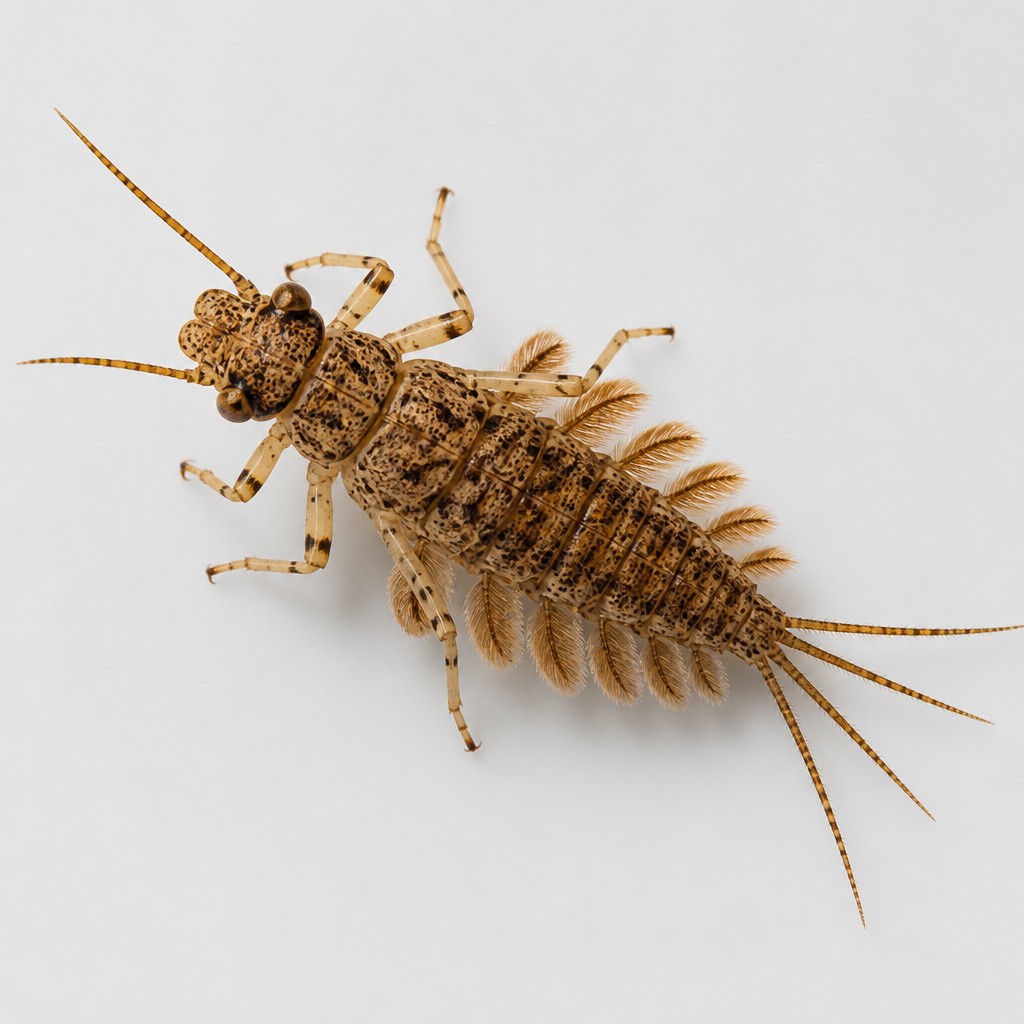
Mayfly Nymph
A short-lived aquatic grazer with feathery gills along its abdomen, living for months underwater before a brief, spectacular mass emergence as a winged adult.
aquatic-insect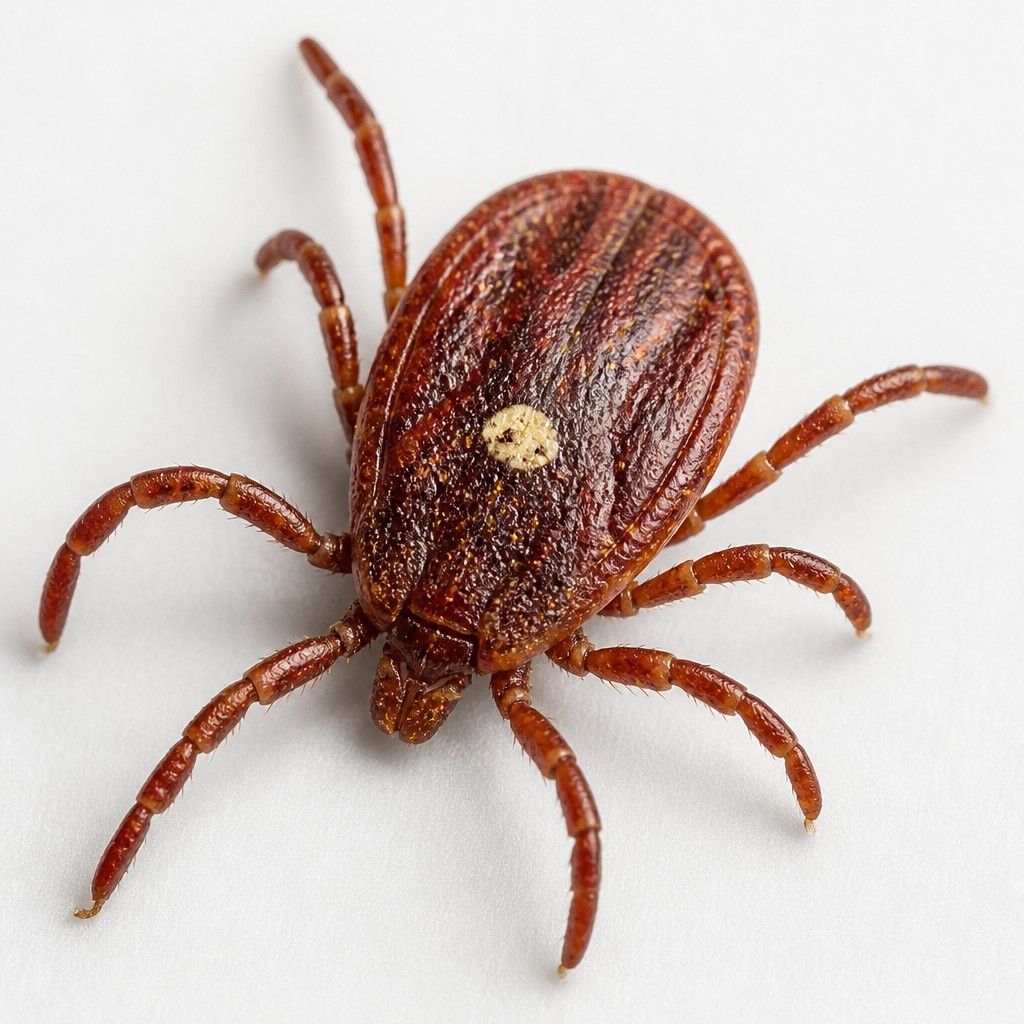
Lone Star Tick
Named for the single silvery-white spot on the back of the adult female, the lone star tick is unusually active for a tick, moving toward hosts rather than simply waiting for them to pass. Its reddish-brown, ornamented body makes it one of the easier North American ticks to identify at a glance.
arachnid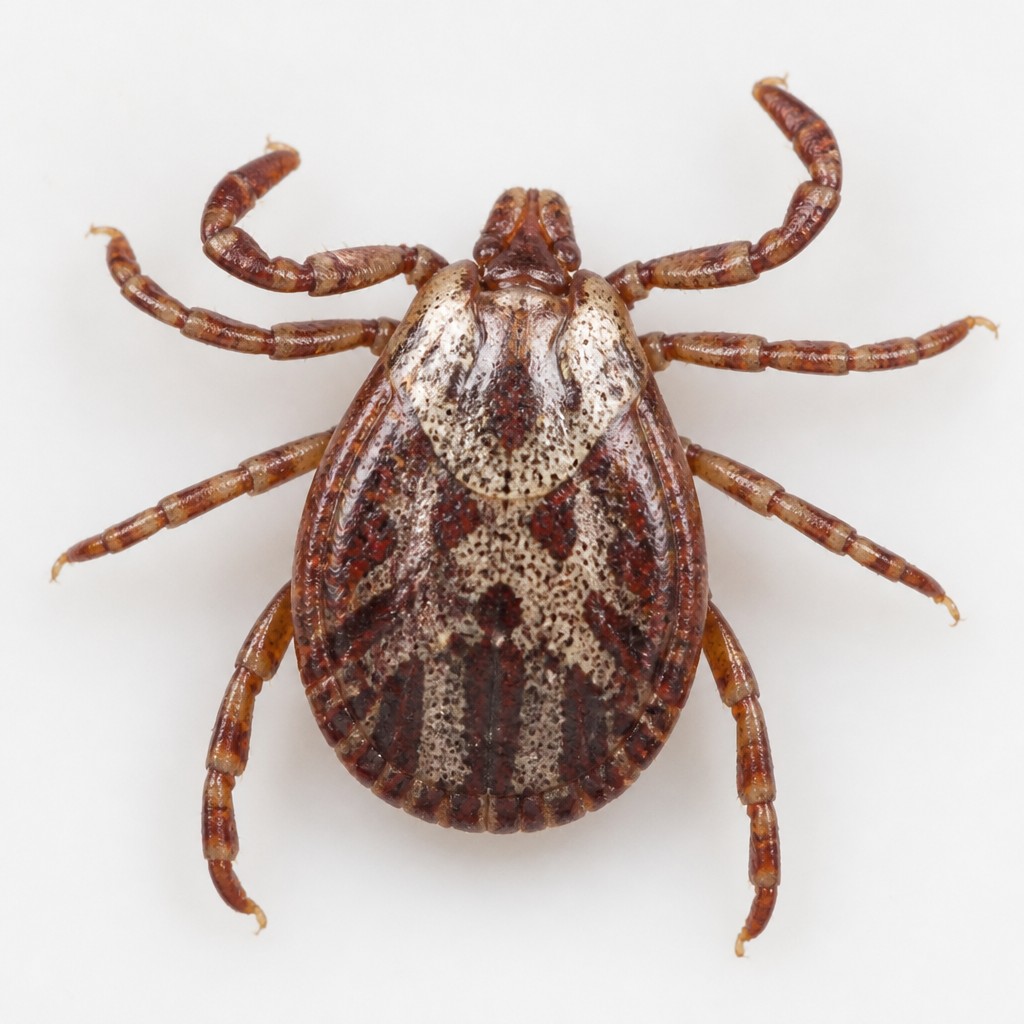
Dog Tick
A flattened, oval arachnid with mottled silvery markings that waits on grass tips and low brush for a passing host to climb aboard and attach.
arachnid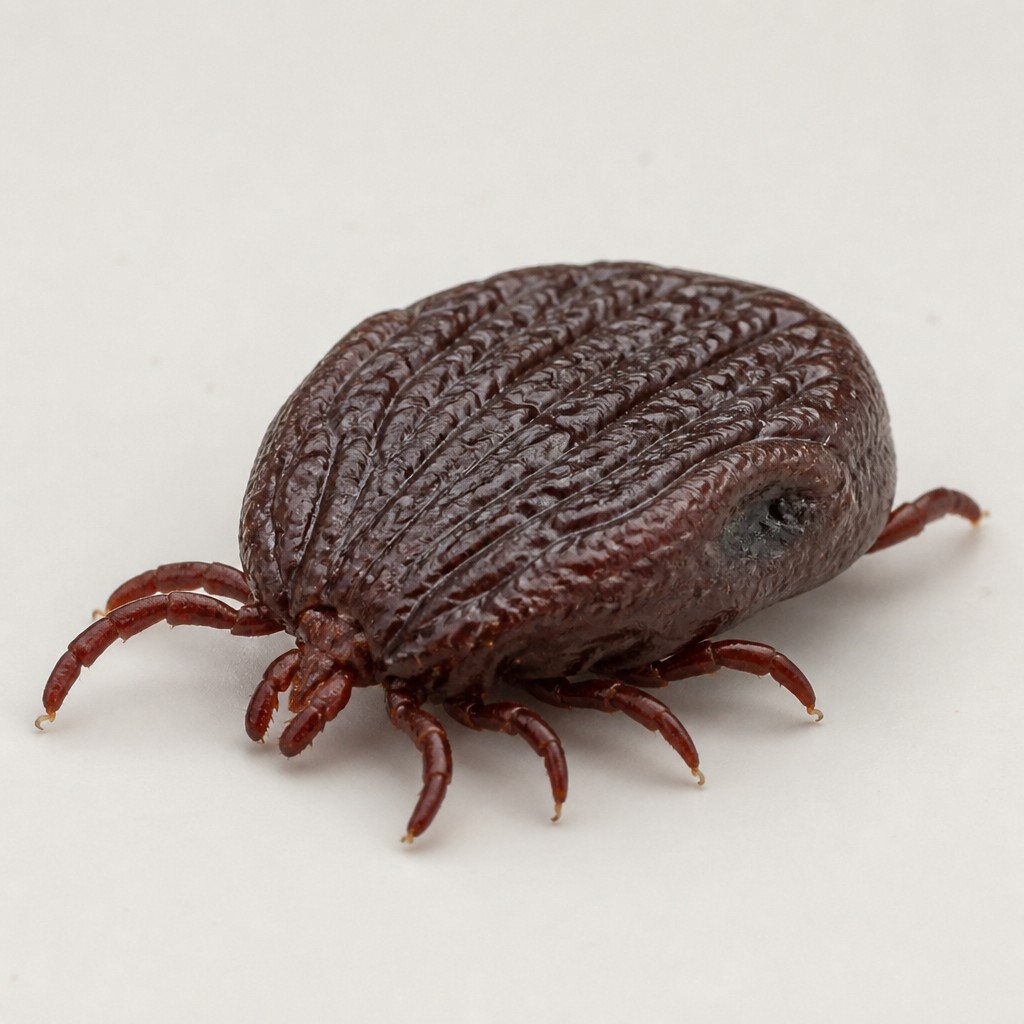
Soft Tick
A wrinkled, leathery, bean-shaped tick that hides by day in nests and cracks, emerging briefly at night to feed and then vanish again.
arachnid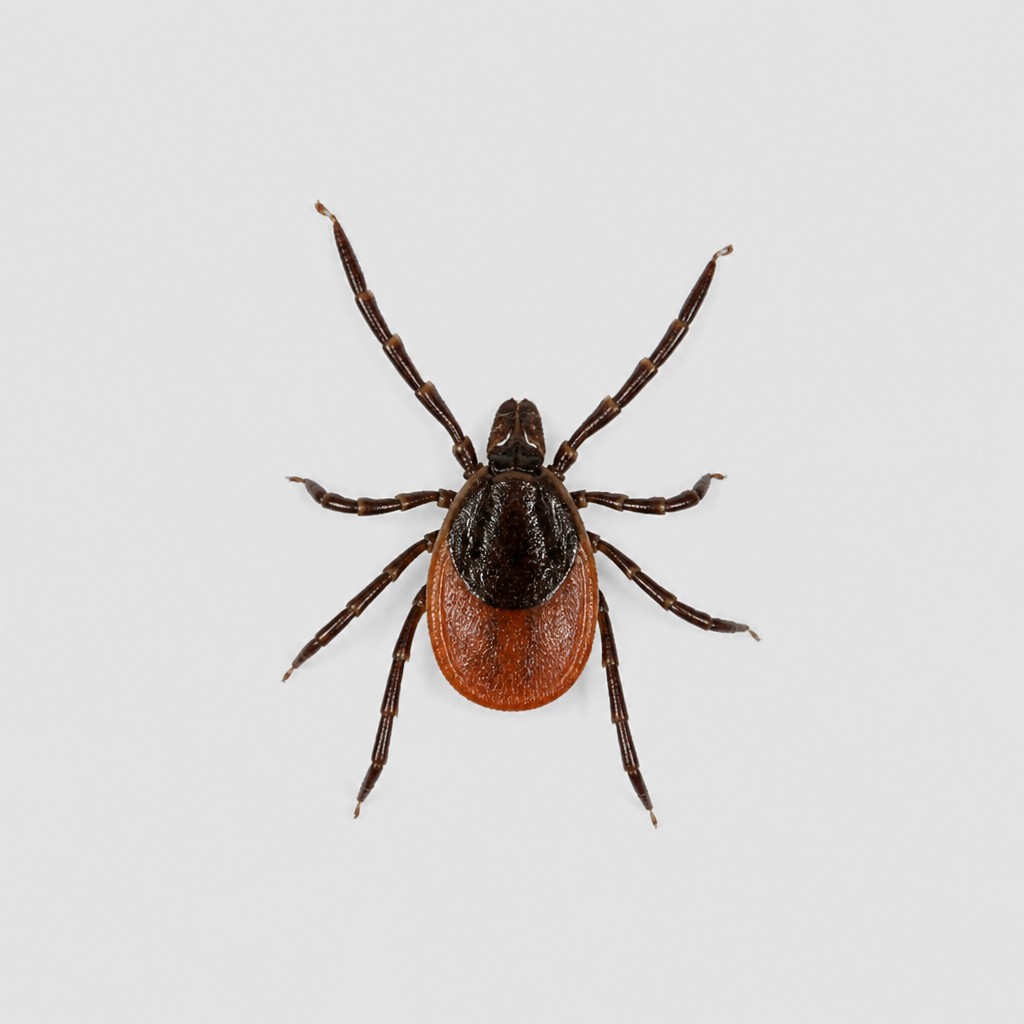
Blacklegged Tick
A tiny, teardrop-shaped tick with dark legs and a reddish-brown abdomen that lurks in leaf litter along woodland trails.
arachnid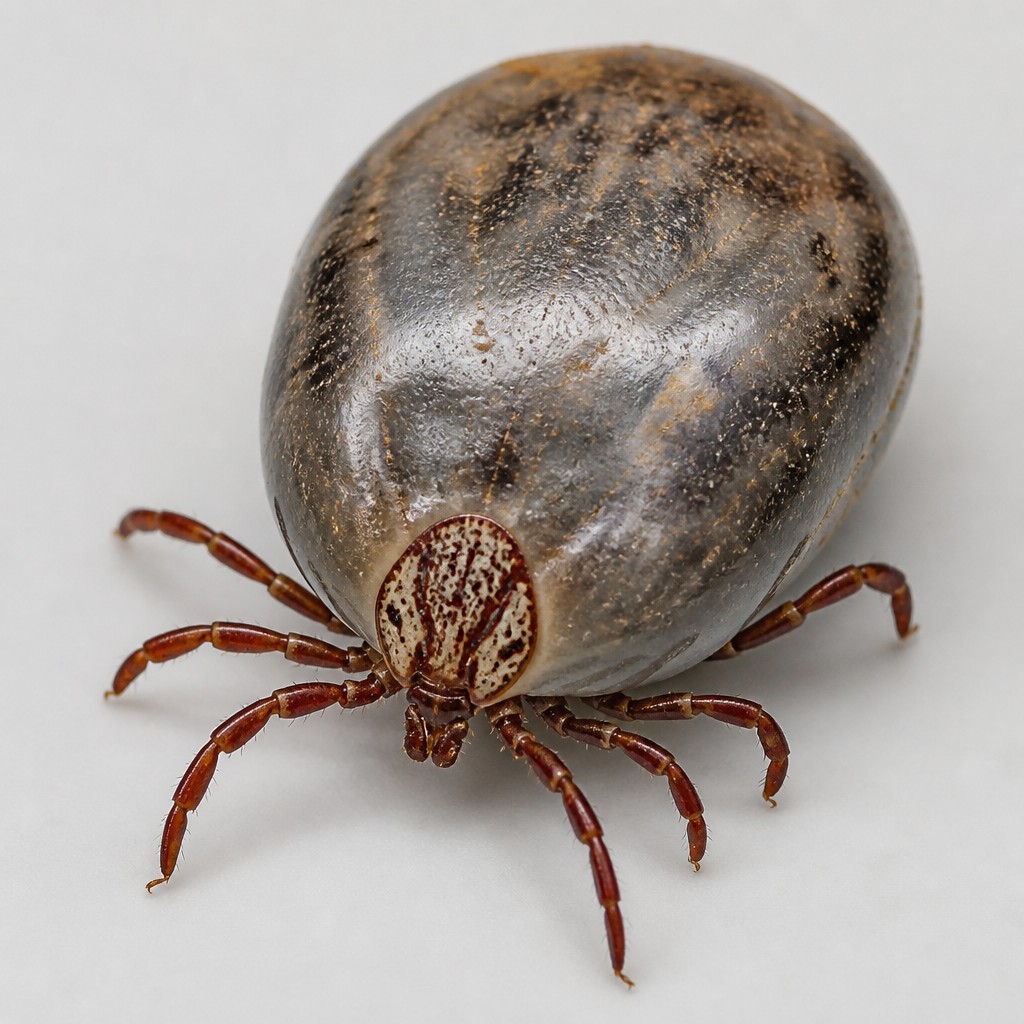
Wood Tick
A flattened, ornately patterned tick that waits on low brush in the Rocky Mountain foothills, ready to grab onto large mammals passing within reach. Its mottled, shield-marked back makes it one of the more distinctive North American ticks to identify.
arachnid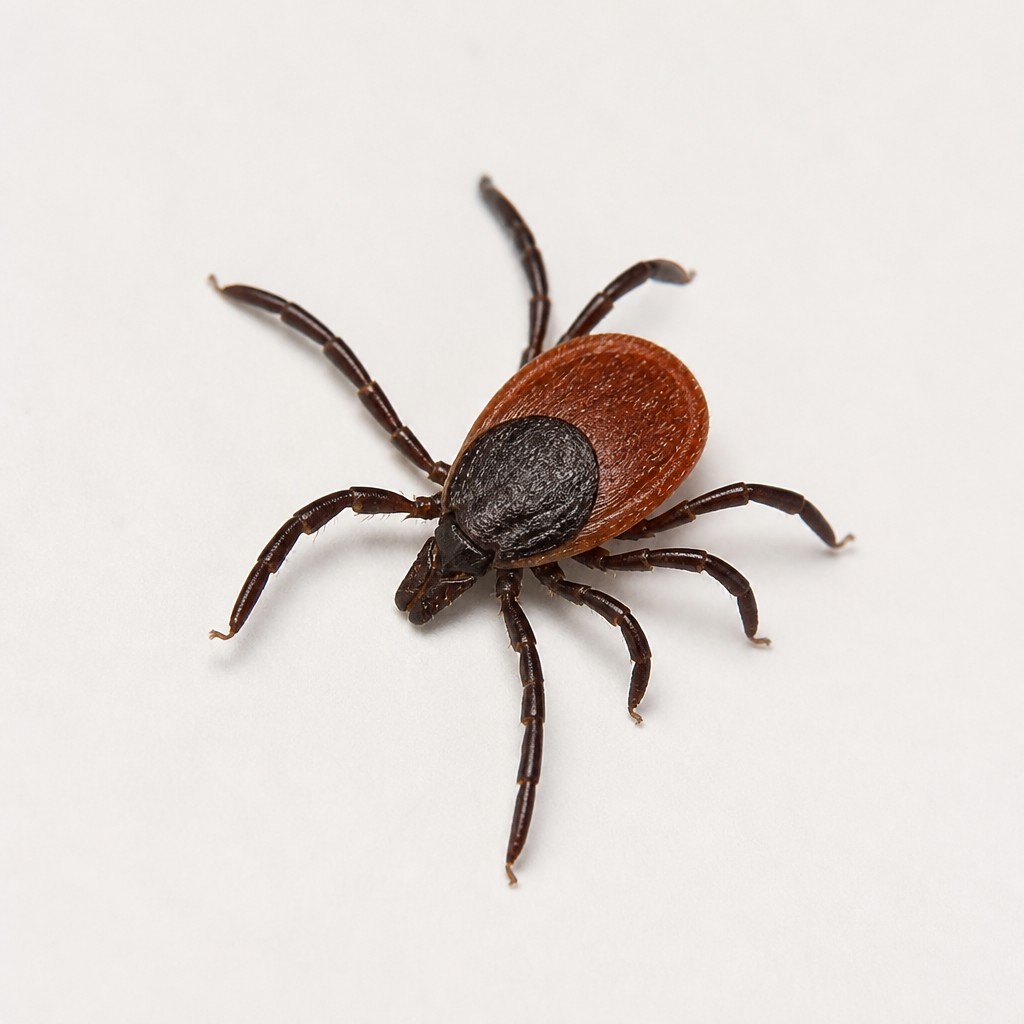
Deer Tick
A small, dark-legged tick with a reddish-brown, teardrop-shaped body, noticeably smaller than many other common tick species and often found questing in wooded or grassy edge habitats.
arachnid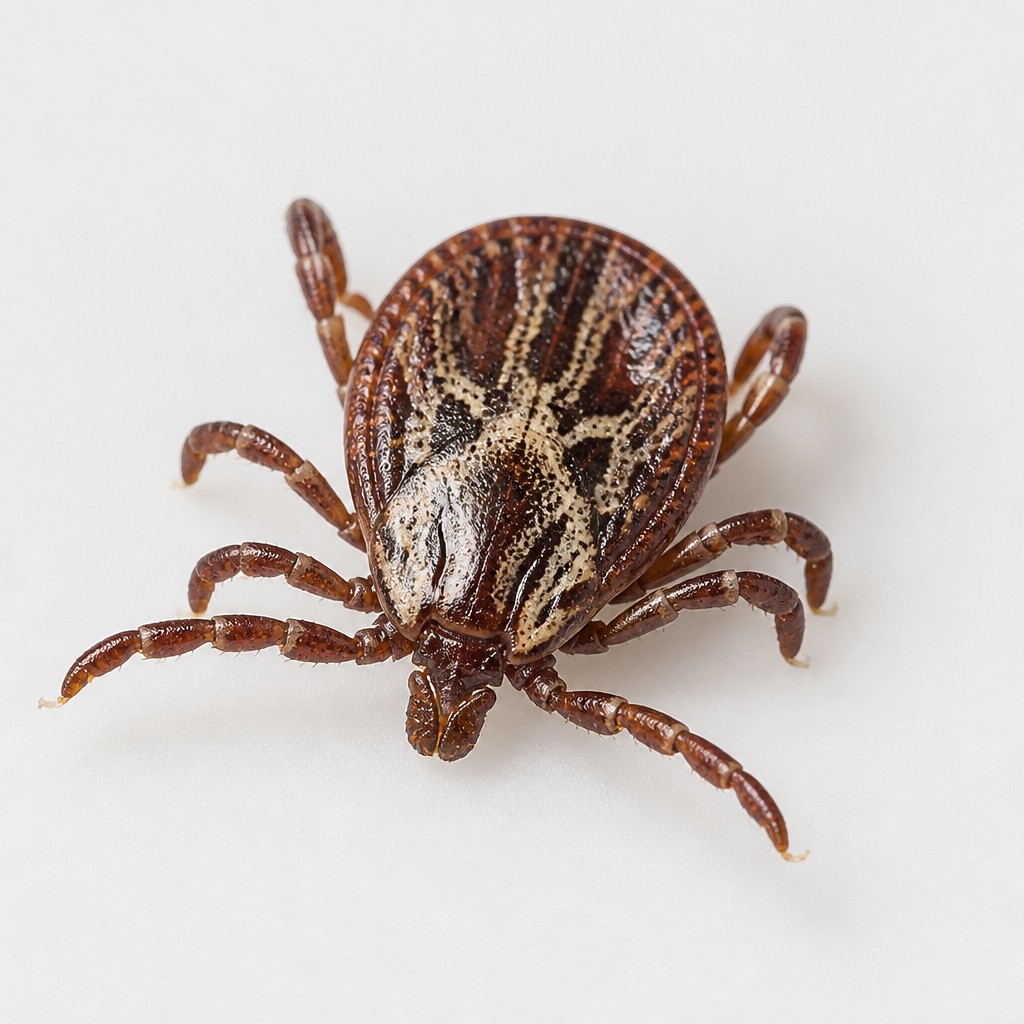
American Dog Tick
A stout, mottled brown-and-silver tick that waits on grass blades with its front legs outstretched, ready to latch onto a passing host.
arachnid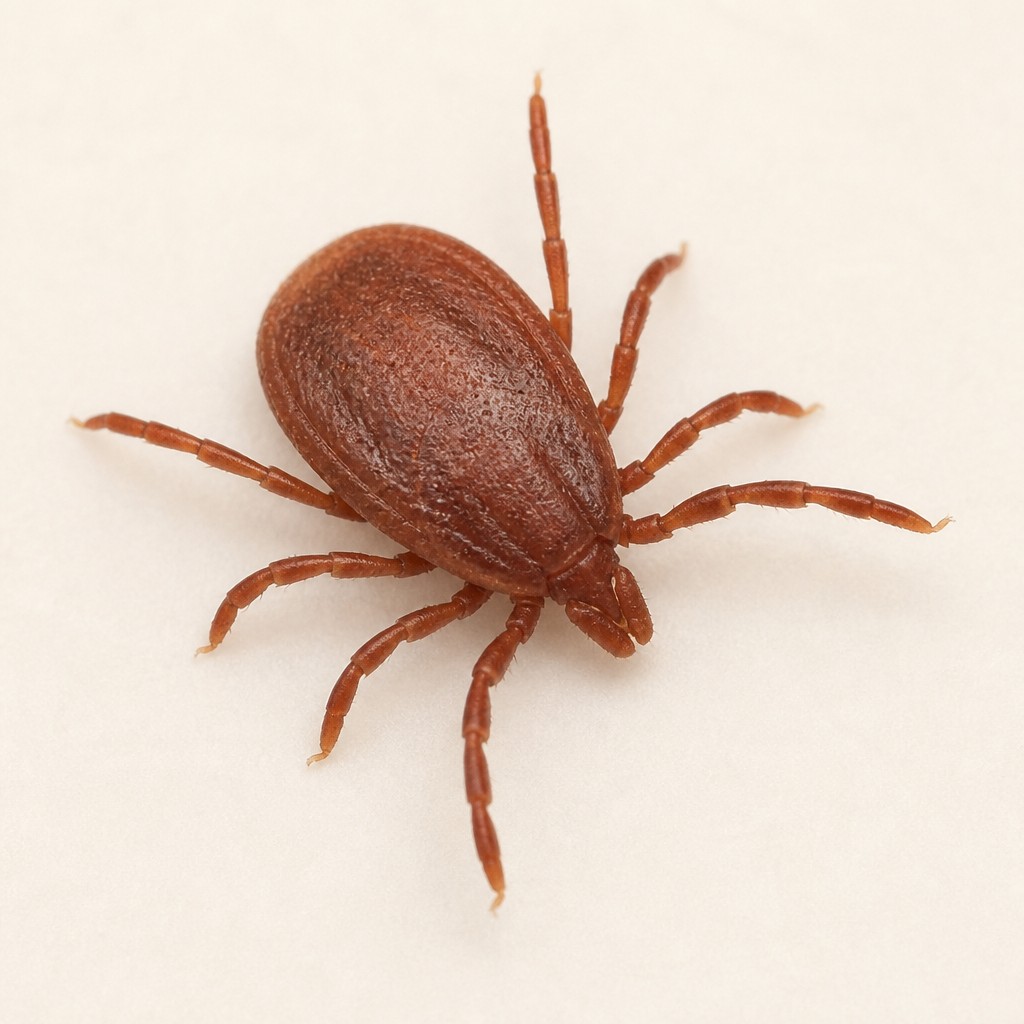
Brown Dog Tick
A uniformly reddish-brown tick with an elongated body, the brown dog tick is unusual among ticks for being able to complete its entire life cycle indoors around wherever dogs rest. It has spread to warm regions worldwide largely by traveling with its preferred host.
arachnid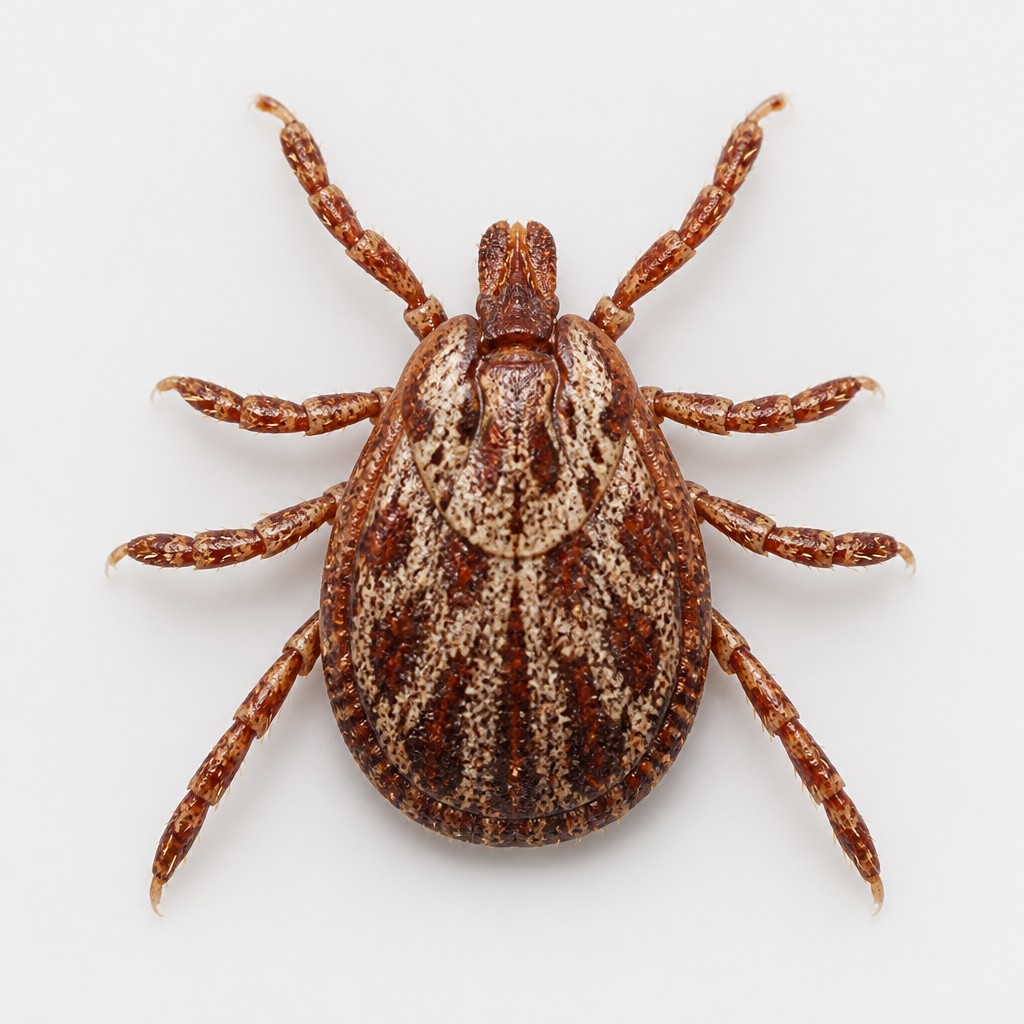
Rocky Mountain Wood Tick
A robust, ornately patterned tick of the western mountains that clings to shrubs and grasses waiting to grab a passing mammal.
arachnid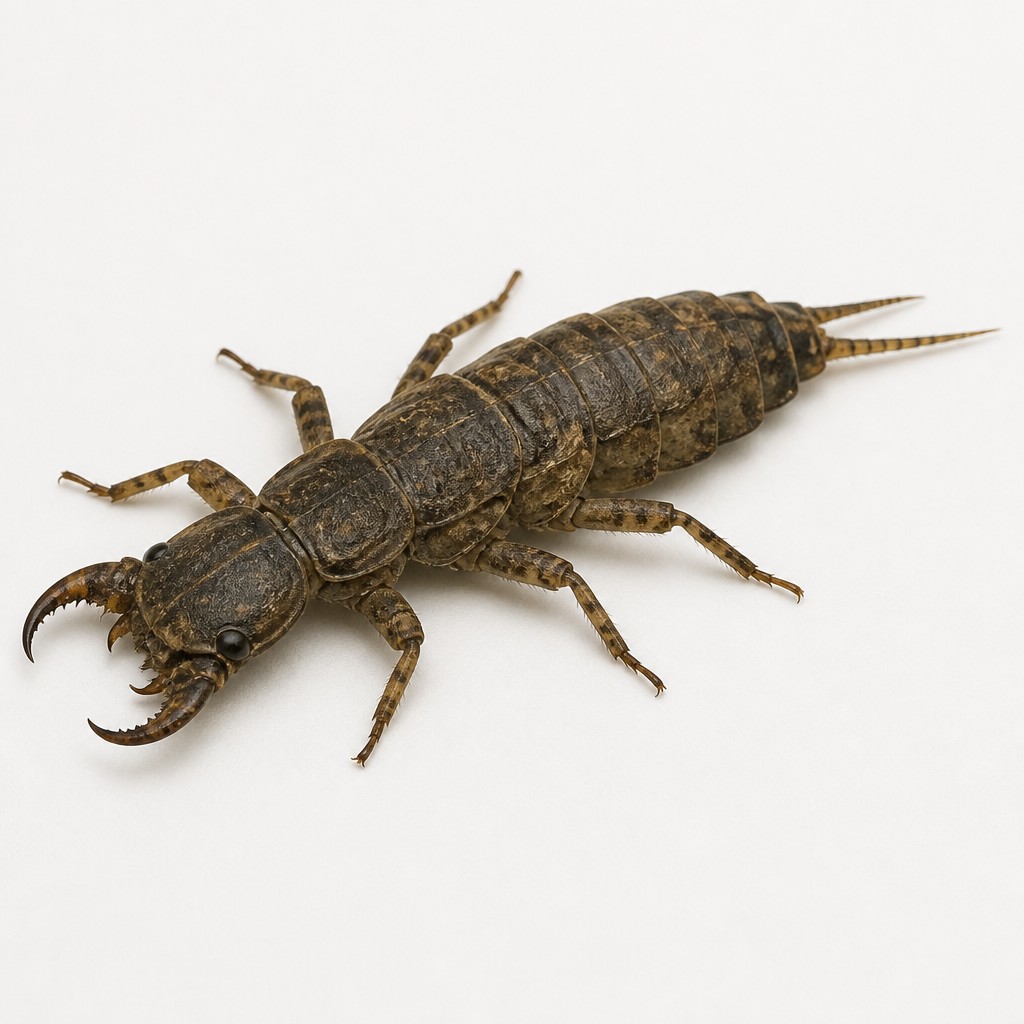
Fishfly Larva
A flattened, armor-plated predator of stream bottoms, the fishfly larva spends one to three years underwater seizing prey with sickle-shaped jaws before briefly taking wing as a short-lived winged adult.
aquatic-insect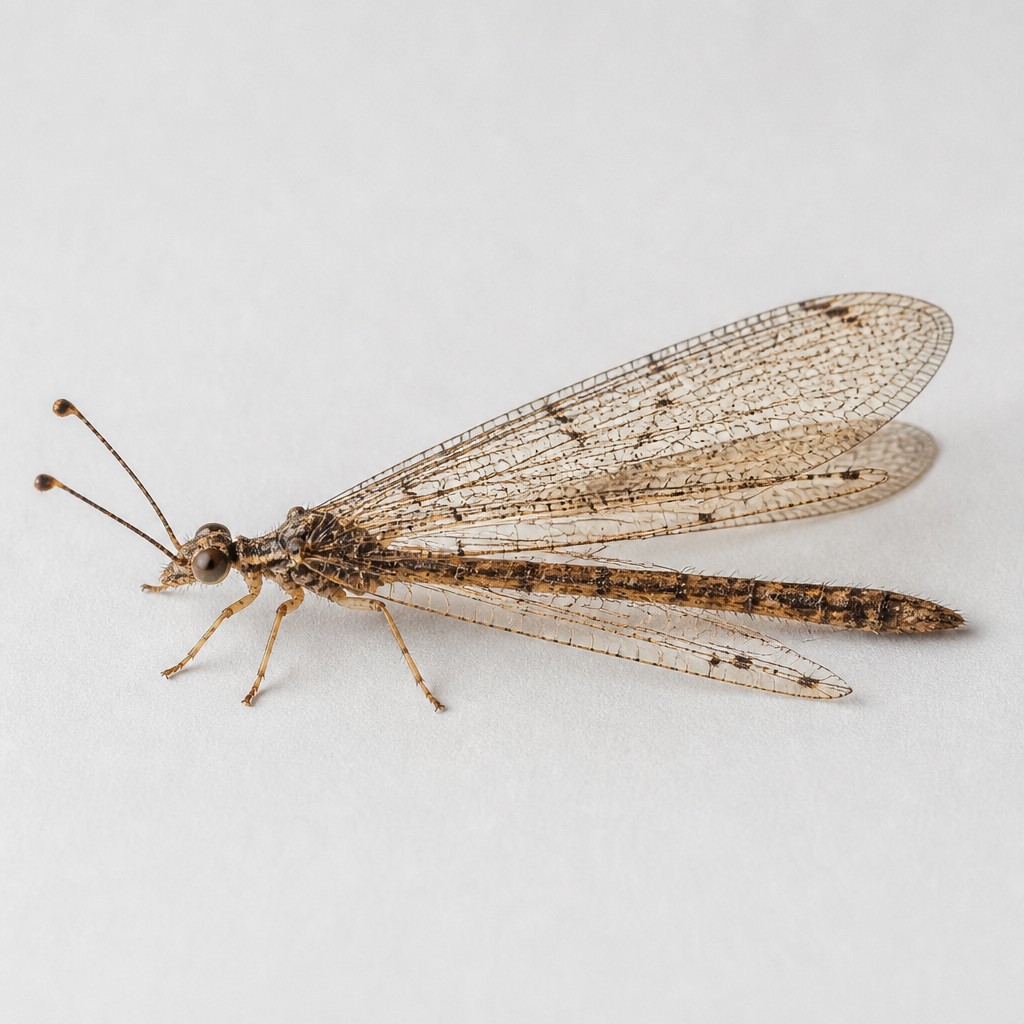
Antlion
An insect best known for its larval stage, the doodlebug, which digs a small conical pit trap in loose sand to ambush unwary ants, while the winged adult resembles a slender, delicate damselfly.
other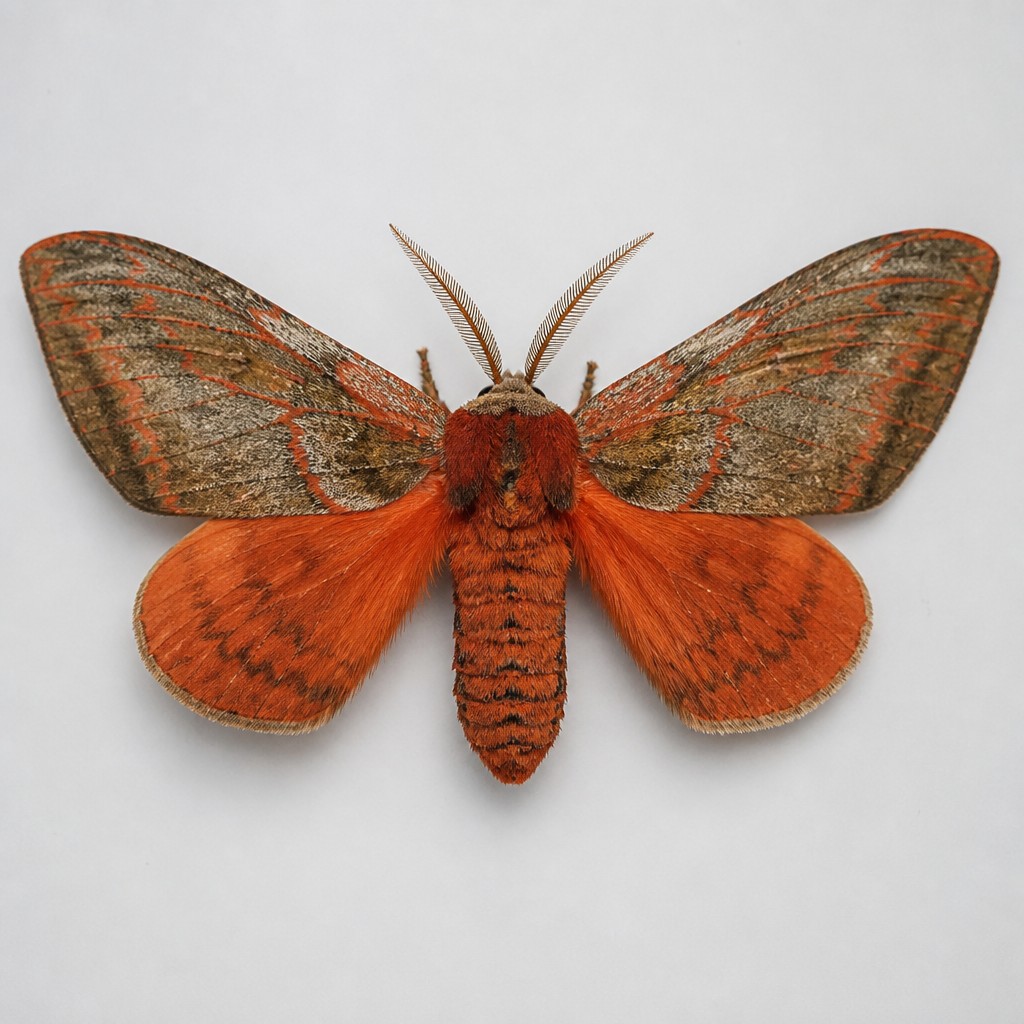
Regal Moth (Hickory Horned Devil)
One of the largest moths in North America, with orange-red and gray-veined wings on the adult, best known for its enormous, formidable-looking caterpillar, the hickory horned devil, a blue-green giant bristling with long orange spines.
moth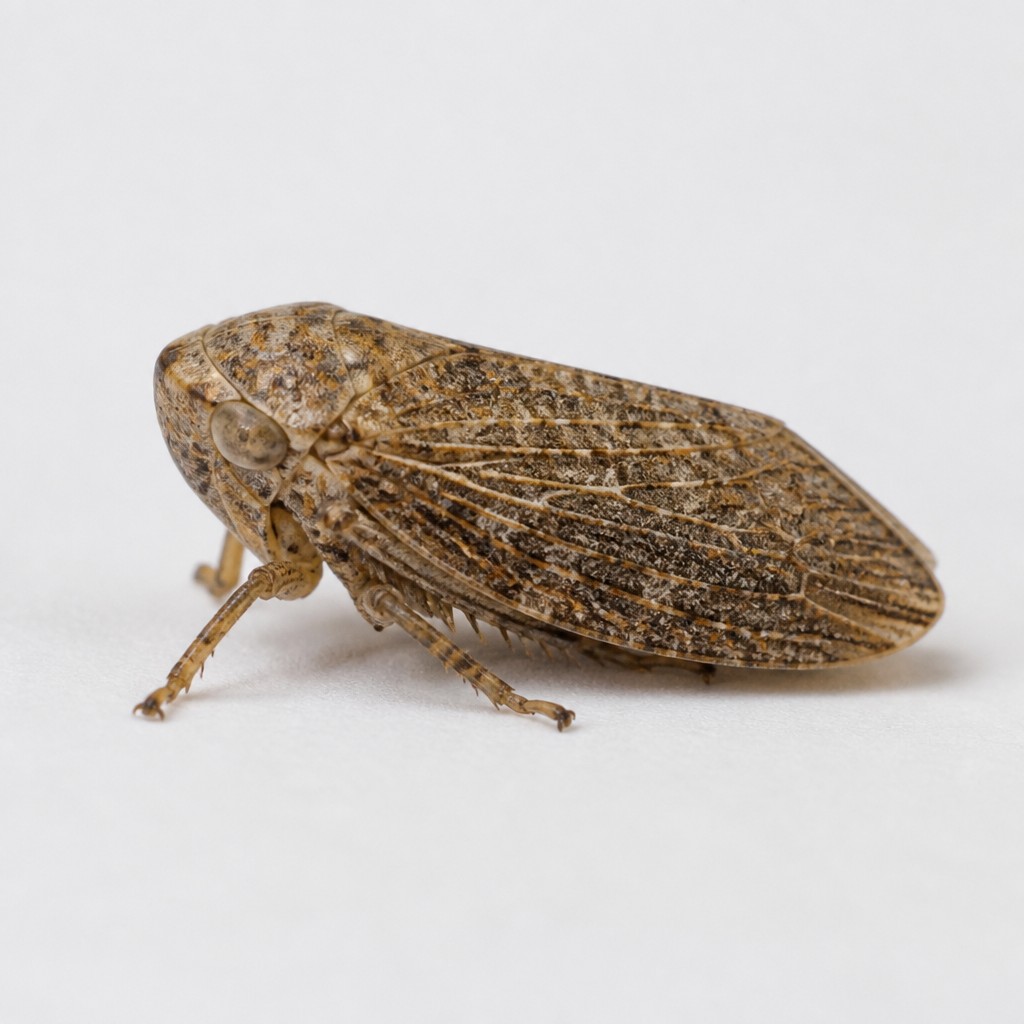
Spittlebug
A small hopping true bug best known in its nymph stage, which surrounds itself in a frothy mass of white foam on plant stems, commonly called cuckoo spit.
true-bug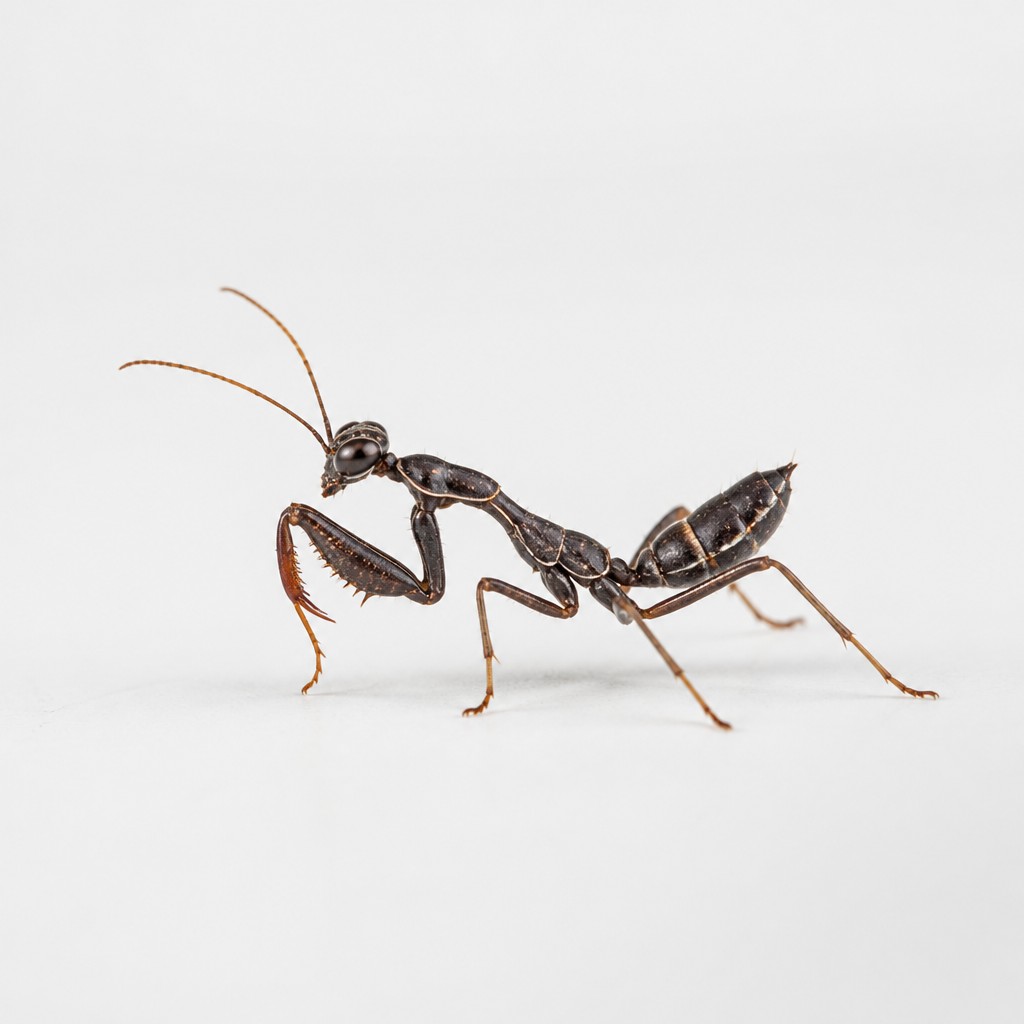
Ant-mimicking Mantis
As a tiny nymph, this mantis moves in quick, jerky bursts to imitate a scurrying ant, a clever disguise it gradually sheds as it grows into a typical-looking adult mantis.
mantis-stick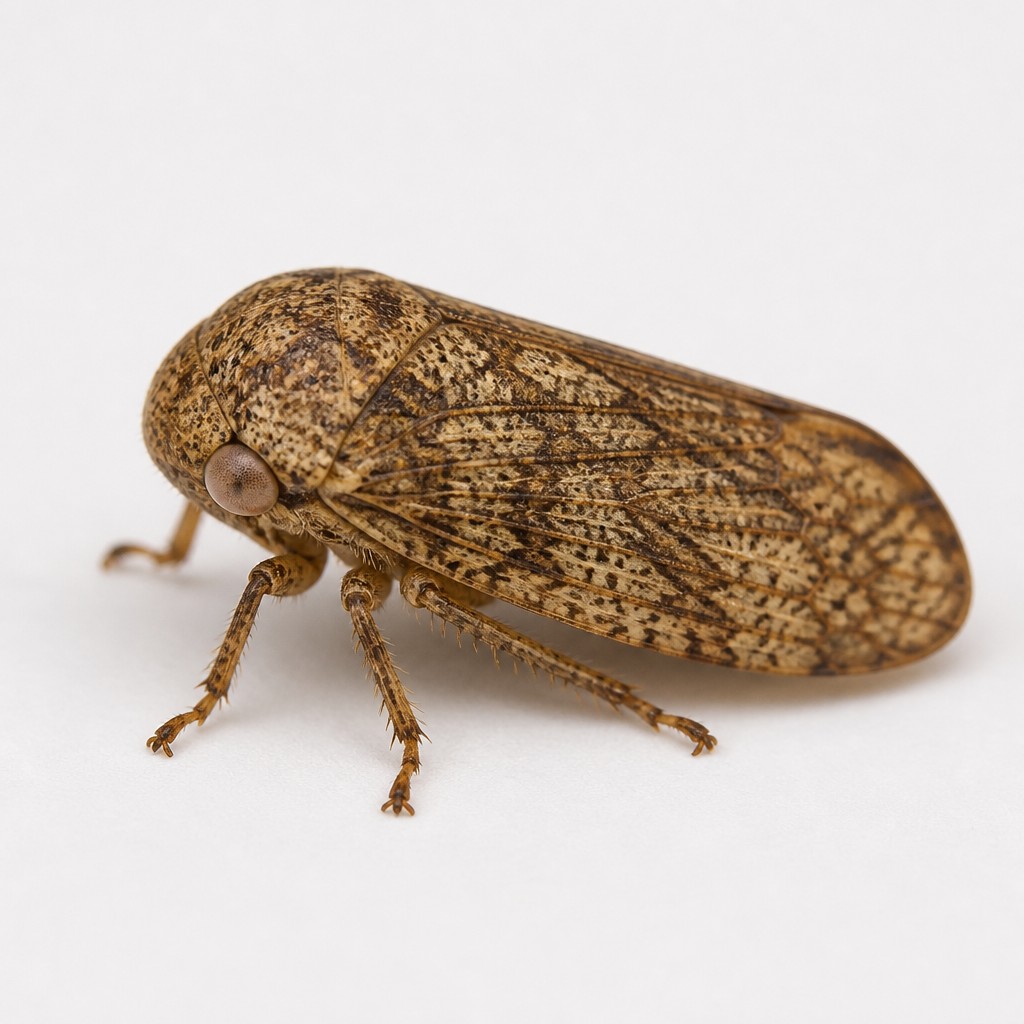
Meadow Spittlebug
A small, mottled hopping true bug whose immature nymphs are far more often noticed than the adults, hidden inside frothy blobs of white foam known as cuckoo spit on plant stems.
true-bug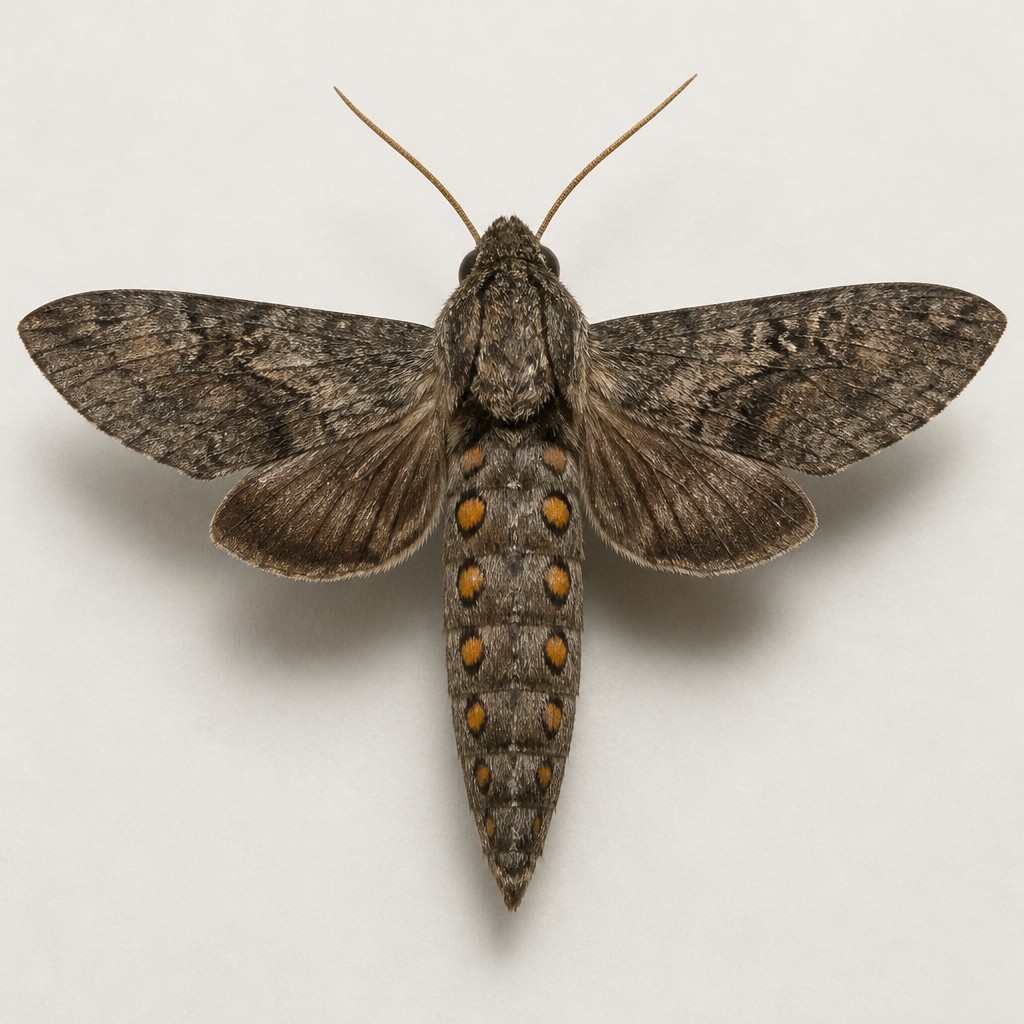
Tobacco Hornworm Moth (Carolina Sphinx)
A large, streamlined gray-brown sphinx moth with six pairs of orange spots along its abdomen, best known as the adult stage of the tobacco hornworm caterpillar that feeds on tomato and tobacco plants.
moth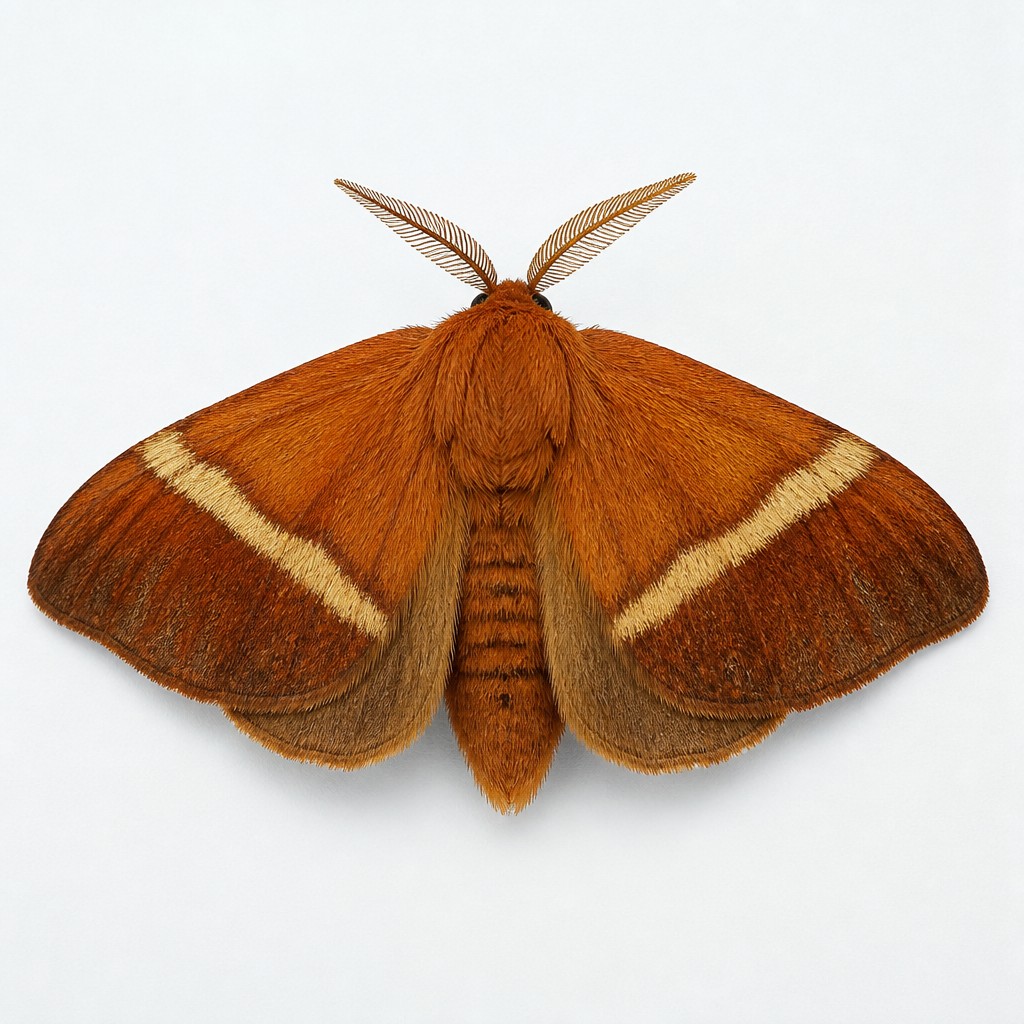
Fox Moth
A stout, reddish-brown moth with a pale diagonal band across each forewing, closely resembling a fox in color, most often noticed as its large, densely furred dark caterpillar basking on open ground in spring.
moth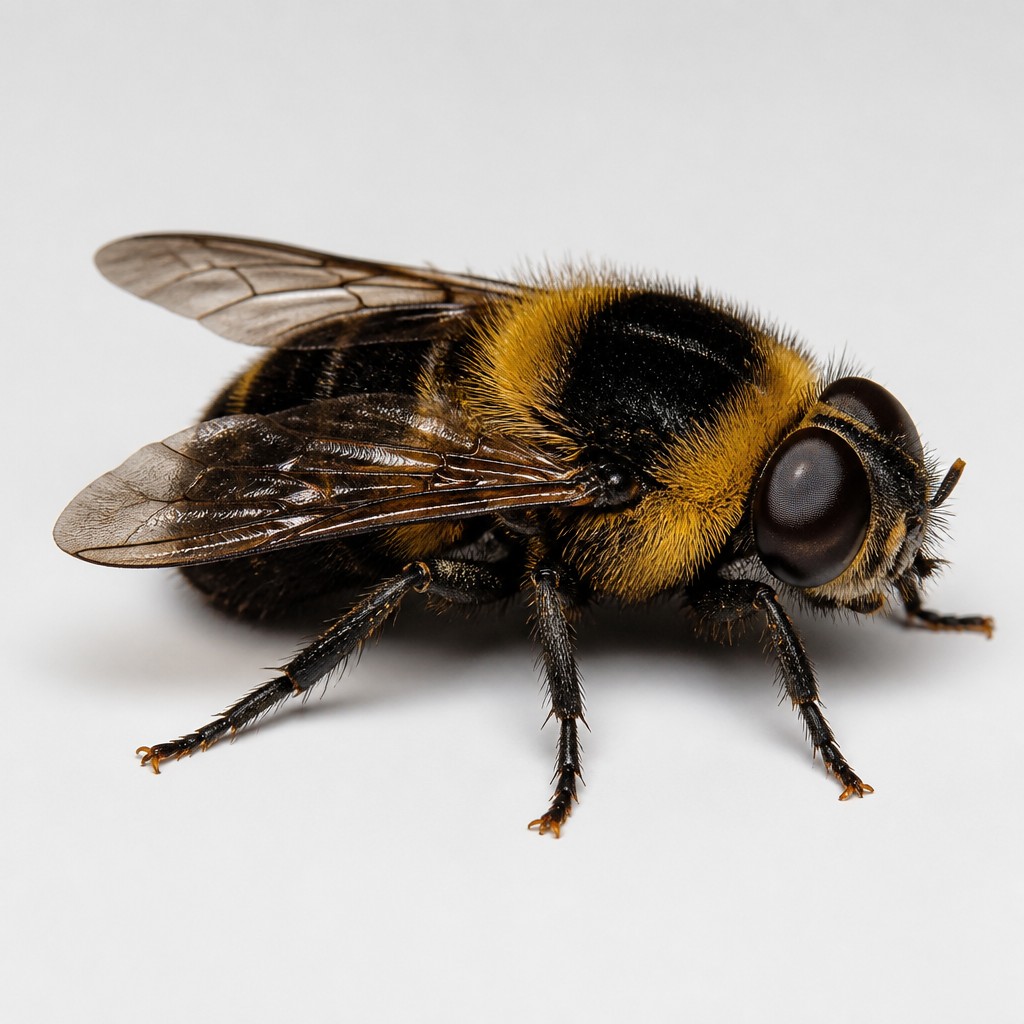
Bot Fly
A stocky, bumblebee-mimicking fly whose adults never feed and live only long enough to mate and locate a rodent or rabbit burrow for their eggs. Despite their harmless, buzzing adult stage, bot flies are best known through the larvae that develop as internal parasites of small mammals.
fly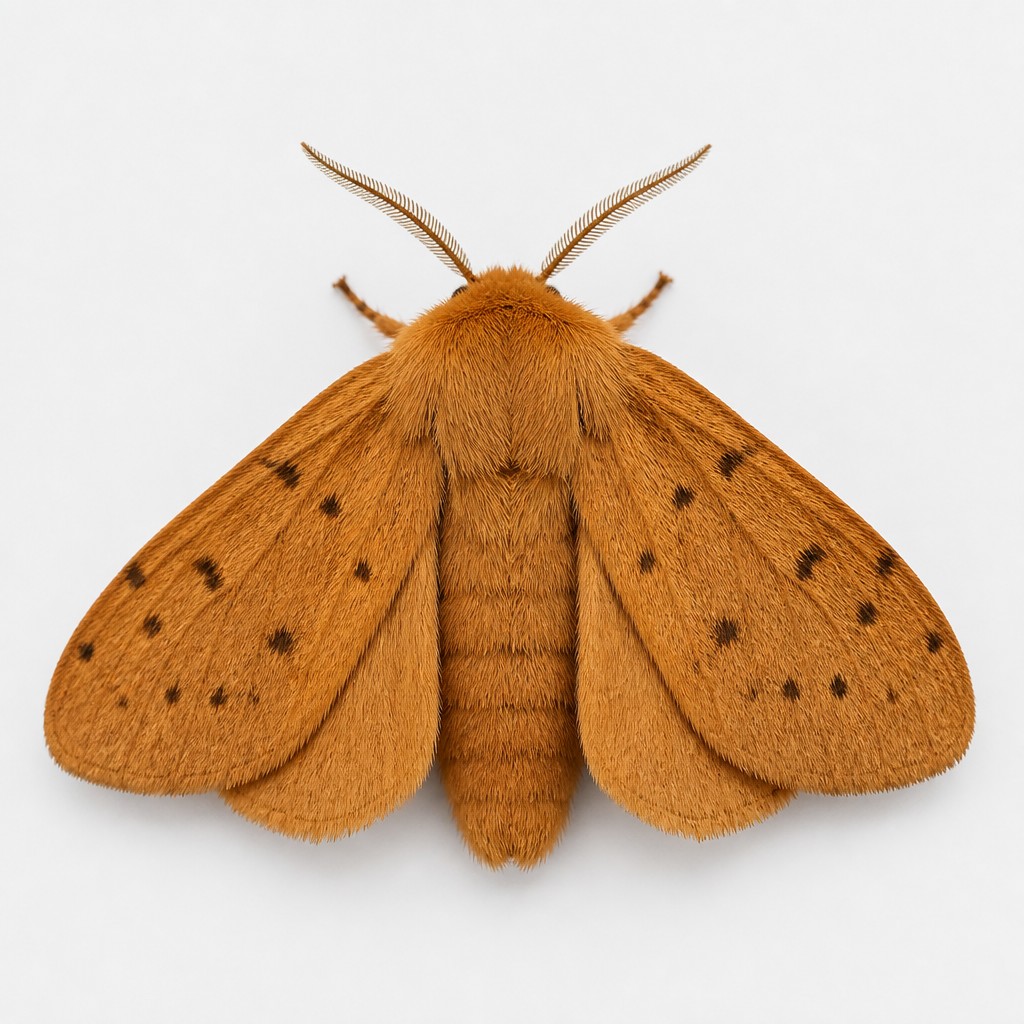
Isabella Tiger Moth (Woolly Bear)
Famous chiefly in its larval stage as the banded woolly bear caterpillar, this tiger moth's fuzzy black-and-rust-colored caterpillar is a familiar autumn sight, while the adult is a soft, tawny-orange moth with a stout, furry body.
moth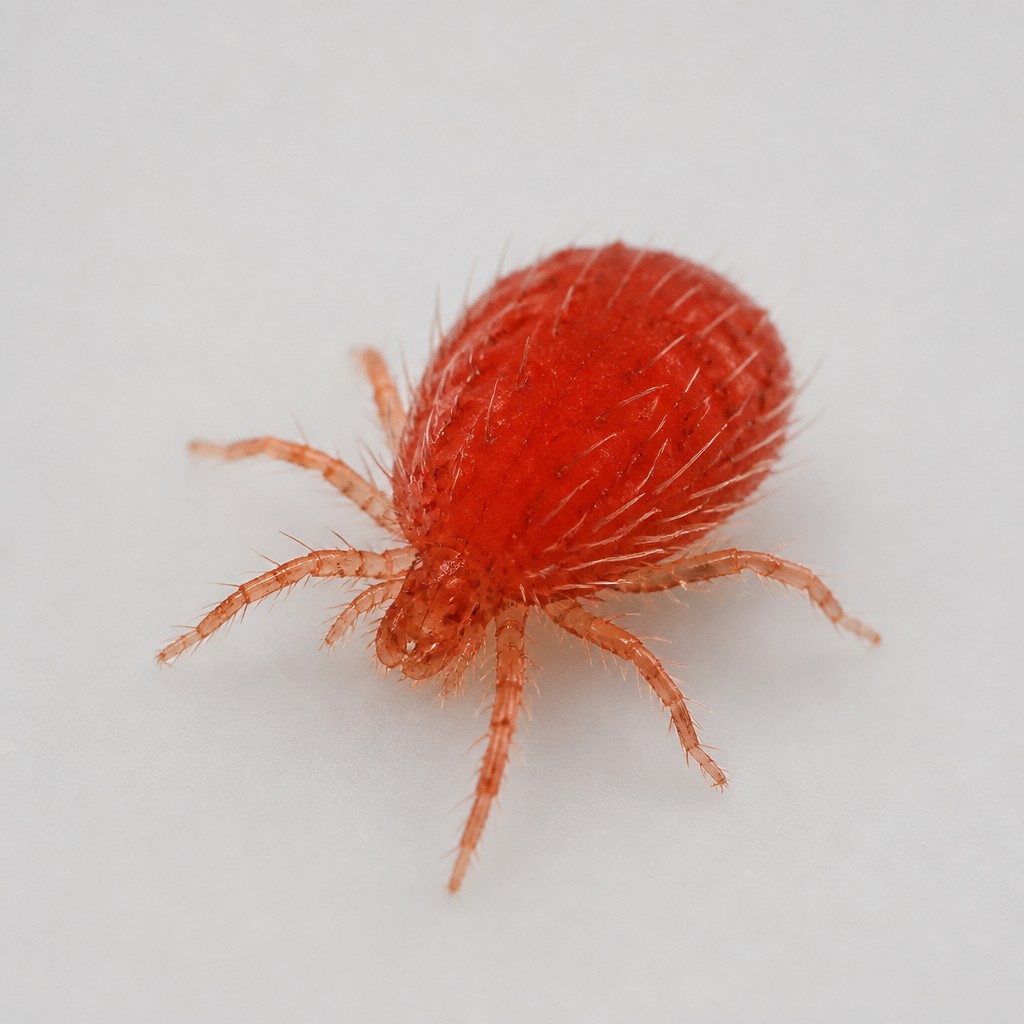
Chigger
A nearly microscopic mite larva that waits in clusters on grass tips for a passing host, taking a single brief meal before dropping away unseen. Only this larval stage is parasitic; the free-living adult spends its life hunting tiny prey in the soil.
arachnid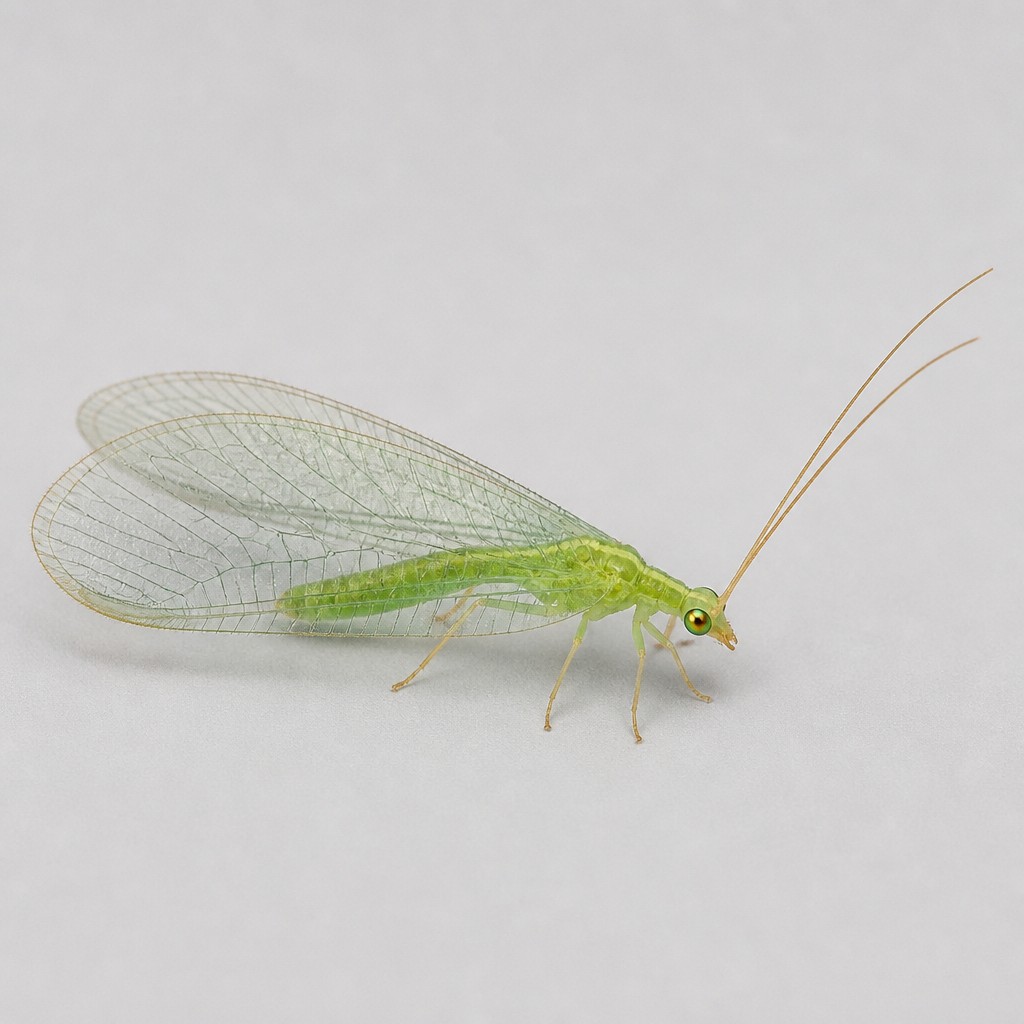
Lacewing
A delicate, pale green insect with large, transparent, intricately veined wings and shining golden or copper-colored eyes, valued as a natural predator of aphids in its larval form.
other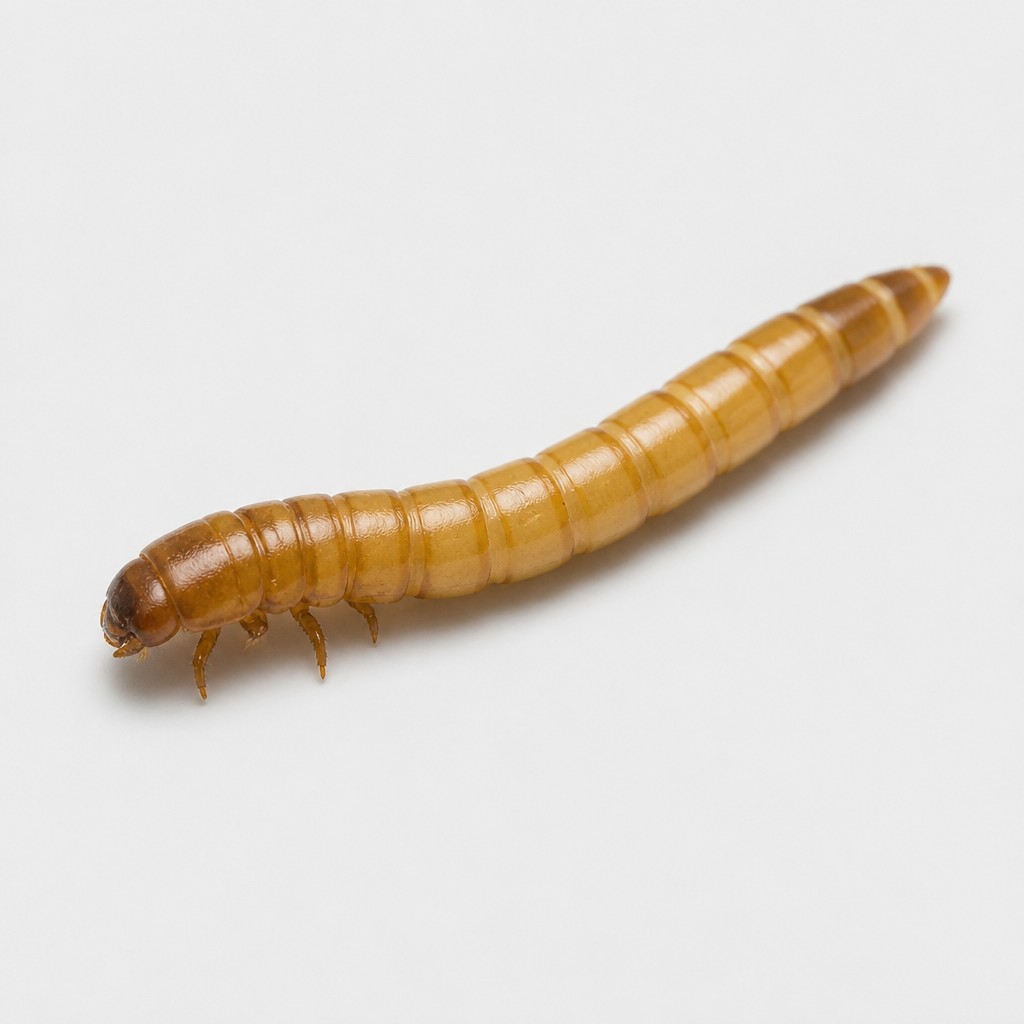
Mealworm
A tan, segmented larva with a shiny hard exoskeleton that tunnels through stored grain and flour before transforming into a darkling beetle.
caterpillar-larva