
Bug Encyclopedia
Search and identify bugs & insects — beetles, butterflies, moths, ants, bees, spiders and more — with size, habitat, danger, behavior, and how to tell them apart.
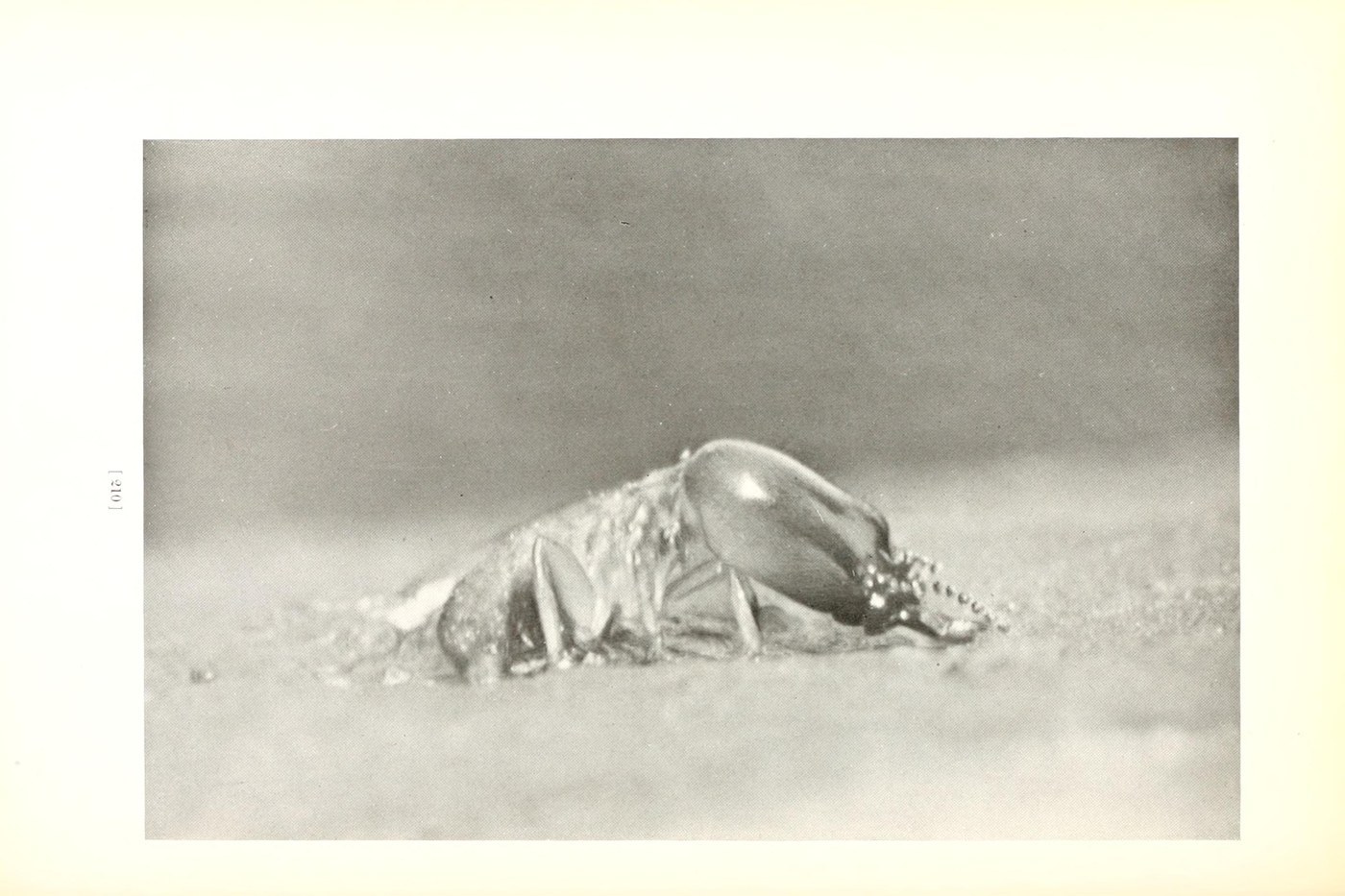
Termite
A pale, soft-bodied social insect that lives in hidden colonies and feeds on cellulose in wood and plant debris, often mistaken for an ant despite belonging to an entirely different insect order.
otherDampwood Termite
A relatively large termite that nests directly inside heavily moistened, decaying wood such as rotting logs and stumps, needing no soil contact but requiring consistently damp timber.
otherDrywood Termite
A termite that lives entirely within the dry wood it feeds on, needing no soil contact at all, and revealing itself mainly through small piles of pellet-like frass pushed from tiny exit holes.
otherTermite Swarmer
A dense, short-lived cloud of dark, equal-winged insects pouring from a crack in soil or wood, each one a would-be founder of a brand-new termite colony.
other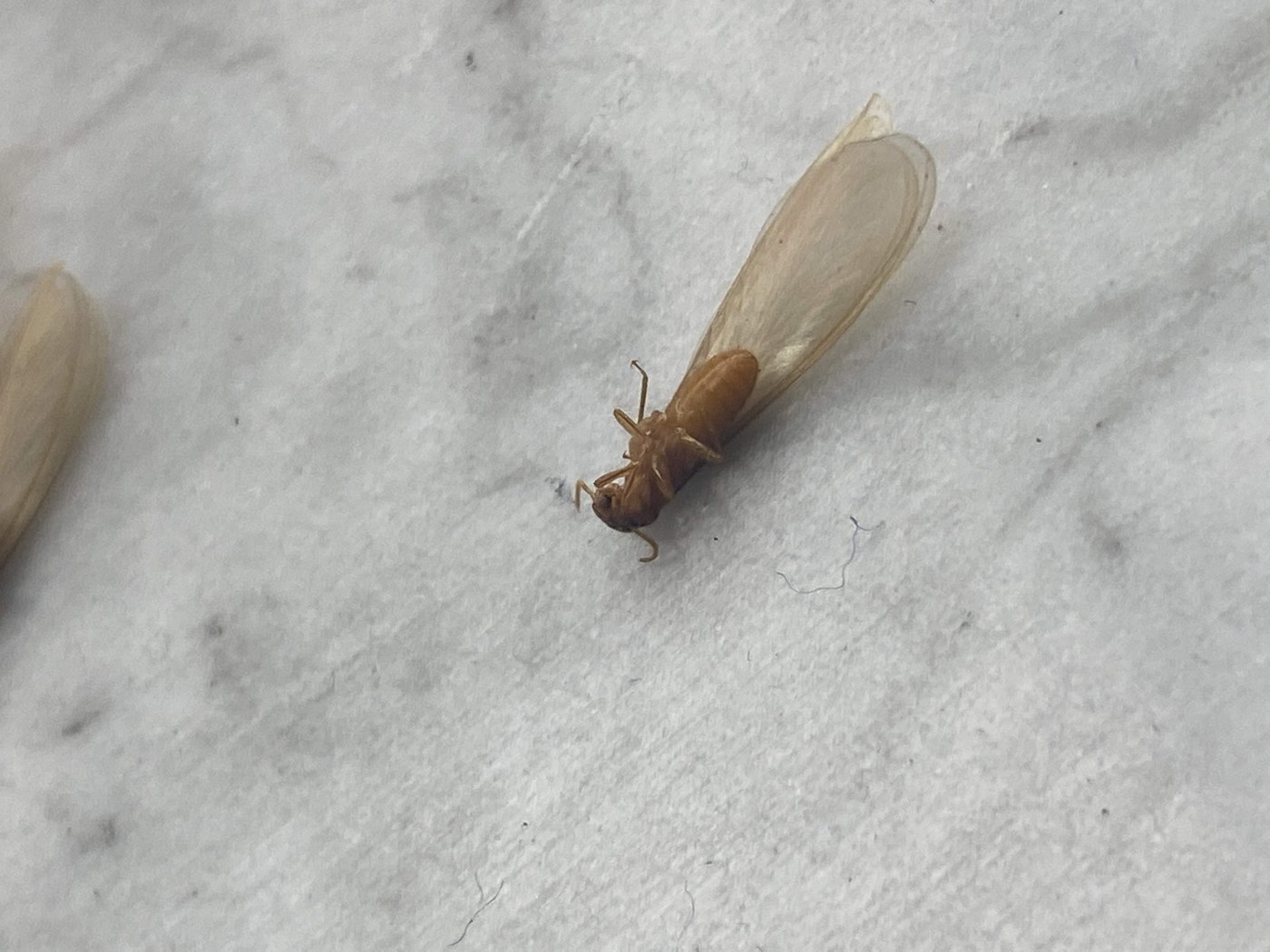
Formosan Subterranean Termite
A pale, aggressive subterranean termite native to East Asia that builds enormous colonies and can construct large above-ground carton nests in trees, walls, and structures.
other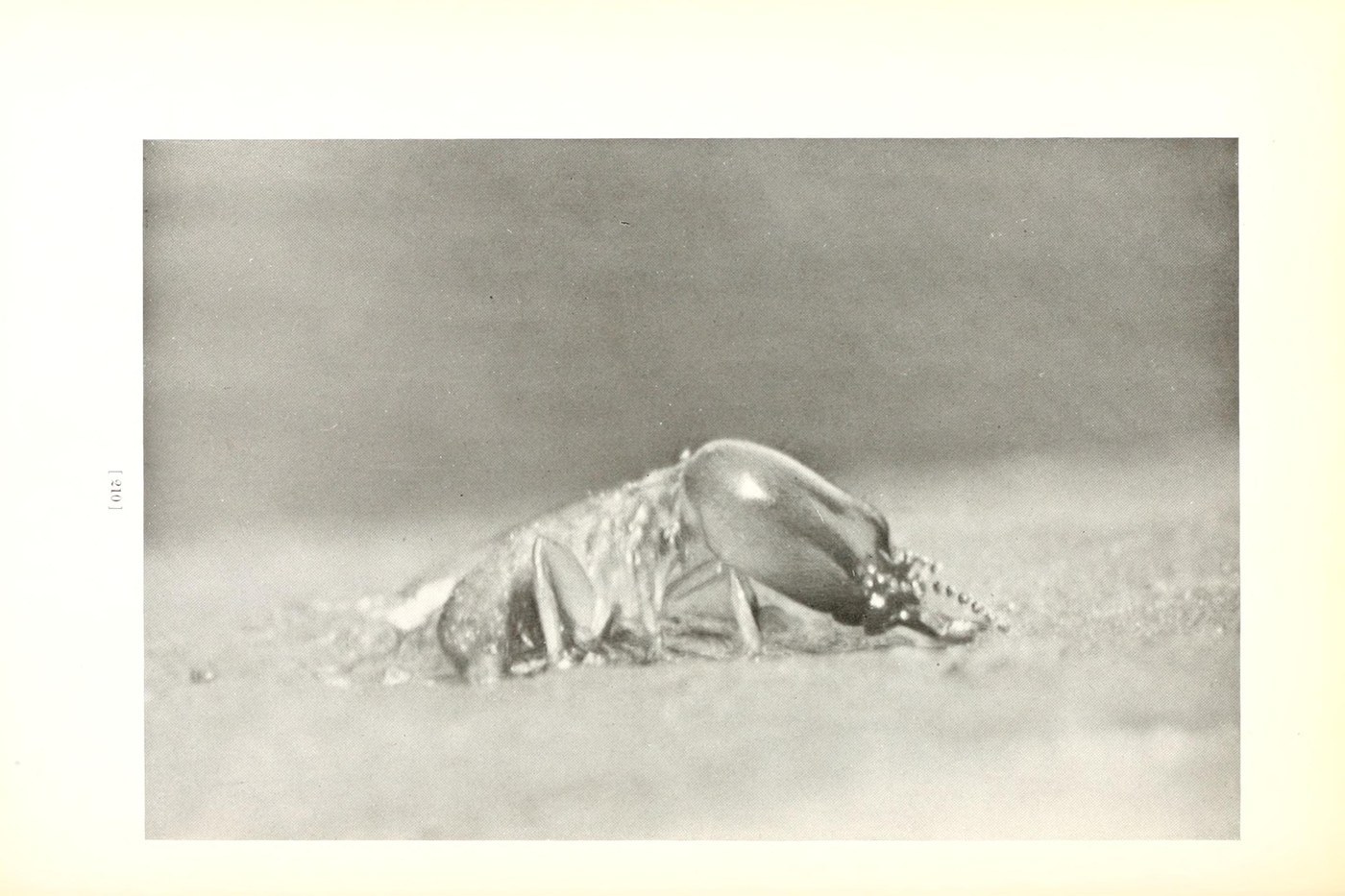
Eastern Subterranean Termite
A pale, soft-bodied social insect that lives in vast underground colonies and builds mud tubes to reach and feed on wood cellulose, including structural timber.
otherOdorous House Ant
A dark, unassuming ant best known for releasing a smell reminiscent of rotten coconut when a worker is crushed.
ant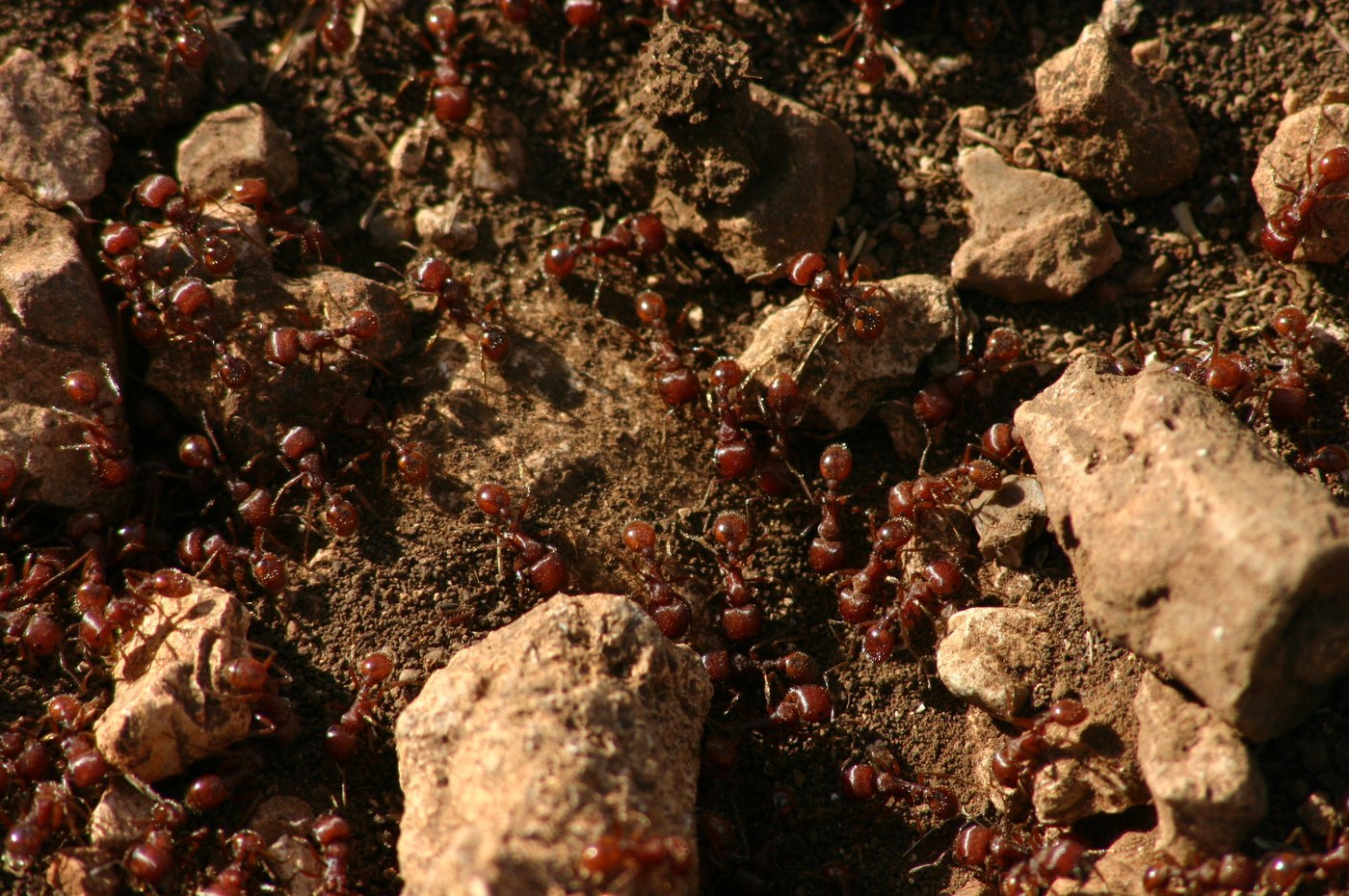
Fire Ant
A small reddish-brown ant that builds loose, crater-less dirt mounds in sunny open turf and mobilizes large numbers of workers rapidly when the nest is disturbed.
antFire Ant Queen
The reproductive powerhouse of a fire ant colony, noticeably larger than the reddish worker ants and equipped with wings before she sheds them to found a new nest.
antWeaver Ant
A tree-dwelling ant that builds its nest by stitching living leaves together with silk produced by its own larvae, forming elaborate arboreal colonies defended fiercely by its workers.
ant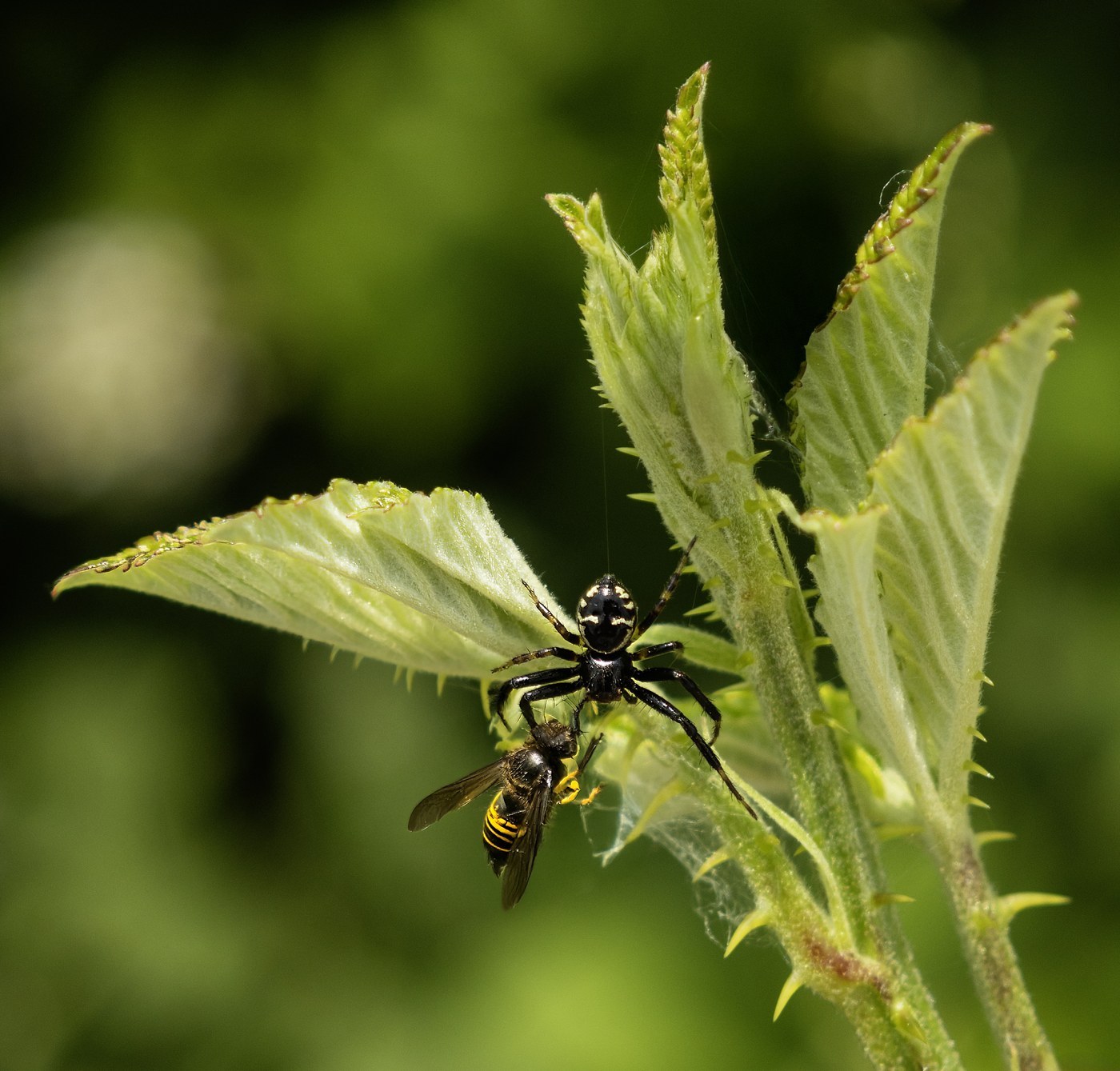
Common Wasp
A black-and-yellow social wasp with a distinct anchor-shaped mark on its face, common around gardens and picnics in late summer as its colony reaches peak size and workers seek out sugary food.
waspBumble Bee Queen
The large, robust foundress of a bumble bee colony, noticeably bigger and fuzzier than her worker offspring, seen alone in early spring searching for a nesting cavity before her colony's first workers emerge.
bee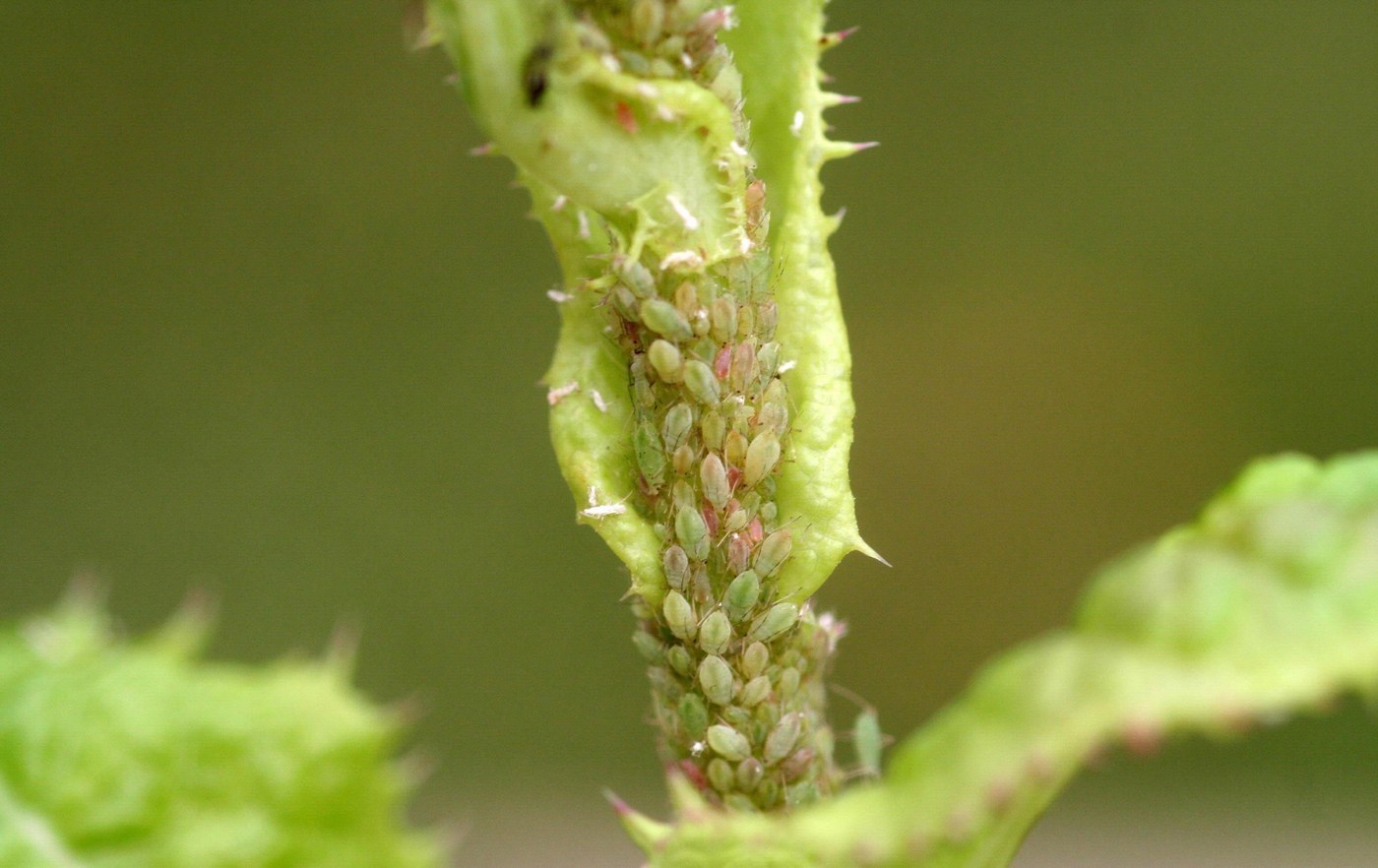
Aphid
A tiny, soft-bodied, pear-shaped insect that clusters in dense colonies on plant stems and leaf undersides, feeding on sap through needle-like mouthparts and often coated in sweet honeydew.
true-bug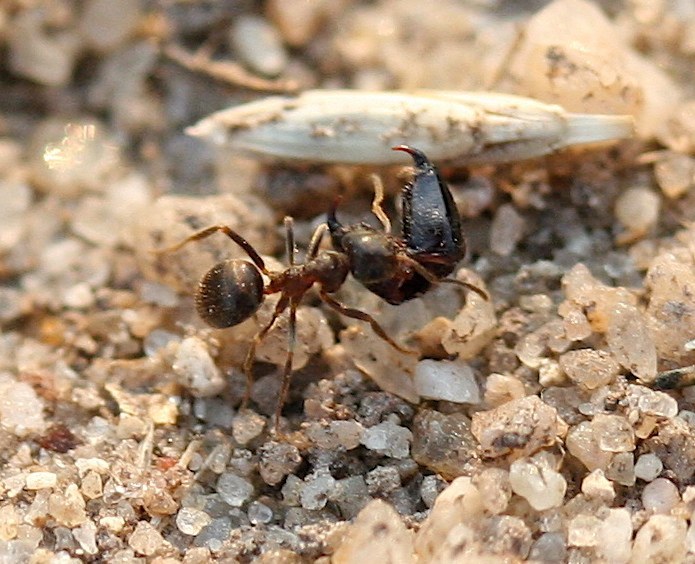
Ant
A small eusocial insect that lives in highly organized colonies, instantly recognizable by its narrow pinched waist, elbowed antennae, and single-file foraging trails.
antArmy Ant
A nomadic predator that never builds a permanent nest, instead forming temporary living bivouacs from its own linked bodies and sweeping through the forest floor in massive predatory raids.
antSugar Ant
A common name for several large, sugar-loving ants, most famously the black-and-orange banded sugar ant of Australia, known for its persistent nighttime foraging around kitchens and picnics.
antHouse Ant
A small, dark brown to black ant that forages in loose trails along countertops and baseboards and releases a distinctive rotten-coconut smell when crushed.
ant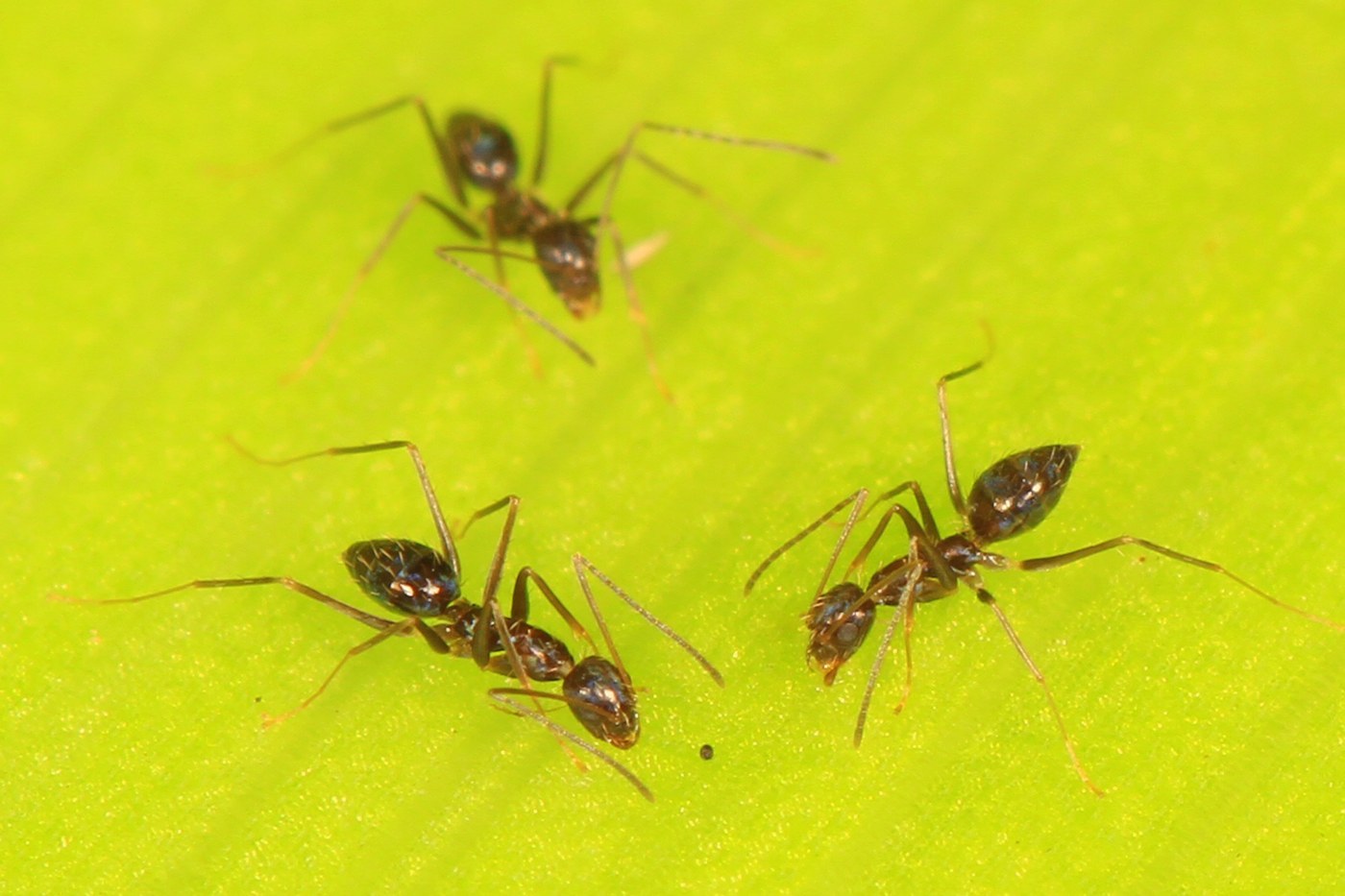
Crazy Ant
A fast-moving, long-legged ant instantly recognizable by its erratic, non-stop scurrying in every direction rather than the orderly trails followed by most other ants.
ant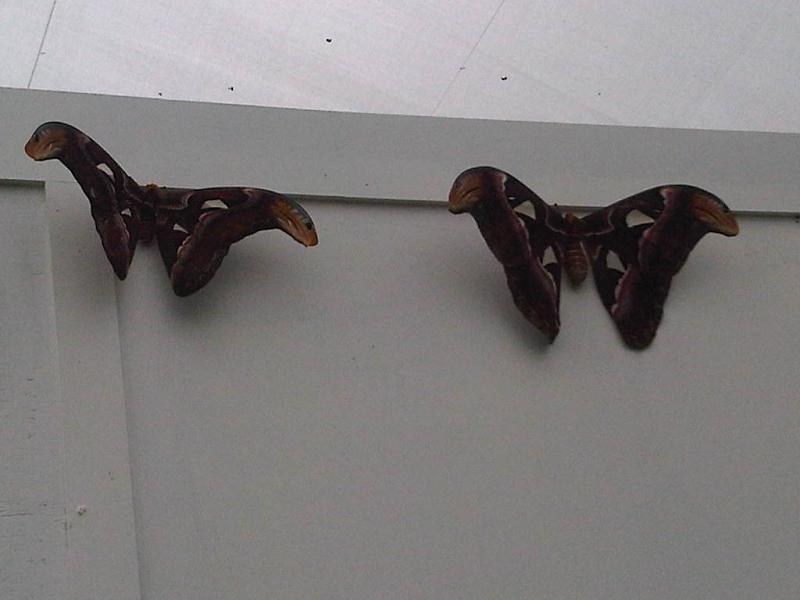
Atlas Moth
One of the largest moths in the world by wing surface area, the Atlas Moth is a giant reddish-brown silkmoth with striking triangular wingtip patches that resemble the heads of snakes.
moth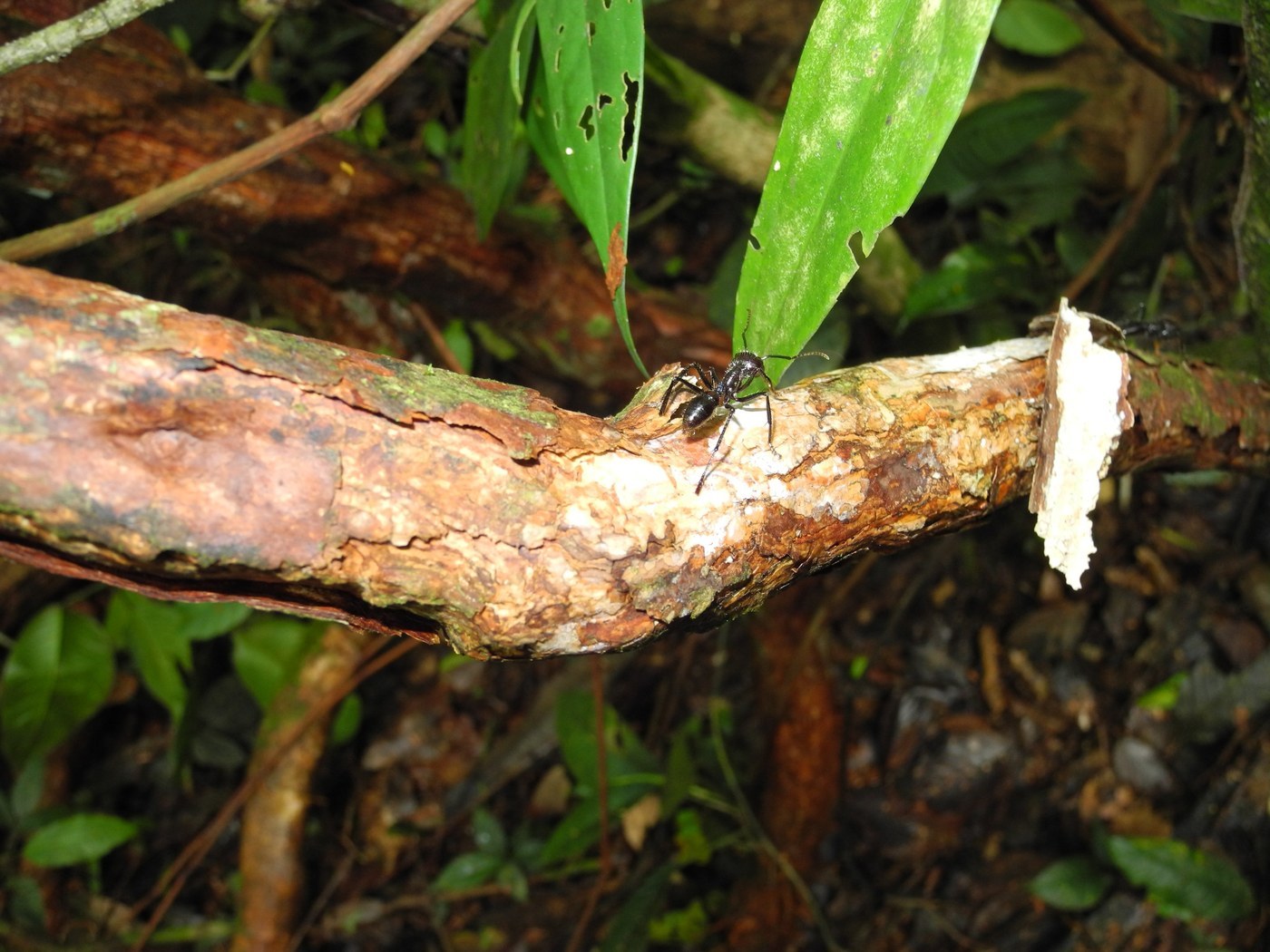
Bullet Ant
A large, glossy reddish-black rainforest ant, among the biggest ants in the world, that nests at the base of trees and forages individually along trunks and branches of the tropical canopy floor.
antAmbush Bug
A chunky, irregularly shaped true bug with thickened, raptorial front legs, the ambush bug hides motionless on flowers, blending into the petals while waiting to seize visiting pollinators.
true-bug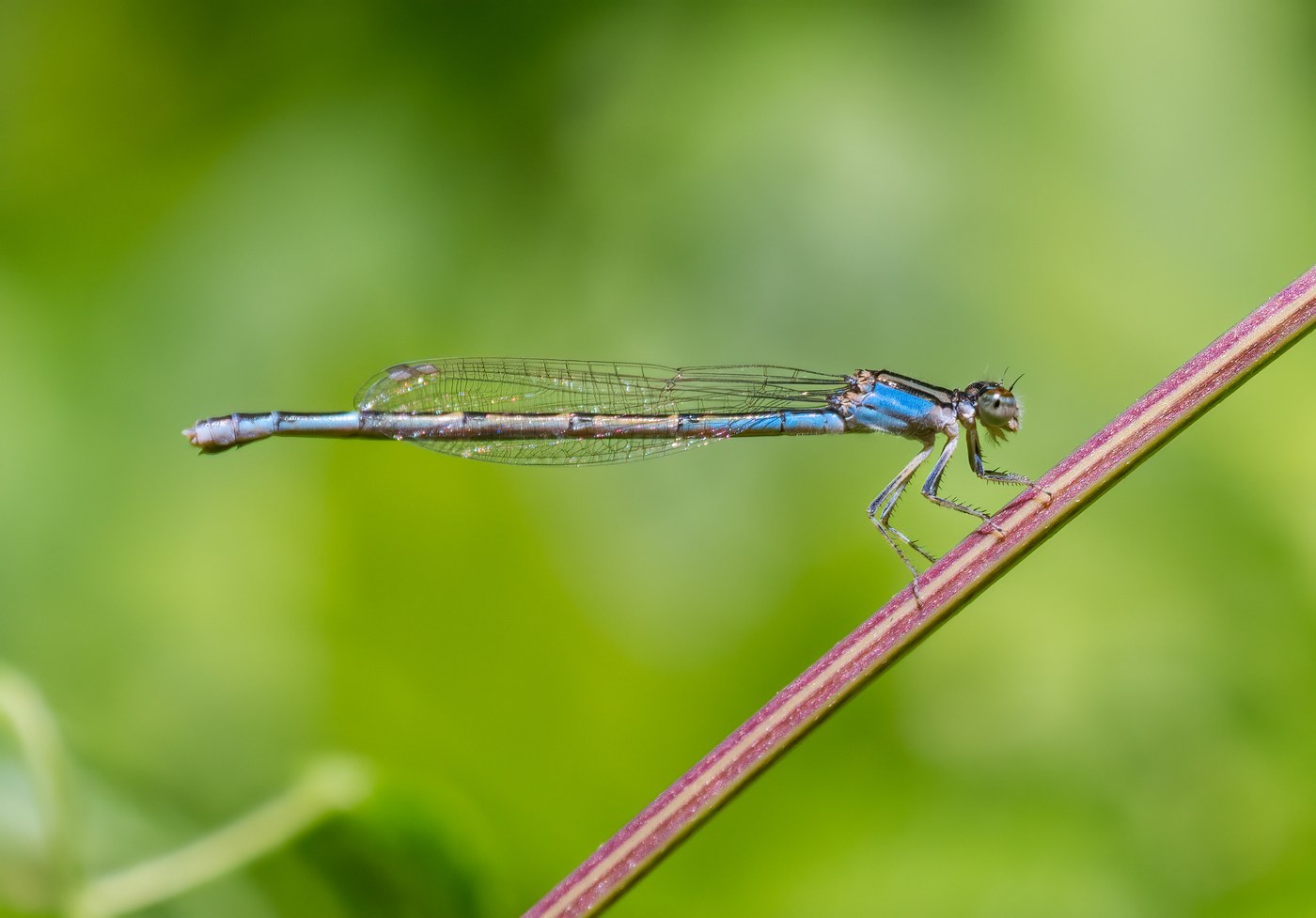
Azure Bluet
A sky-blue damselfly of quiet ponds, the Azure Bluet is named for its vivid blue coloration and is often seen resting in loose swarms over floating vegetation.
dragonflyTrap-Jaw Ant
A large, fast-moving ant with elongated, straight mandibles that snap shut faster than almost any other animal movement, used to strike prey or fling the ant itself out of danger.
ant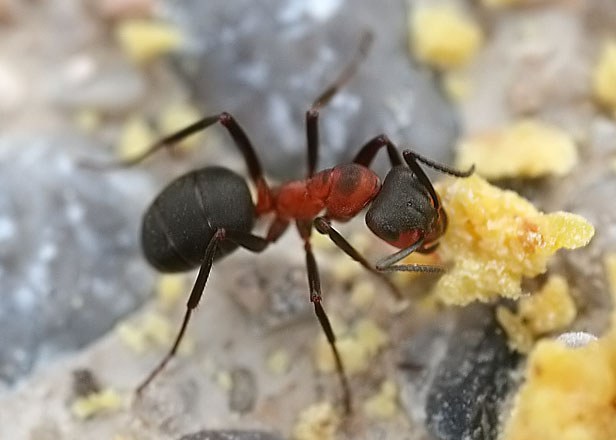
Red Wood Ant
A large woodland ant with a reddish-brown thorax and dark abdomen, famous for building towering dome-shaped mounds of pine needles and twigs in forest clearings.
ant