
Bug Encyclopedia
Search and identify bugs & insects — beetles, butterflies, moths, ants, bees, spiders and more — with size, habitat, danger, behavior, and how to tell them apart.
Scale Insect
A small, immobile insect that appears as a flat or domed, waxy bump firmly attached to a stem or leaf, easily mistaken for a plant blemish rather than a living creature.
true-bugSoil Mite
A microscopic, heavily armored mite found by the millions in a single handful of soil, quietly breaking down leaf litter and helping build the fertile ground beneath forests and fields.
arachnidBird Mite
A minute, pale to reddish mite that lives among feathers and nesting material of wild and domestic birds, sometimes dispersing into nearby buildings when nests are abandoned.
arachnidScabies Mite
A microscopic, eyeless mite that spends its entire life cycle burrowed within the outer layer of a mammal's skin, among the smallest arachnids known to science. Unlike free-living mites, it has no independent existence away from a host and is studied primarily through microscopic examination rather than direct observation.
arachnid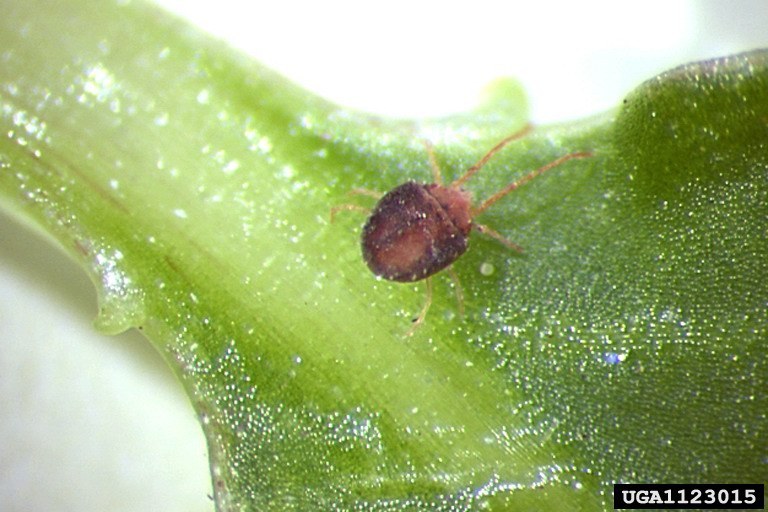
Clover Mite
A speck-sized reddish mite that streaks a rust-colored stain if crushed and invades homes by the hundreds when lawns dry out or turn cold.
arachnid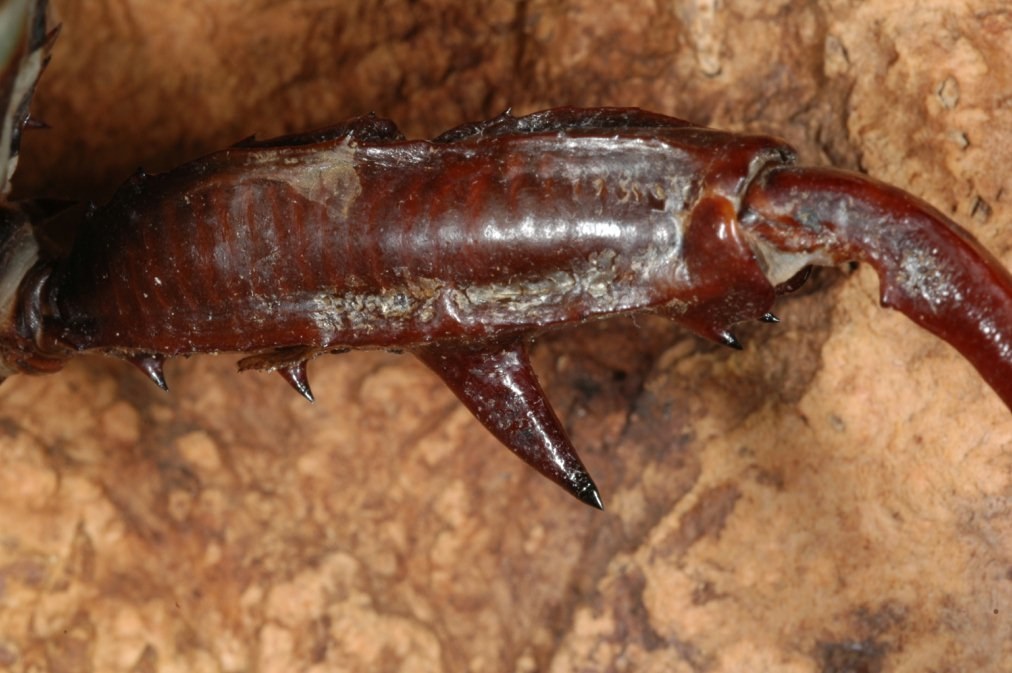
Walking Stick Insect
A master of disguise that has evolved to look almost exactly like a twig, bark or leaf, remaining motionless for hours to avoid the notice of hungry birds and lizards.
mantis-stick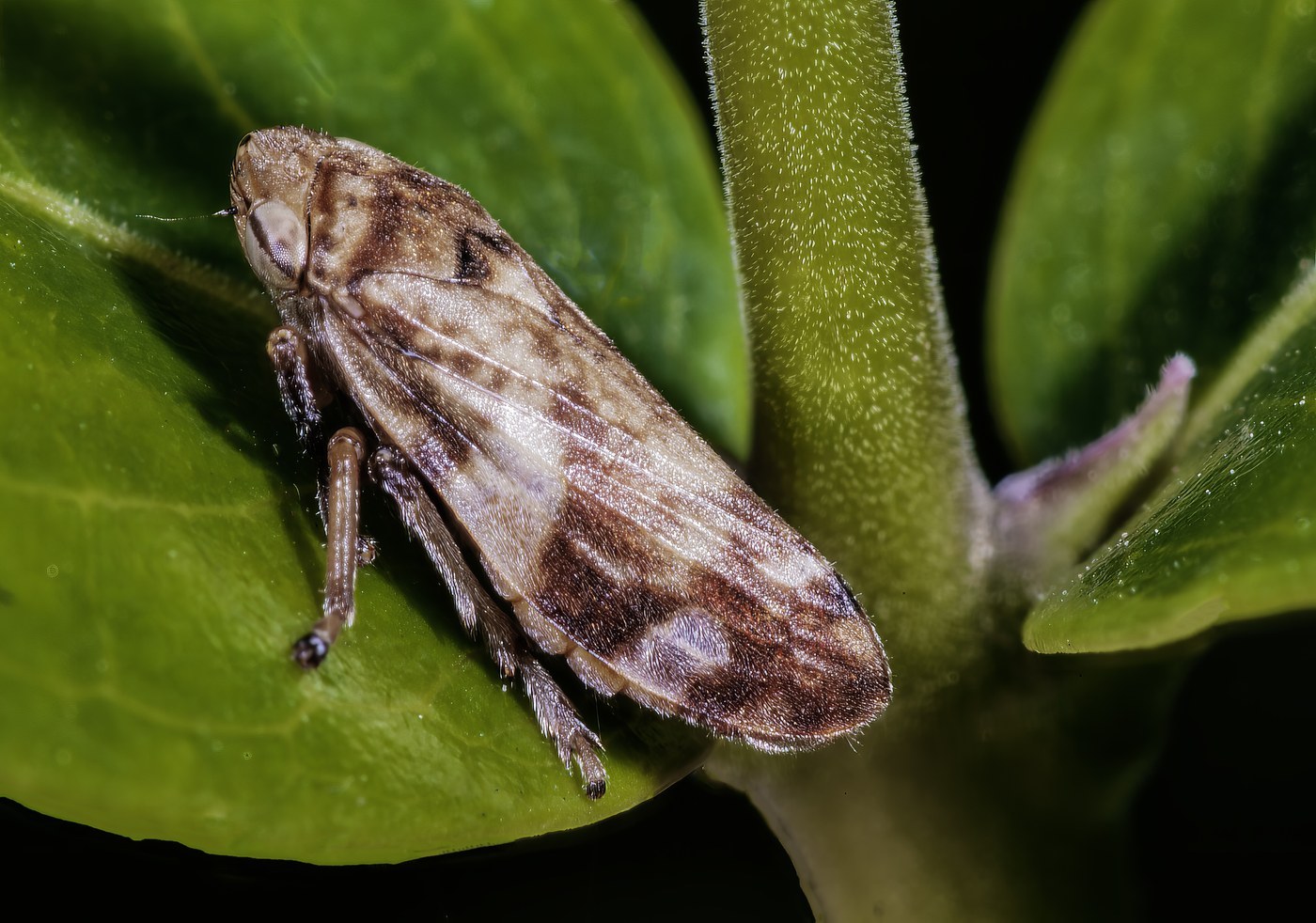
Spittlebug
A small hopping true bug best known in its nymph stage, which surrounds itself in a frothy mass of white foam on plant stems, commonly called cuckoo spit.
true-bugSmall Tortoiseshell
A vivid orange-red European garden butterfly patterned with black and yellow blocks and a border of blue crescents, one of the most familiar and widely recognized butterflies across its range.
butterfly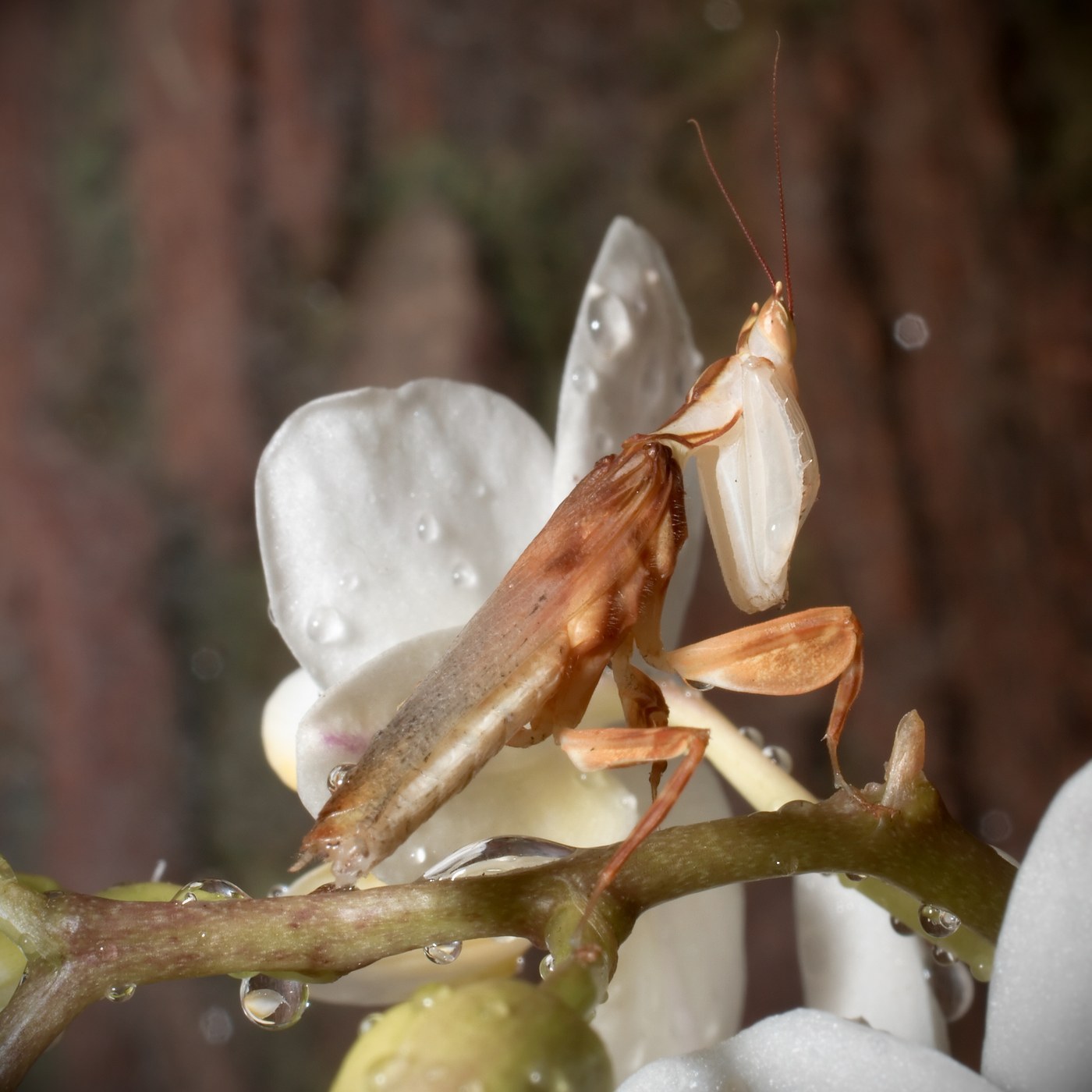
Orchid Mantis
A dazzling pink-and-white mantis whose petal-shaped leg lobes let it pass as a flower, luring pollinating insects close enough to ambush.
mantis-stick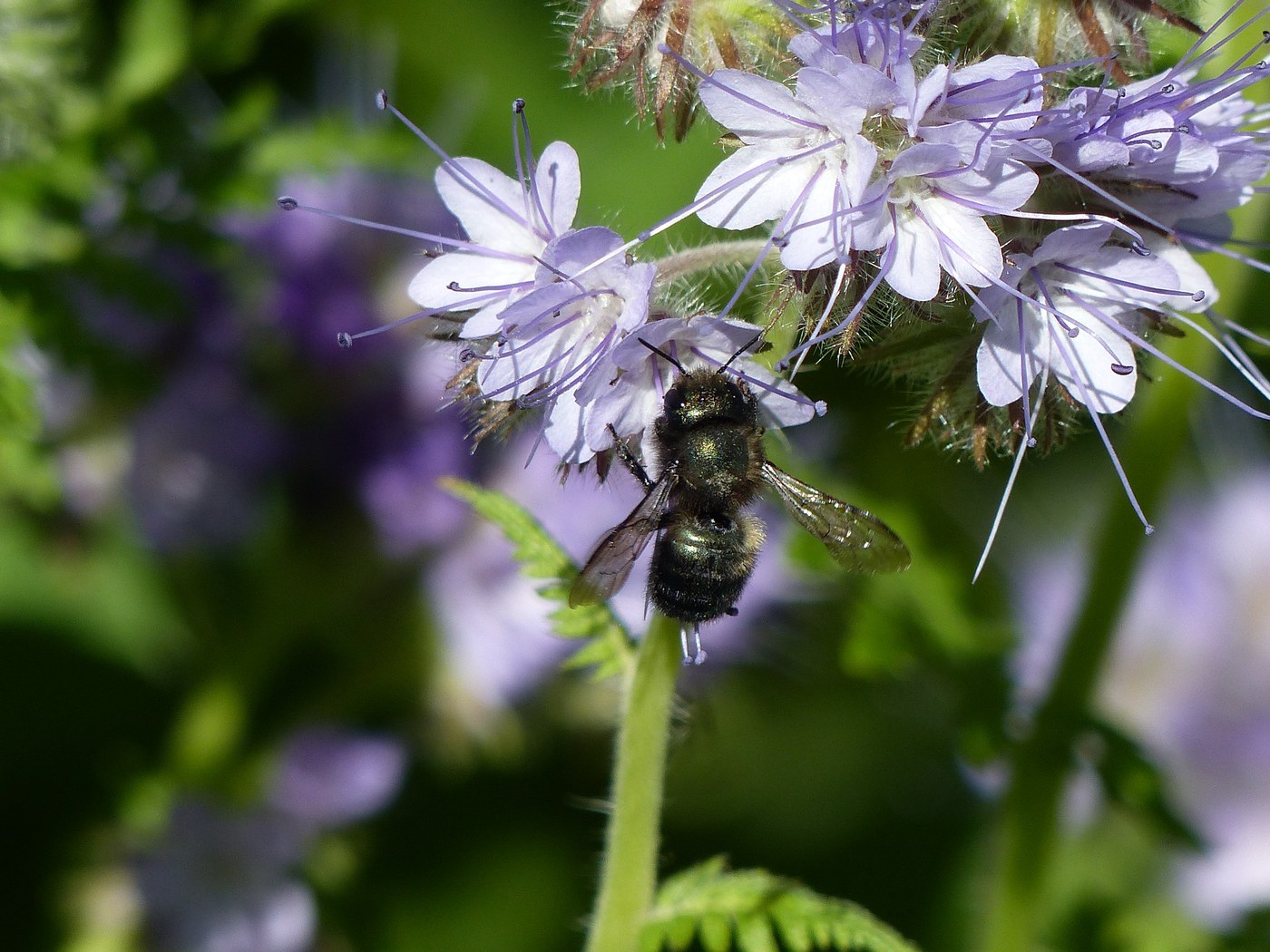
Blue Orchard Bee
A small, metallic blue-black solitary bee widely valued as an efficient early-spring pollinator of fruit trees, nesting in narrow tunnels and hollow stems rather than building hives.
bee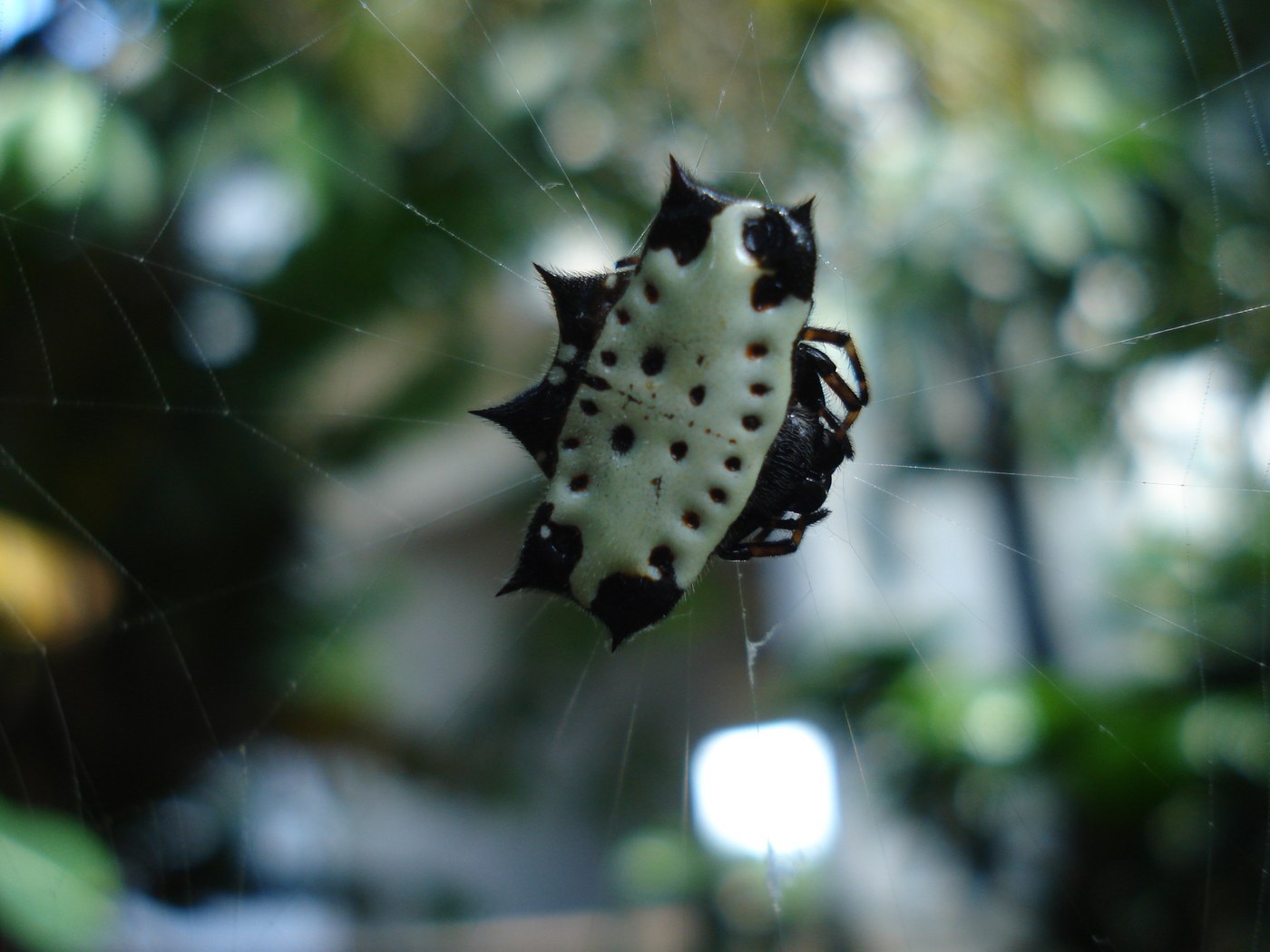
Spiny Orb Weaver
A small, hard-shelled orb weaver shaped like a tiny crab, with six sharp spines projecting from a brightly colored abdomen suspended in a neat wheel-shaped web.
spider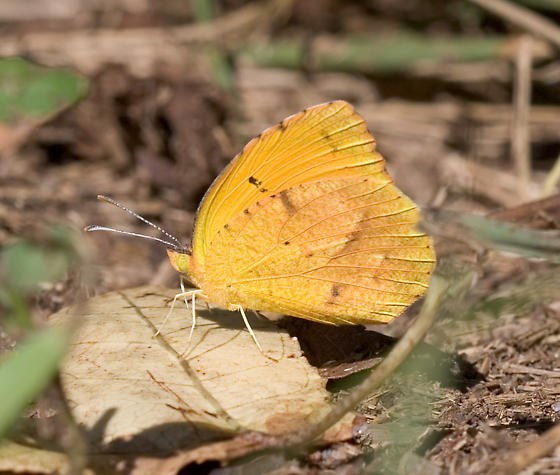
Sleepy Orange
A small, deep orange sulphur butterfly with dark wing borders and a low, wandering flight, named for a faint dark mark that suggests a half-closed, sleepy eye.
butterfly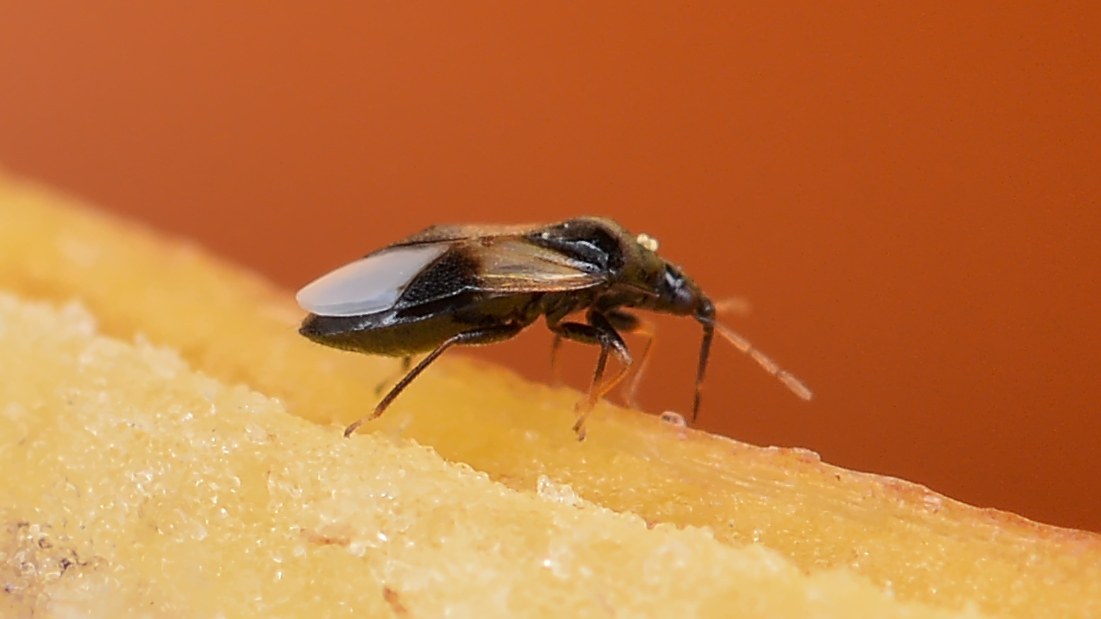
Minute Pirate Bug
A tiny, black-and-white patterned true bug barely visible without close inspection, the minute pirate bug is a voracious predator of thrips, mites, and insect eggs on flowers and foliage.
true-bugAlderfly
A small, dusky-winged insect that flutters weakly among streamside alders and shrubs, the diminutive relative of the mighty dobsonfly.
aquatic-insect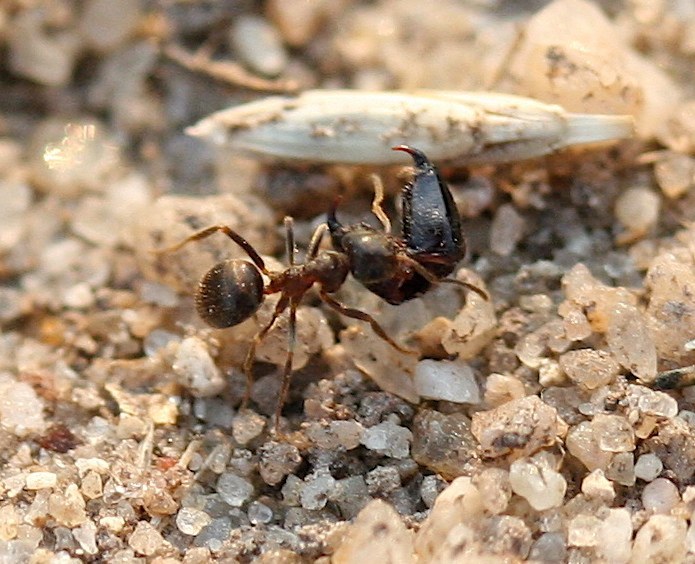
Ant
A small eusocial insect that lives in highly organized colonies, instantly recognizable by its narrow pinched waist, elbowed antennae, and single-file foraging trails.
ant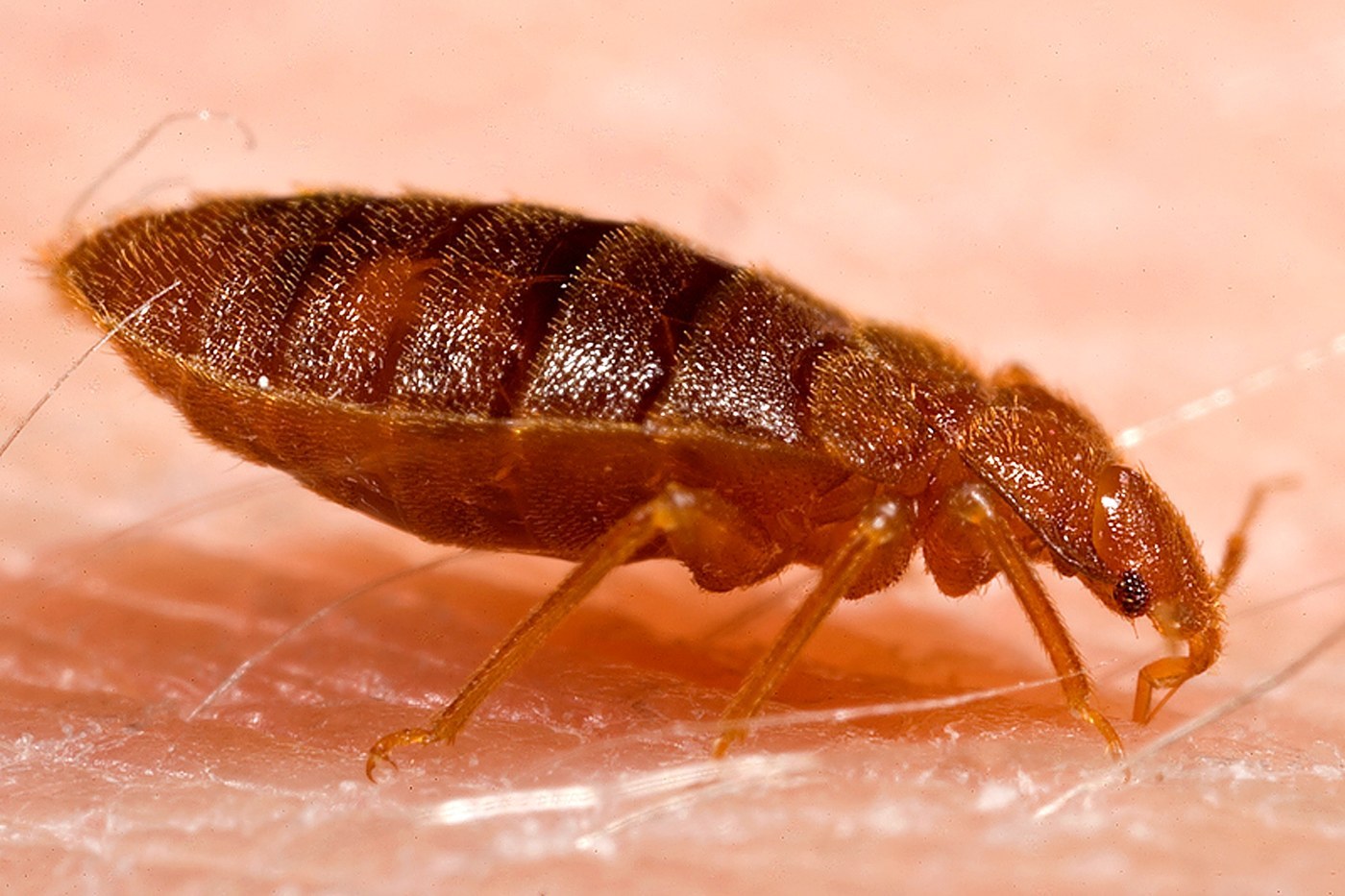
Bed Bug
A small, flat, reddish-brown, wingless insect shaped like an apple seed that hides in mattress seams and bed frames by day and emerges at night to feed.
true-bug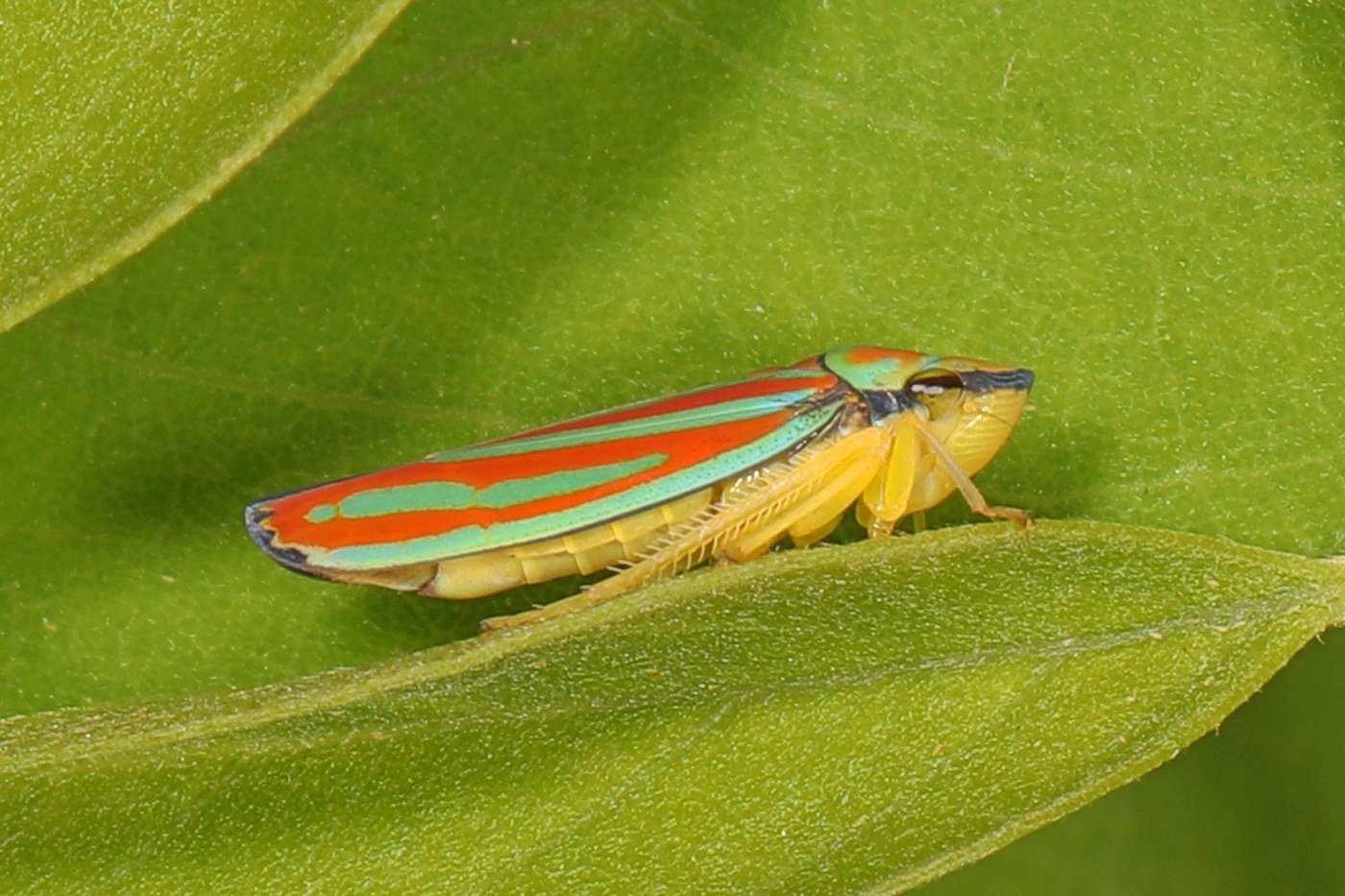
Leafhopper
A small, wedge-shaped insect that darts sideways and springs away in quick hops when disturbed, often brightly striped or patterned and found clinging to the underside of leaves.
true-bugAntlion
An insect best known for its larval stage, the doodlebug, which digs a small conical pit trap in loose sand to ambush unwary ants, while the winged adult resembles a slender, delicate damselfly.
other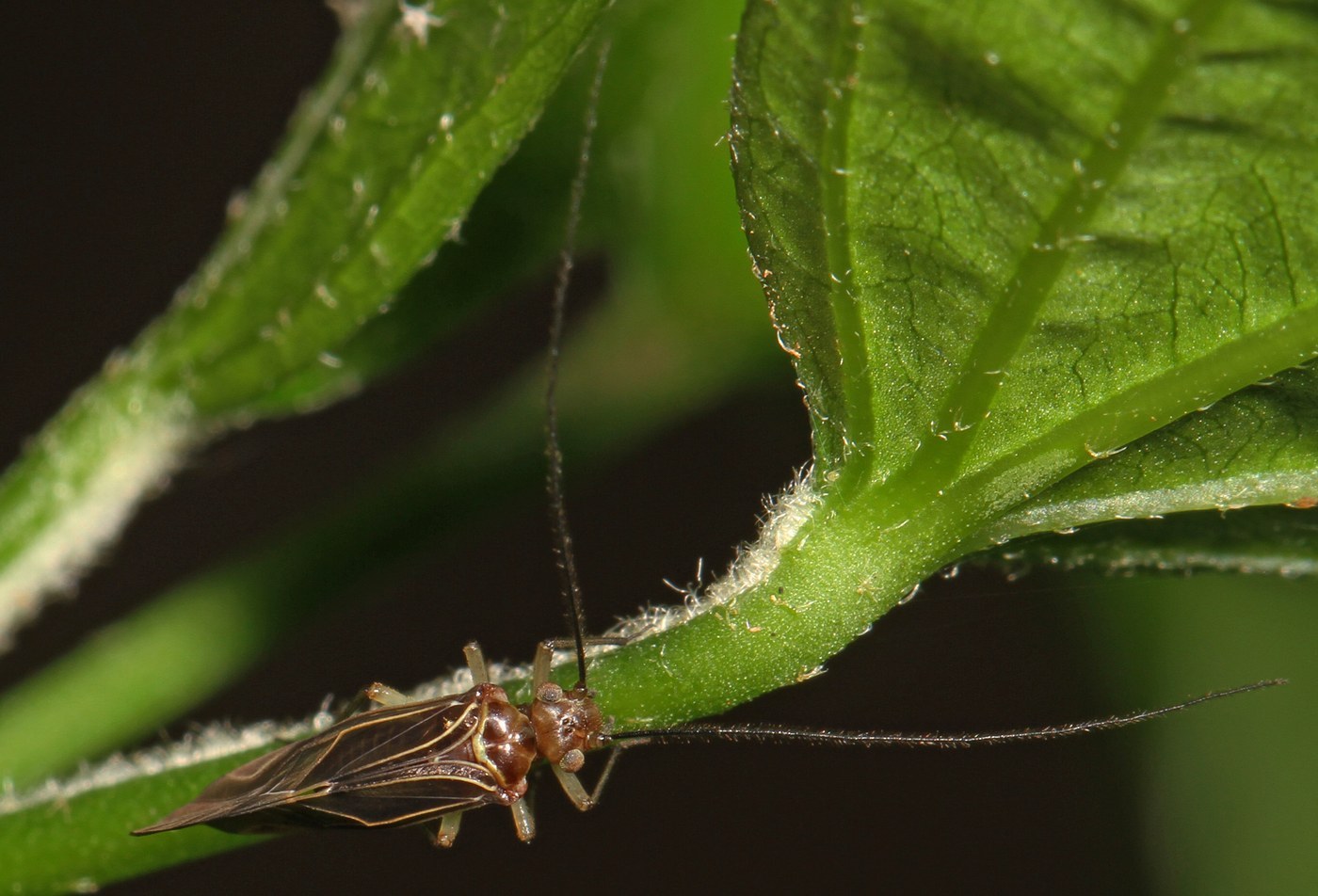
Bark Louse
A small, soft-bodied insect often seen in dense, moving herds on tree trunks, the bark louse grazes on algae, lichen, and fungal residue coating bark surfaces.
otherMesh Web Weaver
A tiny, easily overlooked spider that spins a loose, bluish tangle of fuzzy silk over twig tips and seed heads to snare small insects.
spiderBrown Lacewing
Smaller and less conspicuous than its green relatives, the Brown Lacewing is a subtle but effective predator of aphids and other tiny insects in gardens, forests, and orchards.
otherMeadow Katydid
Small, slender, and beautifully camouflaged among grass blades, meadow katydids fill open fields and marsh edges with a soft, buzzy, insect-like ticking that blends into the summer evening background.
grasshopper-cricketBraconid Wasp
A tiny, often overlooked parasitoid wasp best known for laying eggs inside caterpillars and other insect hosts, sometimes leaving telltale clusters of small white cocoons on a host's back.
waspBig-Eyed Bug
A small, broad-headed true bug named for its noticeably large, bulging compound eyes, the big-eyed bug is a beneficial predator that patrols low vegetation and soil surfaces for small pest insects.
true-bug