Bug Encyclopedia
Search and identify bugs & insects — beetles, butterflies, moths, ants, bees, spiders and more — with size, habitat, danger, behavior, and how to tell them apart.
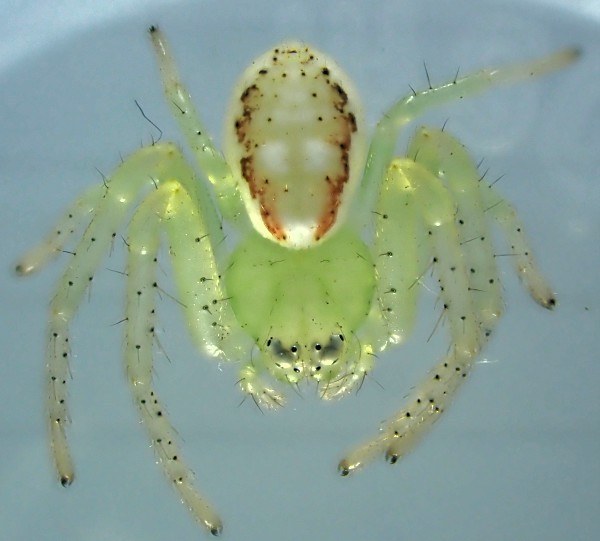
Crab Spider
Perched motionless atop a flower petal, often perfectly matched to its color, the crab spider is a patient ambusher that waits for pollinators to land within reach of its outstretched front legs.
spider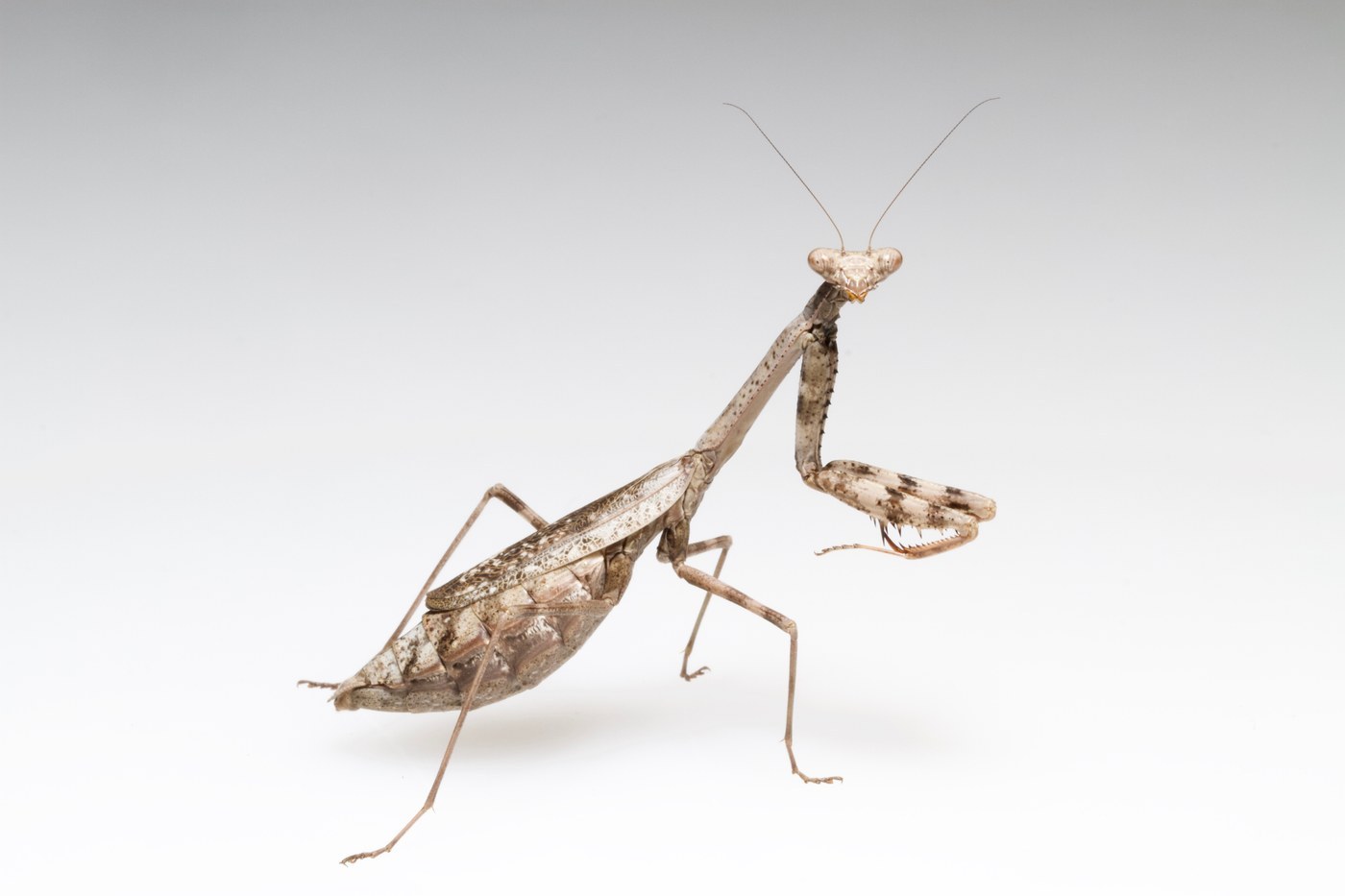
Carolina Mantis
A mottled gray-brown mantis native to the southeastern and south-central United States, smaller and more camouflaged than its introduced Chinese relative, and recognized as the state insect of South Carolina.
mantis-stick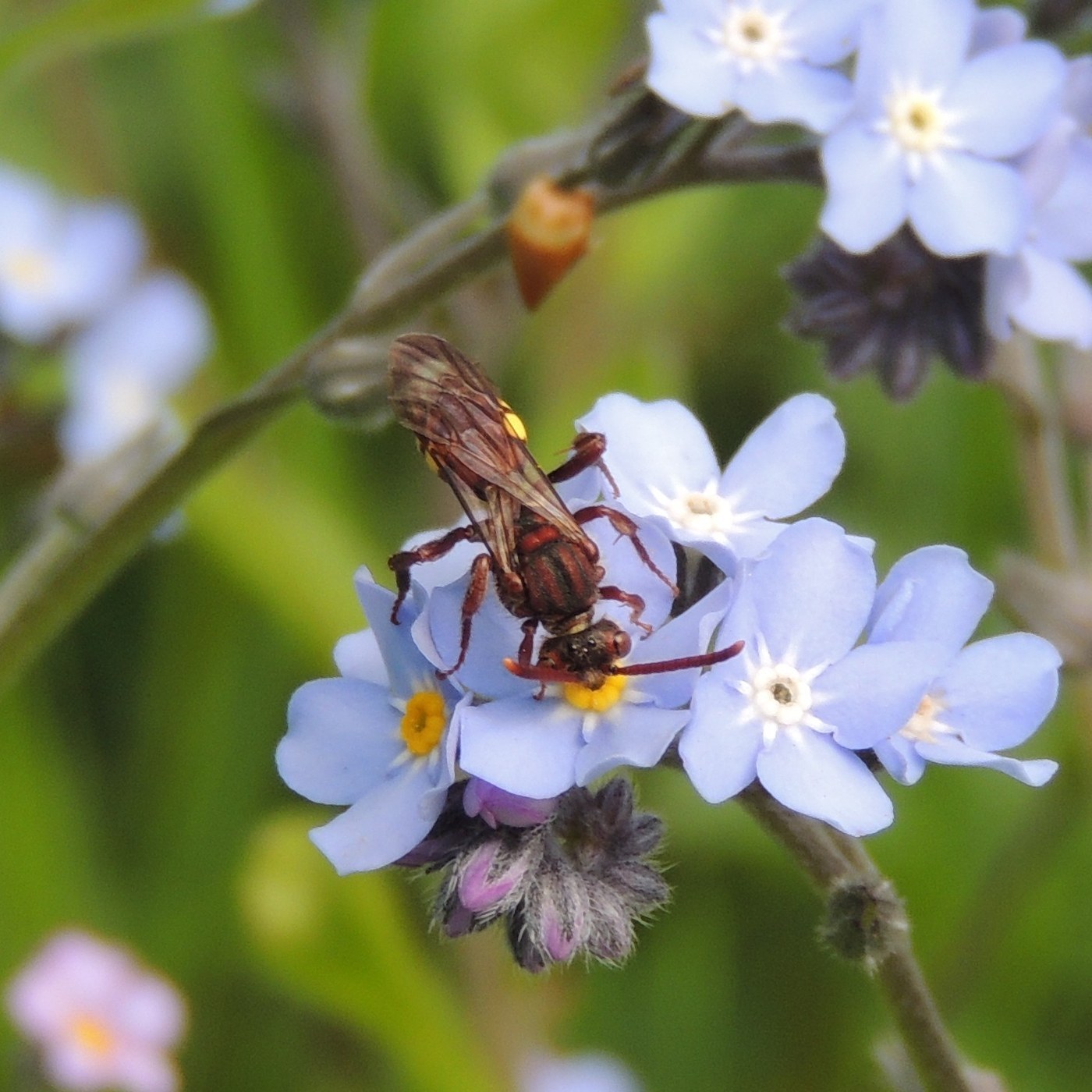
Cuckoo Bee
A slender, wasp-like bee that lacks pollen-carrying hairs because it never gathers its own pollen, instead sneaking into the nests of other solitary bees to lay eggs that hatch and consume the host's food stores.
bee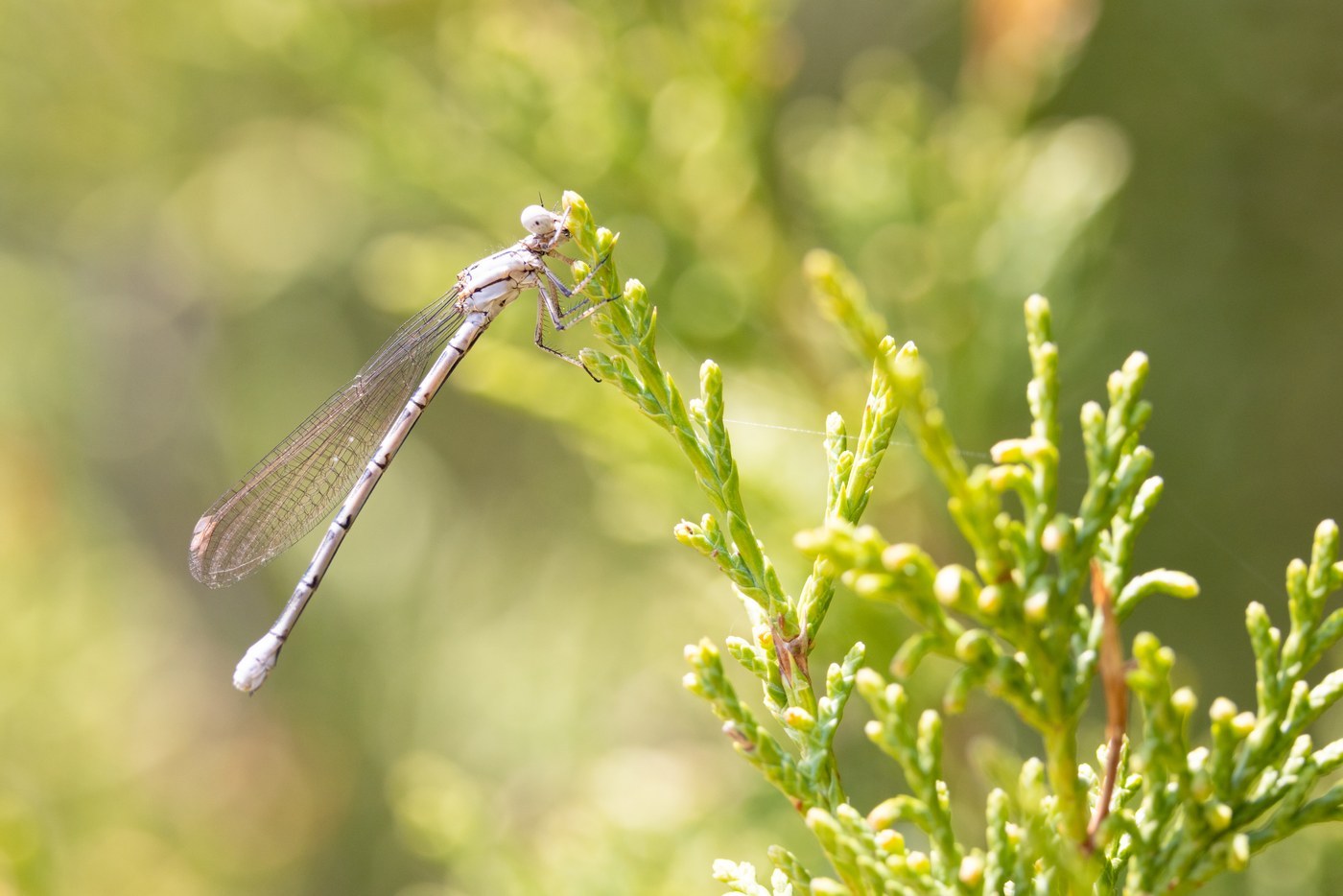
Damselfly
A slender, delicate relative of the dragonfly with widely spaced eyes and slim wings that fold together over its back at rest, often seen fluttering weakly among reeds and grasses at the water's edge.
dragonfly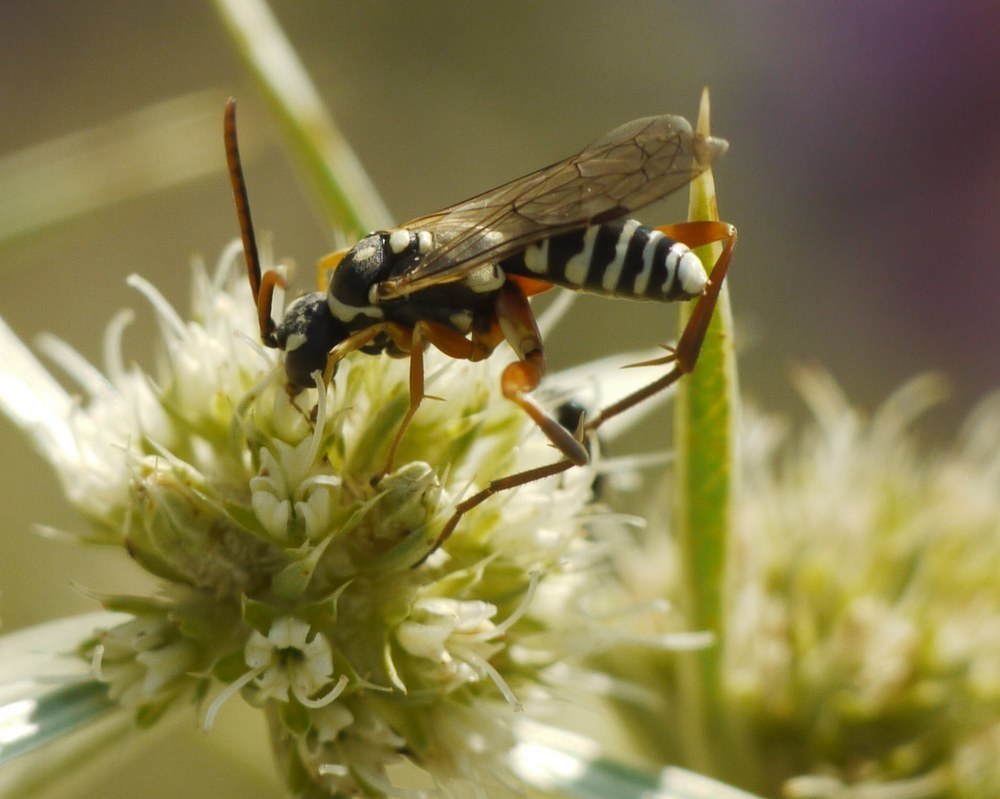
Spider Wasp
A quick, nervous-flying solitary wasp with long spiny legs and constantly flicking wings, recognized for its habit of running across open ground in short bursts while hunting spiders to paralyze and store for its young.
waspHorse Fly Larva
Hidden in the wet mud along pond and stream margins, the horse fly larva is a tapered, tough-skinned predator that hunts other small soil and mud-dwelling invertebrates before eventually transforming into the familiar biting fly.
aquatic-insect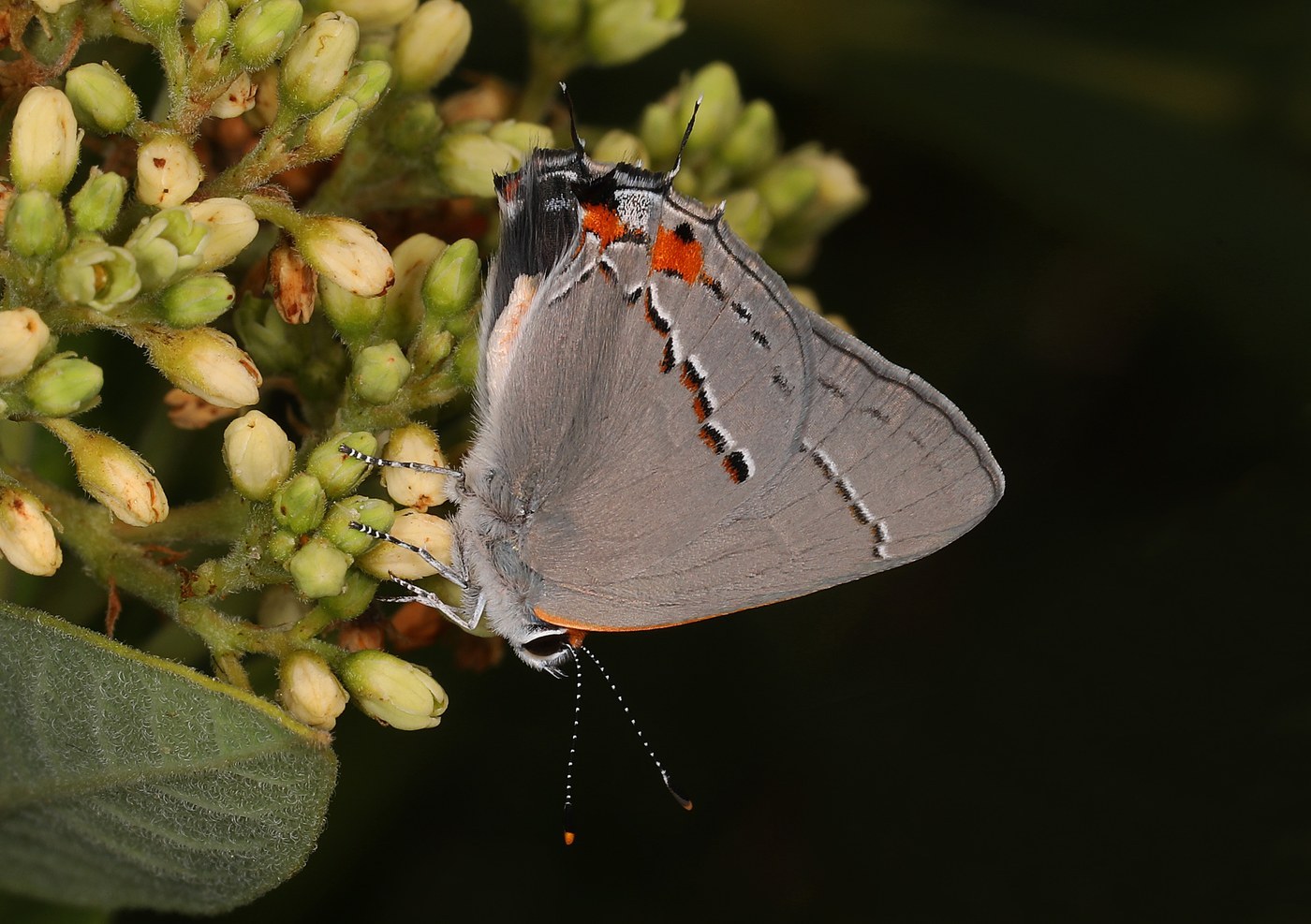
Gray Hairstreak
A small slate-gray butterfly with thin white lines, an orange-capped black spot near the hindwing tail, and one of the broadest host-plant ranges of any North American butterfly, making it a familiar visitor to gardens and fields alike.
butterflyBombardier Beetle
A dark, quick-moving ground beetle famous for firing a hot, audible chemical spray from its abdomen when disturbed, using two-tone coloring of a reddish head and thorax against blue-black wing covers as a warning signal.
beetle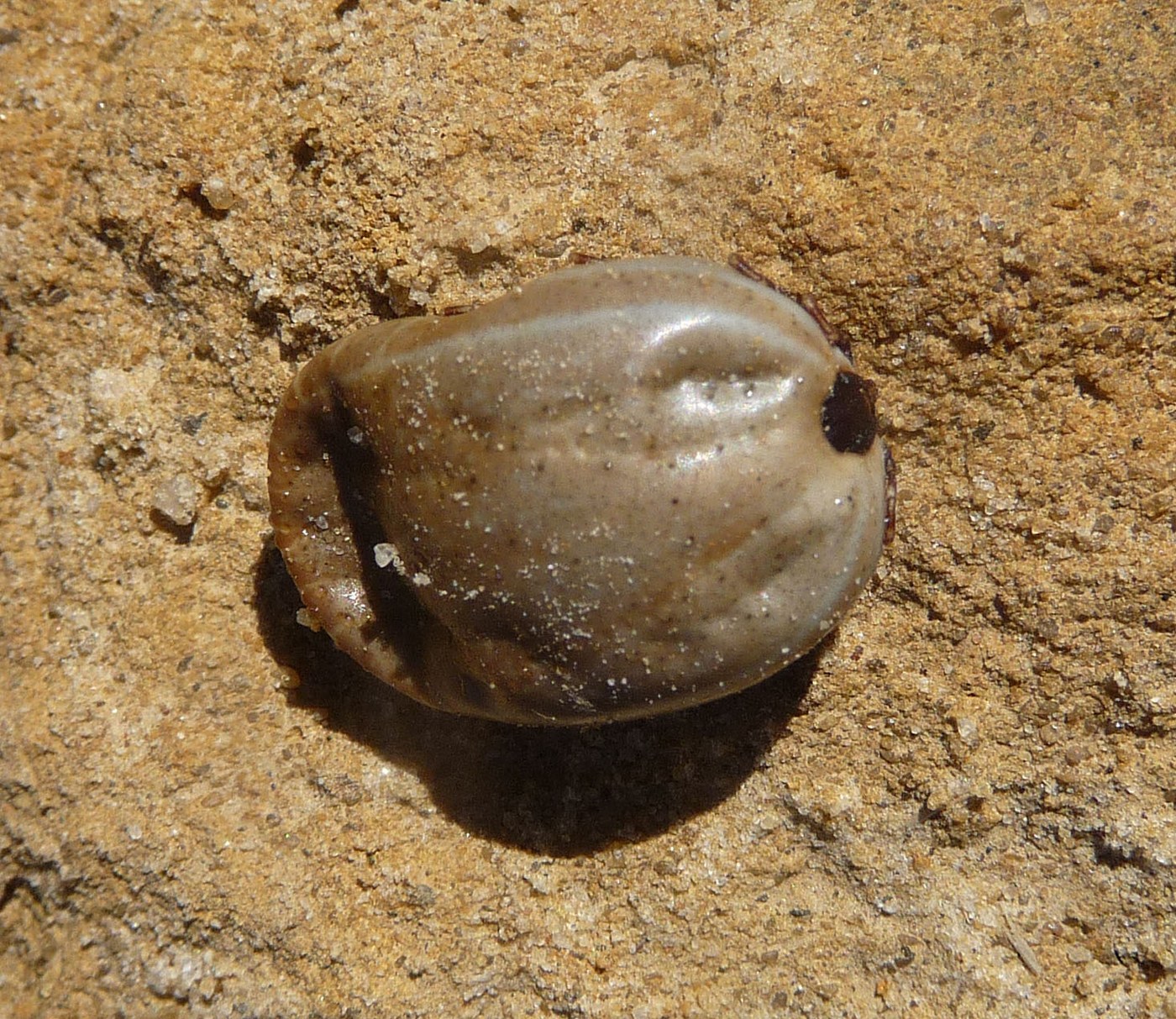
Brown Dog Tick
A uniformly reddish-brown tick with an elongated body, the brown dog tick is unusual among ticks for being able to complete its entire life cycle indoors around wherever dogs rest. It has spread to warm regions worldwide largely by traveling with its preferred host.
arachnidAlderfly Larva
Fringed with feathery gill filaments along its sides, the alderfly larva crawls through soft pond and stream sediments hunting smaller invertebrates before eventually leaving the water entirely to pupate on land.
aquatic-insect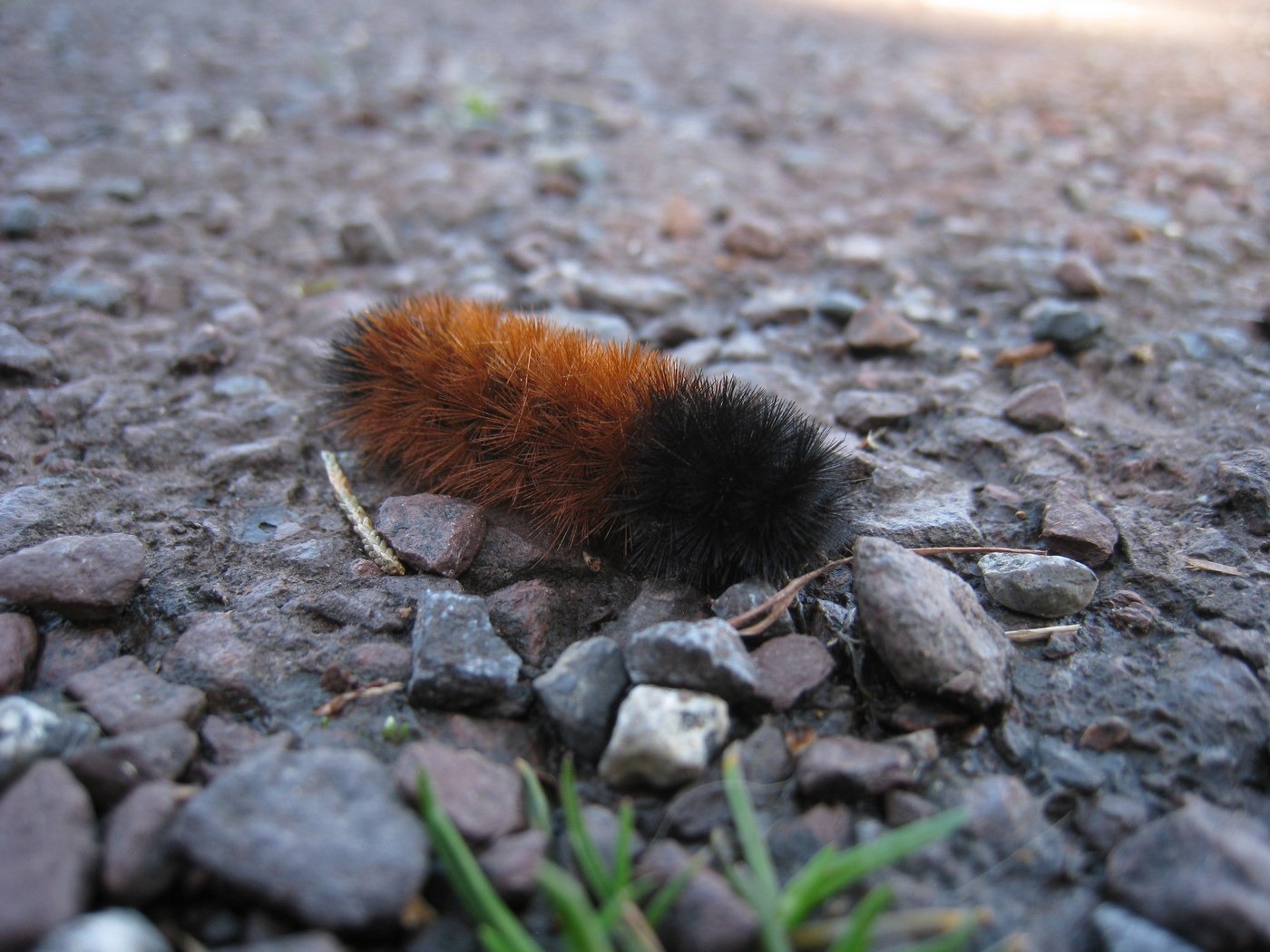
Woolly Bear Caterpillar
A densely bristled caterpillar banded in black at both ends with a rusty-orange middle section, famous in folklore for supposedly predicting winter severity and for rolling into a tight ball when touched.
caterpillar-larva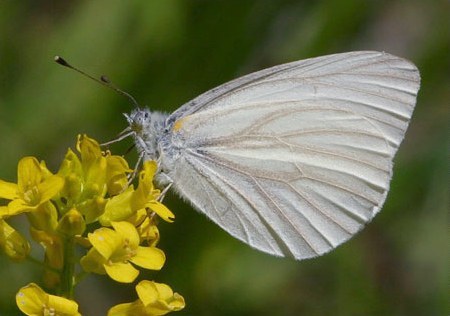
West Virginia White
A delicate, pure-white spring butterfly of eastern hardwood forests with faint gray veining on the underside, flying only for a few weeks each year before its short-lived toothwort host plants fade.
butterfly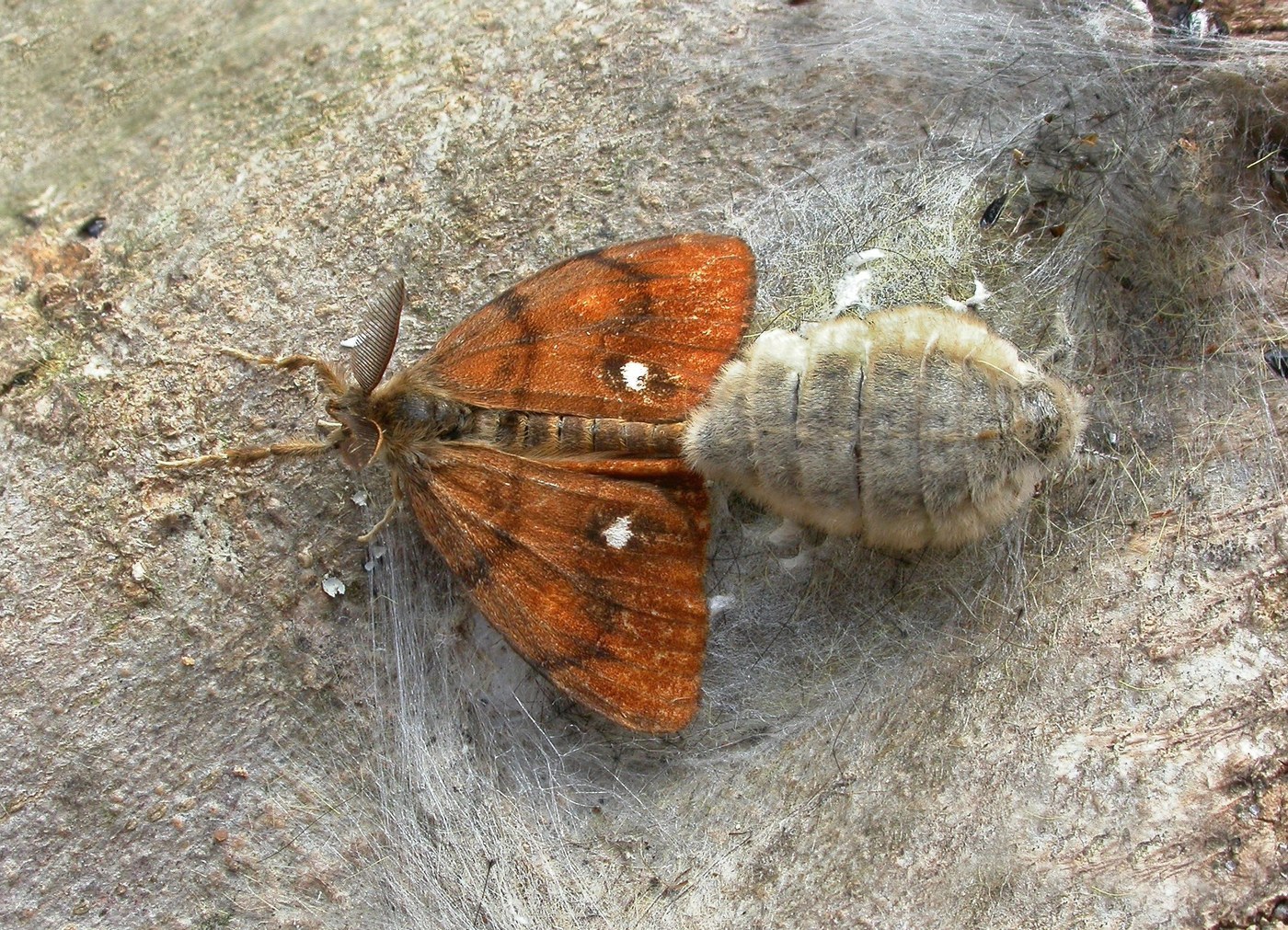
Vapourer Moth
A small tussock moth with striking sexual dimorphism: rusty-orange, day-flying males with feathery antennae contrast with flightless, grub-like grey females that never leave their cocoon to lay eggs.
moth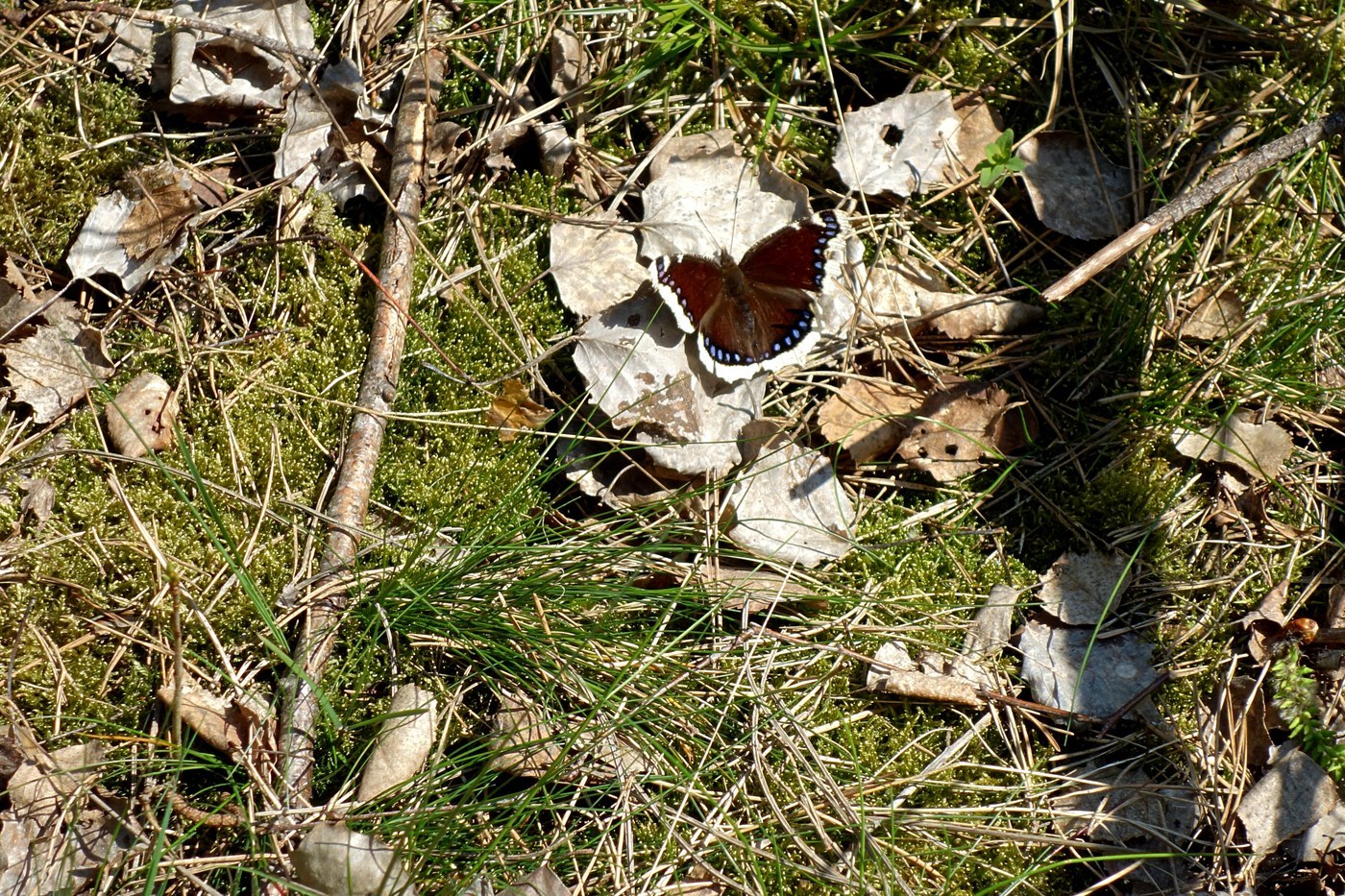
Mourning Cloak Butterfly
A deep maroon-brown butterfly bordered with a cream-yellow band and a row of iridescent blue spots, unusual among butterflies for overwintering as an adult and being one of the first to appear in early spring.
butterfly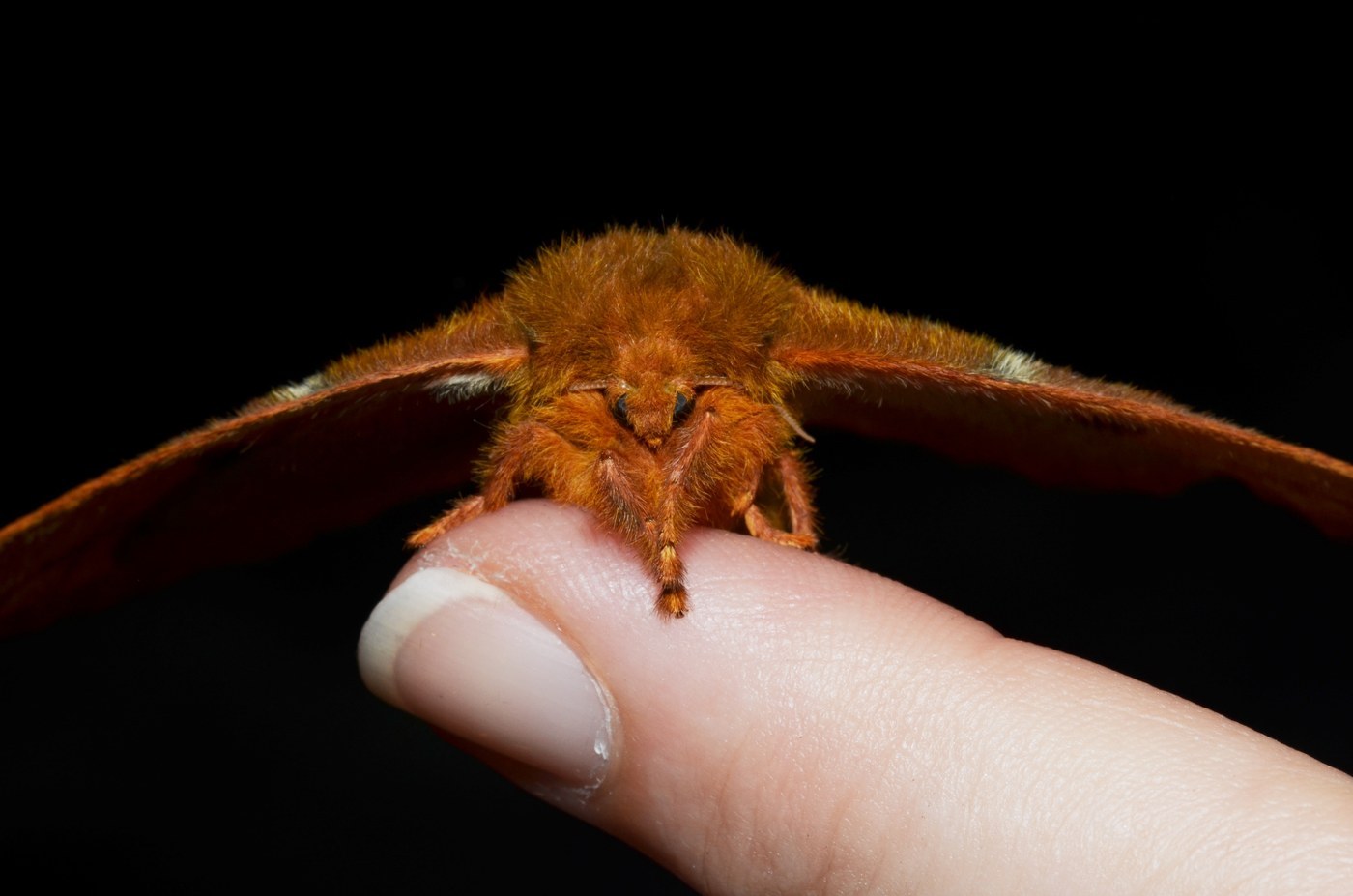
Io Moth
A striking yellow (male) or reddish-brown (female) silkmoth instantly recognizable by the large, dark eyespot ringed in blue and black on each hindwing, flashed suddenly to startle predators.
moth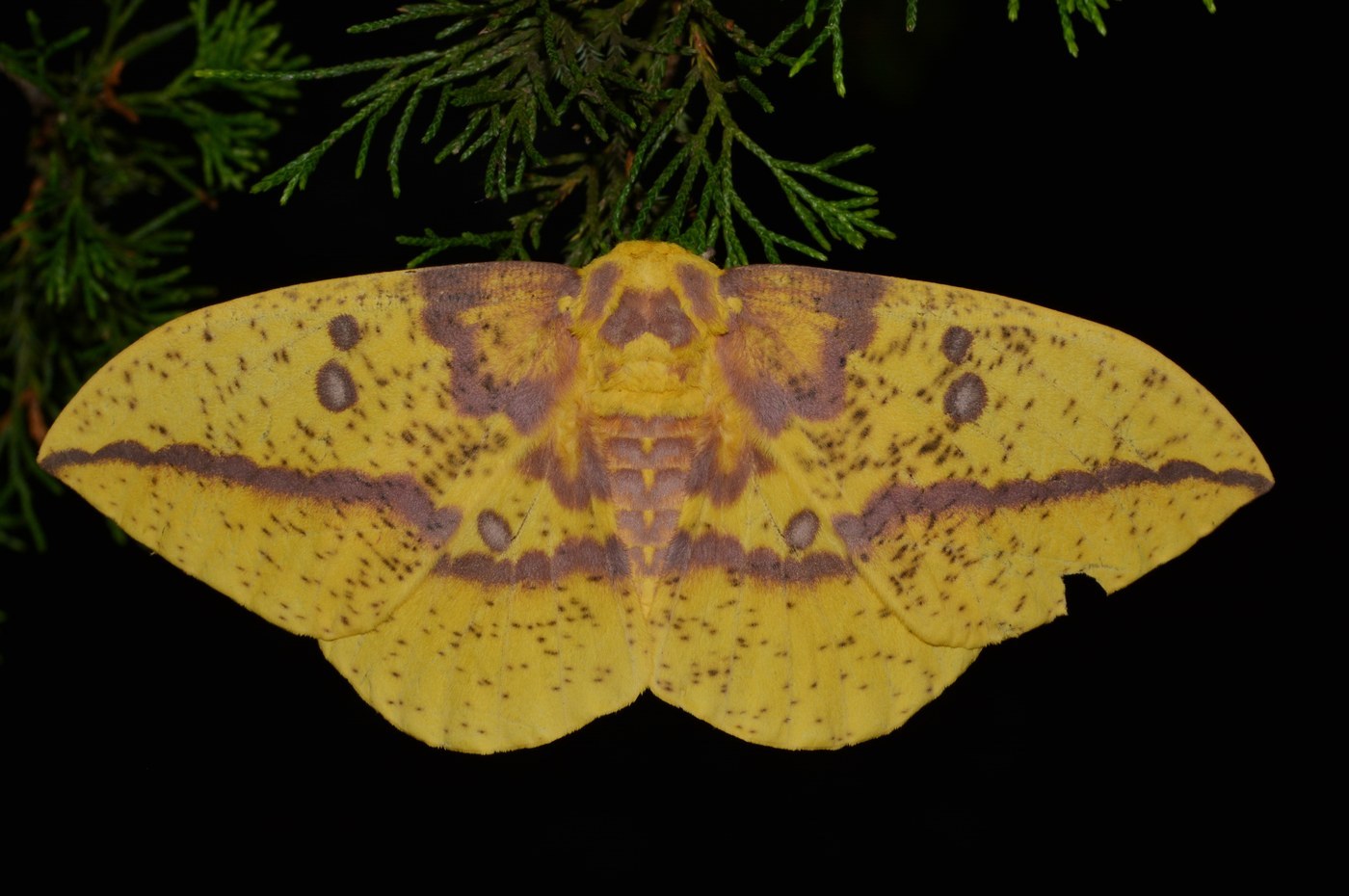
Imperial Moth
One of the largest and most variably patterned silk moths in North America, with broad yellow wings mottled in shades of purple, brown, and pink, and a caterpillar that can grow to impressive size on a wide range of forest trees.
moth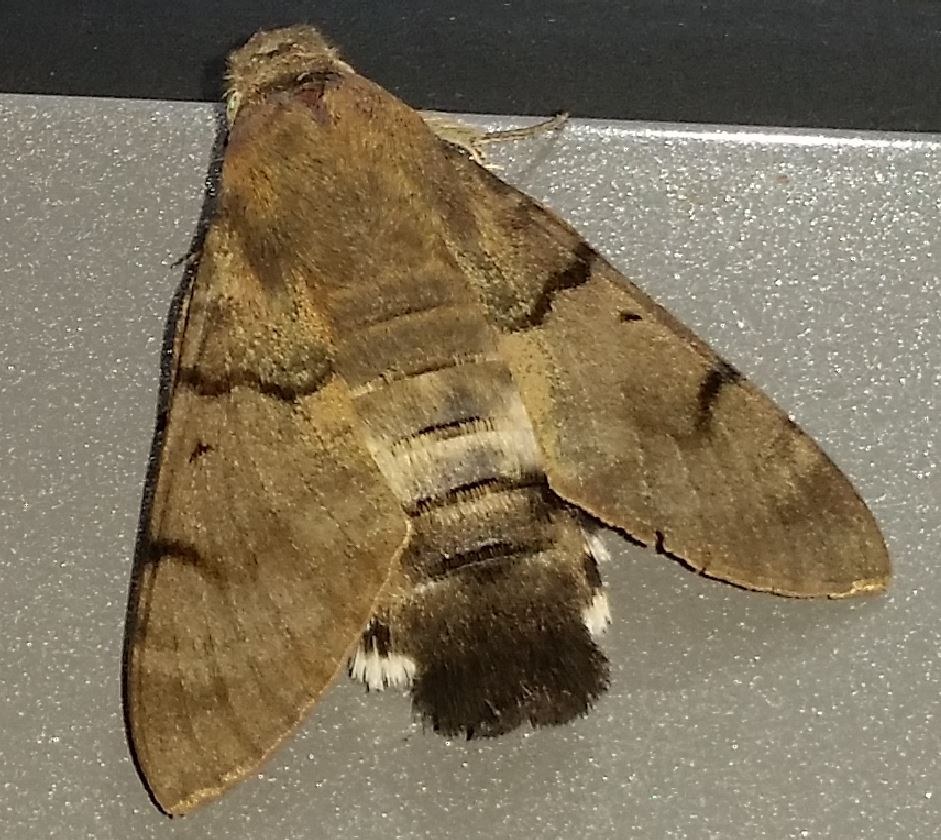
Hummingbird Hawk-Moth
A day-flying moth that hovers in front of flowers on blurring wings while unspooling a long proboscis to sip nectar, so closely mimicking a hummingbird in flight that it is frequently mistaken for one.
mothLanternfly (Spotted Lanternfly)
A strikingly patterned planthopper with grey, spotted forewings that flash to reveal crimson hindwings when it leaps, now notorious as an invasive agricultural pest far from its native range.
true-bugFishfly Larva
A flattened, armor-plated predator of stream bottoms, the fishfly larva spends one to three years underwater seizing prey with sickle-shaped jaws before briefly taking wing as a short-lived winged adult.
aquatic-insect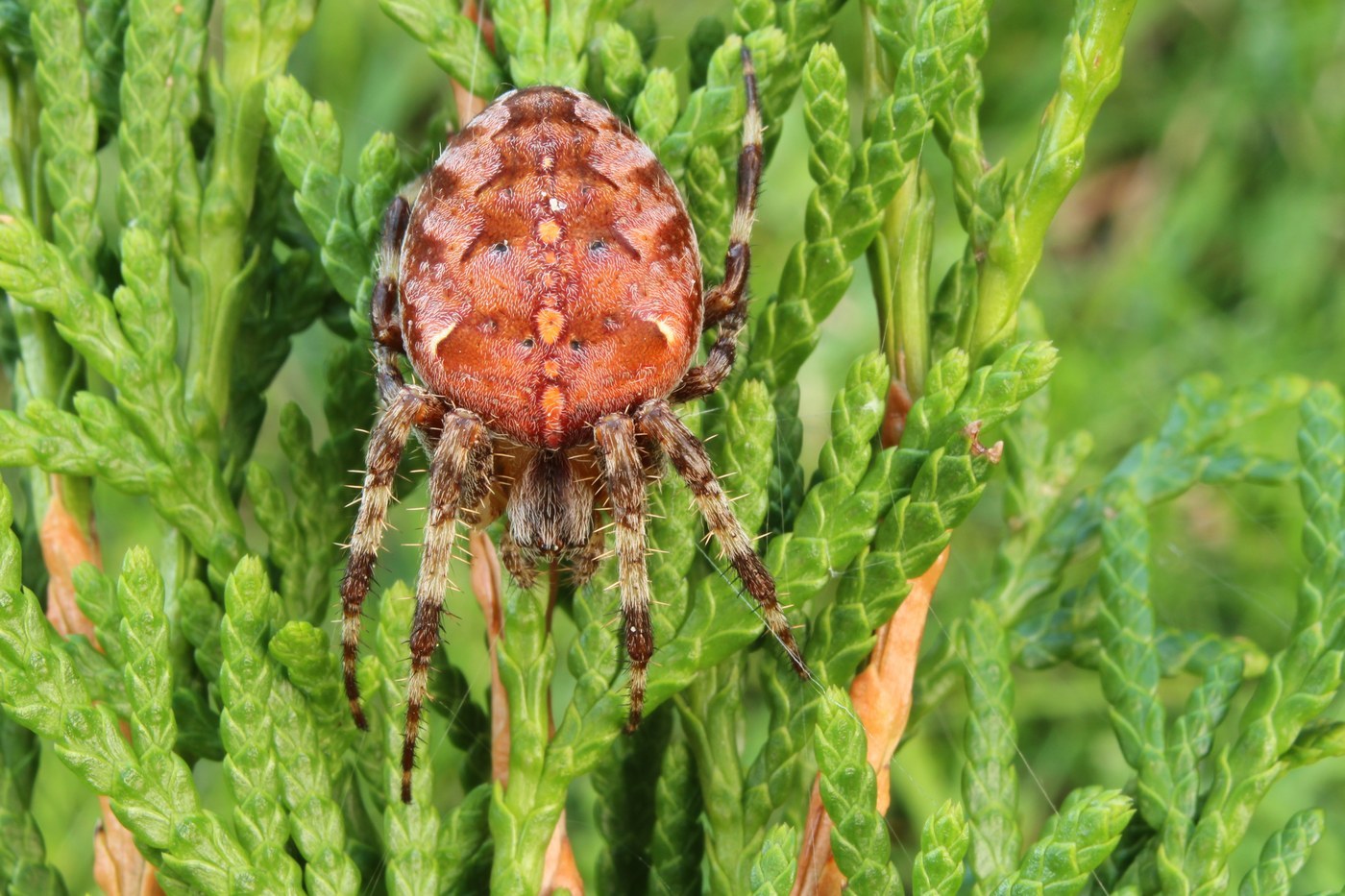
Cross Orbweaver
Named for the pale cross of dots marking its rounded abdomen, the cross orbweaver spins one of the most classic wheel-shaped webs, rebuilding it fresh nearly every night to keep its silk sticky and effective.
spider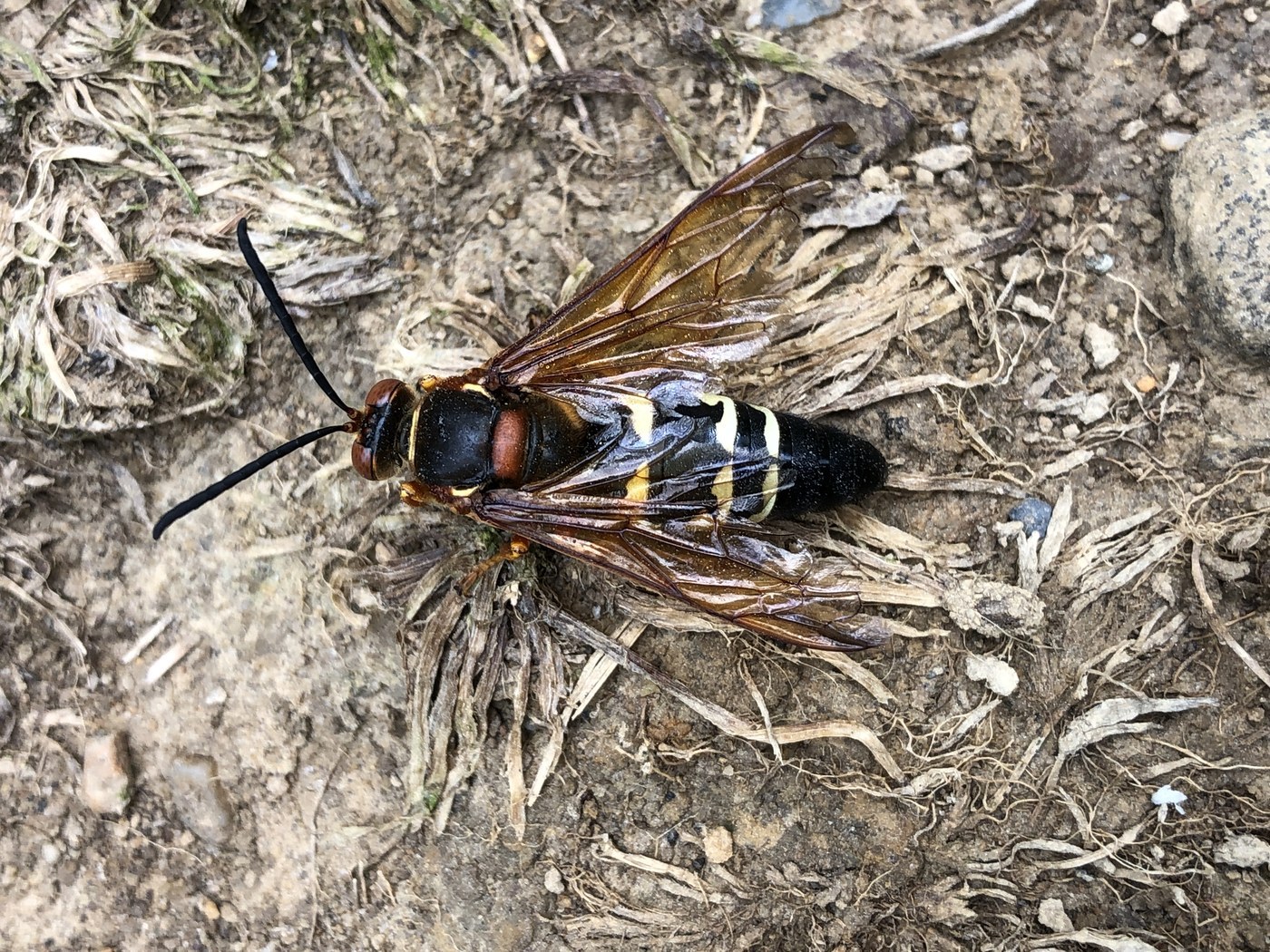
Cicada Killer Wasp
One of the largest wasps in North America, a robust rust-and-black or yellow-marked digger wasp that excavates burrows in bare soil and specializes in hunting cicadas to provision its underground nest.
wasp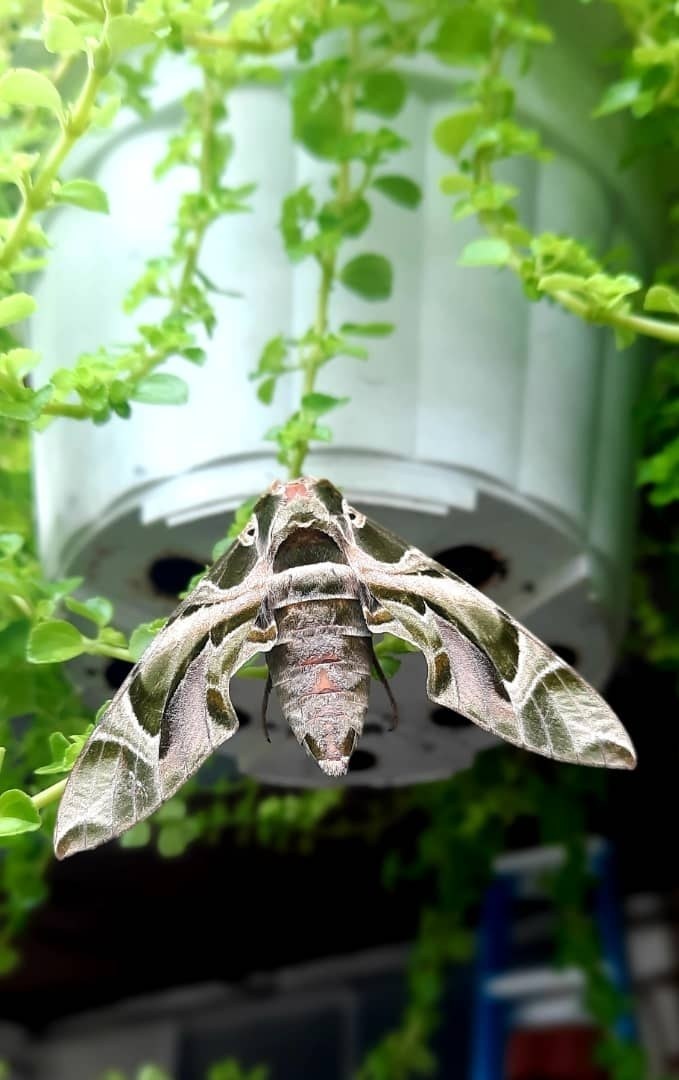
Oleander Hawk-Moth
A large, strikingly camouflaged hawk-moth patterned in swirling olive-green, pink, and cream stripes that resemble oleander foliage, with a streamlined, torpedo-shaped body built for fast, hovering flight.
moth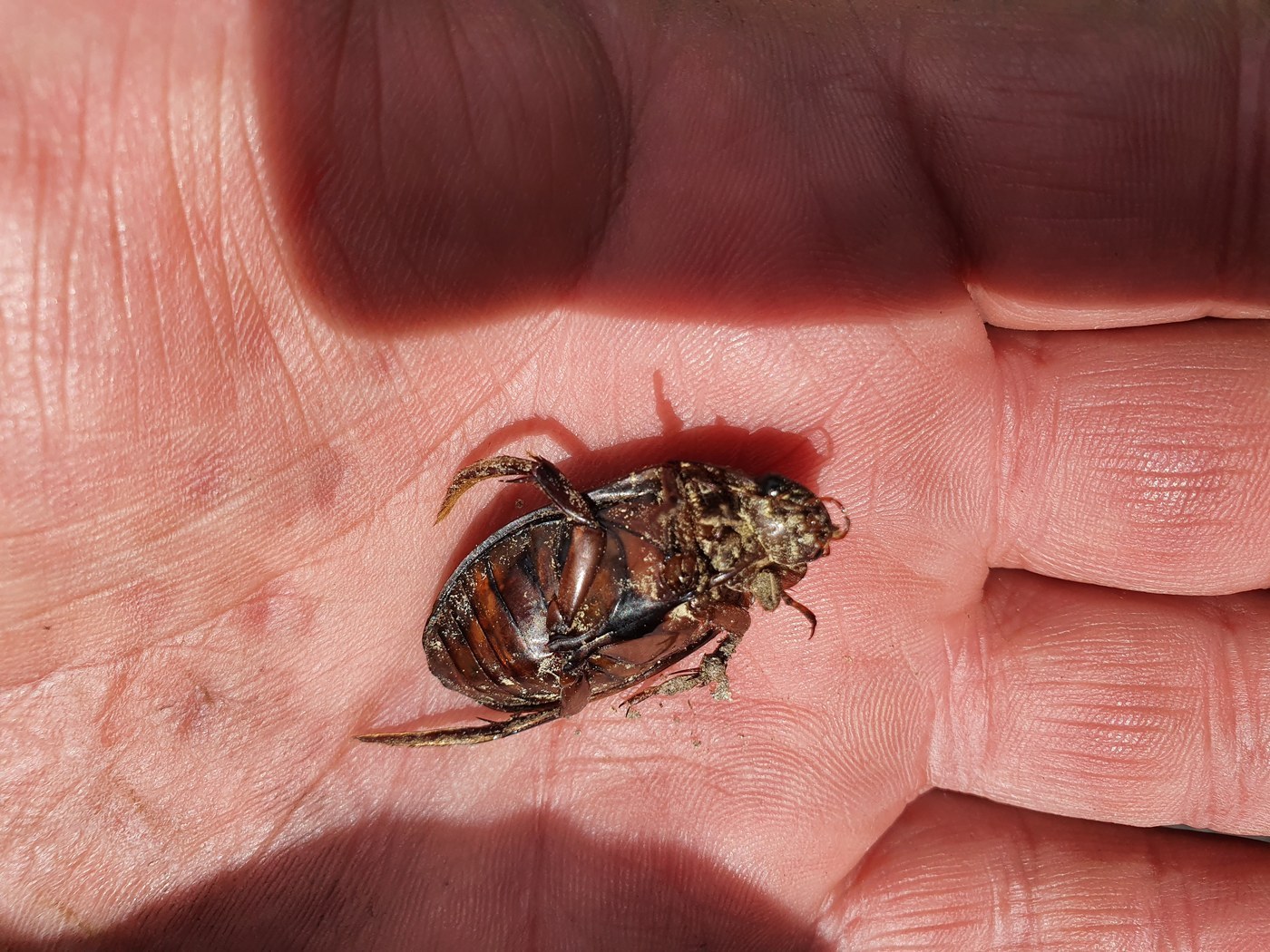
Great Diving Beetle
One of Europe's largest water beetles, the great diving beetle is a streamlined, olive-brown predator that rows through ponds on fringed hind legs, surfacing periodically to trap a bubble of air beneath its wing covers.
beetleGiant Weta
One of the world's heaviest insects, a giant flightless cricket relative endemic to New Zealand that has survived for millions of years by filling the ecological role usually taken by small mammals.
grasshopper-cricket