
Bug Encyclopedia
Search and identify bugs & insects — beetles, butterflies, moths, ants, bees, spiders and more — with size, habitat, danger, behavior, and how to tell them apart.
Gnat
A catch-all common name for a wide range of tiny, delicate flies, some no bigger than a grain of pepper, often seen hovering in small clouds near water, moist soil, or overripe produce.
flyBackswimmer
A boat-shaped aquatic true bug that swims upside down using oar-like hind legs, patrolling pond water in search of small prey.
aquatic-insect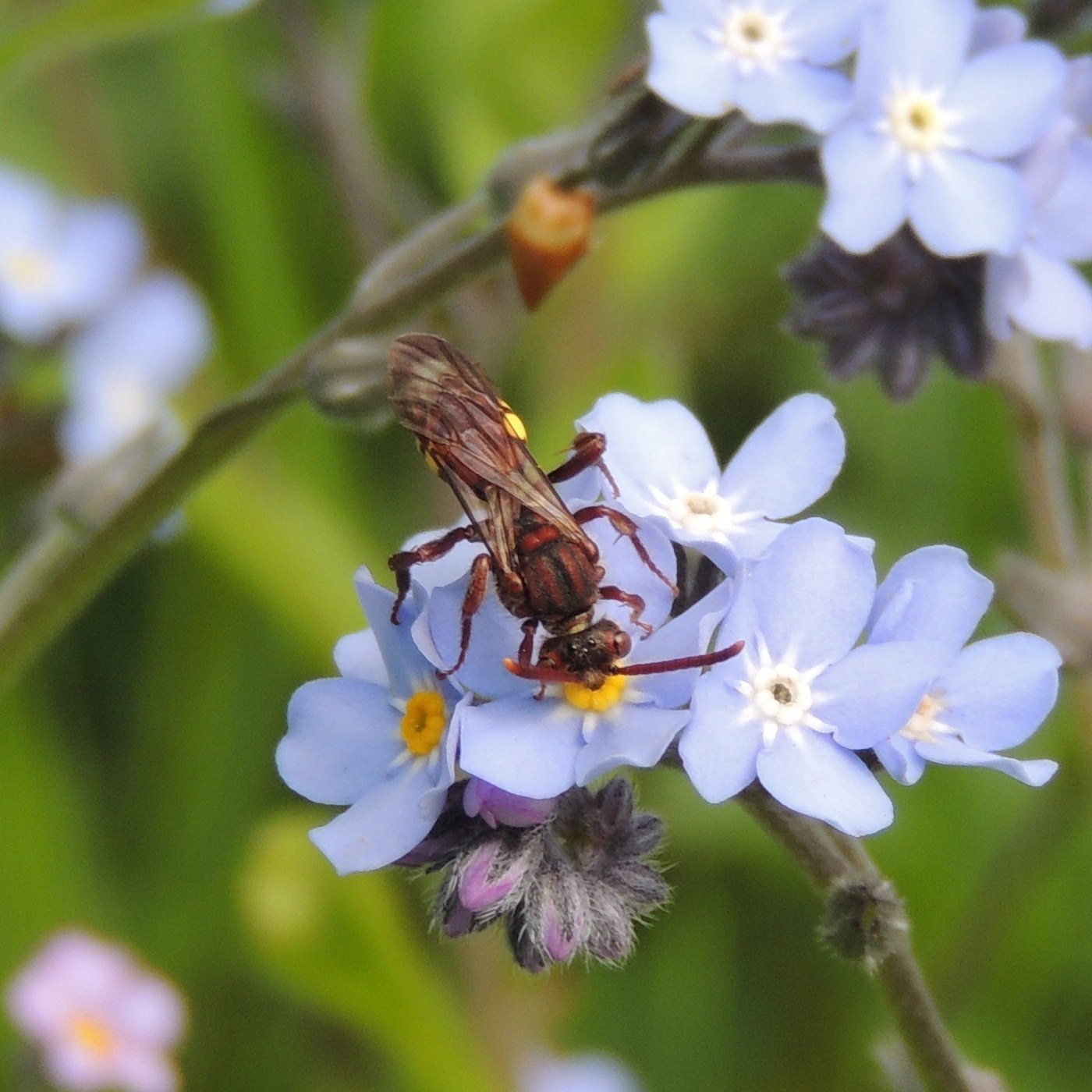
Cuckoo Bee
A slender, wasp-like bee that lacks pollen-carrying hairs because it never gathers its own pollen, instead sneaking into the nests of other solitary bees to lay eggs that hatch and consume the host's food stores.
bee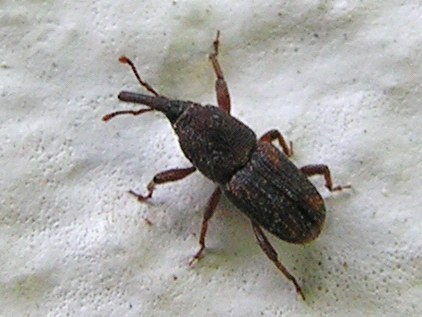
Rice Weevil
A tiny reddish-brown weevil with a long curved snout and four faint pale spots on its wing covers, commonly found infesting stored rice, wheat, and other grain products.
beetlePunkie
An almost invisibly small biting fly that swarms near wetlands at dusk, where only the females take blood meals from animal hosts.
fly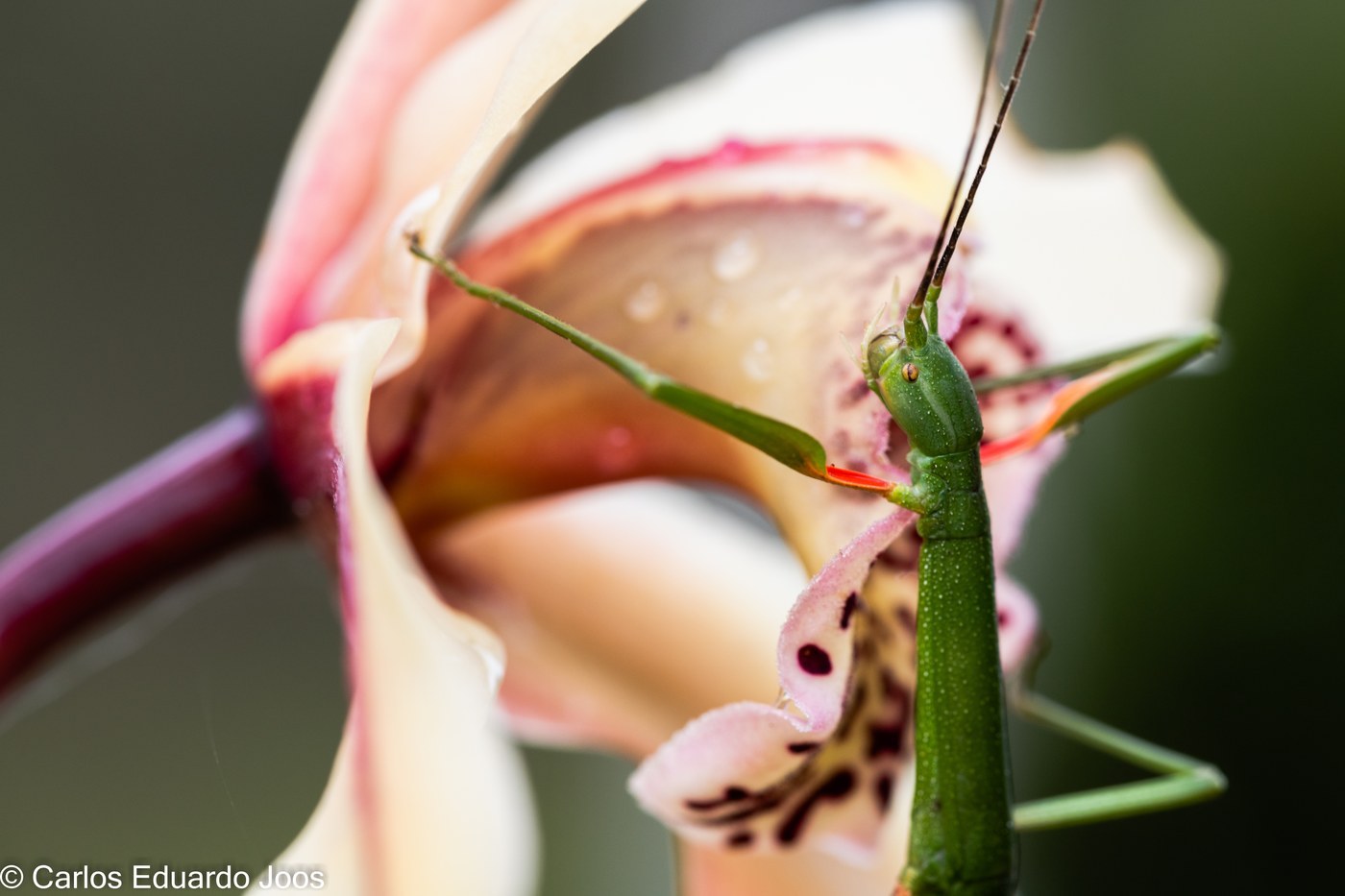
Walking Stick
A remarkably twig-like insect with a long, slender, brown to green body and thin legs, so effective at mimicking a plant stem that it can be nearly invisible while motionless on vegetation.
mantis-stick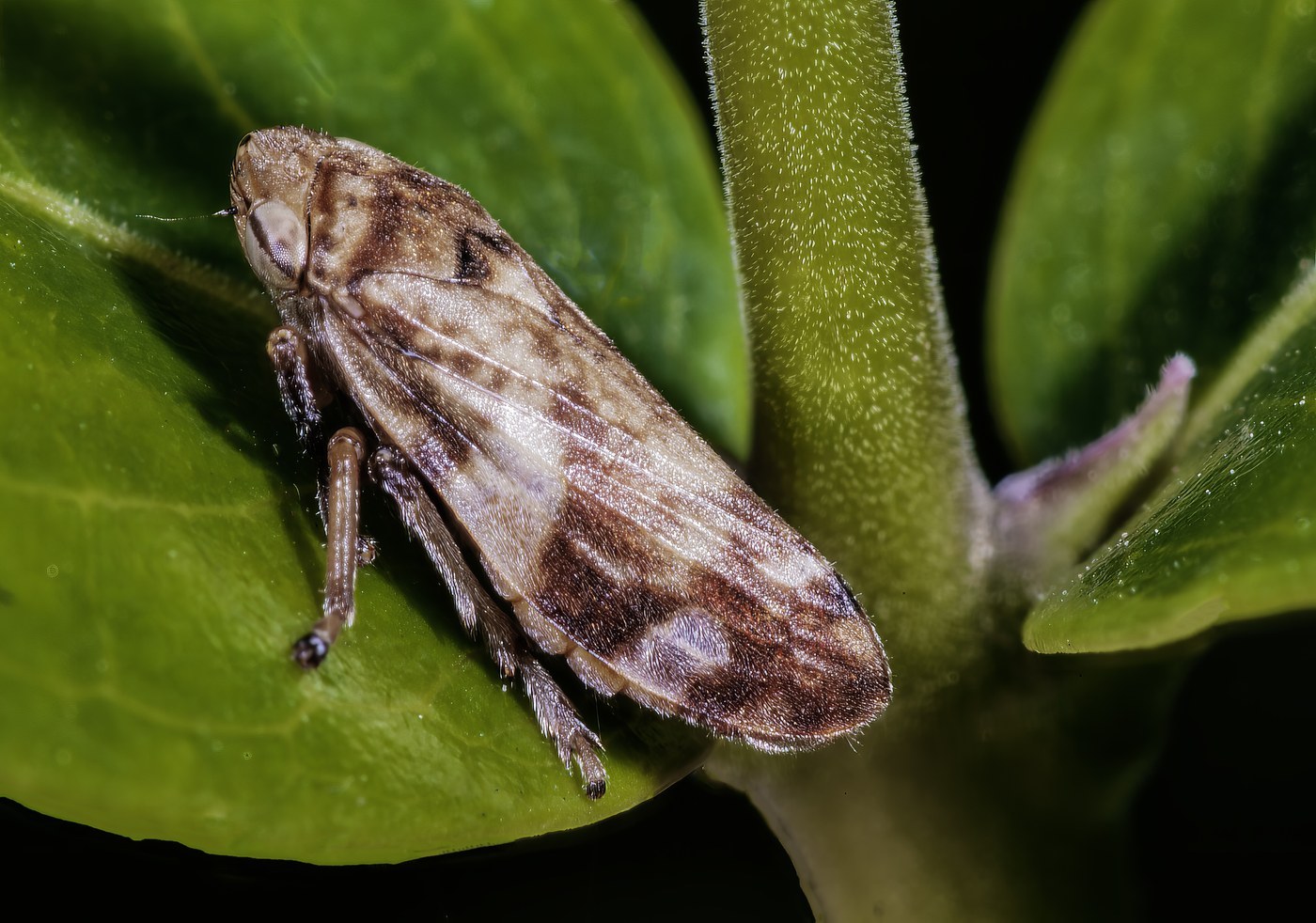
Spittlebug
A small hopping true bug best known in its nymph stage, which surrounds itself in a frothy mass of white foam on plant stems, commonly called cuckoo spit.
true-bug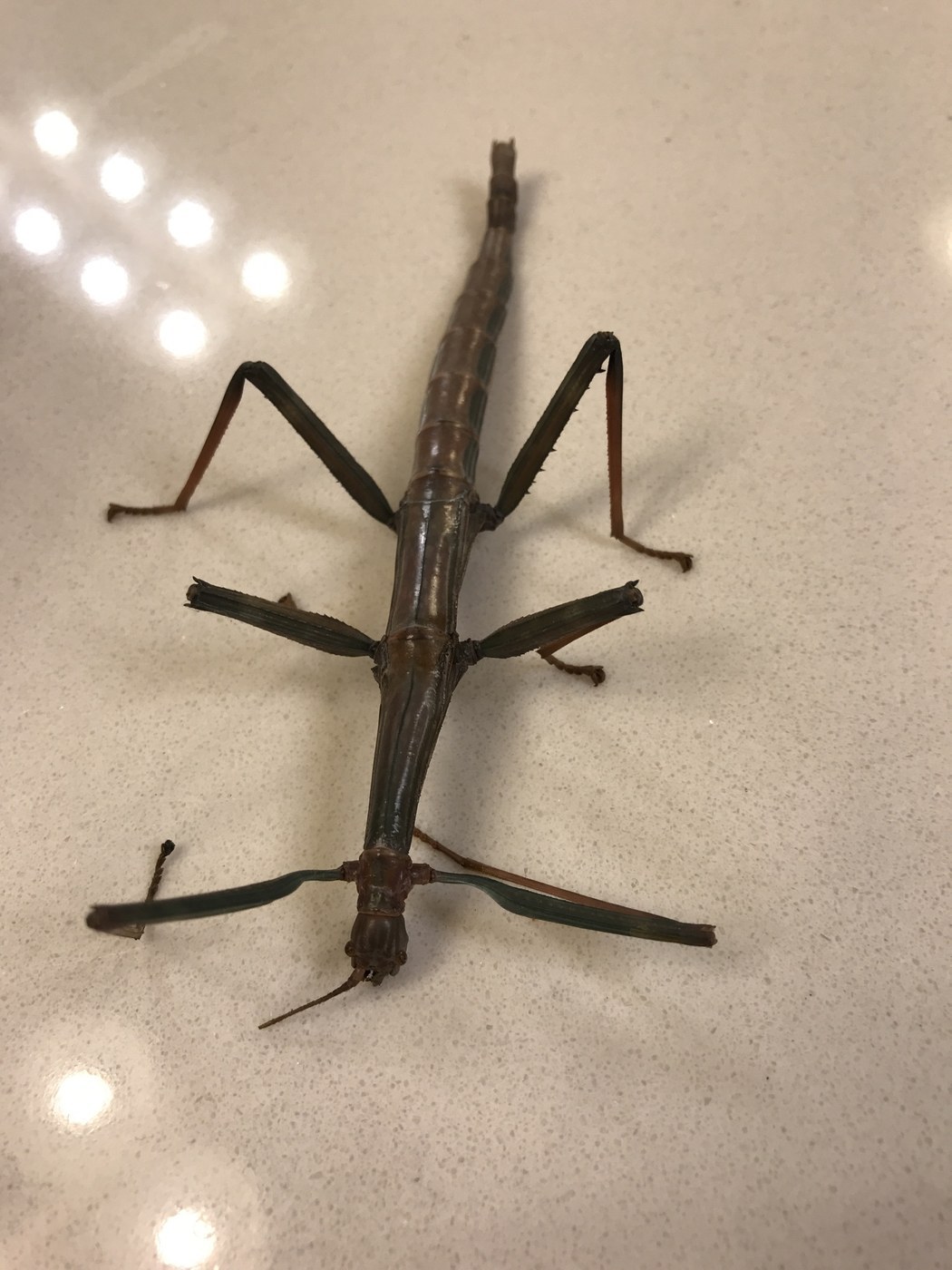
Giant Walking Stick
The longest insect in the United States, this brown, thread-thin giant sways gently on its perch to complete the illusion of a wind-stirred twig.
mantis-stickFire Ant Queen
The reproductive powerhouse of a fire ant colony, noticeably larger than the reddish worker ants and equipped with wings before she sheds them to found a new nest.
antTermite Swarmer
A dense, short-lived cloud of dark, equal-winged insects pouring from a crack in soil or wood, each one a would-be founder of a brand-new termite colony.
other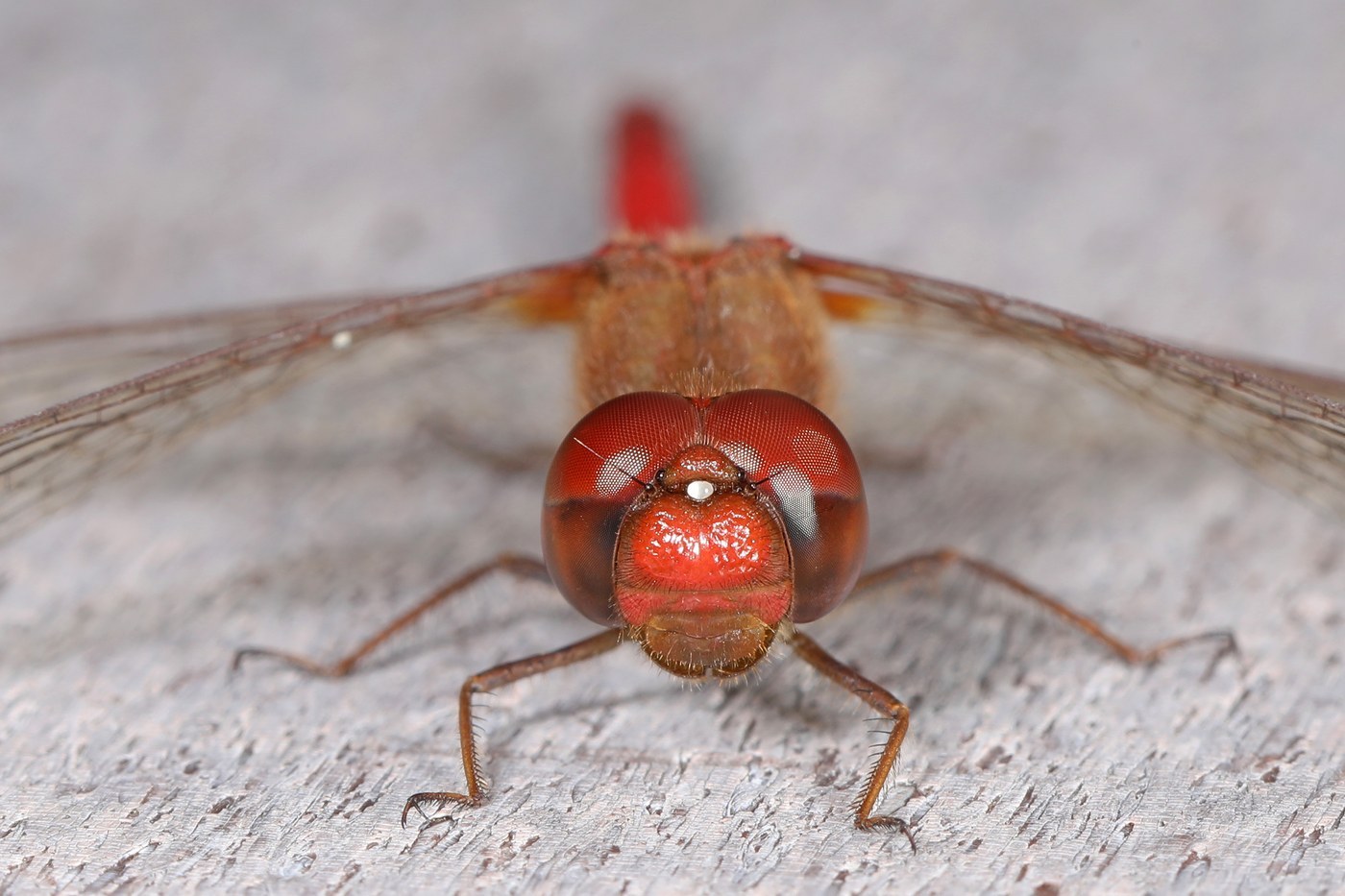
Autumn Meadowhawk
One of the last dragonflies still flying as autumn cools, this small pale-legged meadowhawk can be found sunning on trails and pond banks well into November in many areas.
dragonfly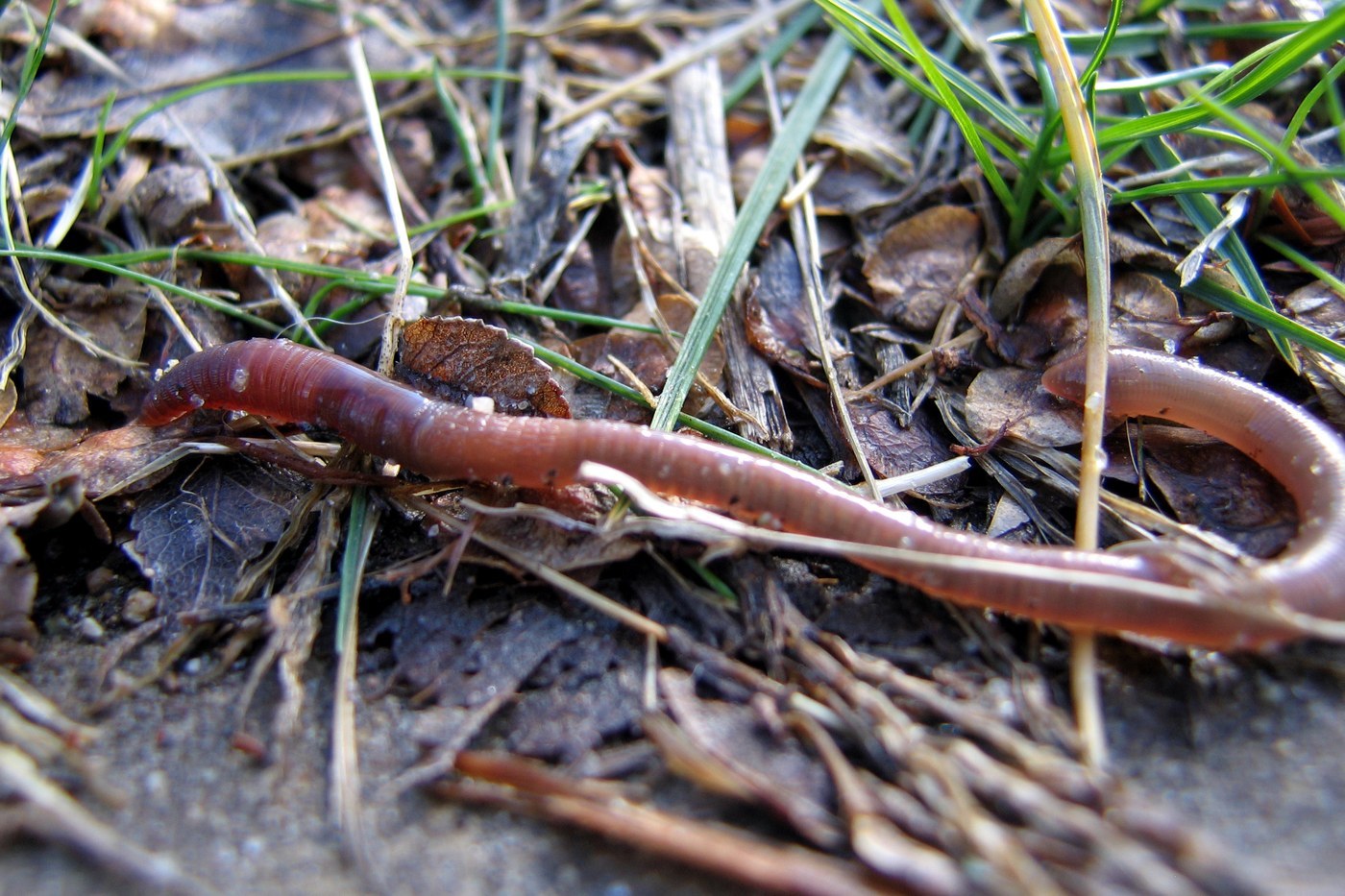
Earthworm
A long, smooth, segmented soil-dweller with no legs, eyes, or shell, best recognized by its ringed body and the pale saddle-like band (clitellum) found on mature individuals.
other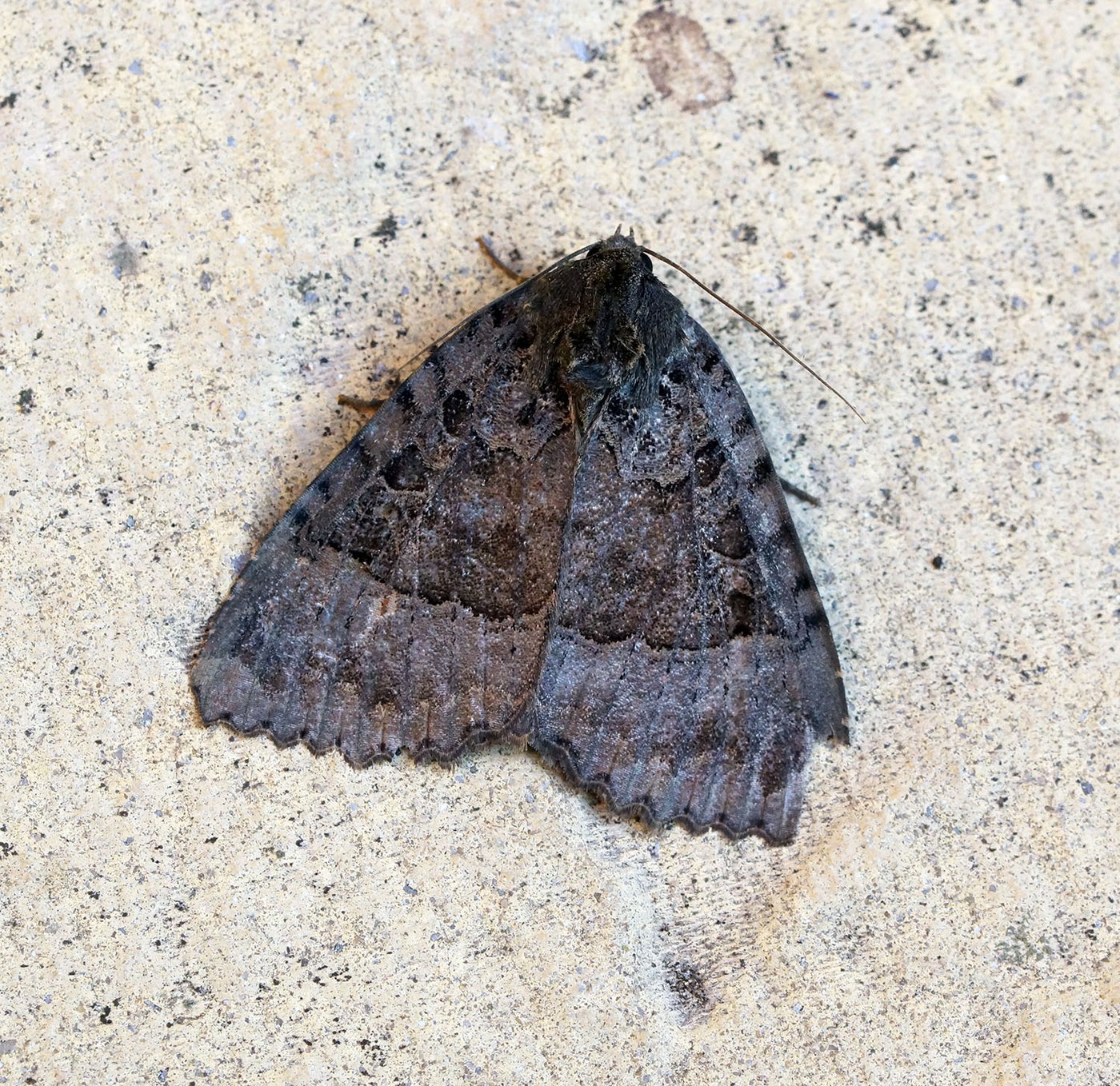
Old Lady Moth
A large, dusky brown noctuid moth with an intricate, wood-grain-like pattern of dark streaks and pale flecks across broad wings, often found resting motionless in sheds and against tree bark by day.
moth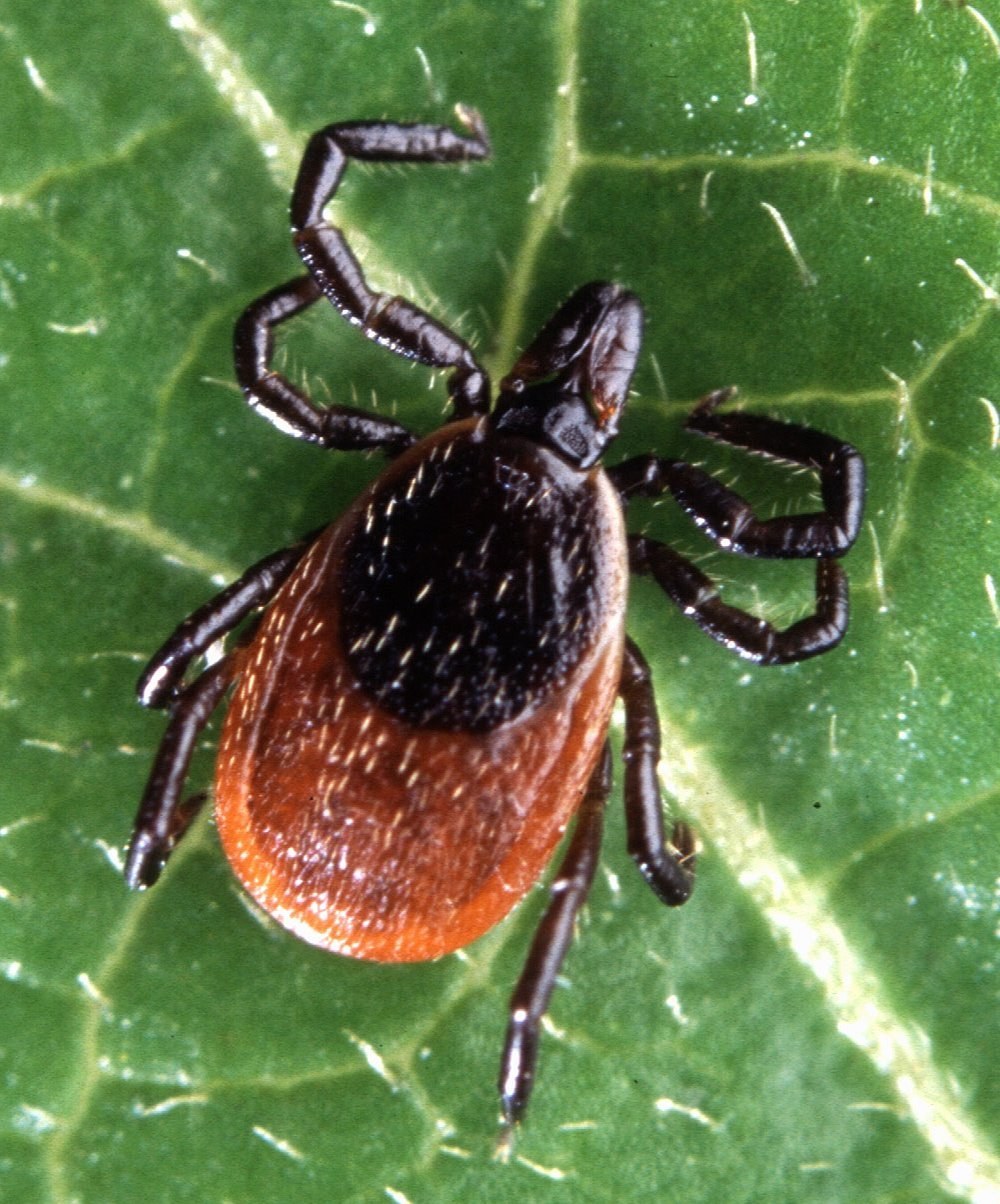
Deer Tick
A small, dark-legged tick with a reddish-brown, teardrop-shaped body, noticeably smaller than many other common tick species and often found questing in wooded or grassy edge habitats.
arachnidThrips
A minuscule, slender insect with fringed, feather-like wings, often noticed only as a fast-moving dark speck darting across a flower petal or windowsill.
otherBumble Bee Queen
The large, robust foundress of a bumble bee colony, noticeably bigger and fuzzier than her worker offspring, seen alone in early spring searching for a nesting cavity before her colony's first workers emerge.
beeRocky Mountain Locust
Once the most destructive insect in North American history, this swarming grasshopper vanished within a few decades of forming the largest insect swarm ever recorded.
grasshopper-cricket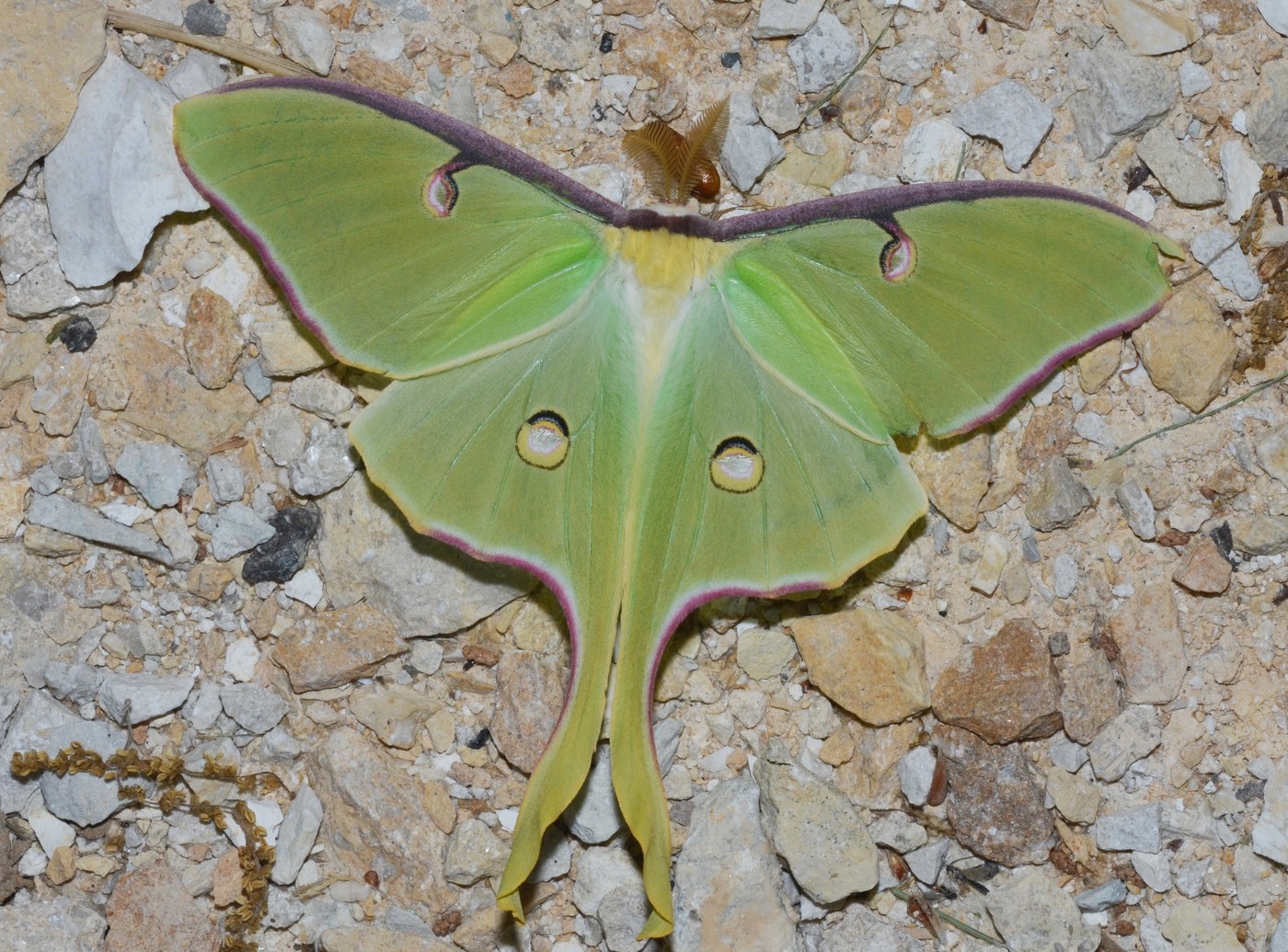
Luna Moth
A large, pale lime-green silk moth with long, elegant tails trailing from its hindwings, considered one of the most striking nocturnal insects in North America.
mothCone-headed Katydid
A large, grass-colored katydid named for its sharply pointed, cone-shaped head, best known for producing some of the loudest, most sustained buzzing calls of any North American insect.
grasshopper-cricket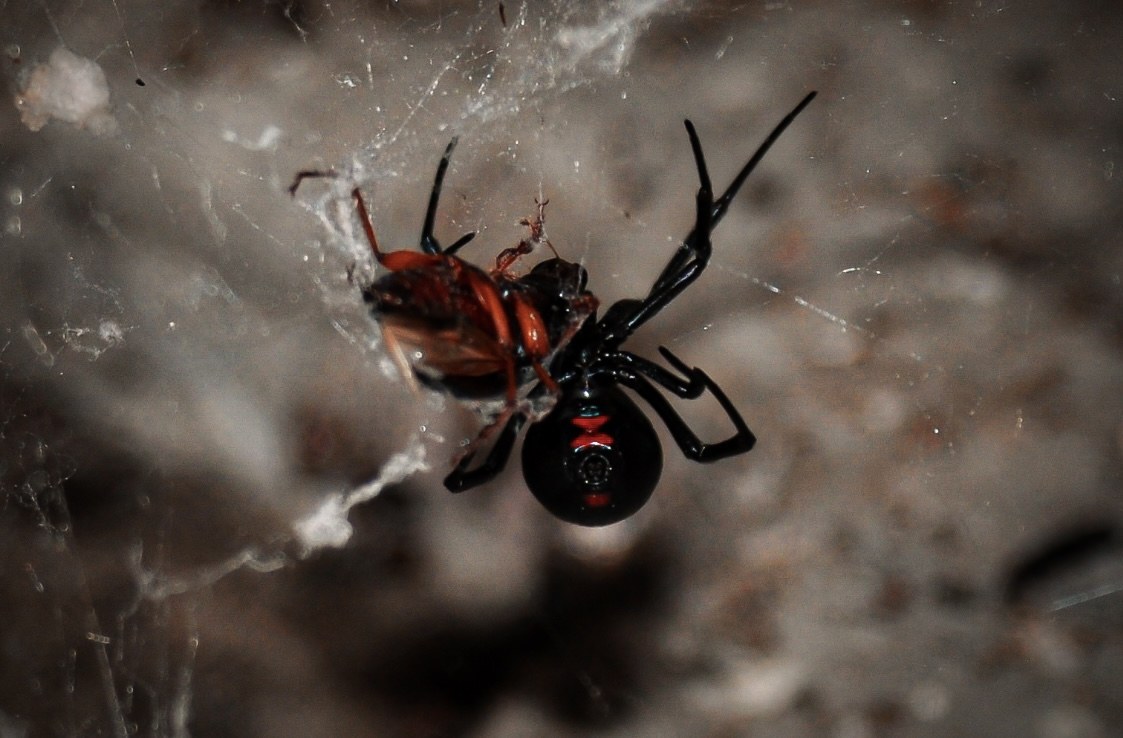
Southern Black Widow
Glossy jet-black and marked with a bright red hourglass on the underside of its rounded abdomen, the southern black widow is one of the most recognizable spiders in North America, typically found tucked into quiet, undisturbed corners rather than out in the open.
spider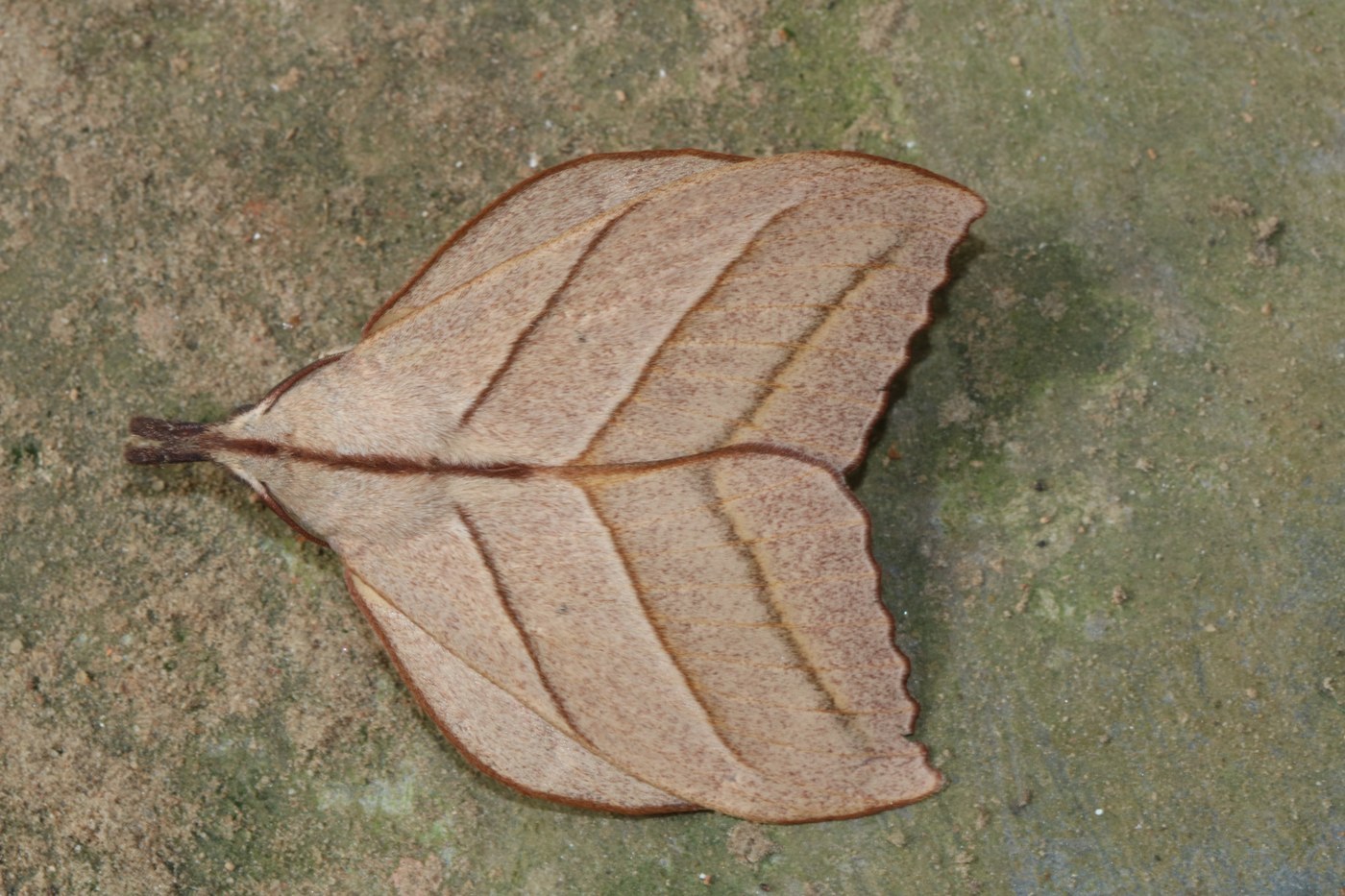
Moth
A broad group of scale-winged insects related to butterflies, typically nocturnal, with stout, often furry bodies and feathery or thread-like antennae.
moth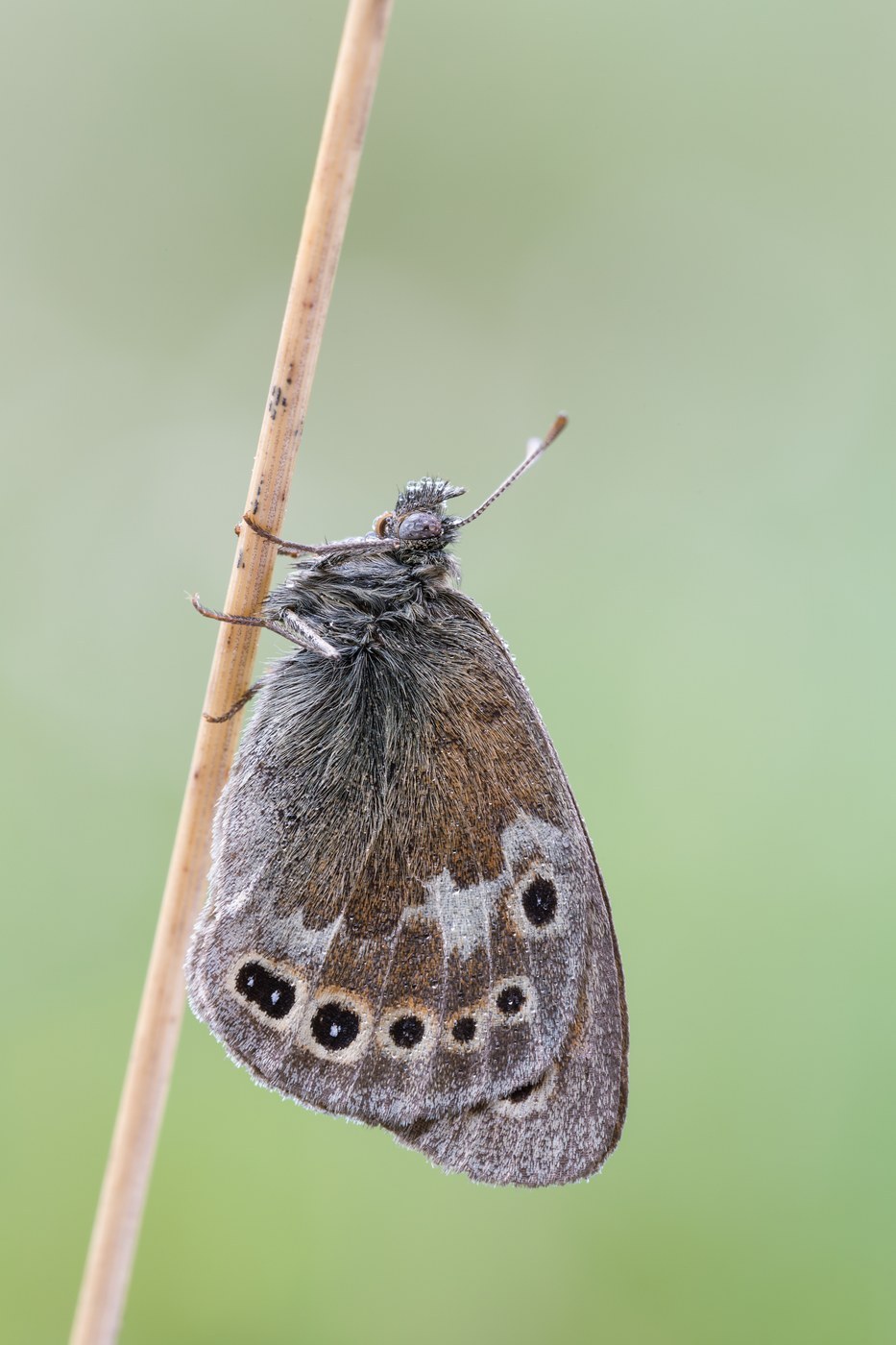
Common Ringlet
A small, plain buff-orange satyr butterfly of open grassy places, notable for its understated coloring and Holarctic distribution spanning North America, Europe, and Asia.
butterfly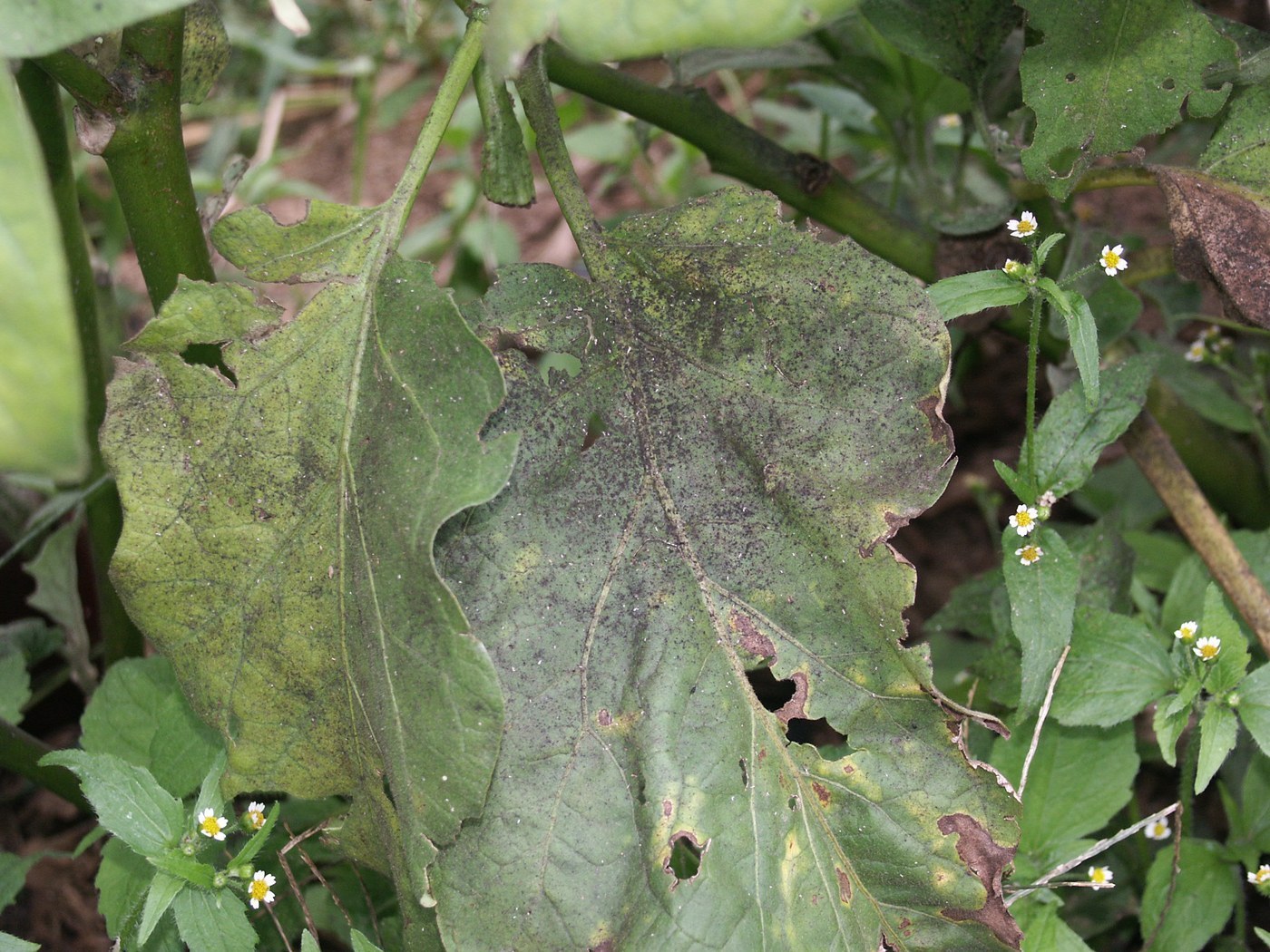
Whitefly
A tiny, moth-like white insect that clusters on the undersides of leaves and bursts into a snowy cloud when the plant is disturbed. Despite the name, it is not a true fly but a sap-feeding relative of aphids and scale insects.
true-bugBig-Eyed Bug
A small, broad-headed true bug named for its noticeably large, bulging compound eyes, the big-eyed bug is a beneficial predator that patrols low vegetation and soil surfaces for small pest insects.
true-bug