
Bug Encyclopedia
Search and identify bugs & insects — beetles, butterflies, moths, ants, bees, spiders and more — with size, habitat, danger, behavior, and how to tell them apart.
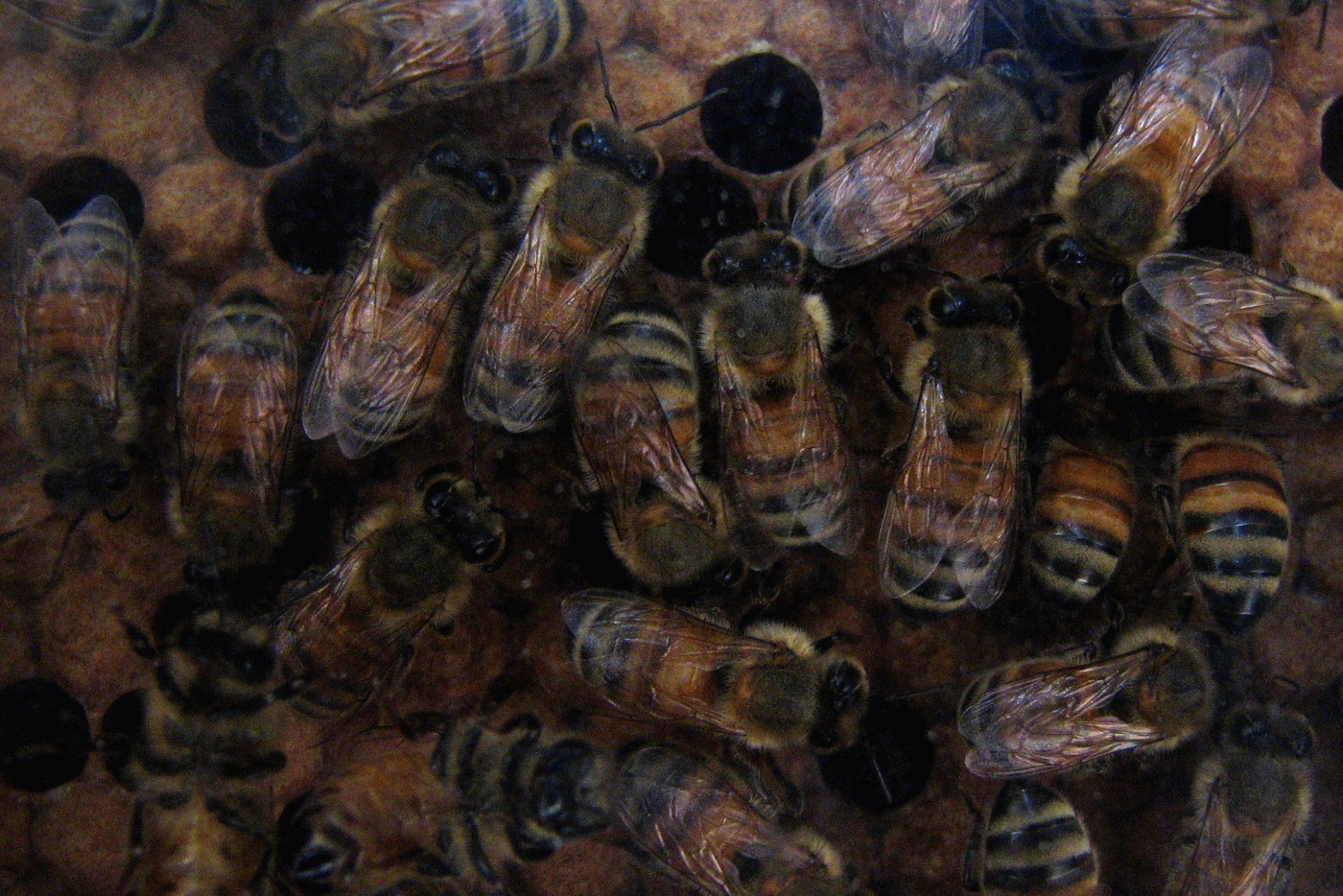
Western Honey Bee
The familiar golden-brown, fuzzy-banded honey bee kept worldwide for honey production and crop pollination, living in large perennial colonies built around wax comb and a single egg-laying queen.
bee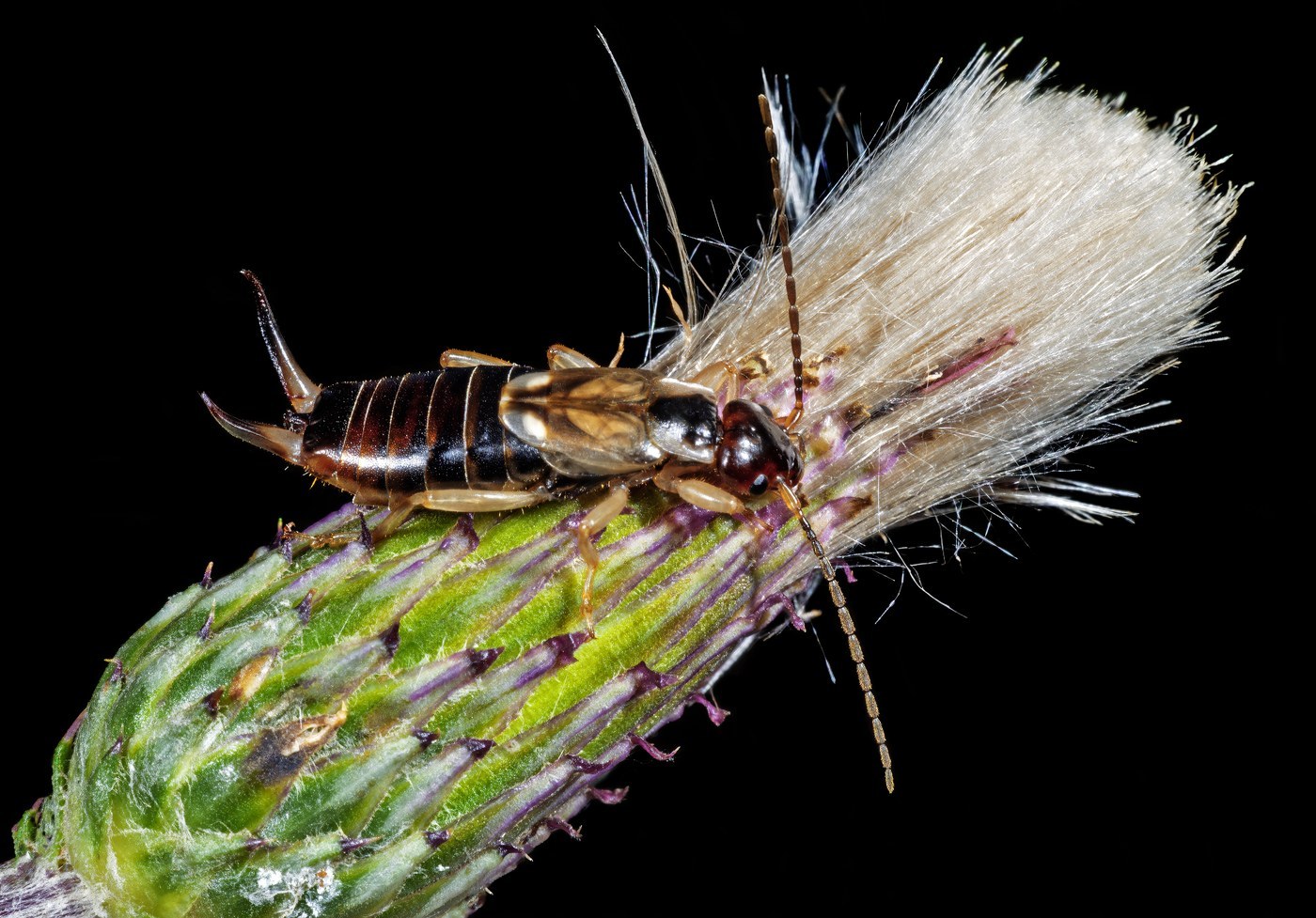
Earwig
A slender, reddish-brown insect easily identified by the pair of curved, forceps-like pincers at the tip of its abdomen, often found hiding under mulch, bark, or garden debris by day.
other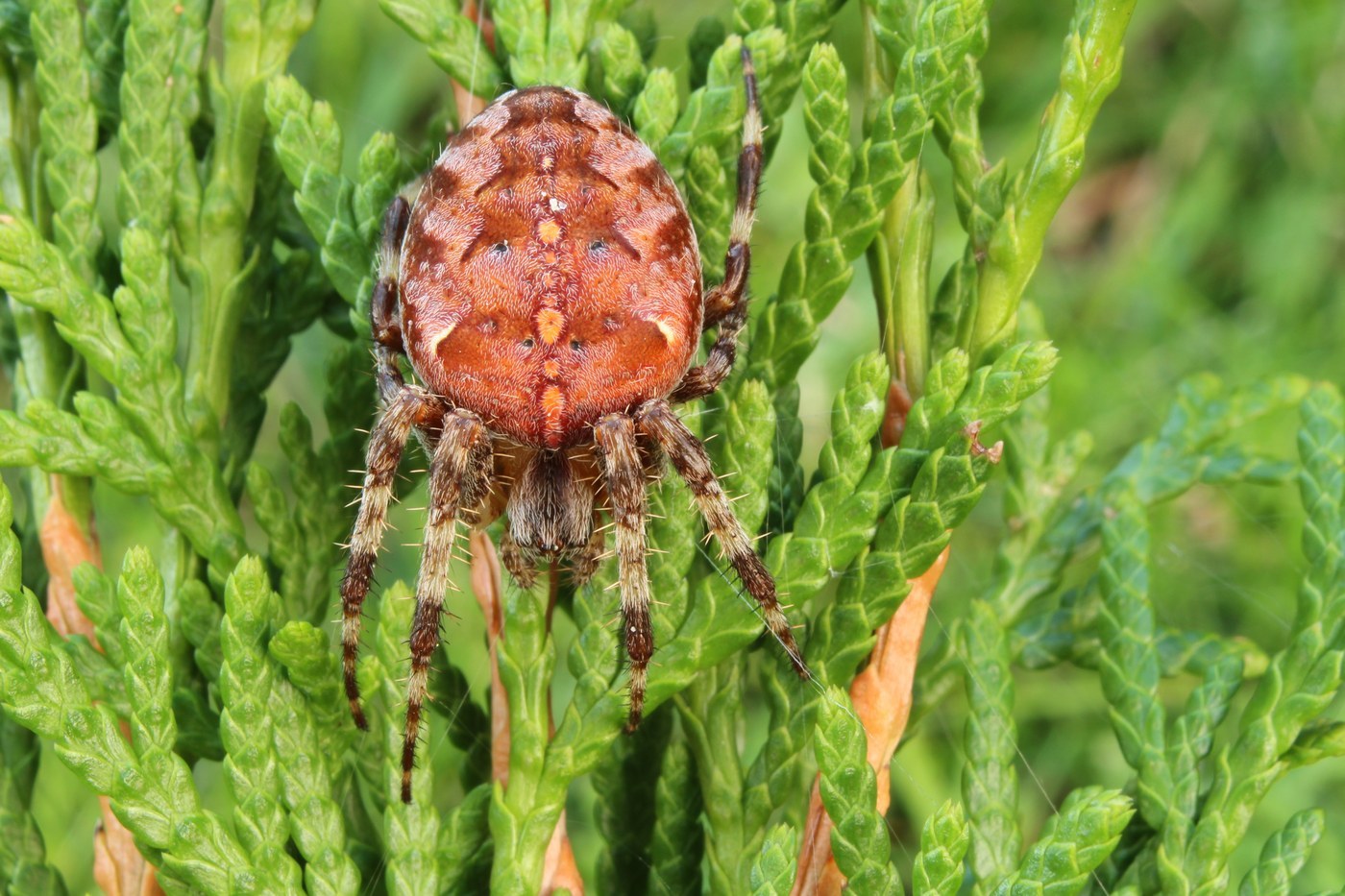
Cross Orbweaver
Named for the pale cross of dots marking its rounded abdomen, the cross orbweaver spins one of the most classic wheel-shaped webs, rebuilding it fresh nearly every night to keep its silk sticky and effective.
spider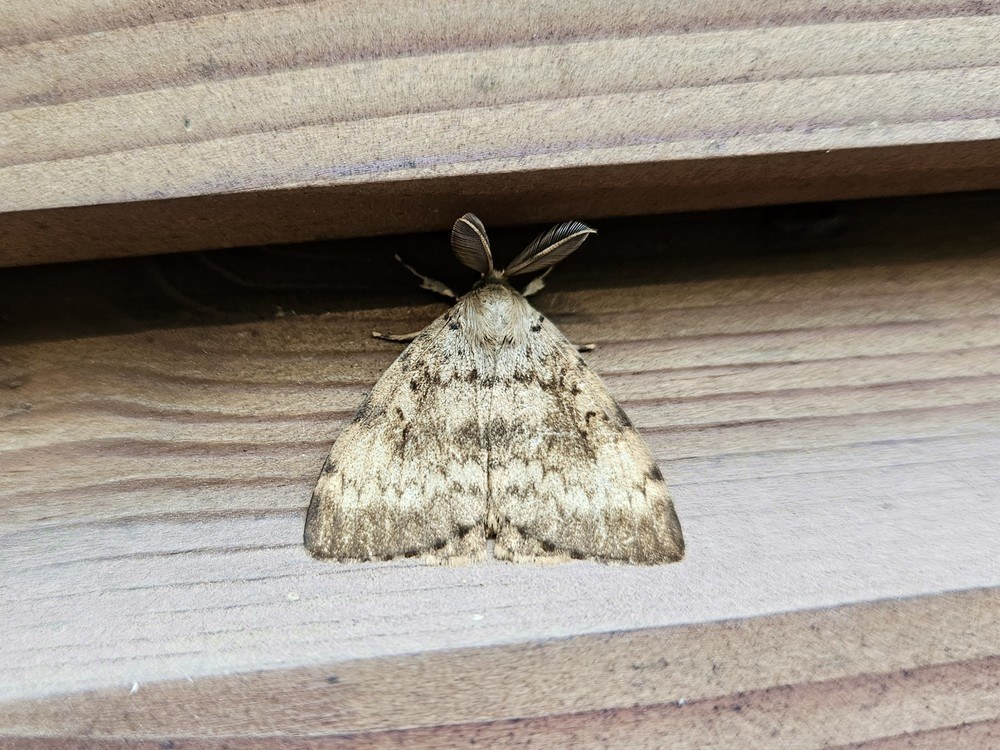
Gypsy Moth (Spongy Moth)
A strongly sexually dimorphic moth, recently renamed the Spongy Moth for its distinctive spongy, tan egg masses, whose caterpillars are known for periodically defoliating oak and other hardwood trees in large outbreak years.
moth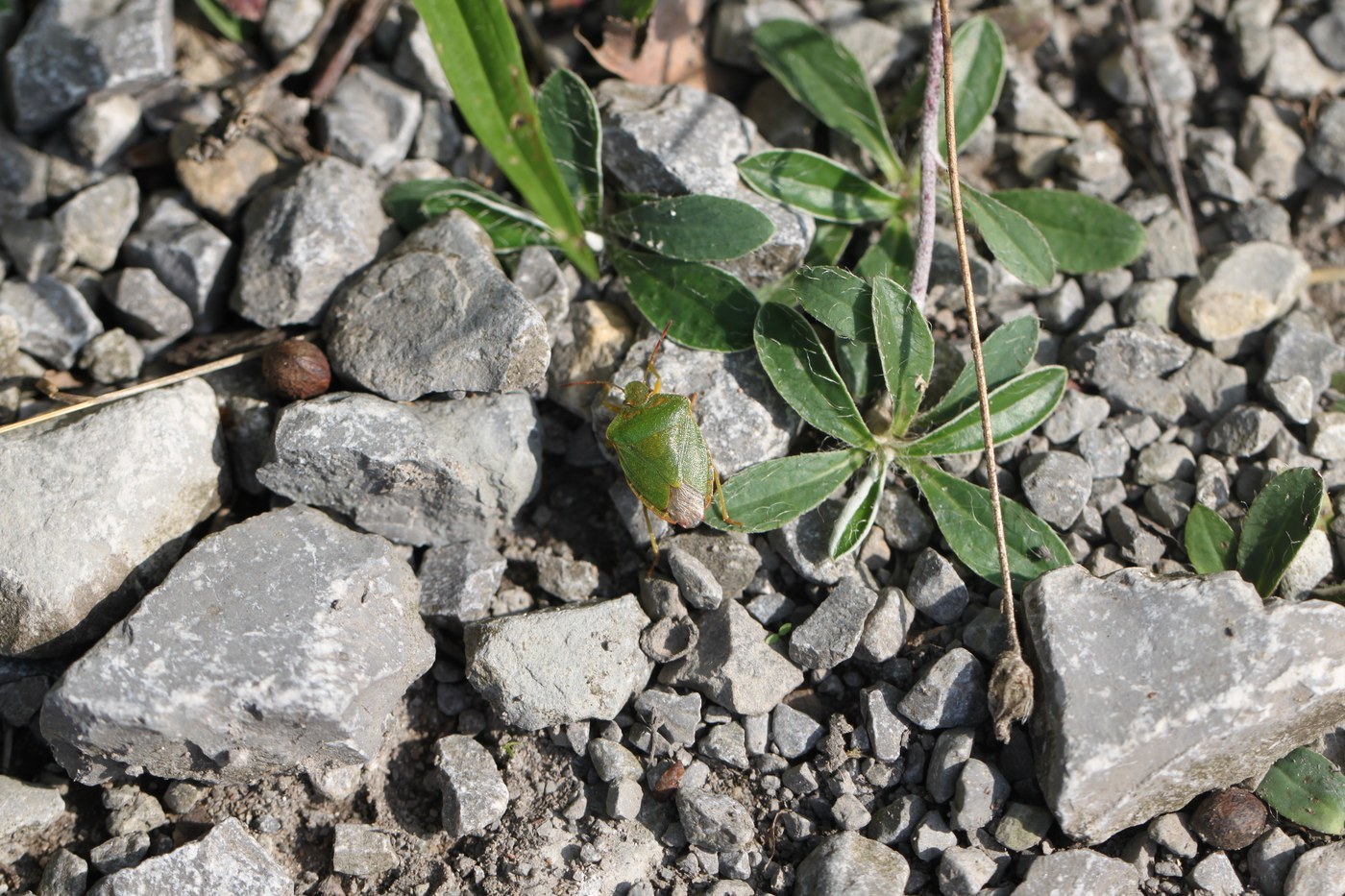
Green Shield Bug
A broad, shield-shaped true bug in solid bright green with a bronzy tinge in autumn, the green shield bug is one of the most commonly encountered stink bugs in European gardens and hedgerows.
true-bug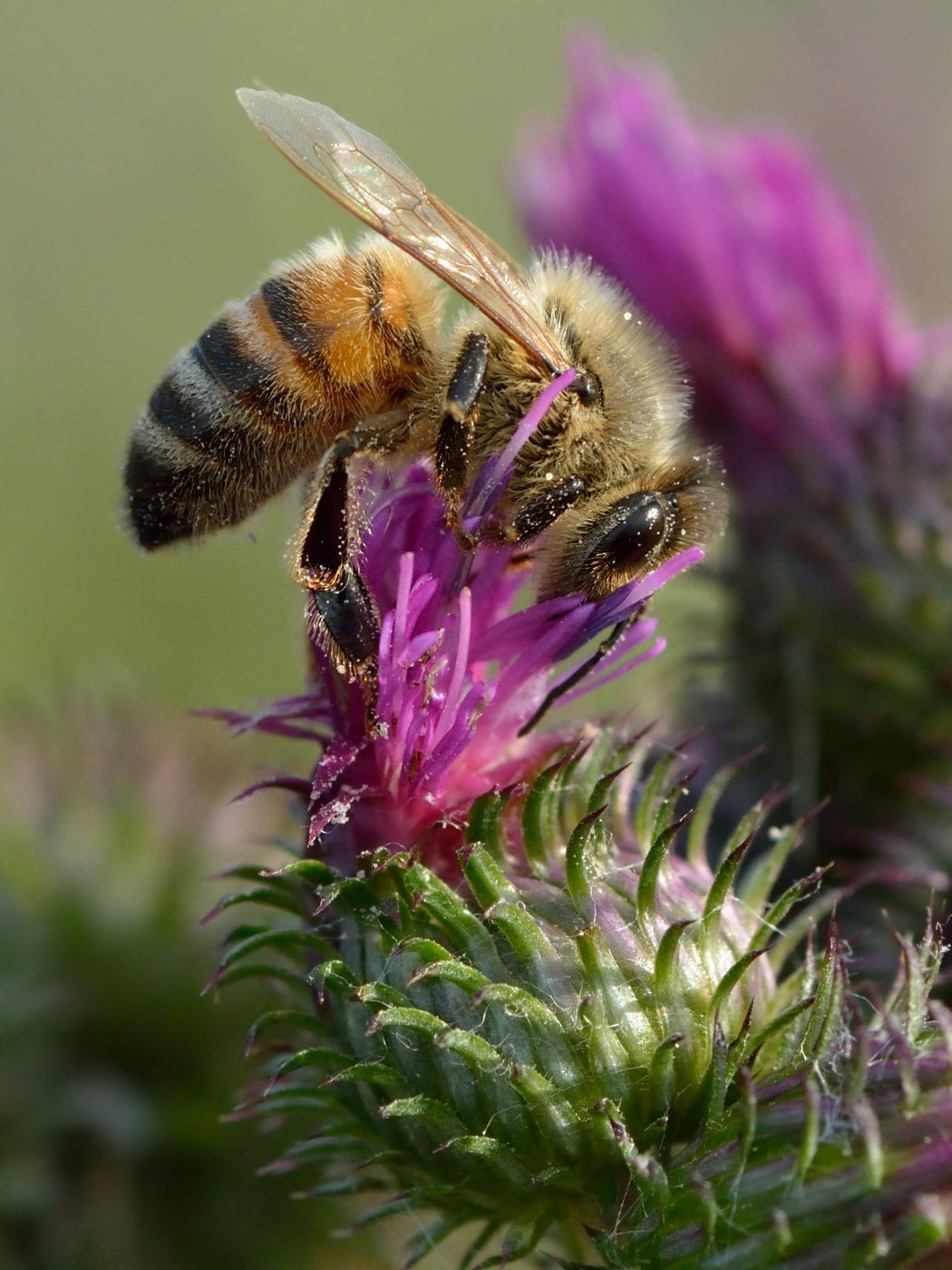
Honeybee
A fuzzy, golden-brown and black social bee that lives in large colonies, builds wax honeycomb, and is the primary managed pollinator of crops and wildflowers worldwide.
bee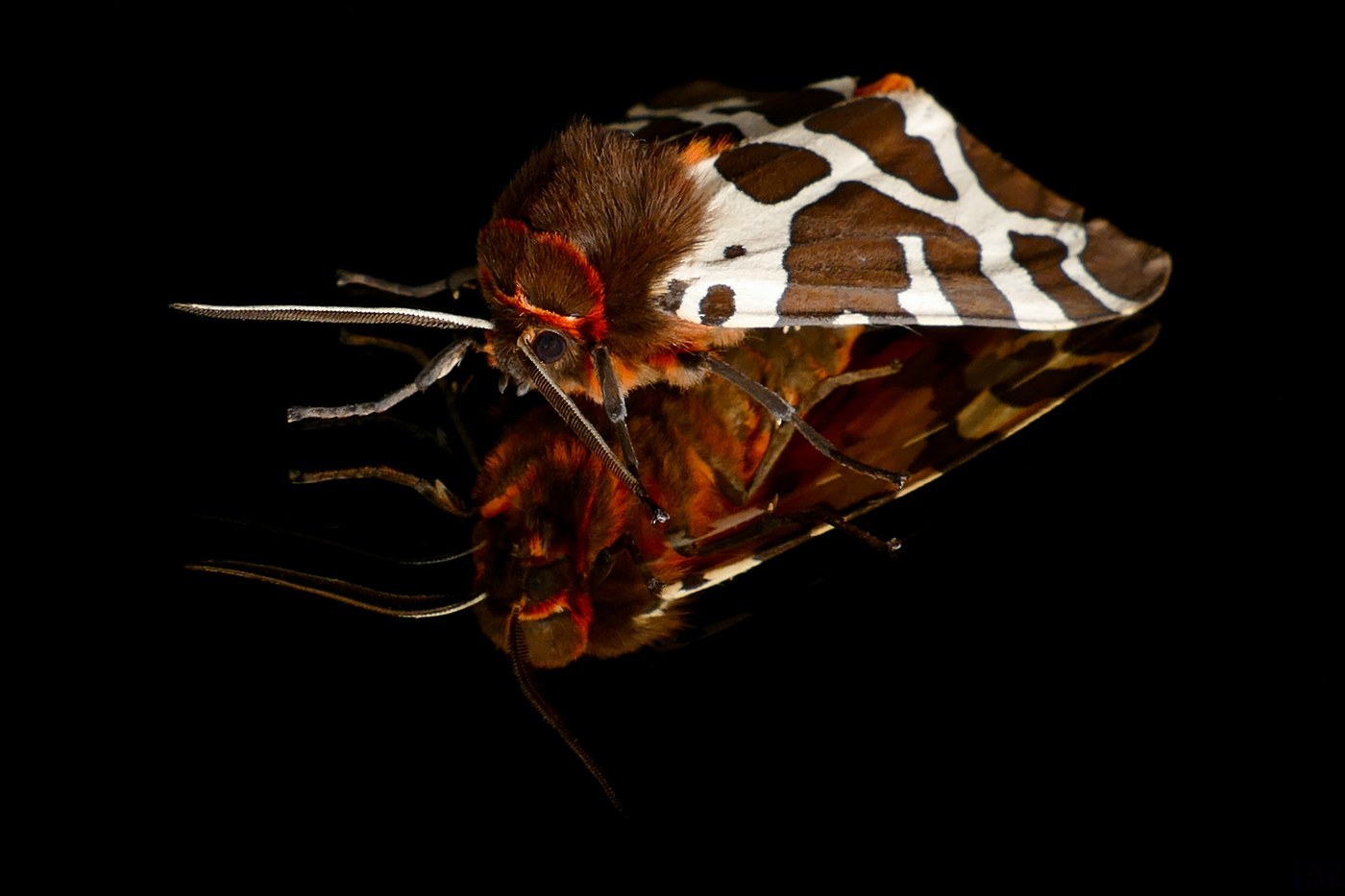
Garden Tiger Moth
A boldly patterned tiger moth with chocolate-brown, cream-marbled forewings that flash to reveal vivid orange hindwings dotted with blue-black spots when the moth is disturbed.
mothGerman Yellowjacket
A black-and-yellow social wasp closely resembling the common wasp, distinguished by three black facial dots, that builds large paper nests in wall voids and roof cavities and is widespread in both its native and introduced ranges.
wasp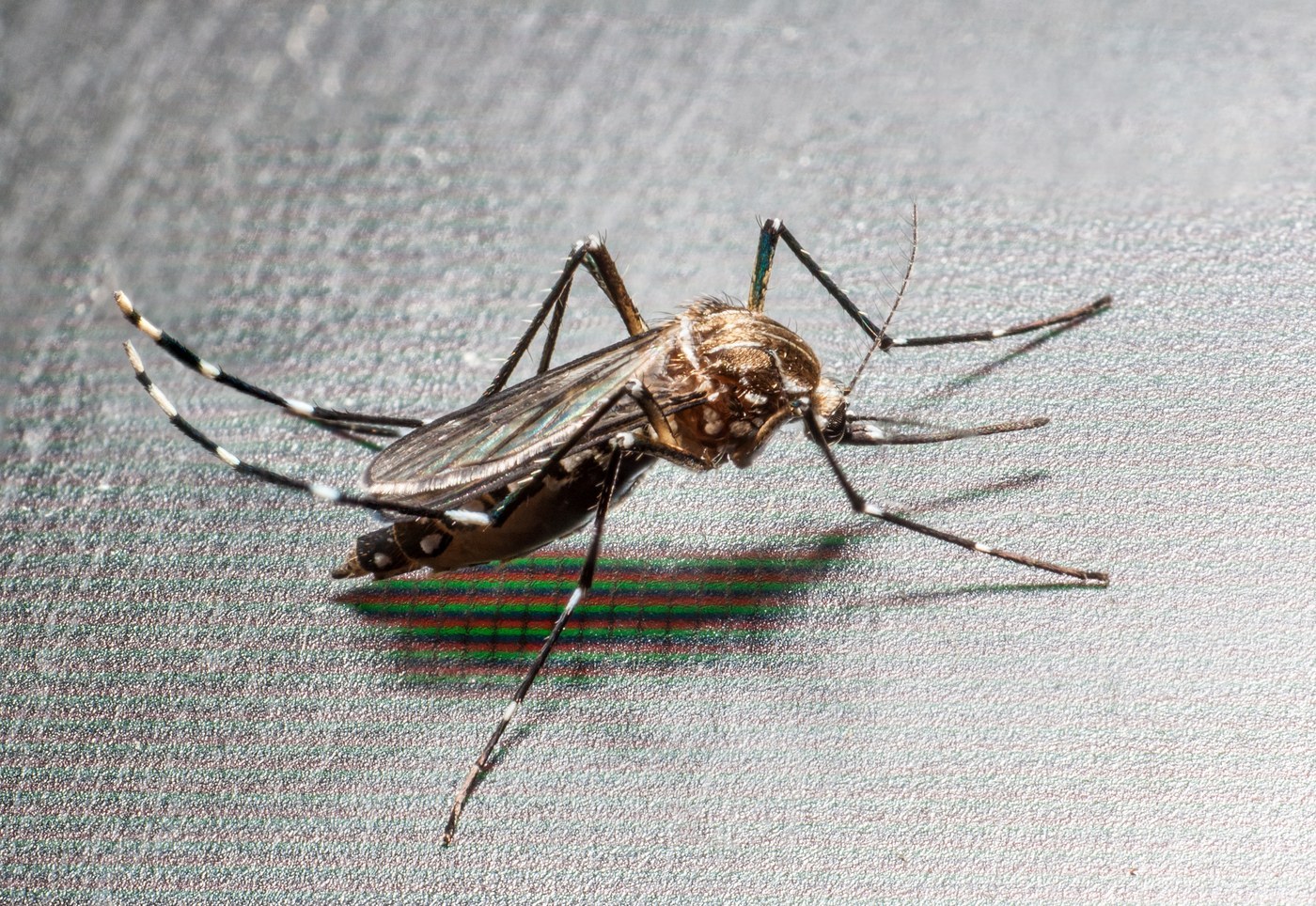
Asian Tiger Mosquito
A small, dark mosquito boldly marked with silvery-white stripes, including one distinctive stripe running straight down the center of its back, that bites readily in broad daylight.
fly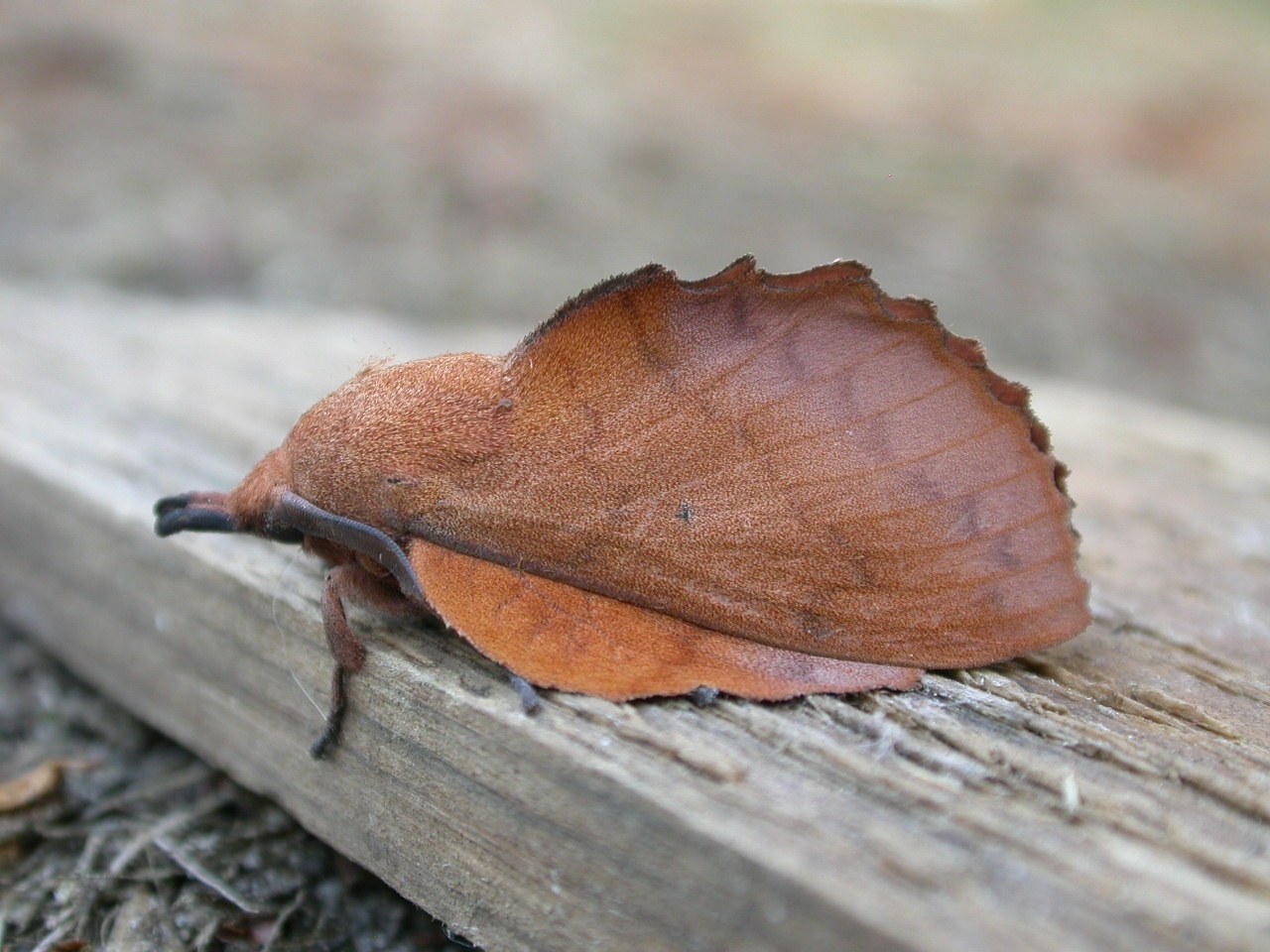
Lappet Moth
A large, richly textured moth with deeply scalloped, russet-brown wings that fold into an uncanny dead-leaf silhouette, one of the most convincing leaf mimics among European moths.
moth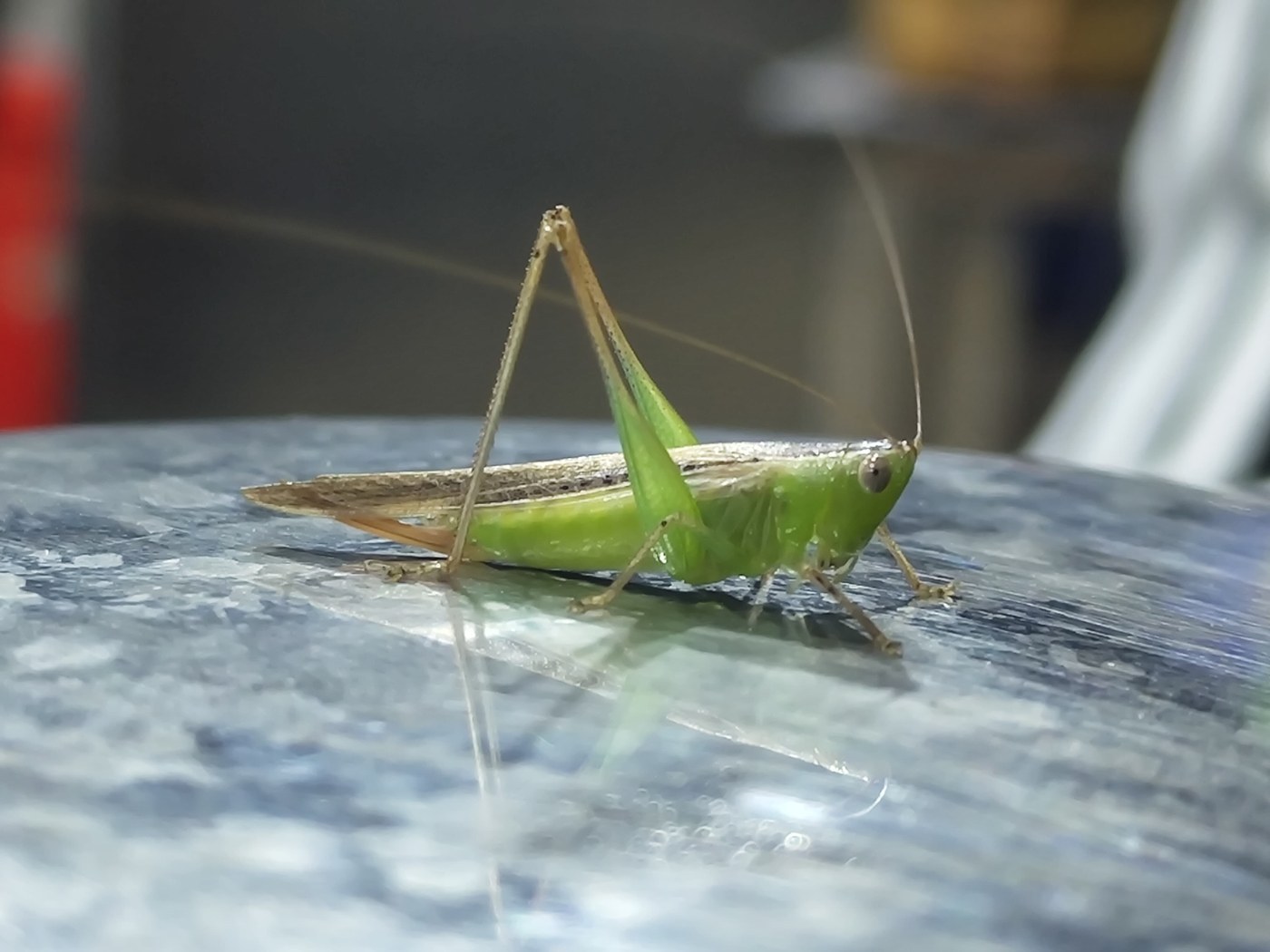
Green Grasshopper
A bright grass-green grasshopper with a rasping, sustained song, the common green grasshopper is one of the most familiar sounds of a European summer meadow.
grasshopper-cricketSmall Tortoiseshell
A vivid orange-red European garden butterfly patterned with black and yellow blocks and a border of blue crescents, one of the most familiar and widely recognized butterflies across its range.
butterfly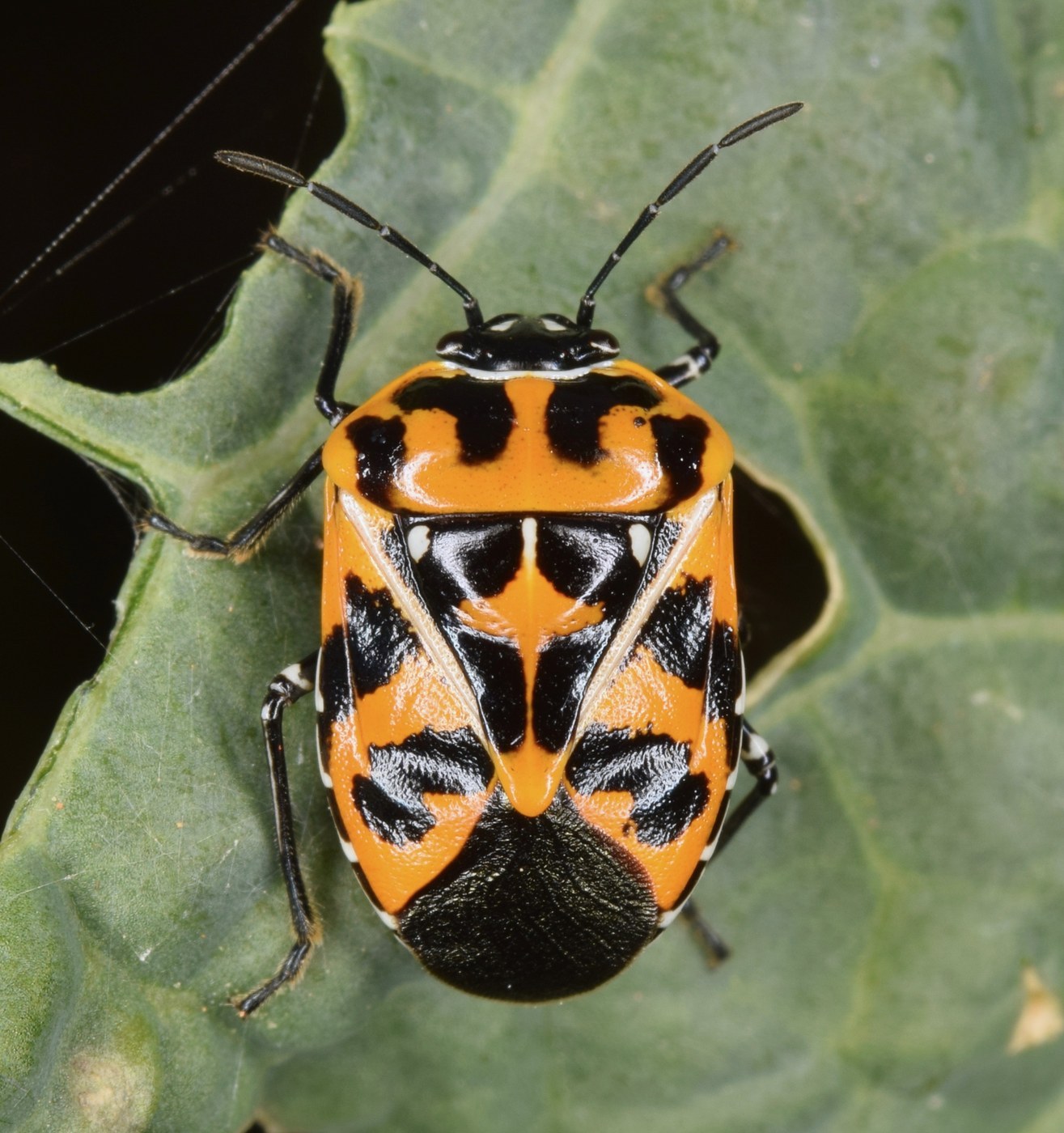
Harlequin Bug
A shield-shaped stink bug painted in bold black-and-orange (or red-and-yellow) blotches, making it one of the most colorful and easily recognized true bugs on cabbage and other cole crops.
true-bug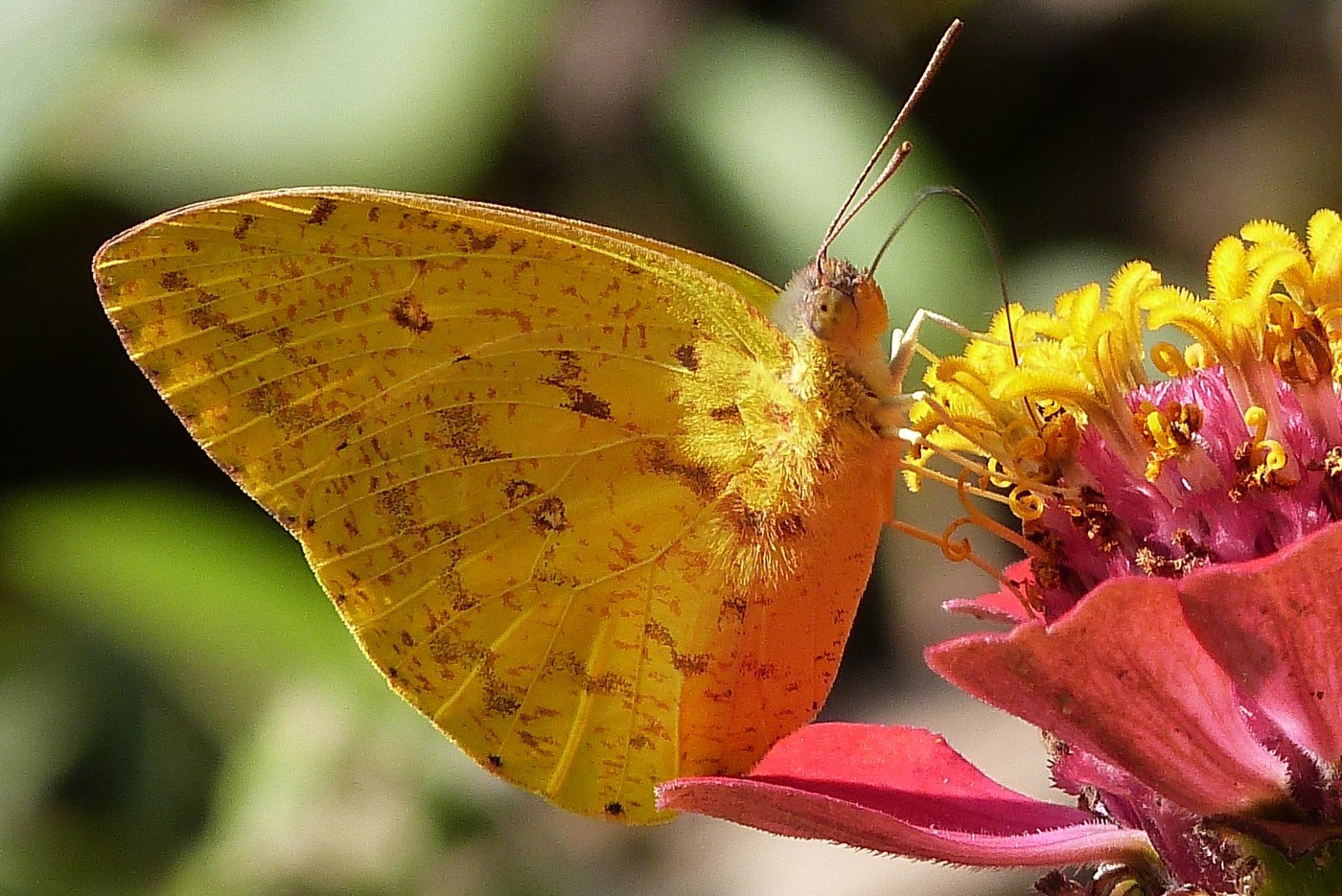
Orange-barred Sulphur
One of the largest sulphur butterflies, bright yellow with a bold band of deep orange across the forewing and a solid orange wash on the hindwing in males.
butterfly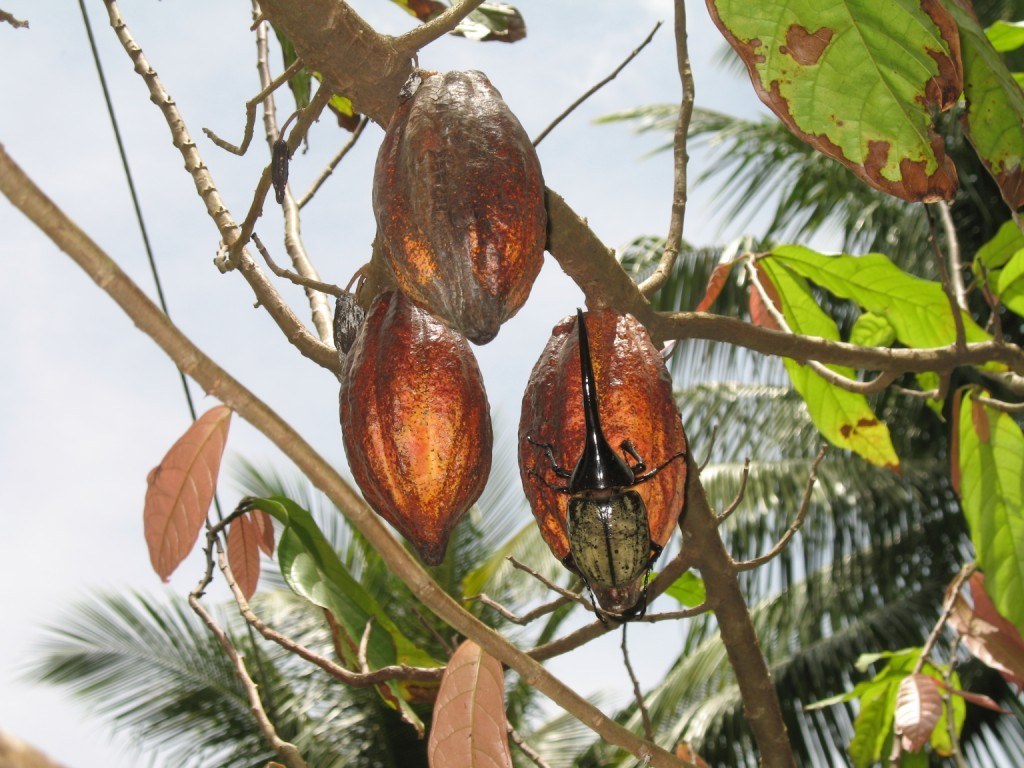
Hercules Beetle
One of the largest beetles in the world, with males bearing dramatic, forceps-like horns nearly as long as the rest of their armored, olive-green body.
beetleTarantula Hawk Wasp
A giant metallic-blue wasp with rust-orange wings, the tarantula hawk is one of the largest wasps in the world. Females hunt tarantulas as living food for their single offspring.
wasp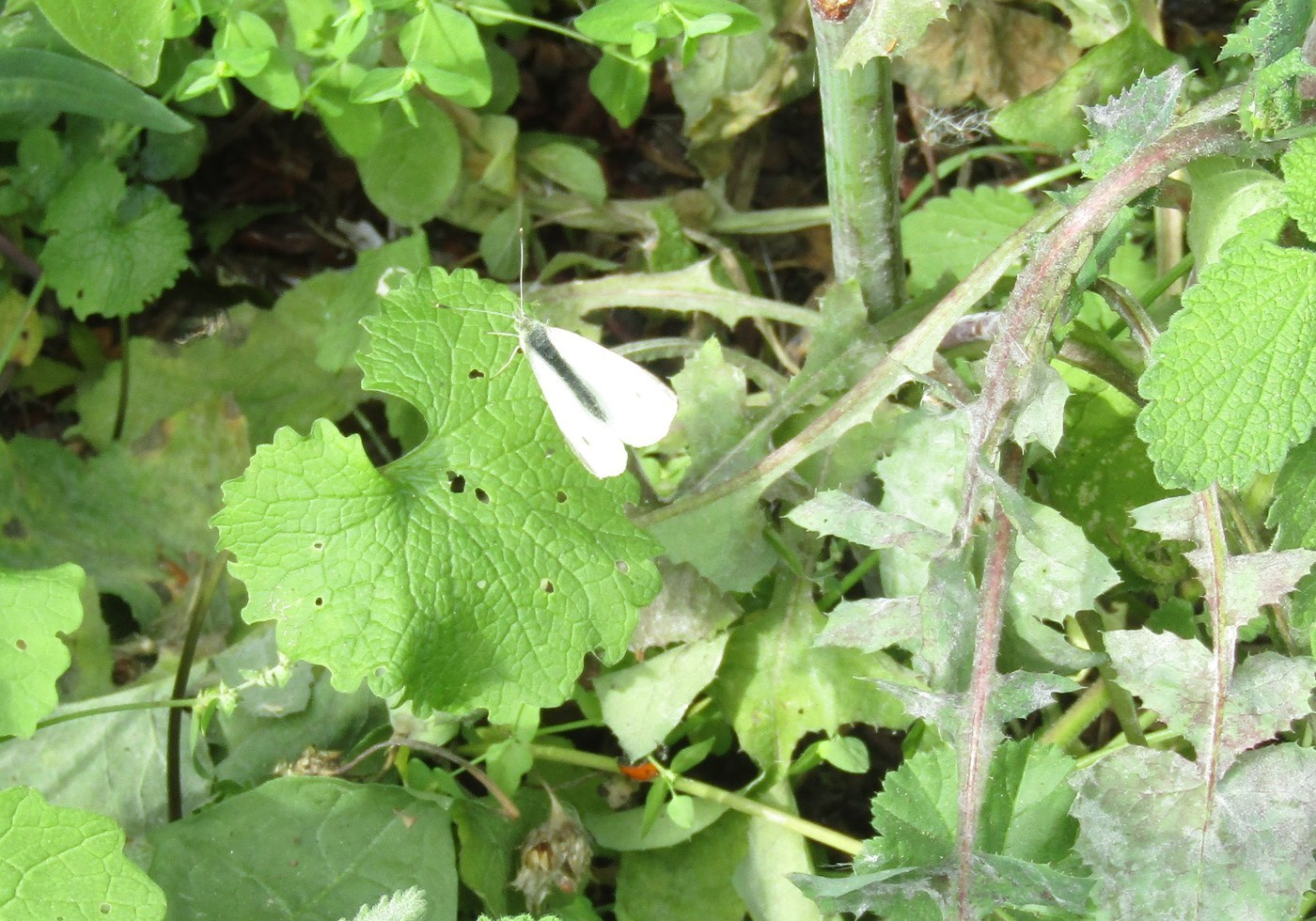
Cabbage White Butterfly
A small, plain white butterfly with one or two black spots on each forewing and dark wingtips, one of the most common and widespread garden butterflies in the world.
butterfly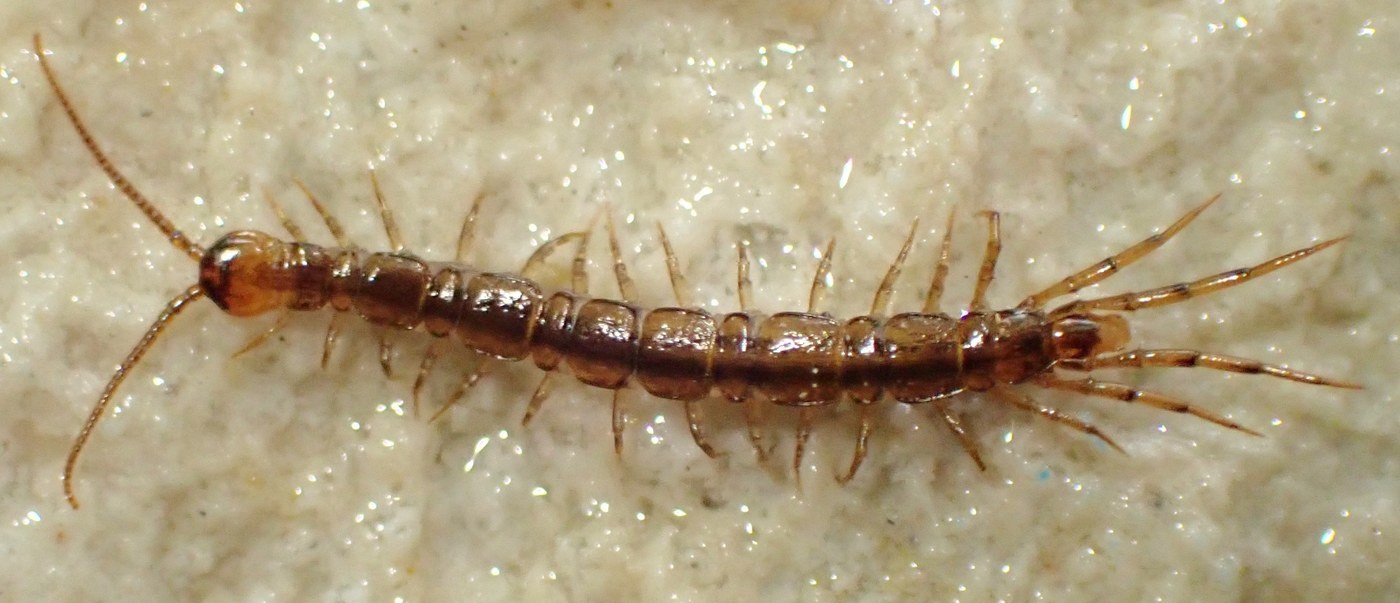
Stone Centipede
A quick, flattened, reddish-brown centipede that darts for cover the instant its stone or log shelter is lifted, one of the most commonly seen centipedes in temperate gardens.
myriapodSpur-throated Grasshopper
One of the most familiar grasshopper groups in North America, named for the small spine on its throat and known for including some of the continent's most abundant rangeland species.
grasshopper-cricket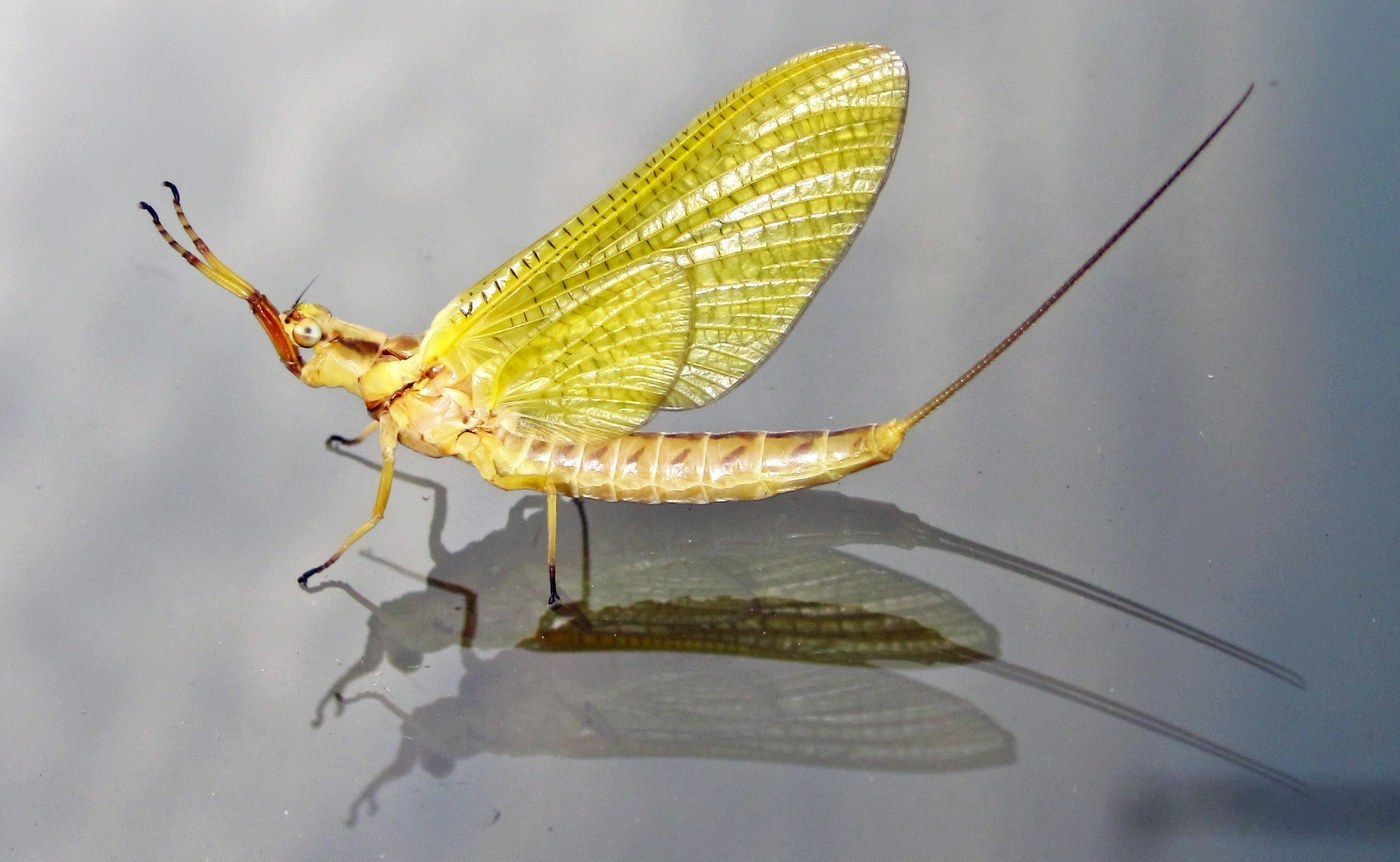
Giant Mayfly
Known for emerging by the billions in summer swarms so dense they can show up on weather radar, the Giant Mayfly is one of the largest and most abundant mayflies in North America.
aquatic-insectLouse Fly
A flattened, leathery-bodied fly that clamps onto fur or feathers with stout claws and scuttles sideways like a tiny crab rather than taking flight when disturbed. Several species shed their wings for good once they settle on a permanent host, spending the rest of their lives buried in fleece or plumage.
fly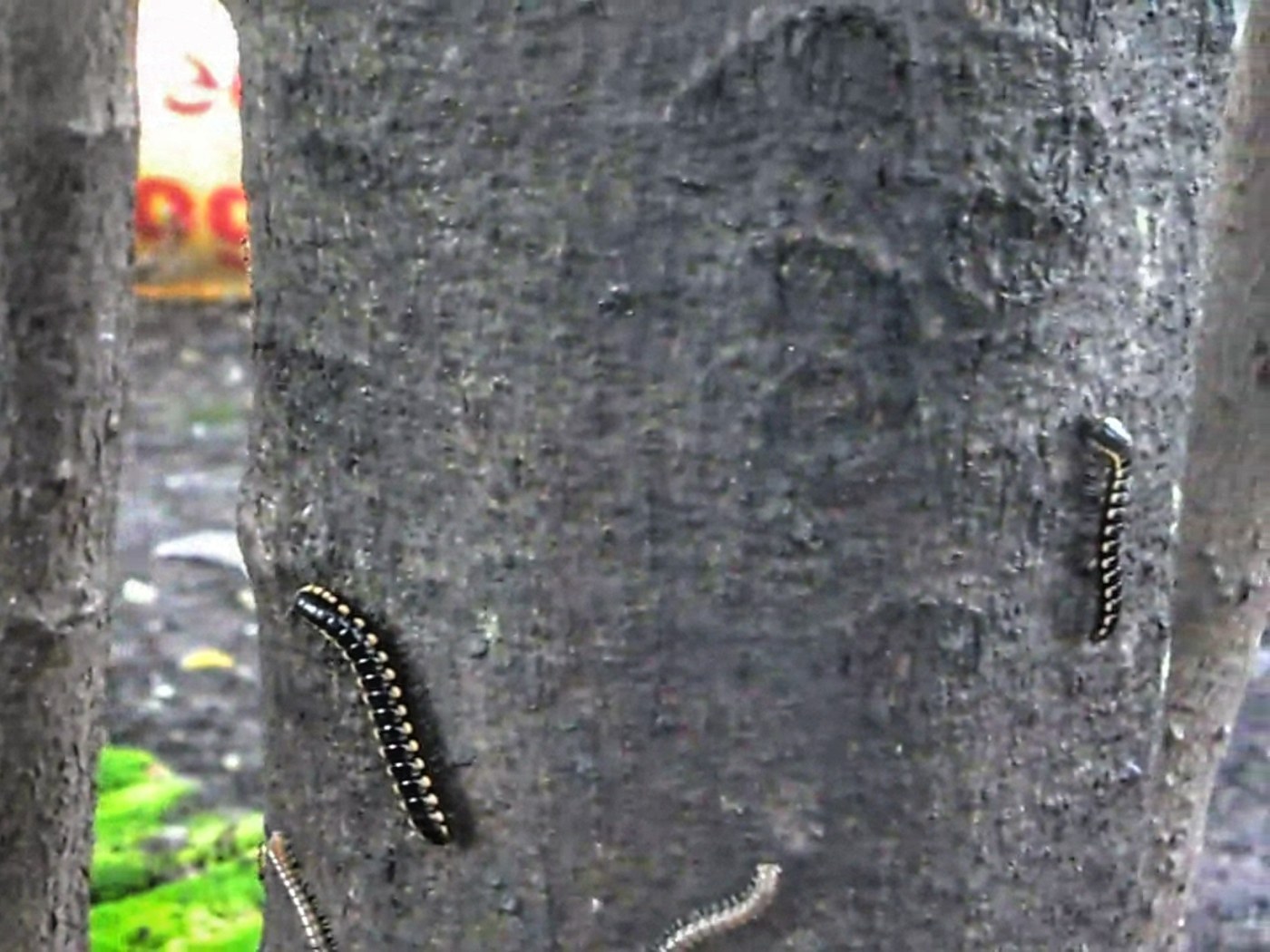
Yellow-spotted Millipede
A striking black millipede lined with bright yellow-orange spots along its flanks, one of the most recognizable invertebrates of the Pacific coast's damp forest floors.
myriapod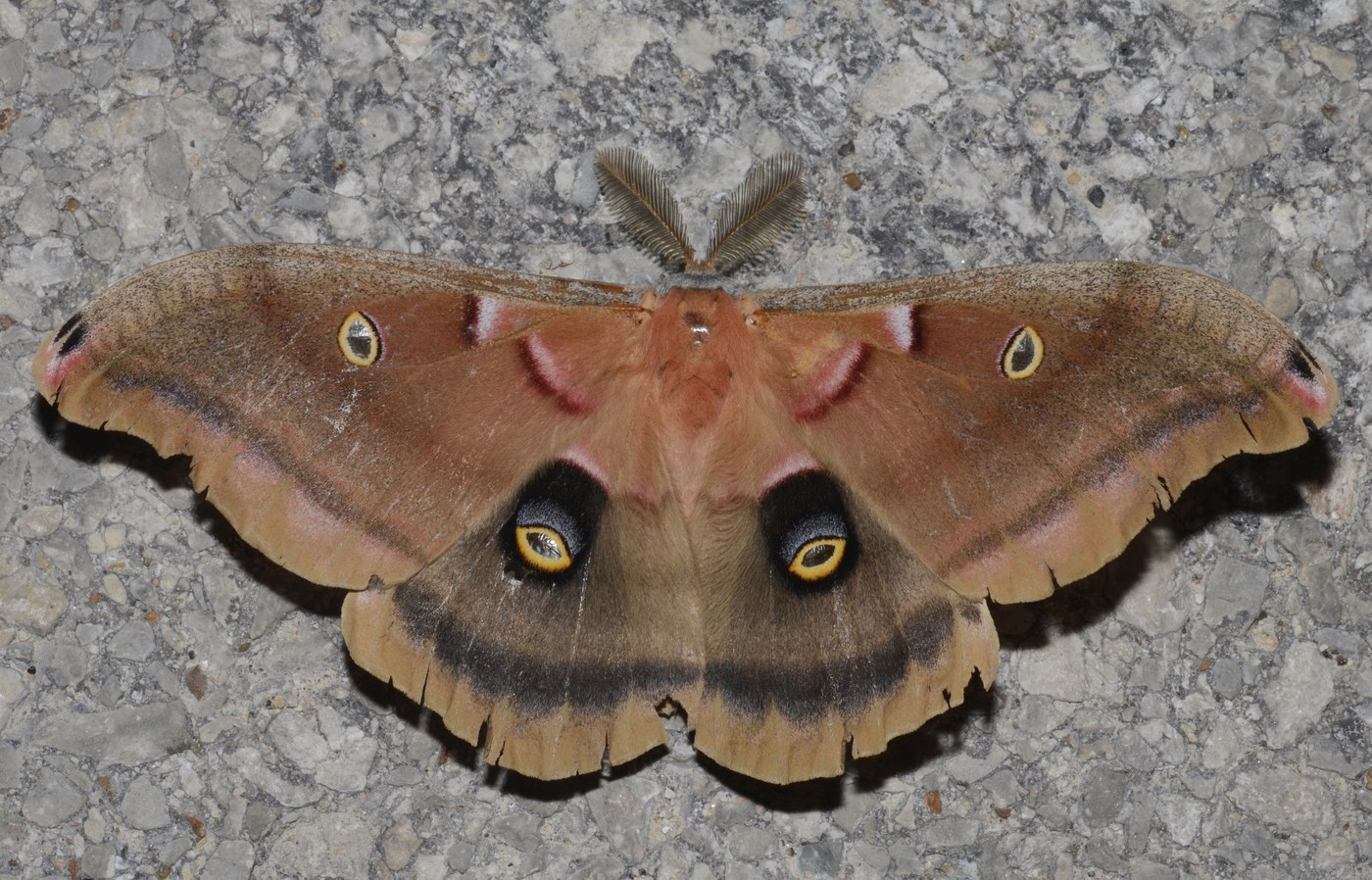
Polyphemus Moth
A large tan-to-golden-brown silkmoth named for the mythological one-eyed giant, thanks to the single large, transparent eyespot on each hindwing that flashes into view when the moth is startled.
moth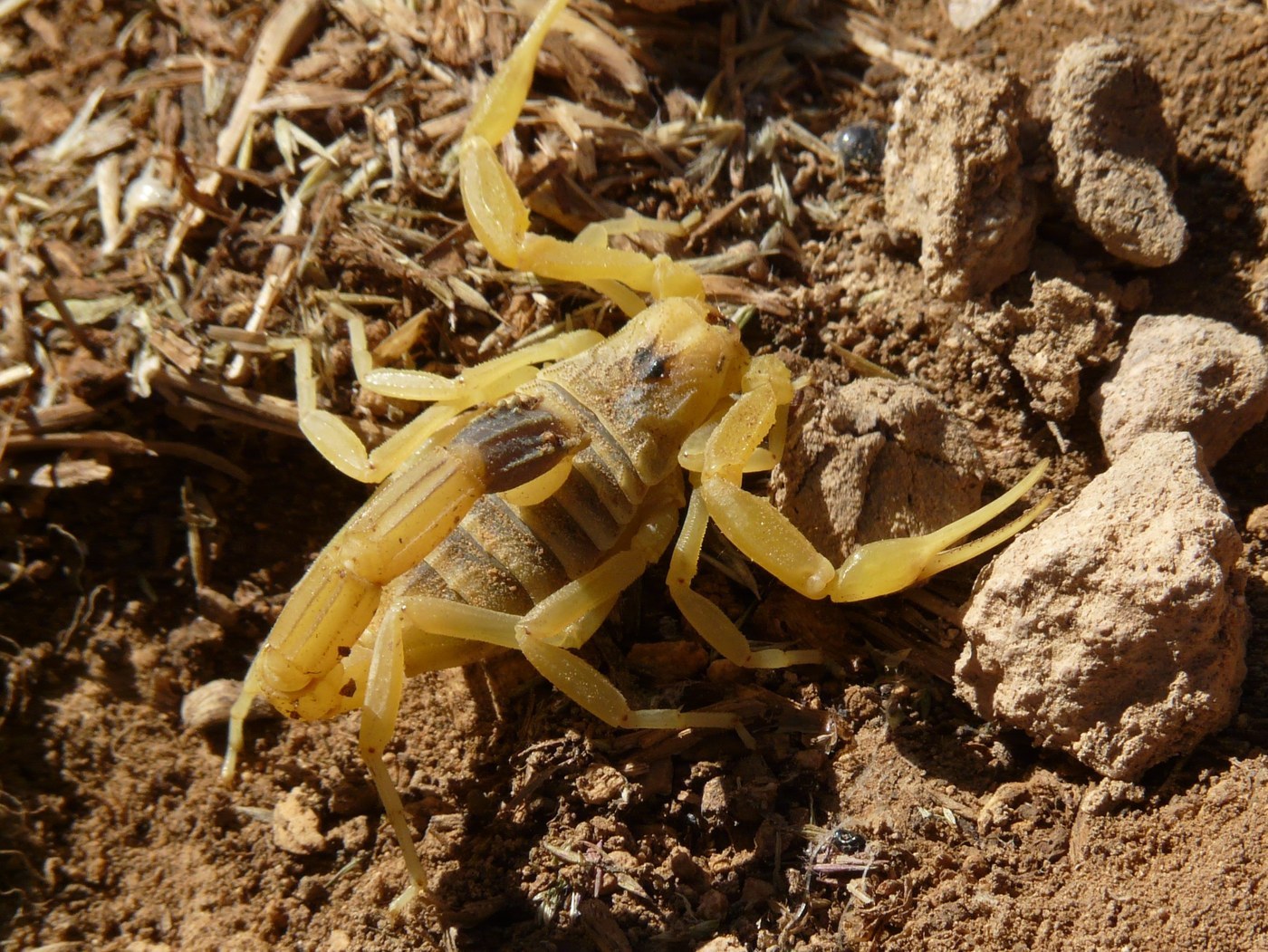
Deathstalker Scorpion
A slender, pale yellow scorpion of Middle Eastern and North African deserts, famed for its striking coloration and status as one of the most studied scorpions in scientific research.
arachnid