
Bug Encyclopedia
Search and identify bugs & insects — beetles, butterflies, moths, ants, bees, spiders and more — with size, habitat, danger, behavior, and how to tell them apart.
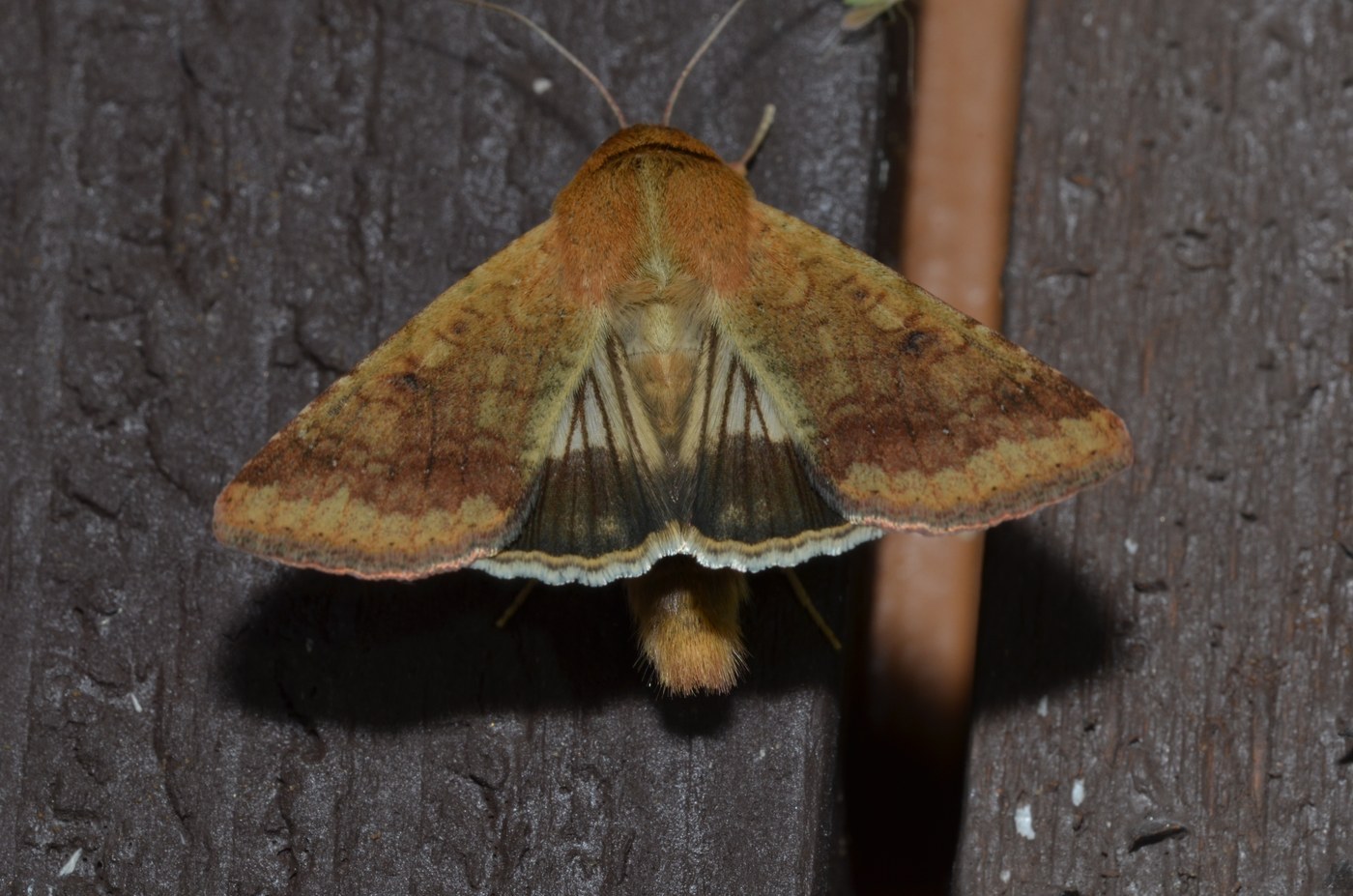
Corn Earworm
A color-variable caterpillar, ranging from pale green to reddish-brown, that burrows headfirst into corn ears and is one of the most economically significant crop pests in North America.
caterpillar-larva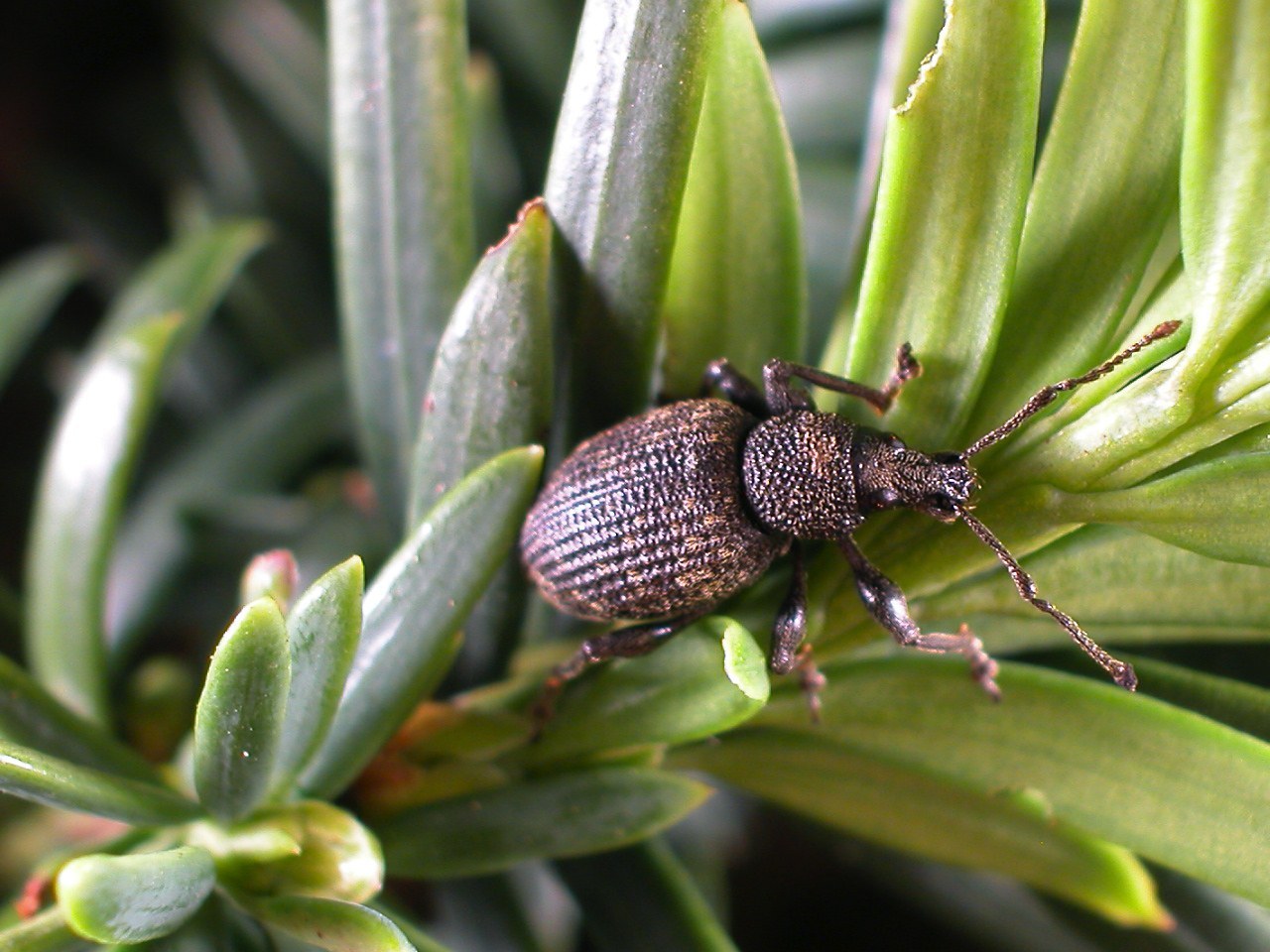
Vine Weevil
A slow, flightless, matte-black beetle that hides by day and emerges at night to notch neat semicircular bites from the edges of leaves.
beetle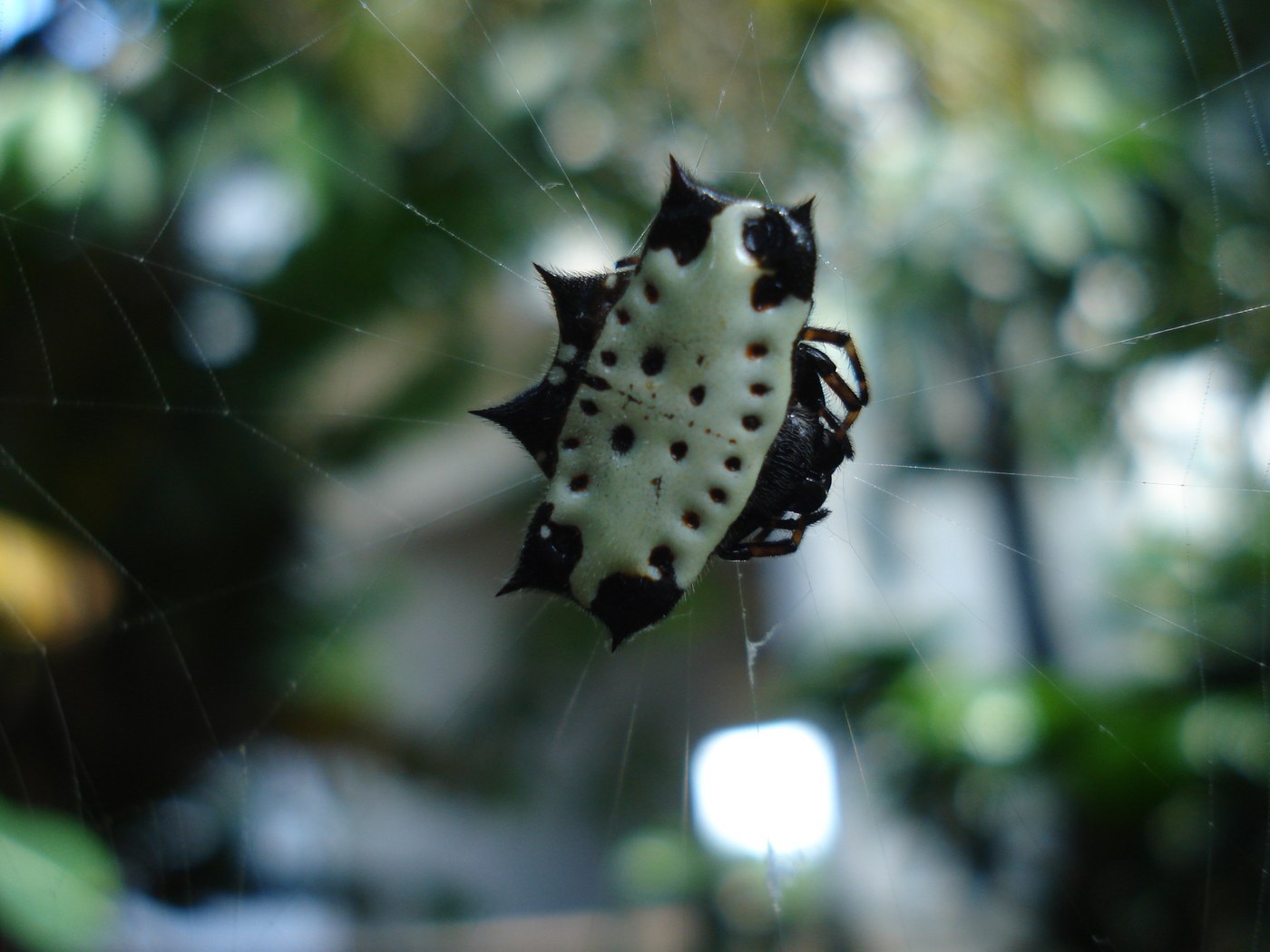
Spiny Orb Weaver
A small, hard-shelled orb weaver shaped like a tiny crab, with six sharp spines projecting from a brightly colored abdomen suspended in a neat wheel-shaped web.
spiderShield Bug (Stink Bug)
A broad, shield-shaped true bug that releases a sharp, pungent odour from glands on its body when disturbed, a defence that gives the whole family its common name.
true-bug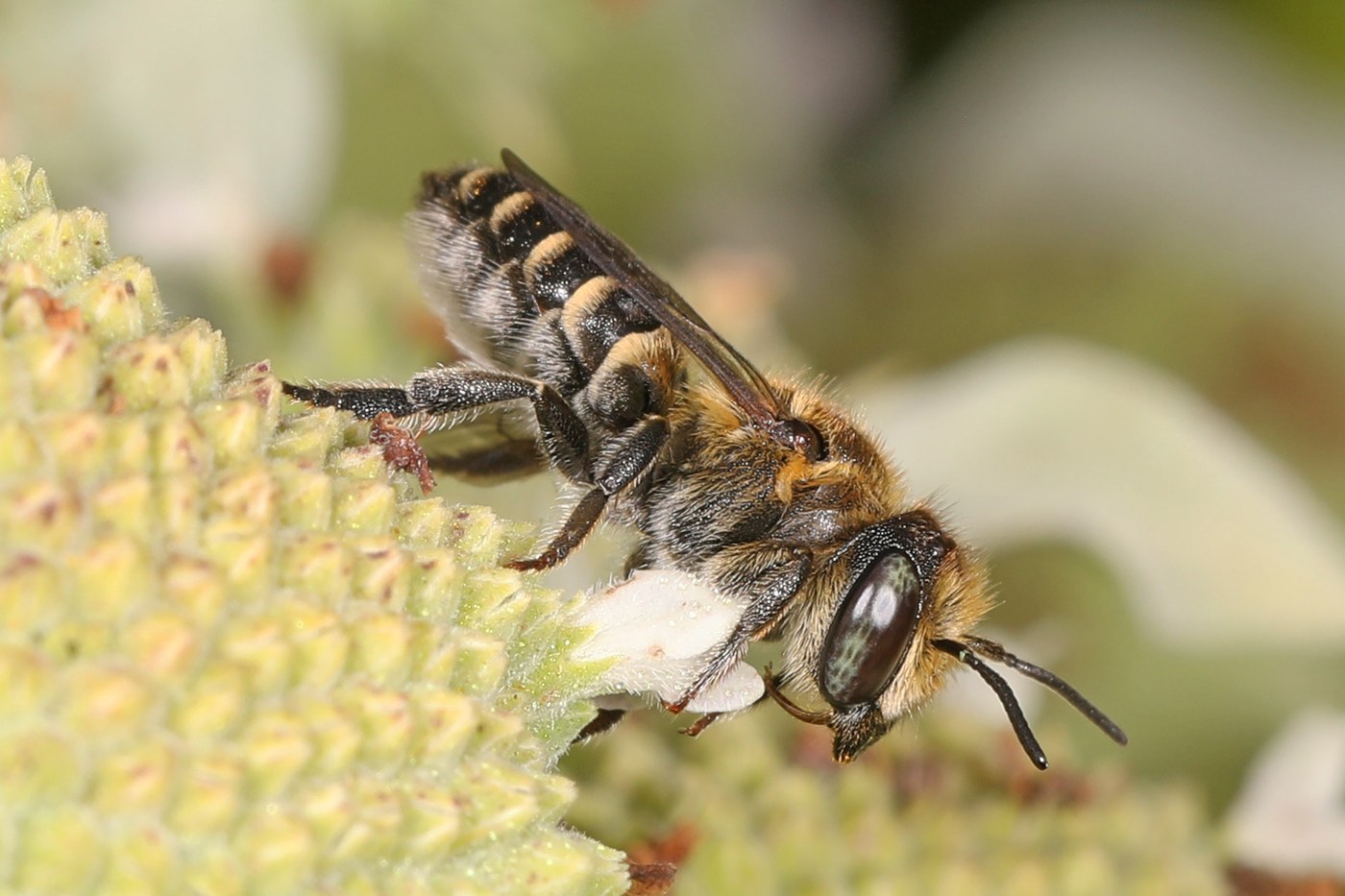
Leafcutter Bee
A stout, dark-bodied bee best known not for how it looks but for the neat, circular or oval notches it cuts from leaves, which it uses to line and seal its nest cells.
beeLanternfly (Spotted Lanternfly)
A strikingly patterned planthopper with grey, spotted forewings that flash to reveal crimson hindwings when it leaps, now notorious as an invasive agricultural pest far from its native range.
true-bug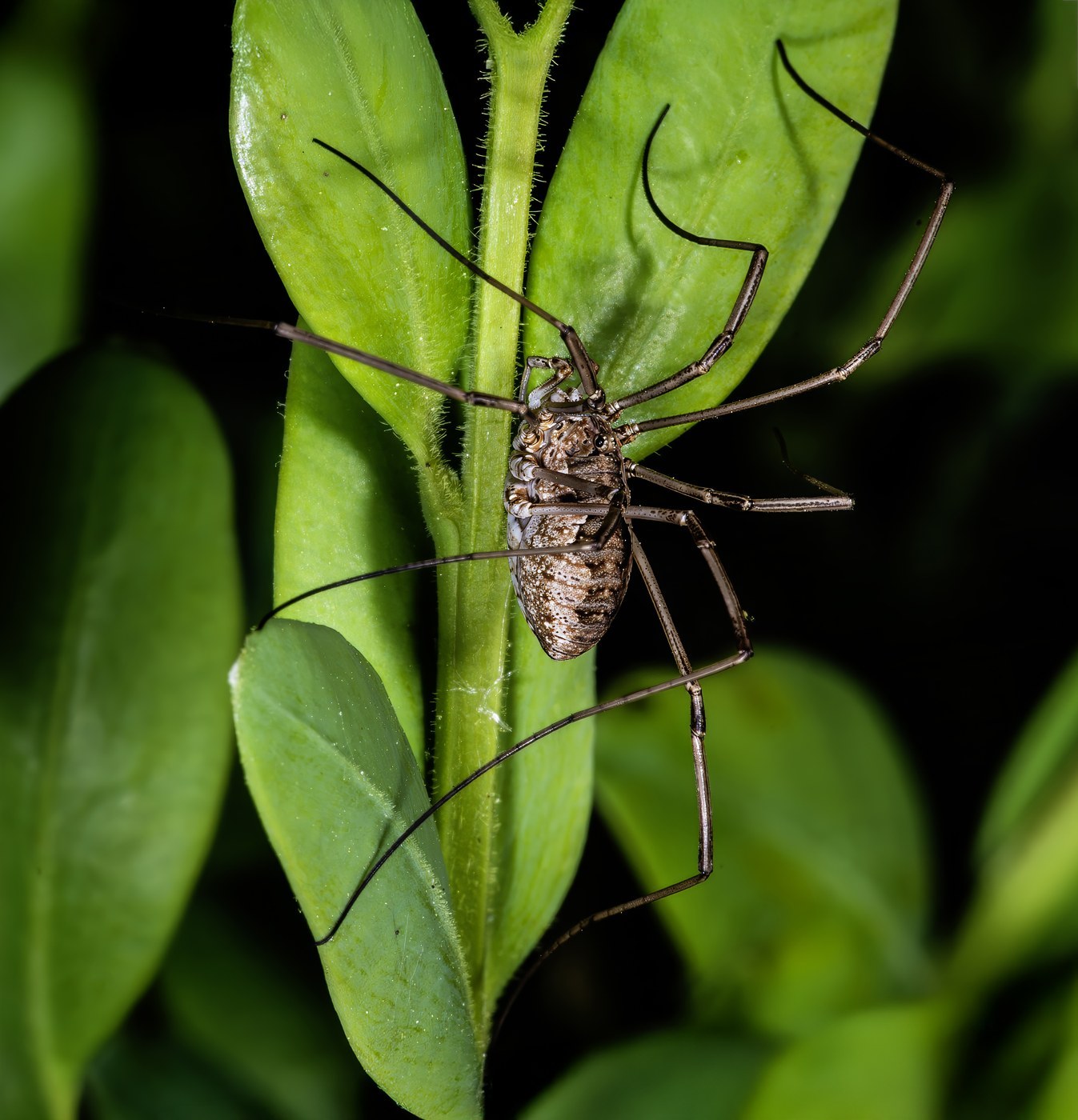
Daddy Longlegs
A small, oval-bodied arachnid carried on extremely long, thread-like legs, distinct from true spiders in having a one-piece fused body and no silk glands or web.
arachnid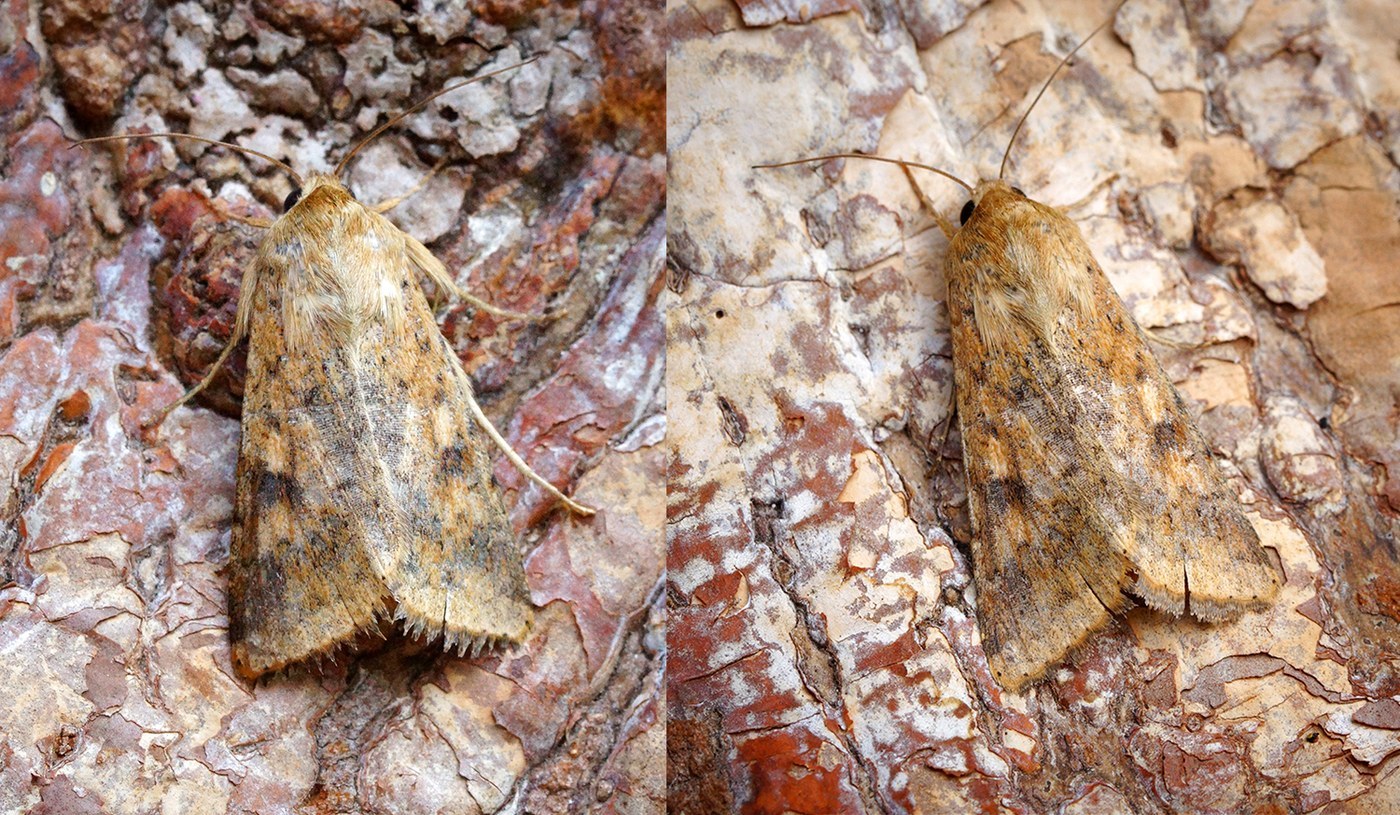
Cotton Bollworm
A variably colored caterpillar, ranging from green to brown to nearly pink, that burrows into cotton bolls, corn ears, and tomato fruit, feeding concealed inside the very structures it damages.
caterpillar-larva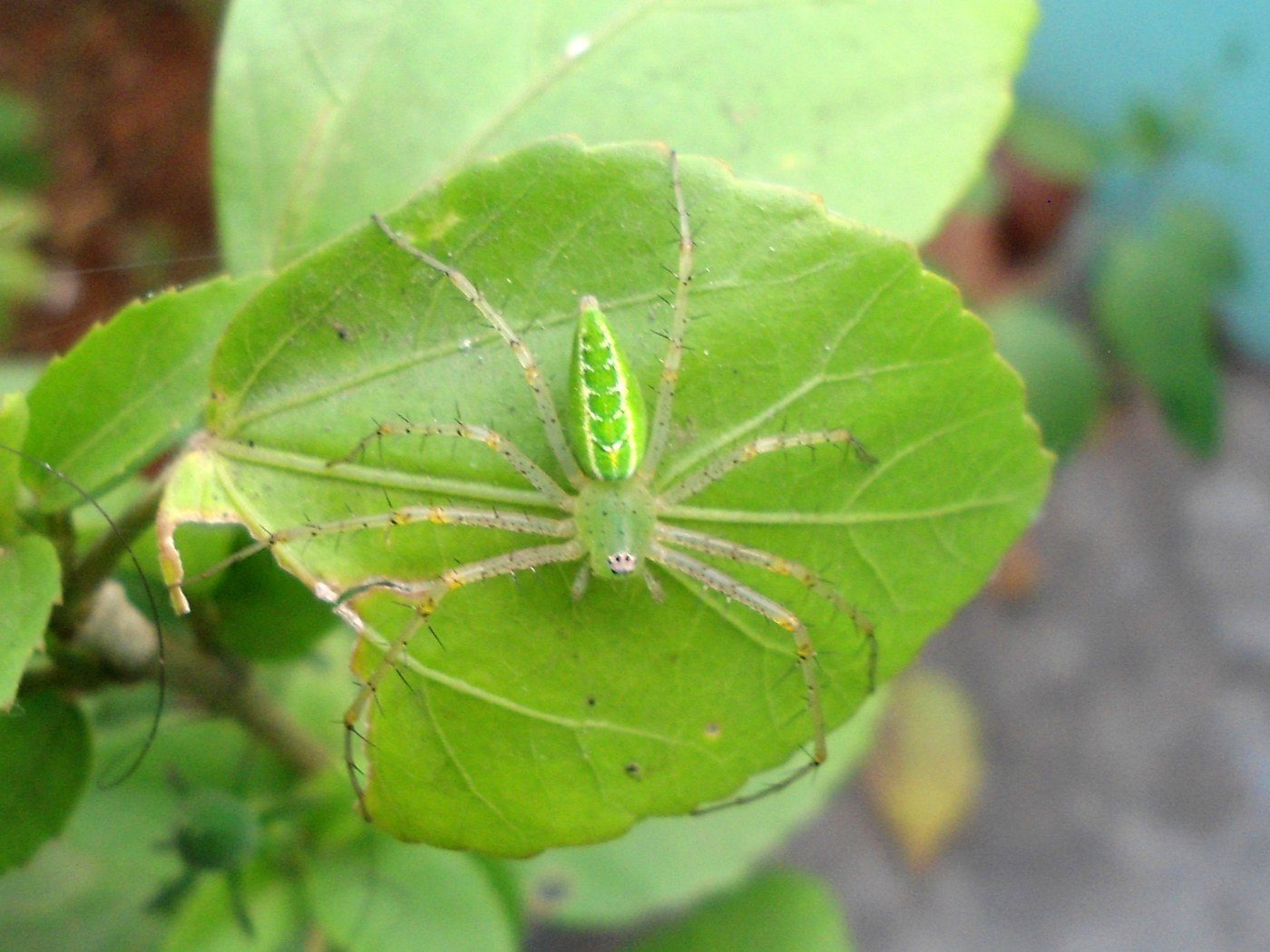
Green Lynx Spider
A slender, bright green spider armed with long spiny legs that ambushes insects from flowers and shrubs without spinning a capture web.
spider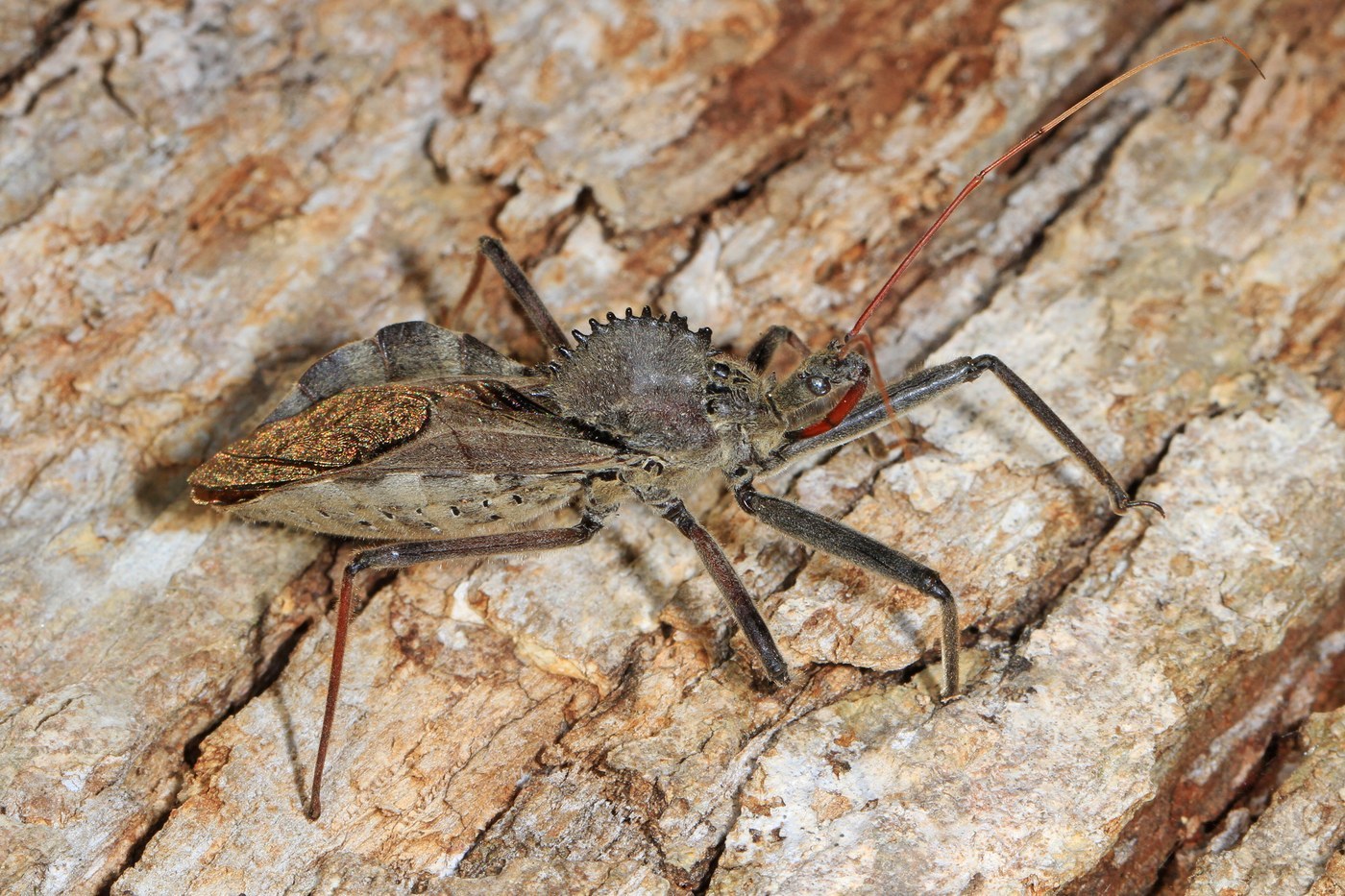
Wheel Bug
A large, gray, armored-looking true bug named for the distinctive cog-like crest rising from its back, one of the biggest and most unmistakable assassin bugs in North America.
true-bug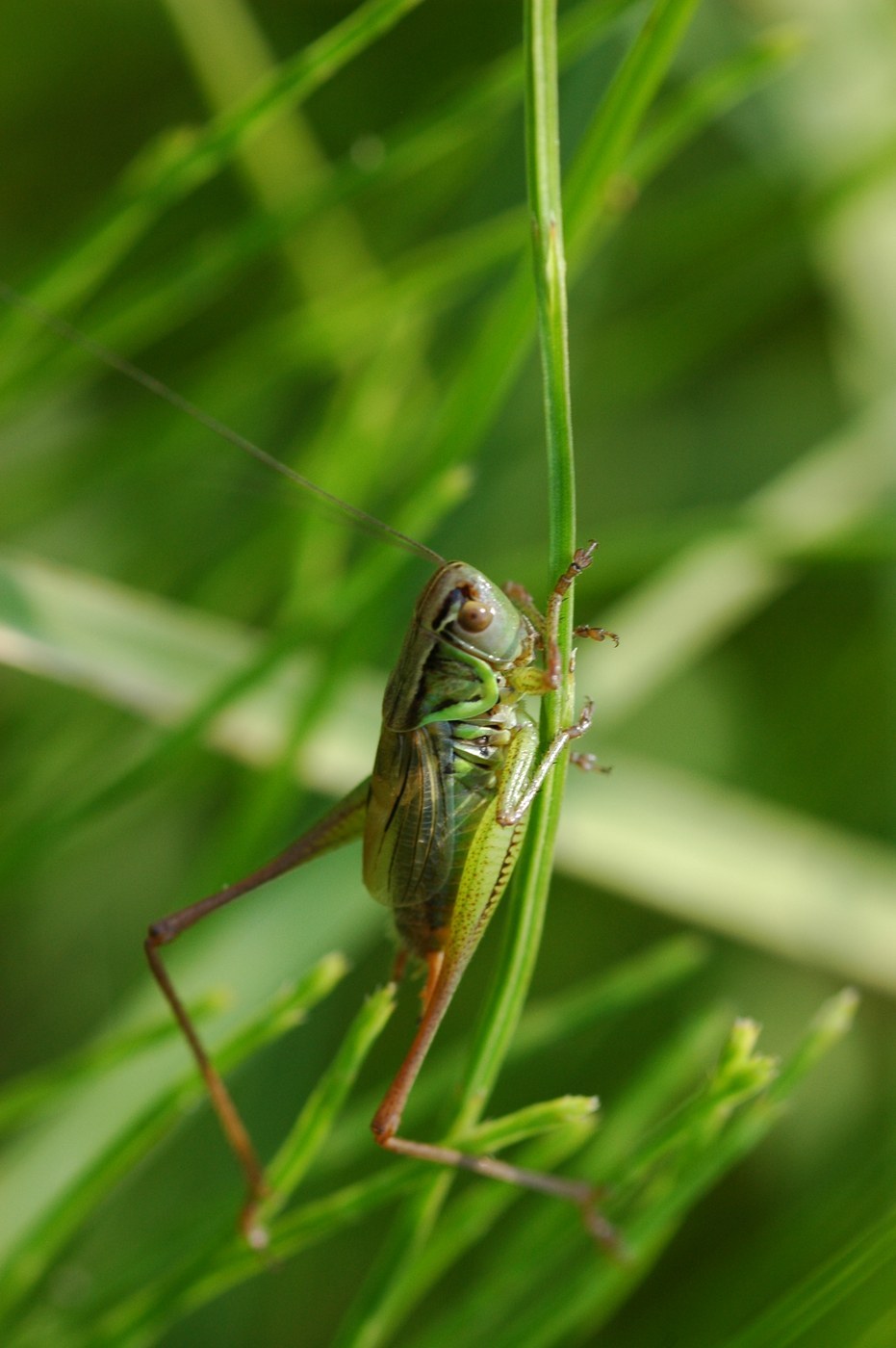
Roesel's Bush Cricket
Marked with a pale cream border along its thorax, this compact bush cricket produces a continuous, high-pitched, buzzing song reminiscent of an electrical hum from dense summer grass.
grasshopper-cricket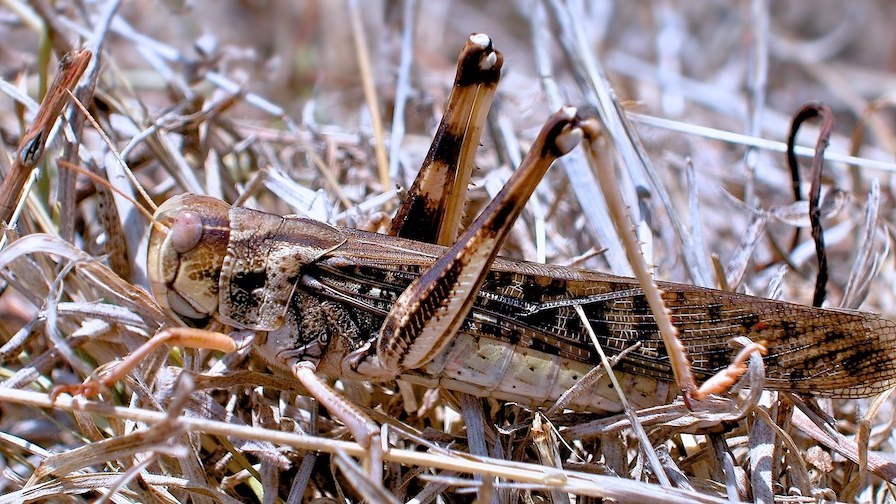
Locust
A large, powerful grasshopper capable of transforming from a solitary, harmless insect into a densely packed, migrating swarm when populations surge, historically famous for devastating crops across huge regions.
grasshopper-cricketBlister Beetle
An elongated, soft-bodied beetle with a distinctly narrow neck, often seen feeding in small groups on flowers, and known for releasing a defensive chemical from its leg joints when disturbed.
beetleArmy Ant
A nomadic predator that never builds a permanent nest, instead forming temporary living bivouacs from its own linked bodies and sweeping through the forest floor in massive predatory raids.
ant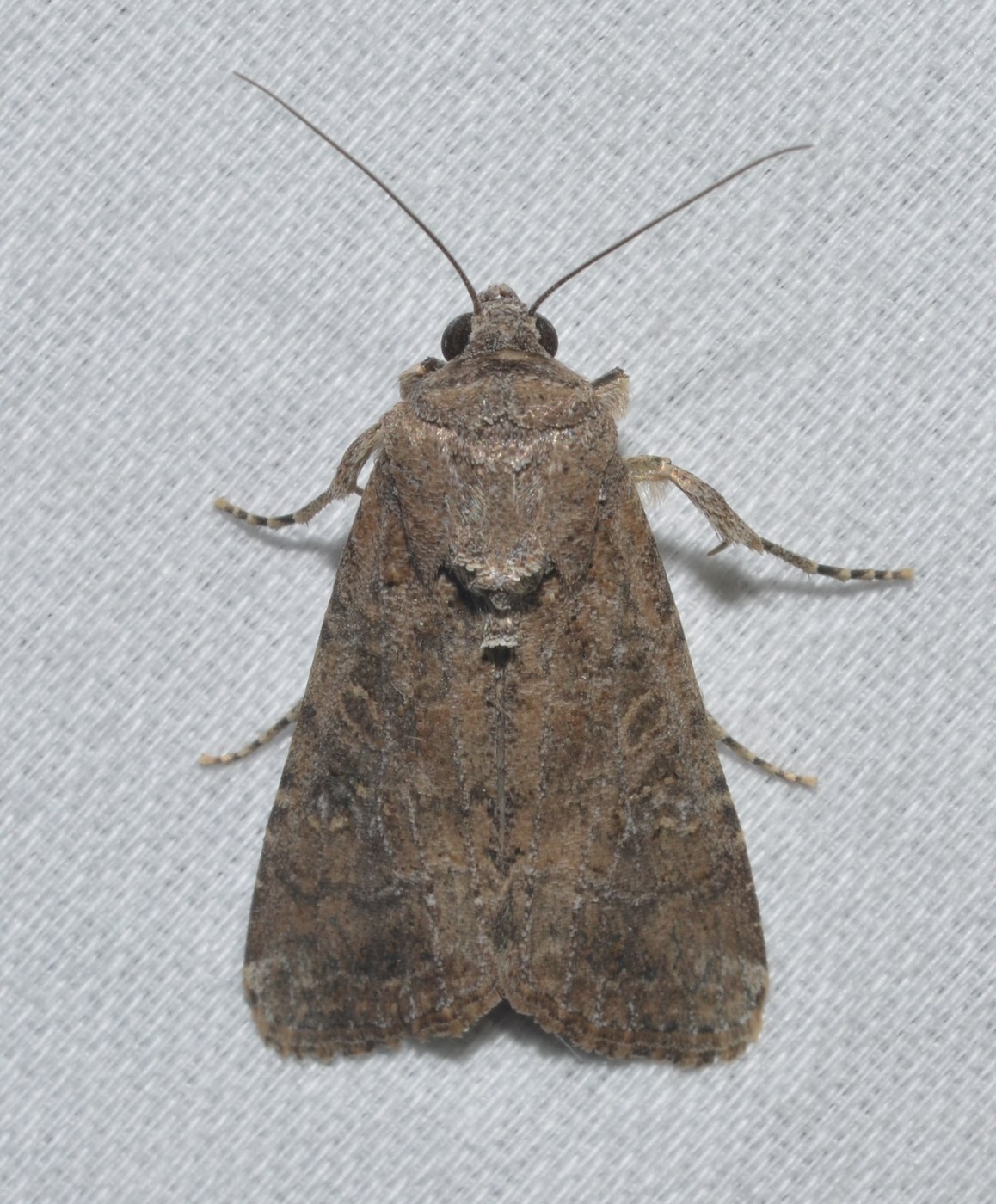
Armyworm
A striped, greenish-brown caterpillar that gets its name from its habit of migrating in dense, destructive groups across grass and grain fields.
caterpillar-larvaPunkie
An almost invisibly small biting fly that swarms near wetlands at dusk, where only the females take blood meals from animal hosts.
fly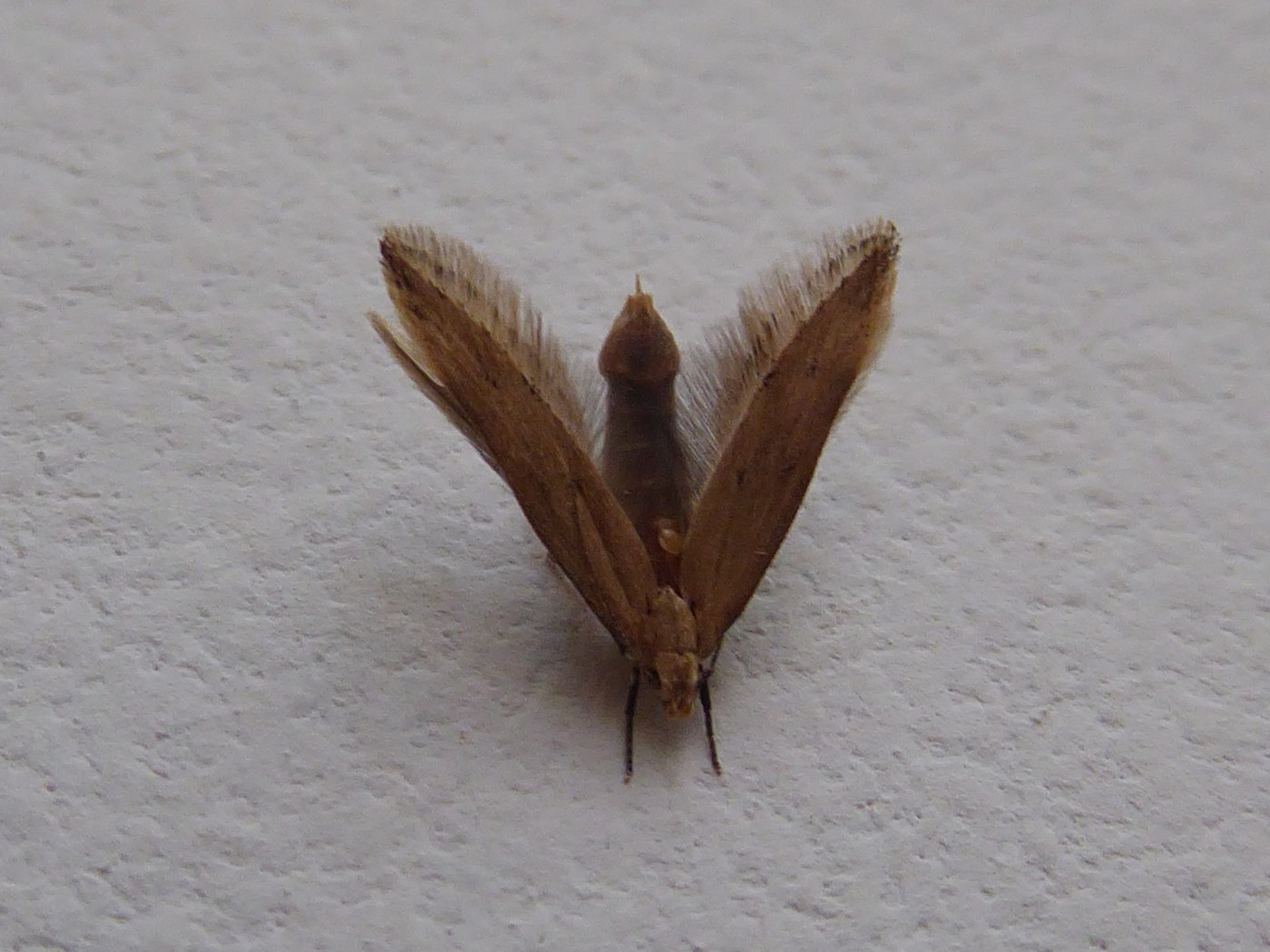
Grain Moth
A tiny buff-colored moth whose larvae tunnel invisibly inside individual kernels of stored grain, hollowing them out from within.
moth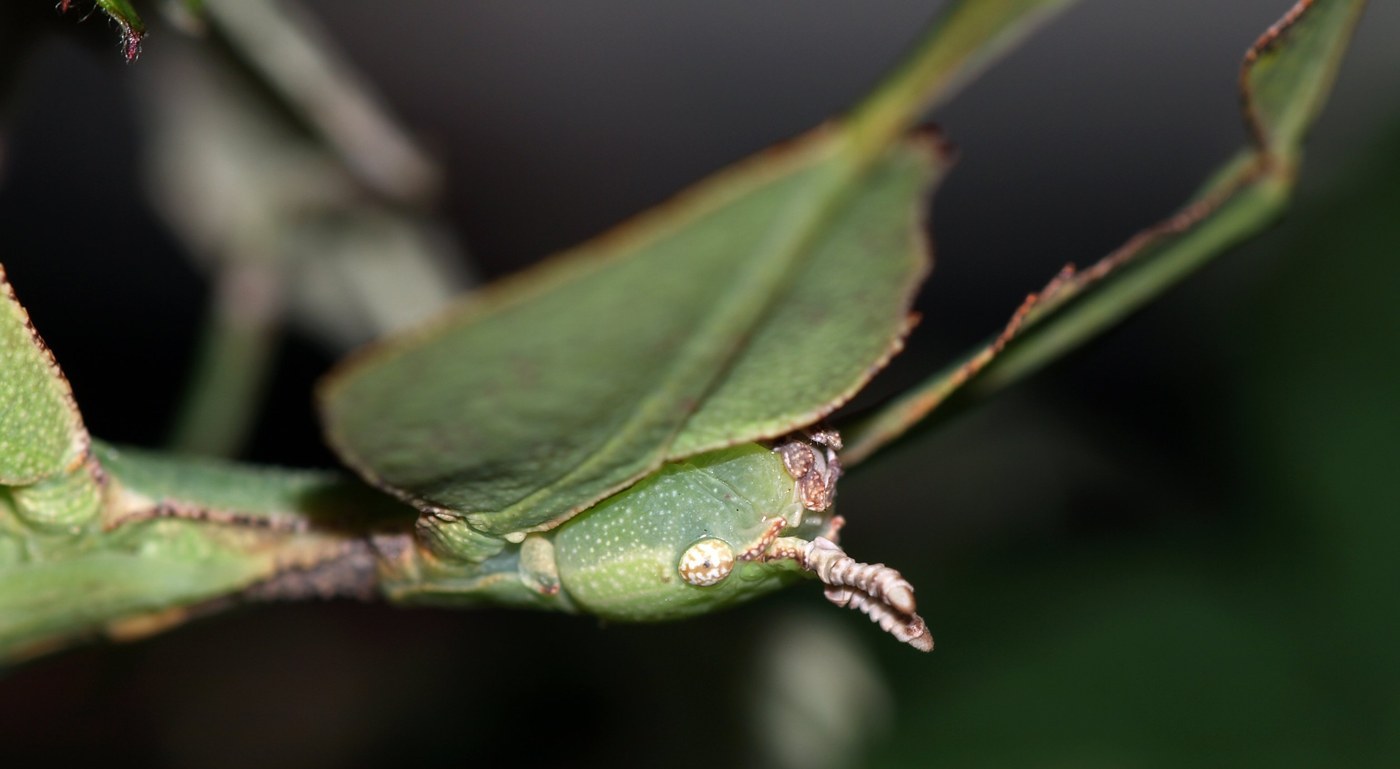
Javanese Leaf Insect
A broad, veined, leaf-green body makes this insect nearly indistinguishable from the foliage it feeds on, a masterclass in disguise native to the forests of Southeast Asia.
mantis-stick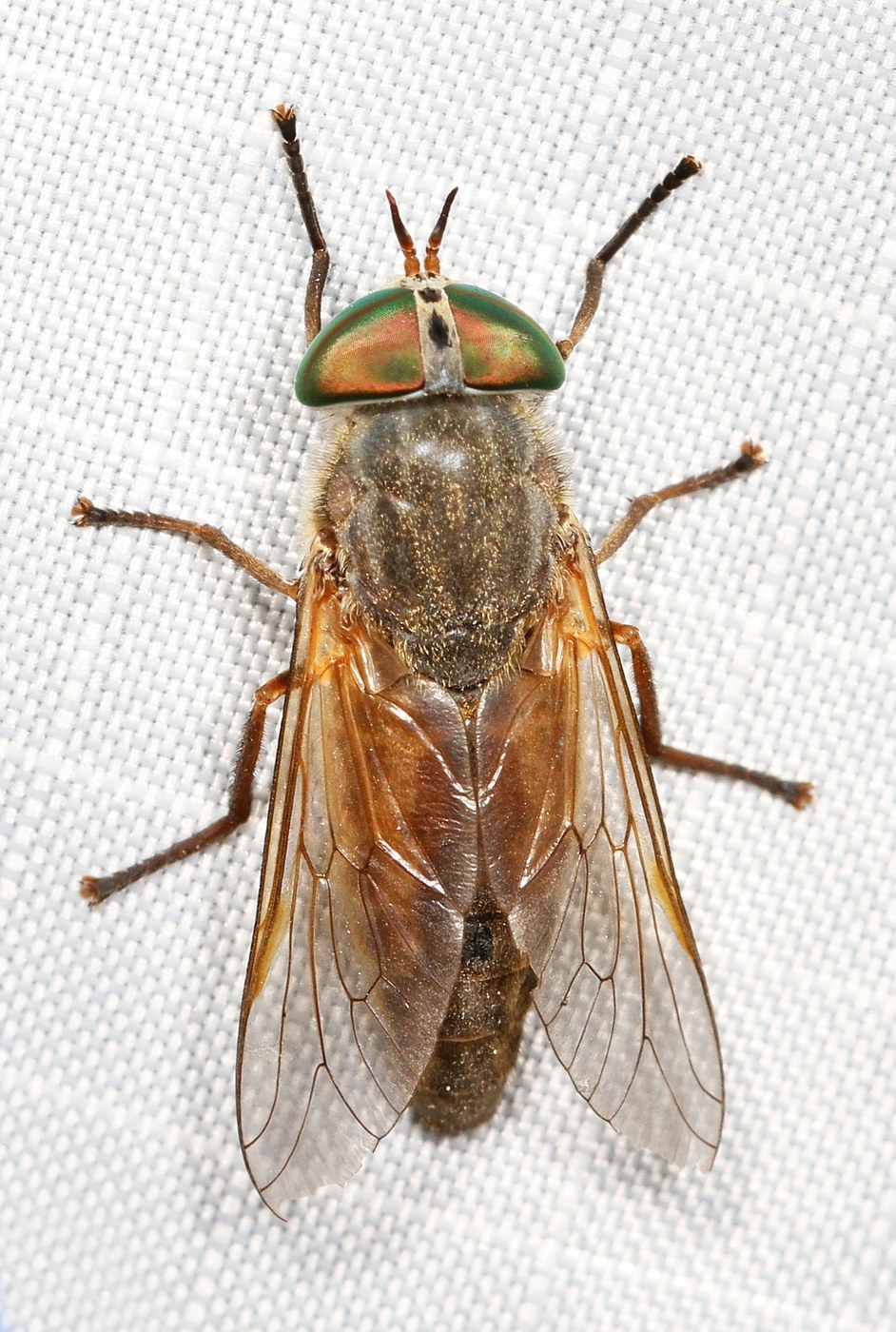
Greenhead Fly
A stout, strikingly green-eyed horse fly that emerges from Atlantic salt marshes in midsummer swarms, where the females bite to feed on blood.
flyMud Dauber Wasp
Slender, long-waisted wasps that build distinctive nests from mud, mud daubers stock their cells with paralyzed spiders. Their tube or urn-shaped mud nests are common under eaves and bridges.
wasp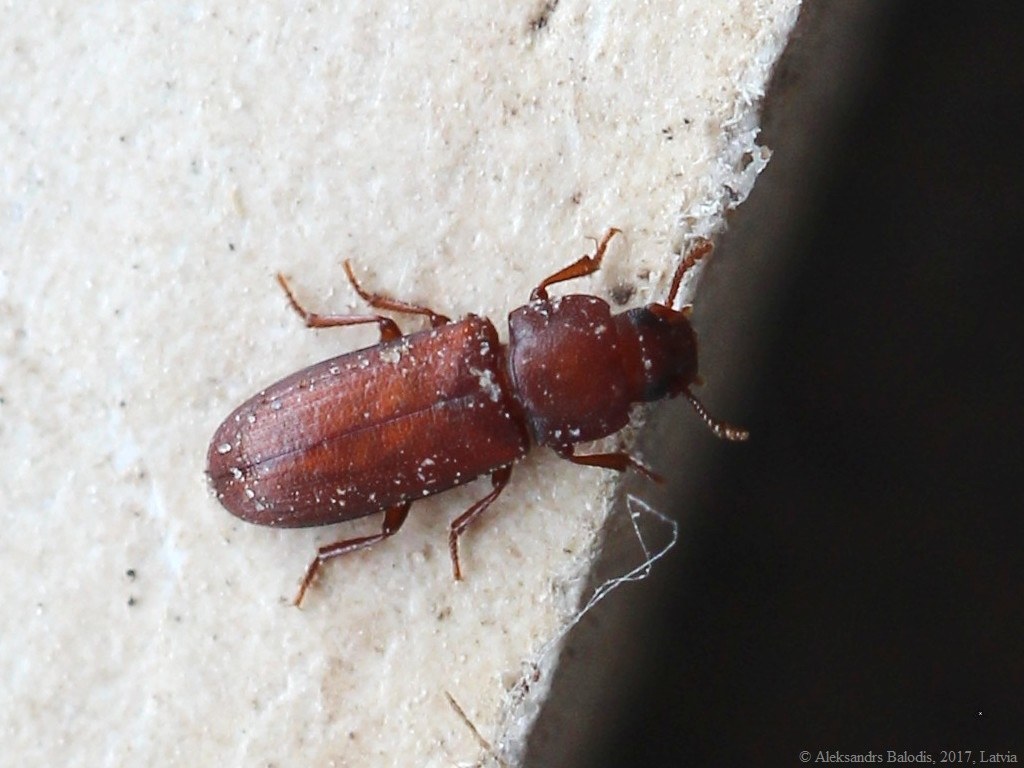
Confused Flour Beetle
A tiny, flattened, reddish-brown beetle commonly found in stored flour and grain products, distinguished from its near-identical relative the red flour beetle mainly by its antennae shape.
beetleCave Spider
A long-legged orb weaver adapted to the twilight zone of caves, spinning large webs across cavern mouths and dangling its egg sacs from silk threads deep within the darkness.
spiderCicada Killer's Prey Cicada
A large, thick-bodied, clear-winged insect best known for the loud, buzzing chorus males produce from treetops on hot summer afternoons, and a preferred prey item of the cicada killer wasp.
true-bugFunnel Weaver Spider
Nearly invisible until dew or morning frost outlines it in silver, the funnel weaver's sheet-and-tunnel web is a familiar sight across lawns and gardens, with its owner watching from the safety of a silken tube.
spider