
Bug Encyclopedia
Search and identify bugs & insects — beetles, butterflies, moths, ants, bees, spiders and more — with size, habitat, danger, behavior, and how to tell them apart.
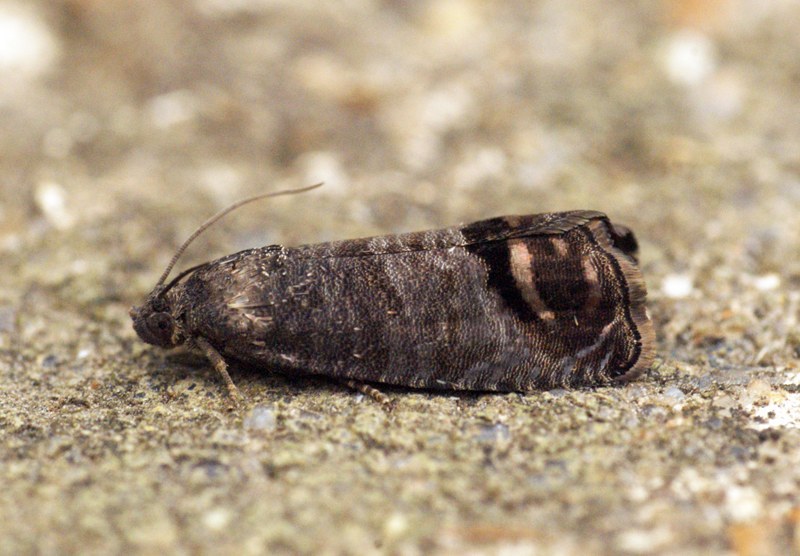
Codling Moth
A small, inconspicuous grey-brown moth best known through the work of its larva, the classic apple 'worm' that tunnels into fruit, making this tiny moth one of the most economically significant insects in orchards worldwide.
moth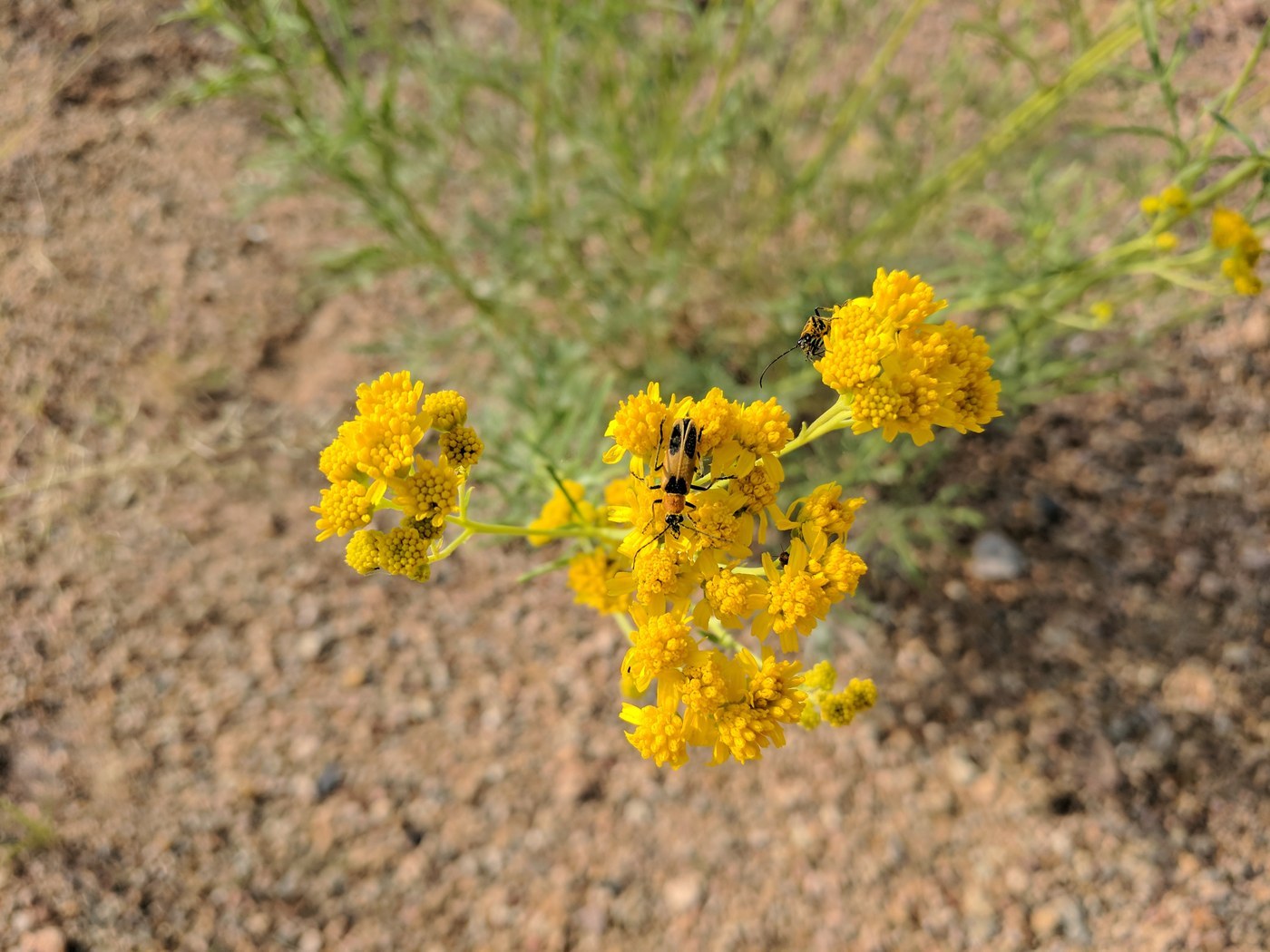
Soldier Beetle
A slender, soft-bodied beetle in orange and black or yellow and brown, often seen clustered on late-summer flowers where it feeds on pollen, nectar, and small insects.
beetle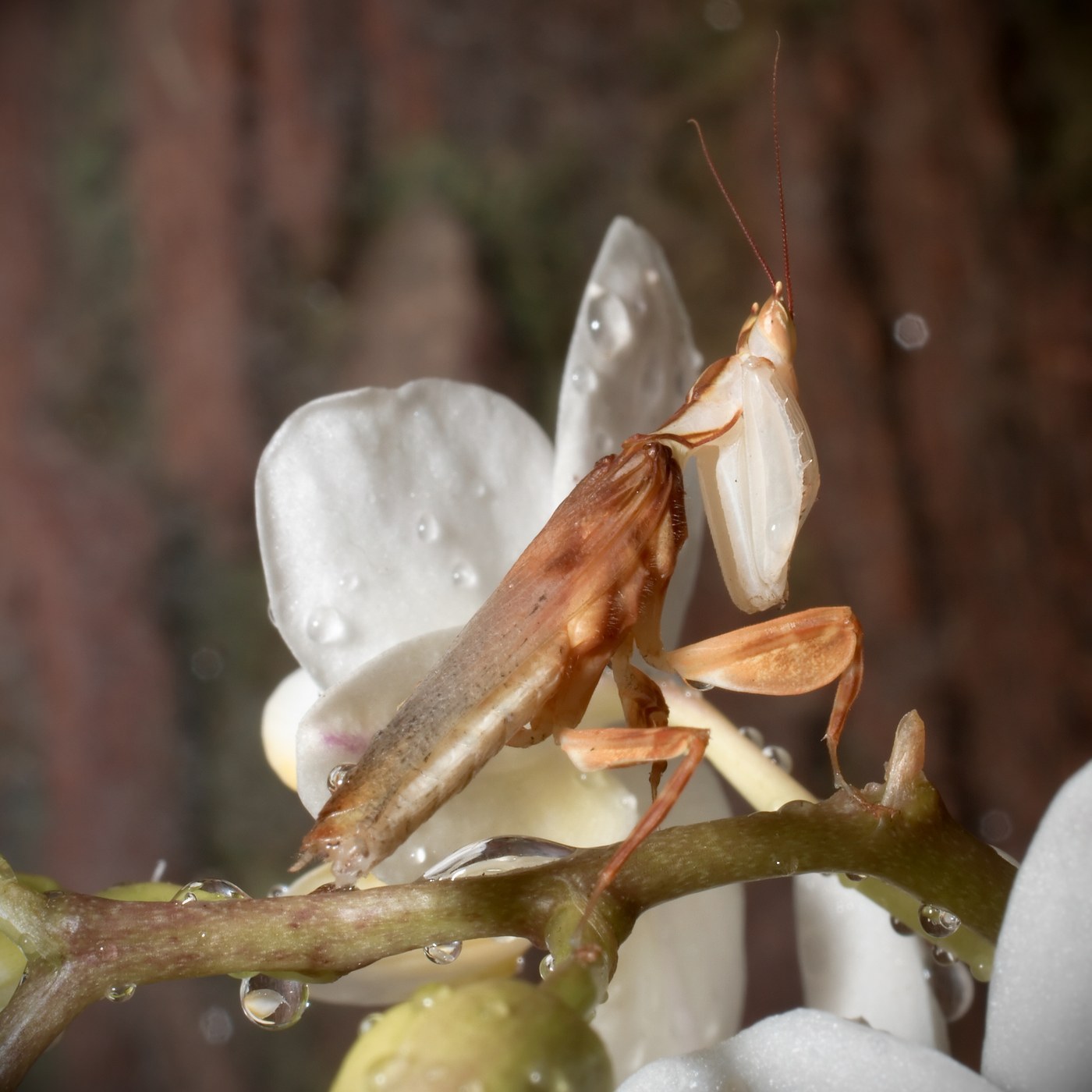
Orchid Mantis
A dazzling pink-and-white mantis whose petal-shaped leg lobes let it pass as a flower, luring pollinating insects close enough to ambush.
mantis-stick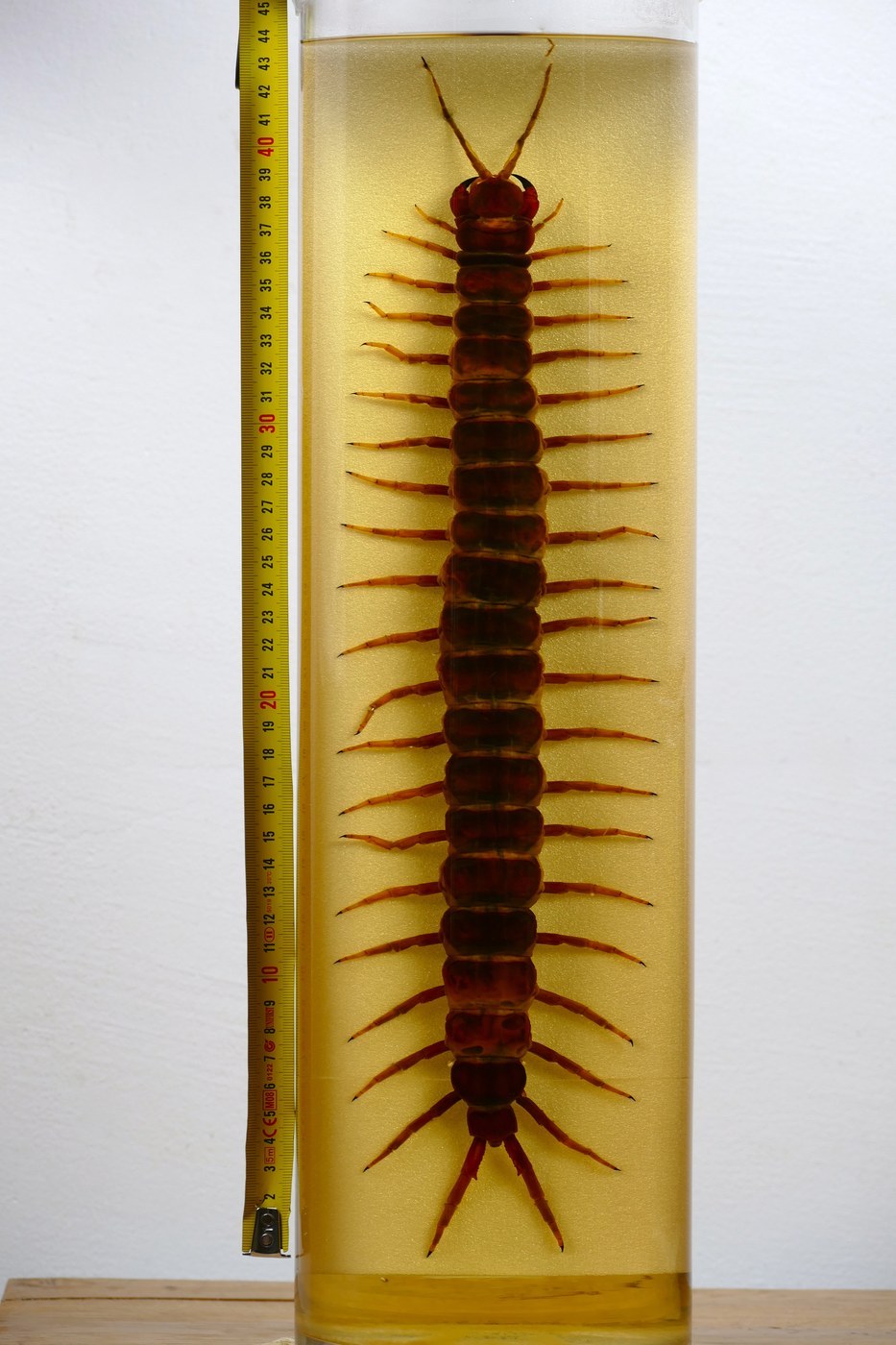
Amazonian Giant Centipede
The largest centipede on the planet, a formidable dark reddish-brown predator from South American rainforests capable of capturing prey as large as bats and small reptiles.
myriapodAntlion
An insect best known for its larval stage, the doodlebug, which digs a small conical pit trap in loose sand to ambush unwary ants, while the winged adult resembles a slender, delicate damselfly.
other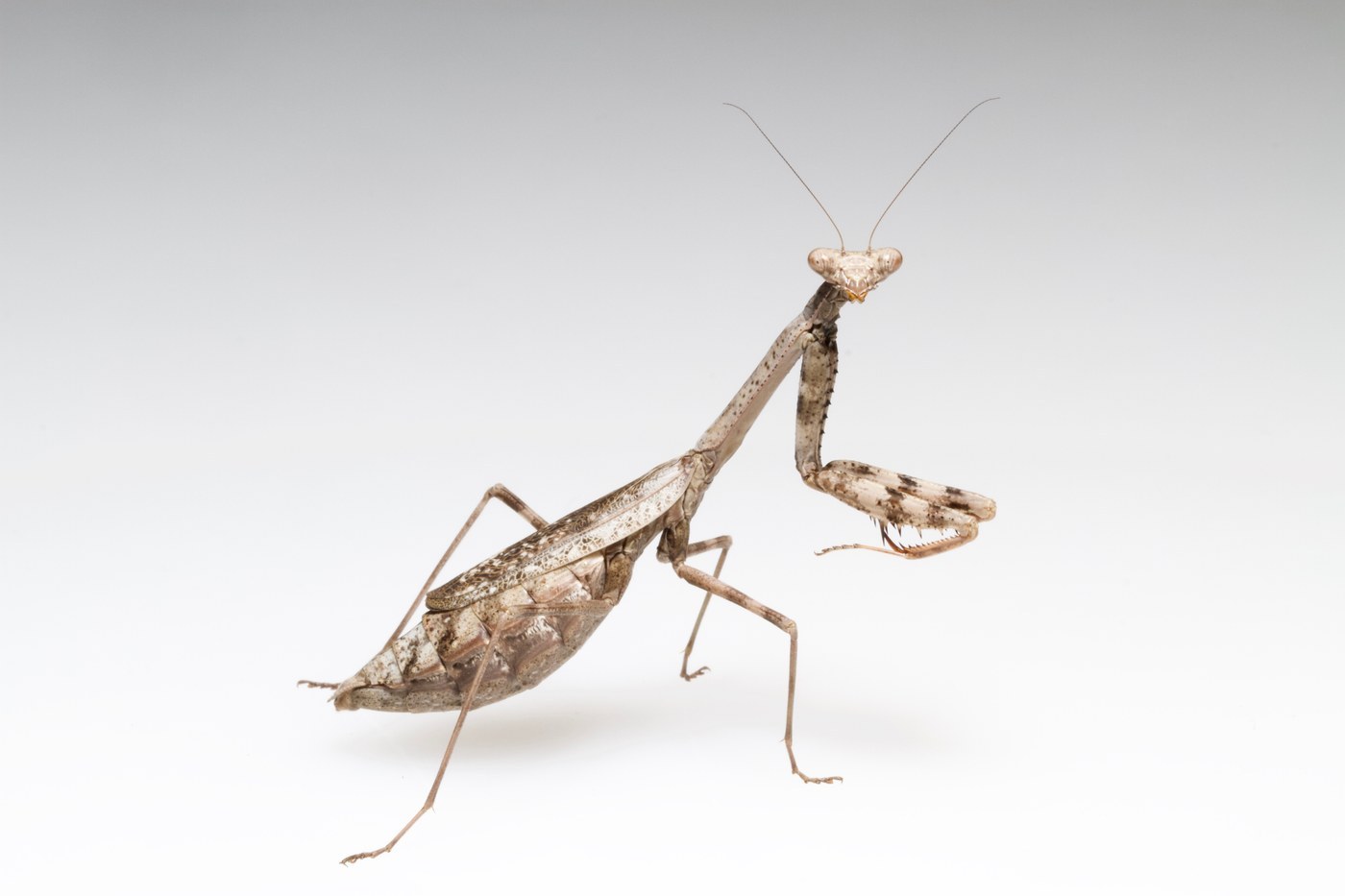
Carolina Mantis
A mottled gray-brown mantis native to the southeastern and south-central United States, smaller and more camouflaged than its introduced Chinese relative, and recognized as the state insect of South Carolina.
mantis-stick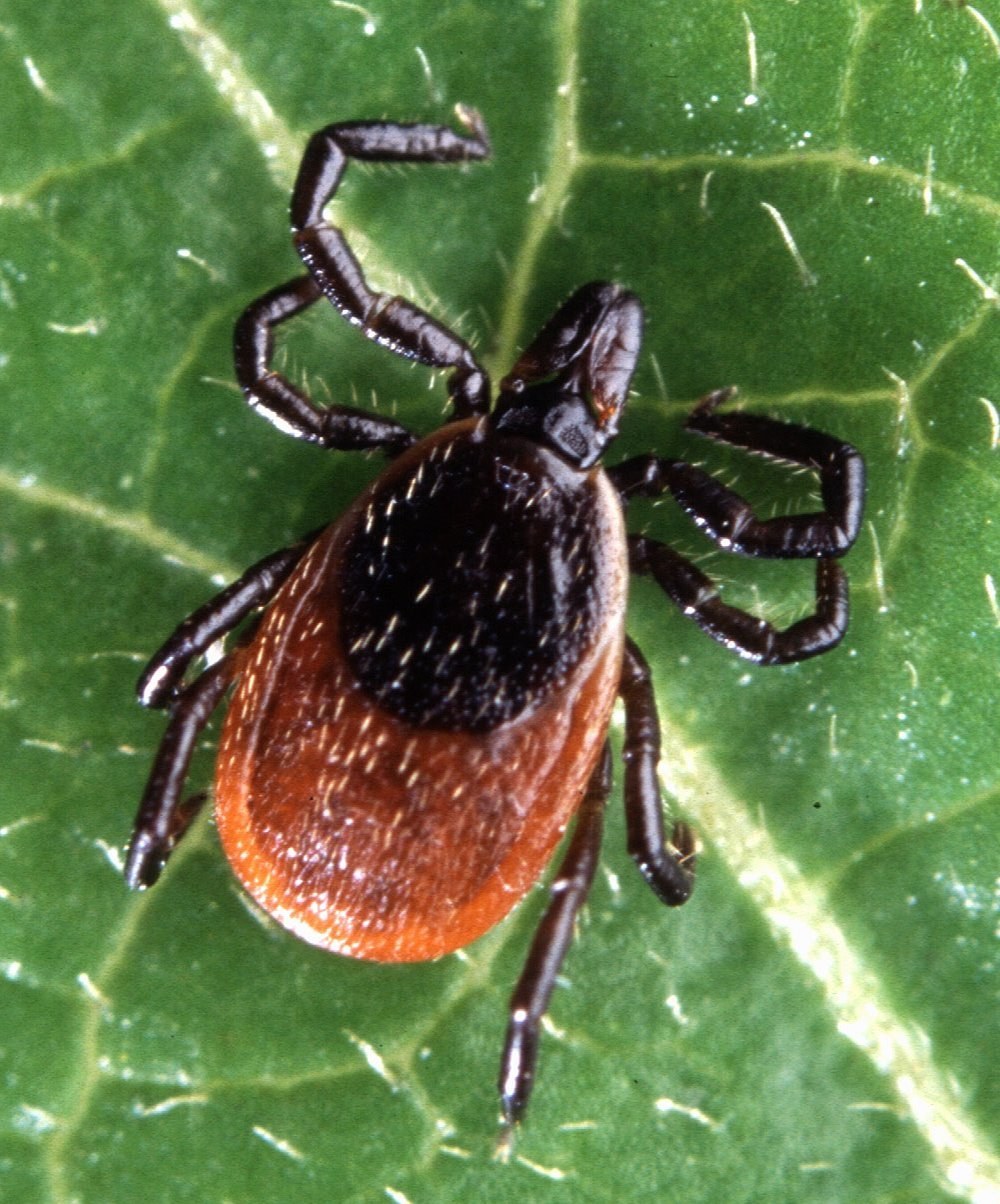
Deer Tick
A small, dark-legged tick with a reddish-brown, teardrop-shaped body, noticeably smaller than many other common tick species and often found questing in wooded or grassy edge habitats.
arachnidMesh Web Weaver
A tiny, easily overlooked spider that spins a loose, bluish tangle of fuzzy silk over twig tips and seed heads to snare small insects.
spider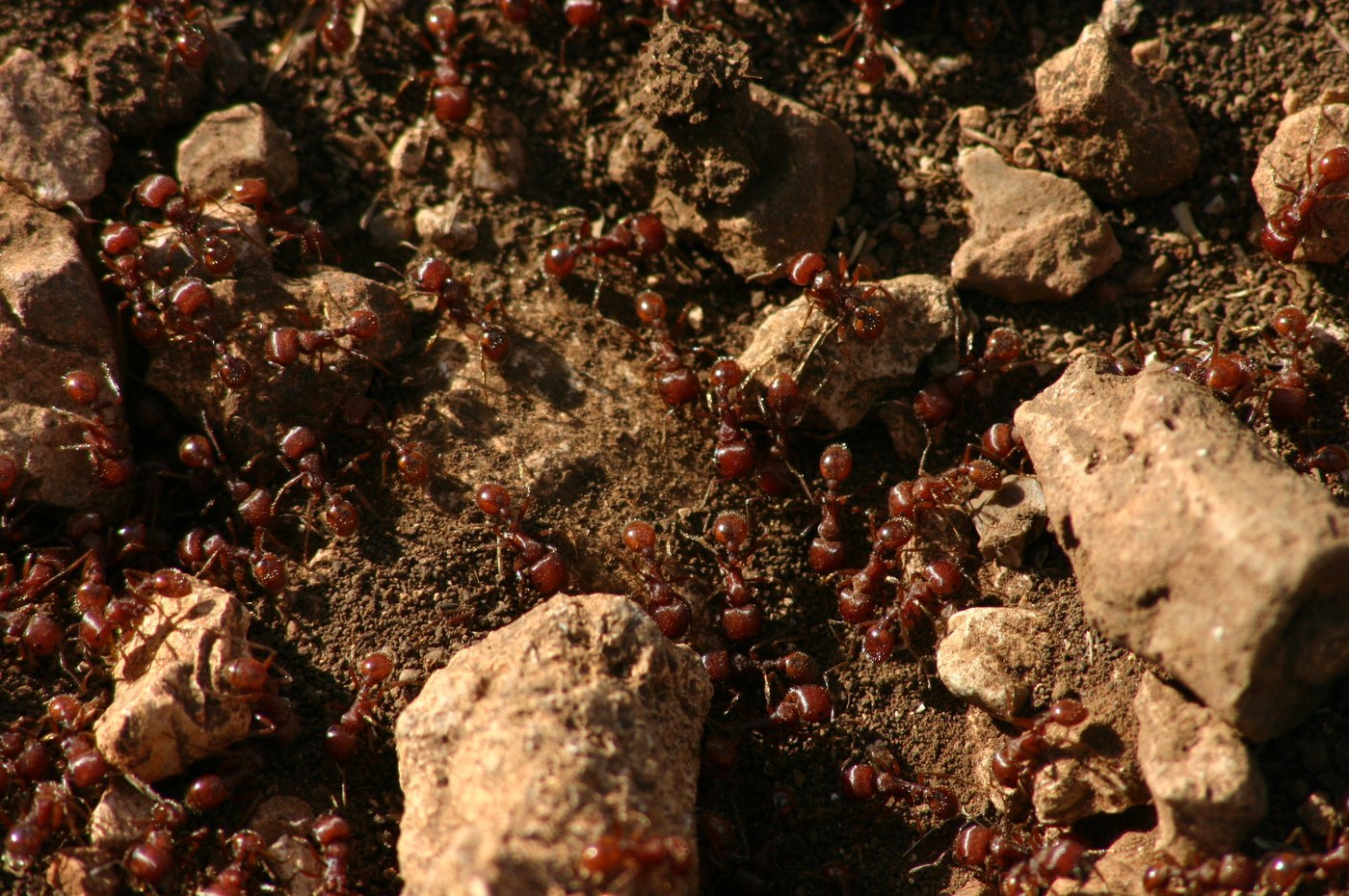
Fire Ant
A small reddish-brown ant that builds loose, crater-less dirt mounds in sunny open turf and mobilizes large numbers of workers rapidly when the nest is disturbed.
ant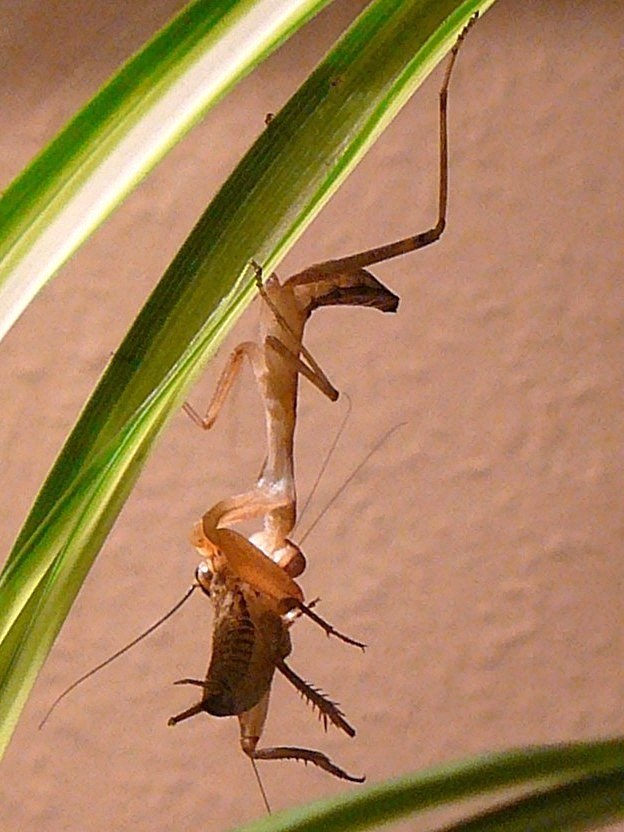
African Mantis
A large, sturdy green or brown mantis frequently found perched on garden shrubs, patiently scanning for insect prey with its sharply angled triangular head.
mantis-stick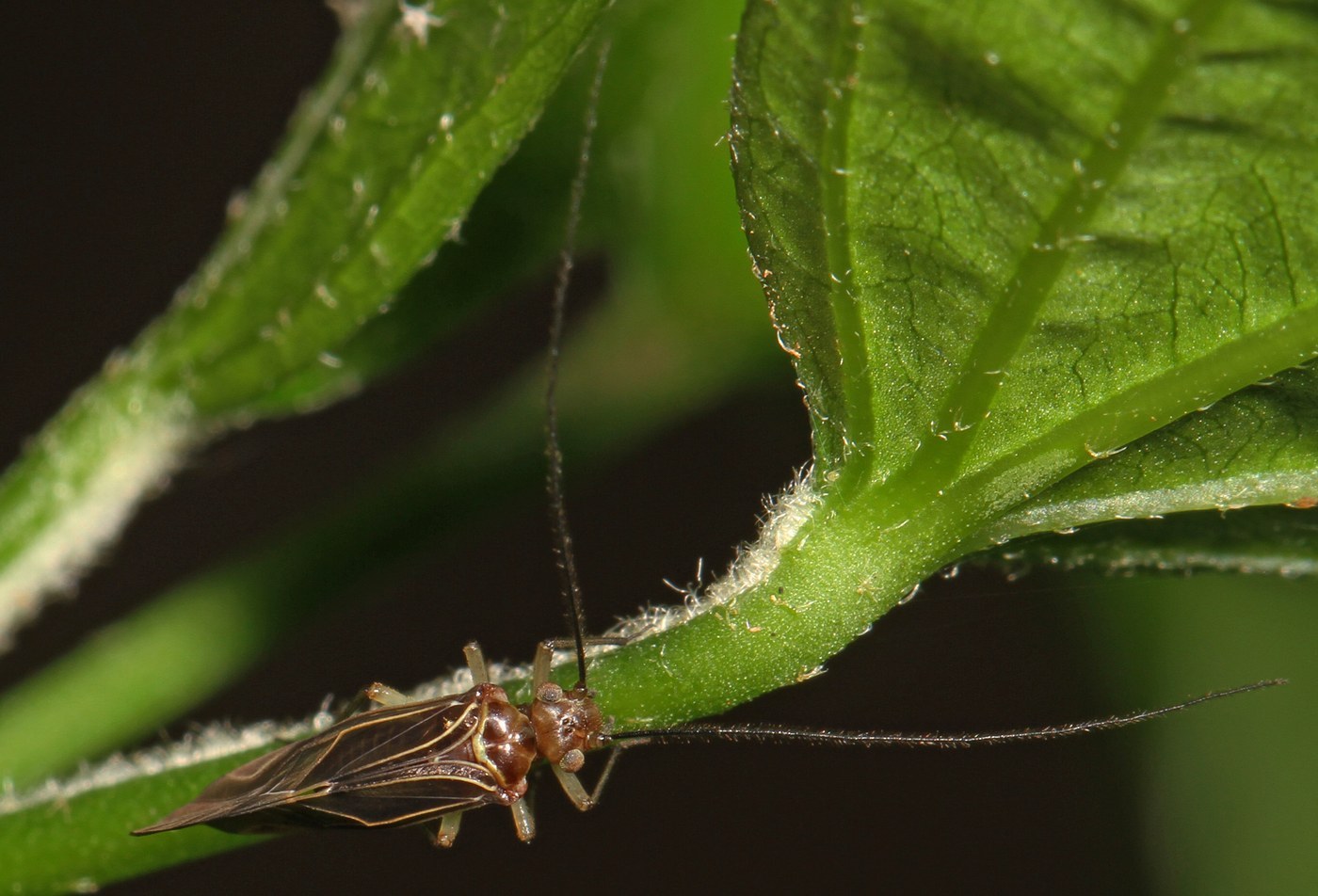
Bark Louse
A small, soft-bodied insect often seen in dense, moving herds on tree trunks, the bark louse grazes on algae, lichen, and fungal residue coating bark surfaces.
other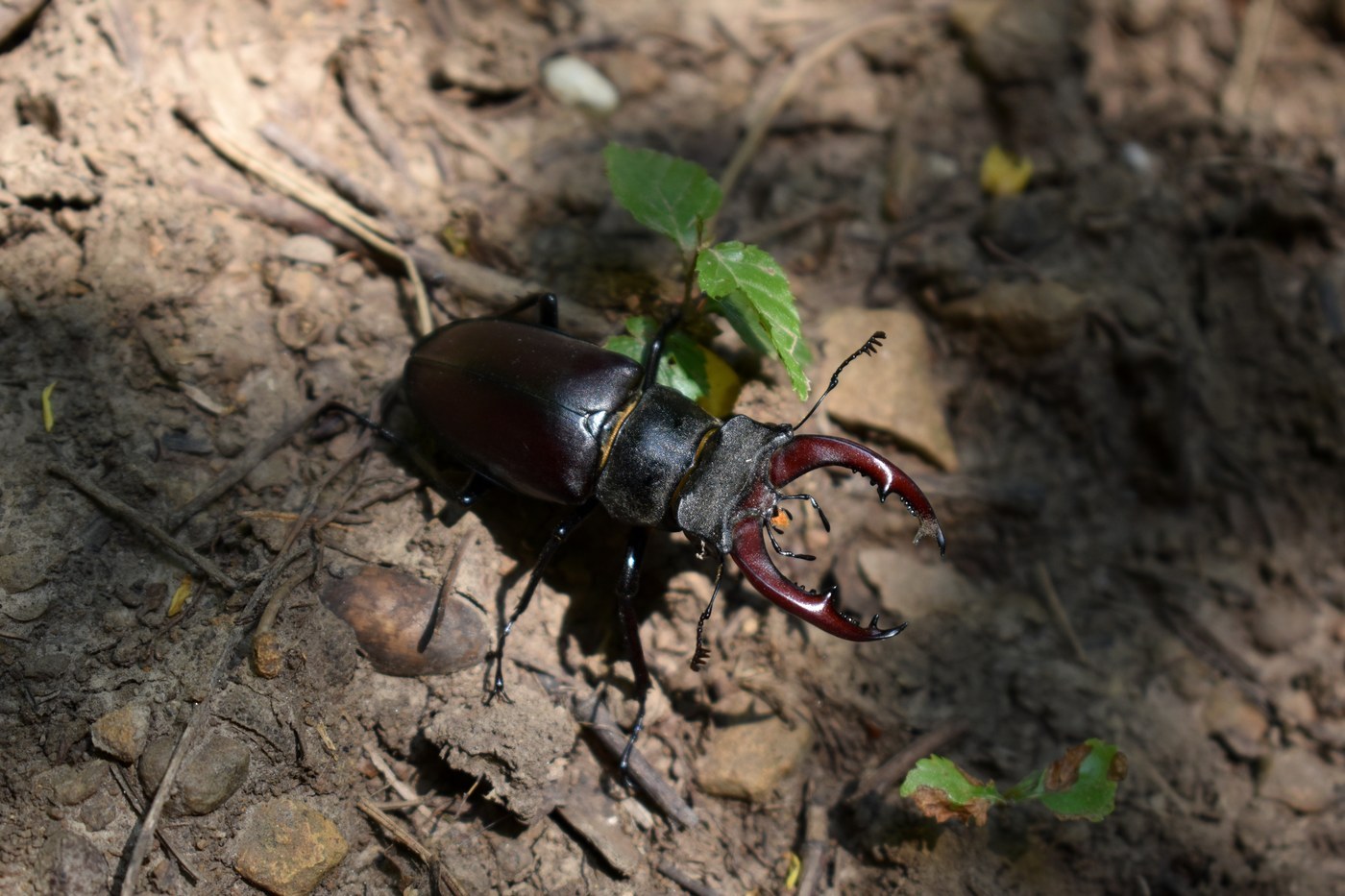
European Stag Beetle
Europe's largest beetle, a glossy dark brown insect in which males carry oversized antler-like mandibles used to wrestle rivals, resembling the antlers of a stag.
beetle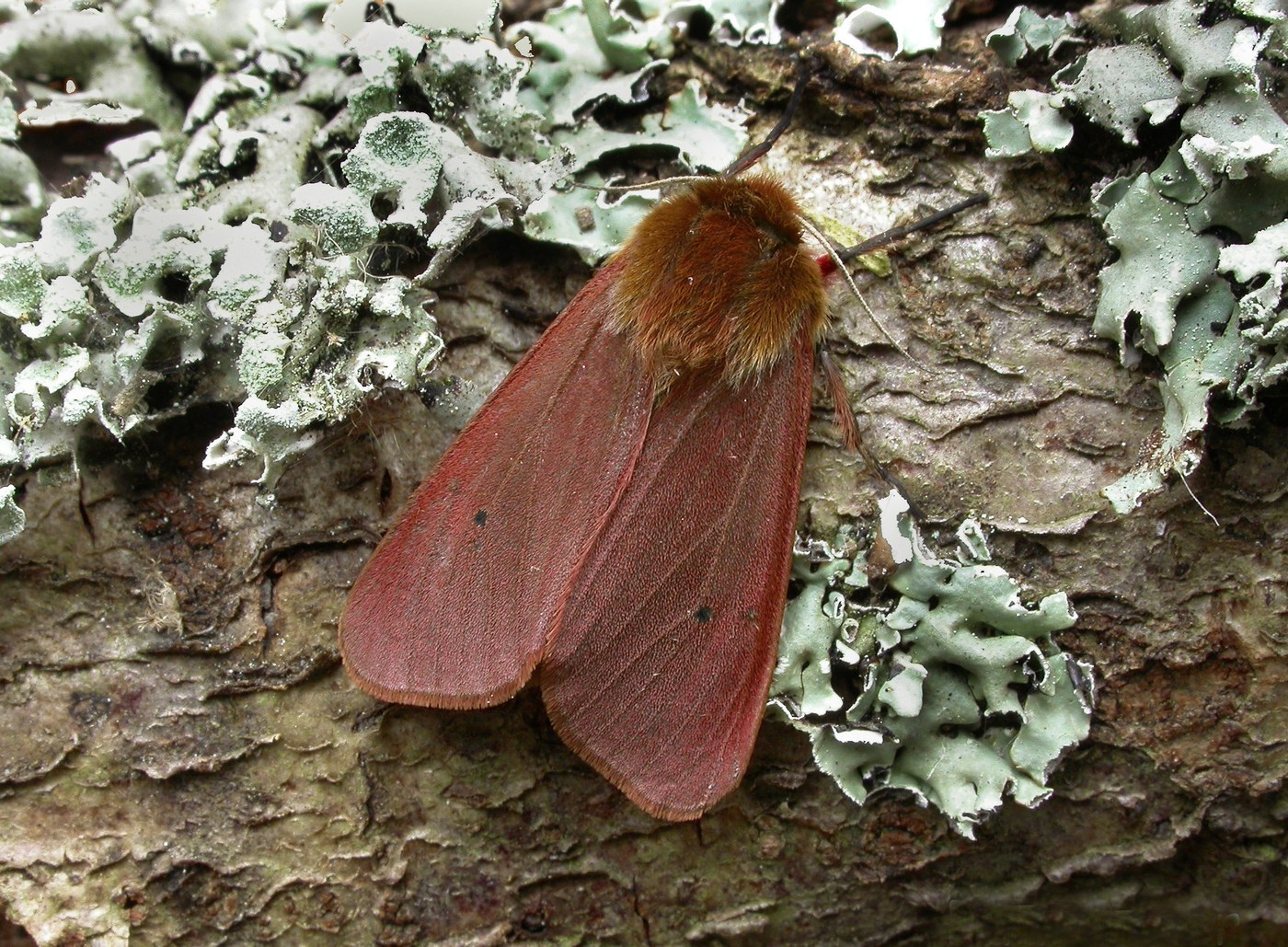
Ruby Tiger Moth
A small, warm reddish-brown tiger moth with plain rosy-tinted forewings and pink-flushed hindwings dotted with dark spots, often seen resting openly on vegetation in sunny, open habitats.
moth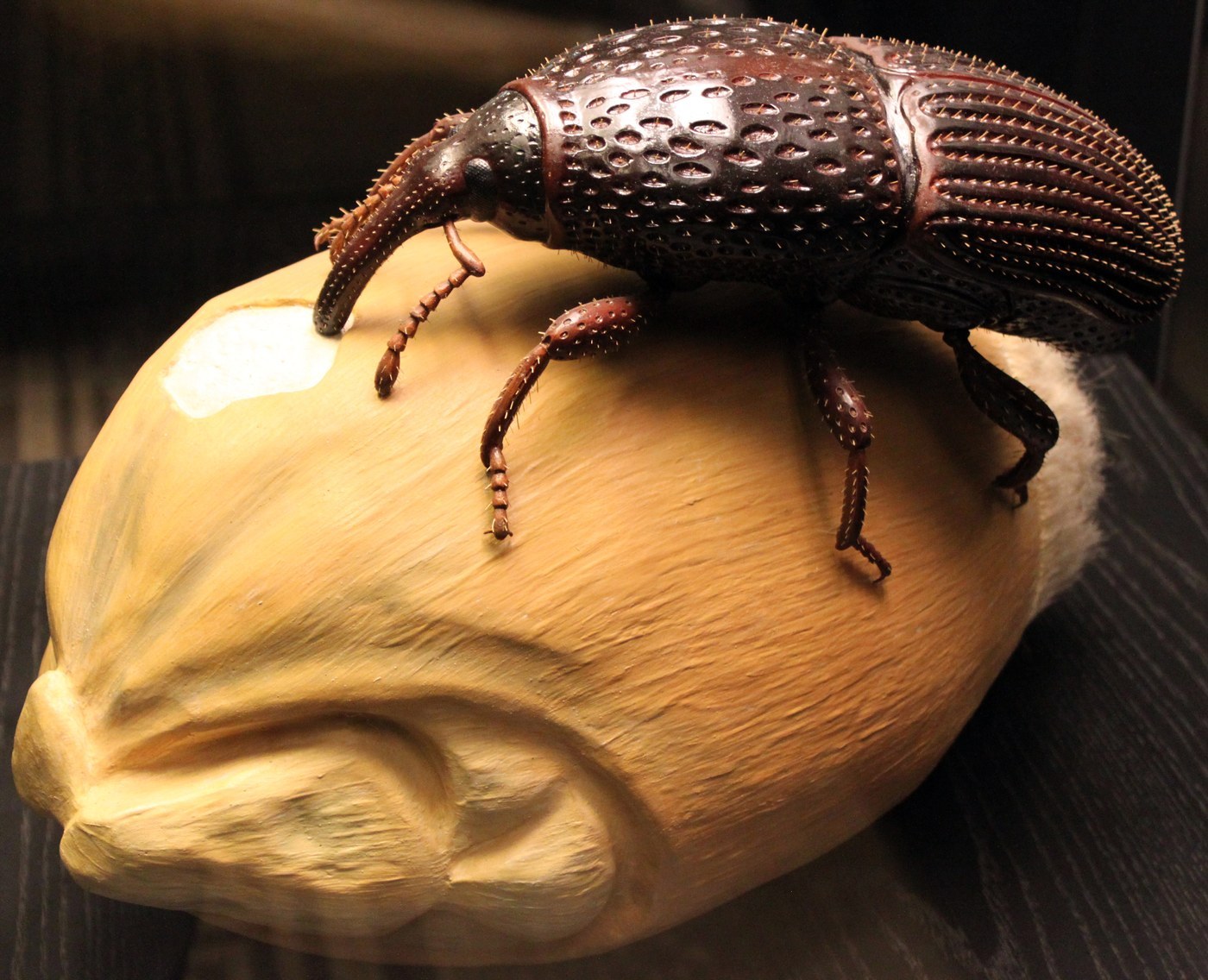
Granary Weevil
A small, shiny, dark reddish-brown to black weevil with a long curved snout that is unable to fly, spending its entire life cycle within stores of wheat and other cereal grains.
beetle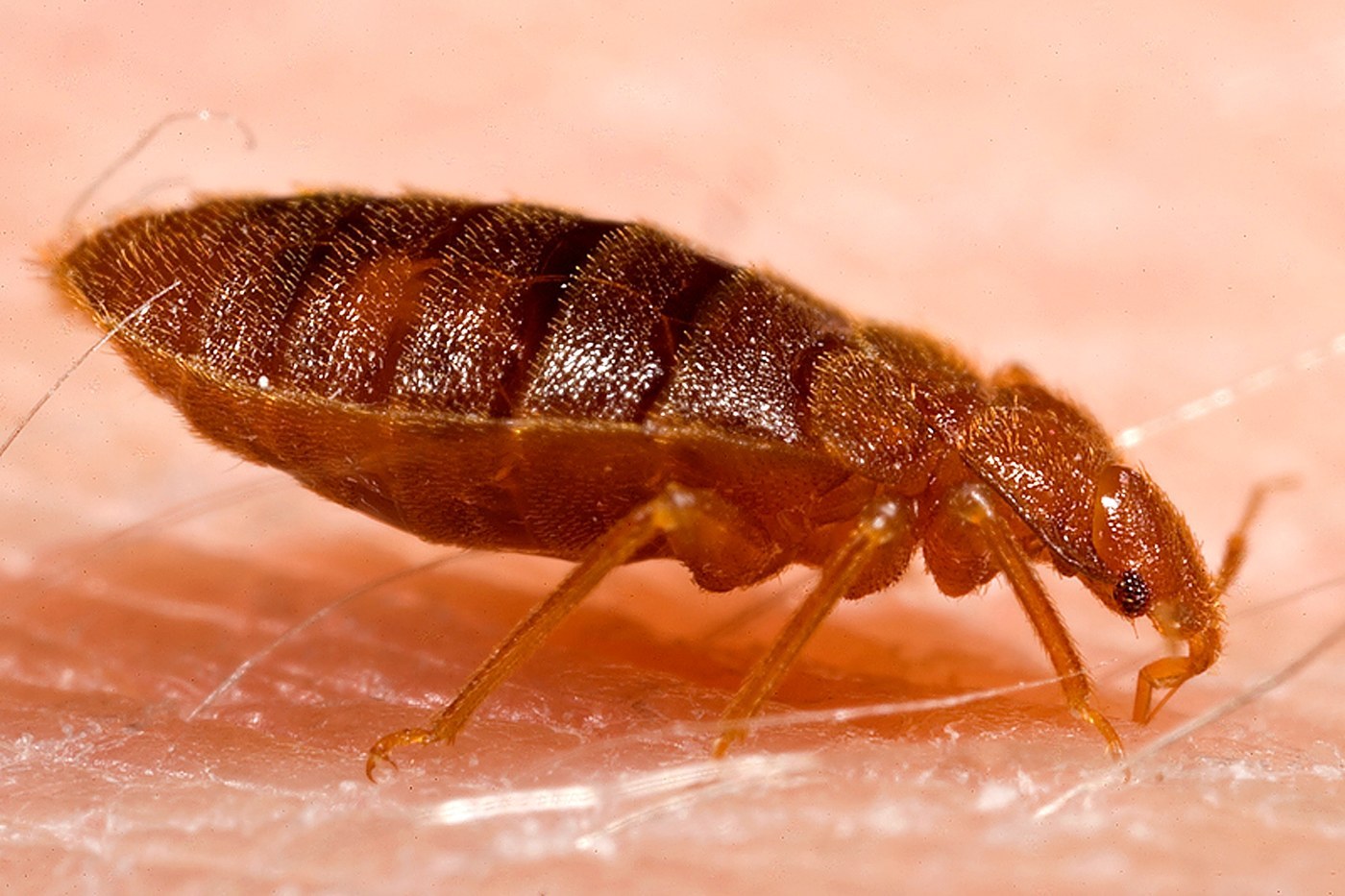
Bed Bug (Bat Bug)
A small, flat, reddish-brown, wingless true bug that hides in tight seams and crevices by day and feeds on blood at night, closely related to the bat bug, which occupies a similar niche in bat roosts.
true-bugMeadow Katydid
Small, slender, and beautifully camouflaged among grass blades, meadow katydids fill open fields and marsh edges with a soft, buzzy, insect-like ticking that blends into the summer evening background.
grasshopper-cricketBraconid Wasp
A tiny, often overlooked parasitoid wasp best known for laying eggs inside caterpillars and other insect hosts, sometimes leaving telltale clusters of small white cocoons on a host's back.
wasp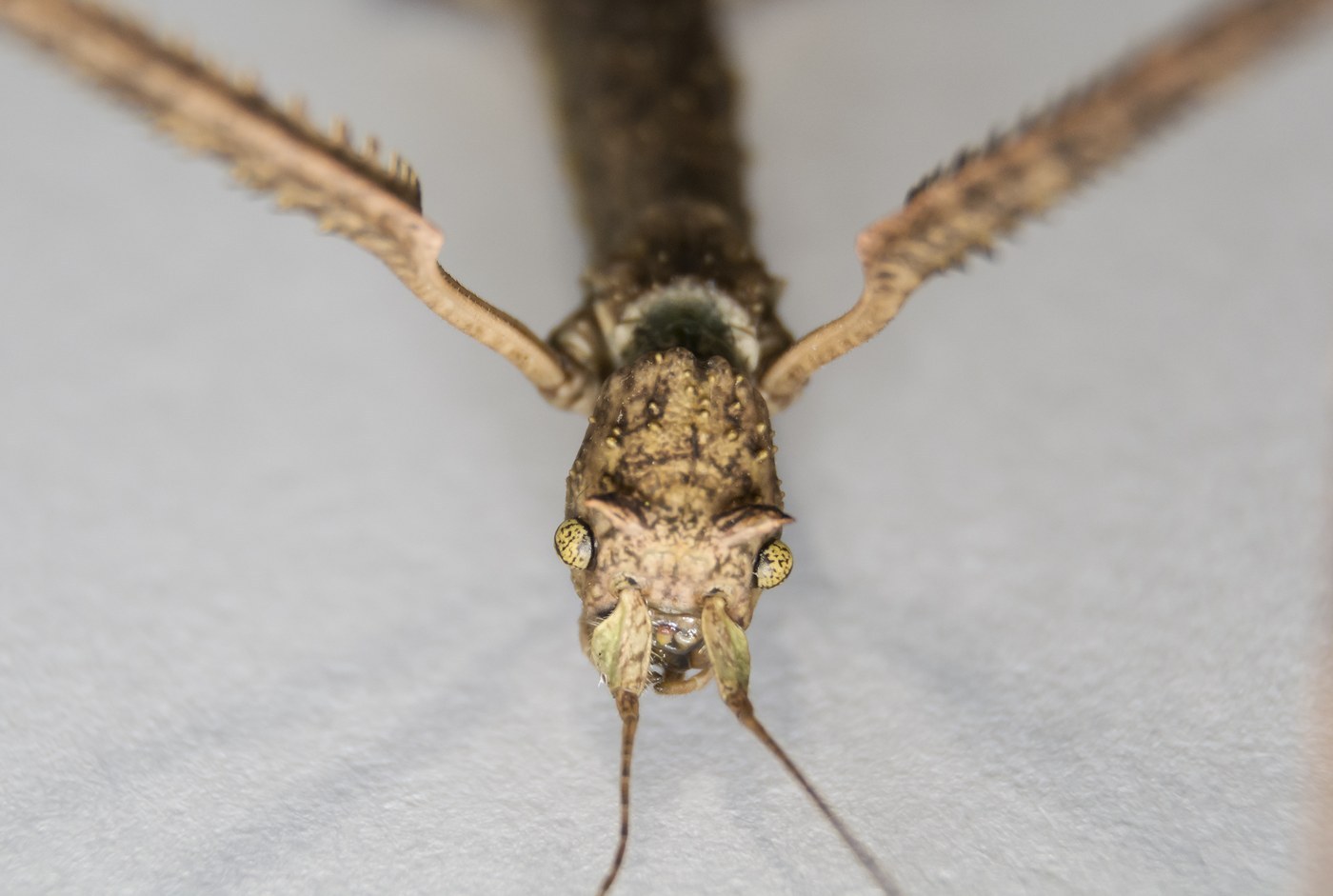
Vietnamese Walking Stick
A slender tropical stick insect popular in classrooms and terrariums, notable for females that can produce healthy offspring entirely on their own, without ever mating.
mantis-stick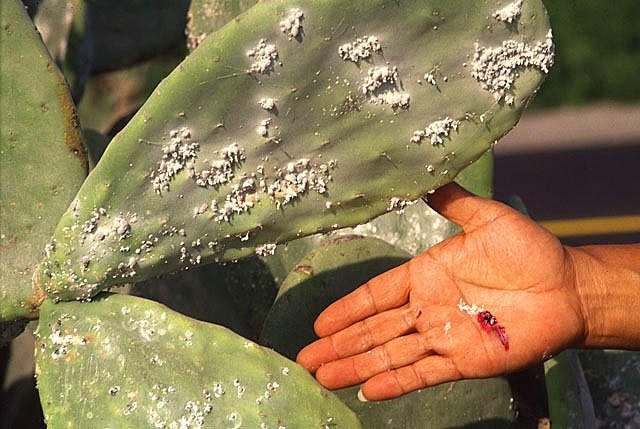
Cochineal
A tiny, sedentary scale insect that lives clustered on prickly pear cacti beneath a protective coat of white, waxy fluff, historically prized for the deep red pigment it produces.
true-bug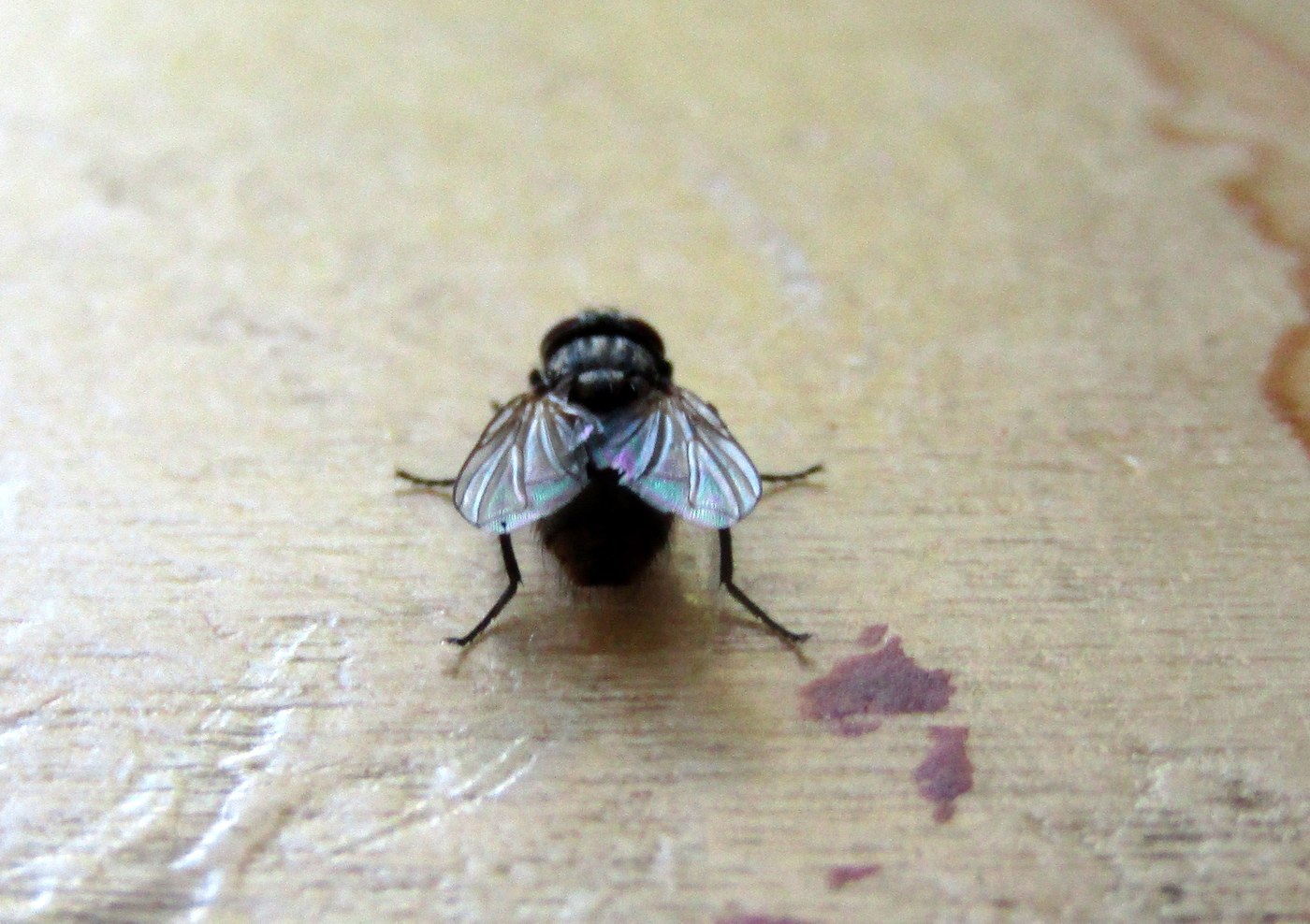
Common Housefly
A dull gray fly with four dark stripes on its thorax and large reddish eyes, one of the most widespread insects on Earth thanks to its close association with human food and waste.
flyDung Fly
A hairy, often golden-hued fly commonly seen perched on fresh manure in pastures, where it hunts smaller insects as an adult while its larvae develop within the dung itself.
fly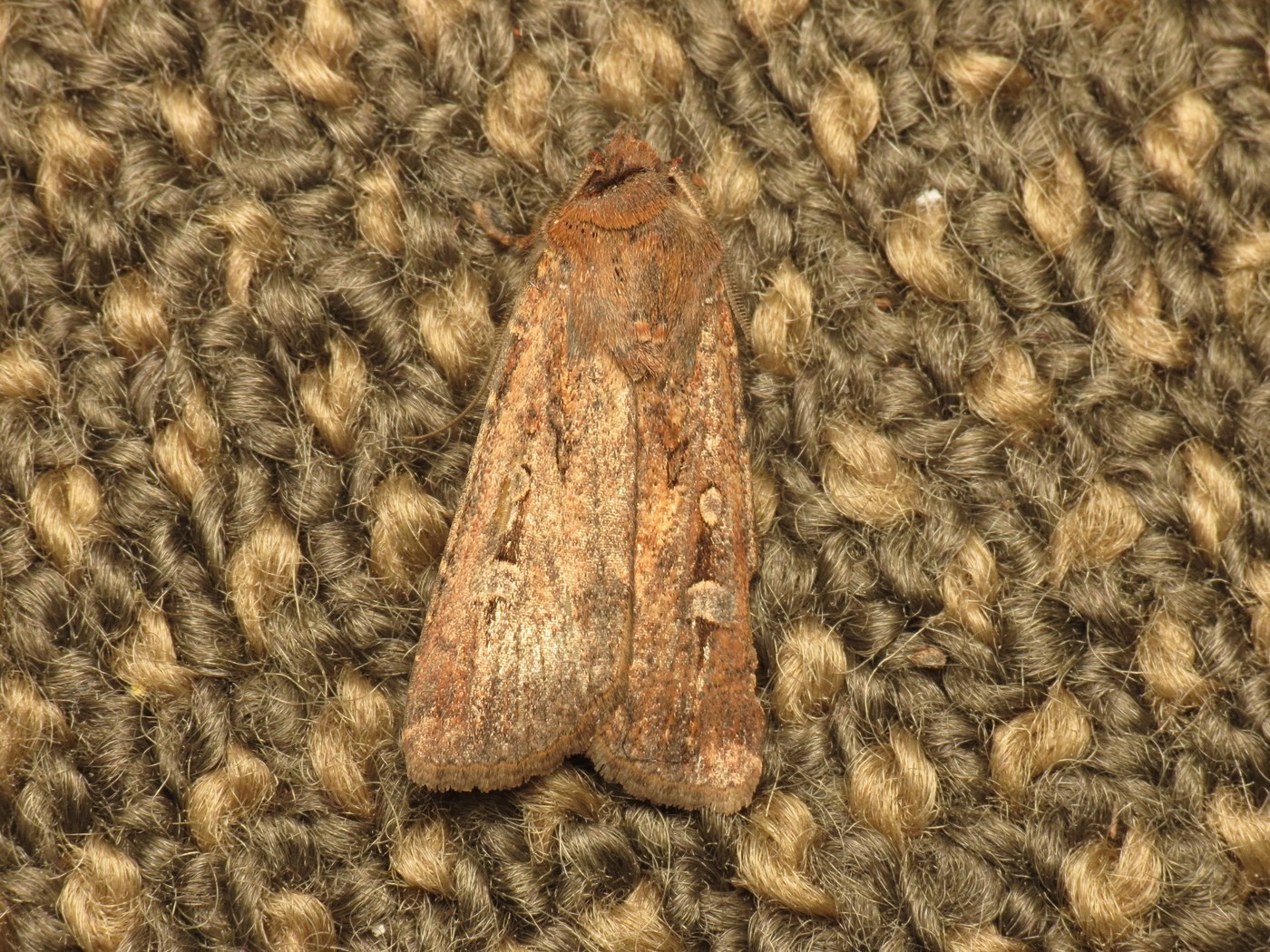
Bogong Moth
A modest brown, mottled moth famous for its extraordinary mass seasonal migration across thousands of kilometers to cool alpine caves in the Australian mountains, forming one of the largest known insect migrations by biomass.
moth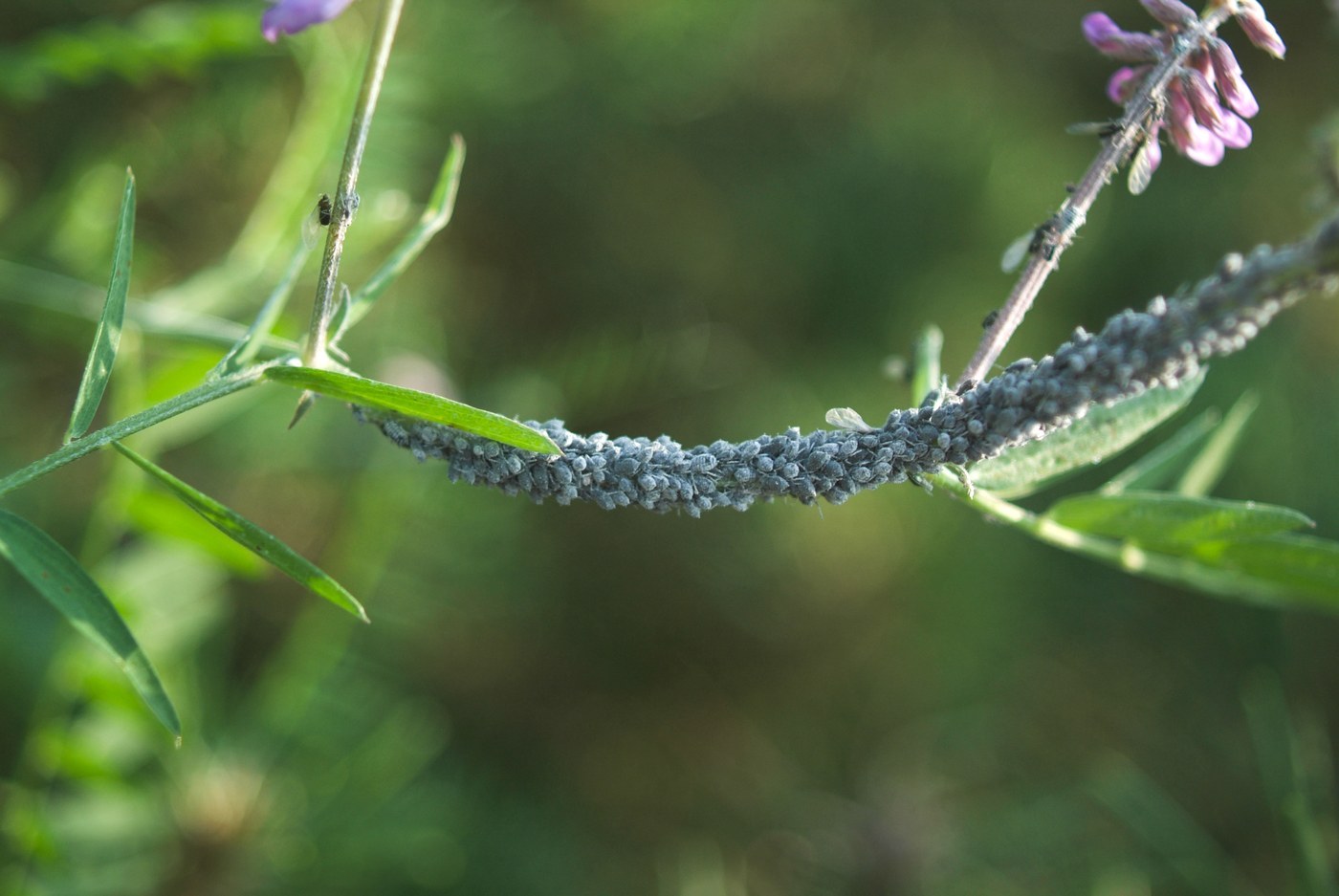
Rosy Apple Aphid
A small, dusty pink to purplish-gray aphid that clusters on apple foliage in spring, causing distinctive curled, reddened leaves that make its presence easy to spot even before the insects themselves are seen.
true-bugBig-Eyed Bug
A small, broad-headed true bug named for its noticeably large, bulging compound eyes, the big-eyed bug is a beneficial predator that patrols low vegetation and soil surfaces for small pest insects.
true-bug