
Bug Encyclopedia
Search and identify bugs & insects — beetles, butterflies, moths, ants, bees, spiders and more — with size, habitat, danger, behavior, and how to tell them apart.
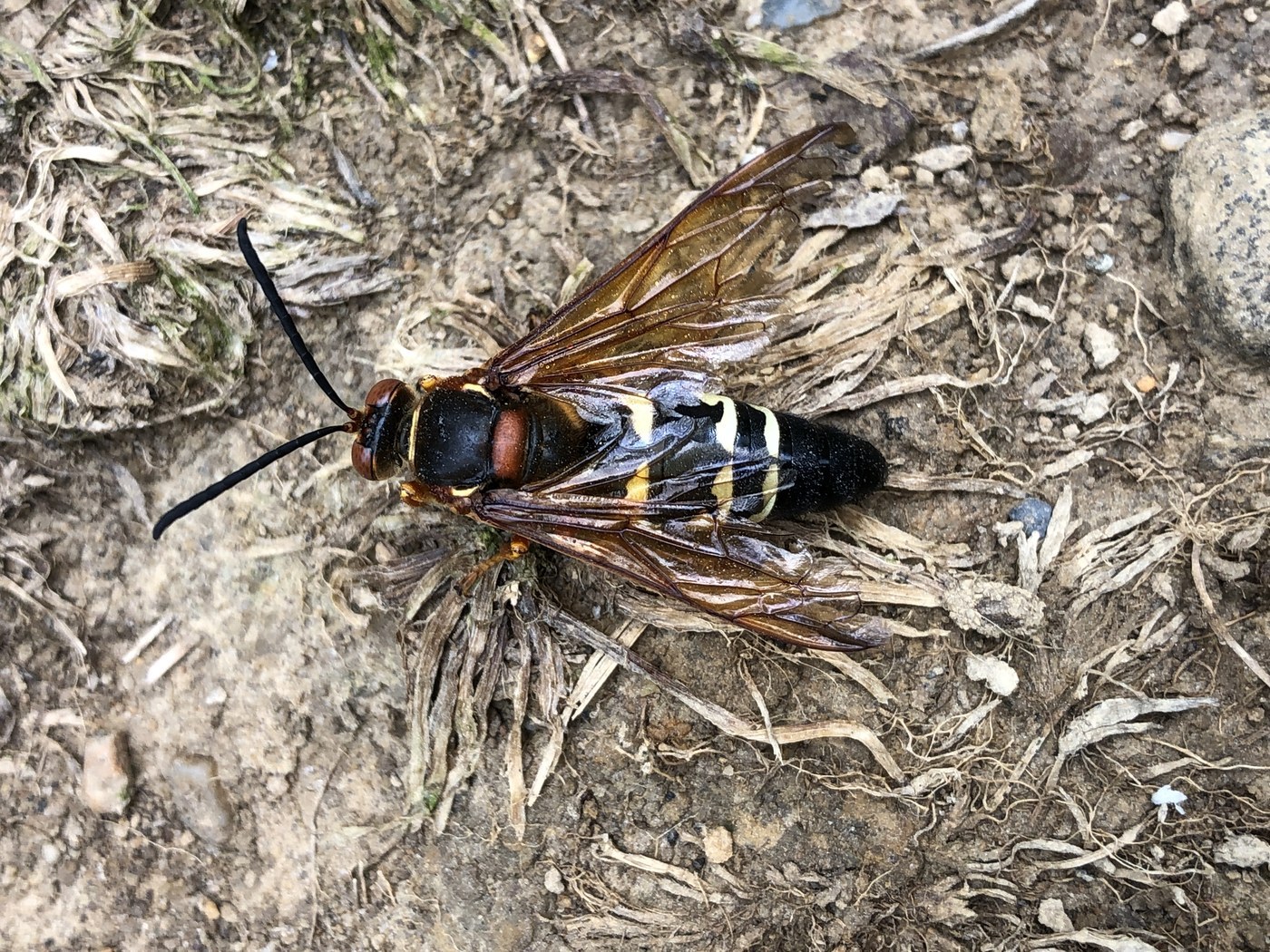
Cicada Killer Wasp
One of the largest wasps in North America, a robust rust-and-black or yellow-marked digger wasp that excavates burrows in bare soil and specializes in hunting cicadas to provision its underground nest.
wasp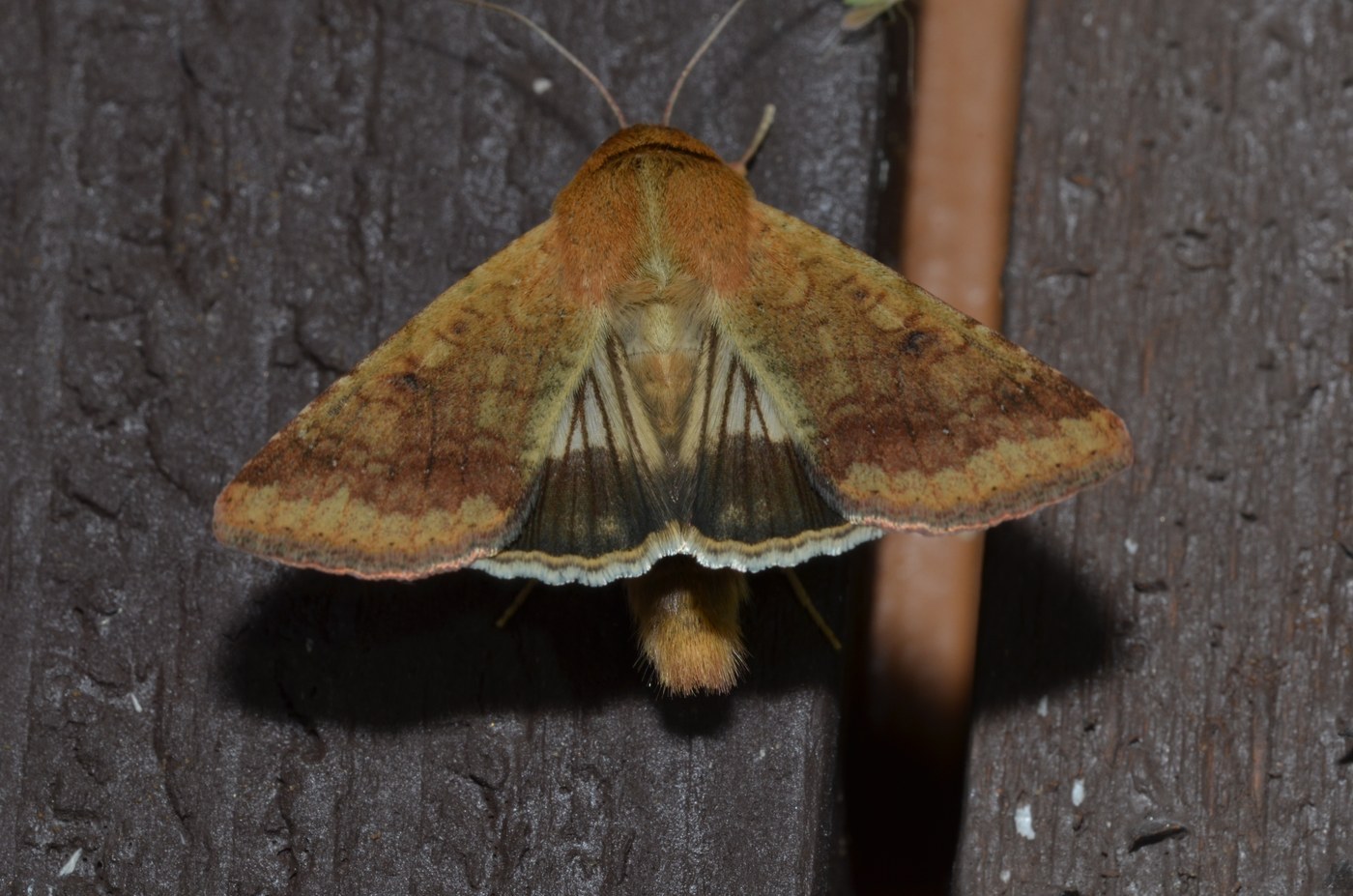
Corn Earworm
A color-variable caterpillar, ranging from pale green to reddish-brown, that burrows headfirst into corn ears and is one of the most economically significant crop pests in North America.
caterpillar-larva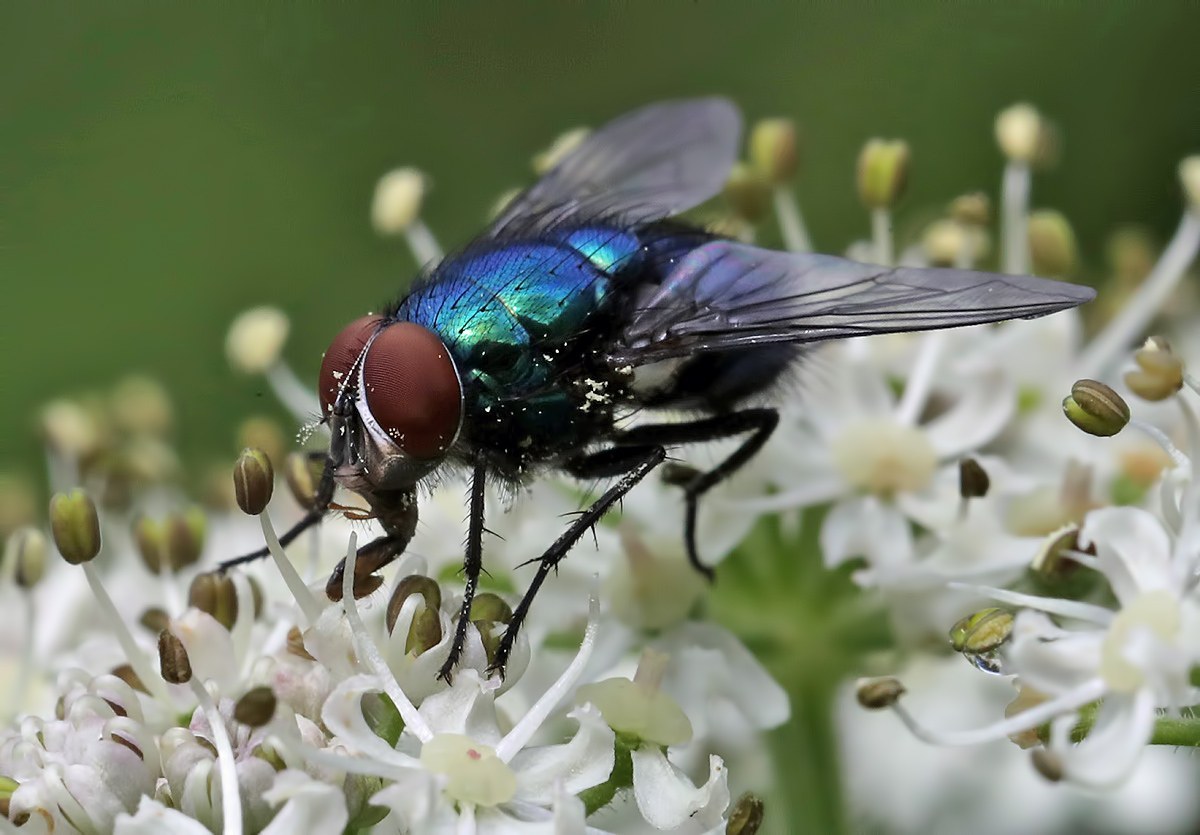
Blue Bottle Fly
A robust fly with a glossy, metallic blue-black body and a loud buzzing flight, commonly seen around outdoor waste and occasionally indoors, easily recognized by its shiny coloring and bristly frame.
flyBlister Beetle
An elongated, soft-bodied beetle with a distinctly narrow neck, often seen feeding in small groups on flowers, and known for releasing a defensive chemical from its leg joints when disturbed.
beetle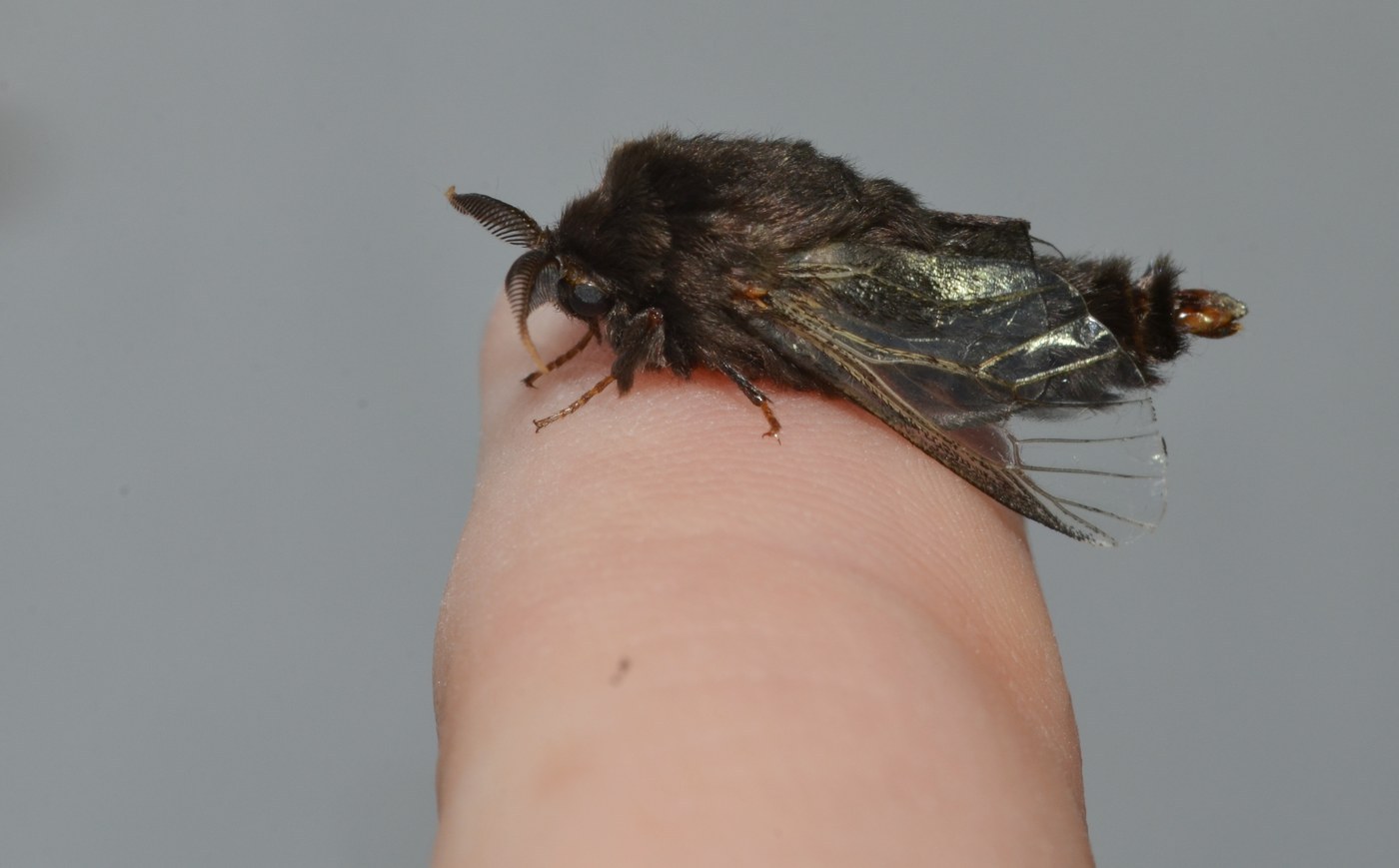
Bagworm
A caterpillar that constructs and lives inside a spindle-shaped case of silk and plant debris, dragging its portable shelter along as it feeds on tree foliage.
caterpillar-larvaWater Penny Beetle
A flattened, coin-shaped larva that clings almost invisibly to the surface of submerged stream rocks, named for its uncanny resemblance to a small penny.
aquatic-insect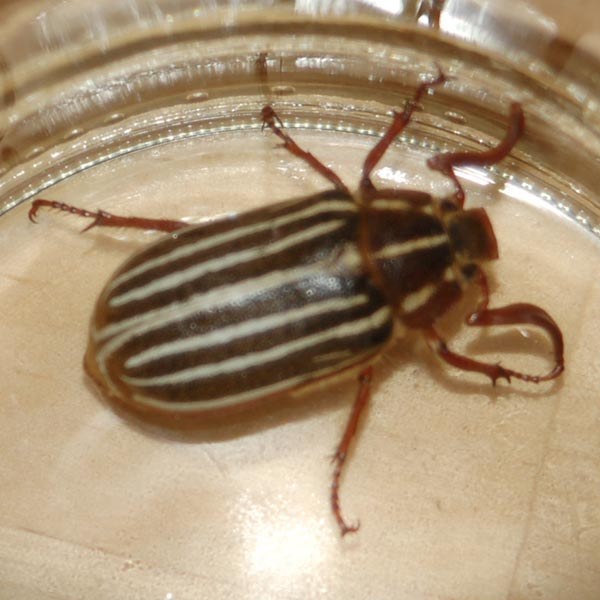
Ten-lined June Beetle
A large, brown scarab beetle marked with bold white racing stripes down its wing covers, known for its loud buzzing flight and hissing defensive squeak.
beetleTsetse Fly
A stout grayish-brown fly of African woodlands whose rigid, forward-jutting proboscis and scissor-folded wings set it apart from any ordinary house fly.
fly
Tobacco Hornworm
A large, chunky green caterpillar with diagonal white stripes and a curved red-orange horn at its tail end, often found stripping tomato and tobacco plants.
caterpillar-larvaSpiny Oak-slug Caterpillar
A tiny, flattened slug-shaped caterpillar in shades of green, orange, or purple, bristling with clusters of branched spines that can deliver a sting if handled.
caterpillar-larvaSawfly
A wasp relative that never stings, best known for its caterpillar-like larvae that strip leaves from roses, pines, and other garden plants in tidy rows.
waspSlug
A soft-bodied, shell-less land mollusk that glides on a muscular foot, leaving a silvery mucus trail as it forages across damp ground and vegetation.
otherSoldier Fly
A wasp-mimicking fly with a flattened, often metallic body that spends its larval life quietly breaking down decaying plant matter or aquatic debris.
fly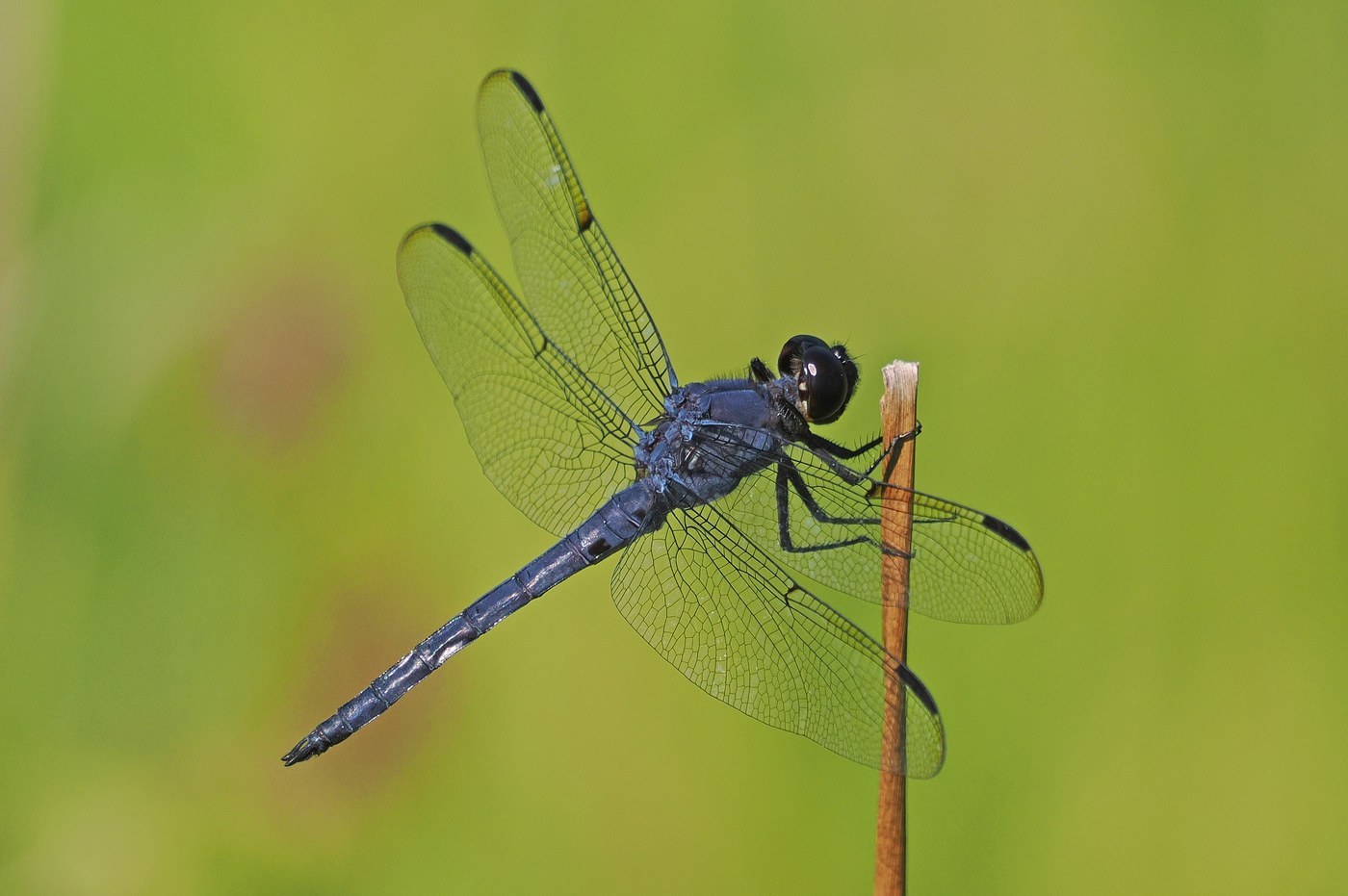
Slaty Skimmer
A mature male Slaty Skimmer is powder-blue-gray from head to tail with jet-black wing tips, giving it a slate-colored, almost monochrome look as it patrols pond edges.
dragonflyRed Paper Wasp
A large, rusty-red paper wasp that builds open, umbrella-shaped nests under eaves and in sheltered structures, often seen hovering near its comb.
wasp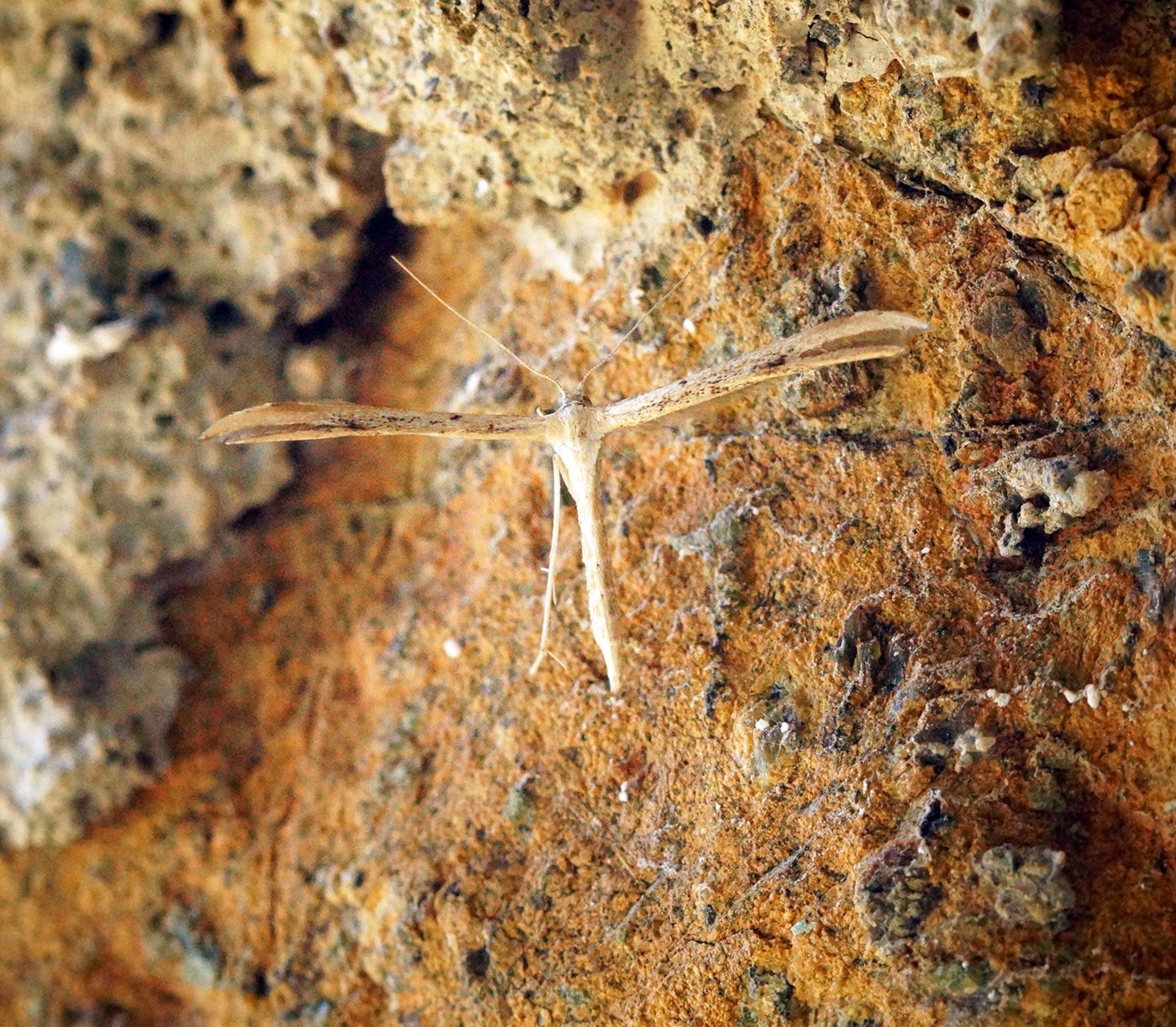
Plume Moth
A slender, long-legged moth that rests with its wings rolled tightly and held out at right angles to its body, forming a distinctive letter-T silhouette.
mothPeacock Spider
A tiny Australian jumping spider whose males unfurl a fan of vivid, iridescent colors and perform an elaborate rhythmic dance to court females.
spiderPainted Lady Caterpillar
A spiky, mottled caterpillar that spins loose silk webbing over thistle or mallow leaves and hides inside its own protective tent while feeding.
caterpillar-larva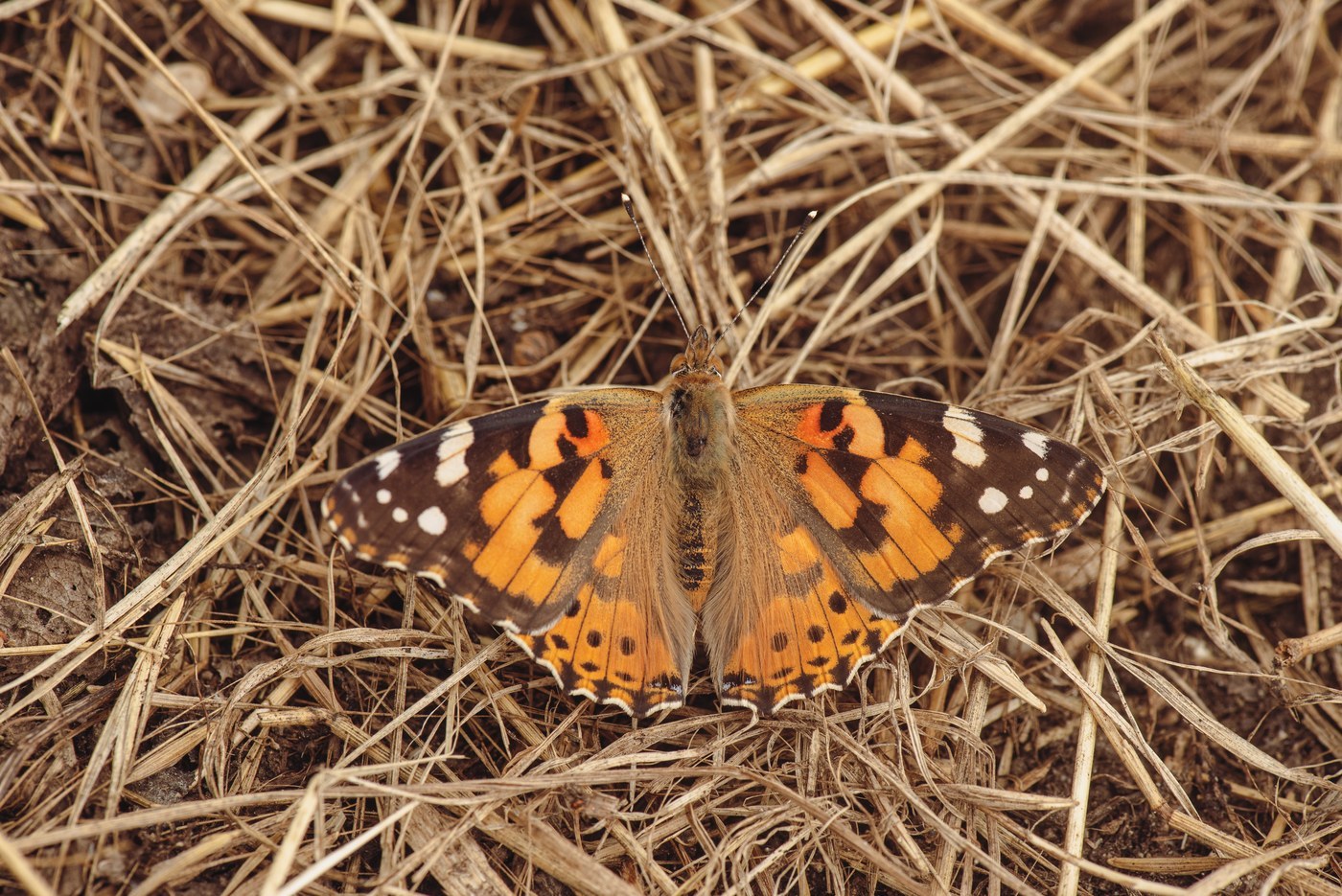
Painted Lady Butterfly
A medium-sized orange-and-black butterfly with a mosaic of white-spotted black wingtips, famous as the most widely distributed butterfly on Earth and a long-distance migrant.
butterfly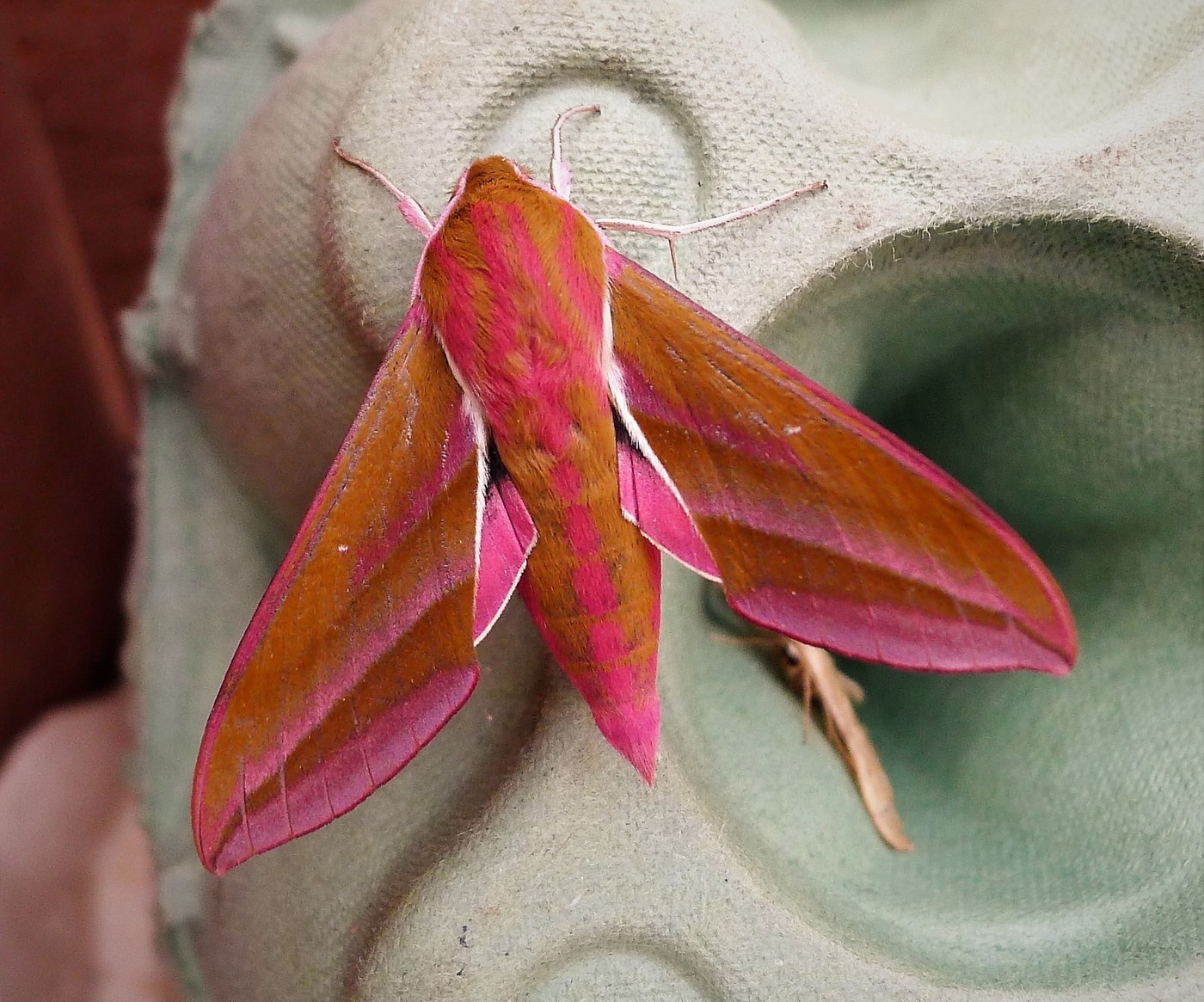
Elephant Hawk-Moth
A strikingly colored olive-green and bright pink hawk moth named for its caterpillar's trunk-like tapered front end and large false eyespots.
moth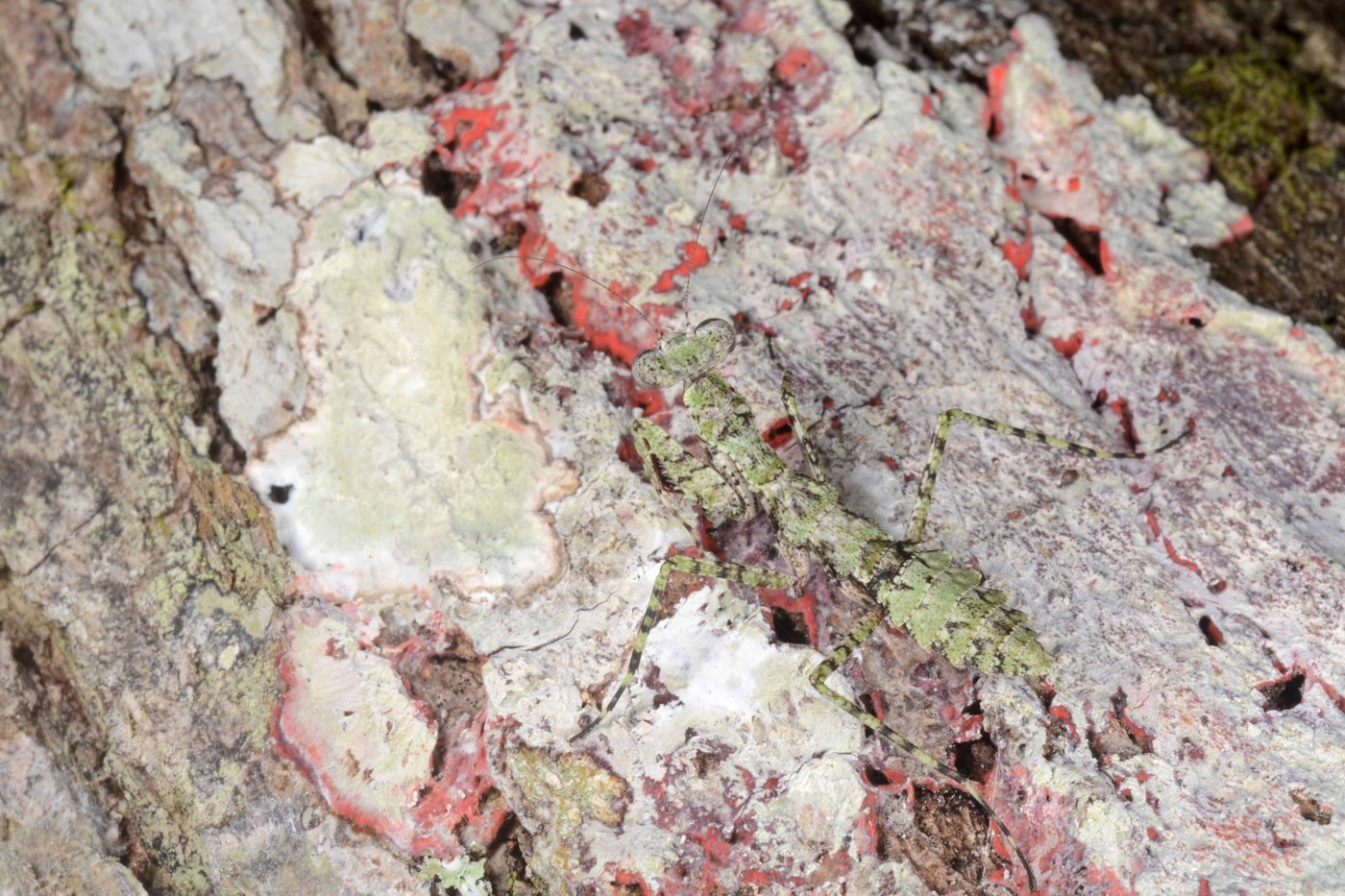
Grizzled Mantis
Mottled in shades of gray and lichen-green, this flattened mantis presses itself against tree bark so convincingly that it seems to melt into the trunk.
mantis-stick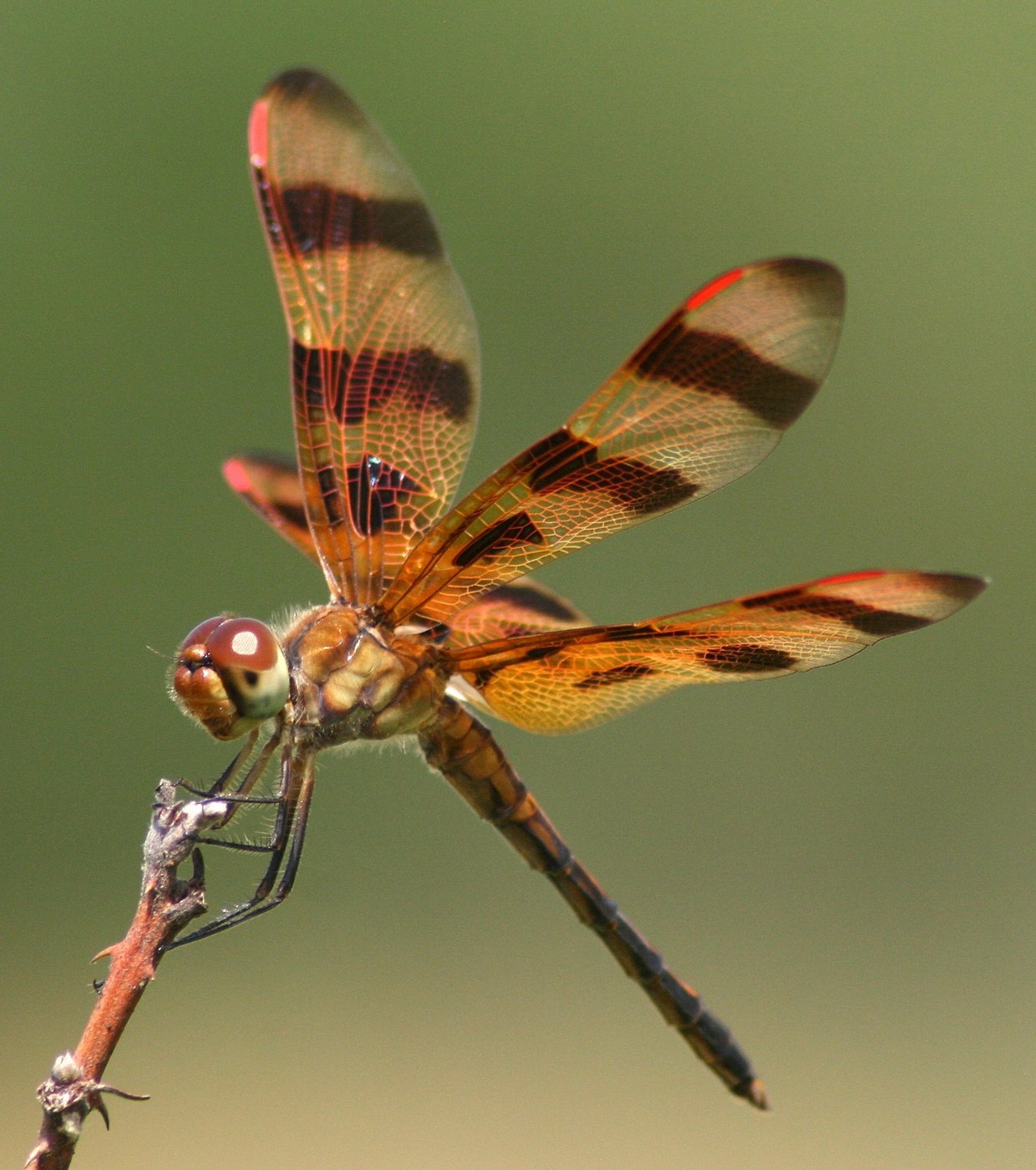
Halloween Pennant
With broad orange-amber wings banded in dark brown, this dragonfly perches conspicuously atop tall grass stems, swaying like a small flag in the breeze.
dragonfly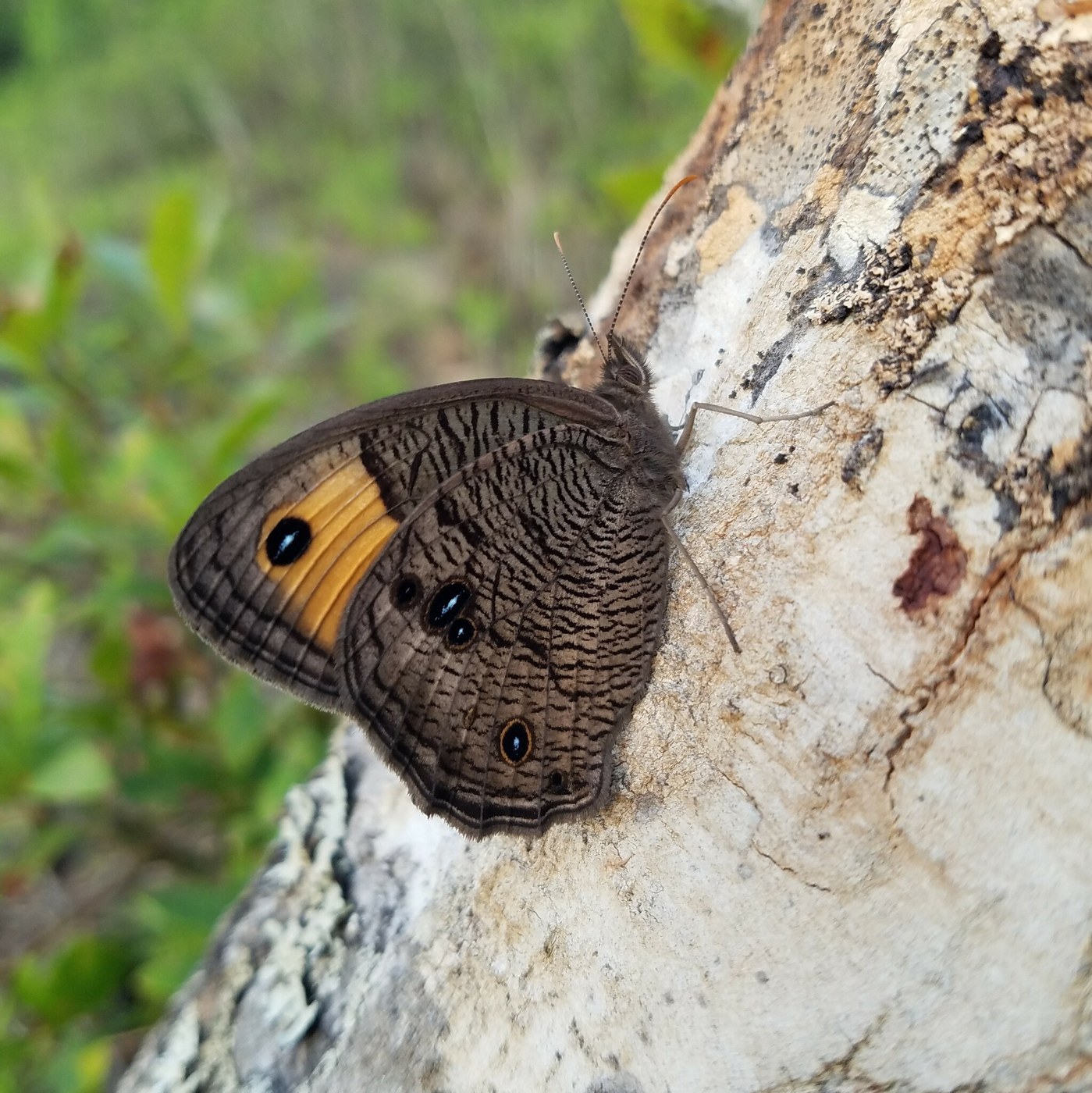
Common Wood-Nymph
A large brown grassland butterfly with a bold yellow patch and one or two prominent black eyespots on the forewing, known for its bouncing, low-to-the-ground flight.
butterfly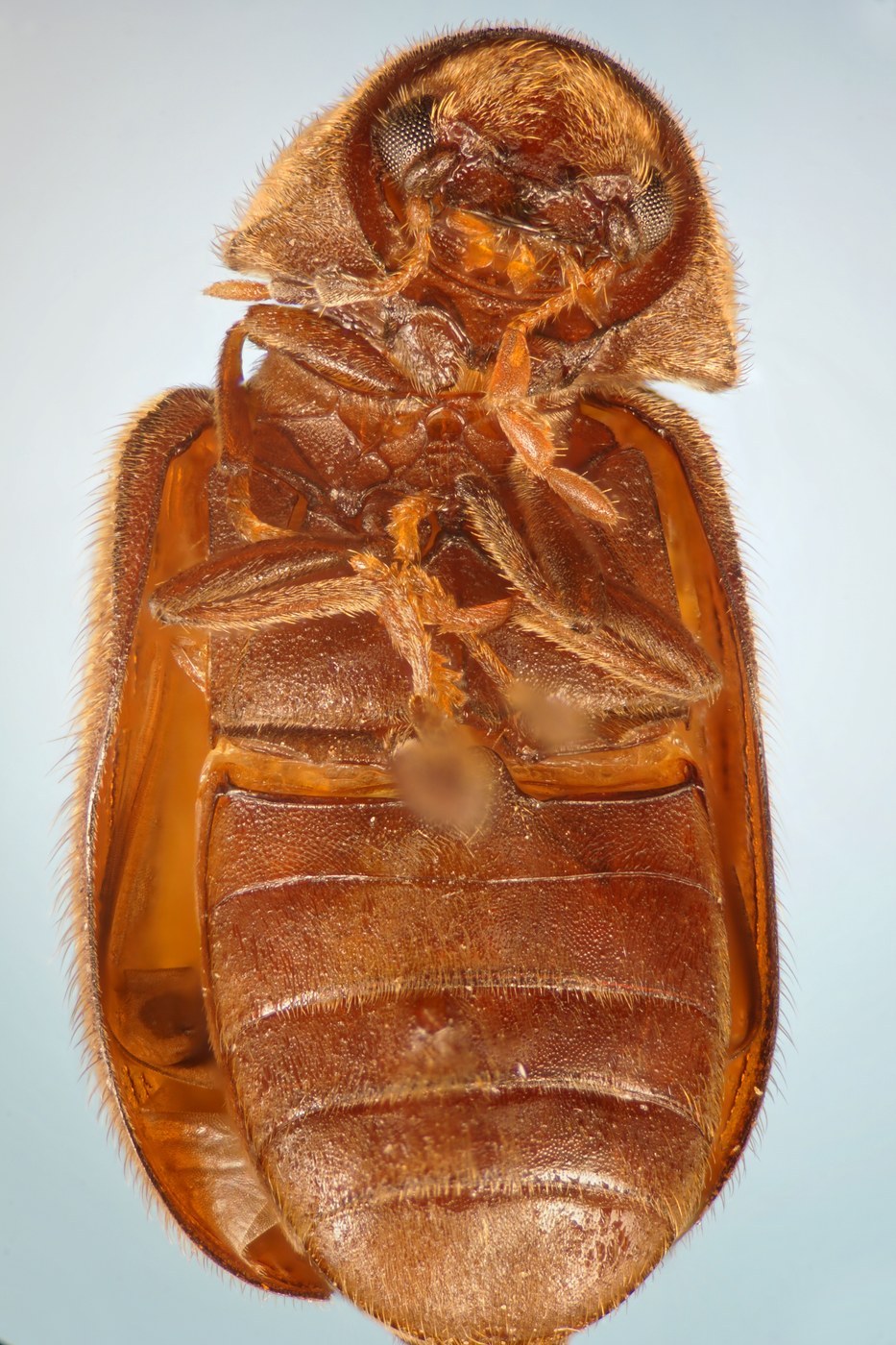
Drugstore Beetle
A tiny brown beetle with grooved wing covers that once earned its name by burrowing into dried herbs and medicines kept on pharmacy shelves.
beetle