
Bug Encyclopedia
Search and identify bugs & insects — beetles, butterflies, moths, ants, bees, spiders and more — with size, habitat, danger, behavior, and how to tell them apart.
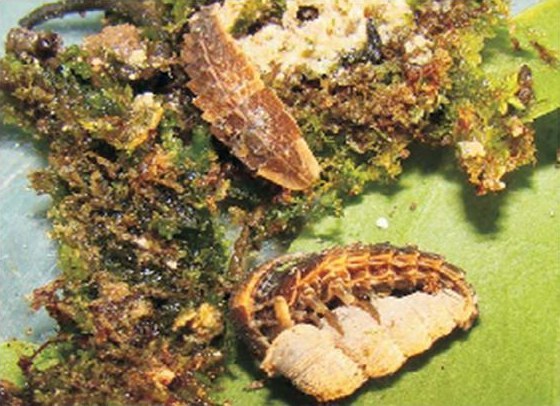
Fireflies Larvae Glowworm
The larval form of fireflies, often called glowworms, are flattened, segmented crawlers that glow with a steady greenish light. These little predators hunt slugs, snails, and worms in damp ground.
beetle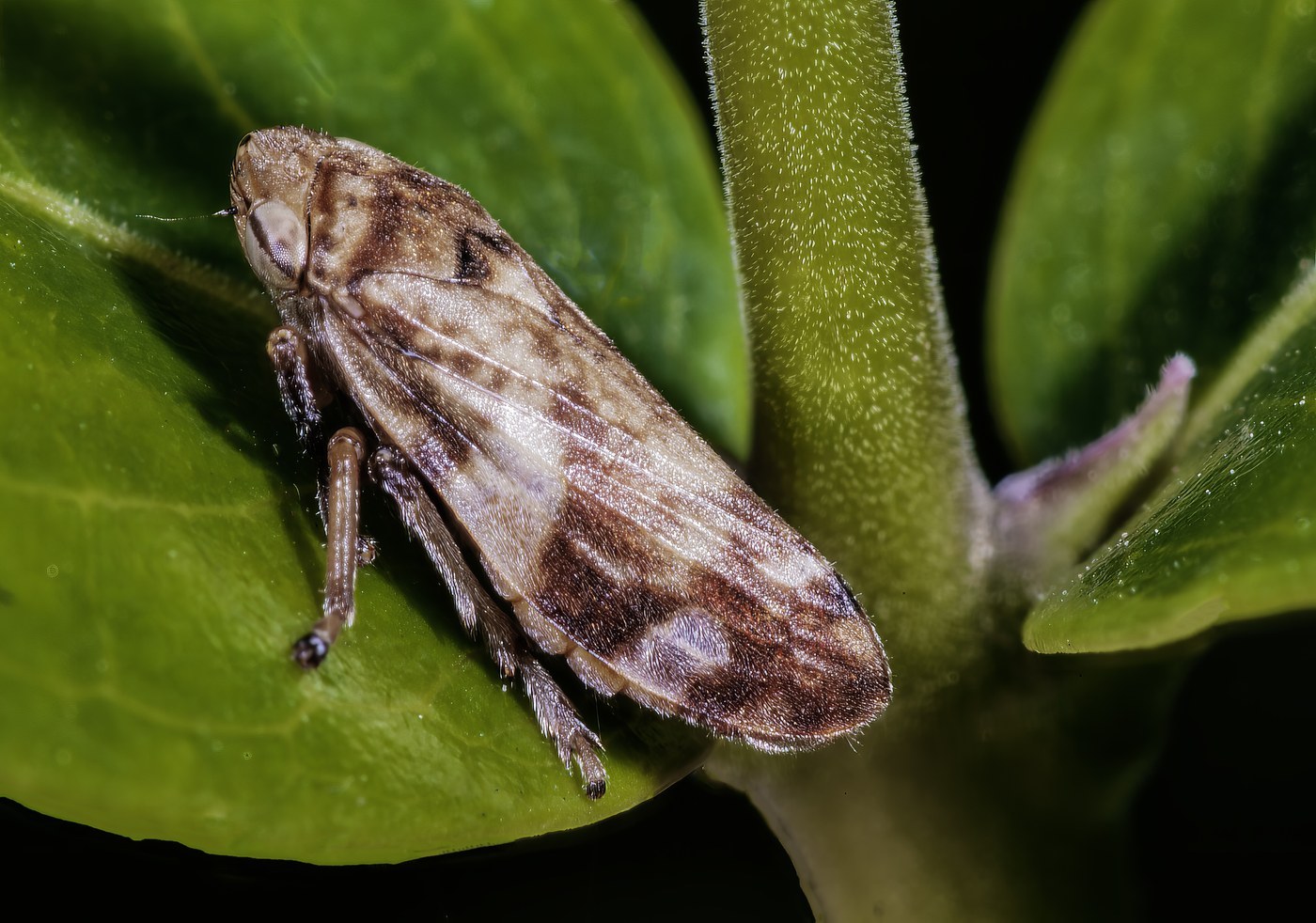
Spittlebug
A small hopping true bug best known in its nymph stage, which surrounds itself in a frothy mass of white foam on plant stems, commonly called cuckoo spit.
true-bugCaterpillar
The soft-bodied, segmented larval stage of butterflies and moths, recognized by its worm-like shape, multiple pairs of stubby legs, and voracious appetite for leaves.
caterpillar-larvaCabbage White Caterpillar
A velvety, bright green caterpillar with a faint yellow stripe down its back, the larval stage of the common white butterfly seen fluttering around vegetable gardens.
caterpillar-larva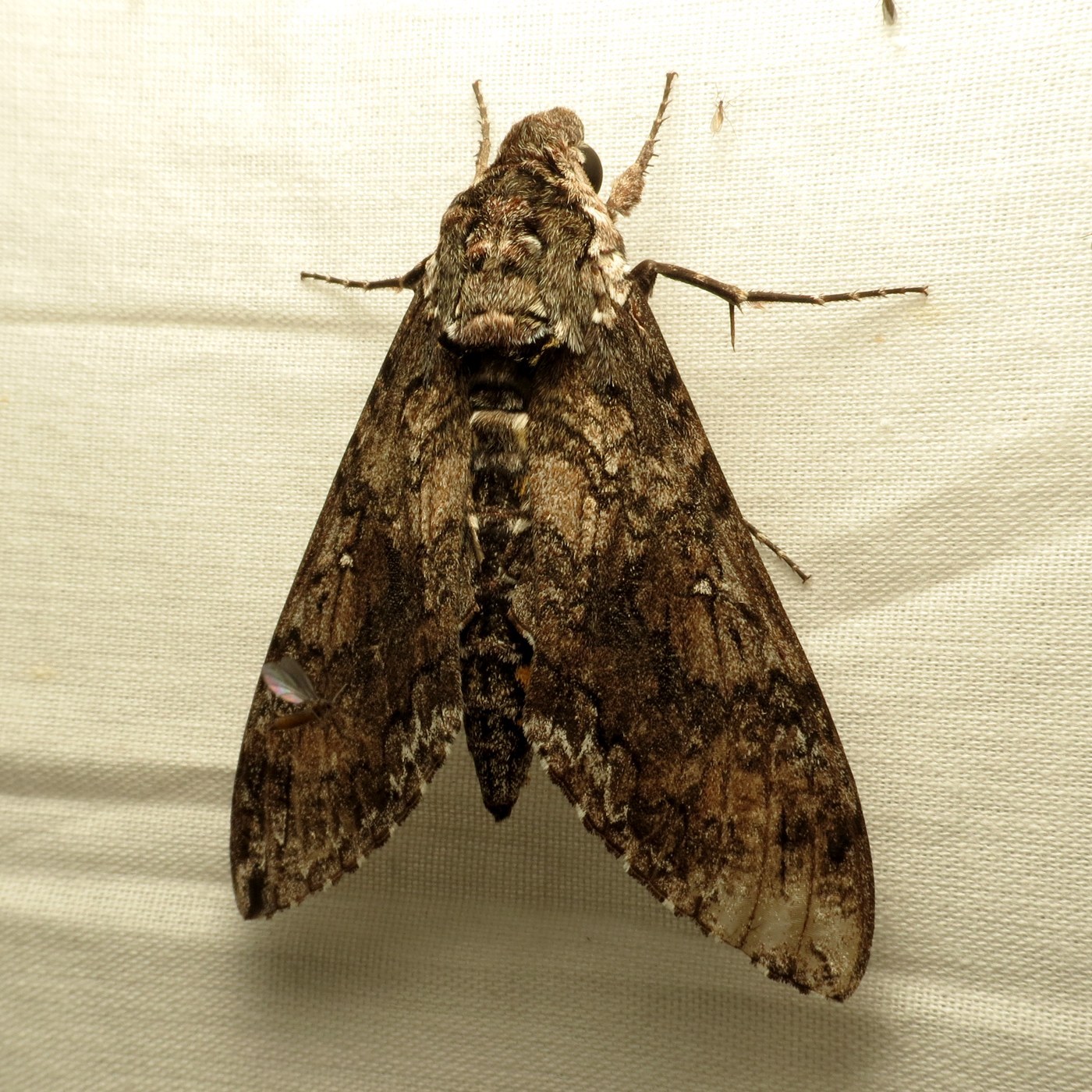
Tobacco Hornworm Moth (Carolina Sphinx)
A large, streamlined gray-brown sphinx moth with six pairs of orange spots along its abdomen, best known as the adult stage of the tobacco hornworm caterpillar that feeds on tomato and tobacco plants.
moth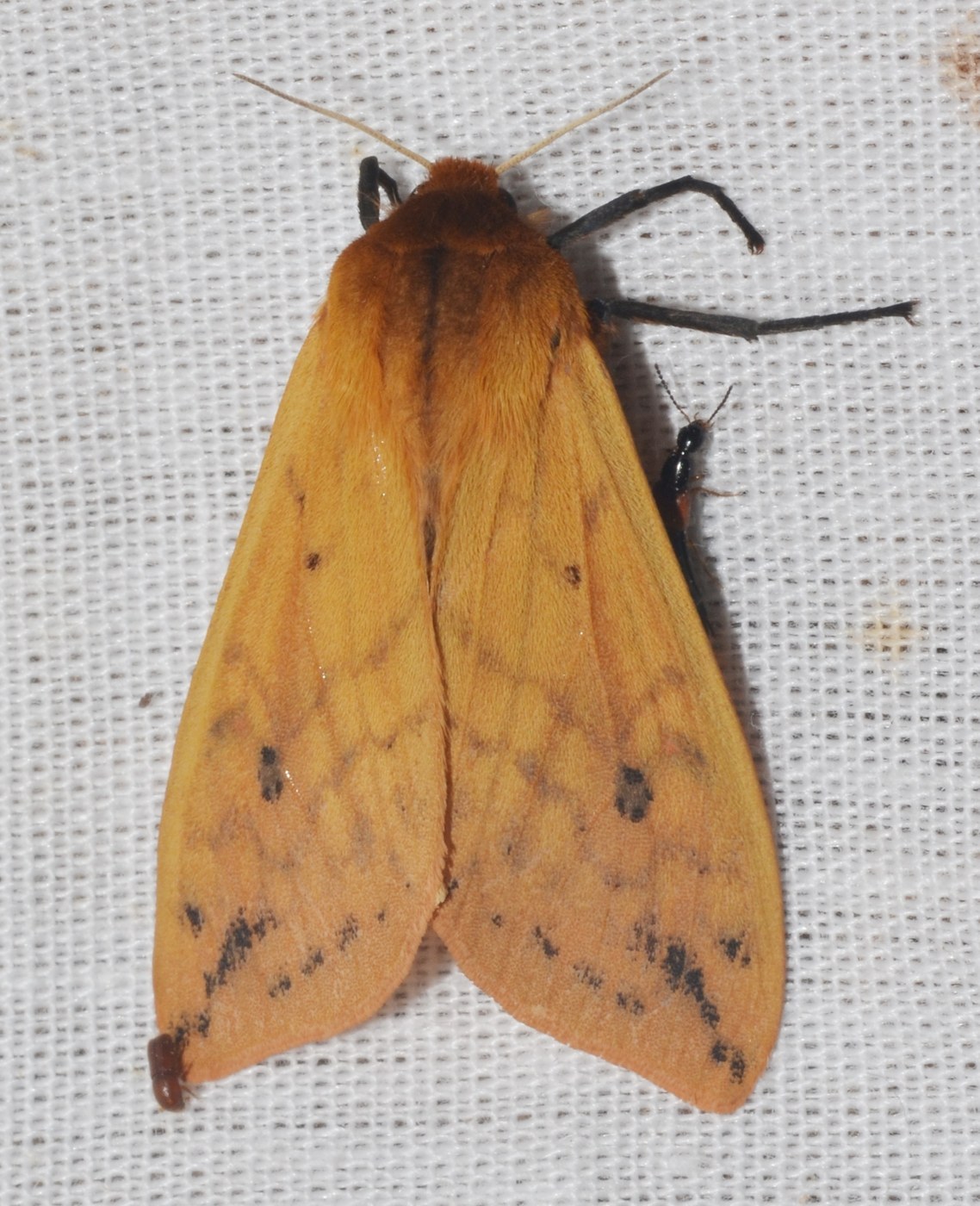
Isabella Tiger Moth (Woolly Bear)
Famous chiefly in its larval stage as the banded woolly bear caterpillar, this tiger moth's fuzzy black-and-rust-colored caterpillar is a familiar autumn sight, while the adult is a soft, tawny-orange moth with a stout, furry body.
mothChigger
A nearly microscopic mite larva that waits in clusters on grass tips for a passing host, taking a single brief meal before dropping away unseen. Only this larval stage is parasitic; the free-living adult spends its life hunting tiny prey in the soil.
arachnidBiting Midge
A minuscule, gray-winged fly that gathers in dense swarms near wetlands and can slip through window screens unnoticed.
fly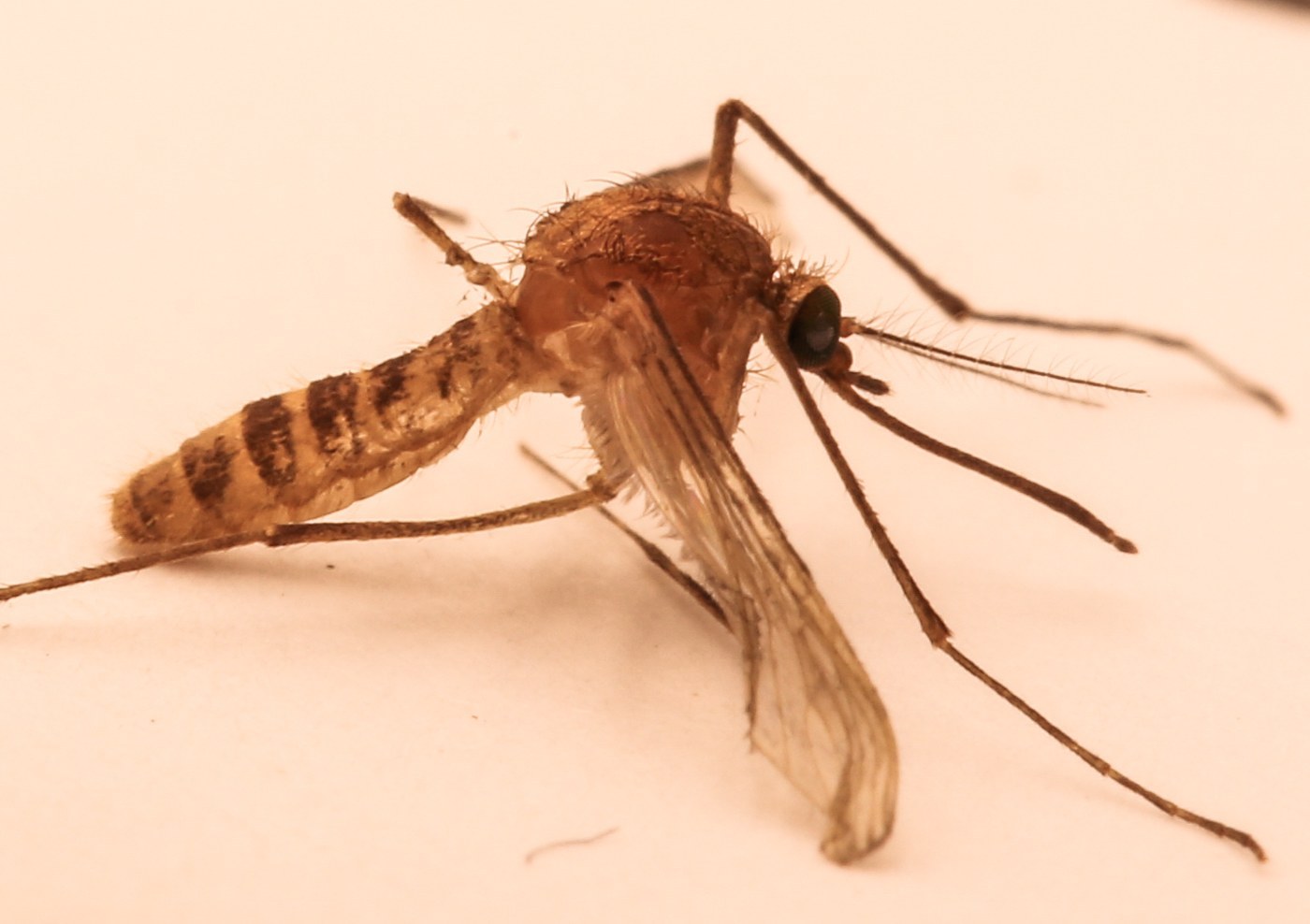
Mosquito
A slender, long-legged fly with a needle-like proboscis, narrow wings, and a distinctive high-pitched wing hum, most active around dawn, dusk, and in shaded, humid areas.
fly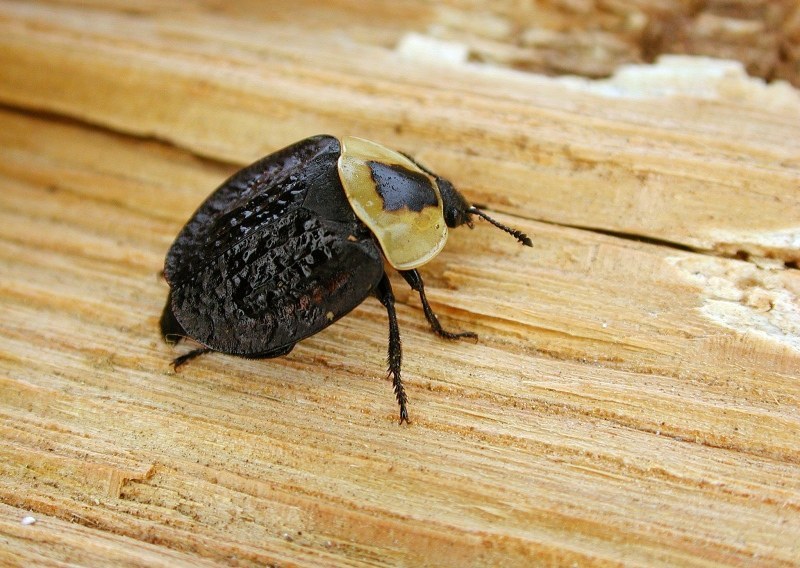
American Carrion Beetle
A broad, flattened black beetle with a striking pale yellow shield behind its head, commonly found on and around small animal carcasses where it feeds alongside fly larvae.
beetle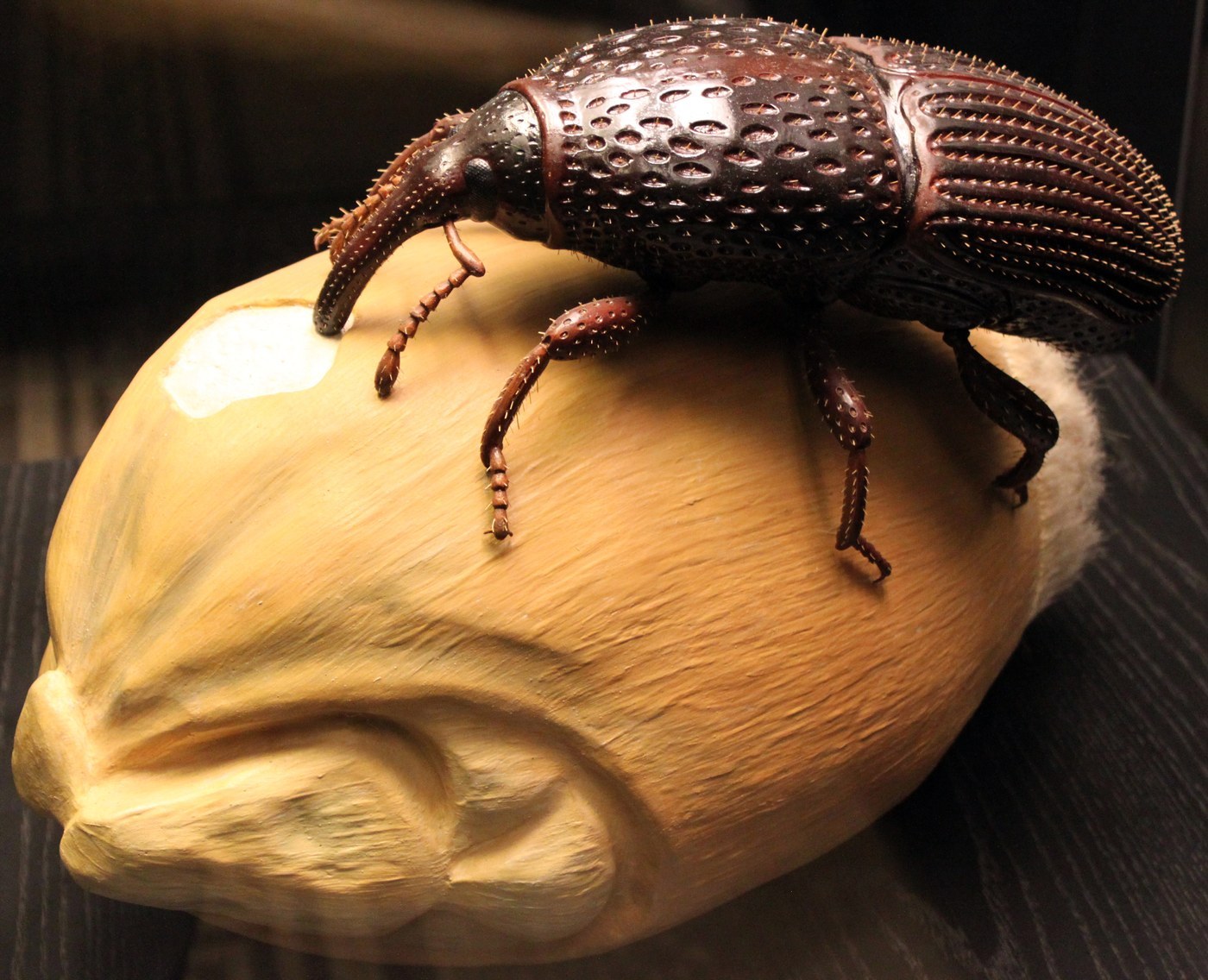
Granary Weevil
A small, shiny, dark reddish-brown to black weevil with a long curved snout that is unable to fly, spending its entire life cycle within stores of wheat and other cereal grains.
beetle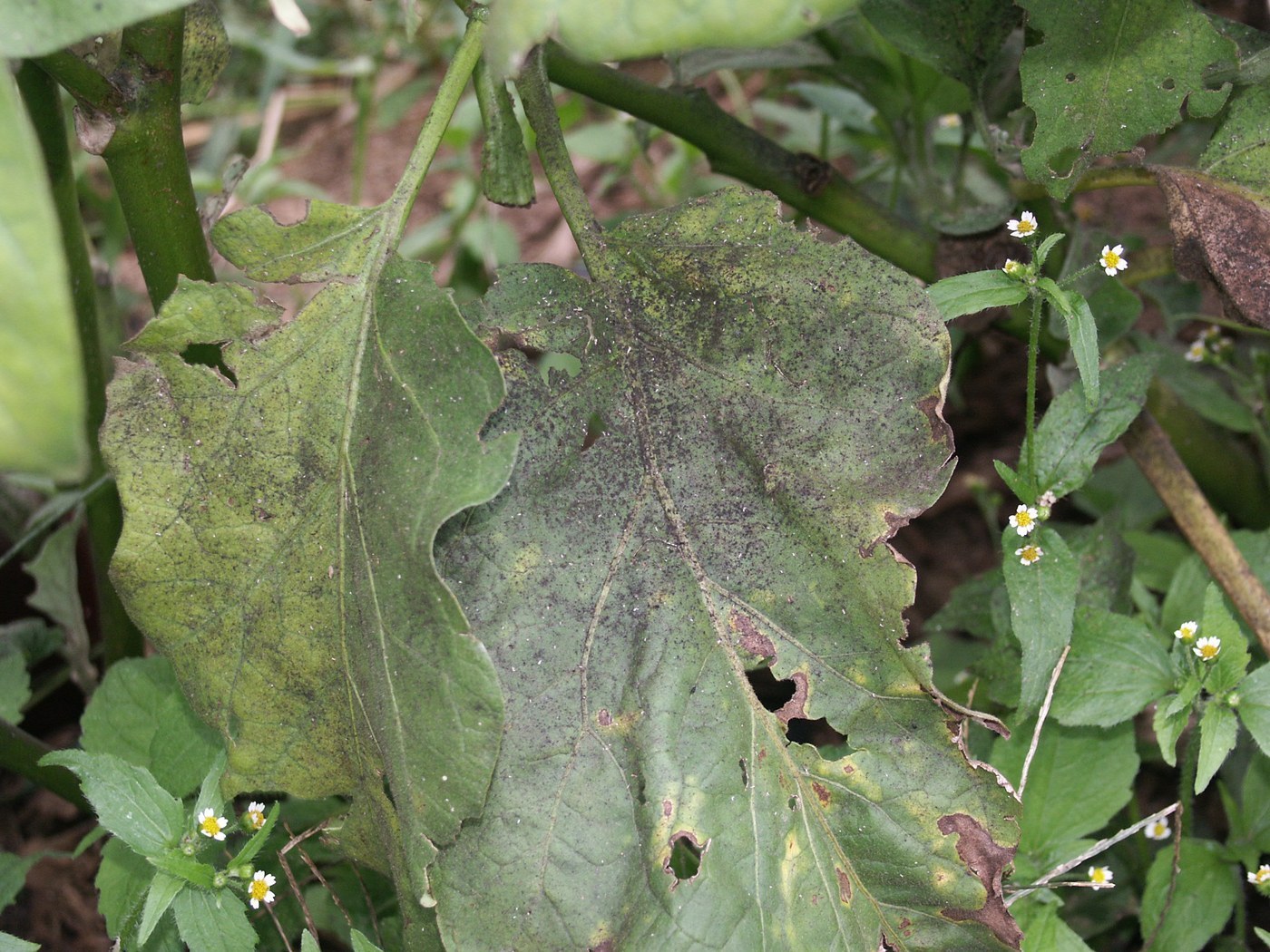
Whitefly
A tiny, moth-like white insect that clusters on the undersides of leaves and bursts into a snowy cloud when the plant is disturbed. Despite the name, it is not a true fly but a sap-feeding relative of aphids and scale insects.
true-bug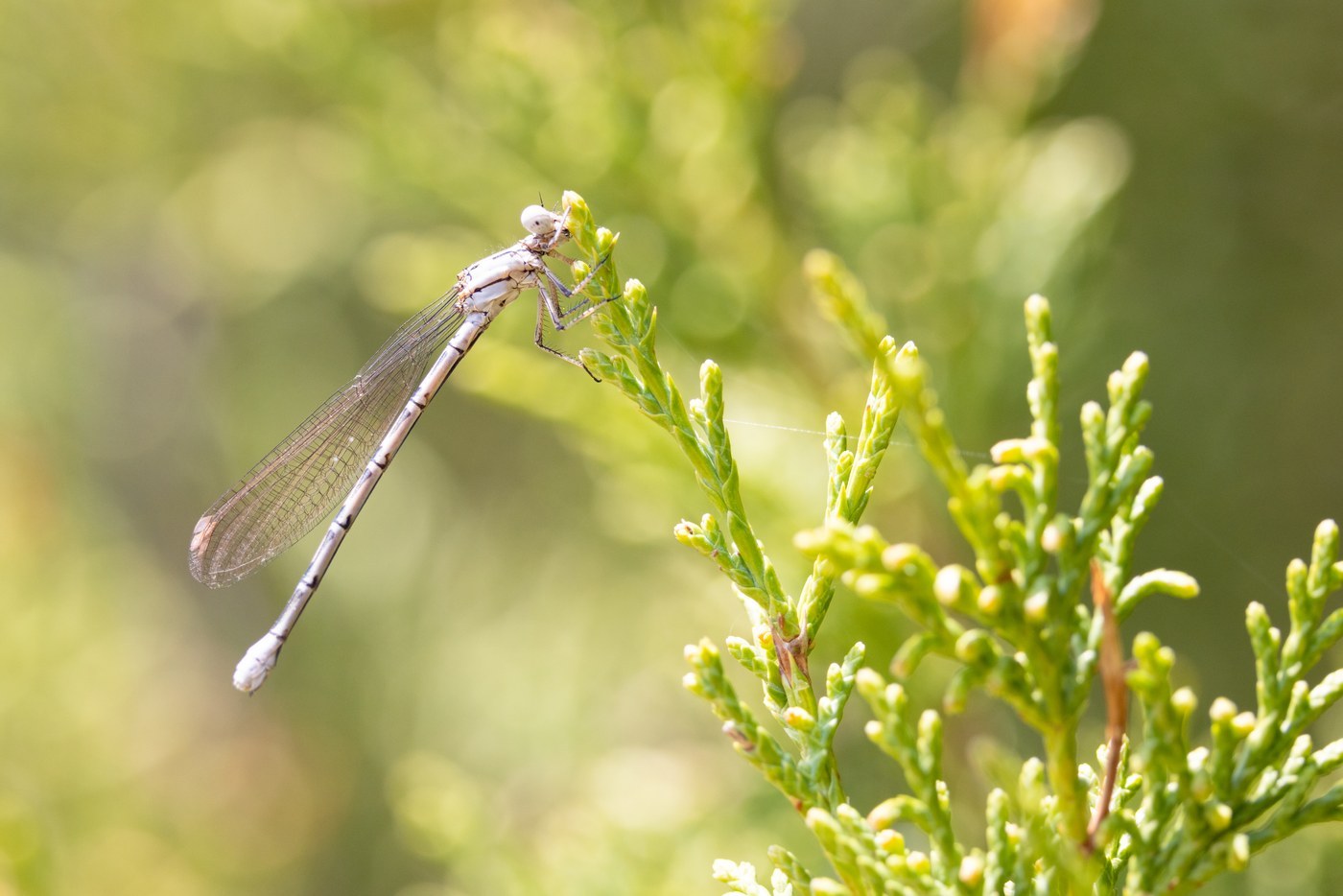
Bluet Damselfly
Small and delicate, bluet damselflies flash brilliant blue and black along the vegetated edges of ponds and lakes, forming mating pairs that fly in tandem while laying eggs directly into plant stems underwater.
dragonfly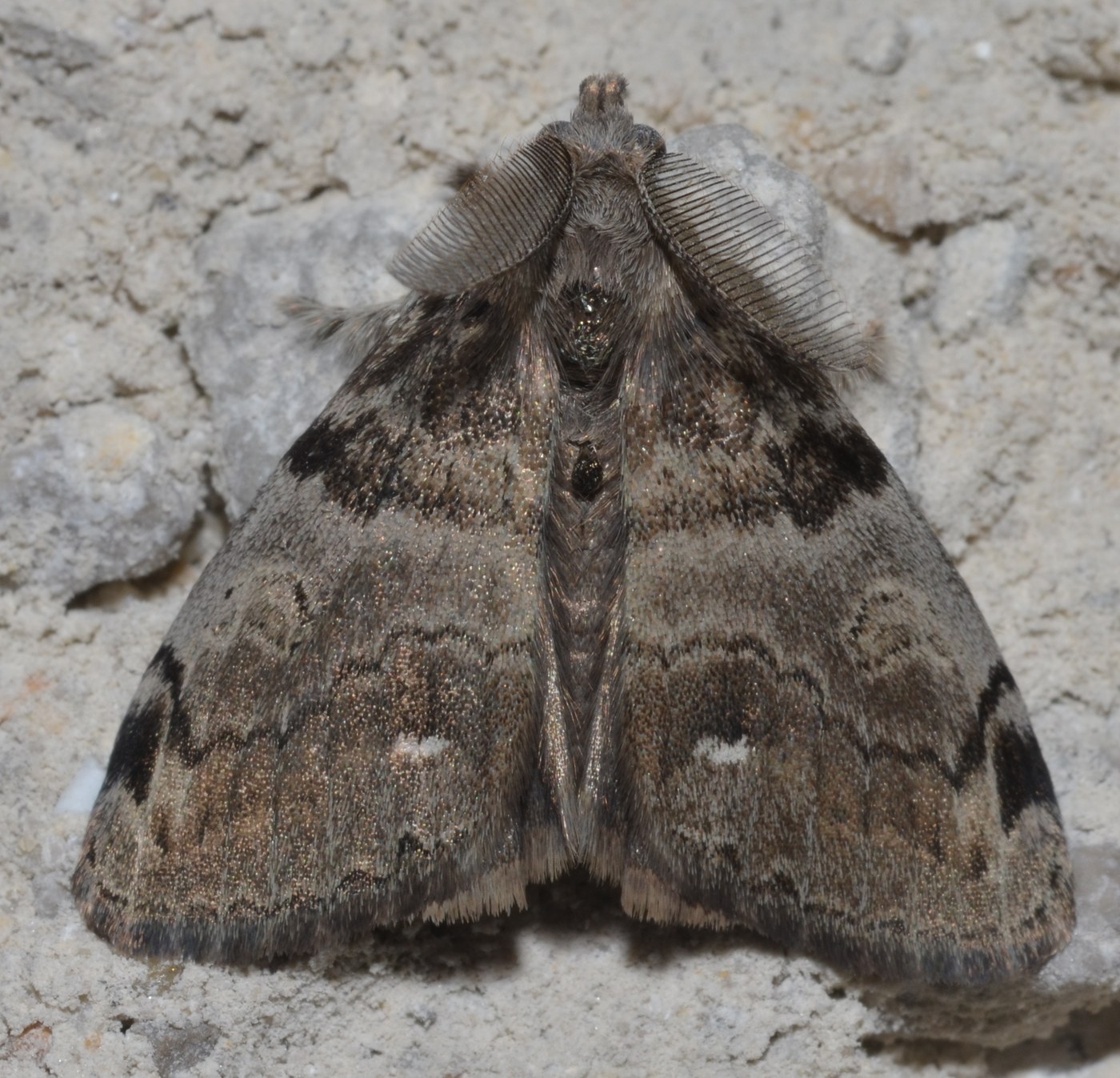
Tussock Moth
A moth with a striking split lifestyle: winged, drab gray-brown males fly to seek out flightless, grub-like females, while the ornate caterpillars sport dense tufts of colorful bristly hair.
moth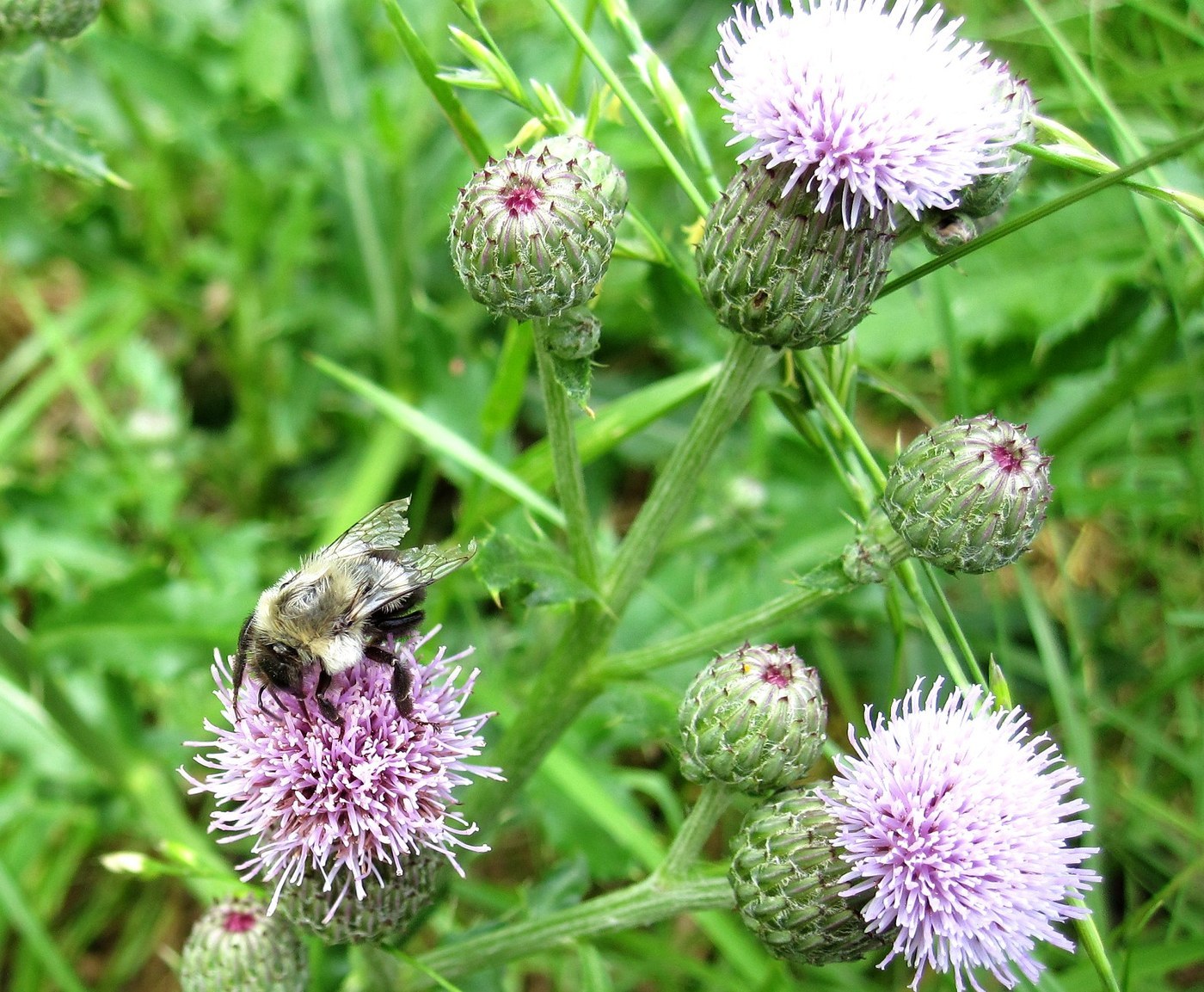
Bumblebee
A large, round, densely furry bee with bold black-and-yellow banding, known for its loud, low-pitched buzz and its ability to fly and forage in cooler temperatures than most other bees.
beeTermite Swarmer
A dense, short-lived cloud of dark, equal-winged insects pouring from a crack in soil or wood, each one a would-be founder of a brand-new termite colony.
other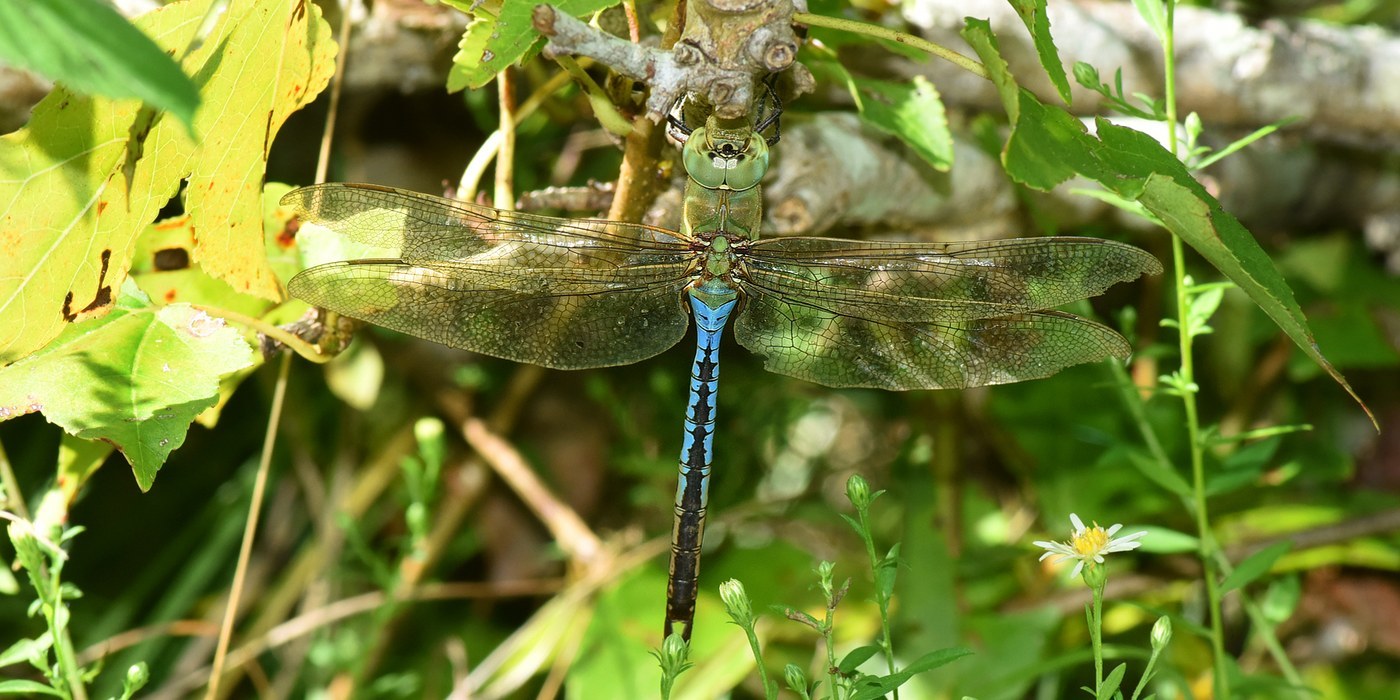
Common Green Darner
A large green-and-blue dragonfly and the official state insect of Washington, best known among dragonfly watchers for an annual migration that spans multiple generations.
dragonfly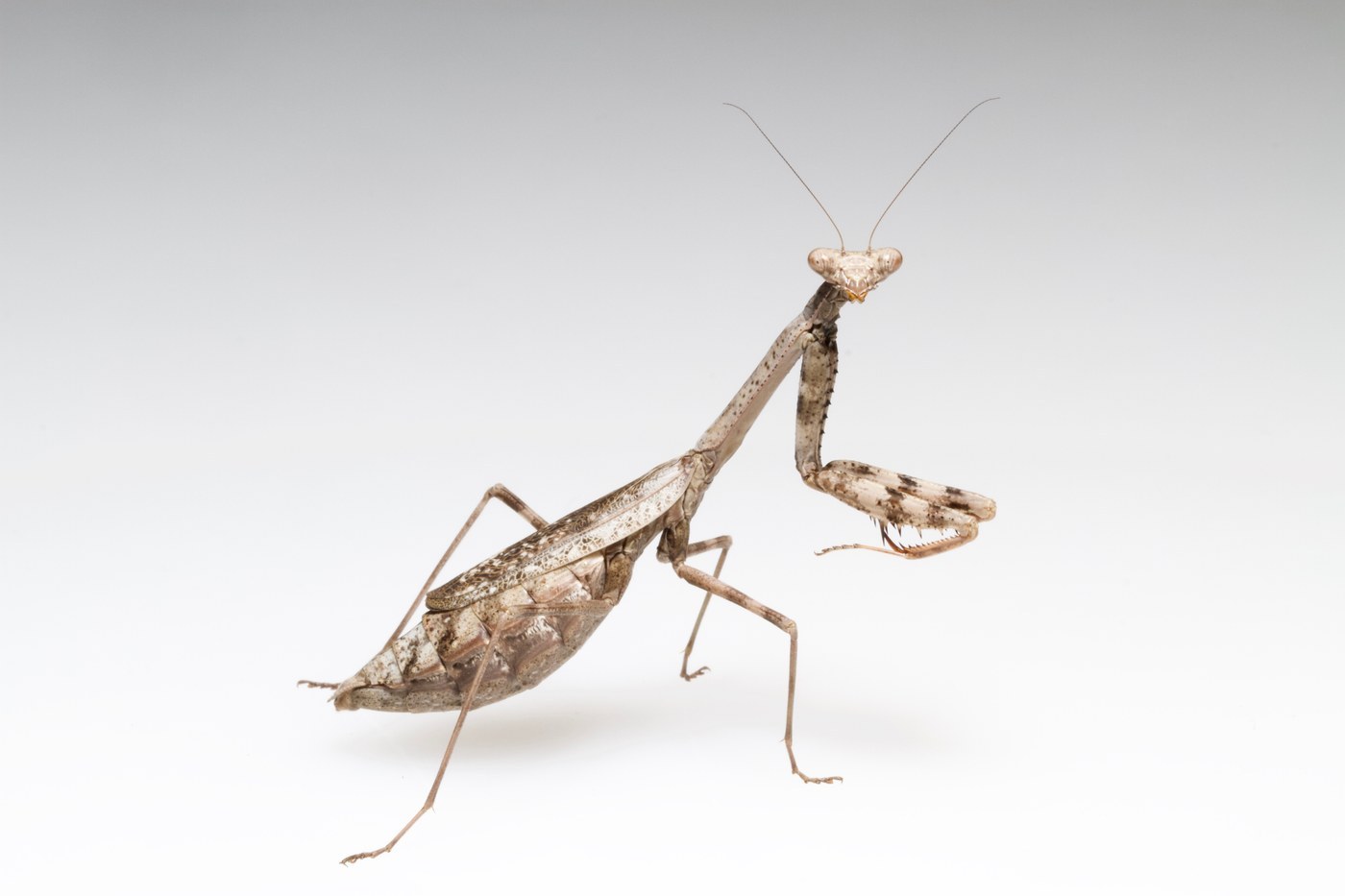
Carolina Mantis
A mottled gray-brown mantis native to the southeastern and south-central United States, smaller and more camouflaged than its introduced Chinese relative, and recognized as the state insect of South Carolina.
mantis-stick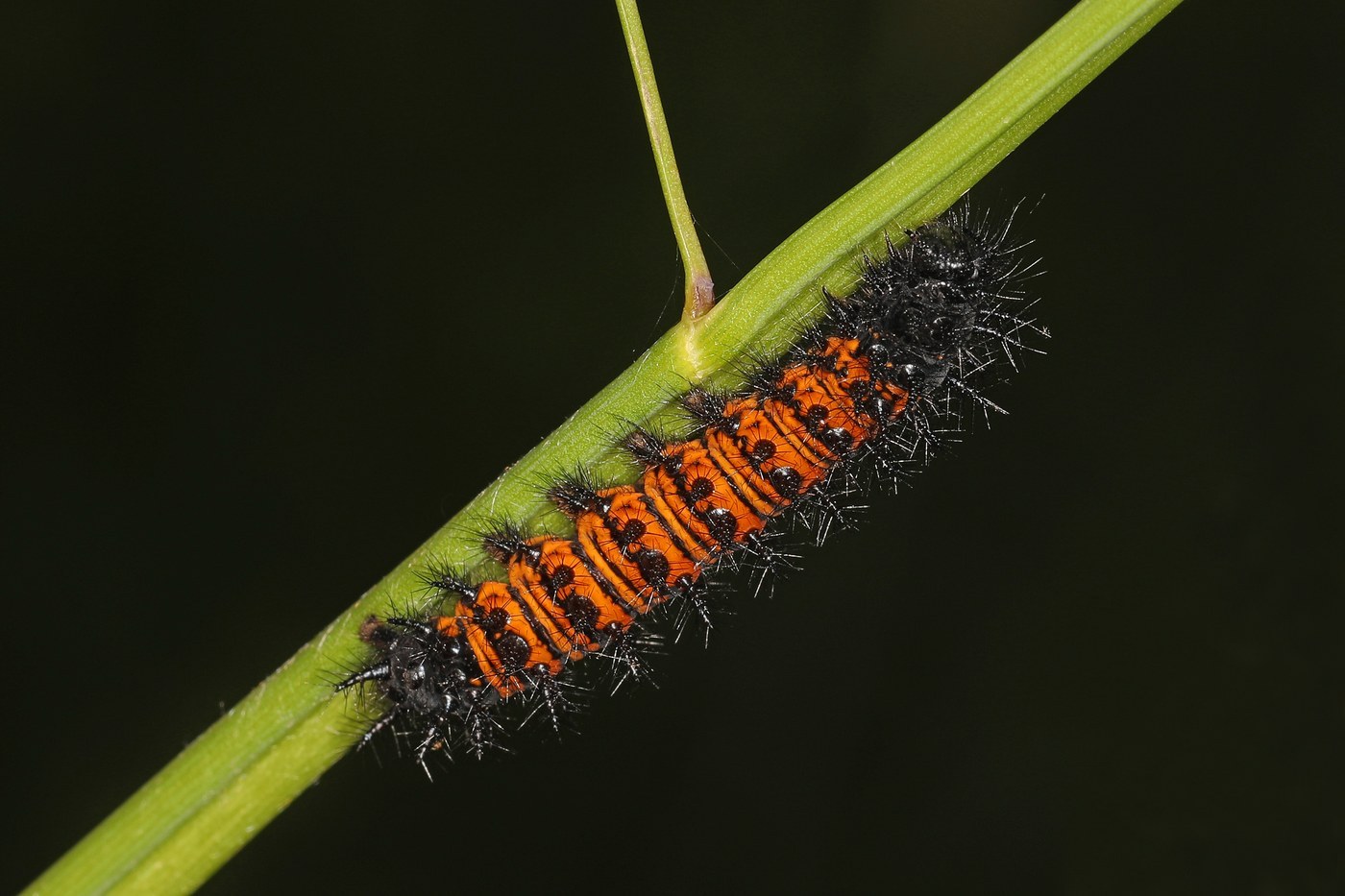
Baltimore Checkerspot
A striking black butterfly checkered with rows of orange and cream-white spots, closely associated with wet meadows and its turtlehead host plant, and recognized as a state insect symbol in parts of its range.
butterflyMosquito Larva
A wriggling, comma-shaped aquatic larva that hangs from the water's surface to breathe before transforming into a flying adult mosquito.
aquatic-insect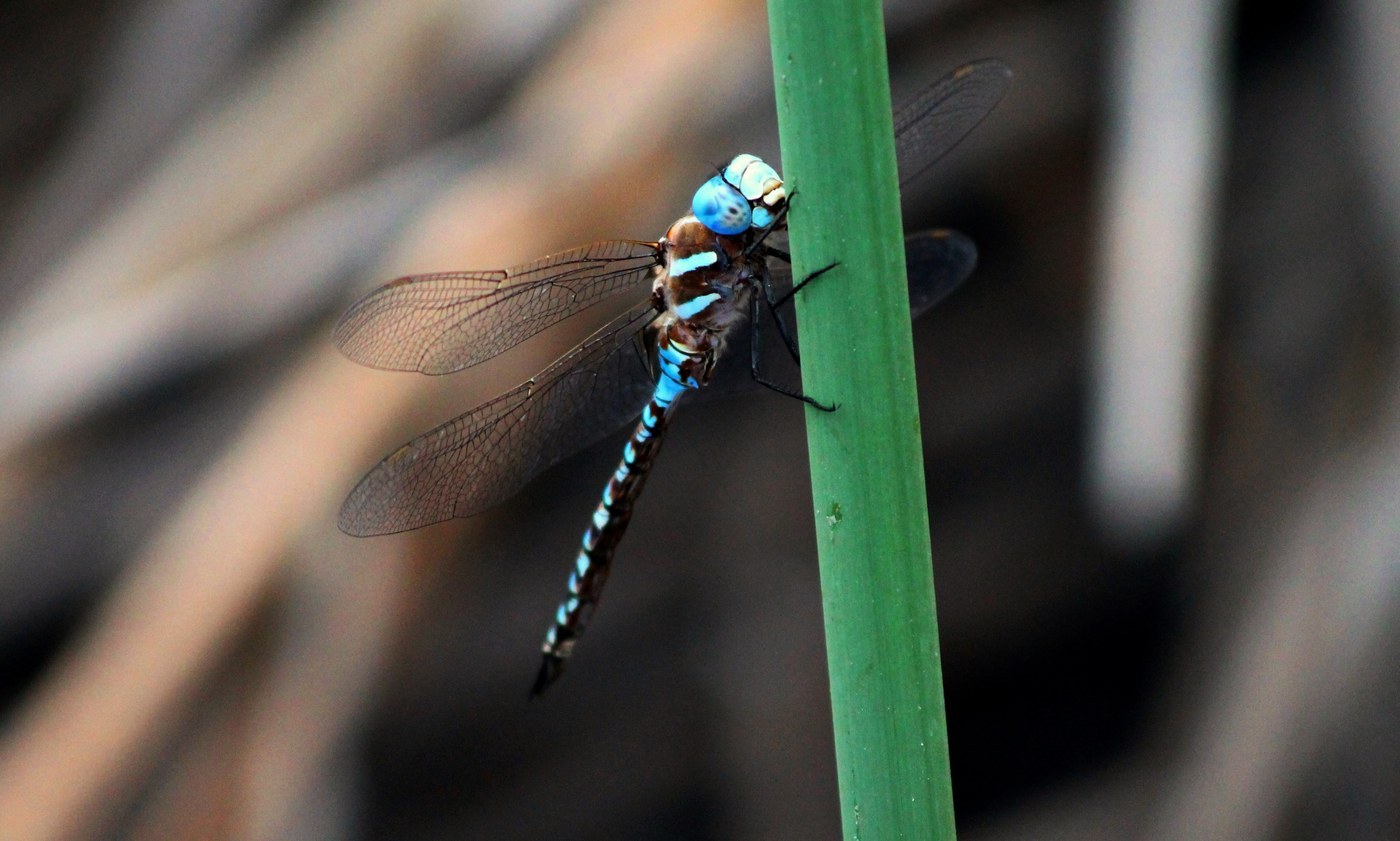
Blue-eyed Darner
A large, fast-flying darner with brilliant sky-blue eyes that meet in a seam across the top of the head, patrolling ponds and open fields well into the evening.
dragonfly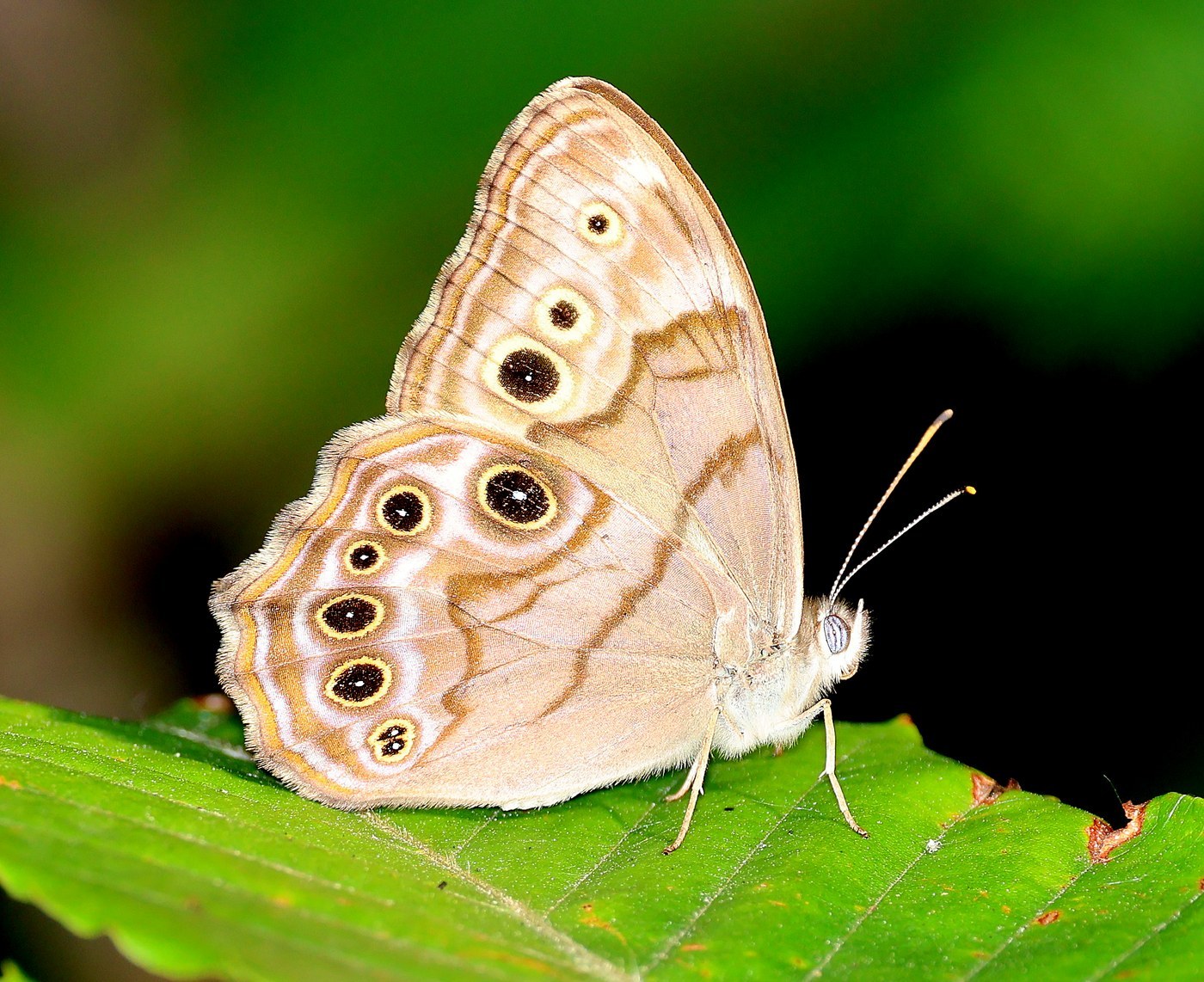
Northern Pearly-eye
A shade-loving brown woodland butterfly with rows of dark, pale-ringed eyespots, more often seen resting on tree trunks in forest gaps than flying in open sun.
butterflyLubber Grasshopper
Heavy-bodied and slow-moving, lubber grasshoppers make up for their poor flying ability with large size, bold coloring, and a lumbering, ground-bound lifestyle.
grasshopper-cricketGypsy Cutworm Moth
A plain, mottled grey-brown night-flying moth whose stout, soil-dwelling larvae are known as cutworms for their habit of severing young plant stems near ground level.
moth