
Bug Encyclopedia
Search and identify bugs & insects — beetles, butterflies, moths, ants, bees, spiders and more — with size, habitat, danger, behavior, and how to tell them apart.
House Spider
A small, round-bodied brown spider with mottled markings that spins tangled, irregular cobwebs in quiet corners, ceilings, and undisturbed indoor spaces.
spider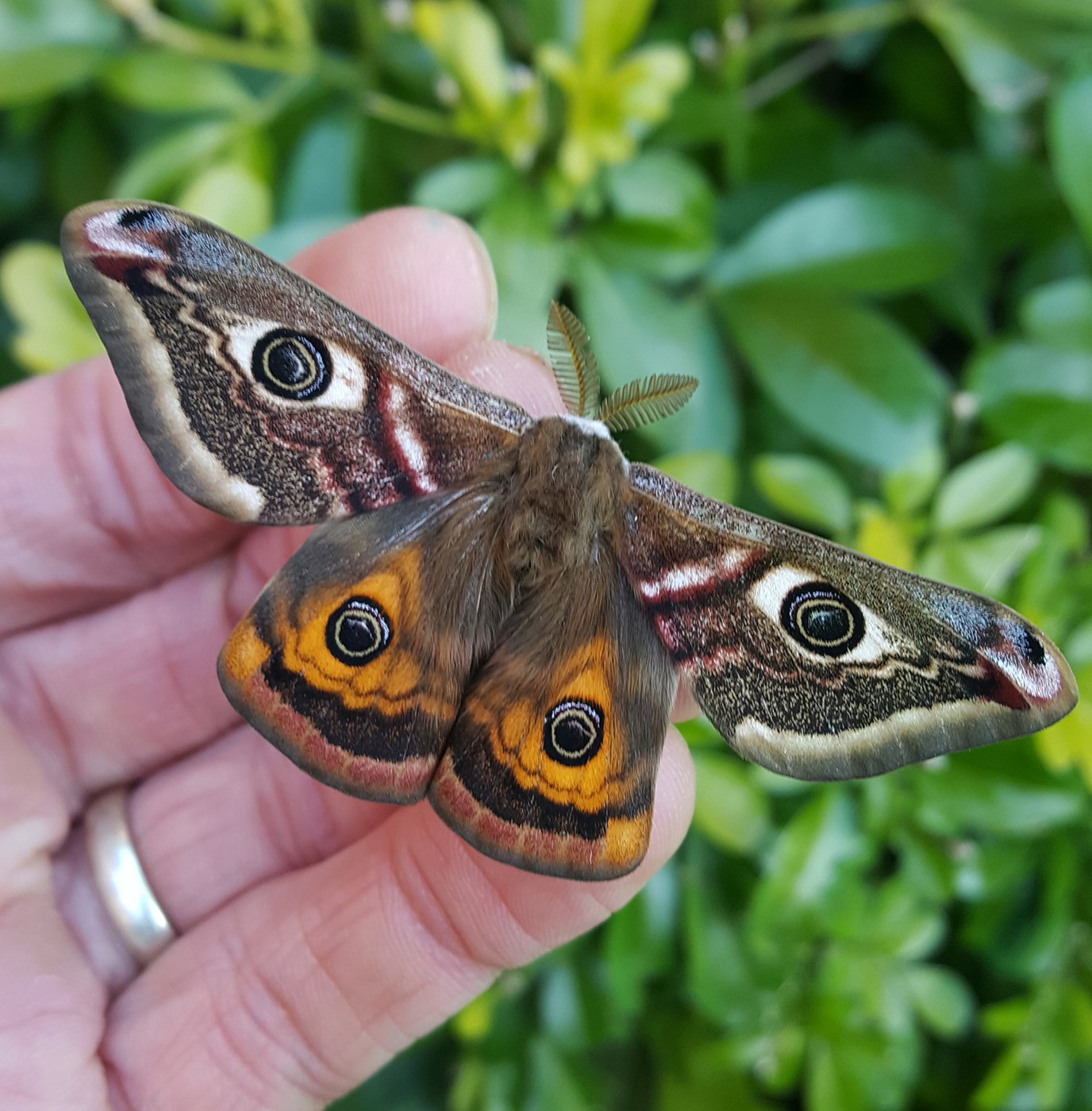
Emperor Moth
A striking silk moth with a large eyespot on each of its four wings, showing pronounced differences between the smaller, orange-brown, day-flying males and the larger, greyer, night-flying females.
mothCabbage White Caterpillar
A velvety, bright green caterpillar with a faint yellow stripe down its back, the larval stage of the common white butterfly seen fluttering around vegetable gardens.
caterpillar-larva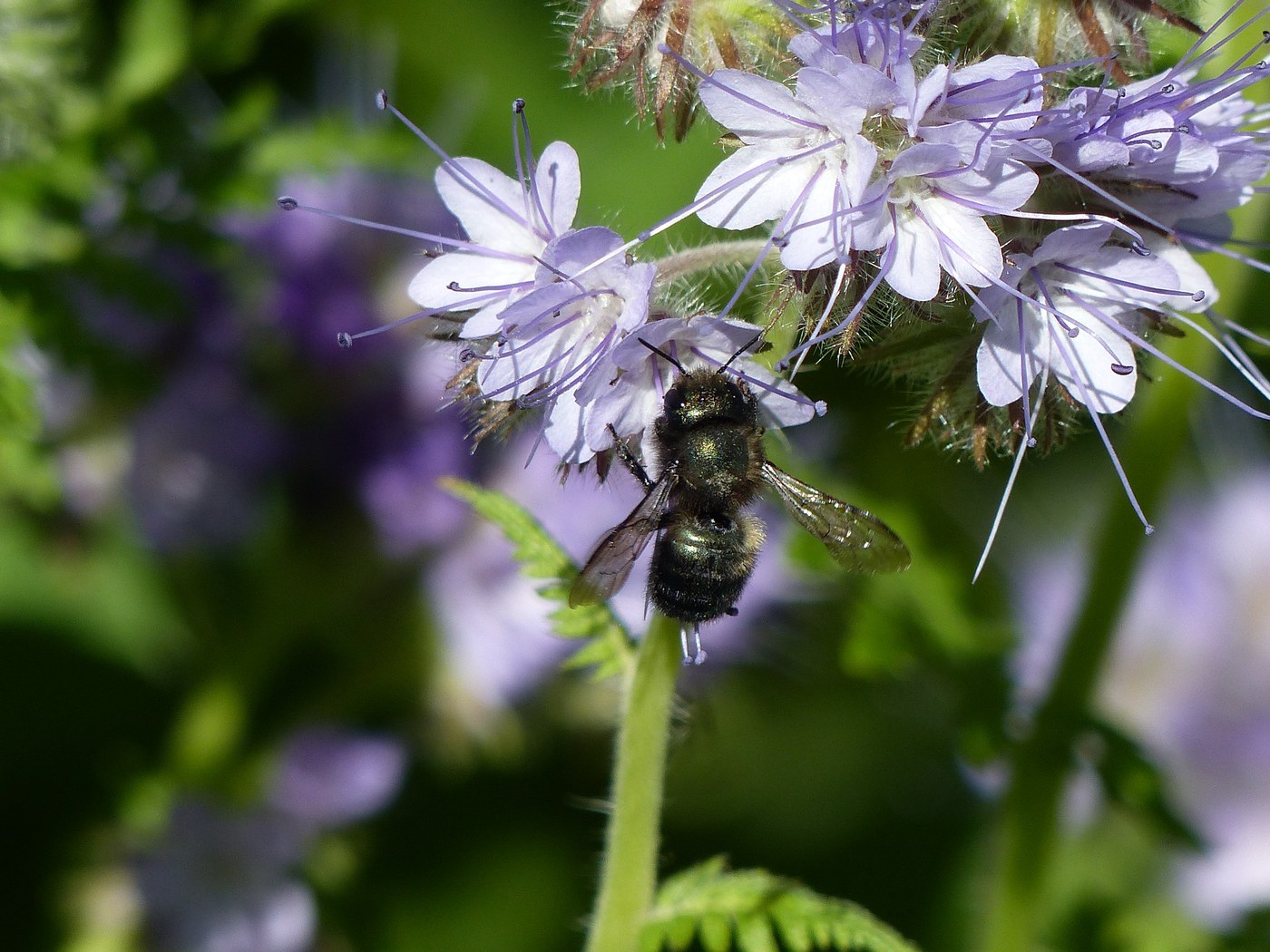
Blue Orchard Bee
A small, metallic blue-black solitary bee widely valued as an efficient early-spring pollinator of fruit trees, nesting in narrow tunnels and hollow stems rather than building hives.
bee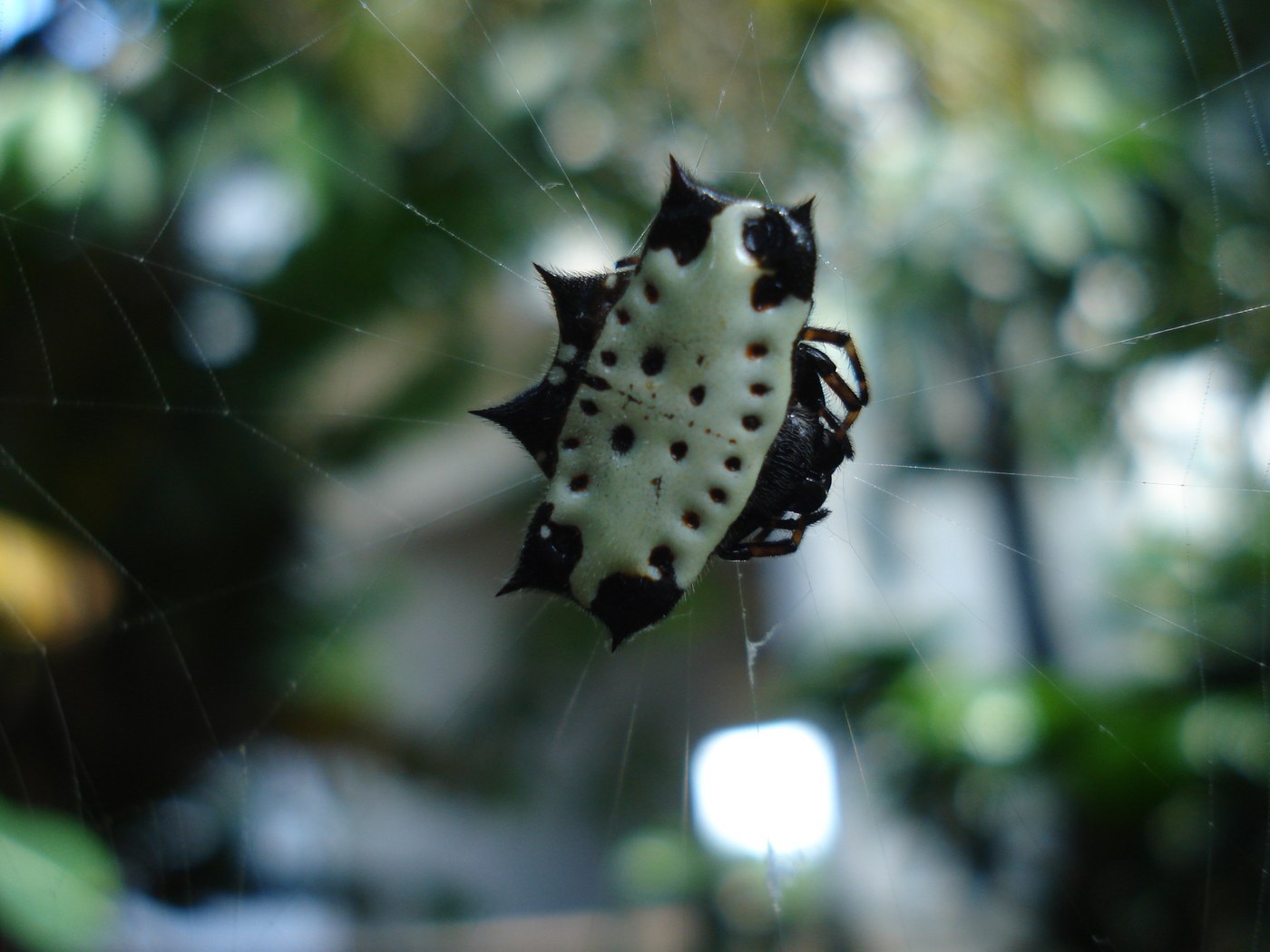
Spiny Orb Weaver
A small, hard-shelled orb weaver shaped like a tiny crab, with six sharp spines projecting from a brightly colored abdomen suspended in a neat wheel-shaped web.
spider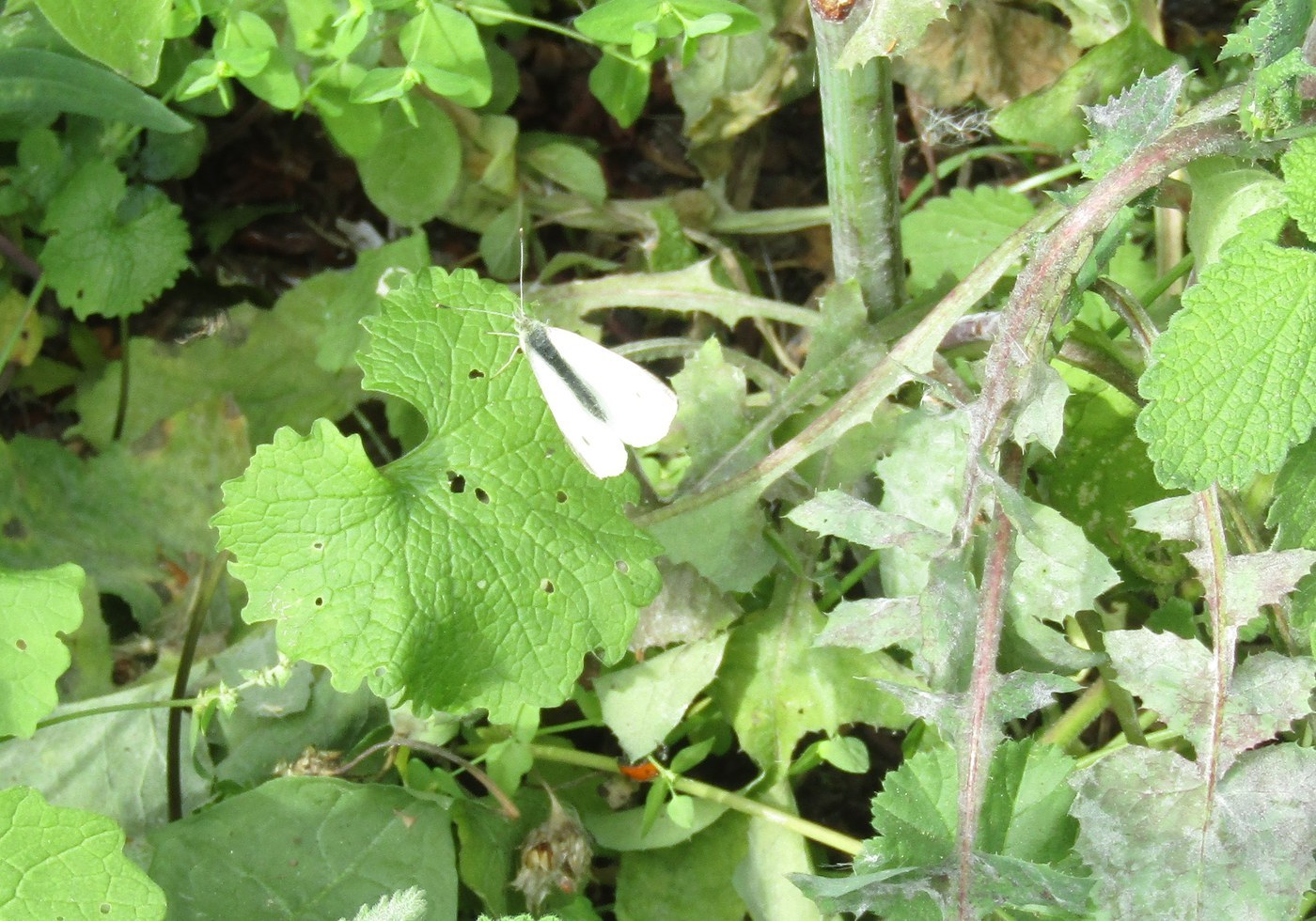
Cabbage White
A common, small white butterfly with one or two black wing spots, whose green caterpillars are a familiar sight feeding on cabbage-family garden plants.
butterfly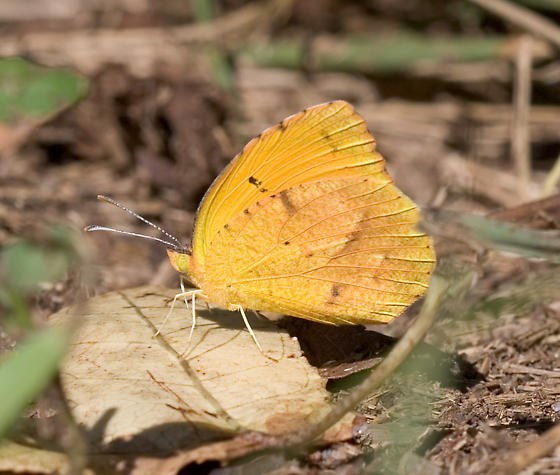
Sleepy Orange
A small, deep orange sulphur butterfly with dark wing borders and a low, wandering flight, named for a faint dark mark that suggests a half-closed, sleepy eye.
butterfly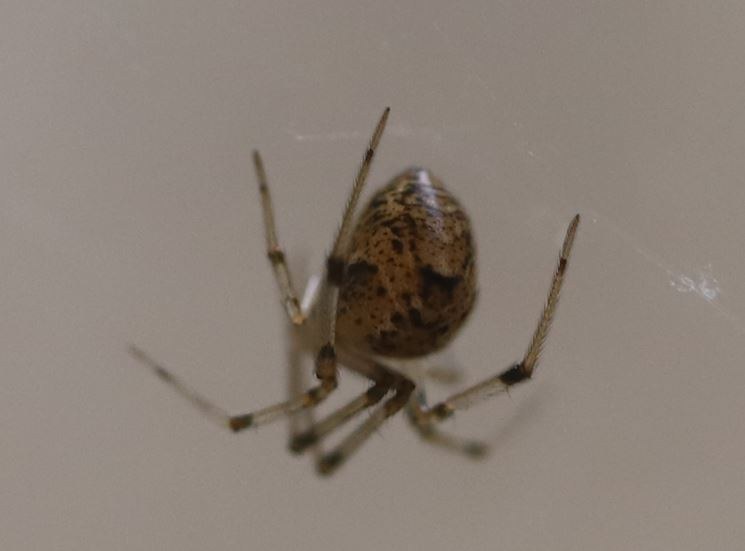
Common House Spider
Tucked into a messy tangle of silk in a quiet corner, the common house spider is one of the most familiar indoor spiders, quietly picking off flies and other small insects that blunder into its web.
spider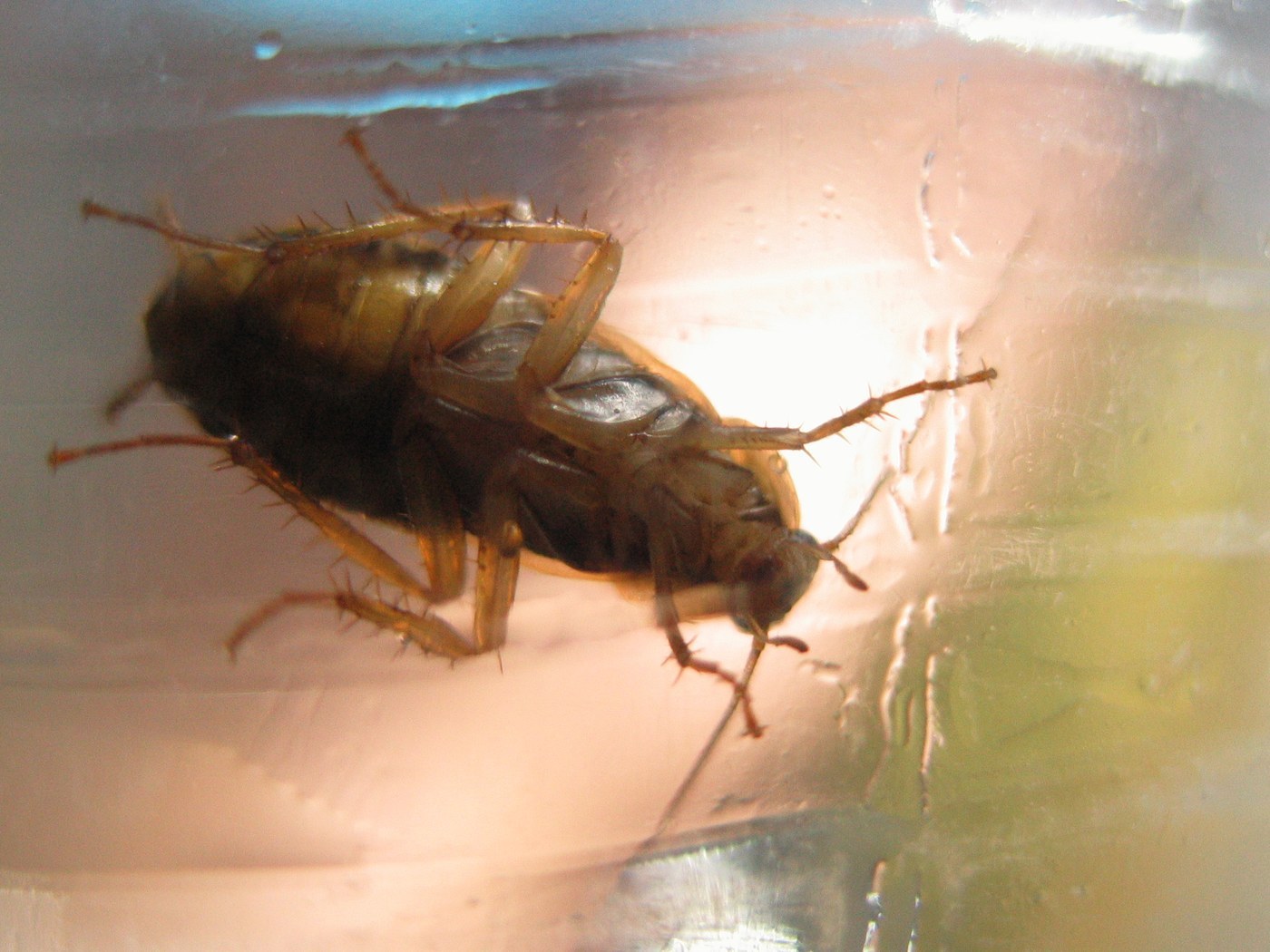
German Cockroach
A small, fast-moving light brown to tan roach marked with two dark parallel stripes running down its pronotum, most often seen scurrying for cover in warm, moist indoor areas.
otherRipple Bug
A tiny, dark true bug that skates across the surface film of calm water, producing the faint ripples that give it its common name as it hunts for small prey trapped at the surface.
aquatic-insect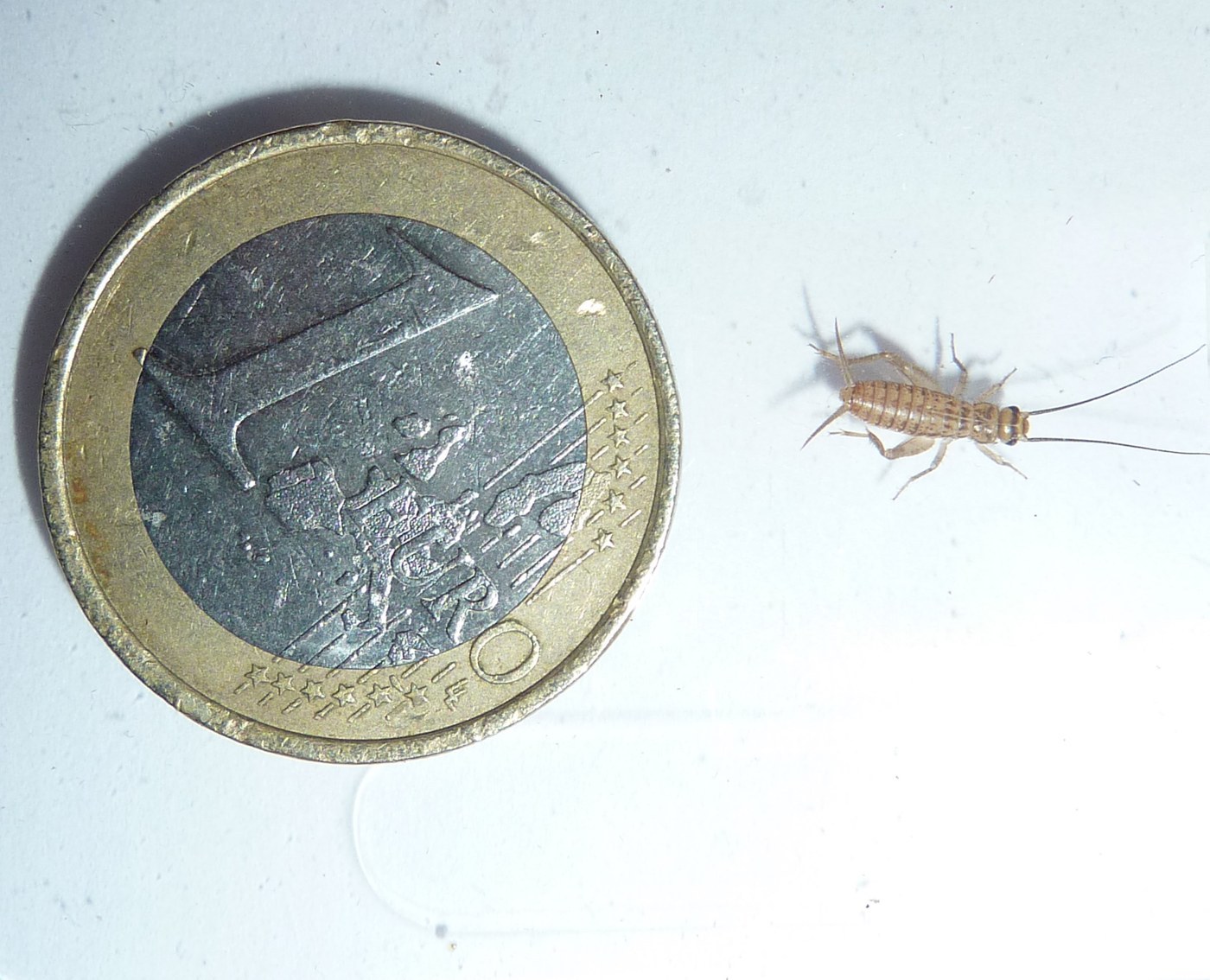
House Cricket
A pale tan, dark-banded cricket originally from warm regions of Asia that has spread worldwide both as an occasional indoor nuisance and as a widely farmed feeder insect.
grasshopper-cricket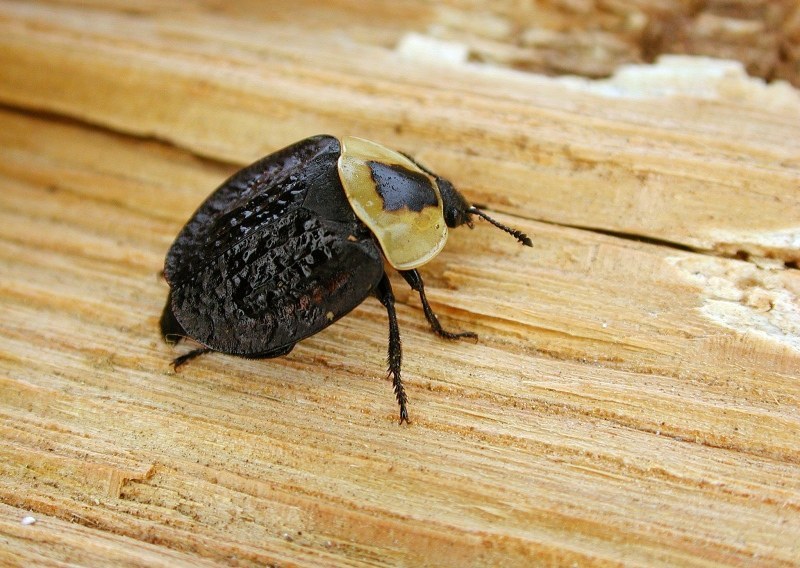
American Carrion Beetle
A broad, flattened black beetle with a striking pale yellow shield behind its head, commonly found on and around small animal carcasses where it feeds alongside fly larvae.
beetle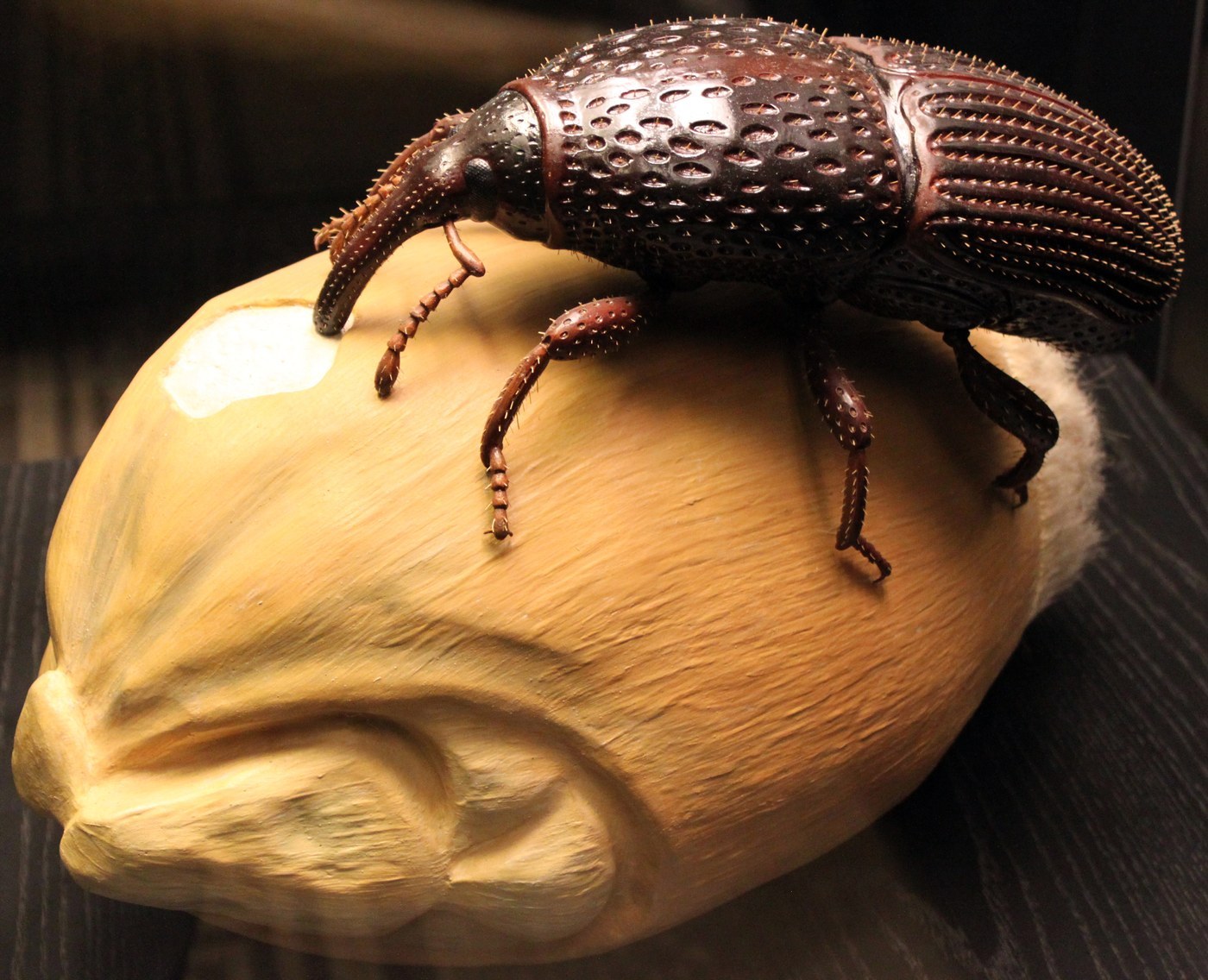
Granary Weevil
A small, shiny, dark reddish-brown to black weevil with a long curved snout that is unable to fly, spending its entire life cycle within stores of wheat and other cereal grains.
beetle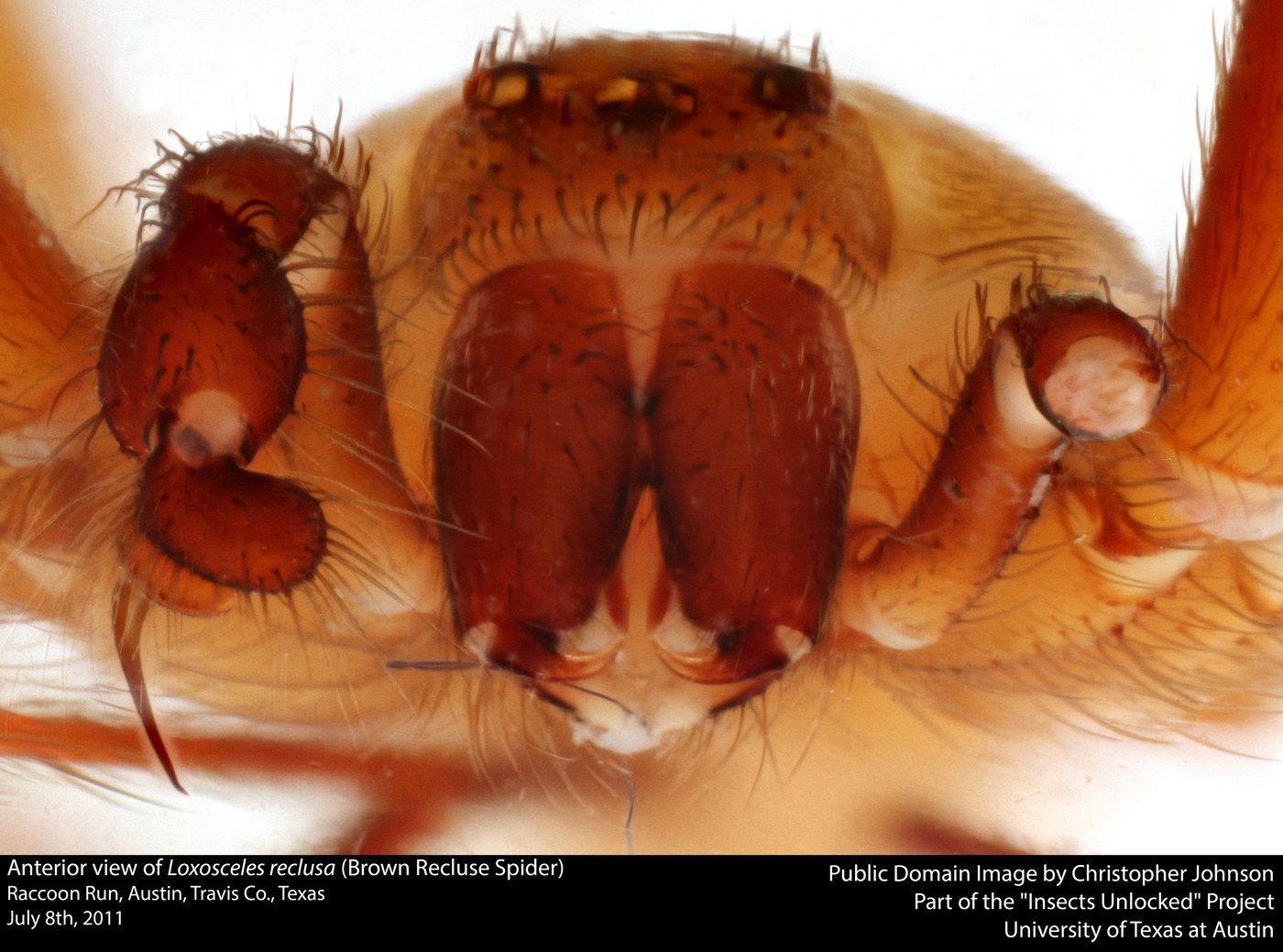
Brown Recluse Spider
A uniformly light-brown spider with a faint violin-shaped marking on its back and only six eyes instead of the usual eight, typically found hiding in dry, undisturbed indoor and outdoor spaces.
spider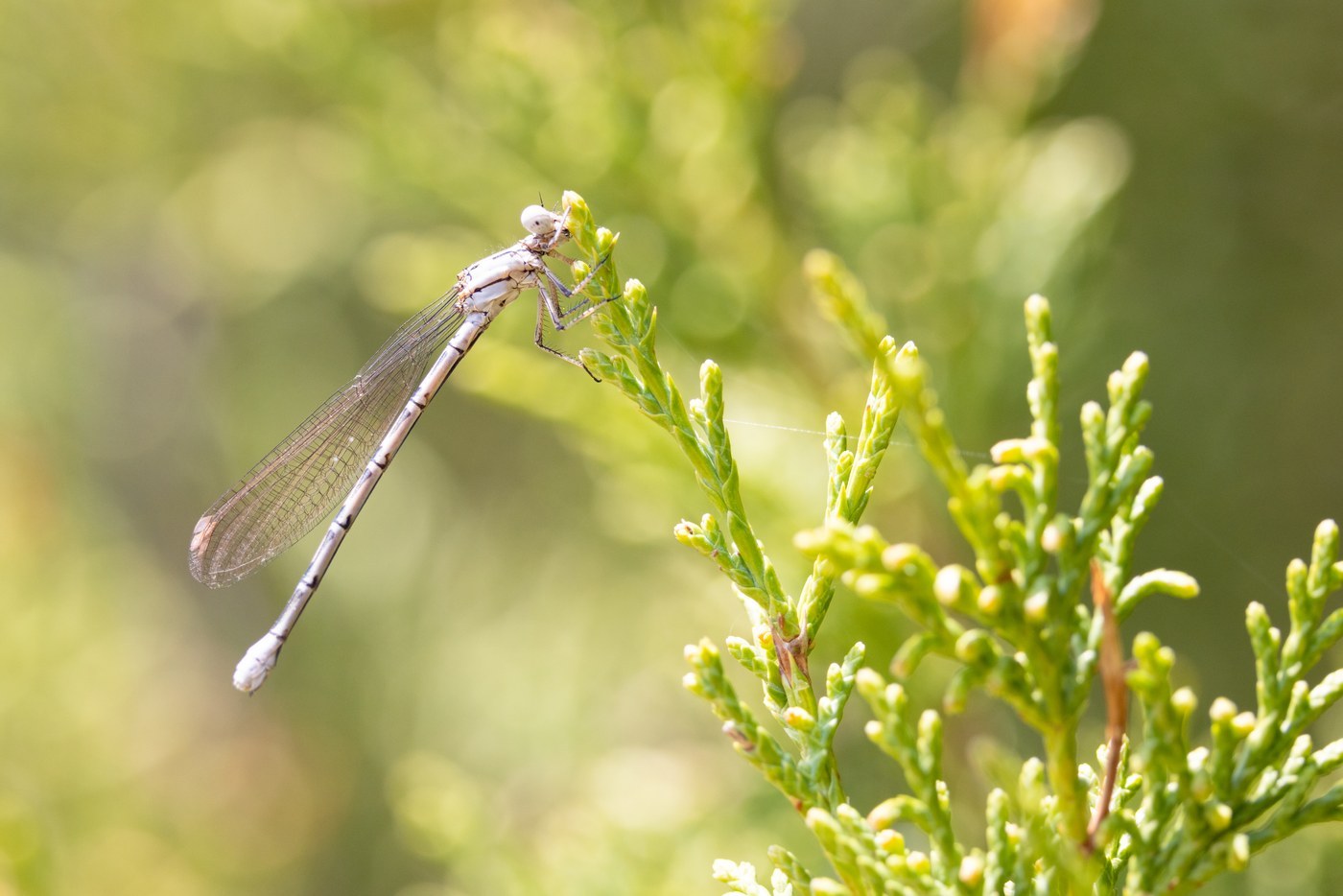
Bluet Damselfly
Small and delicate, bluet damselflies flash brilliant blue and black along the vegetated edges of ponds and lakes, forming mating pairs that fly in tandem while laying eggs directly into plant stems underwater.
dragonflyBiting Midge
A minuscule, gray-winged fly that gathers in dense swarms near wetlands and can slip through window screens unnoticed.
fly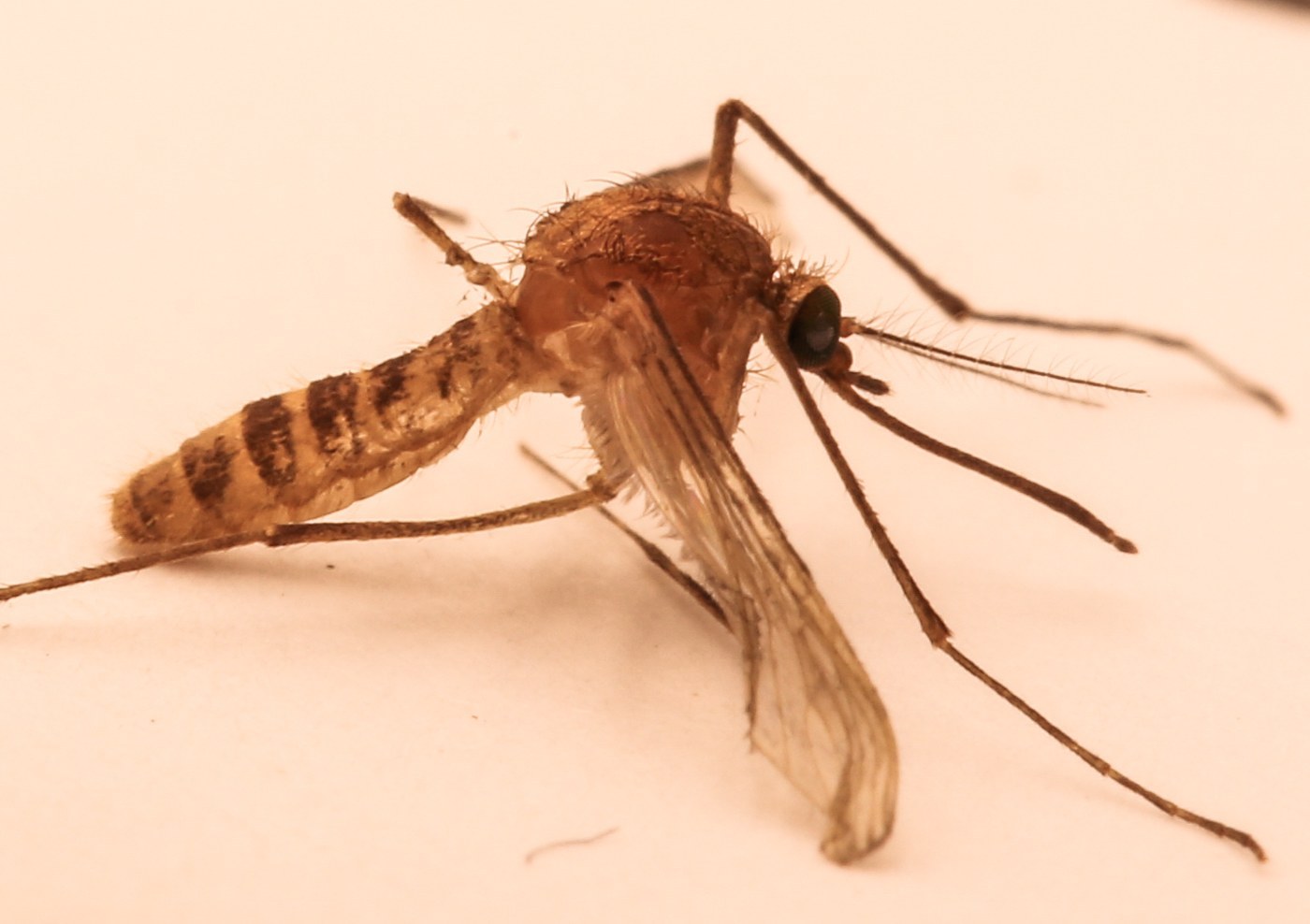
Mosquito
A slender, long-legged fly with a needle-like proboscis, narrow wings, and a distinctive high-pitched wing hum, most active around dawn, dusk, and in shaded, humid areas.
fly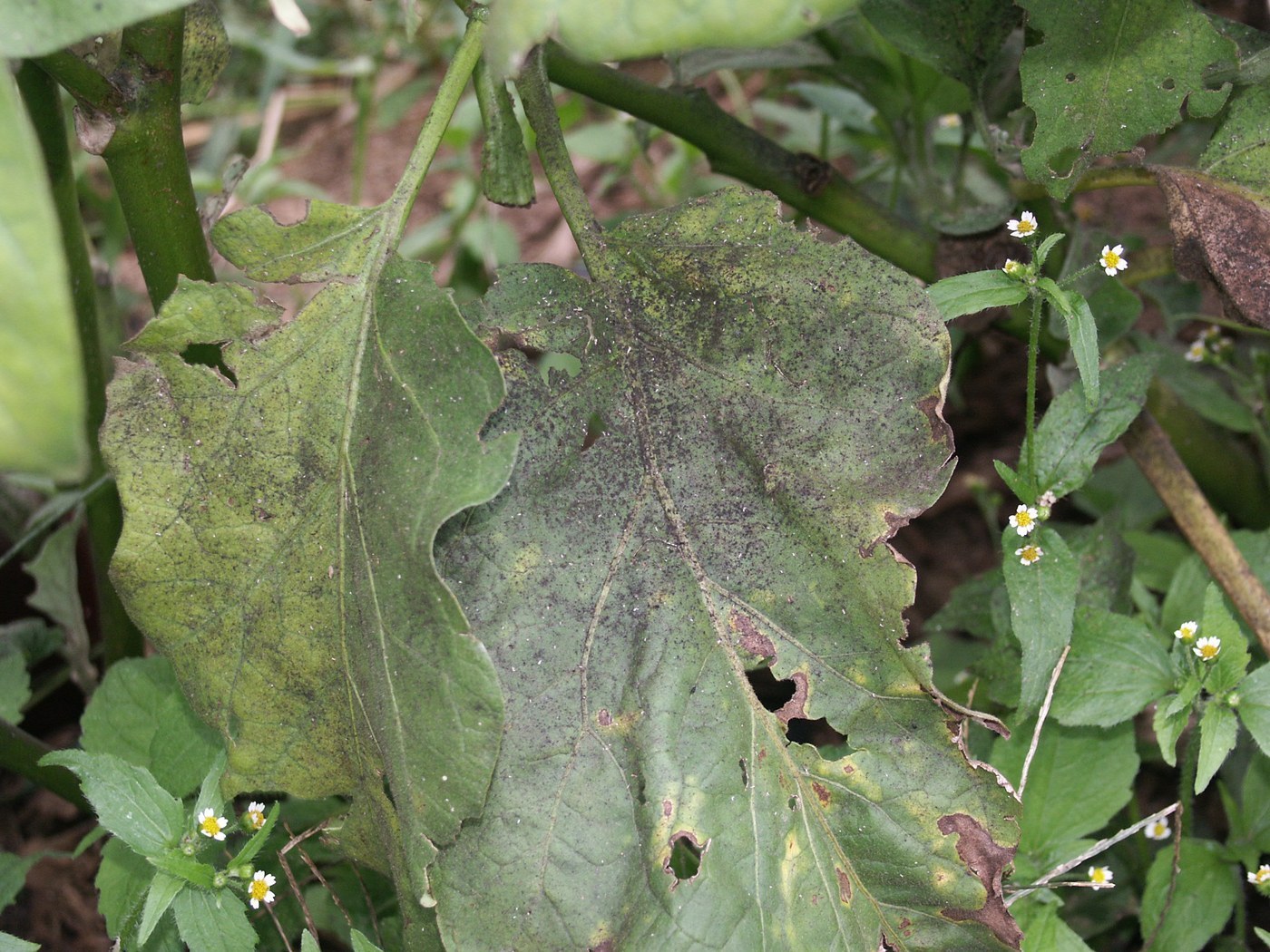
Whitefly
A tiny, moth-like white insect that clusters on the undersides of leaves and bursts into a snowy cloud when the plant is disturbed. Despite the name, it is not a true fly but a sap-feeding relative of aphids and scale insects.
true-bug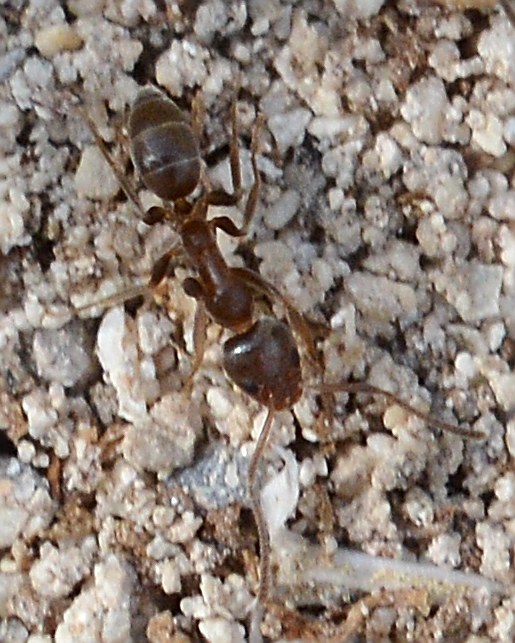
Argentine Ant
A small, uniformly light-brown ant that forms enormous, cooperative supercolonies stretching across entire regions rather than defending small individual nests.
ant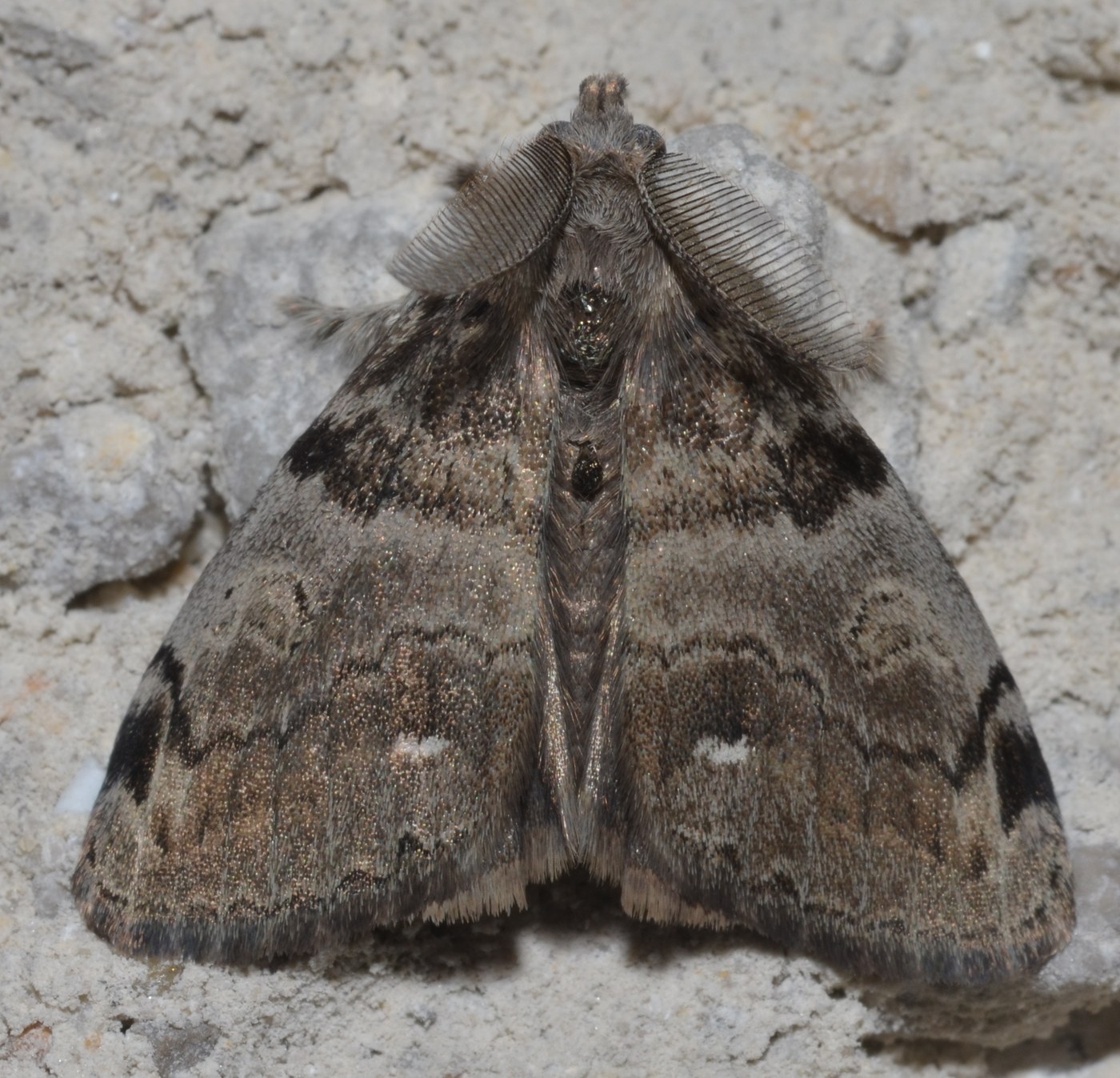
Tussock Moth
A moth with a striking split lifestyle: winged, drab gray-brown males fly to seek out flightless, grub-like females, while the ornate caterpillars sport dense tufts of colorful bristly hair.
moth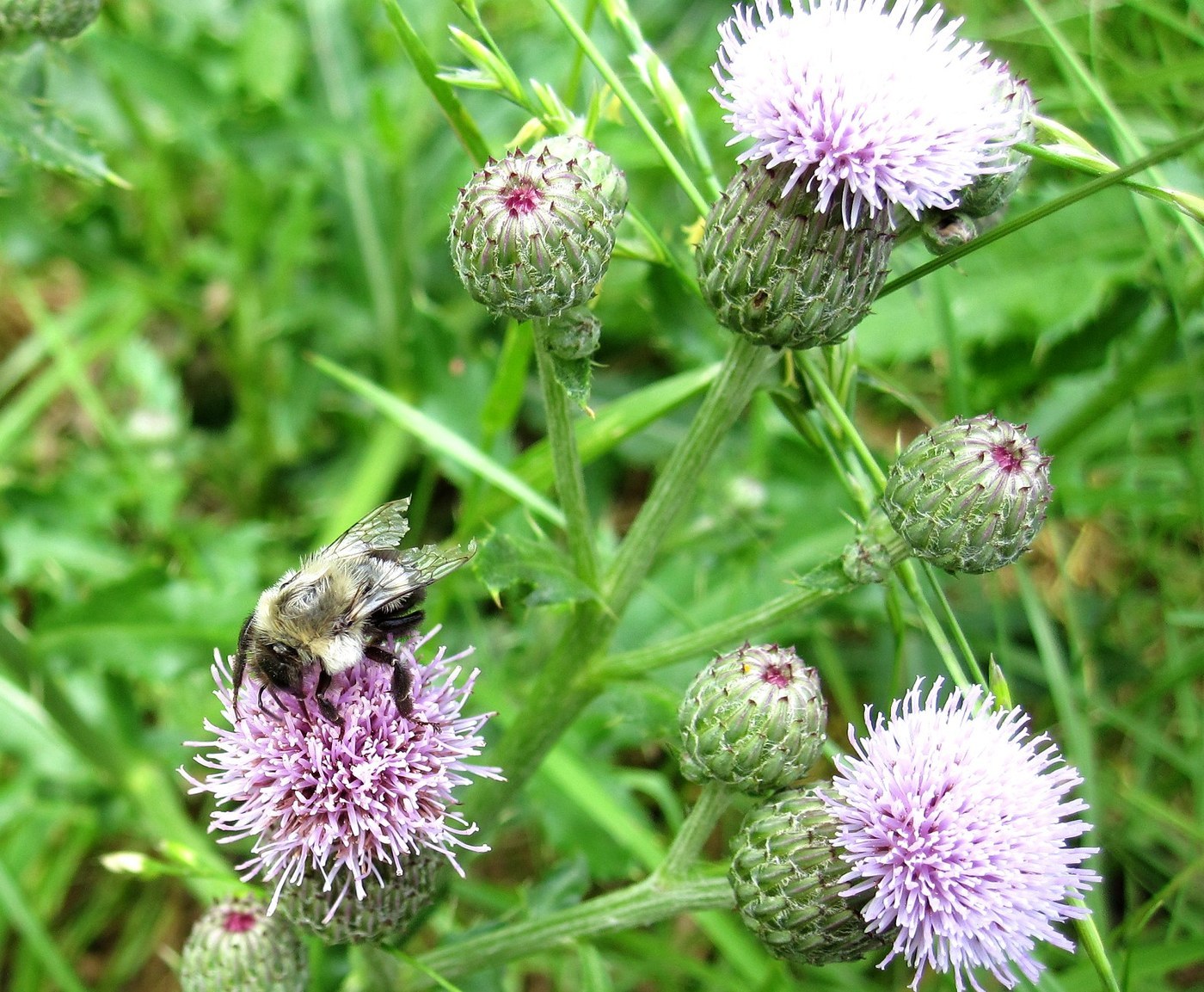
Bumblebee
A large, round, densely furry bee with bold black-and-yellow banding, known for its loud, low-pitched buzz and its ability to fly and forage in cooler temperatures than most other bees.
bee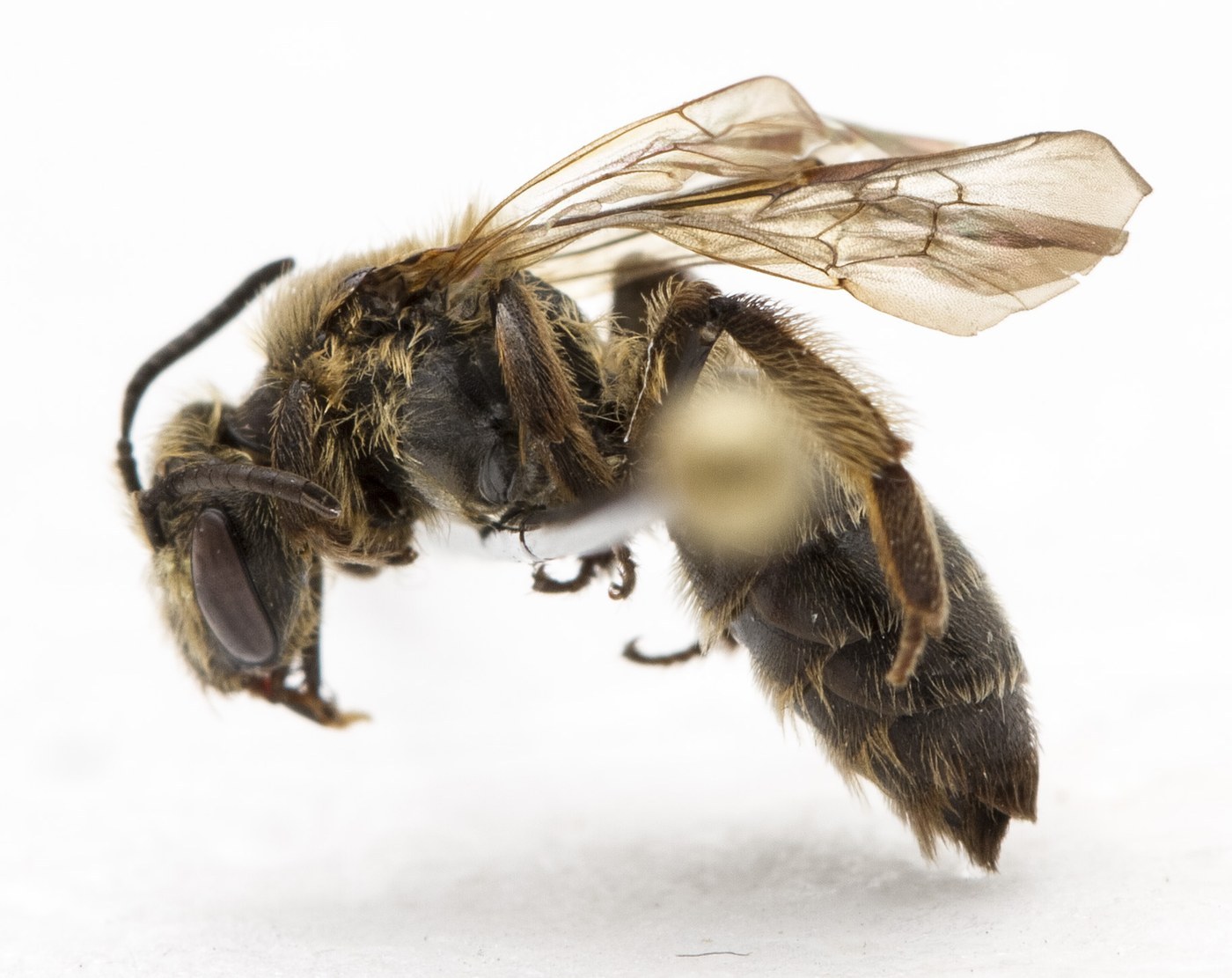
Mining Bee
A furry, solitary ground-nesting bee that emerges in early spring in loose aggregations, often mistaken for a small bumble bee, digging individual burrows marked by small volcano-shaped mounds of soil.
beeBig-Eyed Bug
A small, broad-headed true bug named for its noticeably large, bulging compound eyes, the big-eyed bug is a beneficial predator that patrols low vegetation and soil surfaces for small pest insects.
true-bug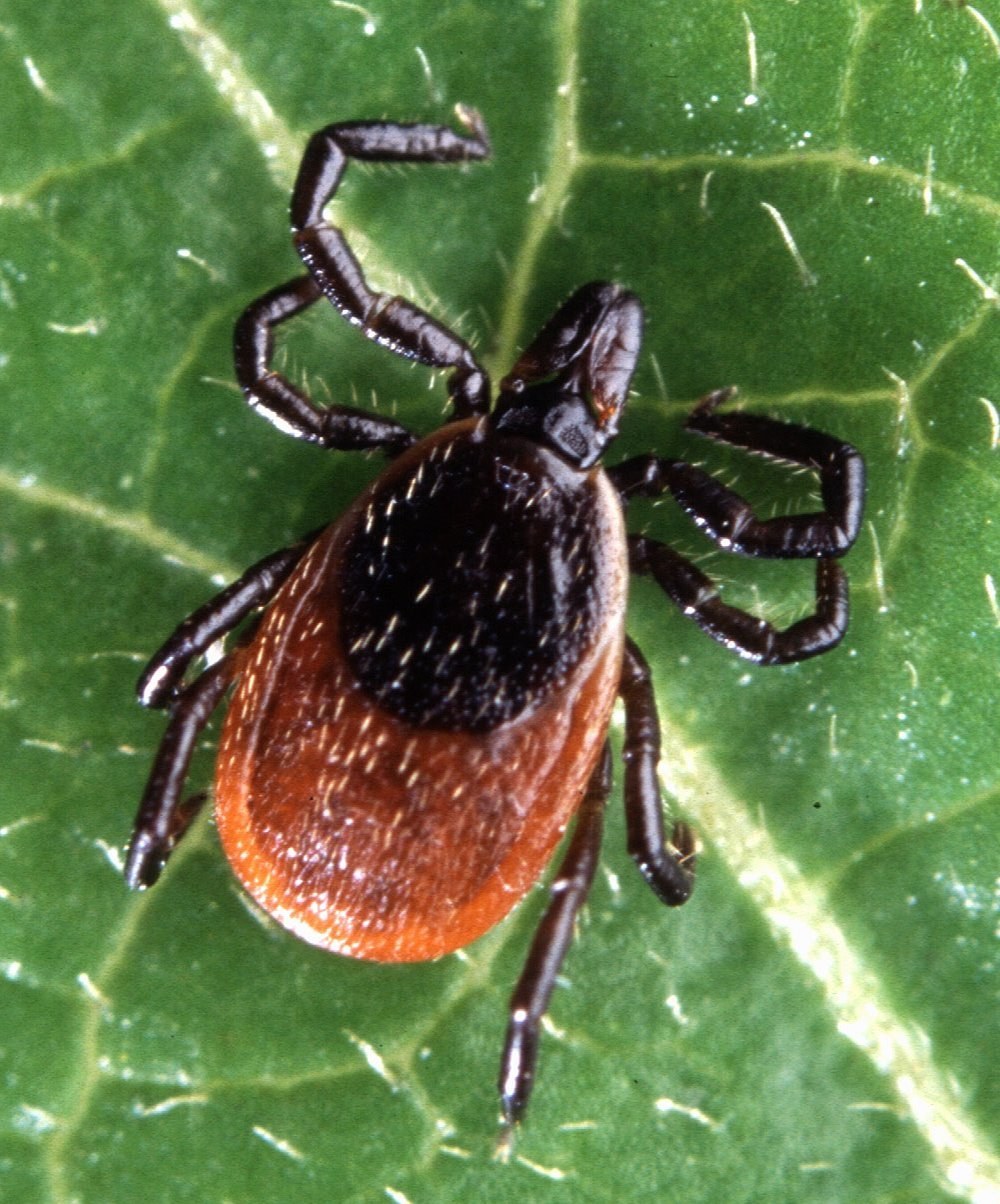
Deer Tick
A small, dark-legged tick with a reddish-brown, teardrop-shaped body, noticeably smaller than many other common tick species and often found questing in wooded or grassy edge habitats.
arachnid