
Bug Encyclopedia
Search and identify bugs & insects — beetles, butterflies, moths, ants, bees, spiders and more — with size, habitat, danger, behavior, and how to tell them apart.
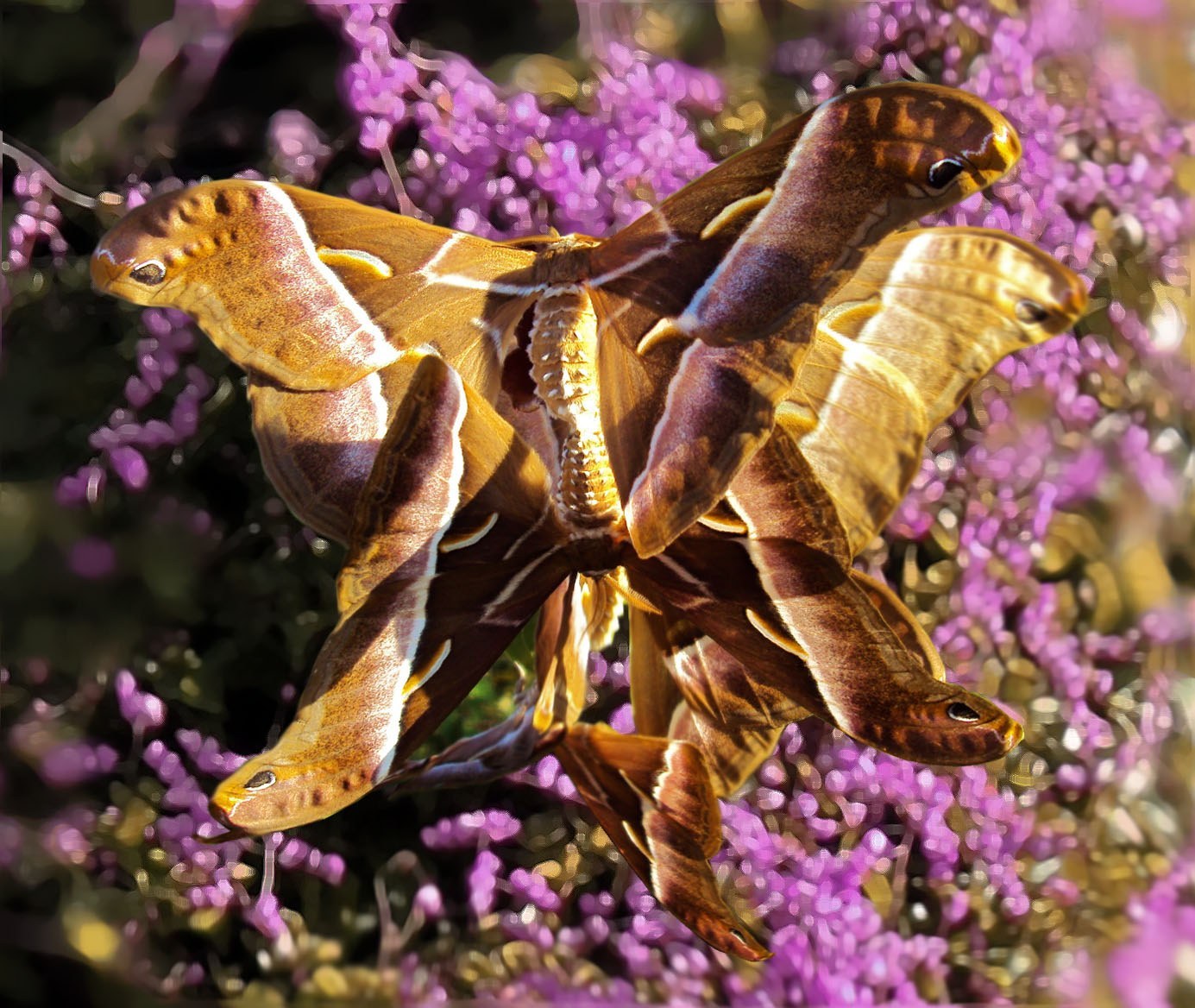
Ailanthus Silkmoth (Cynthia Moth)
A very large silkmoth with broad, tan-brown wings crossed by white, crescent-moon-shaped bands, closely associated with the fast-spreading tree-of-heaven that both feeds its larvae and carried the species around the world.
mothBiting Midge
A minuscule, gray-winged fly that gathers in dense swarms near wetlands and can slip through window screens unnoticed.
fly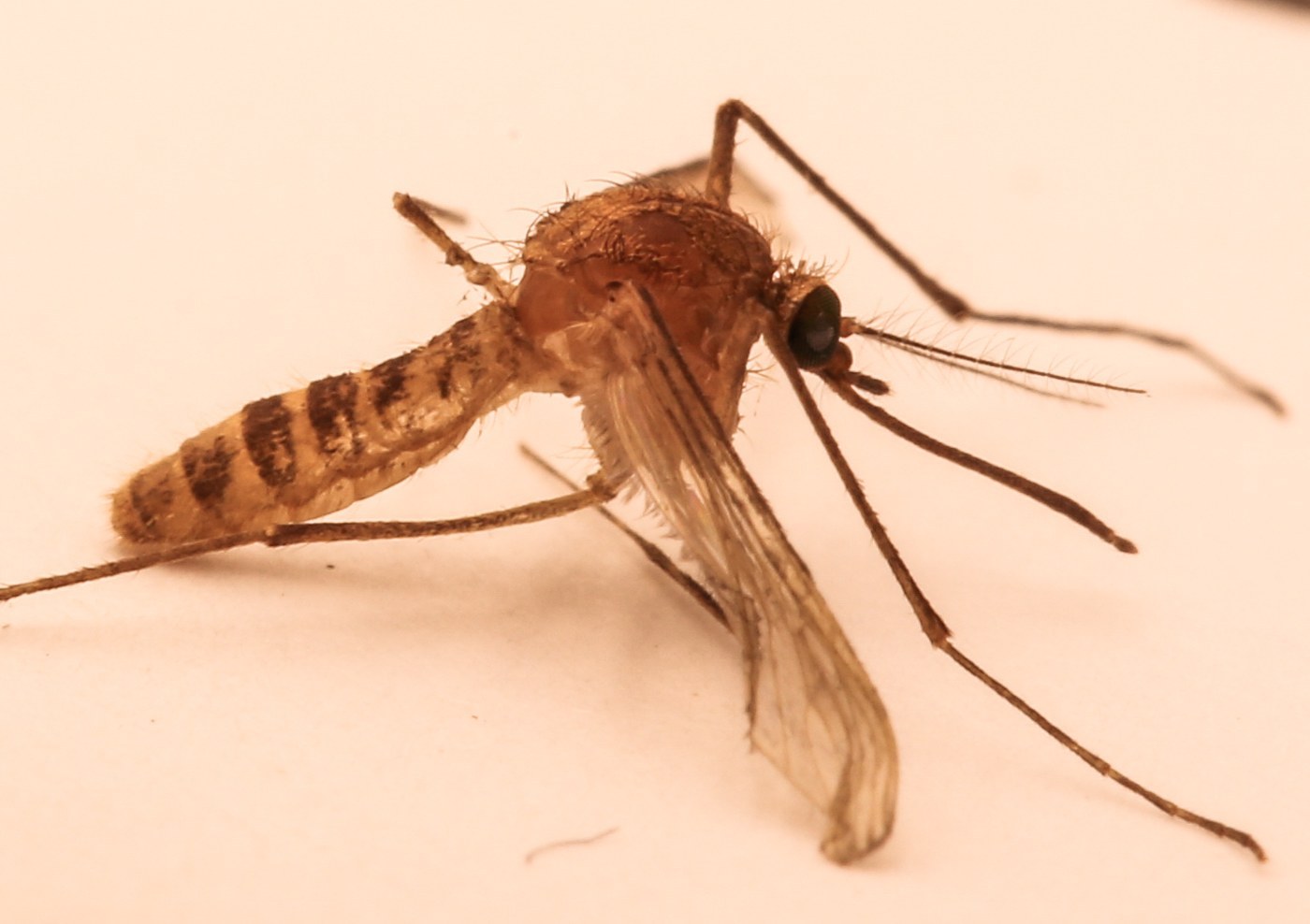
Mosquito
A slender, long-legged fly with a needle-like proboscis, narrow wings, and a distinctive high-pitched wing hum, most active around dawn, dusk, and in shaded, humid areas.
fly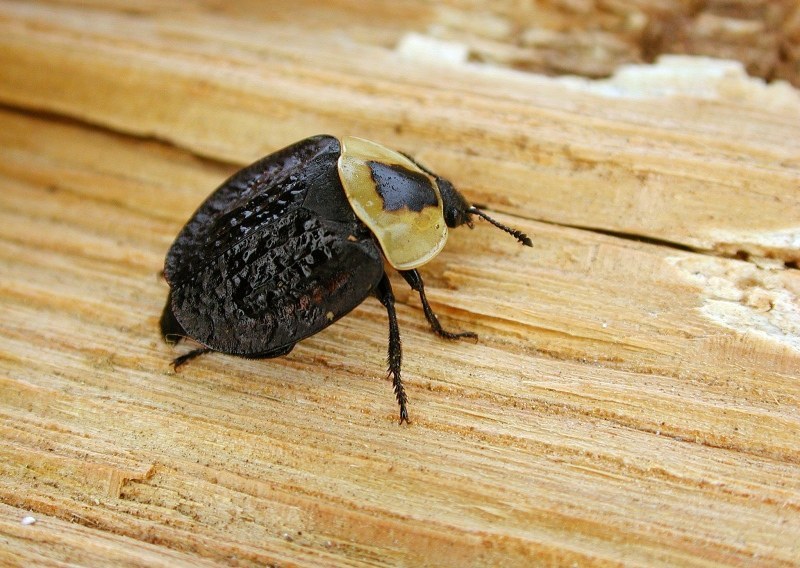
American Carrion Beetle
A broad, flattened black beetle with a striking pale yellow shield behind its head, commonly found on and around small animal carcasses where it feeds alongside fly larvae.
beetle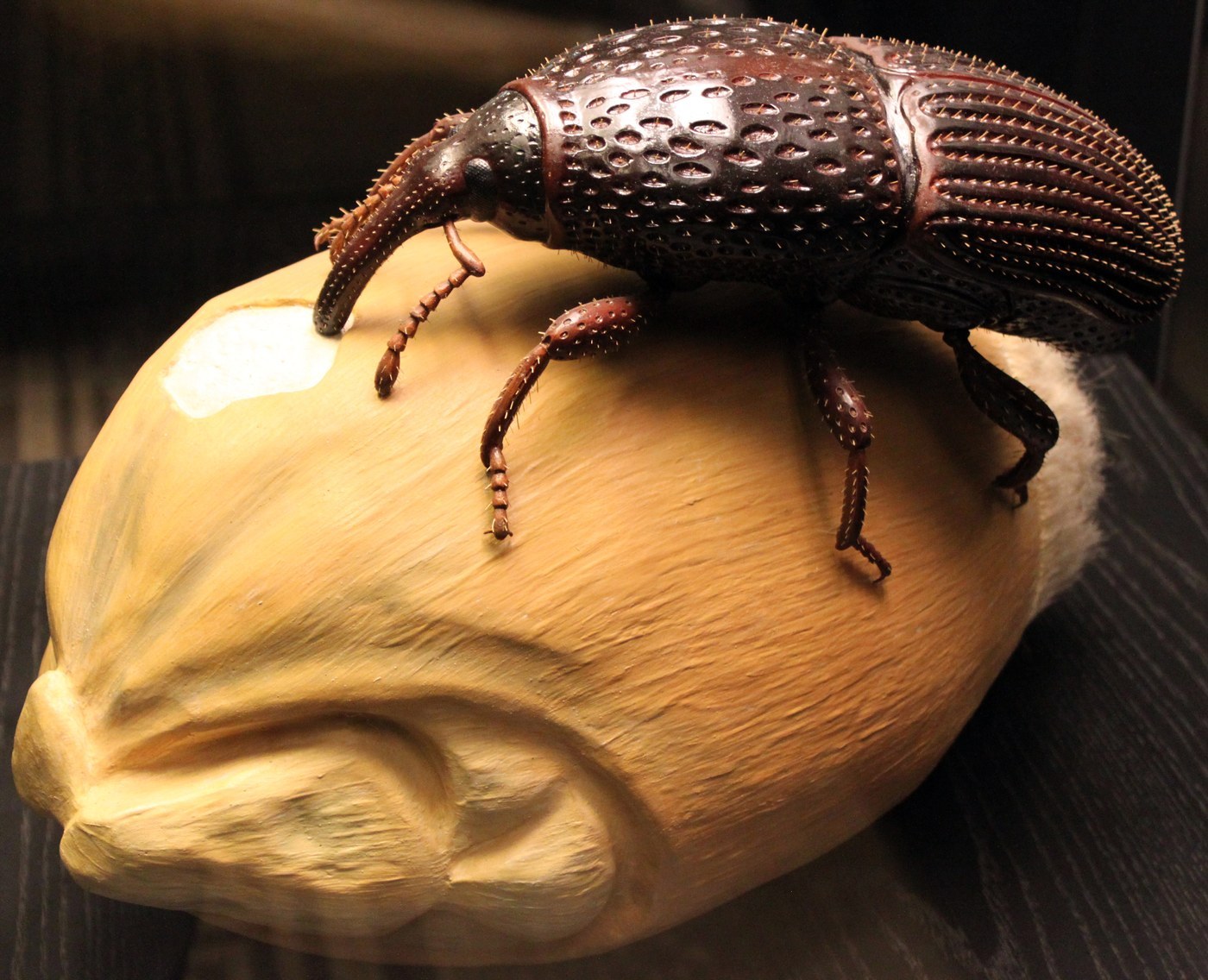
Granary Weevil
A small, shiny, dark reddish-brown to black weevil with a long curved snout that is unable to fly, spending its entire life cycle within stores of wheat and other cereal grains.
beetle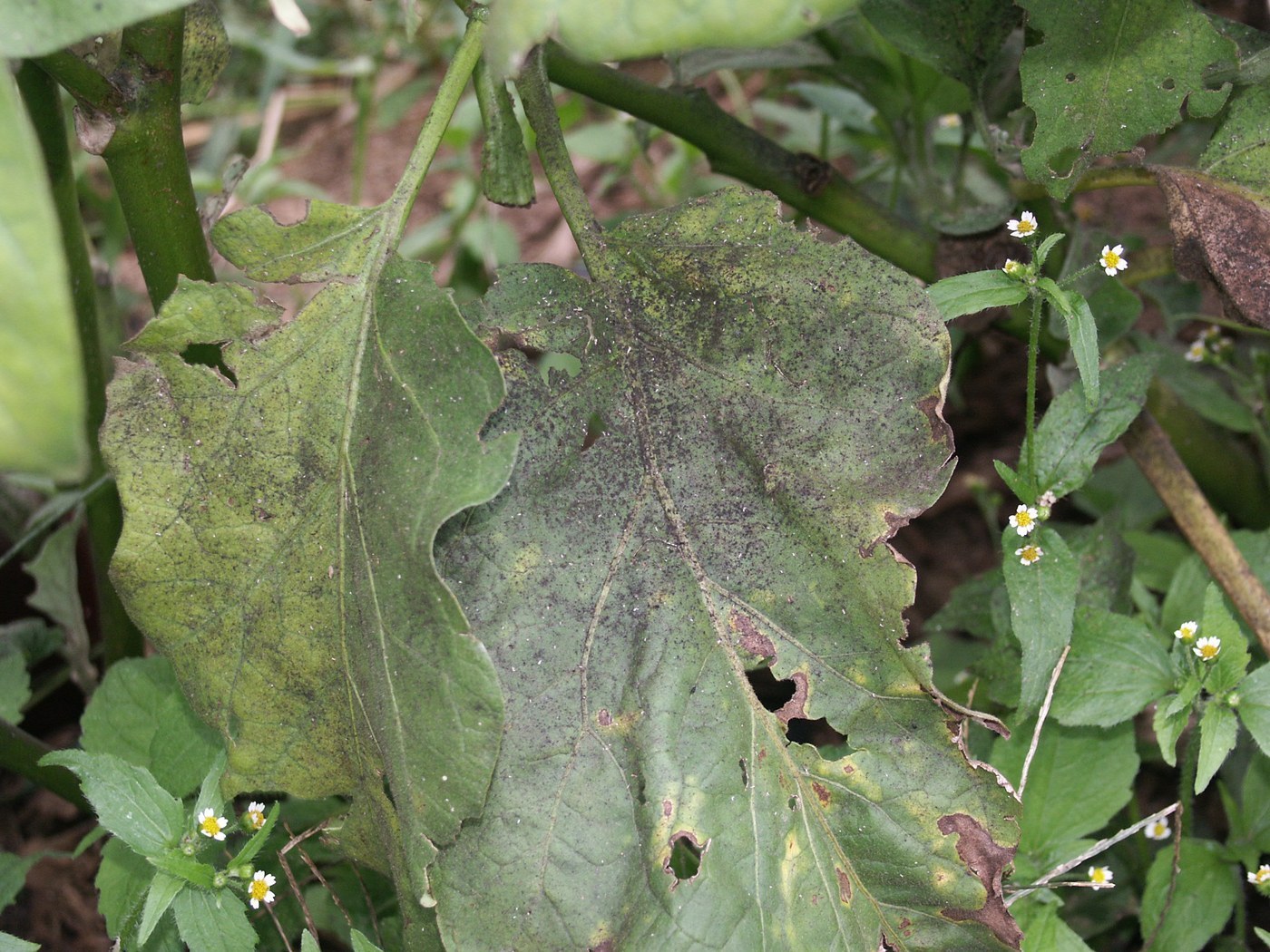
Whitefly
A tiny, moth-like white insect that clusters on the undersides of leaves and bursts into a snowy cloud when the plant is disturbed. Despite the name, it is not a true fly but a sap-feeding relative of aphids and scale insects.
true-bug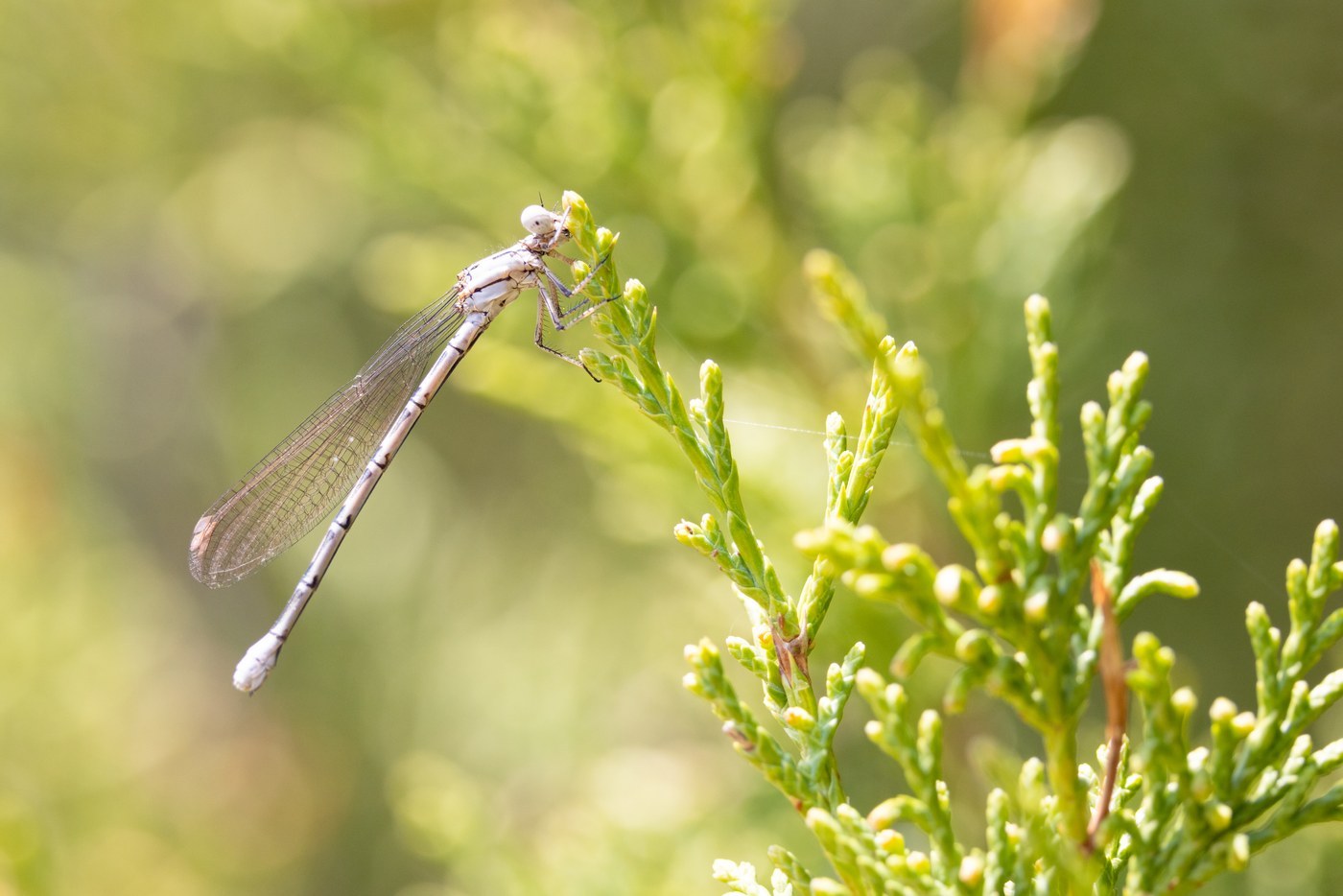
Bluet Damselfly
Small and delicate, bluet damselflies flash brilliant blue and black along the vegetated edges of ponds and lakes, forming mating pairs that fly in tandem while laying eggs directly into plant stems underwater.
dragonfly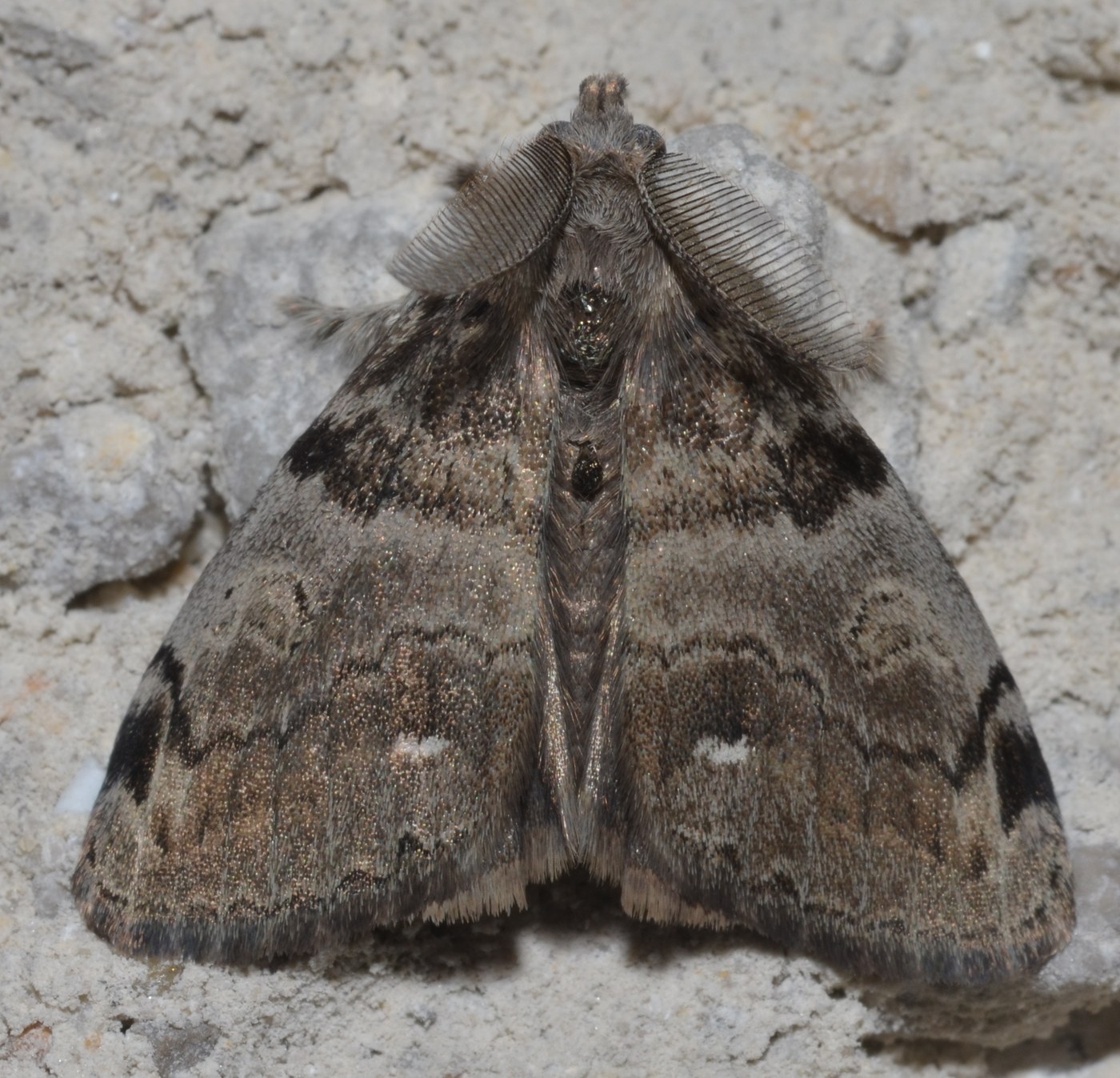
Tussock Moth
A moth with a striking split lifestyle: winged, drab gray-brown males fly to seek out flightless, grub-like females, while the ornate caterpillars sport dense tufts of colorful bristly hair.
moth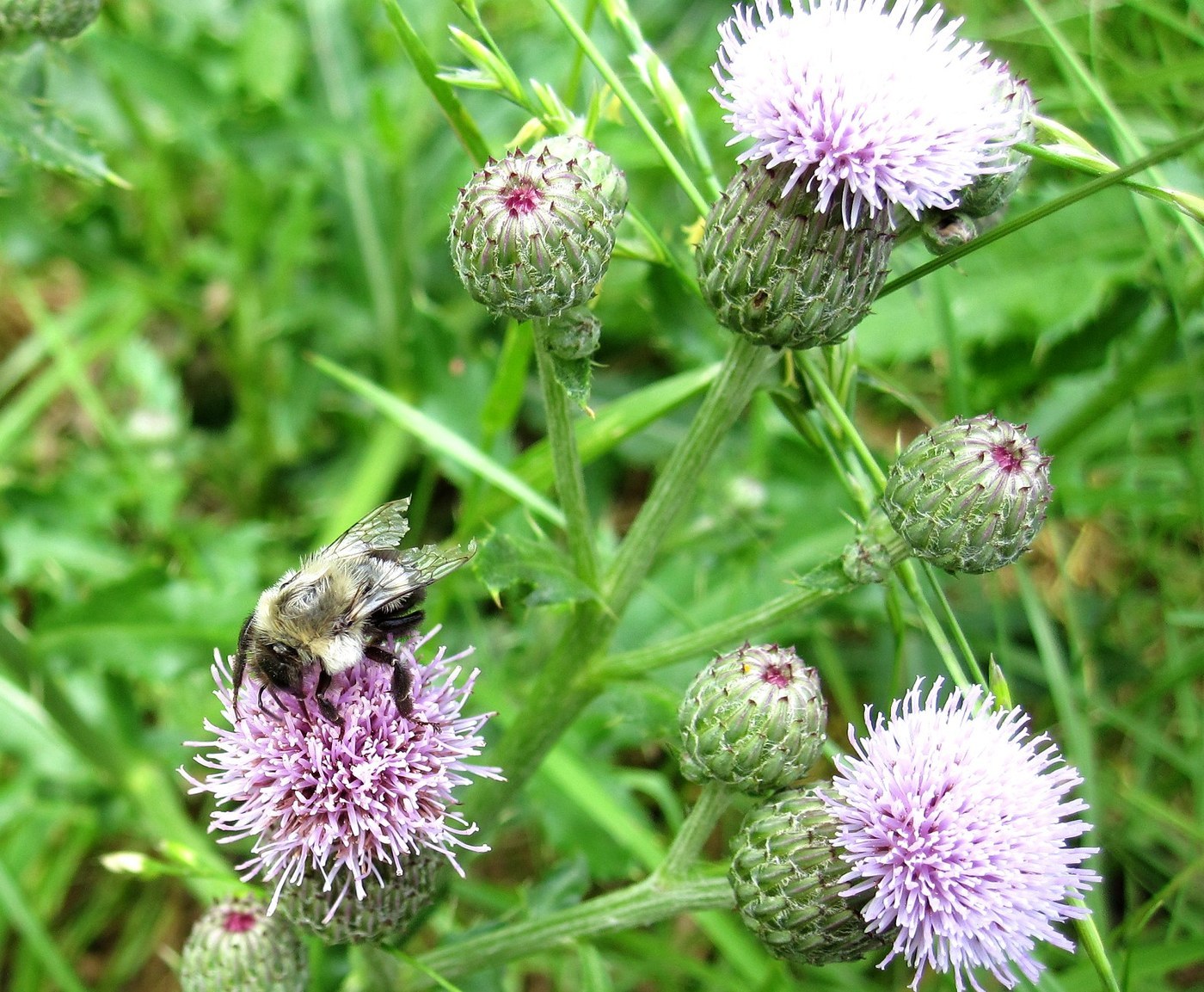
Bumblebee
A large, round, densely furry bee with bold black-and-yellow banding, known for its loud, low-pitched buzz and its ability to fly and forage in cooler temperatures than most other bees.
bee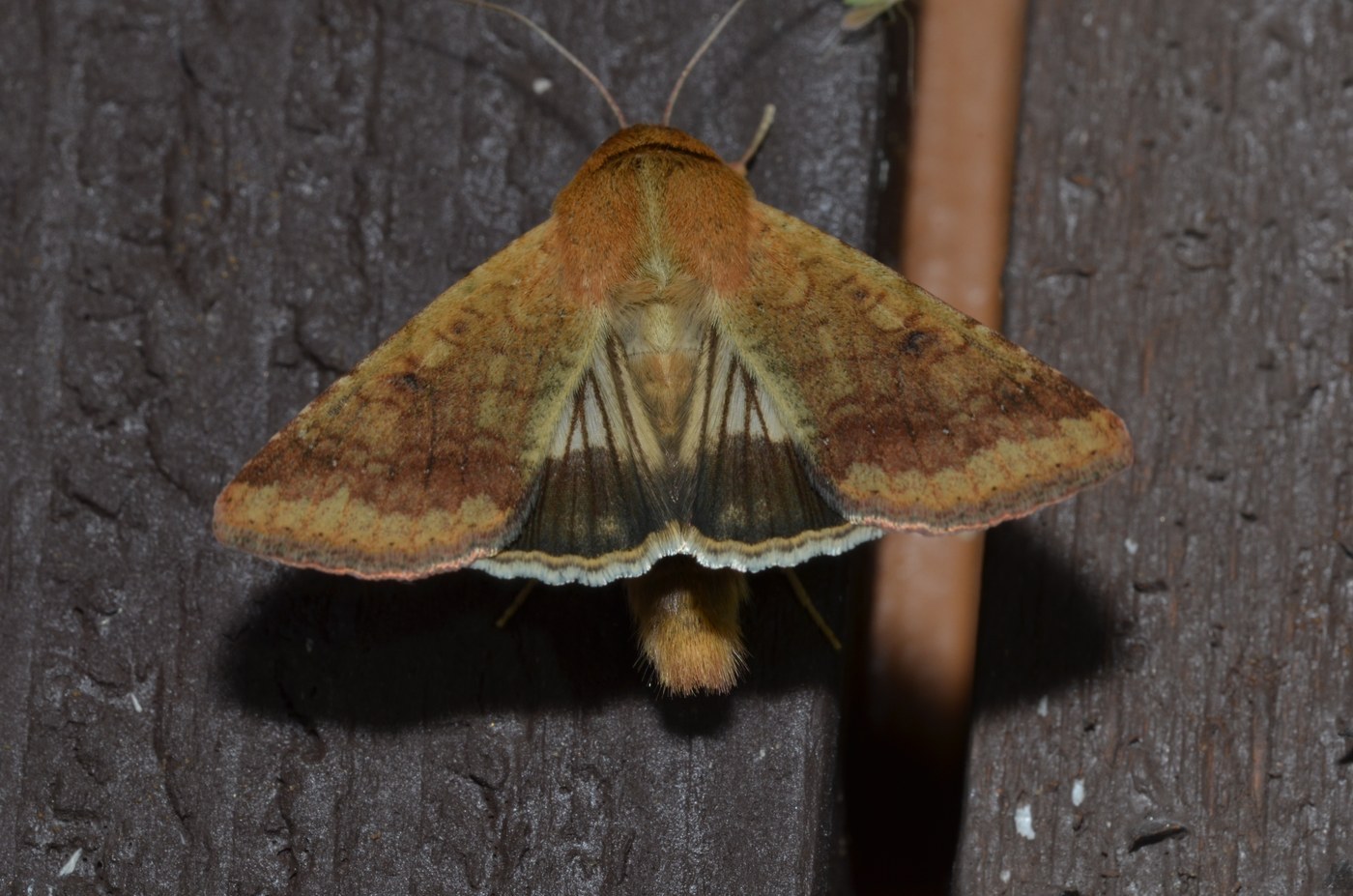
Corn Earworm Moth
A tan to olive-colored moth whose caterpillar, the corn earworm, is one of the most economically significant crop pests in North America, feeding inside corn ears, tomatoes, and cotton bolls.
moth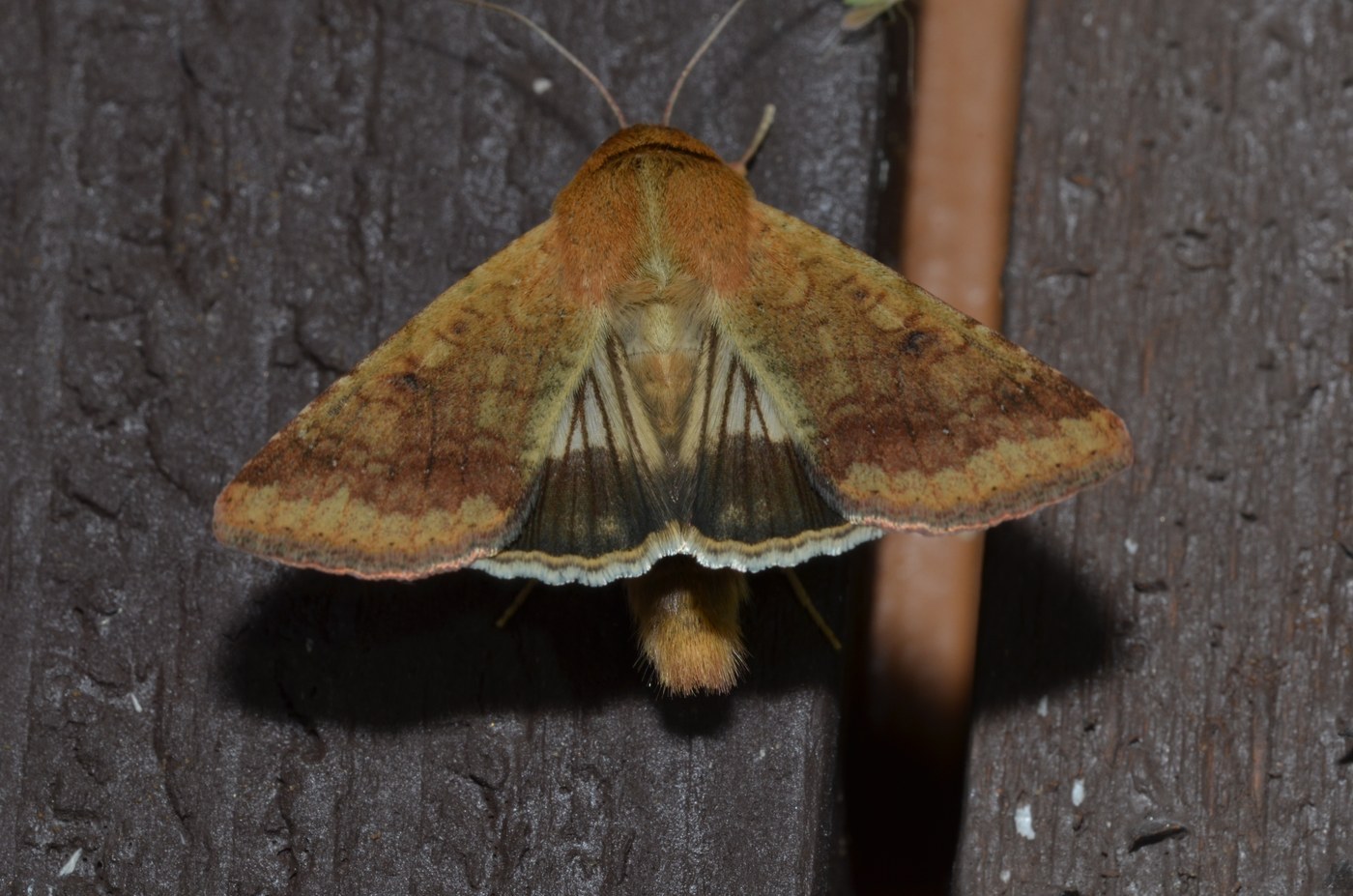
Corn Earworm
A color-variable caterpillar, ranging from pale green to reddish-brown, that burrows headfirst into corn ears and is one of the most economically significant crop pests in North America.
caterpillar-larva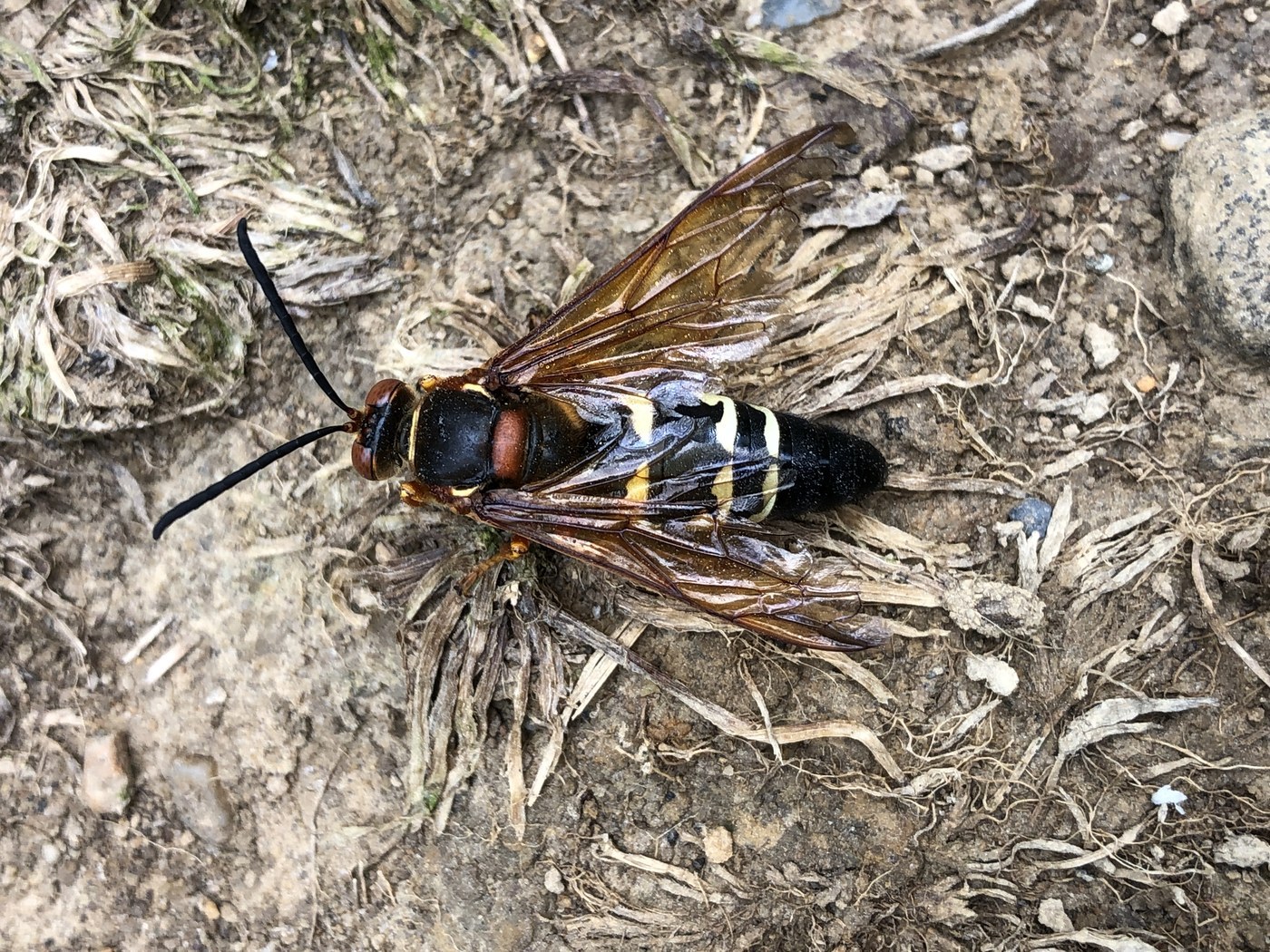
Cicada Killer Wasp
One of the largest wasps in North America, a robust rust-and-black or yellow-marked digger wasp that excavates burrows in bare soil and specializes in hunting cicadas to provision its underground nest.
wasp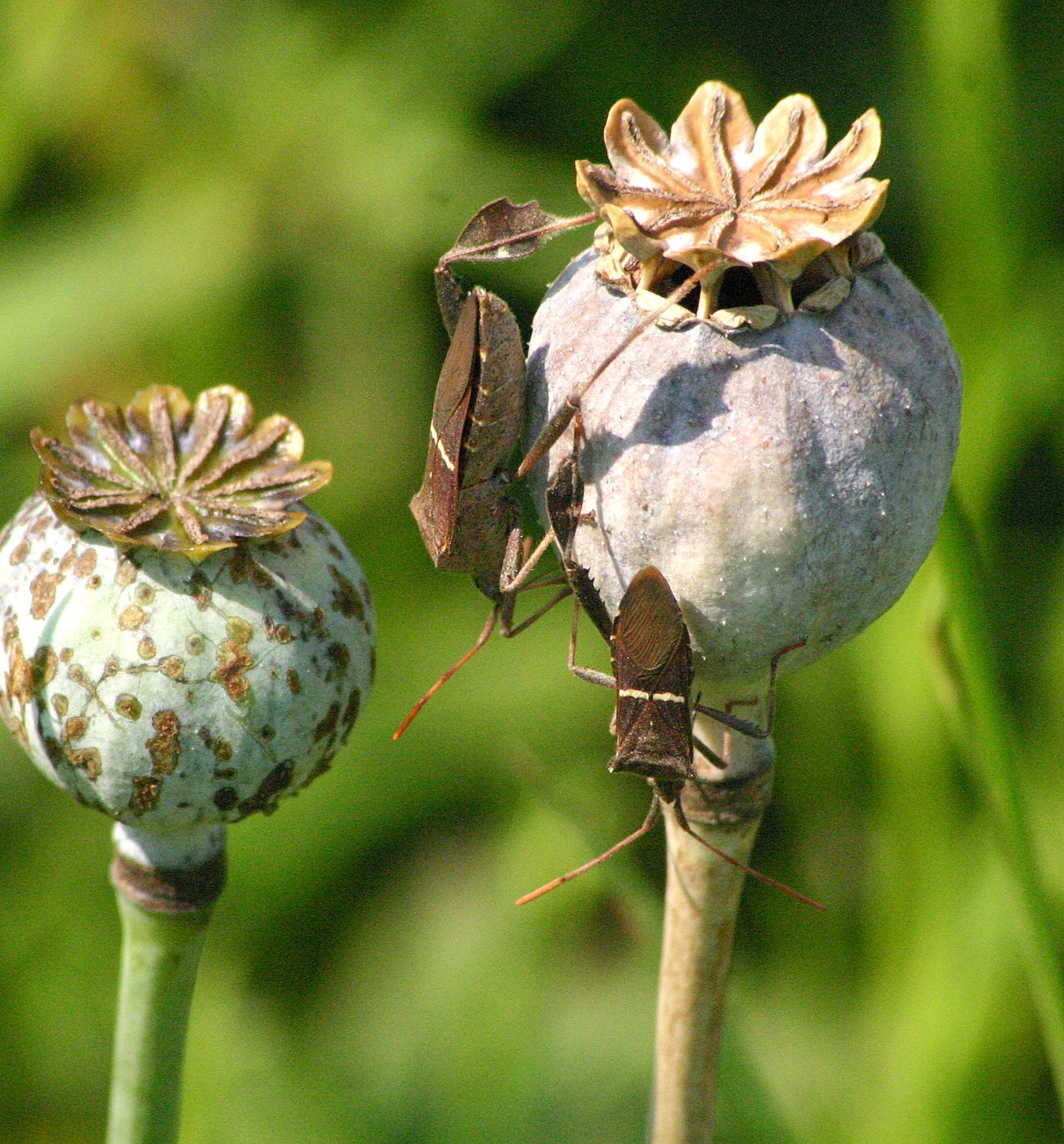
Leaf-Footed Bug
A large, elongated brown true bug named for the flattened, leaf-shaped expansions on its hind legs, often found feeding on fruits, seeds, and vegetables in gardens and orchards.
true-bugTermite Swarmer
A dense, short-lived cloud of dark, equal-winged insects pouring from a crack in soil or wood, each one a would-be founder of a brand-new termite colony.
otherMosquito Larva
A wriggling, comma-shaped aquatic larva that hangs from the water's surface to breathe before transforming into a flying adult mosquito.
aquatic-insect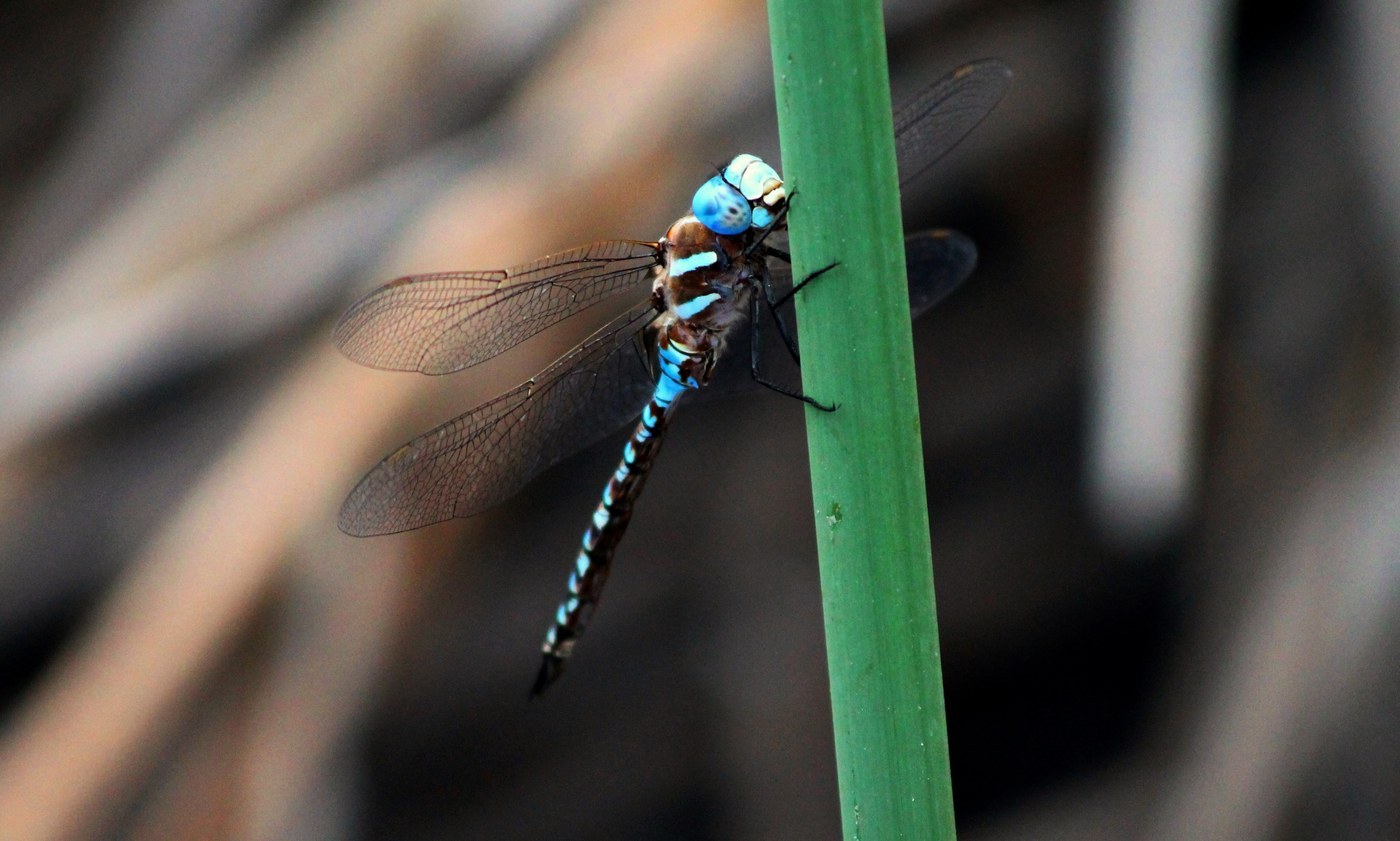
Blue-eyed Darner
A large, fast-flying darner with brilliant sky-blue eyes that meet in a seam across the top of the head, patrolling ponds and open fields well into the evening.
dragonfly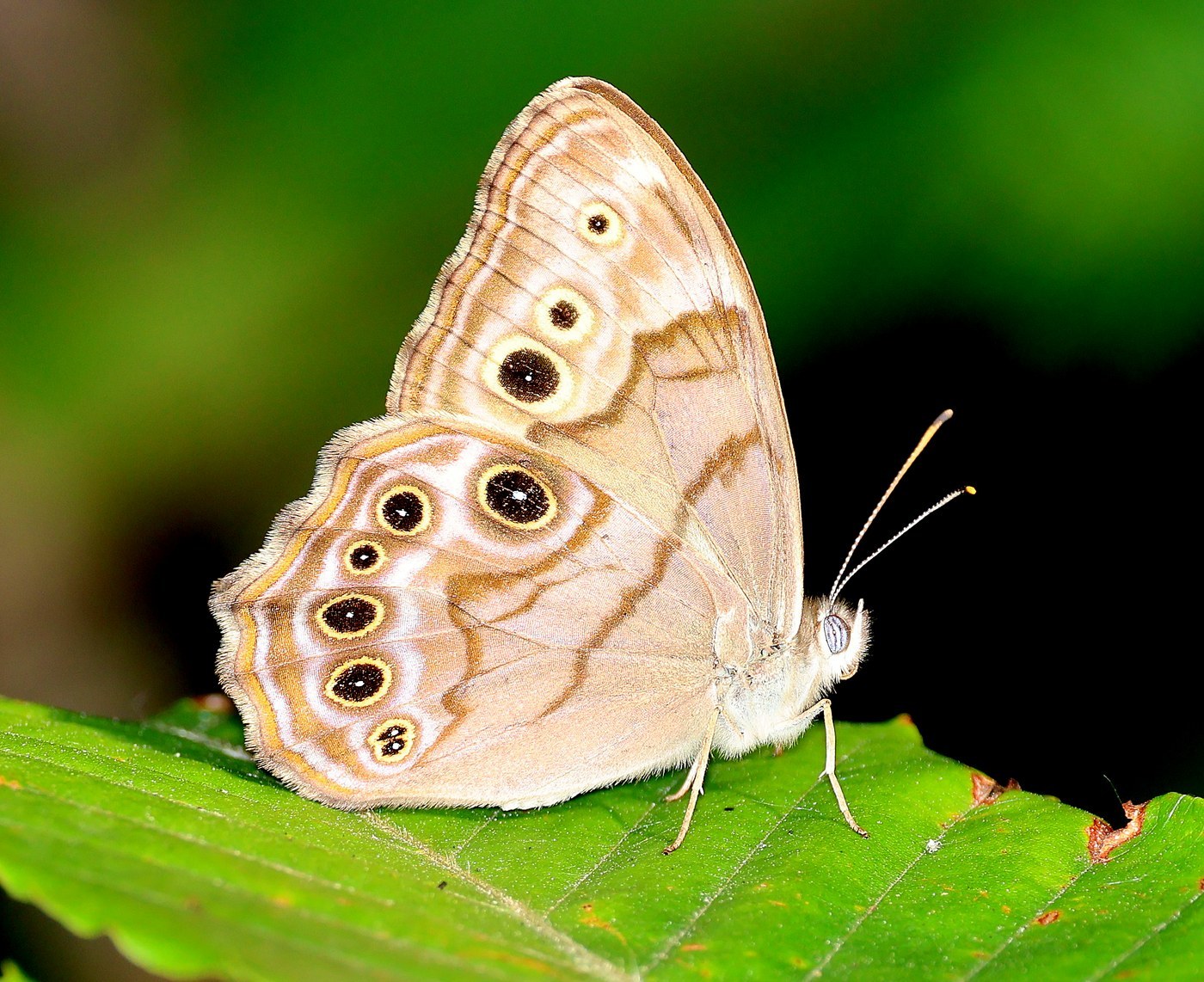
Northern Pearly-eye
A shade-loving brown woodland butterfly with rows of dark, pale-ringed eyespots, more often seen resting on tree trunks in forest gaps than flying in open sun.
butterflyLubber Grasshopper
Heavy-bodied and slow-moving, lubber grasshoppers make up for their poor flying ability with large size, bold coloring, and a lumbering, ground-bound lifestyle.
grasshopper-cricketGypsy Cutworm Moth
A plain, mottled grey-brown night-flying moth whose stout, soil-dwelling larvae are known as cutworms for their habit of severing young plant stems near ground level.
moth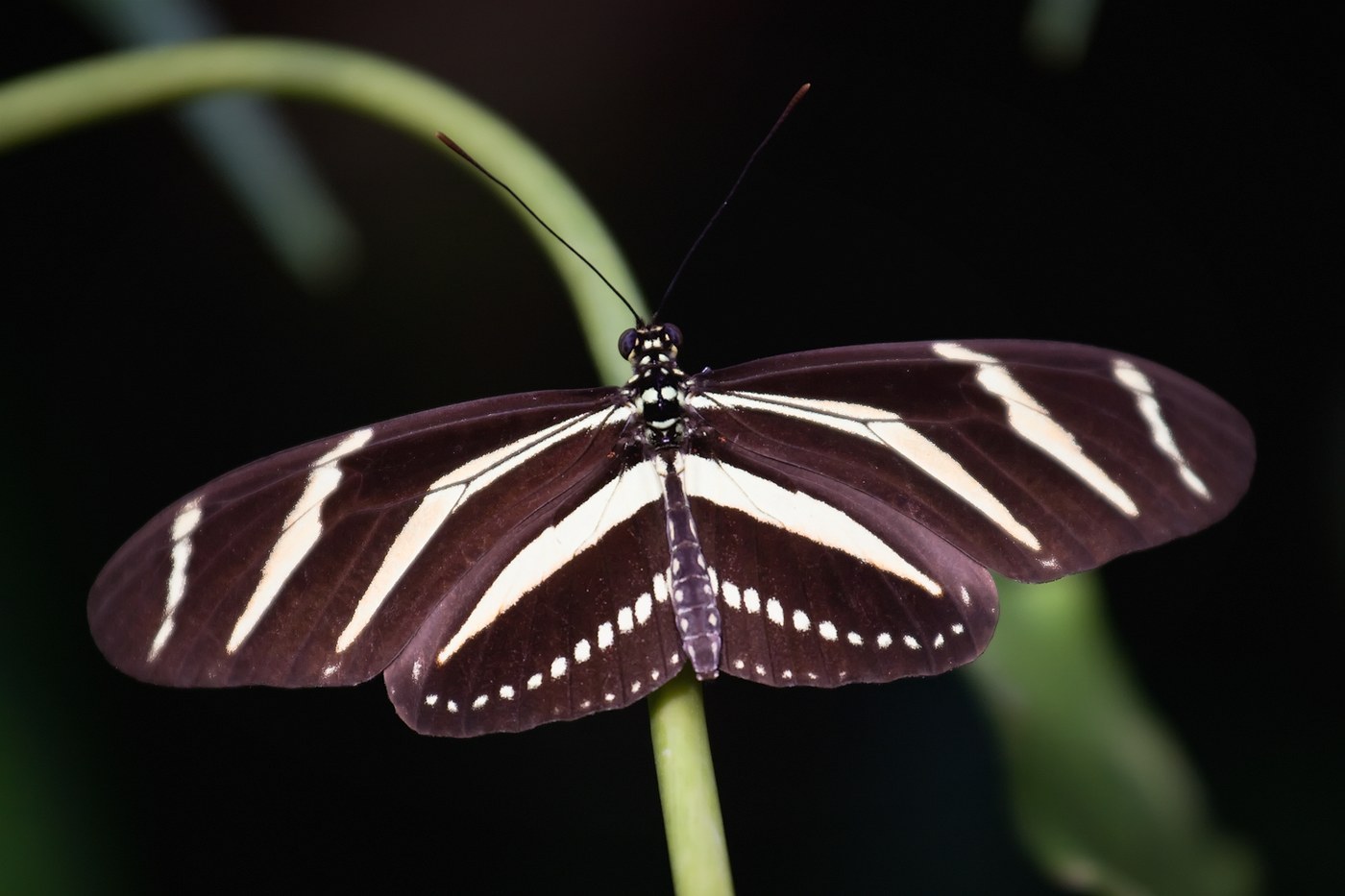
Zebra Longwing
A slow-flying, long-winged black butterfly striped boldly with yellow, unusual among butterflies for feeding on pollen as an adult, which extends its lifespan to several months.
butterfly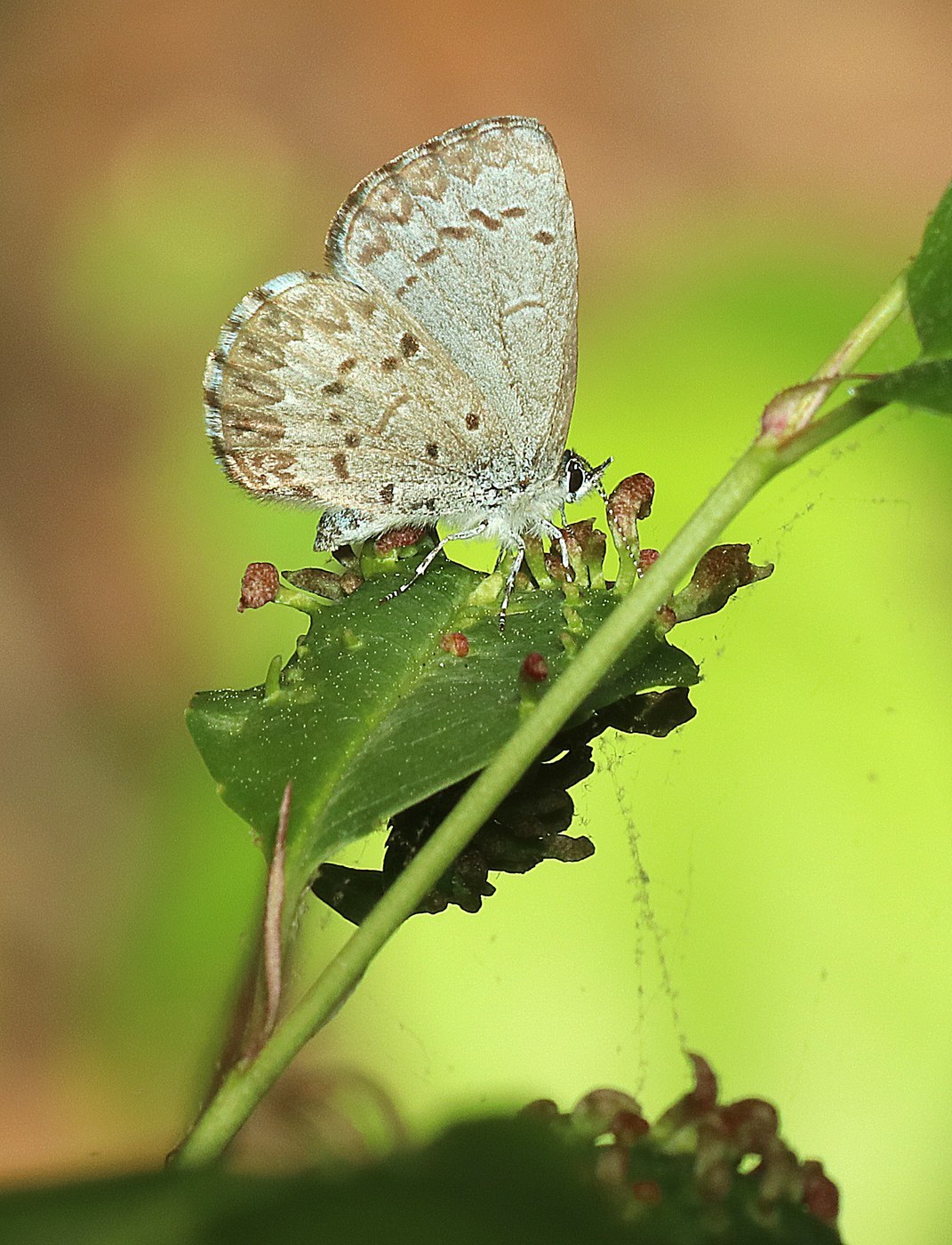
Spring Azure
One of the earliest-flying small blue butterflies of spring, with soft pale-blue upperwings, a whitish gray underside dotted with faint dark markings, and no tails on the hindwing.
butterfly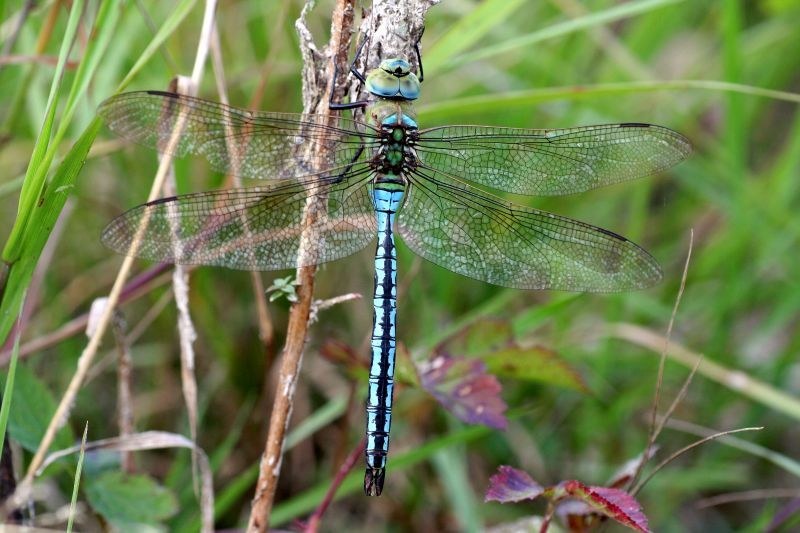
Emperor Dragonfly
One of Europe's largest and most powerful dragonflies, a fast, high-flying hunter with a bright sky-blue abdomen in males and a commanding, tireless patrol over open water.
dragonfly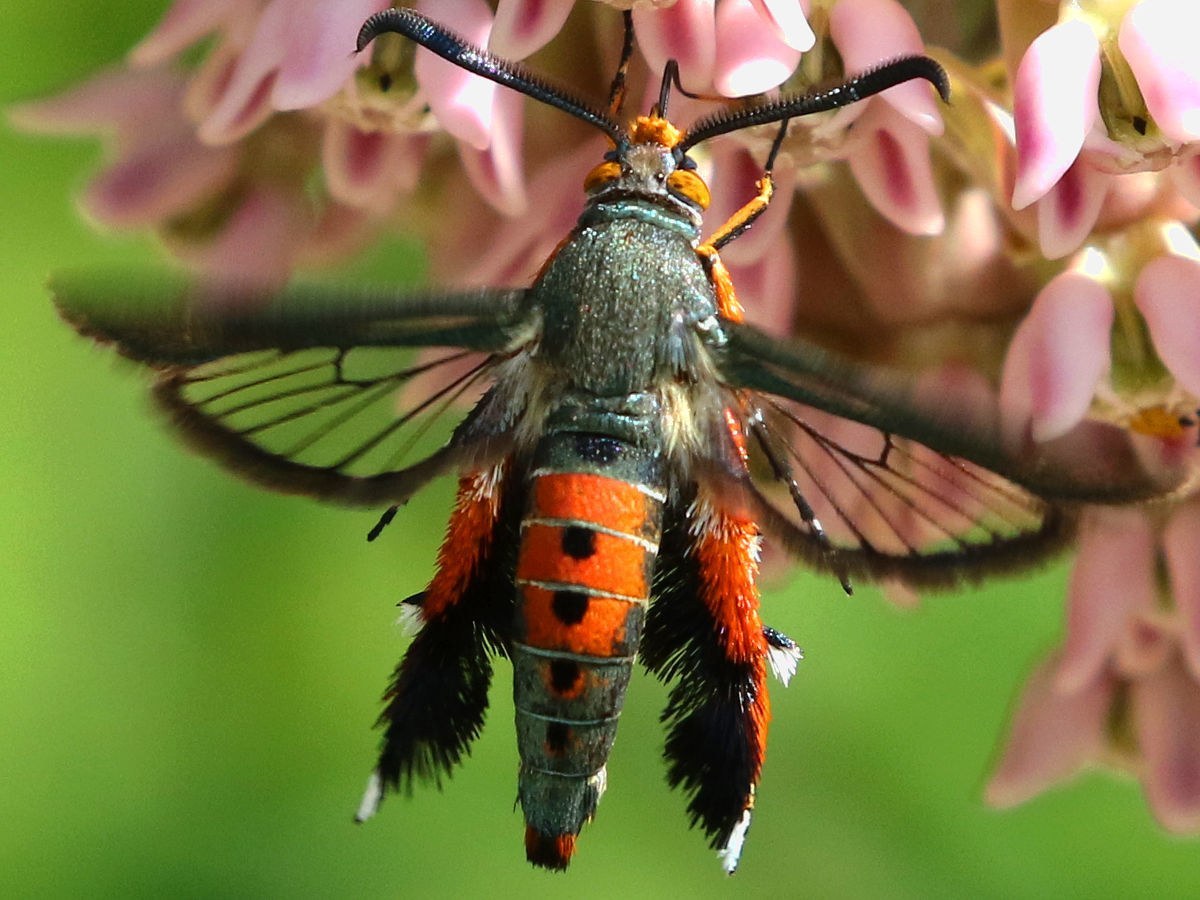
Squash Vine Borer
A day-flying, wasp-mimicking moth whose orange fuzzy hind legs and metallic wings make it easy to mistake for a wasp as it darts around squash vines.
mothFirefly
A soft-bodied, dusk-flying beetle famous for the bioluminescent flashes it produces from its abdomen to attract mates on warm summer evenings.
beetle