
Bug Encyclopedia
Search and identify bugs & insects — beetles, butterflies, moths, ants, bees, spiders and more — with size, habitat, danger, behavior, and how to tell them apart.
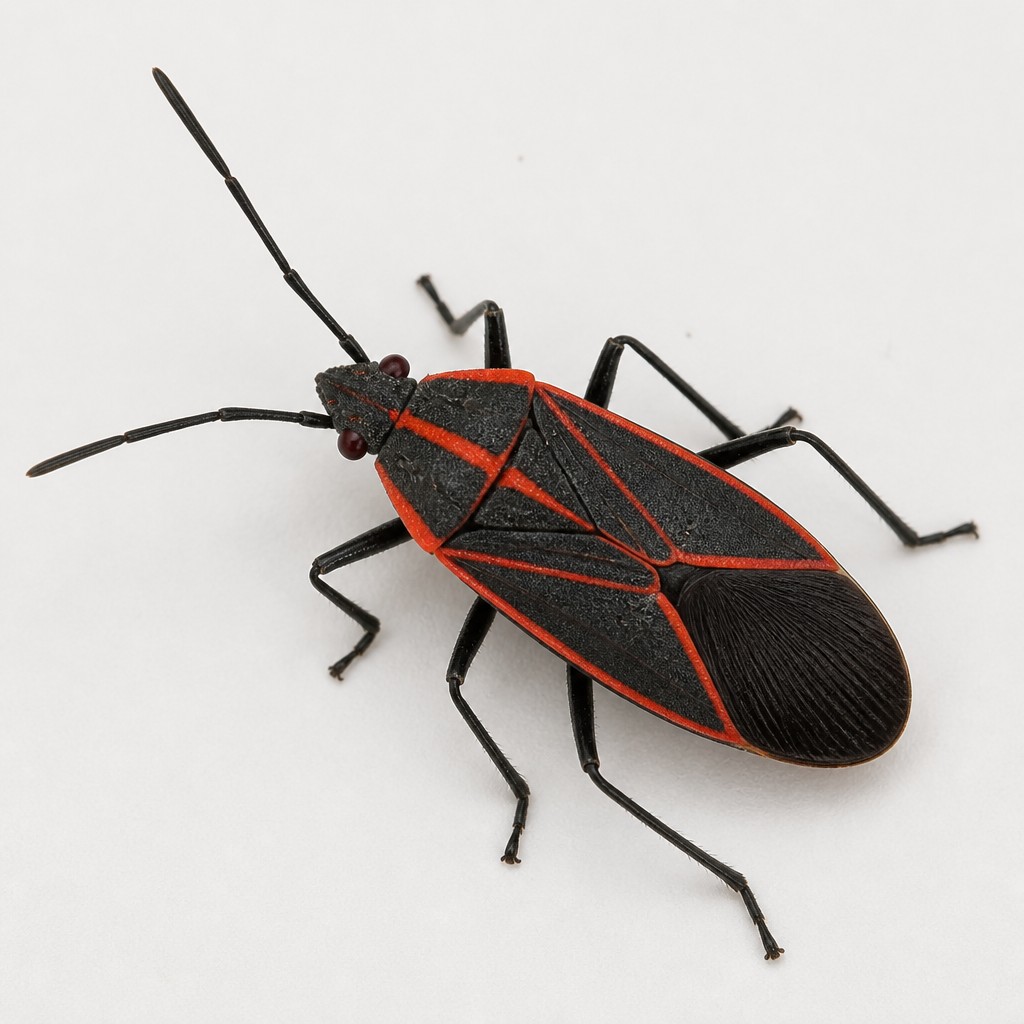
Boxelder Bug
A slender black true bug marked with three bold red-orange stripes on its thorax and red wing veins, famous for massing by the hundreds on tree trunks and sun-warmed walls in autumn.
true-bug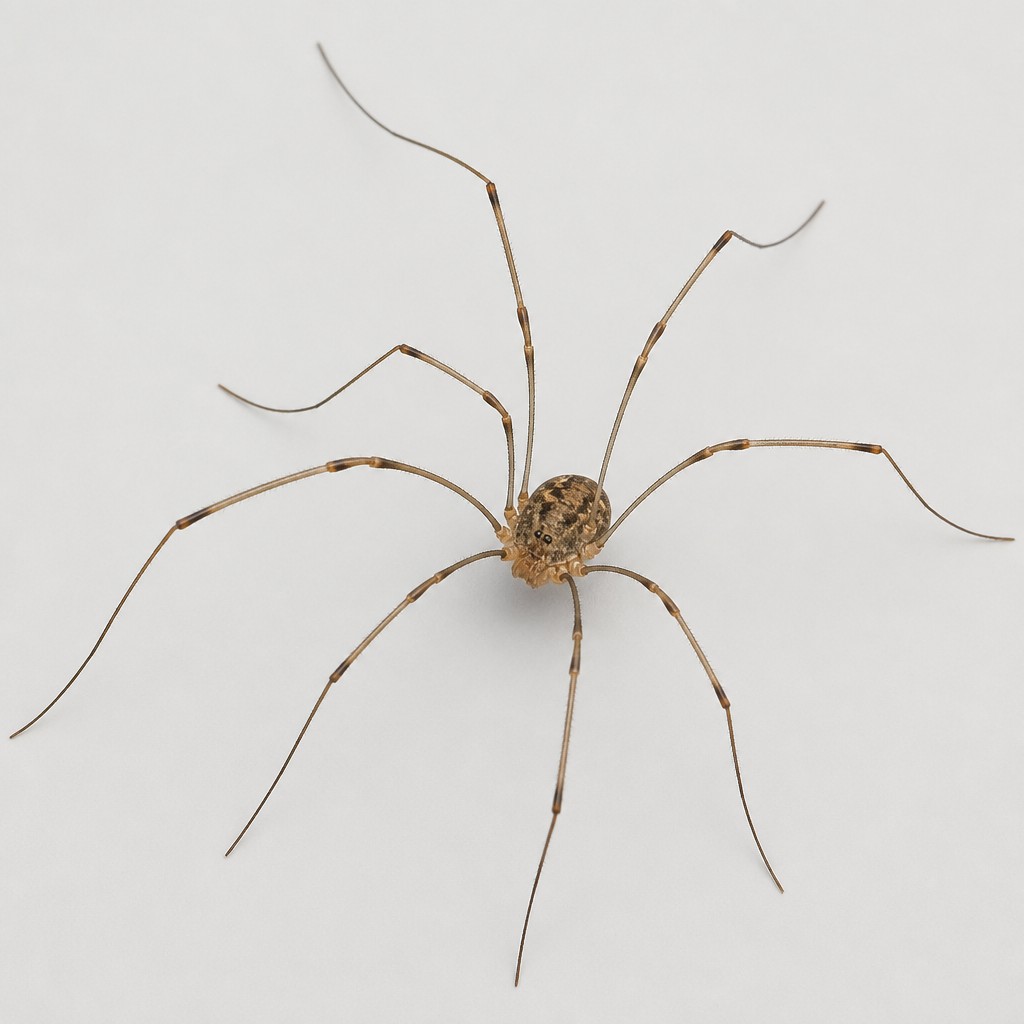
Harvestman
An arachnid built almost entirely of legs, with a single compact, oval body segment and no waist separating it into two parts like a true spider. Common in gardens and forests worldwide, it scuttles along on impossibly long, thin legs scavenging for food after dark.
arachnid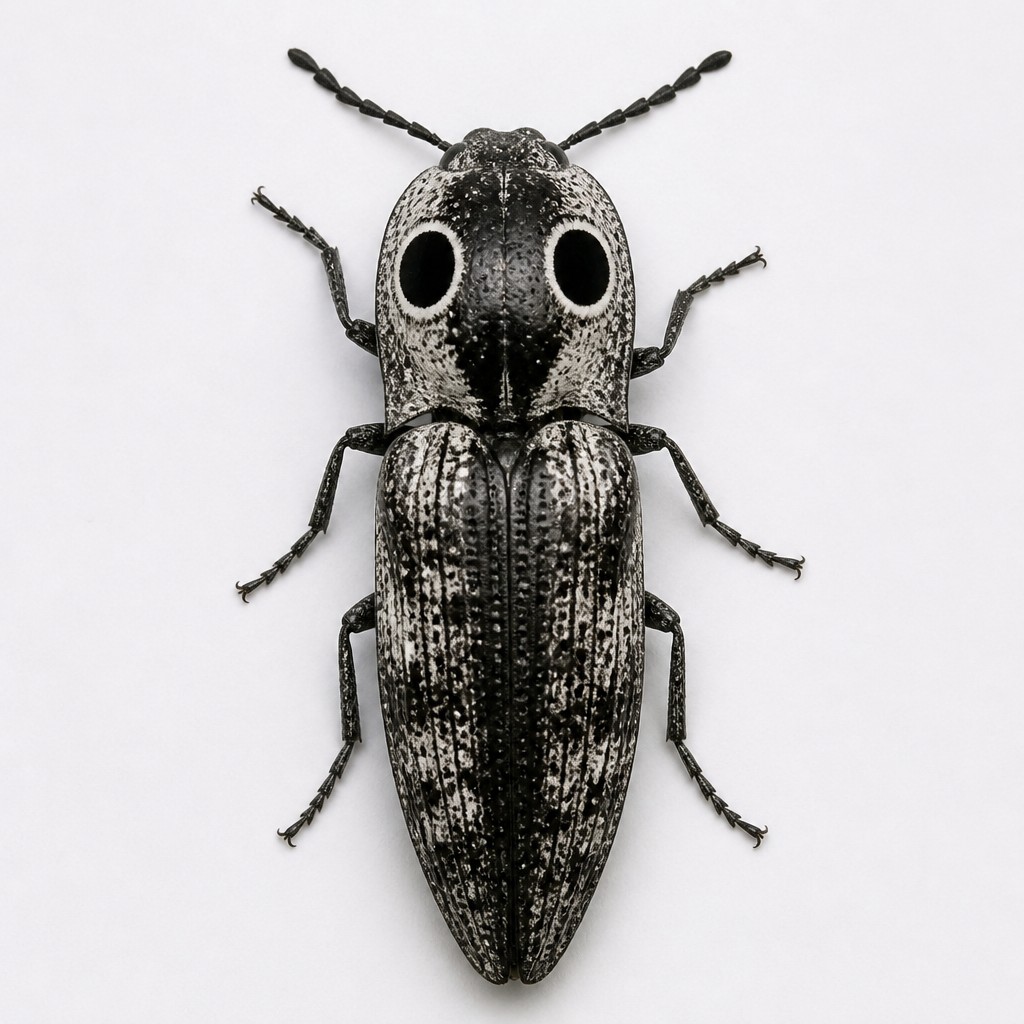
Eyed Click Beetle
A large, mottled black-and-white beetle marked with two prominent false eyespots on its thorax, well known for its ability to snap its body into the air with an audible click when flipped onto its back.
beetle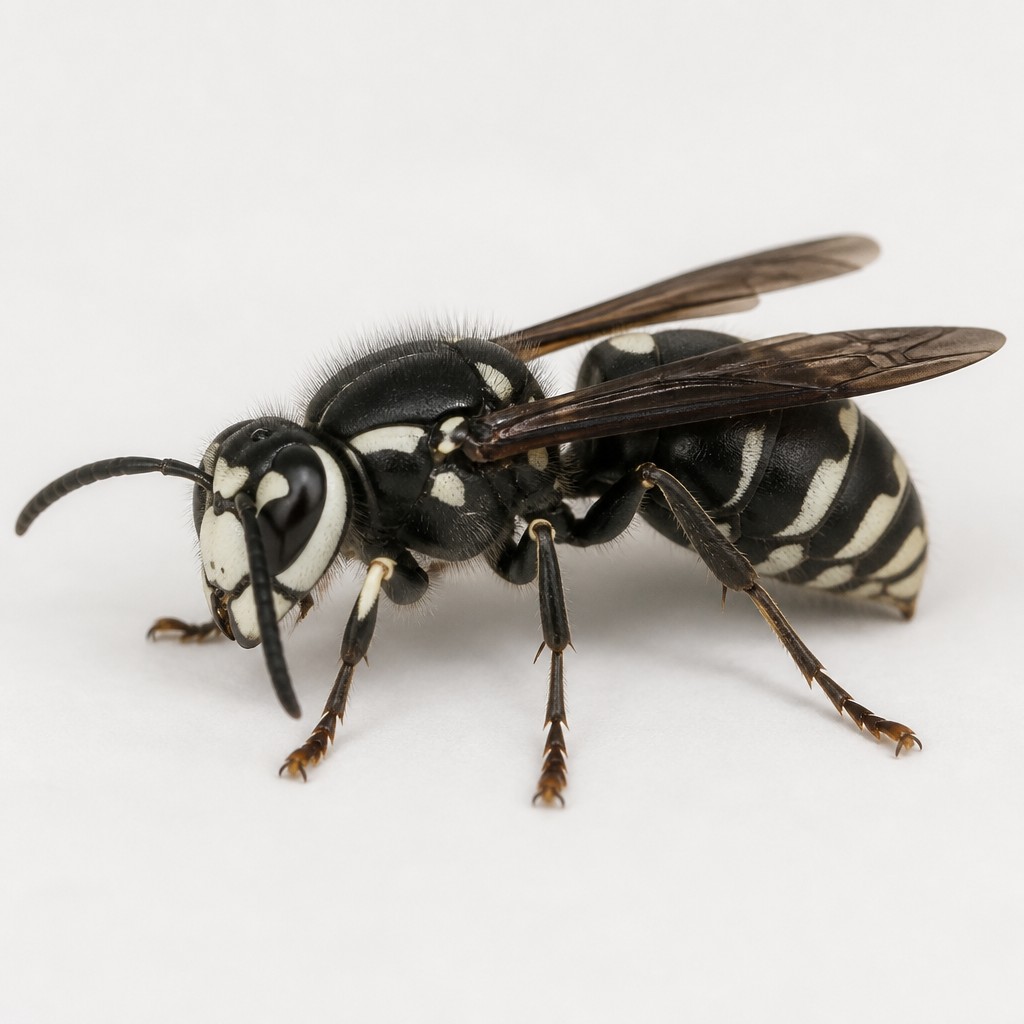
Bald-faced Hornet
A black-and-white social wasp, actually a type of yellowjacket rather than a true hornet, best known for building large, football-shaped gray paper nests suspended from tree branches or eaves.
wasp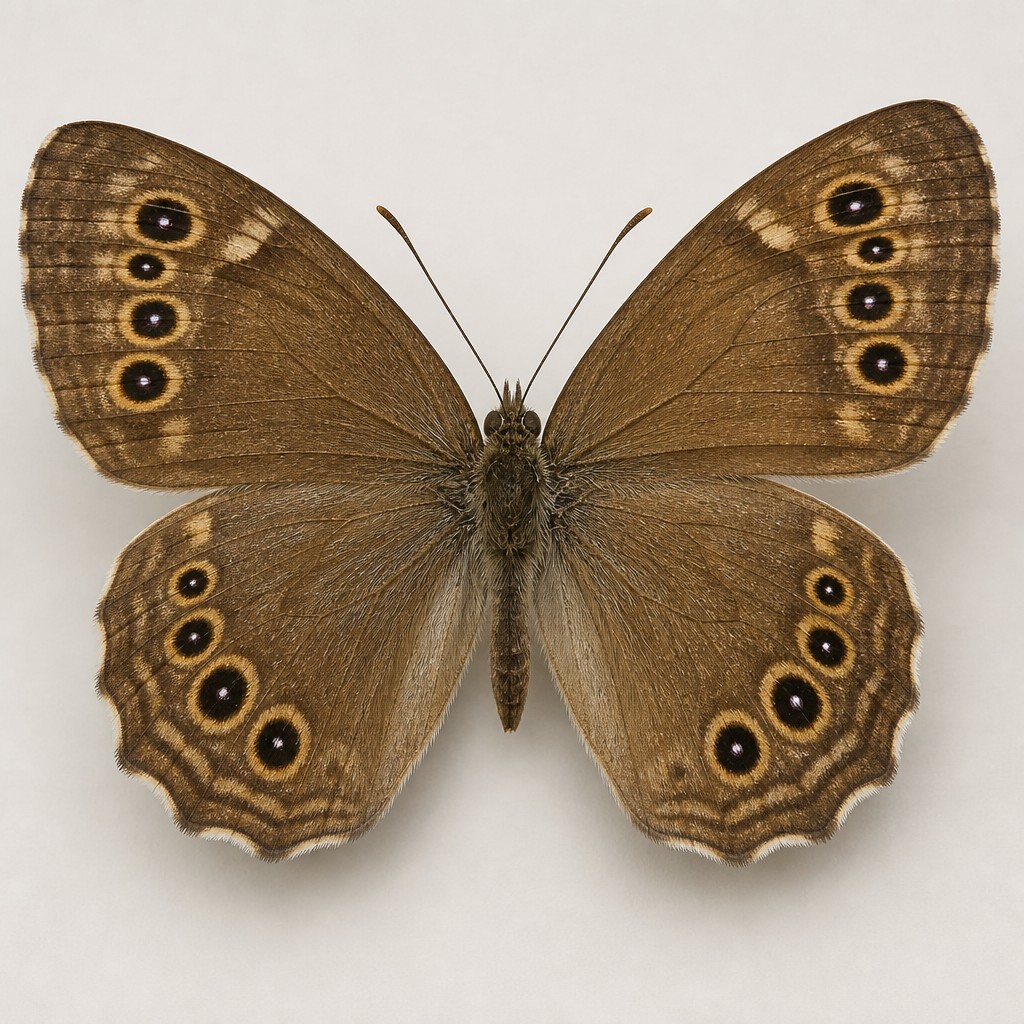
Northern Pearly-eye
A shade-loving brown woodland butterfly with rows of dark, pale-ringed eyespots, more often seen resting on tree trunks in forest gaps than flying in open sun.
butterfly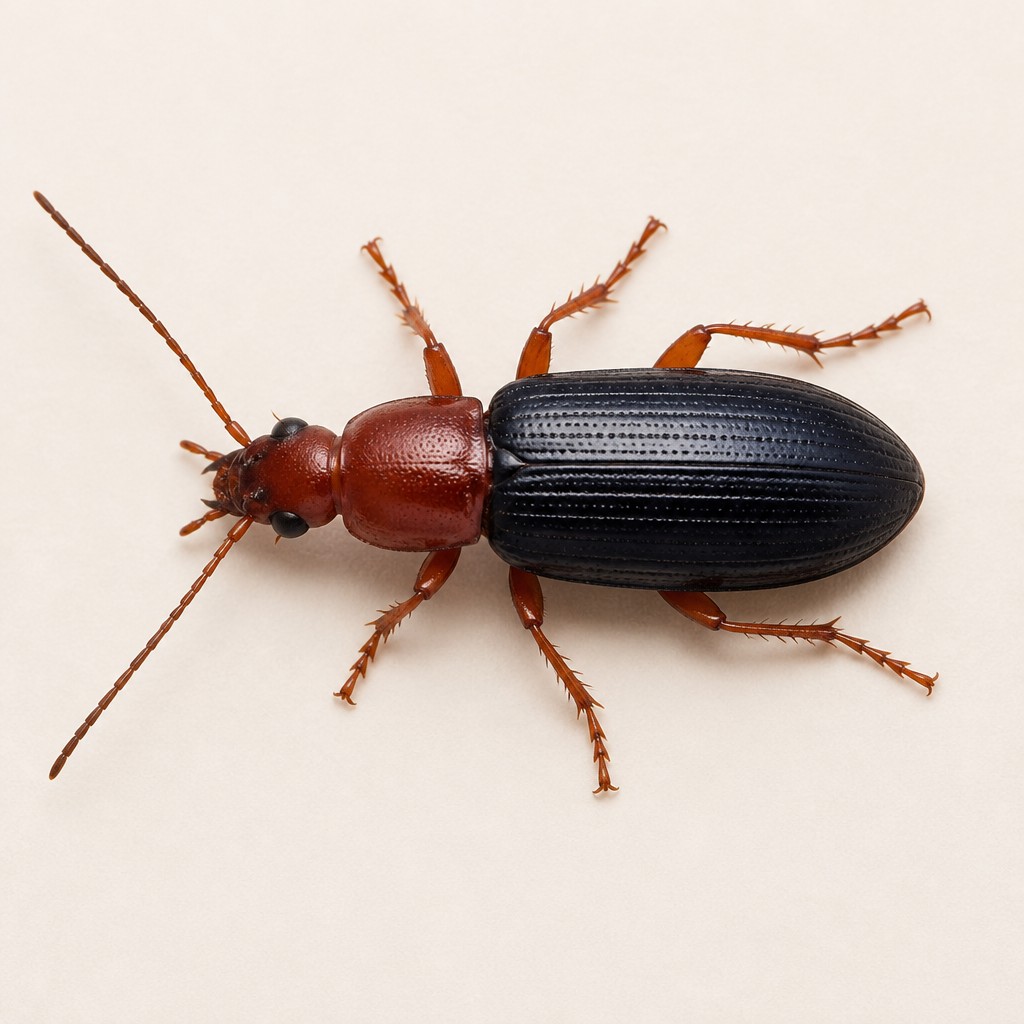
Bombardier Beetle
A dark, quick-moving ground beetle famous for firing a hot, audible chemical spray from its abdomen when disturbed, using two-tone coloring of a reddish head and thorax against blue-black wing covers as a warning signal.
beetle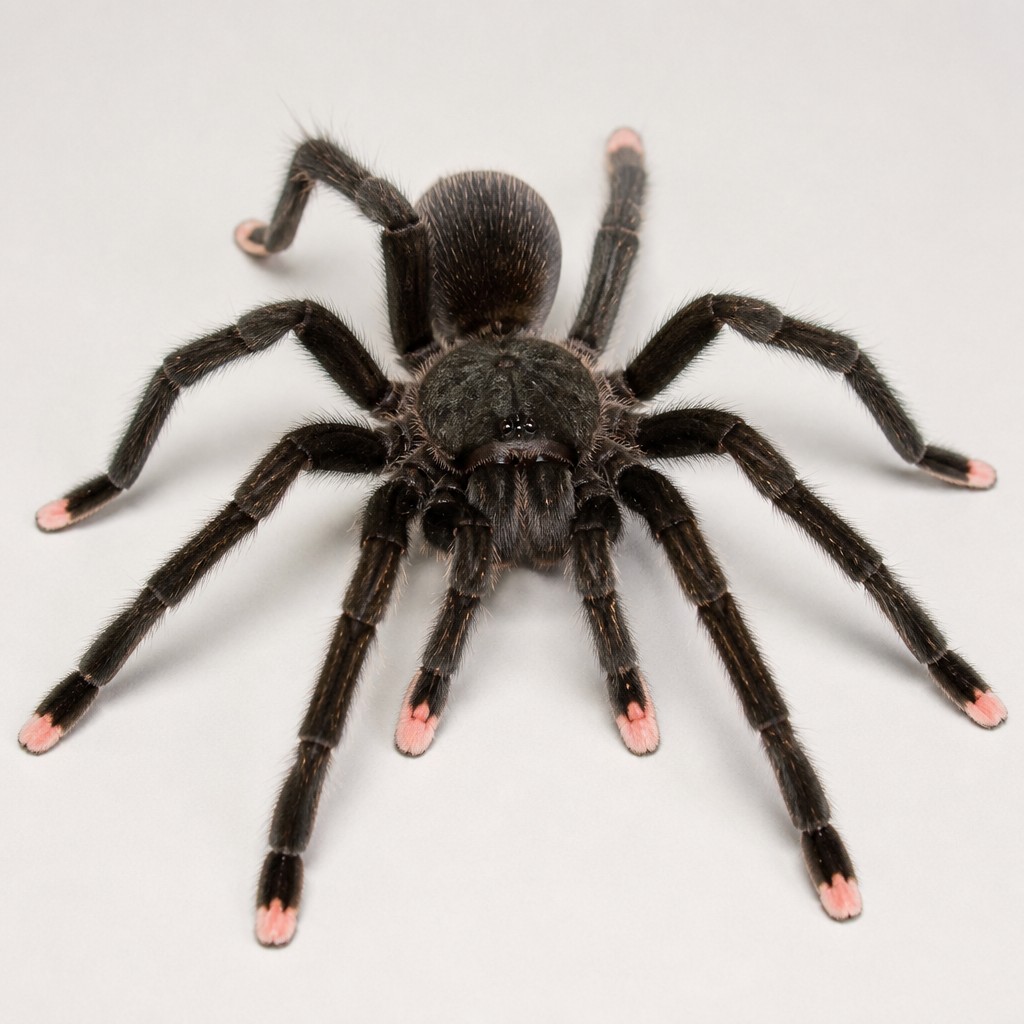
Pink Toe Tarantula
An agile, tree-dwelling tarantula with a dark velvety body and distinctive pale pink tips on its feet, the pink toe spends nearly its entire life above ground, spinning silk retreats among leaves and bark high in the rainforest canopy.
spider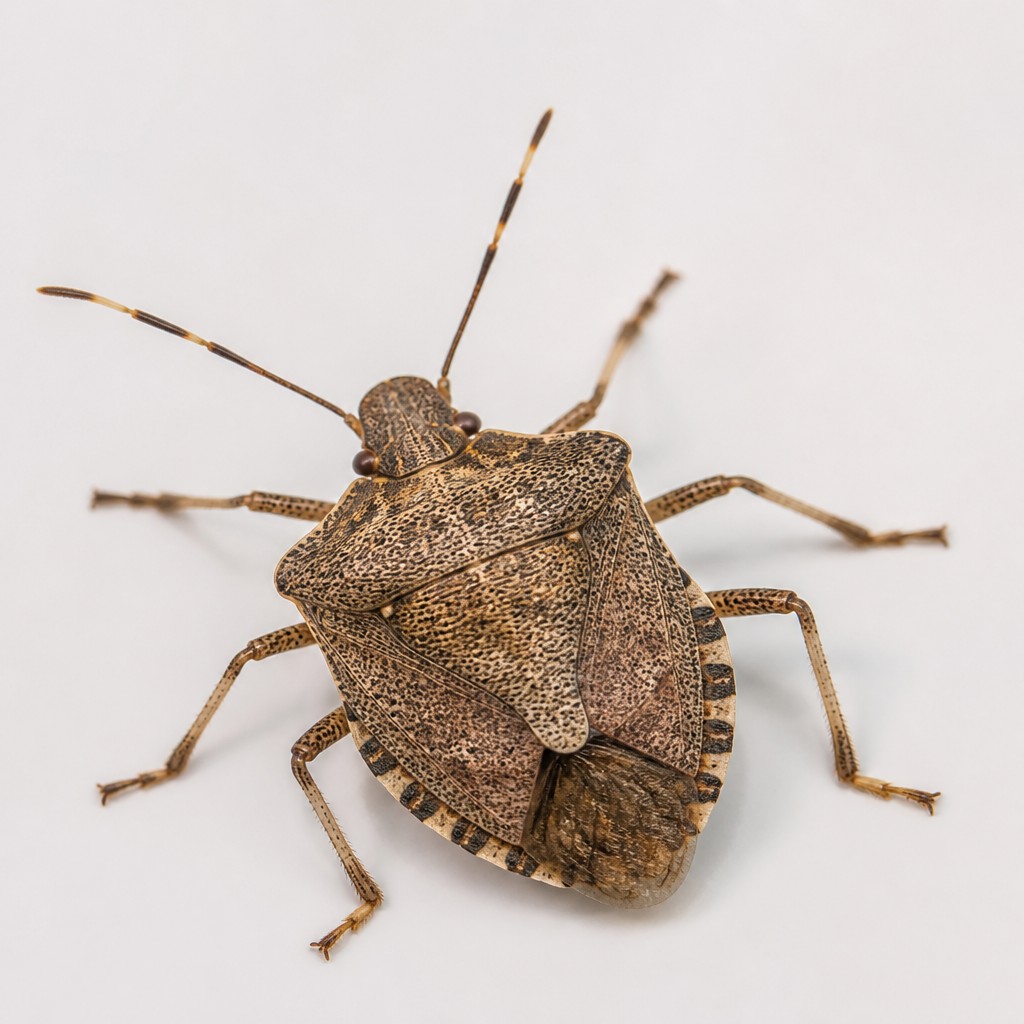
Stink Bug
A broad, shield-shaped true bug that releases a pungent defensive odor when handled or crushed, commonly found on garden vegetables and fruit trees.
true-bug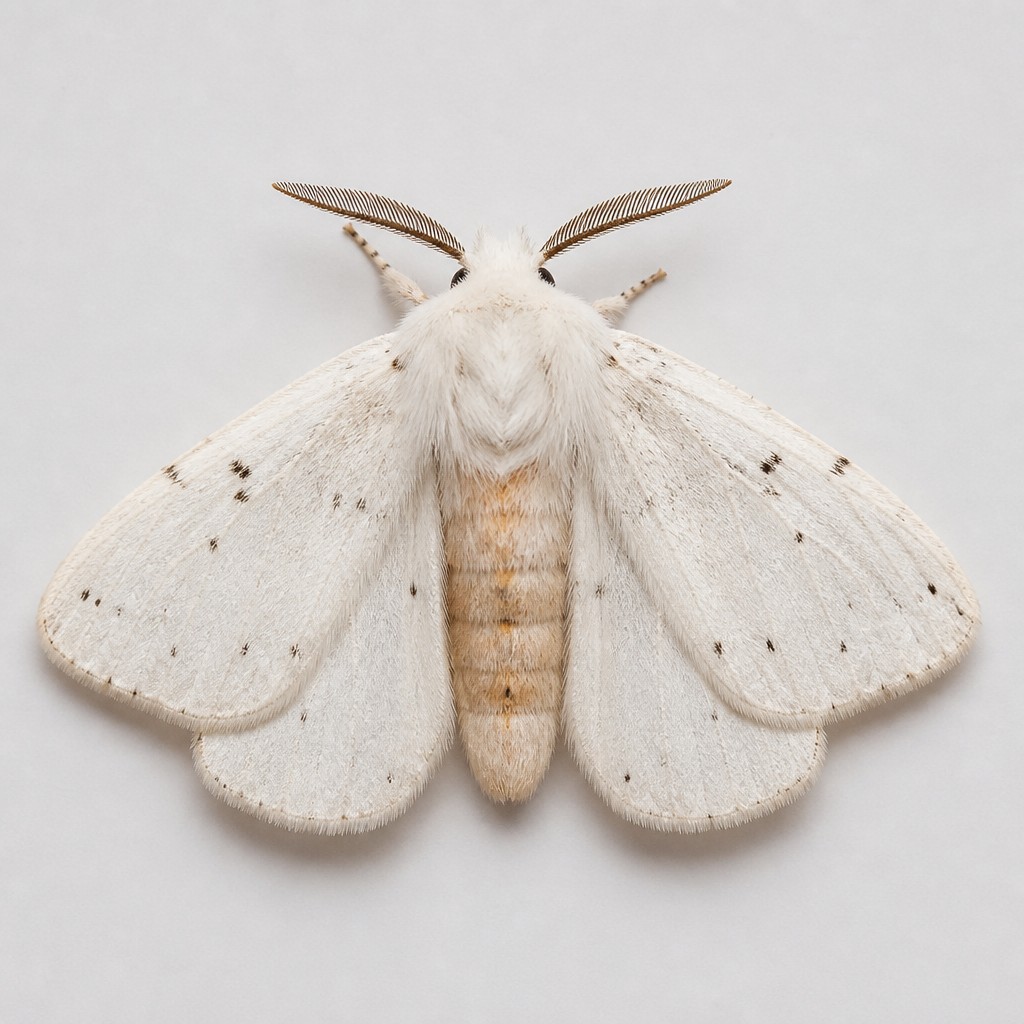
Fall Webworm Moth
A plain white (sometimes lightly speckled) moth whose caterpillars are far more familiar than the adult, spinning large communal silk webs over the ends of tree branches in late summer and early autumn.
moth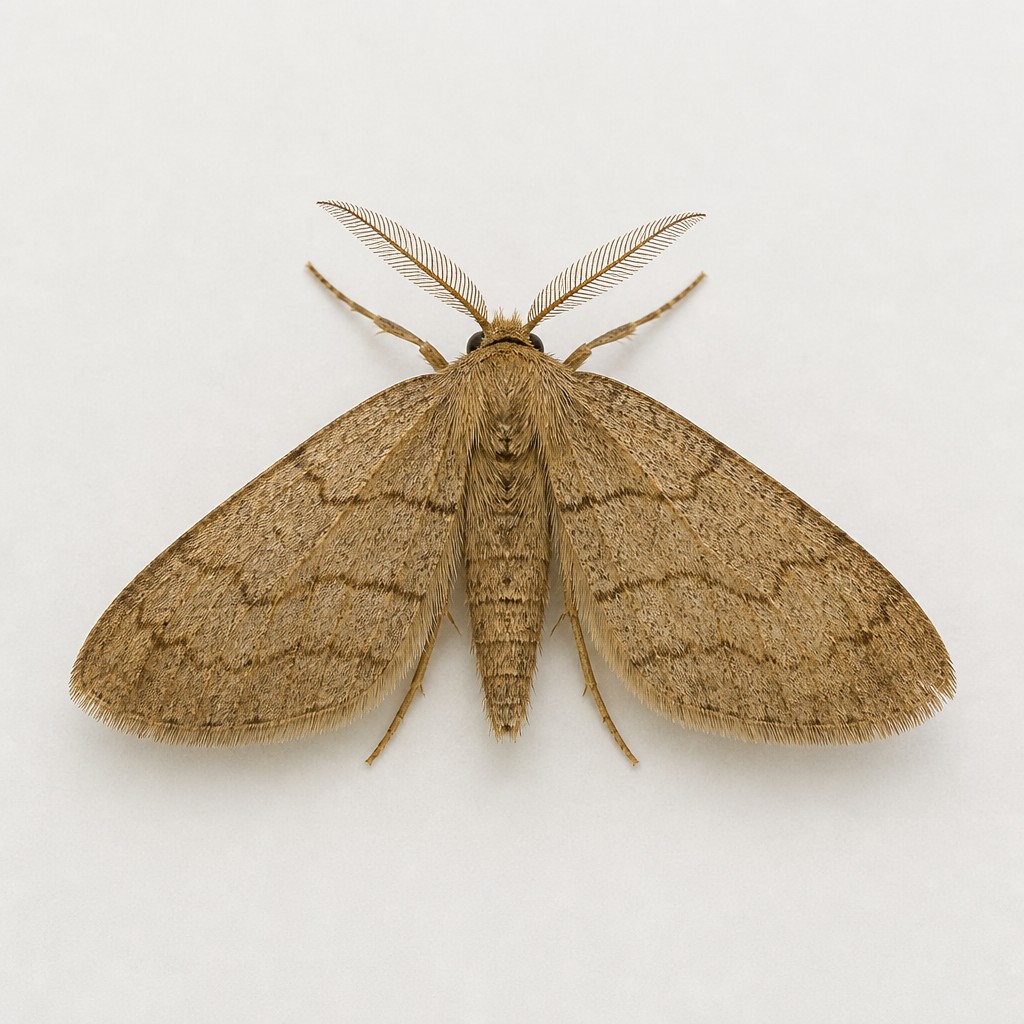
Winter Moth
A small tan-brown moth unusual for flying in the cold of late autumn and early winter, with strongly dimorphic sexes: fully winged males and flightless, near-wingless females that climb tree trunks to lay eggs.
moth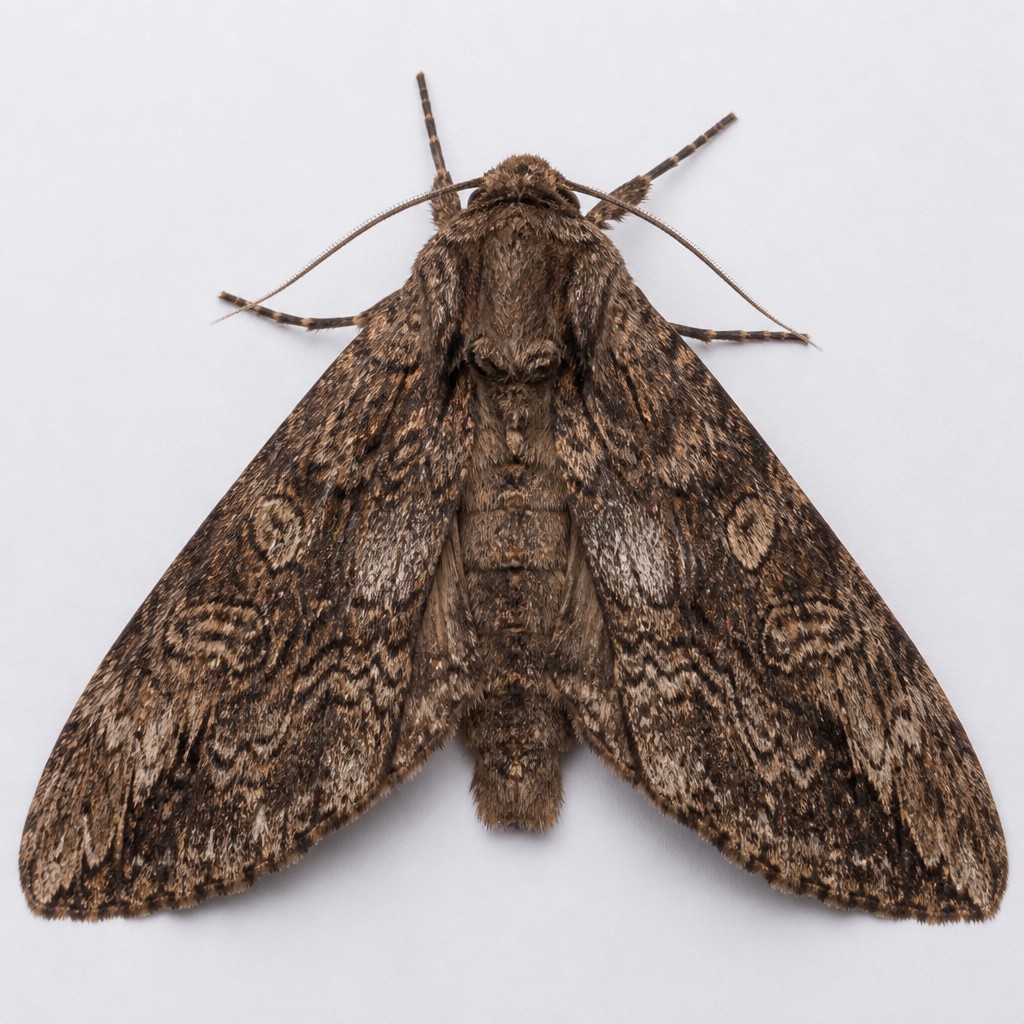
Old Lady Moth
A large, dusky brown noctuid moth with an intricate, wood-grain-like pattern of dark streaks and pale flecks across broad wings, often found resting motionless in sheds and against tree bark by day.
moth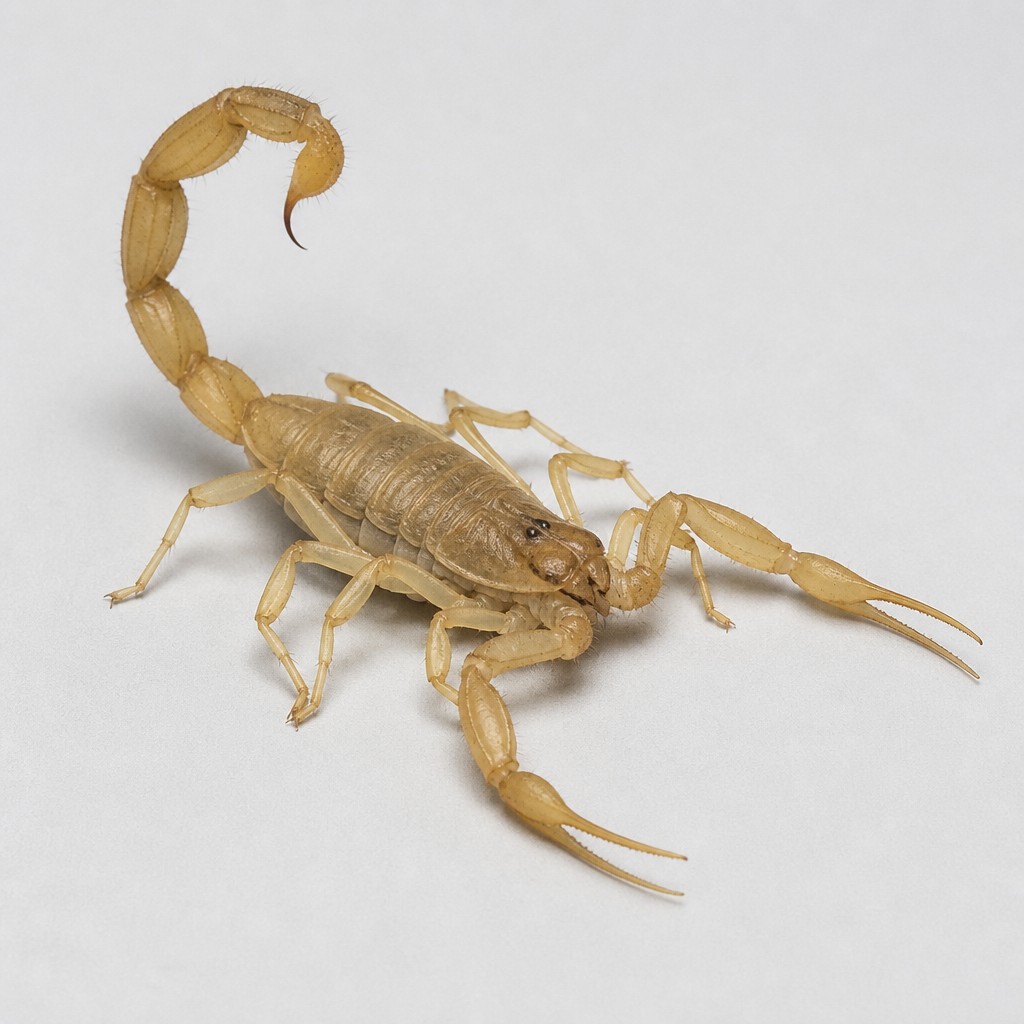
Arizona Bark Scorpion
A slim, pale tan scorpion of the Sonoran Desert that climbs trees, walls, and even ceilings with equal ease thanks to its excellent grip.
arachnid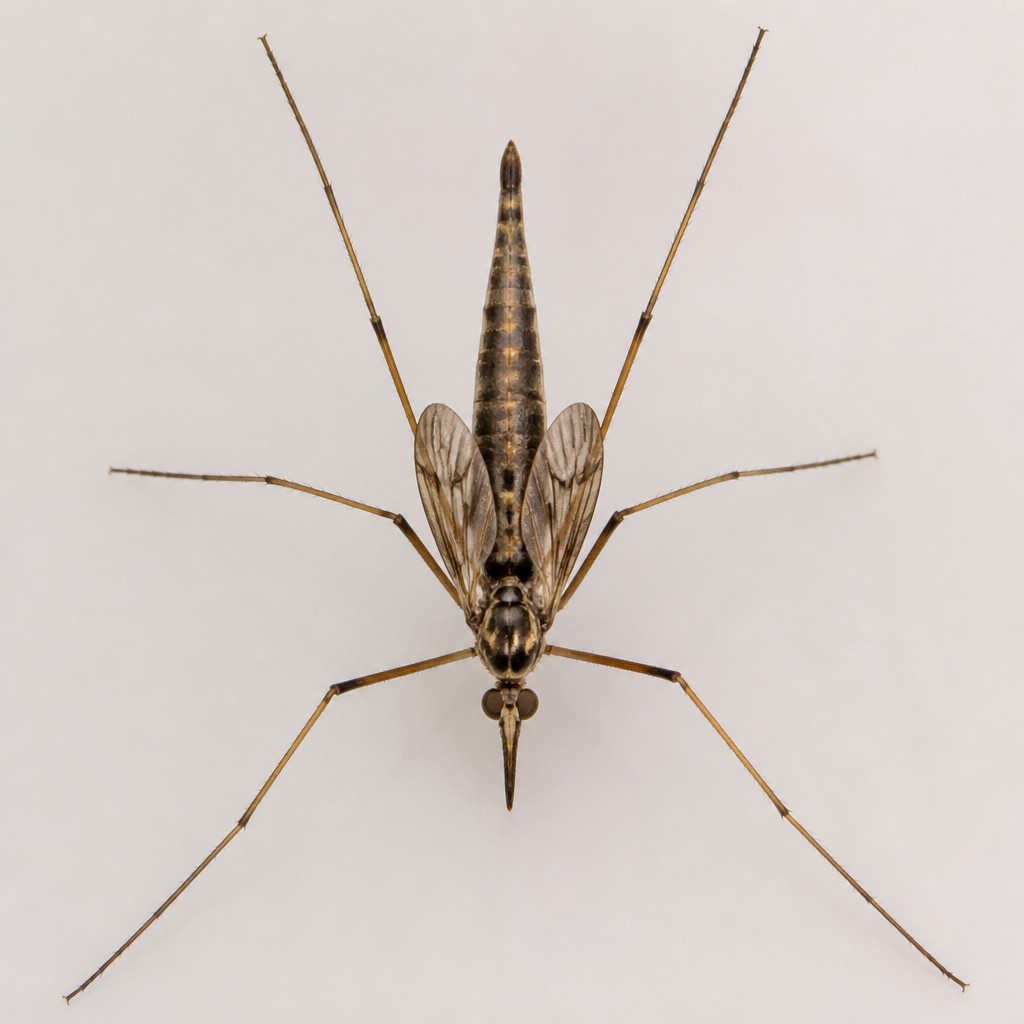
Snipe Fly
A slender, long-legged fly often seen perched head-down on a sunny tree trunk or fence post, patiently watching for smaller insects to ambush. Its tapered, wasp-like abdomen and habit of resting motionless with legs splayed give it a distinctive, almost sentry-like posture in woodland clearings.
fly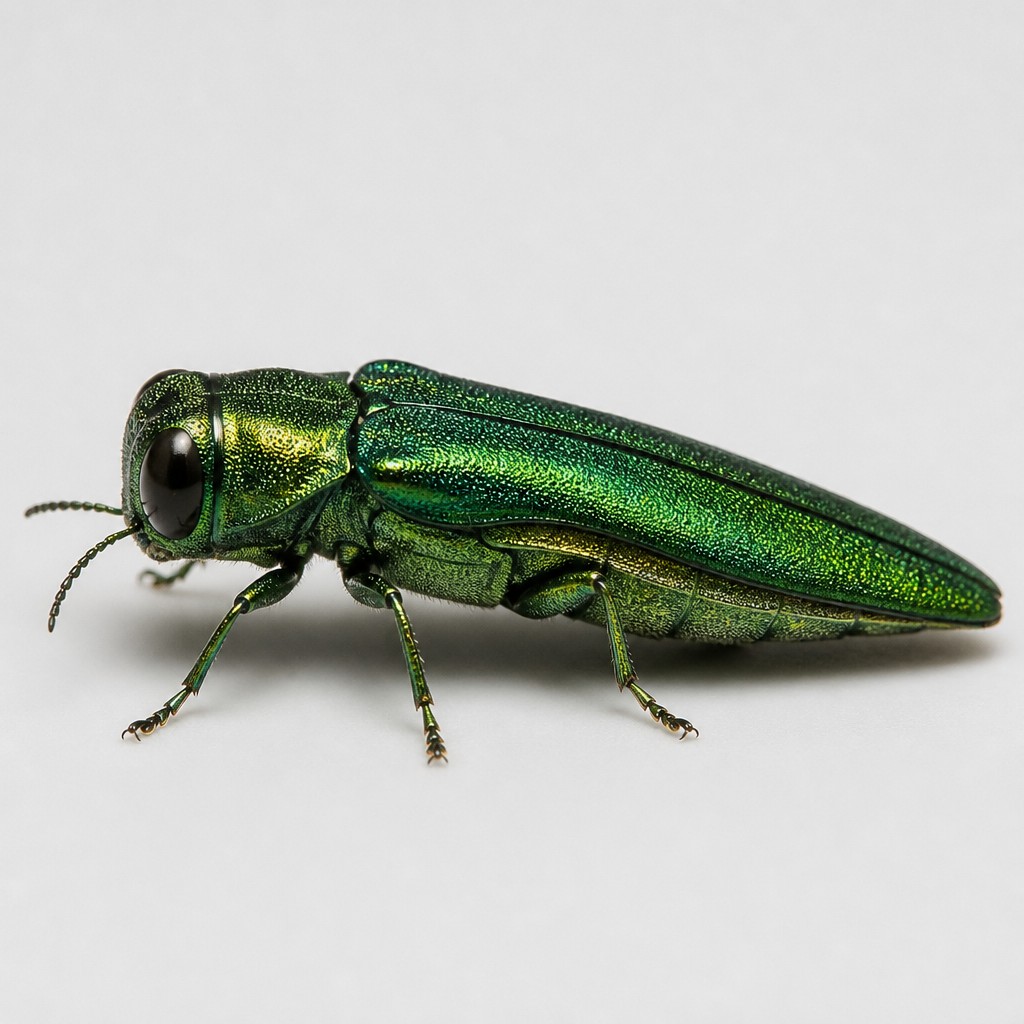
Emerald Ash Borer
A slender, bullet-shaped beetle with brilliant metallic-green coloring, whose bark-tunneling larvae feed almost exclusively within ash trees.
beetle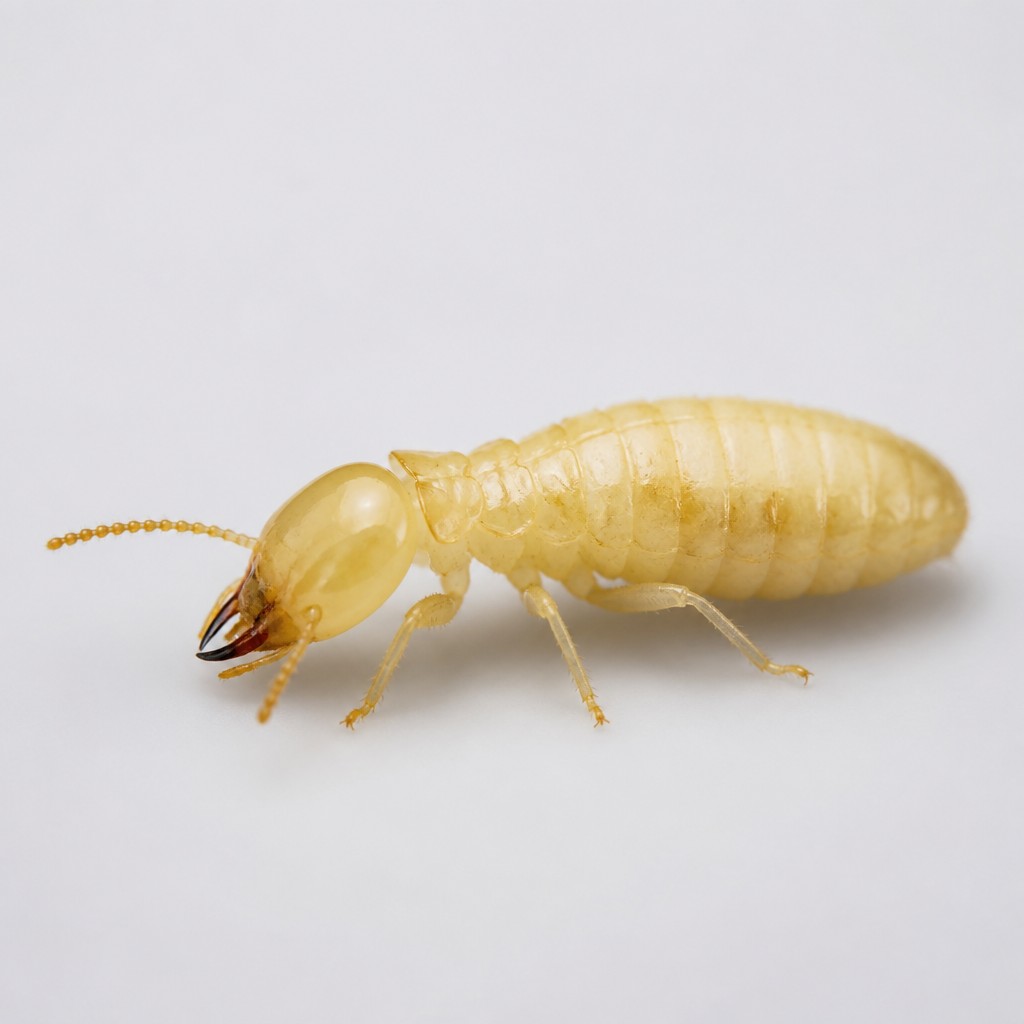
Formosan Subterranean Termite
A pale, aggressive subterranean termite native to East Asia that builds enormous colonies and can construct large above-ground carton nests in trees, walls, and structures.
other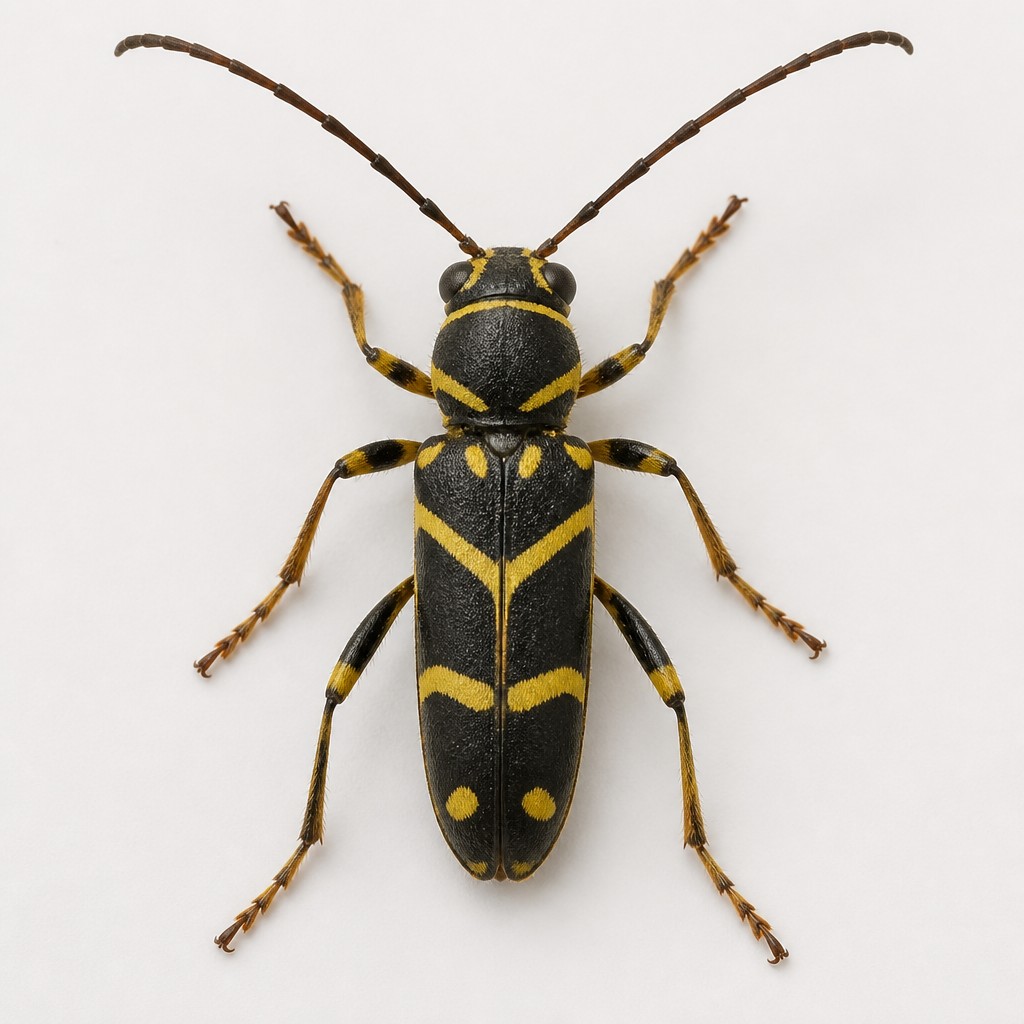
Locust Borer
A slender black longhorn beetle boldly striped with yellow, closely resembling a wasp, commonly seen visiting goldenrod flowers in autumn near black locust trees.
beetle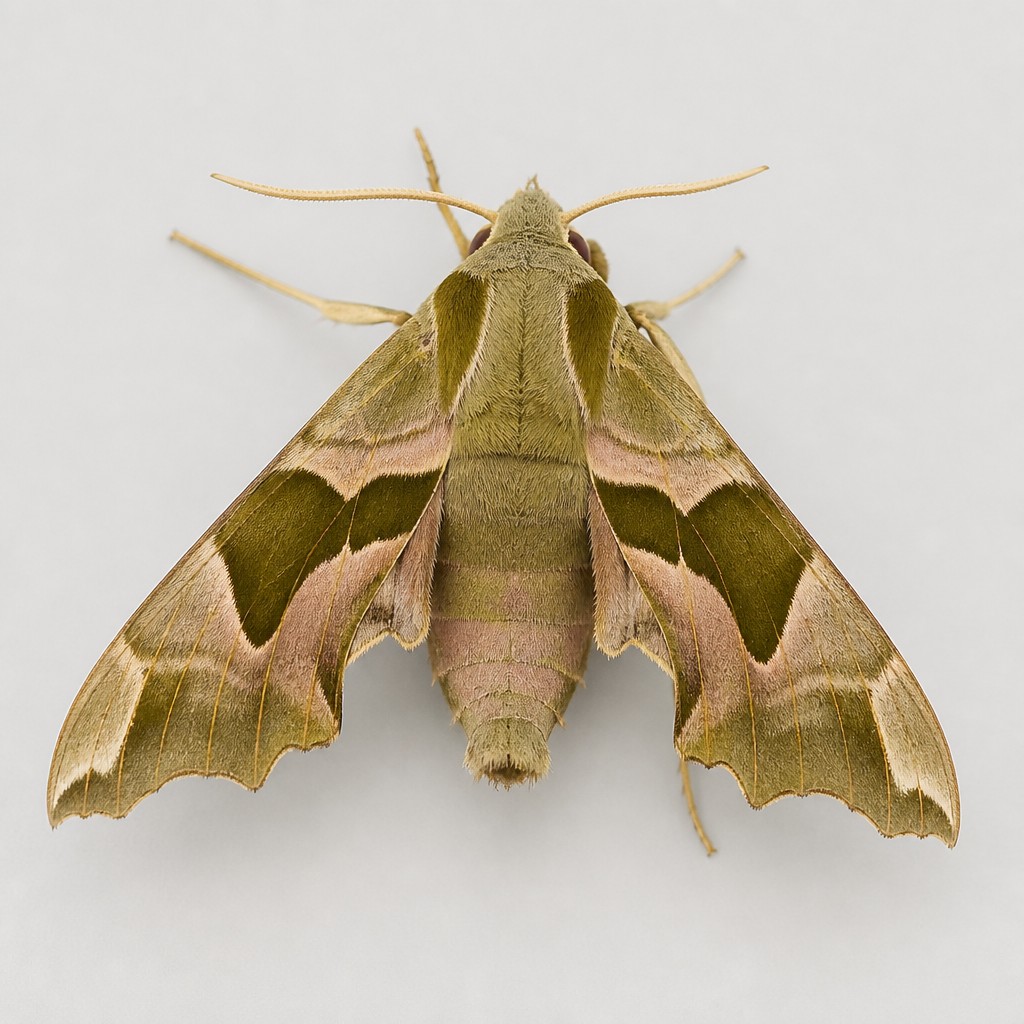
Lime Hawk-Moth
A stout, angular-winged hawk-moth in muted greens, browns, or pinks with deeply scalloped wing margins, closely tied to lime (linden) trees for its larval development.
moth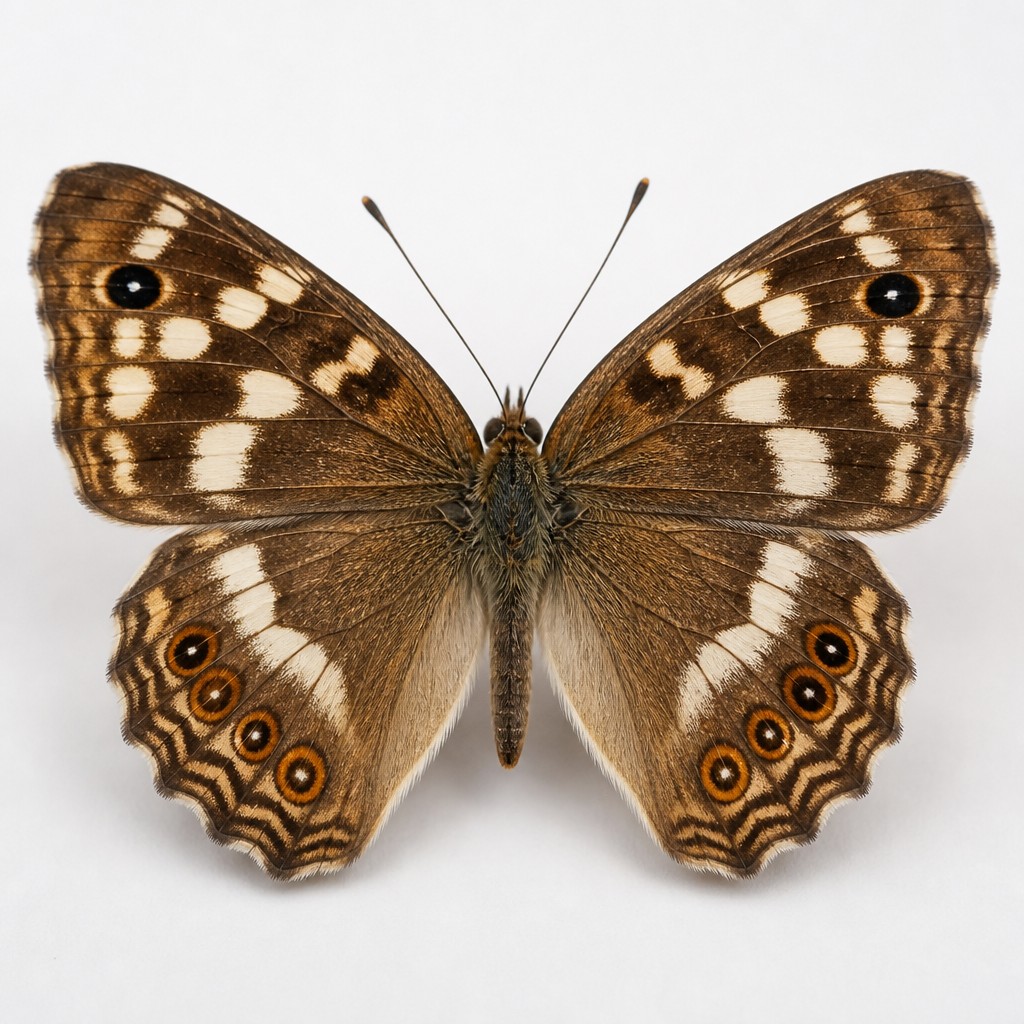
Hackberry Emperor
A brown-and-cream butterfly closely tied to hackberry trees, notable for its bold eyespots and habit of landing on people, cars, and other unusual surfaces rather than flowers.
butterfly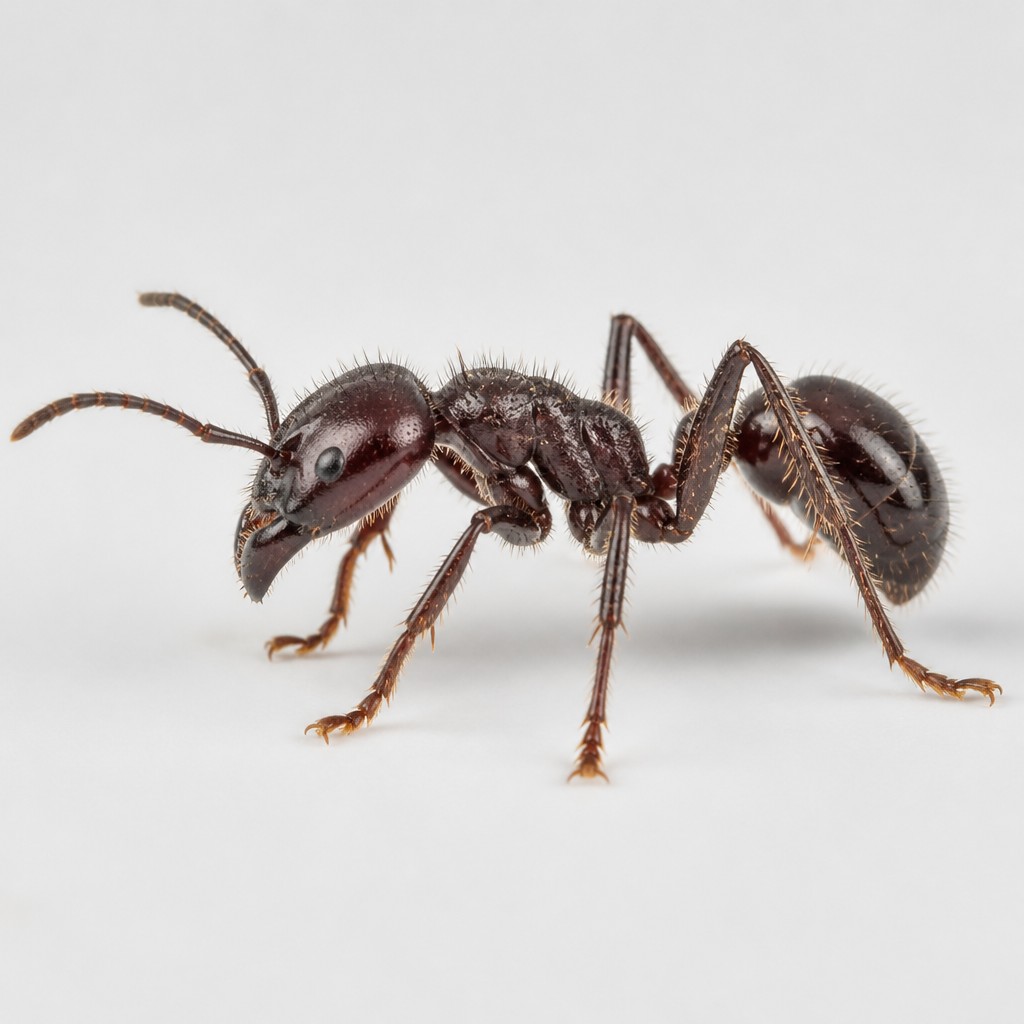
Bullet Ant
A large, glossy reddish-black rainforest ant, among the biggest ants in the world, that nests at the base of trees and forages individually along trunks and branches of the tropical canopy floor.
ant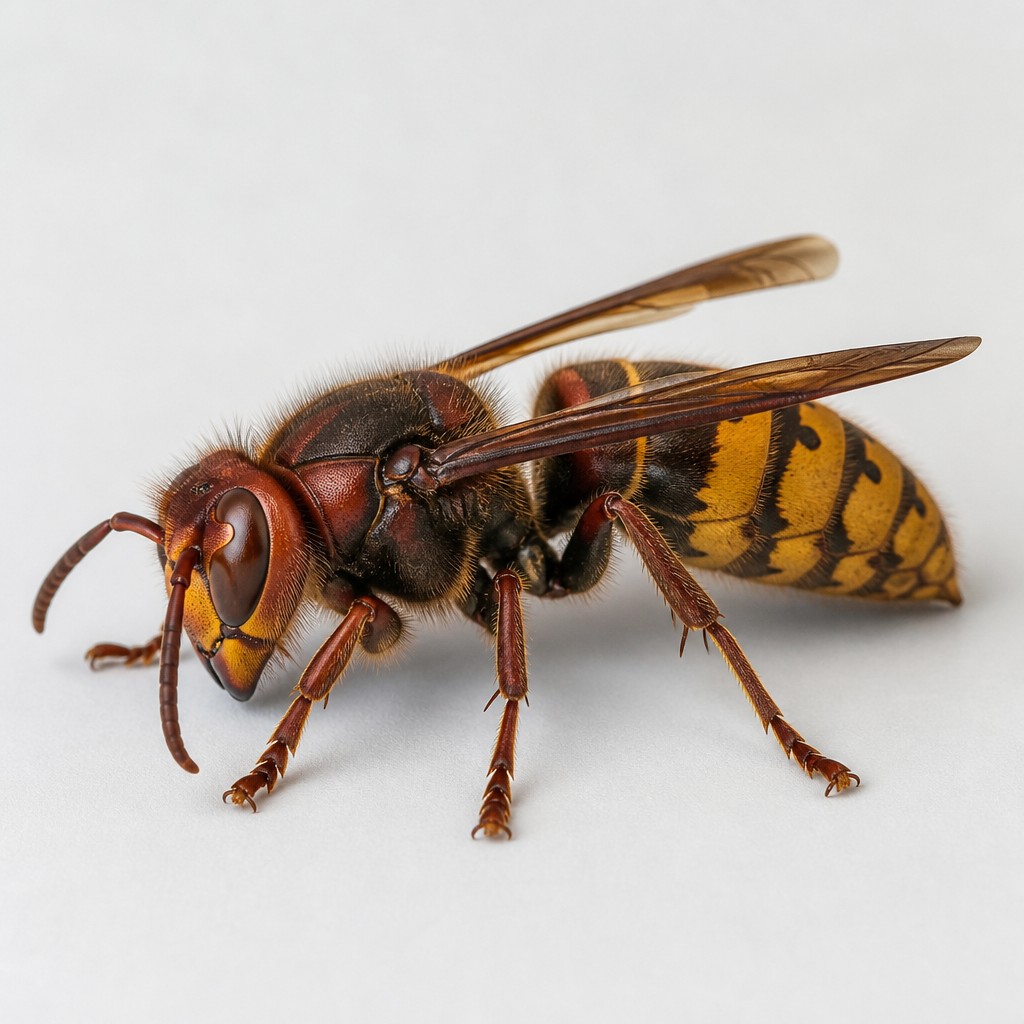
European Hornet
A large, robust wasp with a reddish-brown thorax, yellow-and-brown striped abdomen, and a distinctive habit of nesting in hollow trees, making it the largest true hornet native to Europe and introduced to eastern North America.
wasp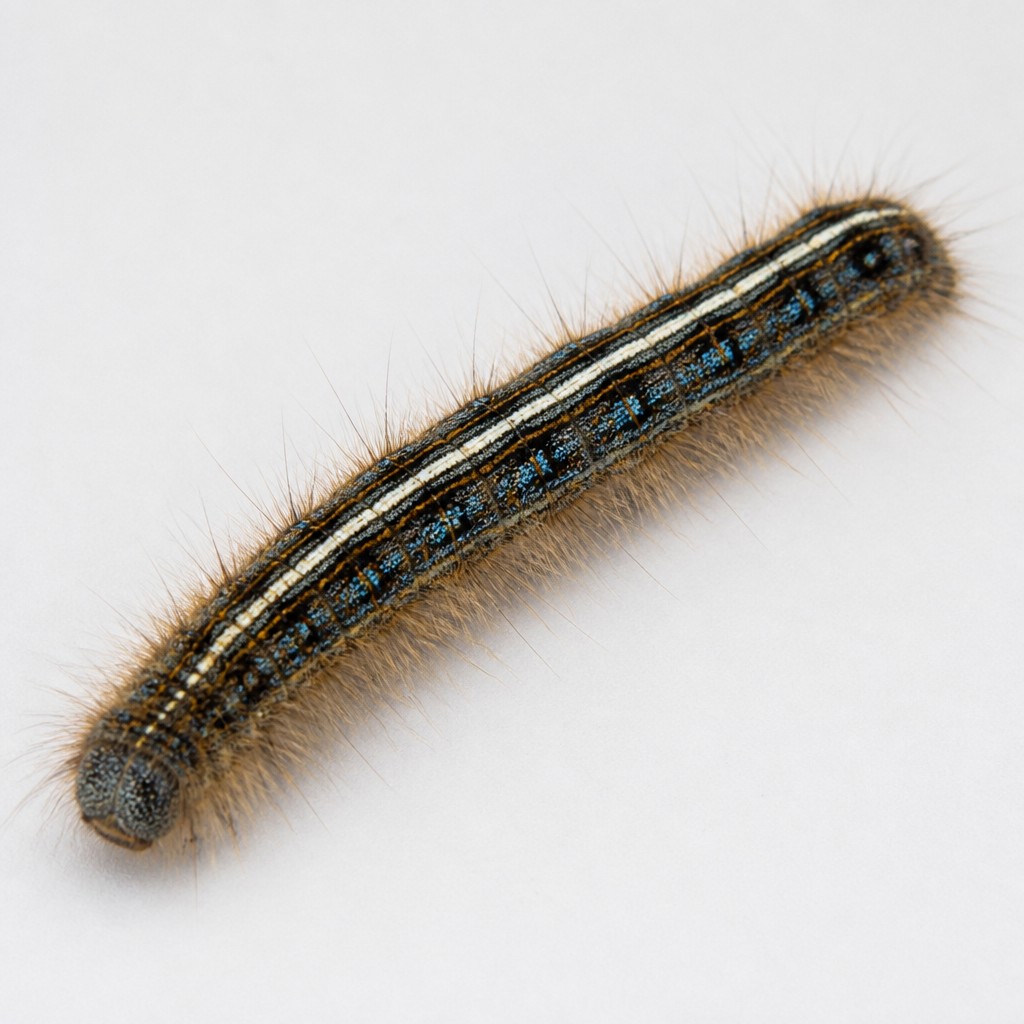
Eastern Tent Caterpillar
A fuzzy, blue-flecked caterpillar with a pale stripe down its back, famous for spinning large communal silk tents in the forked branches of cherry and apple trees each spring.
caterpillar-larva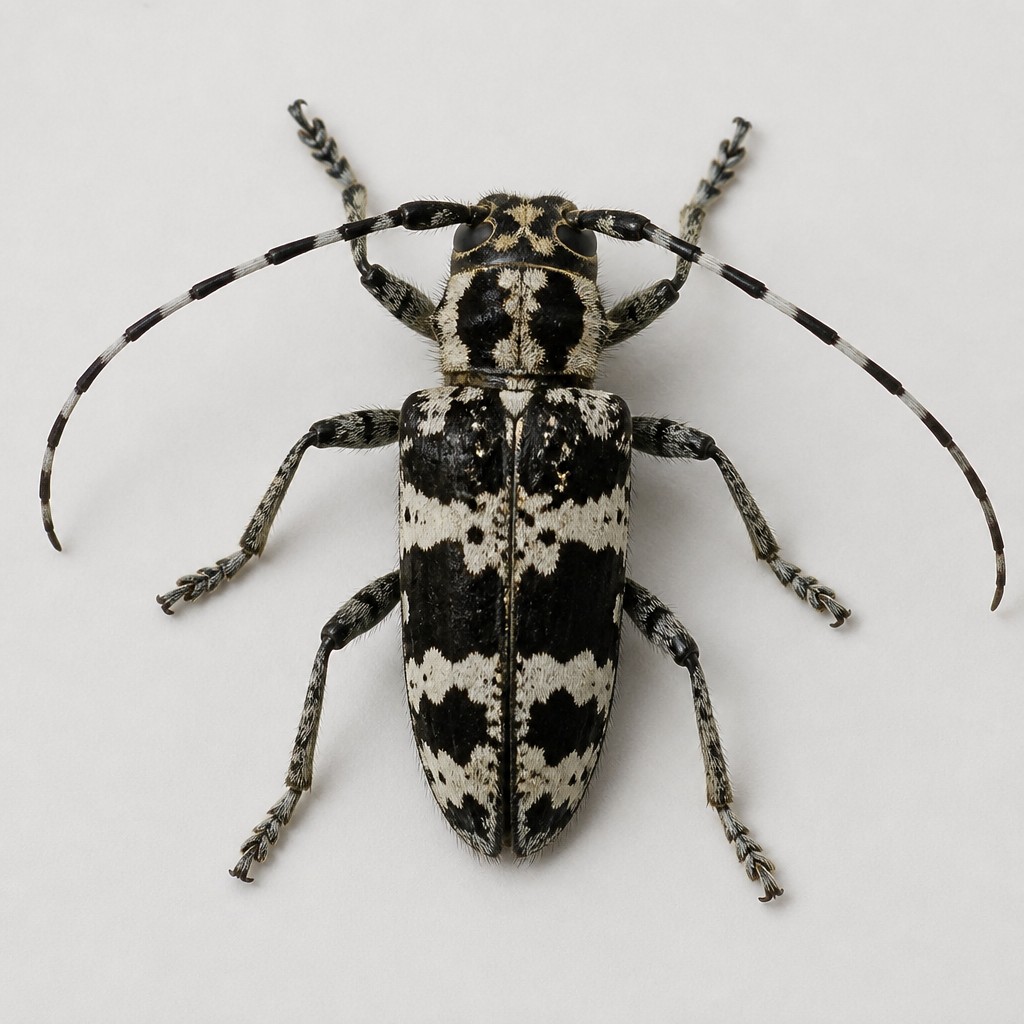
Cottonwood Borer
A large, boldly patterned longhorn beetle in black and chalky white checkerboard markings, often found clinging to the trunks of cottonwood and poplar trees near its larvae's root tunnels.
beetle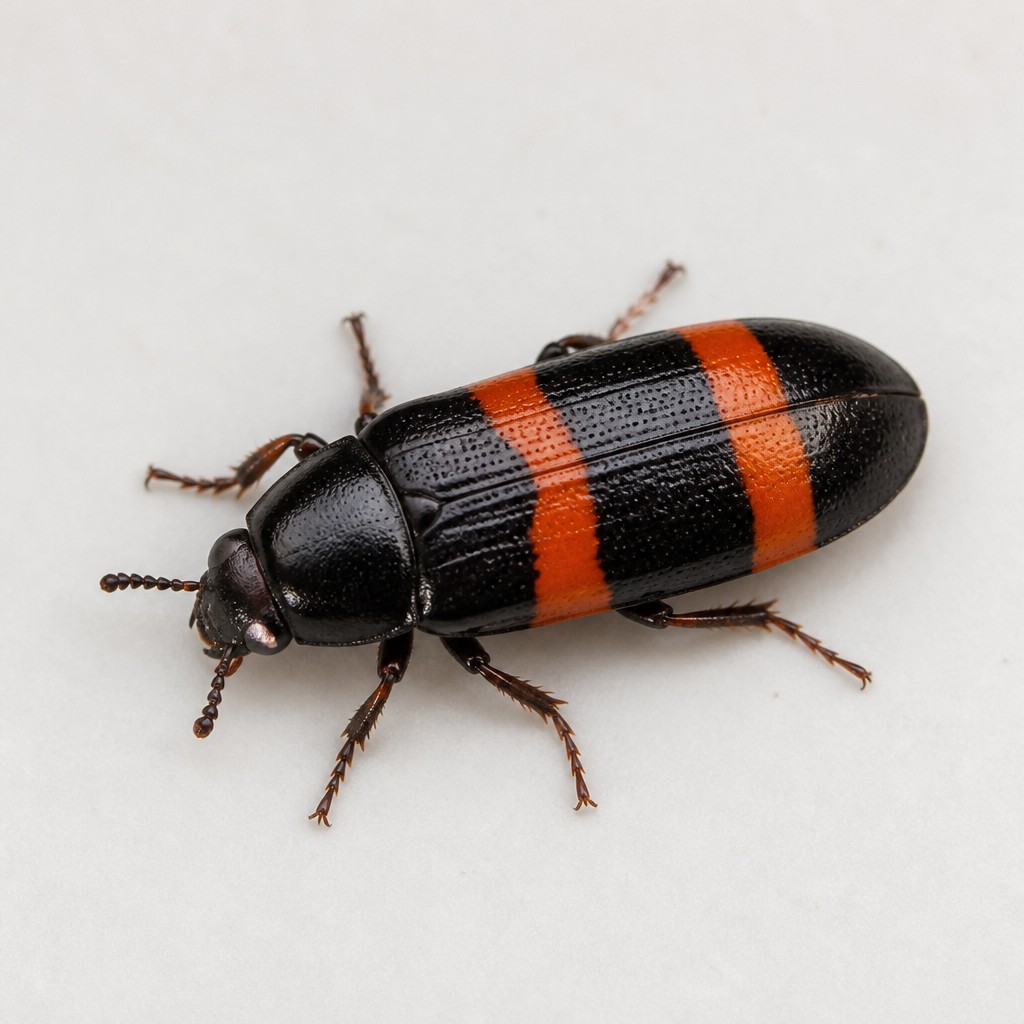
Pleasing Fungus Beetle
A shiny, smooth-bodied beetle marked with bold red or orange bands on a glossy black background, commonly found feeding on bracket fungi growing on dead or dying hardwood trees.
beetle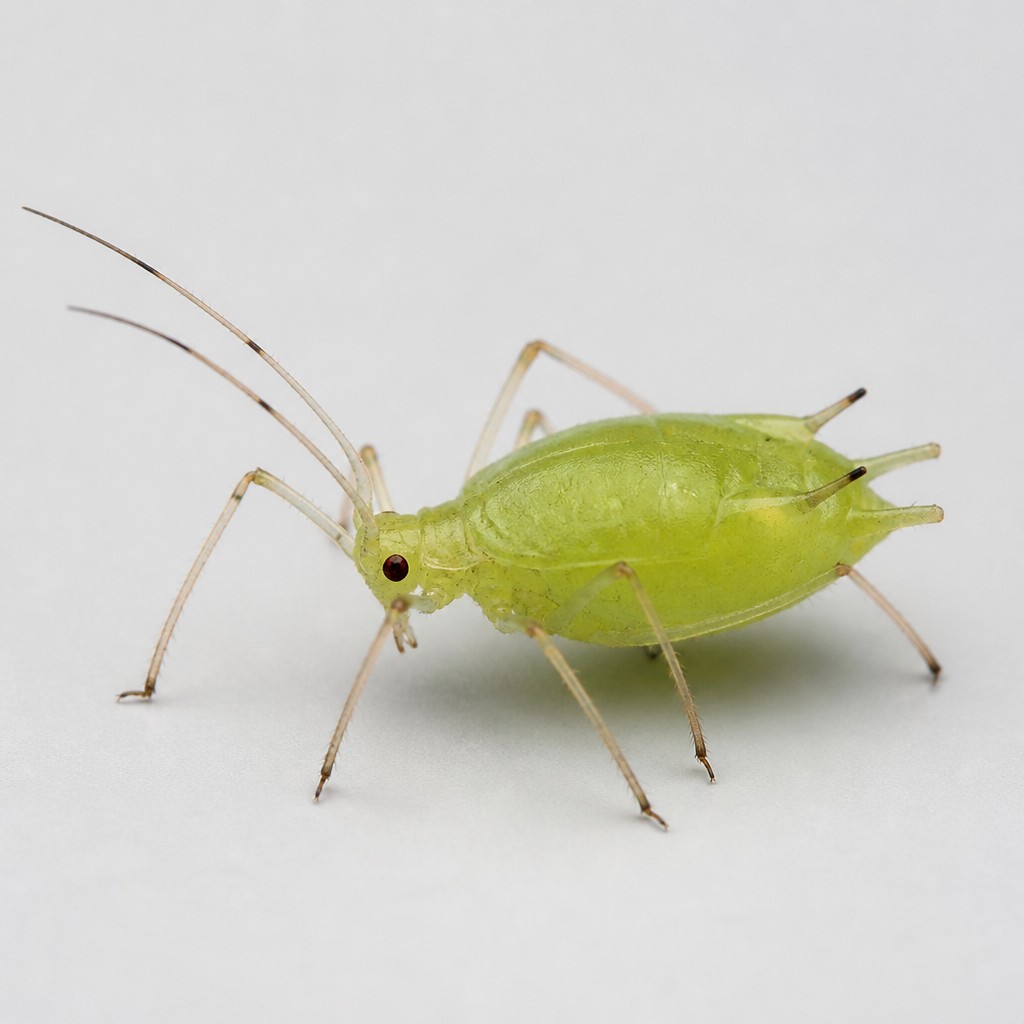
Green Peach Aphid
A small, pale yellow-green aphid with an exceptionally broad host range, recognized as one of the most widespread and adaptable aphid species found on garden vegetables, ornamentals, and stone fruit trees.
true-bug