
Bug Encyclopedia
Search and identify bugs & insects — beetles, butterflies, moths, ants, bees, spiders and more — with size, habitat, danger, behavior, and how to tell them apart.
Grub Worm
A plump, C-shaped, creamy-white larva with a distinct brown head, living underground where it feeds on grass and plant roots before eventually maturing into a scarab beetle.
beetleSoil Mite
A microscopic, heavily armored mite found by the millions in a single handful of soil, quietly breaking down leaf litter and helping build the fertile ground beneath forests and fields.
arachnid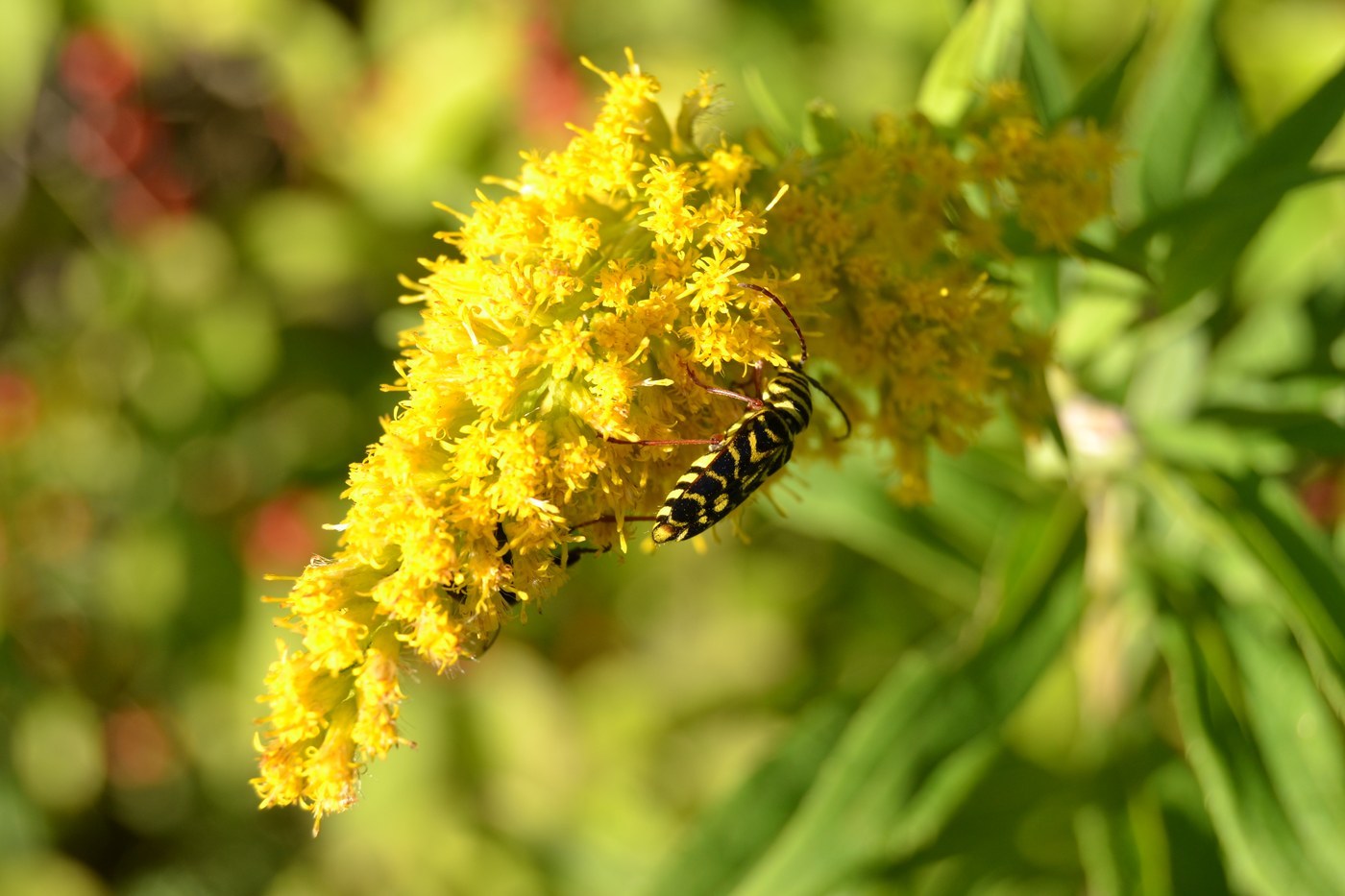
Locust Borer
A slender black longhorn beetle boldly striped with yellow, closely resembling a wasp, commonly seen visiting goldenrod flowers in autumn near black locust trees.
beetle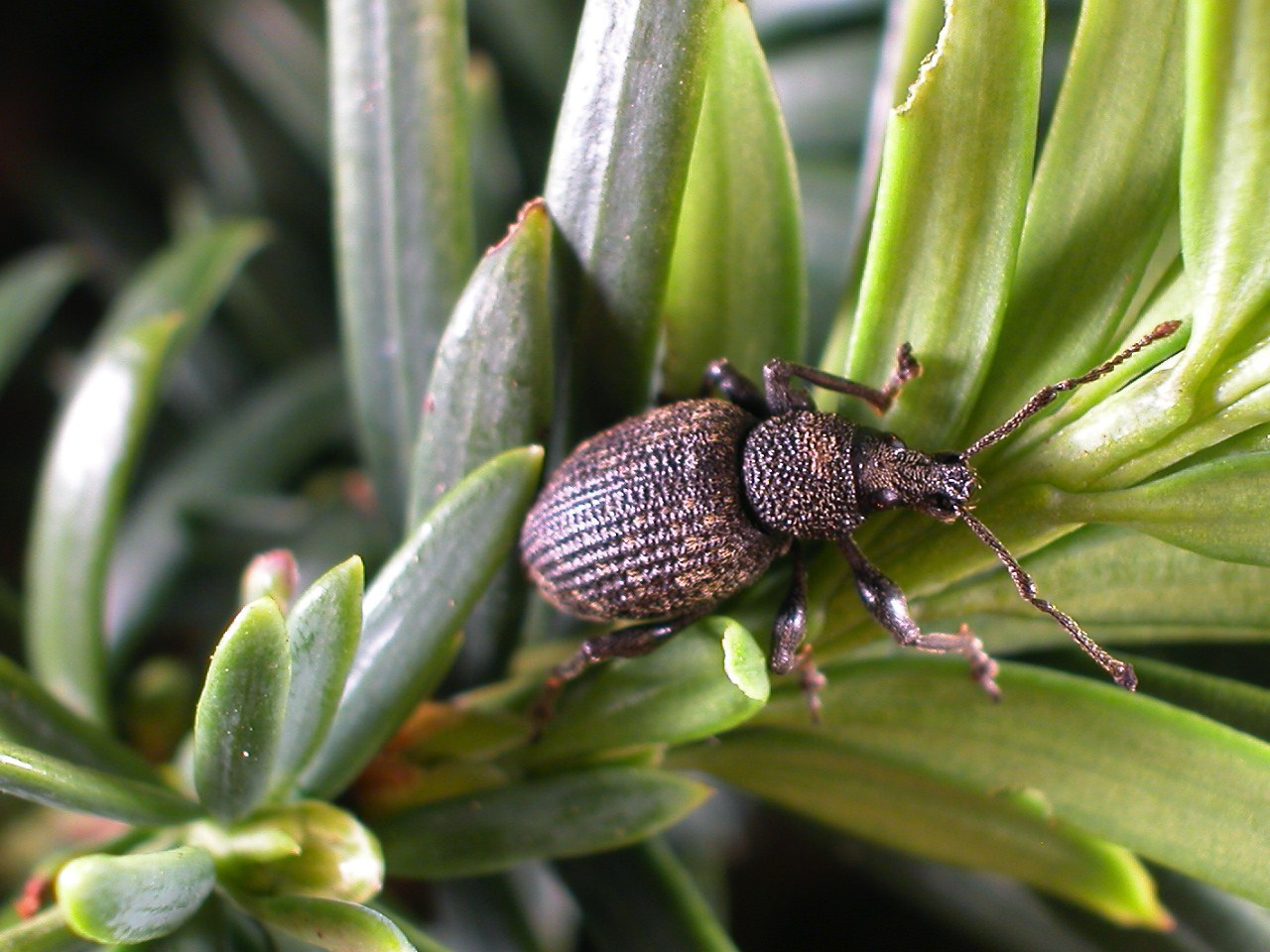
Black Vine Weevil
A flightless, all-black snout beetle notorious for notching the edges of leaves at night while its underground larvae feed on plant roots and crowns.
beetle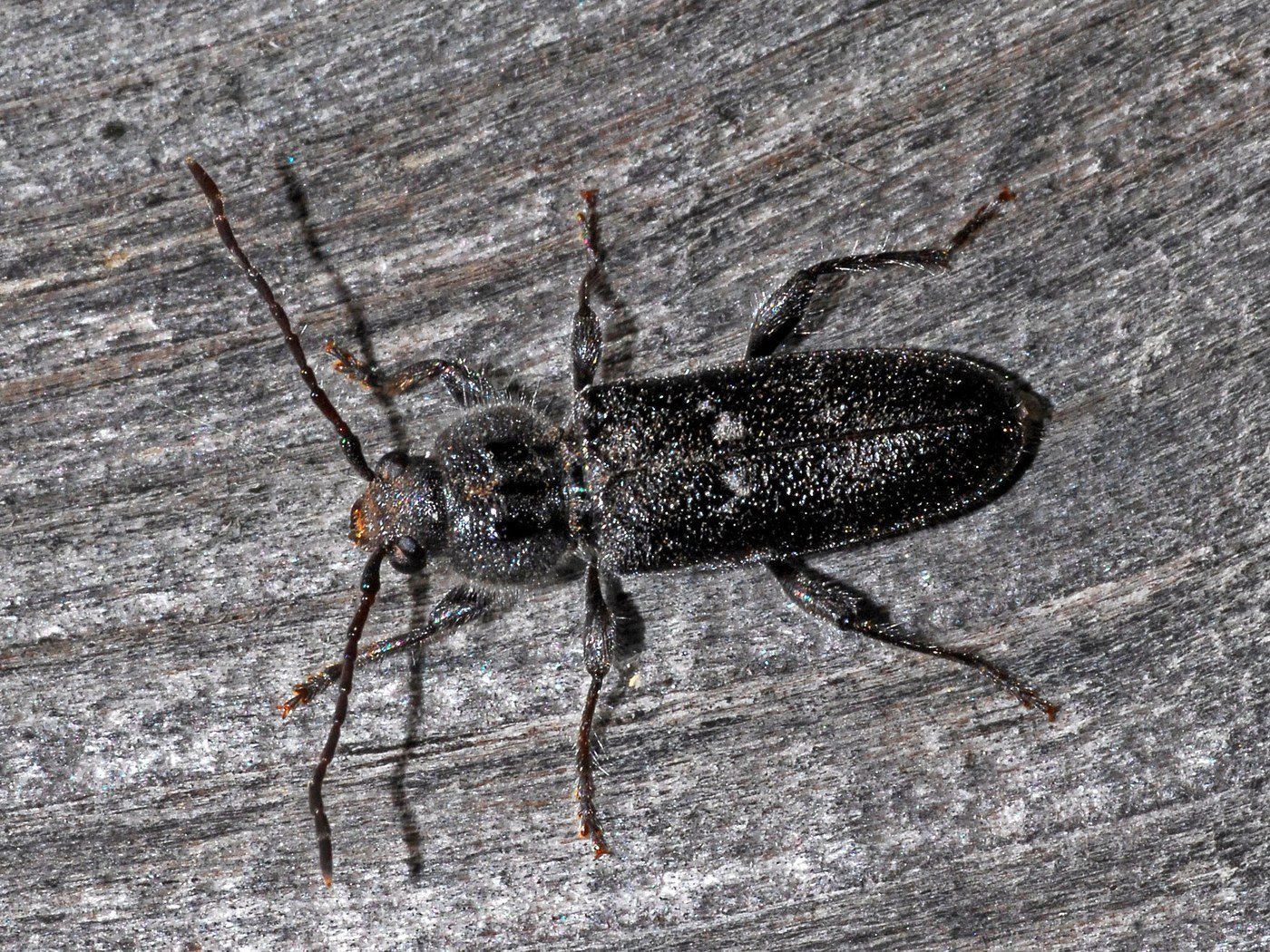
Old House Borer
A grayish-brown to nearly black longhorn beetle whose larvae bore extensively through structural softwood, capable of causing large galleries hidden beneath the wood surface.
beetle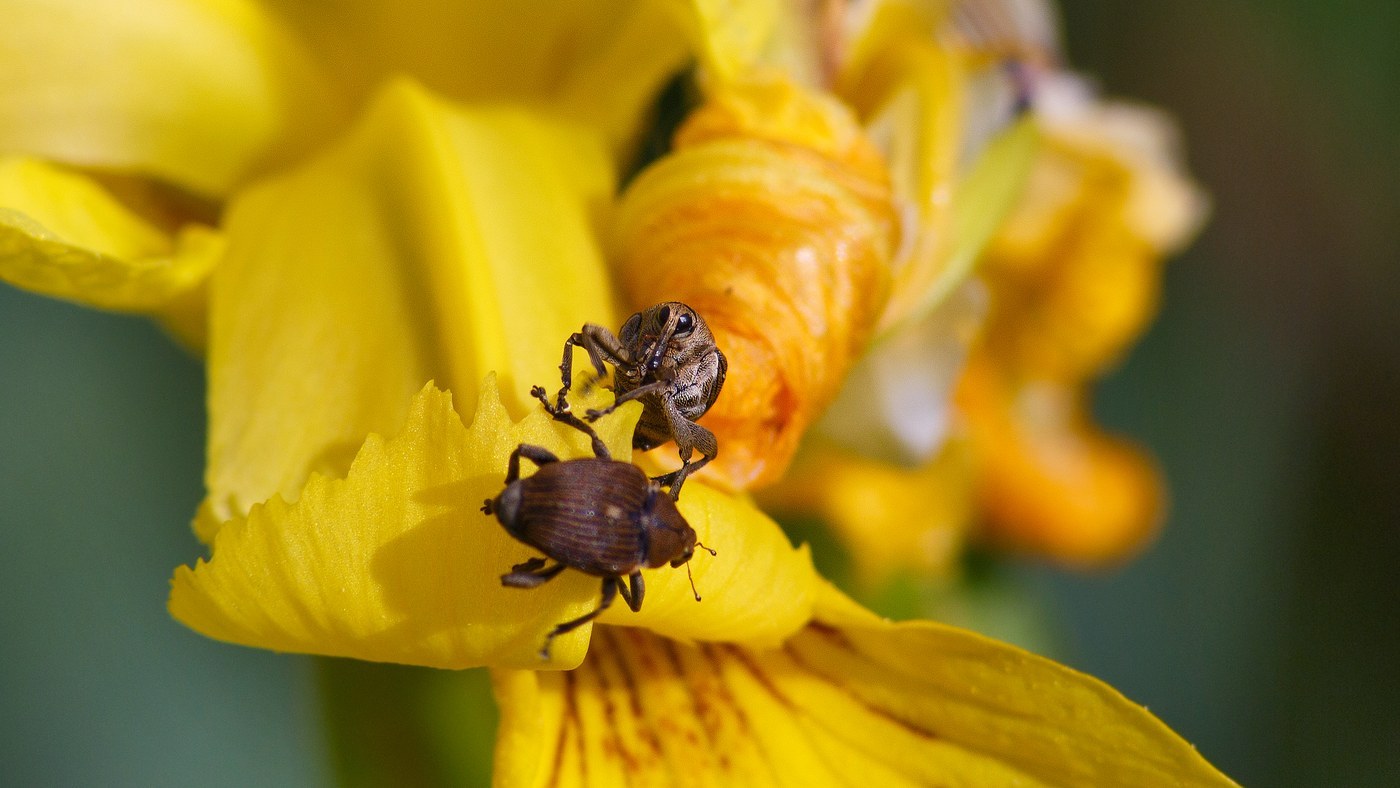
Weevil
A beetle instantly recognizable by its elongated, downward-curving snout tipped with tiny chewing mouthparts, used to bore into seeds, nuts, grain, and plant stems.
beetle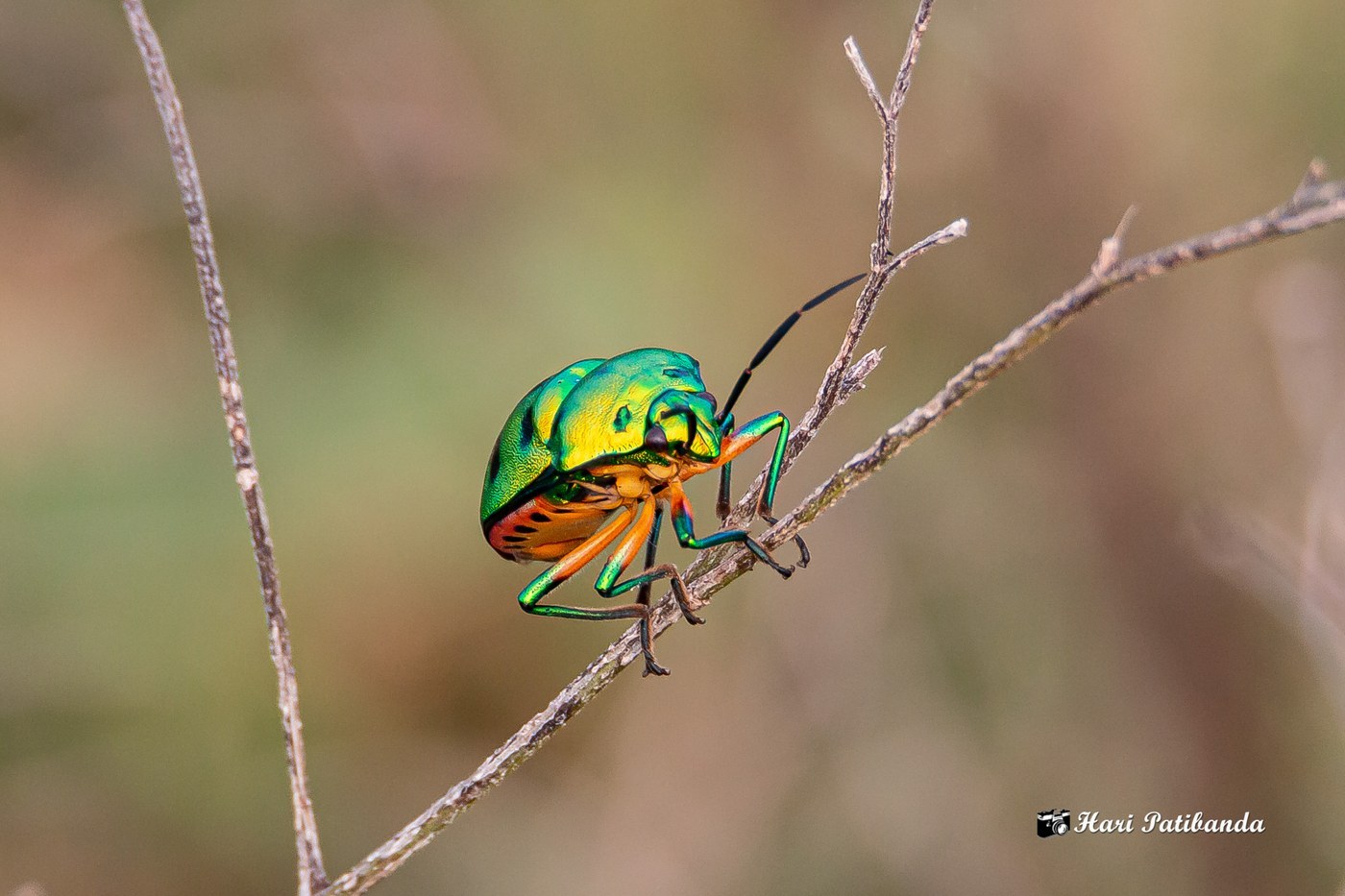
Jewel Bug
A living gemstone of the insect world, the jewel bug shimmers in dazzling metallic greens, blues, reds, and golds. Its enlarged shield-like back covers the entire body, making it look like a polished piece of enamelware.
true-bug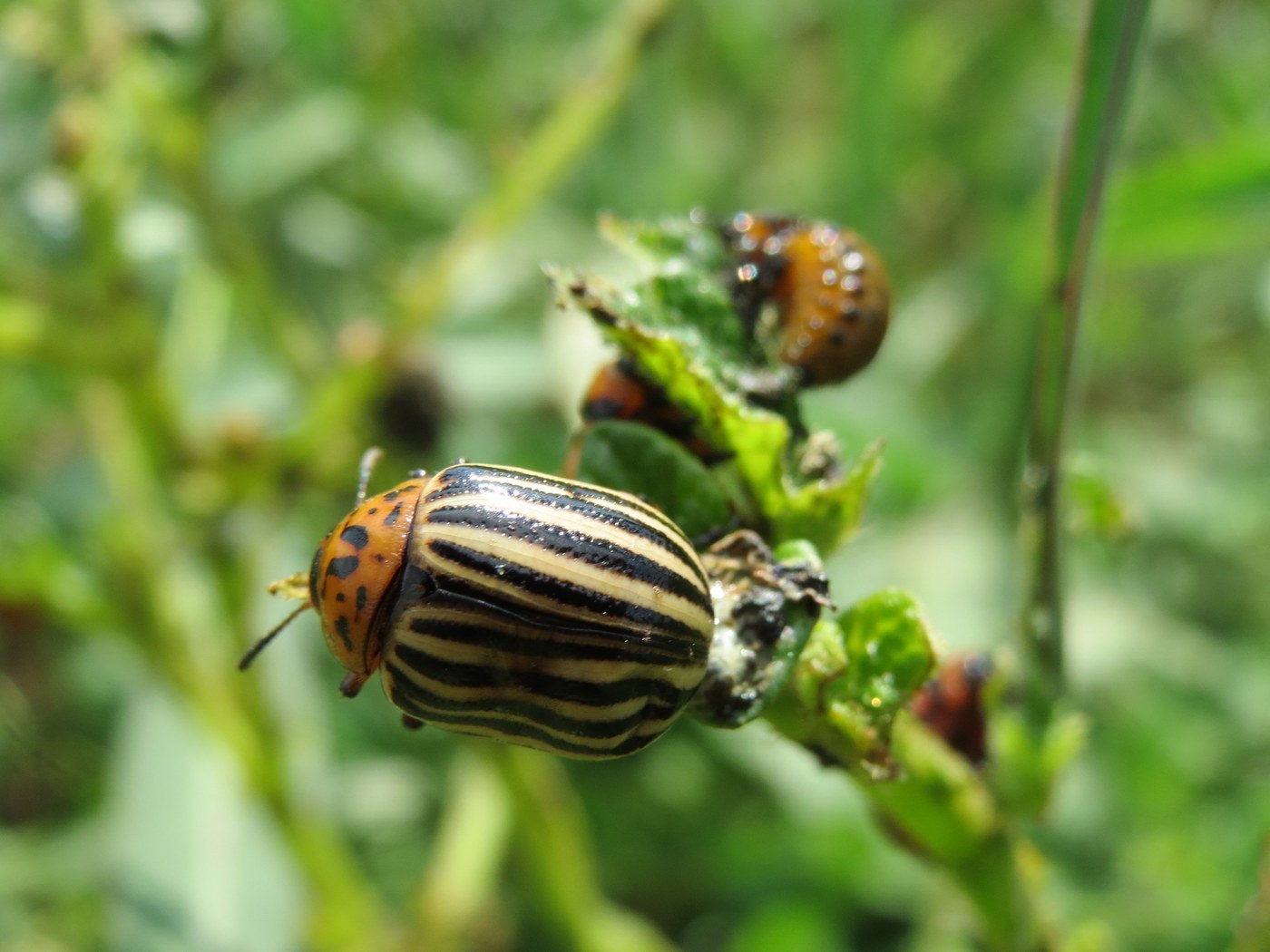
Potato Bug
A rounded, boldly striped beetle in cream and black that feeds on potato and other nightshade foliage, easily recognized by the ten black stripes running down its wing covers.
beetle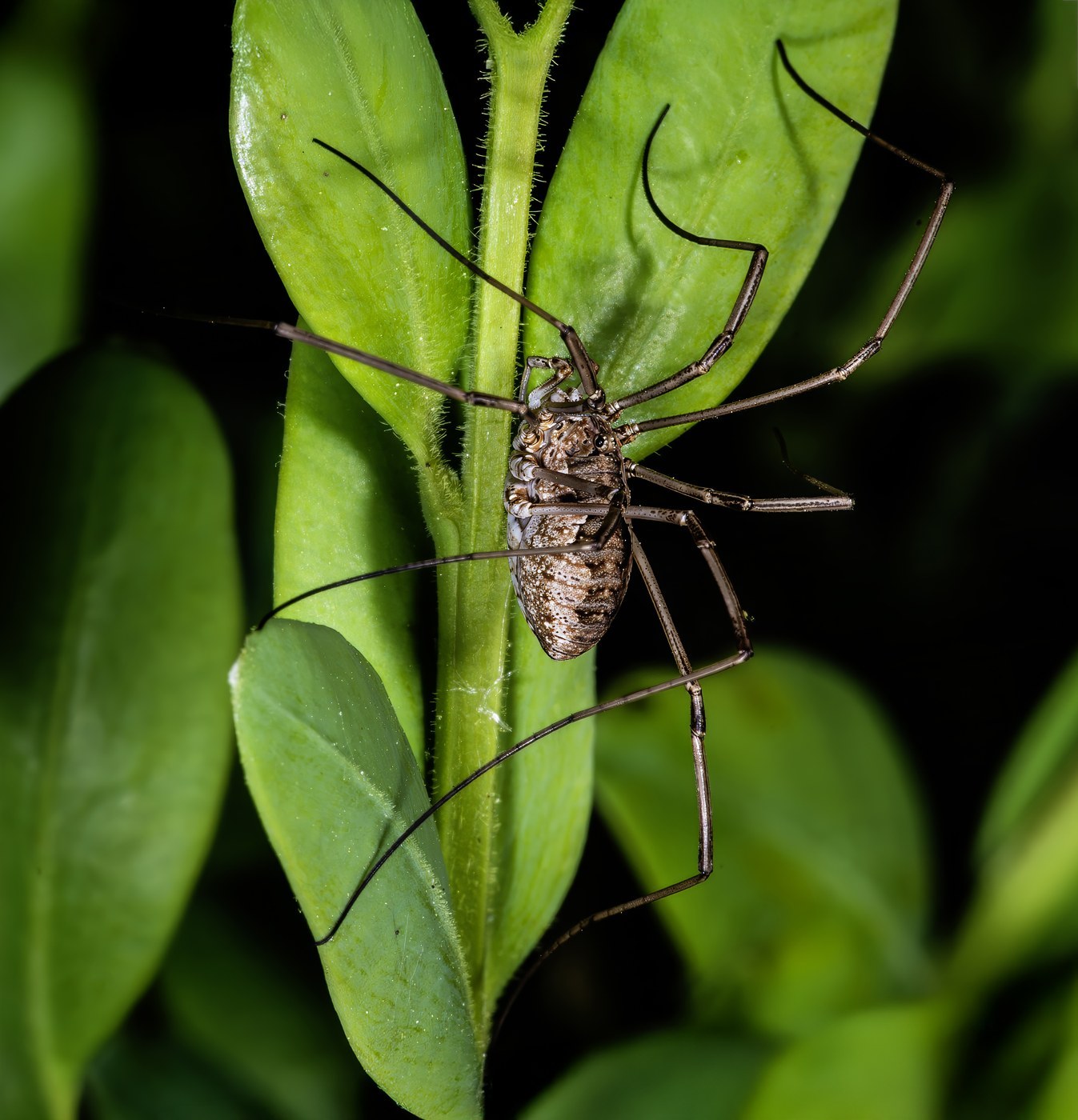
Harvestman
An arachnid built almost entirely of legs, with a single compact, oval body segment and no waist separating it into two parts like a true spider. Common in gardens and forests worldwide, it scuttles along on impossibly long, thin legs scavenging for food after dark.
arachnid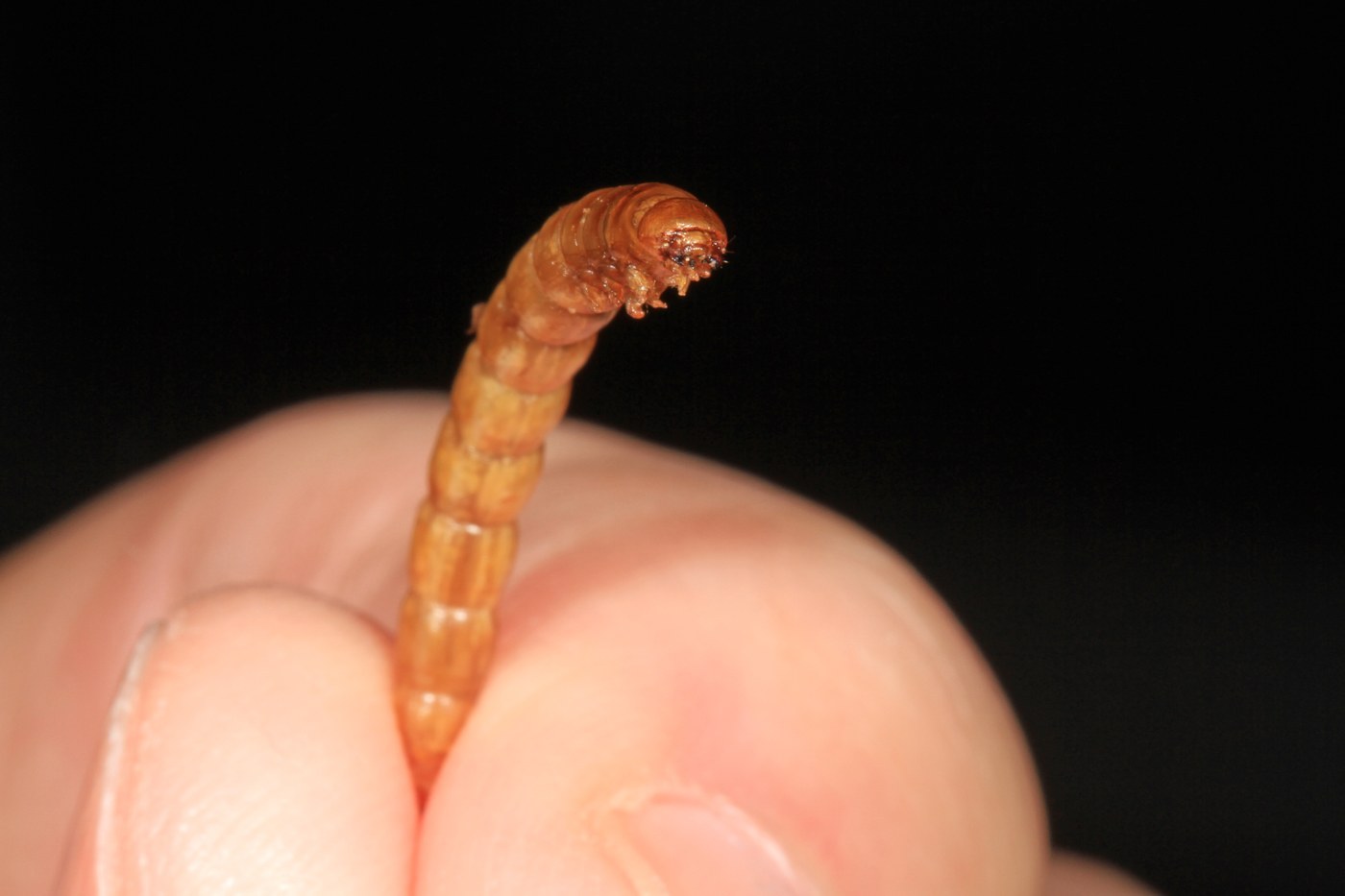
Mealworm
A tan, segmented larva with a shiny hard exoskeleton that tunnels through stored grain and flour before transforming into a darkling beetle.
caterpillar-larva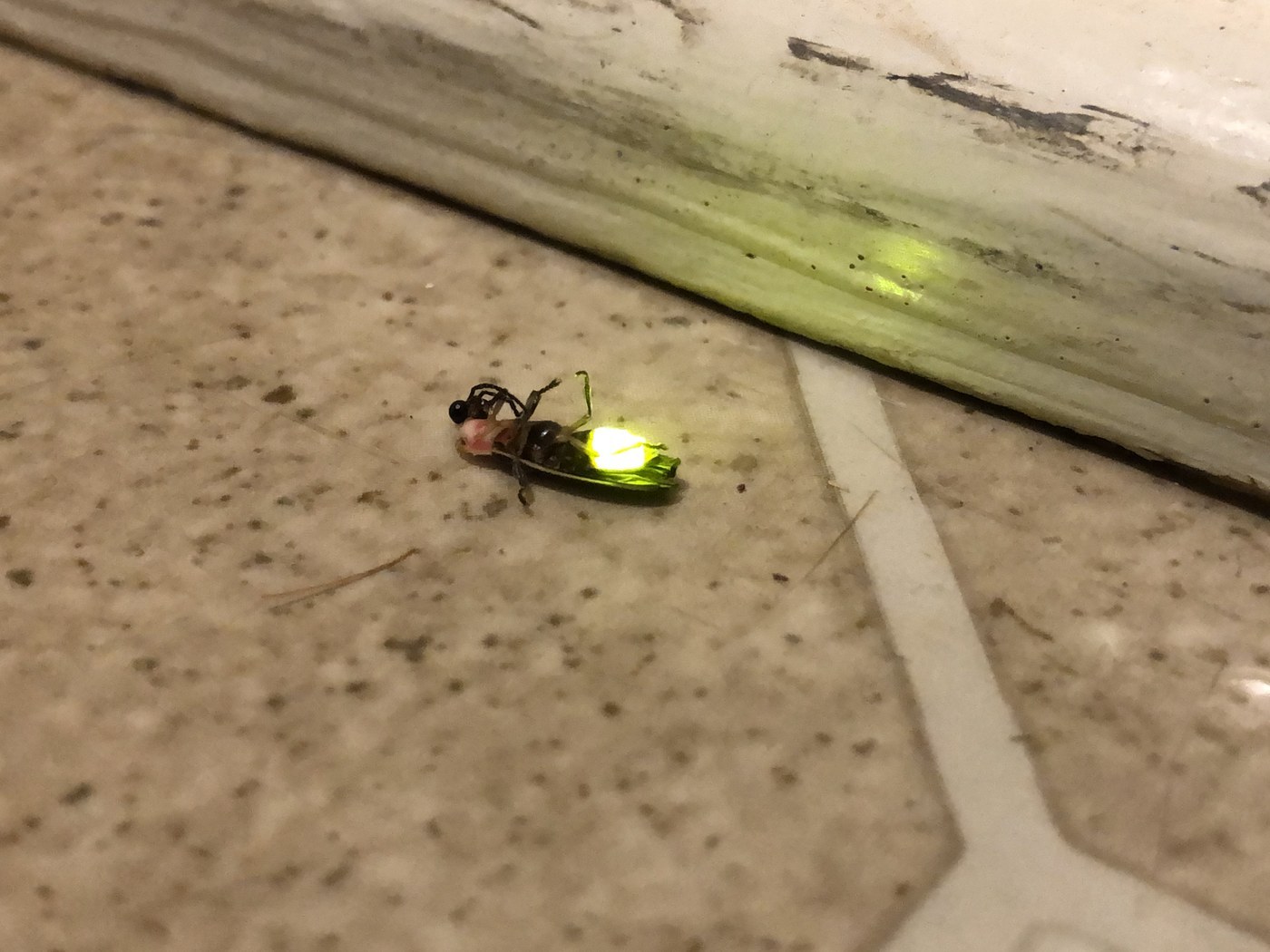
Fireflies
A soft-bodied beetle famous for producing rhythmic, glowing flashes of light from its abdomen at dusk, used to signal and attract mates across meadows and gardens on warm summer evenings.
beetle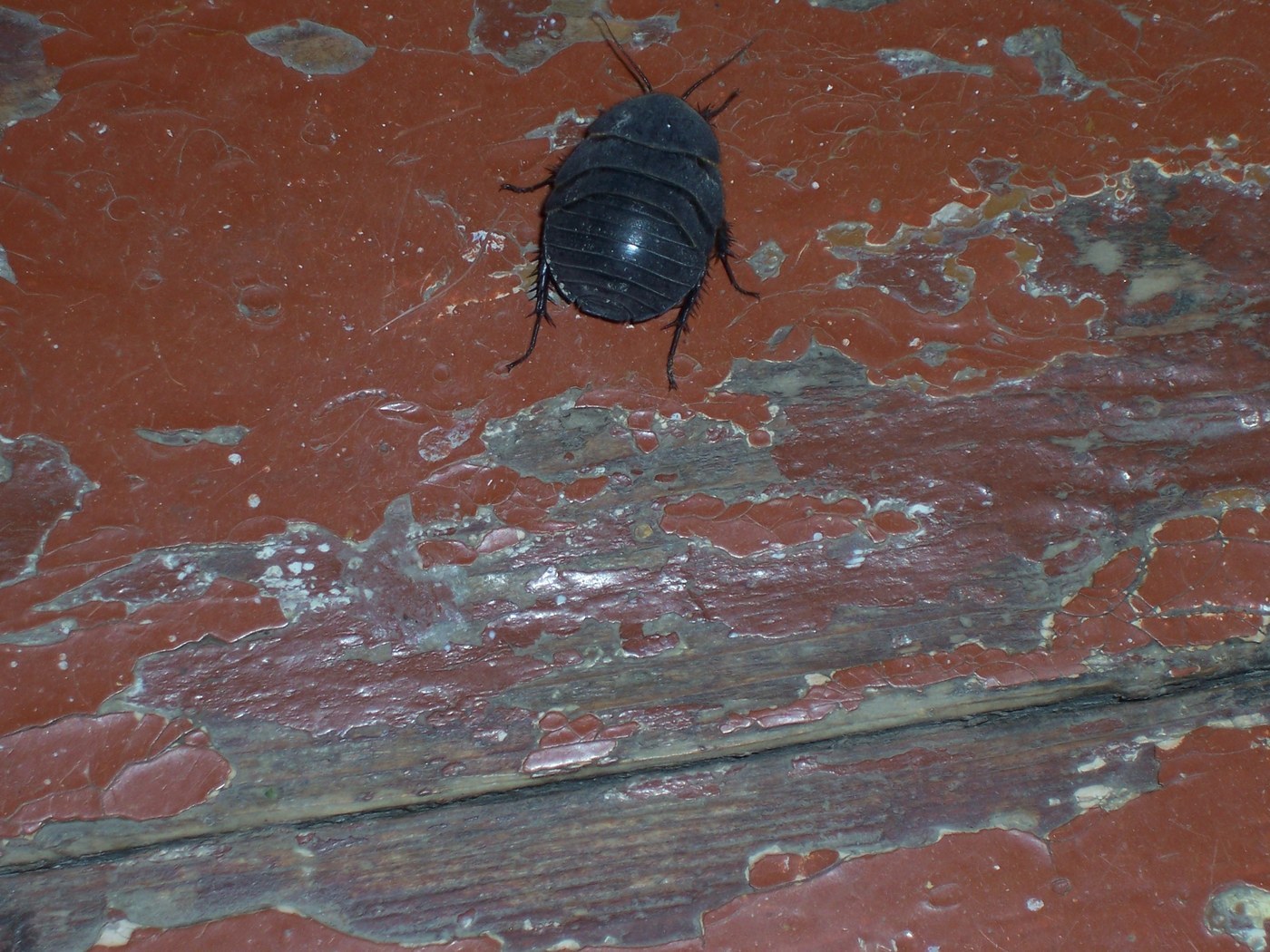
Oriental Cockroach
A dark, matte blackish-brown cockroach with short wings that do not cover the abdomen, especially in females, and a preference for cooler, damper hiding spots than most other common cockroaches.
other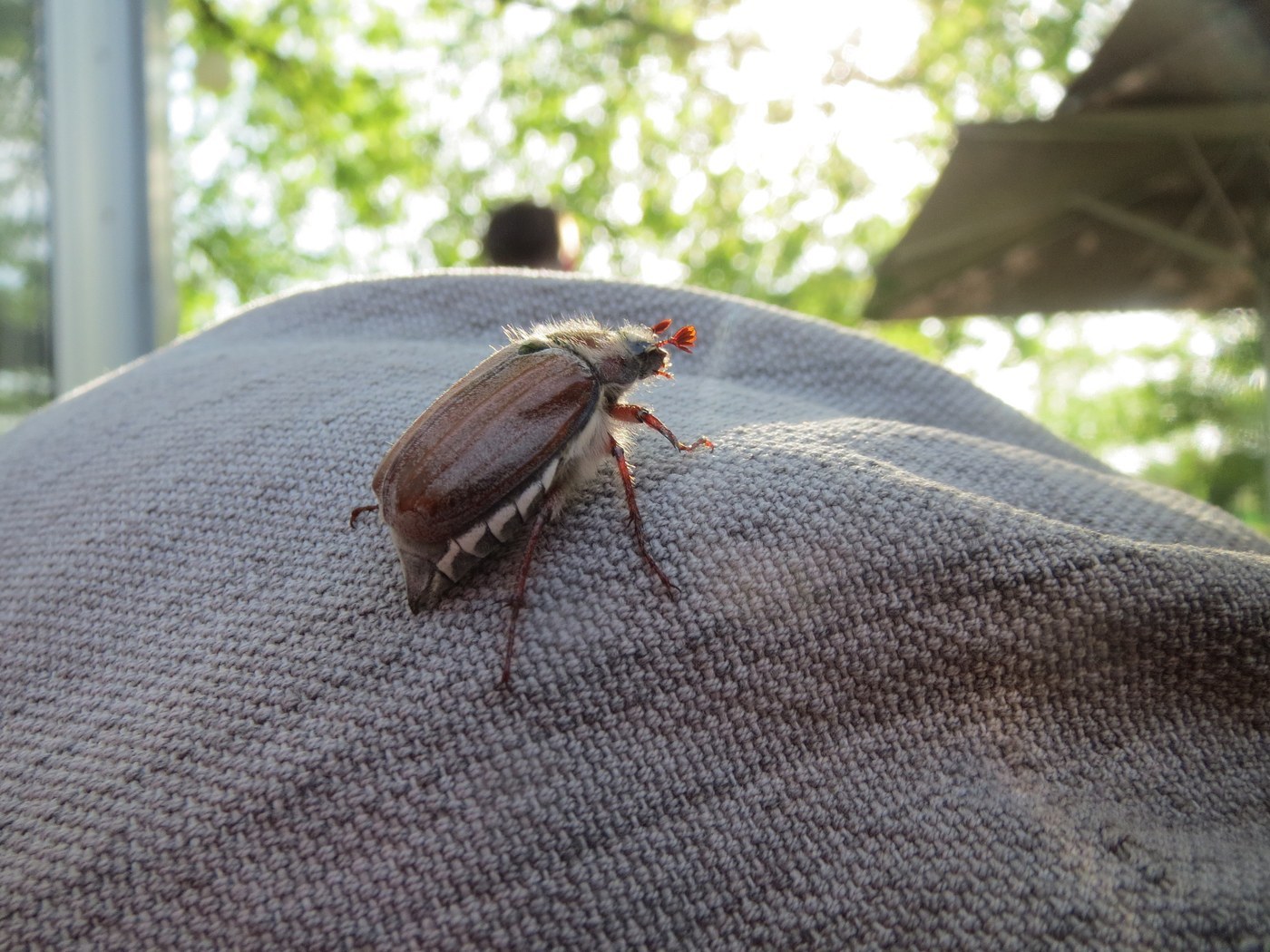
Cockchafer
A large, reddish-brown scarab beetle with distinctive fan-shaped antennae, famous for its noisy, clumsy evening flights around trees in late spring, giving rise to its alternate name, the May bug.
beetle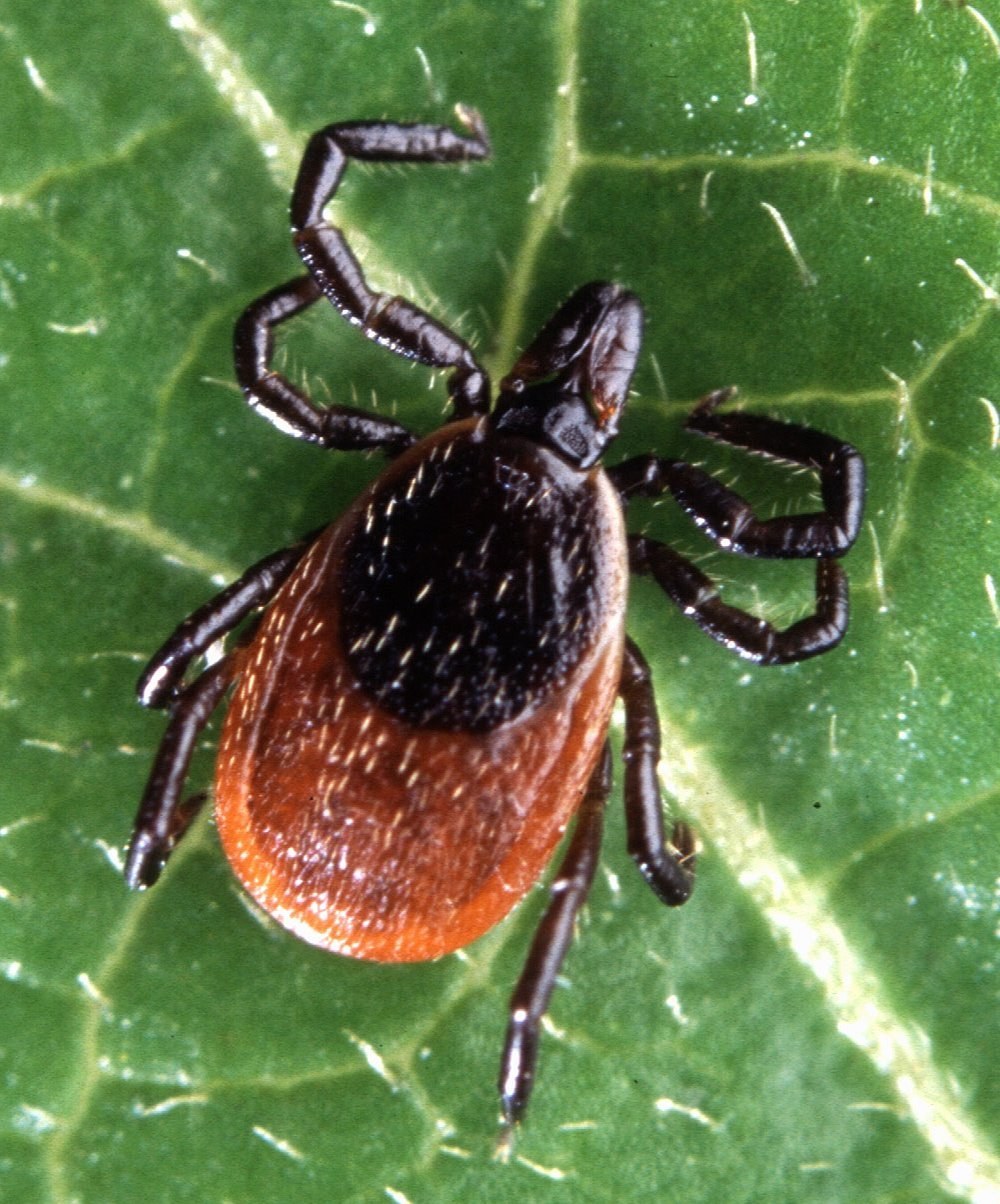
Deer Tick
A small, dark-legged tick with a reddish-brown, teardrop-shaped body, noticeably smaller than many other common tick species and often found questing in wooded or grassy edge habitats.
arachnid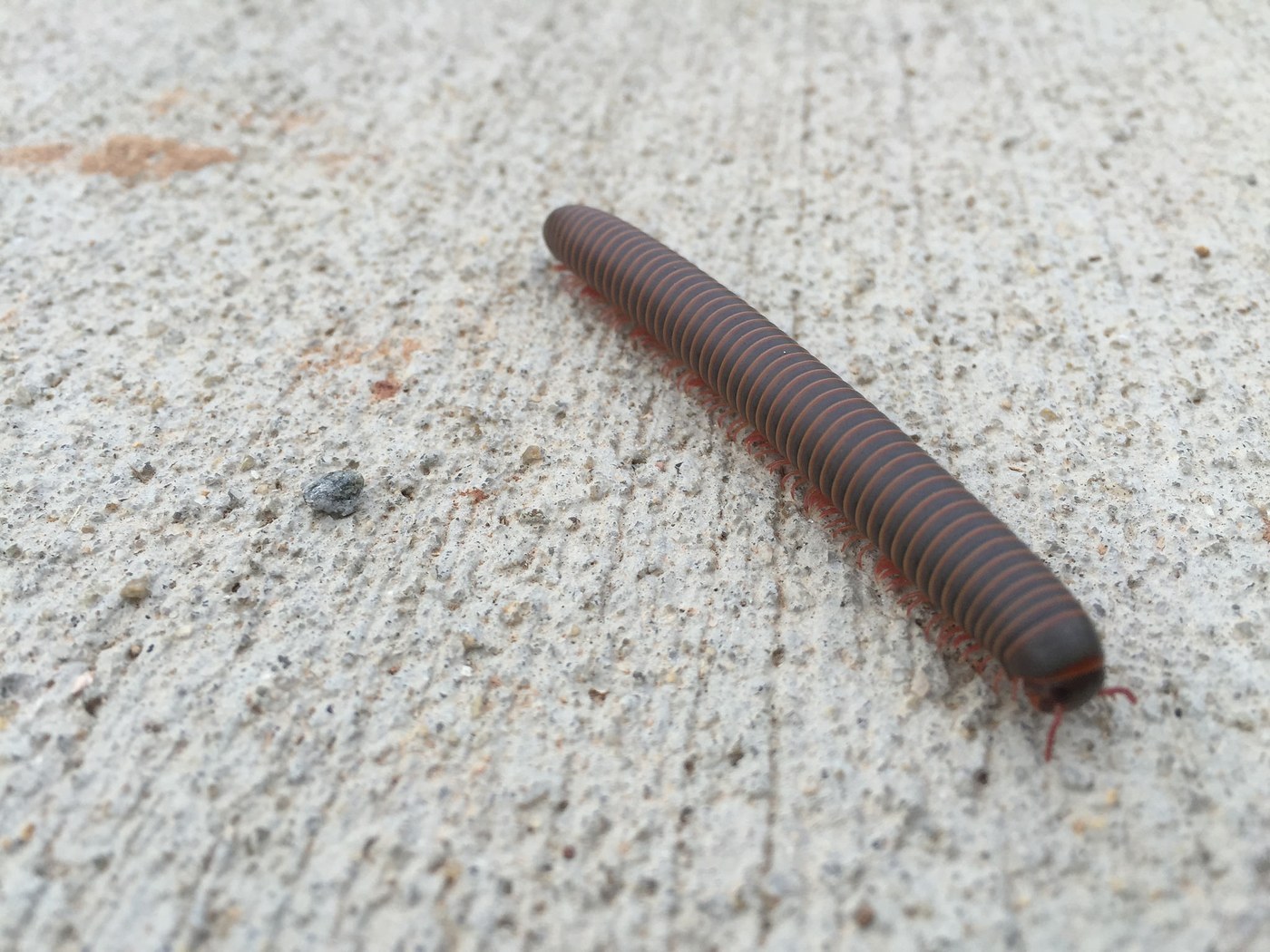
Millipede
A slow-moving, cylindrical, many-legged detritivore with two pairs of legs per body segment, often seen curling into a tight spiral when disturbed.
myriapod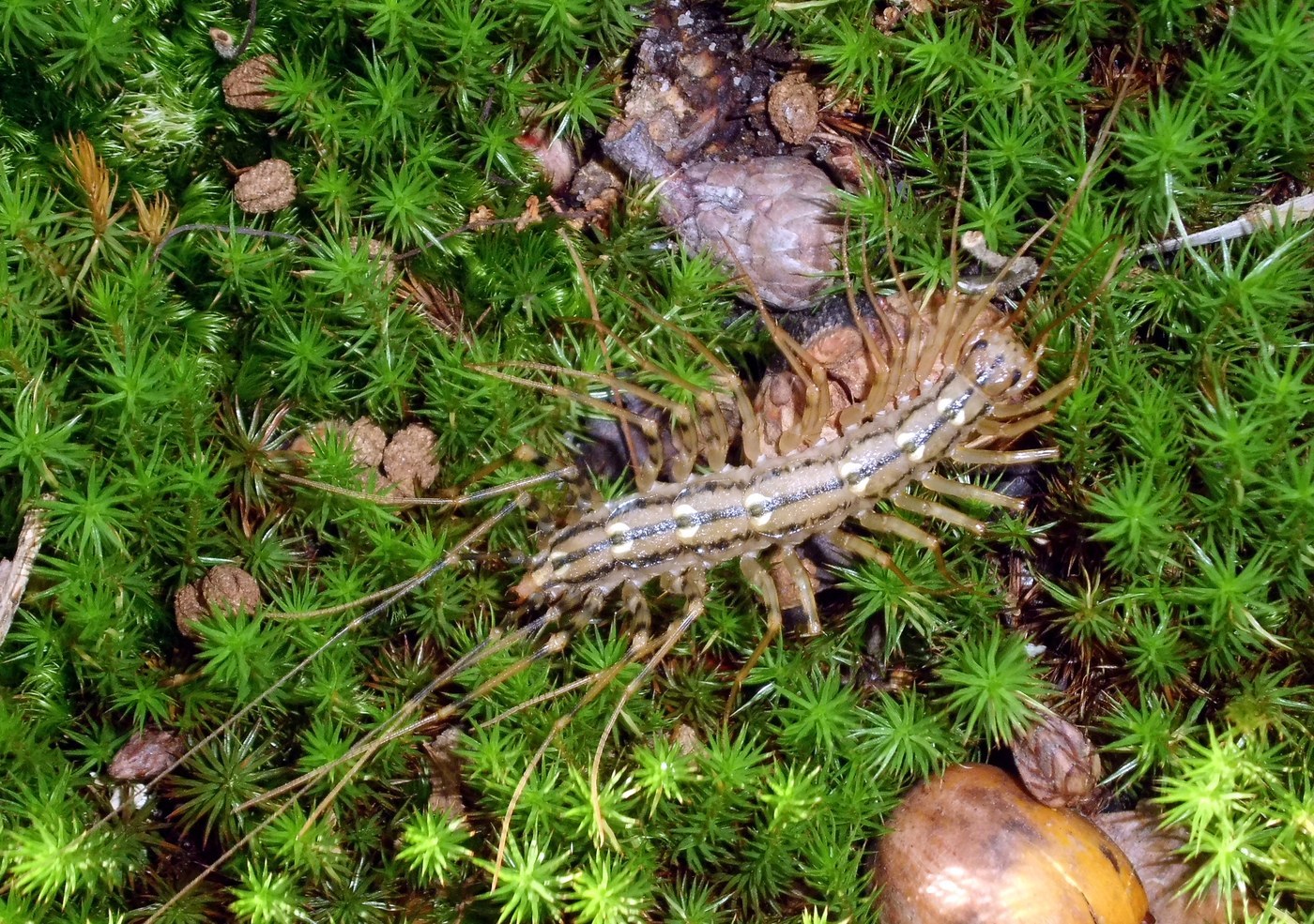
House Centipede
A fast, wiry arthropod with 15 pairs of extremely long, banded legs that make it look far bigger than its actual body size, often seen darting across bathroom or basement floors at night.
myriapod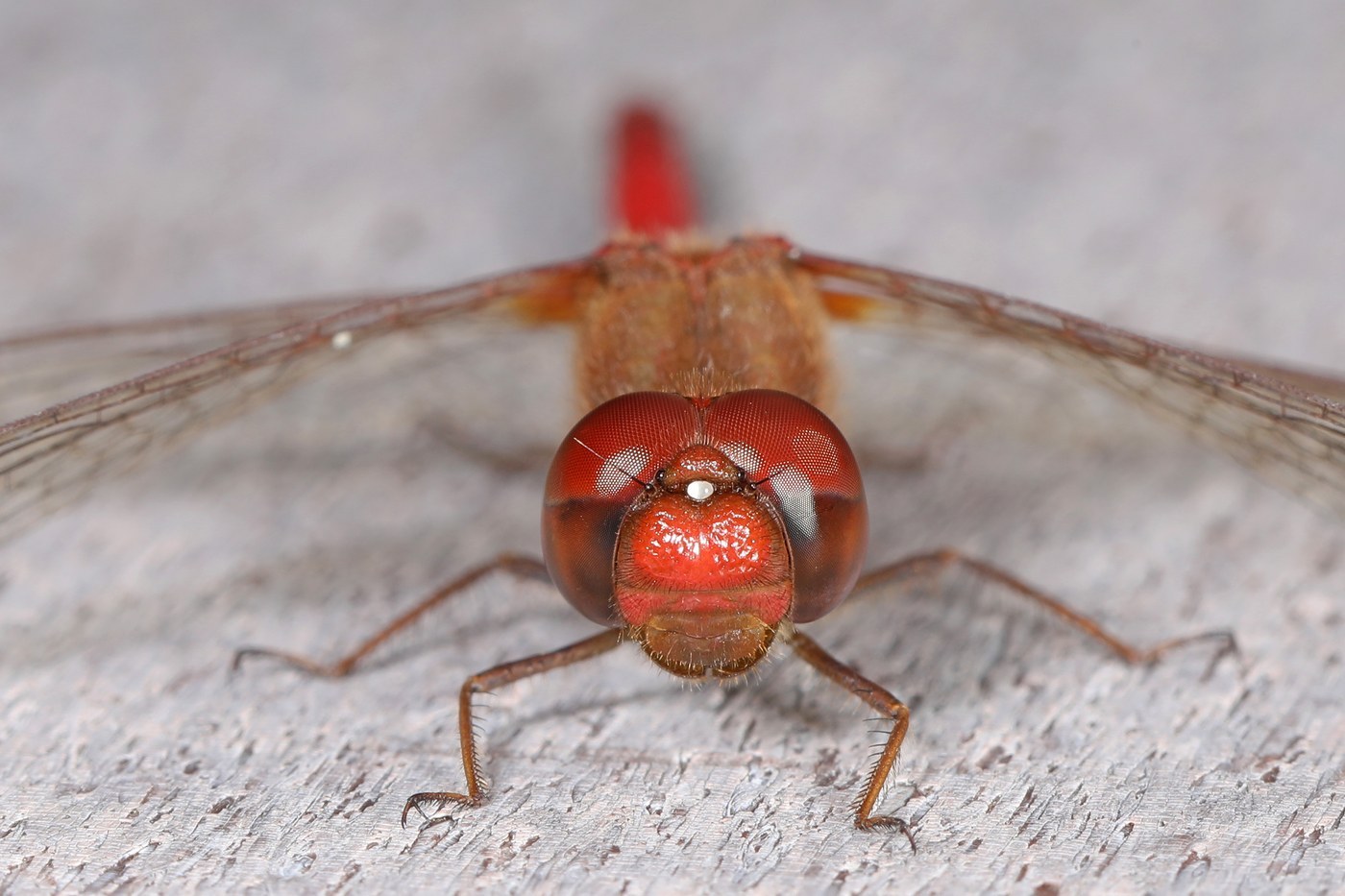
Autumn Meadowhawk
One of the last dragonflies still flying as autumn cools, this small pale-legged meadowhawk can be found sunning on trails and pond banks well into November in many areas.
dragonfly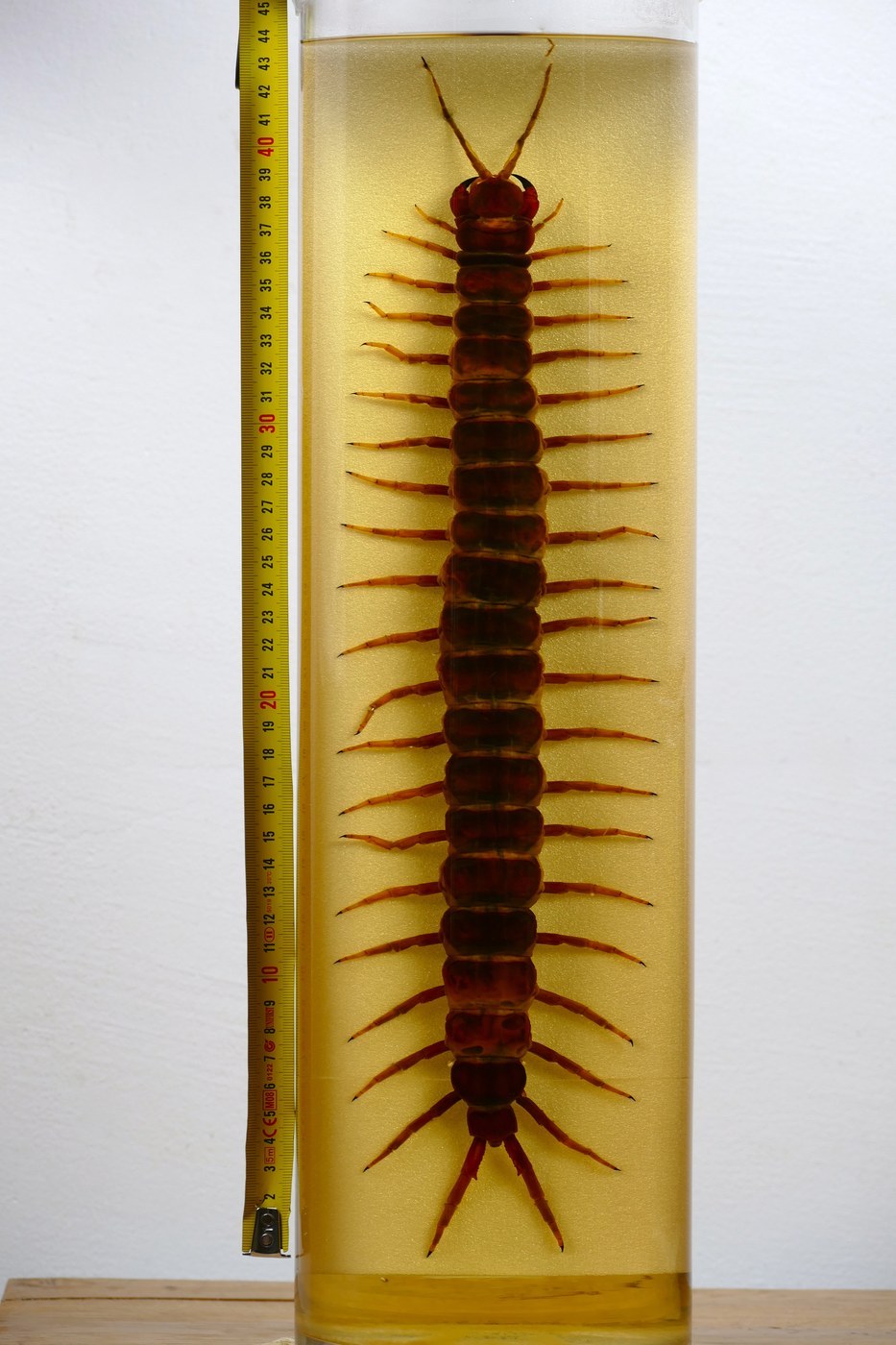
Amazonian Giant Centipede
The largest centipede on the planet, a formidable dark reddish-brown predator from South American rainforests capable of capturing prey as large as bats and small reptiles.
myriapod
Leaf-Footed Bug
A large, elongated brown true bug named for the flattened, leaf-shaped expansions on its hind legs, often found feeding on fruits, seeds, and vegetables in gardens and orchards.
true-bugDaddy Longlegs (Harvestman)
A leggy, one-piece-bodied arachnid that scurries through leaf litter and garden beds on impossibly long, spindly legs, easily mistaken for a spider despite belonging to an entirely different arachnid order.
arachnid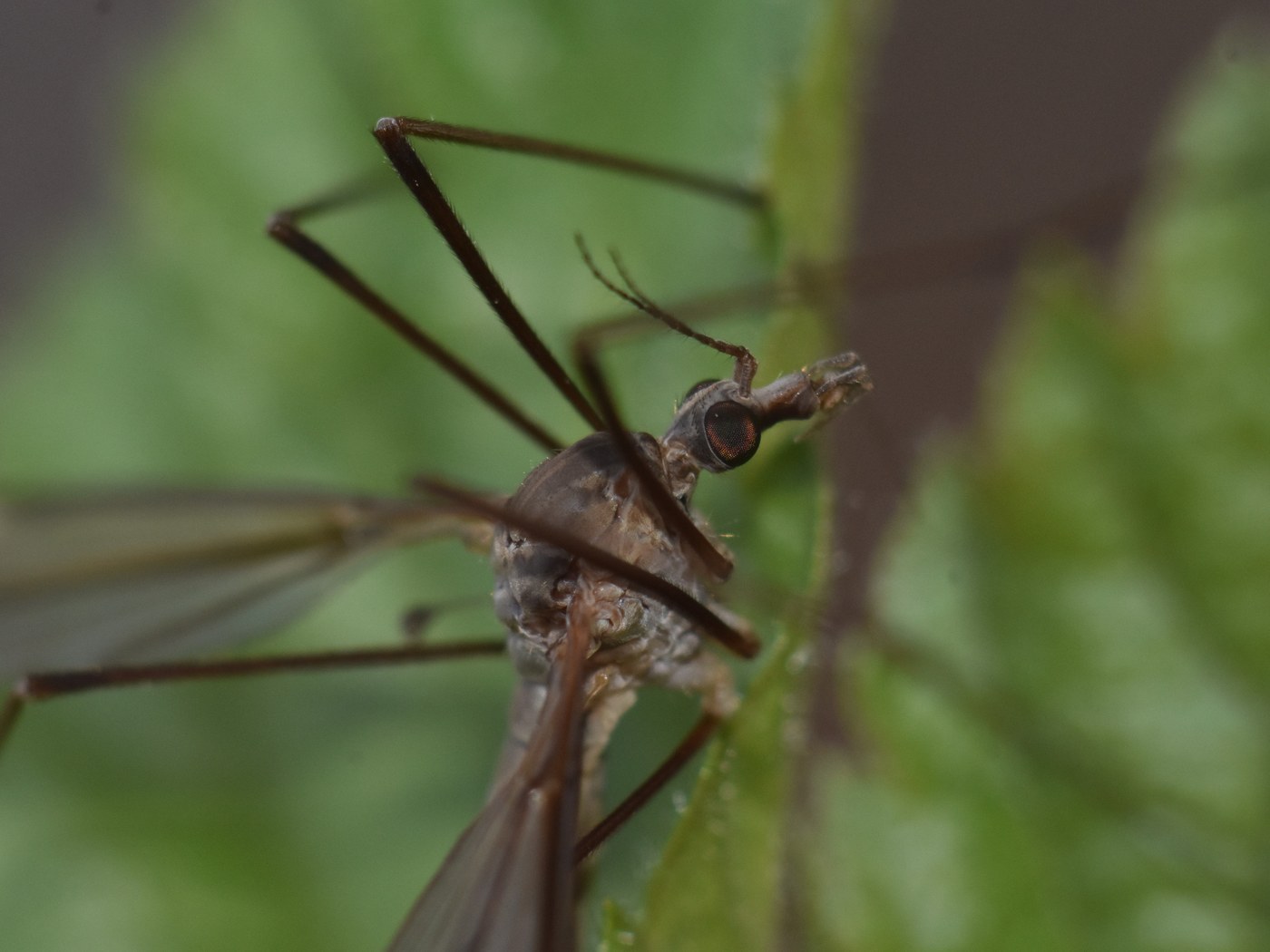
Crane Fly
A long-legged, mosquito-like fly with a slender tan or gray body and a single pair of narrow wings, often seen wobbling clumsily around outdoor lights on summer evenings.
fly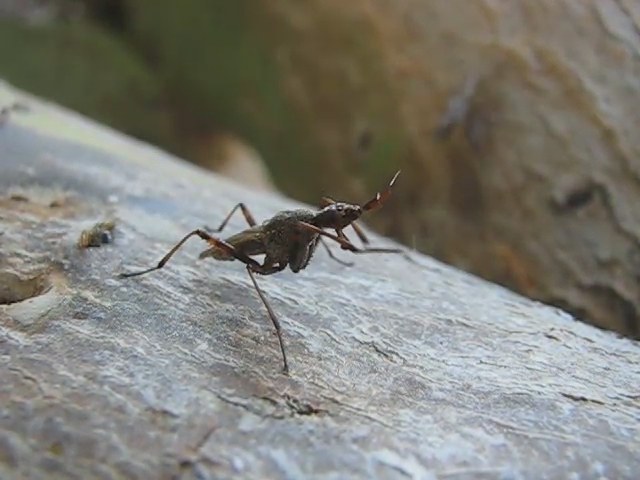
Cactus Fly
A slender, long-legged desert fly that specializes in breeding within the soft, fermenting tissue of decaying cactus, particularly saguaro and other columnar cacti.
fly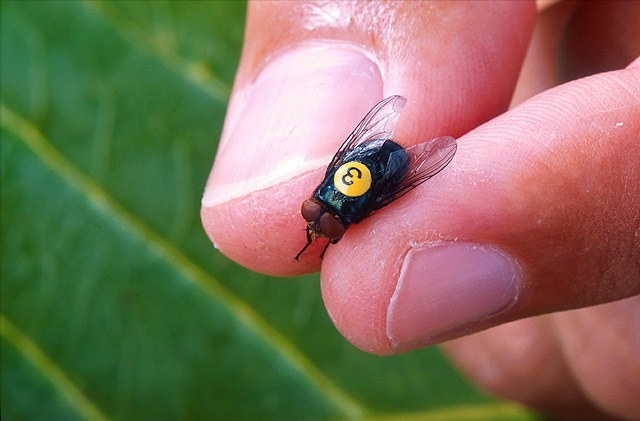
Screwworm Fly
A metallic blue-green blowfly whose larvae are unusual among maggots for feeding on living tissue rather than carrion, drawn to even small open wounds on warm-blooded animals. The species has been the target of one of the most successful large-scale insect eradication campaigns in history across much of North America.
fly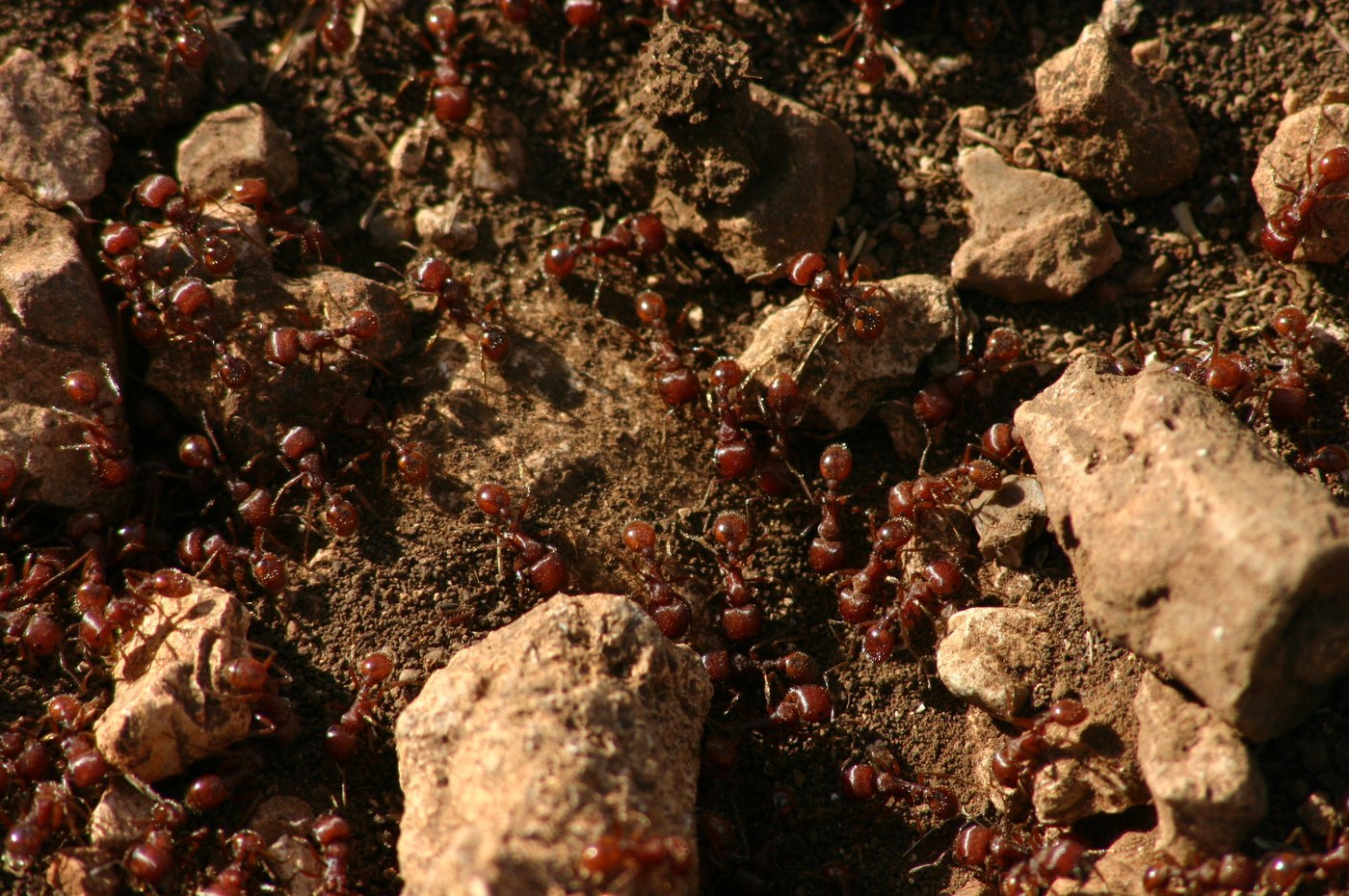
Fire Ant
A small reddish-brown ant that builds loose, crater-less dirt mounds in sunny open turf and mobilizes large numbers of workers rapidly when the nest is disturbed.
ant