
Bug Encyclopedia
Search and identify bugs & insects — beetles, butterflies, moths, ants, bees, spiders and more — with size, habitat, danger, behavior, and how to tell them apart.
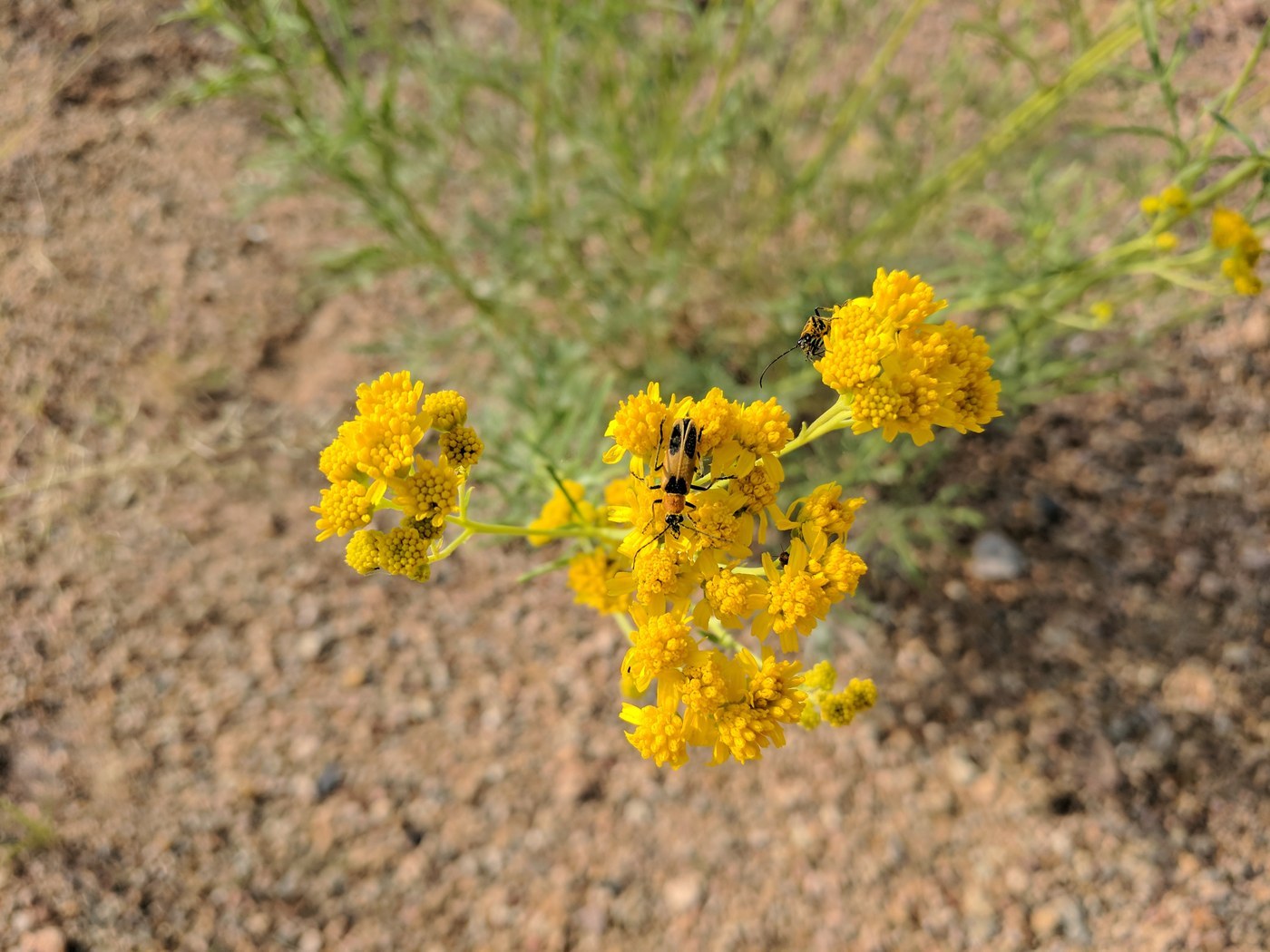
Soldier Beetle
A slender, soft-bodied beetle in orange and black or yellow and brown, often seen clustered on late-summer flowers where it feeds on pollen, nectar, and small insects.
beetle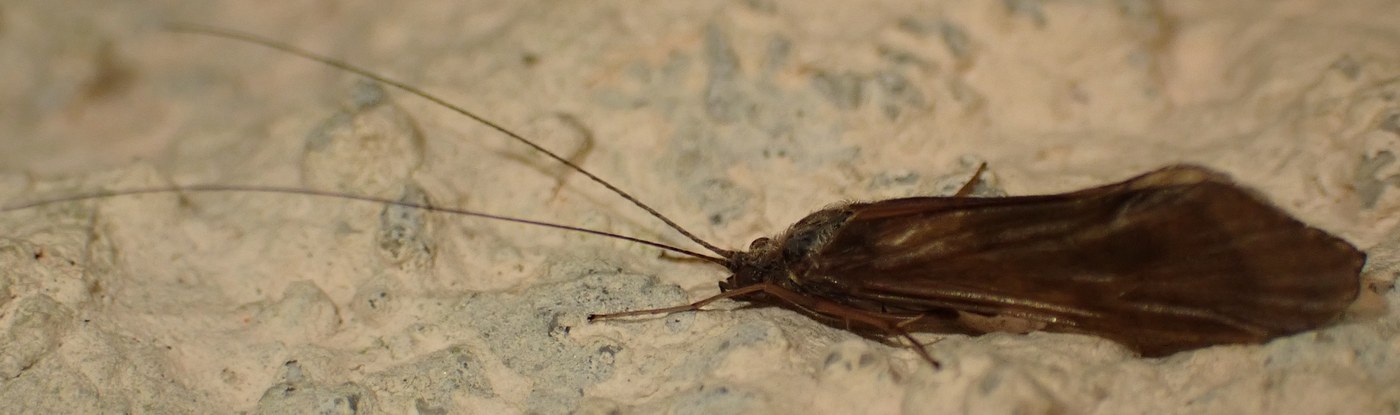
Caddisfly
A moth-like insect whose larvae are famous for constructing portable protective cases out of silk and whatever sand, twigs, or debris they can find.
aquatic-insect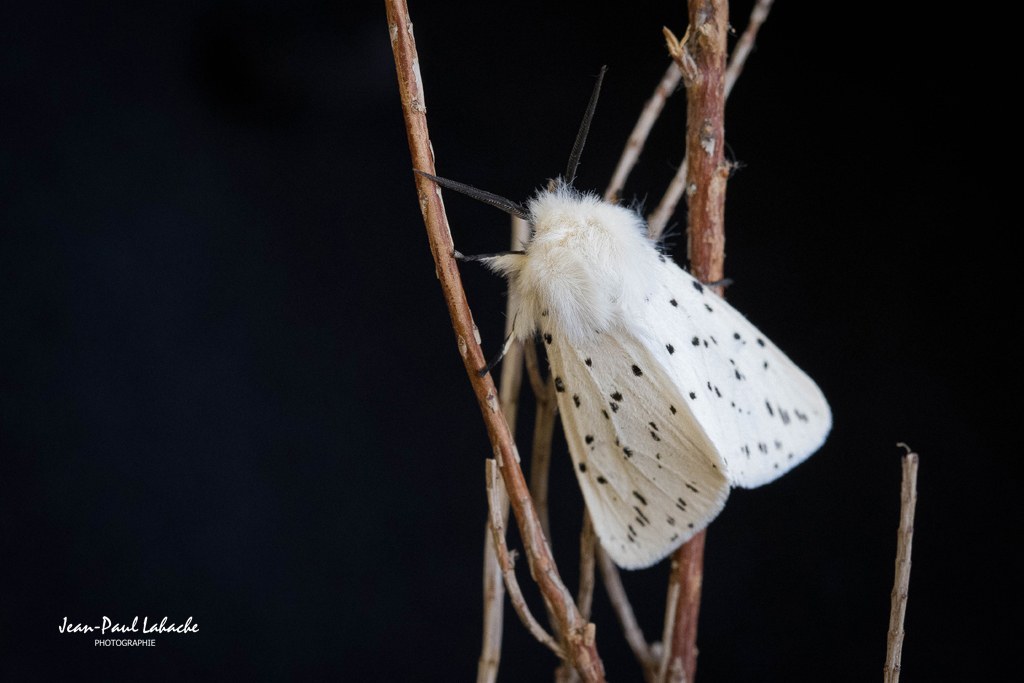
White Ermine Moth
A soft, fuzzy white moth speckled with small black dots, resembling the ermine fur trim after which it is named, commonly seen resting on vegetation or attracted to lights on summer nights.
moth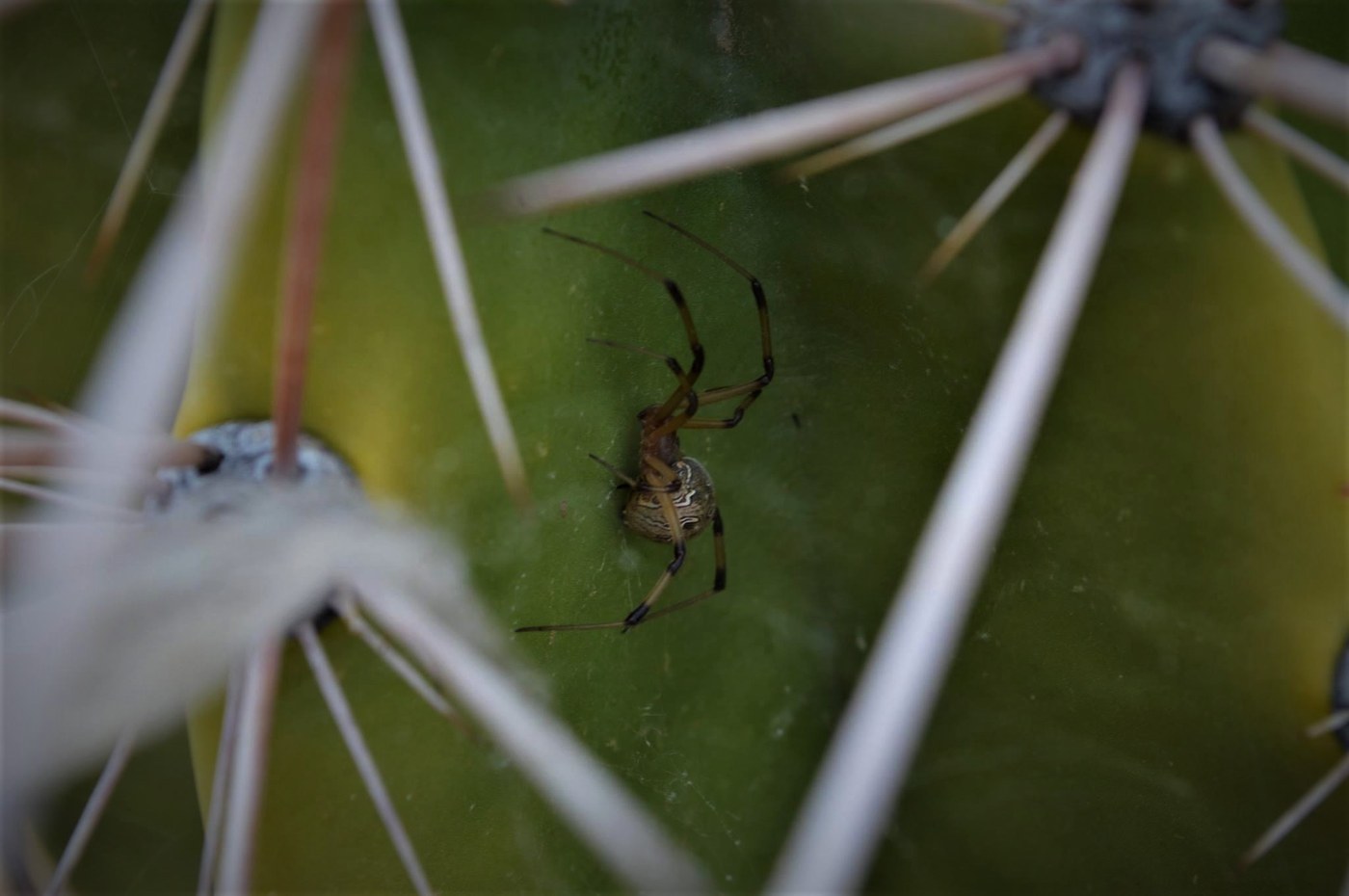
Brown Widow Spider
Named for its mottled tan-and-brown coloring rather than glossy black, the brown widow is easily recognized by its distinctive spiky, off-white egg sacs and an orange hourglass on its underside.
spider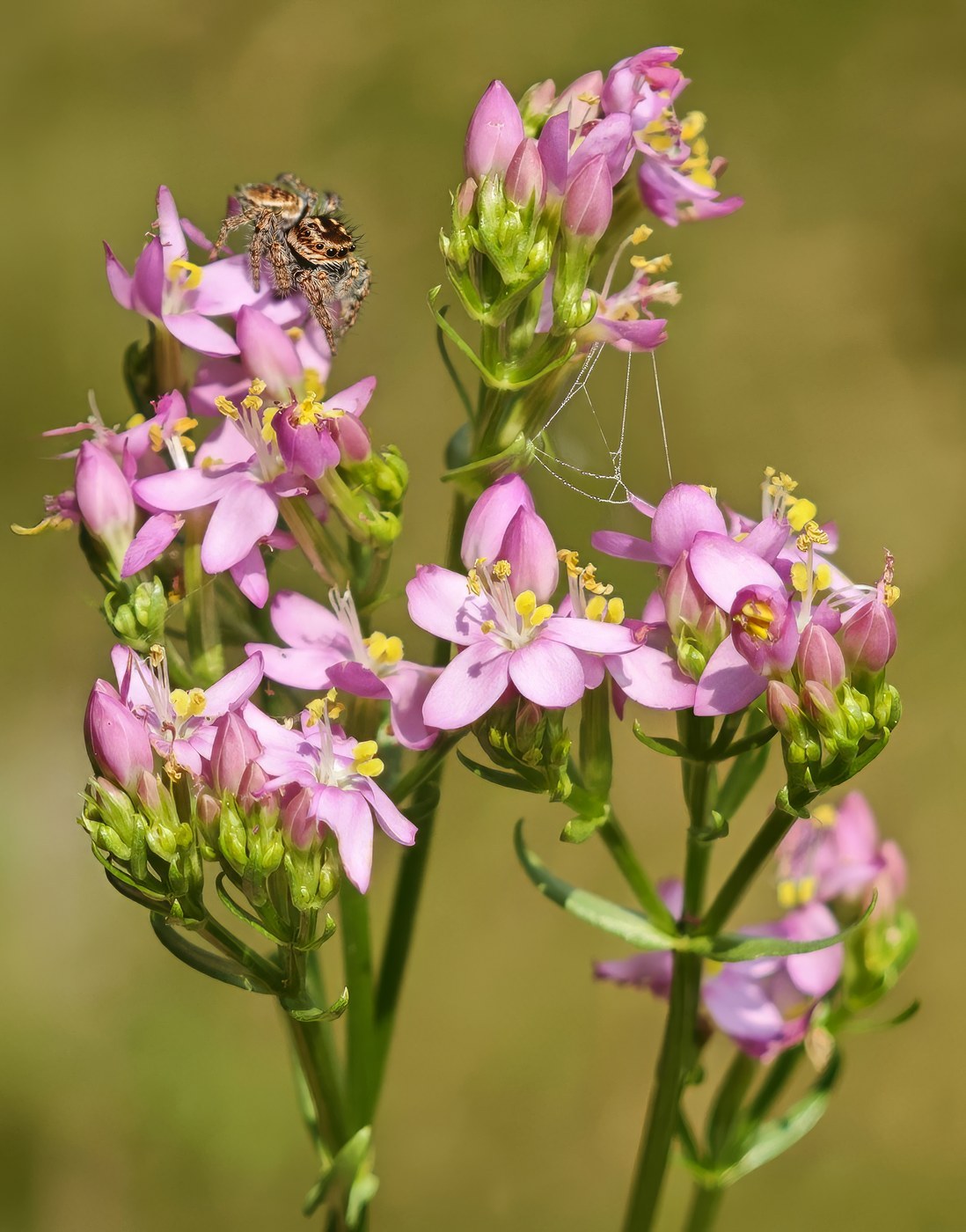
Regal Jumping Spider
One of the largest and most striking North American jumping spiders, with a velvety black body, bold markings, and huge iridescent green or blue-lined eyes.
spider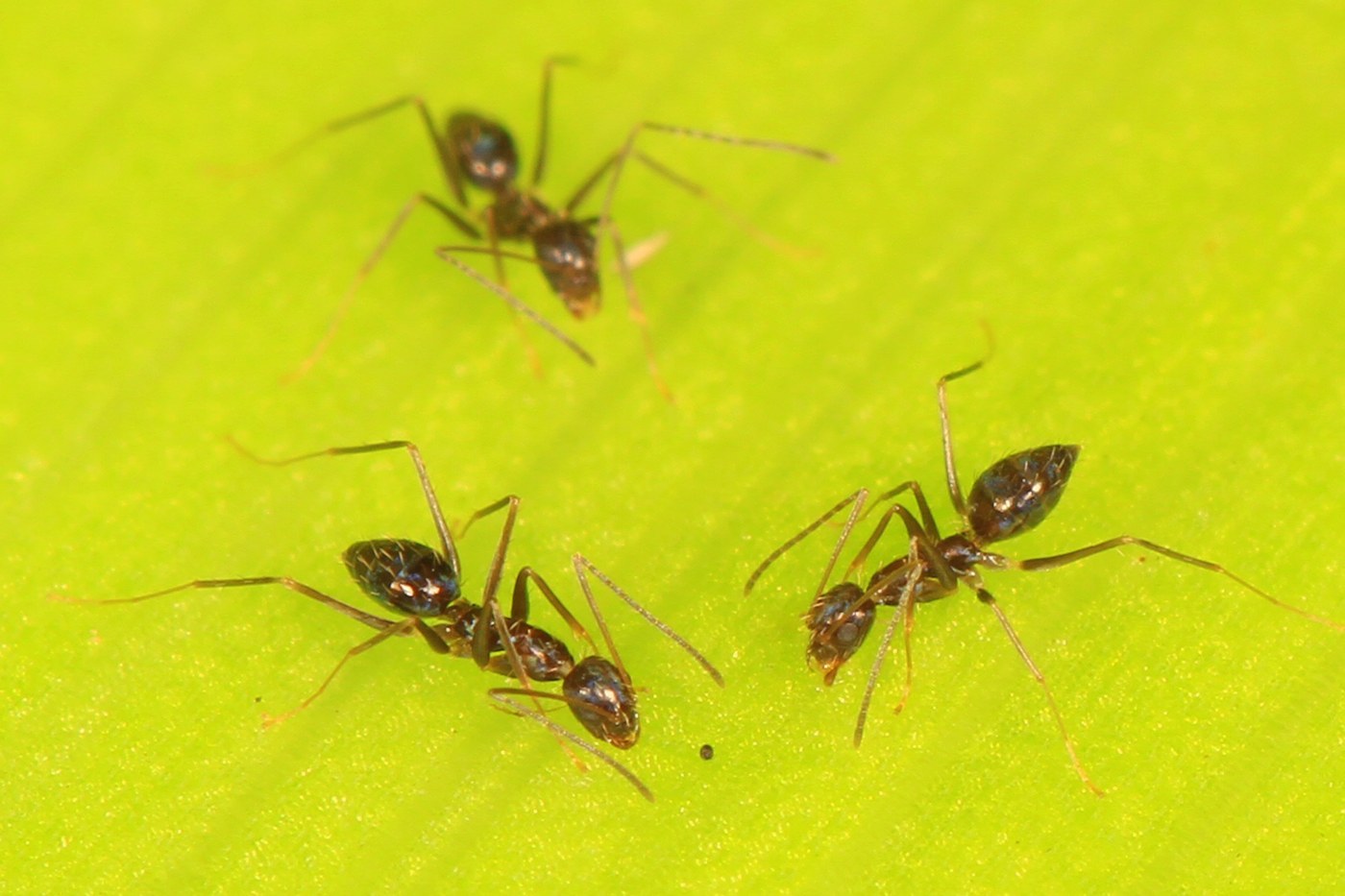
Crazy Ant
A fast-moving, long-legged ant instantly recognizable by its erratic, non-stop scurrying in every direction rather than the orderly trails followed by most other ants.
ant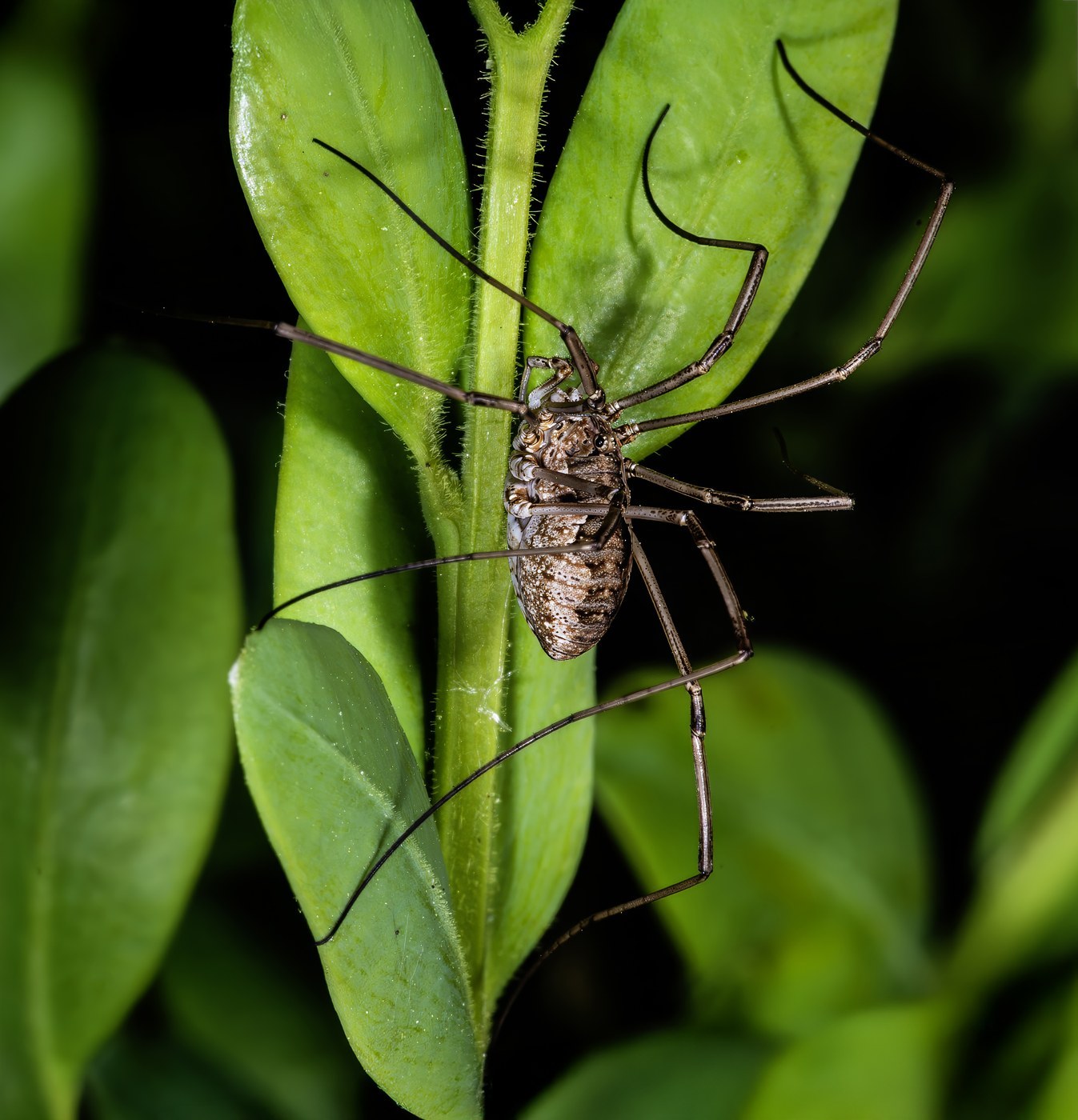
Daddy Longlegs
A small, oval-bodied arachnid carried on extremely long, thread-like legs, distinct from true spiders in having a one-piece fused body and no silk glands or web.
arachnid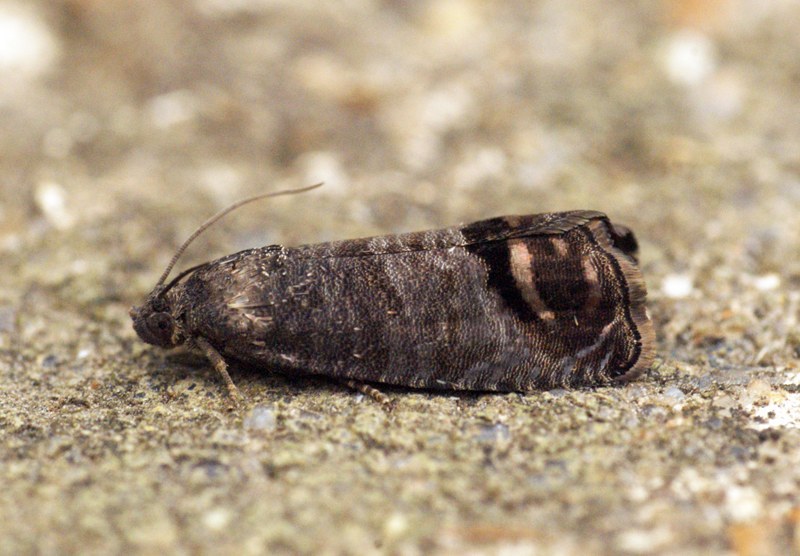
Codling Moth
A small, inconspicuous grey-brown moth best known through the work of its larva, the classic apple 'worm' that tunnels into fruit, making this tiny moth one of the most economically significant insects in orchards worldwide.
mothFunnel Weaver Spider
Nearly invisible until dew or morning frost outlines it in silver, the funnel weaver's sheet-and-tunnel web is a familiar sight across lawns and gardens, with its owner watching from the safety of a silken tube.
spider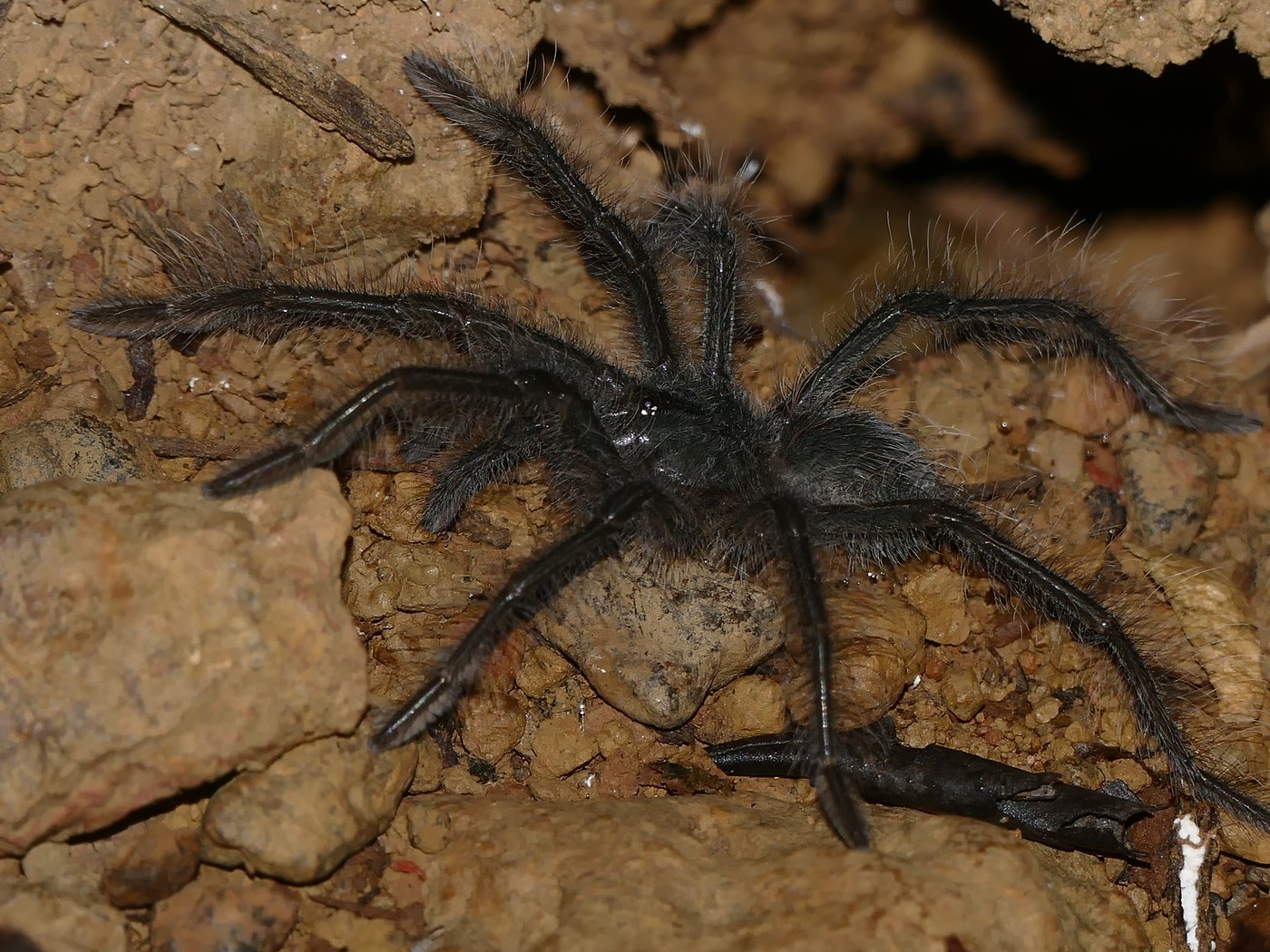
Goliath Birdeater
The heaviest spider in the world, the Goliath birdeater is a massive, hairy tarantula from the South American rainforest whose leg span can rival a dinner plate, though despite its name it primarily hunts insects and other invertebrates rather than birds.
spider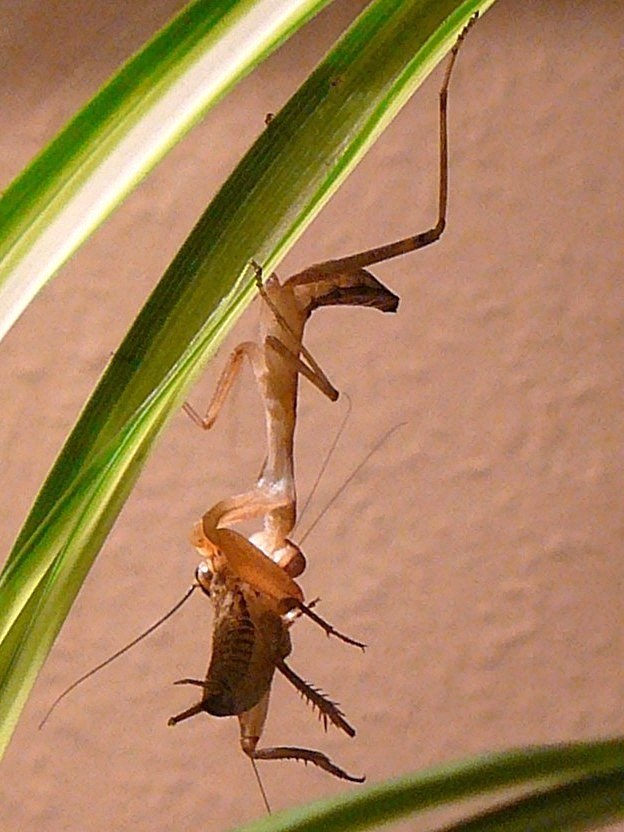
African Mantis
A large, sturdy green or brown mantis frequently found perched on garden shrubs, patiently scanning for insect prey with its sharply angled triangular head.
mantis-stick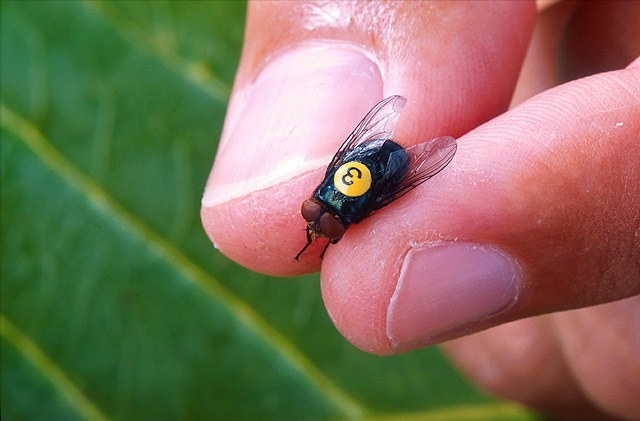
Screwworm Fly
A metallic blue-green blowfly whose larvae are unusual among maggots for feeding on living tissue rather than carrion, drawn to even small open wounds on warm-blooded animals. The species has been the target of one of the most successful large-scale insect eradication campaigns in history across much of North America.
fly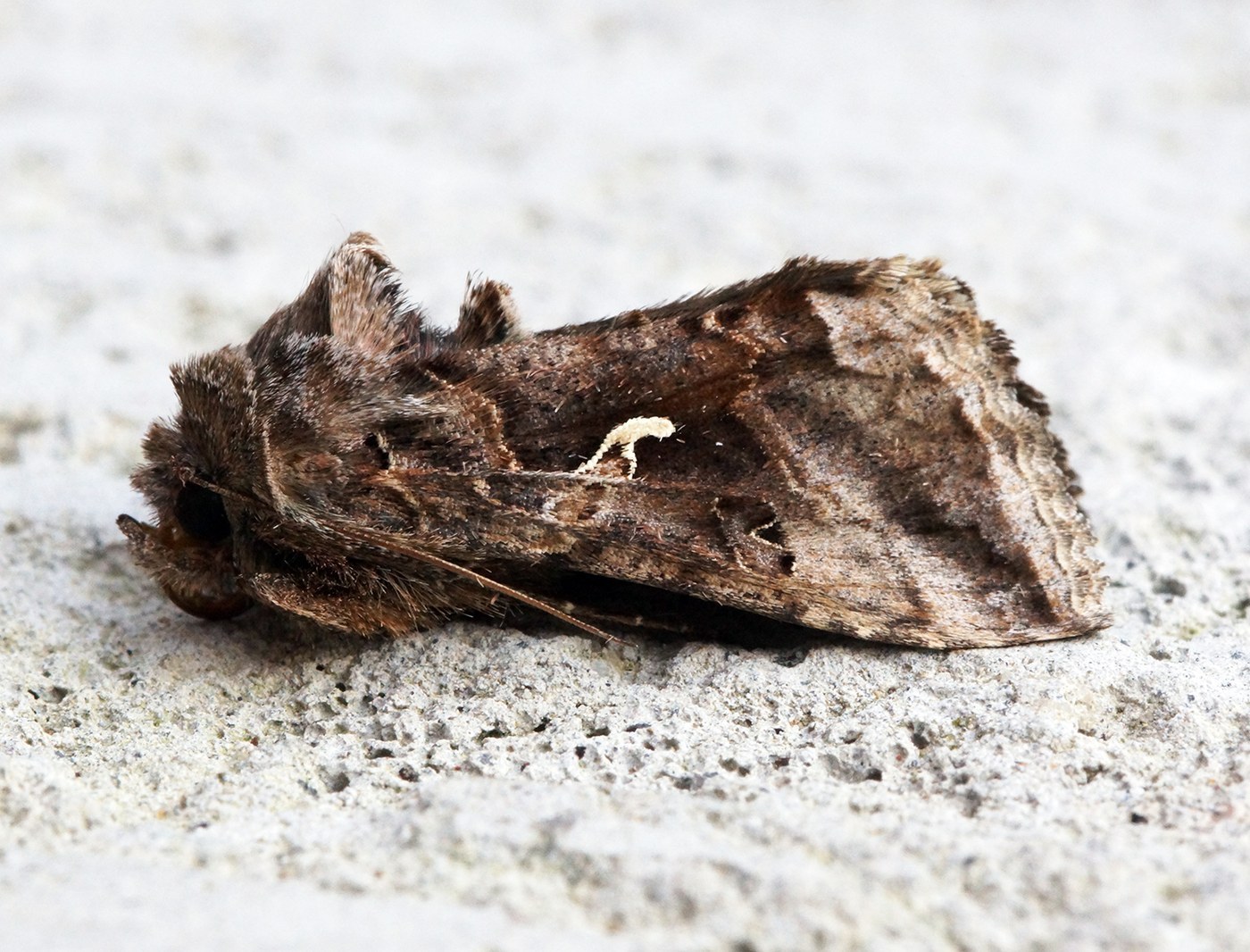
Silver Y Moth
A fast-flying, day-active noctuid moth named for the metallic silver Y- or gamma-shaped mark on each mottled grey-brown forewing, famous for its long-distance migratory flights.
mothScabies Mite
A microscopic, eyeless mite that spends its entire life cycle burrowed within the outer layer of a mammal's skin, among the smallest arachnids known to science. Unlike free-living mites, it has no independent existence away from a host and is studied primarily through microscopic examination rather than direct observation.
arachnid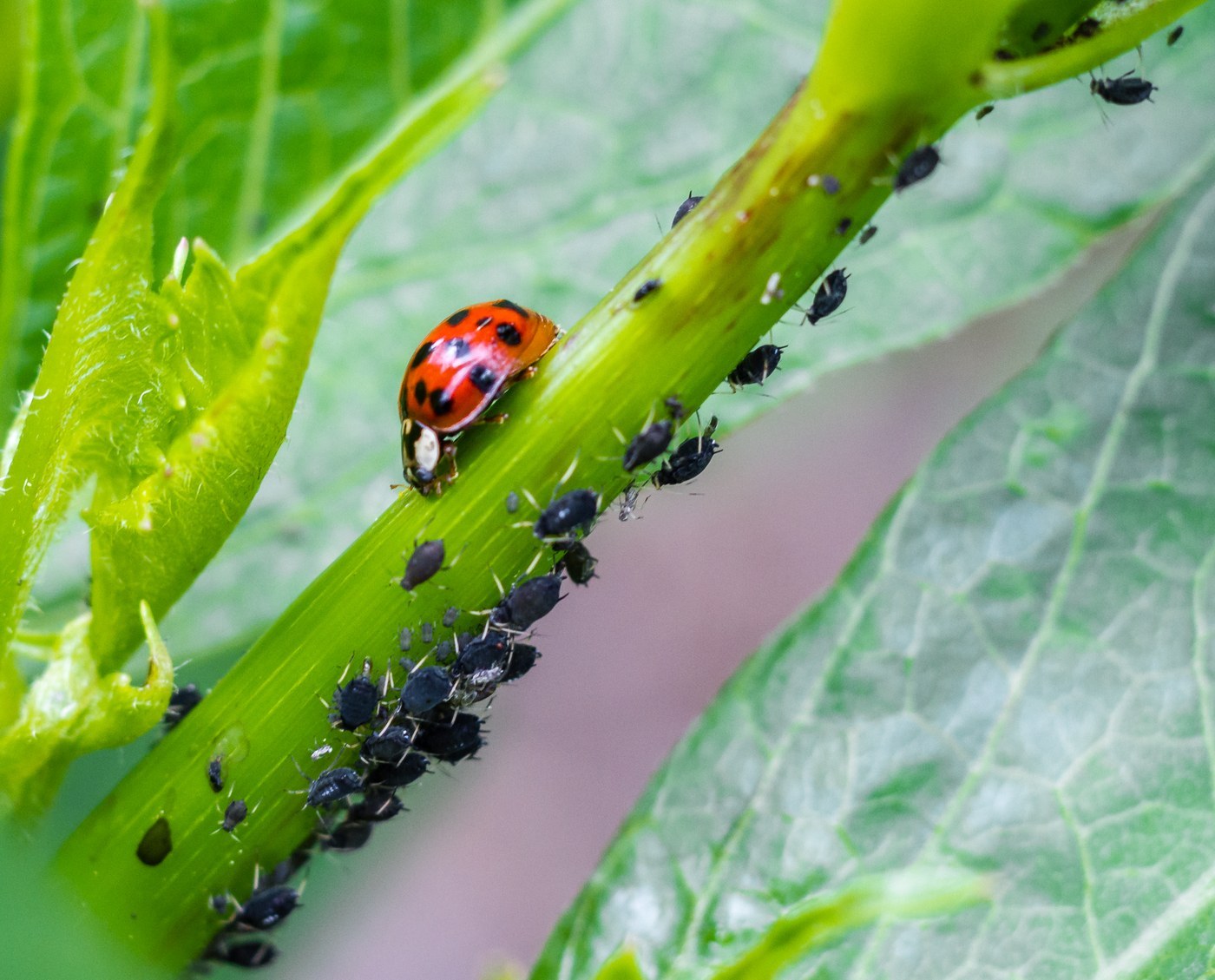
Asian Lady Beetle
A highly variable orange-to-red ladybird beetle, often bearing many black spots or none at all, famous for swarming into homes in large numbers during autumn.
beetle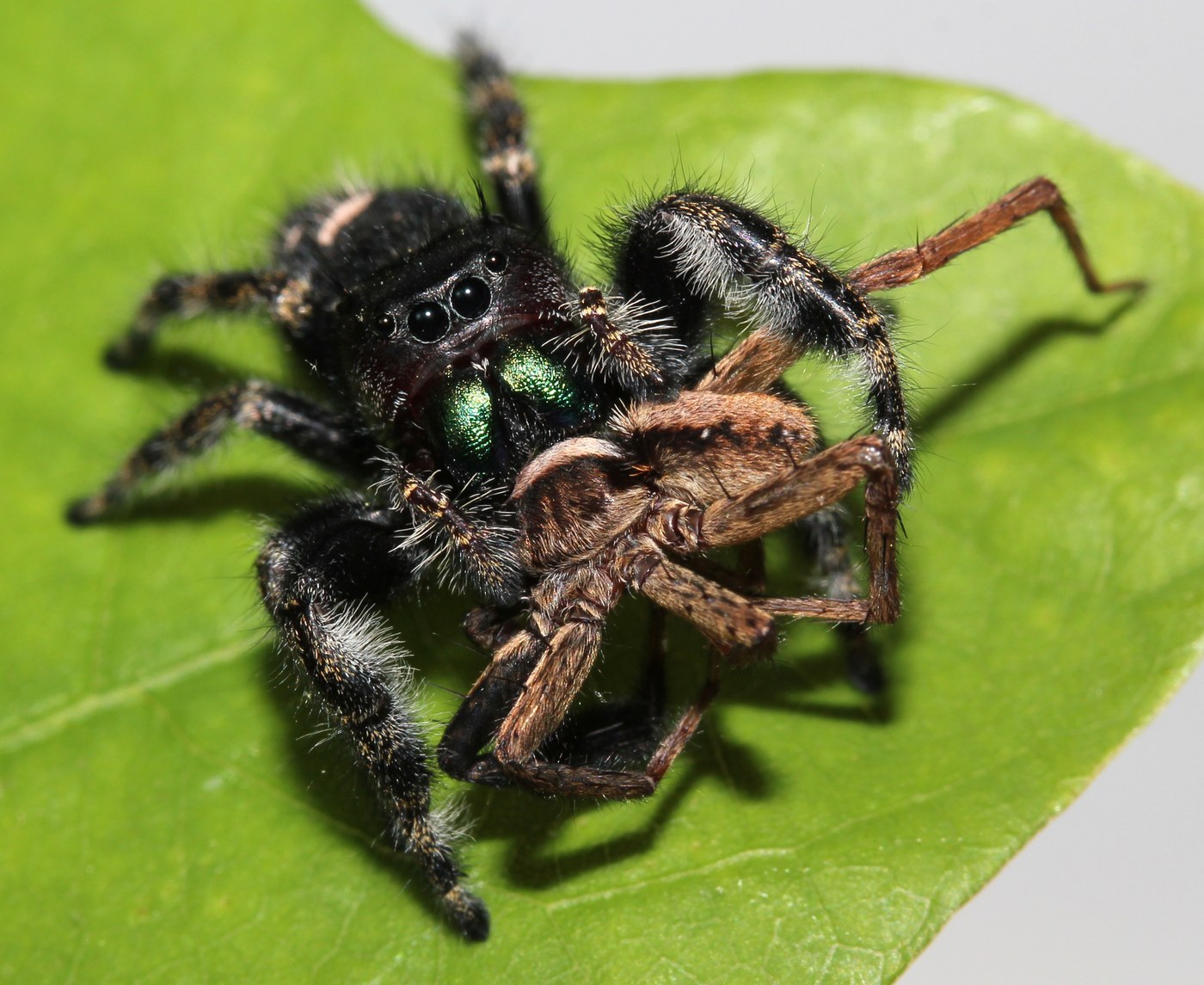
Bold Jumping Spider
A stocky, fuzzy black spider with iridescent green or blue mouthparts and a bold white or orange spot on its abdomen, the bold jumper is known for its excellent eyesight, curious behavior, and ability to leap many times its own body length.
spider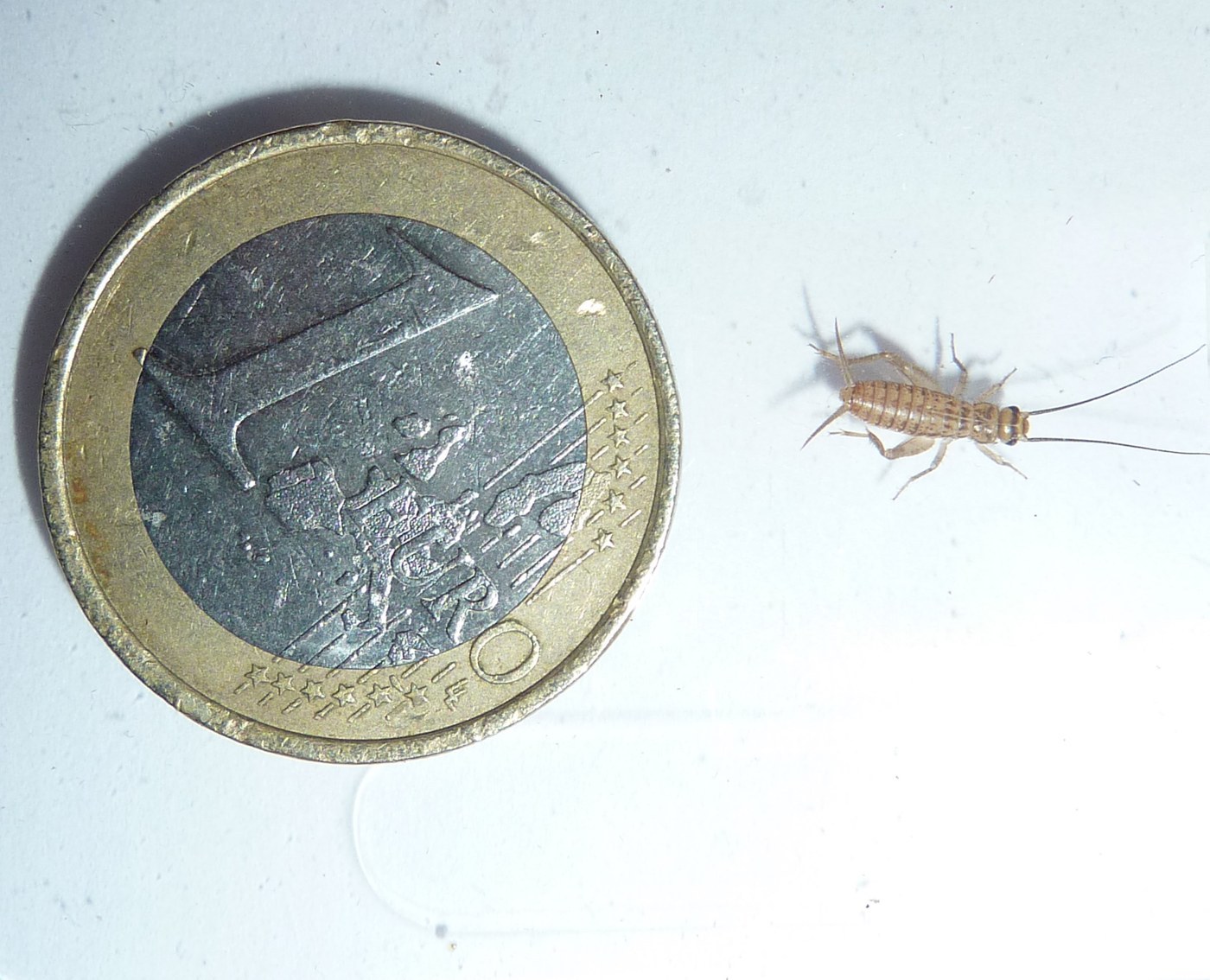
House Cricket
A pale tan, dark-banded cricket originally from warm regions of Asia that has spread worldwide both as an occasional indoor nuisance and as a widely farmed feeder insect.
grasshopper-cricketIronclad Beetle
A slow-moving, mottled gray beetle famed for having one of the hardest, most crush-resistant exoskeletons of any insect, often found clinging motionless to dead wood or tree bark.
beetle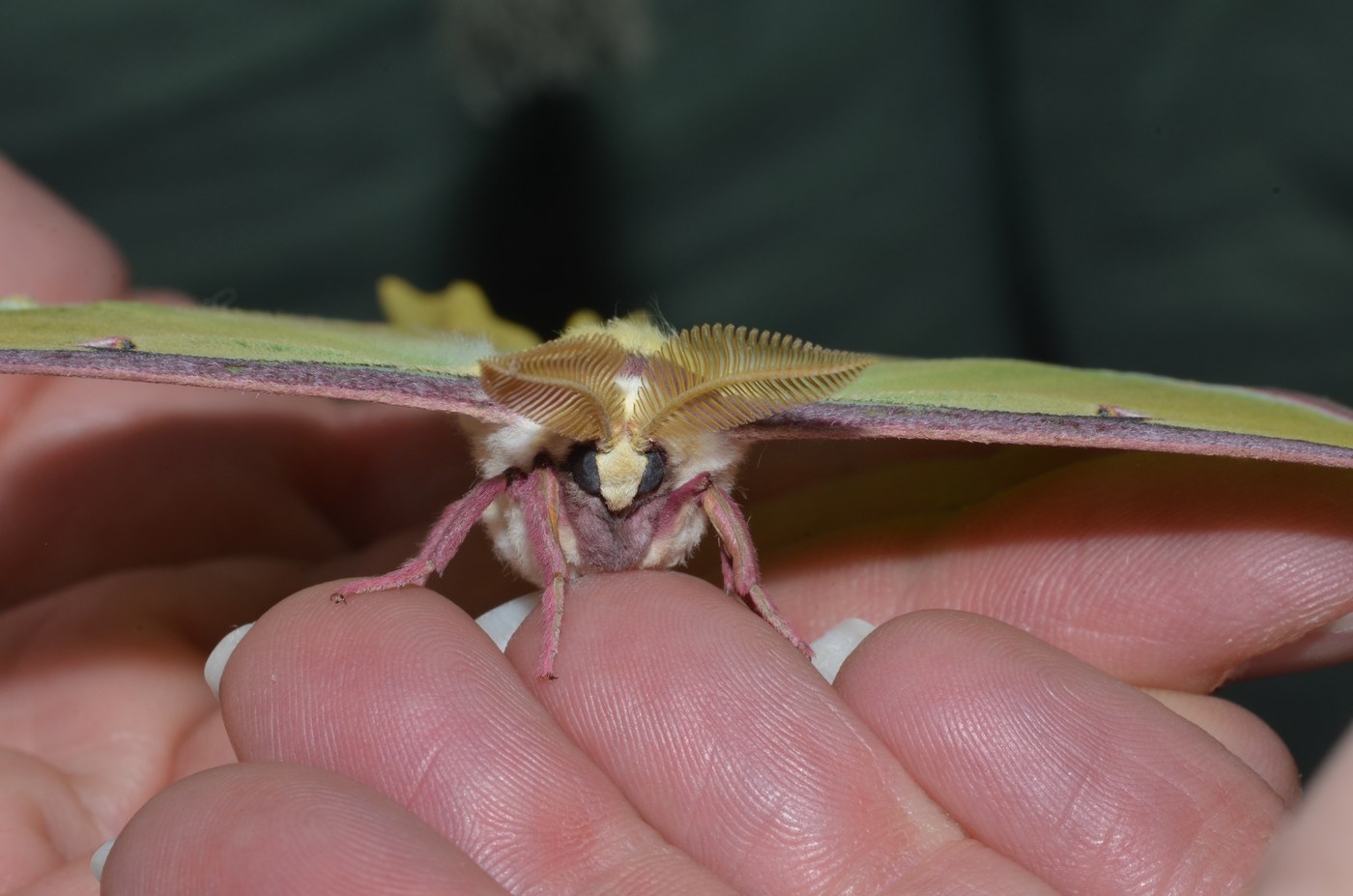
Luna Moth Caterpillar
A large, plump, apple-green caterpillar with faint yellow side stripes and rows of small red-orange tubercles, the larval form of one of North America's most beautiful giant silk moths.
caterpillar-larva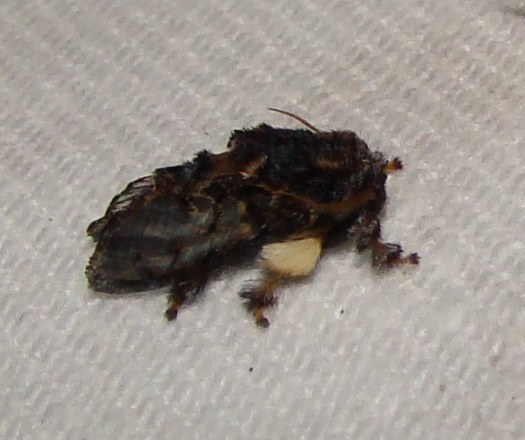
Hag Moth Caterpillar (Monkey Slug)
One of the strangest caterpillars in North America, with curling, hair-covered arm-like projections that make it look uncannily like a tiny tuft of matted fur or a miniature spider monkey.
caterpillar-larva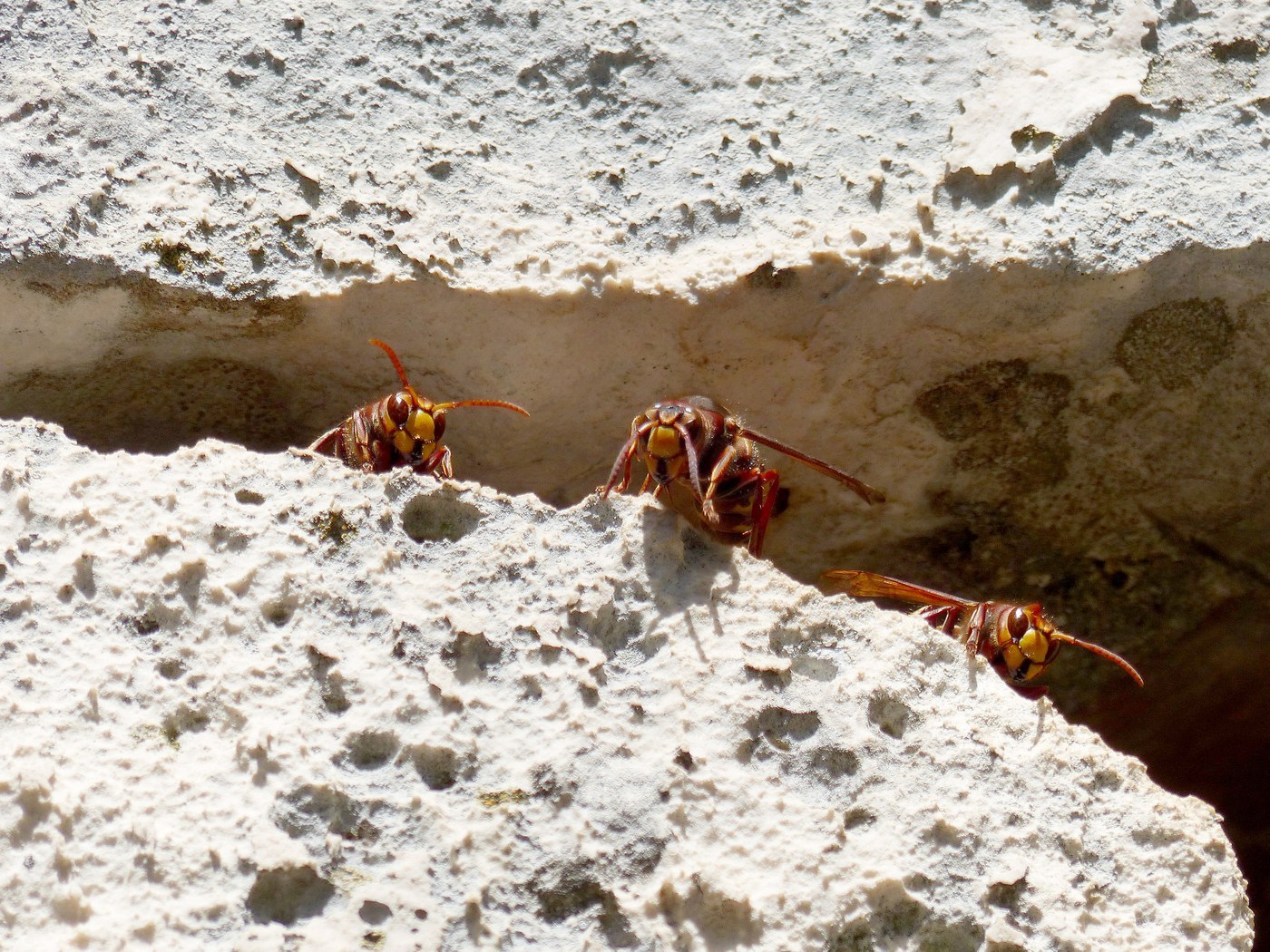
Hornet
A large, robust social wasp with a reddish-brown and yellow patterned body, notably bigger than yellowjackets, building enclosed papery nests often high in tree cavities or wall voids.
wasp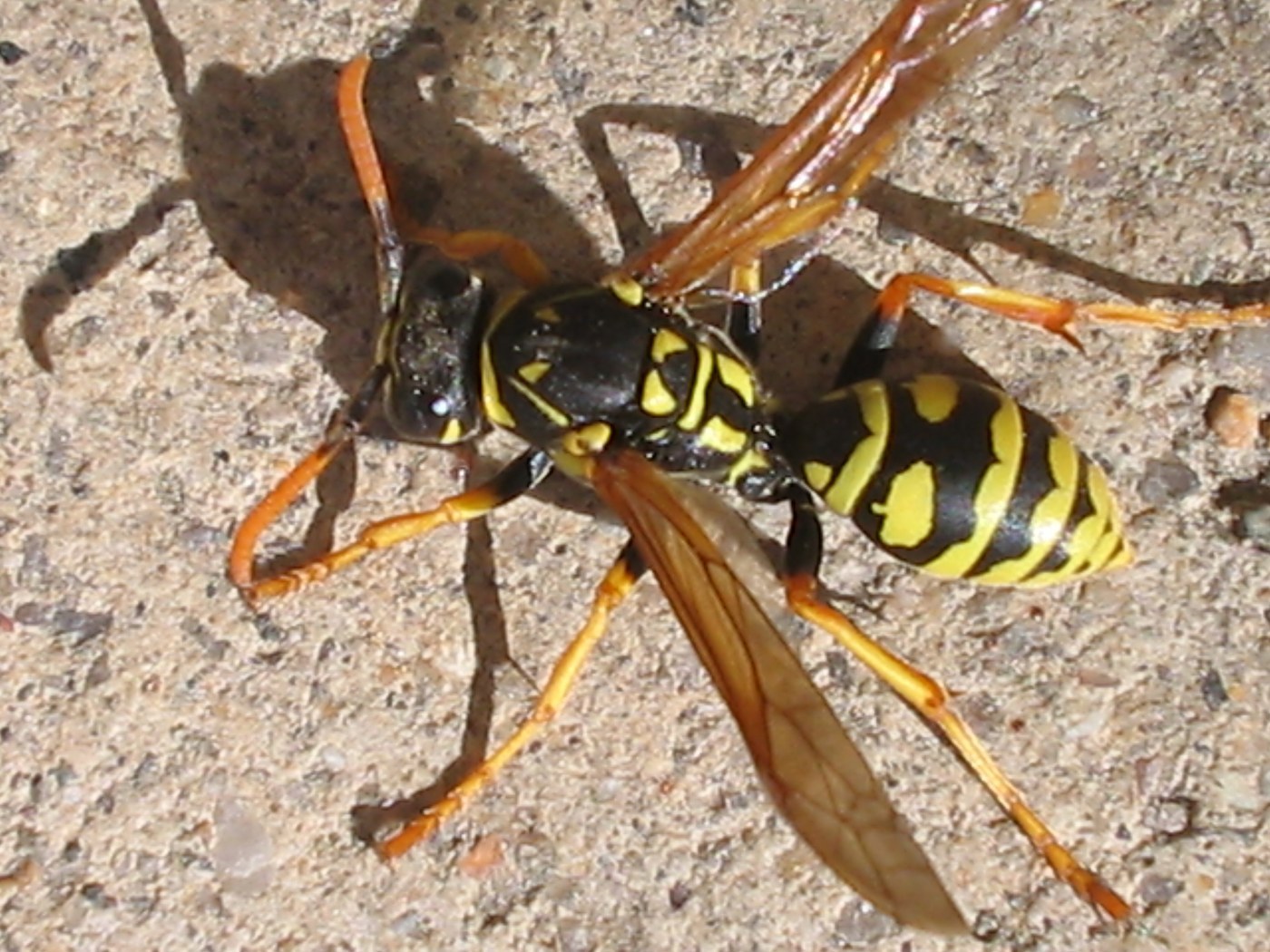
European Paper Wasp
A slender, orange-antennaed social wasp that builds small, open umbrella-shaped paper combs under eaves and ledges, now common well beyond its native European range.
wasp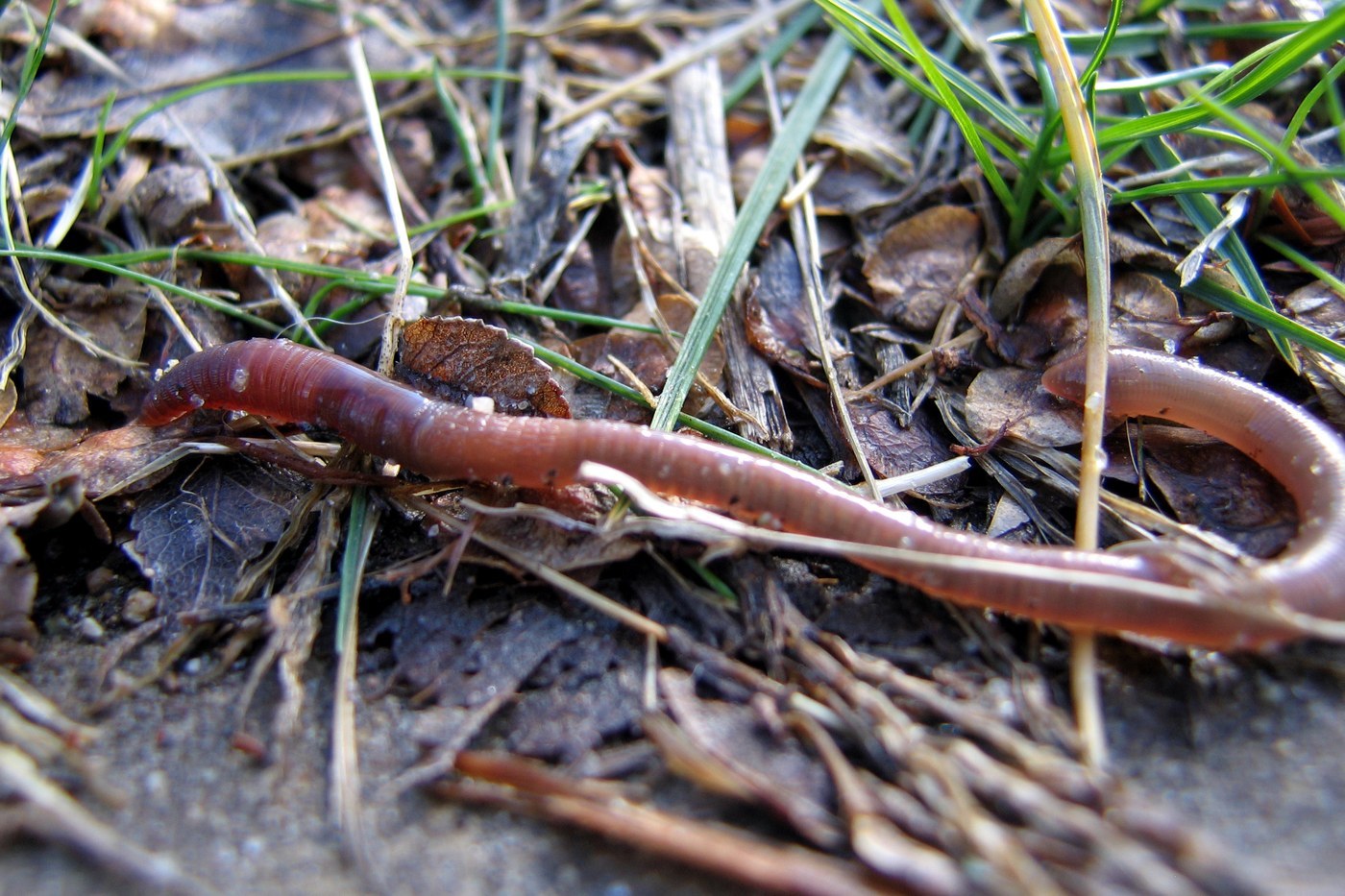
Earthworm
A long, smooth, segmented soil-dweller with no legs, eyes, or shell, best recognized by its ringed body and the pale saddle-like band (clitellum) found on mature individuals.
other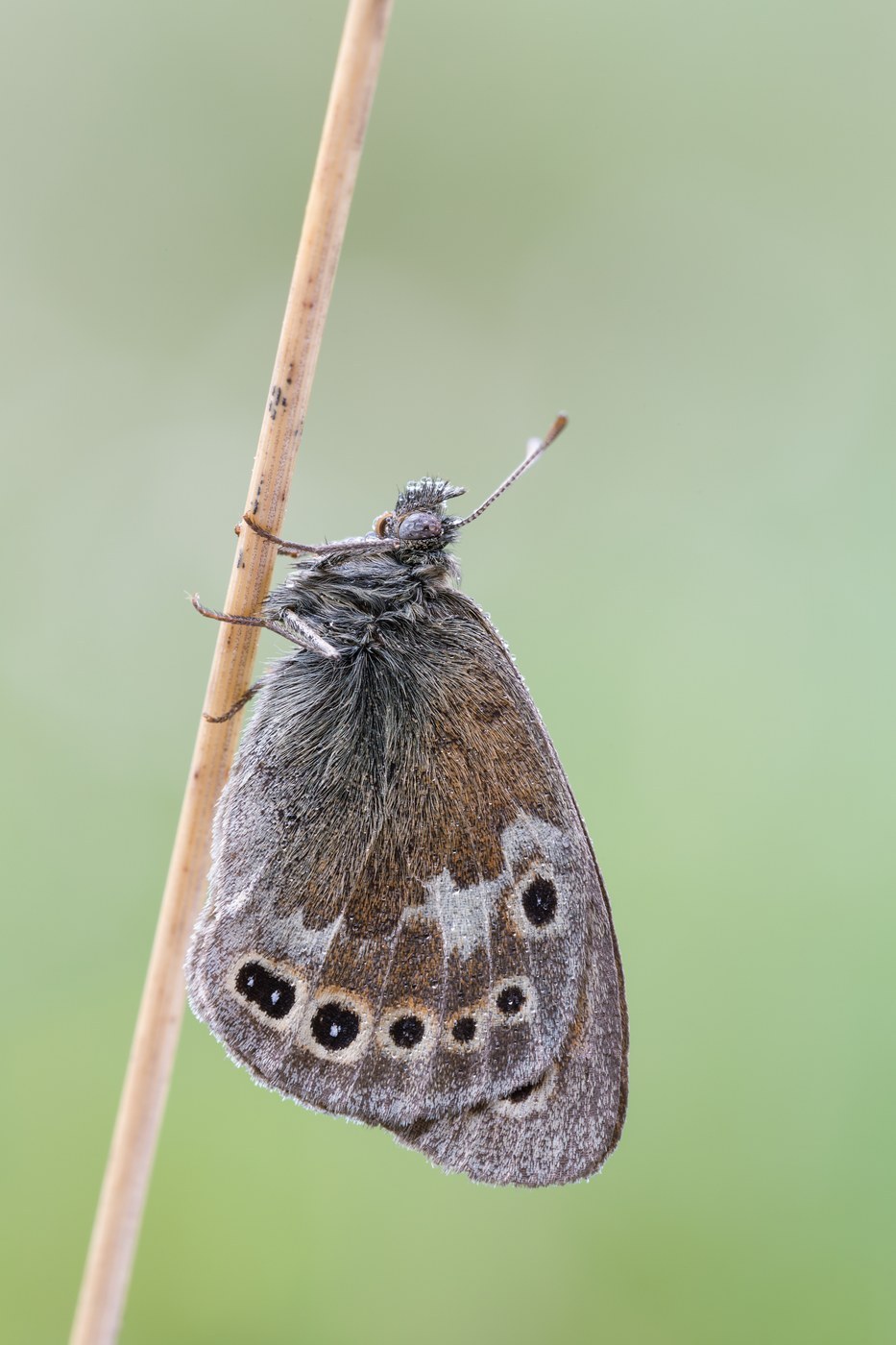
Common Ringlet
A small, plain buff-orange satyr butterfly of open grassy places, notable for its understated coloring and Holarctic distribution spanning North America, Europe, and Asia.
butterfly