
Bug Encyclopedia
Search and identify bugs & insects — beetles, butterflies, moths, ants, bees, spiders and more — with size, habitat, danger, behavior, and how to tell them apart.
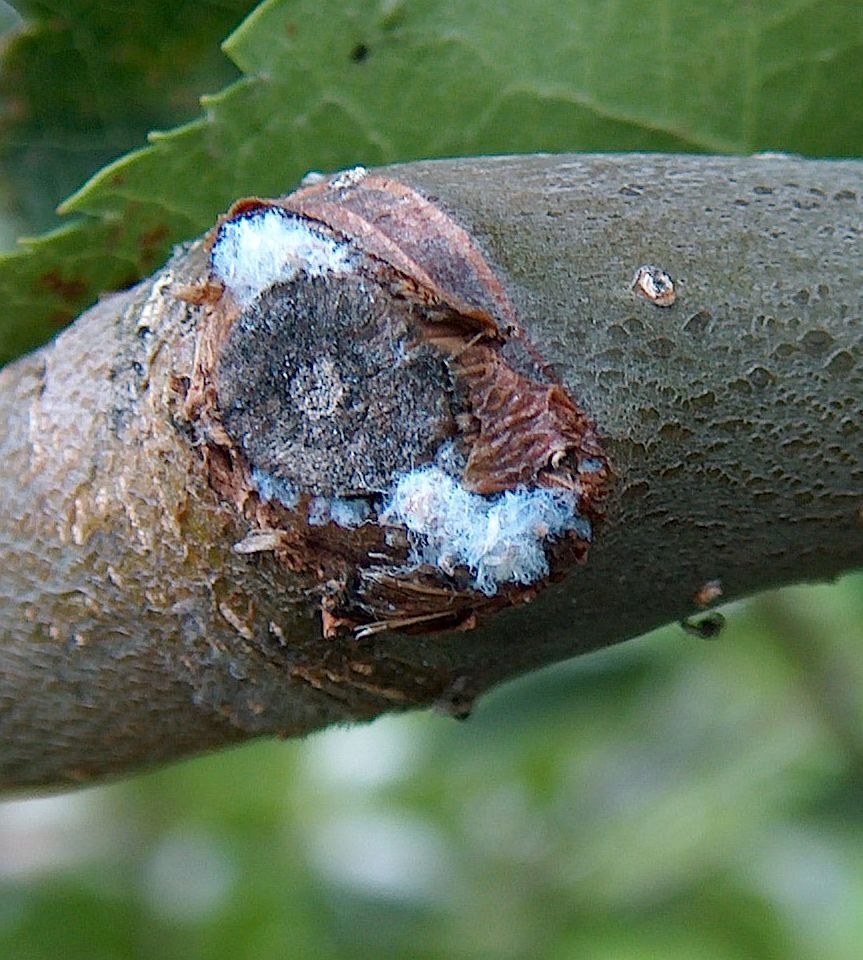
Woolly Aphid
A tiny, soft-bodied aphid that hides beneath a dense coat of white, cottony wax filaments, often appearing as fuzzy white patches clustered on bark or twigs rather than as recognizable insects.
true-bug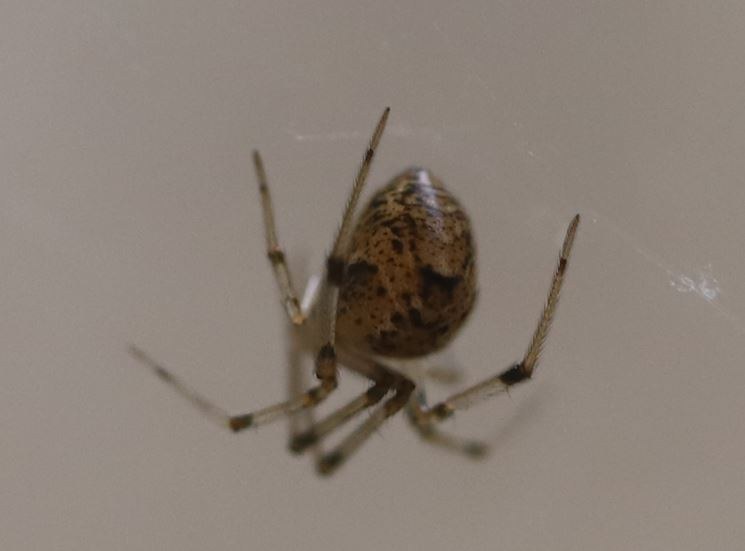
Common House Spider
Tucked into a messy tangle of silk in a quiet corner, the common house spider is one of the most familiar indoor spiders, quietly picking off flies and other small insects that blunder into its web.
spiderSilverfish Firebrat
Two closely related, wingless, silvery or mottled insects with fish-like darting movements and three long tail bristles, one favoring damp basements and the other thriving near warm ovens and furnaces.
otherBig-Eyed Bug
A small, broad-headed true bug named for its noticeably large, bulging compound eyes, the big-eyed bug is a beneficial predator that patrols low vegetation and soil surfaces for small pest insects.
true-bug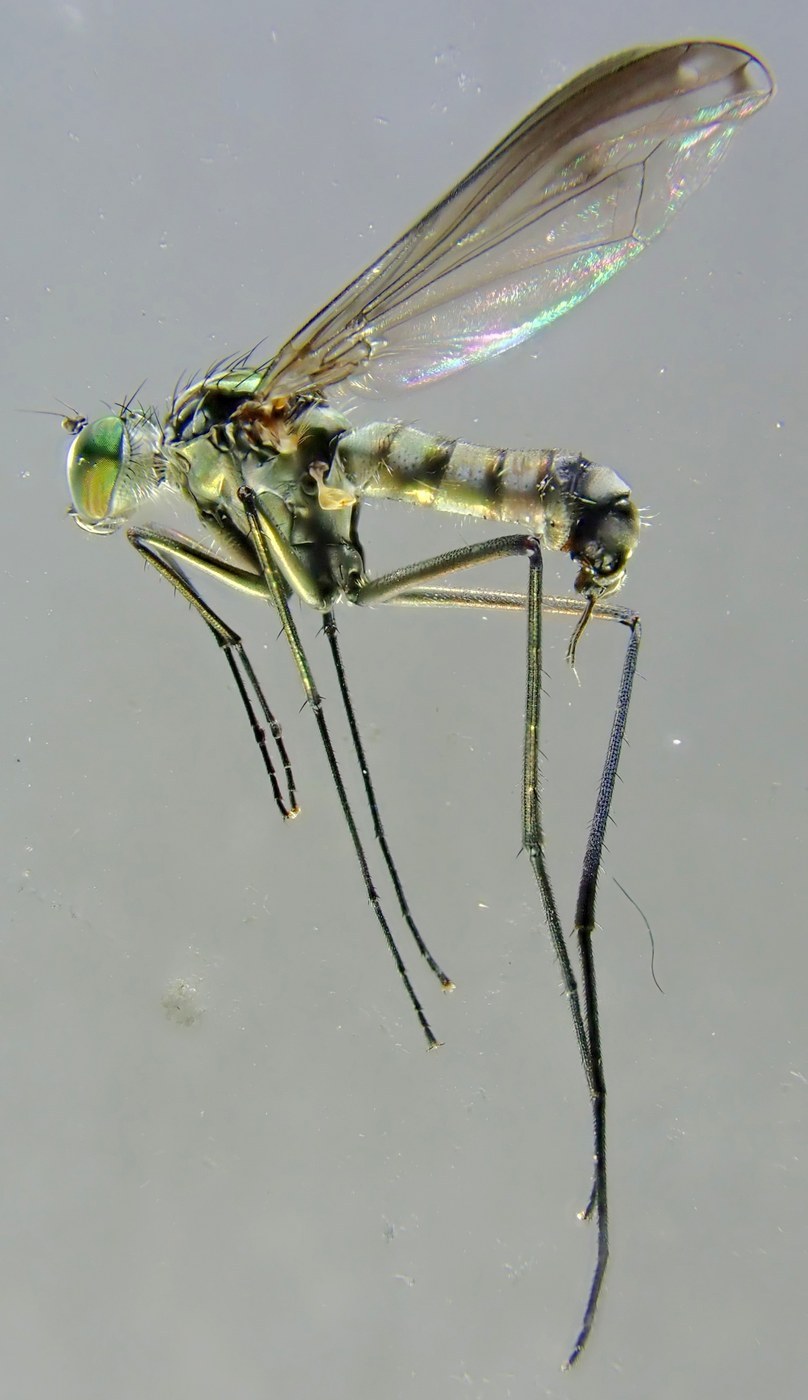
Long-Legged Fly
A jewel-bright little fly that flashes metallic green, blue, or bronze in the sunlight as it darts across leaves on comically long, stilt-like legs, pausing to perform quick territorial displays. Both adults and larvae are active hunters of even smaller insects, making this tiny fly a useful predator in gardens and wetlands alike.
flyBackswimmer
A boat-shaped aquatic true bug that swims upside down using oar-like hind legs, patrolling pond water in search of small prey.
aquatic-insect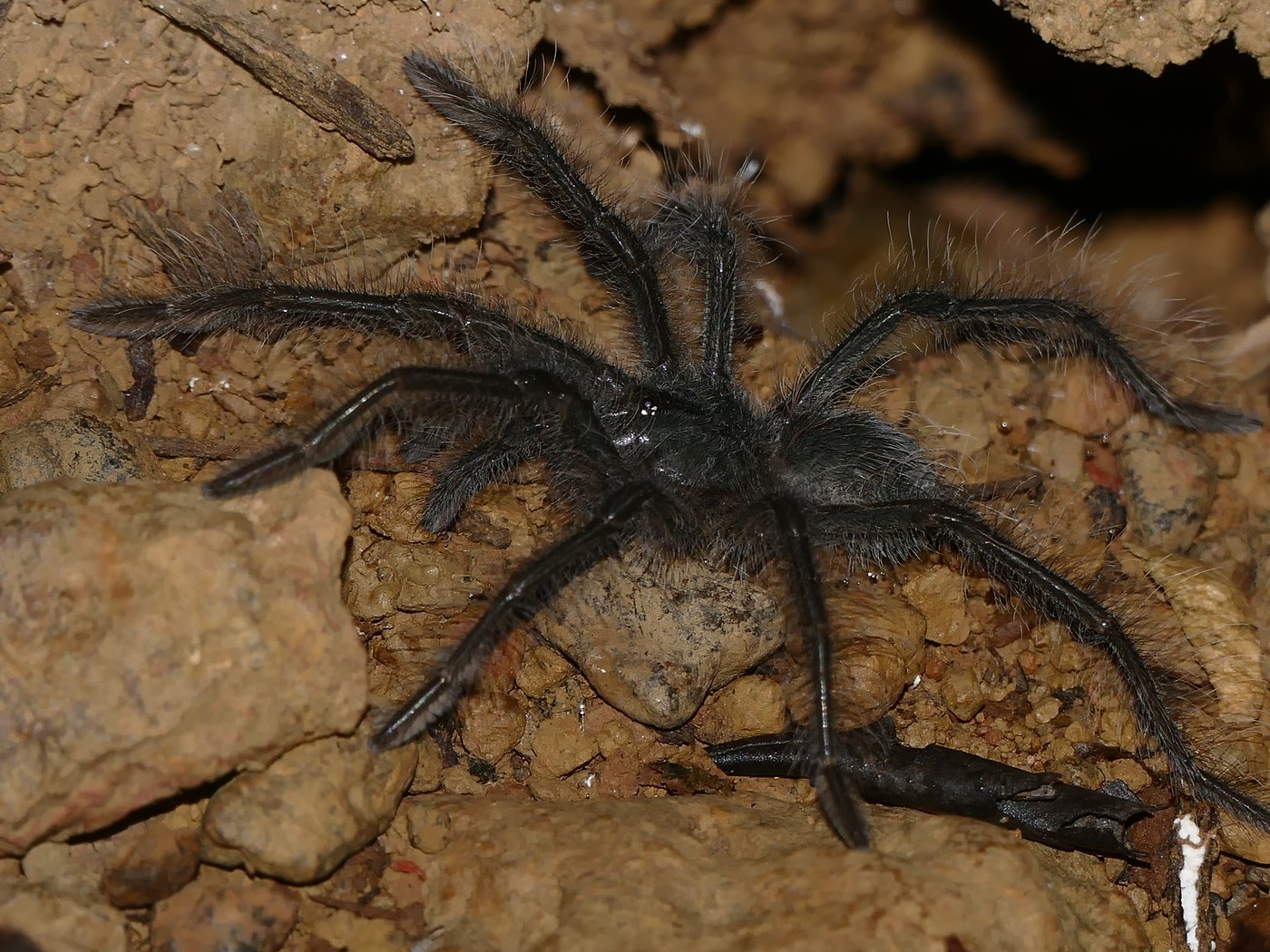
Goliath Birdeater
The heaviest spider in the world, the Goliath birdeater is a massive, hairy tarantula from the South American rainforest whose leg span can rival a dinner plate, though despite its name it primarily hunts insects and other invertebrates rather than birds.
spider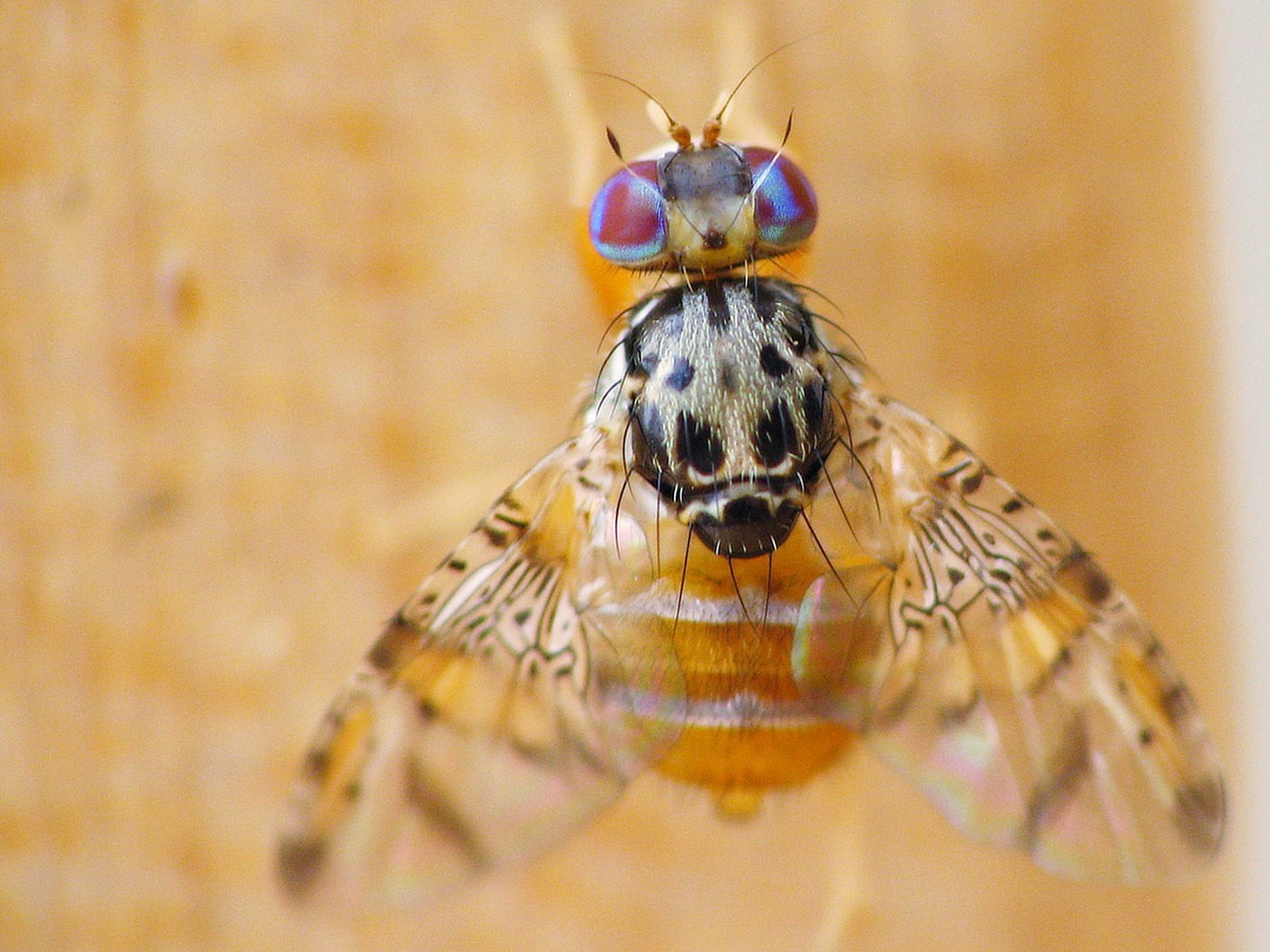
Fruit Fly (Mediterranean)
A small but strikingly patterned fly with mottled, banded wings held out to the sides in a fan and a body dotted with silvery spots, best known for larvae that tunnel through ripening fruit. Native to sub-Saharan Africa, it has spread with human trade to become one of the most widely recognized fruit-infesting insects in the world.
fly
Vinegar Fly
A tiny tan fly with bright red eyes that seems to appear out of nowhere the moment a banana starts to spoil, drawn in by the smell of fermentation rather than the fruit itself. Few insects have contributed more to the science of genetics, making this unassuming kitchen visitor one of the most studied animals on Earth.
flySnipe Fly
A slender, long-legged fly often seen perched head-down on a sunny tree trunk or fence post, patiently watching for smaller insects to ambush. Its tapered, wasp-like abdomen and habit of resting motionless with legs splayed give it a distinctive, almost sentry-like posture in woodland clearings.
fly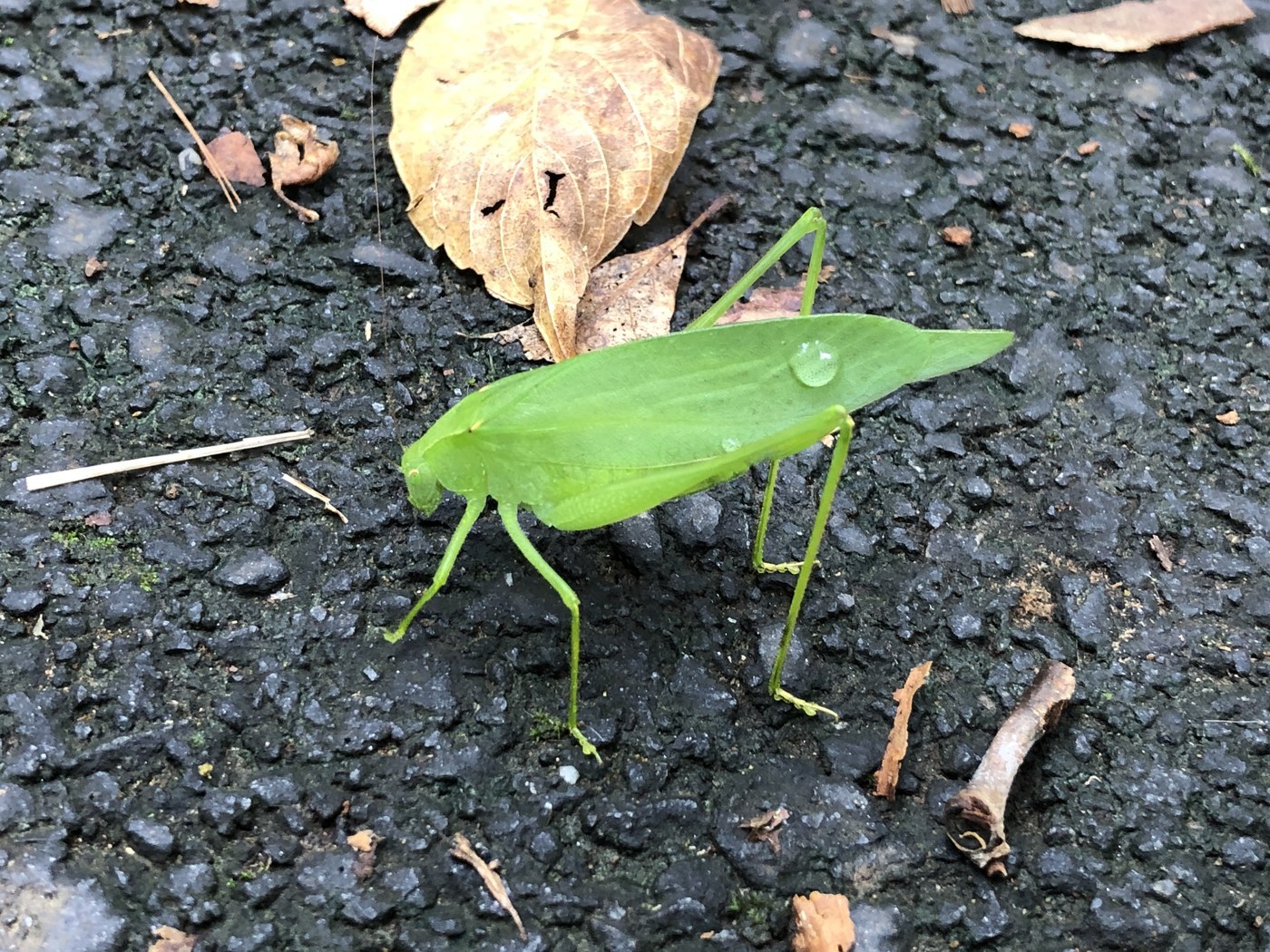
Common True Katydid
A living leaf that spends its life high in the treetops, the common true katydid is far more often heard than seen, producing the loud, rasping "katy-did, katy-didn't" chorus that fills eastern summer nights.
grasshopper-cricketGnat
A catch-all common name for a wide range of tiny, delicate flies, some no bigger than a grain of pepper, often seen hovering in small clouds near water, moist soil, or overripe produce.
flyBiting Midge
A minuscule, gray-winged fly that gathers in dense swarms near wetlands and can slip through window screens unnoticed.
fly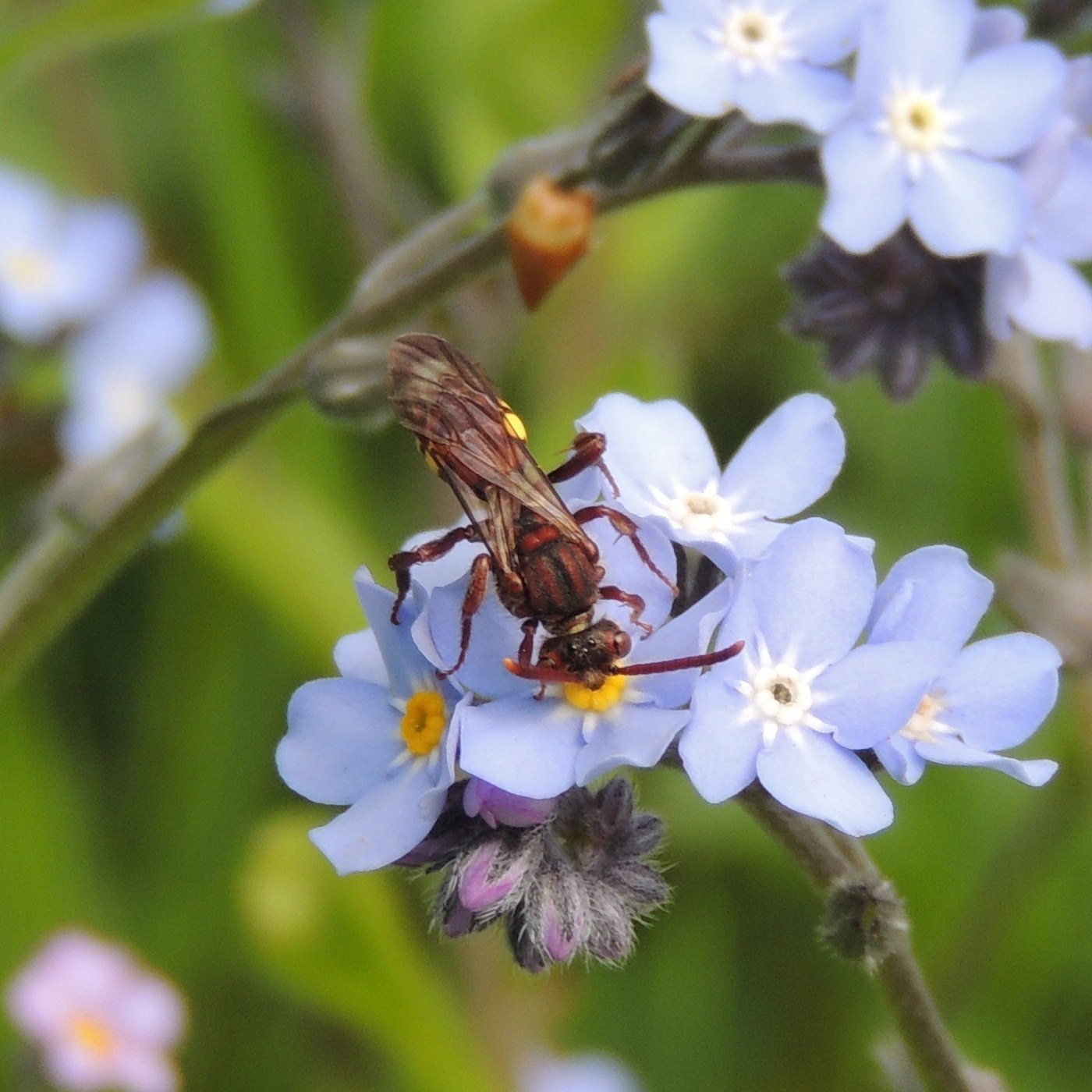
Cuckoo Bee
A slender, wasp-like bee that lacks pollen-carrying hairs because it never gathers its own pollen, instead sneaking into the nests of other solitary bees to lay eggs that hatch and consume the host's food stores.
bee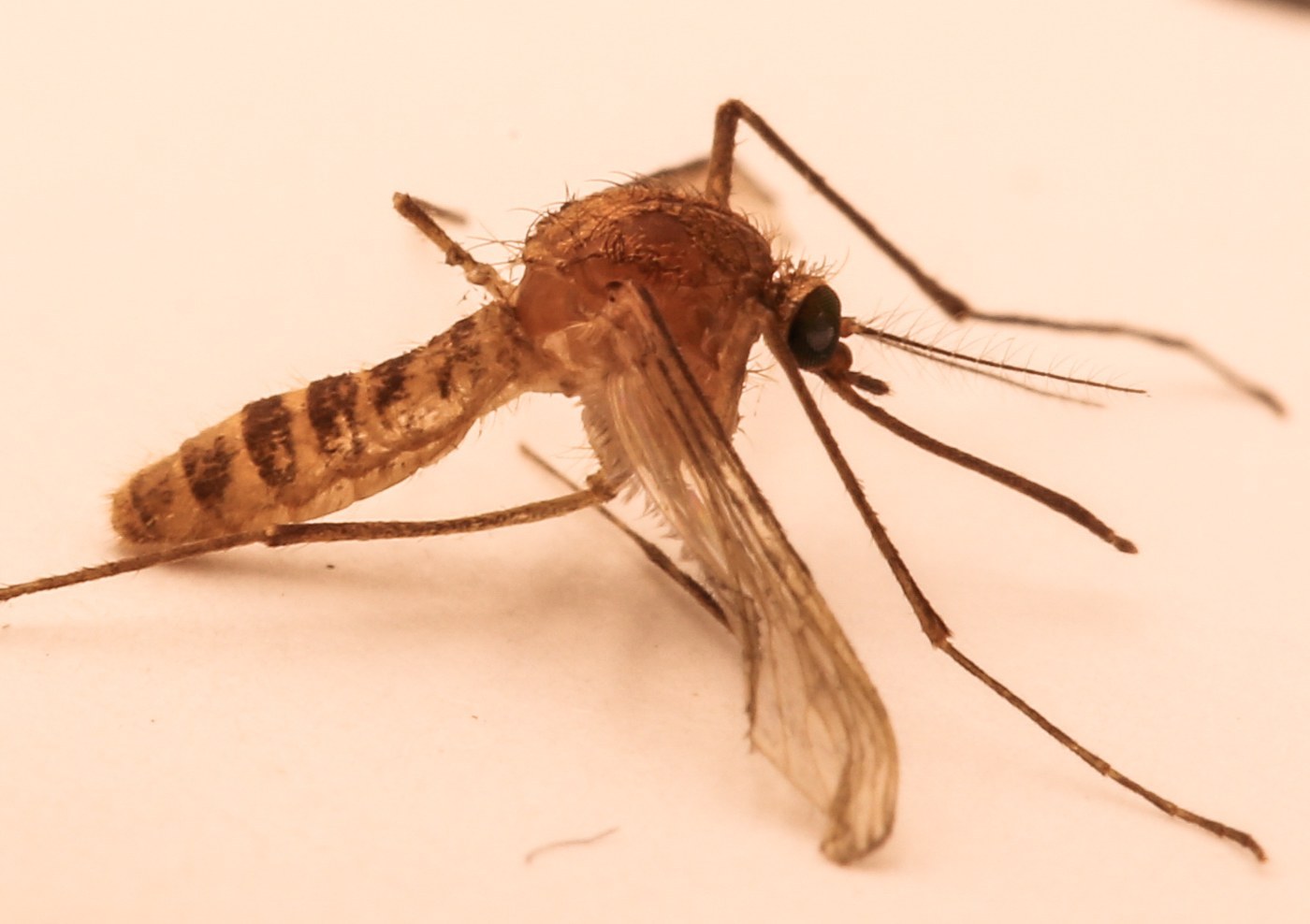
Common House Mosquito
A slender, drab brown mosquito that emerges at dusk from catch basins and forgotten containers to fill neighborhoods with its familiar high-pitched whine.
flyPunkie
An almost invisibly small biting fly that swarms near wetlands at dusk, where only the females take blood meals from animal hosts.
fly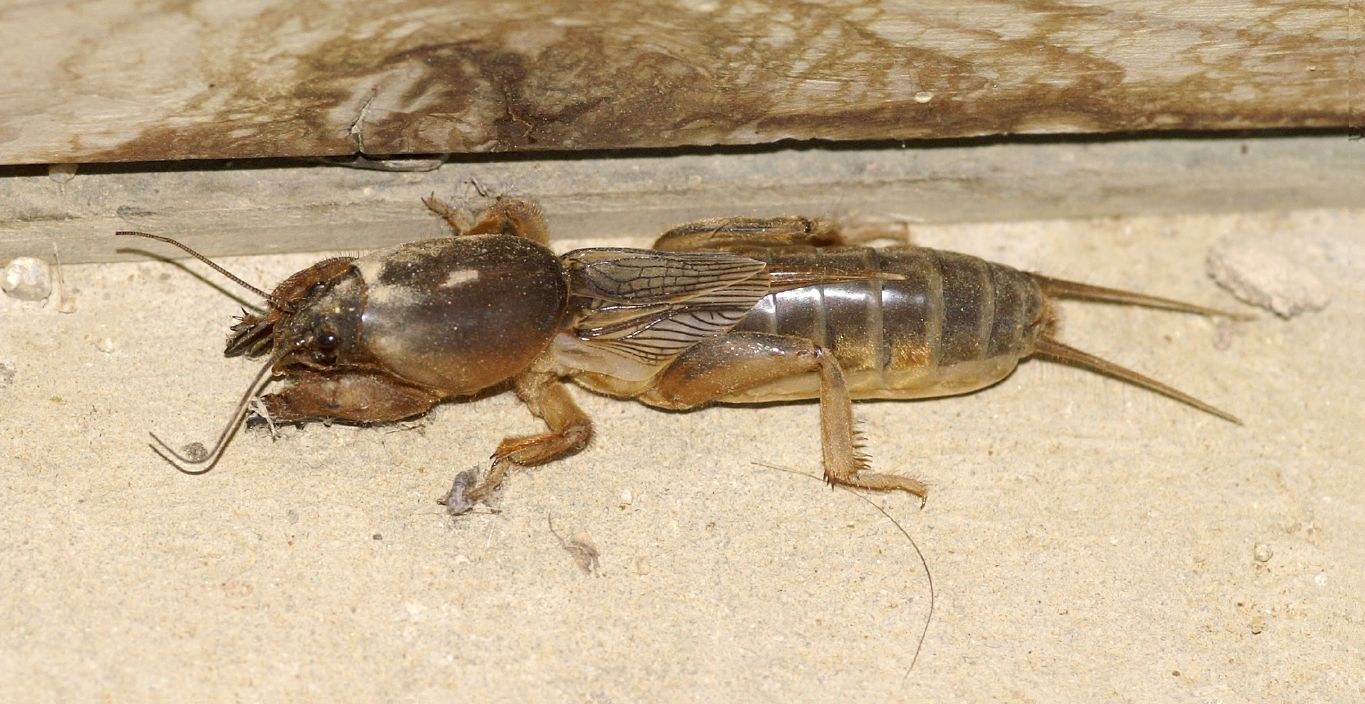
Mole Cricket
A stout, velvety brown cricket relative with broad, shovel-like front legs adapted for digging, spending most of its life burrowing just beneath the surface of moist soil.
grasshopper-cricket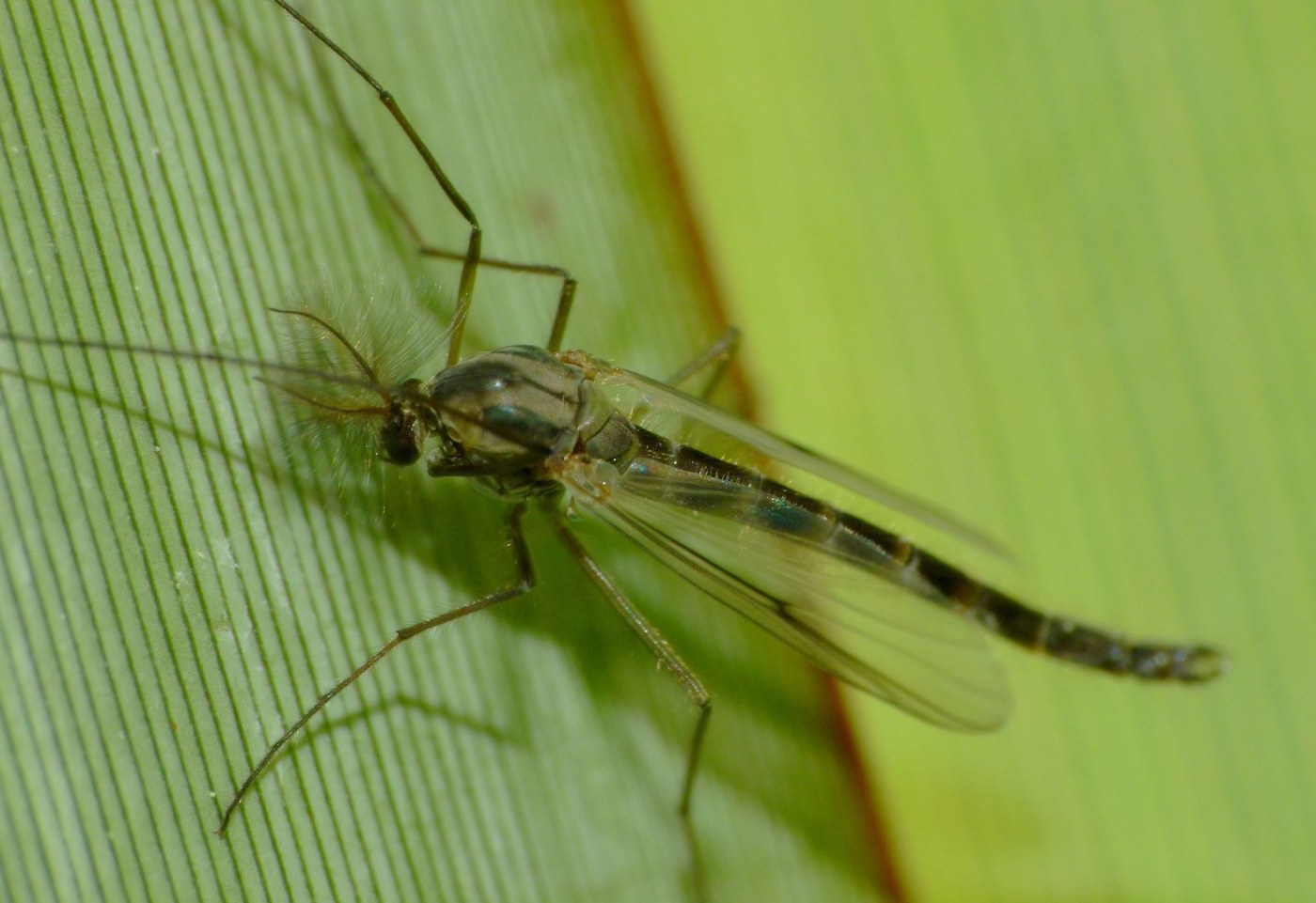
Midge
A slender, mosquito-like fly that forms dense swarms near water at dusk, easily mistaken for a mosquito but lacking any biting mouthparts.
fly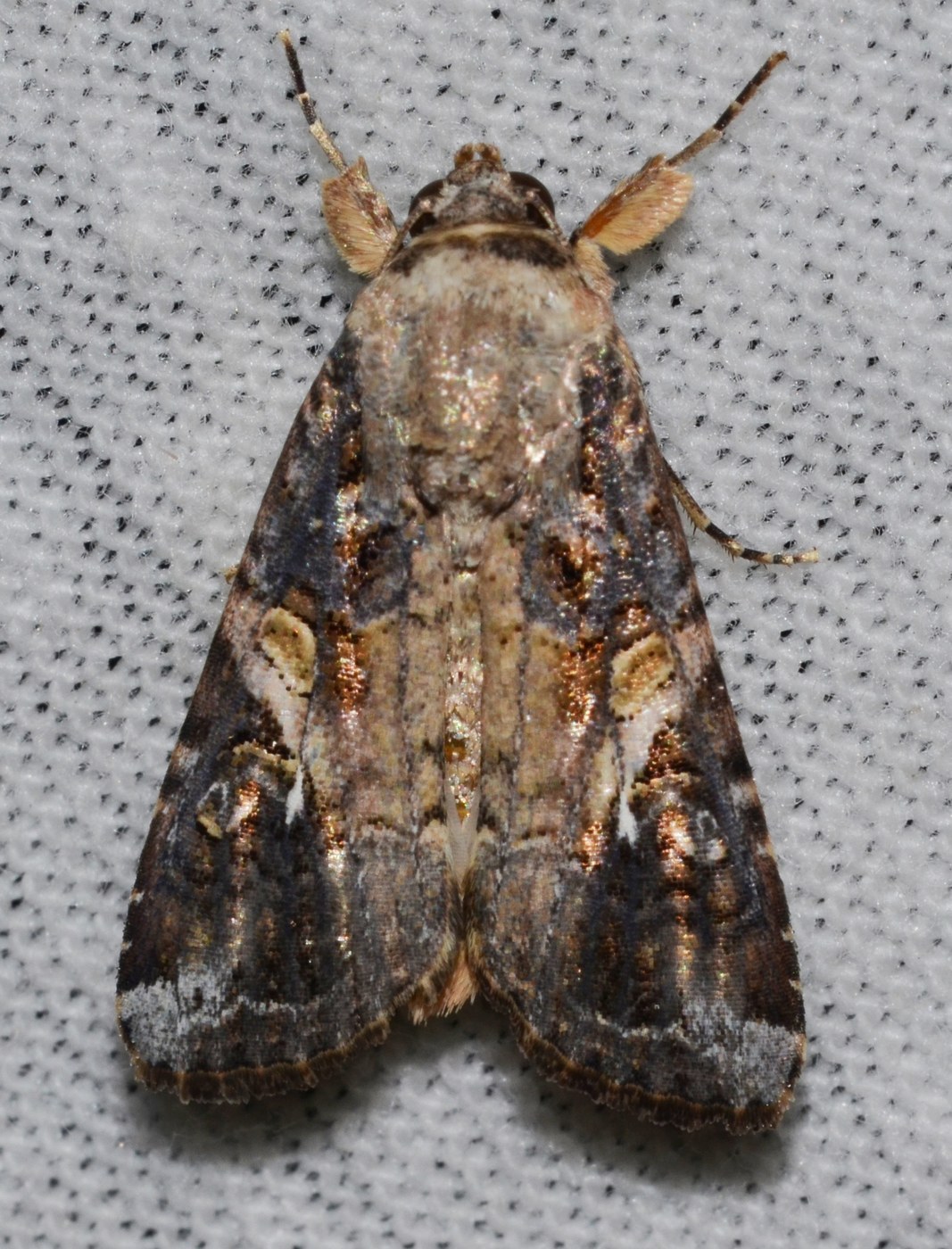
Fall Armyworm
A brownish-green caterpillar marked with a pale inverted "Y" on its head, notorious for rapid, large-scale outbreaks that devastate corn and other grass crops across the globe.
caterpillar-larva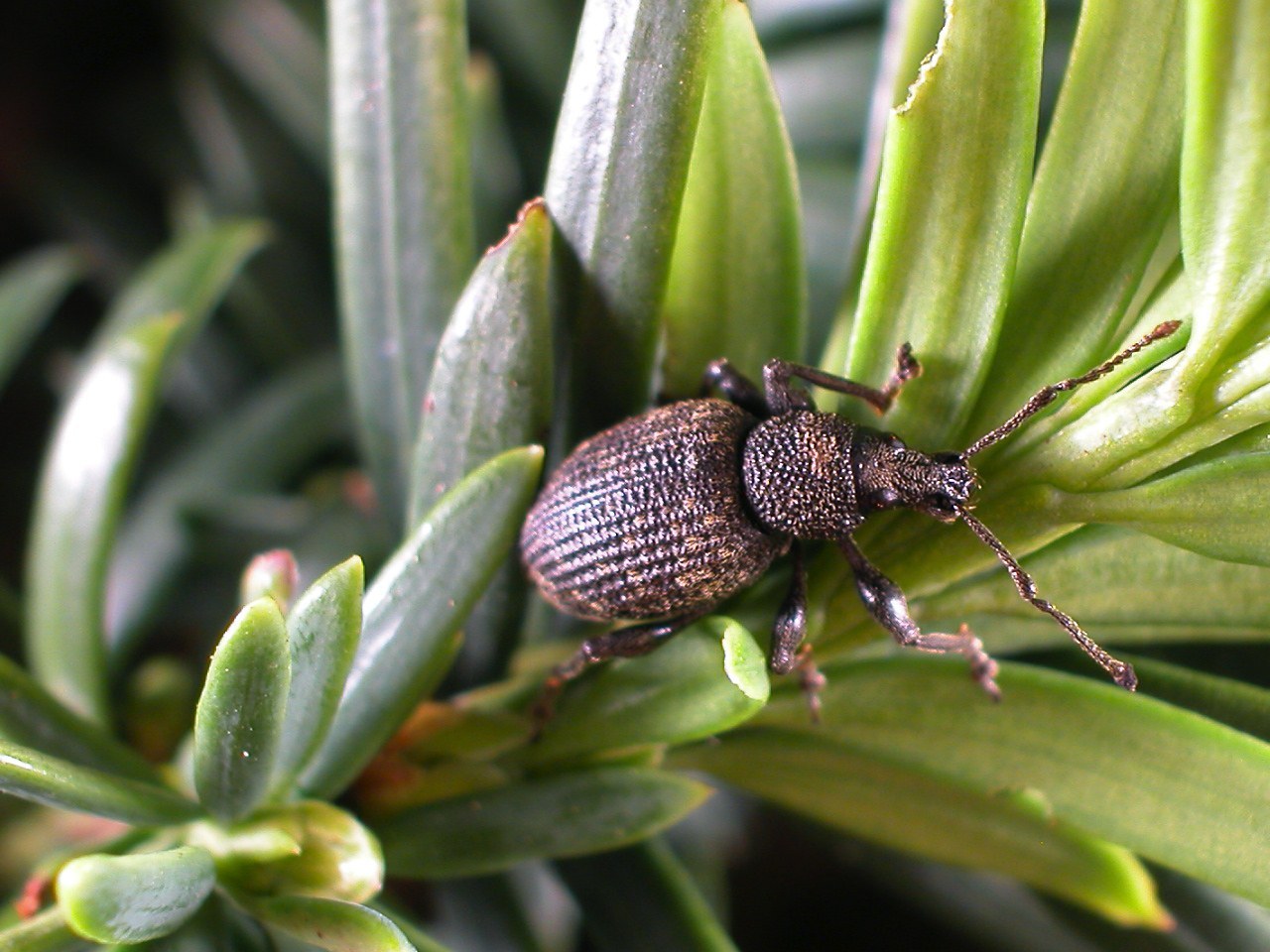
Vine Weevil
A slow, flightless, matte-black beetle that hides by day and emerges at night to notch neat semicircular bites from the edges of leaves.
beetleFire Ant Queen
The reproductive powerhouse of a fire ant colony, noticeably larger than the reddish worker ants and equipped with wings before she sheds them to found a new nest.
ant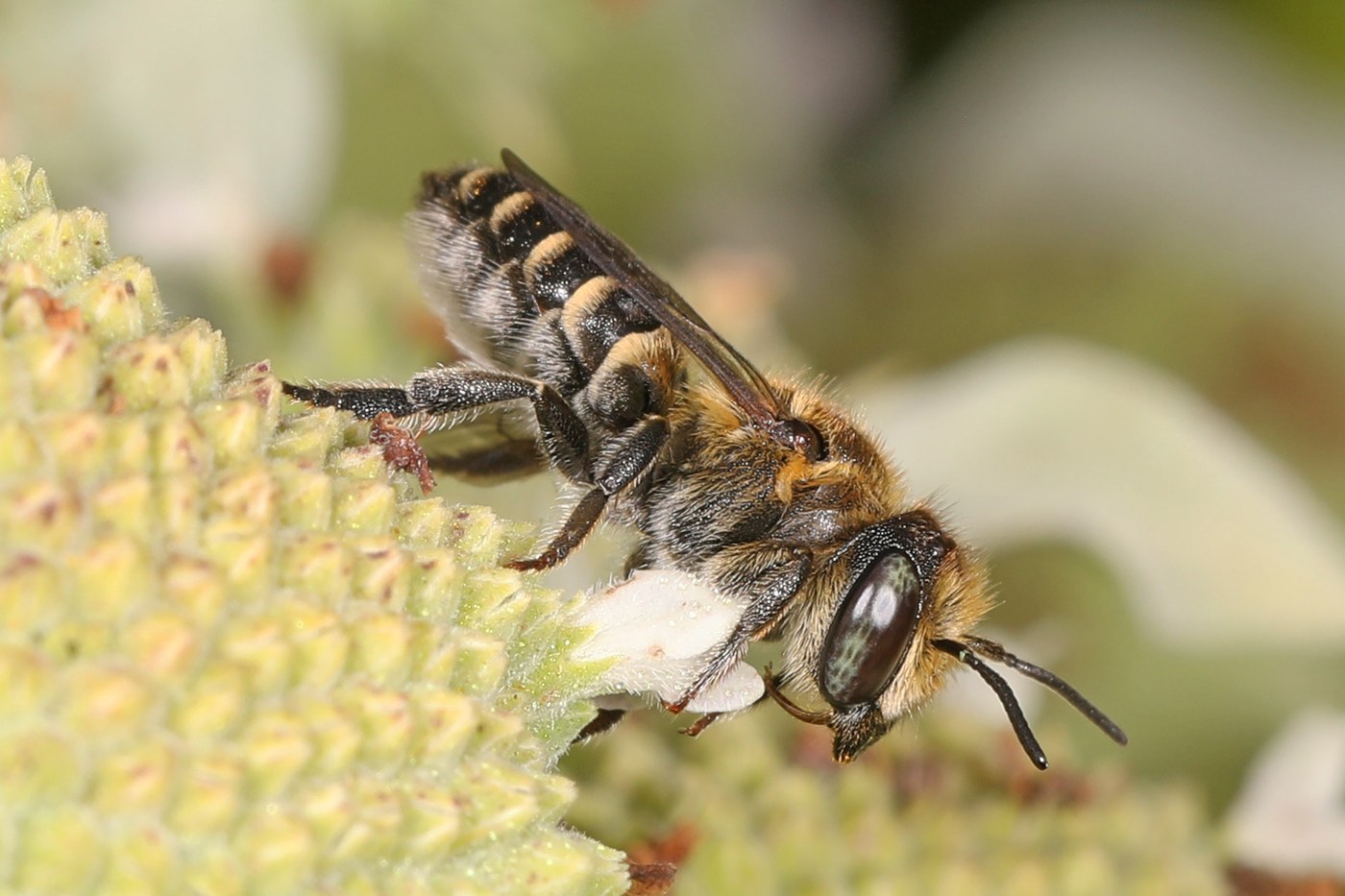
Leafcutter Bee
A stout, dark-bodied bee best known not for how it looks but for the neat, circular or oval notches it cuts from leaves, which it uses to line and seal its nest cells.
bee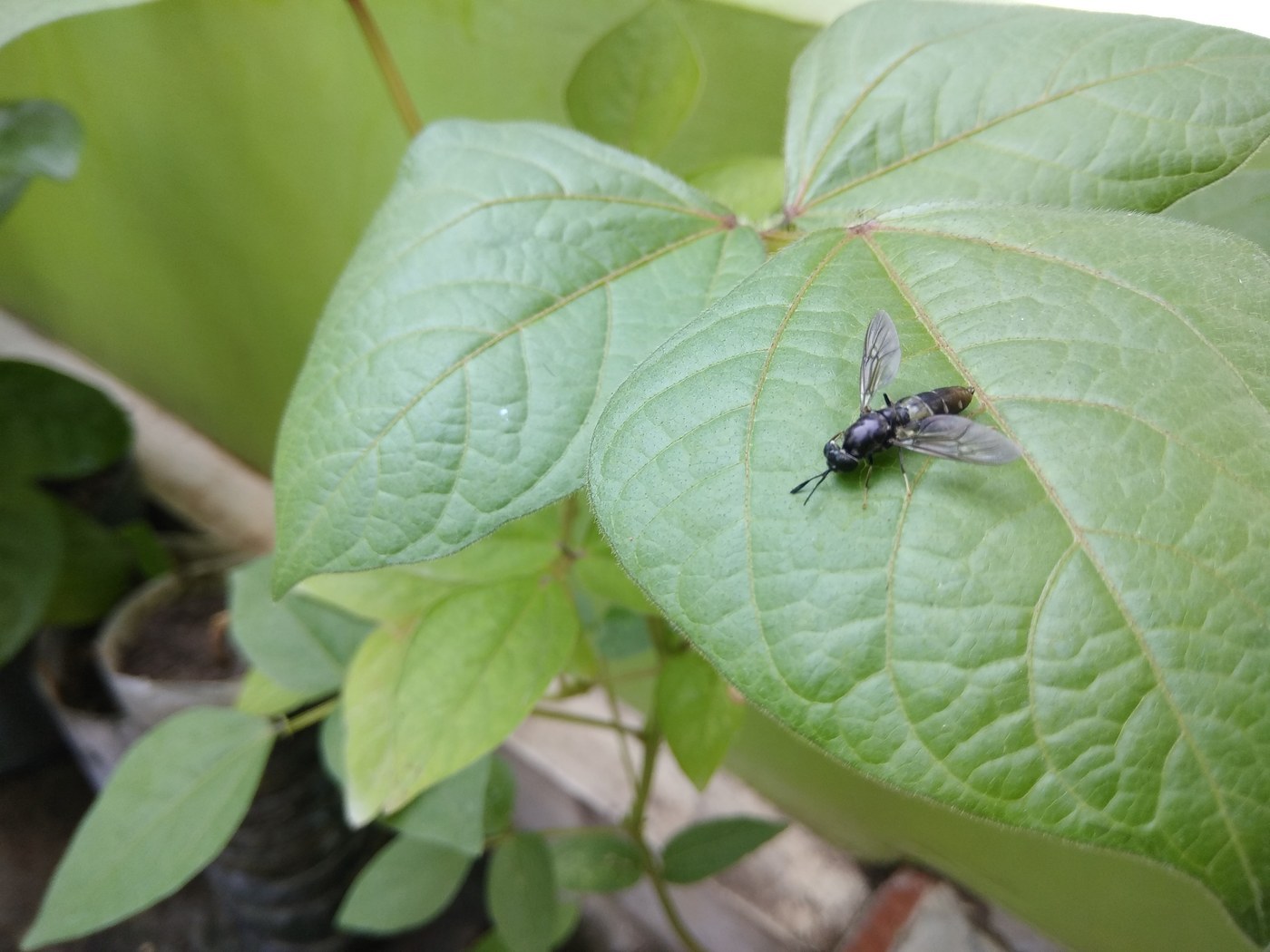
Black Soldier Fly
A sleek, dark, wasp-like fly whose larvae are voracious decomposers of decaying organic material, while the short-lived adults do not feed at all.
fly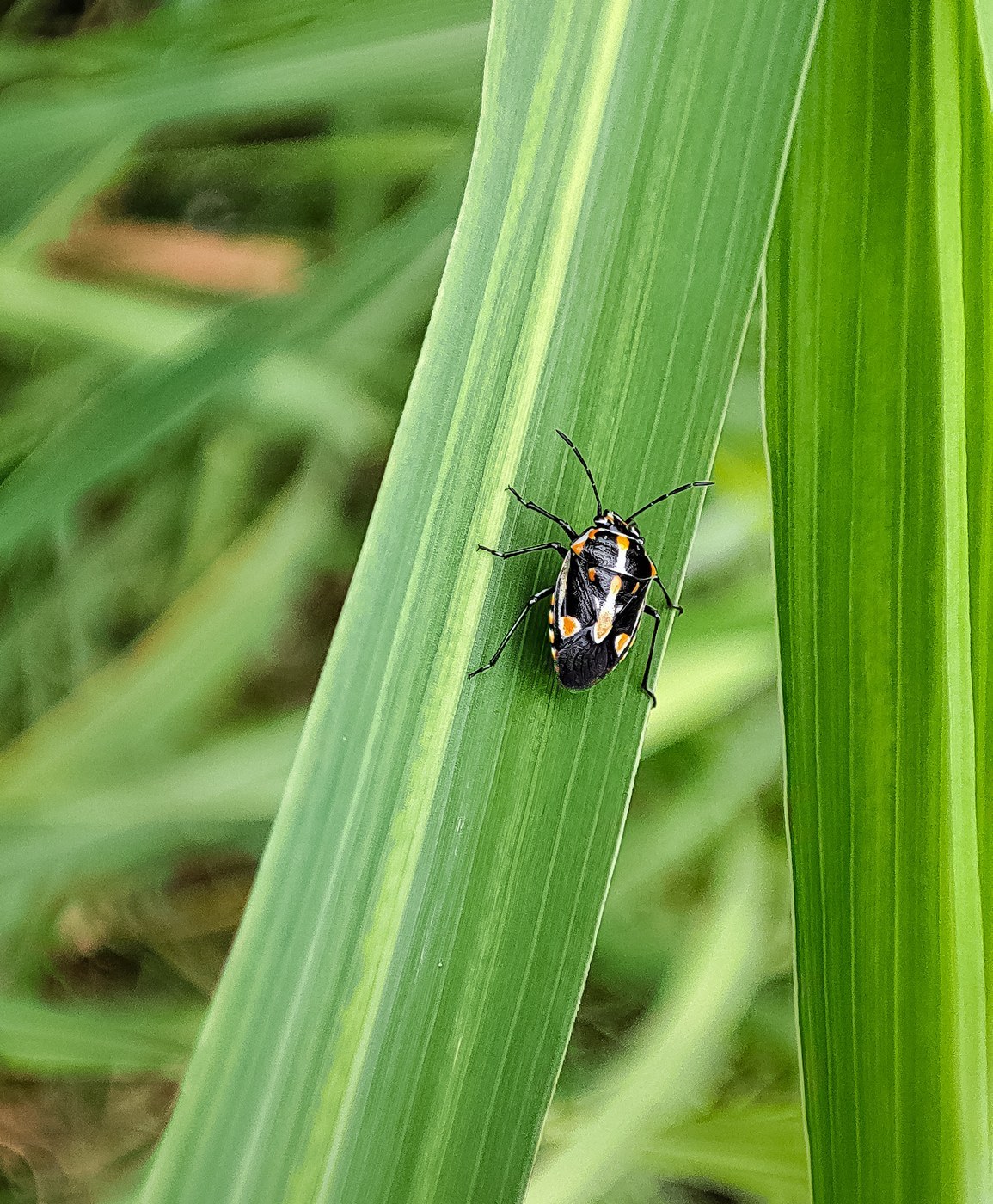
Bagrada Bug
A tiny, orange-and-black stink bug with an intricate mottled pattern, notable as a small-bodied specialist pest of cabbage-family plants in warm, dry climates.
true-bug