
Bug Encyclopedia
Search and identify bugs & insects — beetles, butterflies, moths, ants, bees, spiders and more — with size, habitat, danger, behavior, and how to tell them apart.
Dung Fly
A hairy, often golden-hued fly commonly seen perched on fresh manure in pastures, where it hunts smaller insects as an adult while its larvae develop within the dung itself.
fly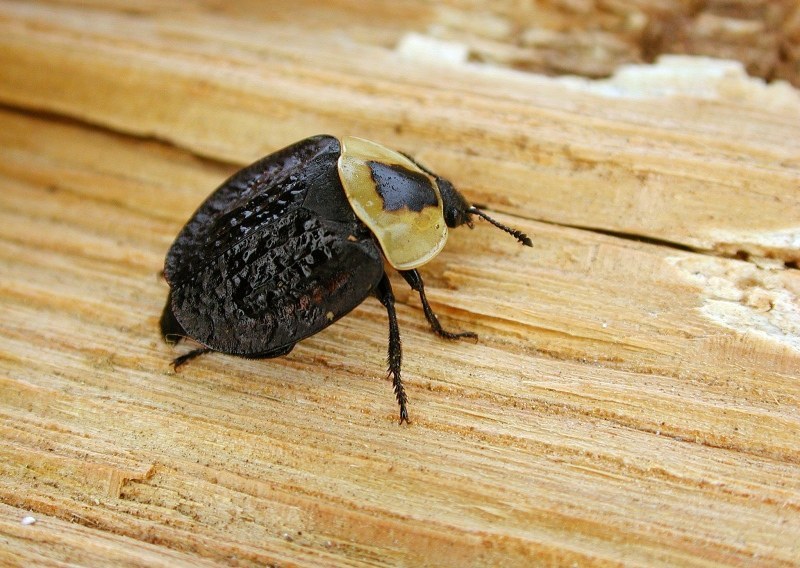
American Carrion Beetle
A broad, flattened black beetle with a striking pale yellow shield behind its head, commonly found on and around small animal carcasses where it feeds alongside fly larvae.
beetle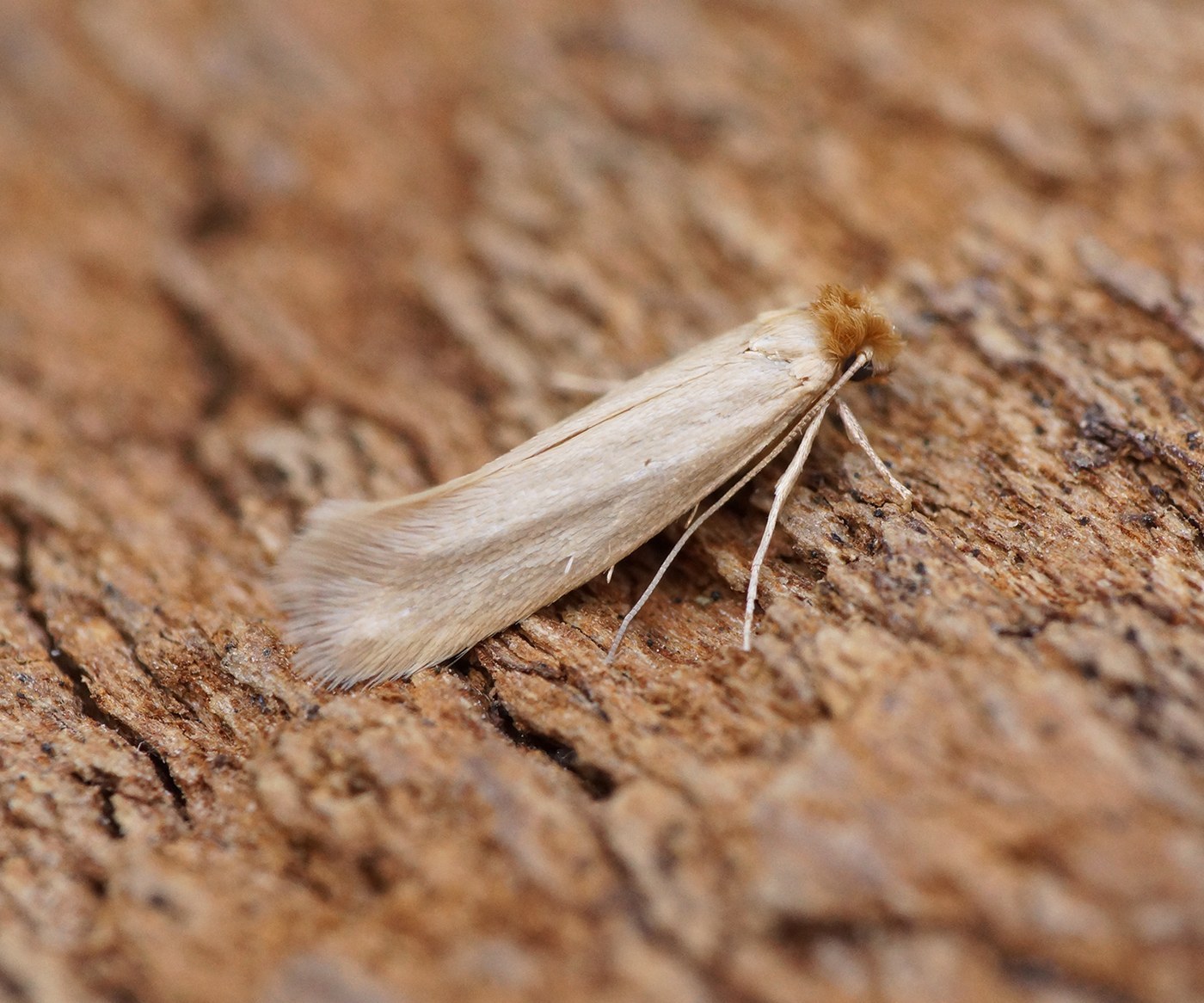
Common Clothes Moth
A tiny, plain golden-buff moth that rarely flies far into open light, best known not for its adult form but for its silk-spinning larvae that chew holes in wool, fur, and feathers.
mothGall Midge
A delicate, mosquito-like fly whose larvae trigger plants to grow strange, often colorful swellings called galls, each species usually tied to one particular host plant.
fly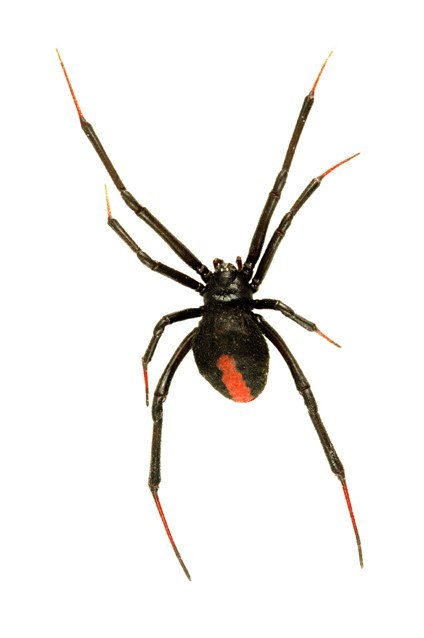
Redback Spider
A glossy black spider marked with a single bold red stripe down its back, the redback spider is one of Australia's most recognizable cobweb spiders, most often found tucked into dry, sheltered corners around homes and gardens.
spiderBurying Beetle
A black beetle marked with bold orange-red bands, notable for locating small dead animals, burying them underground, and cooperatively raising larvae with a partner over the buried carcass.
beetleHouse Spider
A small, round-bodied brown spider with mottled markings that spins tangled, irregular cobwebs in quiet corners, ceilings, and undisturbed indoor spaces.
spider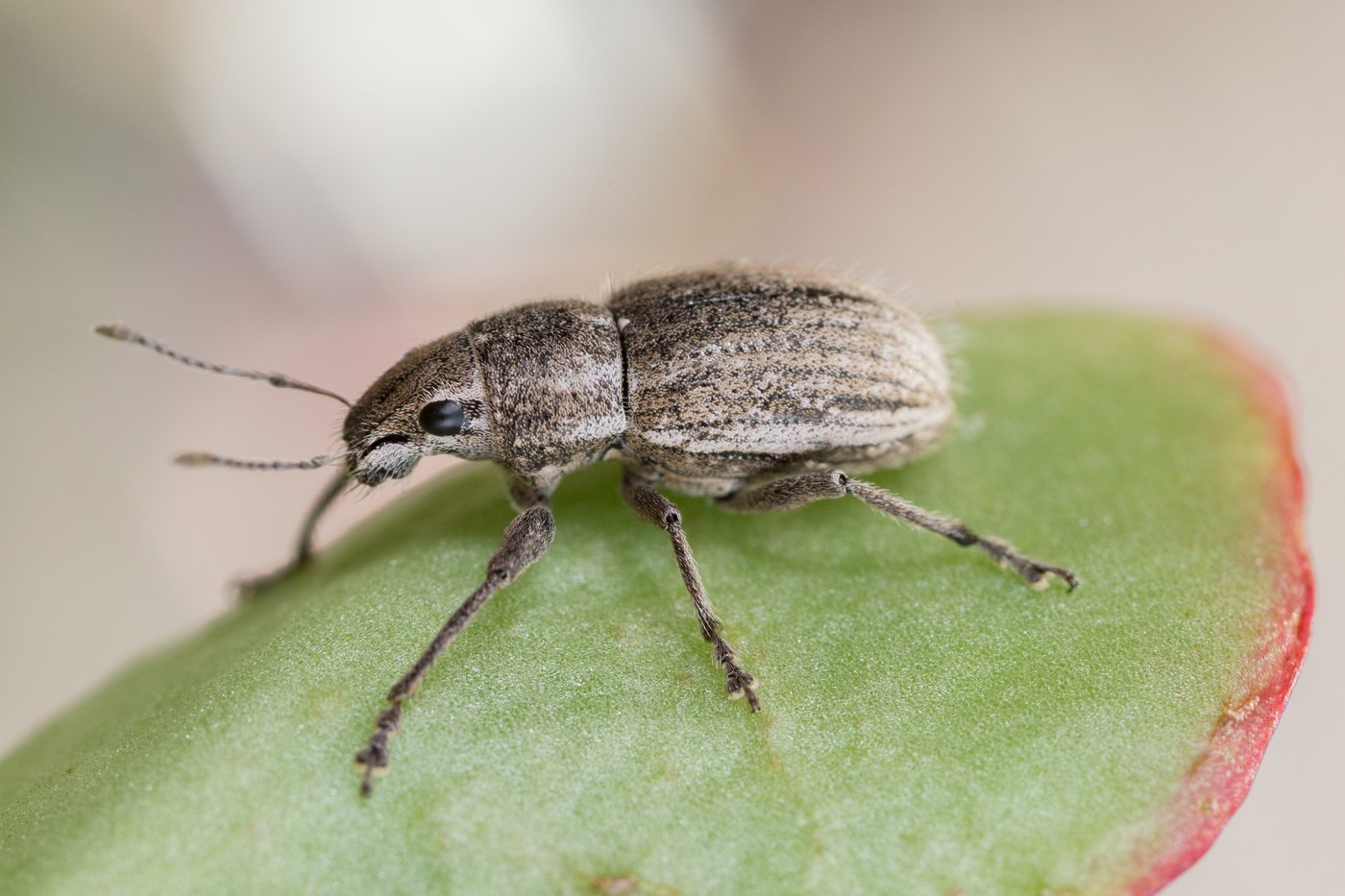
Whitefringed Beetle
A stout gray-brown weevil named for the pale, fringe-like stripe along the outer edge of its wing covers, whose root-feeding larvae are a recognized issue in pastures and row crops.
beetleWeaver Ant
A tree-dwelling ant that builds its nest by stitching living leaves together with silk produced by its own larvae, forming elaborate arboreal colonies defended fiercely by its workers.
antPredatory Stink Bug
Unlike its plant-feeding relatives, the predatory stink bug is a hunter that spears caterpillars and beetle larvae with a stout beak. The spined soldier bug is a familiar shield-shaped garden ally.
true-bug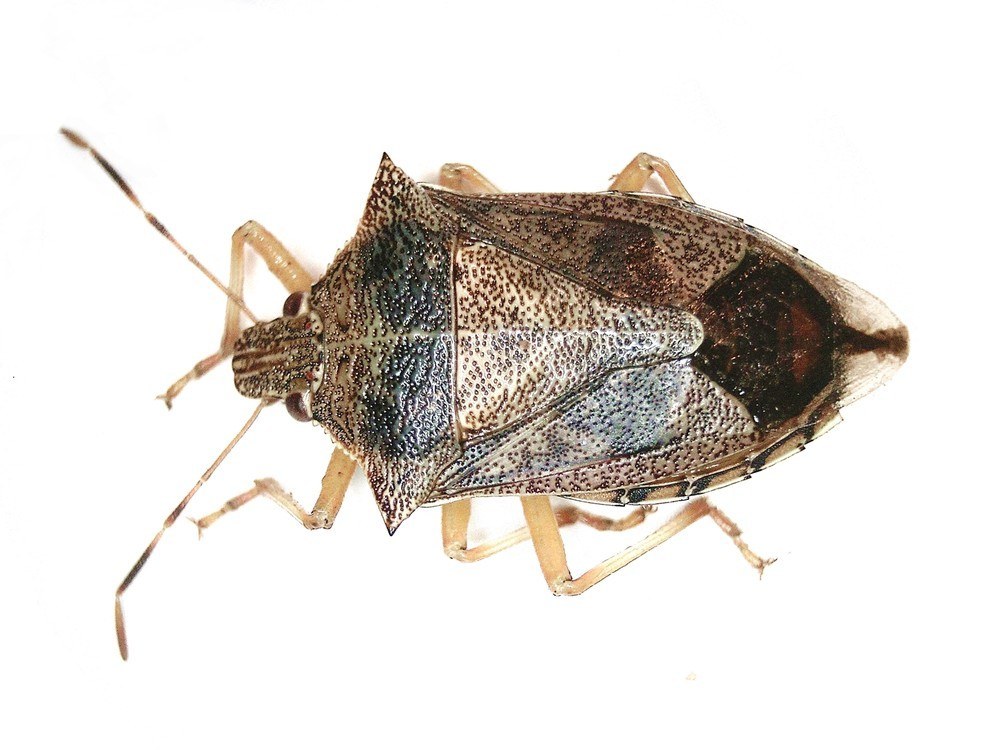
Spined Soldier Bug
A predatory stink bug identified by the sharp, pointed spines projecting from its shoulders, valued in gardens and farm fields for hunting caterpillars, beetle larvae, and other pest insects.
true-bug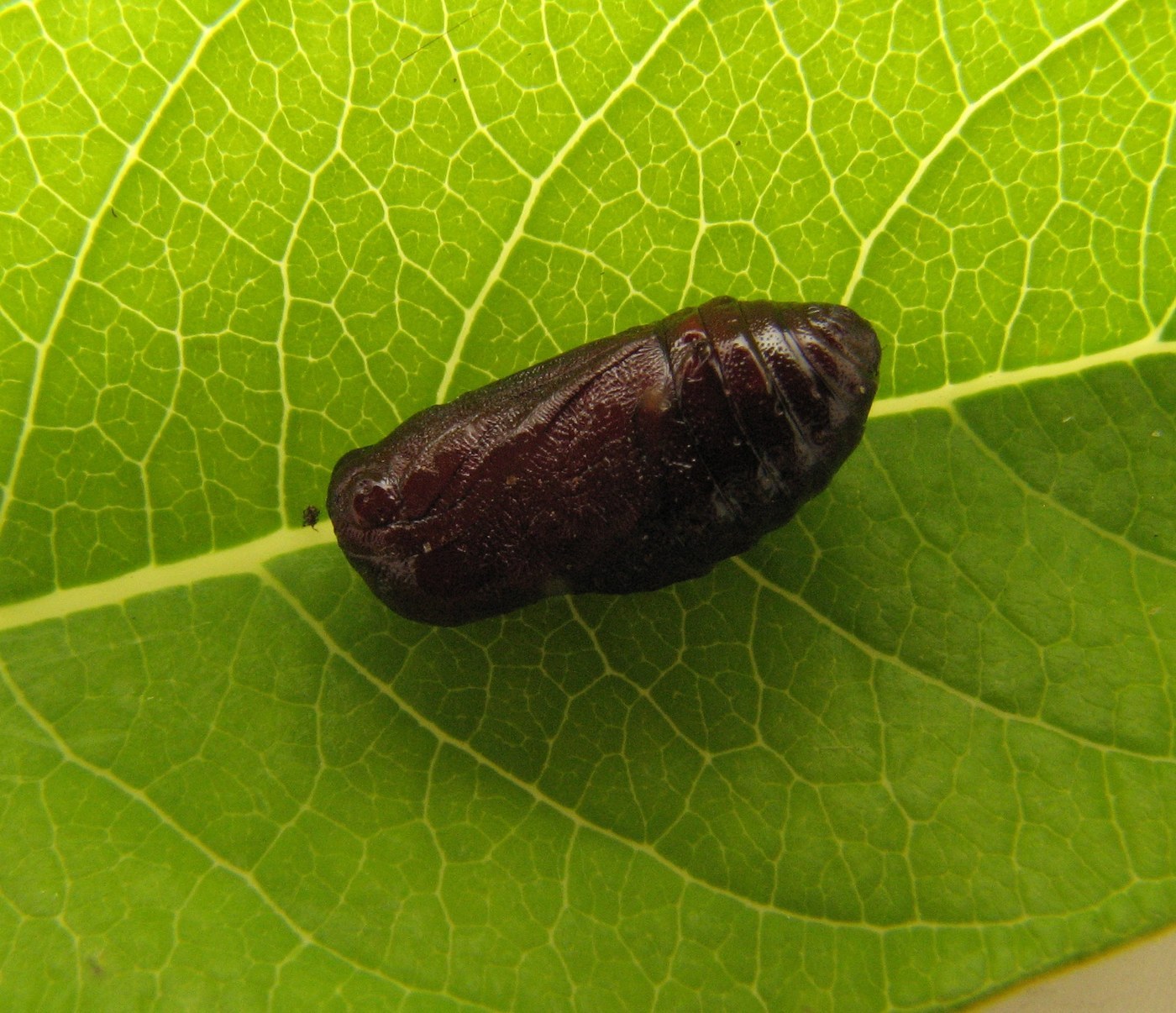
Milkweed Tussock Caterpillar
Rows of dense orange, black, and white hair tufts run down the back of this milkweed specialist, whose young larvae feed in tight groups that skeletonize milkweed leaves before dispersing to feed alone.
caterpillar-larva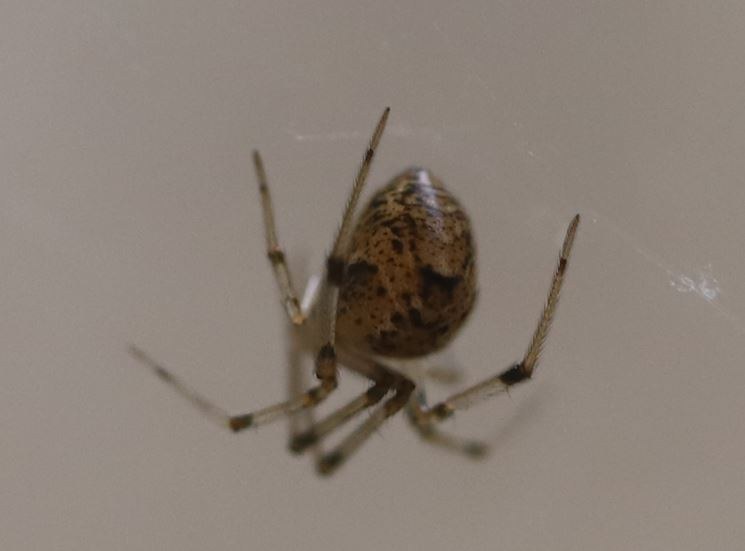
Common House Spider
Tucked into a messy tangle of silk in a quiet corner, the common house spider is one of the most familiar indoor spiders, quietly picking off flies and other small insects that blunder into its web.
spiderPine Sawyer Beetle
A large, long-antennaed longhorn beetle of pine and spruce forests, mottled gray-brown to black, that produces a rasping sound when handled and whose larvae tunnel deep into dead or dying conifer wood.
beetle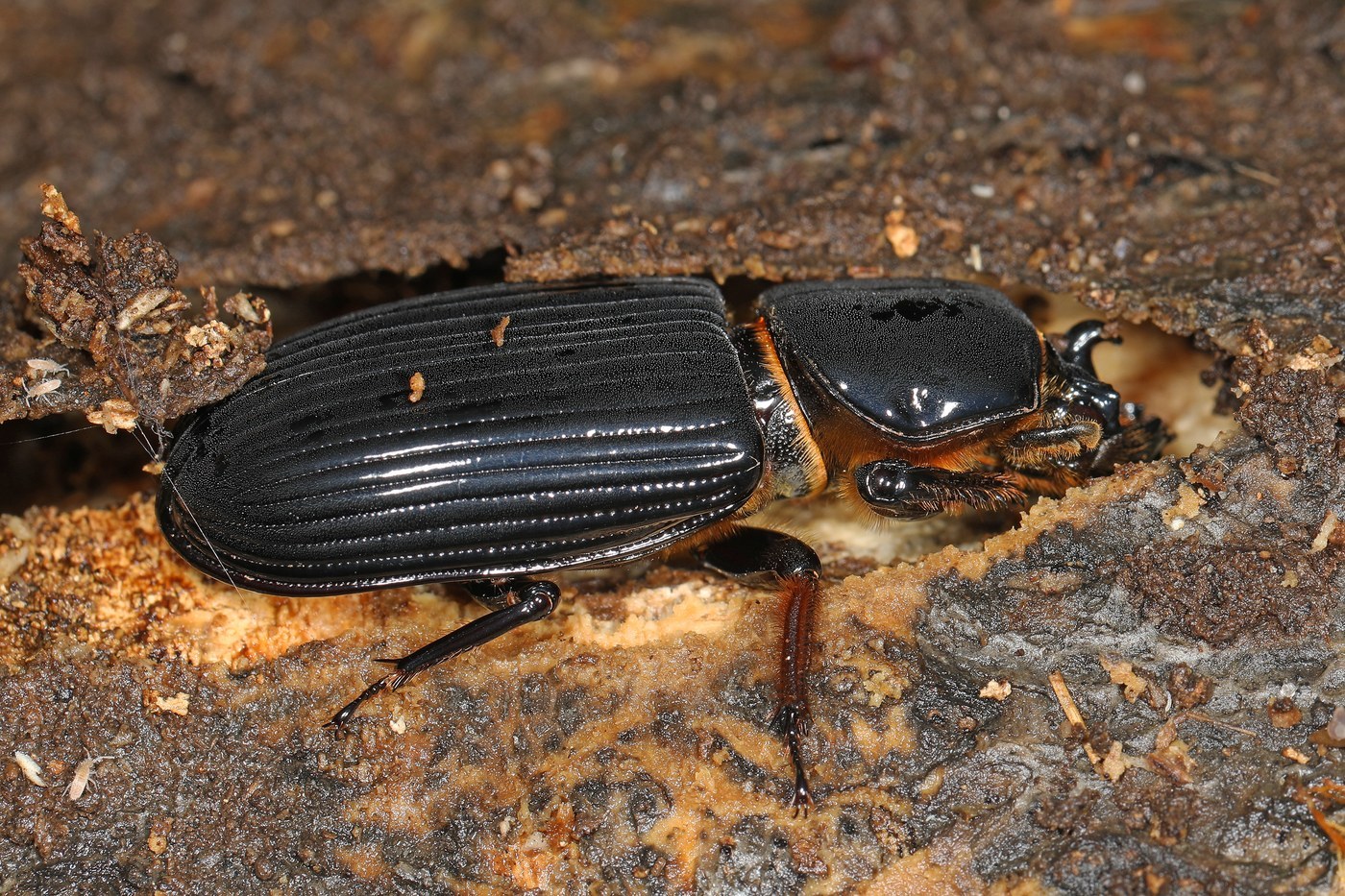
Bess Beetle
A large, glossy jet-black beetle that lives in family groups inside rotting logs, communicating with fellow beetles through squeaks and cooperating to raise larvae, an unusually social lifestyle for an insect of its kind.
beetle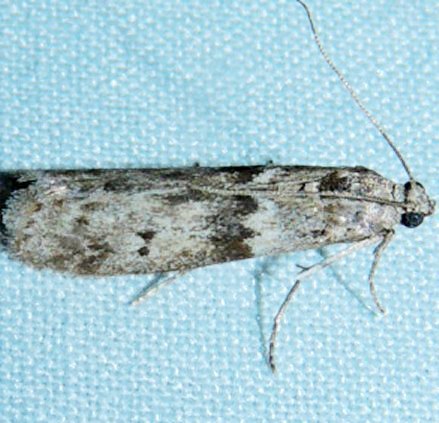
Mediterranean Flour Moth
A small, pale grey moth with fine dark wavy lines on its forewings, whose larvae spin webbing through flour, grain, and other stored dry food products, making it a well-known pest of mills and pantries.
moth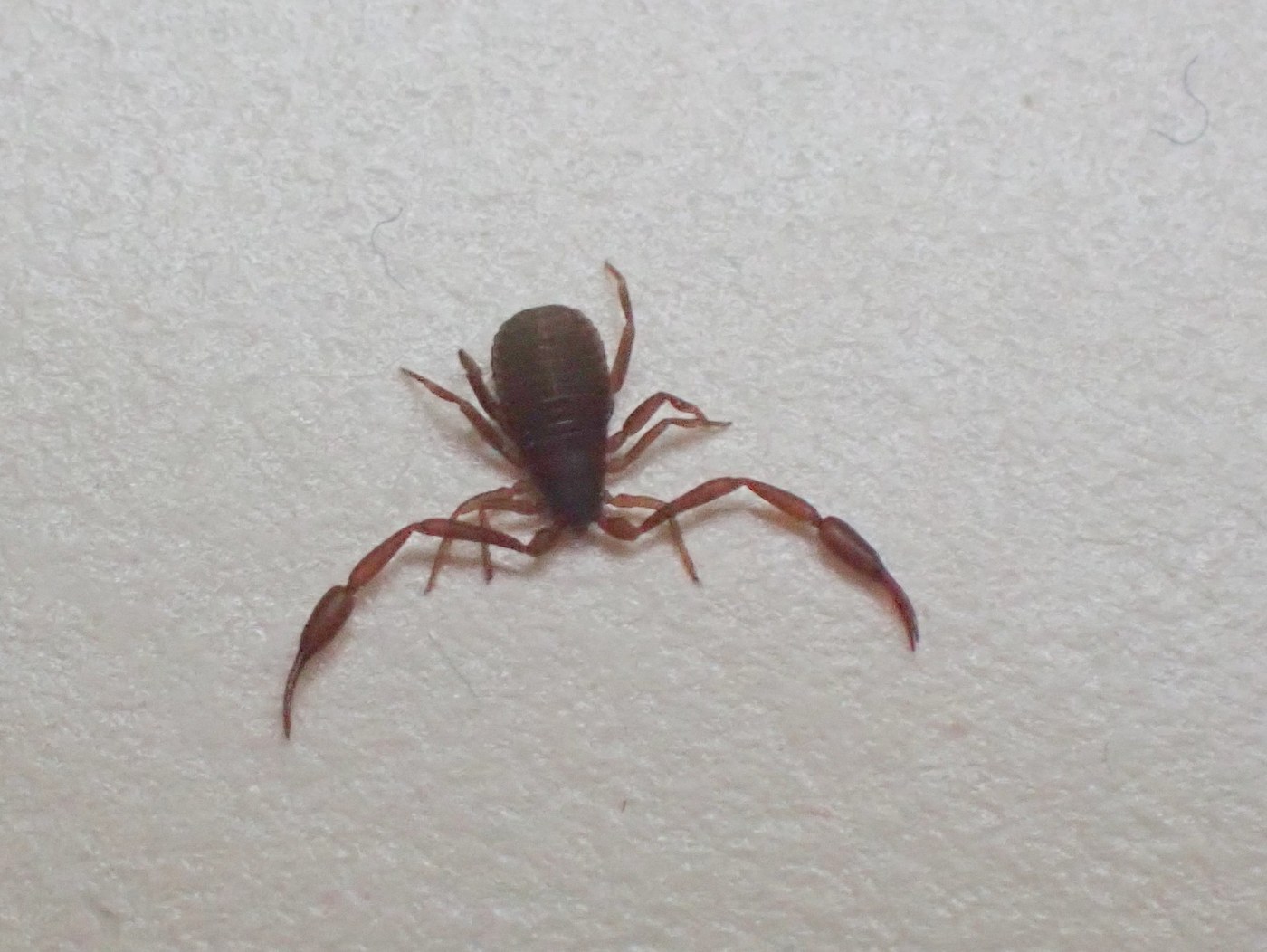
Book Scorpion
A tiny, flattened arachnid that looks like a scorpion in miniature, minus the tail, scuttling sideways through old paper and dusty corners while hunting even smaller pests.
arachnid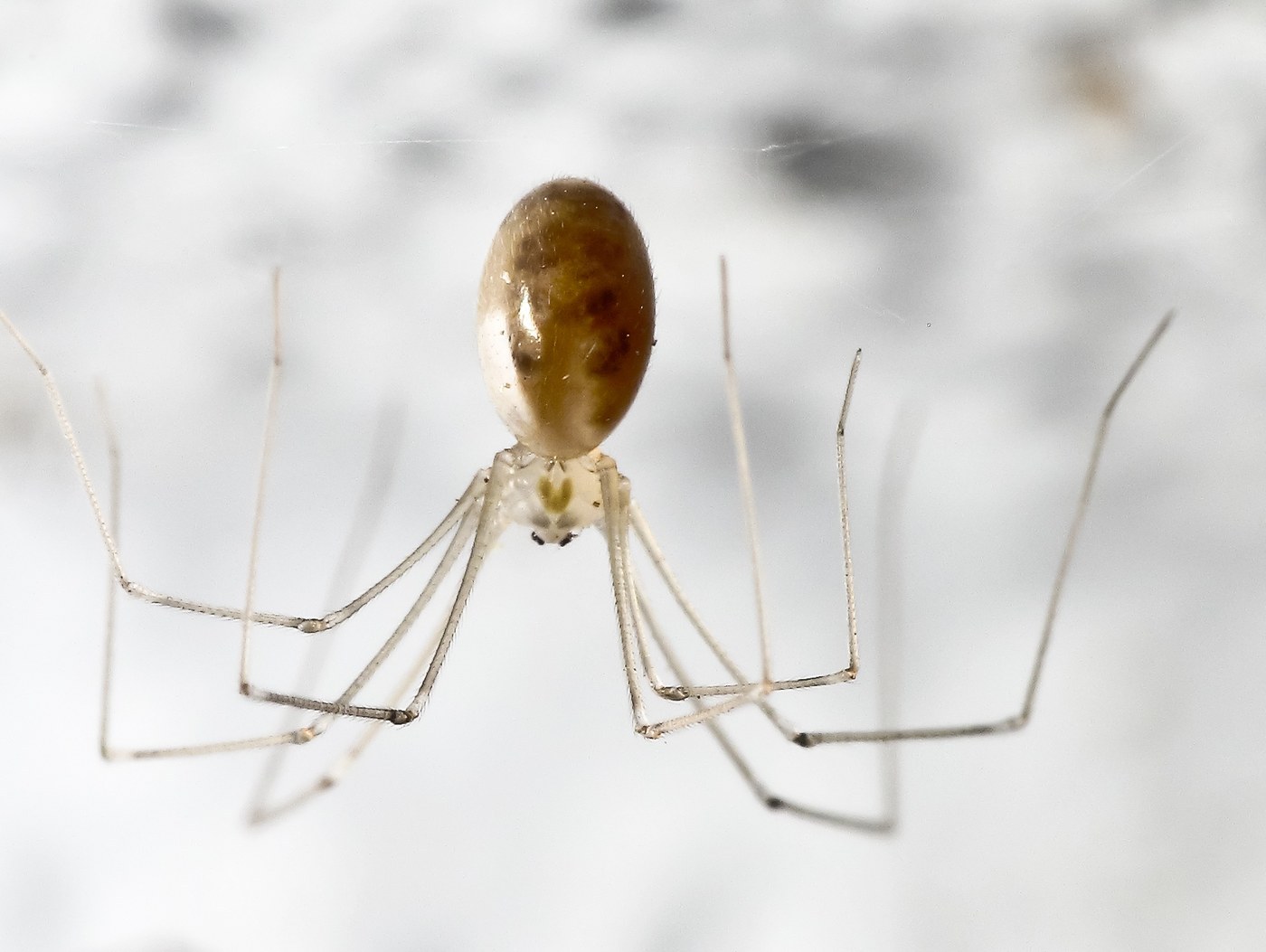
Cellar Spider
A pale, long-legged spider that builds loose, irregular webs in dark corners and is famous for rapidly vibrating in its web when disturbed, causing it to blur into an indistinct shape.
spider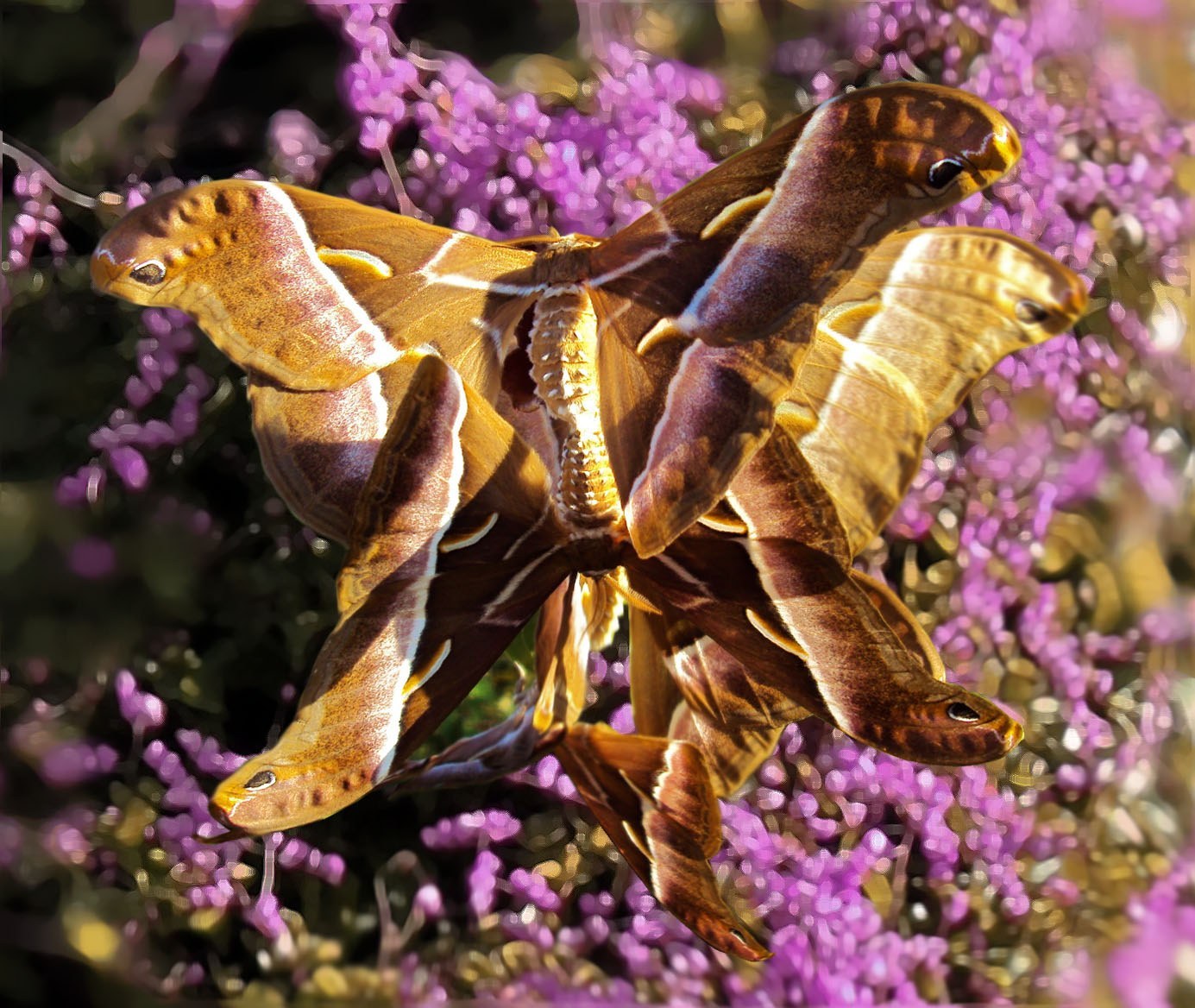
Ailanthus Silkmoth (Cynthia Moth)
A very large silkmoth with broad, tan-brown wings crossed by white, crescent-moon-shaped bands, closely associated with the fast-spreading tree-of-heaven that both feeds its larvae and carried the species around the world.
moth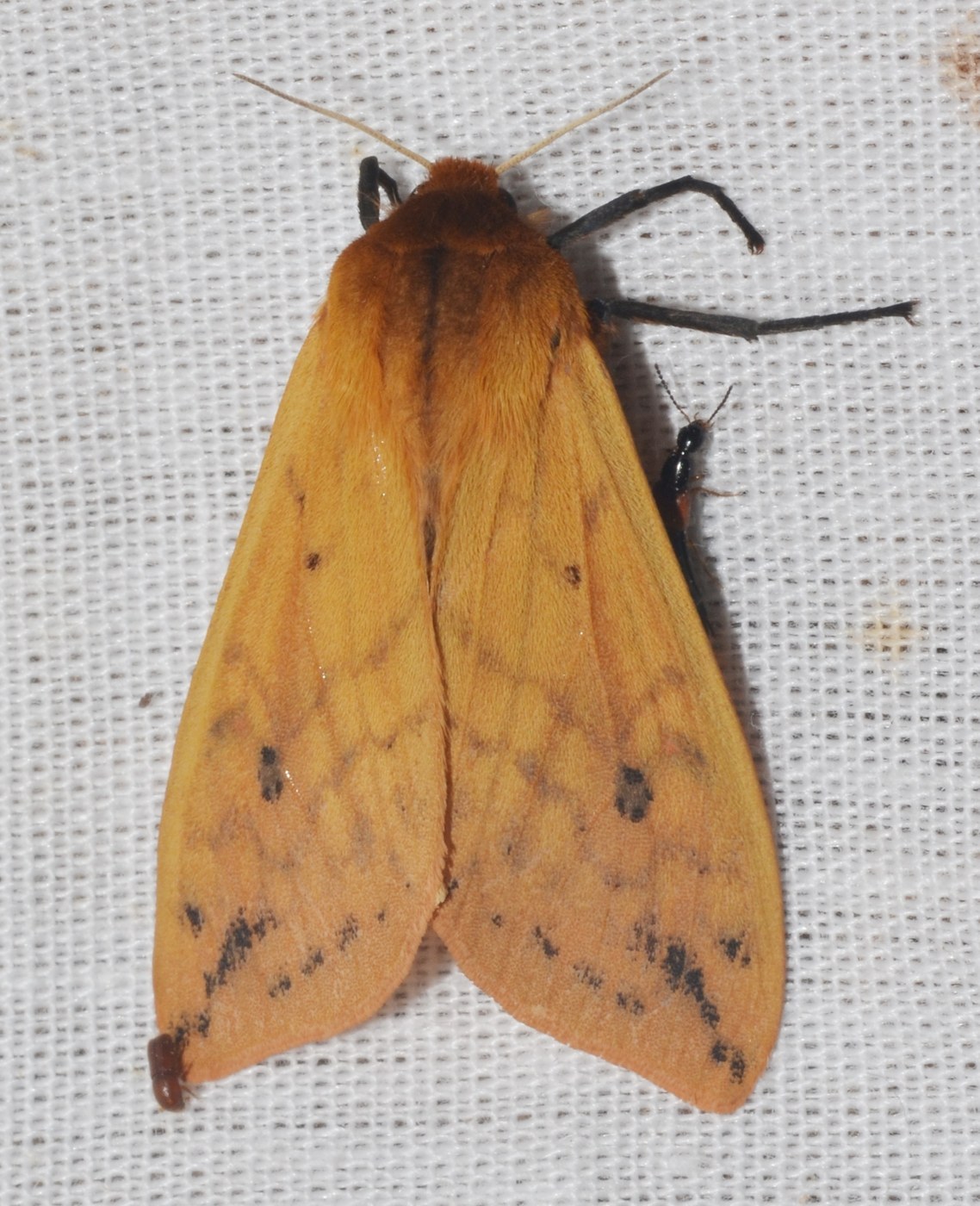
Isabella Tiger Moth (Woolly Bear)
Famous chiefly in its larval stage as the banded woolly bear caterpillar, this tiger moth's fuzzy black-and-rust-colored caterpillar is a familiar autumn sight, while the adult is a soft, tawny-orange moth with a stout, furry body.
mothPine Processionary Moth
An unremarkable grey-brown moth known almost entirely through its larvae, which build large silken nests in pine trees and travel to feed in long, head-to-tail processions covered in fine defensive hairs.
moth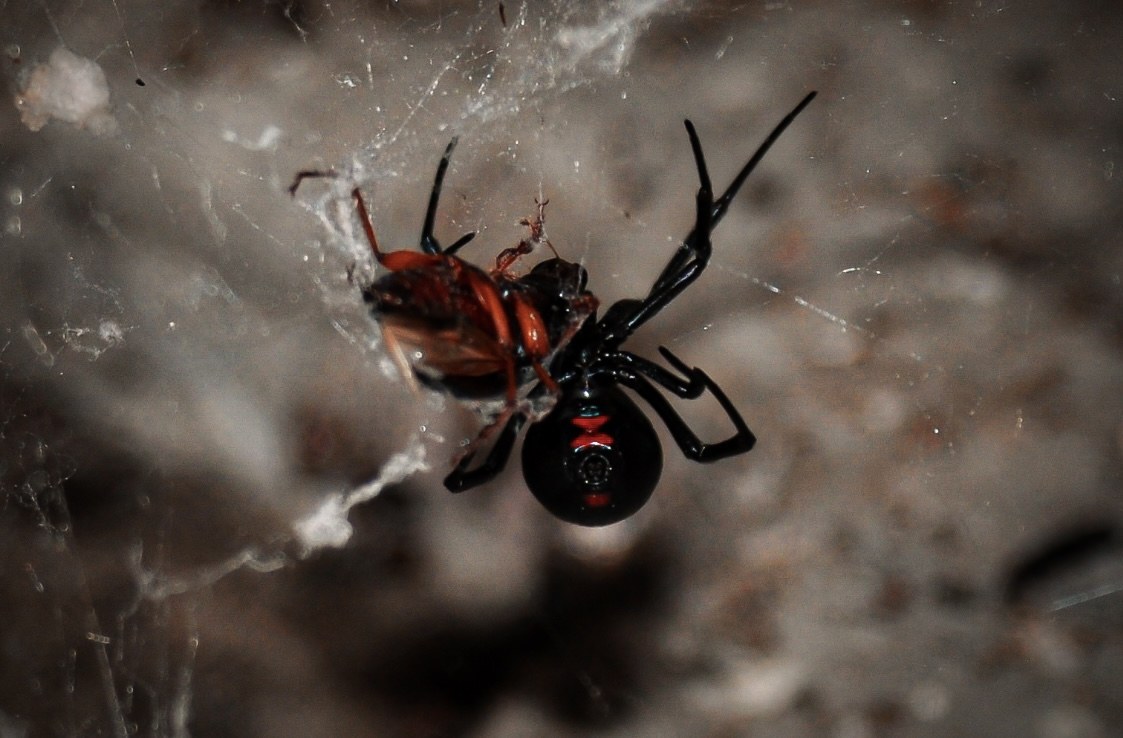
Southern Black Widow
Glossy jet-black and marked with a bright red hourglass on the underside of its rounded abdomen, the southern black widow is one of the most recognizable spiders in North America, typically found tucked into quiet, undisturbed corners rather than out in the open.
spider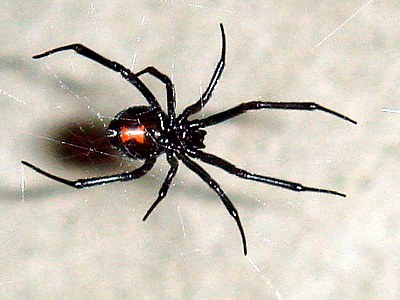
Western Black Widow
A glossy, jet-black spider with a bold red hourglass mark on the underside of her round abdomen, the western black widow builds a tangled, irregular web in dark, undisturbed corners of the American West.
spider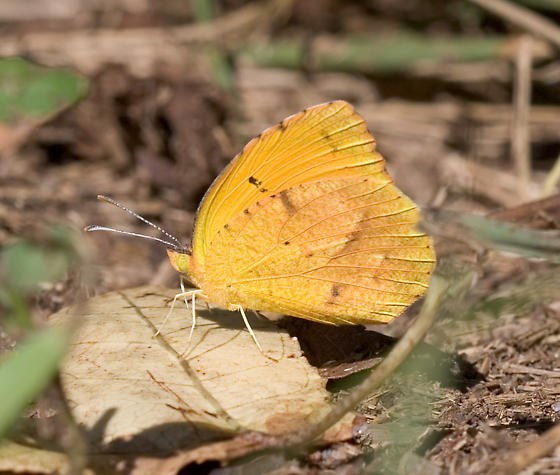
Sleepy Orange
A small, deep orange sulphur butterfly with dark wing borders and a low, wandering flight, named for a faint dark mark that suggests a half-closed, sleepy eye.
butterfly