
Bug Encyclopedia
Search and identify bugs & insects — beetles, butterflies, moths, ants, bees, spiders and more — with size, habitat, danger, behavior, and how to tell them apart.
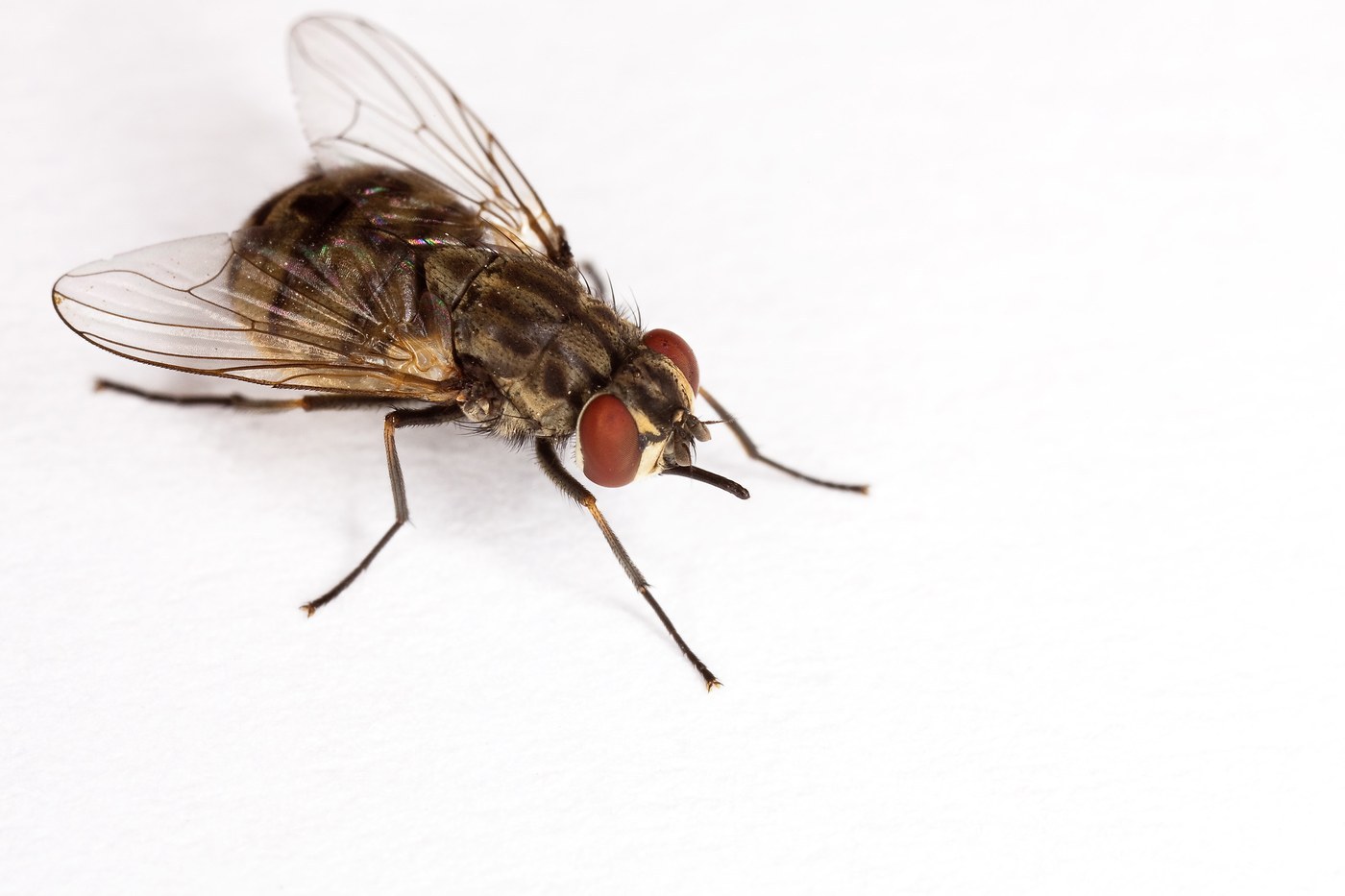
Stable Fly
A gray fly that looks almost identical to the common house fly, but carries a rigid, forward-pointing proboscis built for piercing skin rather than sponging up liquids.
fly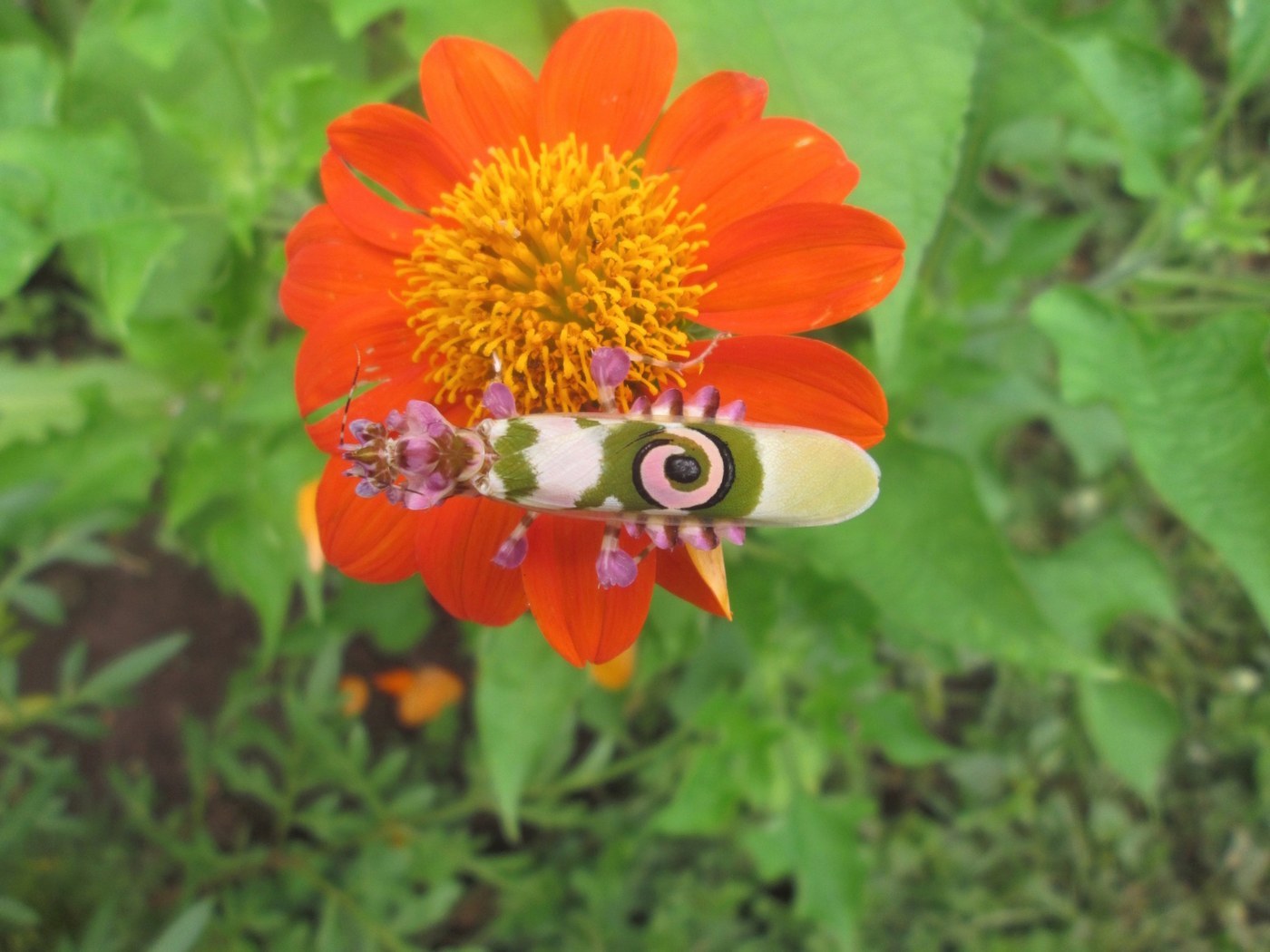
Spiny Flower Mantis
A small, boldly patterned mantis whose wing markings resemble a pair of eyespots, flashed open in a startling display whenever a predator ventures too close.
mantis-stick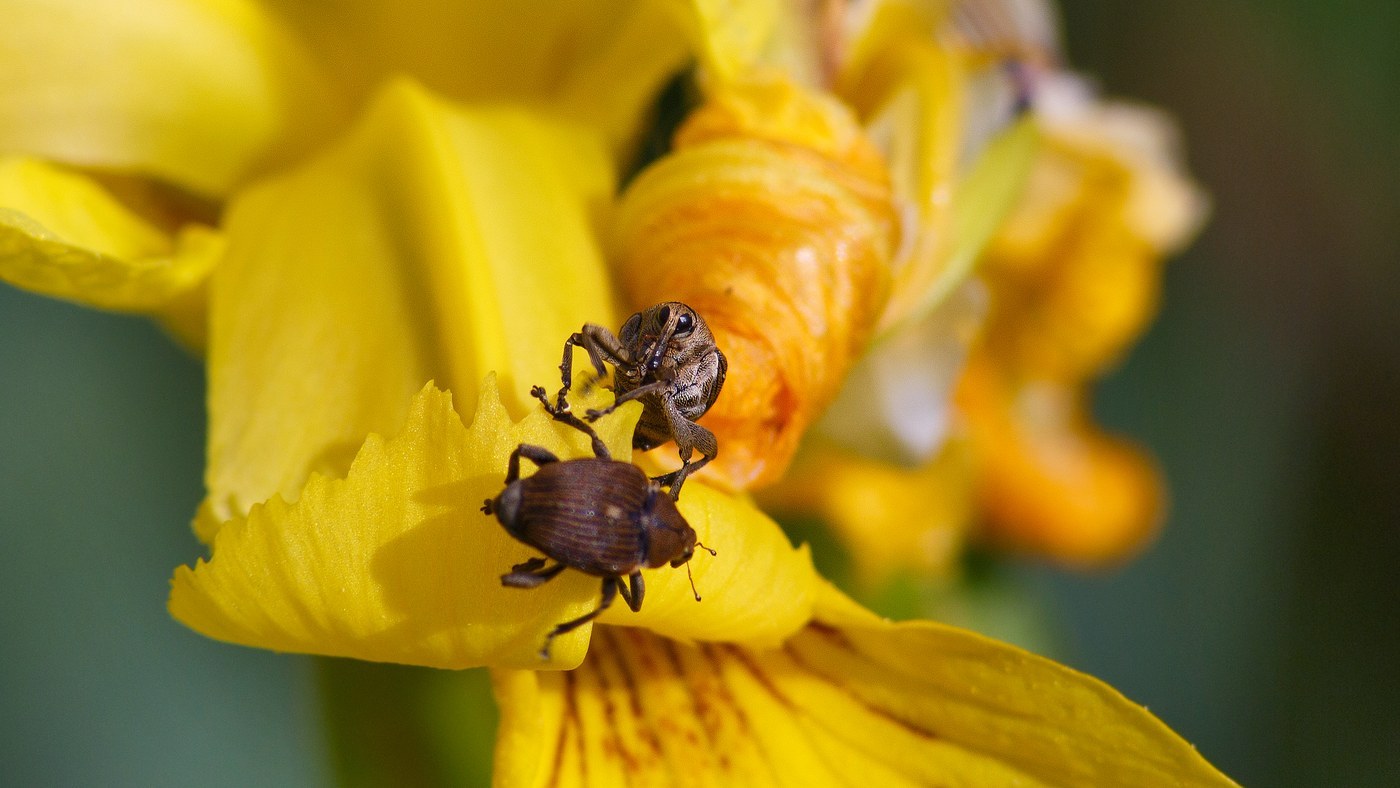
Snout Beetle
A small beetle instantly recognized by its elongated, downward-curving snout, tipped with chewing mouthparts, used to bore into seeds, nuts, stems, or fruit.
beetle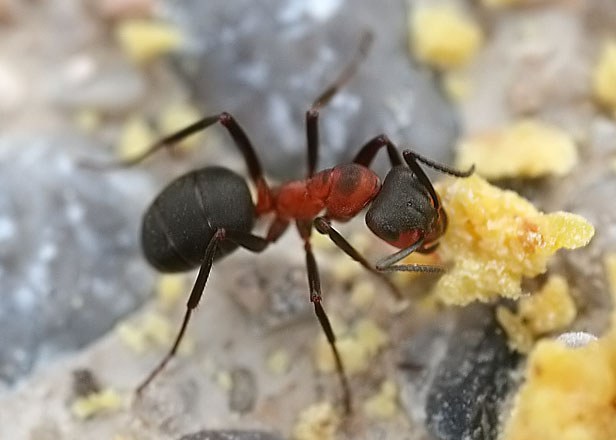
Red Wood Ant
A large woodland ant with a reddish-brown thorax and dark abdomen, famous for building towering dome-shaped mounds of pine needles and twigs in forest clearings.
antPhorid Fly
A tiny, hump-backed fly best known for scuttling erratically across countertops and floors rather than taking flight, drawn to anything rotting or moist.
fly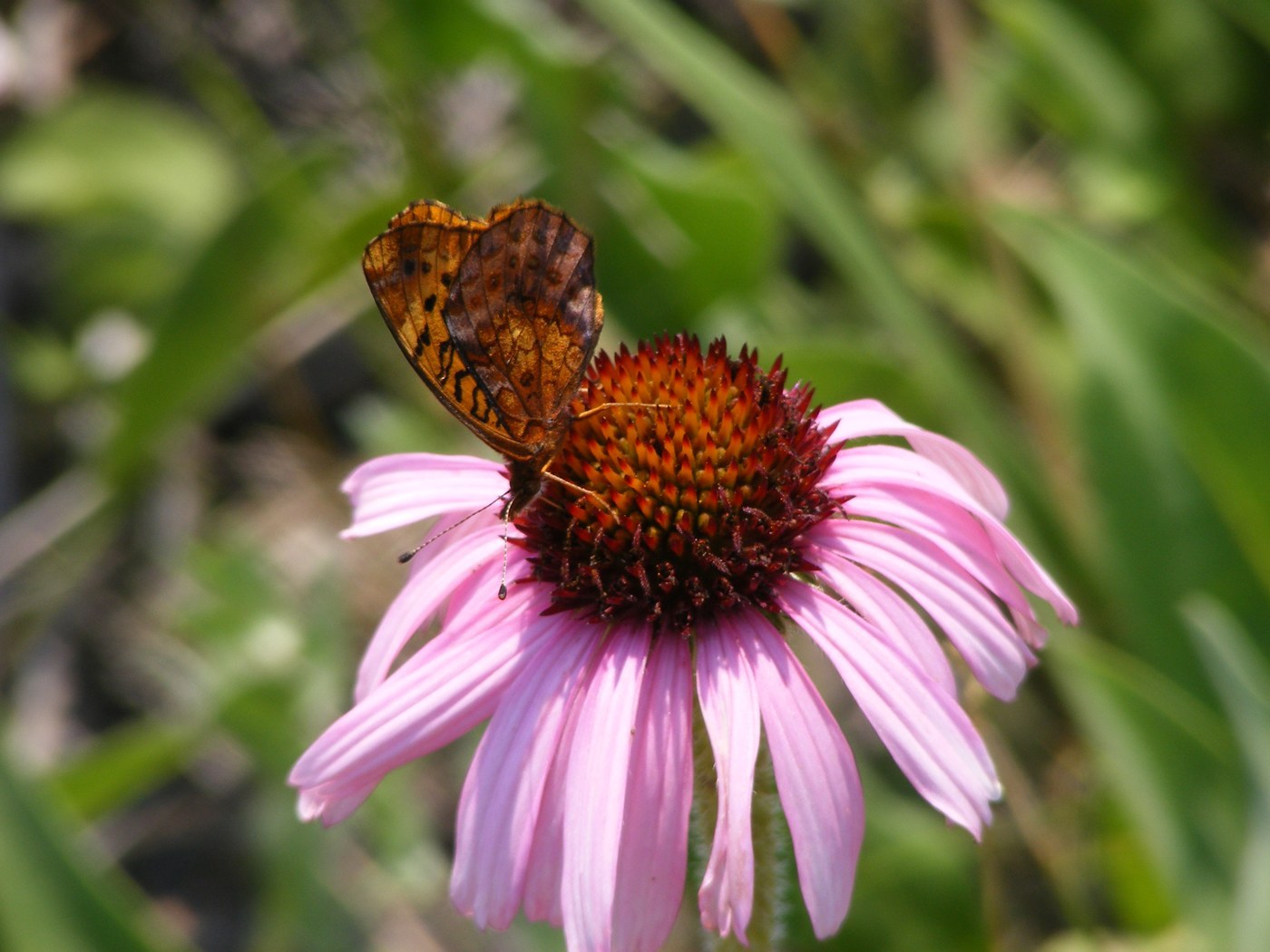
Meadow Fritillary
A small, fast-flying orange-and-black fritillary of open grassy fields, easily told from its larger cousins by its lack of silvery spots on the underside of the hindwing.
butterfly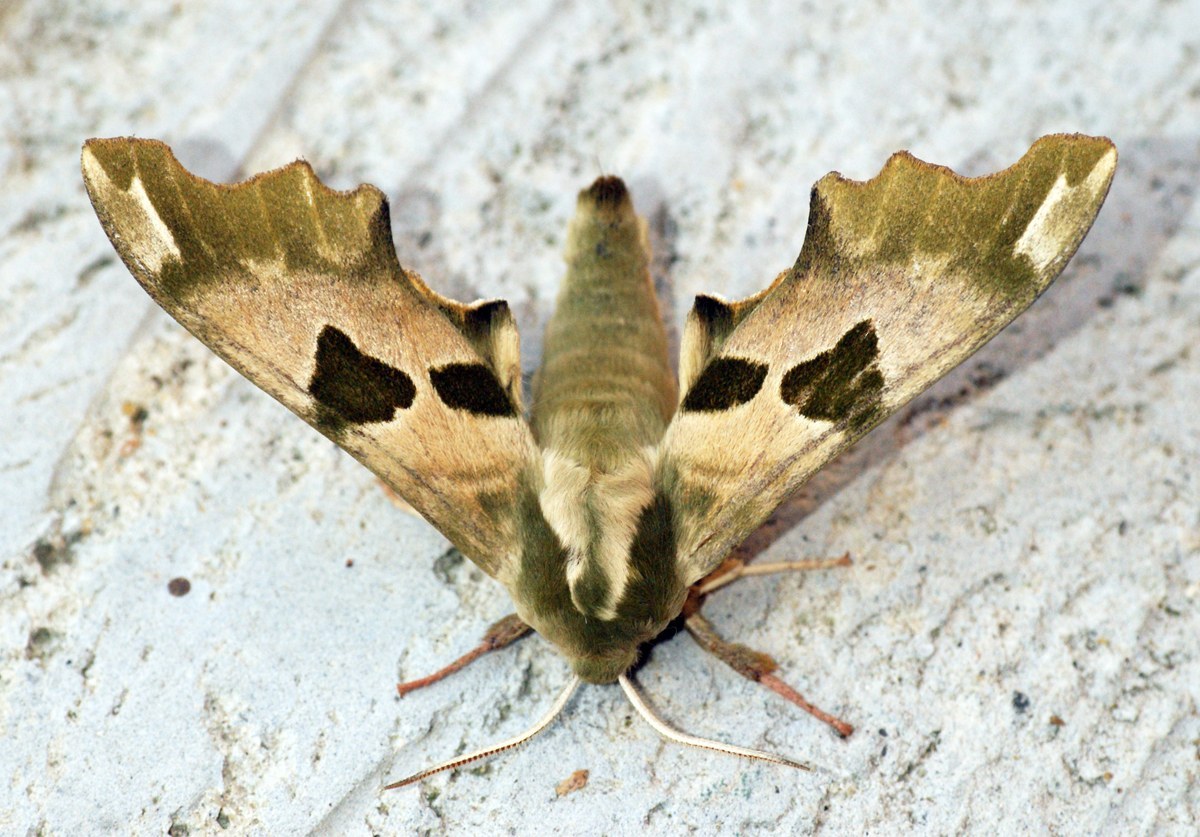
Lime Hawk-Moth
A stout, angular-winged hawk-moth in muted greens, browns, or pinks with deeply scalloped wing margins, closely tied to lime (linden) trees for its larval development.
moth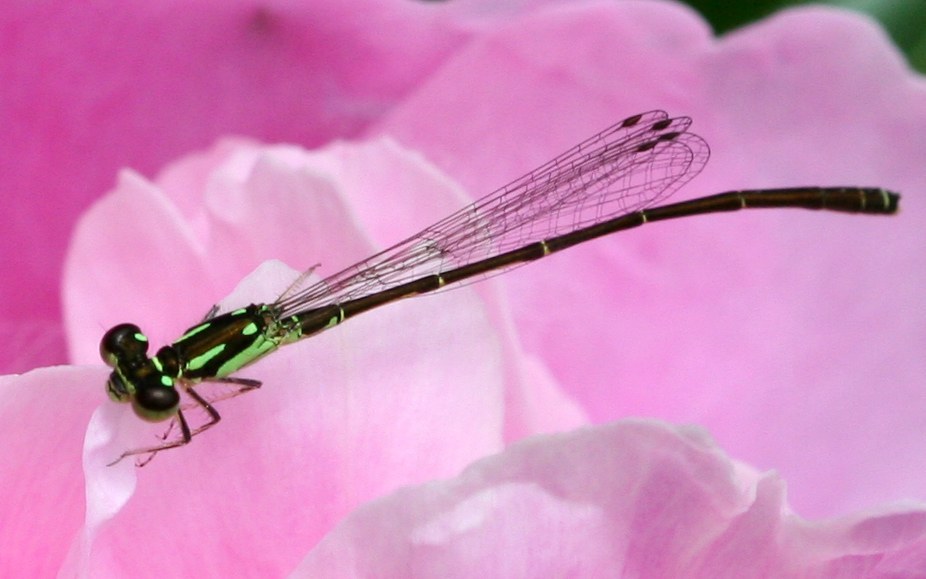
Fragile Forktail
One of North America's smallest and most delicate damselflies, the Fragile Forktail is best known for the pale green exclamation-point mark on top of its thorax.
dragonfly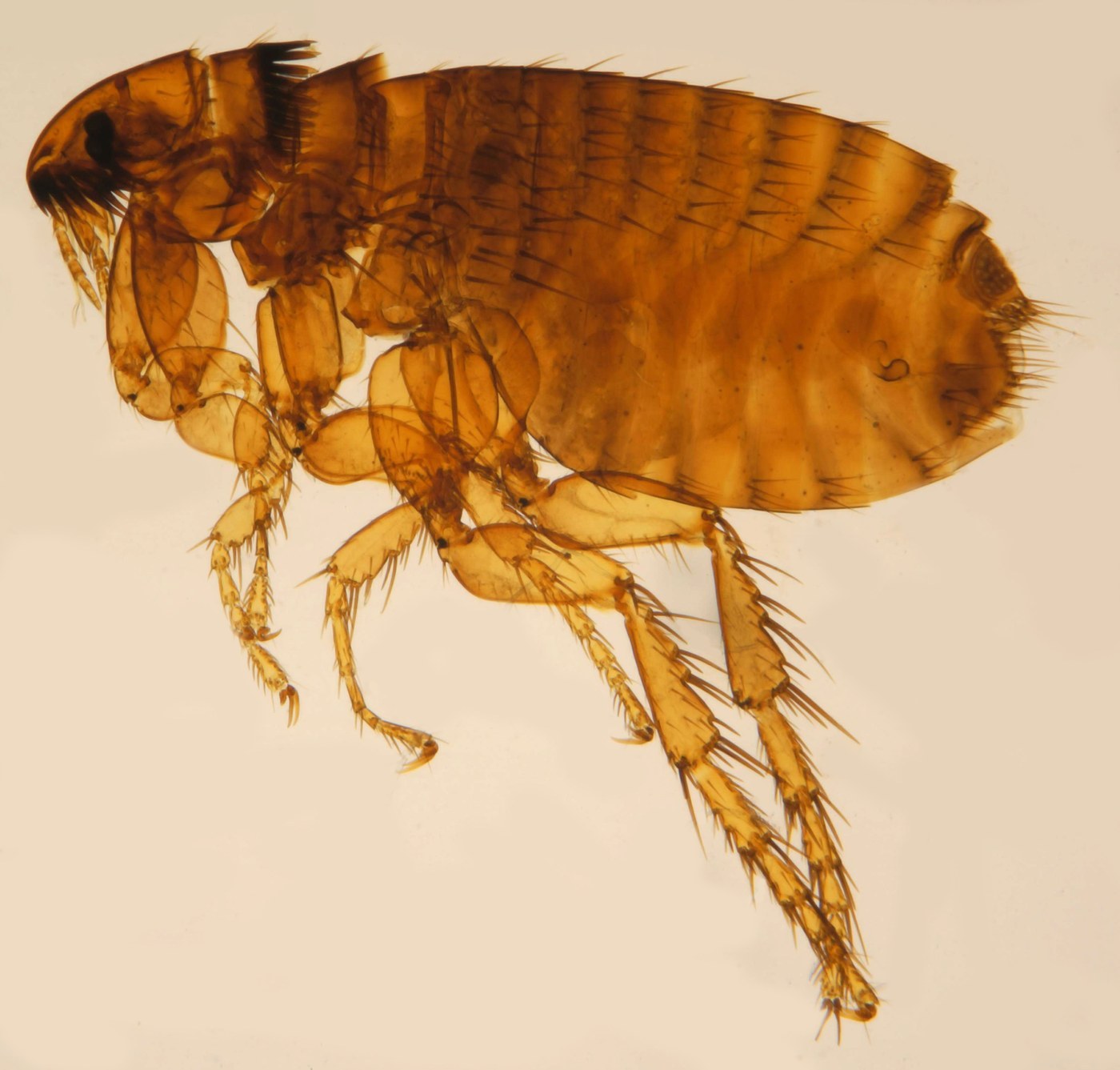
Flea
A tiny, wingless, laterally flattened insect built for moving swiftly through fur, famous for its powerful hind legs that allow it to leap many times its own body length.
other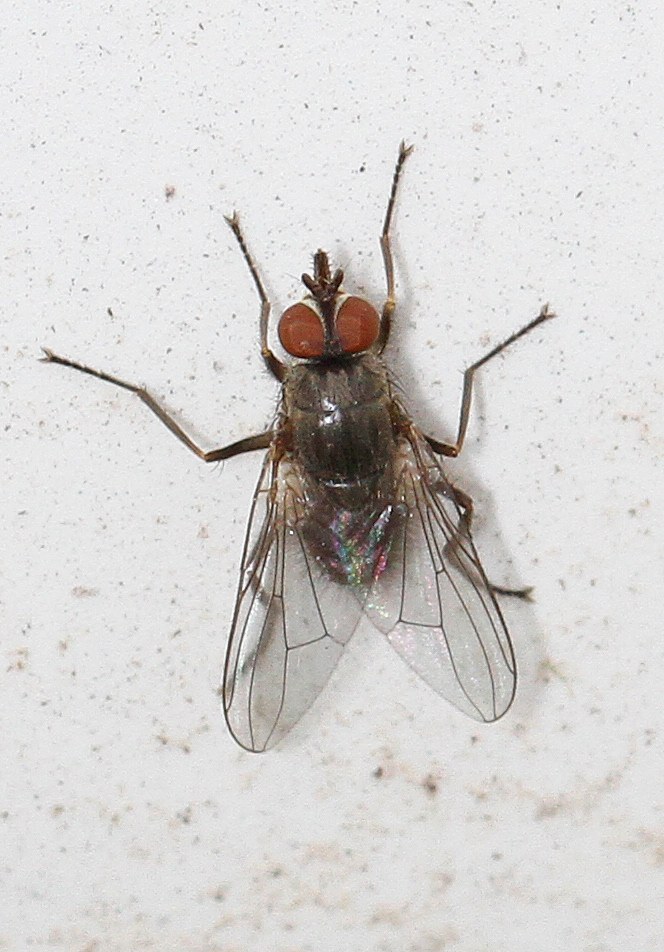
Horn Fly
A tiny, dark fly that clusters in dense patches on the backs and shoulders of grazing cattle, using piercing mouthparts to take frequent small blood meals.
fly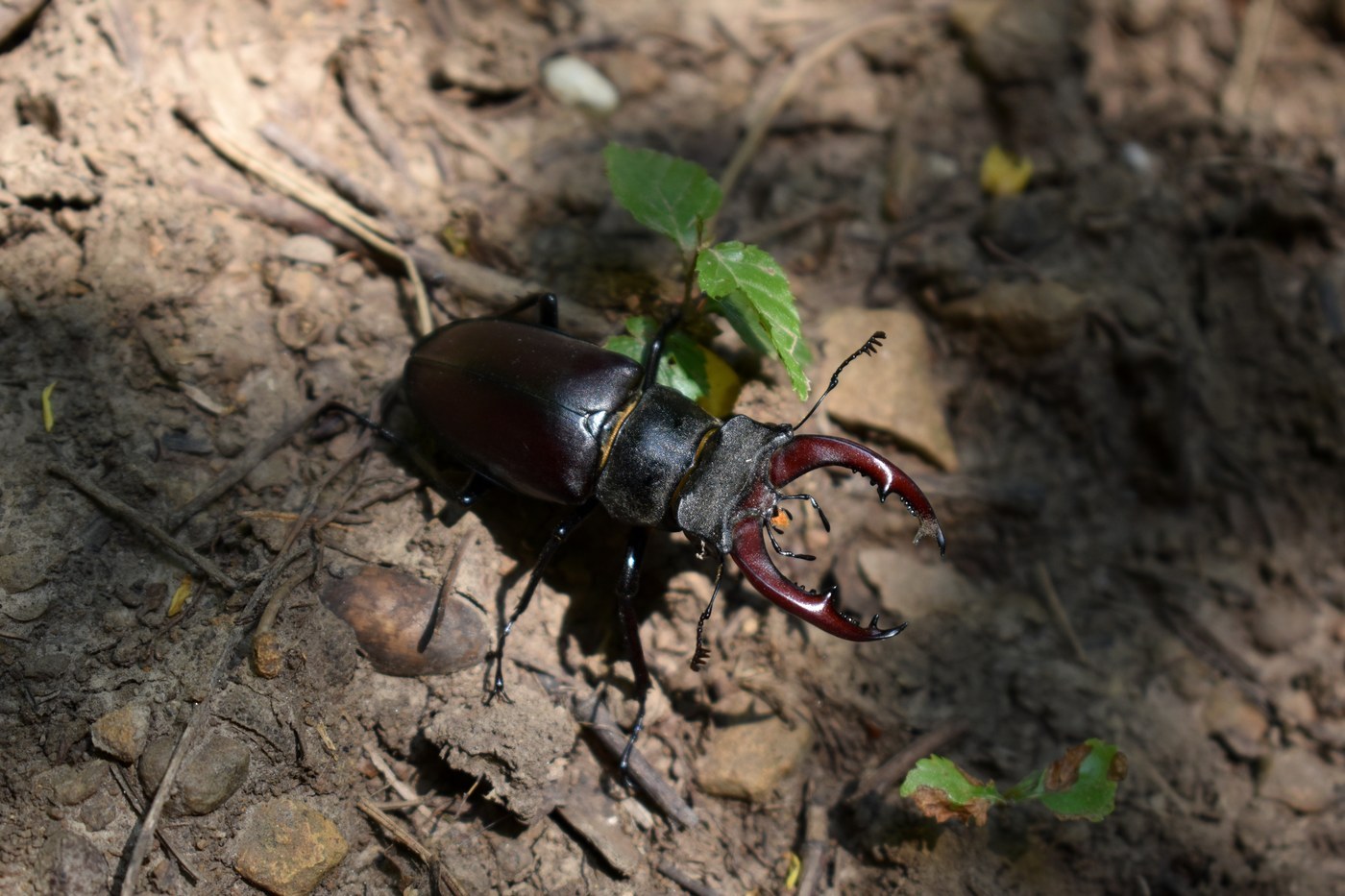
European Stag Beetle
Europe's largest beetle, a glossy dark brown insect in which males carry oversized antler-like mandibles used to wrestle rivals, resembling the antlers of a stag.
beetle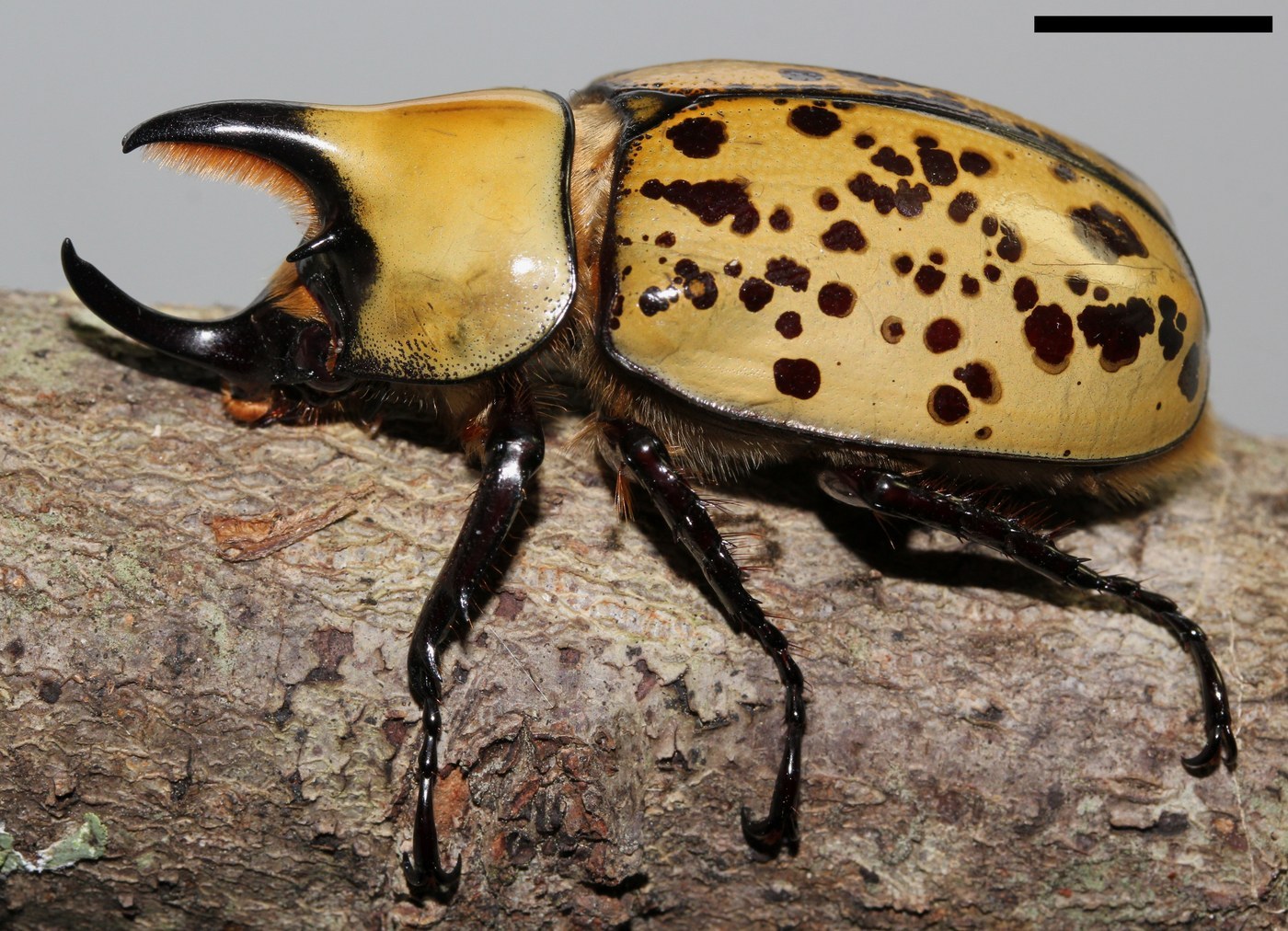
Eastern Hercules Beetle
One of the largest beetles in North America, a massive rhinoceros beetle in which males bear an enormous forked horn used to wrestle rivals off of favored tree sap sites.
beetle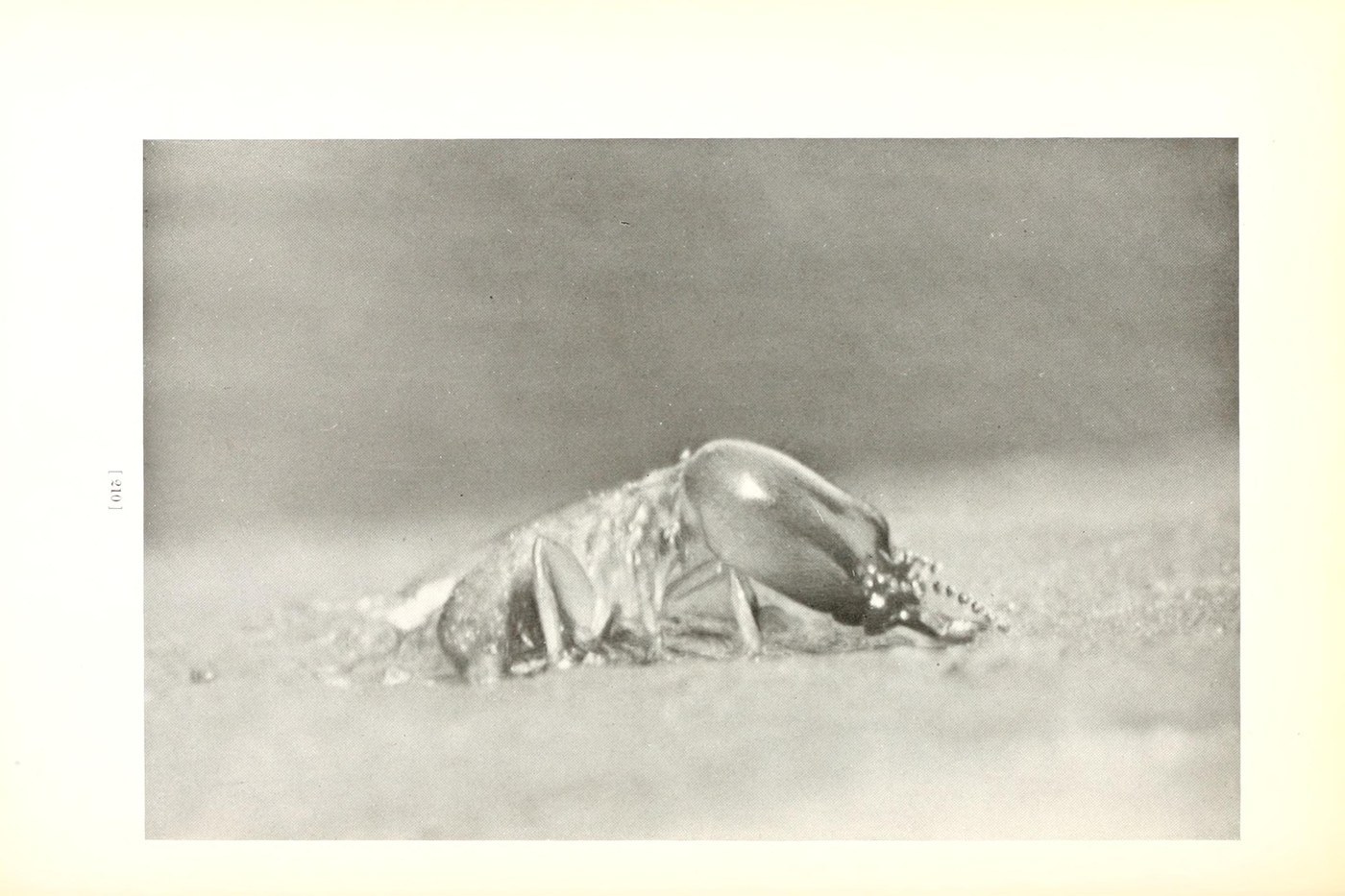
Eastern Subterranean Termite
A pale, soft-bodied social insect that lives in vast underground colonies and builds mud tubes to reach and feed on wood cellulose, including structural timber.
other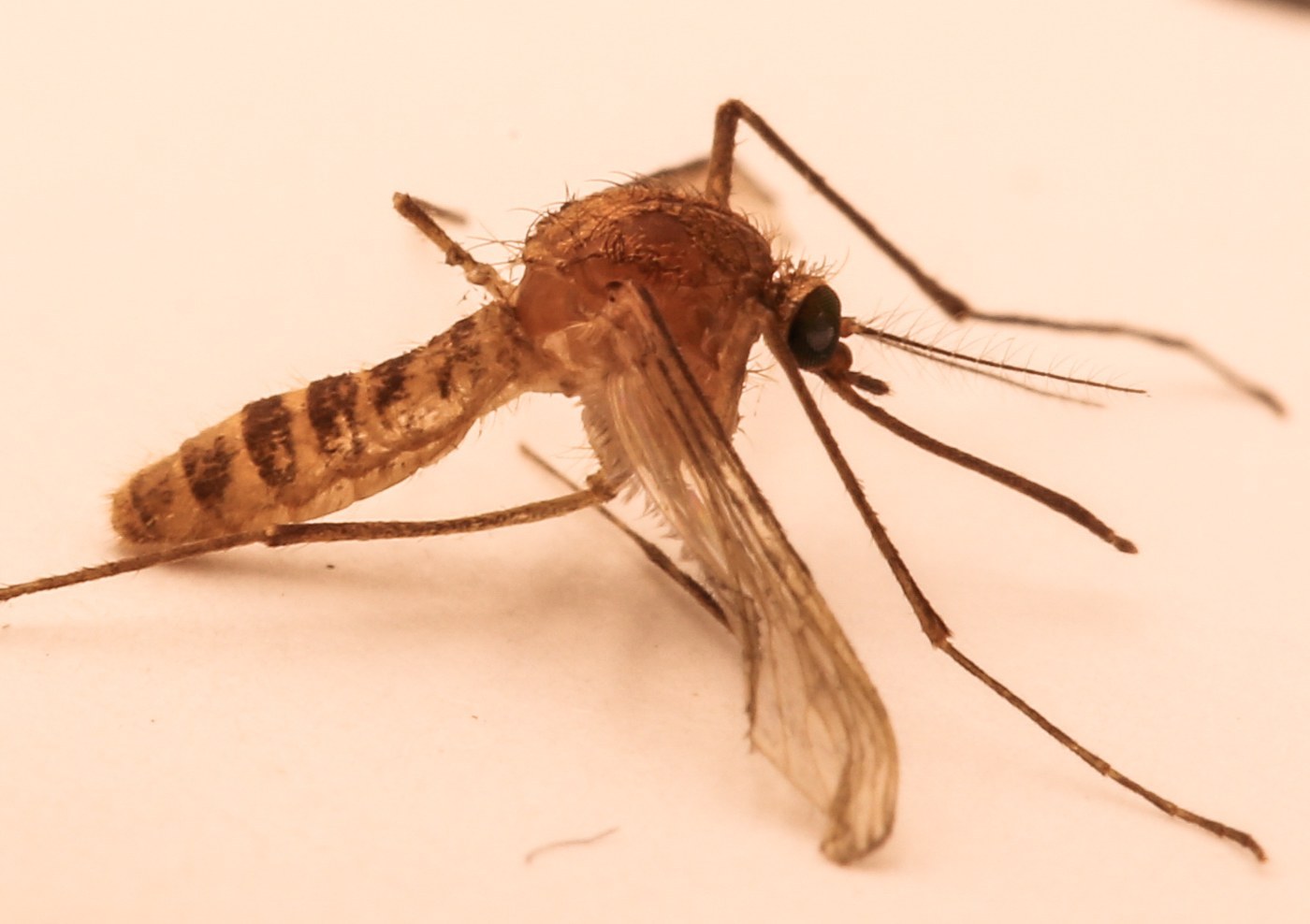
Common House Mosquito
A slender, drab brown mosquito that emerges at dusk from catch basins and forgotten containers to fill neighborhoods with its familiar high-pitched whine.
flyCutworm
A plump, dull gray-brown caterpillar that hides in soil by day and emerges at night to sever young seedlings at the base, curling tightly into a C-shape when disturbed.
caterpillar-larvaCave Spider
A long-legged orb weaver adapted to the twilight zone of caves, spinning large webs across cavern mouths and dangling its egg sacs from silk threads deep within the darkness.
spider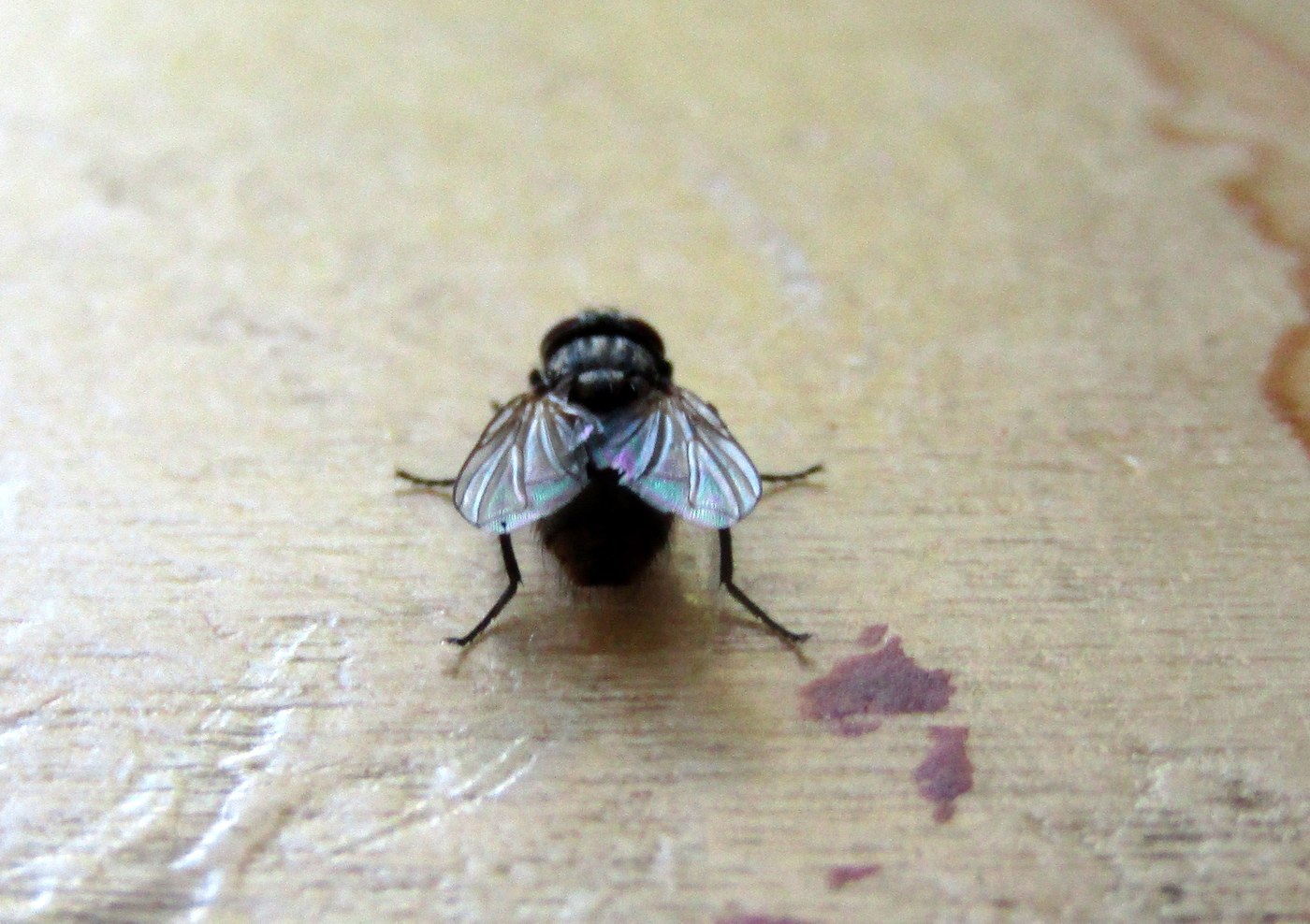
Common Housefly
A dull gray fly with four dark stripes on its thorax and large reddish eyes, one of the most widespread insects on Earth thanks to its close association with human food and waste.
fly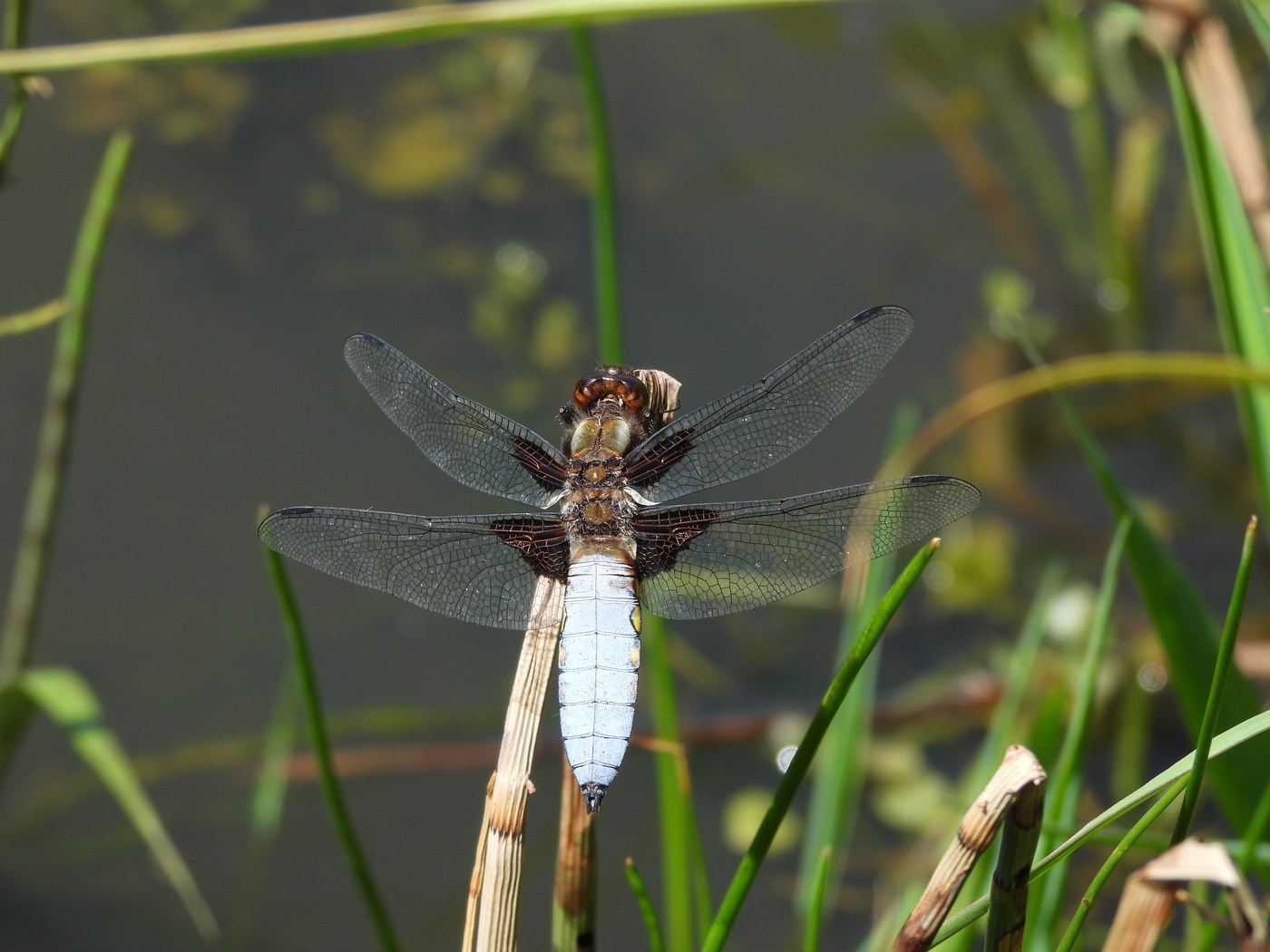
Broad-Bodied Chaser
A stout, flat-bodied dragonfly that is often the first to colonise a new garden pond, with males showing a powdery pale blue abdomen and females a warm golden-brown one.
dragonfly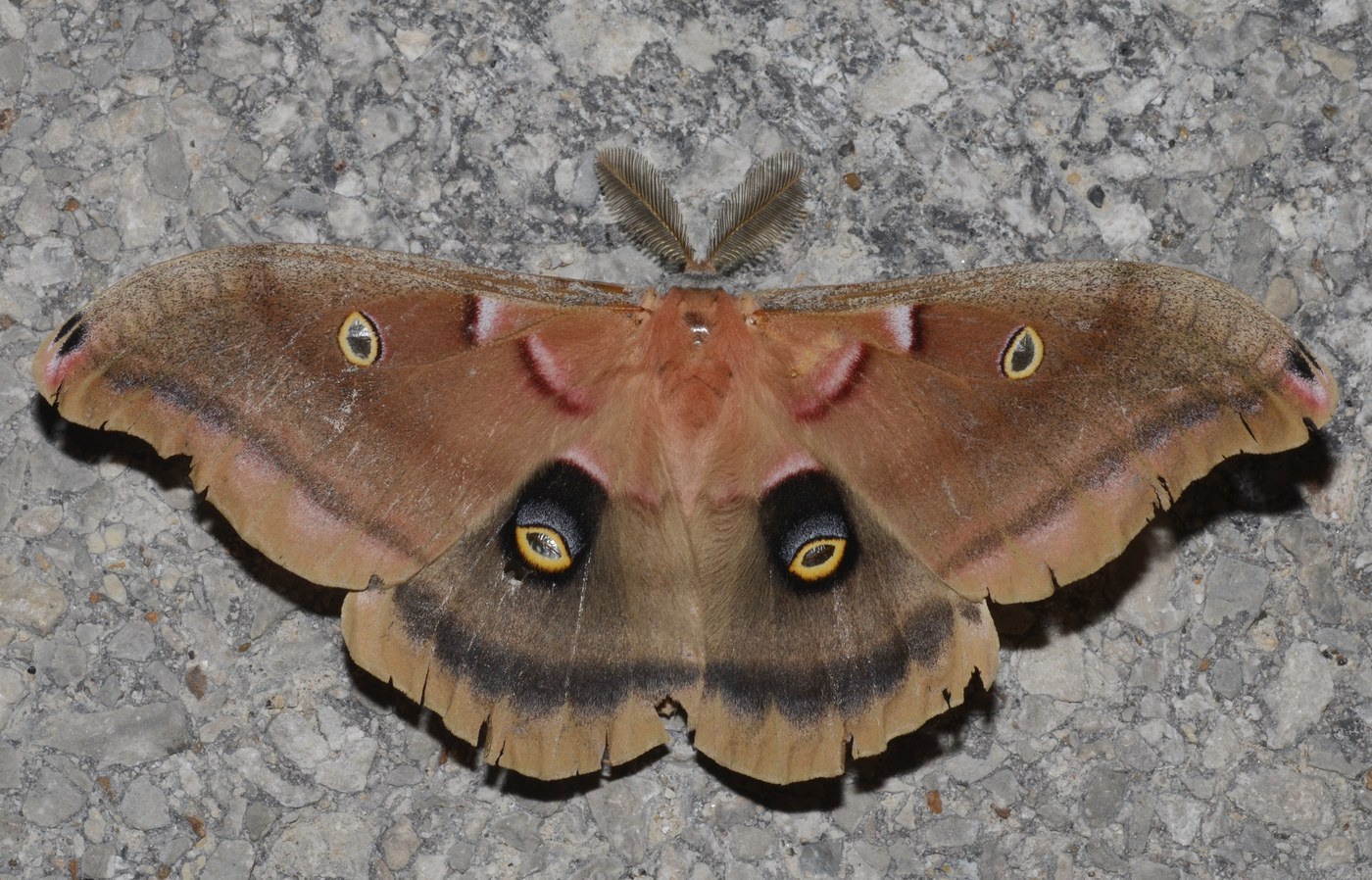
Antheraea Silkmoth
A large, robust silkmoth in the genus Antheraea with broad reddish-brown to tan wings, each marked with a prominent transparent, eye-like spot, representing a group of giant moths long valued for producing wild silk.
moth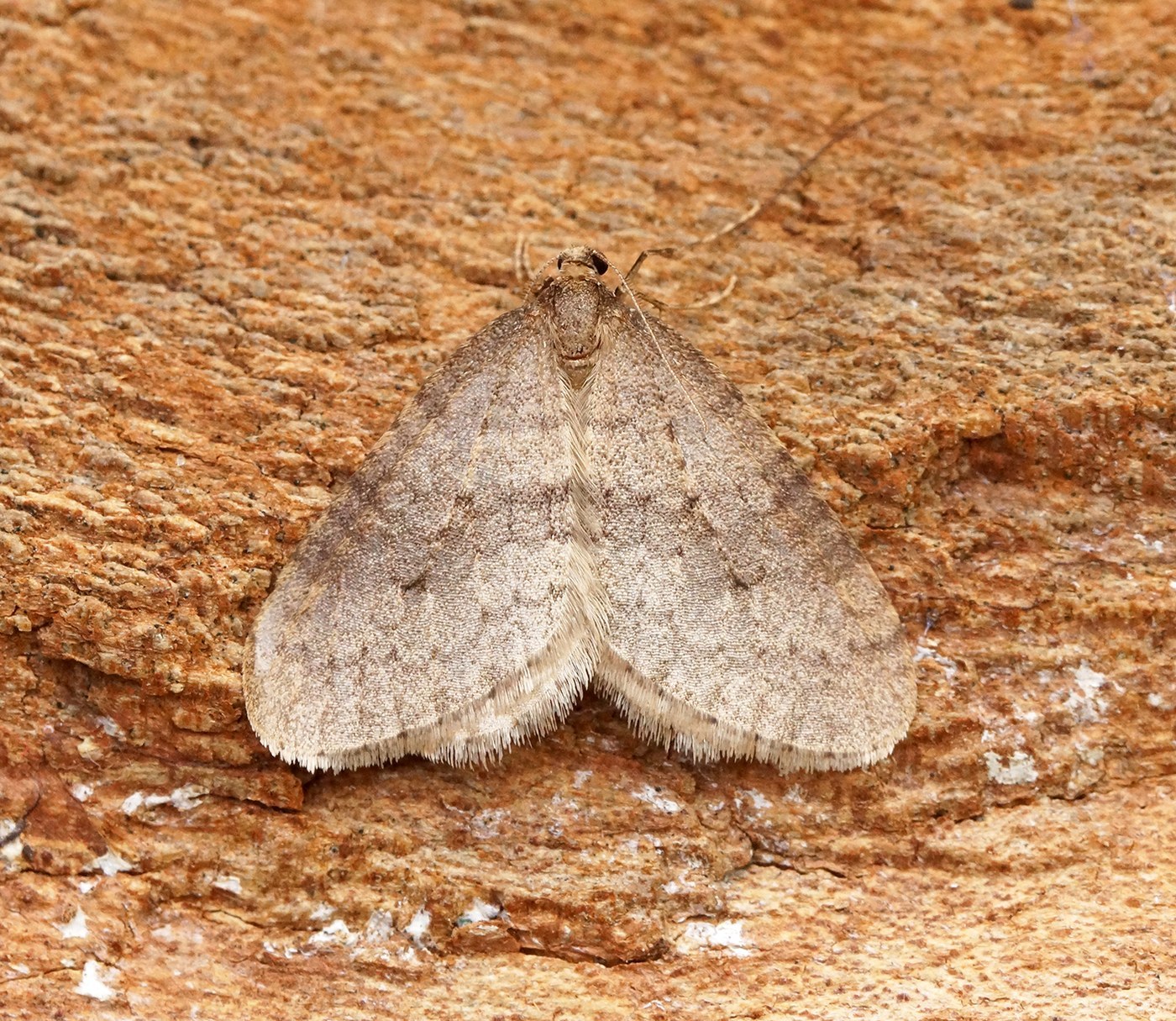
Winter Moth
A small tan-brown moth unusual for flying in the cold of late autumn and early winter, with strongly dimorphic sexes: fully winged males and flightless, near-wingless females that climb tree trunks to lay eggs.
moth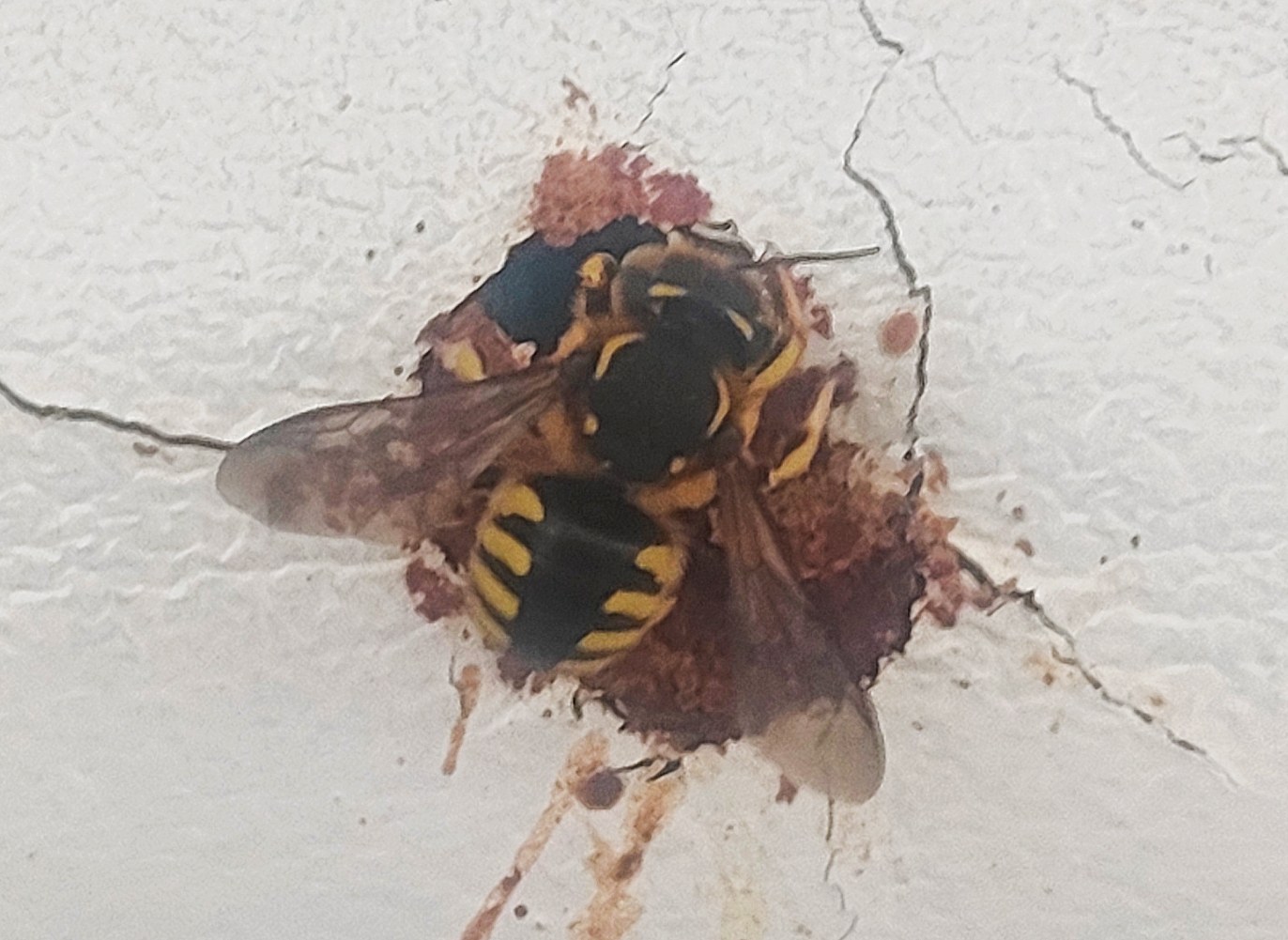
Wool Carder Bee
A stocky, yellow-and-black solitary bee named for its habit of scraping soft plant fibers from fuzzy leaves to line its nest, with territorial males that aggressively patrol and defend flower patches.
bee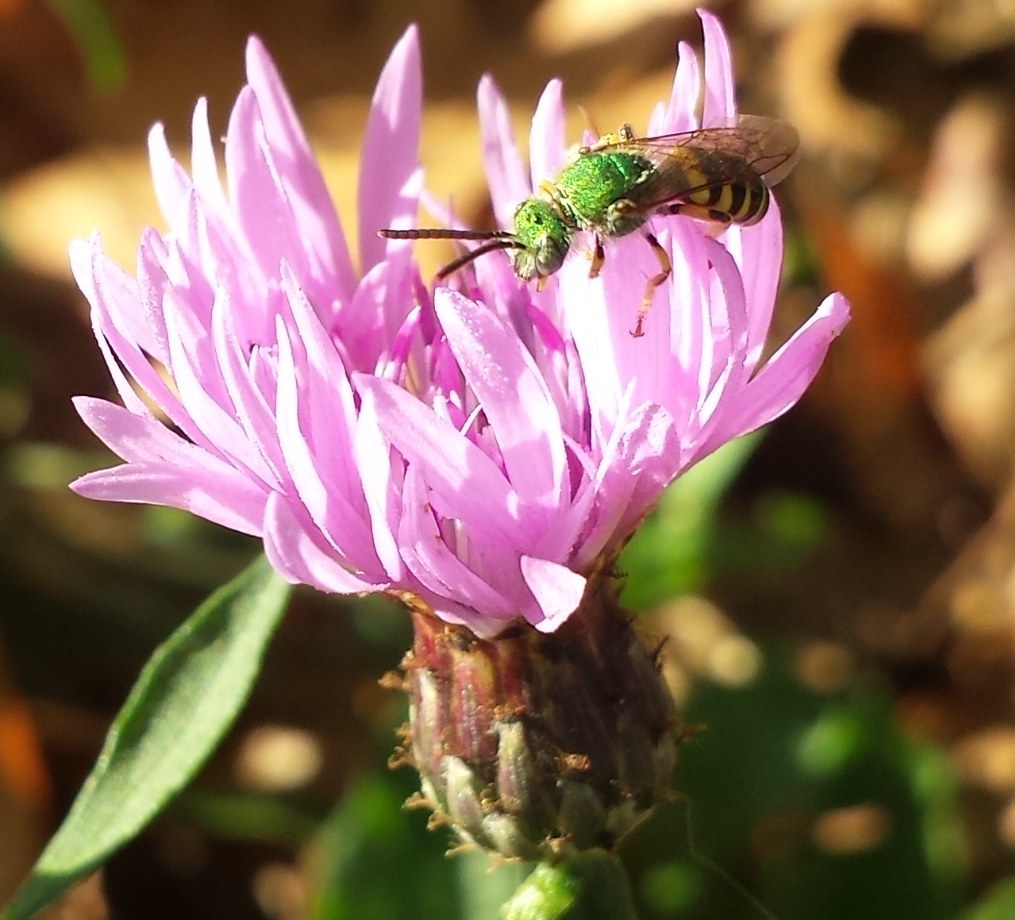
Sweat Bee
A small, often metallic green or bronze bee in the family Halictidae, named for its habit of landing on skin to sip perspiration, and an important generalist pollinator of wildflowers and crops.
bee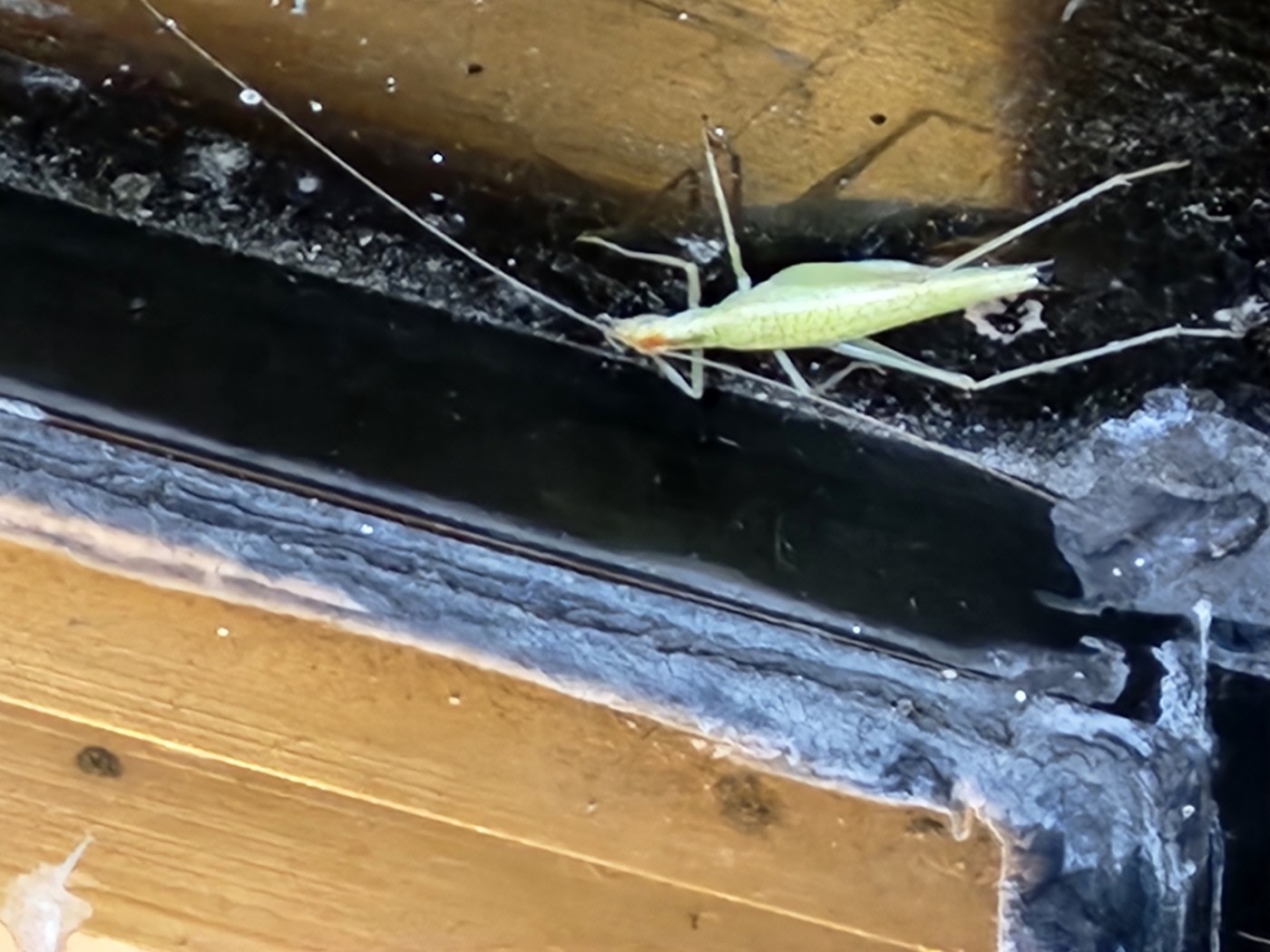
Snowy Tree Cricket
Nicknamed the thermometer cricket, this pale, delicate insect sings a steady, rhythmic chirp whose pace rises and falls so predictably with temperature that its chirp rate can be used to estimate the air temperature.
grasshopper-cricket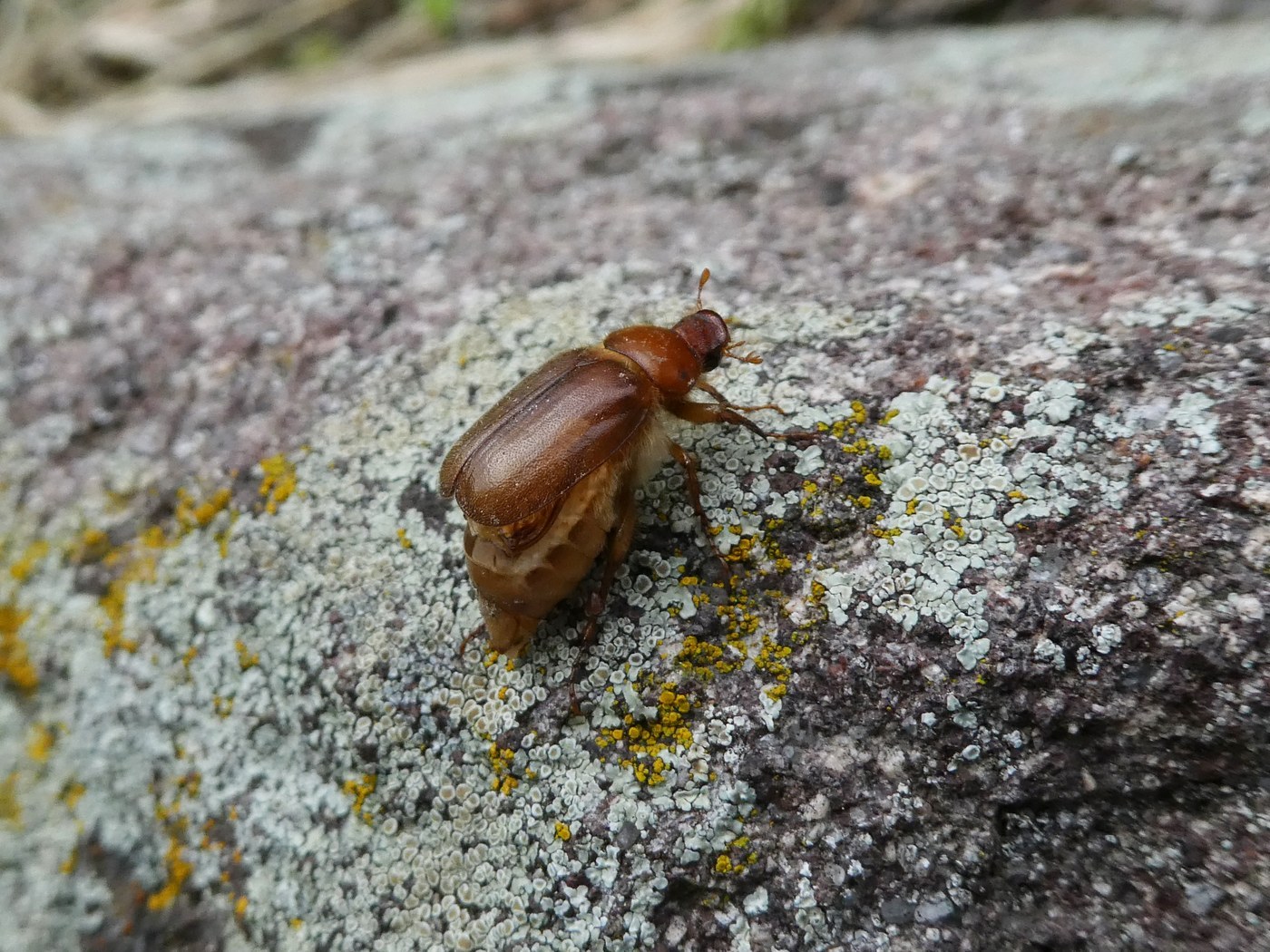
Scarab Beetle
A broad, often glossy beetle family recognized by its distinctive fan-like clubbed antennae, ranging from tiny dung-rollers to massive horned giants, found on every continent except Antarctica.
beetle