
Bug Encyclopedia
Search and identify bugs & insects — beetles, butterflies, moths, ants, bees, spiders and more — with size, habitat, danger, behavior, and how to tell them apart.
Cabbage White Caterpillar
A velvety, bright green caterpillar with a faint yellow stripe down its back, the larval stage of the common white butterfly seen fluttering around vegetable gardens.
caterpillar-larva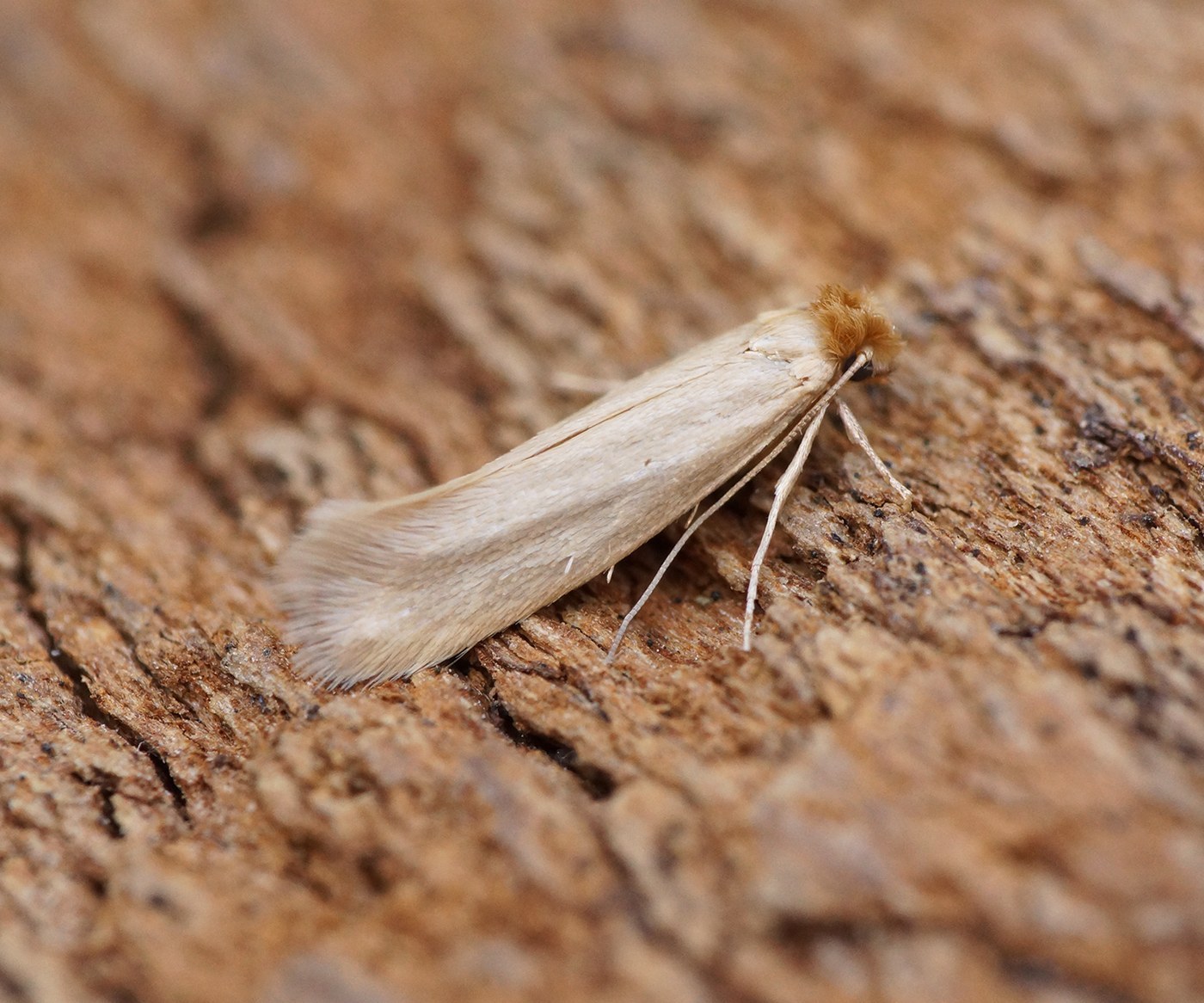
Webbing Clothes Moth
A small, plain golden-buff moth that avoids light and flutters weakly from dark closets, leaving silken webbing where its larvae have grazed on wool and fur.
mothGypsy Cutworm Moth
A plain, mottled grey-brown night-flying moth whose stout, soil-dwelling larvae are known as cutworms for their habit of severing young plant stems near ground level.
moth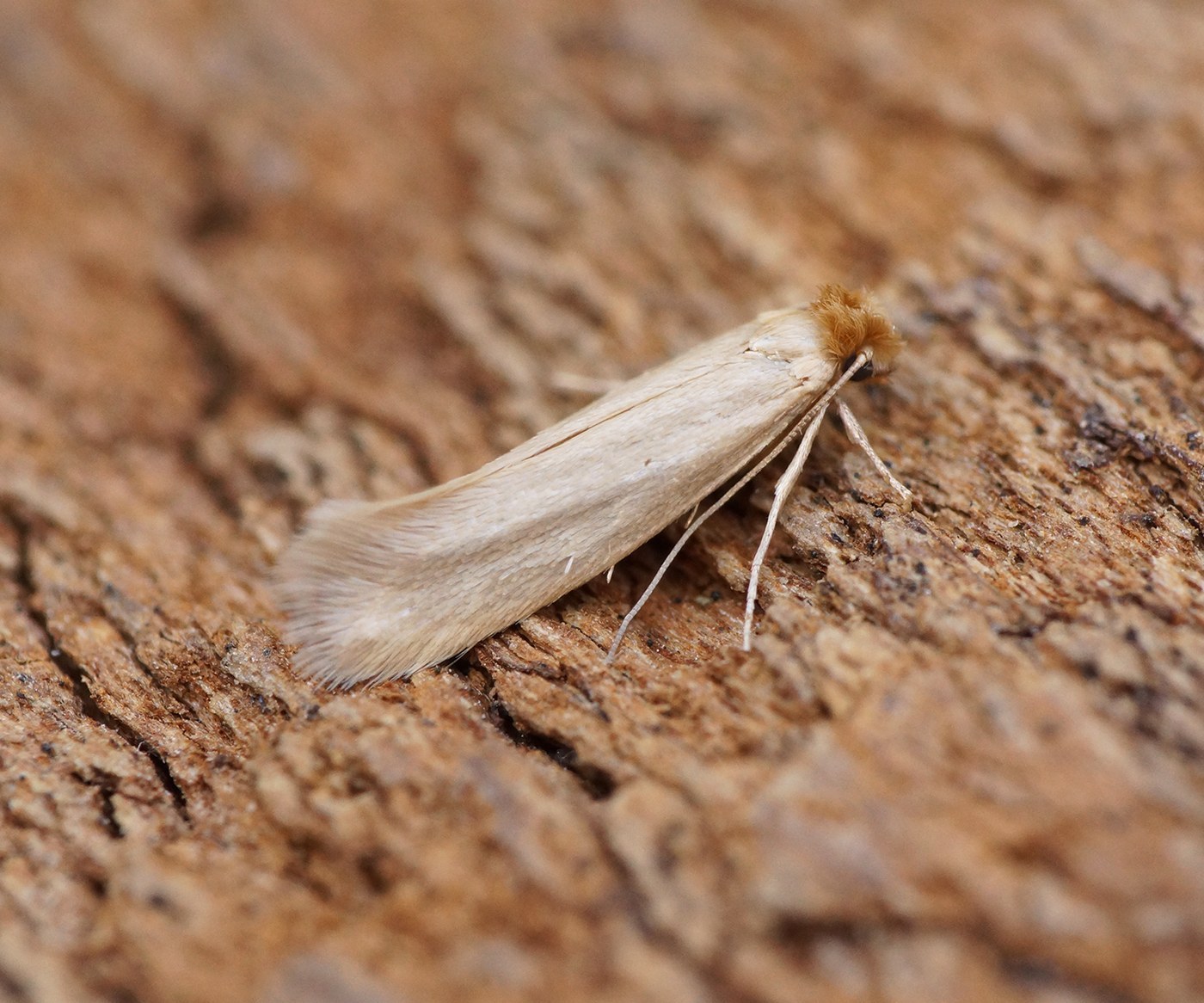
Clothes Moth
A tiny, pale golden moth that avoids light and flutters weakly from dark closets, more often noticed by the damage its larvae leave in stored fabrics than by the moth itself.
mothDung Fly
A hairy, often golden-hued fly commonly seen perched on fresh manure in pastures, where it hunts smaller insects as an adult while its larvae develop within the dung itself.
fly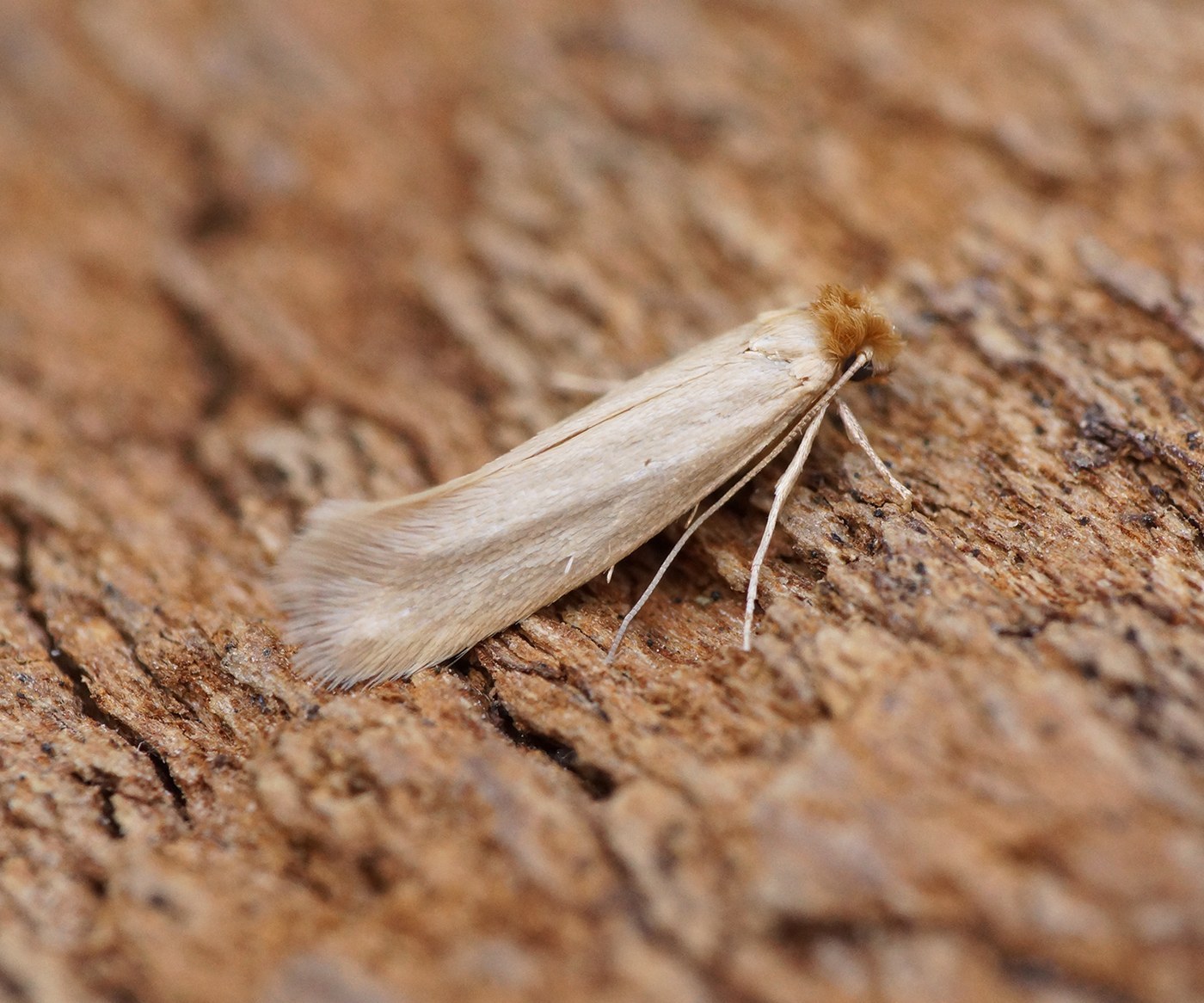
Common Clothes Moth
A tiny, plain golden-buff moth that rarely flies far into open light, best known not for its adult form but for its silk-spinning larvae that chew holes in wool, fur, and feathers.
mothGall Midge
A delicate, mosquito-like fly whose larvae trigger plants to grow strange, often colorful swellings called galls, each species usually tied to one particular host plant.
flyWeaver Ant
A tree-dwelling ant that builds its nest by stitching living leaves together with silk produced by its own larvae, forming elaborate arboreal colonies defended fiercely by its workers.
ant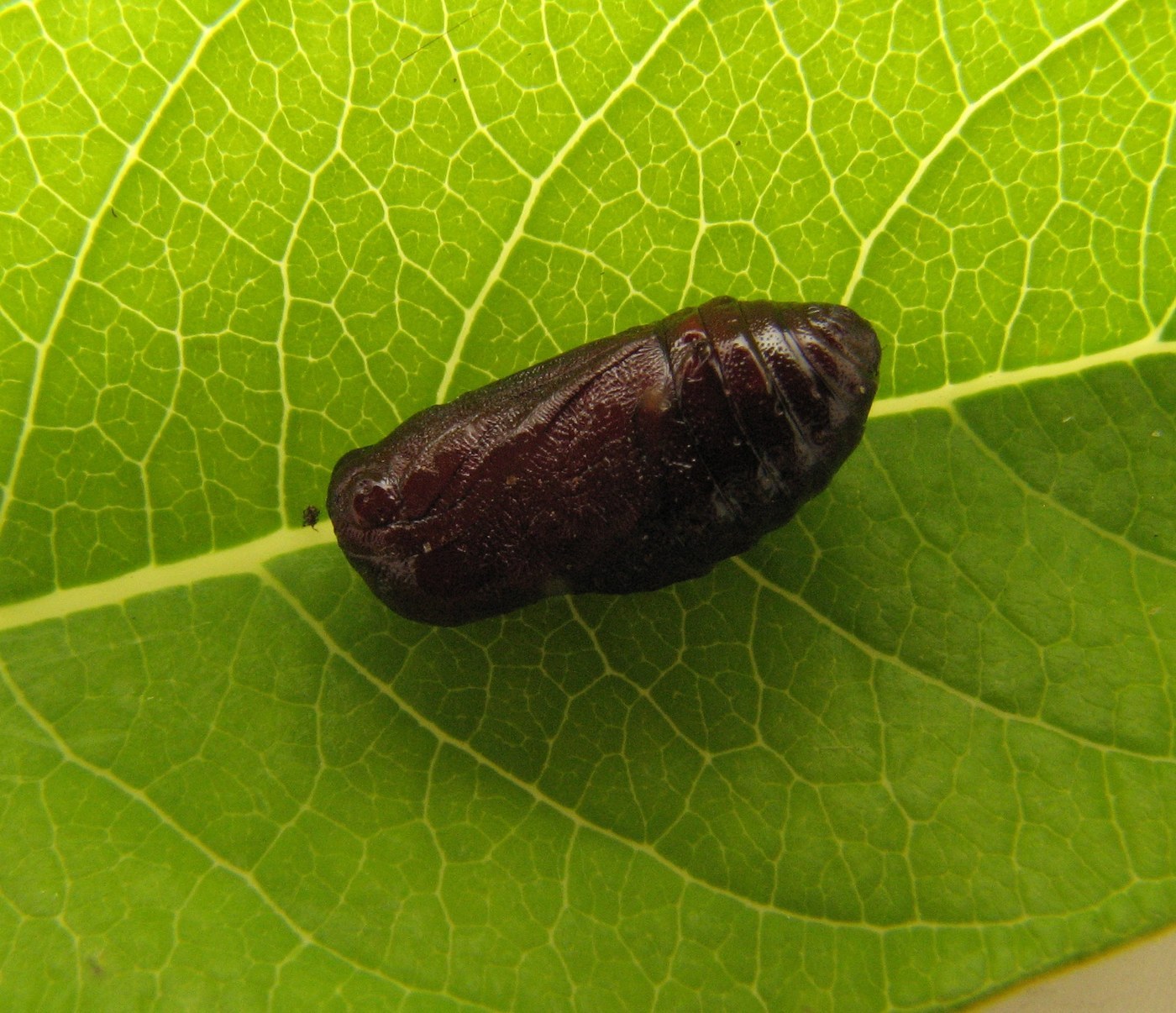
Milkweed Tussock Caterpillar
Rows of dense orange, black, and white hair tufts run down the back of this milkweed specialist, whose young larvae feed in tight groups that skeletonize milkweed leaves before dispersing to feed alone.
caterpillar-larva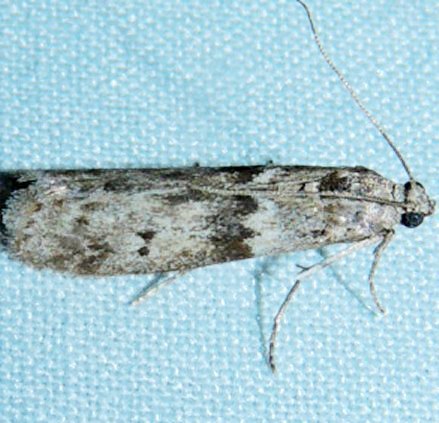
Mediterranean Flour Moth
A small, pale grey moth with fine dark wavy lines on its forewings, whose larvae spin webbing through flour, grain, and other stored dry food products, making it a well-known pest of mills and pantries.
moth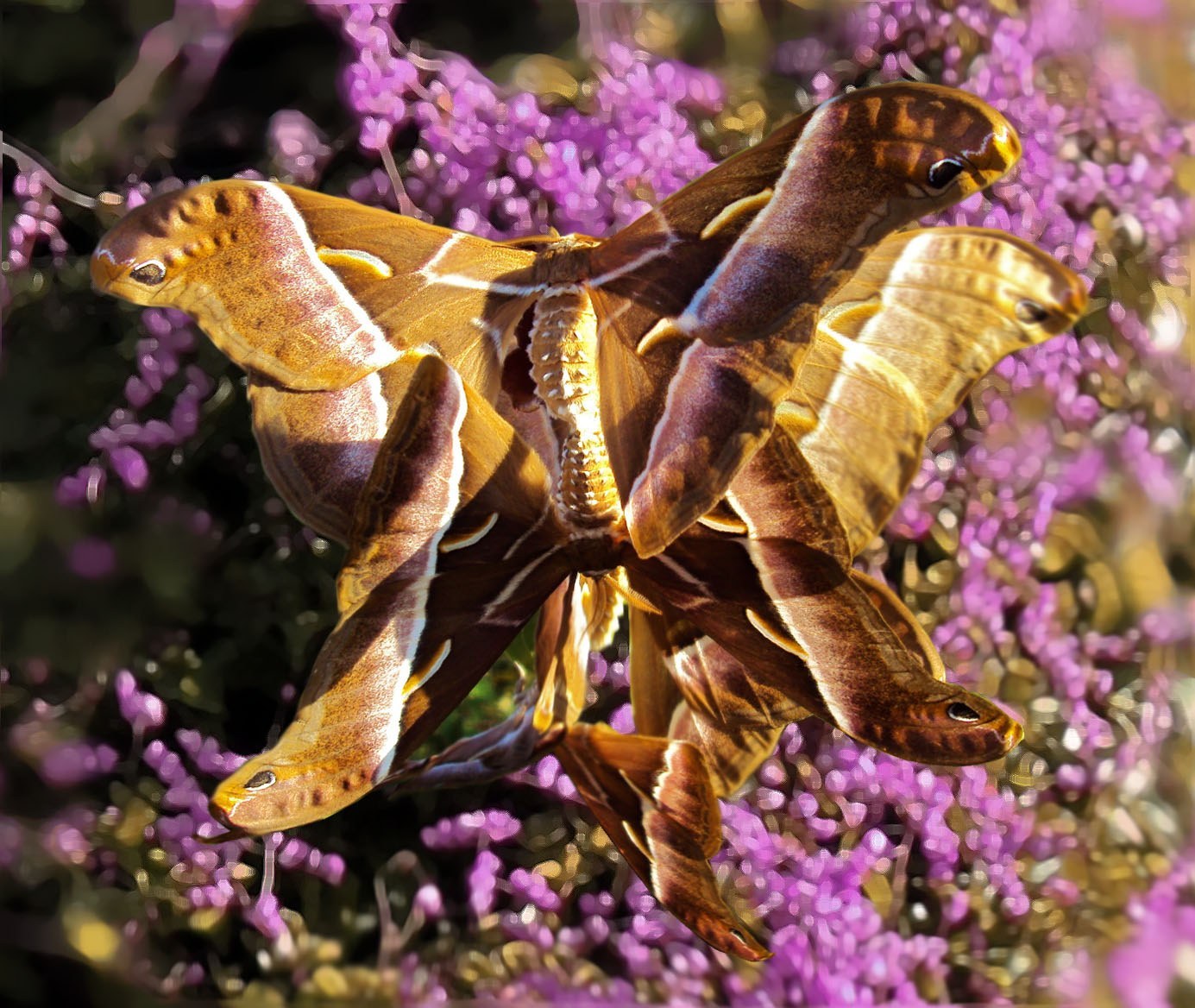
Ailanthus Silkmoth (Cynthia Moth)
A very large silkmoth with broad, tan-brown wings crossed by white, crescent-moon-shaped bands, closely associated with the fast-spreading tree-of-heaven that both feeds its larvae and carried the species around the world.
moth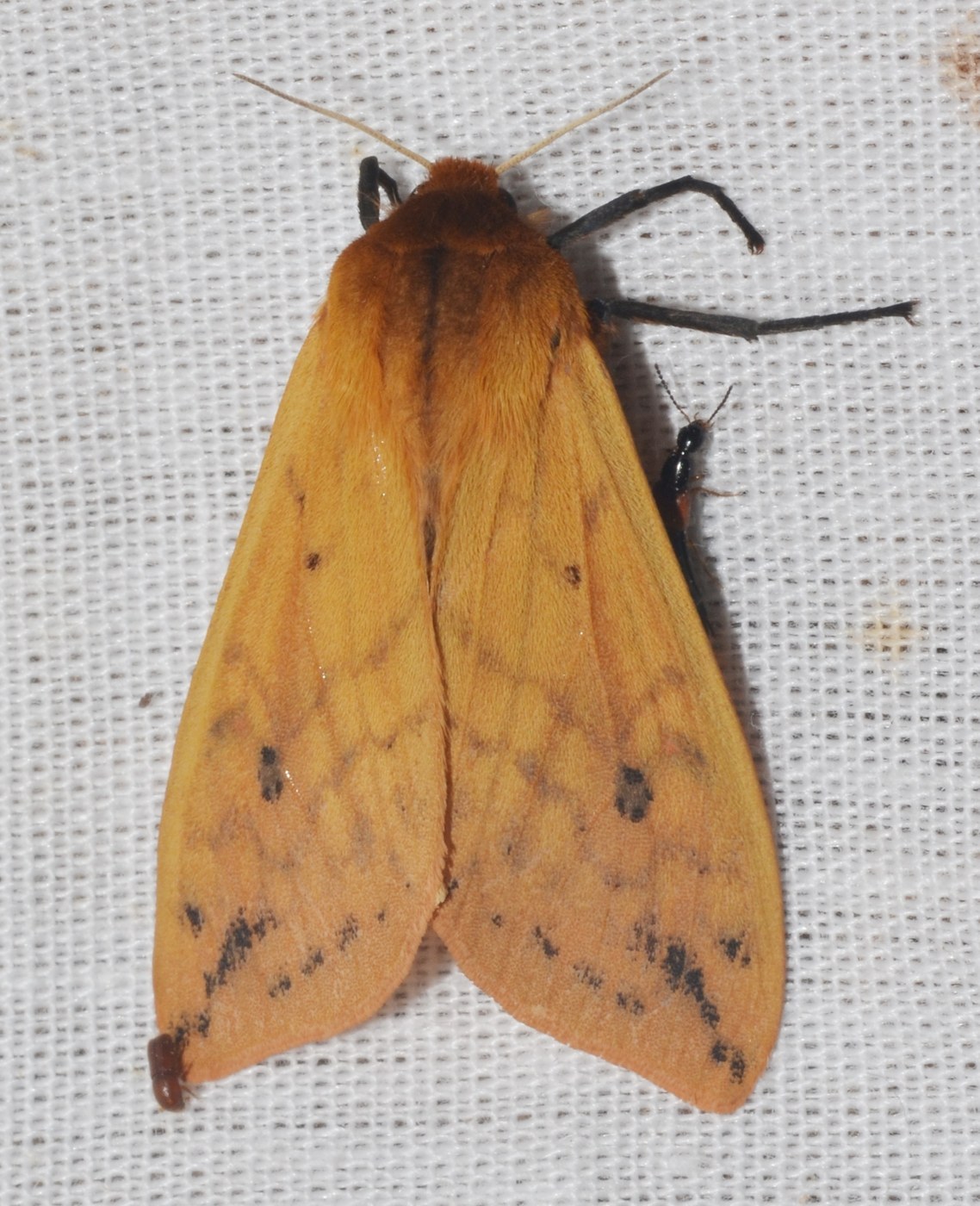
Isabella Tiger Moth (Woolly Bear)
Famous chiefly in its larval stage as the banded woolly bear caterpillar, this tiger moth's fuzzy black-and-rust-colored caterpillar is a familiar autumn sight, while the adult is a soft, tawny-orange moth with a stout, furry body.
mothPine Processionary Moth
An unremarkable grey-brown moth known almost entirely through its larvae, which build large silken nests in pine trees and travel to feed in long, head-to-tail processions covered in fine defensive hairs.
mothBot Fly
A stocky, bumblebee-mimicking fly whose adults never feed and live only long enough to mate and locate a rodent or rabbit burrow for their eggs. Despite their harmless, buzzing adult stage, bot flies are best known through the larvae that develop as internal parasites of small mammals.
flyMantidfly
A master of mimicry that pairs a praying mantis's raptorial front legs with the delicate, lacy wings of a true net-winged insect.
otherMarsh Fly
A slender, unassuming fly best known for larvae with a remarkable diet: nearly every species in the family feeds on aquatic or terrestrial snails and slugs, making marsh flies natural specialists in wetland food webs. Adults are often found resting quietly on sedges and other marsh vegetation near the water's edge.
fly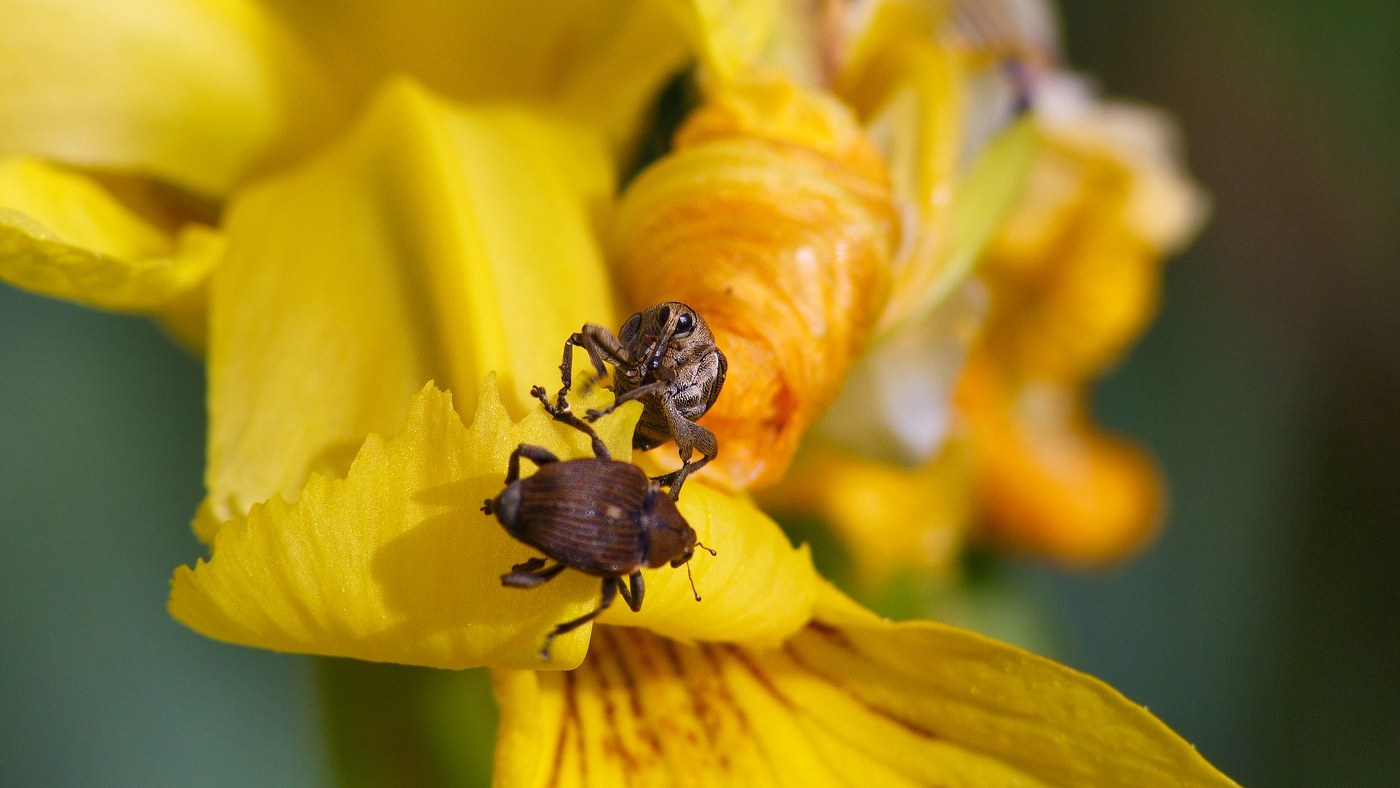
Acorn Weevil
A small brown weevil with an extraordinarily long, thread-thin snout, often longer than its own body, which it uses to drill into developing acorns before laying its eggs inside.
beetle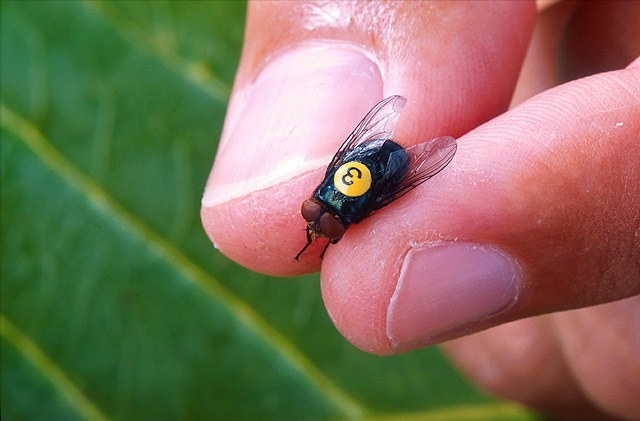
Screwworm Fly
A metallic blue-green blowfly whose larvae are unusual among maggots for feeding on living tissue rather than carrion, drawn to even small open wounds on warm-blooded animals. The species has been the target of one of the most successful large-scale insect eradication campaigns in history across much of North America.
fly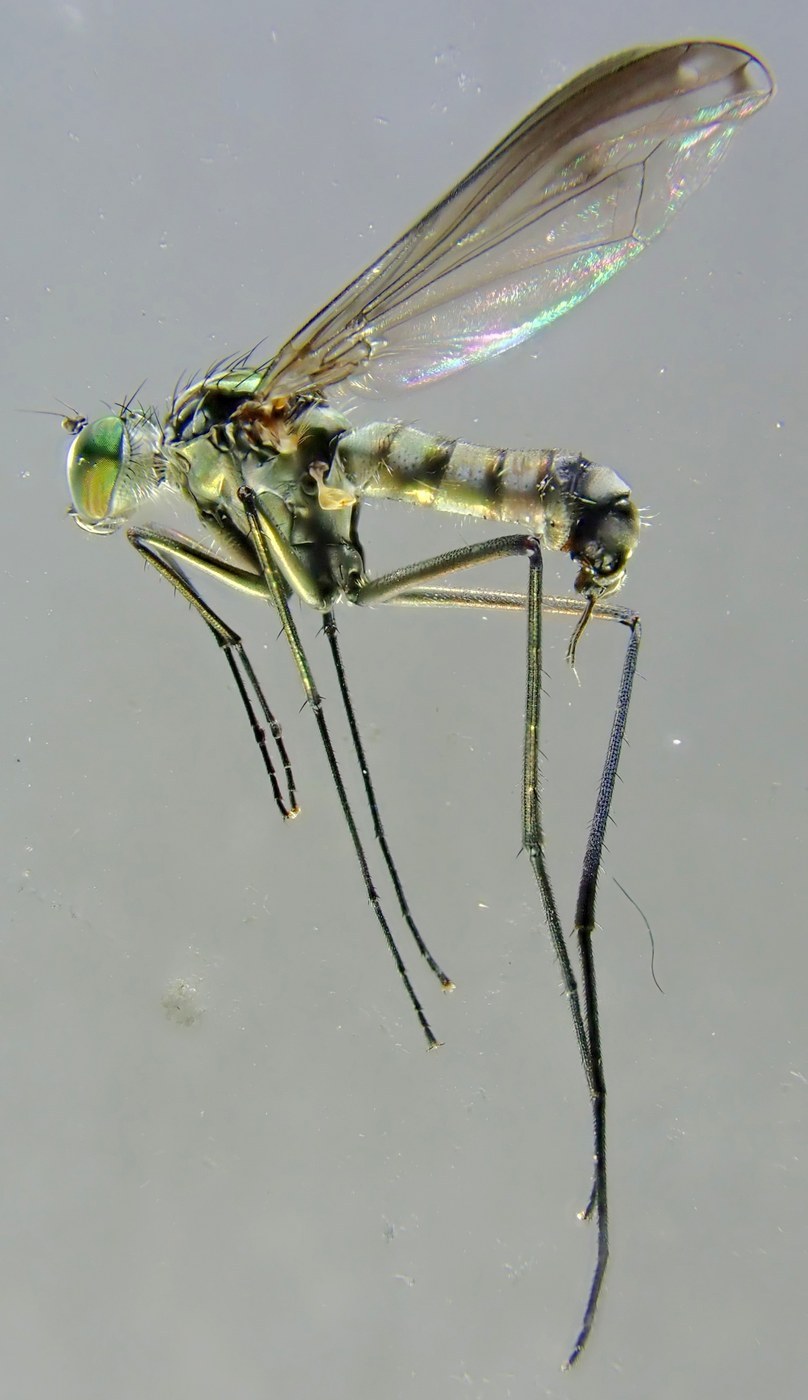
Long-Legged Fly
A jewel-bright little fly that flashes metallic green, blue, or bronze in the sunlight as it darts across leaves on comically long, stilt-like legs, pausing to perform quick territorial displays. Both adults and larvae are active hunters of even smaller insects, making this tiny fly a useful predator in gardens and wetlands alike.
fly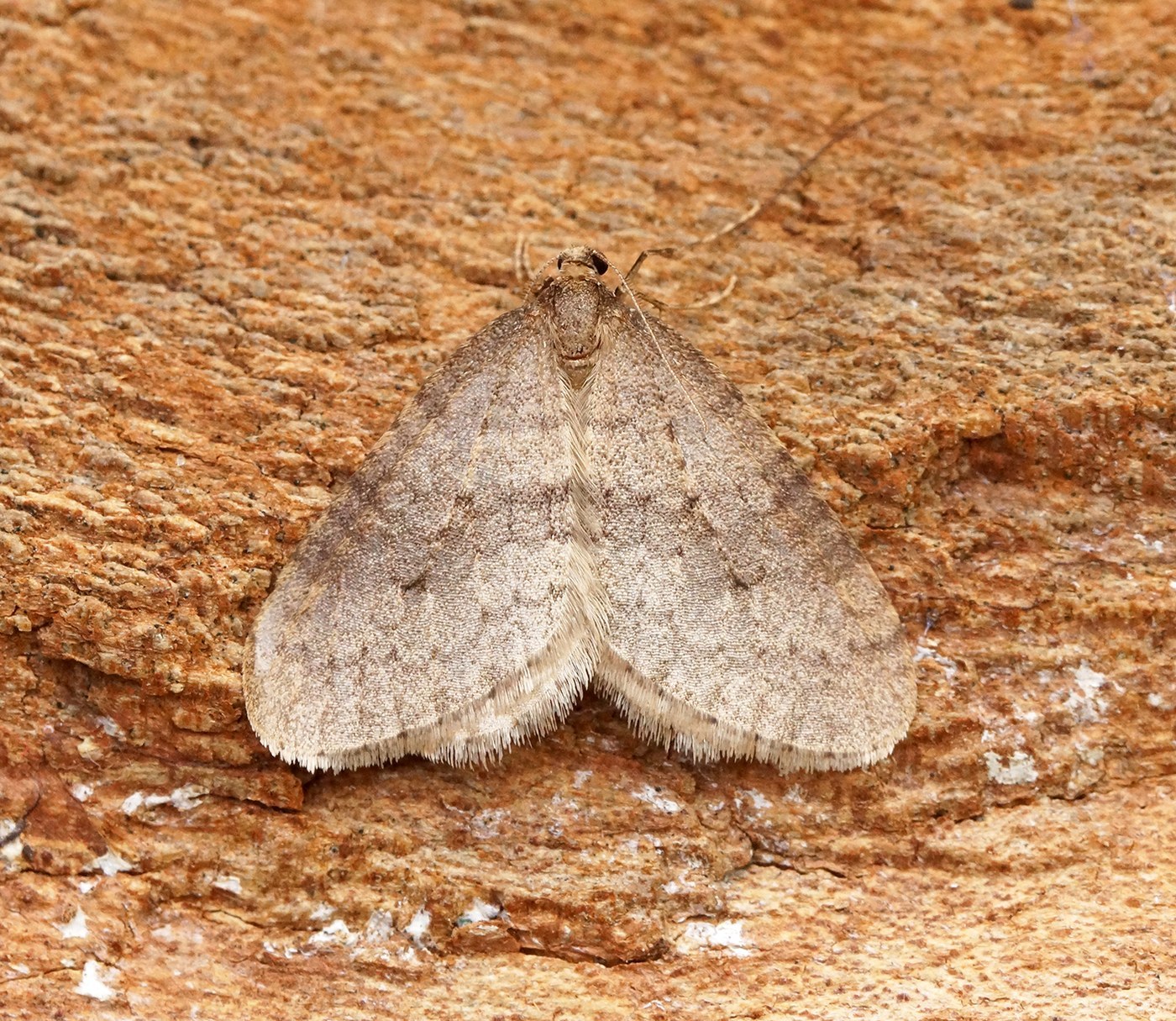
Winter Moth
A small tan-brown moth unusual for flying in the cold of late autumn and early winter, with strongly dimorphic sexes: fully winged males and flightless, near-wingless females that climb tree trunks to lay eggs.
moth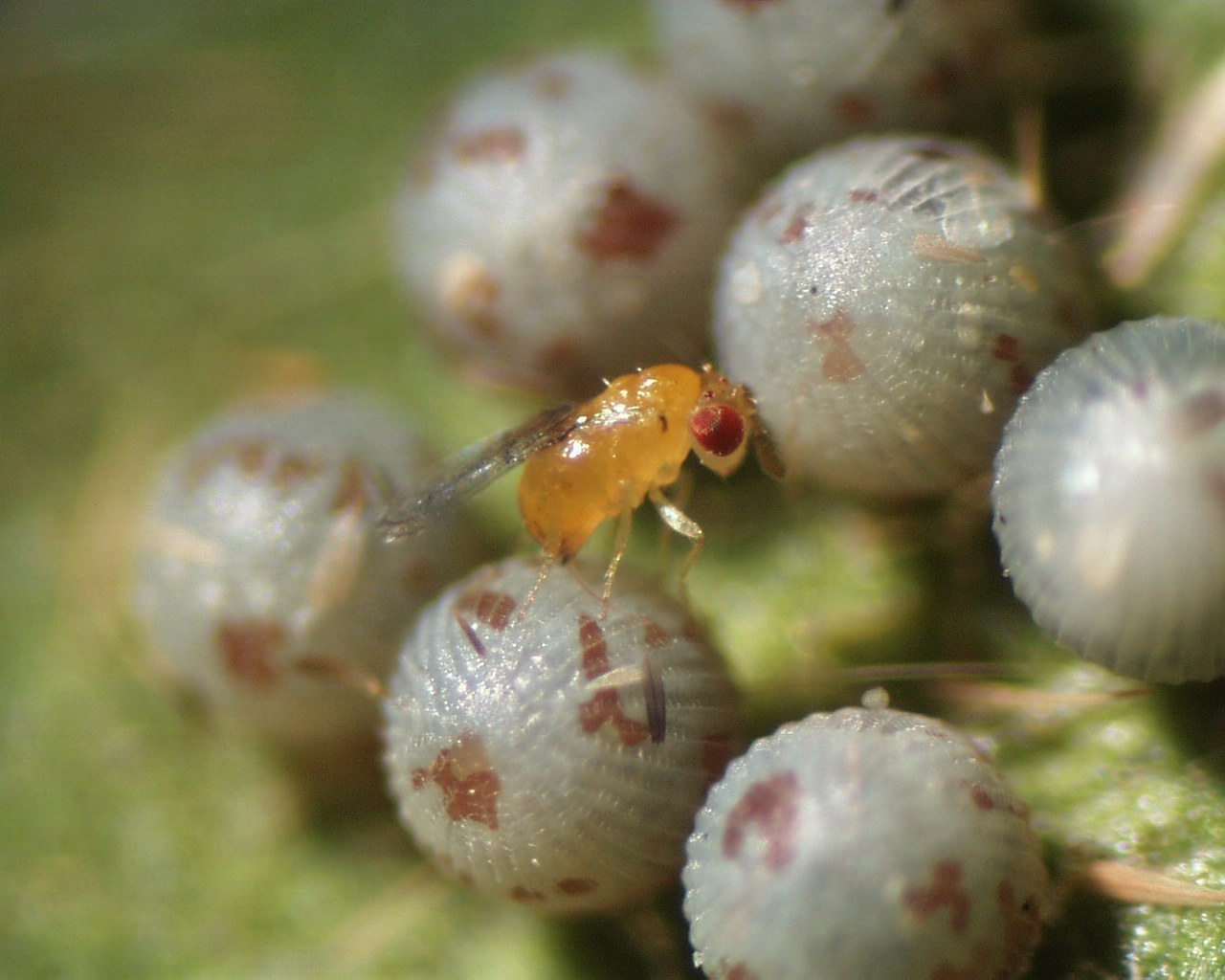
Trichogramma Wasp
Barely larger than a speck of dust, the trichogramma wasp is one of the tiniest insects known. These minute parasitoids lay their eggs inside the eggs of moths and butterflies.
wasp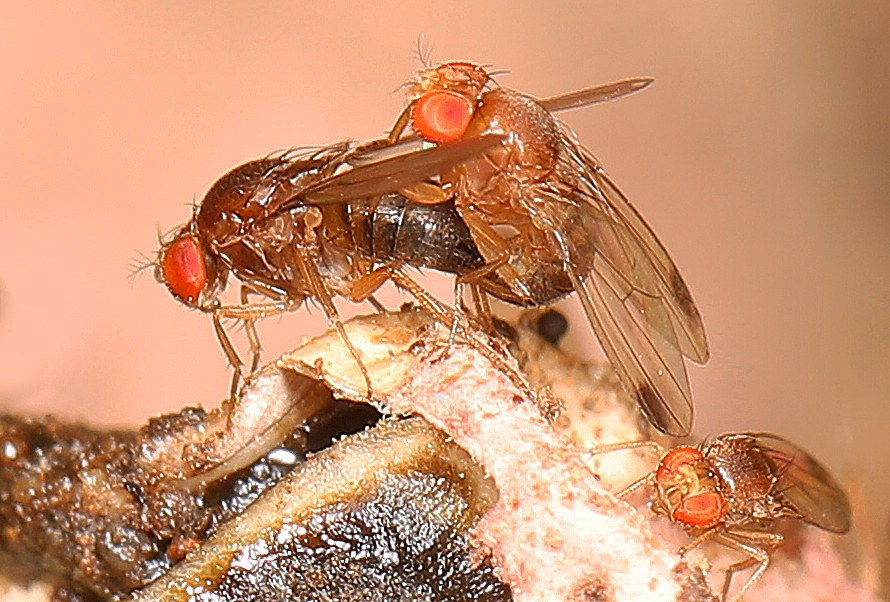
Spotted Wing Drosophila
A tiny reddish-brown fruit fly, each male marked with a single dark spot near the wingtip, notable for laying eggs in ripening rather than overripe fruit.
flyBraconid Wasp
A tiny, often overlooked parasitoid wasp best known for laying eggs inside caterpillars and other insect hosts, sometimes leaving telltale clusters of small white cocoons on a host's back.
wasp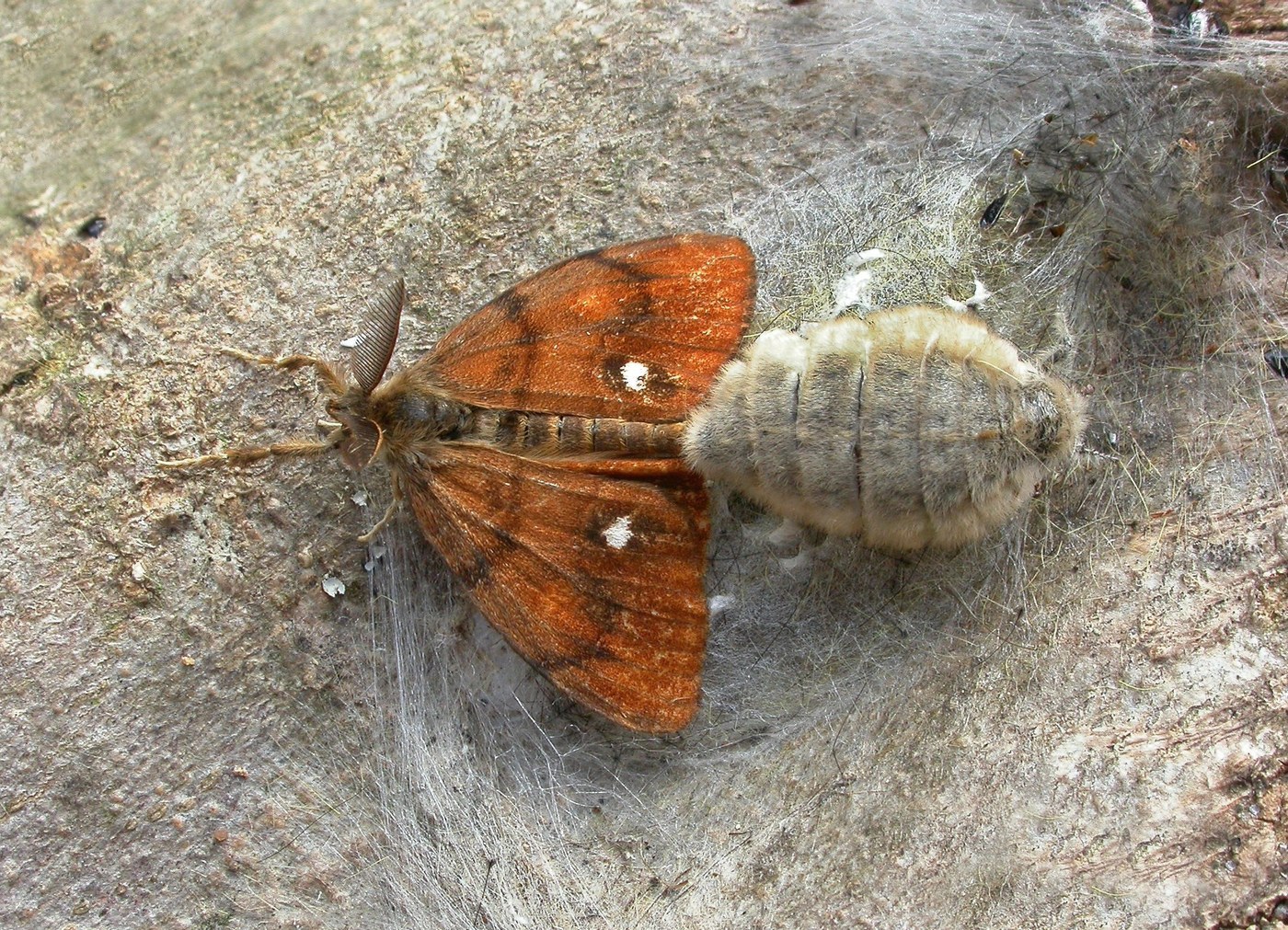
Vapourer Moth
A small tussock moth with striking sexual dimorphism: rusty-orange, day-flying males with feathery antennae contrast with flightless, grub-like grey females that never leave their cocoon to lay eggs.
moth