
Bug Encyclopedia
Search and identify bugs & insects — beetles, butterflies, moths, ants, bees, spiders and more — with size, habitat, danger, behavior, and how to tell them apart.
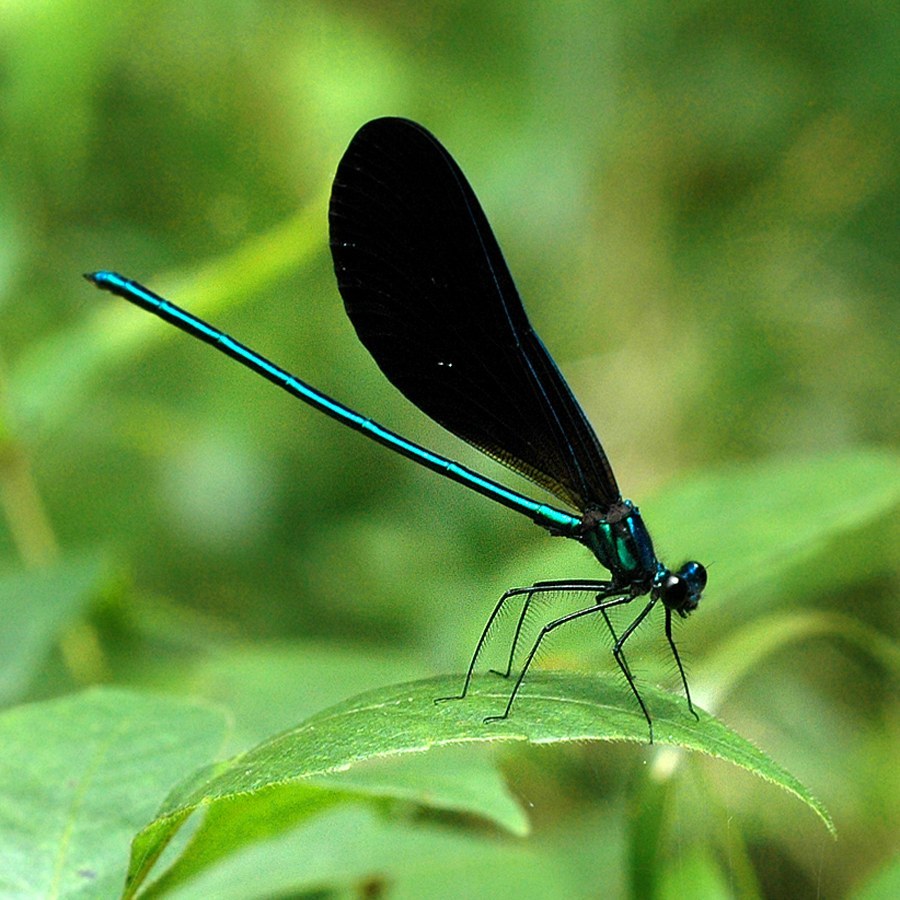
Ebony Jewelwing Damselfly
With a metallic emerald body and wings of solid inky black, the ebony jewelwing flutters like a delicate butterfly along shaded forest streams rather than darting like most other damselflies.
dragonfly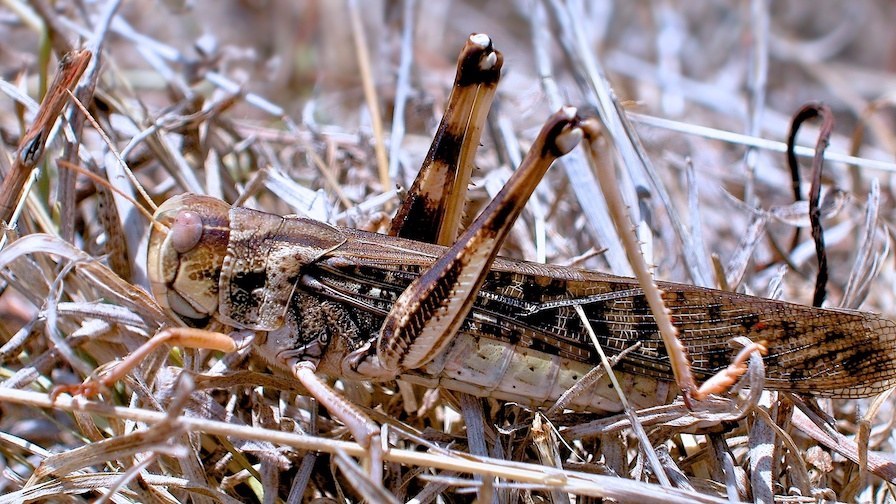
Migratory Locust
A grasshopper with a split personality, the migratory locust can switch from a quiet, solitary green insect into a boldly marked swarming form that travels in enormous, crop-devouring bands.
grasshopper-cricket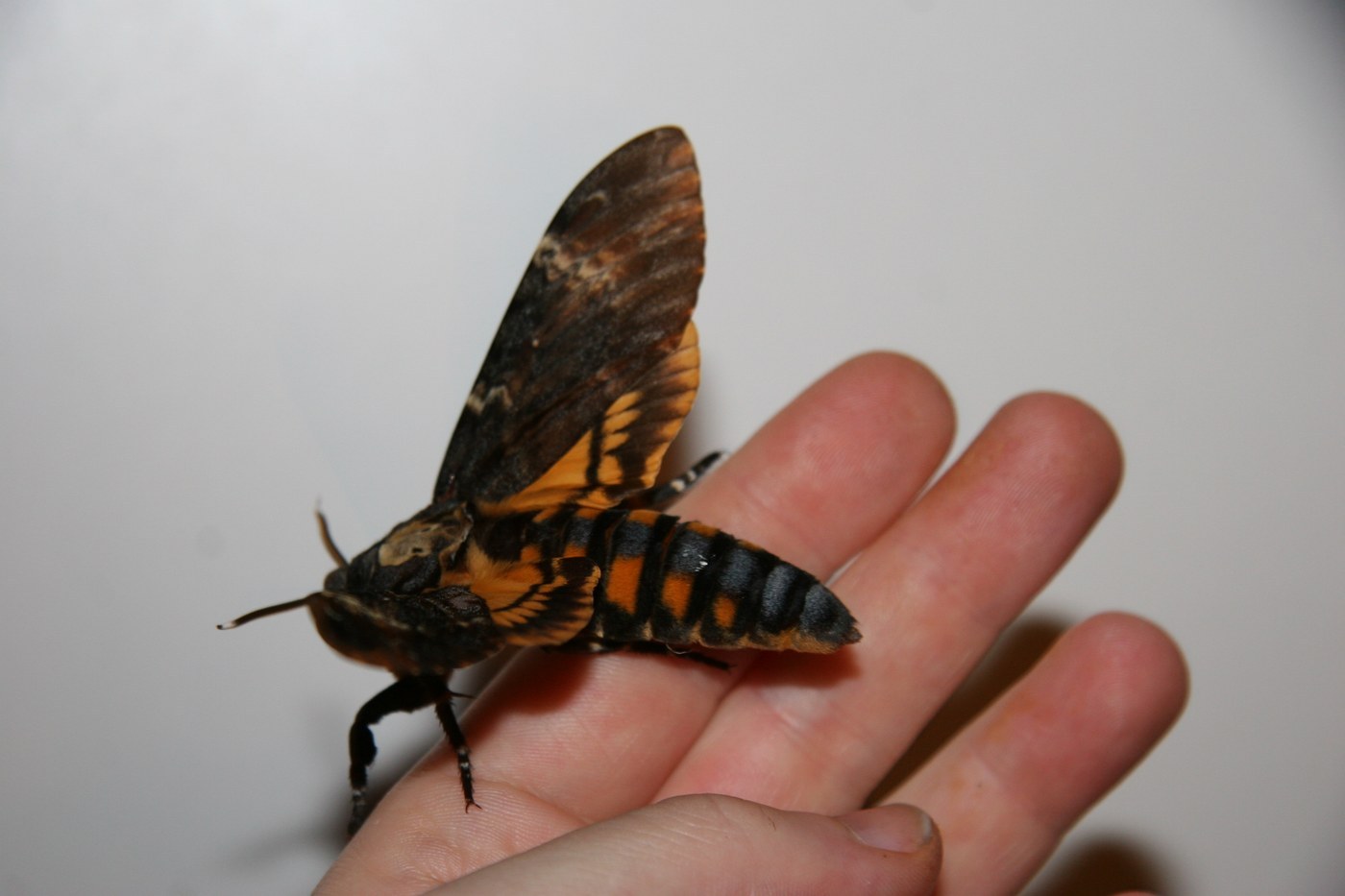
Death's-head Hawkmoth
A large, thick-bodied hawkmoth instantly recognized by the pale, skull-and-crossbones marking on its furry thorax, famous for entering beehives and letting out a shrill squeak when disturbed.
moth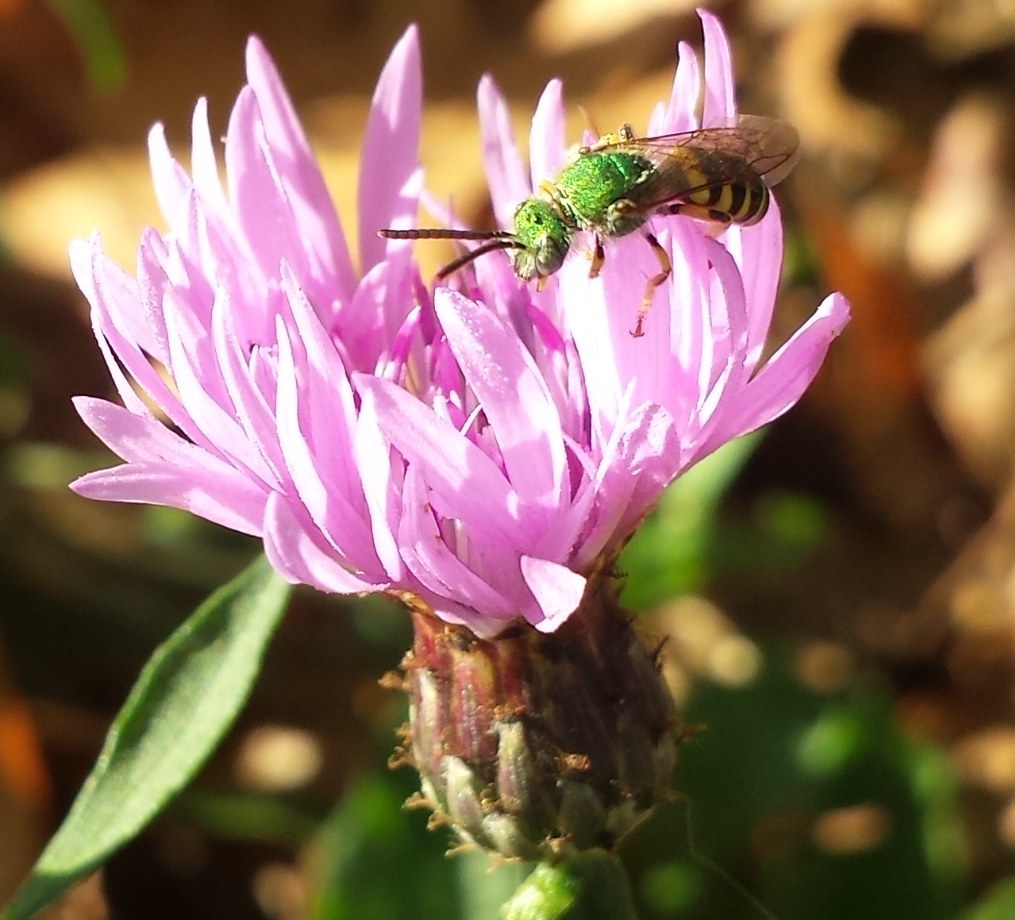
Sweat Bee
A small, often metallic green or bronze bee in the family Halictidae, named for its habit of landing on skin to sip perspiration, and an important generalist pollinator of wildflowers and crops.
bee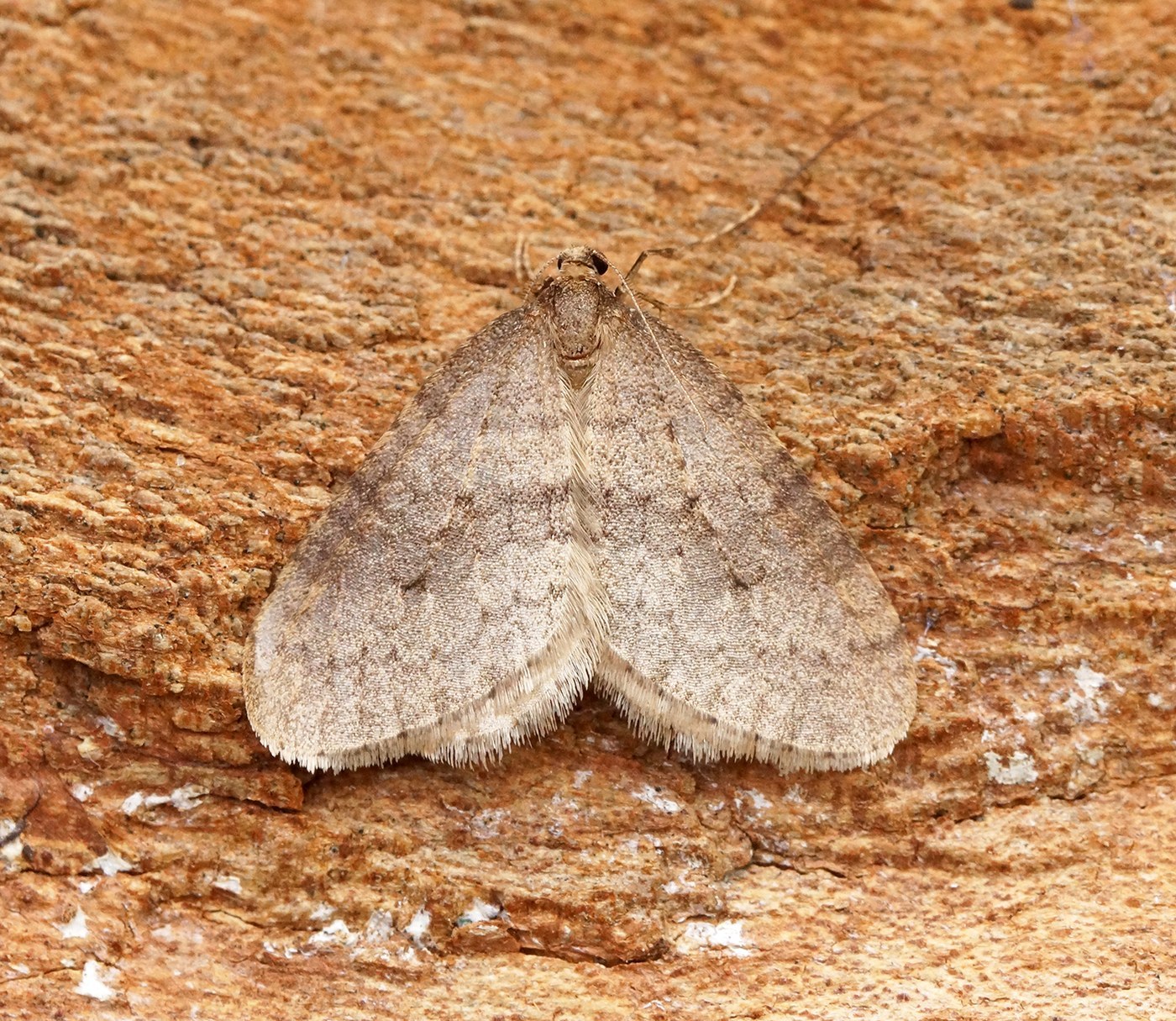
Winter Moth
A small tan-brown moth unusual for flying in the cold of late autumn and early winter, with strongly dimorphic sexes: fully winged males and flightless, near-wingless females that climb tree trunks to lay eggs.
moth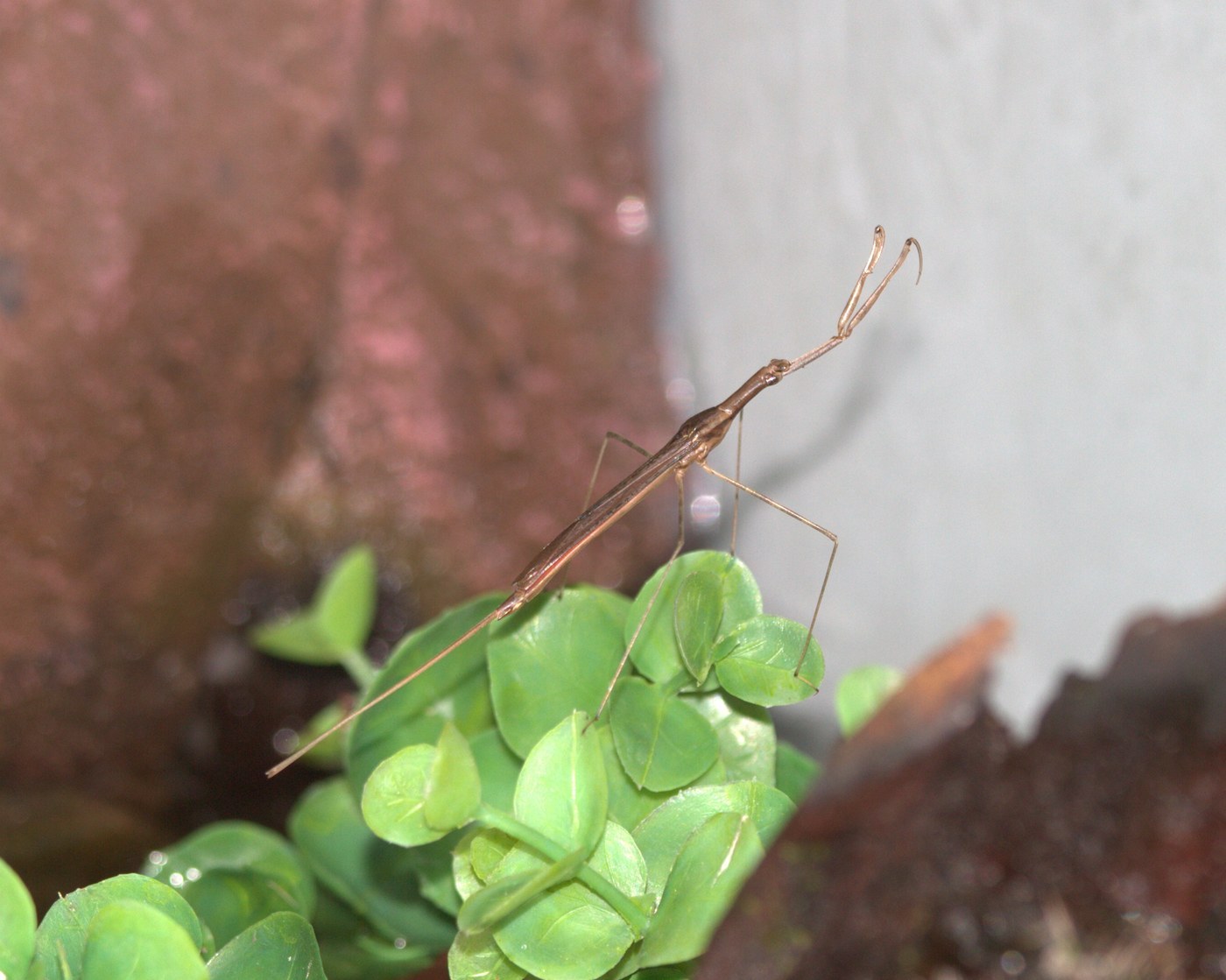
Water Scorpion
An elongated, twig-like aquatic true bug with grasping raptorial forelegs and a long, thin breathing tube at the tail end, resembling a slender scorpion as it lies in ambush among submerged plants.
aquatic-insect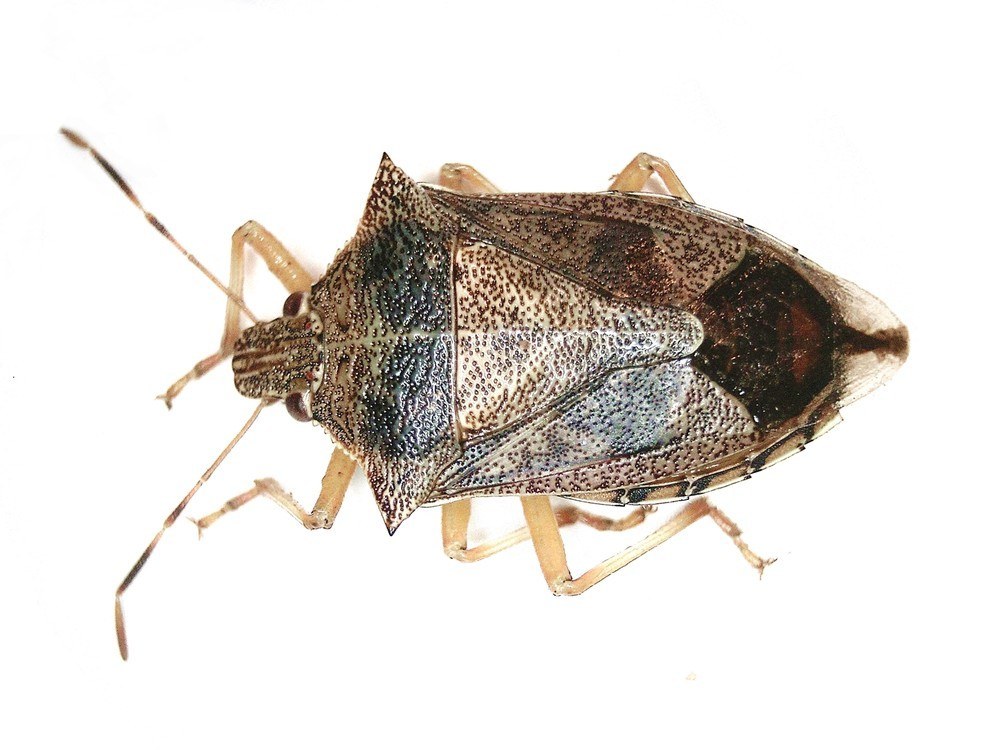
Spined Soldier Bug
A predatory stink bug identified by the sharp, pointed spines projecting from its shoulders, valued in gardens and farm fields for hunting caterpillars, beetle larvae, and other pest insects.
true-bug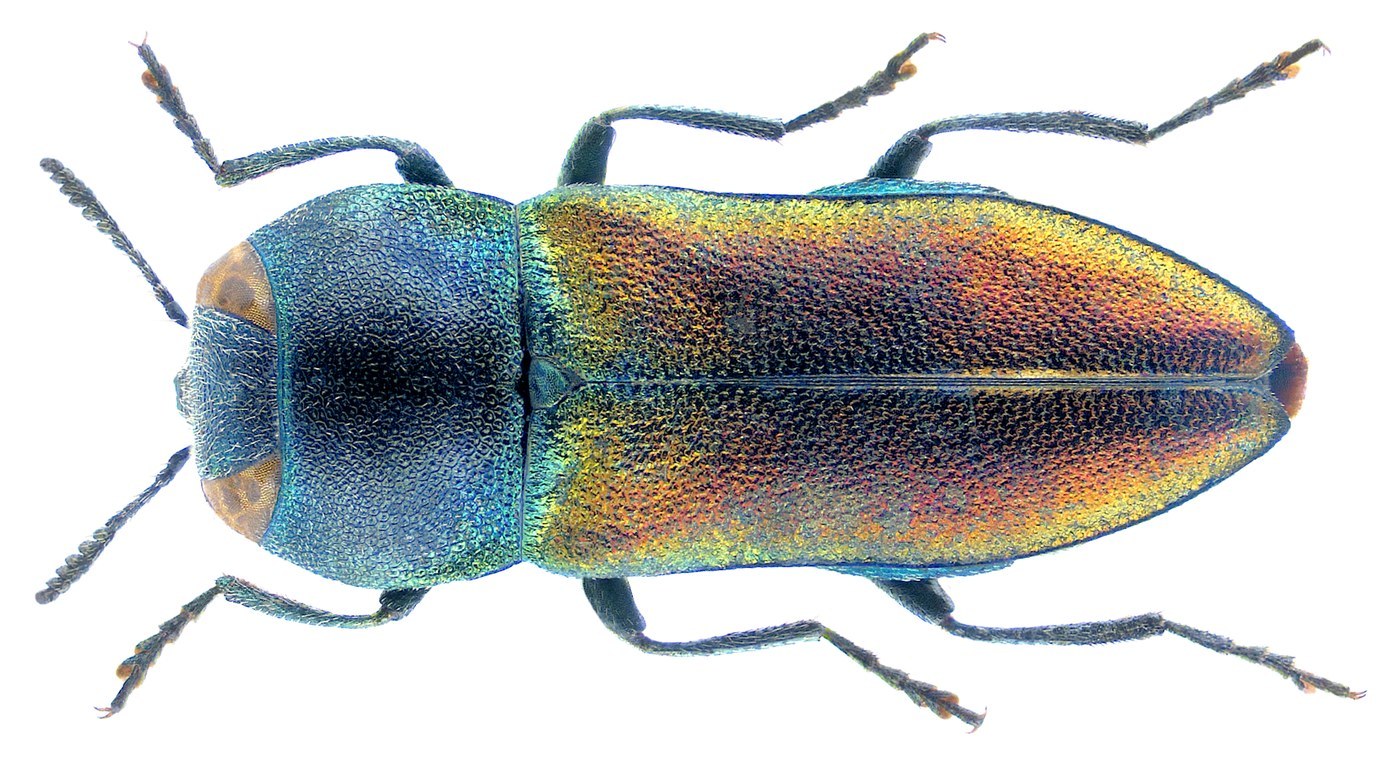
Metallic Wood-boring Beetle
The North American common name for jewel beetles, emphasizing the wood-tunneling habits of their larvae, which leave telltale flattened, D-shaped exit holes in bark of stressed or dying trees.
beetleDung Beetle
A stout, often glossy black or metallic beetle famous for rolling, burying, or tunneling into animal dung, an unglamorous but ecologically vital habit that recycles nutrients back into the soil.
beetle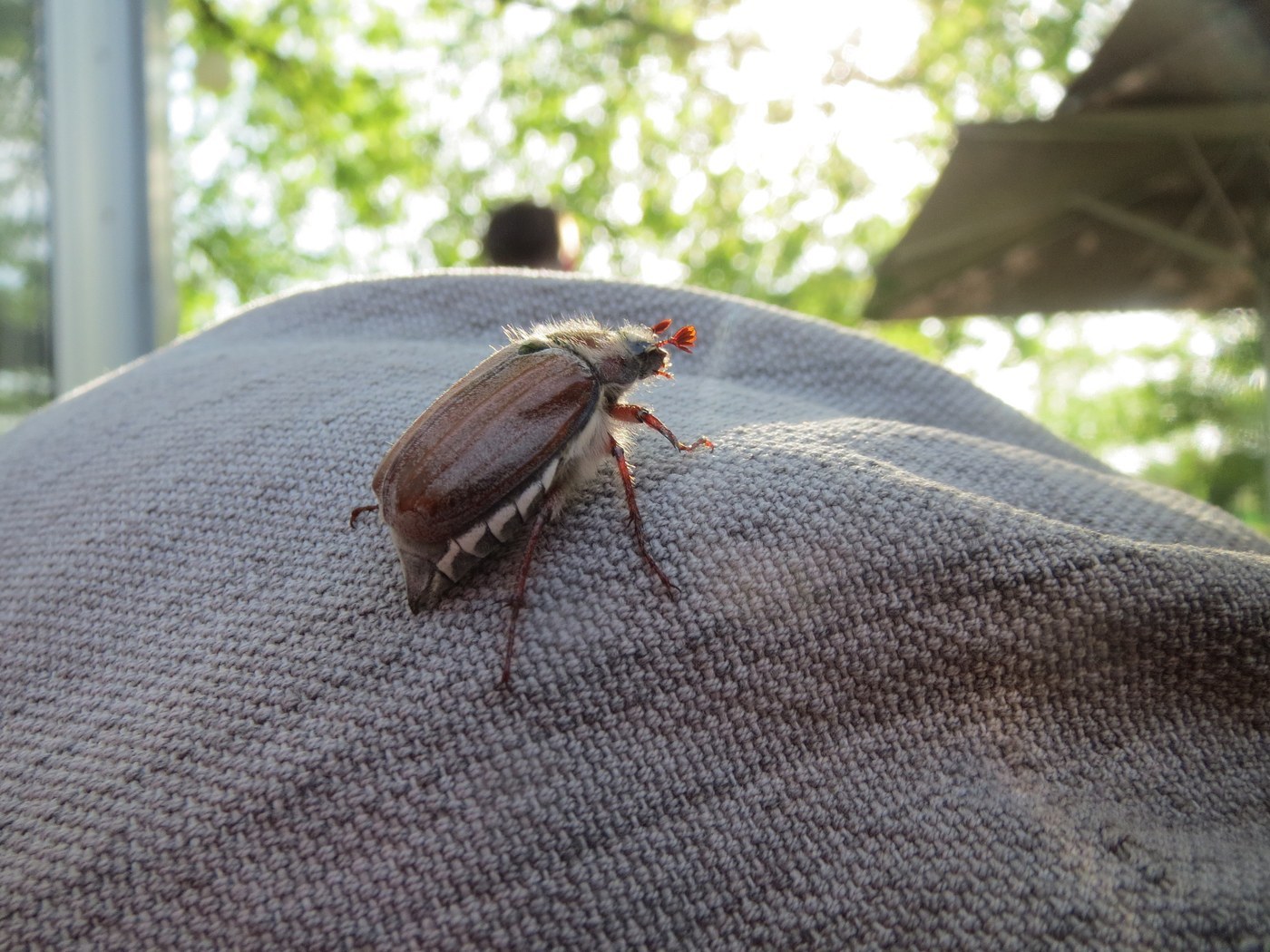
Cockchafer
A large, reddish-brown scarab beetle with distinctive fan-shaped antennae, famous for its noisy, clumsy evening flights around trees in late spring, giving rise to its alternate name, the May bug.
beetleBumble Bee Queen
The large, robust foundress of a bumble bee colony, noticeably bigger and fuzzier than her worker offspring, seen alone in early spring searching for a nesting cavity before her colony's first workers emerge.
bee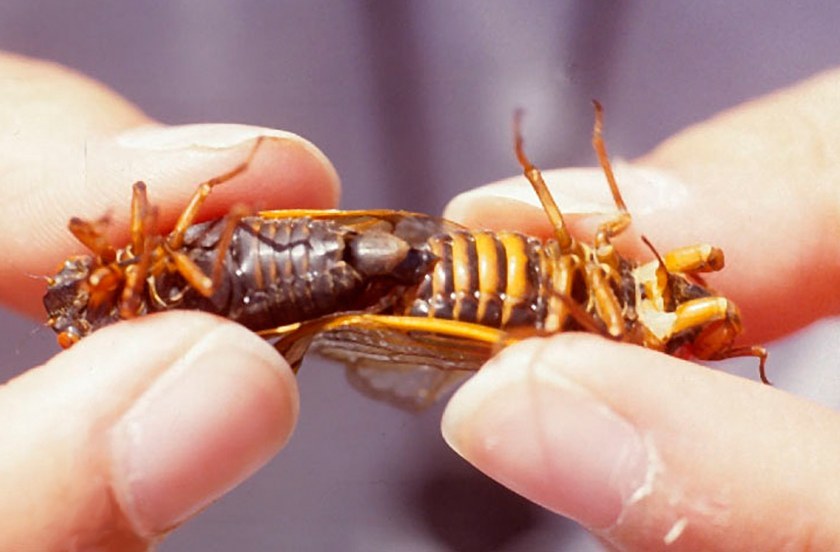
Cicada
A stout, big-eyed insect best known for the loud, buzzing chorus of song produced by males, and for periodical species that emerge from the ground by the millions after living underground for over a decade.
true-bug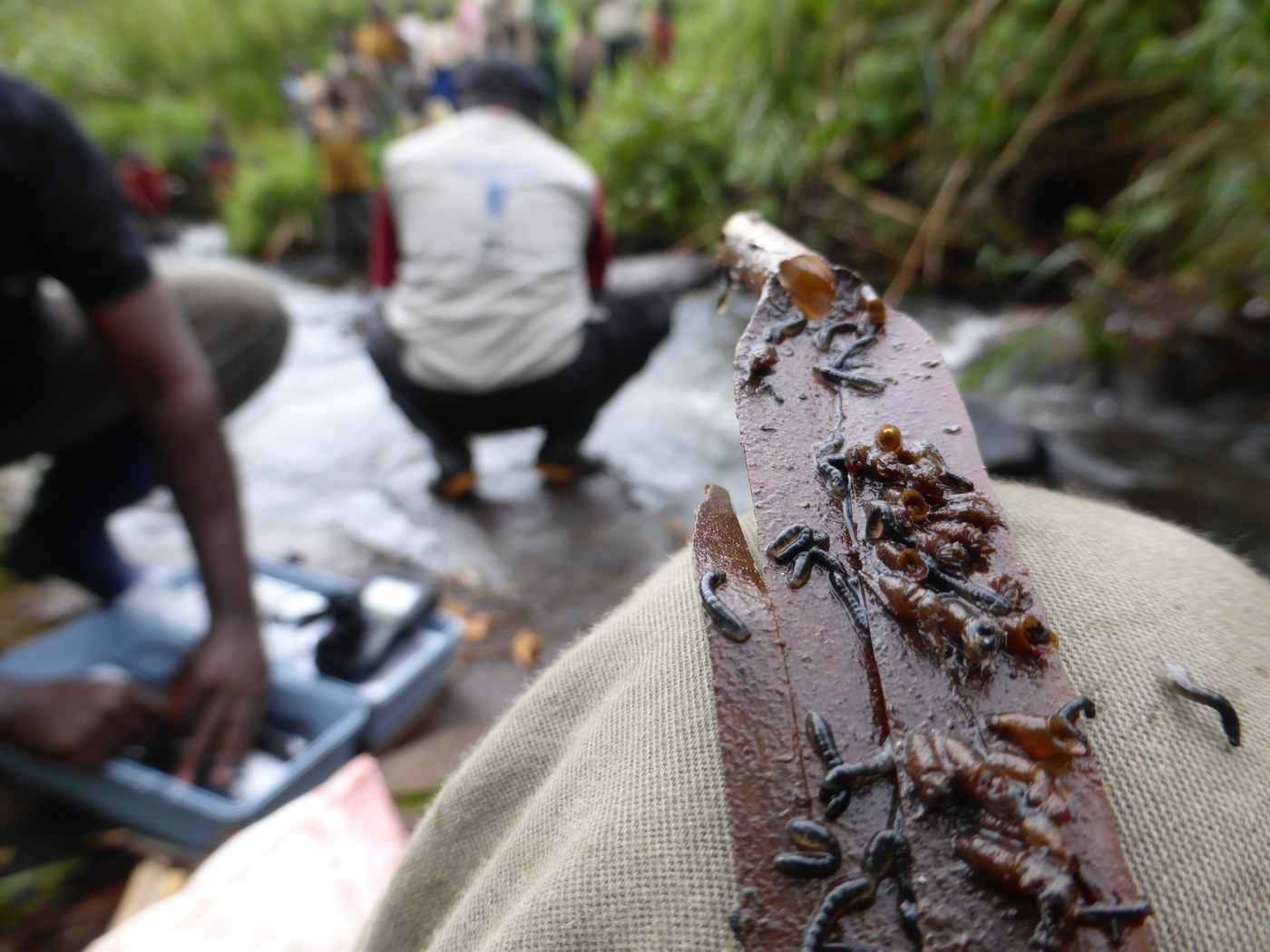
Black Fly Larva
Anchored to submerged rocks in fast-flowing streams by a silken thread, the black fly larva bends into the current and combs the water for drifting particles with a pair of delicate, fan-shaped feeding brushes.
aquatic-insect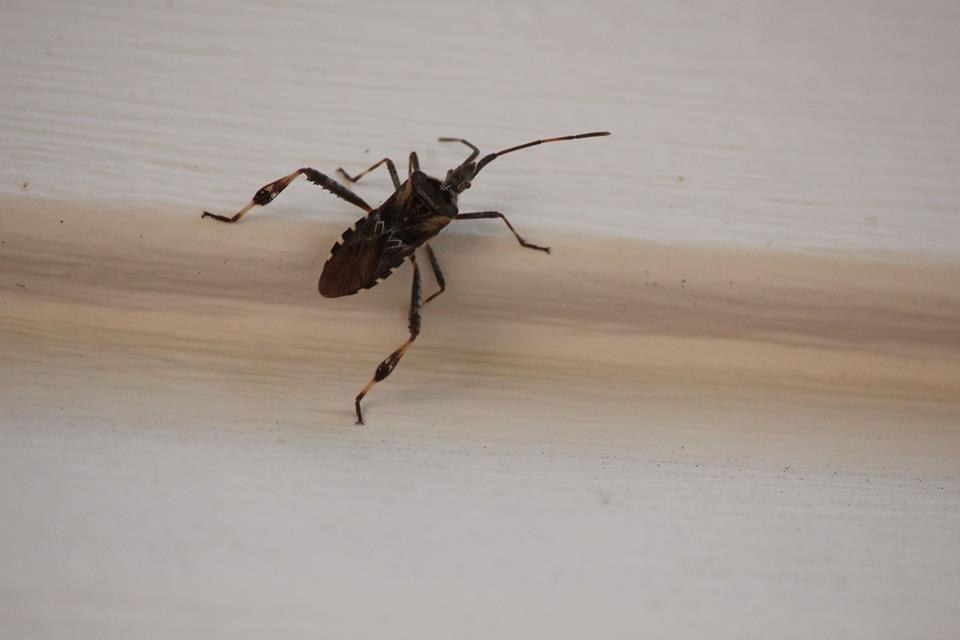
Western Conifer Seed Bug
A large brown true bug with flattened, leaf-shaped hind legs, native to conifer forests of the western United States but now widespread and notorious for gathering on and inside buildings as cooler weather approaches.
true-bug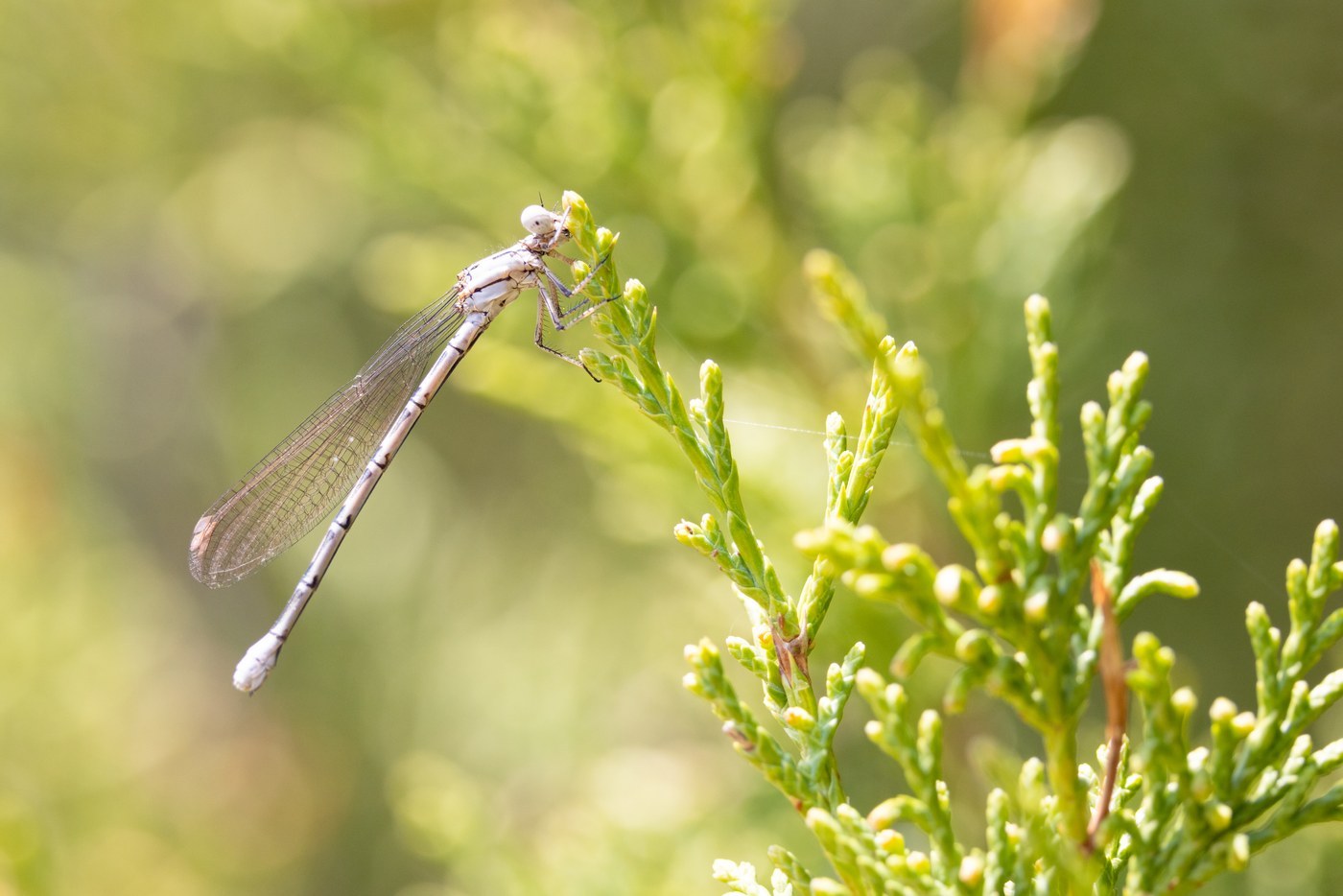
Bluet Damselfly
Small and delicate, bluet damselflies flash brilliant blue and black along the vegetated edges of ponds and lakes, forming mating pairs that fly in tandem while laying eggs directly into plant stems underwater.
dragonflyGrass Spider
Best known for the shimmering, dew-covered funnel webs that appear across lawns on autumn mornings, grass spiders are swift, striped runners that dash into a silken tunnel the instant prey - or a threat - approaches.
spider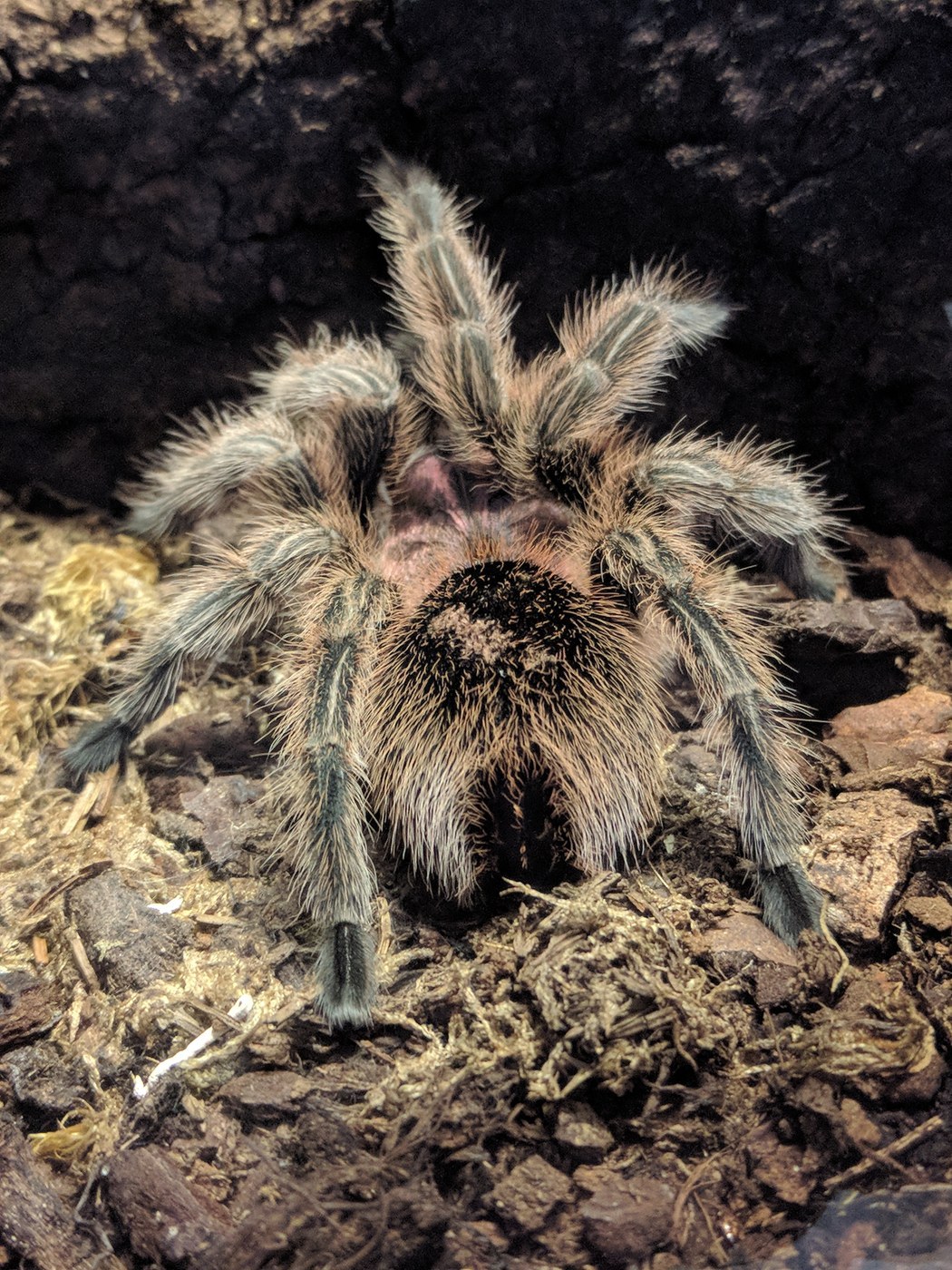
Rose Hair Tarantula
A calm, ground-dwelling tarantula from the deserts of Chile, the rose hair is named for the pinkish sheen its bristly hairs can take on in certain light, and is known for its slow, deliberate movements and generally placid temperament.
spiderGlowworm Beetle
A beetle whose females remain larva-like and glowing for their entire lives, producing rows of soft greenish light along their segmented, worm-like bodies, while males develop into small, feathery-antennaed flying beetles.
beetle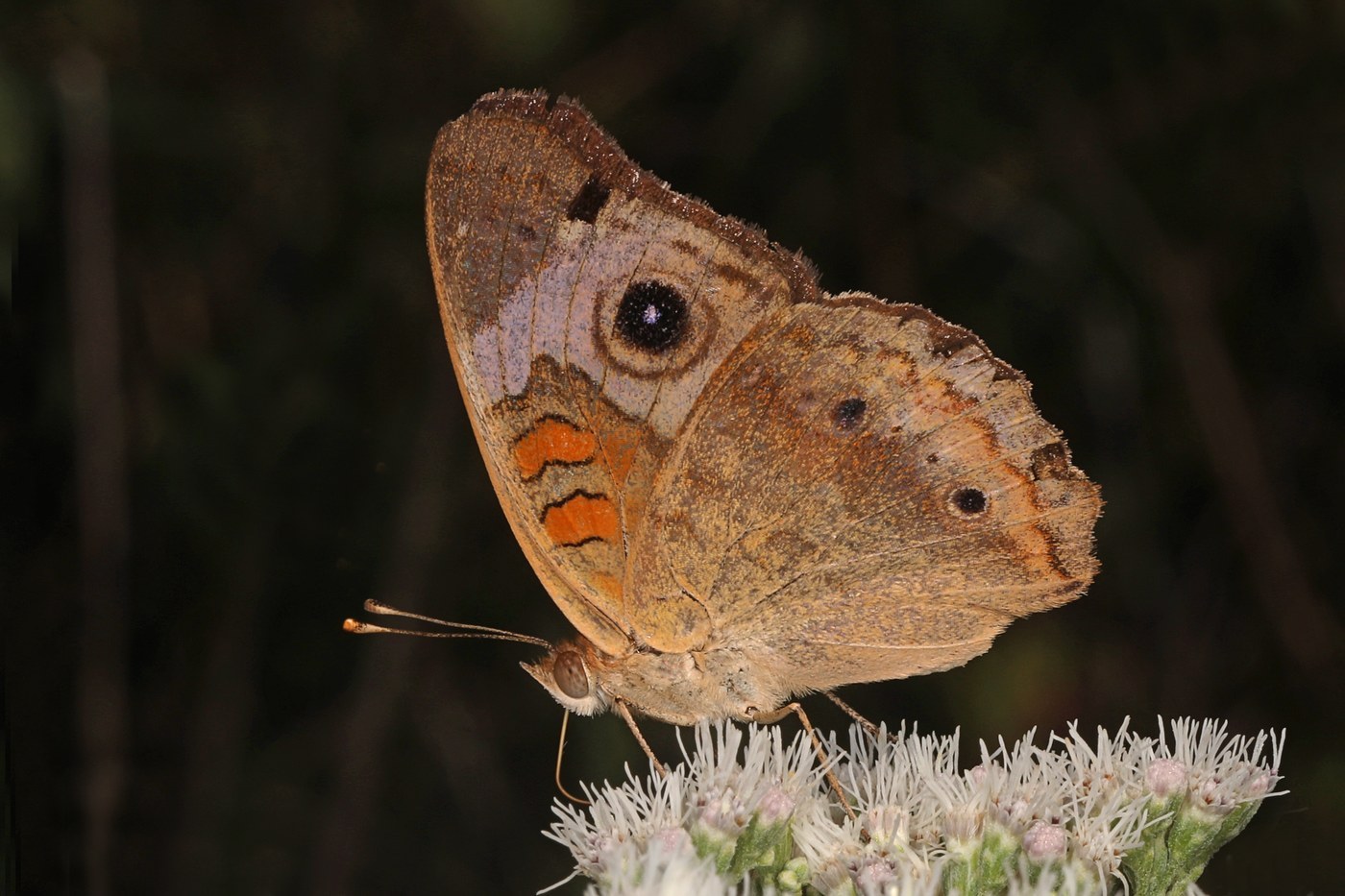
Common Buckeye
A medium-sized brown butterfly instantly recognizable by the large, colorful eyespots ringed in orange and blue on both its forewings and hindwings, thought to startle or deflect the attacks of predators.
butterflyIchneumon Wasp
A slender, long-antennaed parasitoid wasp, often mistaken for a giant mosquito or a stinging insect, that is best known for the extraordinarily long ovipositor some species use to drill into wood and lay eggs on hidden larvae.
wasp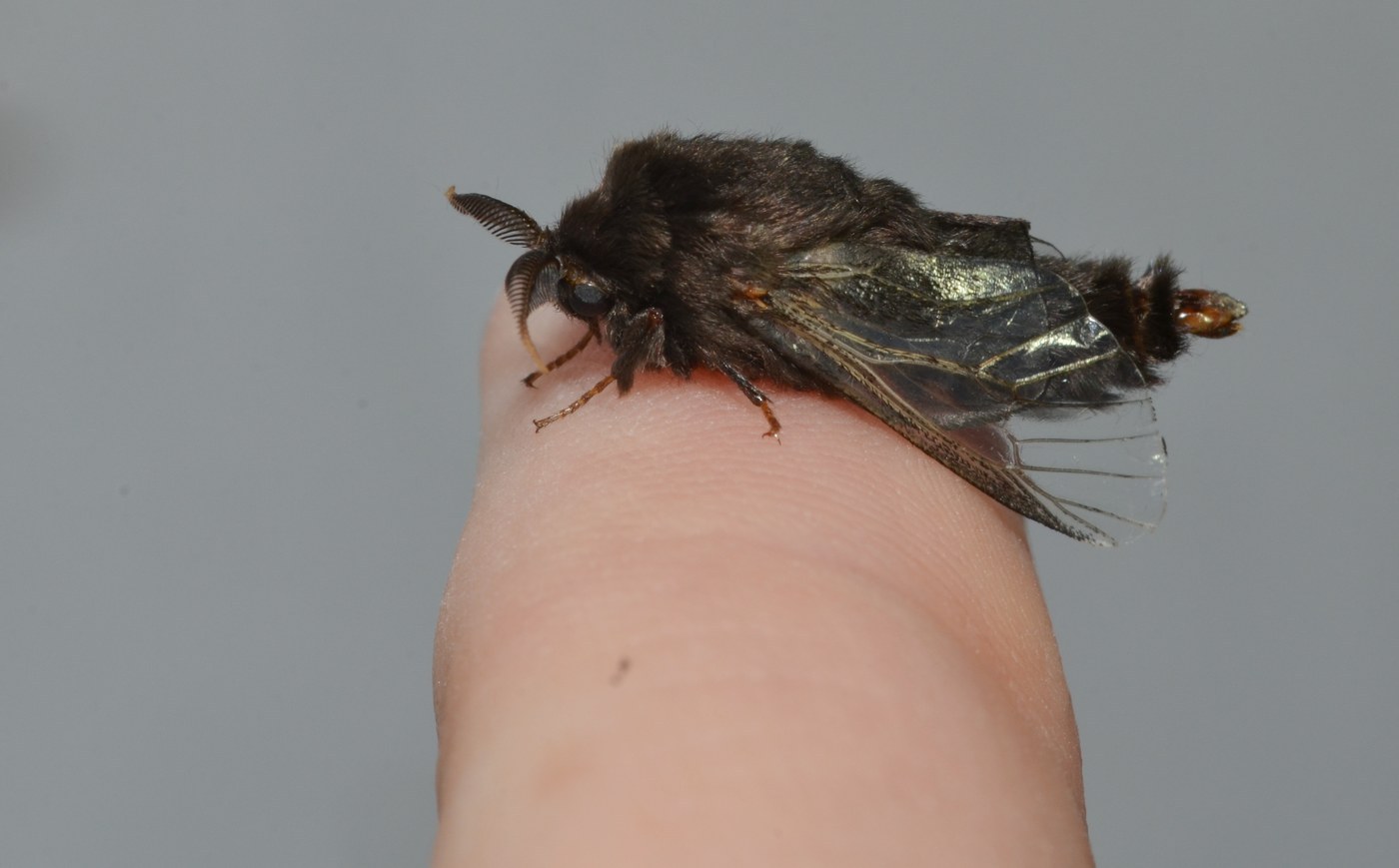
Bagworm Moth
A moth best known for its larva's habit of constructing and living inside a spindle-shaped case of silk and plant debris that hangs from twigs, with adult males a plain sooty-winged moth and females remaining wingless and grub-like inside the bag for life.
moth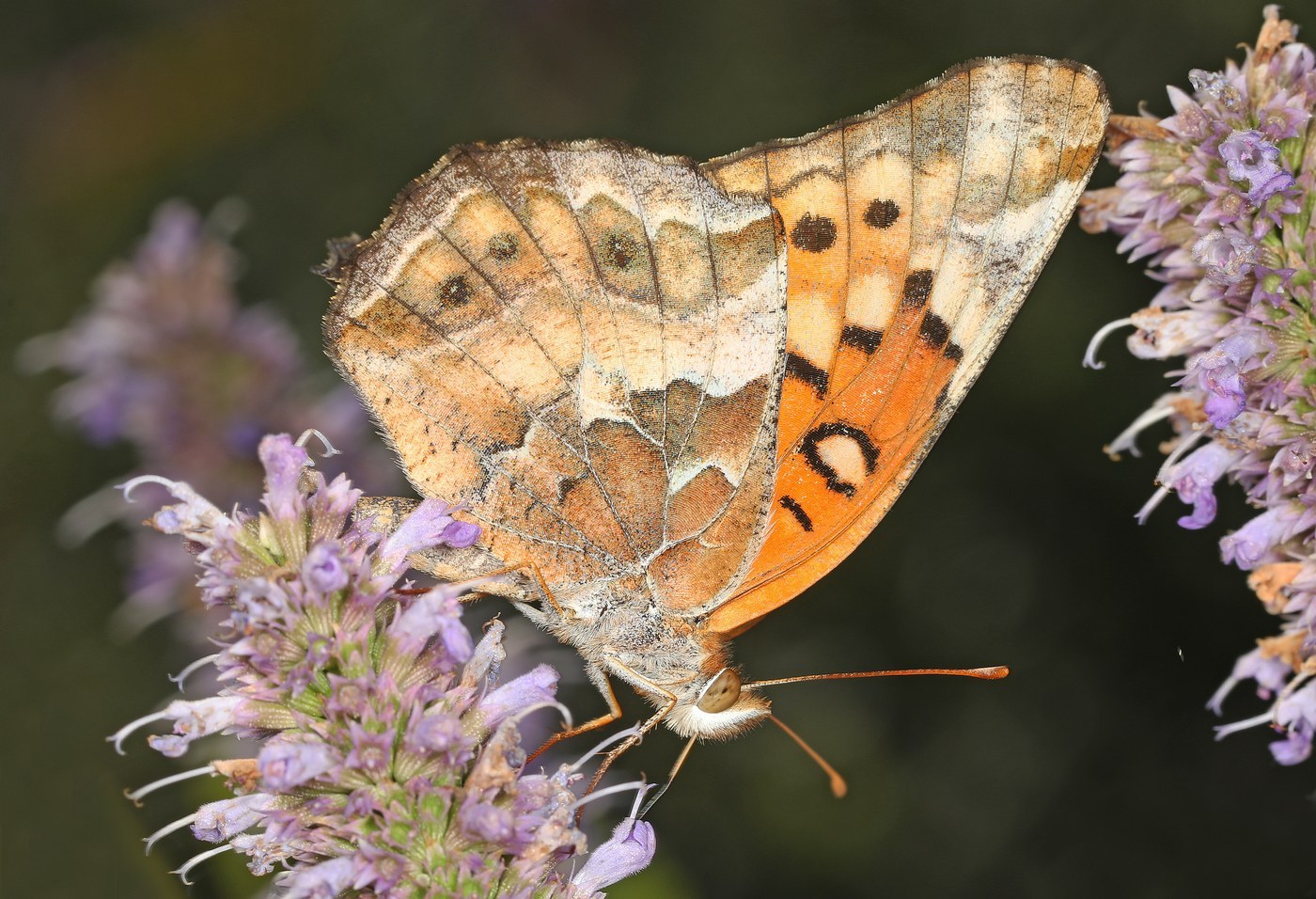
Variegated Fritillary
A wide-ranging, mottled orange-brown butterfly that lacks the silvery underside spots of true fritillaries and instead shows an intricate patchwork of tan, orange, and black markings, known for its wandering, migratory habits.
butterfly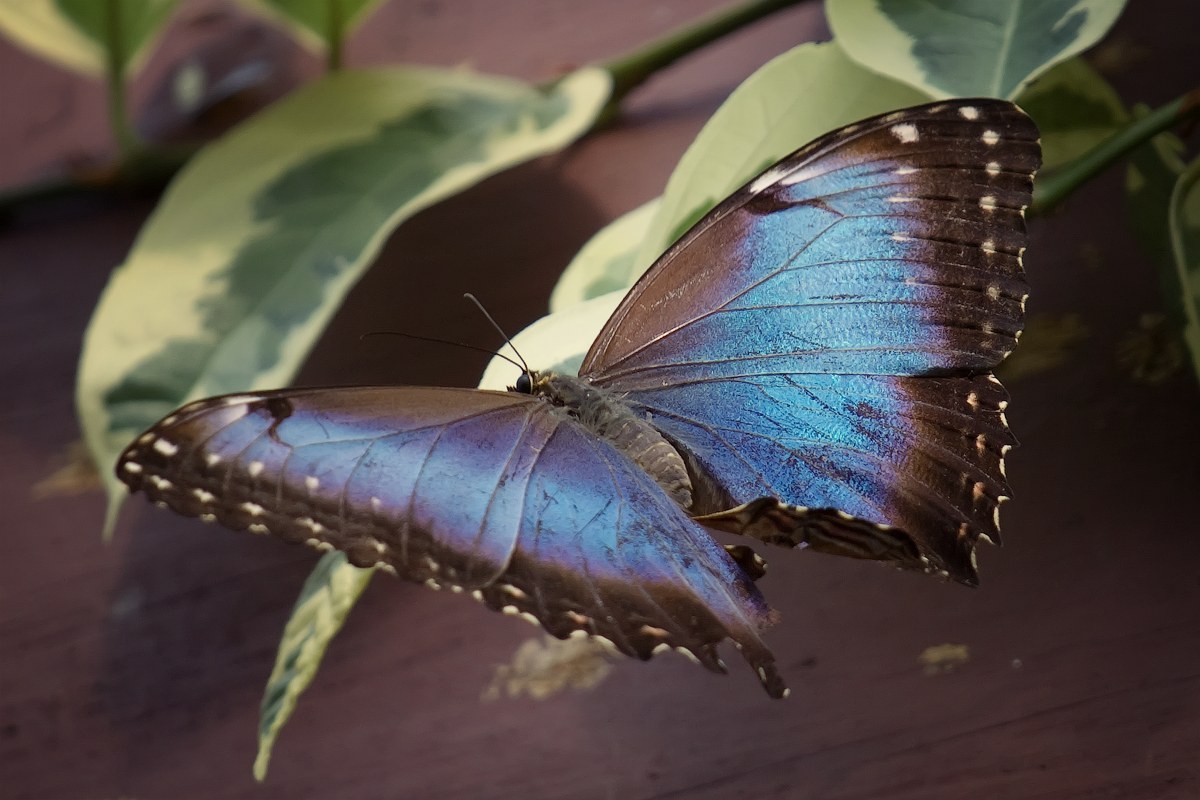
Blue Morpho
A large Neotropical butterfly famed for the brilliant, shimmering iridescent blue of its wing uppersides, which flashes vividly in flight and disappears instantly when the cryptic brown underside is exposed at rest.
butterflyChigger
A nearly microscopic mite larva that waits in clusters on grass tips for a passing host, taking a single brief meal before dropping away unseen. Only this larval stage is parasitic; the free-living adult spends its life hunting tiny prey in the soil.
arachnid