
Bug Encyclopedia
Search and identify bugs & insects — beetles, butterflies, moths, ants, bees, spiders and more — with size, habitat, danger, behavior, and how to tell them apart.
Scale Insect
A small, immobile insect that appears as a flat or domed, waxy bump firmly attached to a stem or leaf, easily mistaken for a plant blemish rather than a living creature.
true-bugLeaf Insect
A living illusion, this flattened green insect reproduces the veins, edges, and even blemishes of a real leaf so precisely that it can vanish while resting in plain sight.
mantis-stick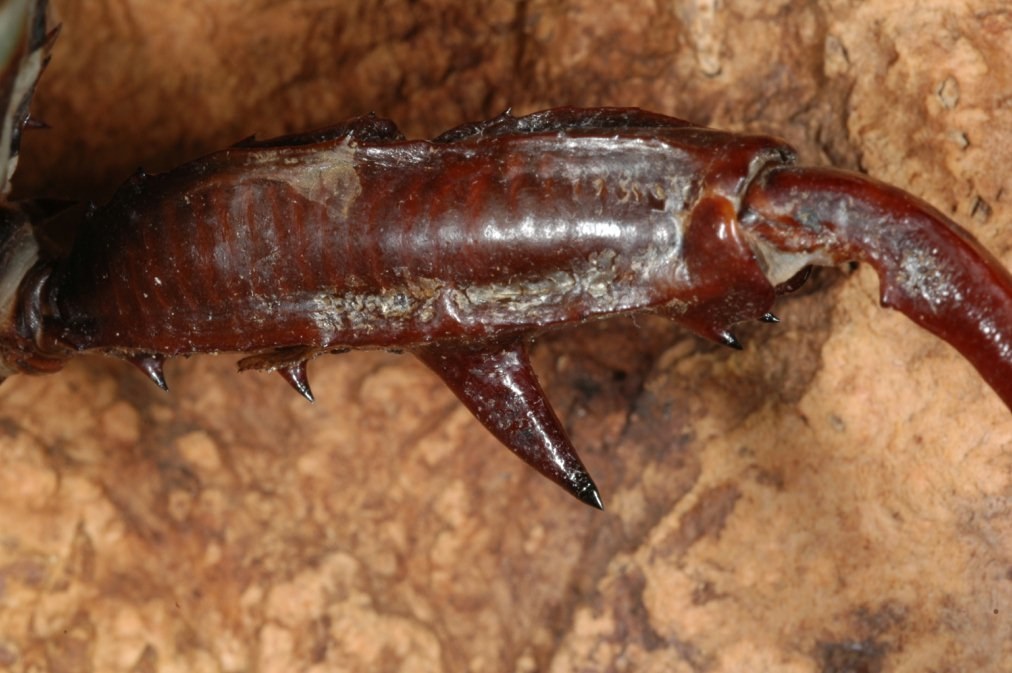
Walking Stick Insect
A master of disguise that has evolved to look almost exactly like a twig, bark or leaf, remaining motionless for hours to avoid the notice of hungry birds and lizards.
mantis-stick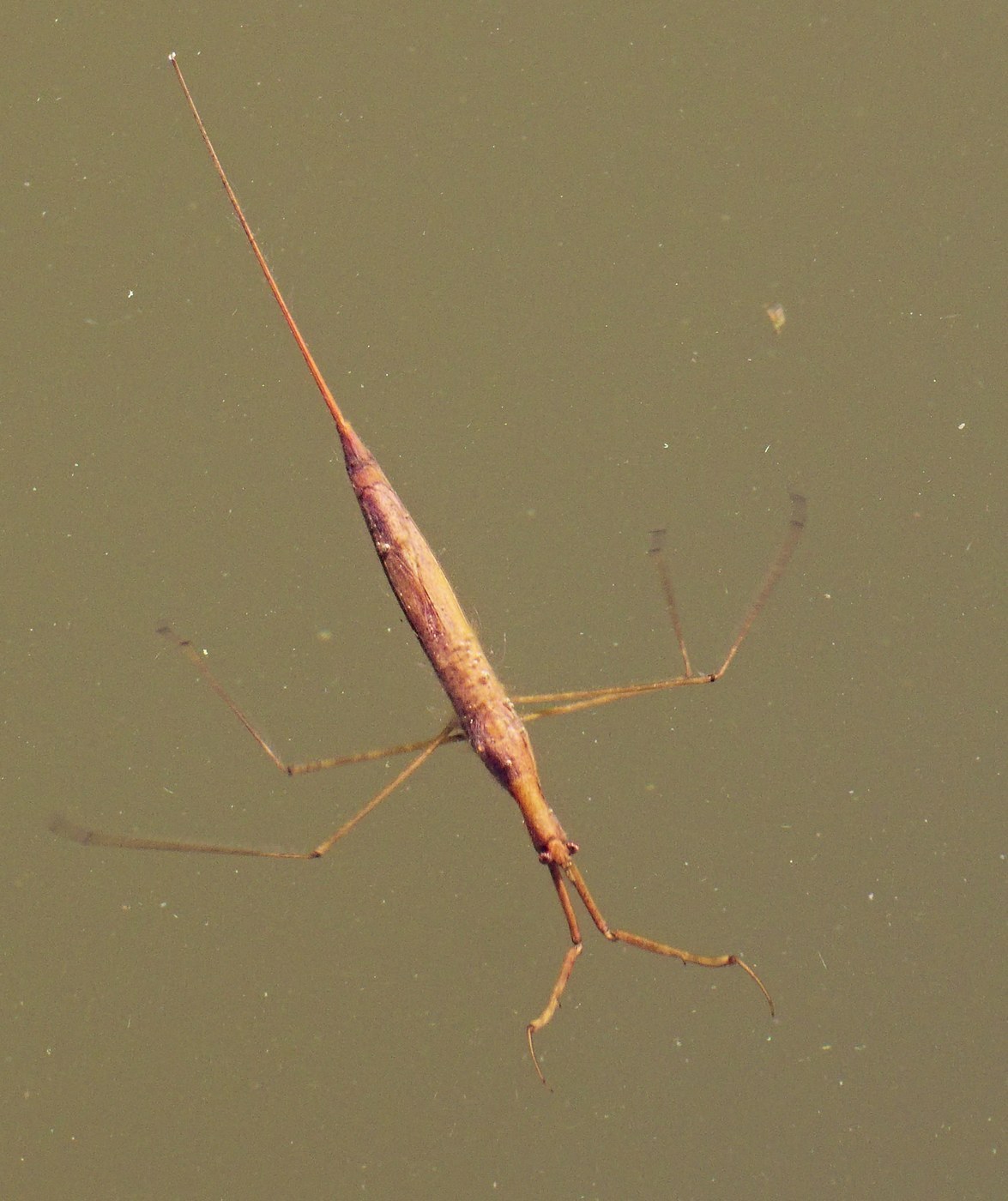
Water Stick Insect
An extraordinarily twig-like aquatic predator that lies motionless among pond weed, grasping passing prey with spiny raptorial forelegs while breathing through a long tail-like snorkel.
true-bug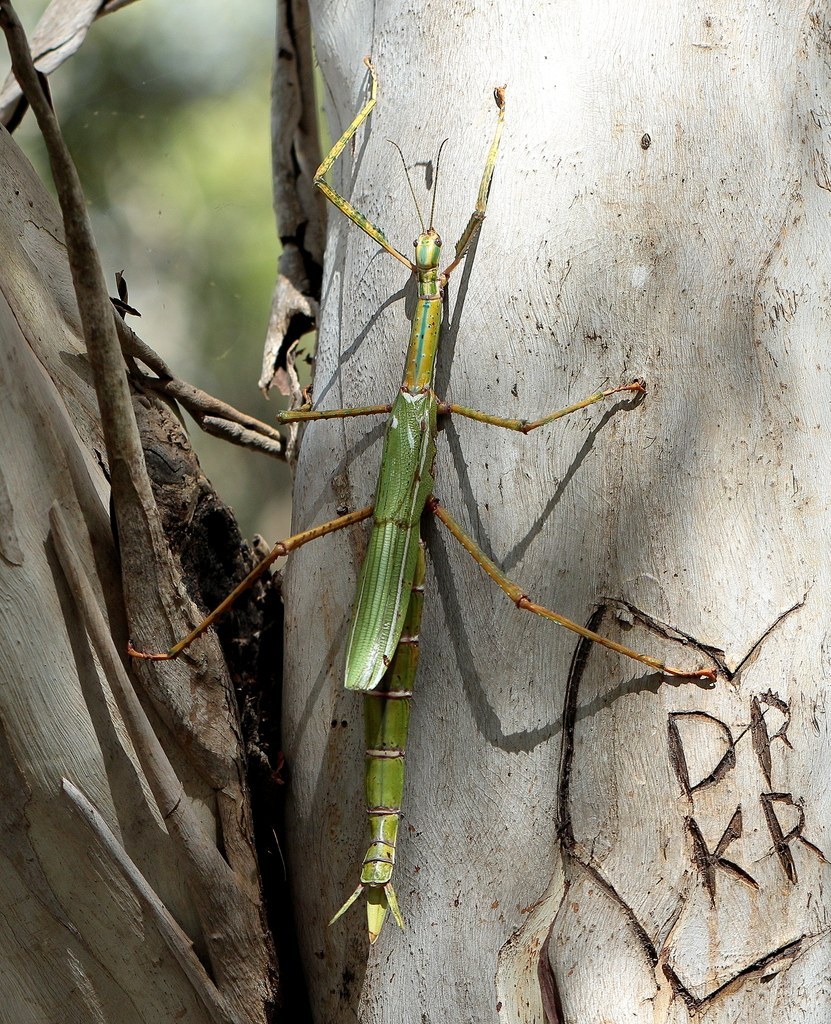
Goliath Stick Insect
One of the largest stick insects in the world, this vivid green giant unfurls startling crimson underwings when startled, briefly abandoning its disguise as foliage.
mantis-stick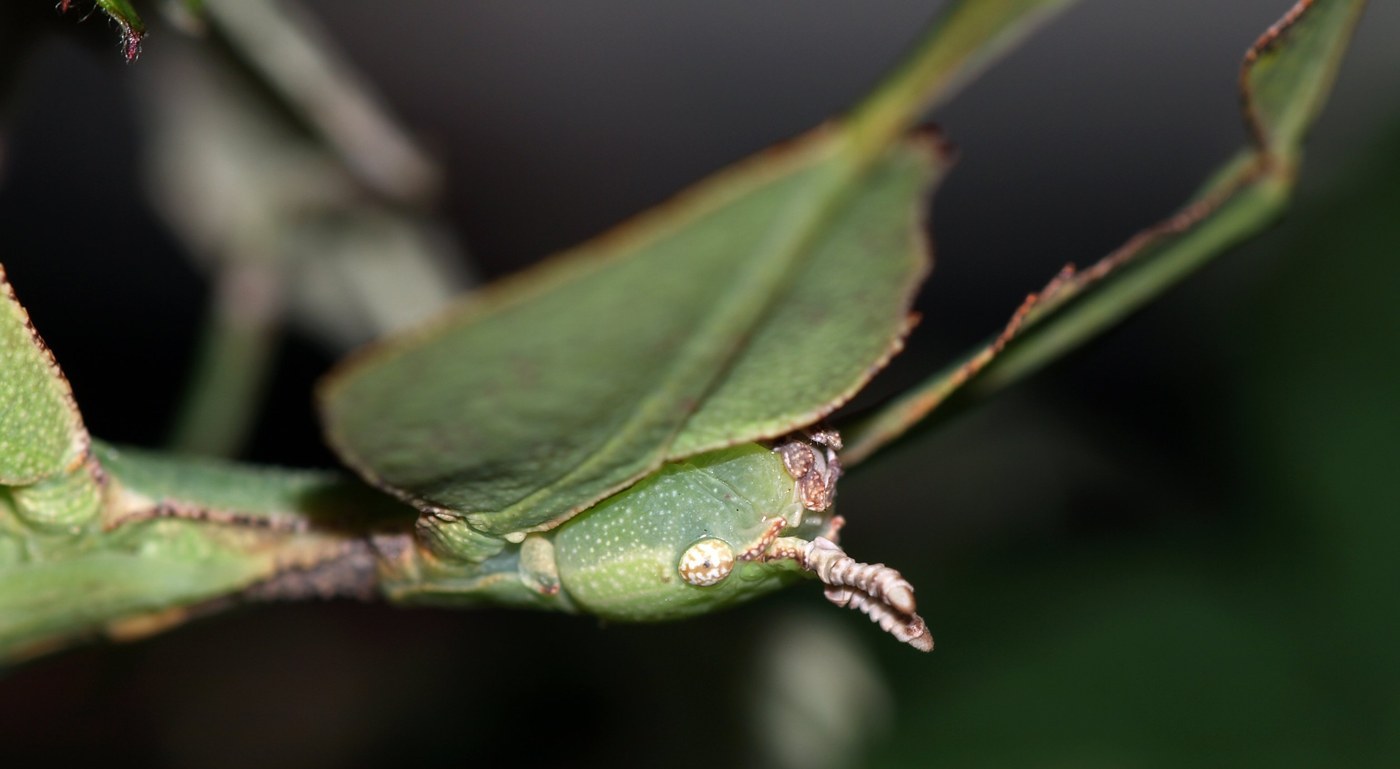
Javanese Leaf Insect
A broad, veined, leaf-green body makes this insect nearly indistinguishable from the foliage it feeds on, a masterclass in disguise native to the forests of Southeast Asia.
mantis-stick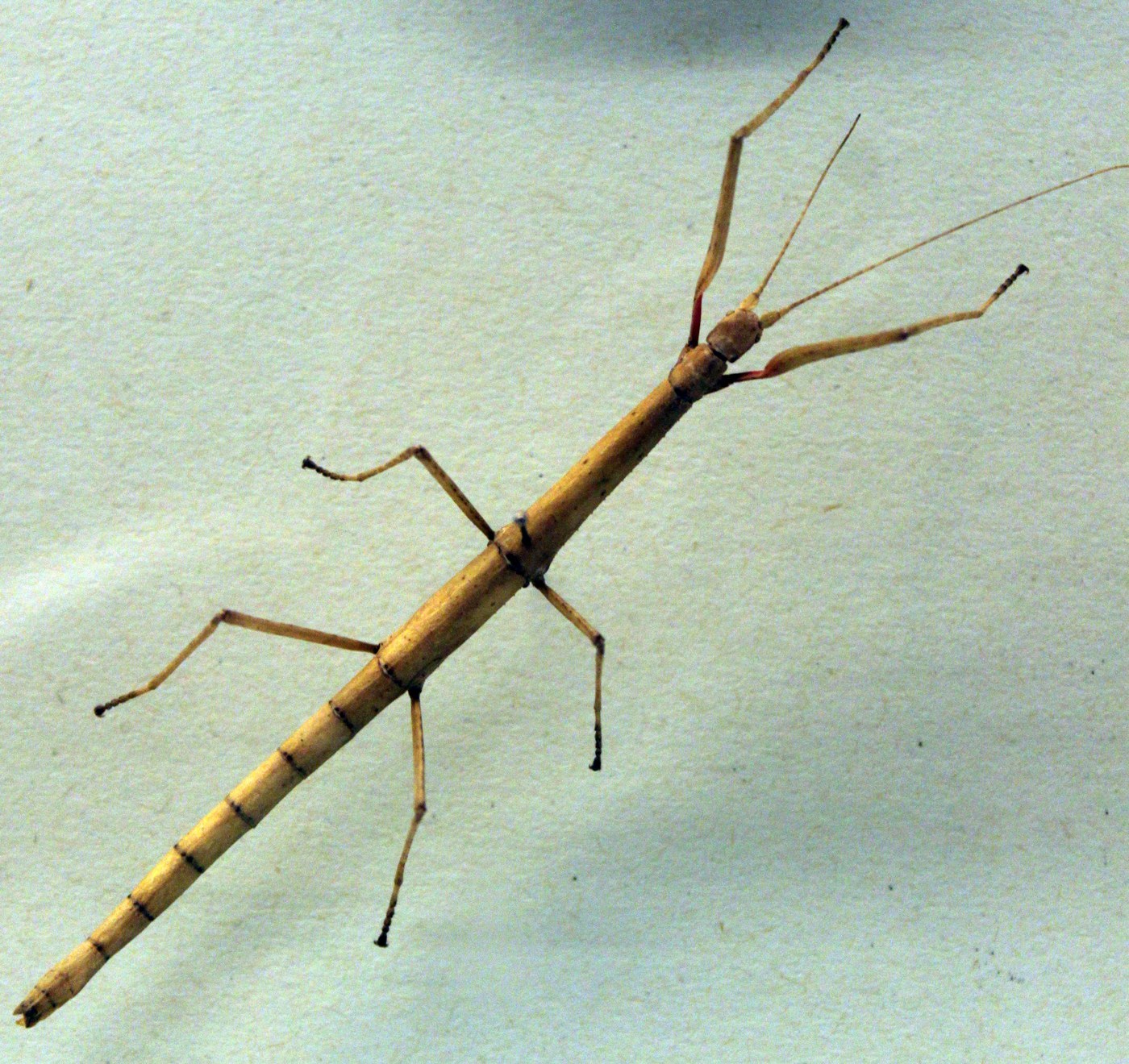
Indian Stick Insect
A slender, twig-mimicking insect so unremarkable in stillness that it disappears among the stems it feeds on, one of the most widely raised stick insects in the world.
mantis-stick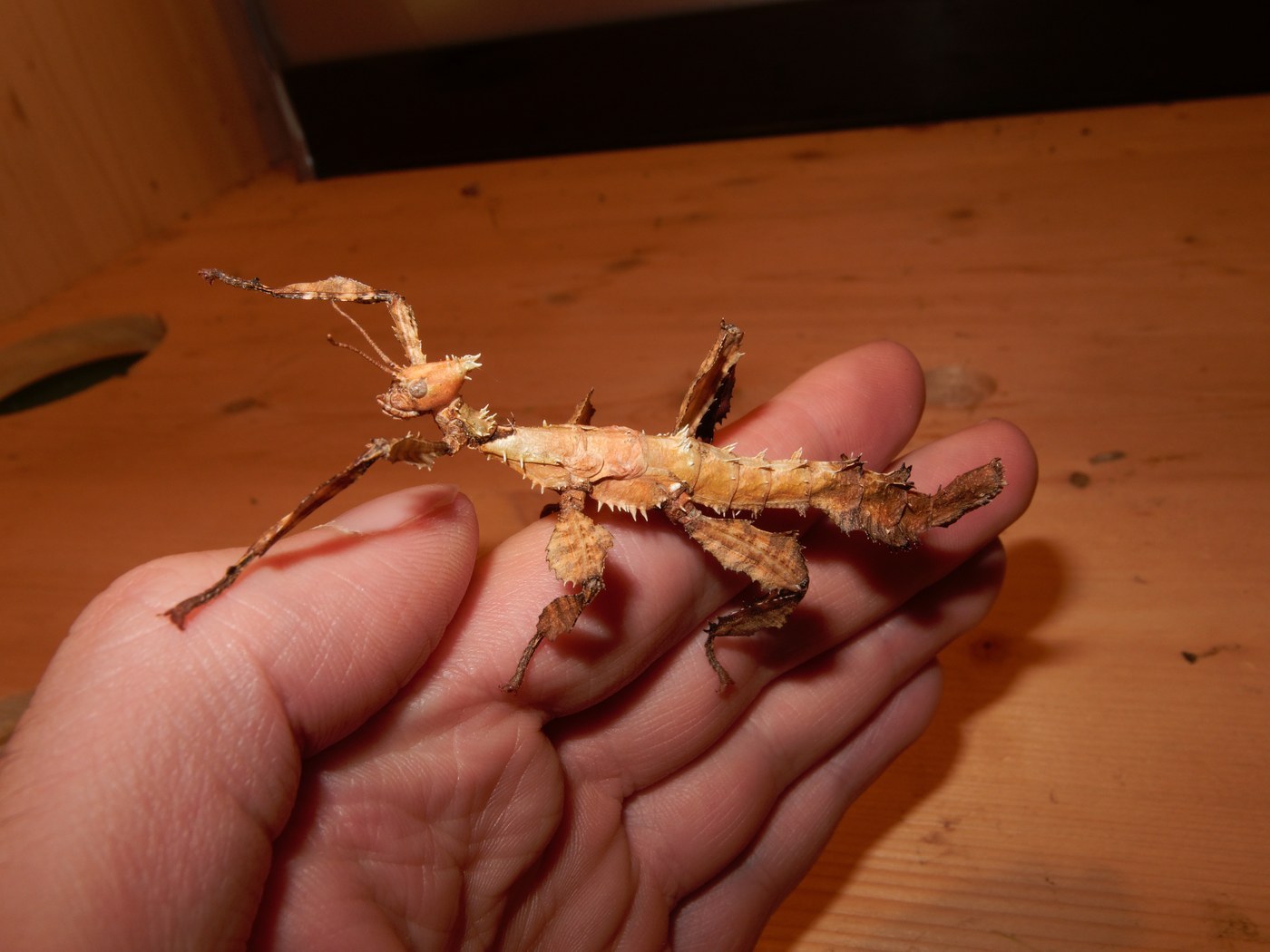
Giant Prickly Stick Insect
A hefty, spine-covered phasmid that mimics dead leaves and curled bark, and when threatened, arches its abdomen like a scorpion's tail in a dramatic bluff display.
mantis-stick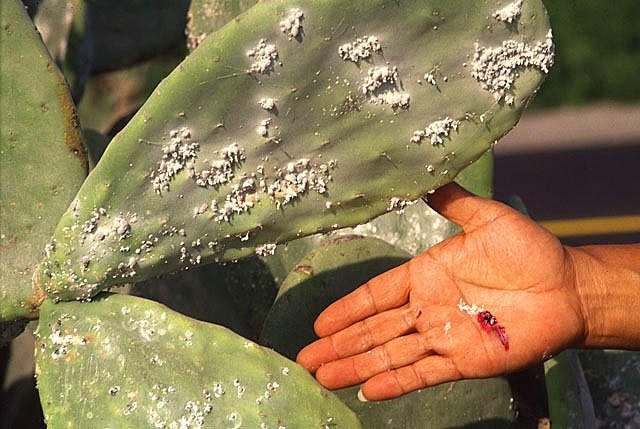
Cochineal
A tiny, sedentary scale insect that lives clustered on prickly pear cacti beneath a protective coat of white, waxy fluff, historically prized for the deep red pigment it produces.
true-bugScabies Mite
A microscopic, eyeless mite that spends its entire life cycle burrowed within the outer layer of a mammal's skin, among the smallest arachnids known to science. Unlike free-living mites, it has no independent existence away from a host and is studied primarily through microscopic examination rather than direct observation.
arachnid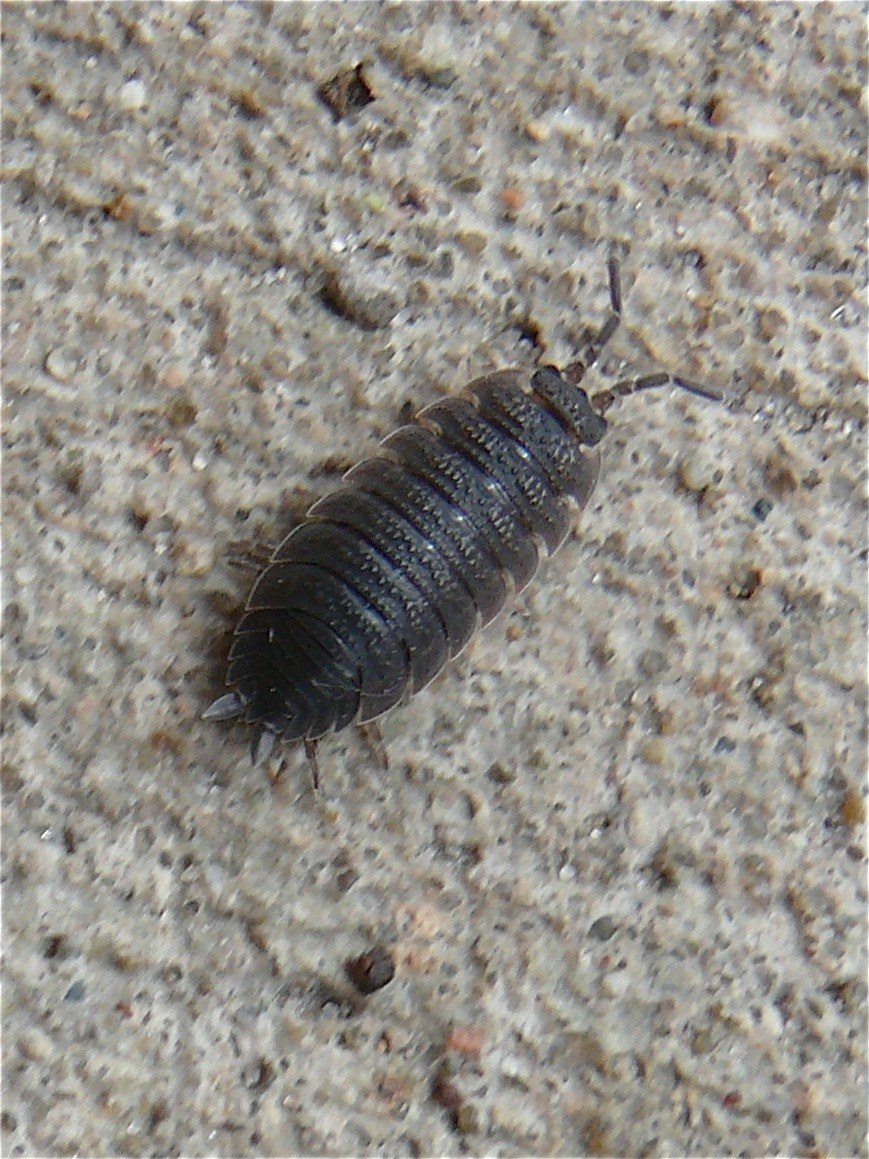
Sowbug
A slate-gray, oval, armor-plated crustacean that shuffles through damp leaf litter on seven pairs of legs, recognizable by its overlapping segmented shell and pair of trailing tail-like appendages.
other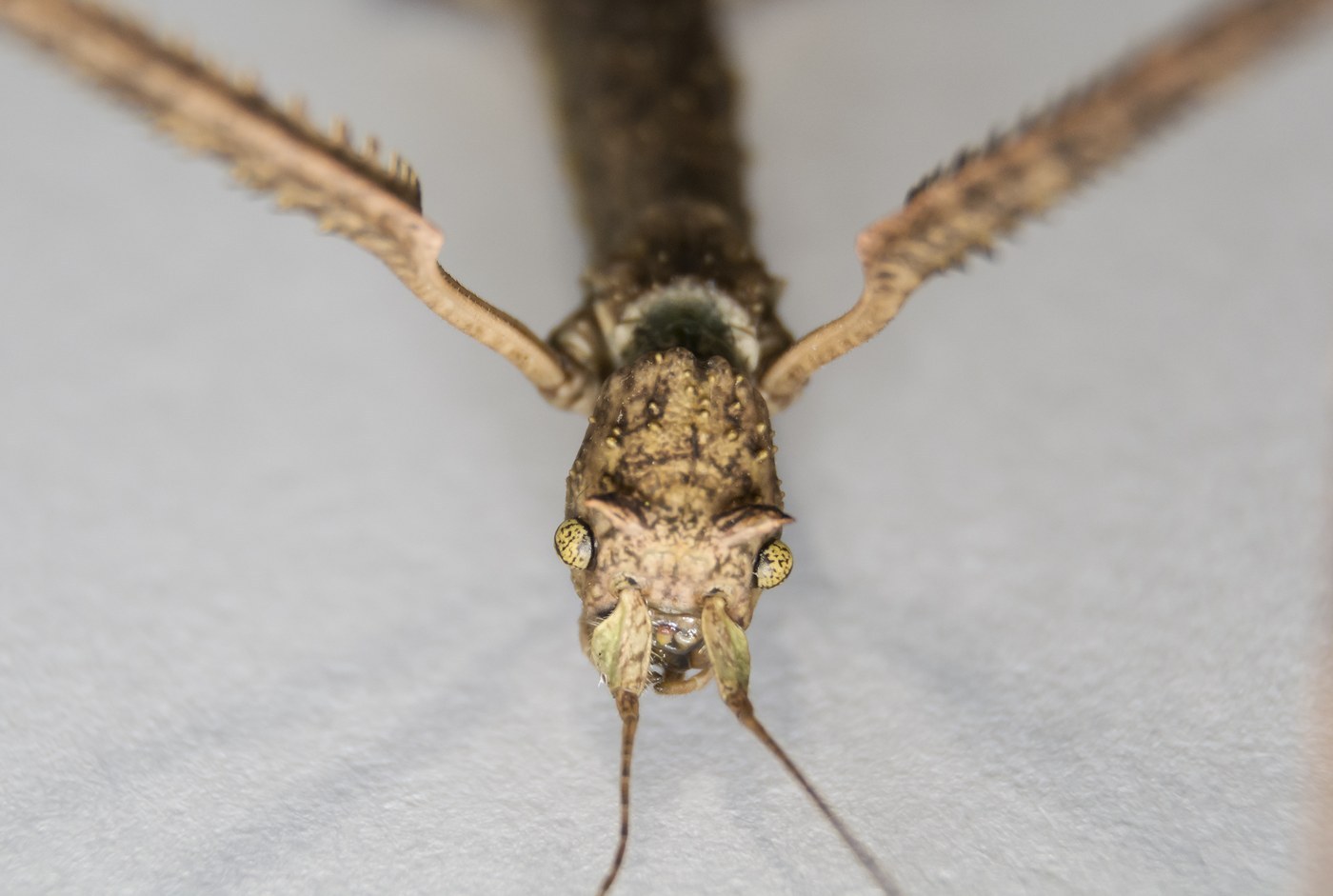
Vietnamese Walking Stick
A slender tropical stick insect popular in classrooms and terrariums, notable for females that can produce healthy offspring entirely on their own, without ever mating.
mantis-stick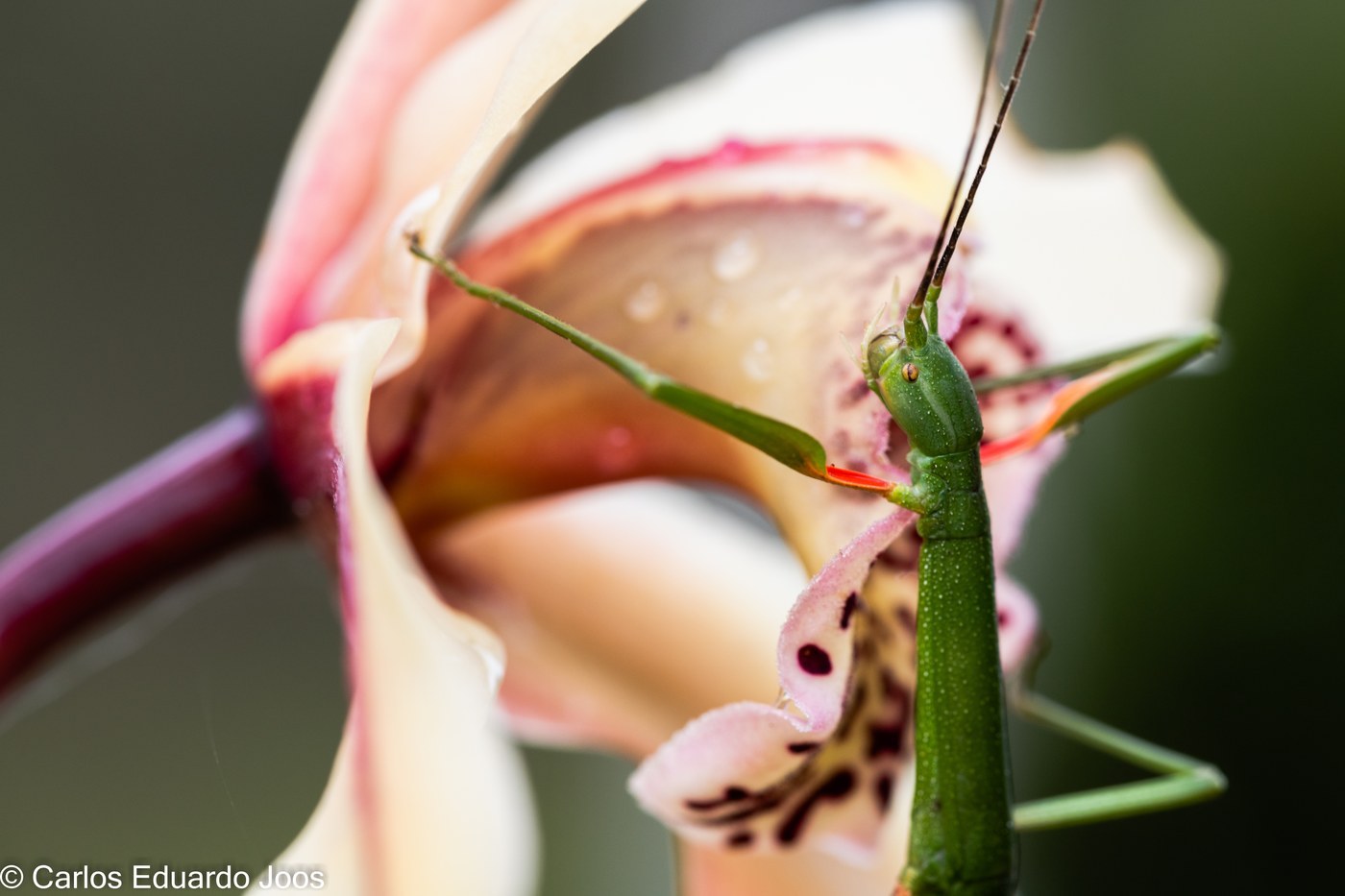
Walking Stick
A remarkably twig-like insect with a long, slender, brown to green body and thin legs, so effective at mimicking a plant stem that it can be nearly invisible while motionless on vegetation.
mantis-stick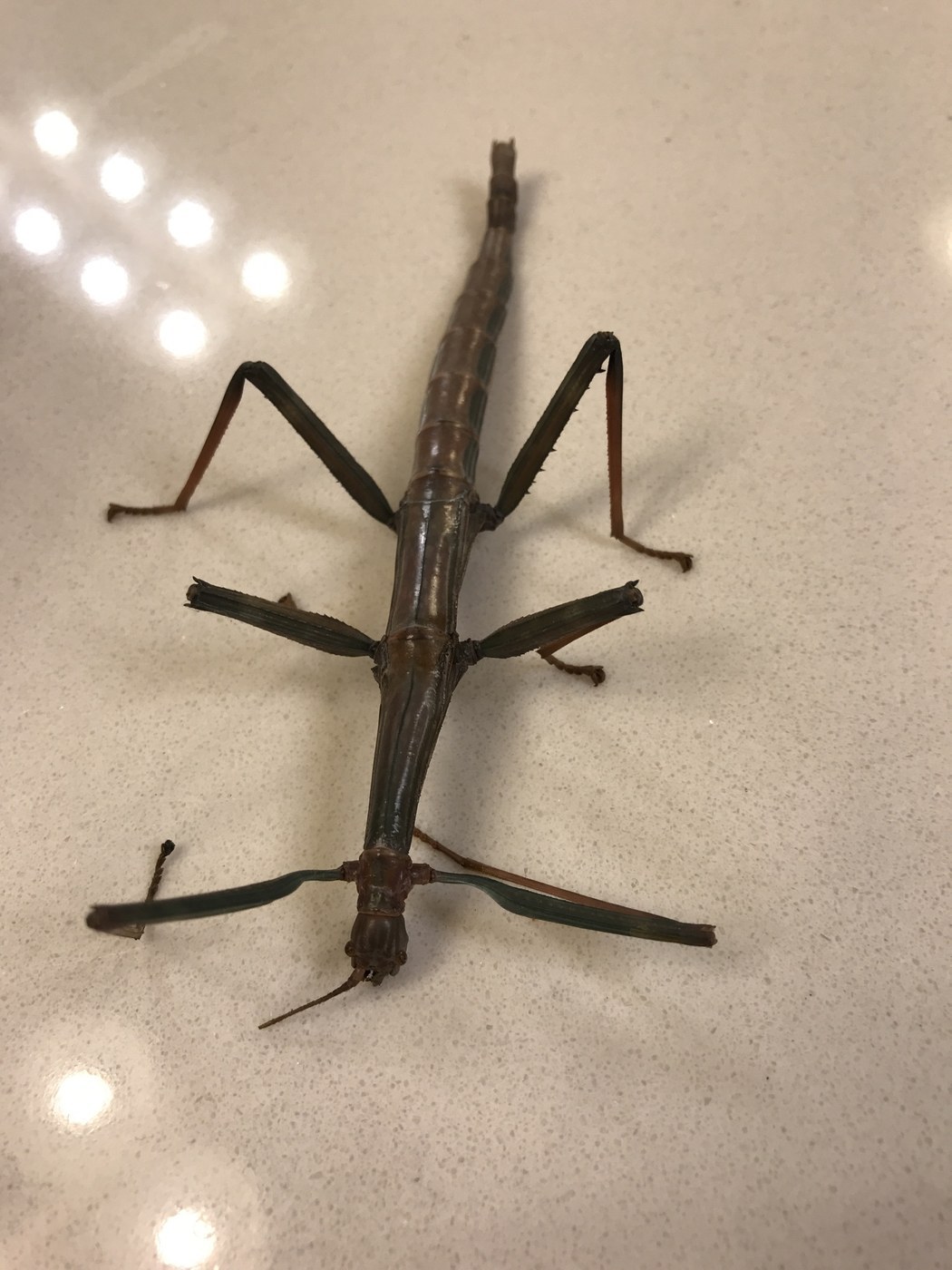
Giant Walking Stick
The longest insect in the United States, this brown, thread-thin giant sways gently on its perch to complete the illusion of a wind-stirred twig.
mantis-stick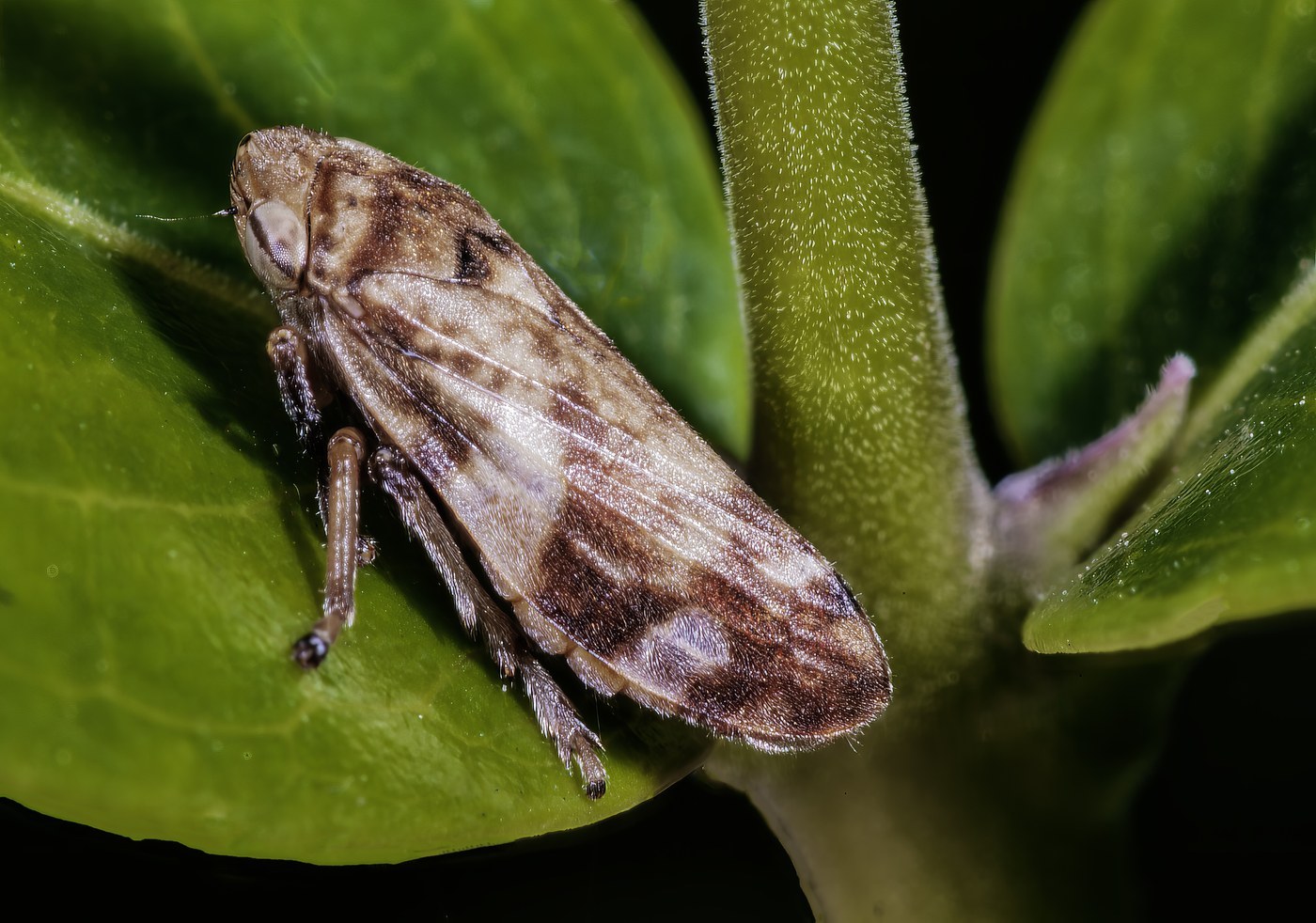
Spittlebug
A small hopping true bug best known in its nymph stage, which surrounds itself in a frothy mass of white foam on plant stems, commonly called cuckoo spit.
true-bug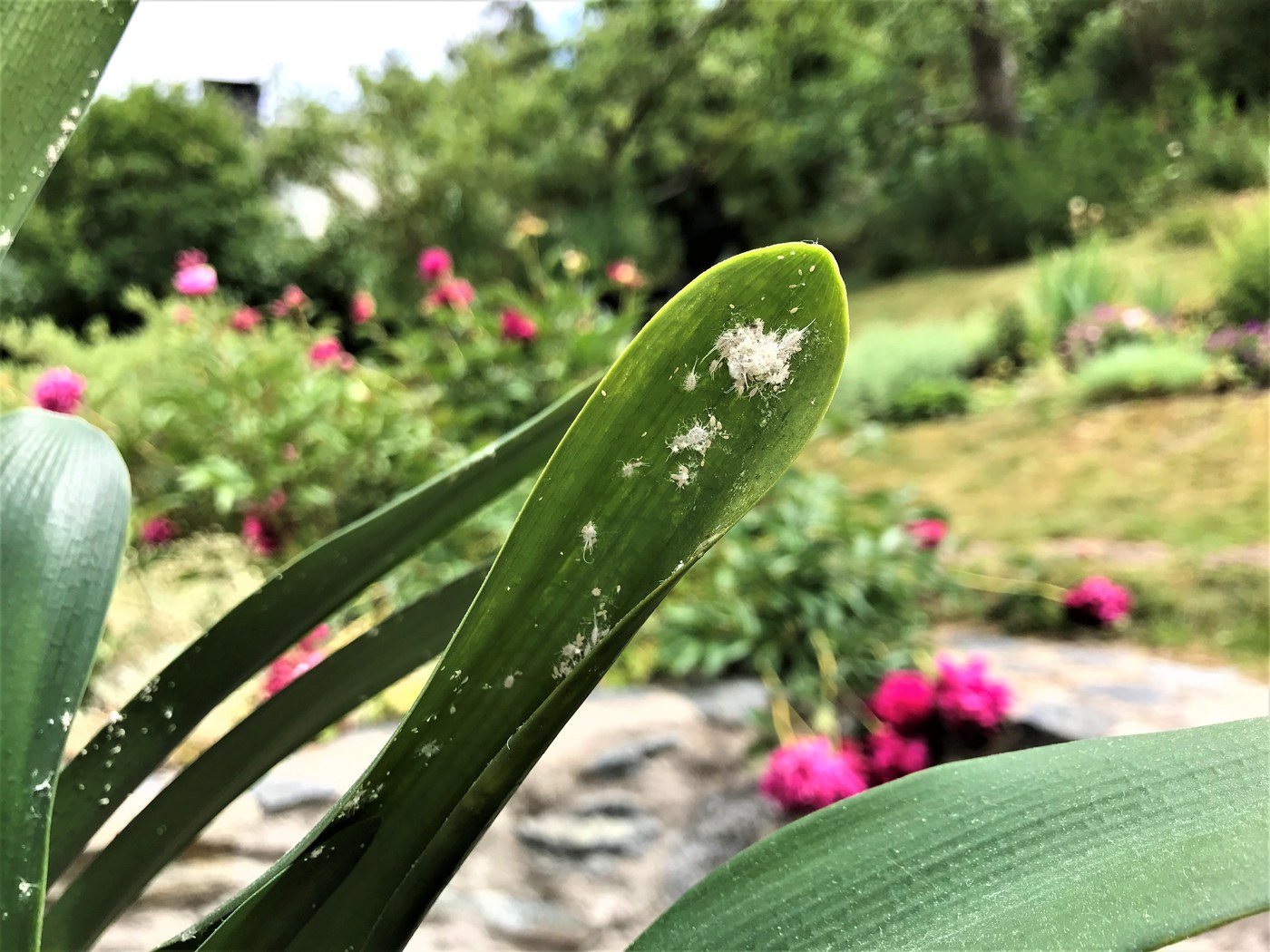
Mealybug
A soft, oval insect coated in a powdery white waxy secretion that gives it a fuzzy, cotton-like appearance, typically found clustered in leaf joints and along stems of houseplants.
true-bug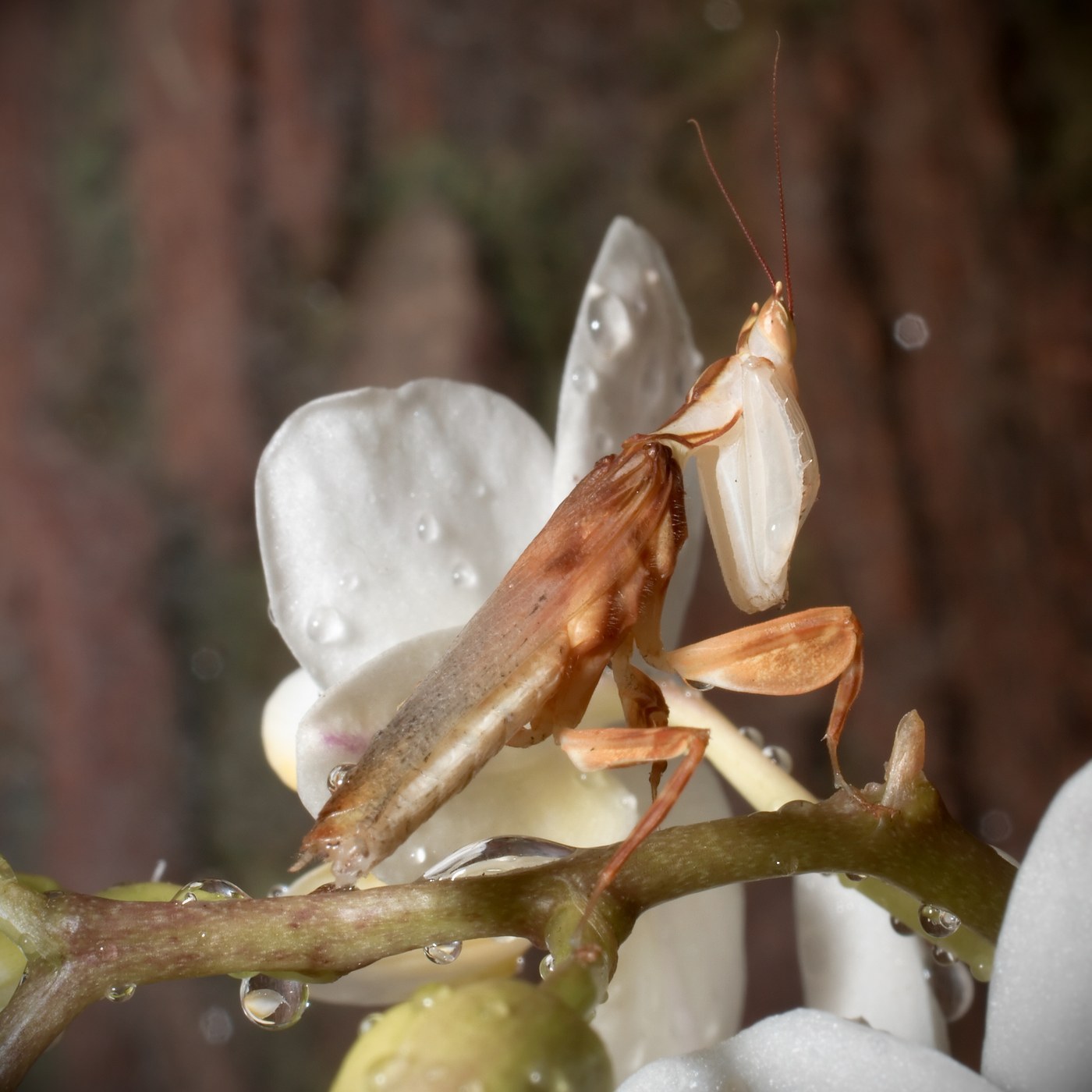
Orchid Mantis
A dazzling pink-and-white mantis whose petal-shaped leg lobes let it pass as a flower, luring pollinating insects close enough to ambush.
mantis-stick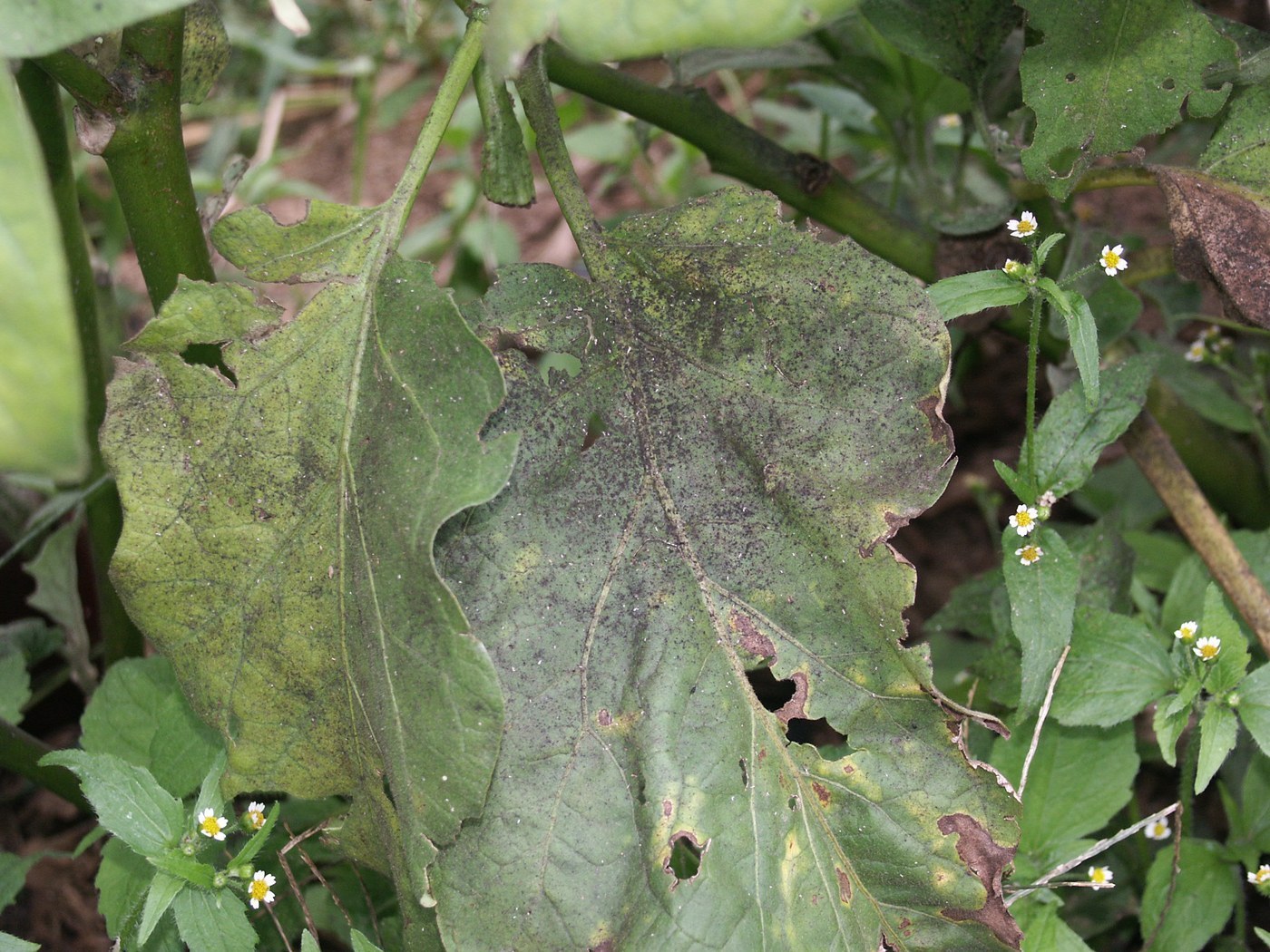
Whitefly
A tiny, moth-like white insect that clusters on the undersides of leaves and bursts into a snowy cloud when the plant is disturbed. Despite the name, it is not a true fly but a sap-feeding relative of aphids and scale insects.
true-bug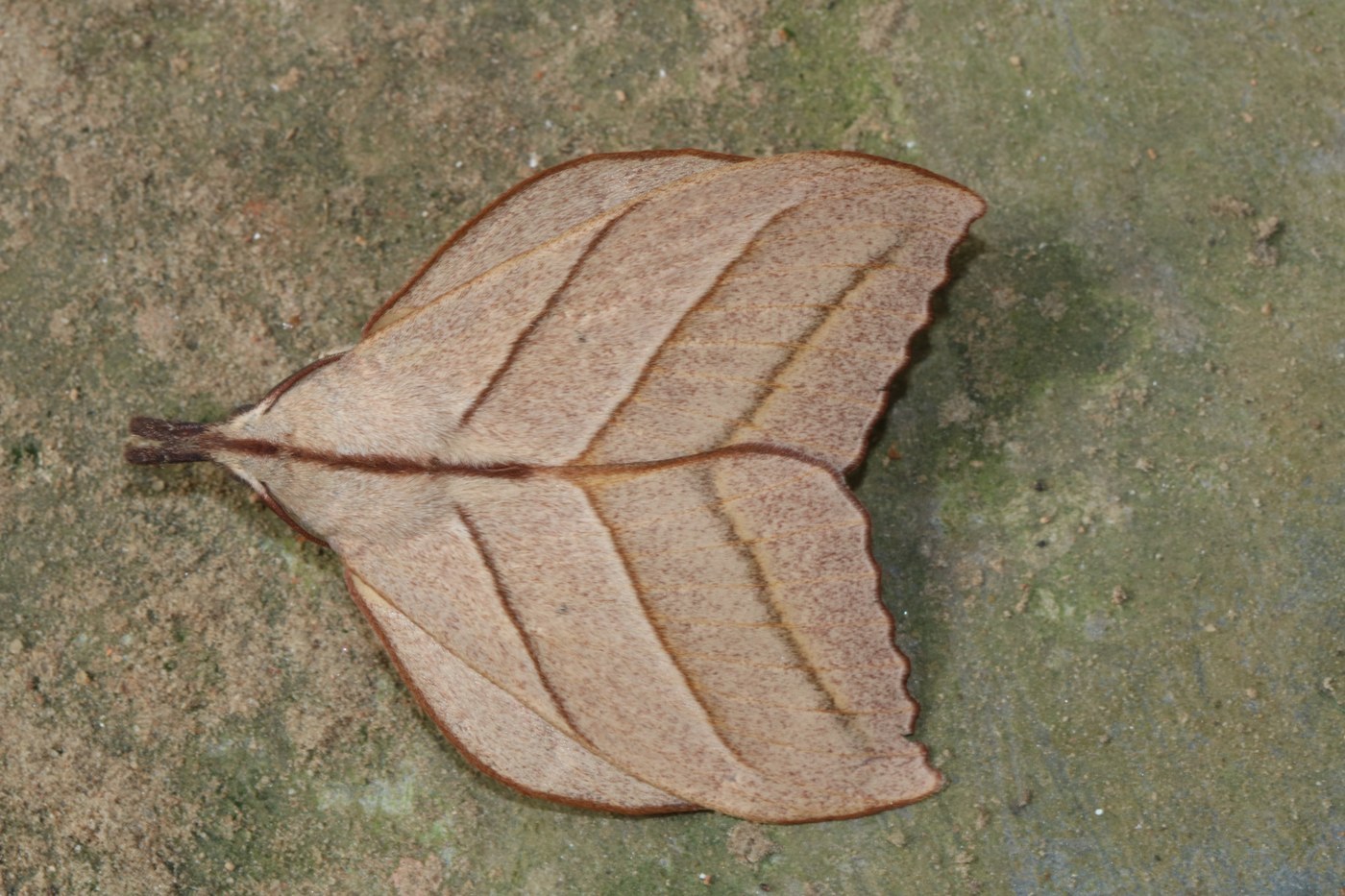
Moth
A broad group of scale-winged insects related to butterflies, typically nocturnal, with stout, often furry bodies and feathery or thread-like antennae.
moth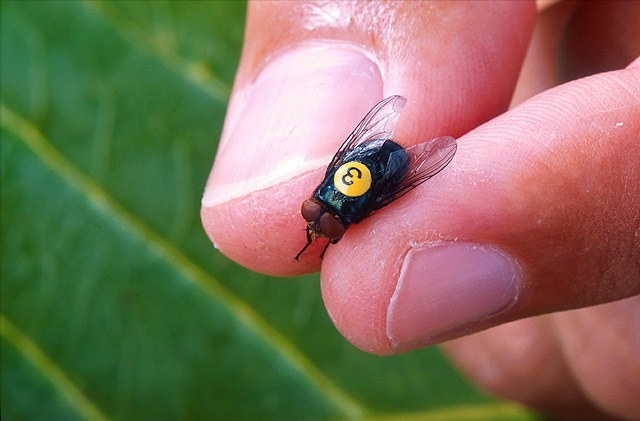
Screwworm Fly
A metallic blue-green blowfly whose larvae are unusual among maggots for feeding on living tissue rather than carrion, drawn to even small open wounds on warm-blooded animals. The species has been the target of one of the most successful large-scale insect eradication campaigns in history across much of North America.
fly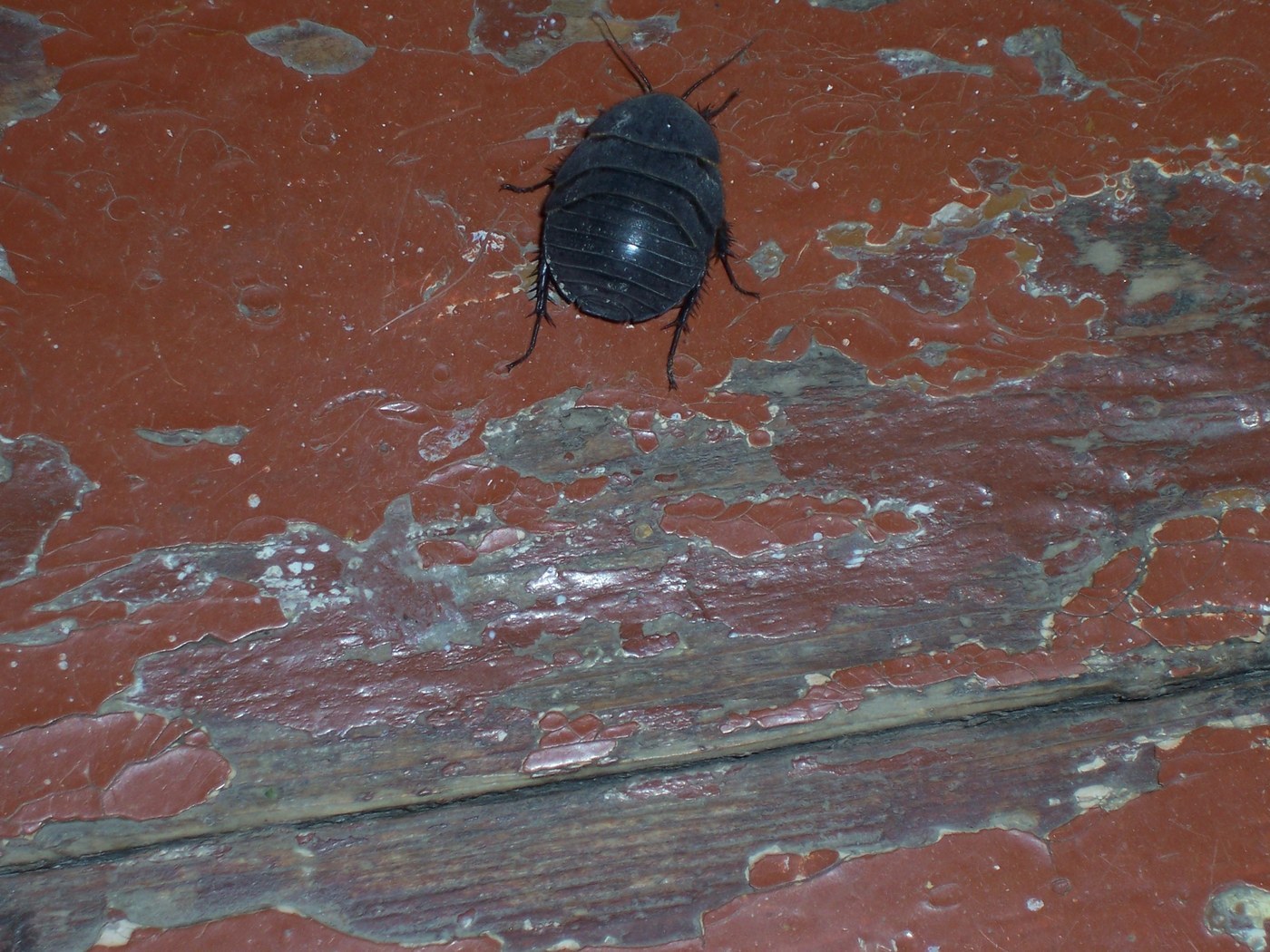
Oriental Cockroach
A dark, matte blackish-brown cockroach with short wings that do not cover the abdomen, especially in females, and a preference for cooler, damper hiding spots than most other common cockroaches.
otherHouse Dust Mite
A microscopic, translucent mite that lives unseen in household dust, feeding on shed skin flakes accumulated in bedding and furniture.
arachnid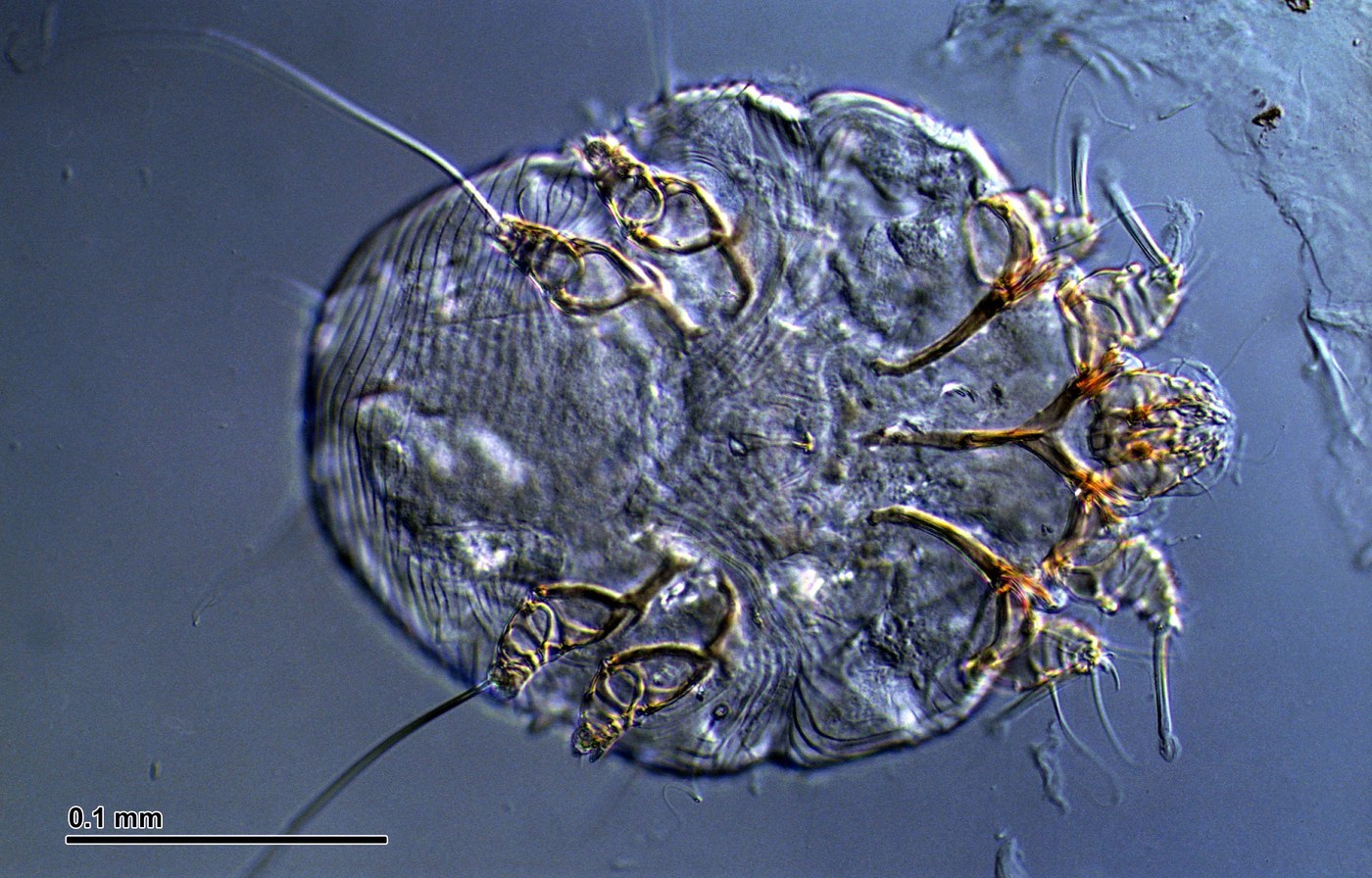
Itch Mite
A microscopic, rounded mite that spends its entire life cycle within the skin of a mammalian host, invisible without a microscope.
arachnid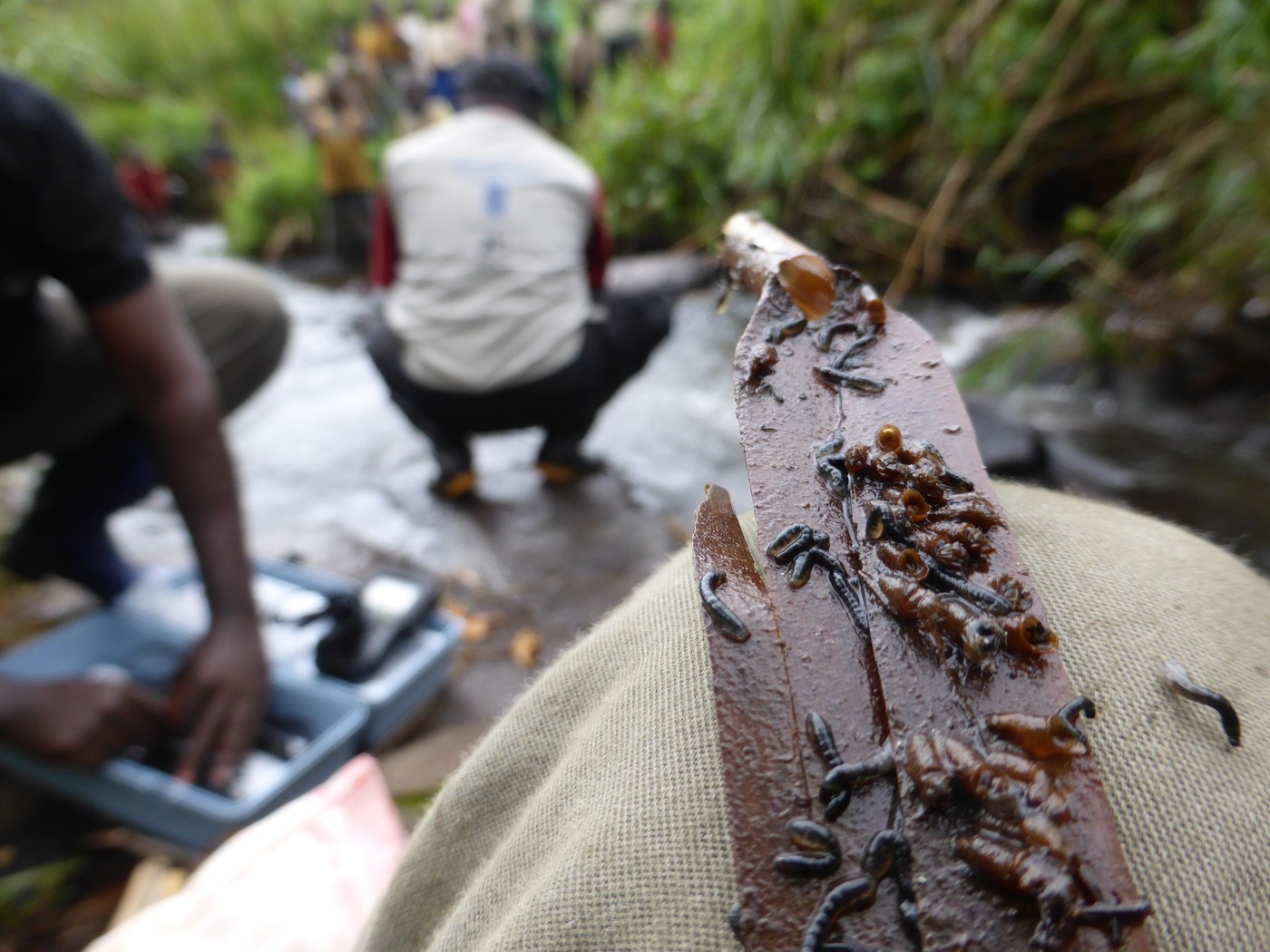
Black Fly
A small, humpbacked black fly with clear wings that gathers in persistent swarms near flowing streams, favoring exposed skin around the head.
fly