
Bug Encyclopedia
Search and identify bugs & insects — beetles, butterflies, moths, ants, bees, spiders and more — with size, habitat, danger, behavior, and how to tell them apart.
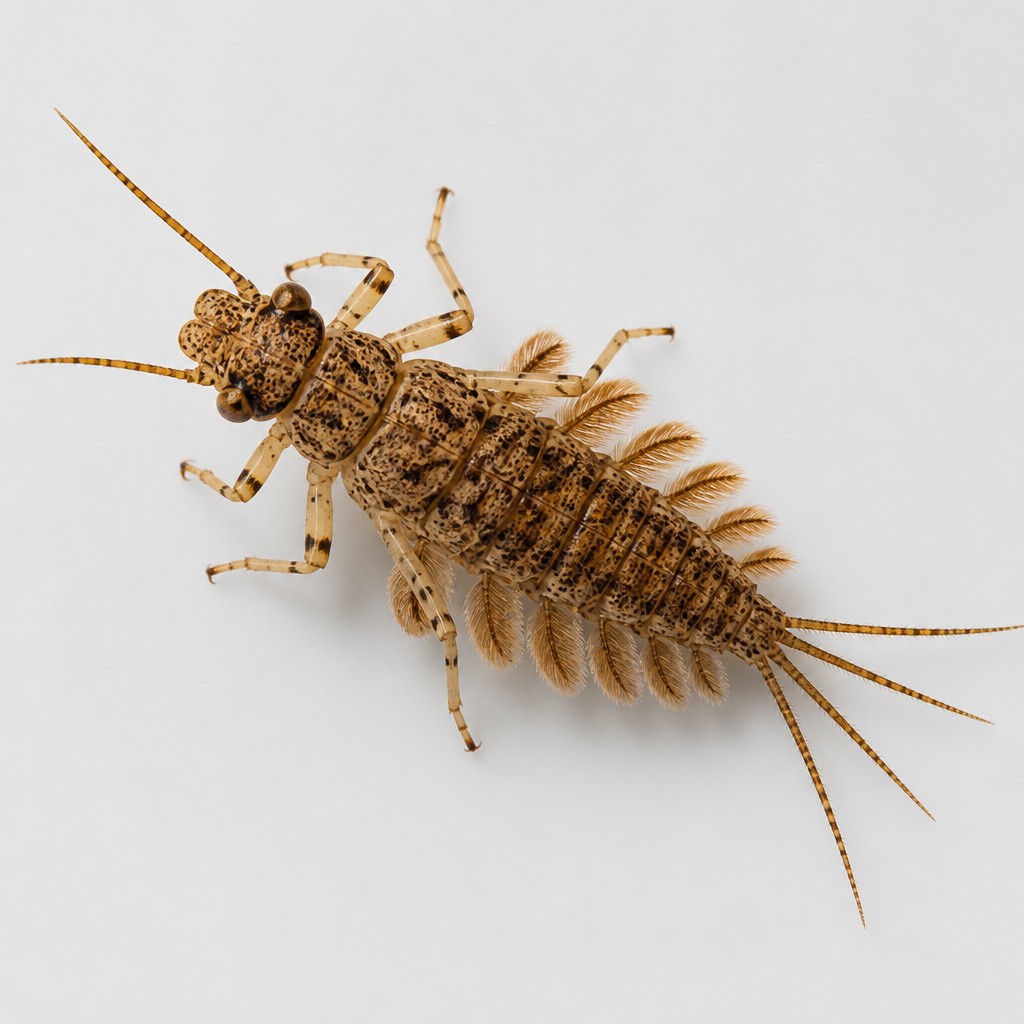
Mayfly Nymph
A short-lived aquatic grazer with feathery gills along its abdomen, living for months underwater before a brief, spectacular mass emergence as a winged adult.
aquatic-insect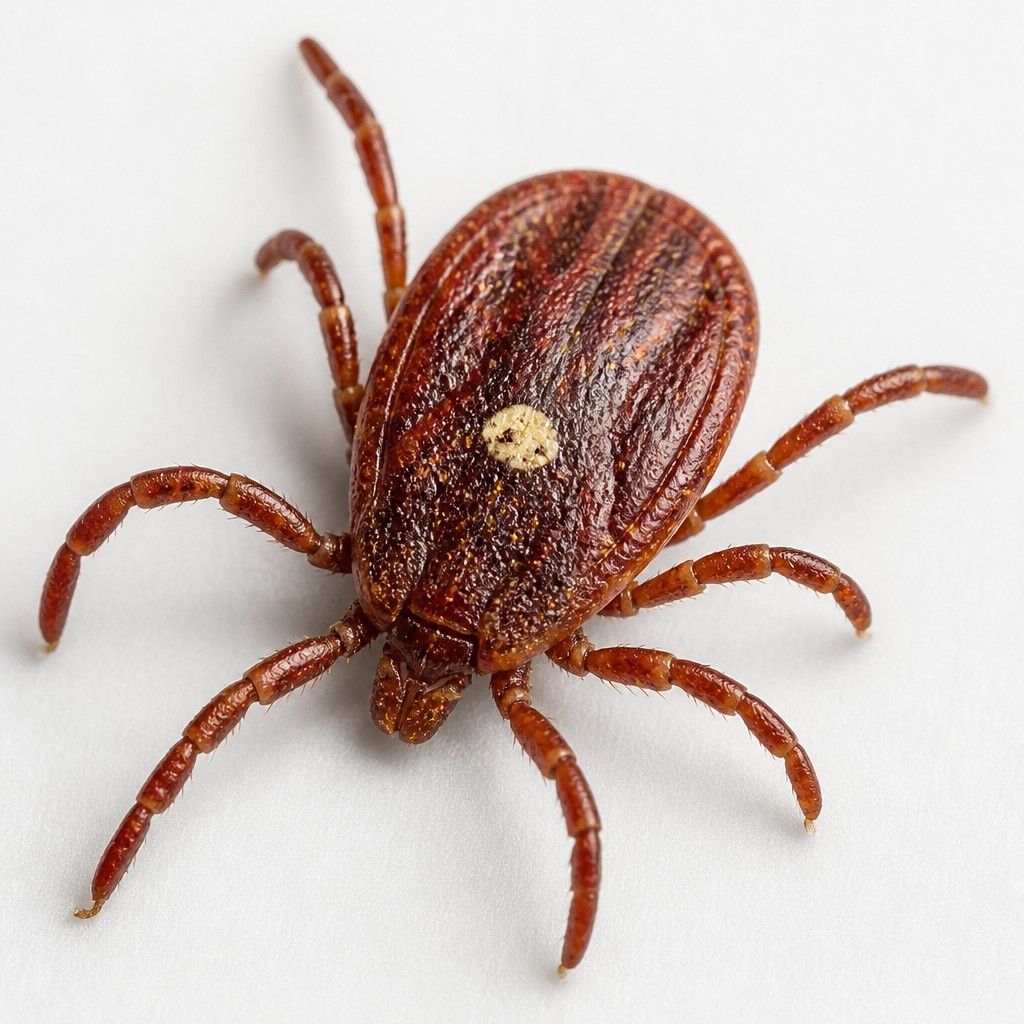
Lone Star Tick
Named for the single silvery-white spot on the back of the adult female, the lone star tick is unusually active for a tick, moving toward hosts rather than simply waiting for them to pass. Its reddish-brown, ornamented body makes it one of the easier North American ticks to identify at a glance.
arachnid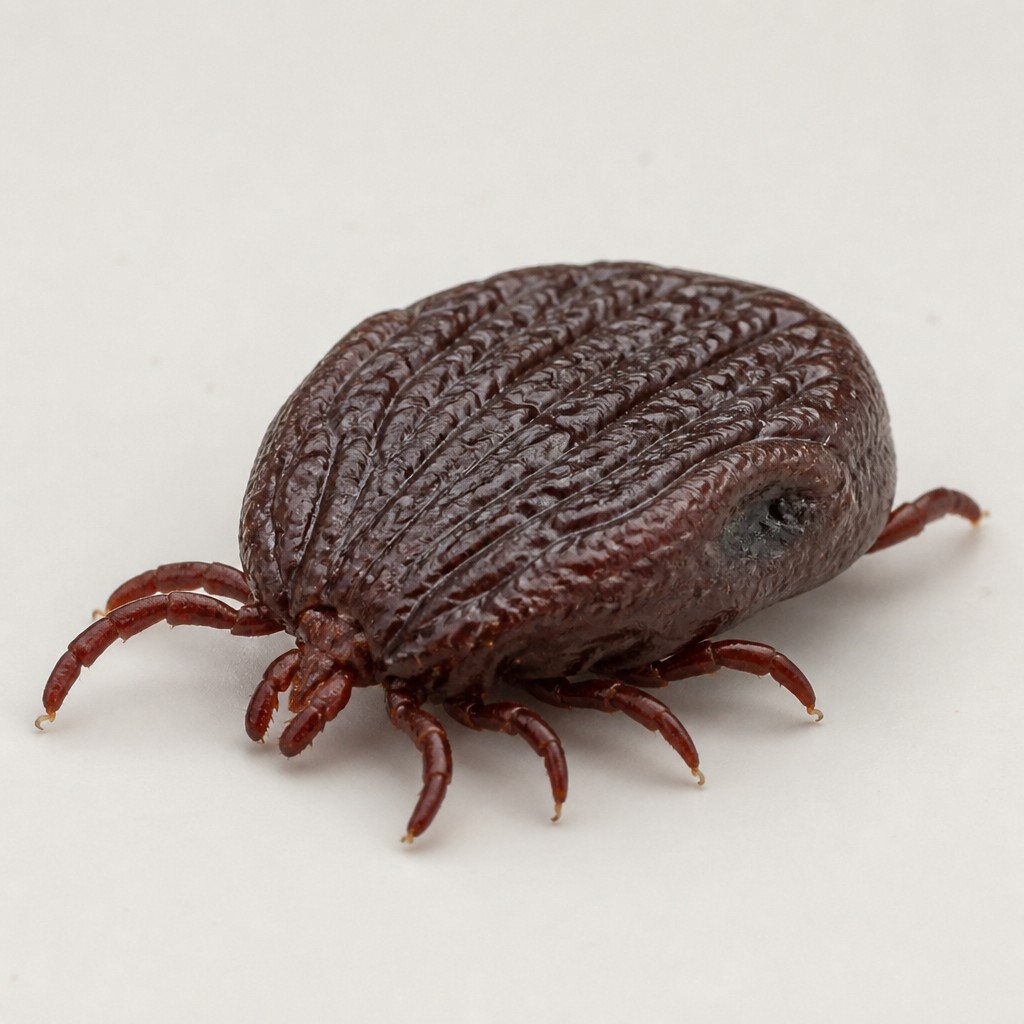
Soft Tick
A wrinkled, leathery, bean-shaped tick that hides by day in nests and cracks, emerging briefly at night to feed and then vanish again.
arachnid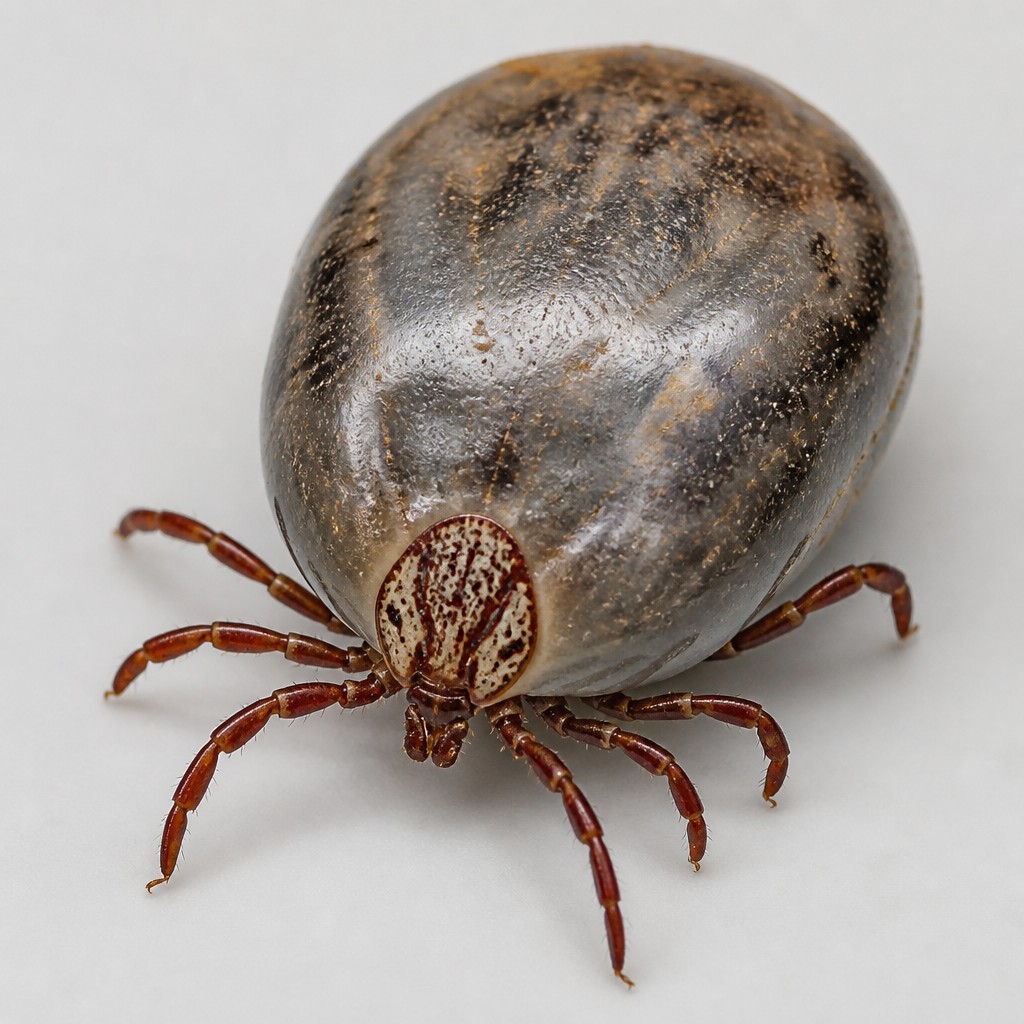
Wood Tick
A flattened, ornately patterned tick that waits on low brush in the Rocky Mountain foothills, ready to grab onto large mammals passing within reach. Its mottled, shield-marked back makes it one of the more distinctive North American ticks to identify.
arachnid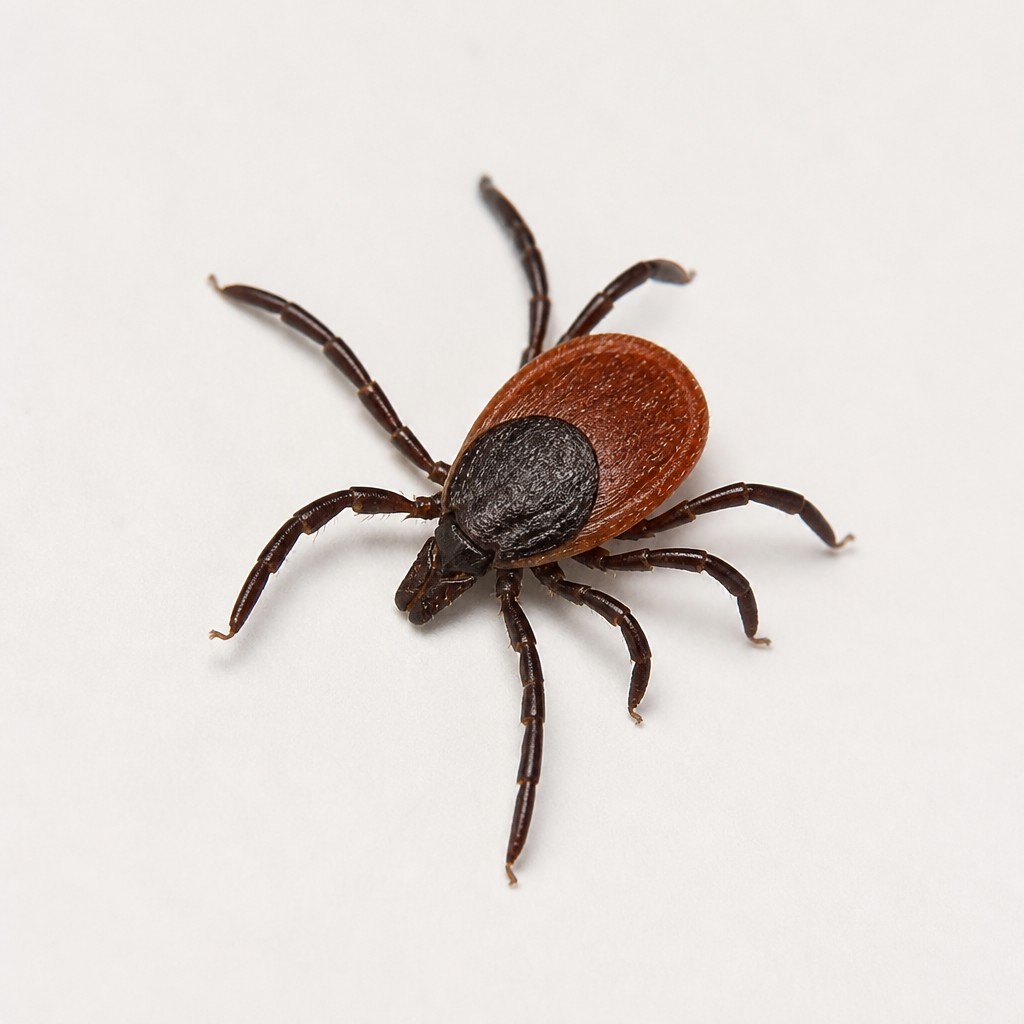
Deer Tick
A small, dark-legged tick with a reddish-brown, teardrop-shaped body, noticeably smaller than many other common tick species and often found questing in wooded or grassy edge habitats.
arachnid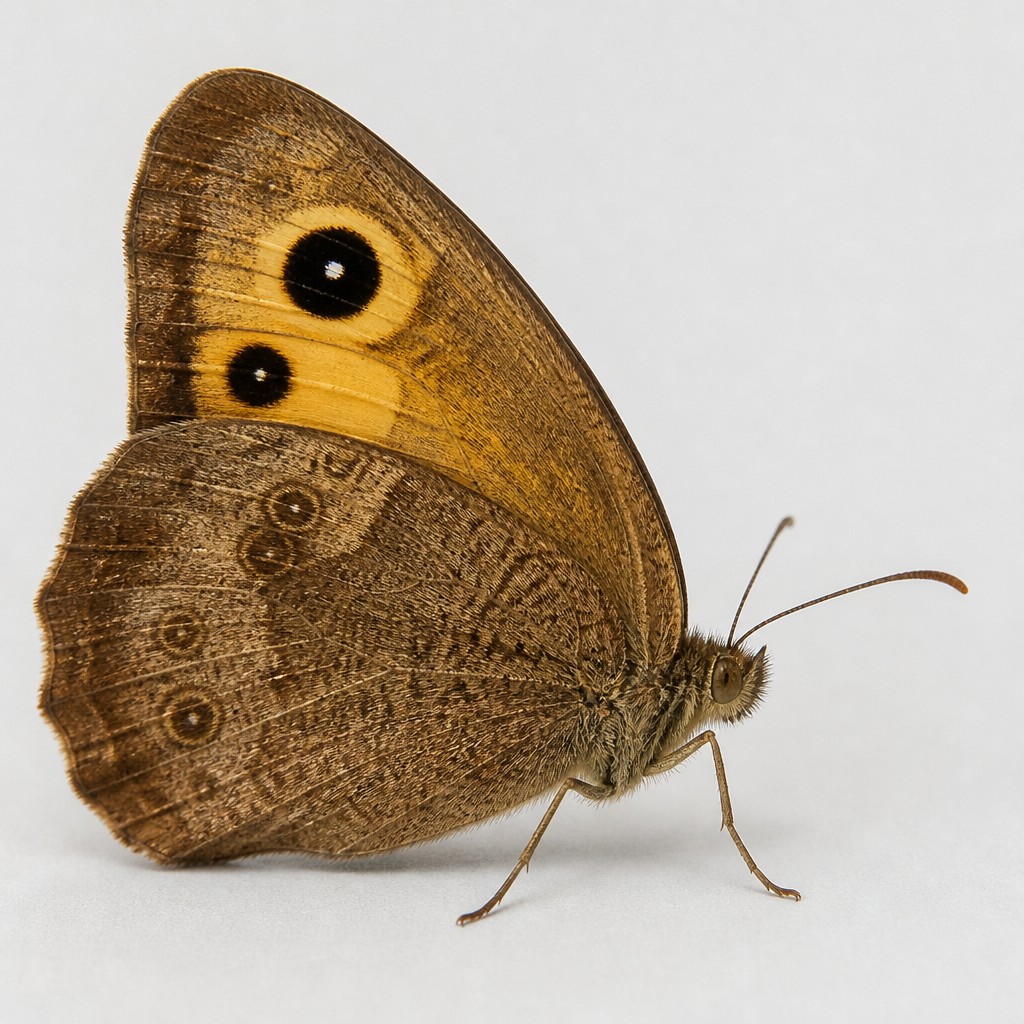
Common Wood-Nymph
A large brown grassland butterfly with a bold yellow patch and one or two prominent black eyespots on the forewing, known for its bouncing, low-to-the-ground flight.
butterfly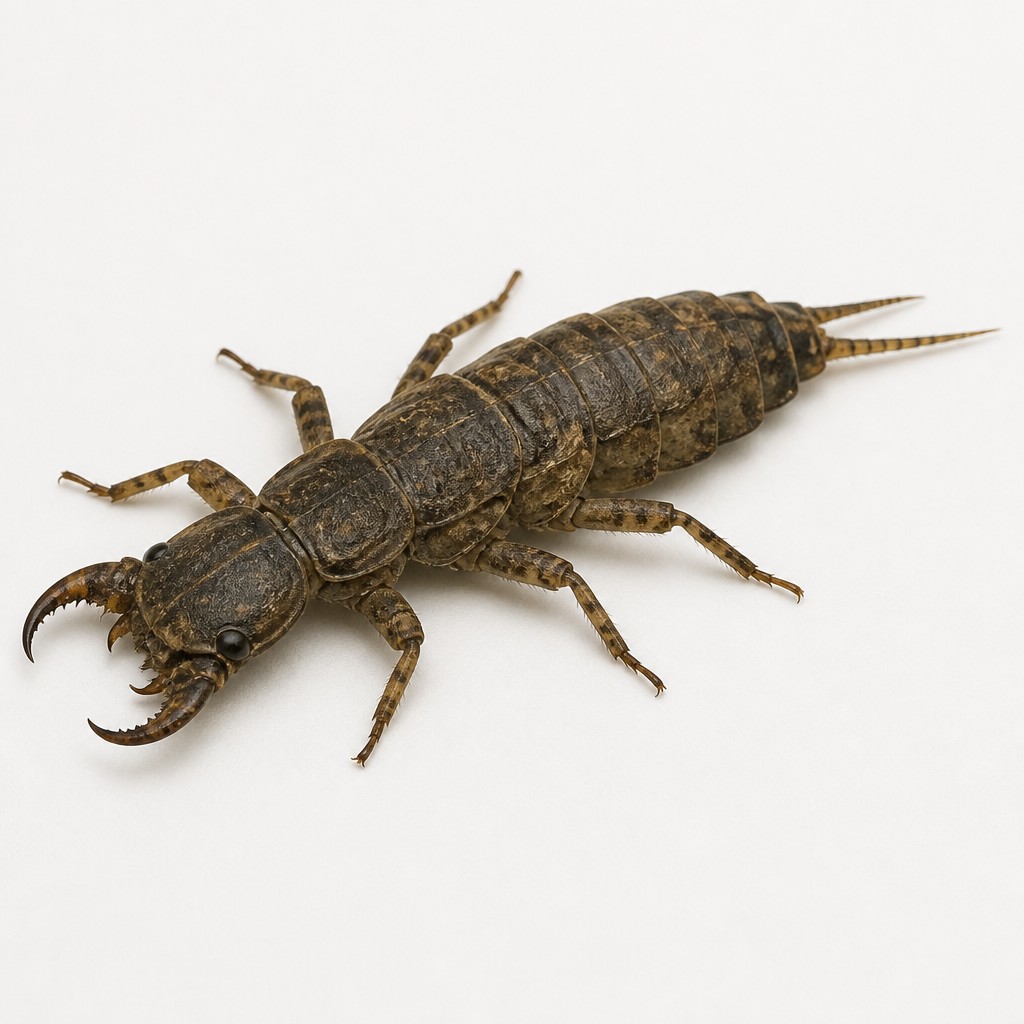
Fishfly Larva
A flattened, armor-plated predator of stream bottoms, the fishfly larva spends one to three years underwater seizing prey with sickle-shaped jaws before briefly taking wing as a short-lived winged adult.
aquatic-insect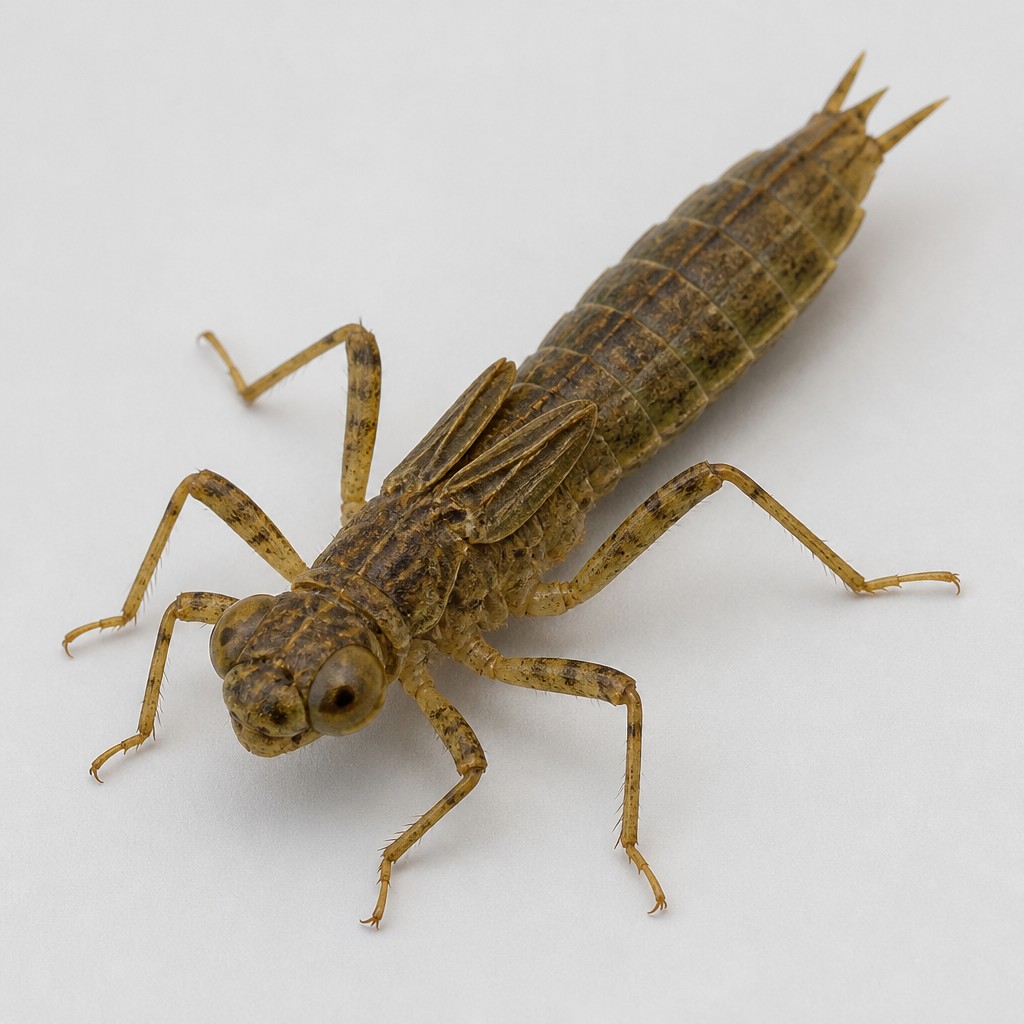
Dragonfly Nymph
A stocky, camouflaged underwater predator that spends months or years stalking prey along the pond bottom before transforming into an aerial dragonfly.
aquatic-insect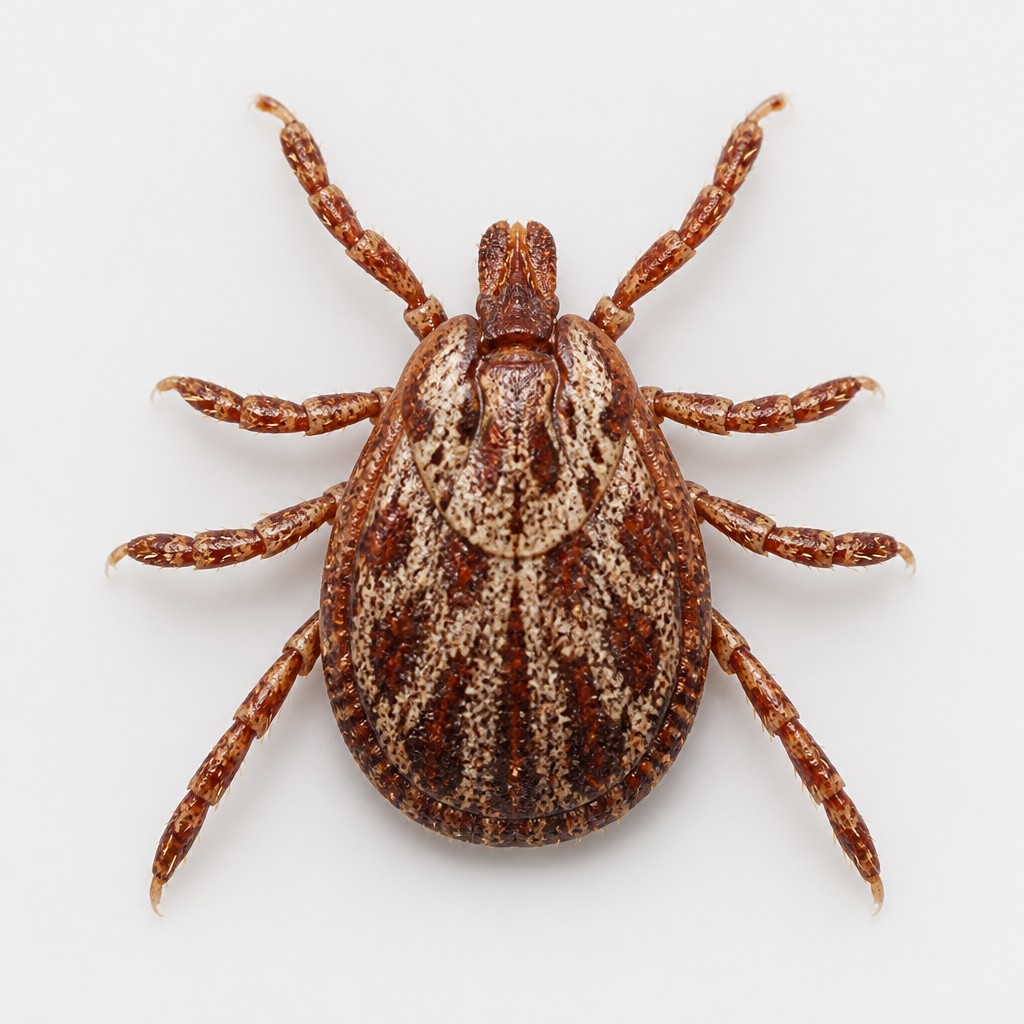
Rocky Mountain Wood Tick
A robust, ornately patterned tick of the western mountains that clings to shrubs and grasses waiting to grab a passing mammal.
arachnid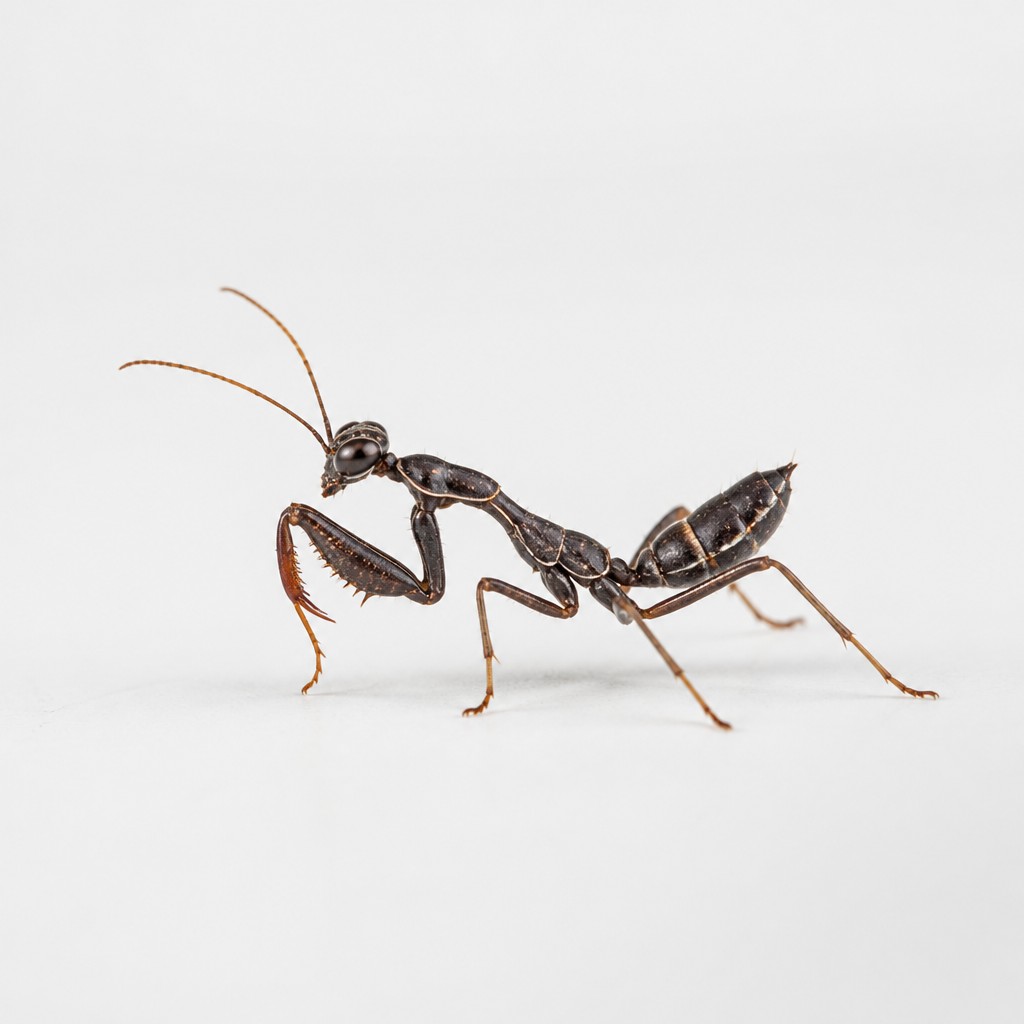
Ant-mimicking Mantis
As a tiny nymph, this mantis moves in quick, jerky bursts to imitate a scurrying ant, a clever disguise it gradually sheds as it grows into a typical-looking adult mantis.
mantis-stick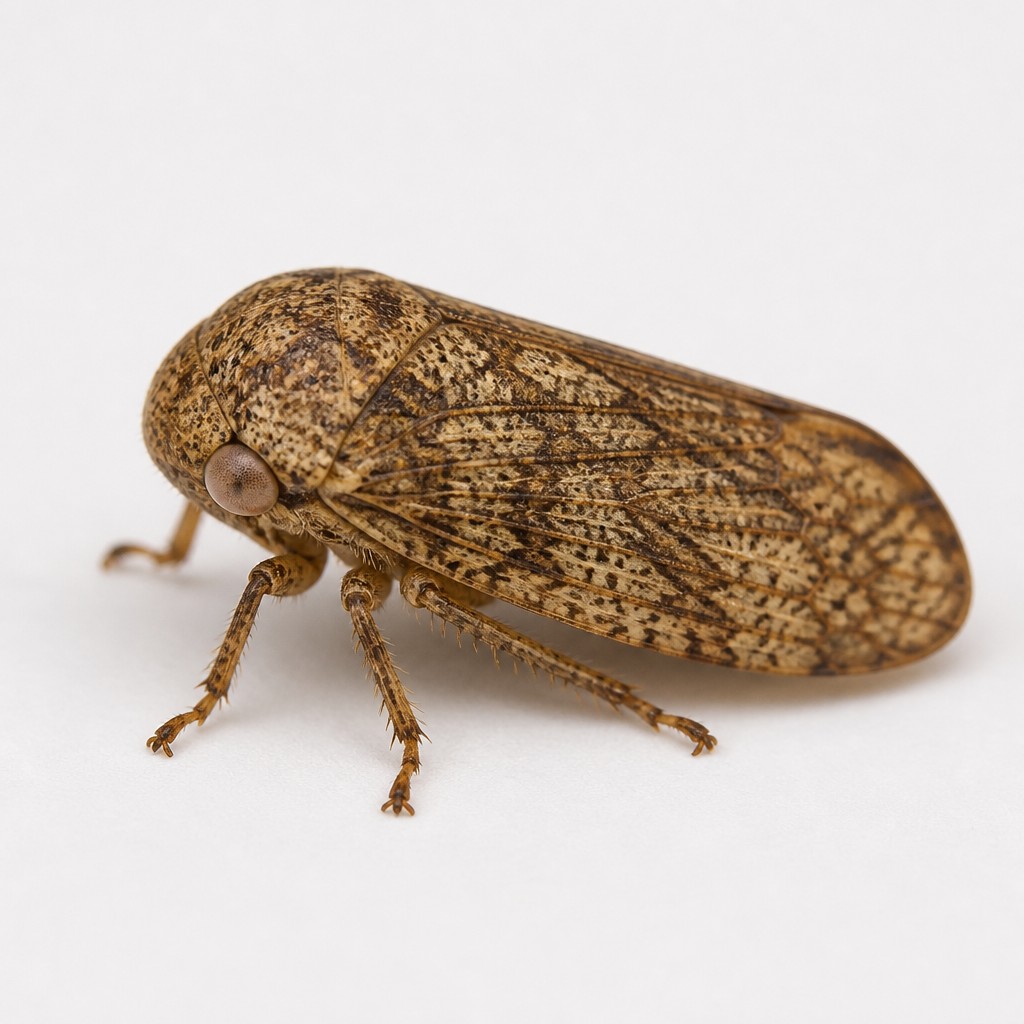
Meadow Spittlebug
A small, mottled hopping true bug whose immature nymphs are far more often noticed than the adults, hidden inside frothy blobs of white foam known as cuckoo spit on plant stems.
true-bug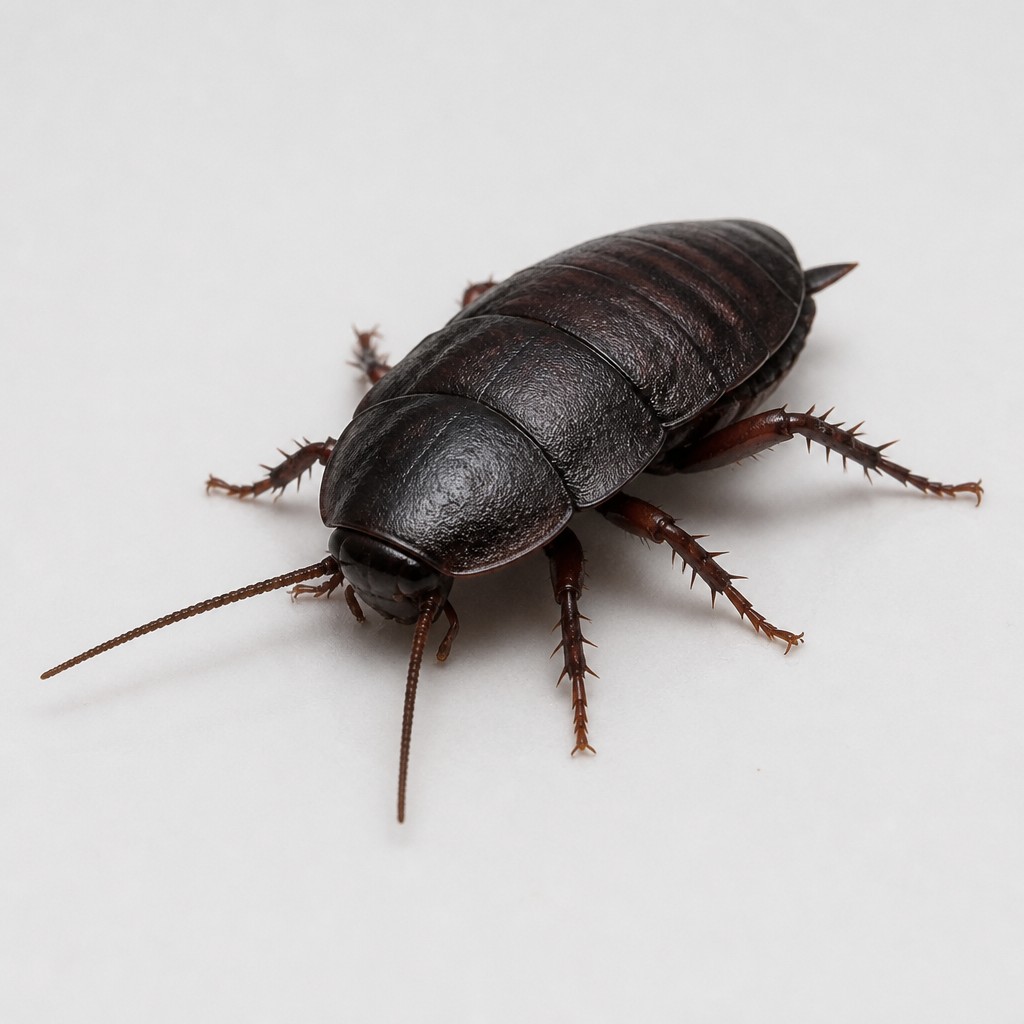
Oriental Cockroach
A dark, matte blackish-brown cockroach with short wings that do not cover the abdomen, especially in females, and a preference for cooler, damper hiding spots than most other common cockroaches.
other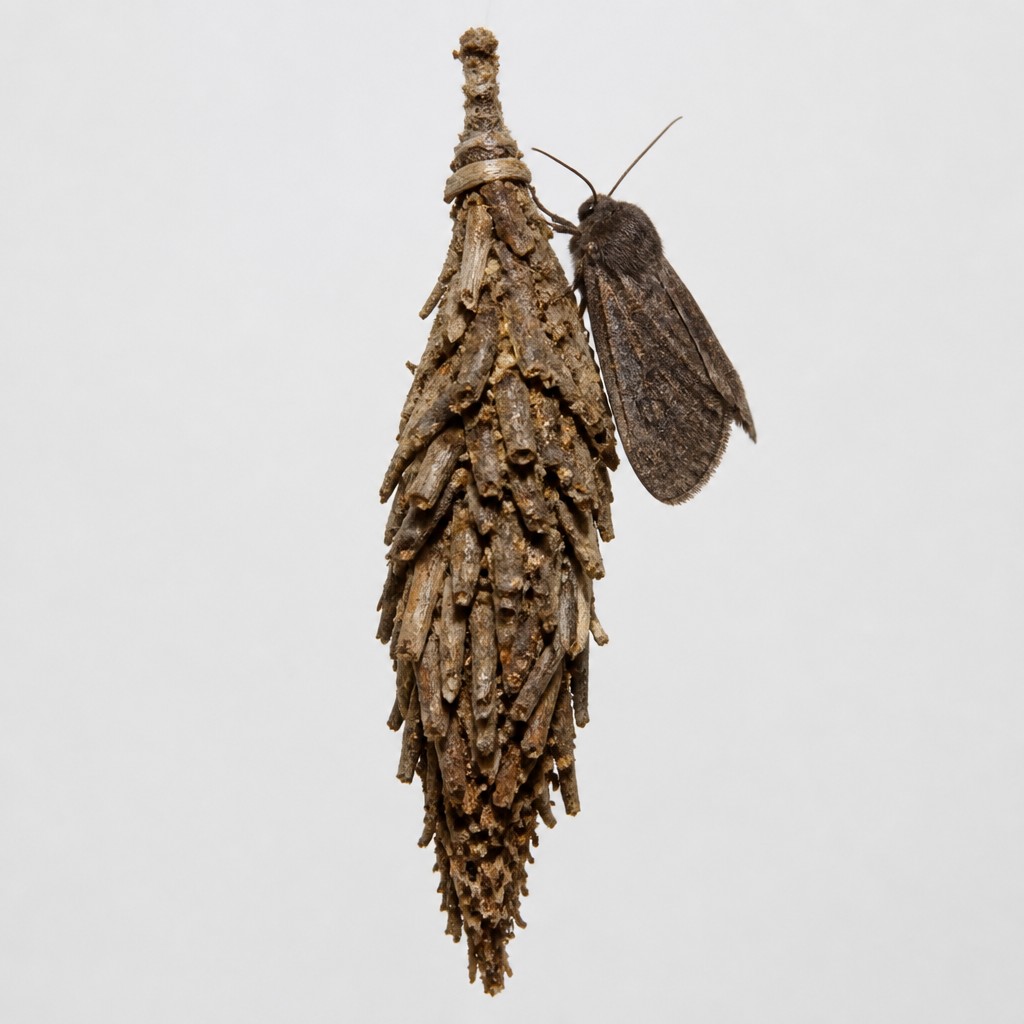
Bagworm Moth
A moth best known for its larva's habit of constructing and living inside a spindle-shaped case of silk and plant debris that hangs from twigs, with adult males a plain sooty-winged moth and females remaining wingless and grub-like inside the bag for life.
moth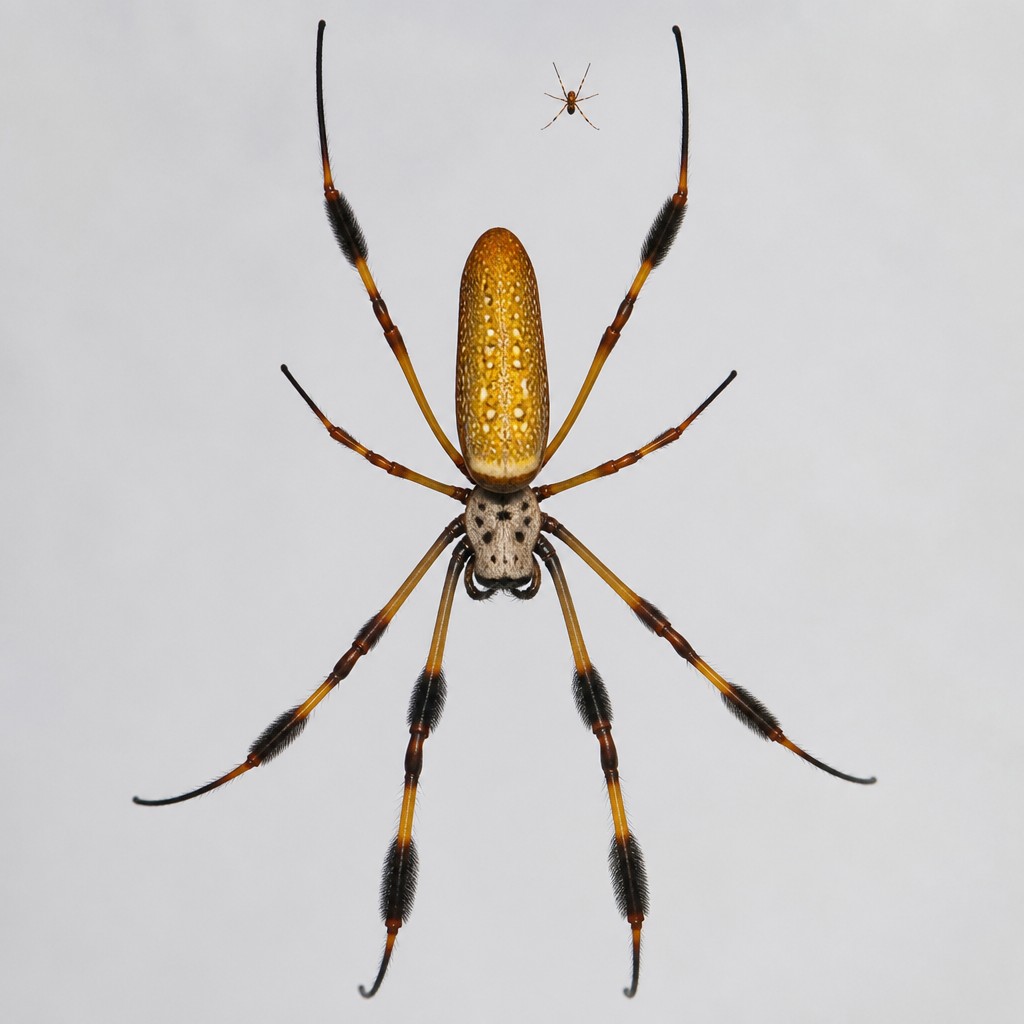
Golden Silk Orb-Weaver Spider
Famous for spinning enormous webs of shimmering golden silk, the golden silk orb-weaver is a large, long-legged spider of warm climates. Females dwarf the tiny males and hang head-down in their sprawling snares.
spider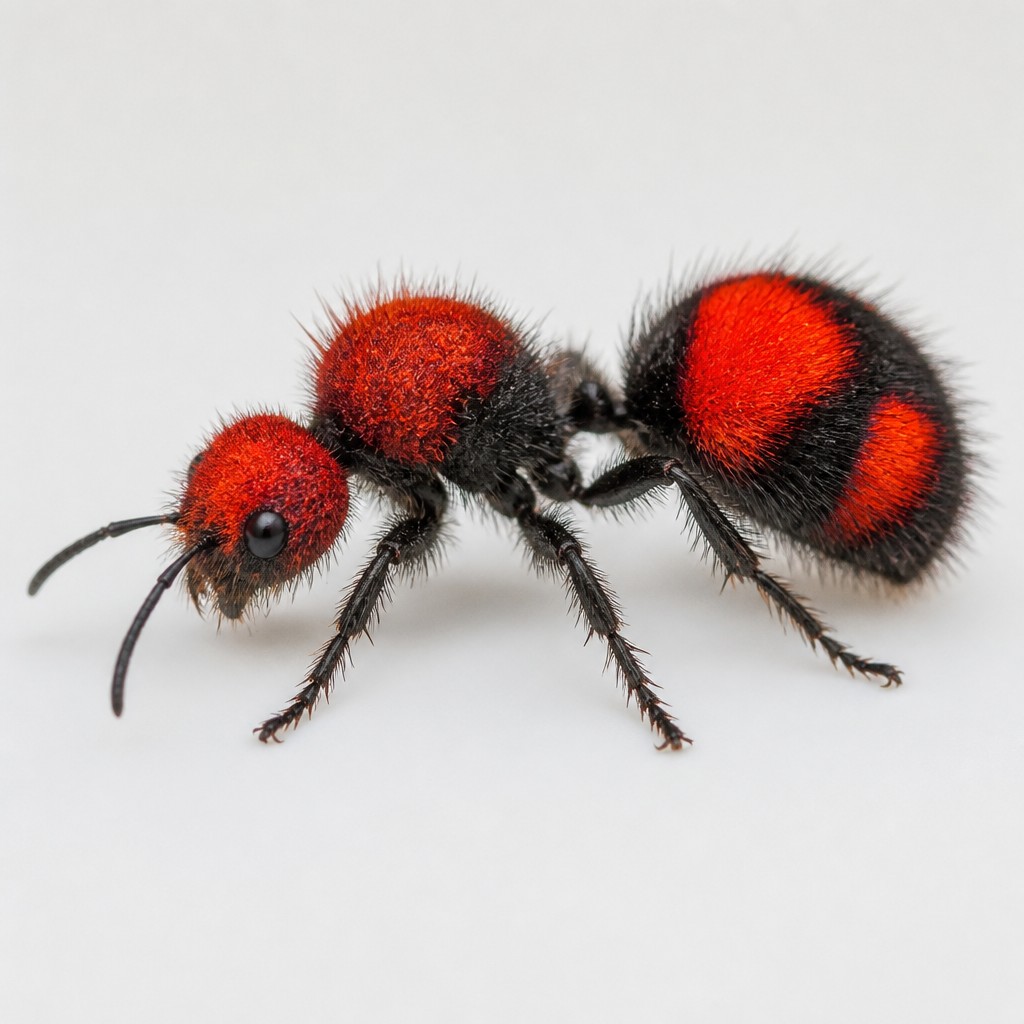
Velvet Ant
A densely fuzzy, brightly colored insect that looks like an oversized ant but is actually a wingless female wasp, instantly recognizable by its thick coat of red, orange, black, or white hair.
wasp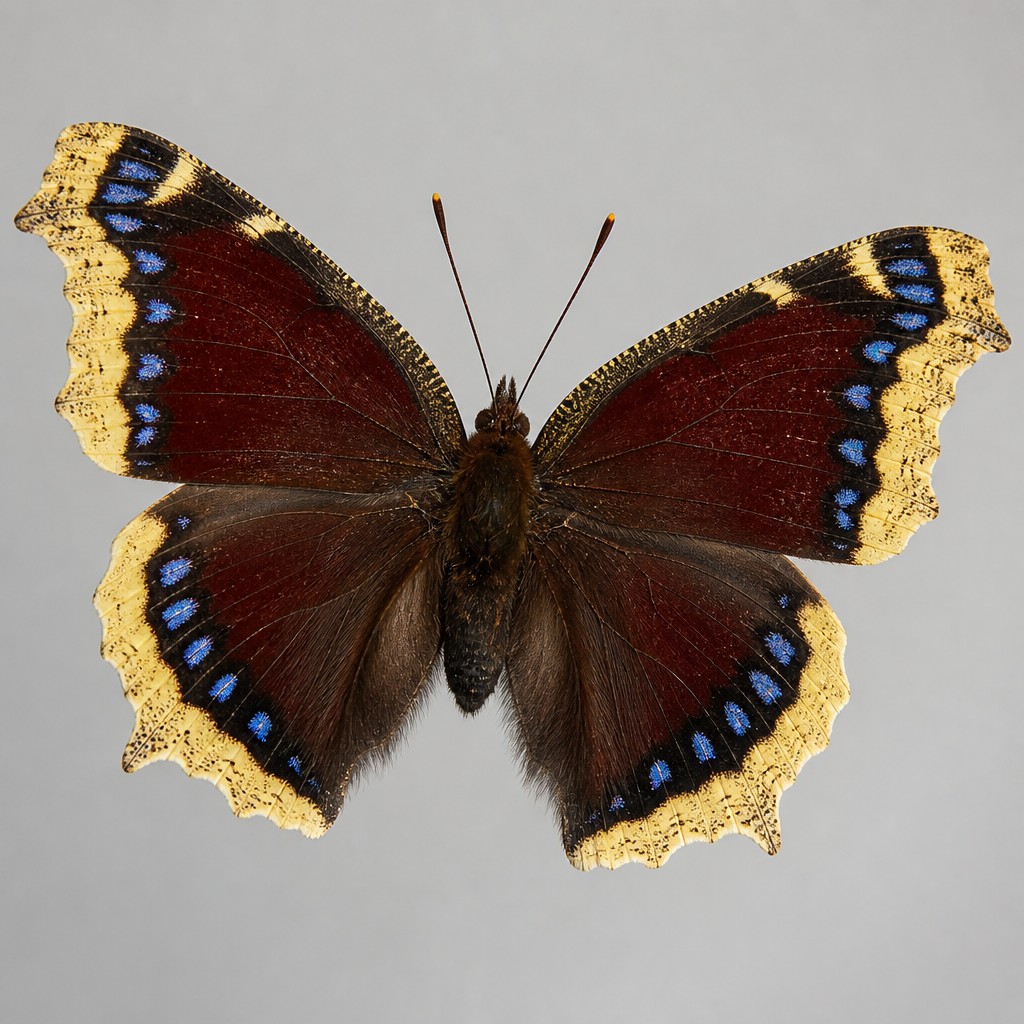
Mourning Cloak Butterfly
A deep maroon-brown butterfly bordered with a cream-yellow band and a row of iridescent blue spots, unusual among butterflies for overwintering as an adult and being one of the first to appear in early spring.
butterfly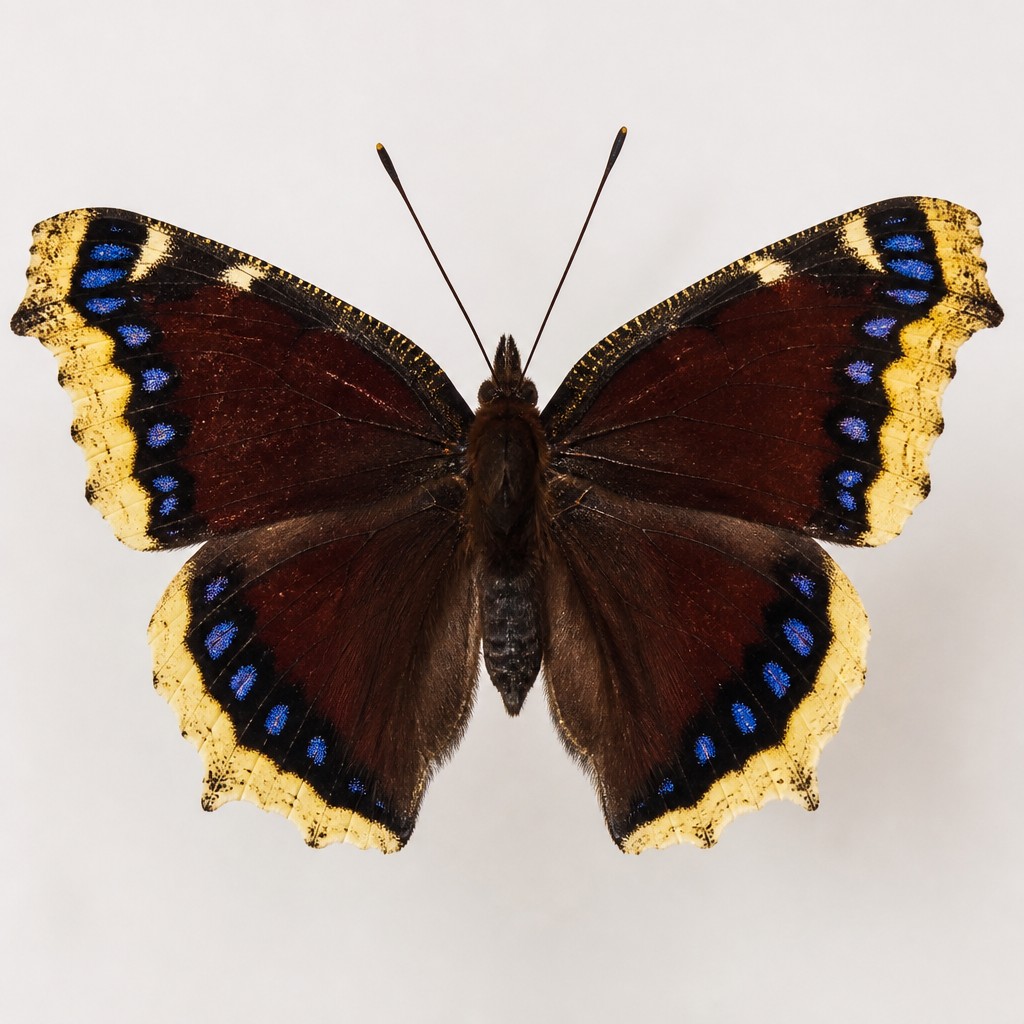
Mourning Cloak
A dark, velvety maroon-brown butterfly edged with a ragged cream-yellow border and a row of iridescent blue spots, notable for overwintering as an adult and often being one of the very first butterflies seen flying in early spring.
butterfly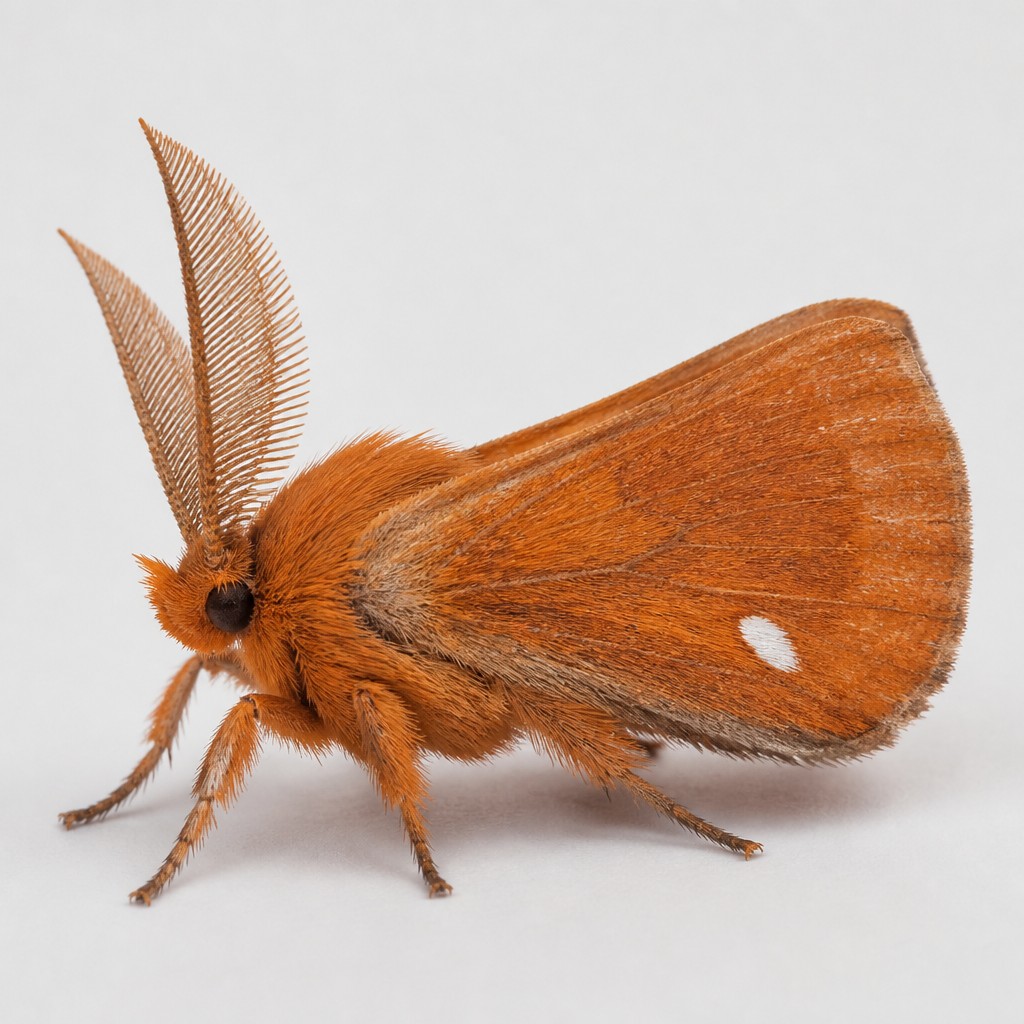
Vapourer Moth
A small tussock moth with striking sexual dimorphism: rusty-orange, day-flying males with feathery antennae contrast with flightless, grub-like grey females that never leave their cocoon to lay eggs.
moth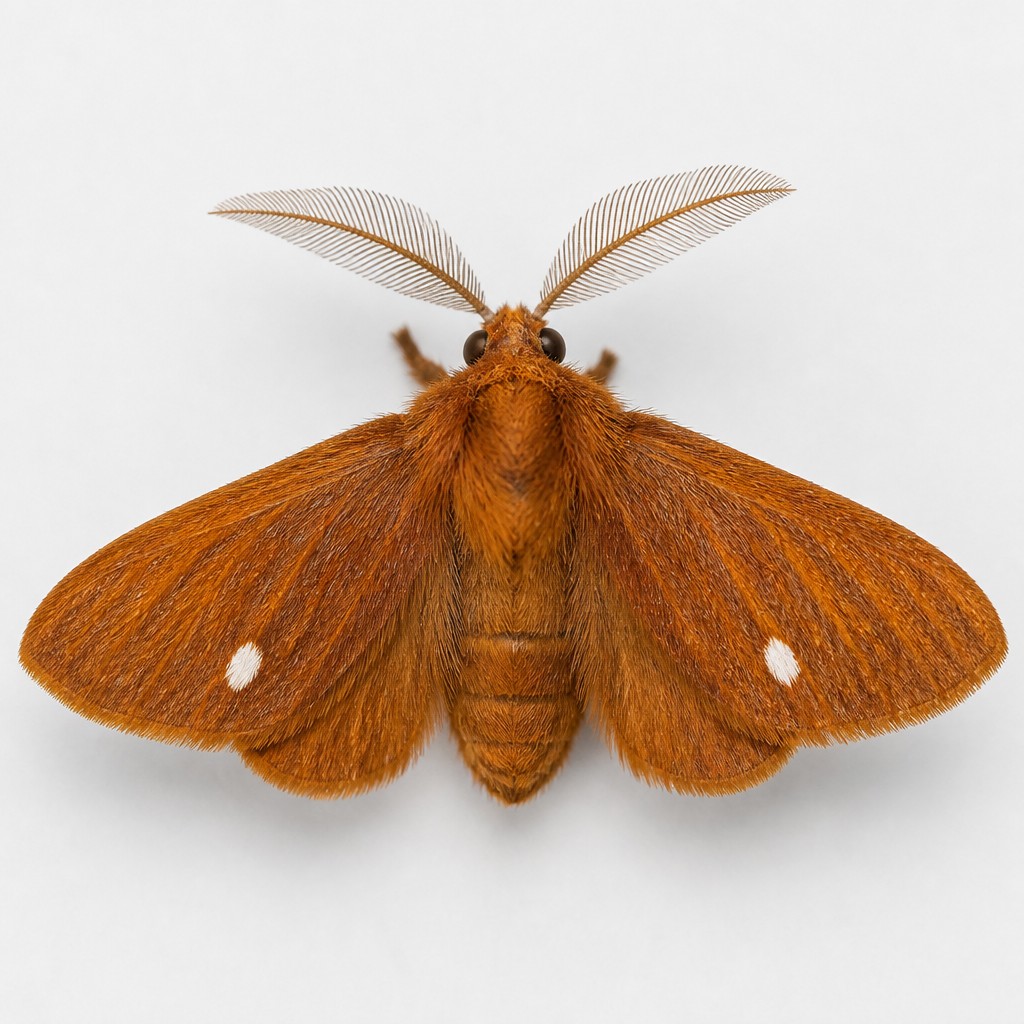
Vaporer Moth
A tussock moth with dramatic sexual differences: the male is a small rusty-brown day-flying moth with a white wing spot, while the female is a flightless, wingless gray sac-like insect that never leaves her cocoon.
moth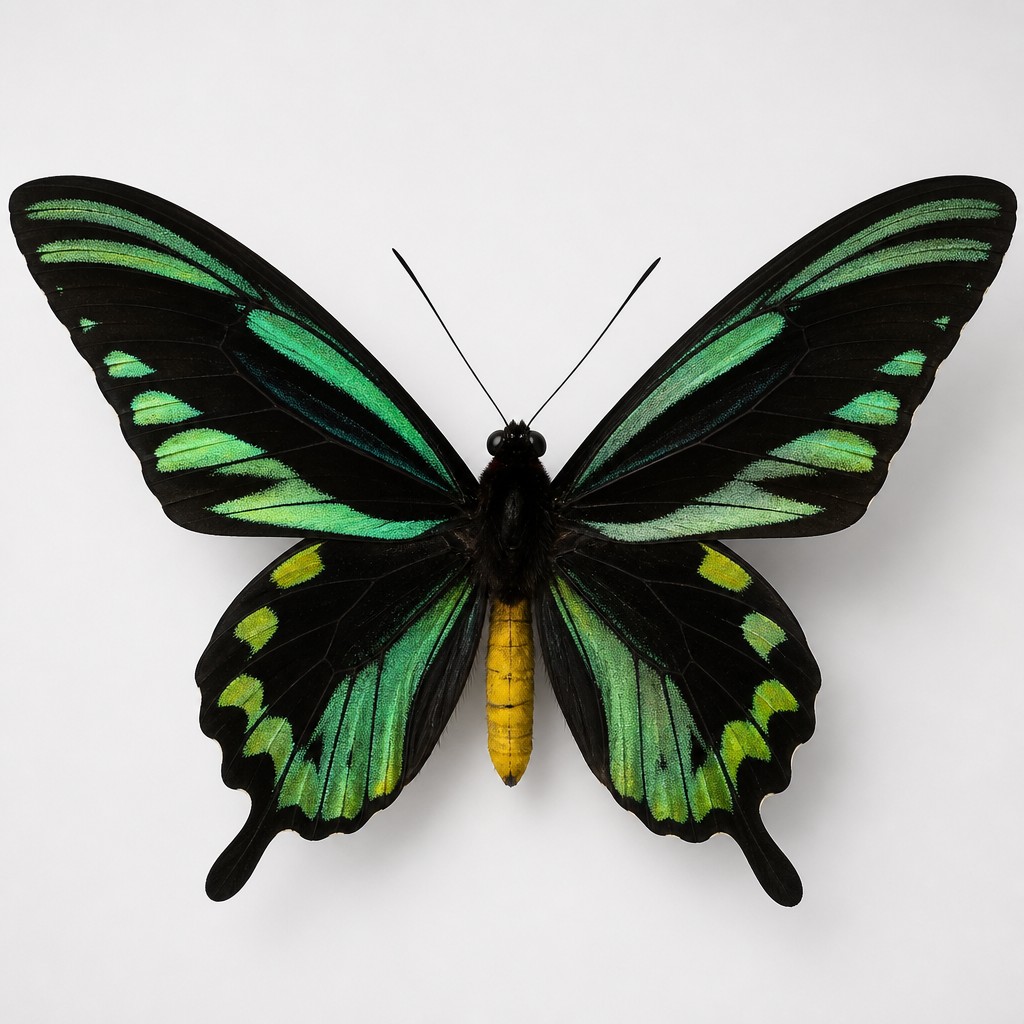
Birdwing Butterfly
Among the largest butterflies on Earth, birdwings soar through rainforest canopies on angular, bird-like wings. Males dazzle with iridescent greens, golds, and blues, while the larger females wear more subdued browns.
butterfly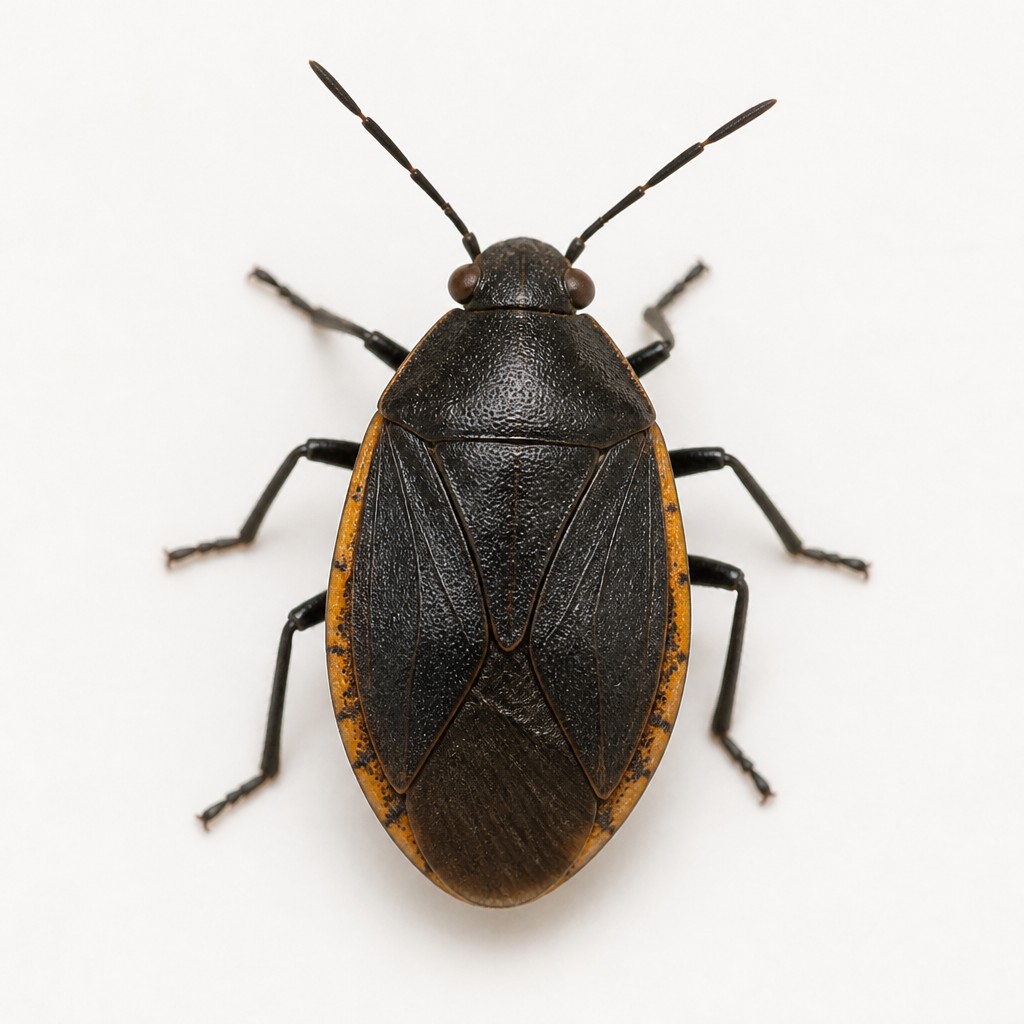
Bordered Plant Bug
A dark, oval-bodied true bug with a distinct pale margin around its wing edges, often mistaken for a large ant or beetle when its nymphs cluster together in tight groups.
true-bug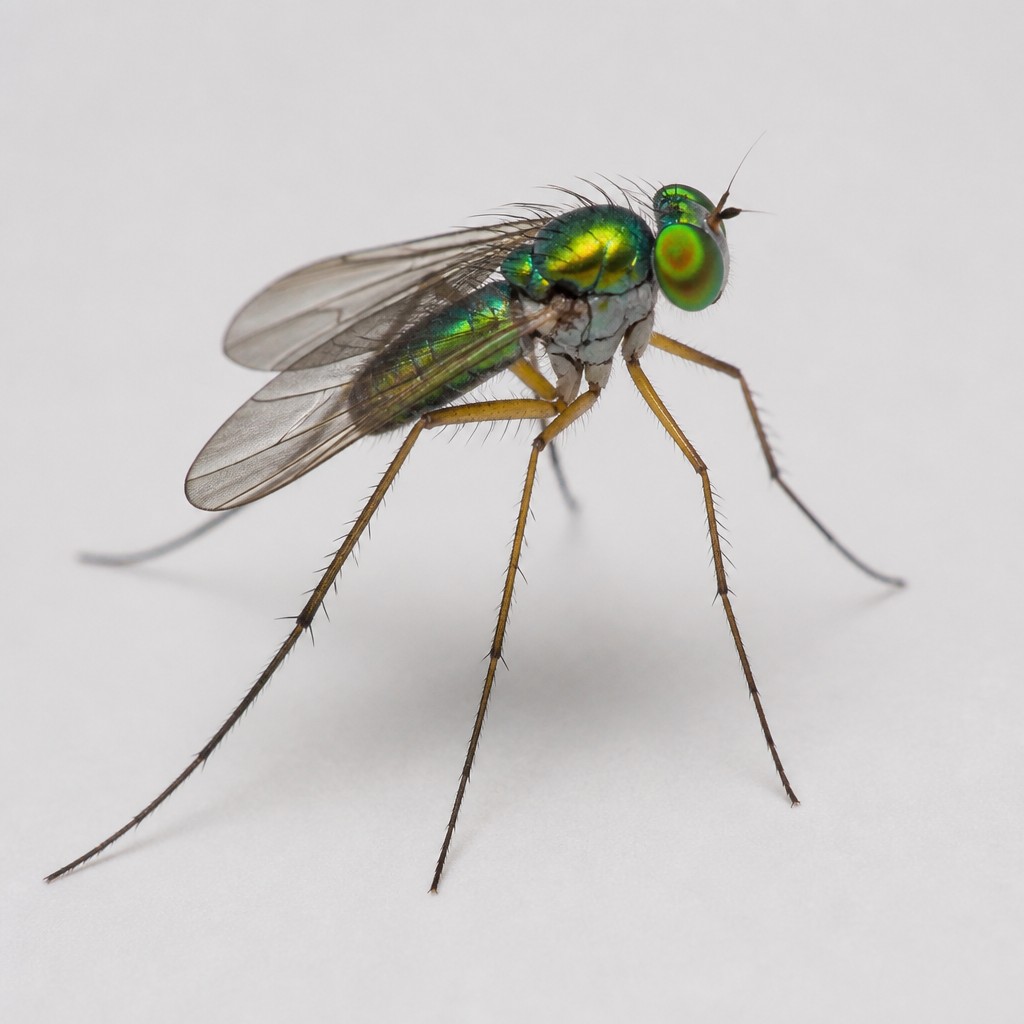
Long-Legged Fly
A jewel-bright little fly that flashes metallic green, blue, or bronze in the sunlight as it darts across leaves on comically long, stilt-like legs, pausing to perform quick territorial displays. Both adults and larvae are active hunters of even smaller insects, making this tiny fly a useful predator in gardens and wetlands alike.
fly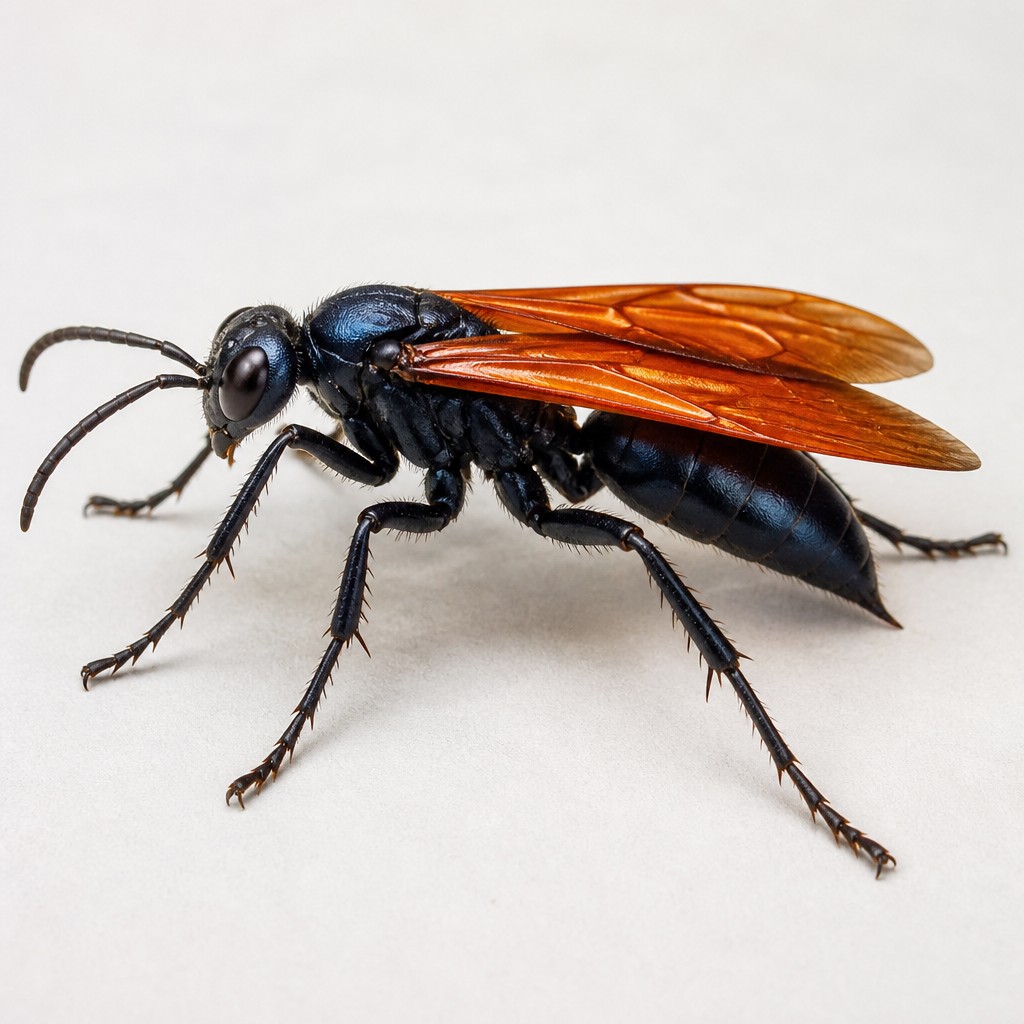
Tarantula Hawk Wasp
A giant metallic-blue wasp with rust-orange wings, the tarantula hawk is one of the largest wasps in the world. Females hunt tarantulas as living food for their single offspring.
wasp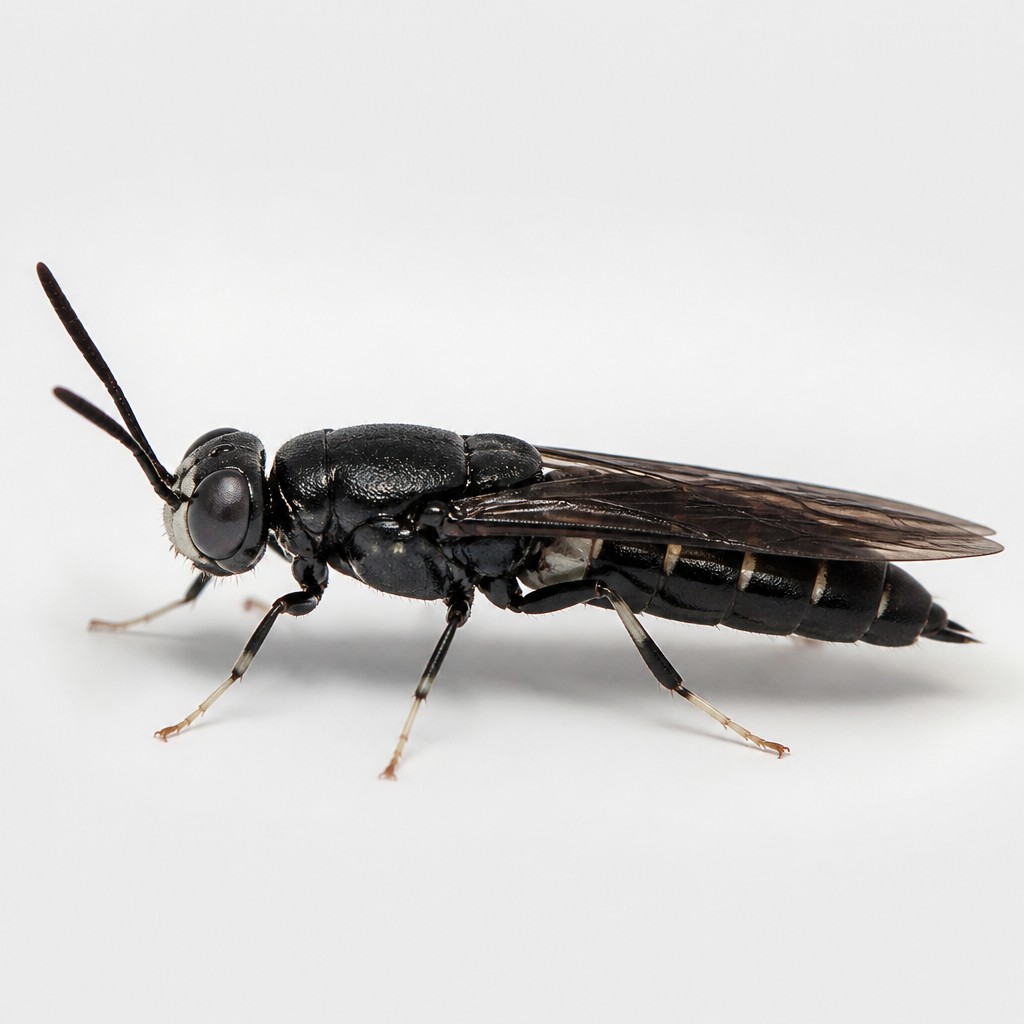
Black Soldier Fly
A sleek, dark, wasp-like fly whose larvae are voracious decomposers of decaying organic material, while the short-lived adults do not feed at all.
fly