
Bug Encyclopedia
Search and identify bugs & insects — beetles, butterflies, moths, ants, bees, spiders and more — with size, habitat, danger, behavior, and how to tell them apart.
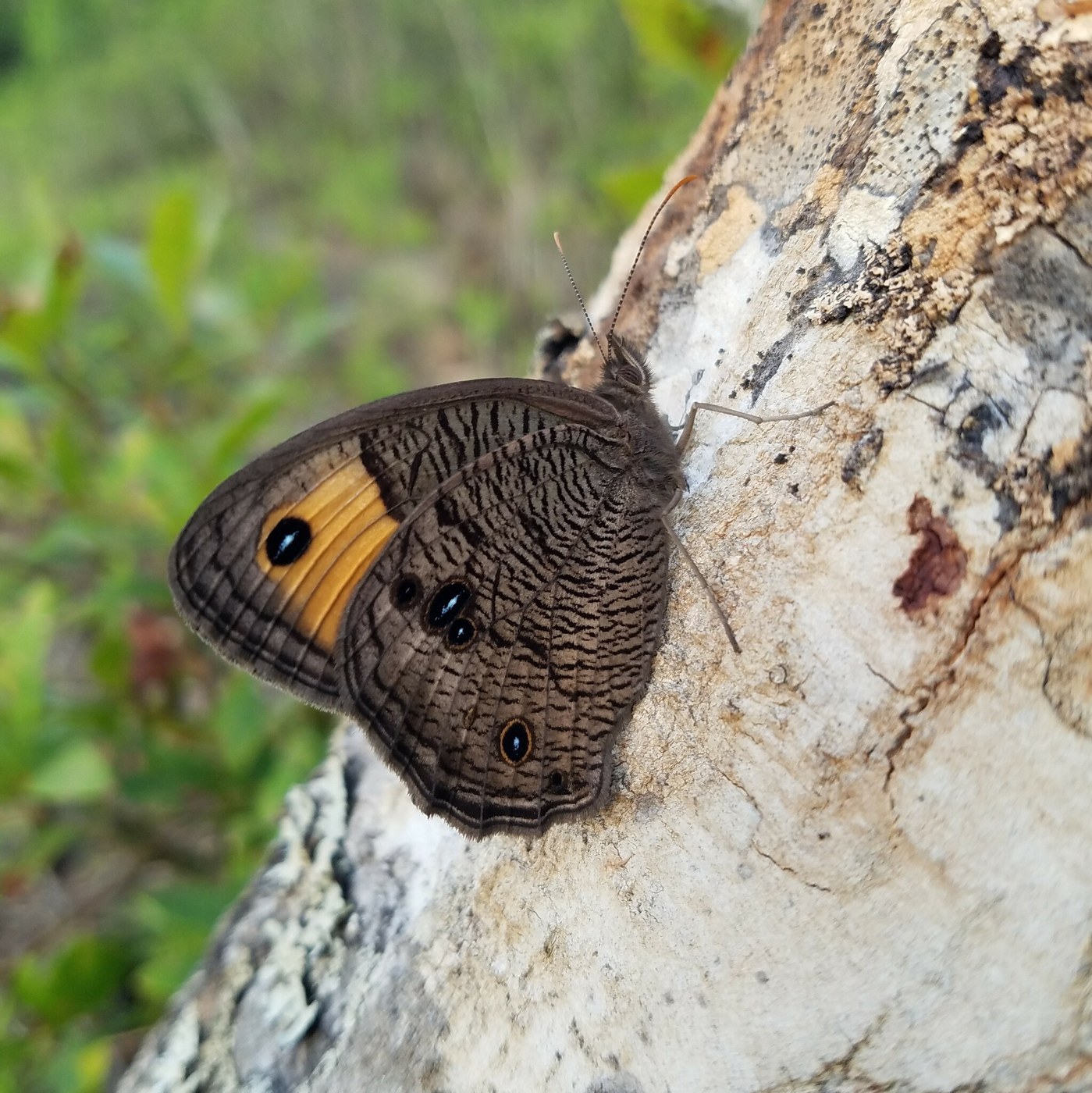
Common Wood-Nymph
A large brown grassland butterfly with a bold yellow patch and one or two prominent black eyespots on the forewing, known for its bouncing, low-to-the-ground flight.
butterfly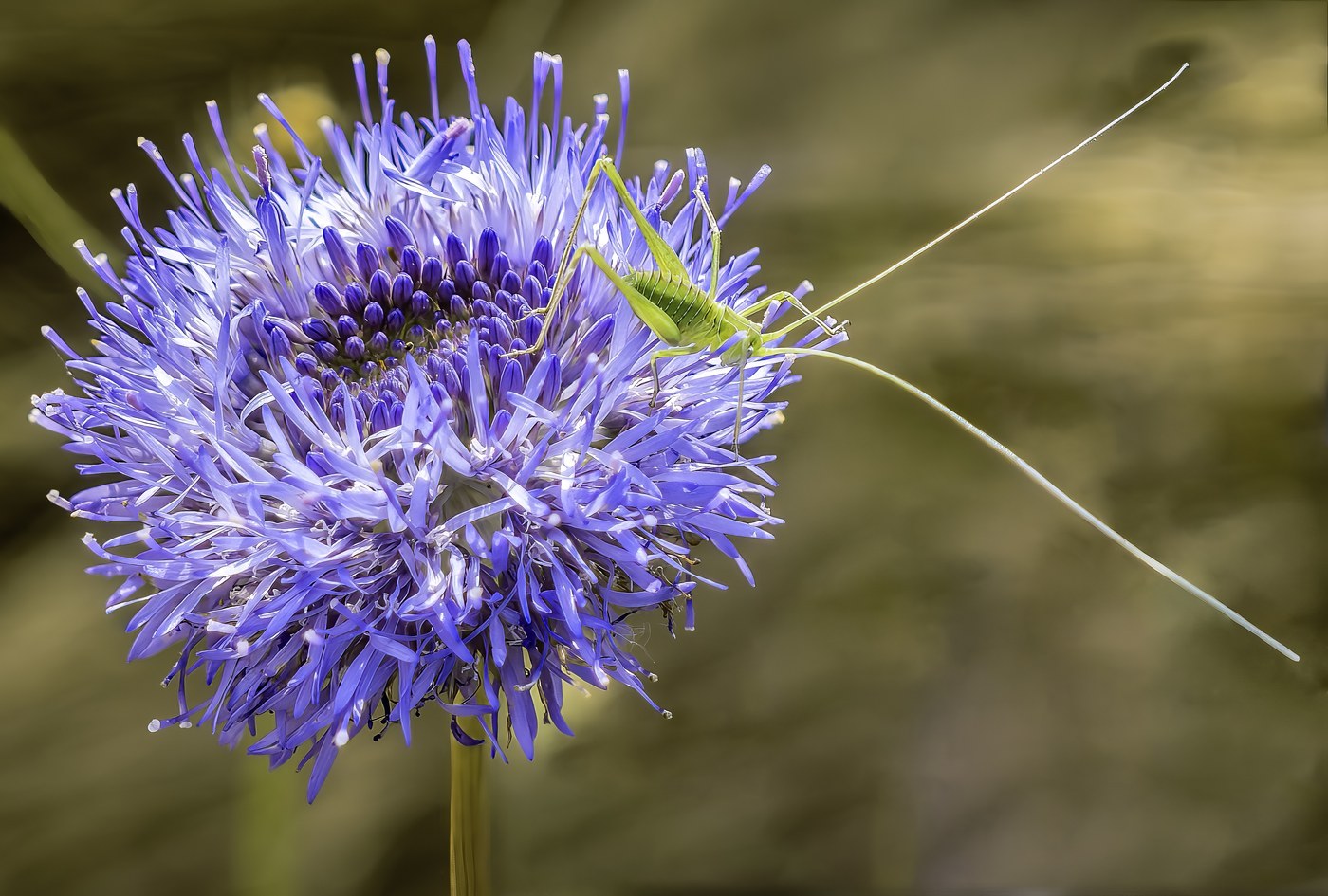
Great Green Bush Cricket
Europe's largest bush cricket, this brilliant grass-green insect fills warm summer evenings with a loud, sustained buzzing call audible from a considerable distance.
grasshopper-cricket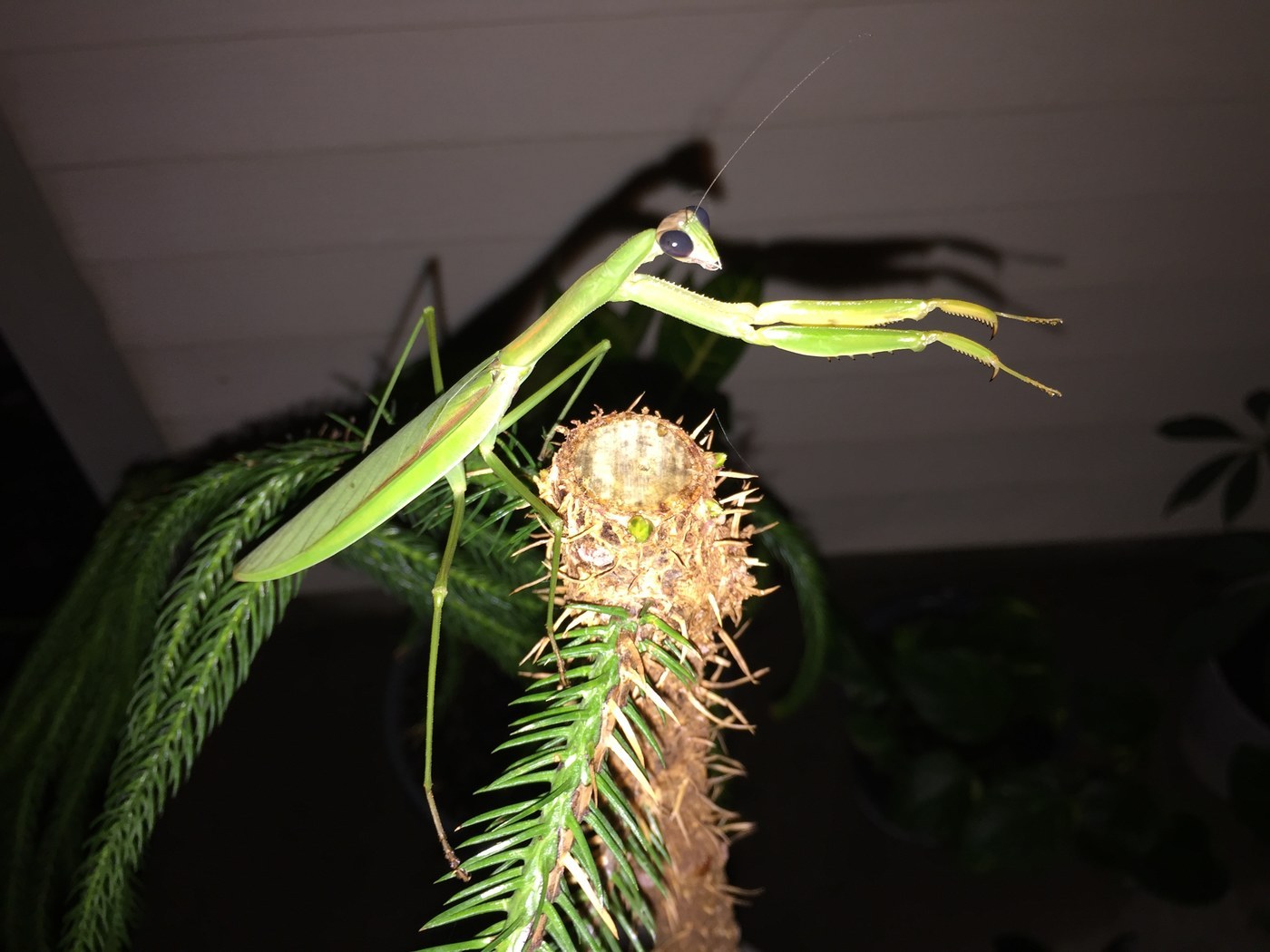
Chinese Mantis
One of the largest praying mantises found in North America, an introduced species with a lean brown-and-green body and grasping spined forelegs built for ambushing insect prey.
mantis-stickGrub Worm
A plump, C-shaped, creamy-white larva with a distinct brown head, living underground where it feeds on grass and plant roots before eventually maturing into a scarab beetle.
beetle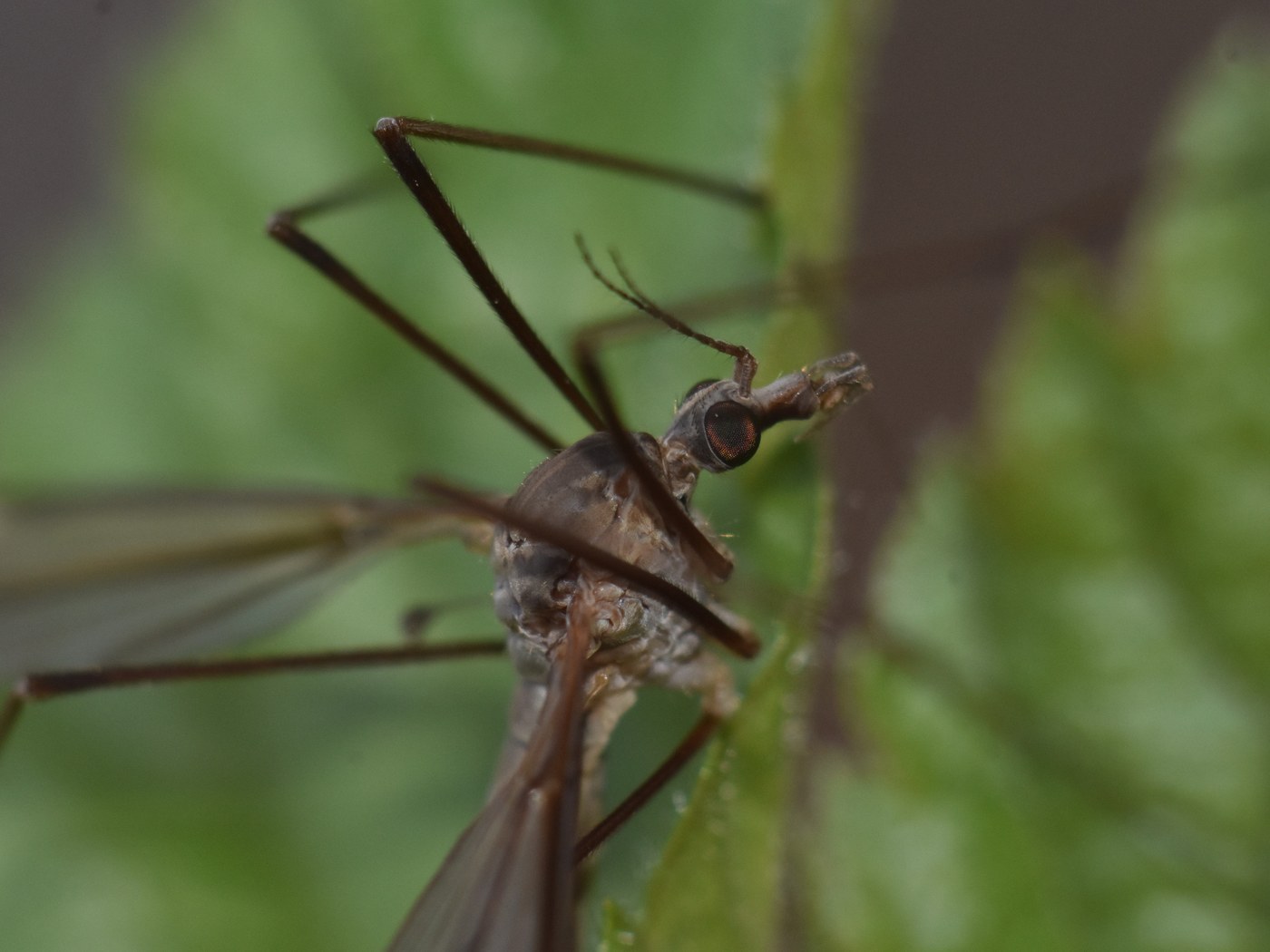
Crane Fly
A long-legged, mosquito-like fly with a slender tan or gray body and a single pair of narrow wings, often seen wobbling clumsily around outdoor lights on summer evenings.
flyIchneumon Wasp
A slender, long-antennaed parasitoid wasp, often mistaken for a giant mosquito or a stinging insect, that is best known for the extraordinarily long ovipositor some species use to drill into wood and lay eggs on hidden larvae.
wasp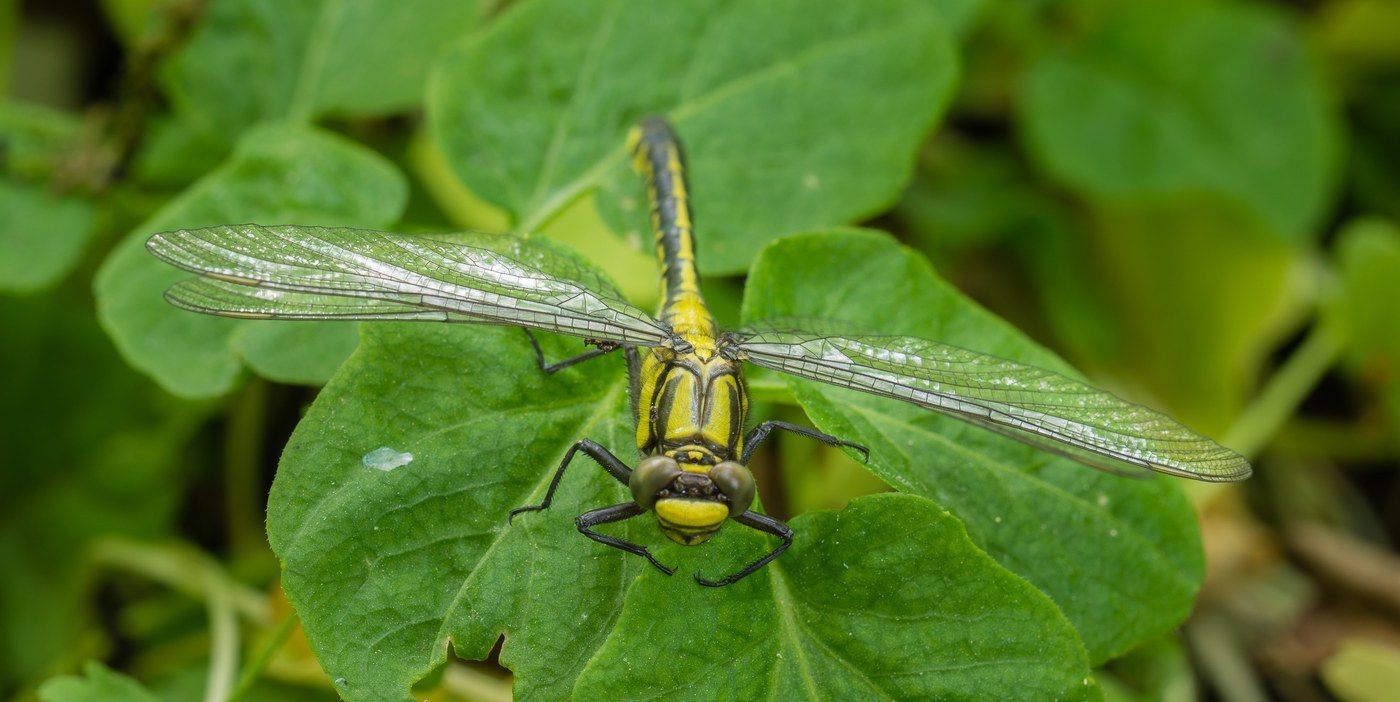
Common Clubtail
This river-loving dragonfly gets its name from the noticeably widened, club-shaped tip of its abdomen, which it displays as it rests on sunlit waterside vegetation.
dragonflyFlea Beetle
A tiny, shiny beetle that springs away like a flea when disturbed, leaving characteristic small round holes peppered across the leaves it feeds on.
beetle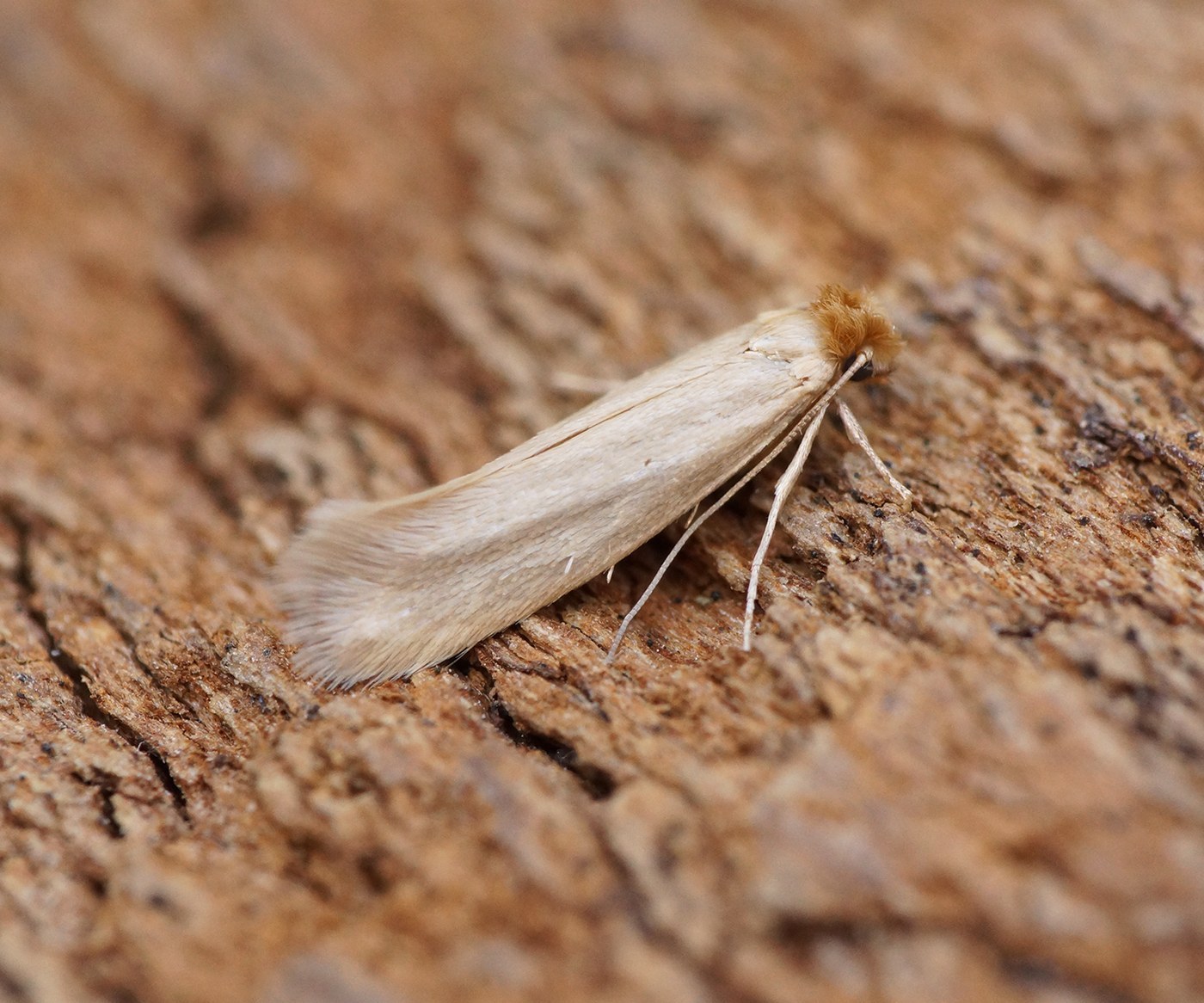
Clothes Moth
A tiny, pale golden moth that avoids light and flutters weakly from dark closets, more often noticed by the damage its larvae leave in stored fabrics than by the moth itself.
mothJune Bug
A chunky, reddish-brown to nearly black scarab beetle that bumbles noisily around porch lights on warm late-spring and early-summer evenings.
beetle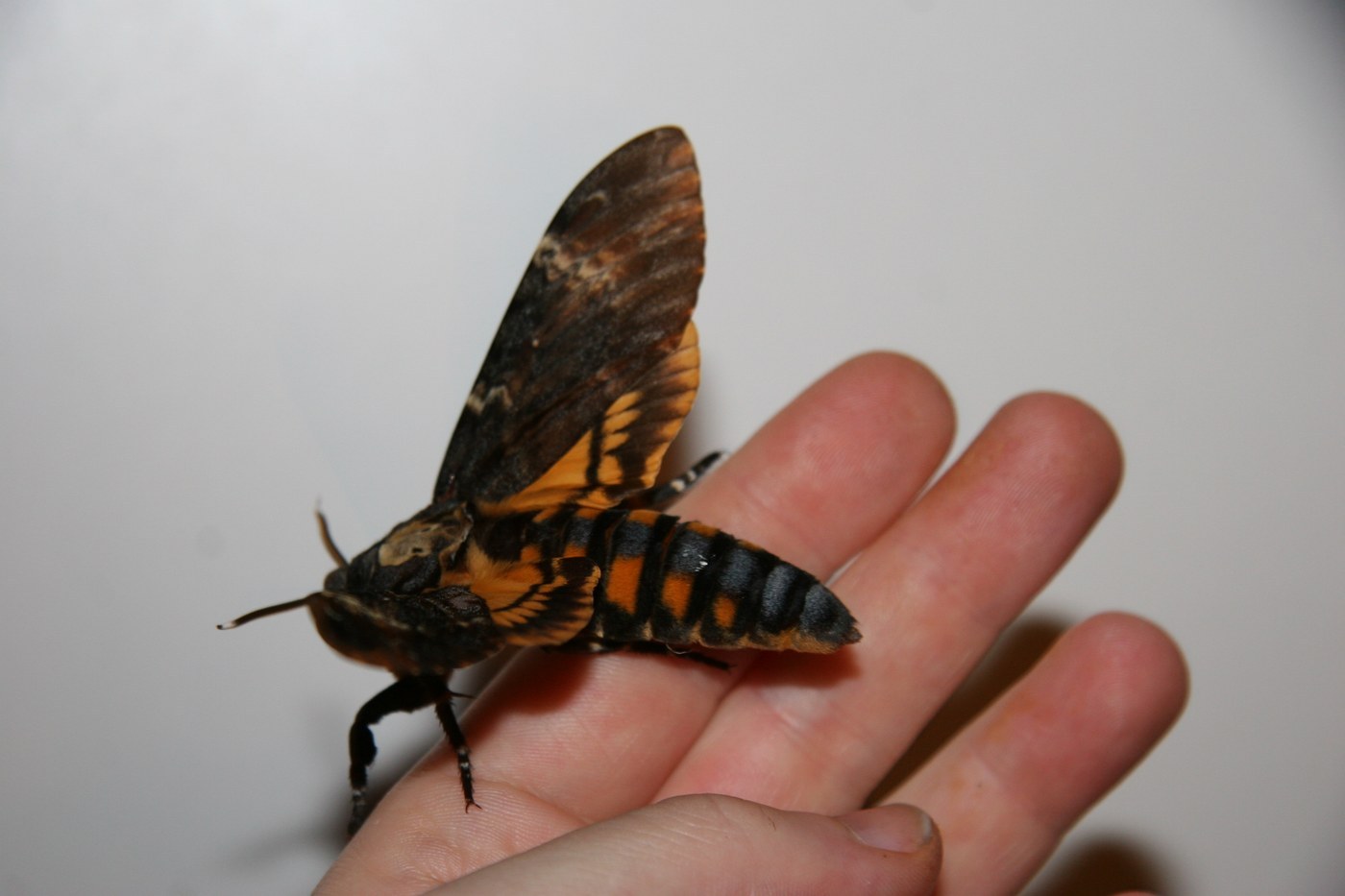
Death's-head Hawkmoth
A large, thick-bodied hawkmoth instantly recognized by the pale, skull-and-crossbones marking on its furry thorax, famous for entering beehives and letting out a shrill squeak when disturbed.
moth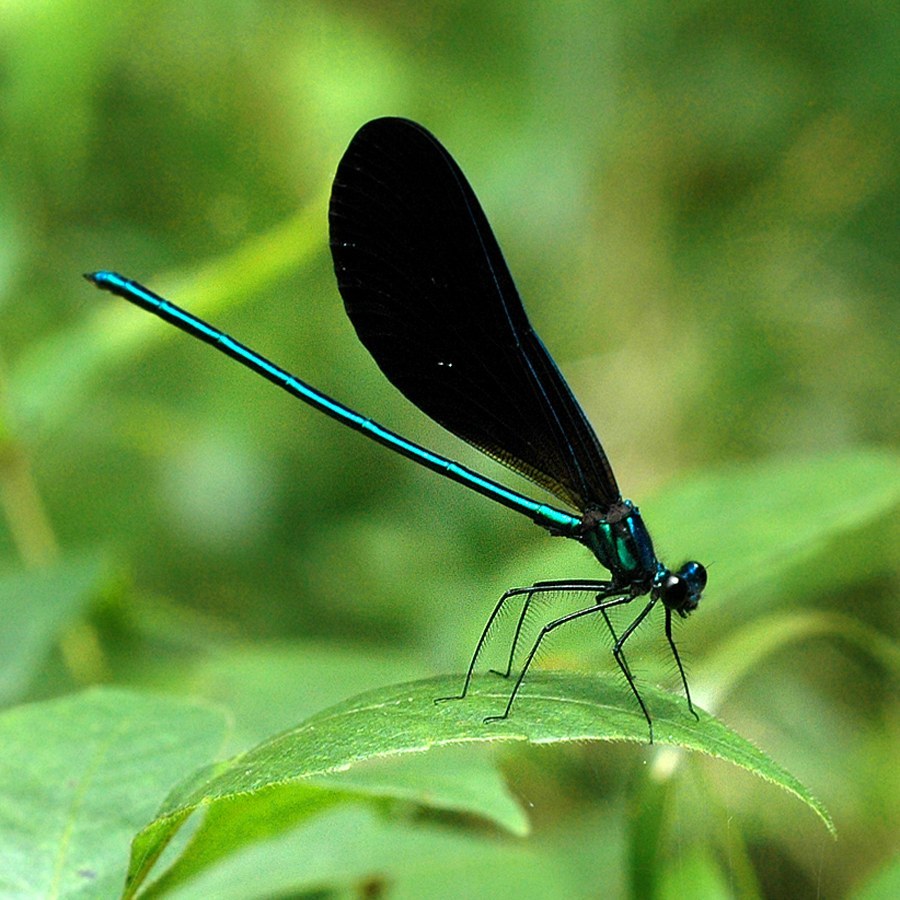
Ebony Jewelwing Damselfly
With a metallic emerald body and wings of solid inky black, the ebony jewelwing flutters like a delicate butterfly along shaded forest streams rather than darting like most other damselflies.
dragonfly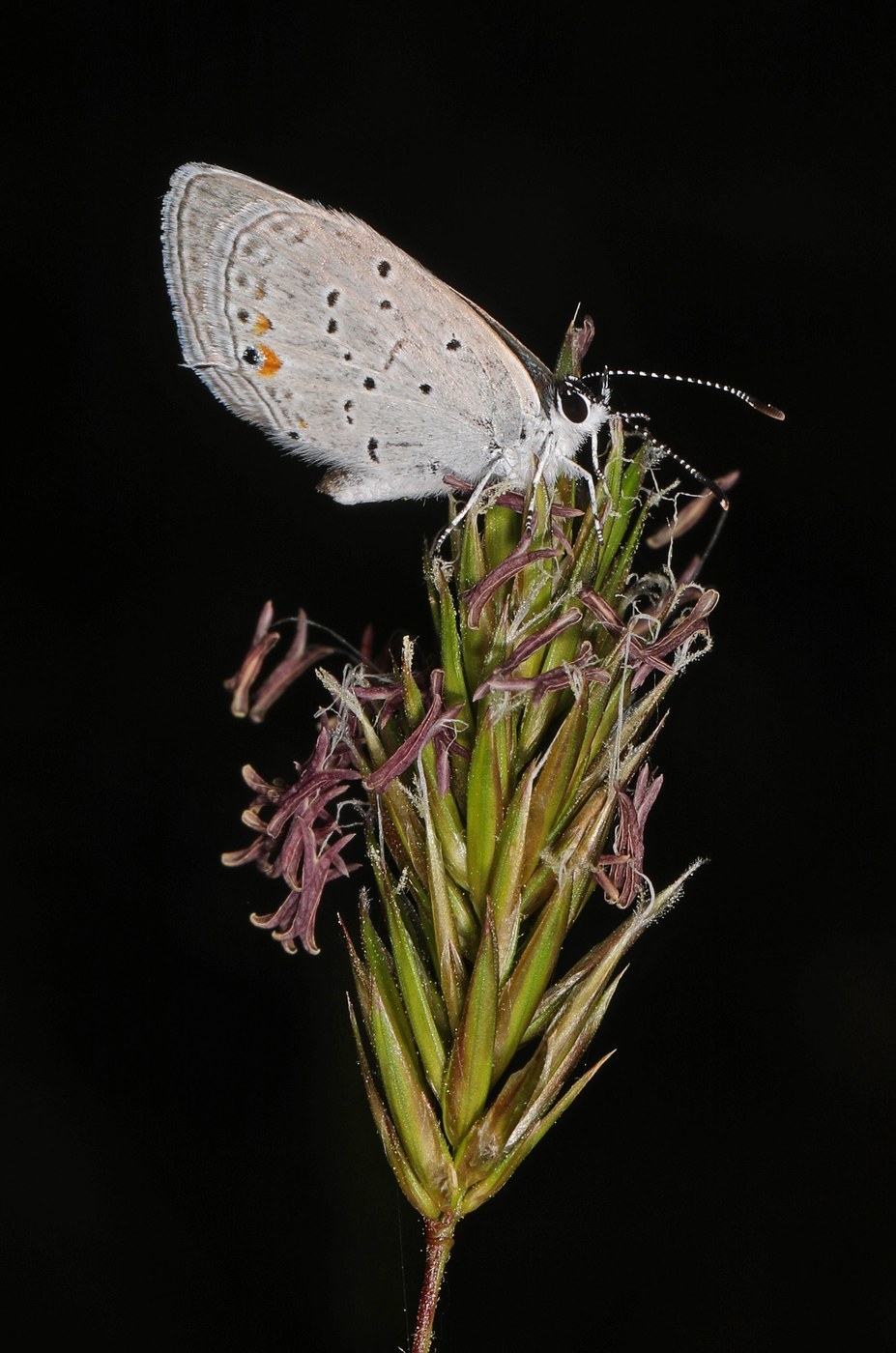
Eastern Tailed-Blue
A tiny gossamer-wing butterfly with a delicate thread-like tail on each hindwing and a small orange spot near the tail base, common in open weedy habitats throughout the eastern half of North America.
butterflyGolden Tortoise Beetle
A tiny, dome-shaped beetle famous for its brilliant, mirror-like gold sheen, which it can dial down to a dull orange or spotted reddish tone within minutes when disturbed or handled.
beetle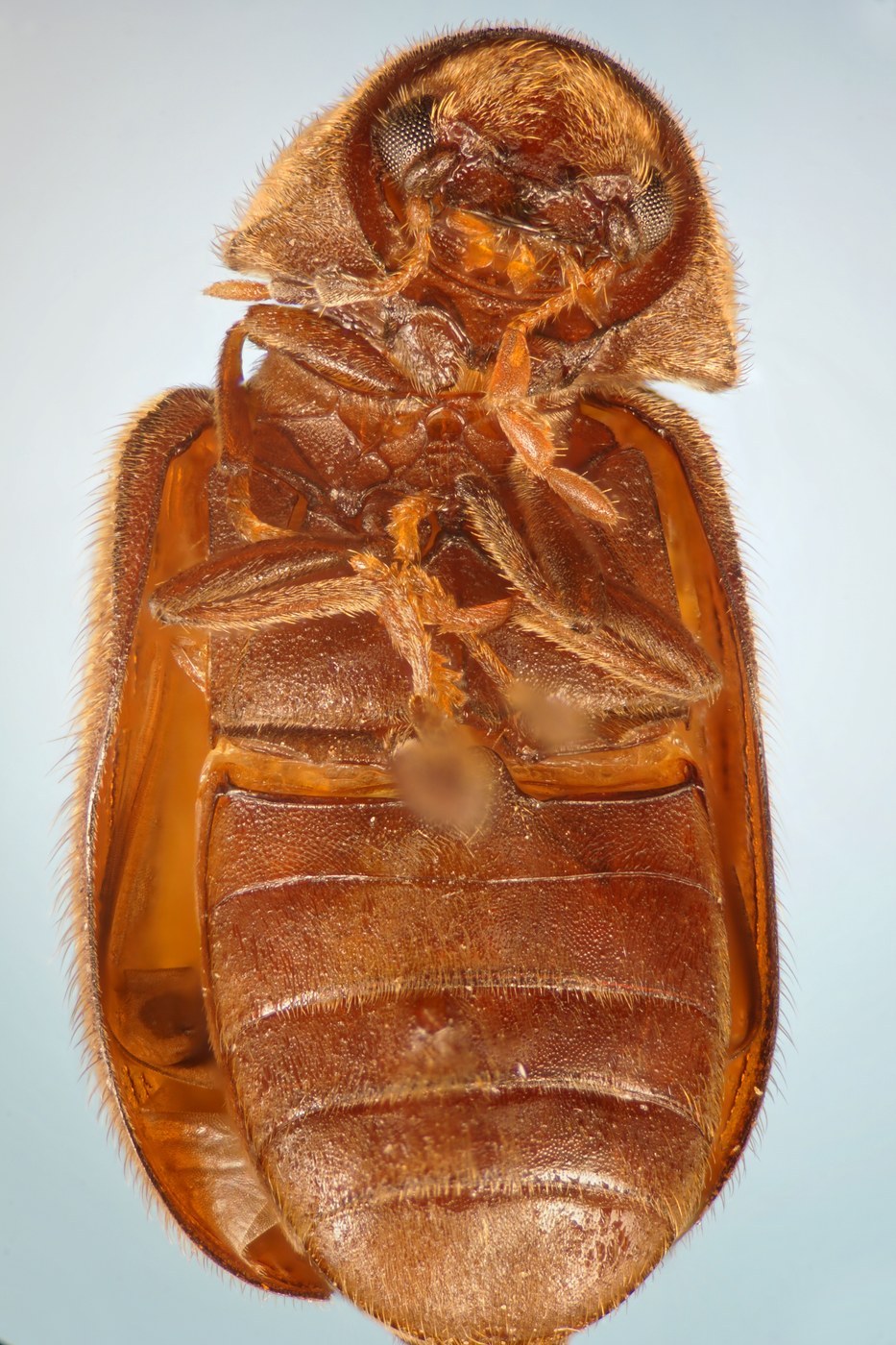
Drugstore Beetle
A tiny brown beetle with grooved wing covers that once earned its name by burrowing into dried herbs and medicines kept on pharmacy shelves.
beetle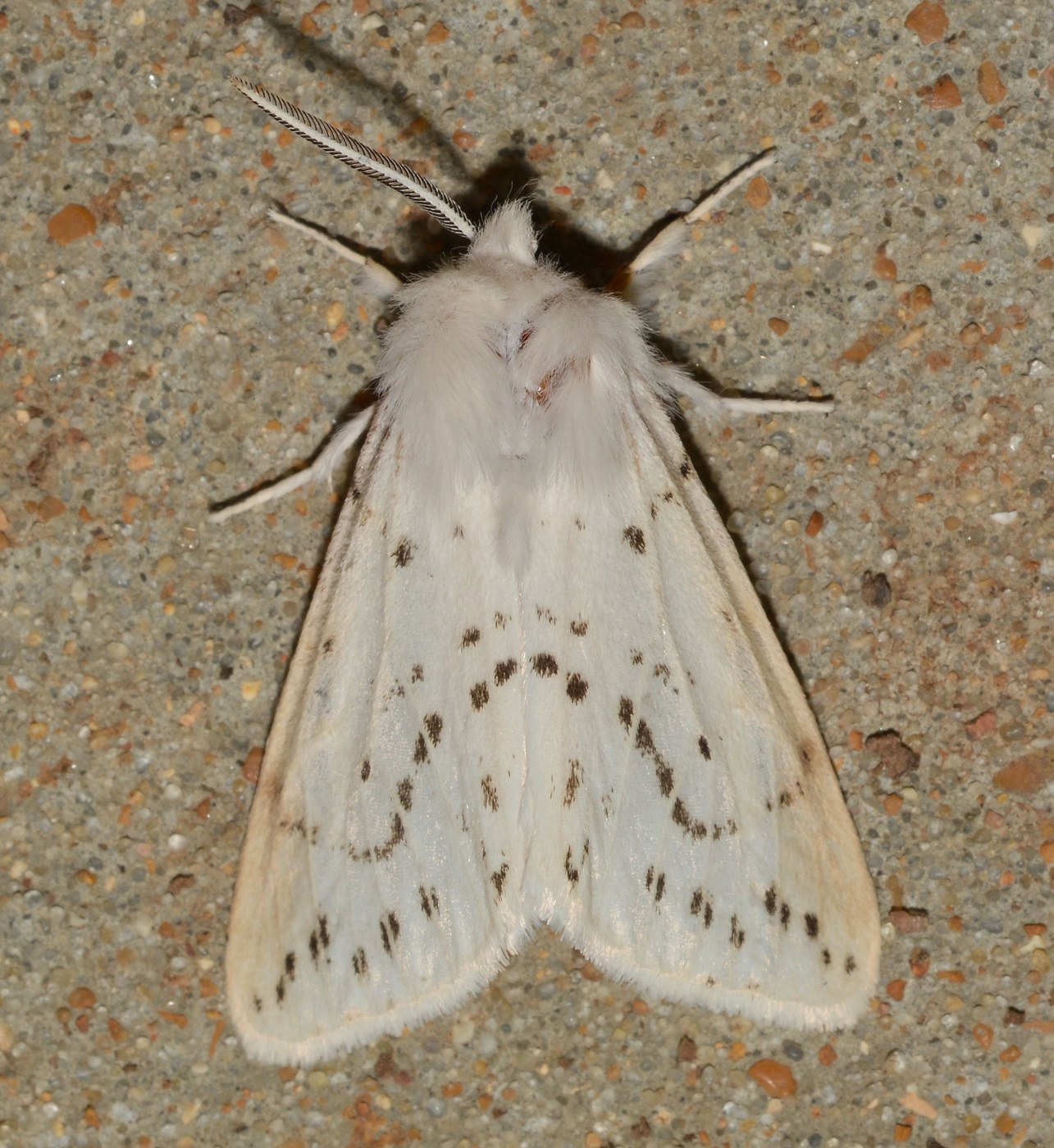
Fall Webworm
A pale, hairy caterpillar that spins loose, messy silk webs enclosing entire leaf clusters at the tips of tree branches, becoming especially noticeable in late summer and fall.
caterpillar-larva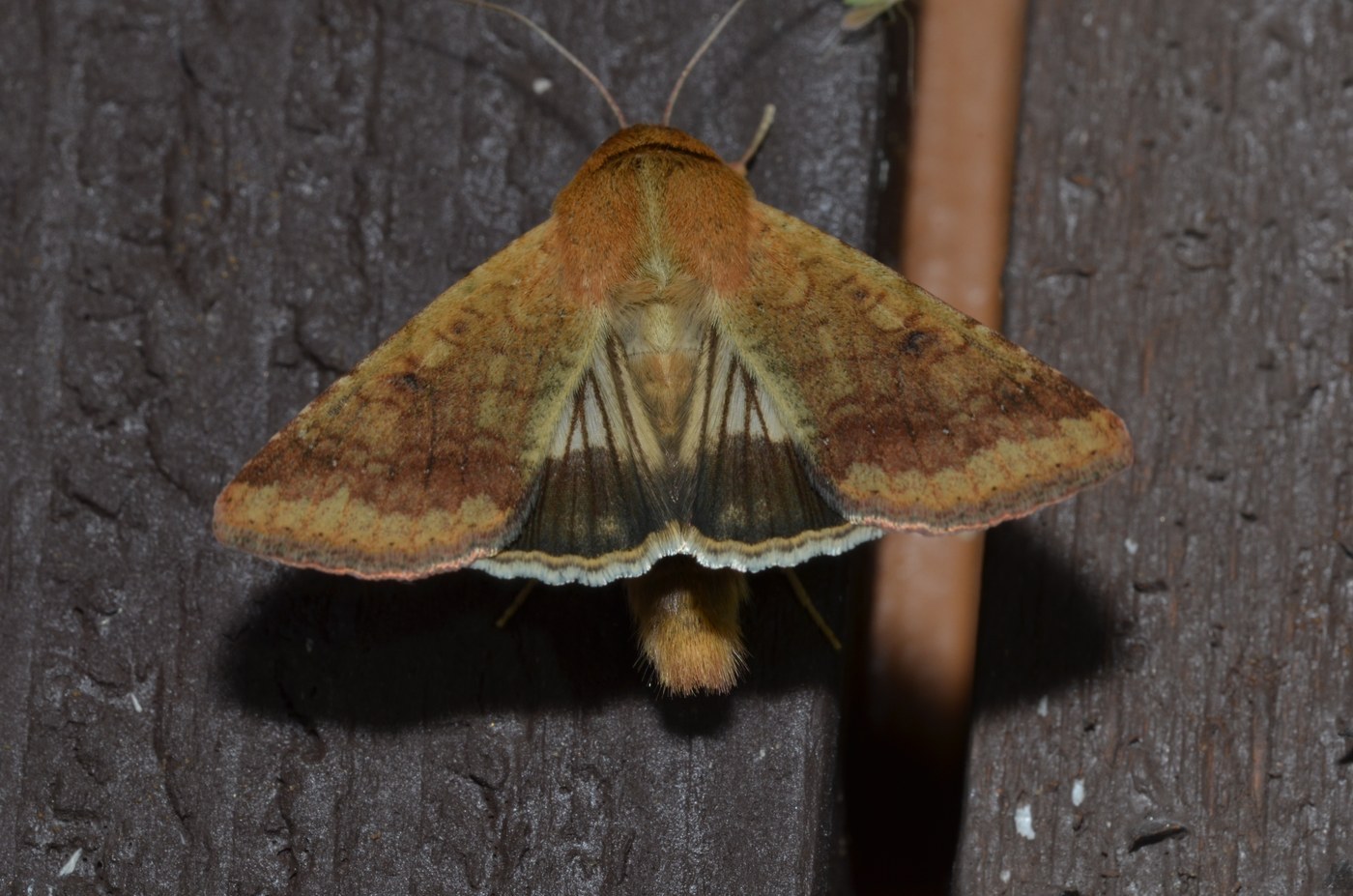
Corn Earworm Moth
A tan to olive-colored moth whose caterpillar, the corn earworm, is one of the most economically significant crop pests in North America, feeding inside corn ears, tomatoes, and cotton bolls.
moth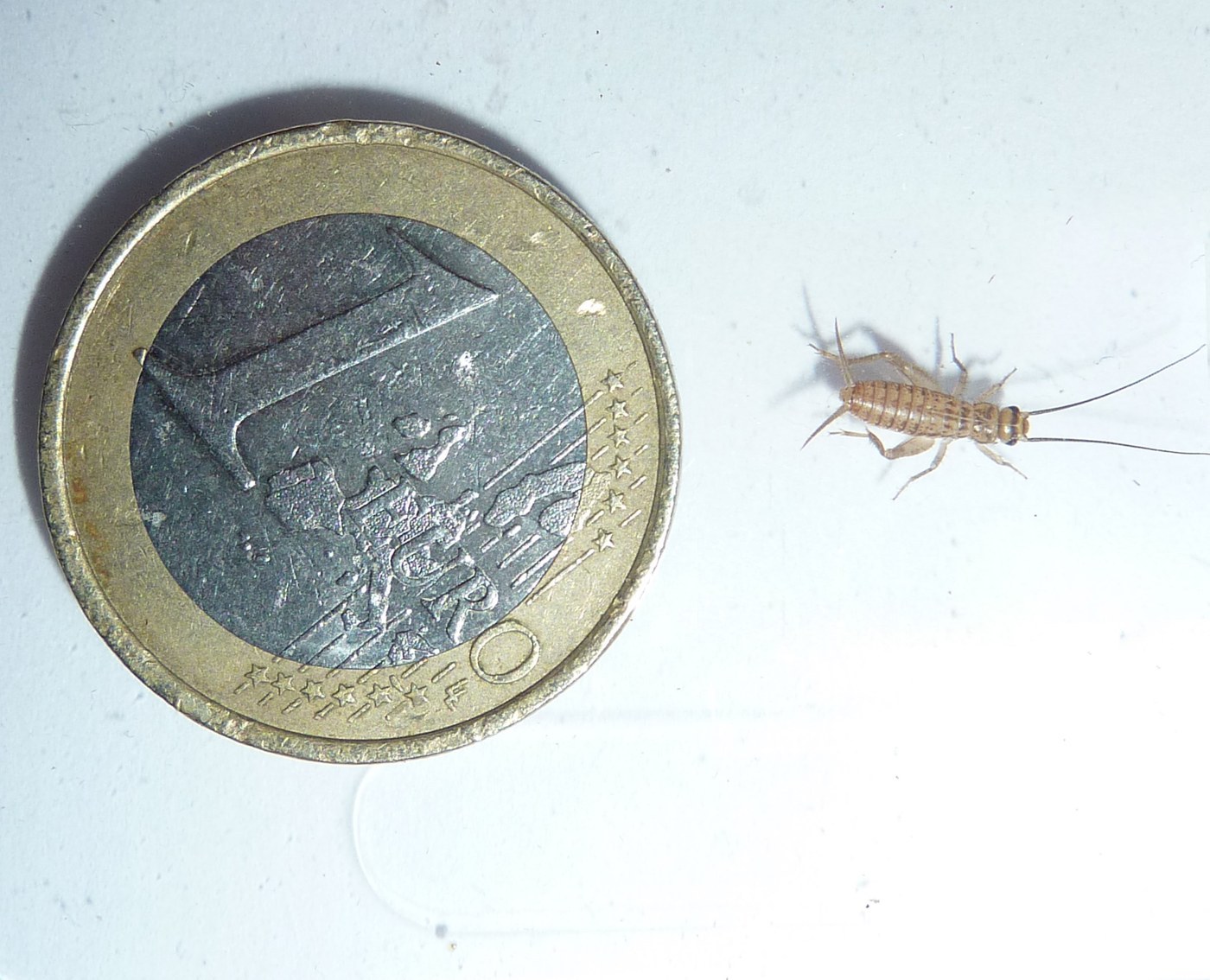
House Cricket
A pale tan, dark-banded cricket originally from warm regions of Asia that has spread worldwide both as an occasional indoor nuisance and as a widely farmed feeder insect.
grasshopper-cricket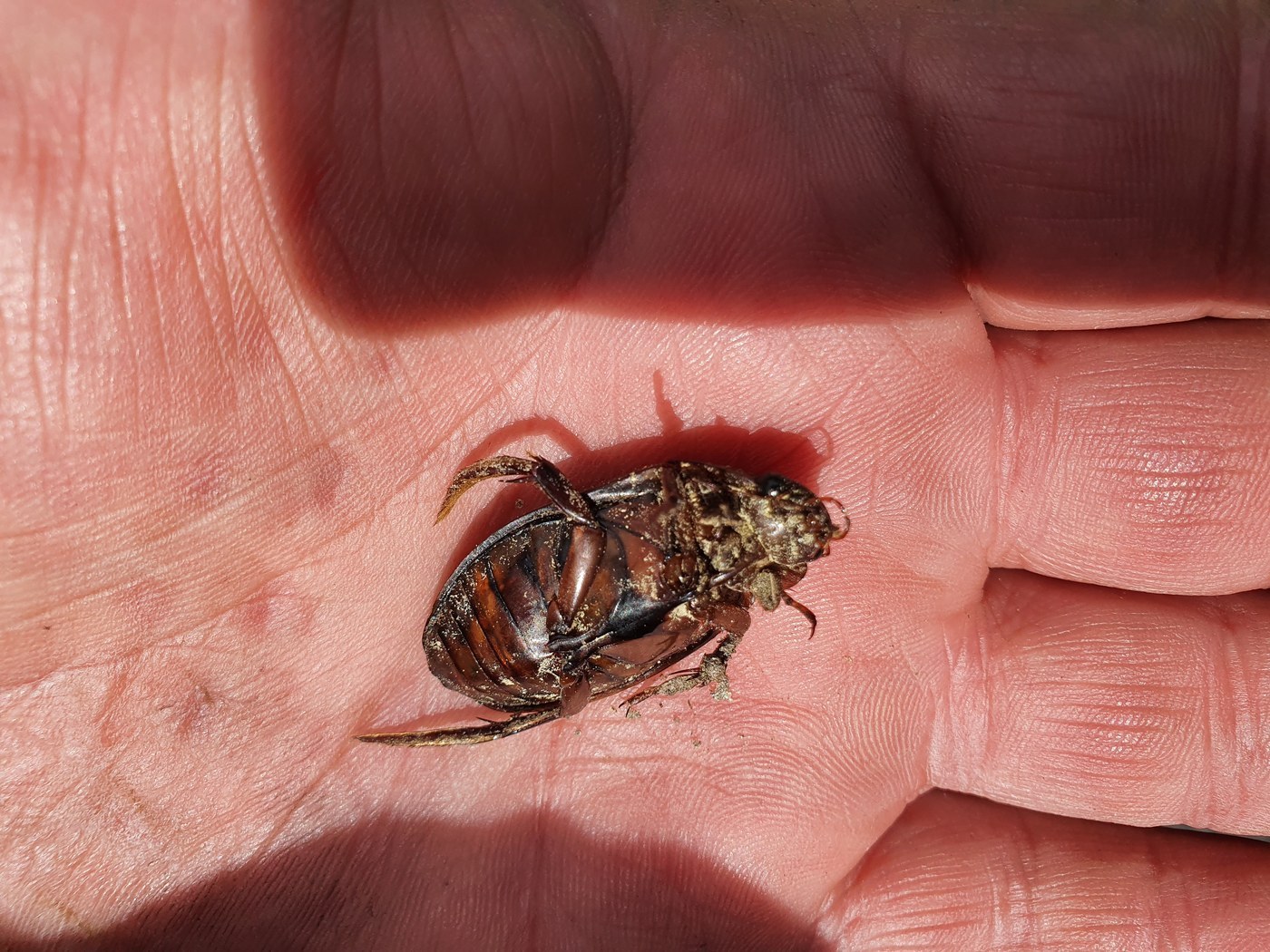
Diving Beetle
A smooth, streamlined, dark-bodied beetle with broad, fringed hind legs built for swimming, an active underwater predator that carries its own air supply beneath its wing covers.
aquatic-insect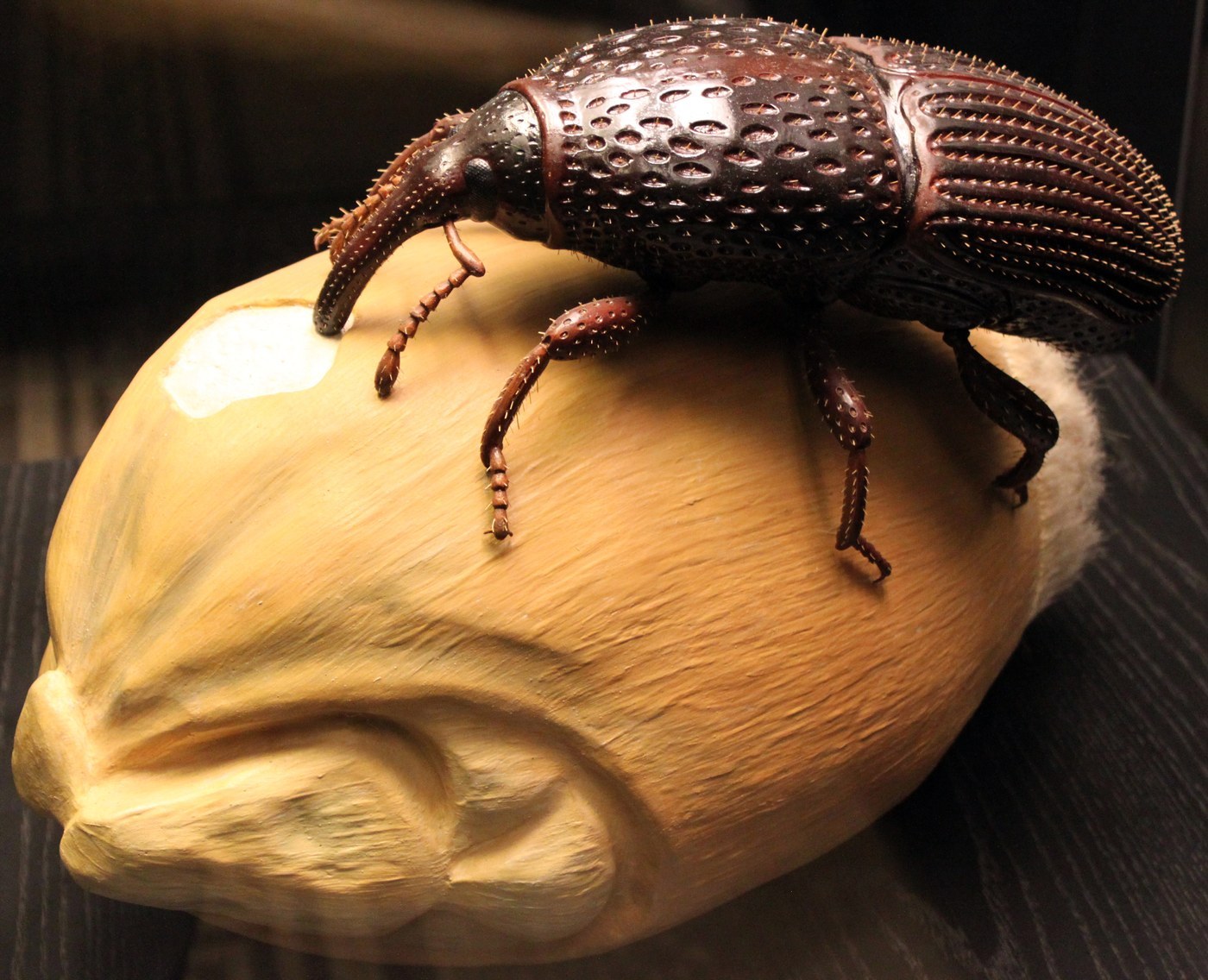
Granary Weevil
A small, shiny, dark reddish-brown to black weevil with a long curved snout that is unable to fly, spending its entire life cycle within stores of wheat and other cereal grains.
beetle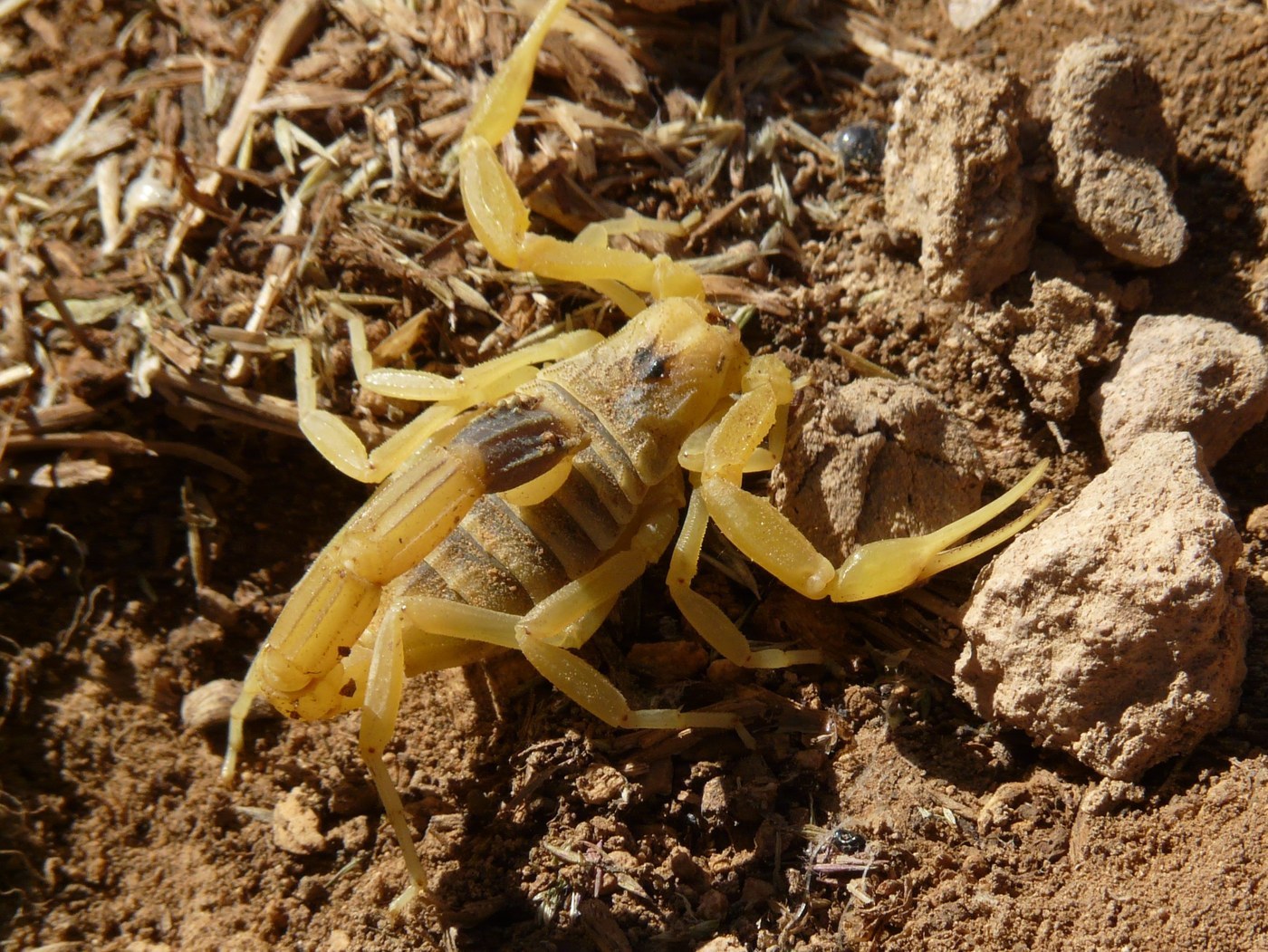
Deathstalker Scorpion
A slender, pale yellow scorpion of Middle Eastern and North African deserts, famed for its striking coloration and status as one of the most studied scorpions in scientific research.
arachnidFollicle Mite
An elongated, microscopic mite shaped almost like a tiny worm, living deep within hair follicles and oil glands of mammal skin where it spends its entire life largely unnoticed.
arachnidDung Beetle
A stout, often glossy black or metallic beetle famous for rolling, burying, or tunneling into animal dung, an unglamorous but ecologically vital habit that recycles nutrients back into the soil.
beetle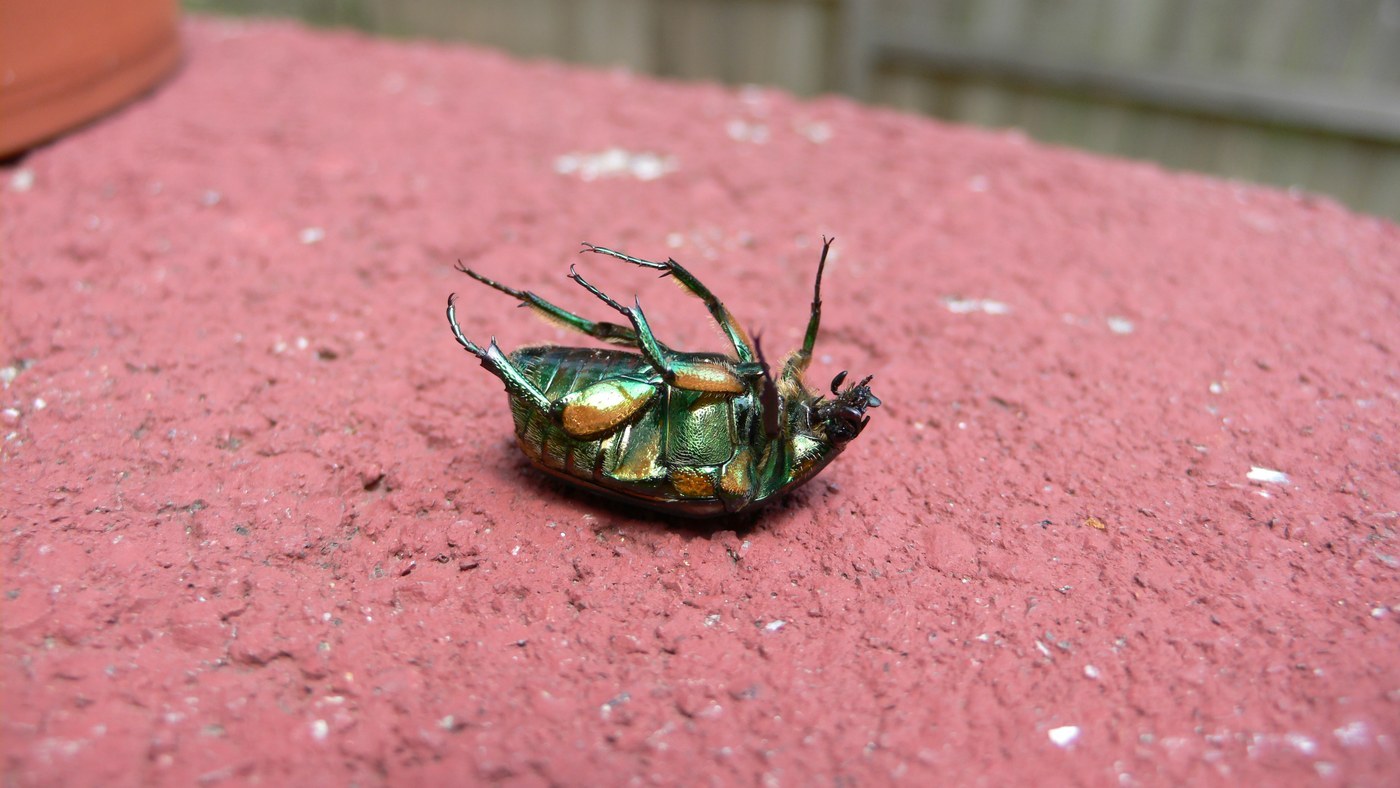
Green June Beetle
A large, velvety green scarab beetle with bronze edges that flies with a loud buzzing drone on warm summer days, often seen around ripening fruit.
beetle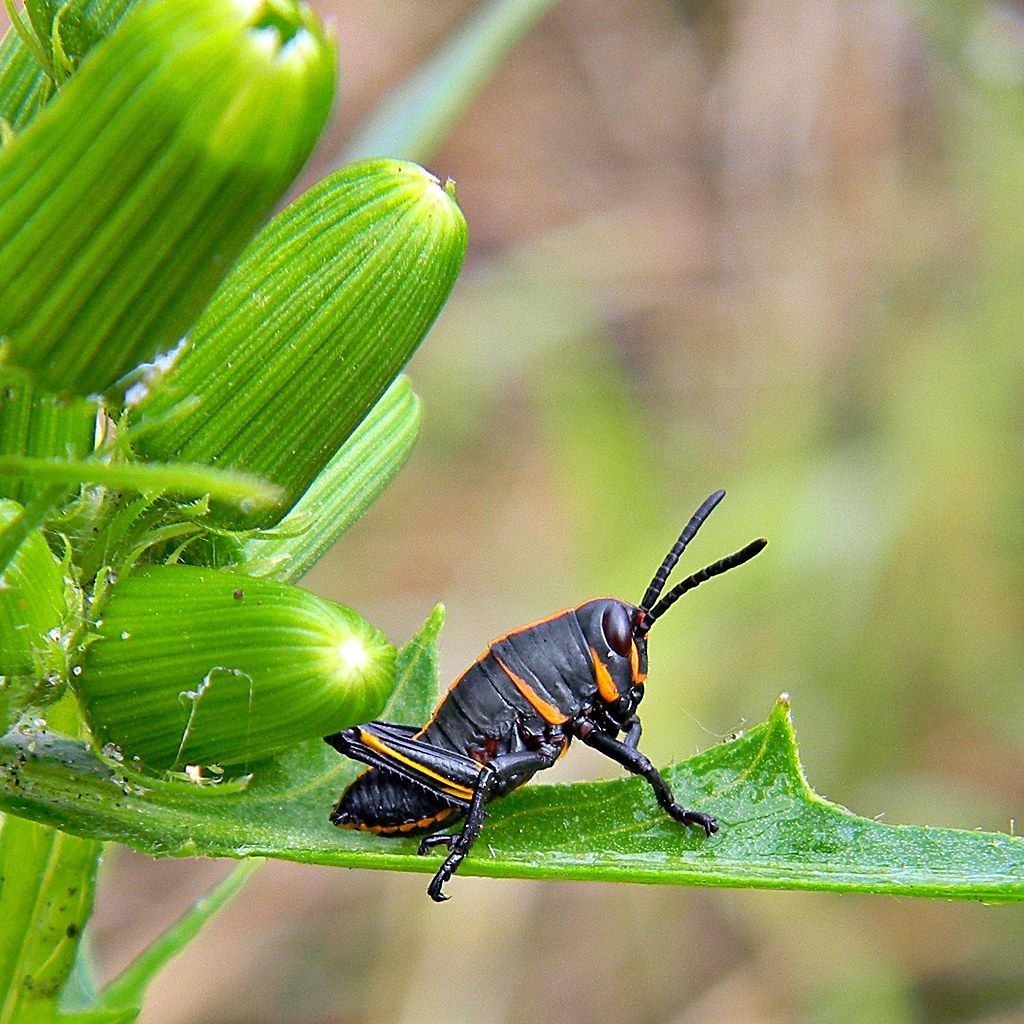
Eastern Lubber Grasshopper
One of the largest grasshoppers in North America, the eastern lubber is a slow, flightless giant clad in bold black, yellow, and red that announces its presence rather than hiding from it.
grasshopper-cricketJune Beetle
A stout, reddish-brown scarab beetle that emerges in late spring and early summer, famous for clumsily bumping into porch lights and window screens at night.
beetle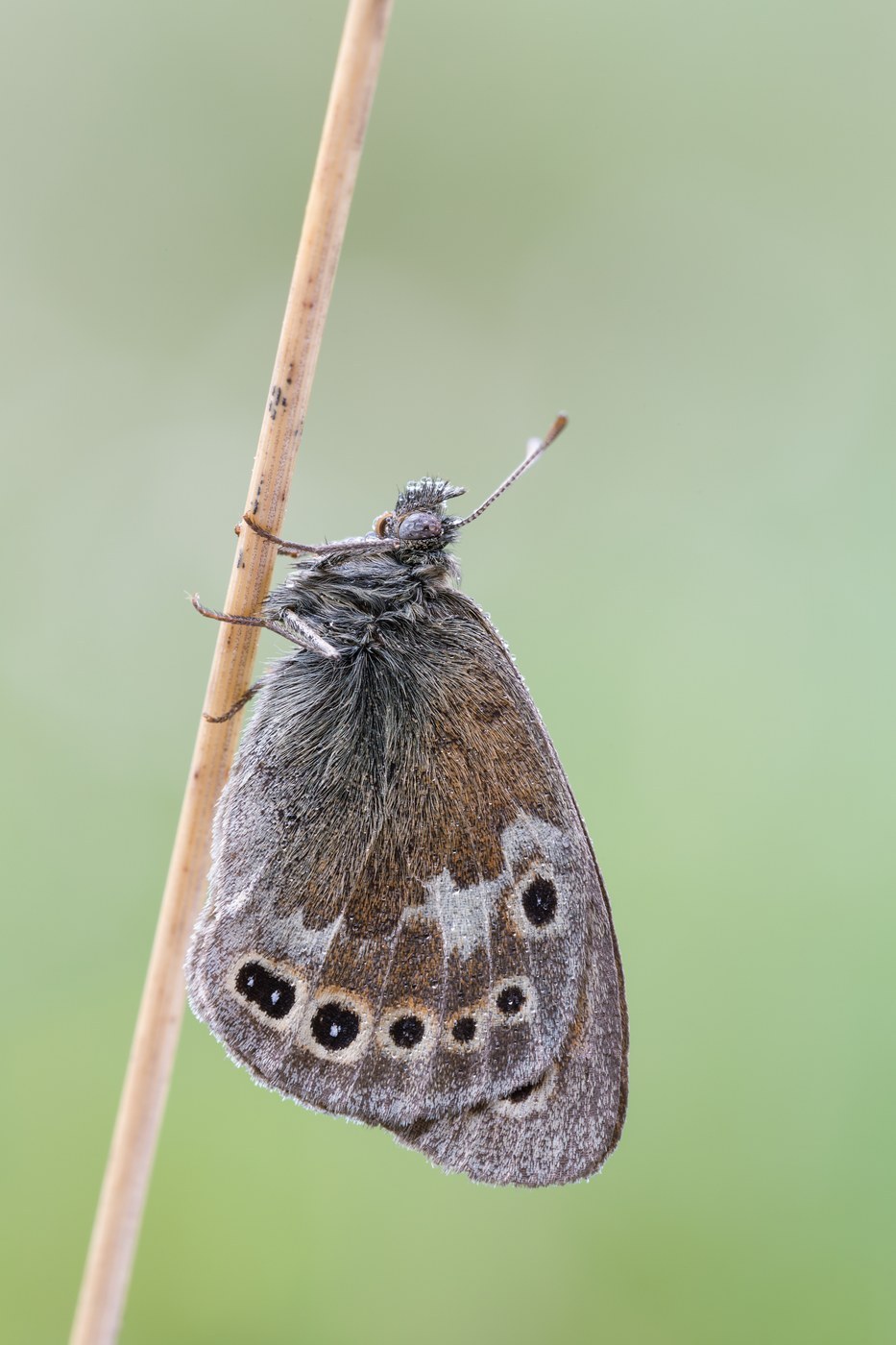
Common Ringlet
A small, plain buff-orange satyr butterfly of open grassy places, notable for its understated coloring and Holarctic distribution spanning North America, Europe, and Asia.
butterfly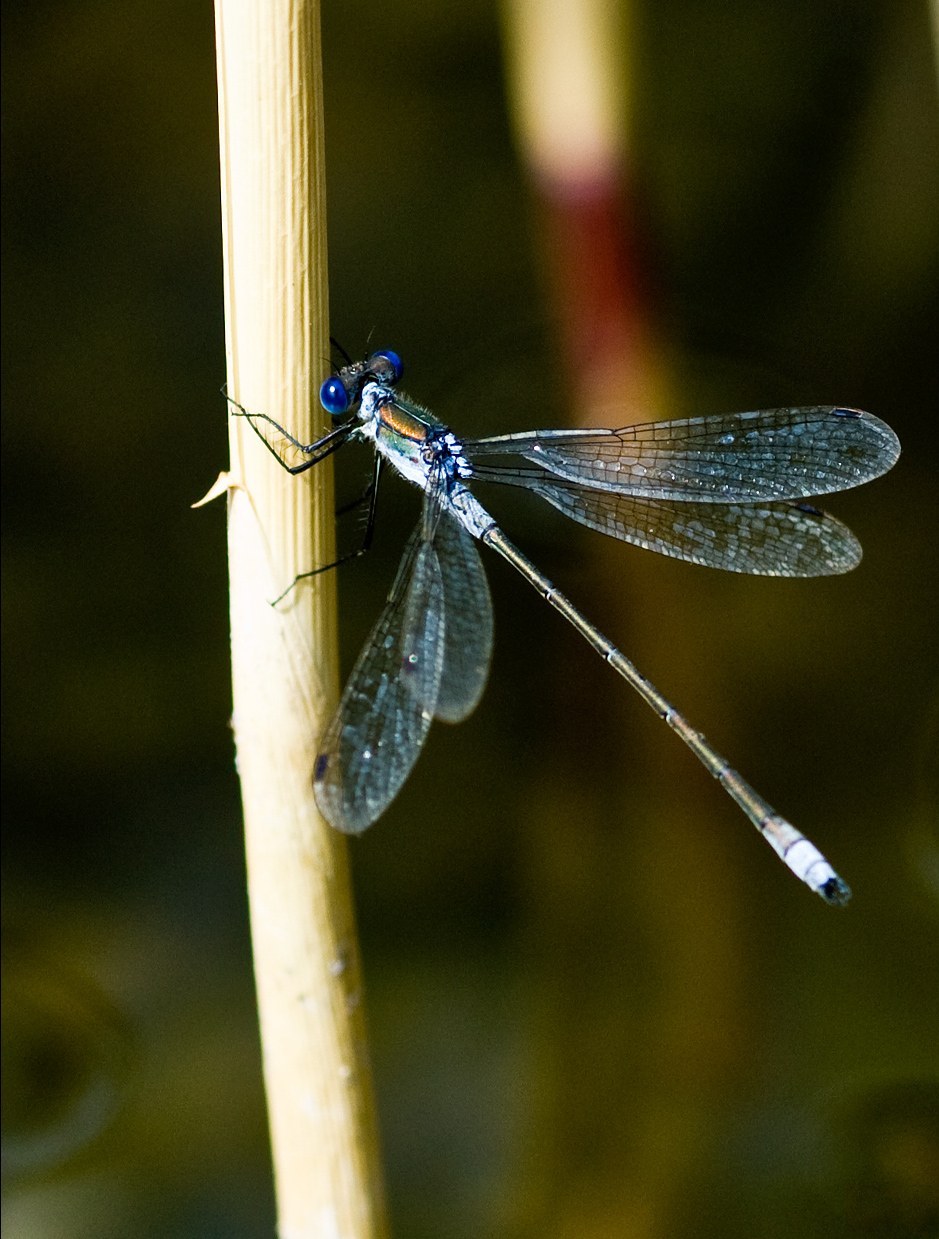
Emerald Spreadwing
A robust, metallic green damselfly of northern wetlands, the Emerald Spreadwing rests with its wings held open in the characteristic spreadwing posture and thrives in shallow, seasonal ponds.
dragonflyCluster Fly
A sluggish, dark fly covered in fine golden hairs that gathers by the hundreds on sun-warmed walls in autumn before slipping indoors to spend the winter.
fly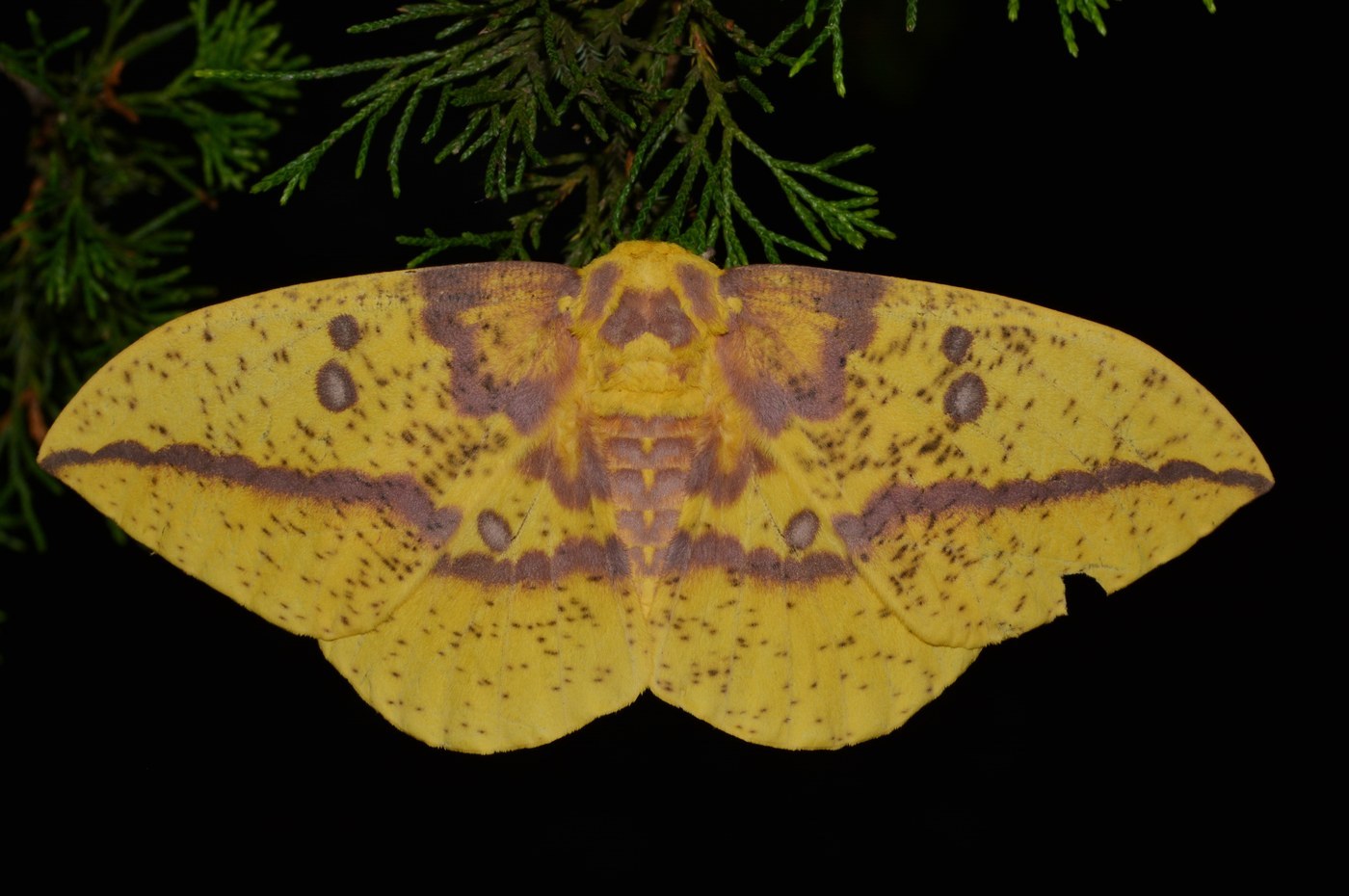
Imperial Moth
One of the largest and most variably patterned silk moths in North America, with broad yellow wings mottled in shades of purple, brown, and pink, and a caterpillar that can grow to impressive size on a wide range of forest trees.
moth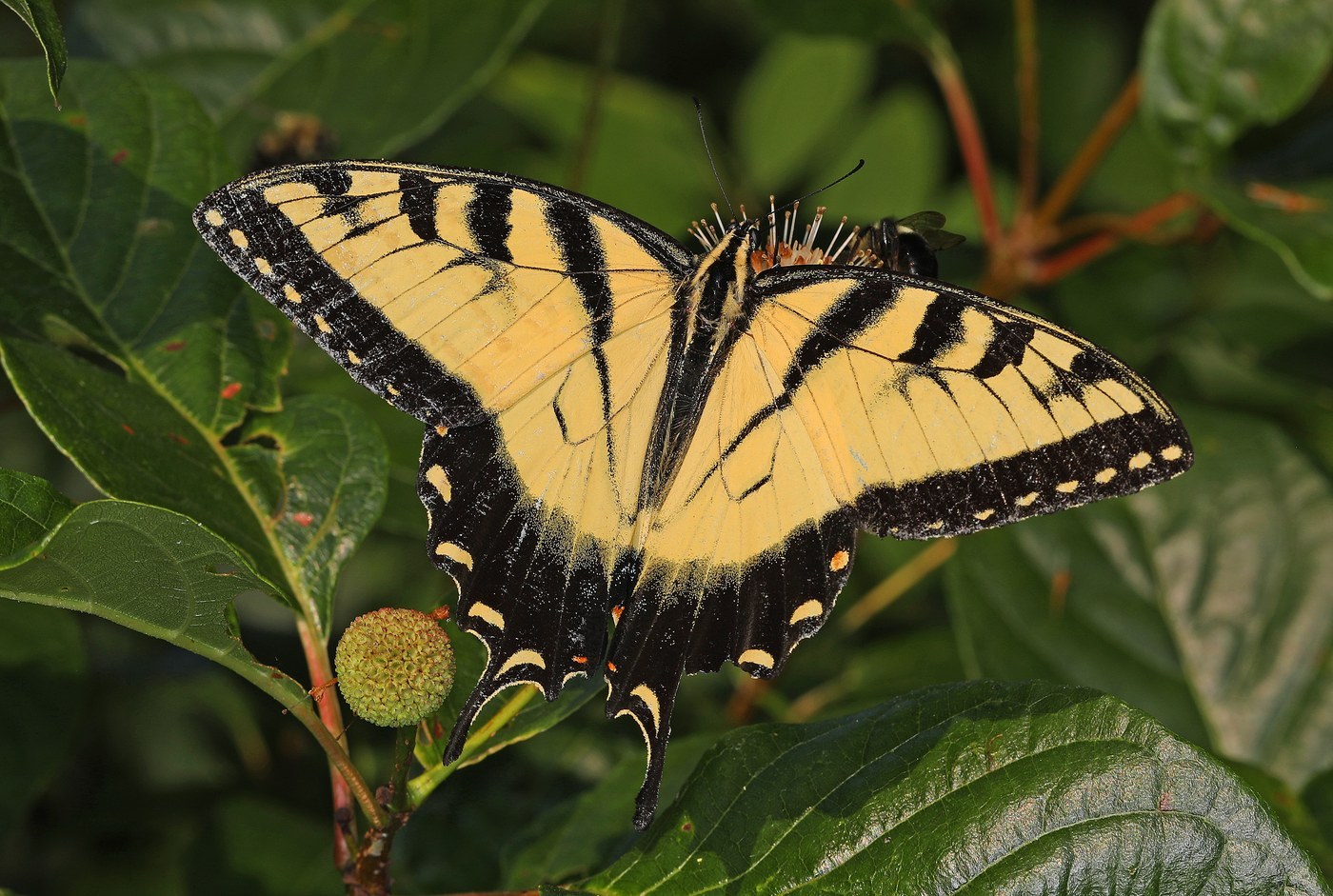
Eastern Tiger Swallowtail
A large, showy yellow-and-black striped swallowtail with elegant tail extensions on the hindwings, one of the most recognizable butterflies of eastern North American woodlands and gardens.
butterfly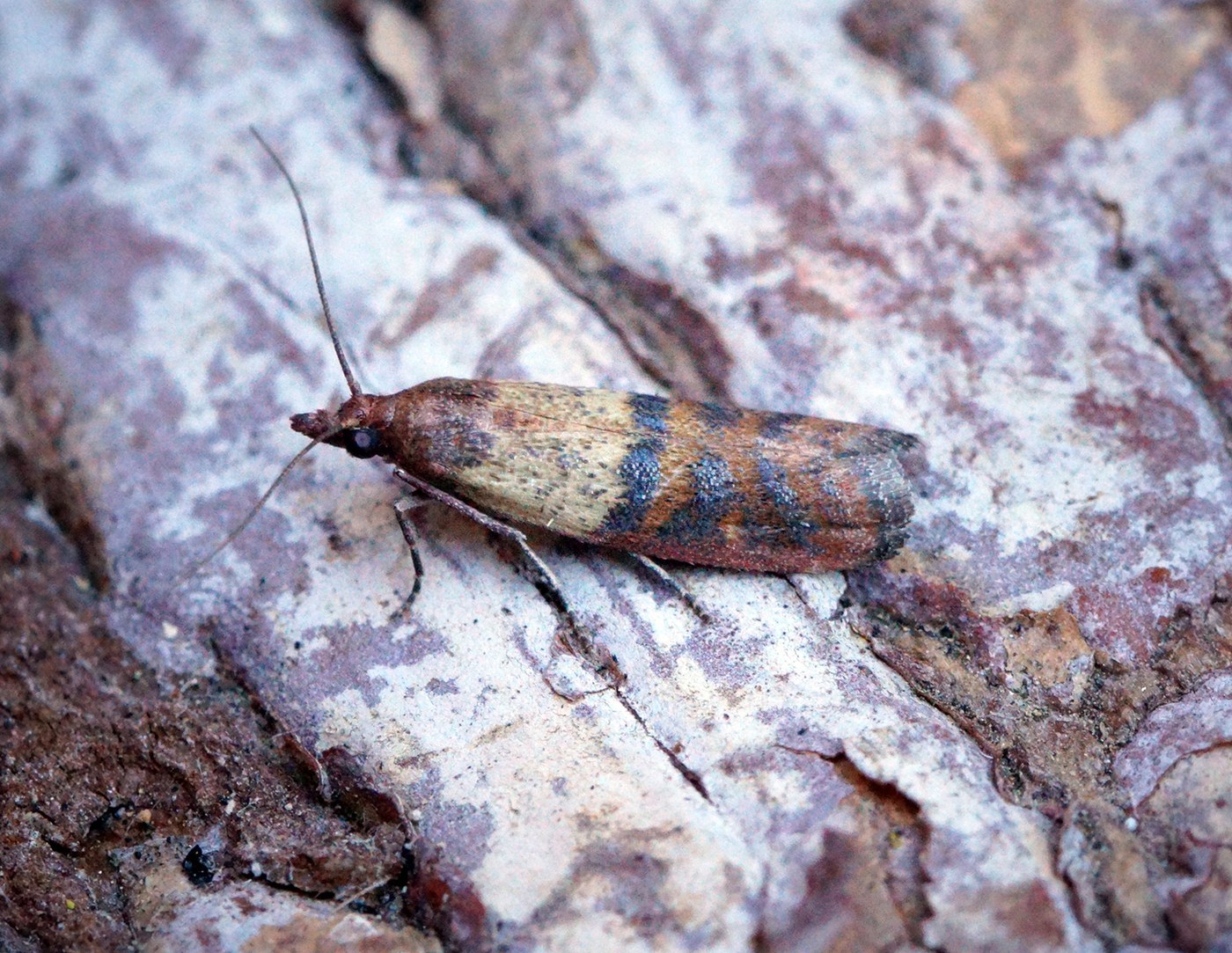
Indian Meal Moth
A small, distinctively two-toned moth with pale grey-tan inner wings and coppery-reddish outer wings, widely recognized as the most common moth found infesting stored dry food products in homes.
mothCone-headed Katydid
A large, grass-colored katydid named for its sharply pointed, cone-shaped head, best known for producing some of the loudest, most sustained buzzing calls of any North American insect.
grasshopper-cricket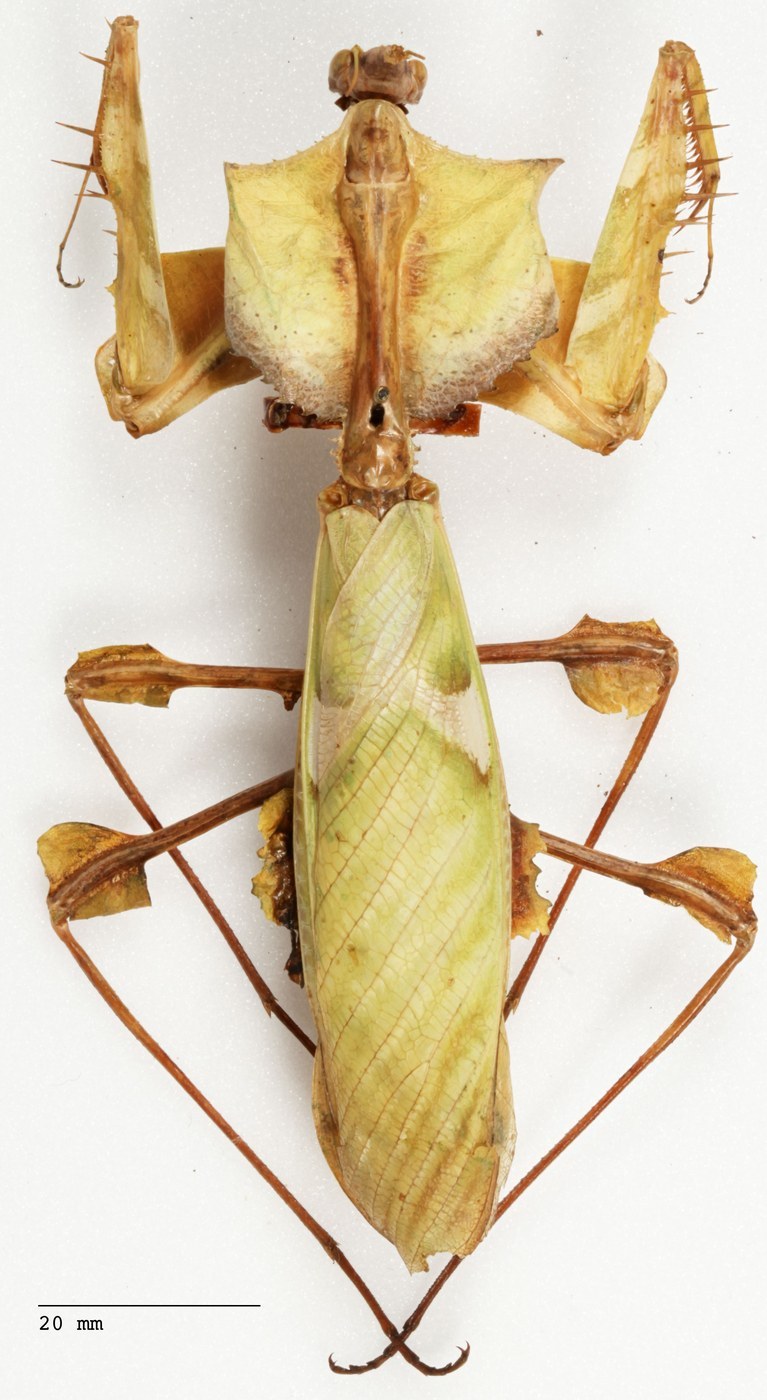
Devil's Flower Mantis
One of the largest mantis species on Earth, this striking insect can suddenly rear up and fan out vividly colored wings and legs into a dramatic, flower-like threat display.
mantis-stick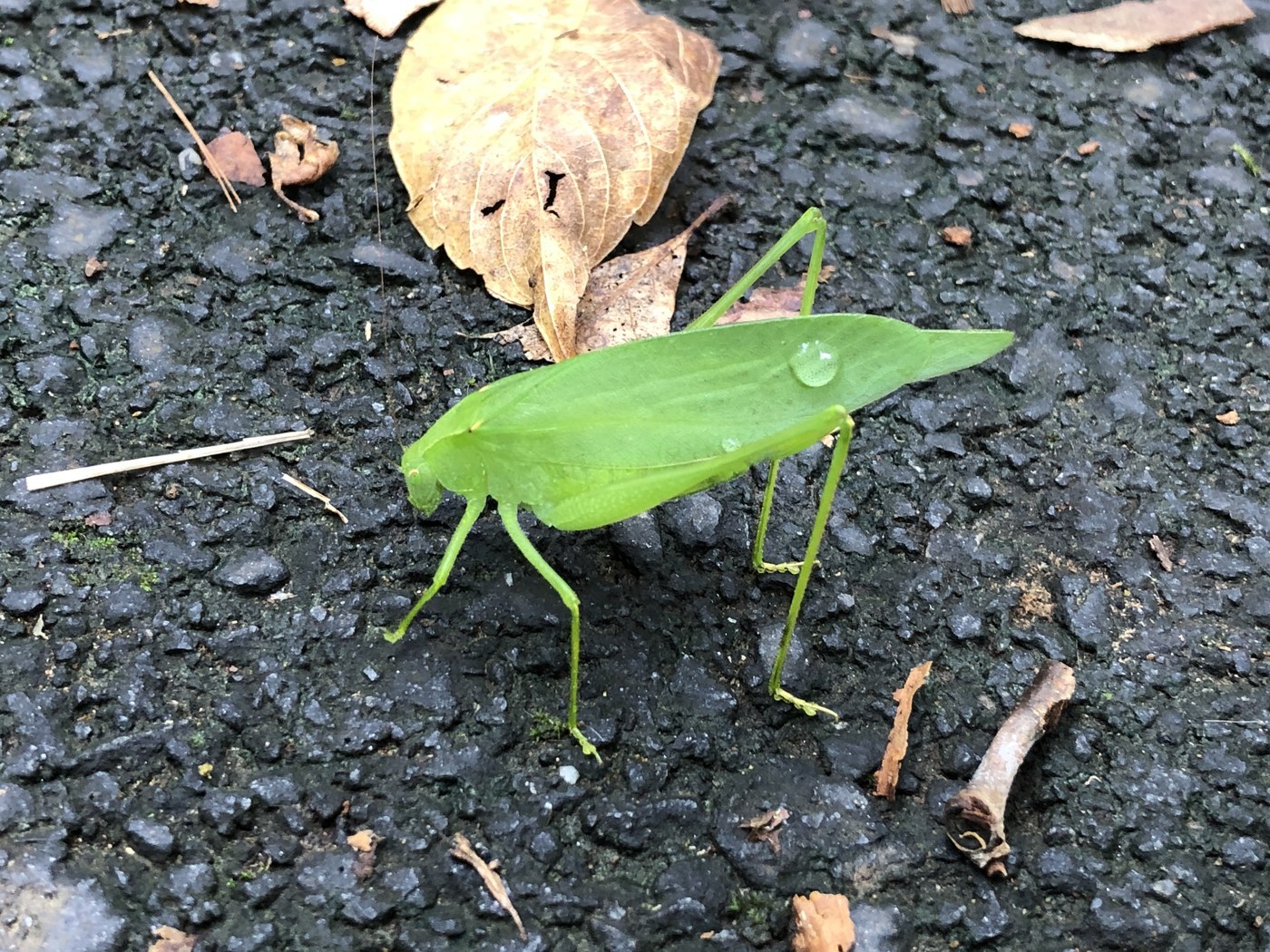
Common True Katydid
A living leaf that spends its life high in the treetops, the common true katydid is far more often heard than seen, producing the loud, rasping "katy-did, katy-didn't" chorus that fills eastern summer nights.
grasshopper-cricket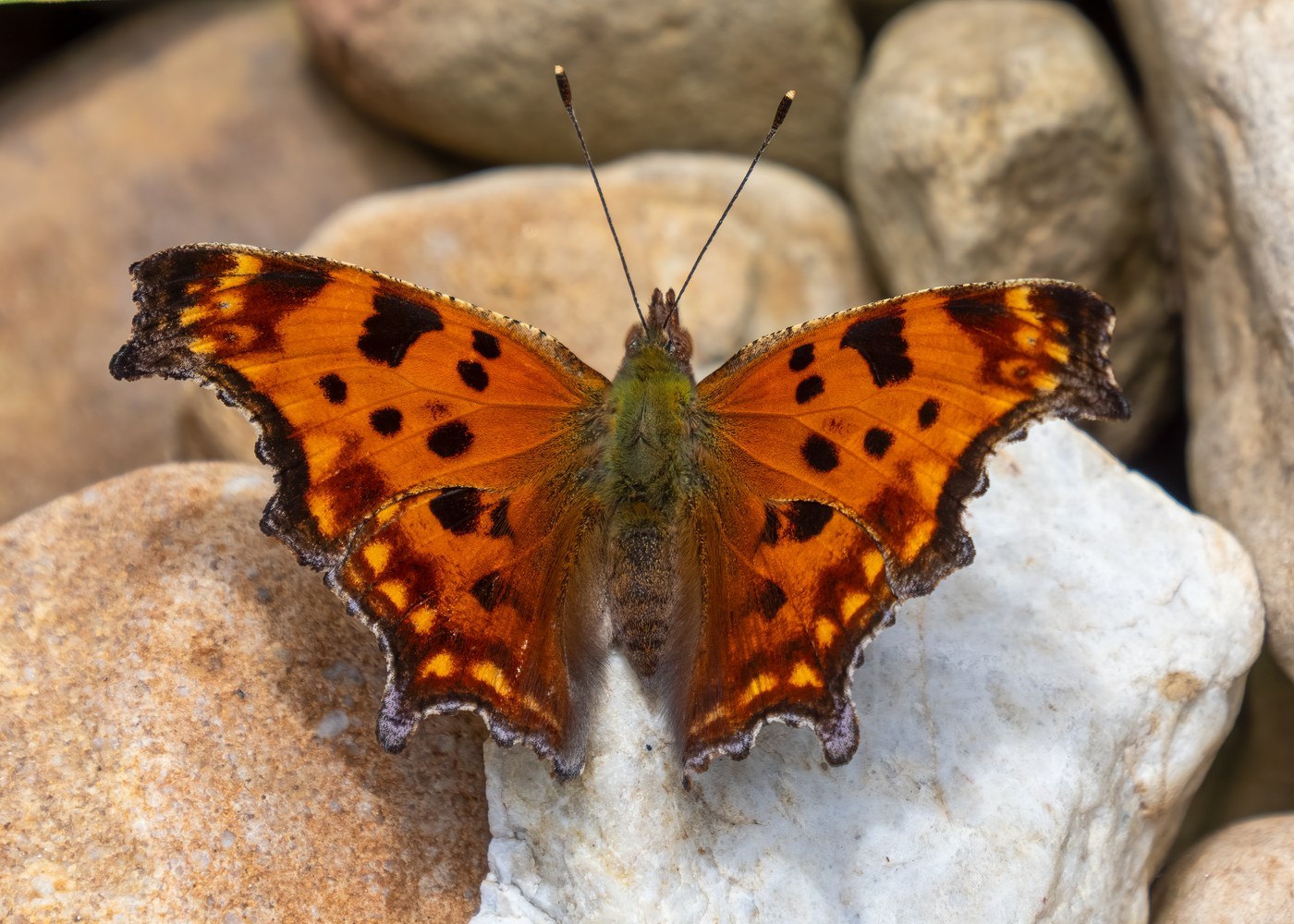
Eastern Comma
A ragged-edged orange-and-brown woodland butterfly named for the small, silvery comma-shaped mark on the underside of its hindwing, with a cryptic dead-leaf pattern that camouflages it perfectly when its wings are closed.
butterflyCockroach Egg Case
A small, purse-shaped, ridged capsule that houses dozens of developing cockroach eggs, its size, color, and shape offering telltale clues to which species produced it.
other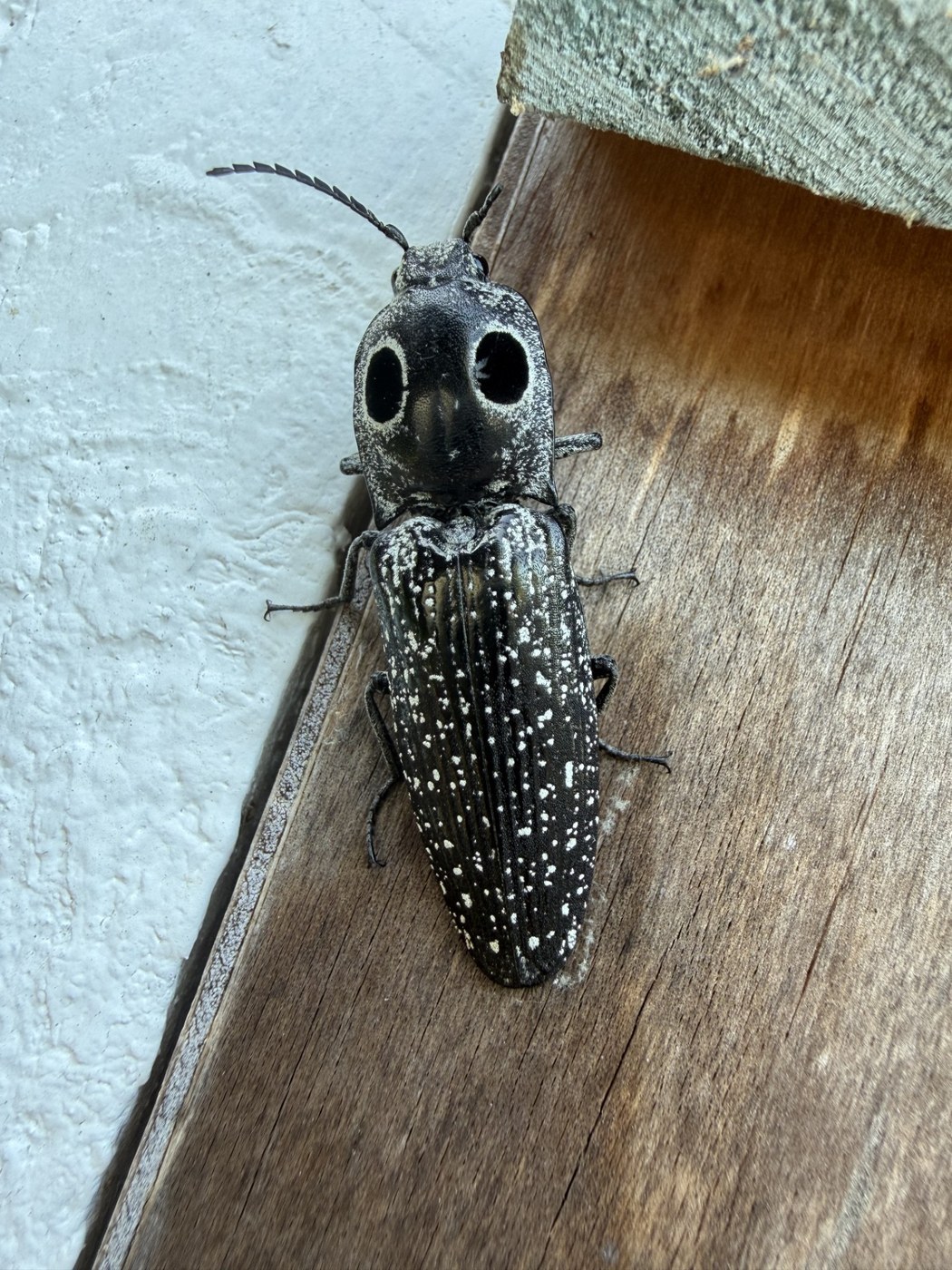
Eyed Click Beetle
A large, mottled black-and-white beetle marked with two prominent false eyespots on its thorax, well known for its ability to snap its body into the air with an audible click when flipped onto its back.
beetle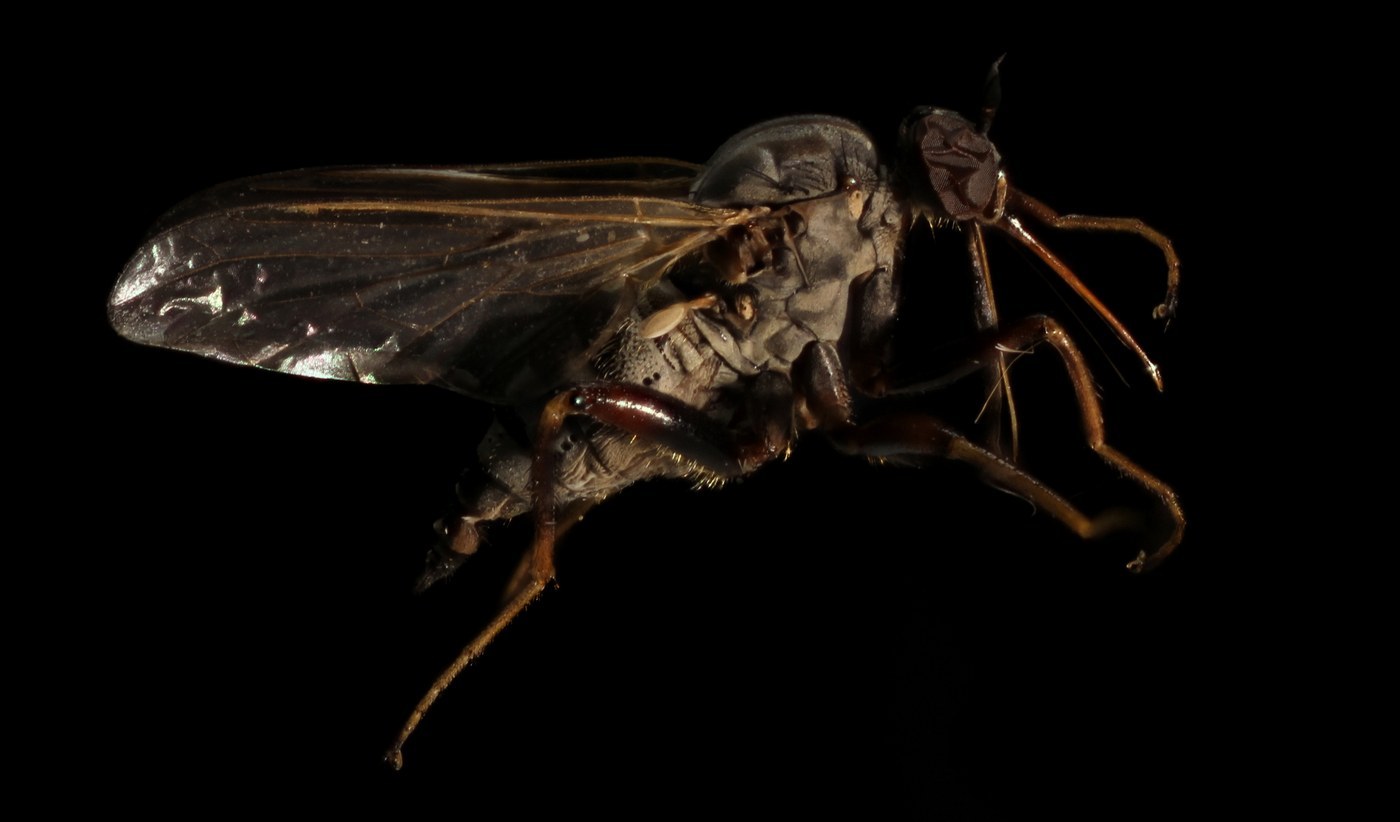
Dance Fly
A slender, long-legged predatory fly named for the swarming courtship dances males perform at dusk, often while carrying a captured insect as an offering.
fly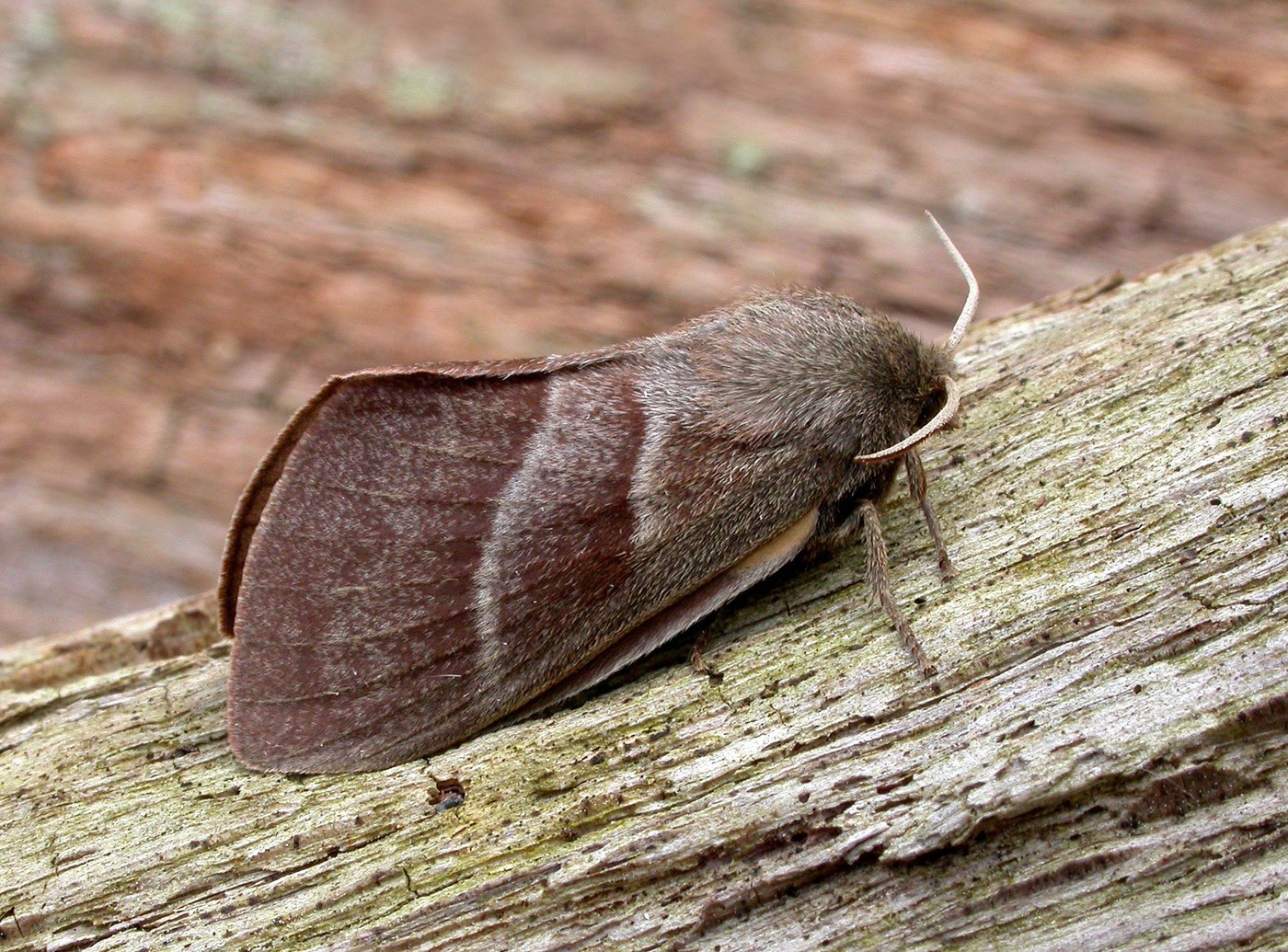
Fox Moth
A stout, reddish-brown moth with a pale diagonal band across each forewing, closely resembling a fox in color, most often noticed as its large, densely furred dark caterpillar basking on open ground in spring.
moth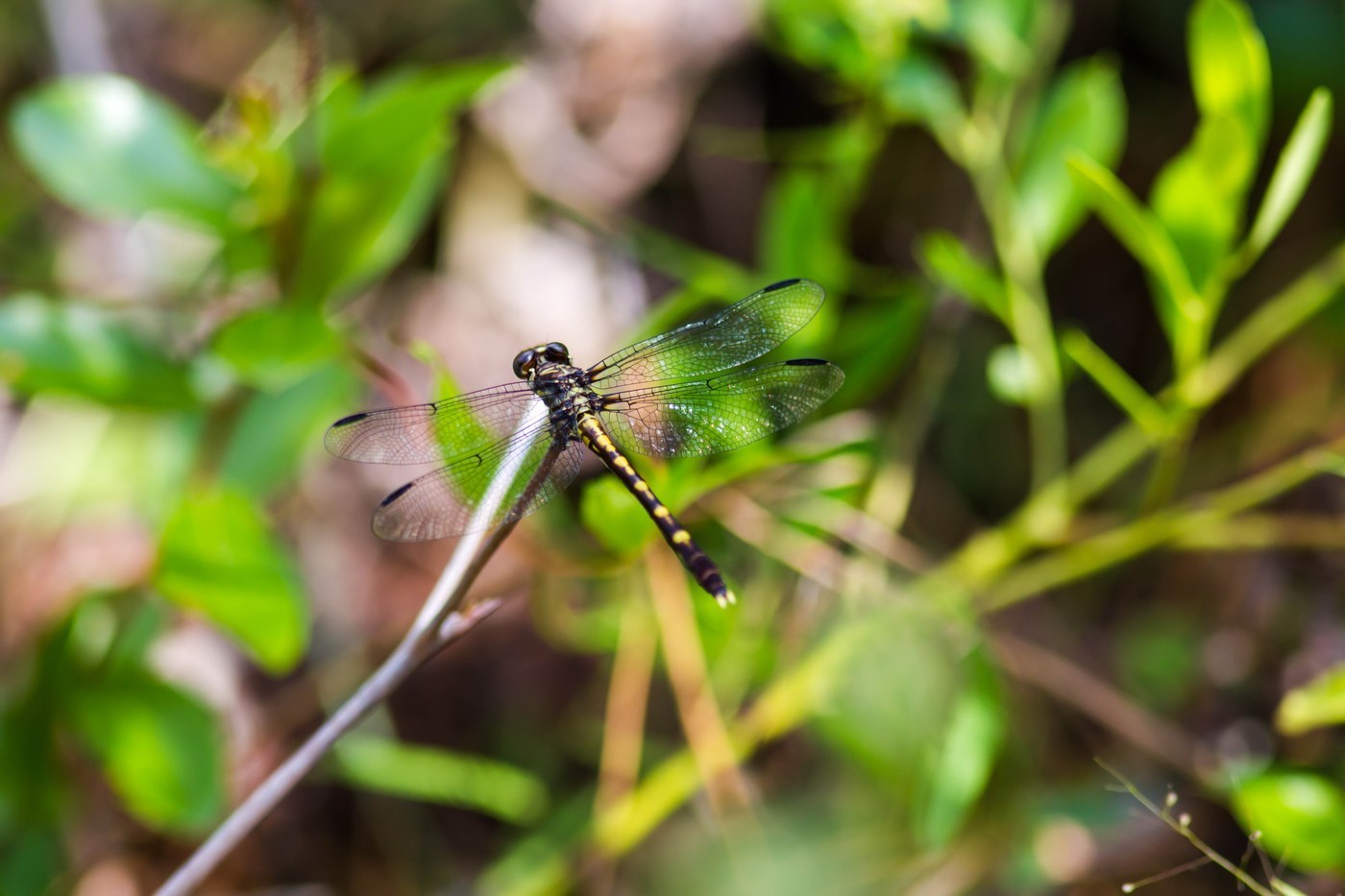
Common Sanddragon
A sand-colored clubtail dragonfly that perches flat on bare, sunlit riverbank sand, nearly vanishing against the grains around it.
dragonfly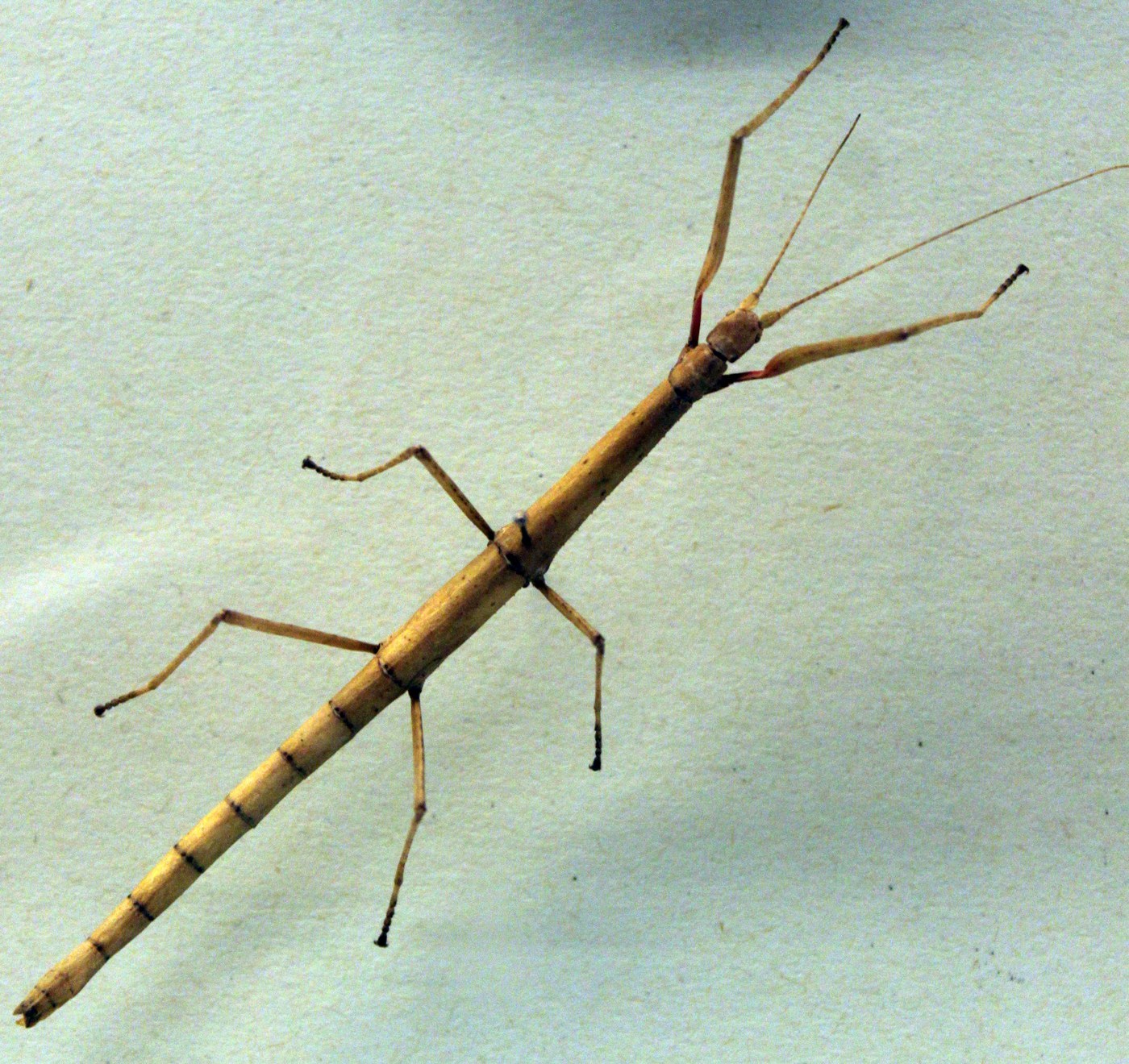
Indian Stick Insect
A slender, twig-mimicking insect so unremarkable in stillness that it disappears among the stems it feeds on, one of the most widely raised stick insects in the world.
mantis-stick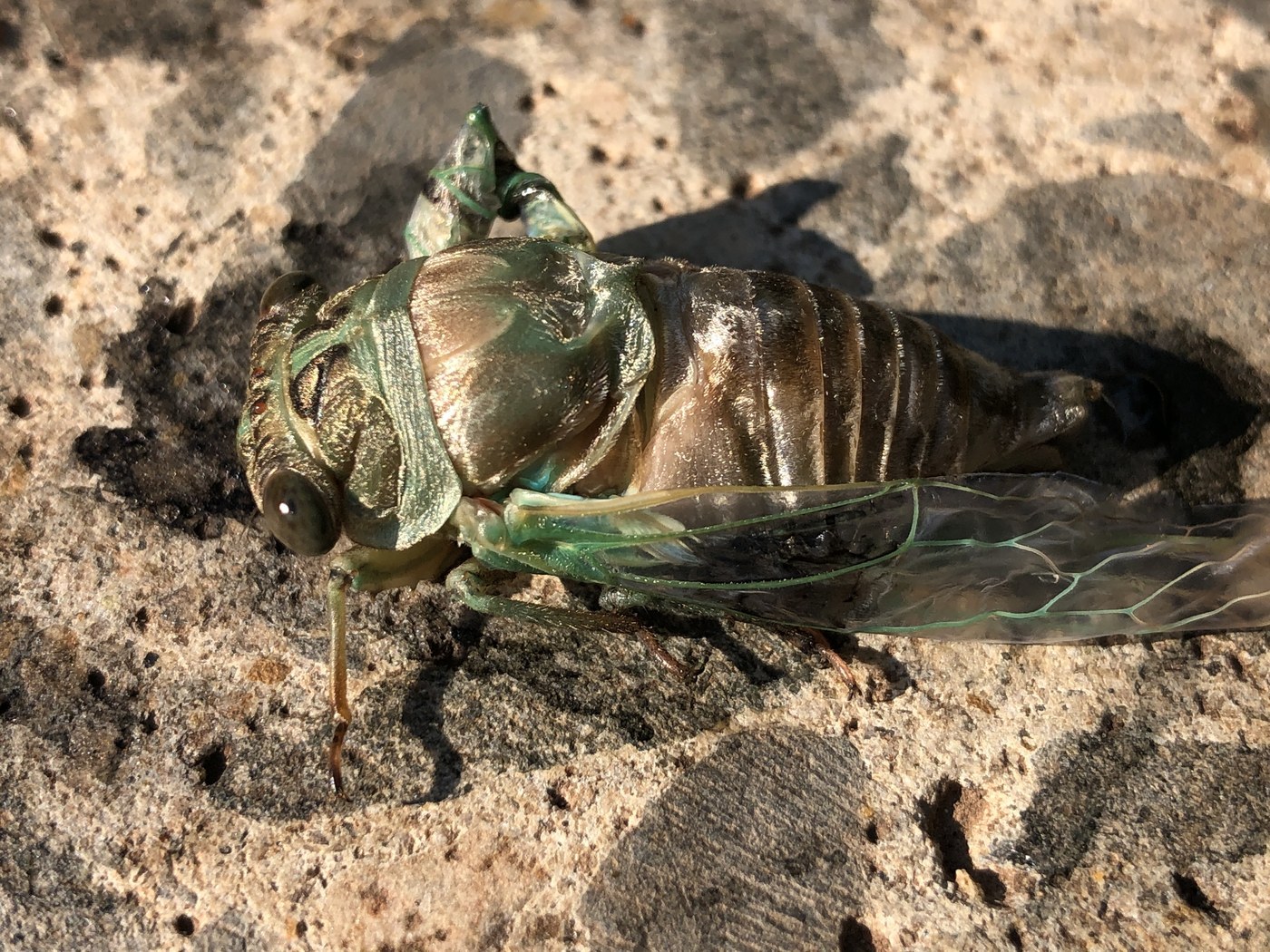
Dog-Day Cicada
A stout, thick-bodied cicada with mottled green and brown camouflage patterning, named for its loud droning calls heard during the hot "dog days" of late summer.
true-bug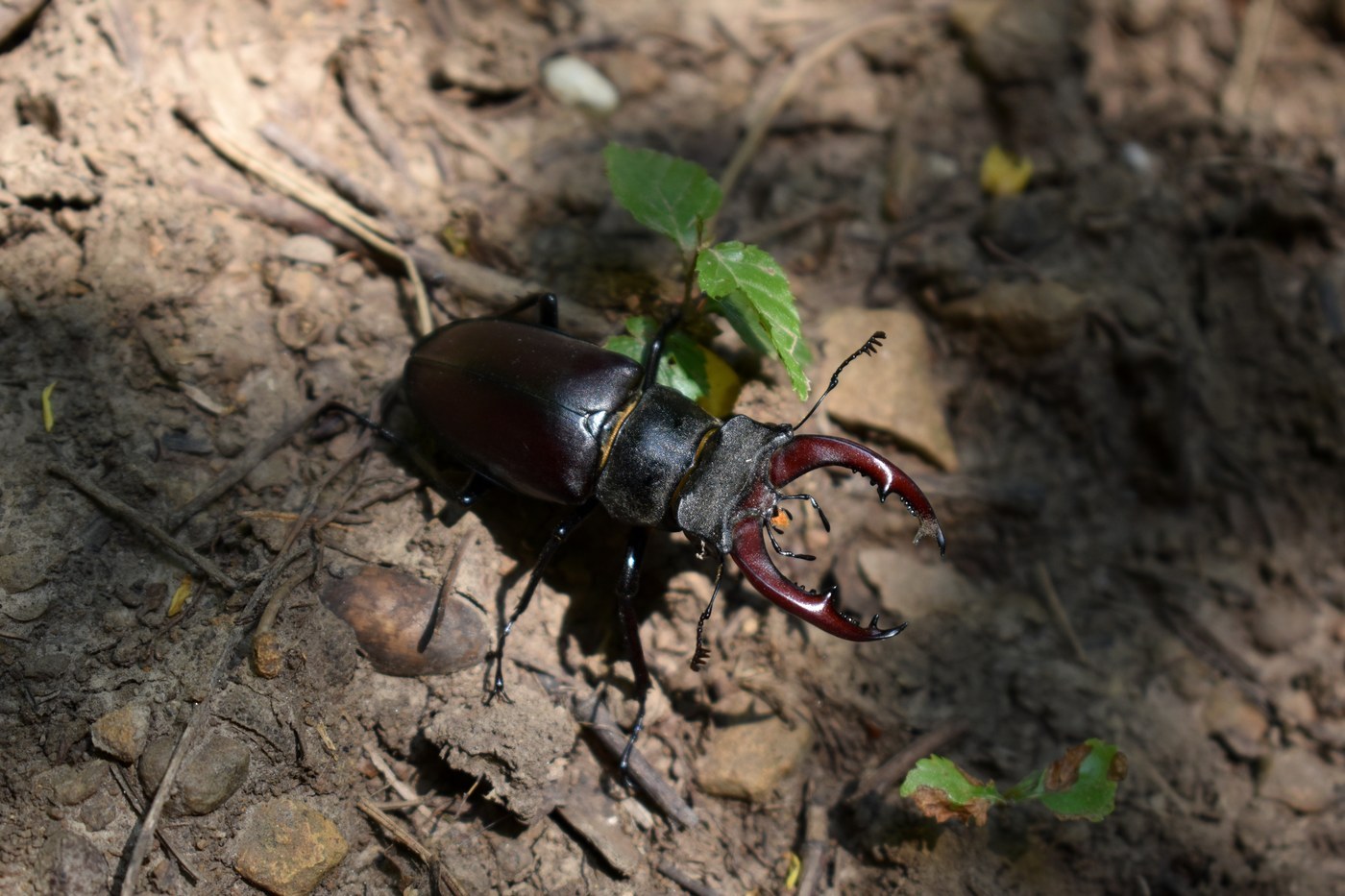
European Stag Beetle
Europe's largest beetle, a glossy dark brown insect in which males carry oversized antler-like mandibles used to wrestle rivals, resembling the antlers of a stag.
beetle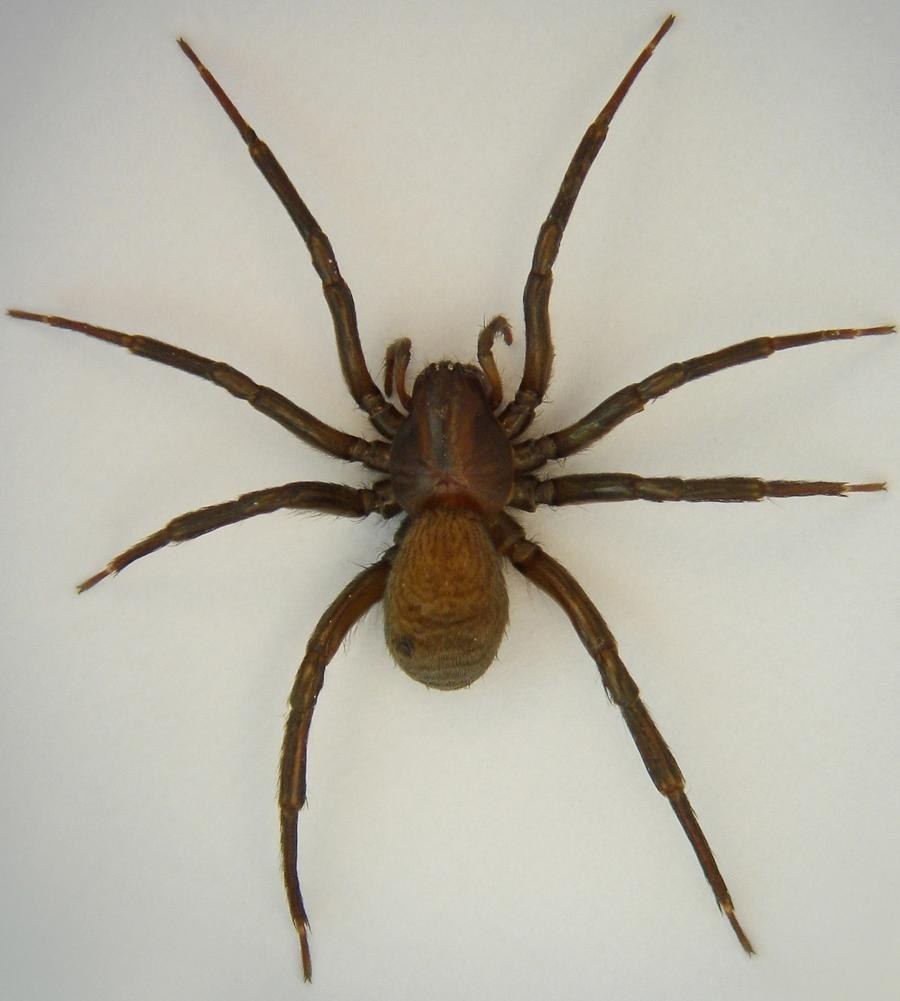
Diving Bell Spider
The world's only truly aquatic spider, famous for spinning an underwater silk bell that it fills with air, allowing it to live, hunt, and breed almost entirely submerged.
spiderFishfly
A smaller, more modestly built cousin of the dobsonfly, often mistaken for its larger relative but lacking the dramatic elongated mandibles of male dobsonflies.
aquatic-insectDarkling Beetle
A uniformly dark, matte-black ground beetle often seen walking deliberately across open soil, known for tilting its rear end skyward in a distinctive defensive posture when disturbed.
beetleHouse Ant
A small, dark brown to black ant that forages in loose trails along countertops and baseboards and releases a distinctive rotten-coconut smell when crushed.
ant