
Bug Encyclopedia
Search and identify bugs & insects — beetles, butterflies, moths, ants, bees, spiders and more — with size, habitat, danger, behavior, and how to tell them apart.
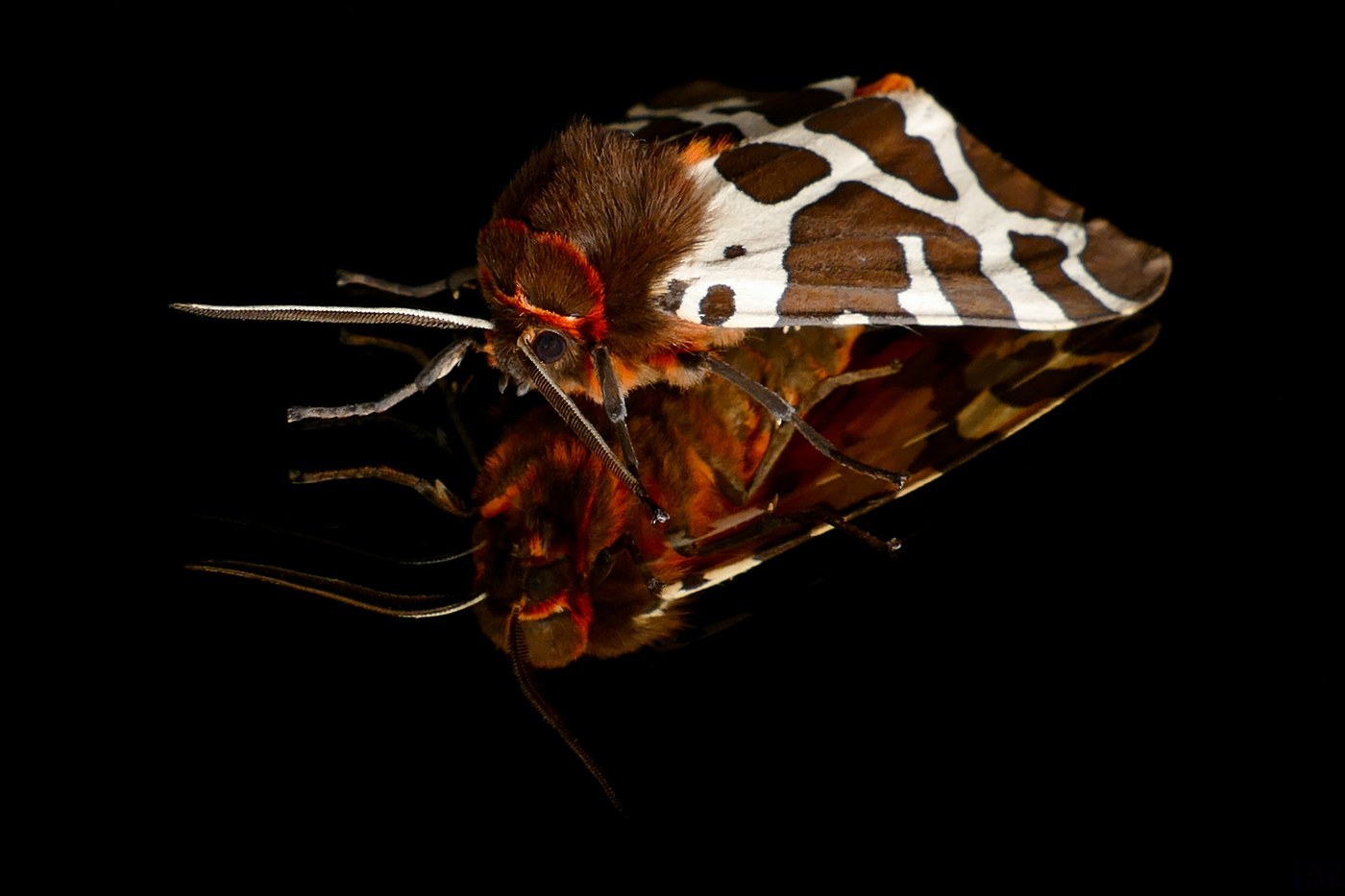
Garden Tiger Moth
A boldly patterned tiger moth with chocolate-brown, cream-marbled forewings that flash to reveal vivid orange hindwings dotted with blue-black spots when the moth is disturbed.
moth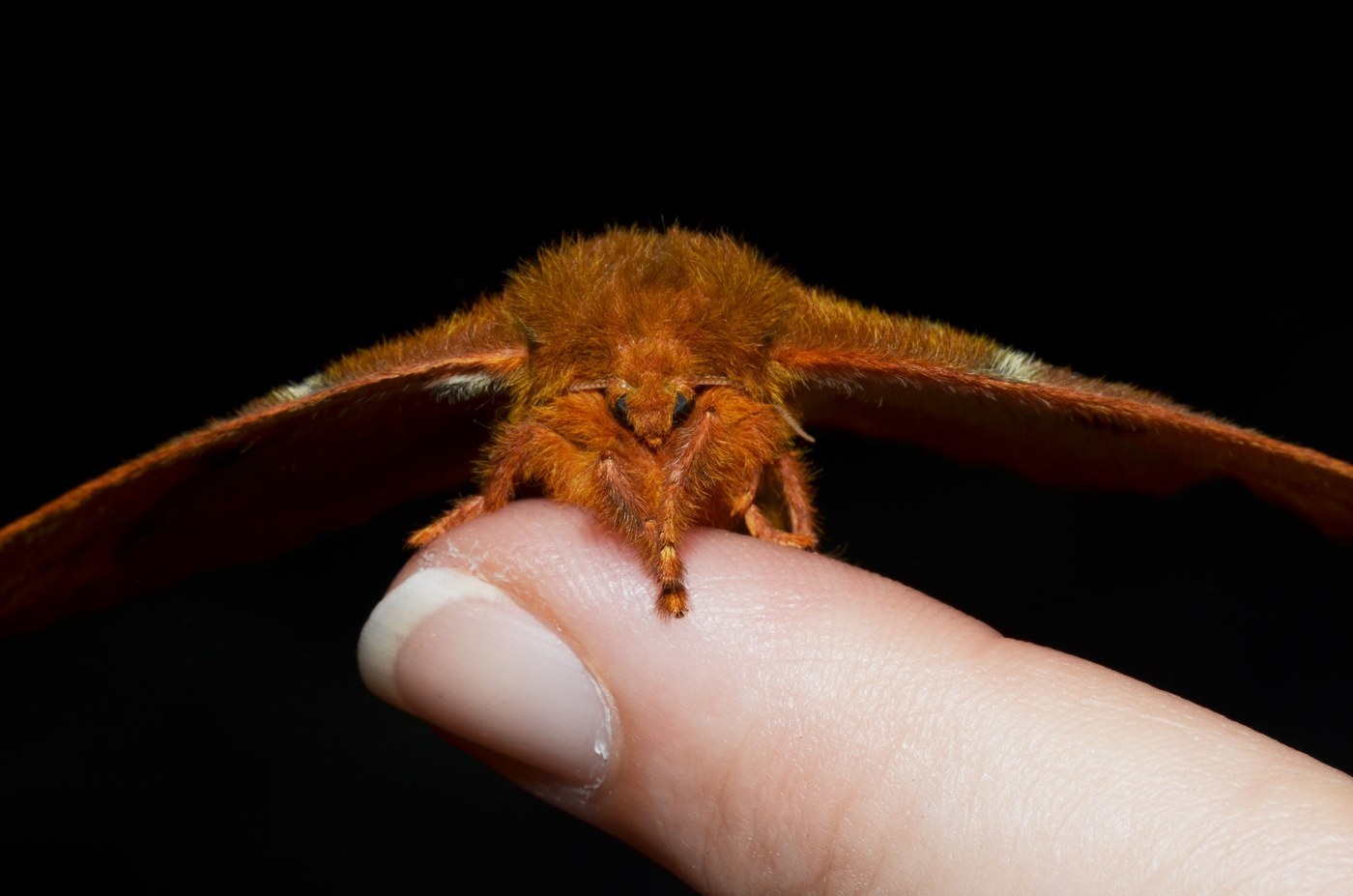
Io Moth
A striking yellow (male) or reddish-brown (female) silkmoth instantly recognizable by the large, dark eyespot ringed in blue and black on each hindwing, flashed suddenly to startle predators.
moth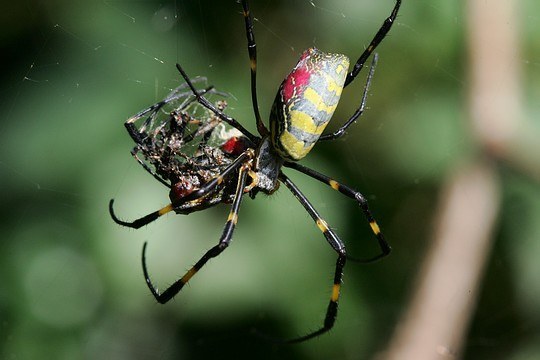
Jorō Spider
A large, strikingly colored East Asian orb weaver with yellow-and-blue-gray banding, now spreading rapidly across the southeastern United States and building enormous golden webs.
spider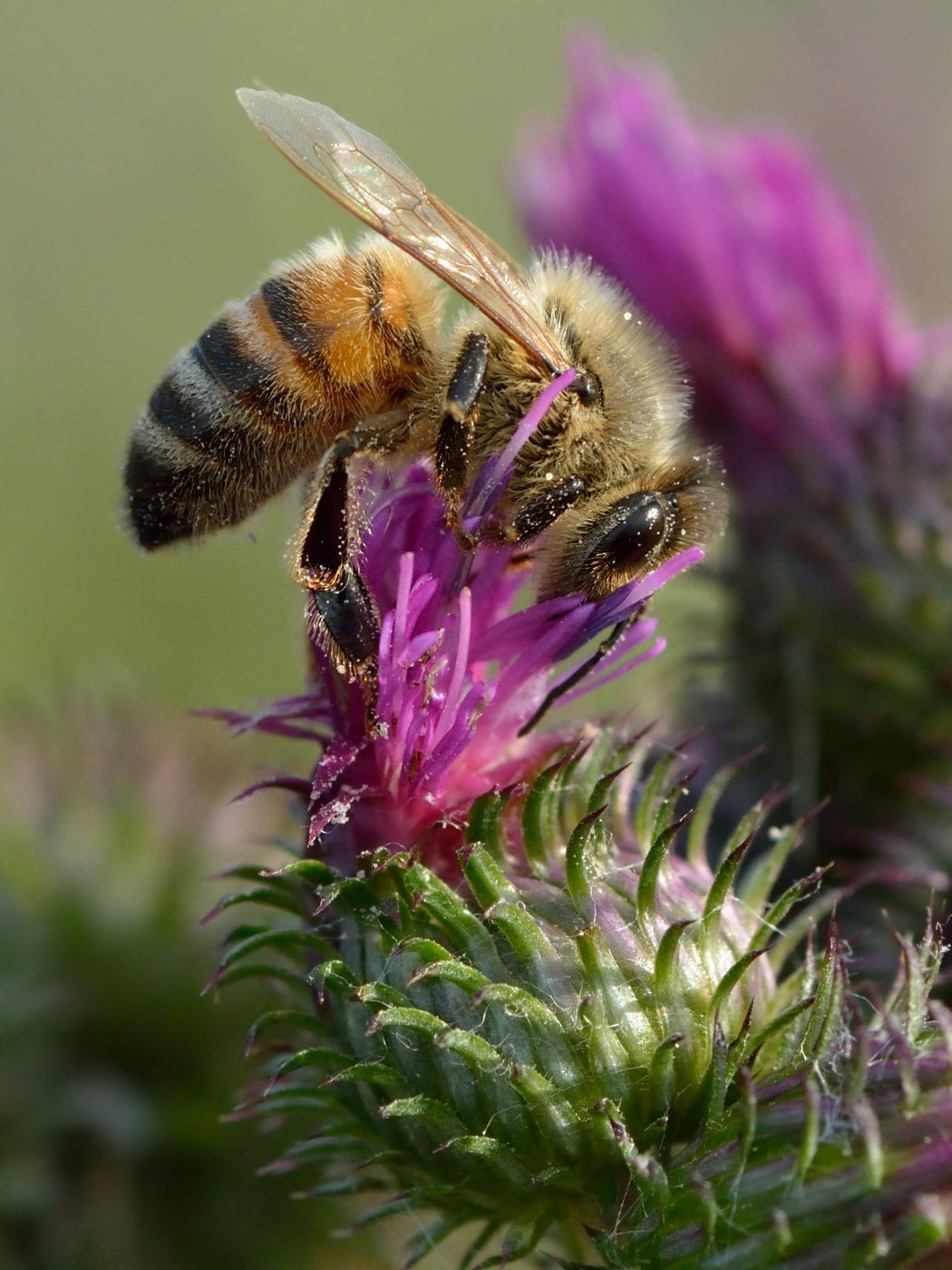
Honeybee
A fuzzy, golden-brown and black social bee that lives in large colonies, builds wax honeycomb, and is the primary managed pollinator of crops and wildflowers worldwide.
bee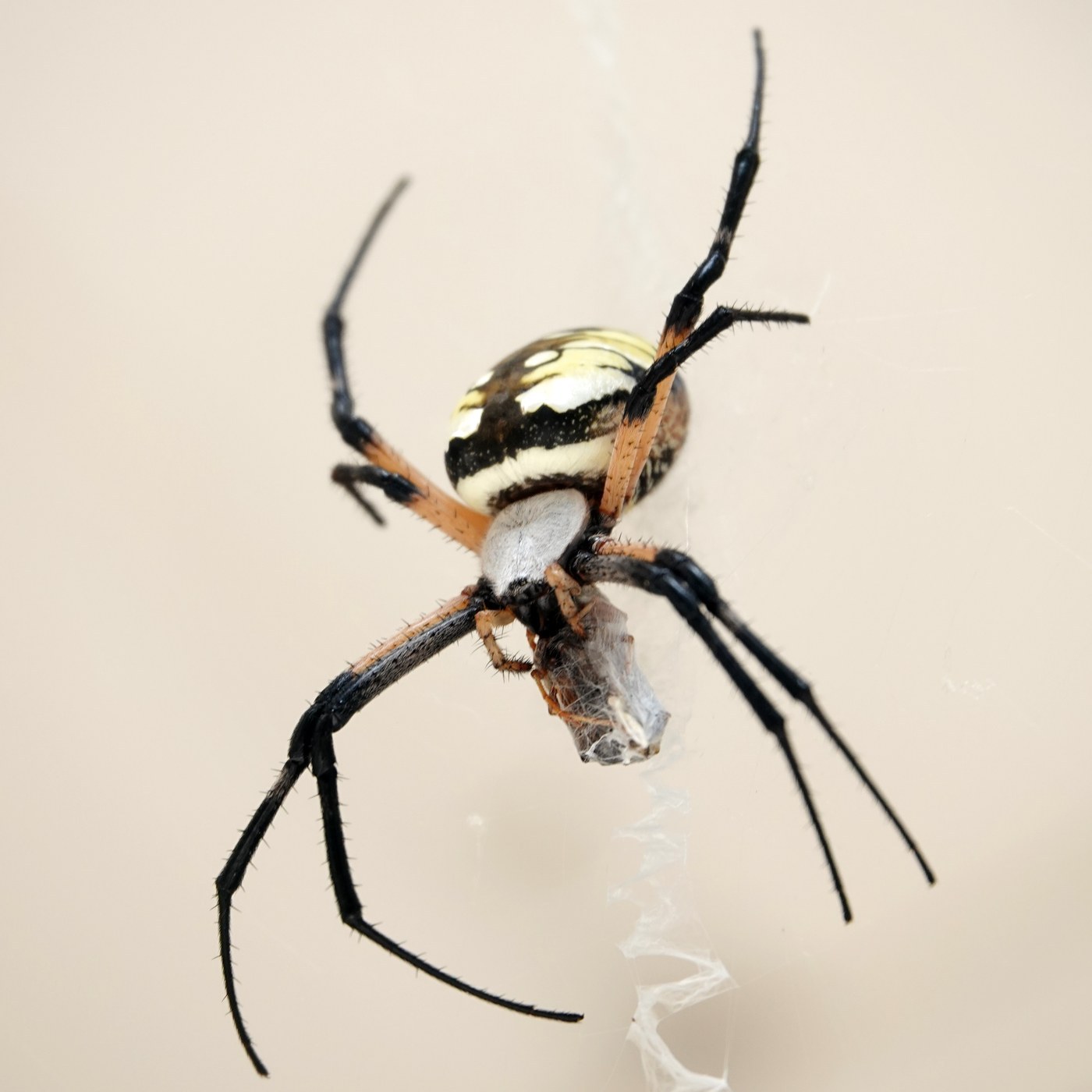
Garden Spider
A large, strikingly patterned orb weaver with a black-and-yellow abdomen and a bold zigzag band of silk woven into the center of its web, making it one of the most recognizable garden spiders.
spider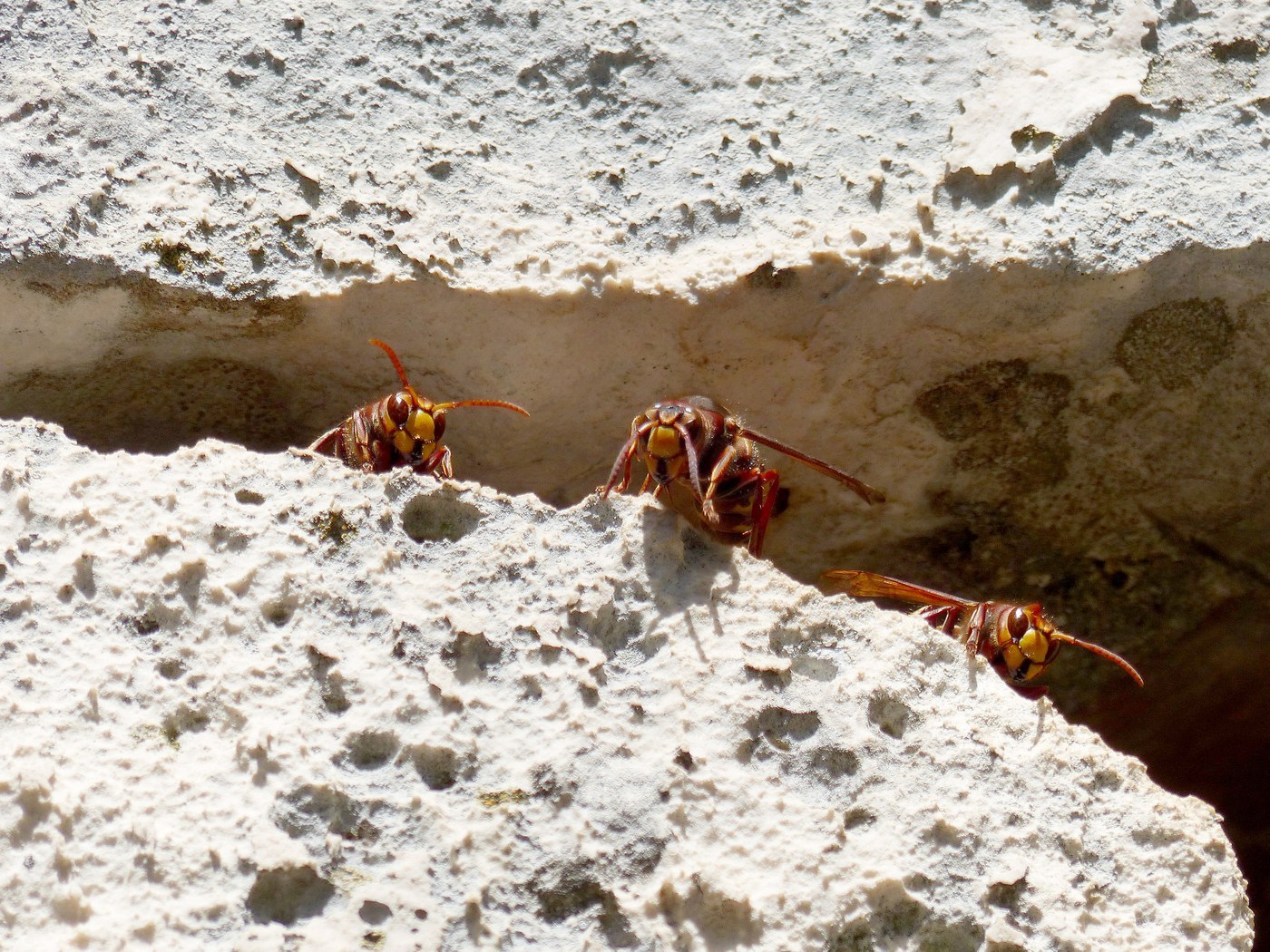
Hornet
A large, robust social wasp with a reddish-brown and yellow patterned body, notably bigger than yellowjackets, building enclosed papery nests often high in tree cavities or wall voids.
waspGlowworm Beetle
A beetle whose females remain larva-like and glowing for their entire lives, producing rows of soft greenish light along their segmented, worm-like bodies, while males develop into small, feathery-antennaed flying beetles.
beetle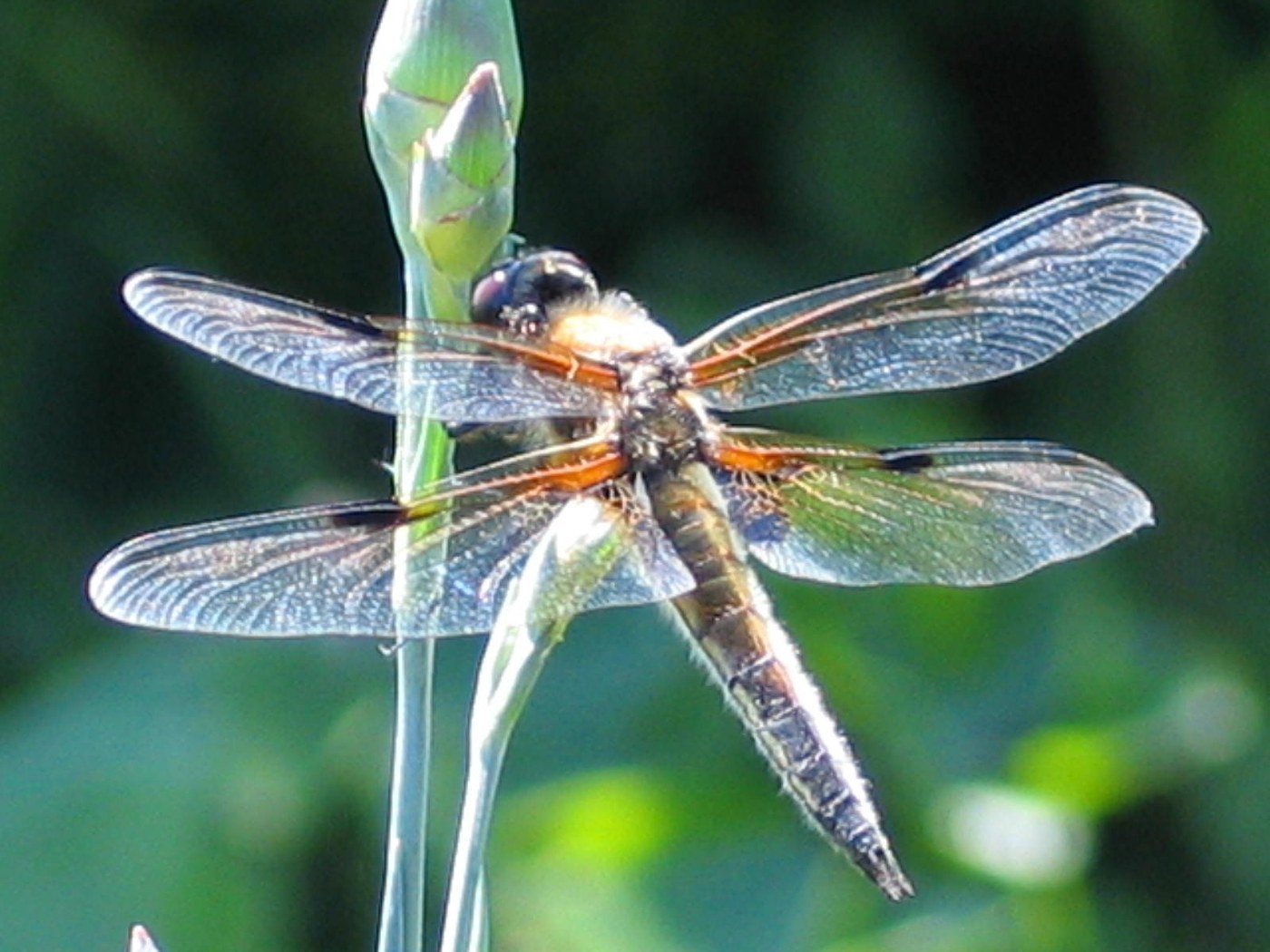
Four-spotted Skimmer
A brown, sturdily built dragonfly marked with a single dark spot on each wing, this holarctic species is famous for occasional mass emergences and long-distance swarming flights.
dragonflyHummingbird Moth
Hovering at flowers with a blur of wings and a long uncoiling tongue, the hummingbird moth is easily mistaken for a tiny hummingbird. These plump, fast-flying hawk moths feed on nectar in broad daylight.
moth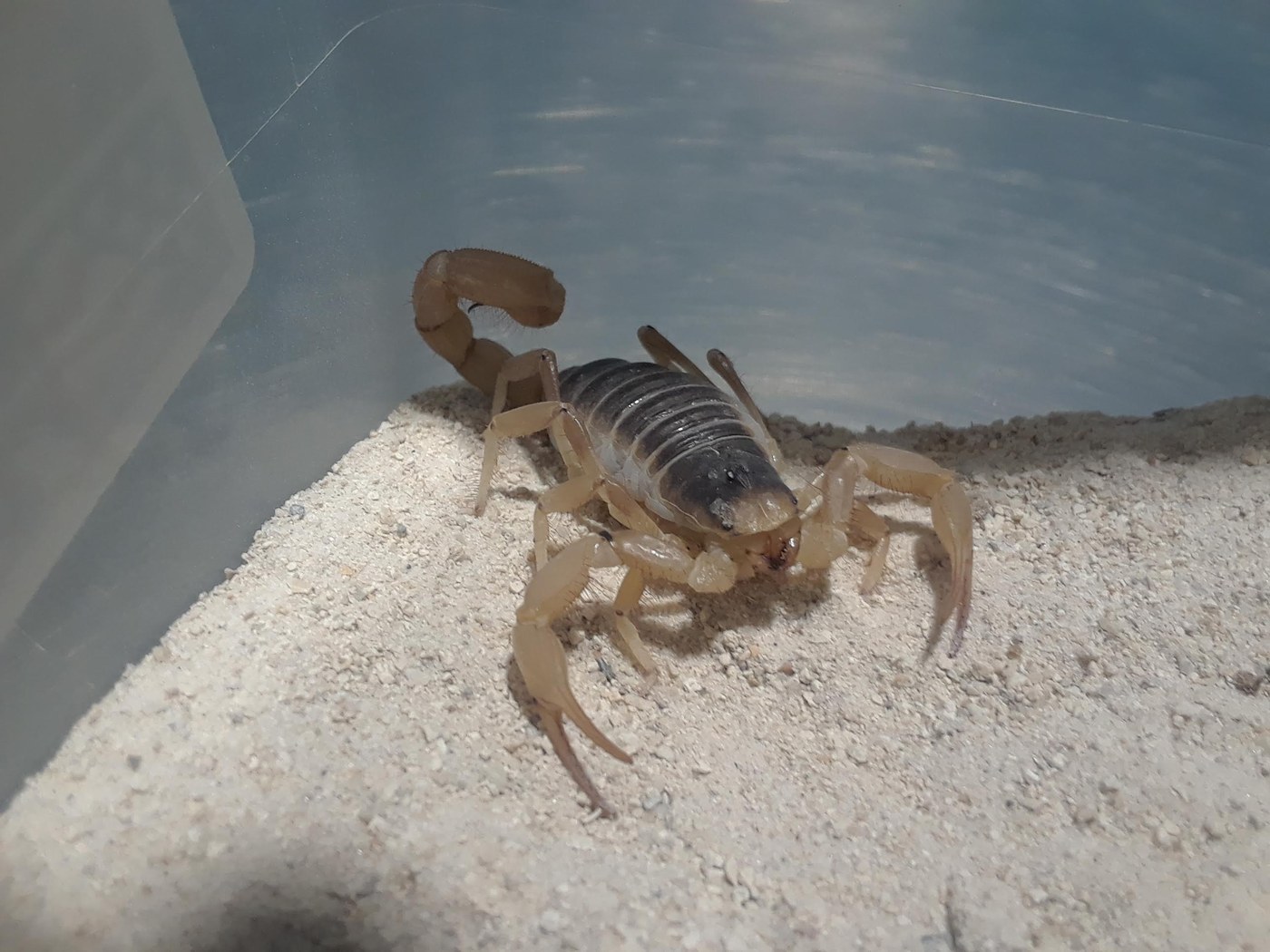
Giant Desert Hairy Scorpion
The largest scorpion in North America, a robust golden-brown giant covered in fine bristles that digs deep burrows in the desert sand and hunts after dark.
arachnid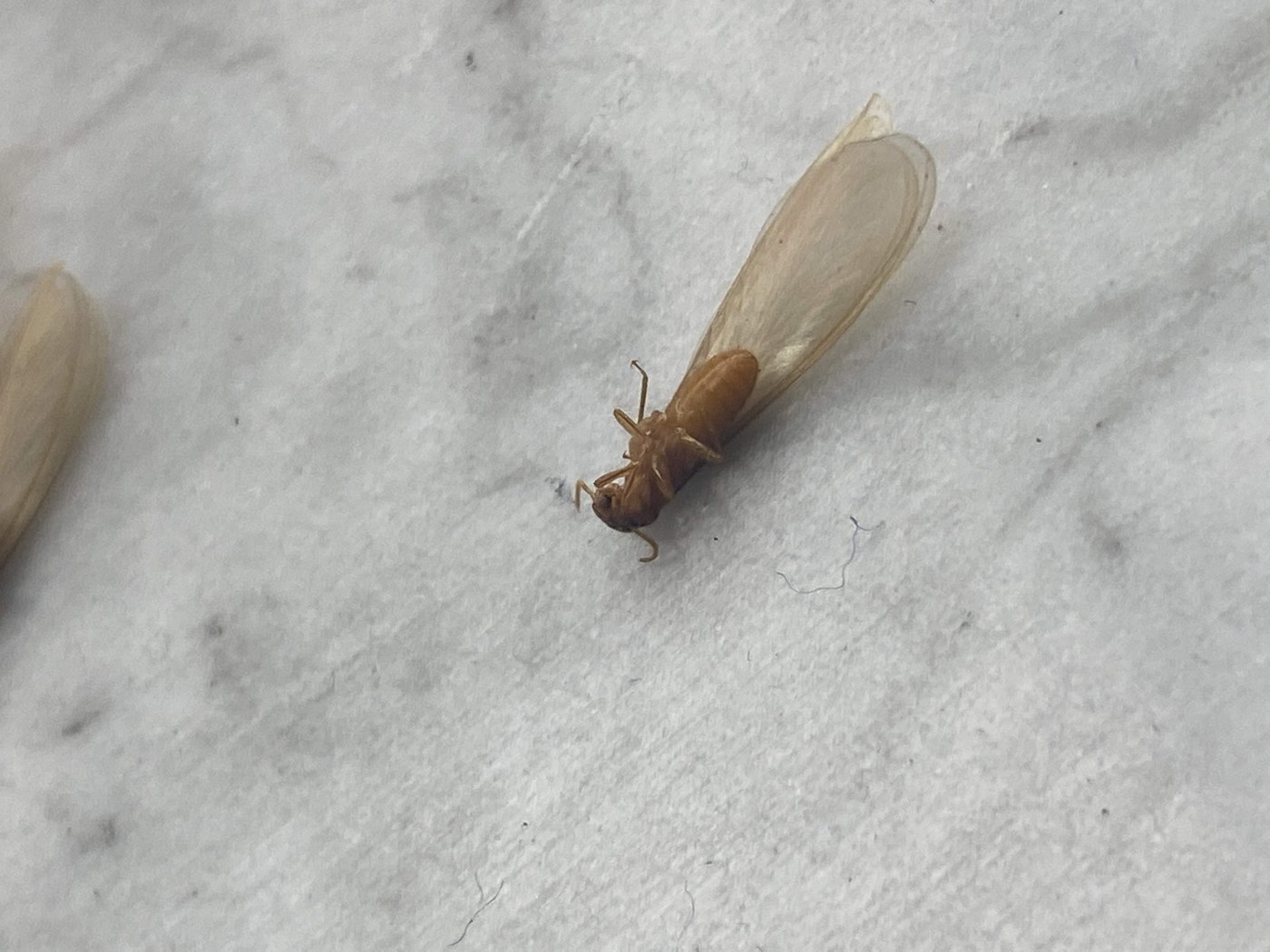
Formosan Subterranean Termite
A pale, aggressive subterranean termite native to East Asia that builds enormous colonies and can construct large above-ground carton nests in trees, walls, and structures.
other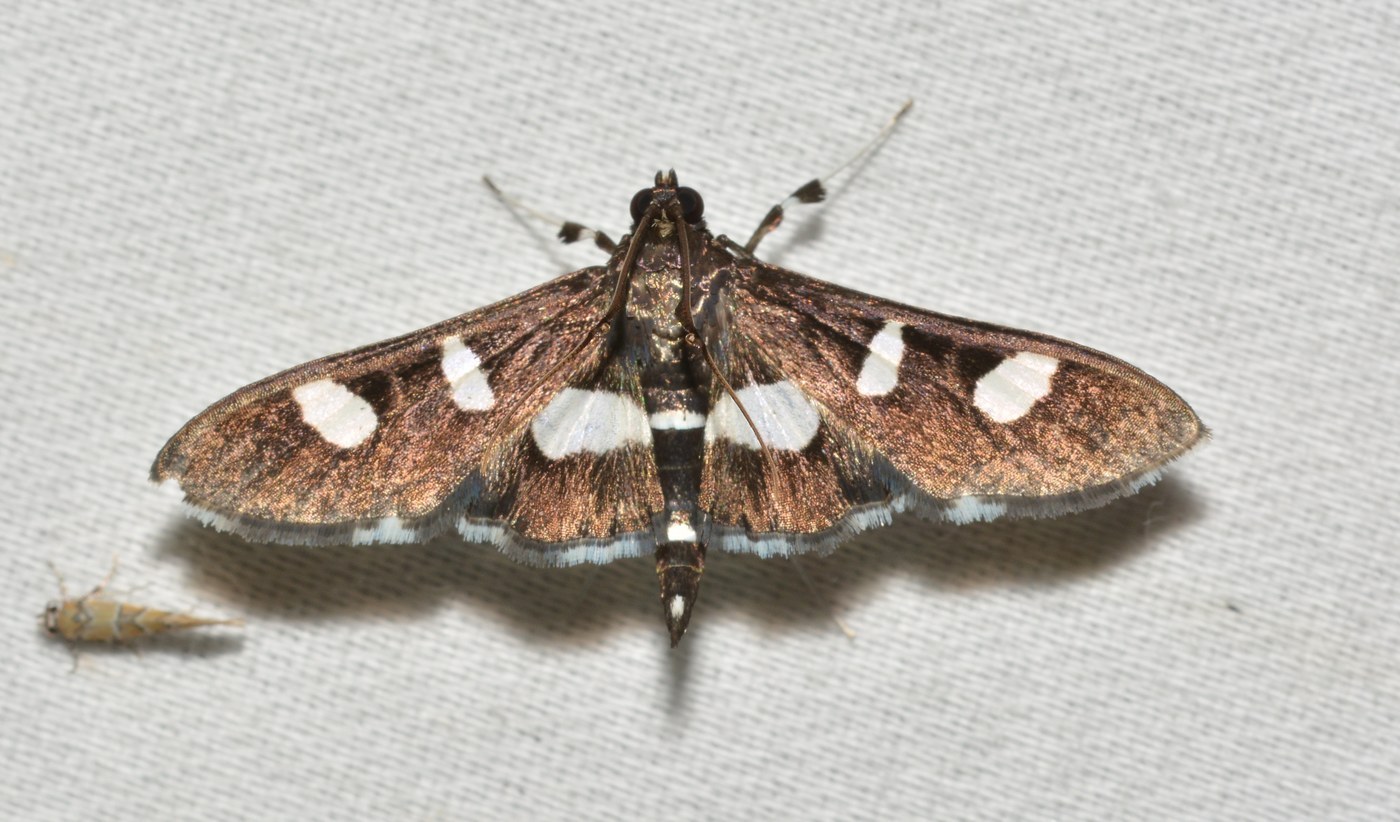
Grape Leaffolder Caterpillar
This small green caterpillar stitches grape leaves together with silk into a rolled shelter, feeding hidden inside its own leafy tube and leaving skeletonized patches behind.
caterpillar-larva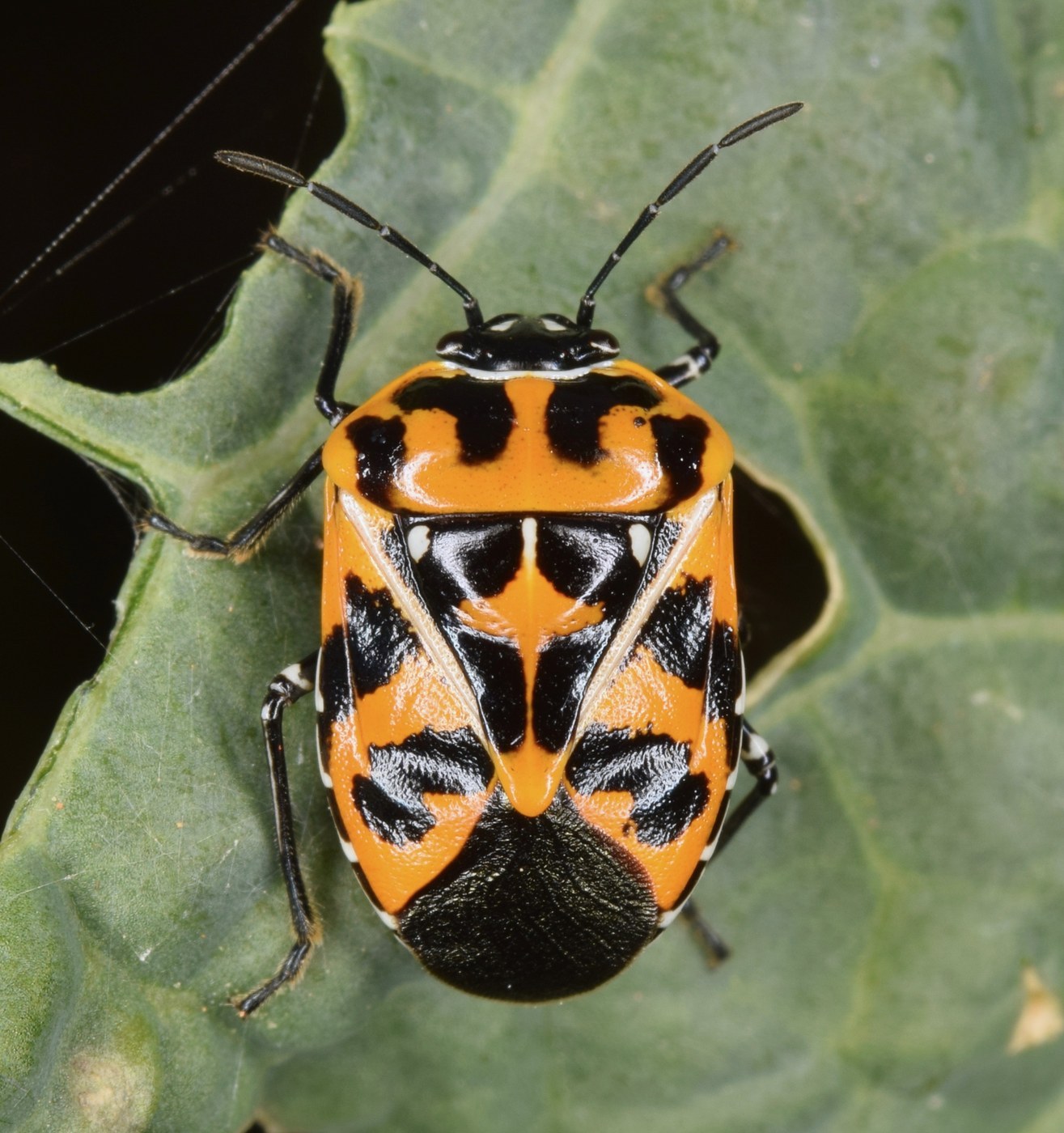
Harlequin Bug
A shield-shaped stink bug painted in bold black-and-orange (or red-and-yellow) blotches, making it one of the most colorful and easily recognized true bugs on cabbage and other cole crops.
true-bugGnat
A catch-all common name for a wide range of tiny, delicate flies, some no bigger than a grain of pepper, often seen hovering in small clouds near water, moist soil, or overripe produce.
fly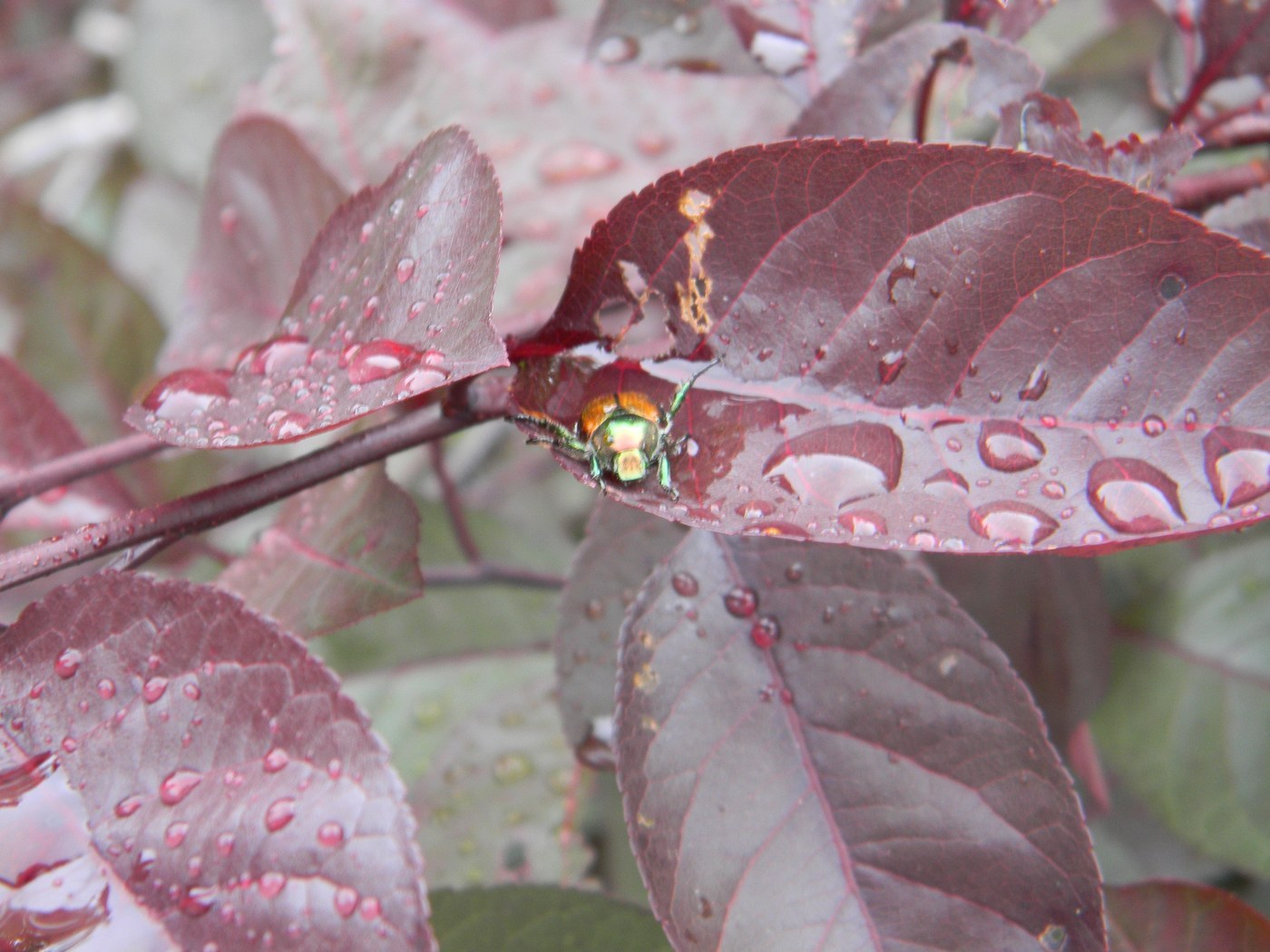
Japanese Beetle
A small, iridescent beetle with a metallic green head and thorax and coppery-bronze wing covers, notorious for skeletonizing the leaves of roses, grapevines, and hundreds of other garden plants.
beetle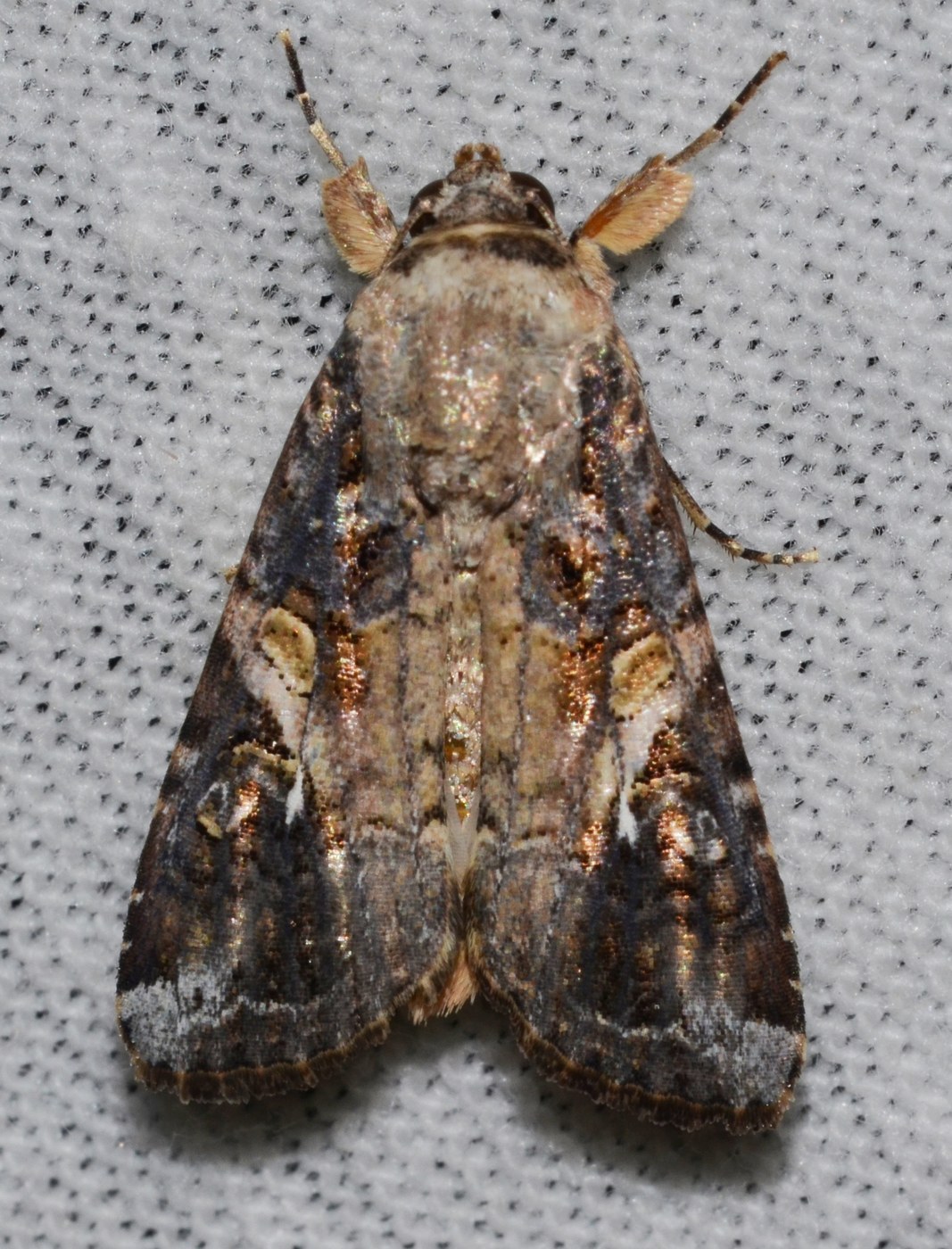
Fall Armyworm
A brownish-green caterpillar marked with a pale inverted "Y" on its head, notorious for rapid, large-scale outbreaks that devastate corn and other grass crops across the globe.
caterpillar-larva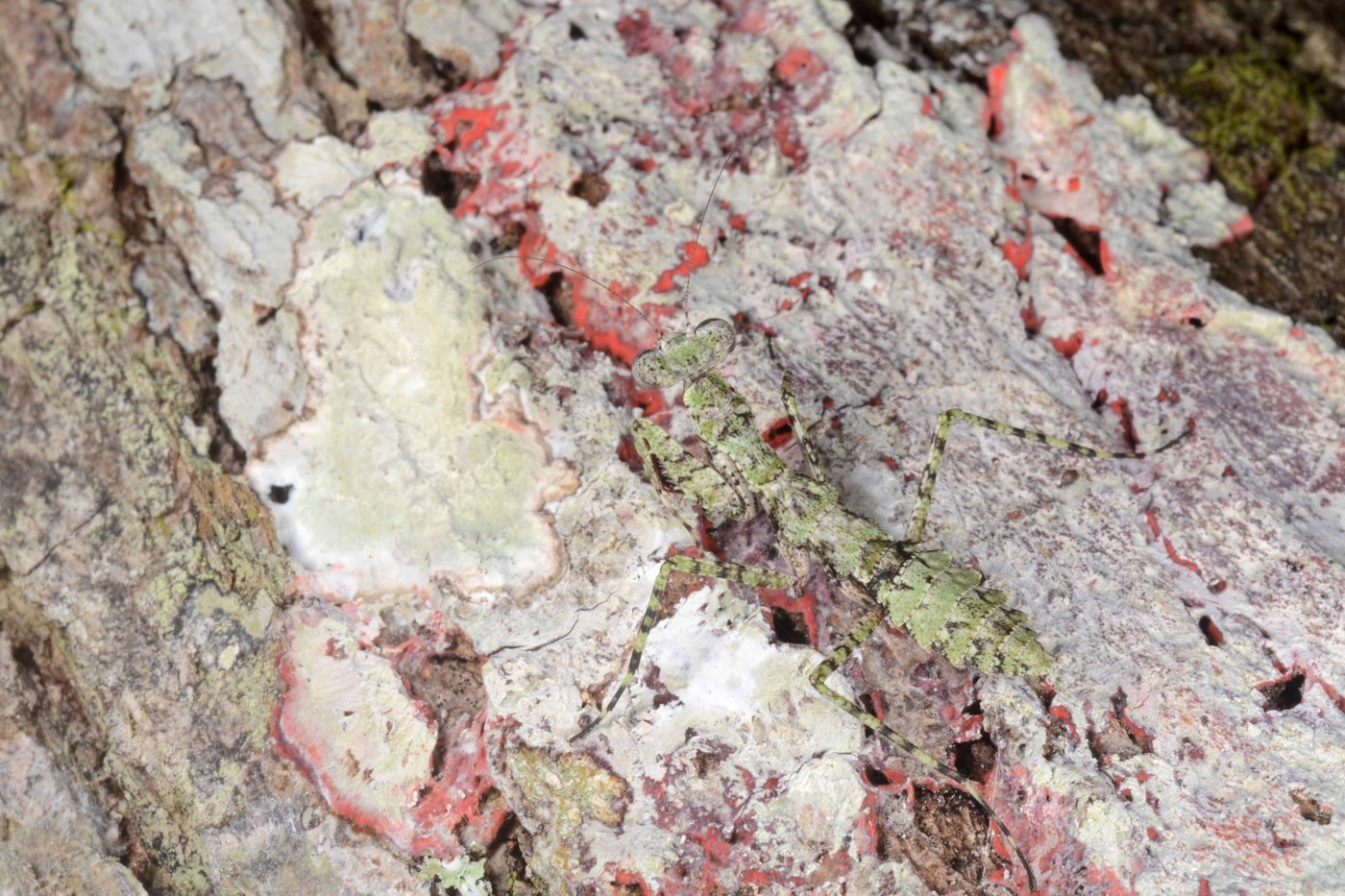
Grizzled Mantis
Mottled in shades of gray and lichen-green, this flattened mantis presses itself against tree bark so convincingly that it seems to melt into the trunk.
mantis-stick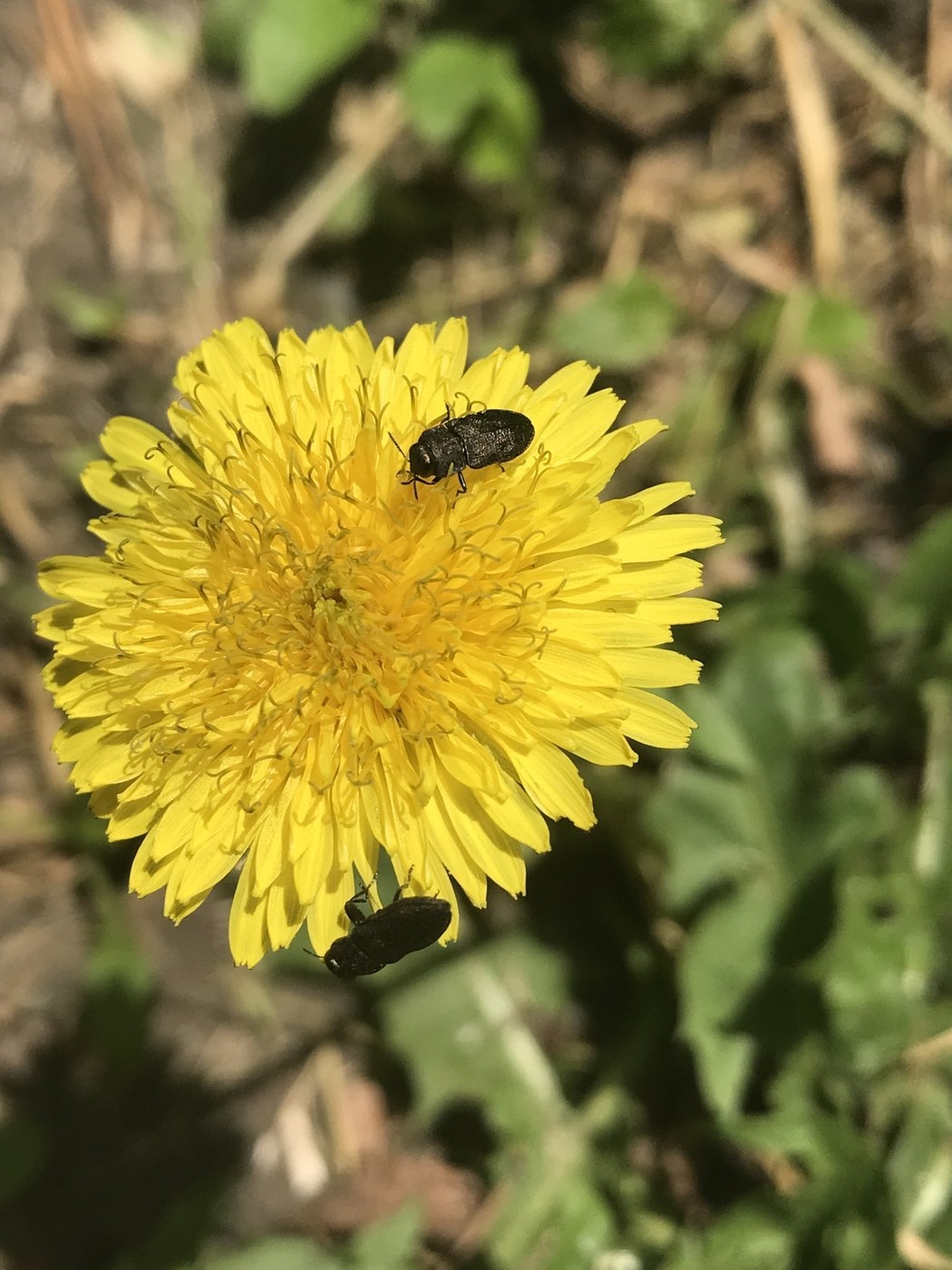
Jewel Beetle
A sleek, bullet-shaped beetle wrapped in brilliant iridescent metallic colors — green, copper, blue, or gold — that seem to shift with the angle of light.
beetle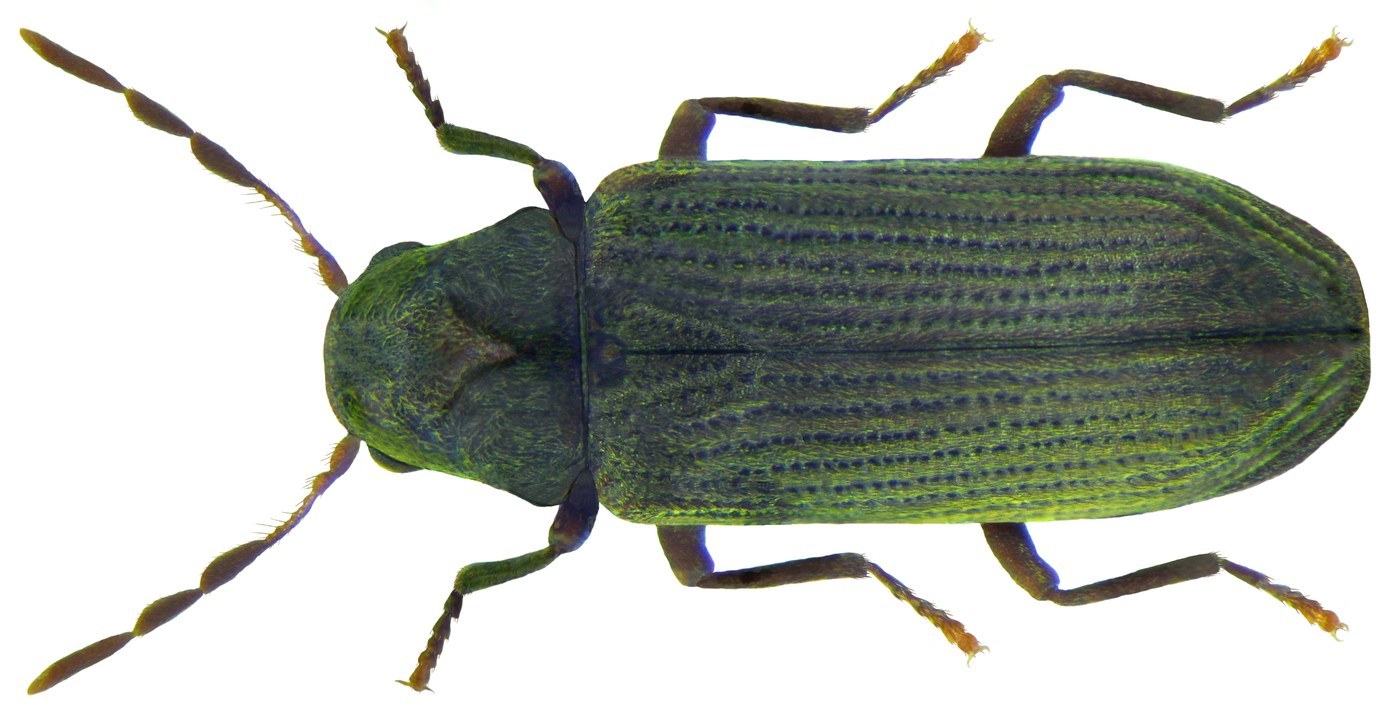
Furniture Beetle
A tiny, reddish-brown to dark brown cylindrical beetle whose larvae, commonly called 'woodworm,' bore small round tunnels through seasoned furniture and timber.
beetle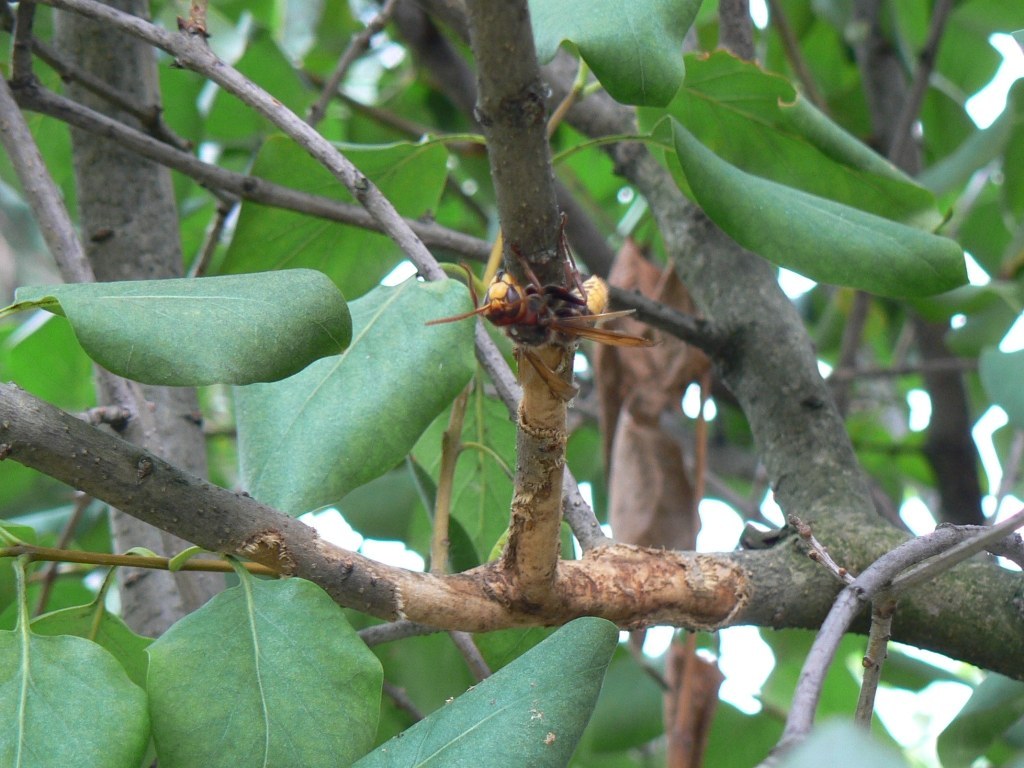
European Hornet
A large, robust wasp with a reddish-brown thorax, yellow-and-brown striped abdomen, and a distinctive habit of nesting in hollow trees, making it the largest true hornet native to Europe and introduced to eastern North America.
wasp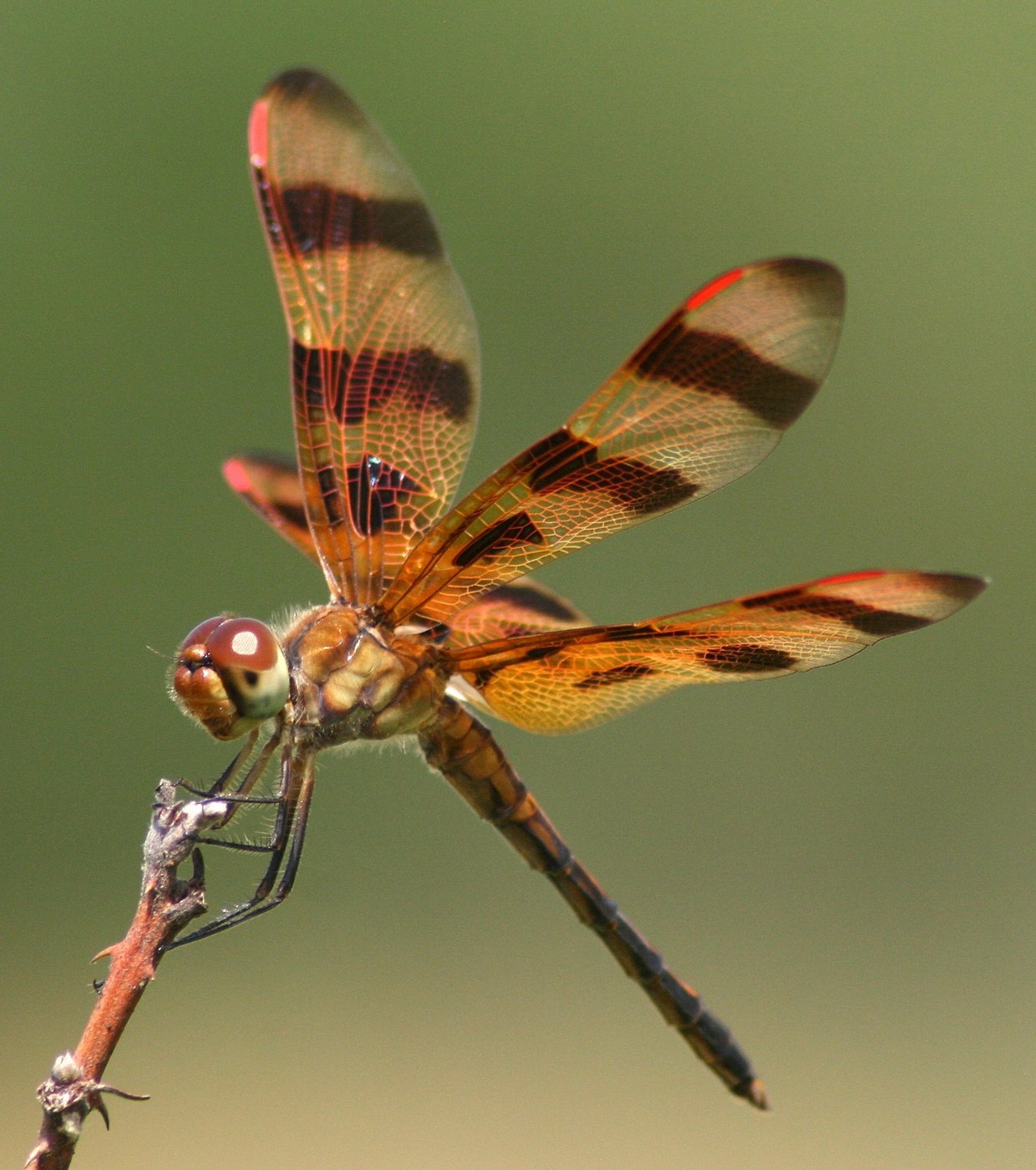
Halloween Pennant
With broad orange-amber wings banded in dark brown, this dragonfly perches conspicuously atop tall grass stems, swaying like a small flag in the breeze.
dragonfly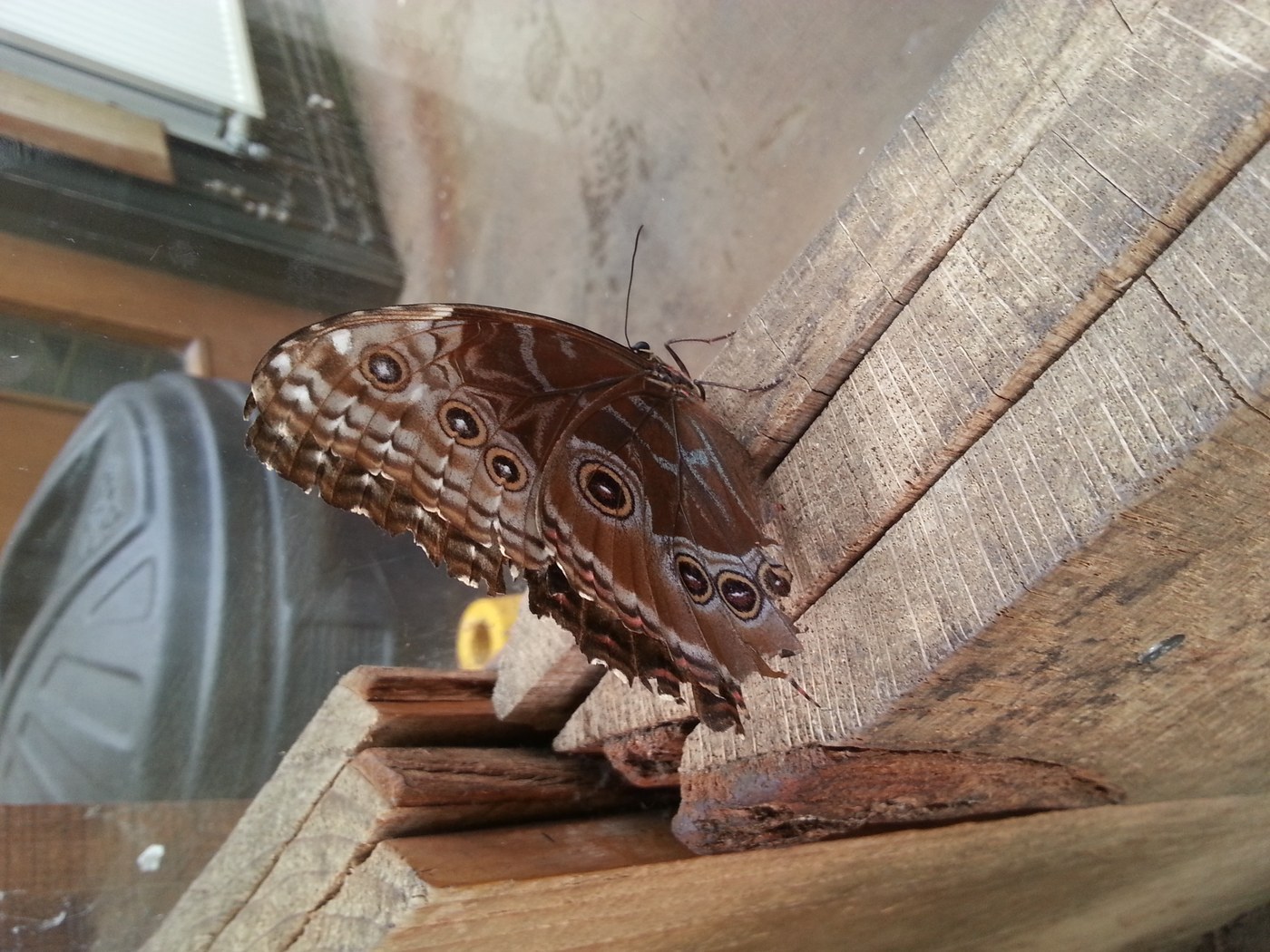
Hackberry Emperor
A brown-and-cream butterfly closely tied to hackberry trees, notable for its bold eyespots and habit of landing on people, cars, and other unusual surfaces rather than flowers.
butterfly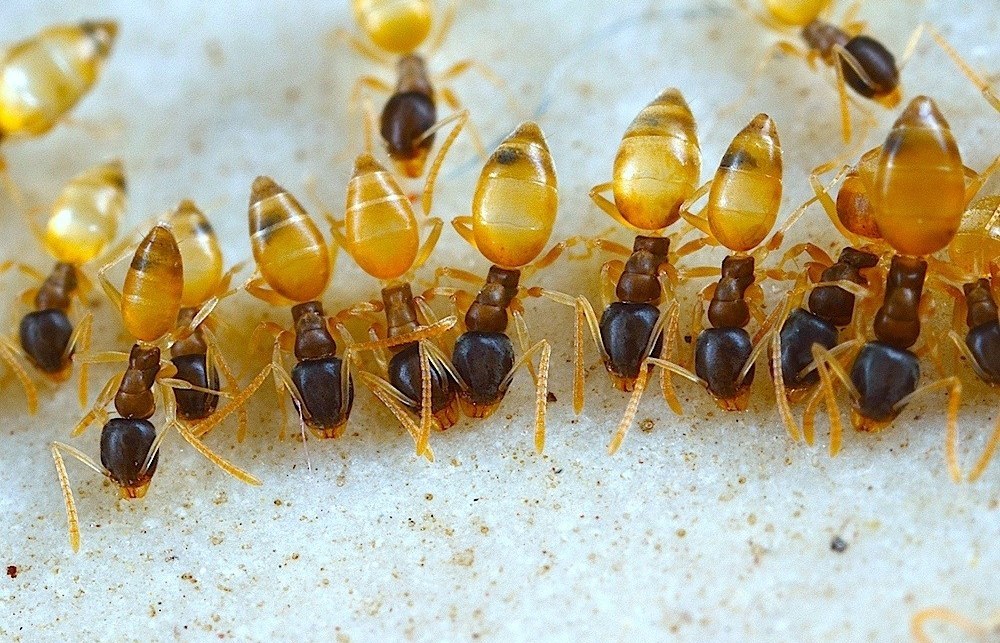
Ghost Ant
A minuscule ant with a dark head and pale, nearly translucent legs and abdomen that seem to vanish against light-colored surfaces, giving the species its ghostly common name.
ant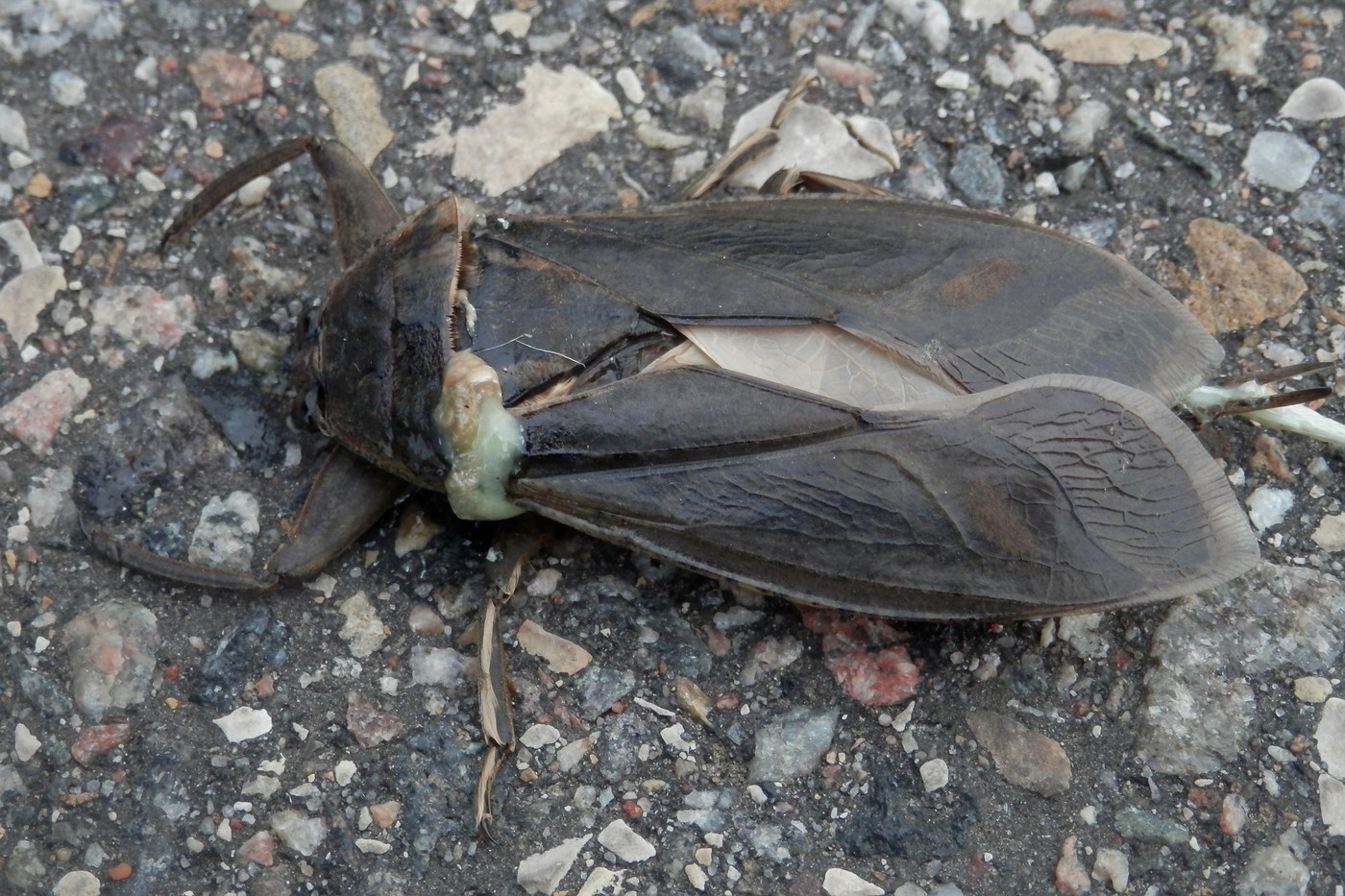
Giant Water Bug
A massive, flattened oval true bug with powerful grasping front legs, the giant water bug is North America's largest aquatic insect and an ambush predator lurking just below the surface of still water.
aquatic-insect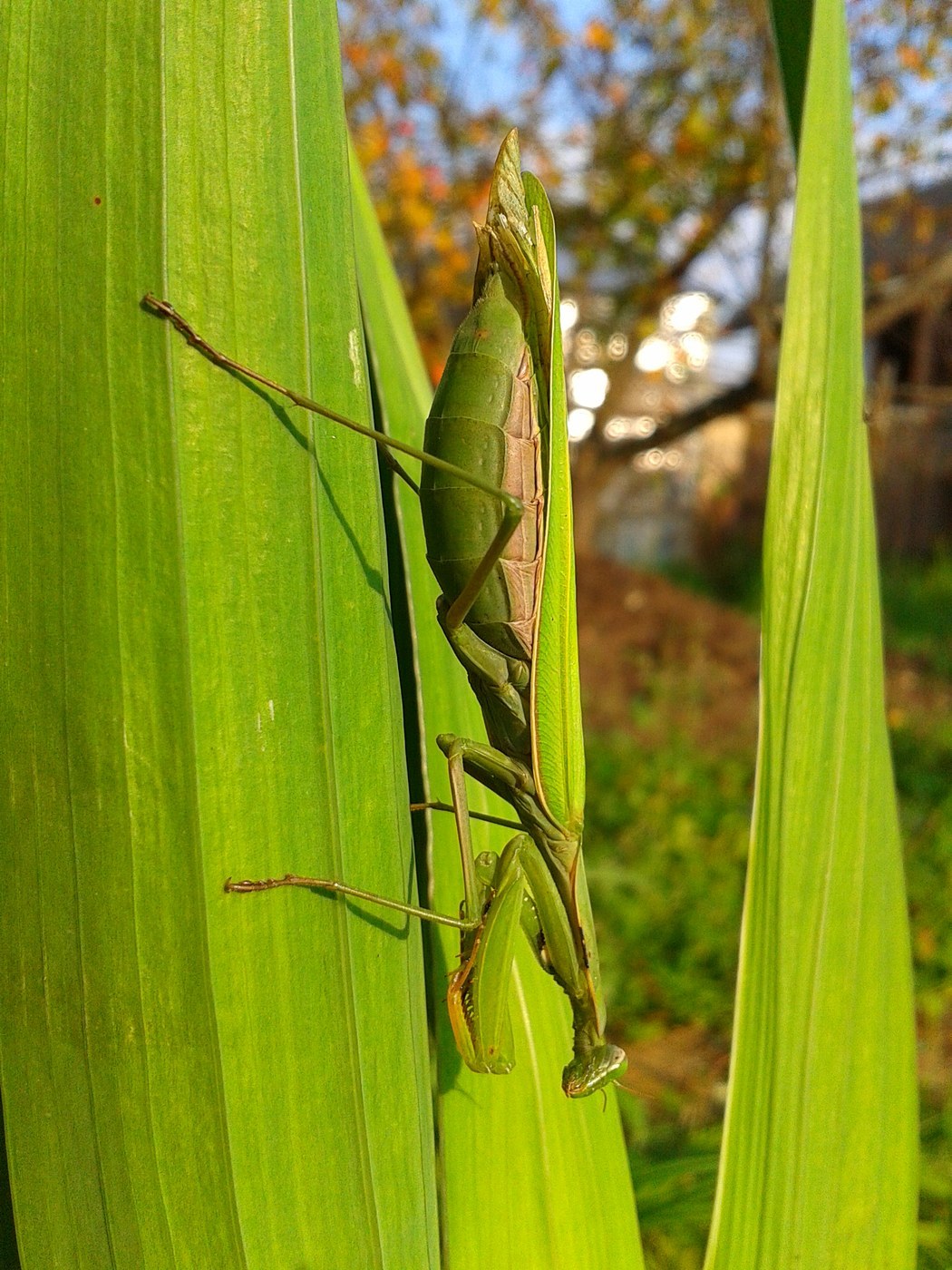
European Mantis
A slender, typically bright green mantis native to Europe, Africa, and Asia, now widely established in North America, easily recognized by a small dark bullseye mark on the inside of its front legs.
mantis-stickLace Bug
A tiny, flattened true bug with delicately sculpted, lace-like wings resembling fine netting, the lace bug feeds in colonies on the undersides of leaves, leaving a stippled, bleached pattern on foliage.
true-bug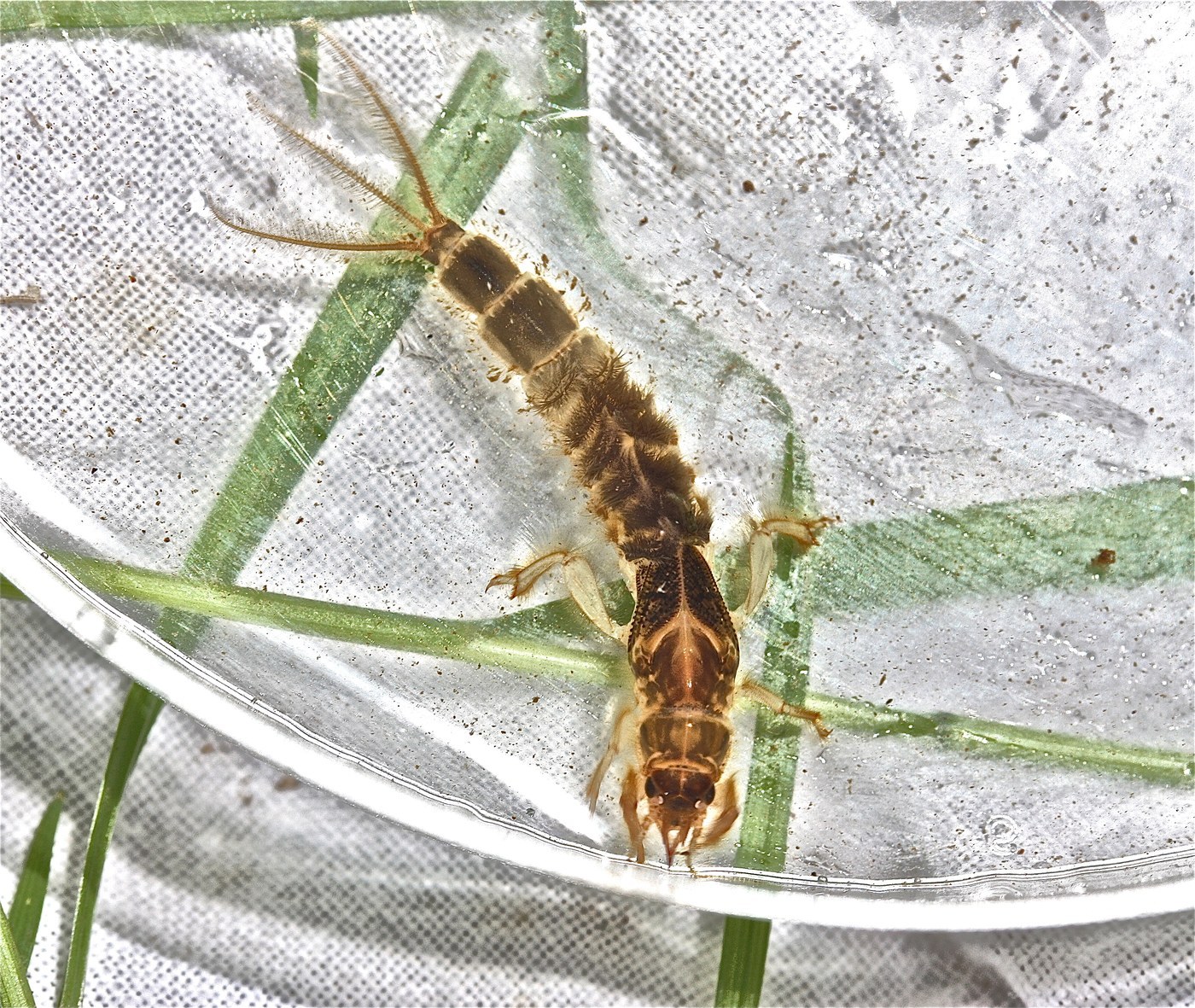
Green Drake Mayfly
Famous among anglers for triggering explosive trout feeding frenzies, the Green Drake Mayfly is a large, striking insect whose brief springtime emergence is one of the most anticipated events on many rivers.
aquatic-insectFungus Gnat
A small, dark, mosquito-like fly with long legs and delicate smoky wings, often seen weakly fluttering around houseplants or crawling across damp potting soil.
fly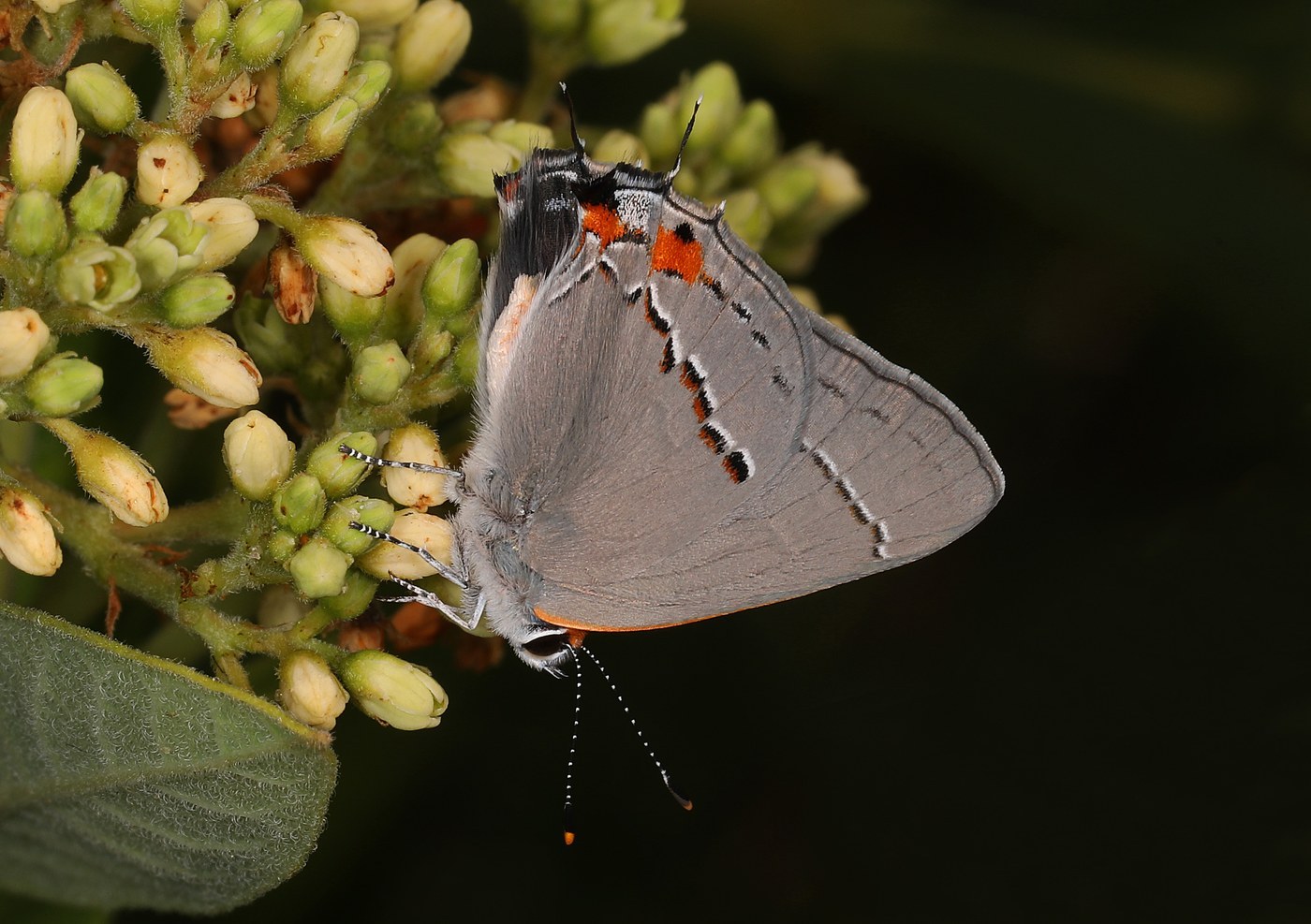
Gray Hairstreak
A small slate-gray butterfly with thin white lines, an orange-capped black spot near the hindwing tail, and one of the broadest host-plant ranges of any North American butterfly, making it a familiar visitor to gardens and fields alike.
butterflyLace Weaver Spider
A stocky, mottled spider that spins a distinctive bluish, woolly-looking lace-like web across bark and wall crevices to snare passing insects.
spider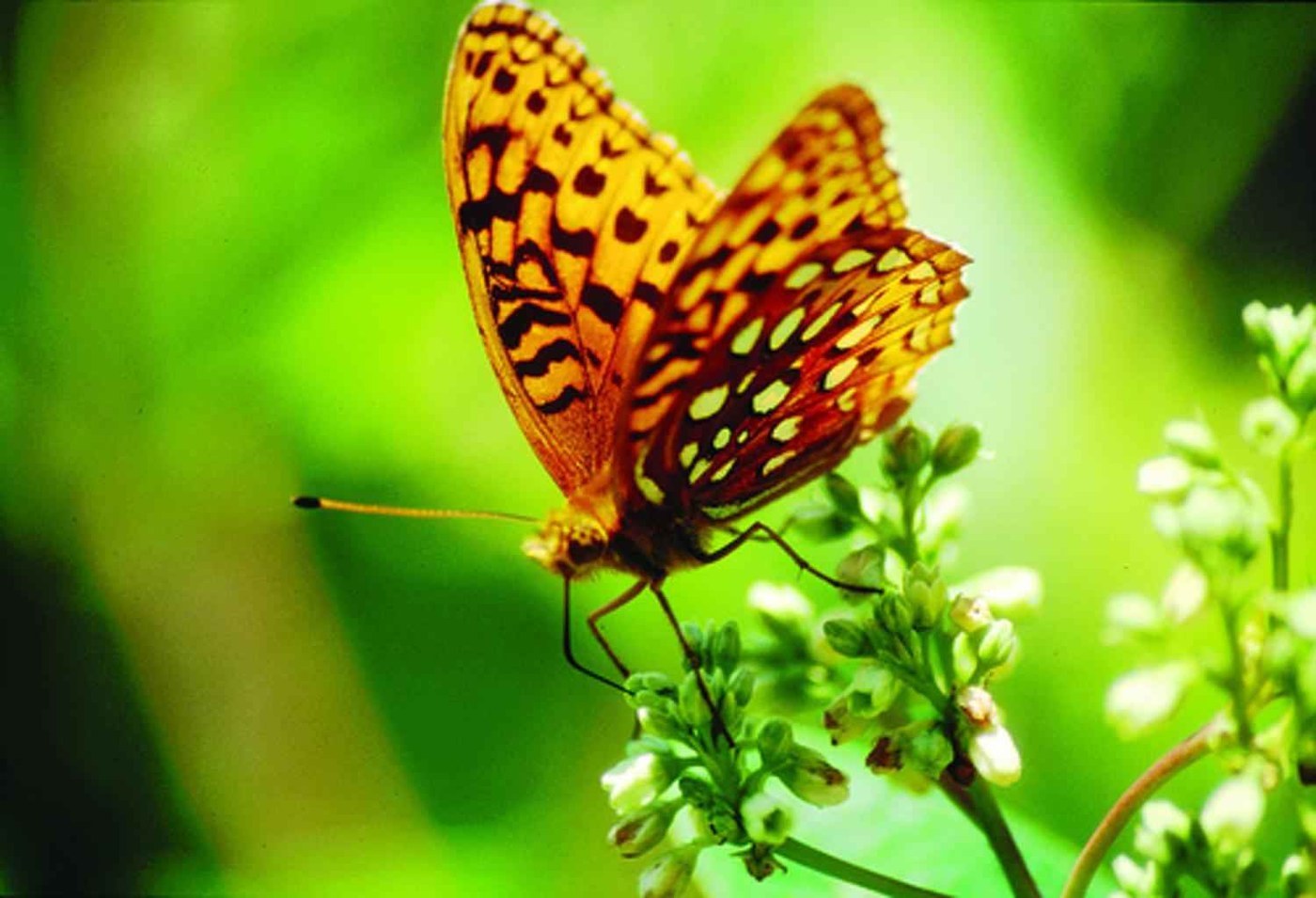
Great Spangled Fritillary
A large, robust orange butterfly with bold black markings above and a striking array of large silvery spangles on a tawny-brown underside, closely tied to woodland violets.
butterfly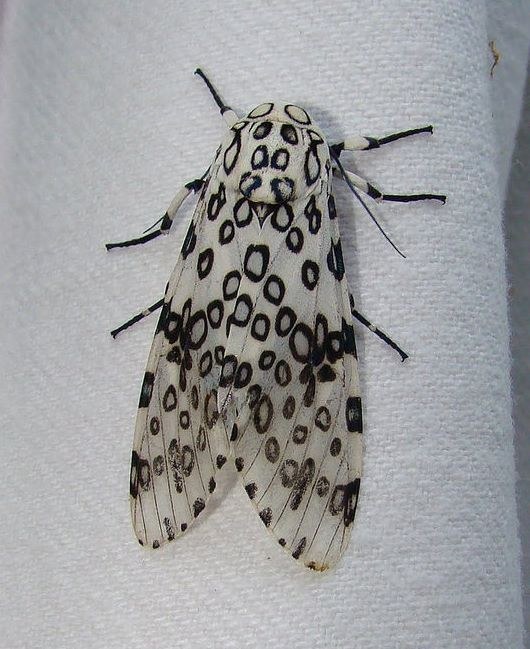
Giant Leopard Moth
A striking white moth patterned with bold, hollow black rings and dots resembling leopard spots, revealing an iridescent blue-black abdomen marked with orange when its wings part, making it one of the most eye-catching tiger moths in North America.
moth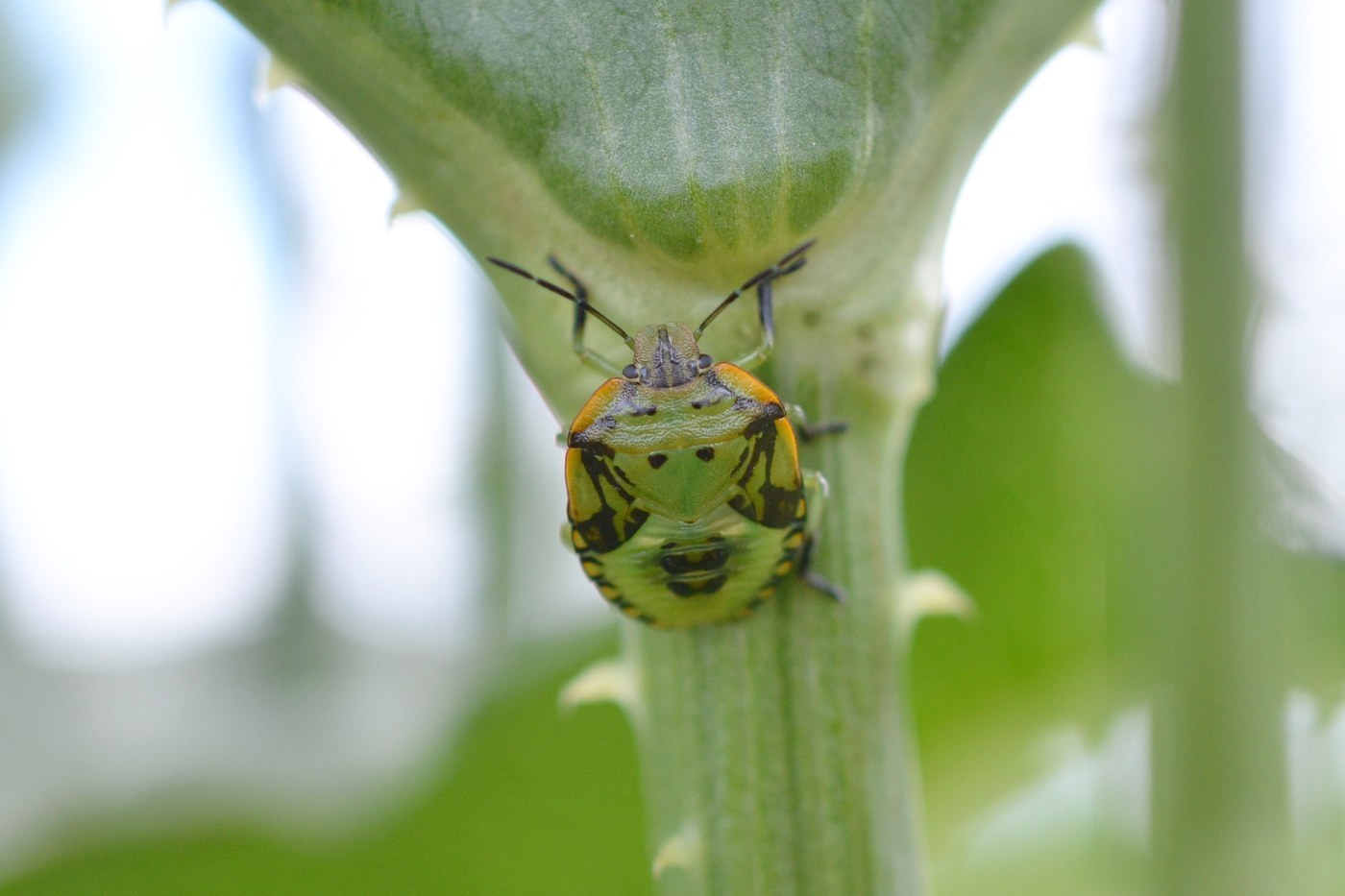
Green Stink Bug
A broad, shield-shaped bug in solid bright green with a shell-like appearance, easily disturbed off host plants and known for releasing a pungent odor when handled.
true-bug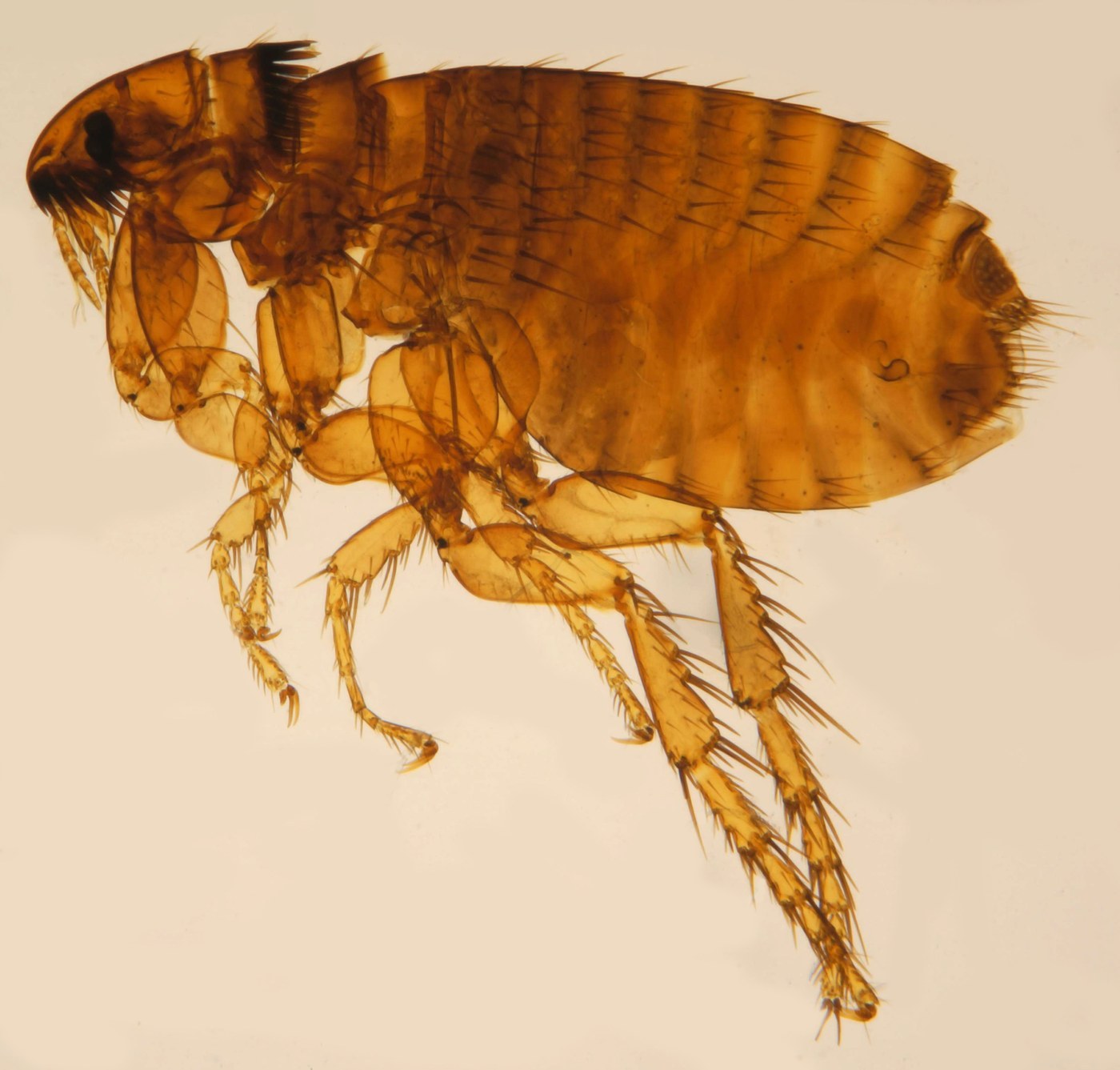
Flea
A tiny, wingless, laterally flattened insect built for moving swiftly through fur, famous for its powerful hind legs that allow it to leap many times its own body length.
otherGypsy Cutworm Moth
A plain, mottled grey-brown night-flying moth whose stout, soil-dwelling larvae are known as cutworms for their habit of severing young plant stems near ground level.
moth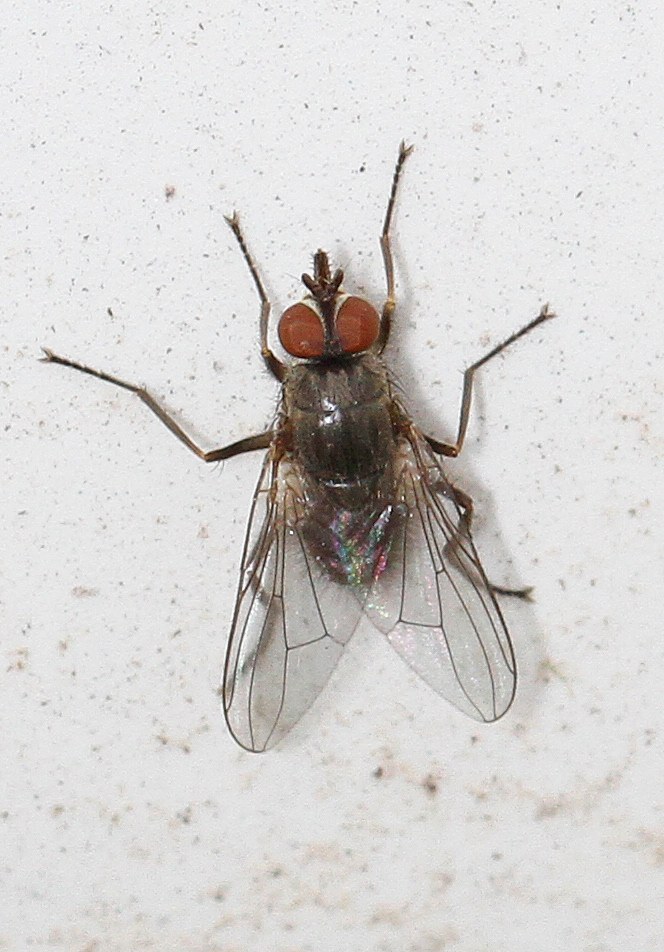
Horn Fly
A tiny, dark fly that clusters in dense patches on the backs and shoulders of grazing cattle, using piercing mouthparts to take frequent small blood meals.
flyJerusalem Cricket
A large, wingless, ground-dwelling insect with a shiny amber body, a strikingly human-like face, and a robust, banded abdomen, most often uncovered while digging in soil.
grasshopper-cricket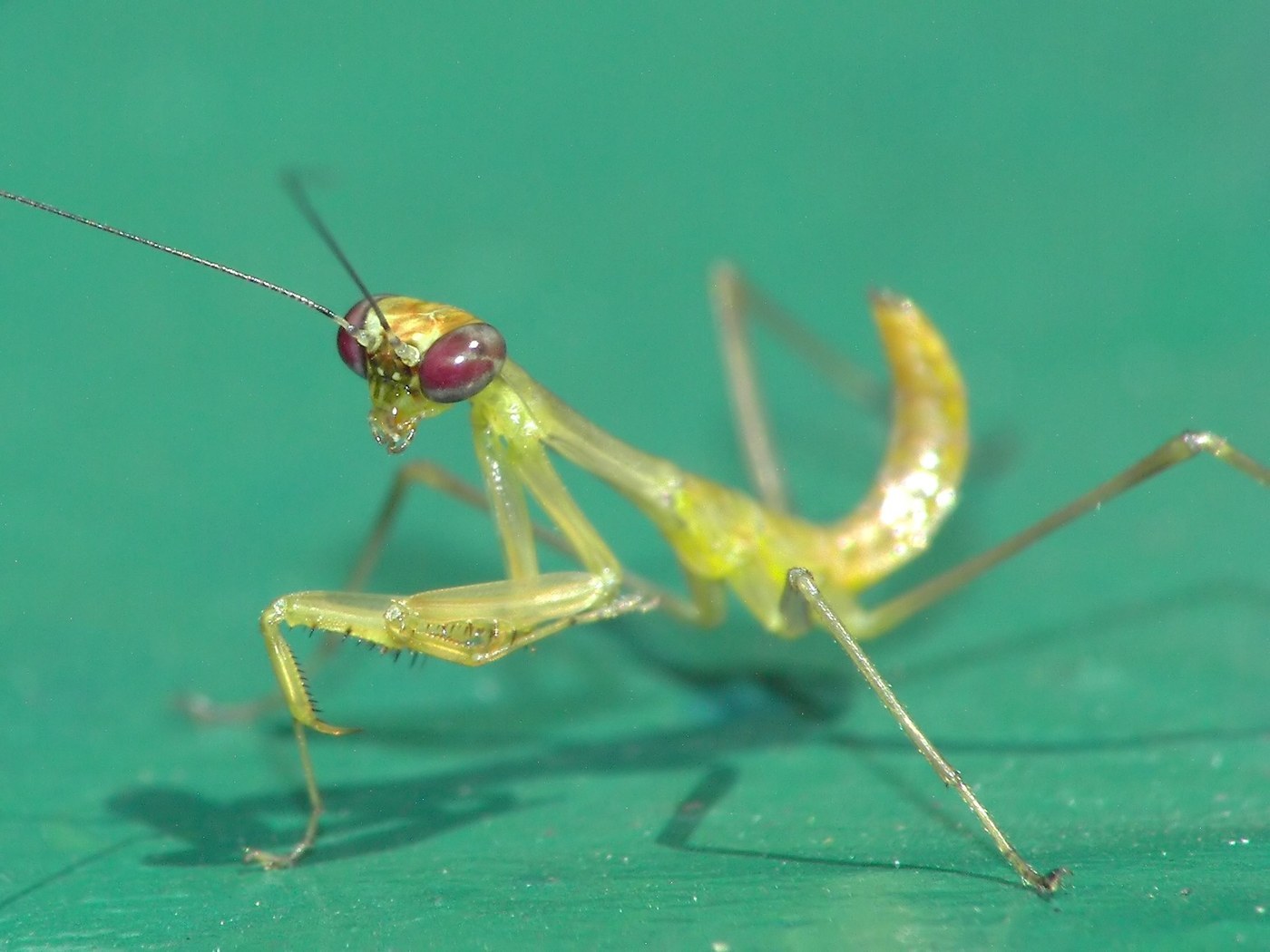
Giant Asian Mantis
A bulky, leaf-green predator that sits patiently among foliage, its powerful spined forelegs poised to snatch any insect that strays too close.
mantis-stick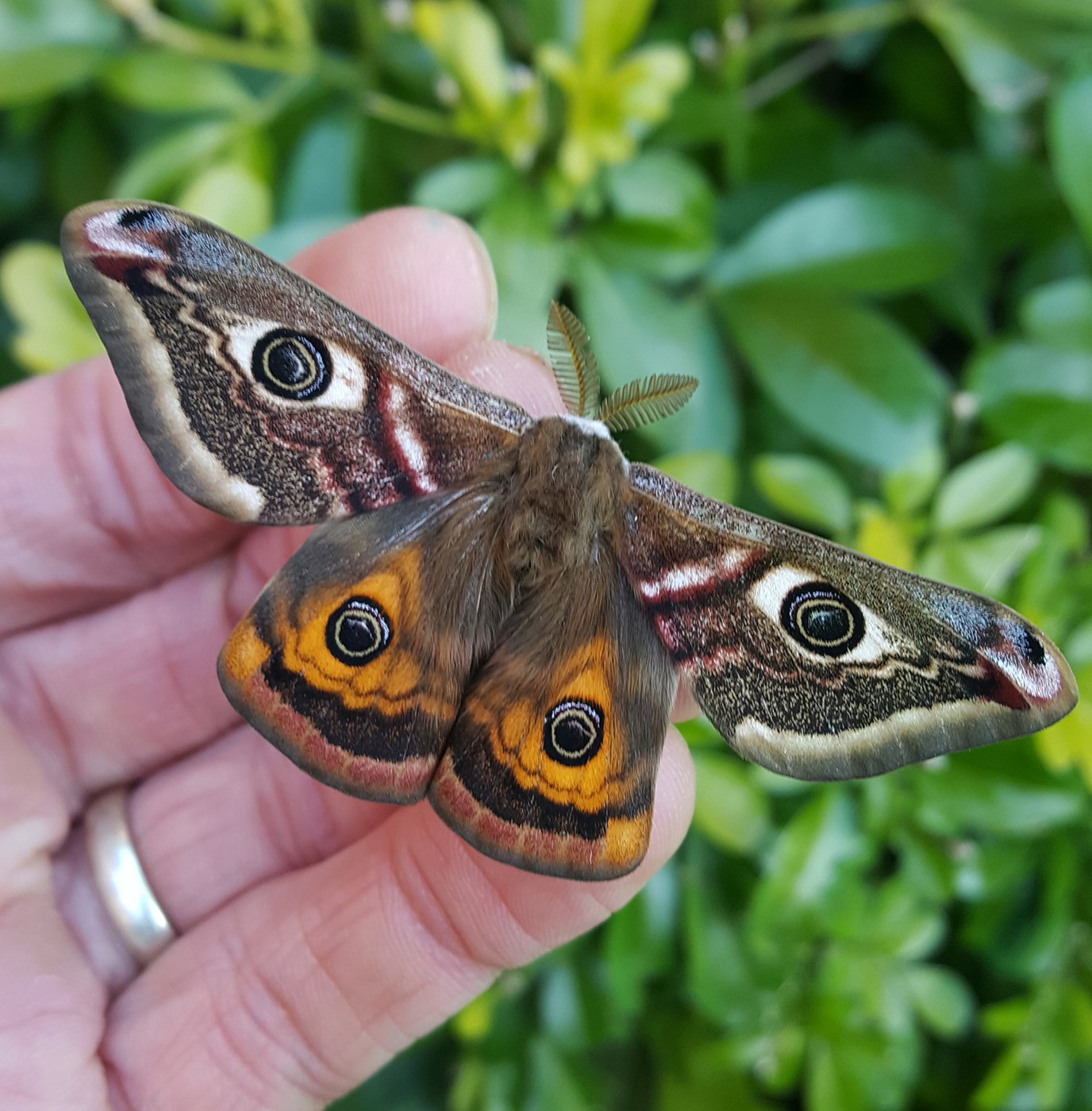
Emperor Moth
A striking silk moth with a large eyespot on each of its four wings, showing pronounced differences between the smaller, orange-brown, day-flying males and the larger, greyer, night-flying females.
moth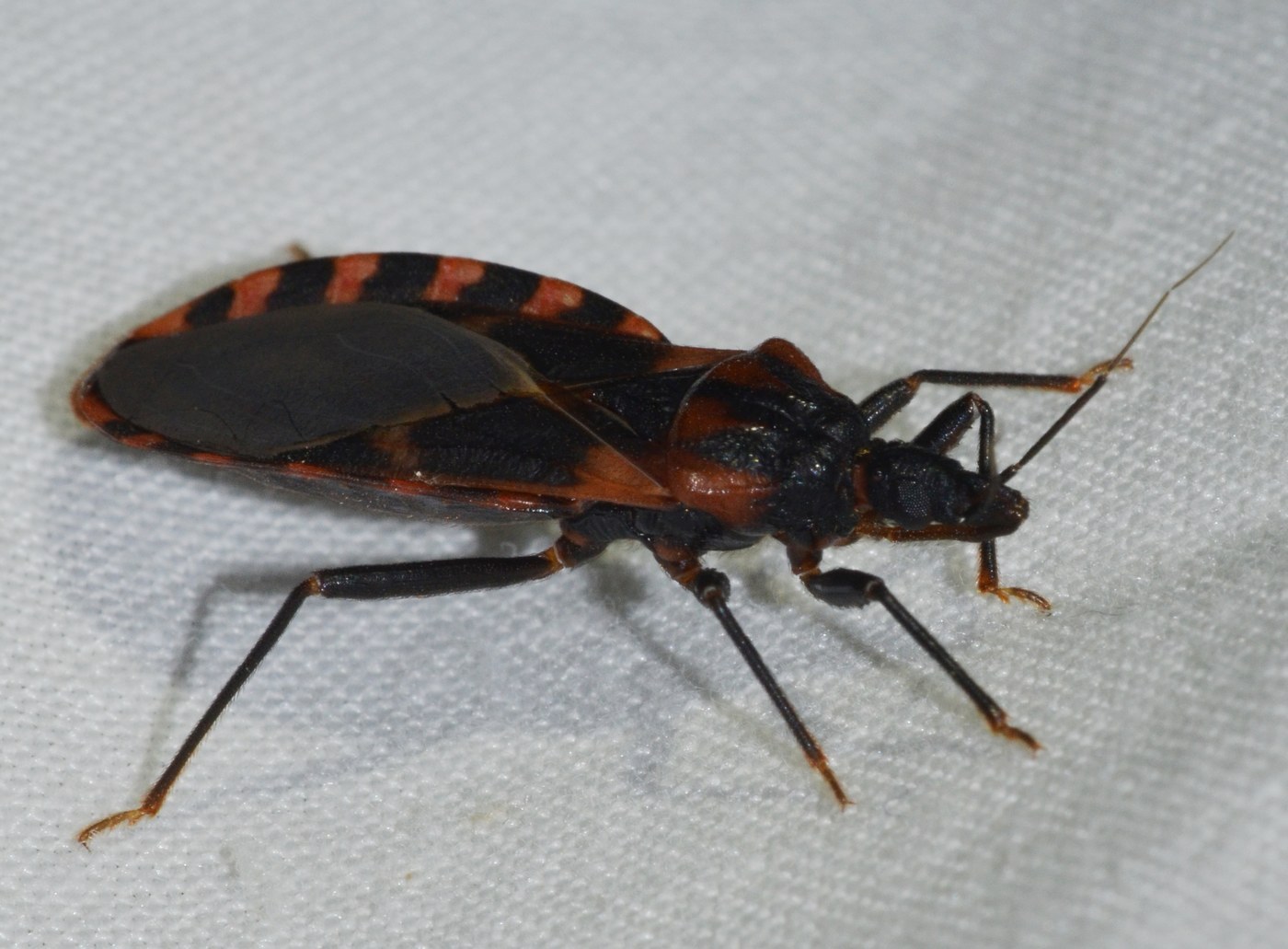
Kissing Bug
A dark, elongated true bug with a narrow, cone-shaped head and distinctive orange or red markings along the edges of its abdomen, most active at night.
true-bug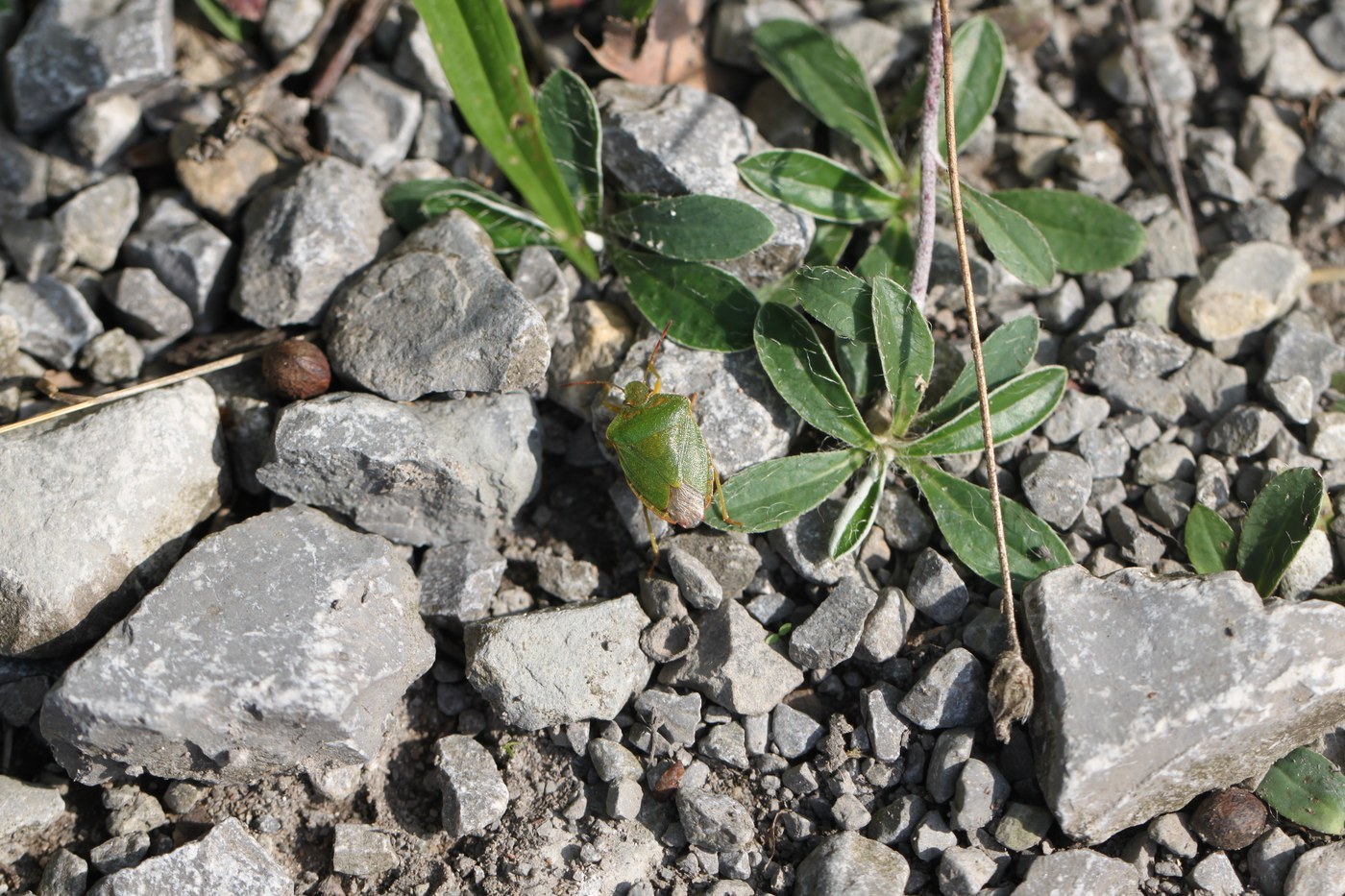
Green Shield Bug
A broad, shield-shaped true bug in solid bright green with a bronzy tinge in autumn, the green shield bug is one of the most commonly encountered stink bugs in European gardens and hedgerows.
true-bugHorse Fly
A stout, fast-flying fly with large iridescent eyes and a heavy, robust body, known for its persistent, buzzing pursuit of large mammals on warm summer days.
flyFire Ant Queen
The reproductive powerhouse of a fire ant colony, noticeably larger than the reddish worker ants and equipped with wings before she sheds them to found a new nest.
antFunnel Weaver Spider
Nearly invisible until dew or morning frost outlines it in silver, the funnel weaver's sheet-and-tunnel web is a familiar sight across lawns and gardens, with its owner watching from the safety of a silken tube.
spider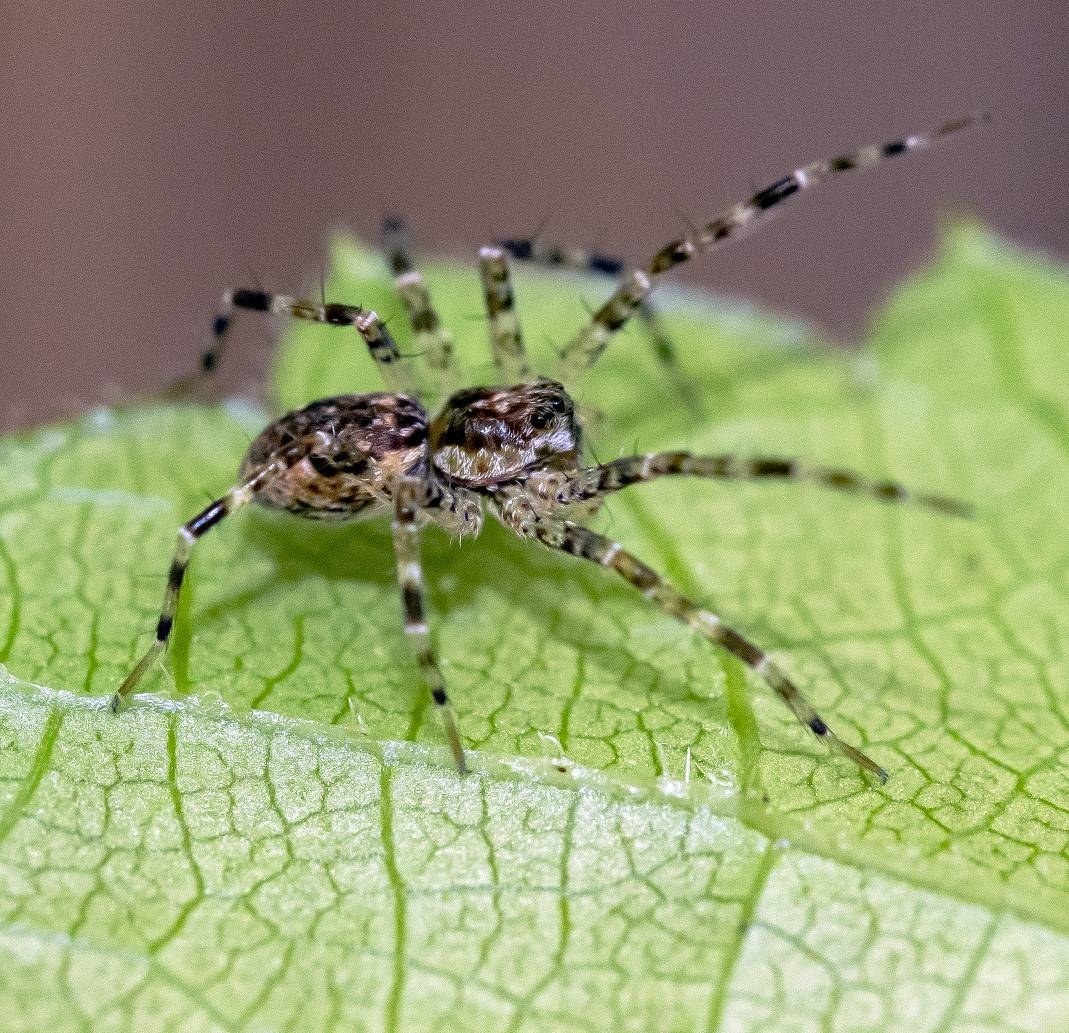
Fishing Spider
One of the largest spiders in North America, the fishing spider can walk on water, dive beneath the surface to escape danger, and ambush small fish and tadpoles with its front legs from the water's edge.
spider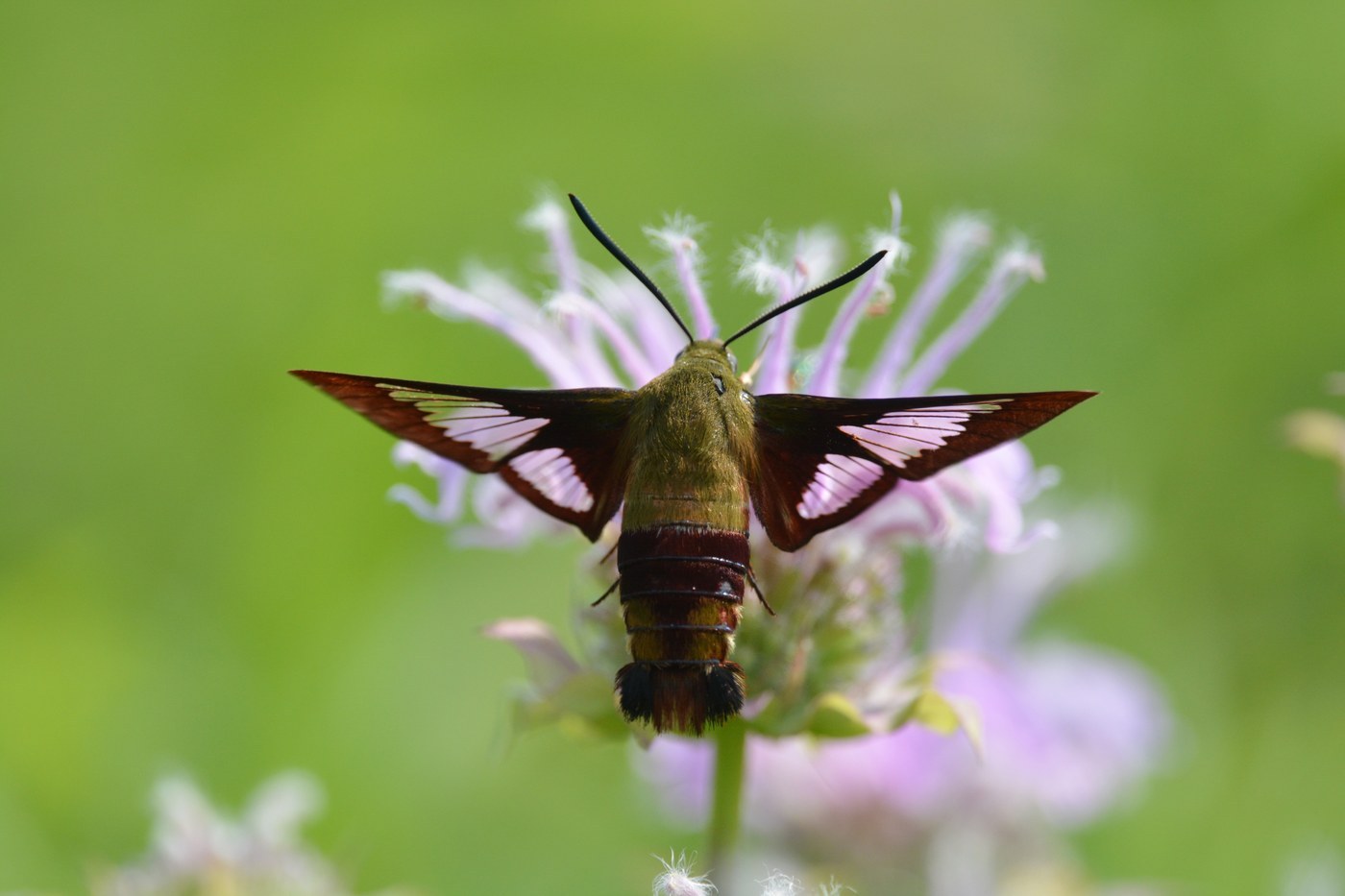
Hummingbird Clearwing Moth
A robust, olive-and-burgundy day-flying moth with mostly transparent wings that hovers at flowers exactly like a tiny hummingbird, unspooling a long proboscis to sip nectar.
moth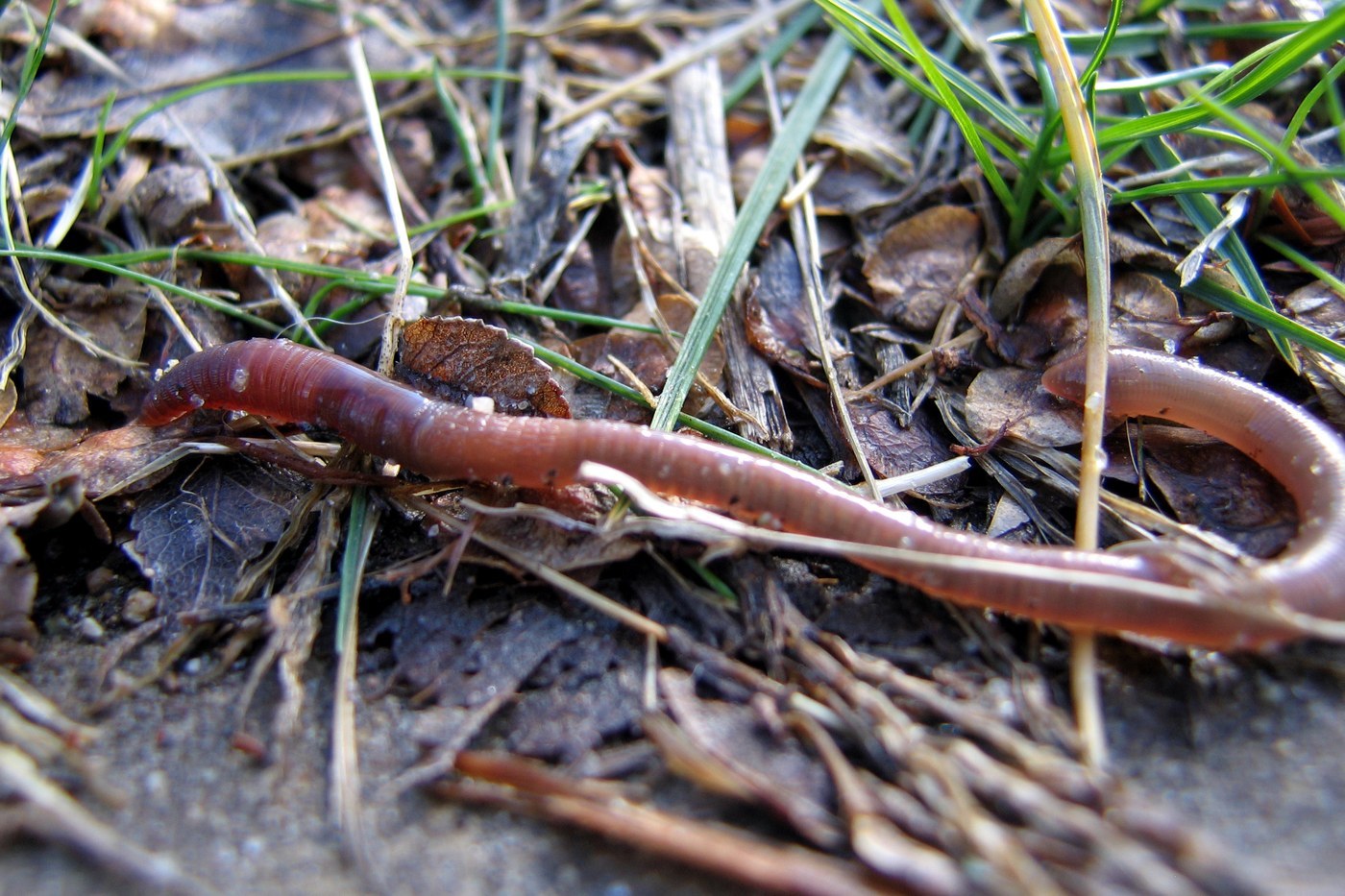
Earthworm
A long, smooth, segmented soil-dweller with no legs, eyes, or shell, best recognized by its ringed body and the pale saddle-like band (clitellum) found on mature individuals.
other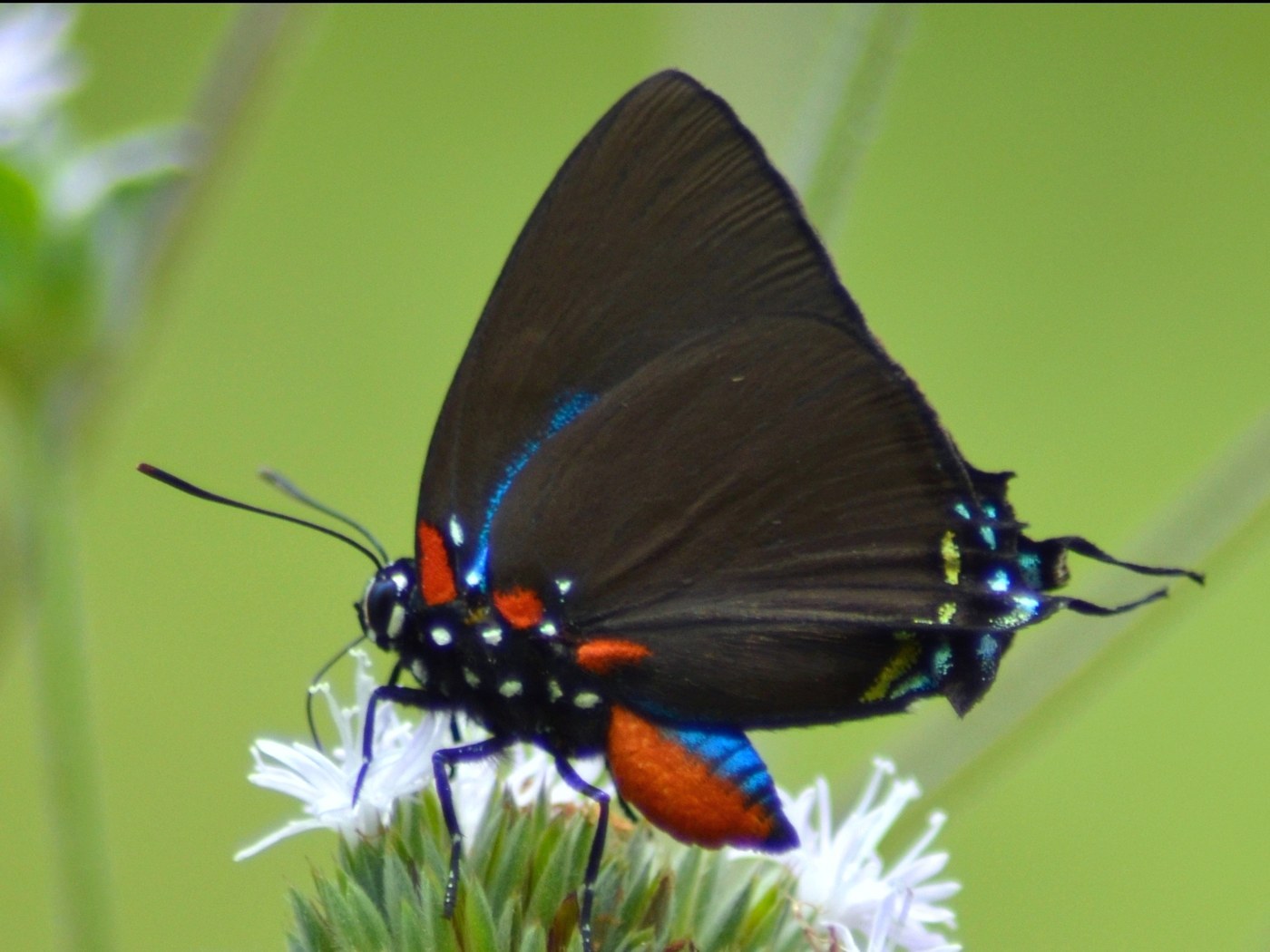
Great Purple Hairstreak
The largest and most iridescent hairstreak in North America, with brilliant blue-green upperwings, red-orange spots on the body and wing base, and long twin tails, its caterpillars feeding on parasitic mistletoe clumps in host trees.
butterfly